

TOC
ICHINO HIDEKAZU-GAMA
profile
Hidekazu Ichino
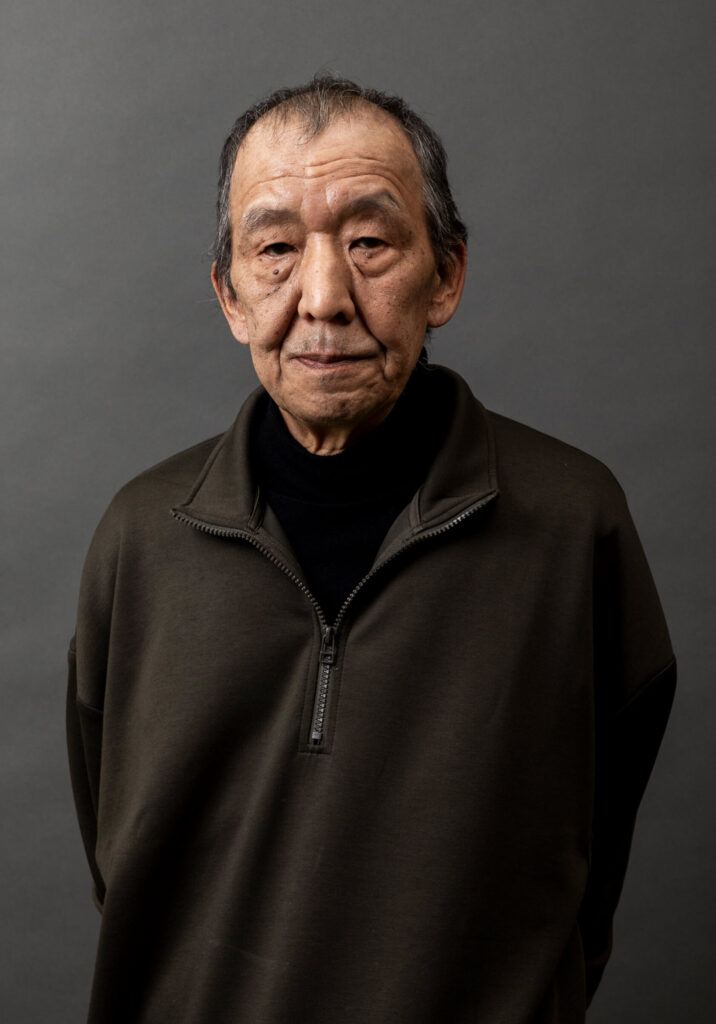
profile
Hidekazu Ichino
Established 40 years ago / 1st generation
Year of Birth :1959
Year Began Pottery :1986
Education / Training Background
1982: Graduated from Osaka University of Arts
Major Awards
1990 – First Selected, Japan Traditional Crafts Exhibition (also 1992, 1996, 1997)
1991 – First Selected, Tanabe Museum Exhibition (selected multiple times thereafter)
1993 – First Selected, Japan Ceramic Art Exhibition (also 1995, 1997, 1999)
1995 – Grand Prize, Nissin Contemporary Ceramic Noodle Bowl Exhibition
1997 – Selected, Asahi Ceramics Exhibition; Selected, Yakishime Ceramics Exhibition
1998 – Selected, Mashiko Ceramics Exhibition
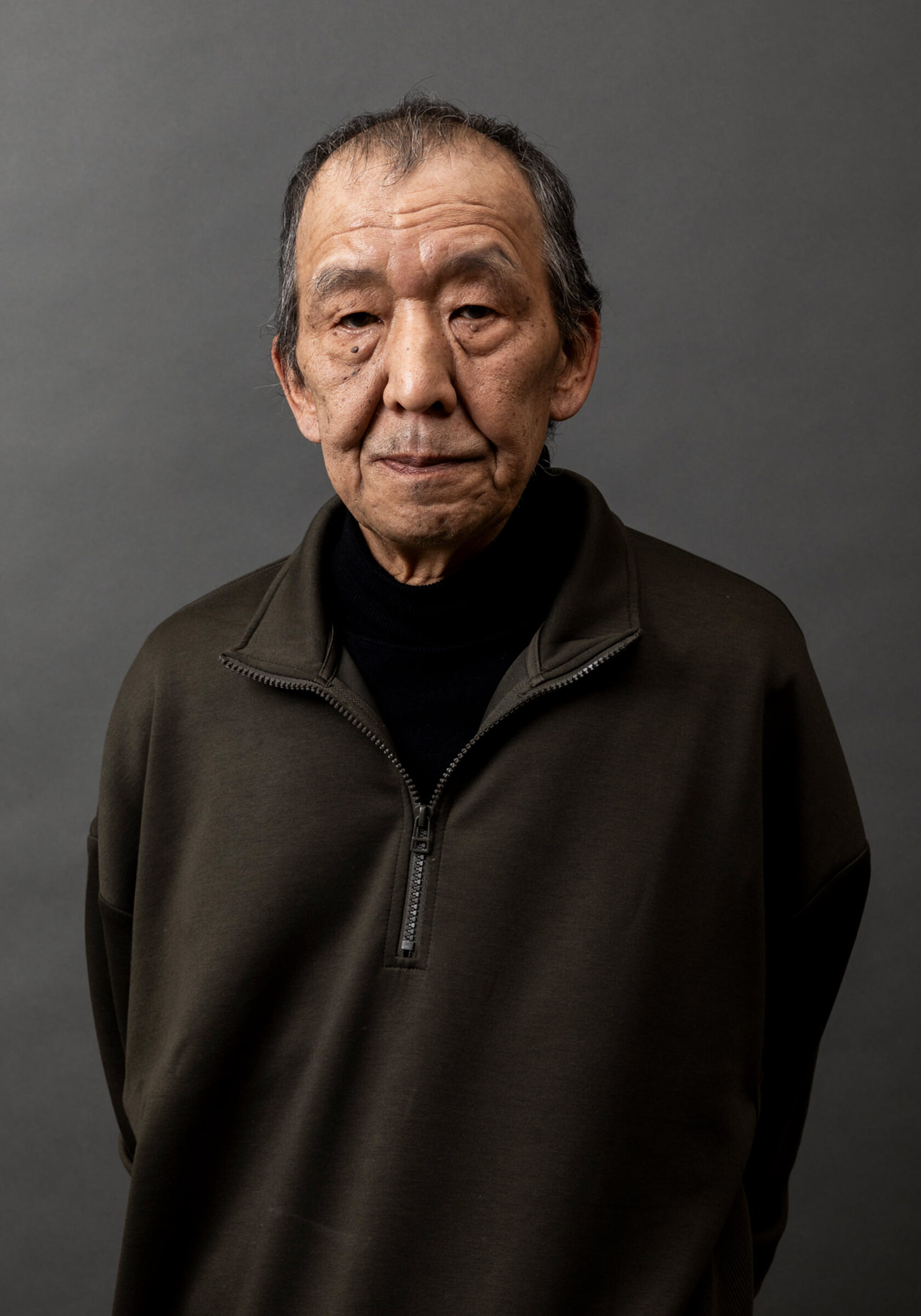
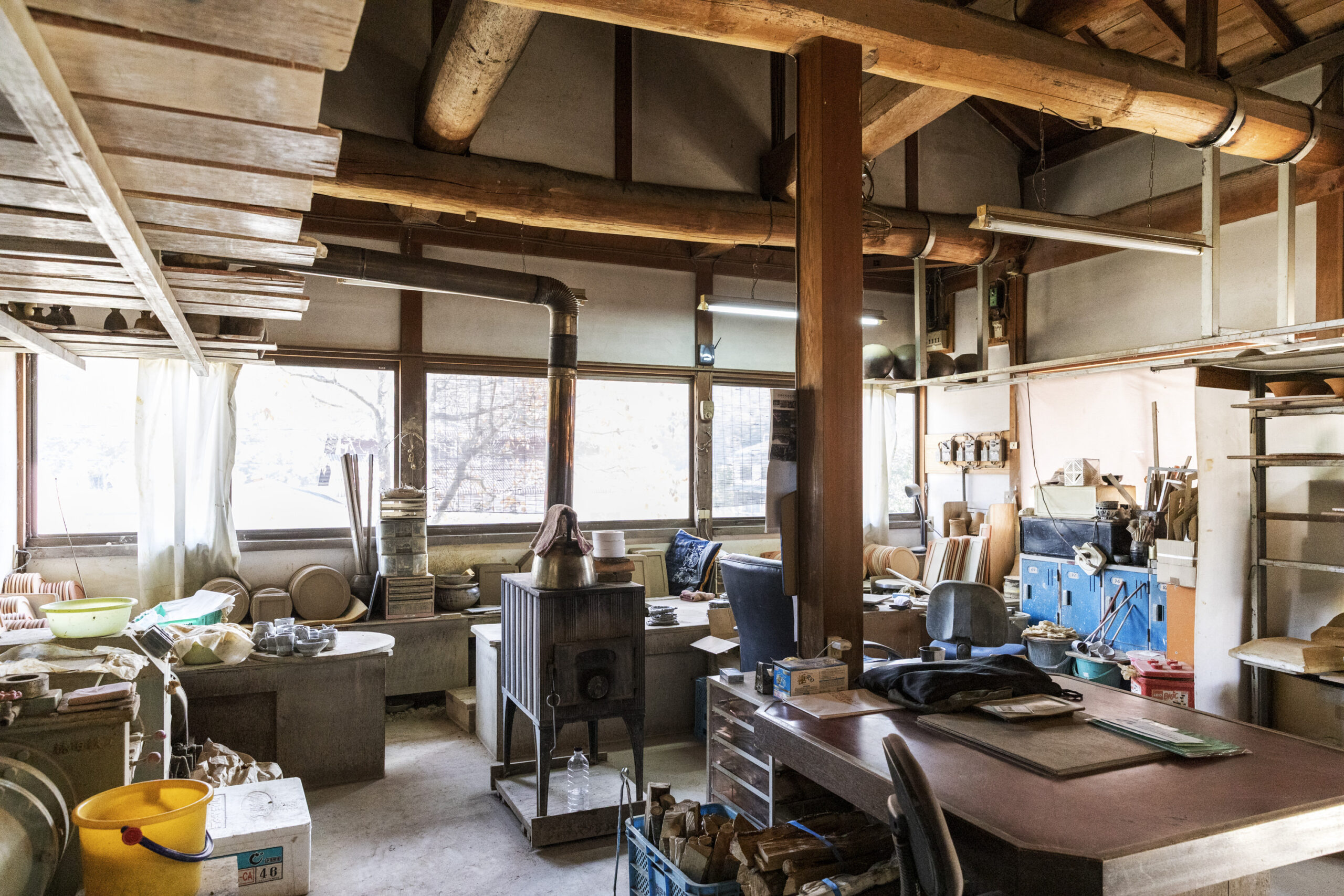
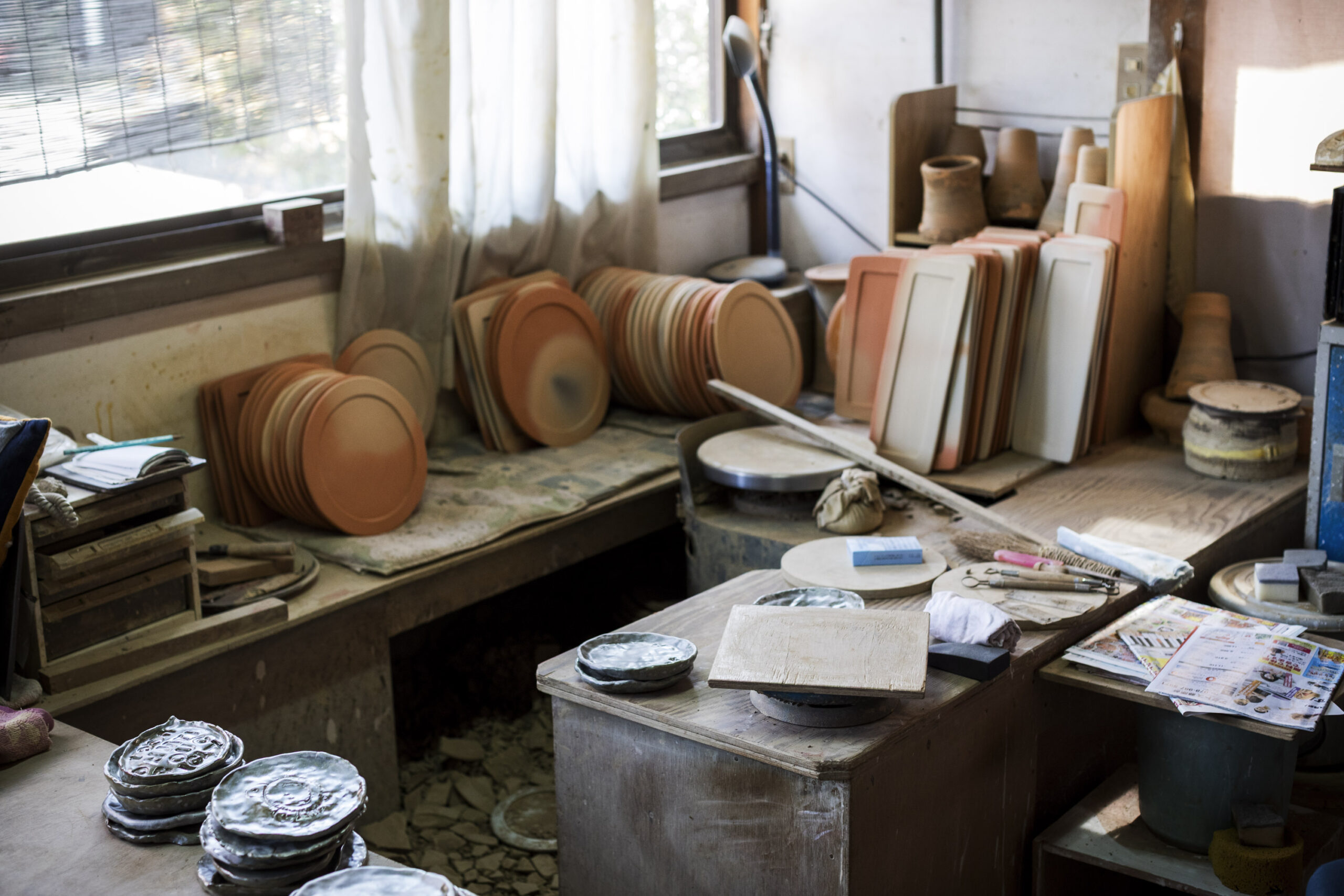
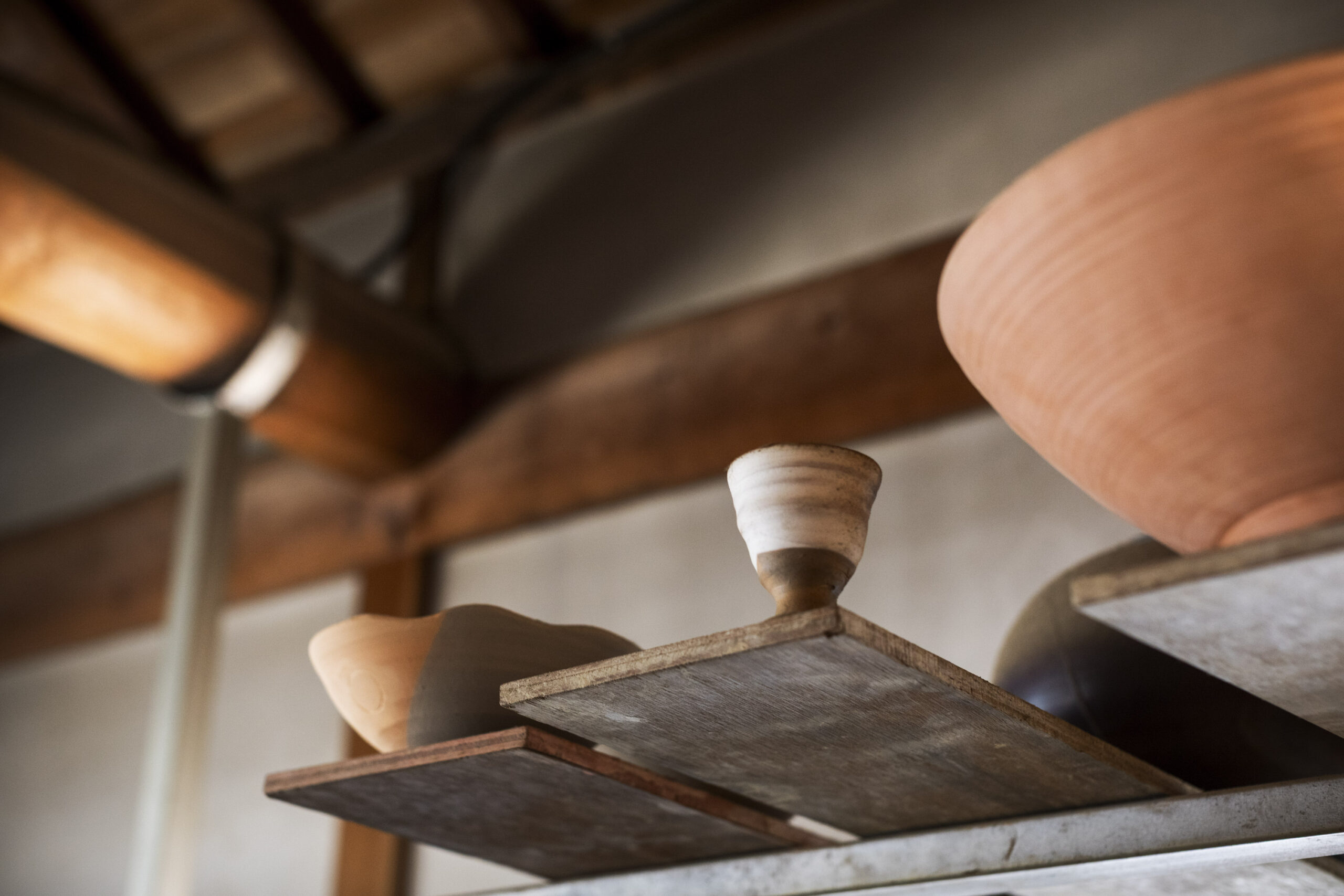
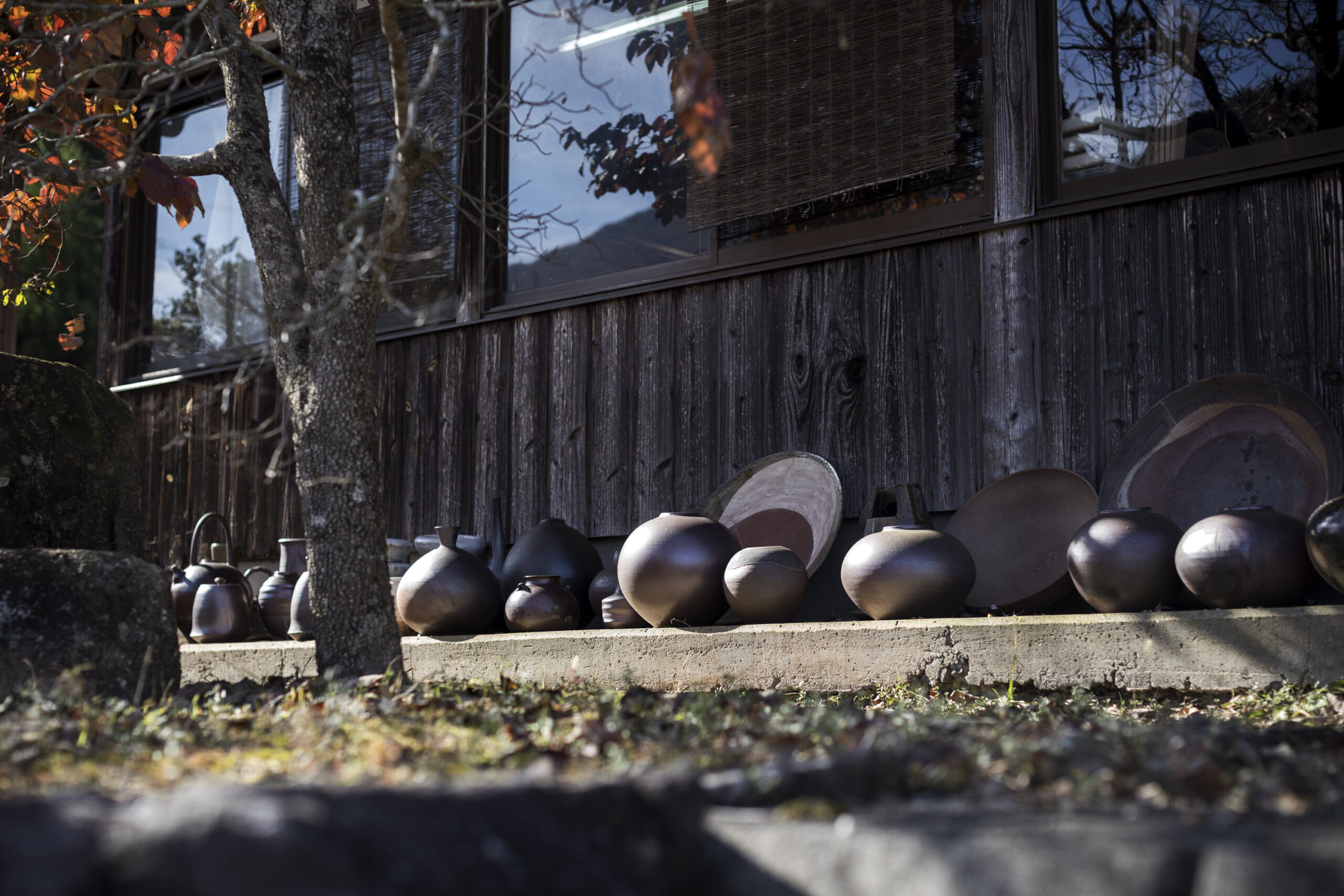
The state of the workshop
スクロールできます
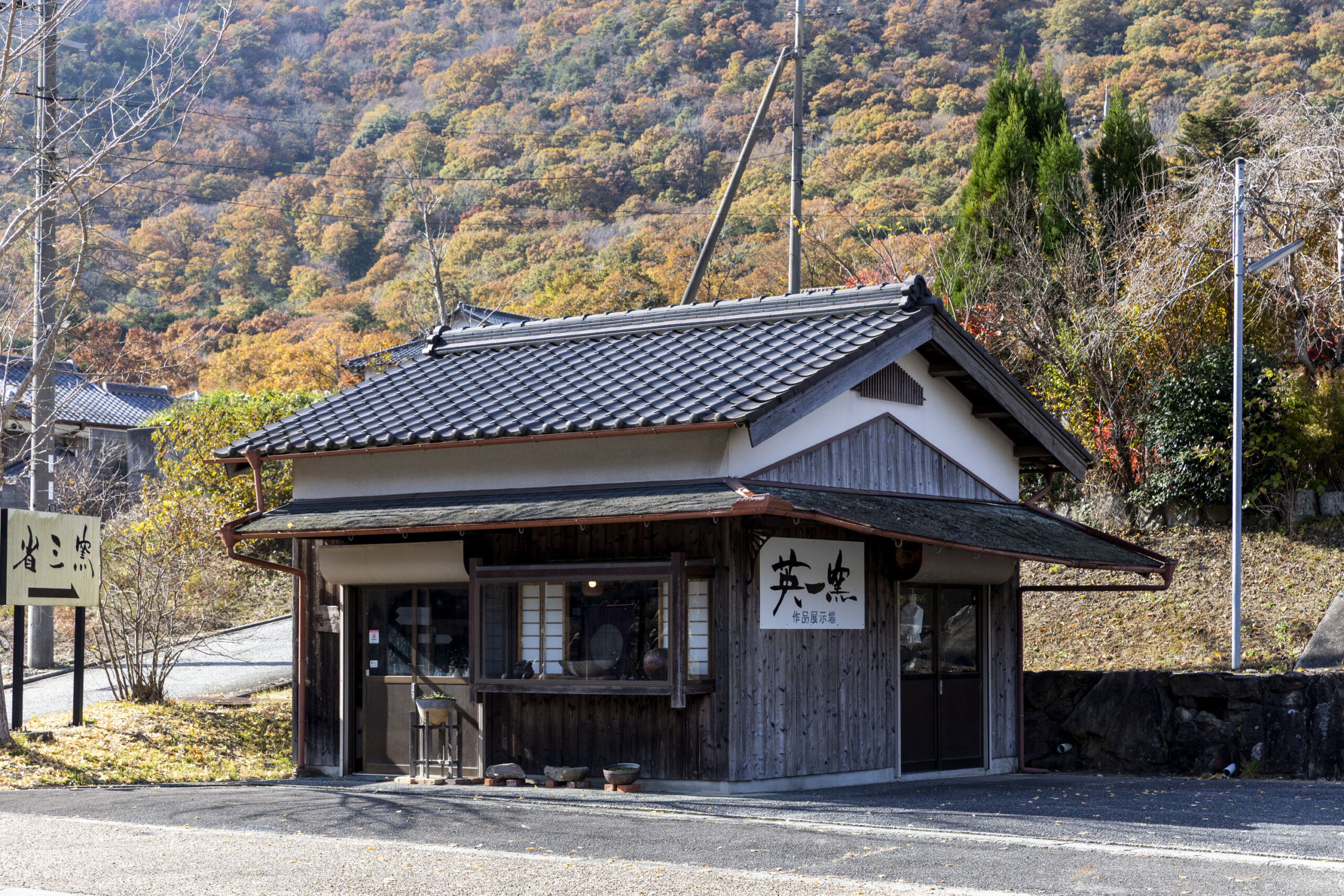
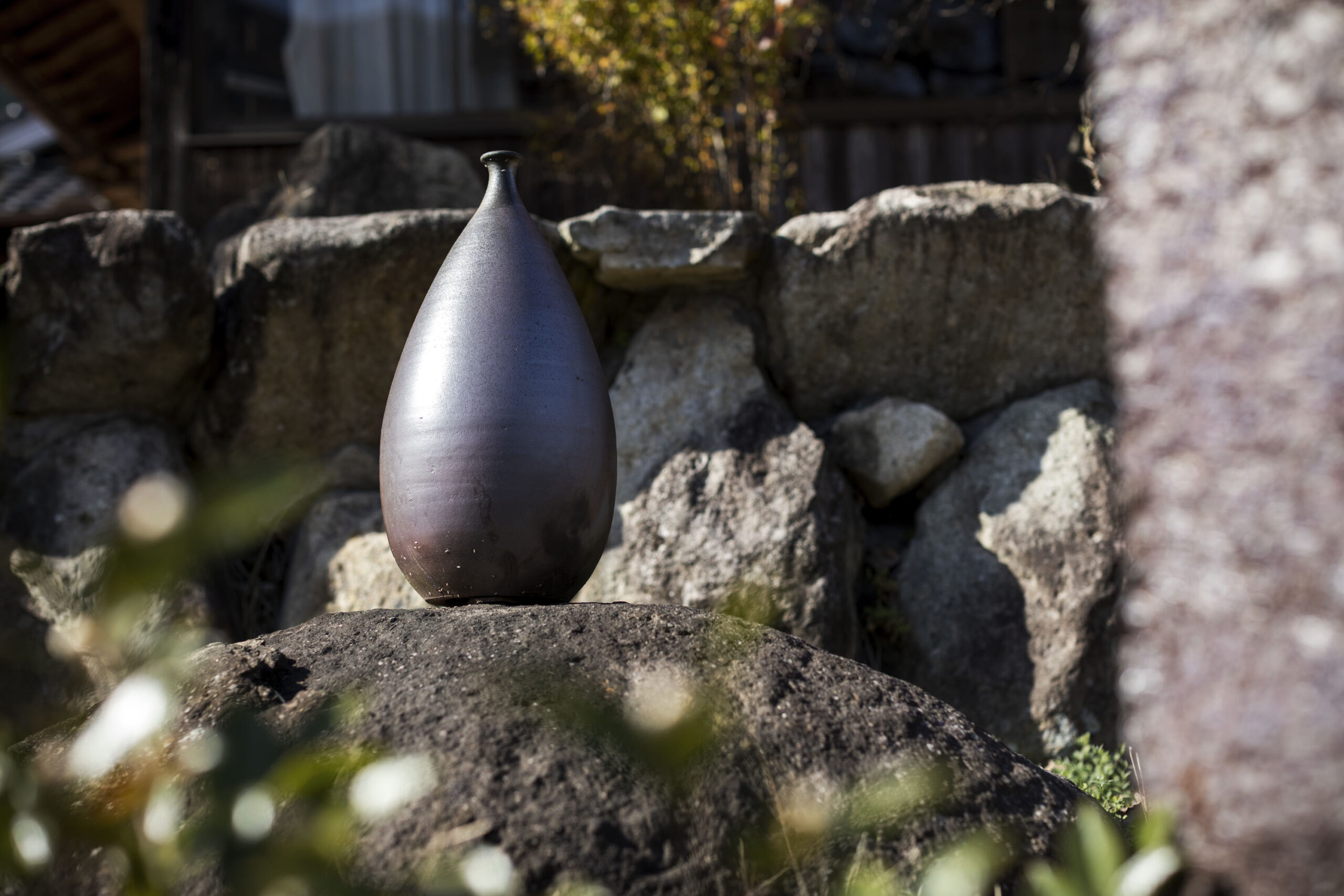


Works
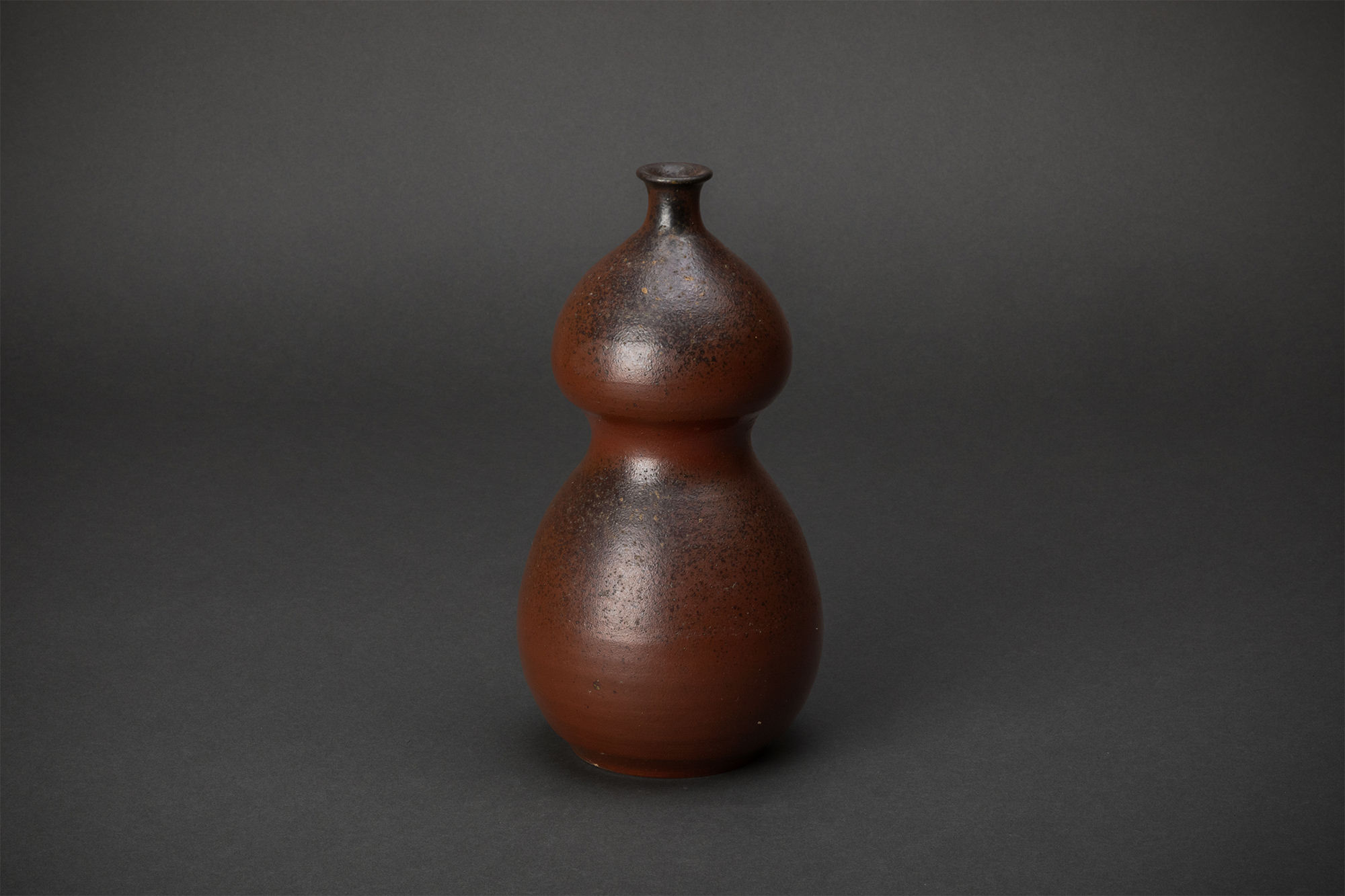
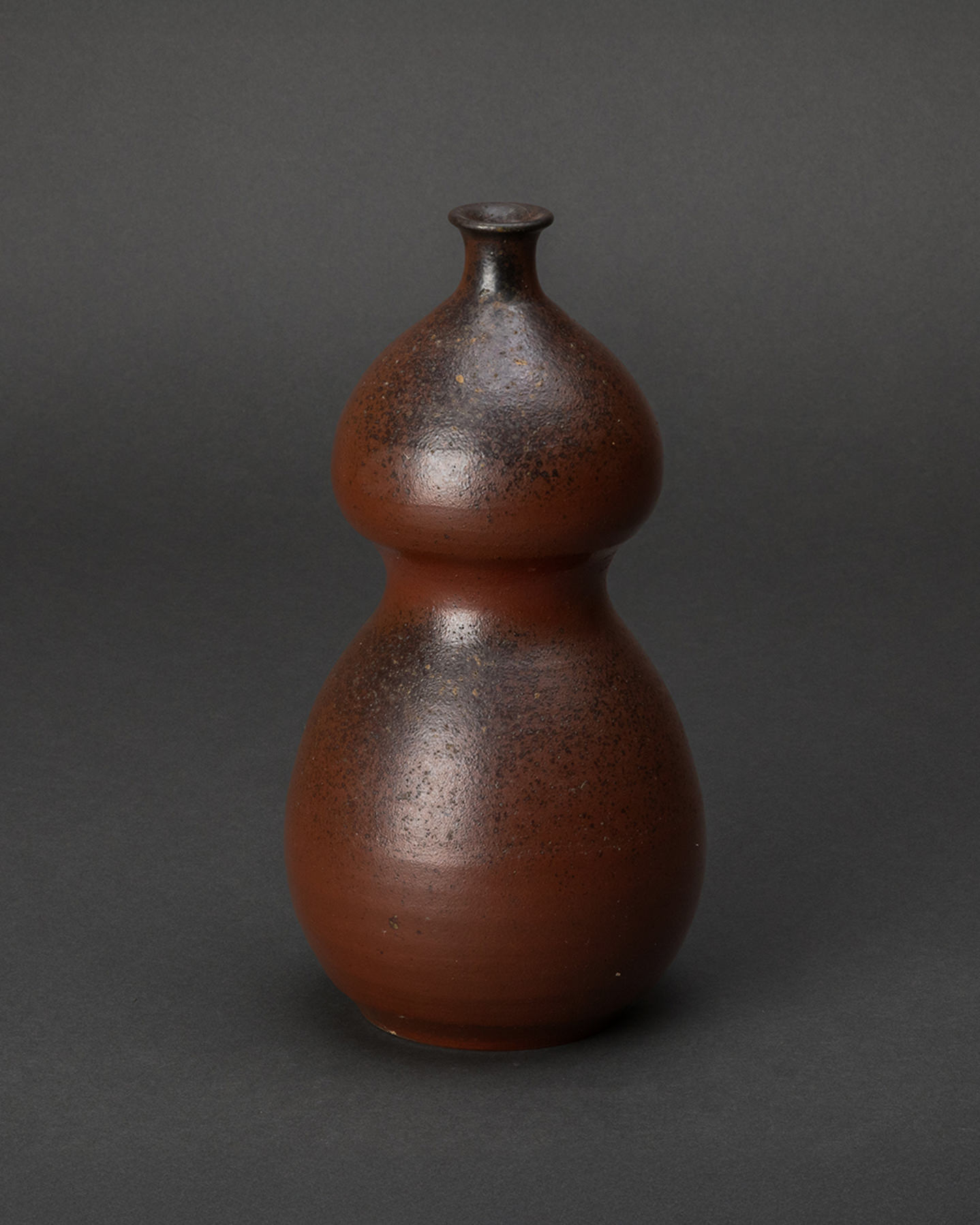
photo:AOTANI Takeru
Interview
Because the “flat” surface is created by hand, true skill shines through.
The aesthetic eye of Hidekazu Ichino, deepening tradition
Never compromising on flatness. Simple plates meticulously designed for cuisine
Hidekazu Ichino of ICHINO HIDEKAZU-GAMA (hereafter, Hidekazu) is a potter who has continued to refine his own expression while working with Tamba clay for more than 40 years since establishing his kiln. While grounded in tradition, he has long explored forms of expression that are not bound by existing styles.
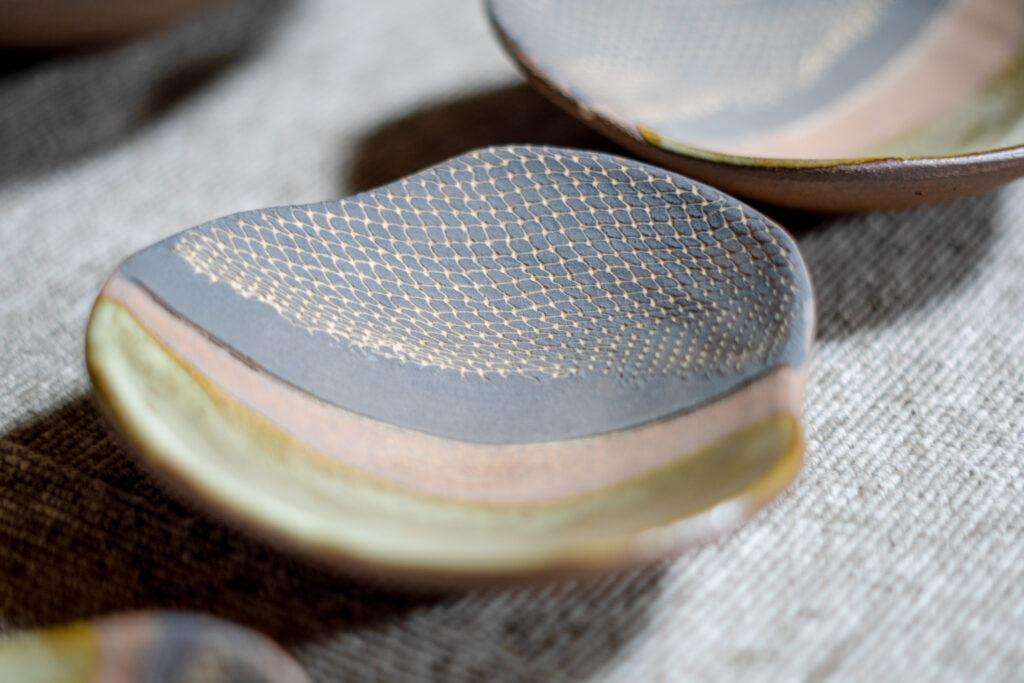
His Amime Zogan (inlaid net-pattern) series, which combines traditional Tamba ware with net-like geometric patterns, has been loved for over 30 years. It is a series where the rustic nature of clay coexists with orderly decorative motifs.
In recent years, another series has gained popularity, especially among younger generations through social media: the classic plate.
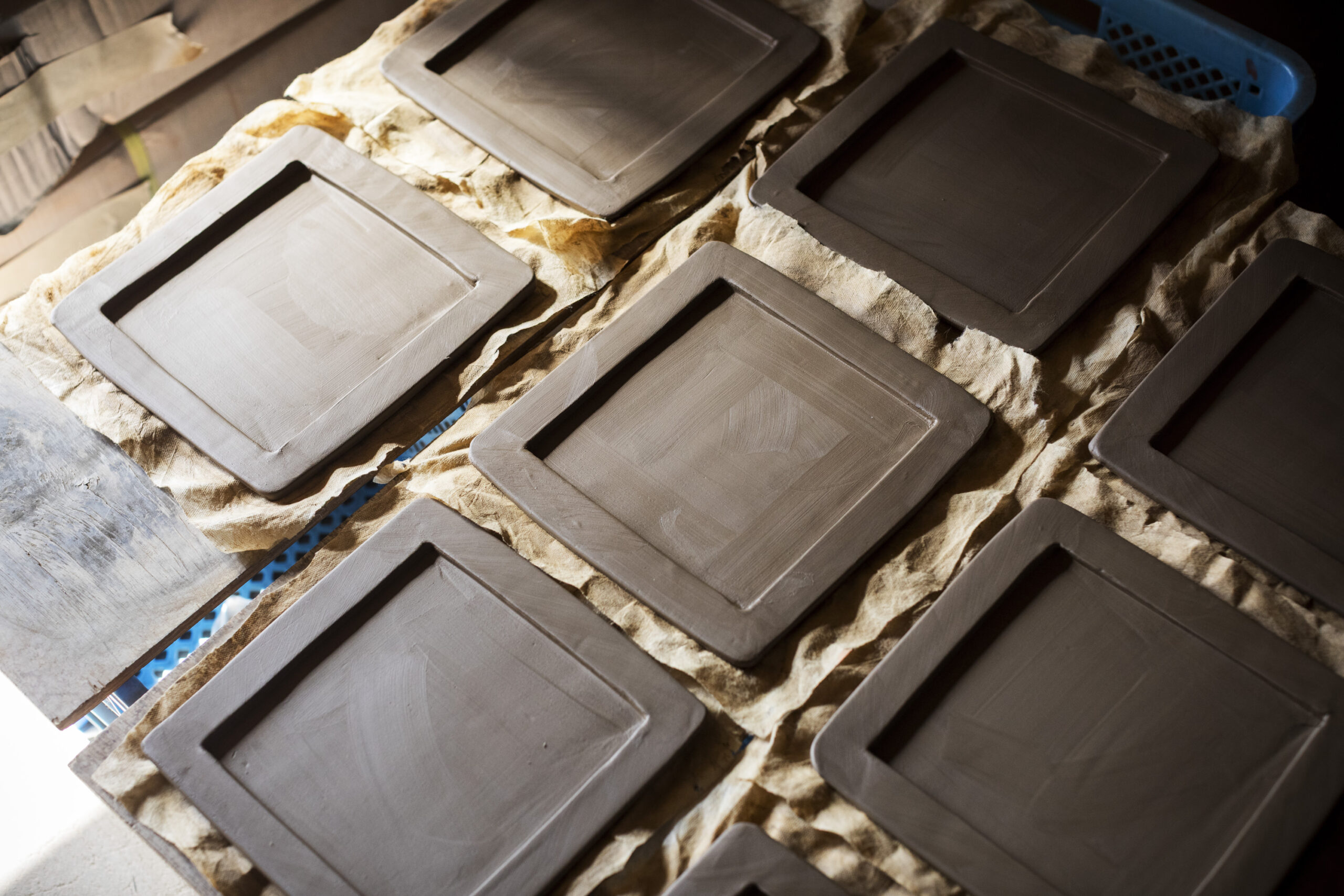
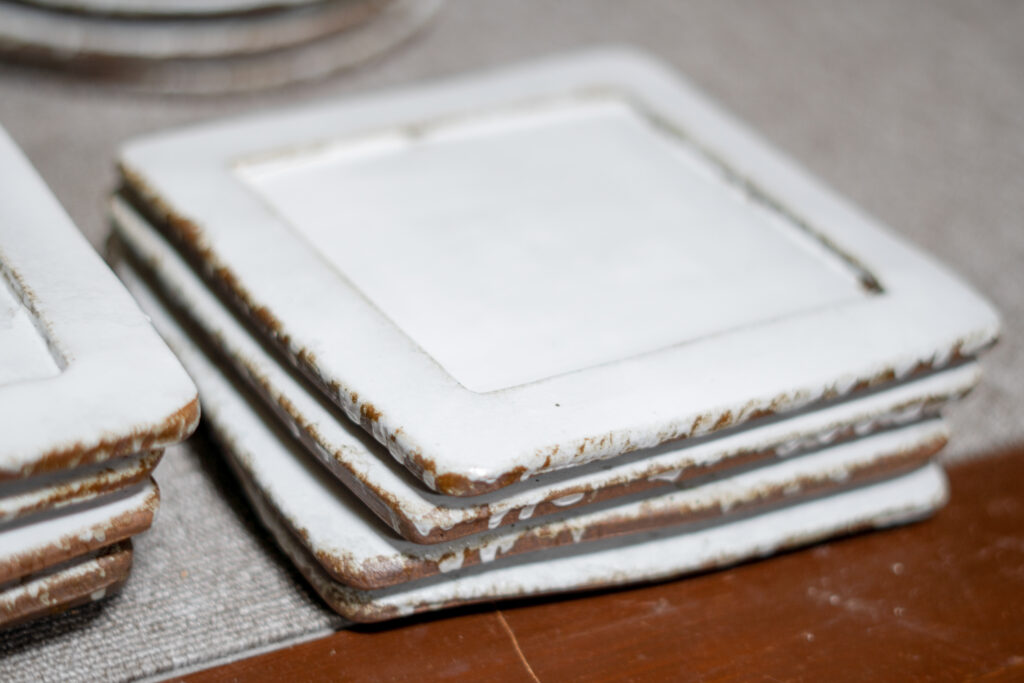
The shapes are round and square. The surfaces are evenly flat. There is no unnecessary decoration. When held, they feel thick and reassuringly solid. They remain quiet and understated to the very end.
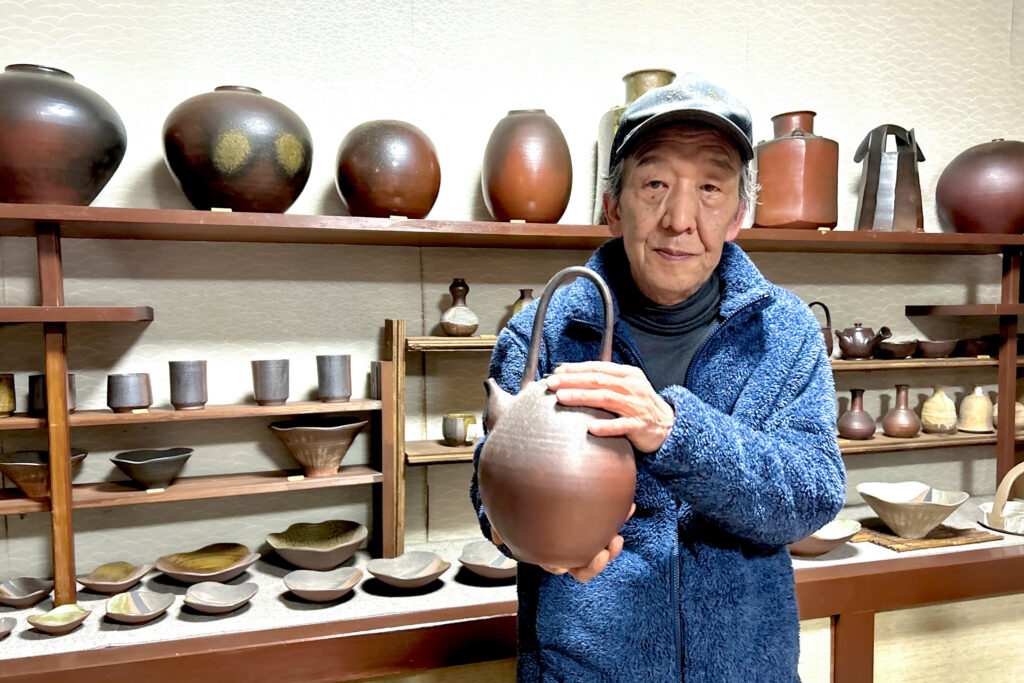
“A form needs enough restraint to let the food become the main character when it is plated. This flat form was developed together with the head chef of a hotel in Kobe. We pursued the balance for different menus and arrived at four sizes: 27, 25, 23, and 18 cm.”
The colors are decisively limited to just two: white and black. Yet their expressions are far from uniform. The black reveals subtle shadows depending on the light, while the white allows the reddish-brown tone unique to Tamba clay to softly show through, creating an almost antique texture.
“White is difficult. I apply the glaze thinly so the material’s texture comes through. Limiting the number of colors strengthens the expression. Rather than trying many different things and losing focus, it’s important to refine one distinct character.”
At first glance, they appear to be simply flat, minimalist plates. In reality, however, Hidekazu anticipates warping during firing and suppresses the clay’s natural tension. He slightly lowers the inner rim and carefully shaves each plate with a kanna tool until the thickness becomes perfectly even.
Mass production would be possible using plaster molds, but Hidekazu chooses not to. Achieving true flatness through handwork—this steady accumulation of effort is what supports these plates.
“What I want to make” over “what sells.” Why he became independent from the family business
Hidekazu’s father ran a pottery business in Tamba Tachikui, producing forms that met the needs of each era.
“I loved drawing since high school, and I studied painting at Osaka University of Arts. But when it came time to choose my major in the third year, the family business must have been somewhere in my mind. I chose ceramics in the crafts department.”
After graduating from university, he did not go elsewhere for formal training but helped at his father’s studio for about six months. However, the arrangement did not last long.
“My father’s generation had to make ‘what sells’ in order to survive after the war. But when I was around twenty, I wanted to pursue my own designs and expression. I had a strong artistic inclination. In the end, my father and I didn’t see eye to eye, so I became independent.”
In his youth, Hidekazu submitted works to public exhibitions across Japan, winning selections and major awards with pieces featuring net-pattern decoration. Eventually, department stores began inviting him to hold solo exhibitions.

Reading and observing daily life. The perspective supporting Hidekazu Ichino’s craftsmanship
Hidekazu’s work is supported not only by clay and technique but also by decades of reading and reflection.
Over the years, he has spent time between making pieces reading specialized books. His personal collection numbers between 1,200 and 1,300 volumes. From Jomon pottery to contemporary ceramics, he has absorbed a wide range of knowledge and made it his own. The inspiration for his net-pattern inlay series also came from the patterns of Jomon pottery.
When speaking about guiding principles for his work, Hidekazu mentions the names of globally renowned business leaders.
“Konosuke Matsushita, Soichiro Honda, Tadashi Yanai of UNIQLO, and Ingvar Kamprad of IKEA. Their books are fascinating. I’m especially impressed by IKEA’s idea of making products assemble-it-yourself so customers can take them home easily. It reduces space and cost while delivering directly to the customer. That way of thinking resonates with Yanai’s approach as well.”
Rather than luxury decorative jars of the past, Hidekazu has continued to create forms meant for use in modern daily life. When he sees his pieces being used on social media, he enjoys it, thinking, “That plating looks great.” He also emphasizes their durability, noting that they are strong enough for dishwashers.
“I don’t post on social media myself—I just look. When customers happily share my work, it builds trust.”
While grasping the essence of a craft handed down continuously through history from many angles, his gaze always returns to “life today.” A sharp aesthetic sense and a rational approach to running a studio—these two elements together shape the work of potter Hidekazu Ichino today.
Interview, Text, and Photography:NOUCHI Nana
Overview
of
ICHINO HIDEKAZU-GAMA
Address
2-2 Mizunooguchi, Kamitachikui, Konda-cho, Tambasasayama, Hyogo, Japan
TEL
FAX
Website