
TOC
NOBORIGAMA
profile
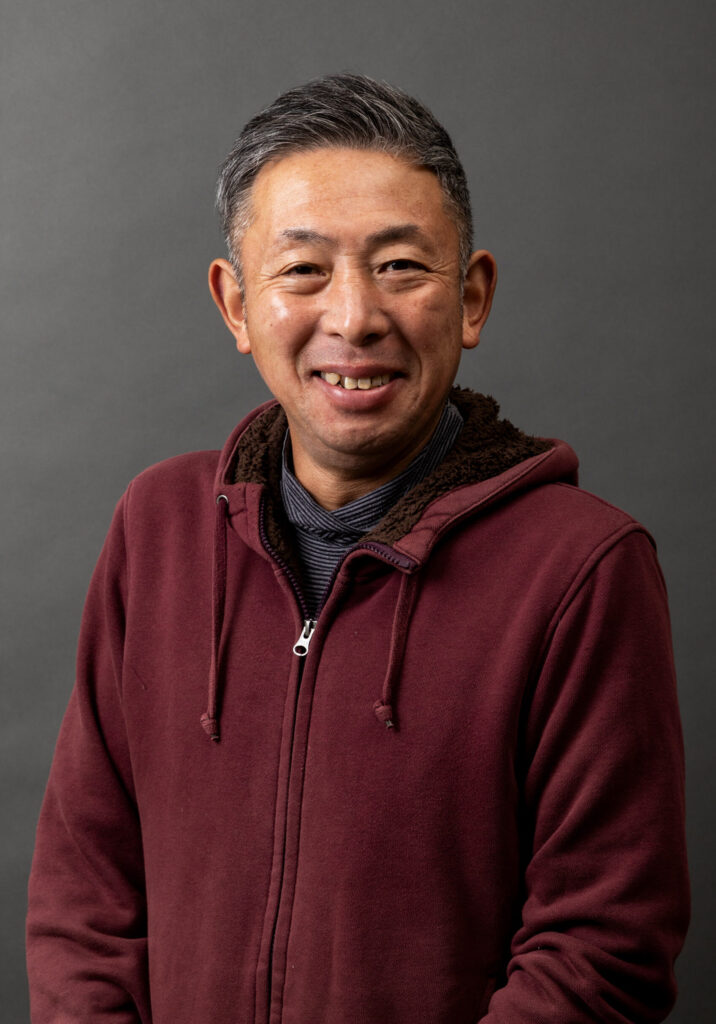
Kazuya Shimizu
profile
Kazuya Shimizu
10th generation
Year of Birth:1973
Year Began Pottery:1991
Education / Training Background
Graduated from Kobe Koryo Gakuen High School
Studied under Ryuichi Kakurezaki (Bizen yaki)
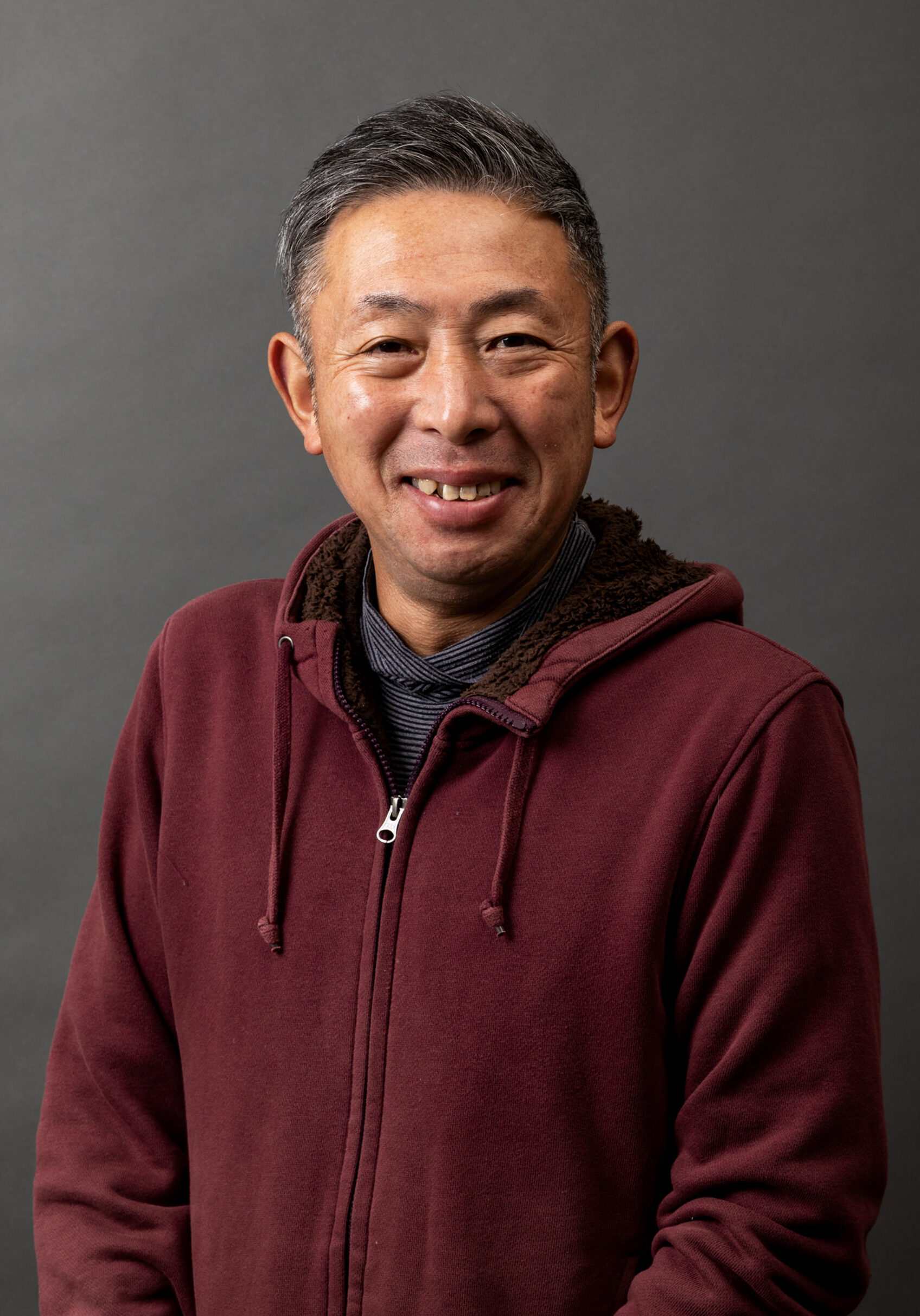
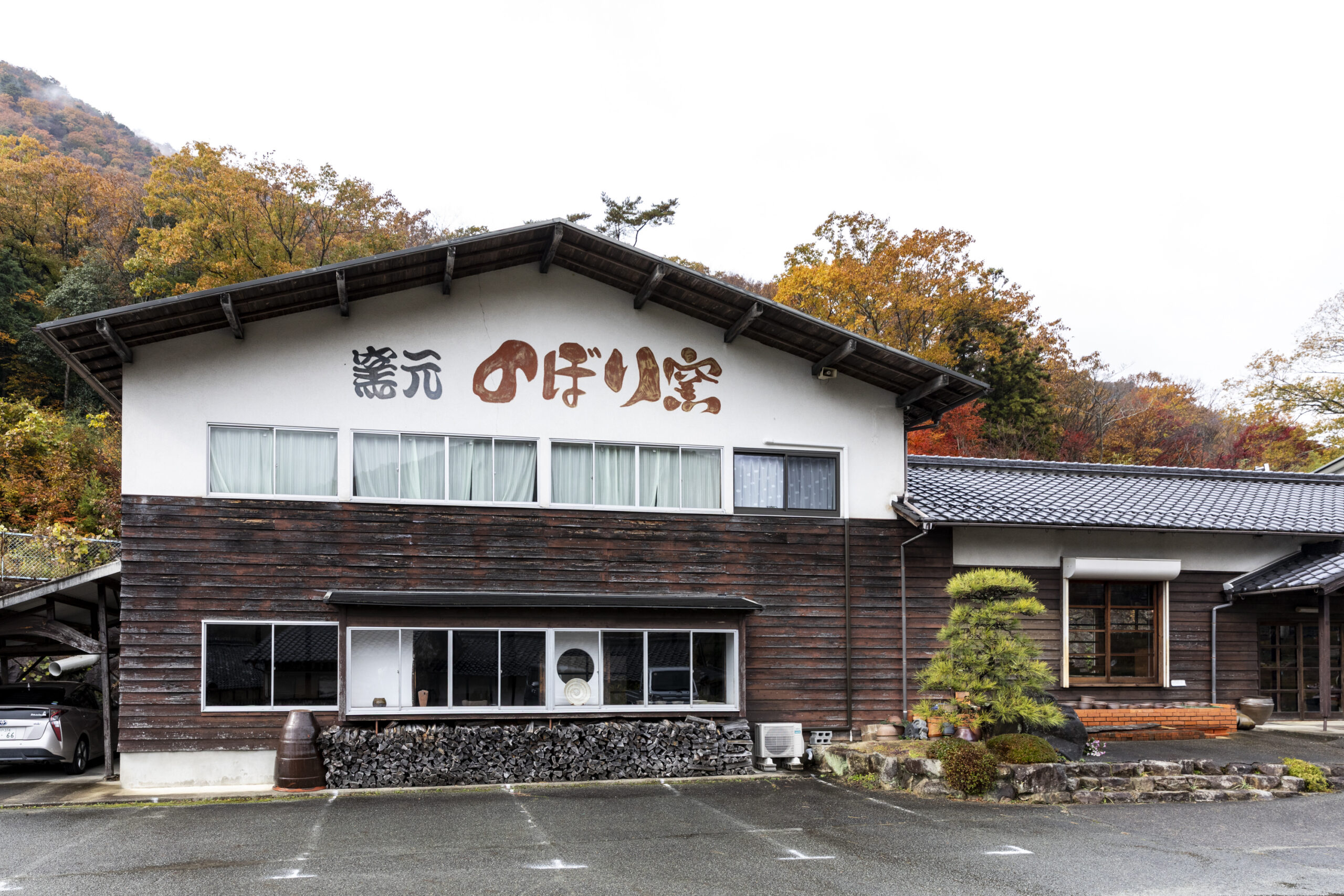
The state of the workshop
スクロールできます
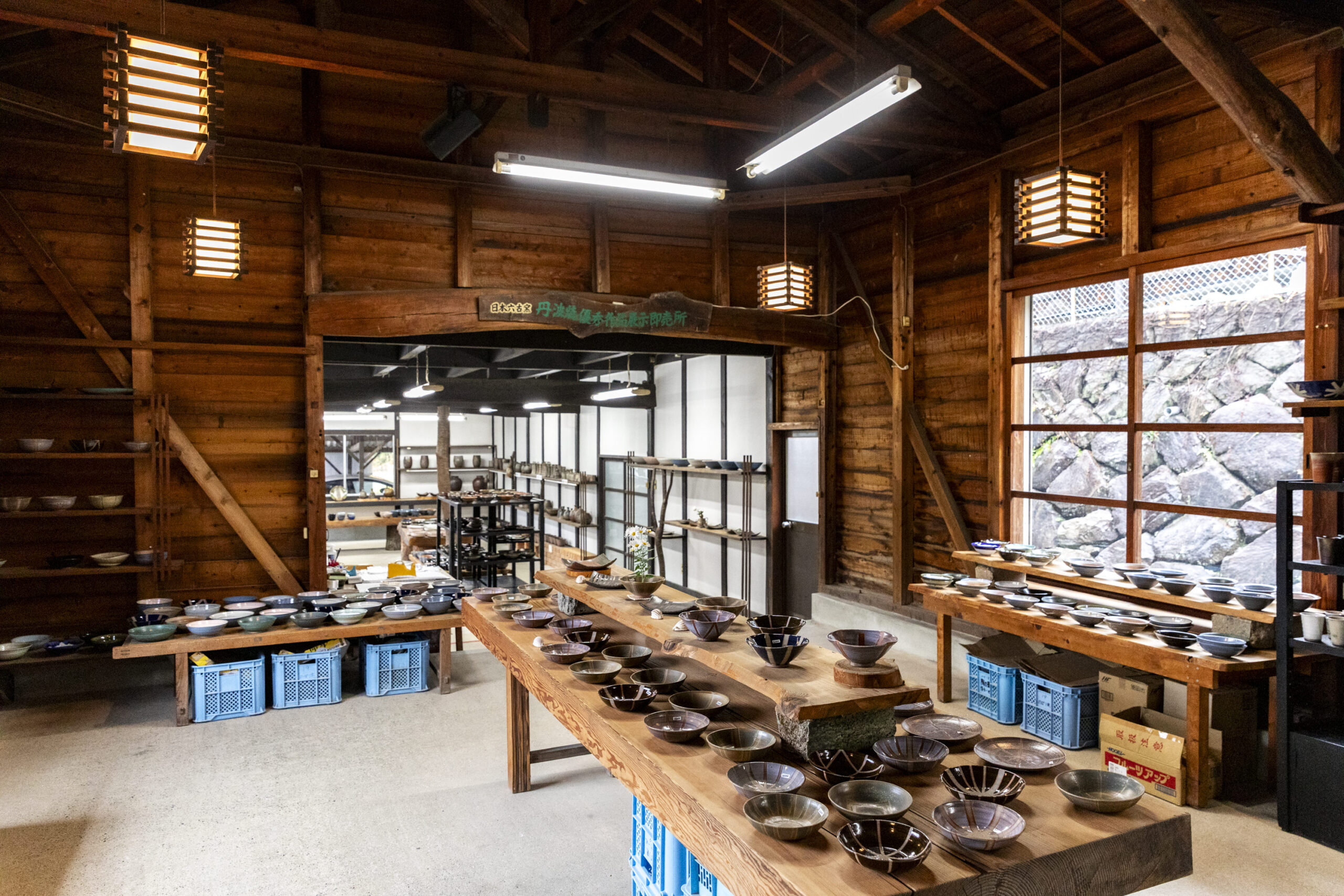
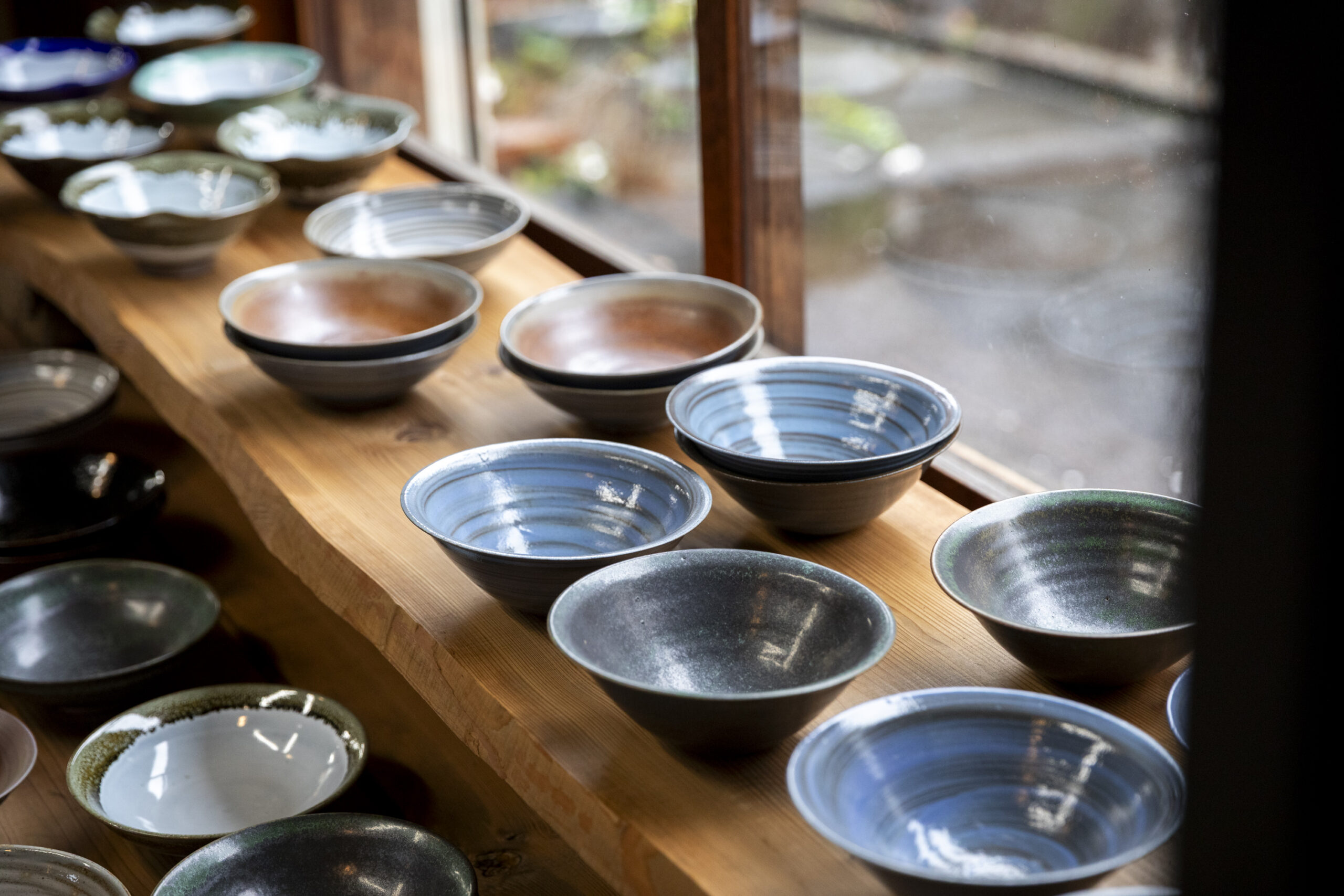
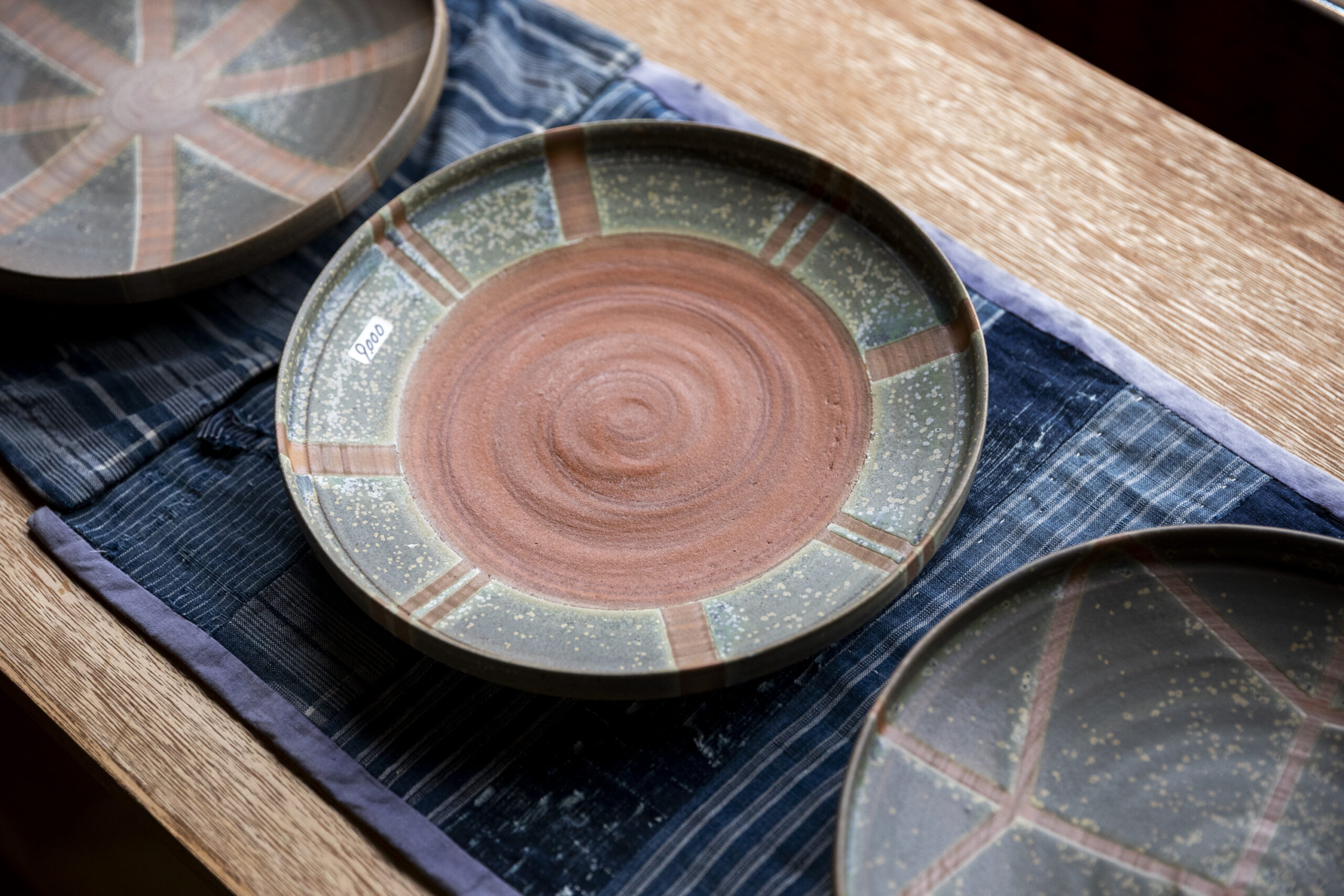
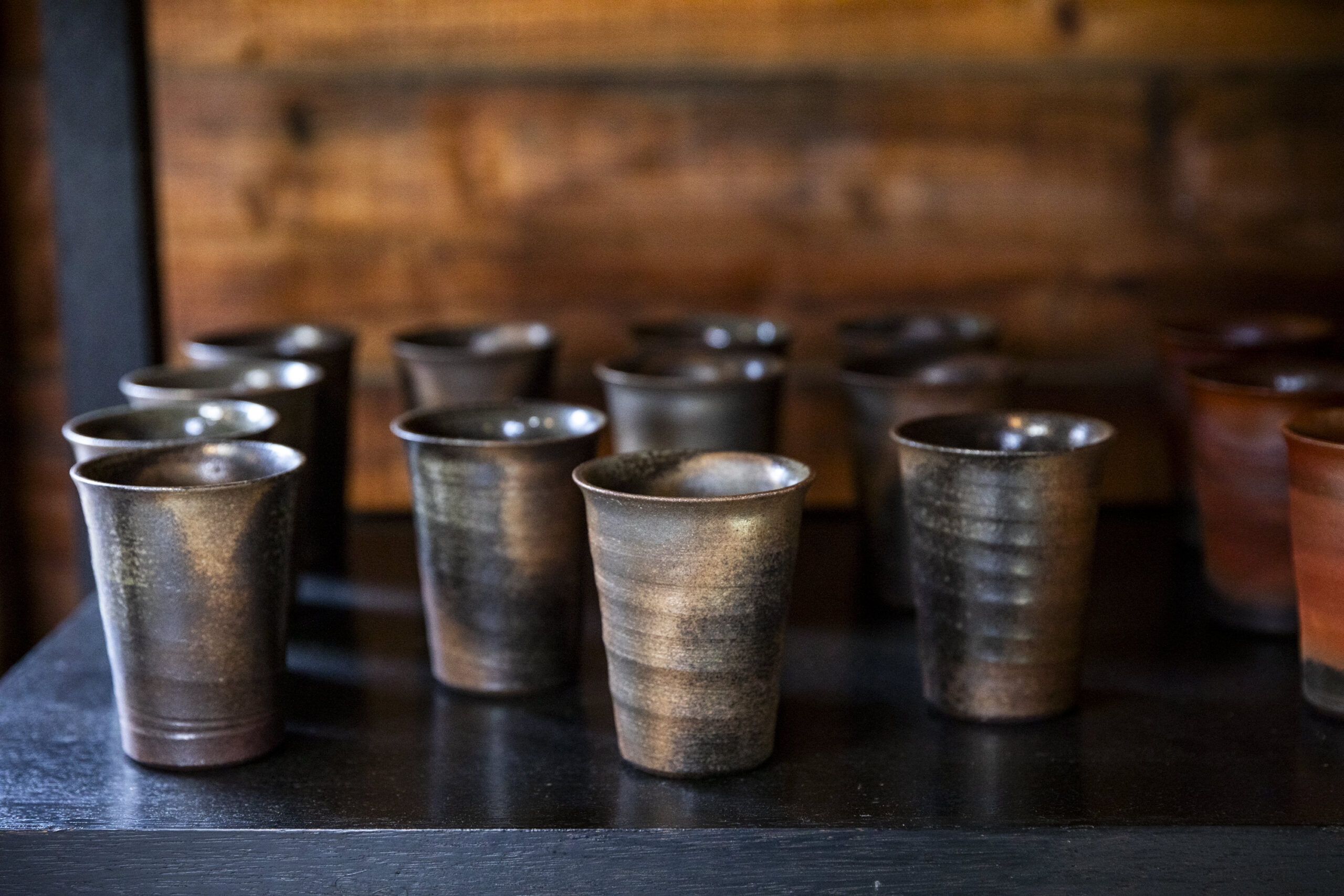
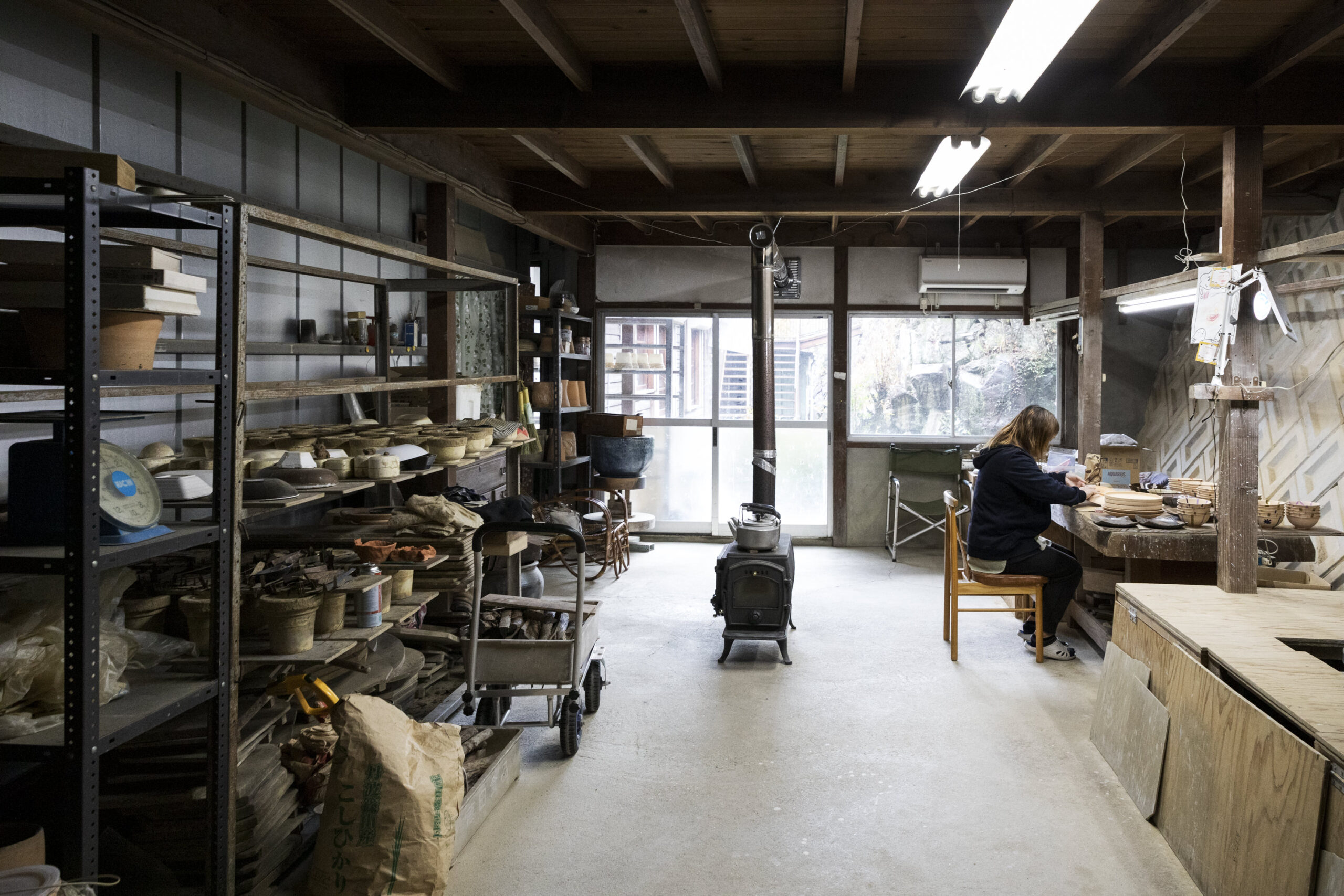
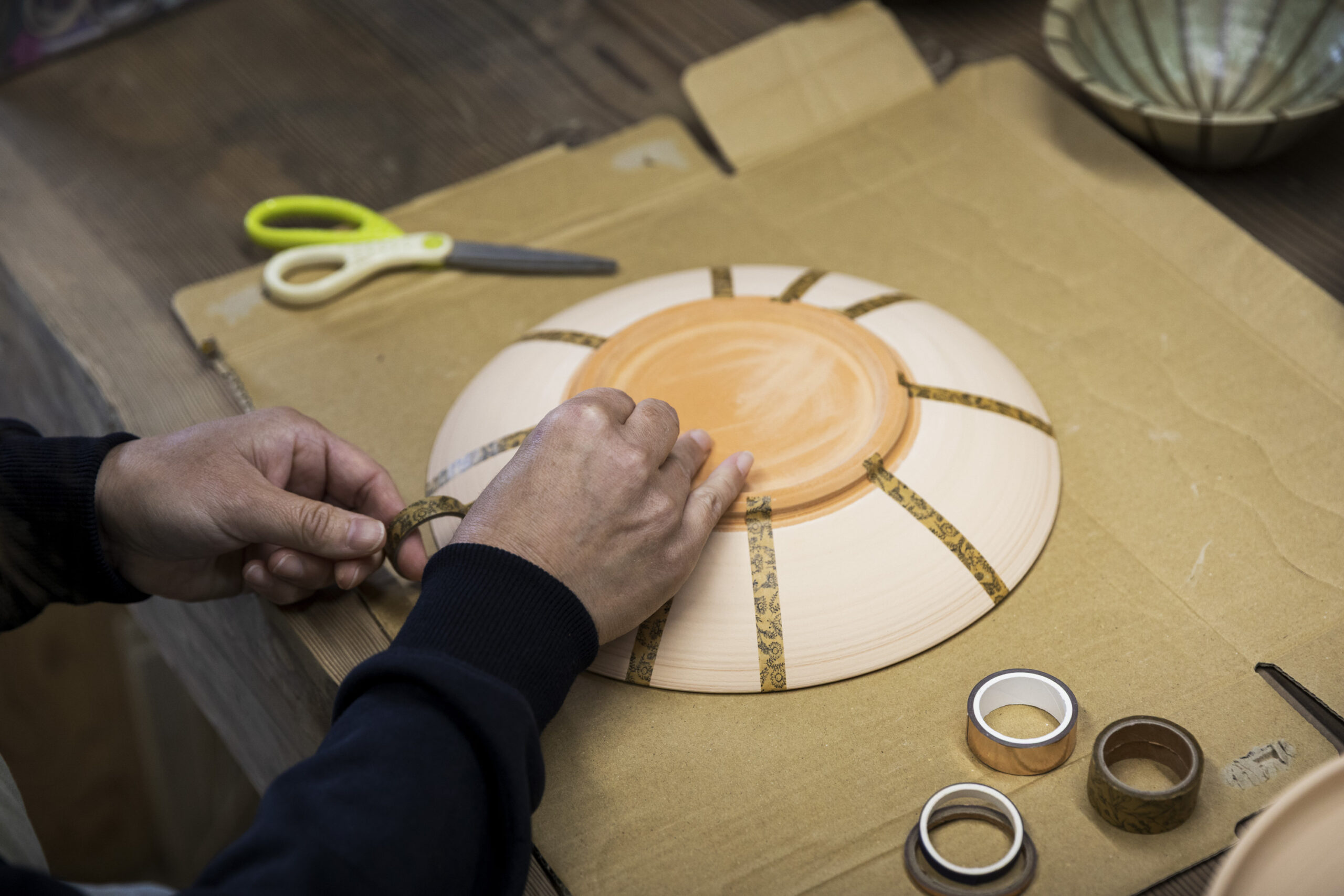
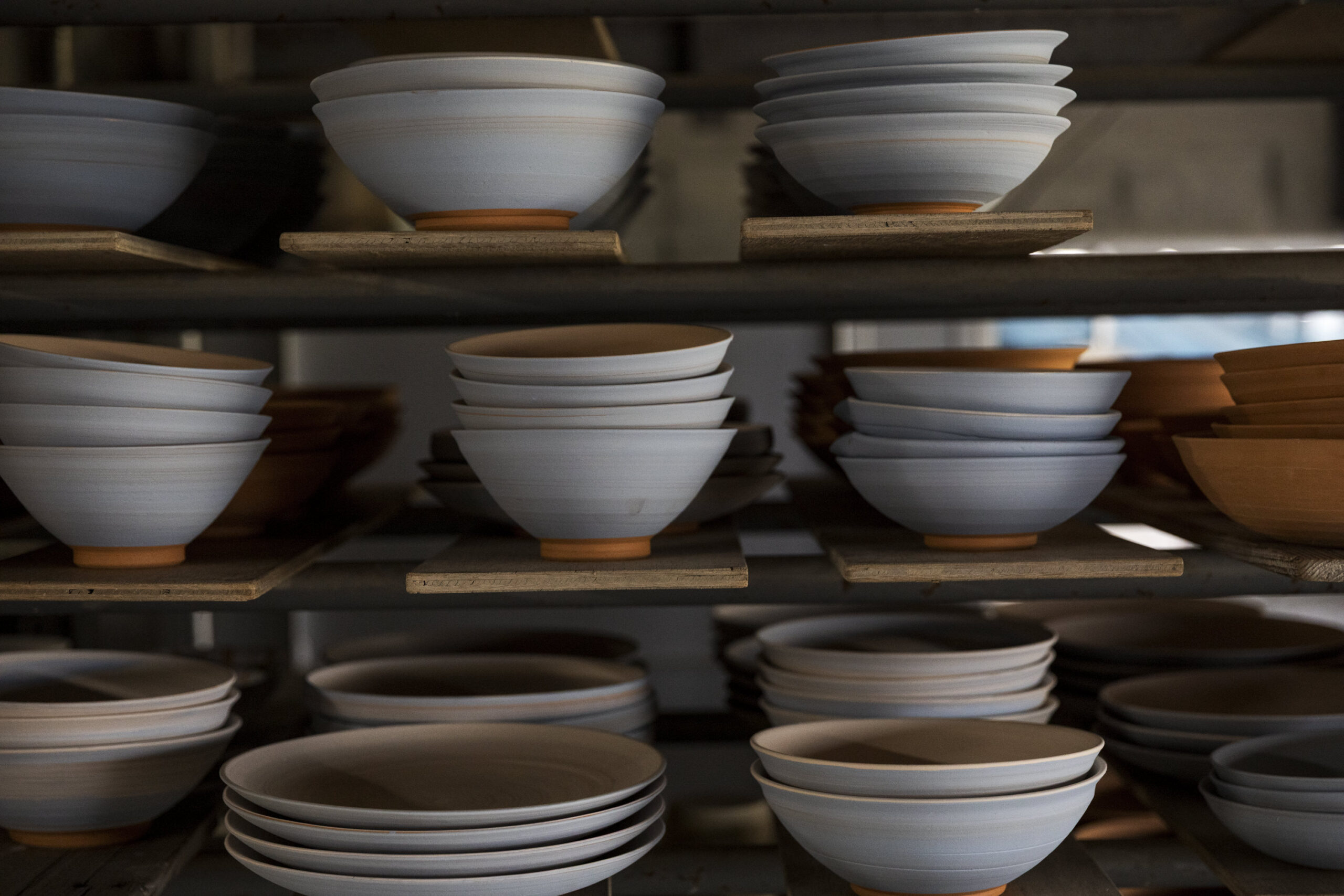


Works
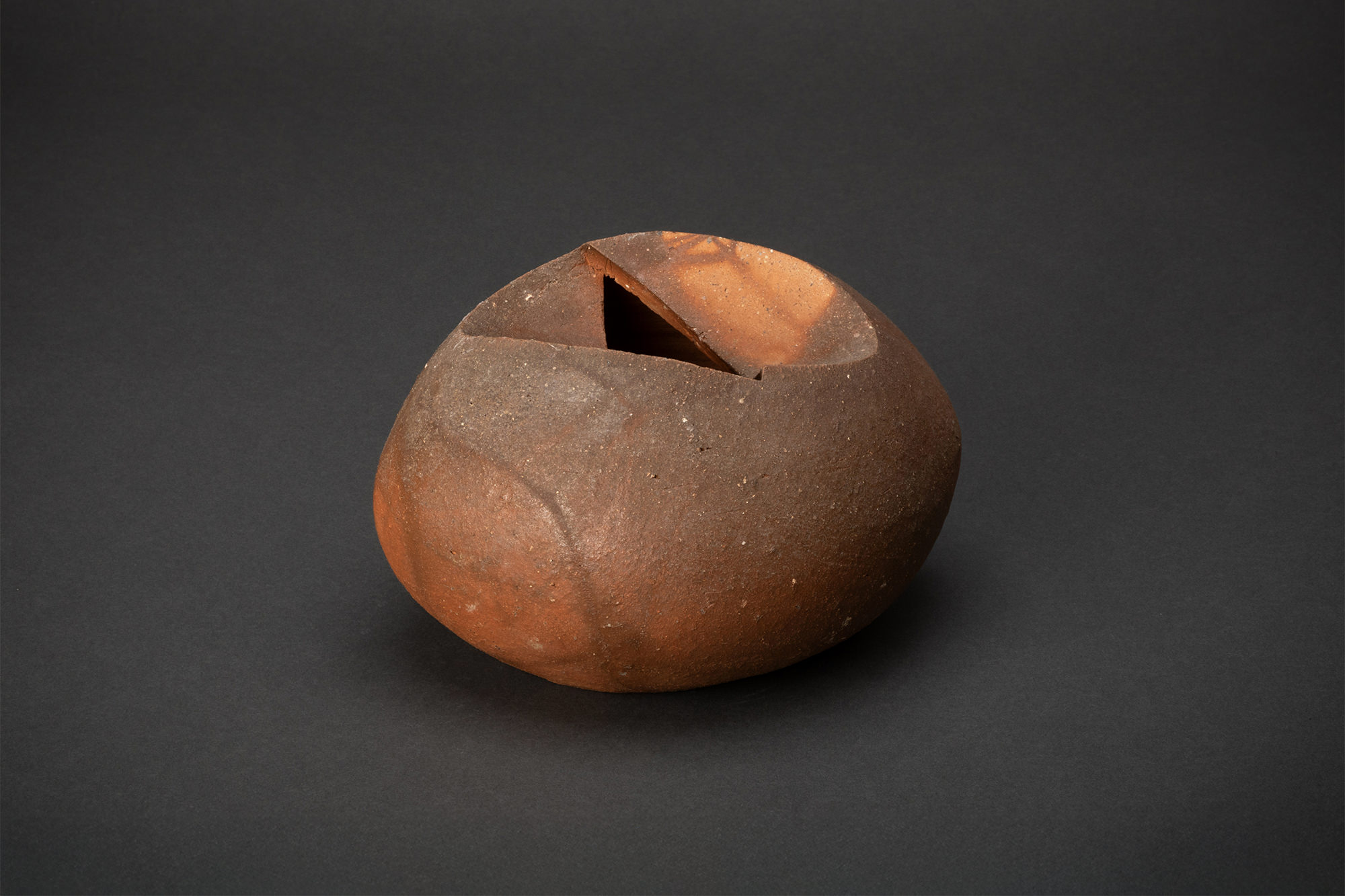
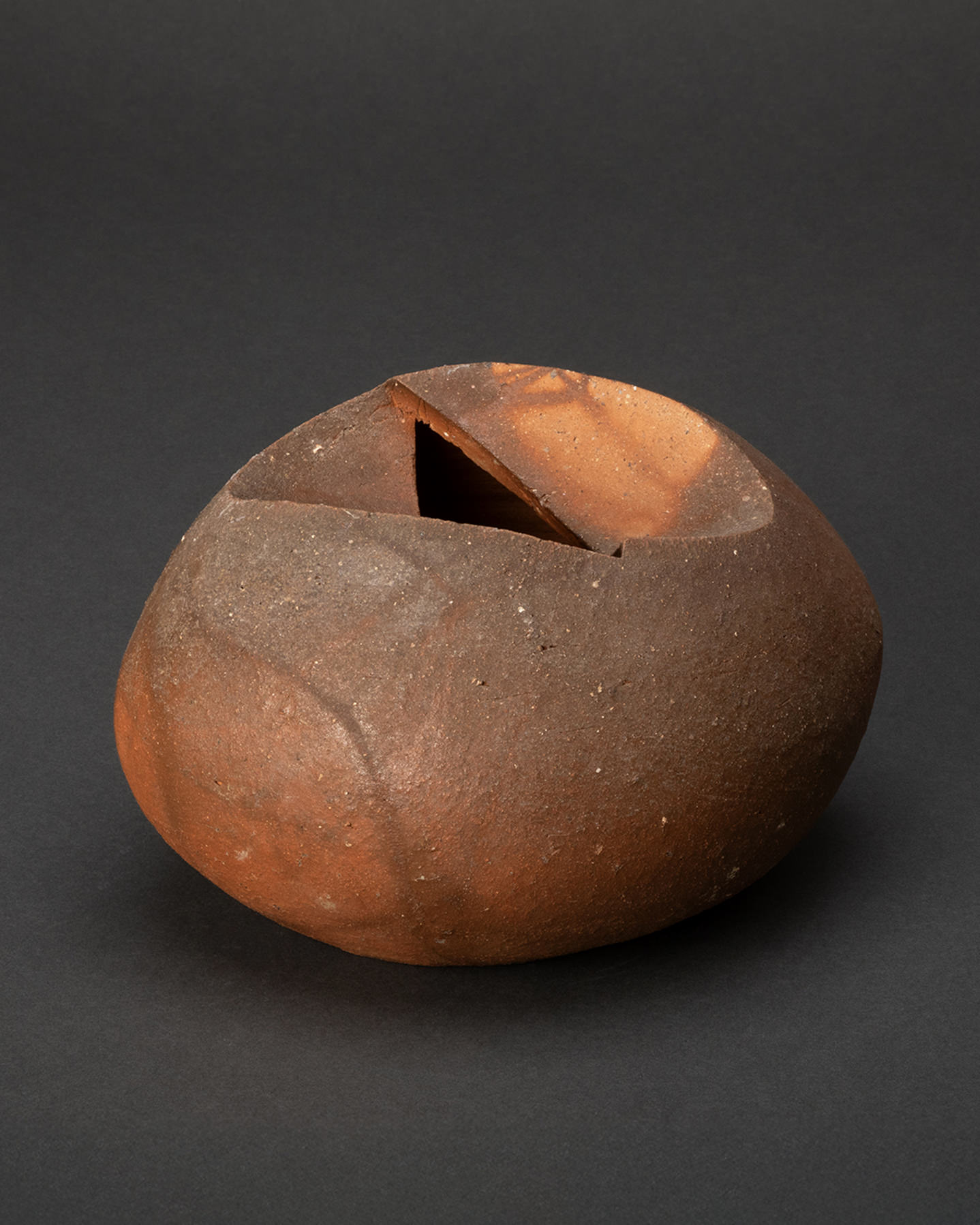
photo:AOTANI Takeru
Interview
In Pursuit of Unpredictable Color. Refined in Bizen, Kazuya Shimizu of NOBORIGAMA Devotes His Passion to Unglazed, High-Fired Tamba Ware
Expressions Born of Clay and Flame. Captivated by Yakishime
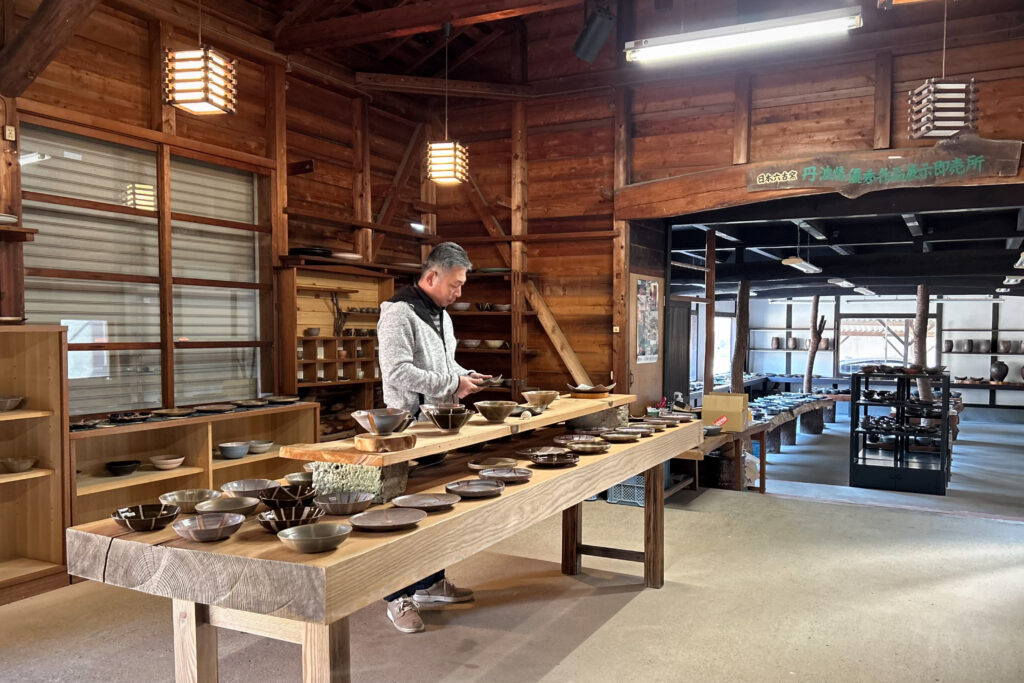
As works by Kazuya Shimizu (hereafter, Kazuya) line the gallery shelves, they stand apart from the brilliant colors created by glaze. Vases blended with coarse clay. Unglazed, high-fired jars. Accidental flashes of red born as ash, straw, and rice husks react with flame. Rustic yet full of wild character, each piece radiates a quiet presence within the space.
“Yakishime is fascinating because you never know what color will emerge. That unpredictability—that element of chance—is what makes it so compelling.”
What Kazuya seeks are colors that cannot be calculated, surfaces that cannot be deliberately aimed for. Though born into a Tamba ware potter family, at eighteen he apprenticed under Bizen master Ryuichi Kakurezaki in Okayama, where he trained for five years. There, he absorbed the aesthetic philosophy of yakishime—an art shaped by clay and fire alone.
“As a potter, we make glazed tableware as well. But in my own work, I want to pursue yakishime. I leave the clay body exposed and draw out red tones using Bizen techniques.”
The unglazed vases Kazuya creates pair beautifully with a single wildflower. When he arranges a simple field bloom, visitors often light up in surprise: “It makes the flower stand out this much?”
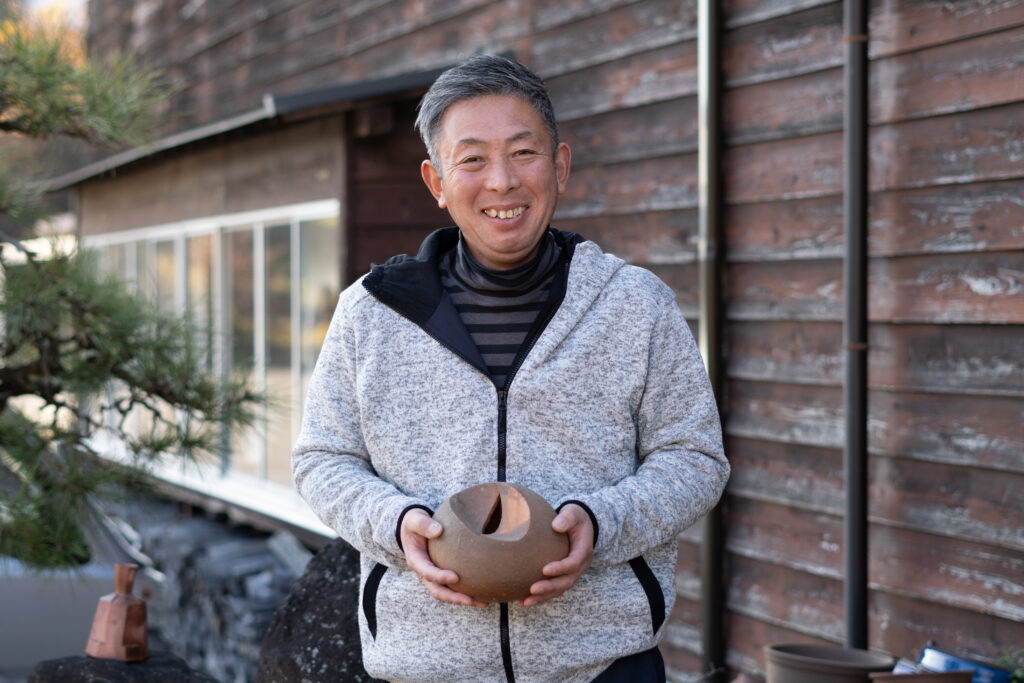
Surrounded by the Warmth of Craftsmen and the Energy of Japan’s High-Growth Era
When Kazuya first became aware of his surroundings, about three craftsmen were living and working in the studio. He still vividly remembers watching his grandfather at the wheel while the craftsmen worked in focused silence, and how they would sometimes play with him during lunch breaks.
Outside the workshop, he raced around on his bicycle, climbed the hills behind the house with friends, and fished in the river. Pottery was simply part of everyday life—but he never imagined he would inherit the trade.
In the 1970s, when the afterglow of Japan’s rapid economic growth still lingered, tour buses arrived one after another. Visitors left carrying jars and vases in both hands. “People just kept coming—it was lively every single day,” he recalls.
His father, meanwhile, had worked as a company employee in Osaka. After Kazuya’s great grandfather passed away, he returned home—not to throw pots, but to manage the shop and support the family business. In those days, smoke constantly rose from kilns across the region; the entire pottery community was filled with energy.
Drawn to Wild Surfaces and Refined Forms—An Apprenticeship in Bizen
In junior high and high school, Kazuya admits he was “a bit of a mischievous kid.” His father would say, “As long as you walk a decent path, that’s enough.”
During the summer of his final year of high school, while helping his father at work, he began to think, “Maybe working in pottery could be interesting.” He once dreamed of becoming a chef or even a police officer, but in the end, he chose the path of ceramics.
After seeing exhibition catalogues, he was captivated by the spherical forms created by Bizen artist Ryuichi Kakurezaki and decided to apprentice under him for five years.
He lived in a small six-tatami room apartment with a shared bath and toilet. Apprenticeship began with the basics: cleaning the studio and preparing clay. In Bizen, pottery begins with digging clay from the earth, drying it in the sun, crushing it, pulverizing it, and adding water to create workable clay. “Winter cleaning was hell,” he says. His hands grew numb from the cold, cracked open, and sometimes bled.
“My teacher was very strict. If there was even a speck of dust, I’d be scolded. So whenever I had a spare moment, I was wiping floors. I learned techniques by standing beside him and watching carefully—stealing with my eyes. Those five years unquestionably shaped me. They became the foundation of everything.”
He also vividly remembers the emotion of seeing his own work emerge from the kiln for the first time. The different color variations and iron-like hardness of Bizen left a deep impression—so different from Tamba ware.
Expanding the Possibilities of the Production Area—From Tableware to Monumental Works
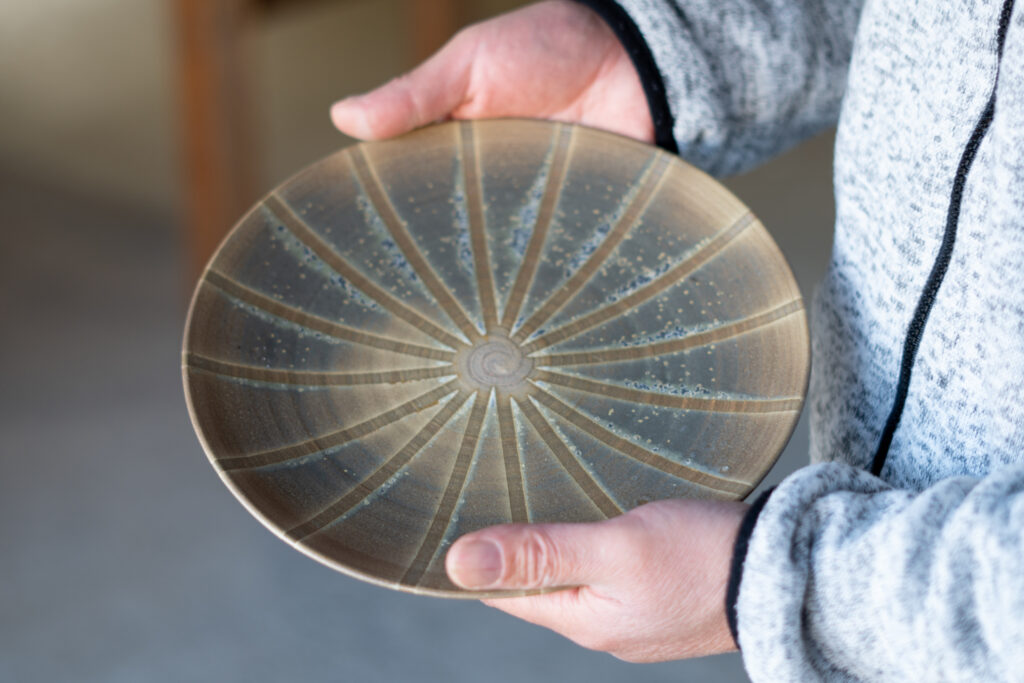
Kazuya returned to Tamba in 1996. Since then, he has balanced producing the family potter’s tableware with creating his own artistic works, applying the techniques he acquired during apprenticeship. At the same time, he keeps an eye on the broader challenges facing the production area.
“Tamba ware is known mainly for tableware. But larger works—like jars and vases—carry that unpredictable excitement. They can stimulate the entire production area. The skills required to make large-scale pieces also strengthen the foundations of everyday form-making. I’d like to see more diverse works created across the region.”
Behind his candid manner lies deep affection for the pottery community. Thanks to its convenient location, many visitors come to Tamba Tachikui. If, alongside everyday forms, there were also large, symbolic works that represented the area, its range and appeal would expand even further, he says.
Alongside the Ever-Changing Seasons
“When you visit Tamba, I hope you’ll enjoy the scenery of each season,” Kazuya says. Snow-covered landscapes in winter. The chorus of frogs after rice planting. Hydrangeas in the rainy season. Mountains glowing red with autumn leaves. Scenes of rice harvesting. For locals, these are everyday sights; for visitors, they feel fresh and special.
“For us, it’s just ordinary scenery. But when I see visitors taking photos, I realize it’s something you don’t easily find elsewhere.”
The landscape of Tachikui may appear constant, yet it changes moment by moment. Pottery, too, is shaped by nature. And so Kazuya continues to create works infused with the expressions woven by clay and flame.
Overview
of
NOBORIGAMA
Address
365 Kamitachikui, Konda-cho, Tamba-Sasayama, Hyogo, Japan
TEL
FAX
Website