
TOC
NAOSAKU-GAMA
profile
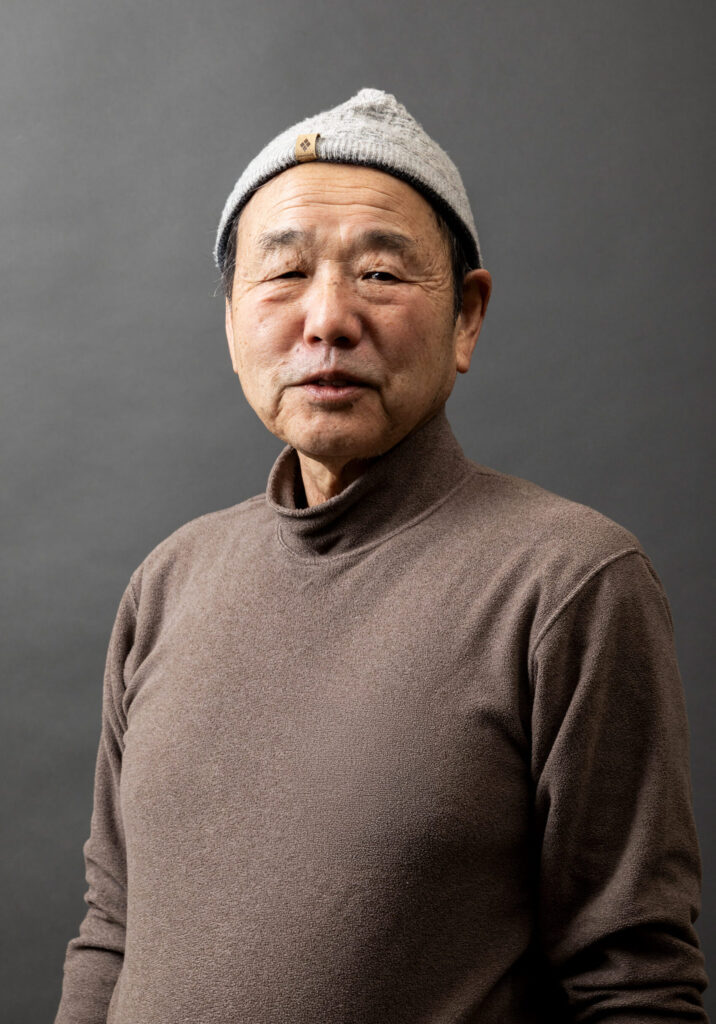
Naosaku Shogen
profile
Naosaku Shogen
16th generation
Year of Birth:1953
Year Began Pottery:1979
Education / Training Background
Graduated from Shimonoseki City University
Major Awards
Hyogo Prefecture Distinguished Skills Award
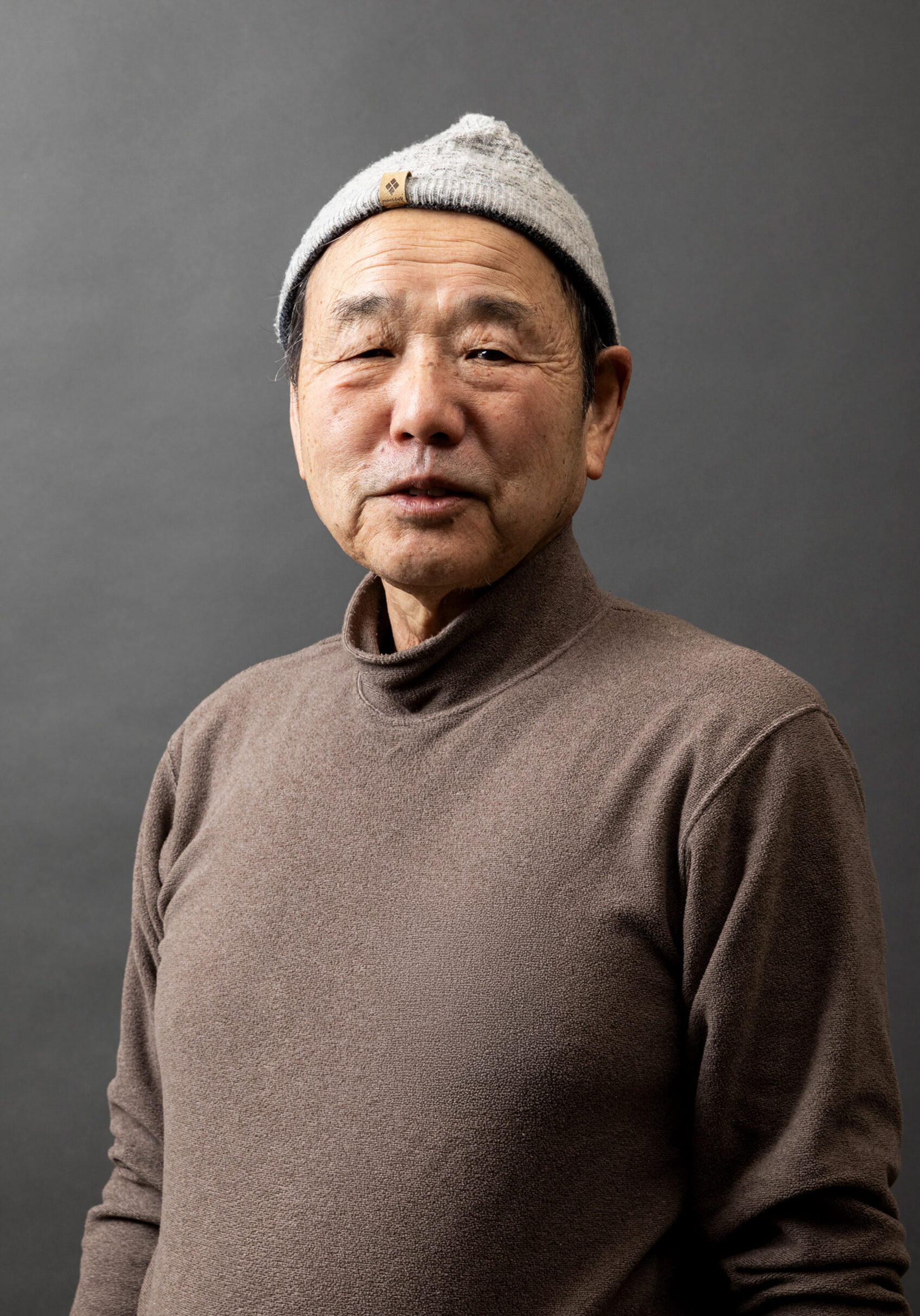
The state of the workshop
スクロールできます
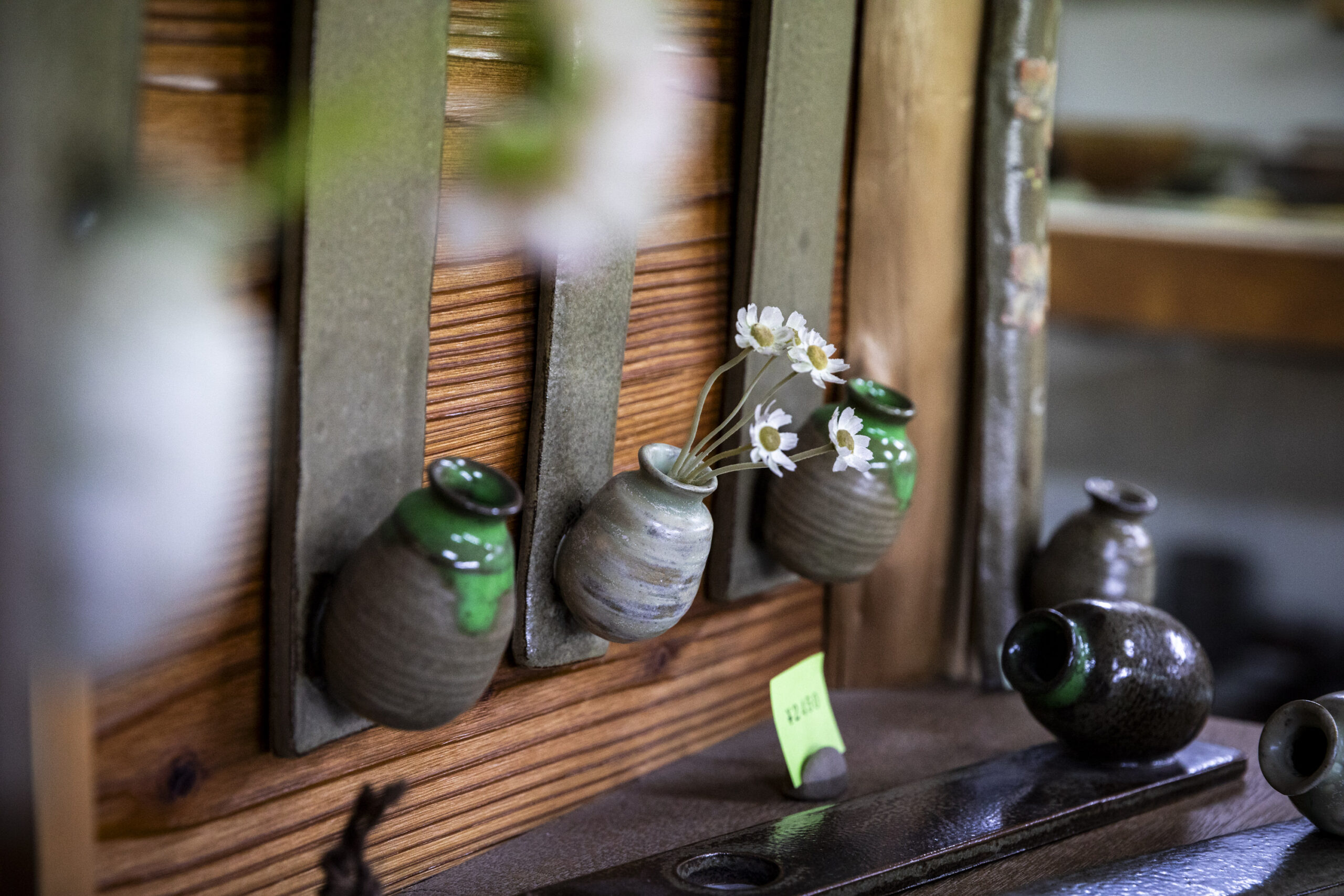
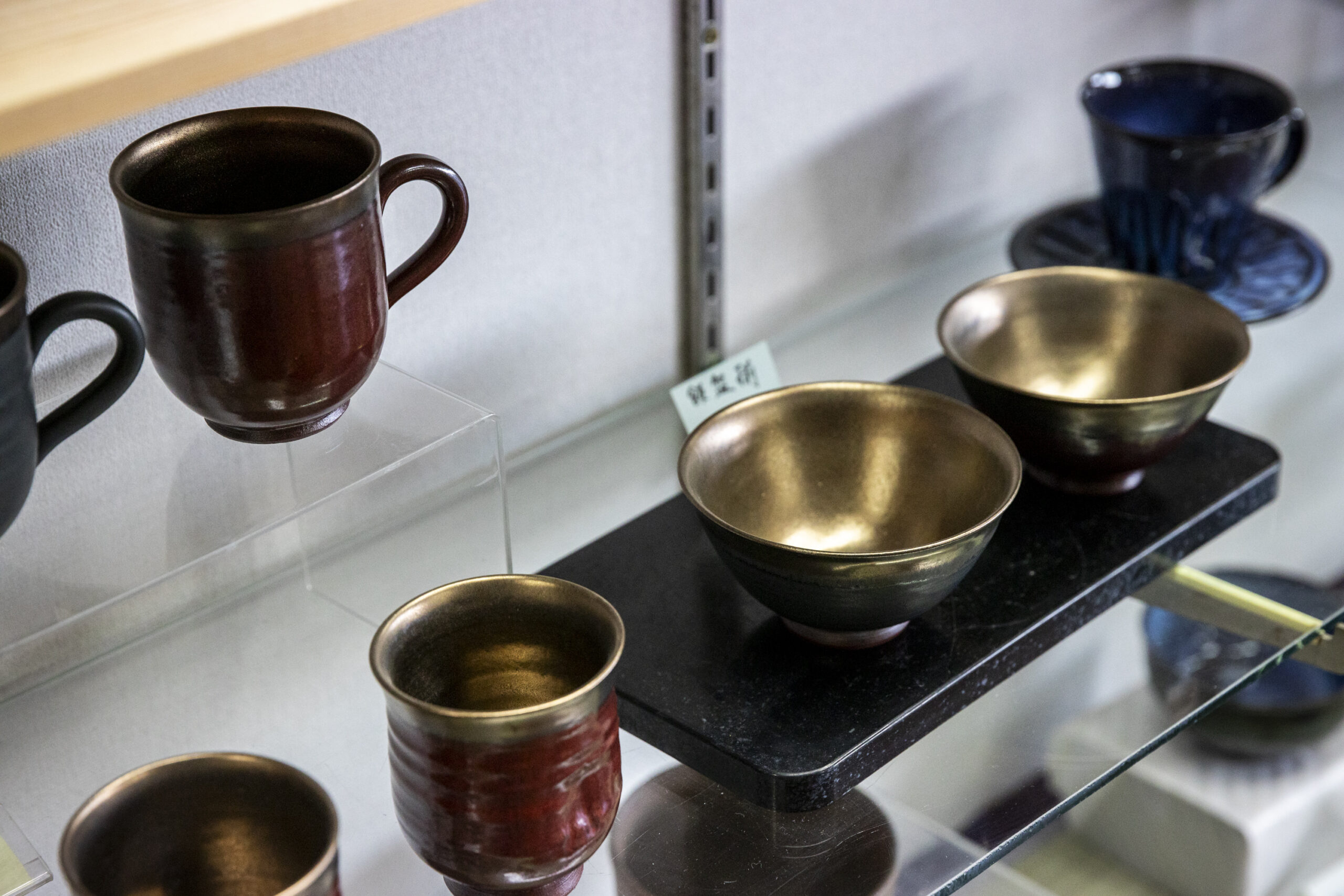
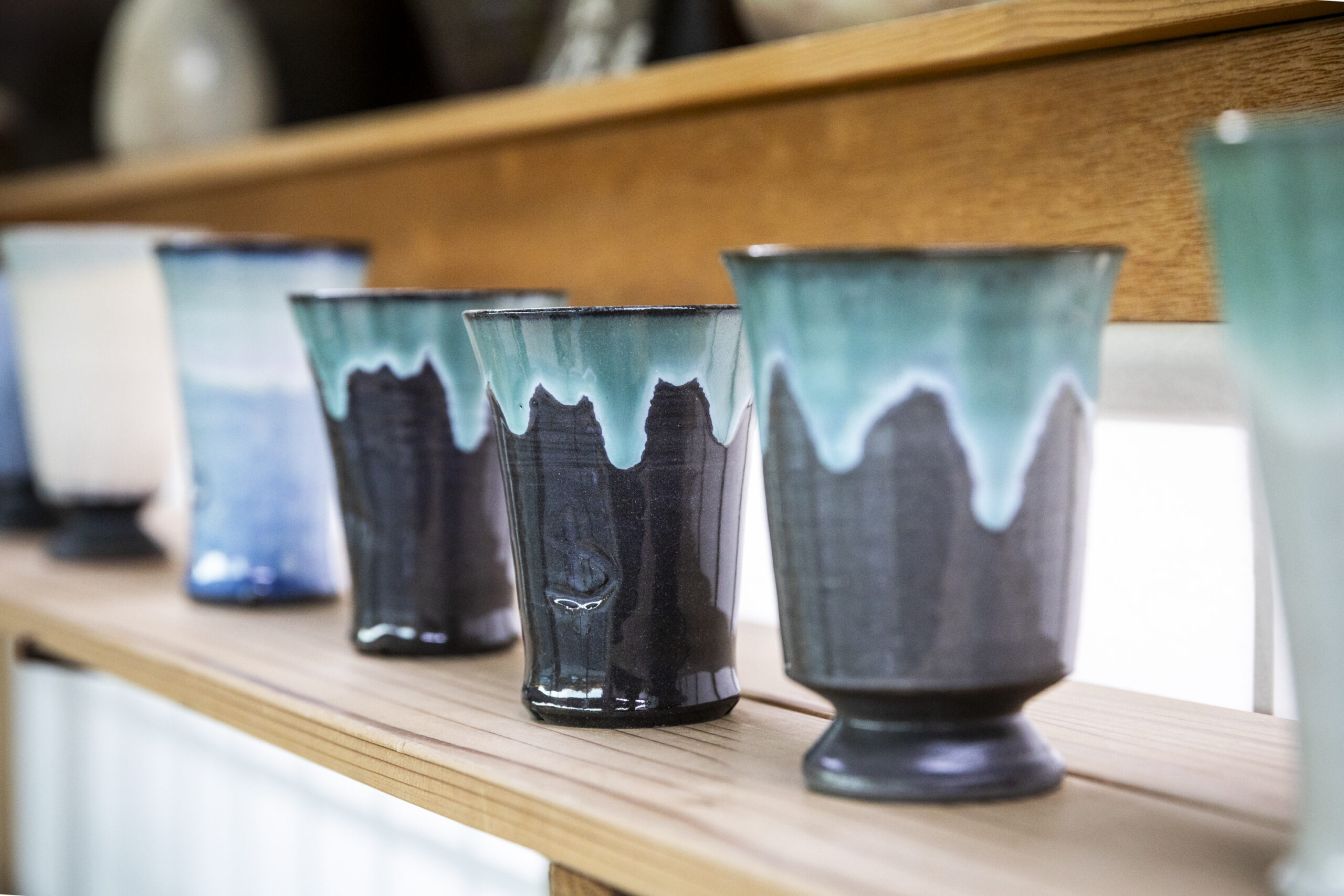


Works
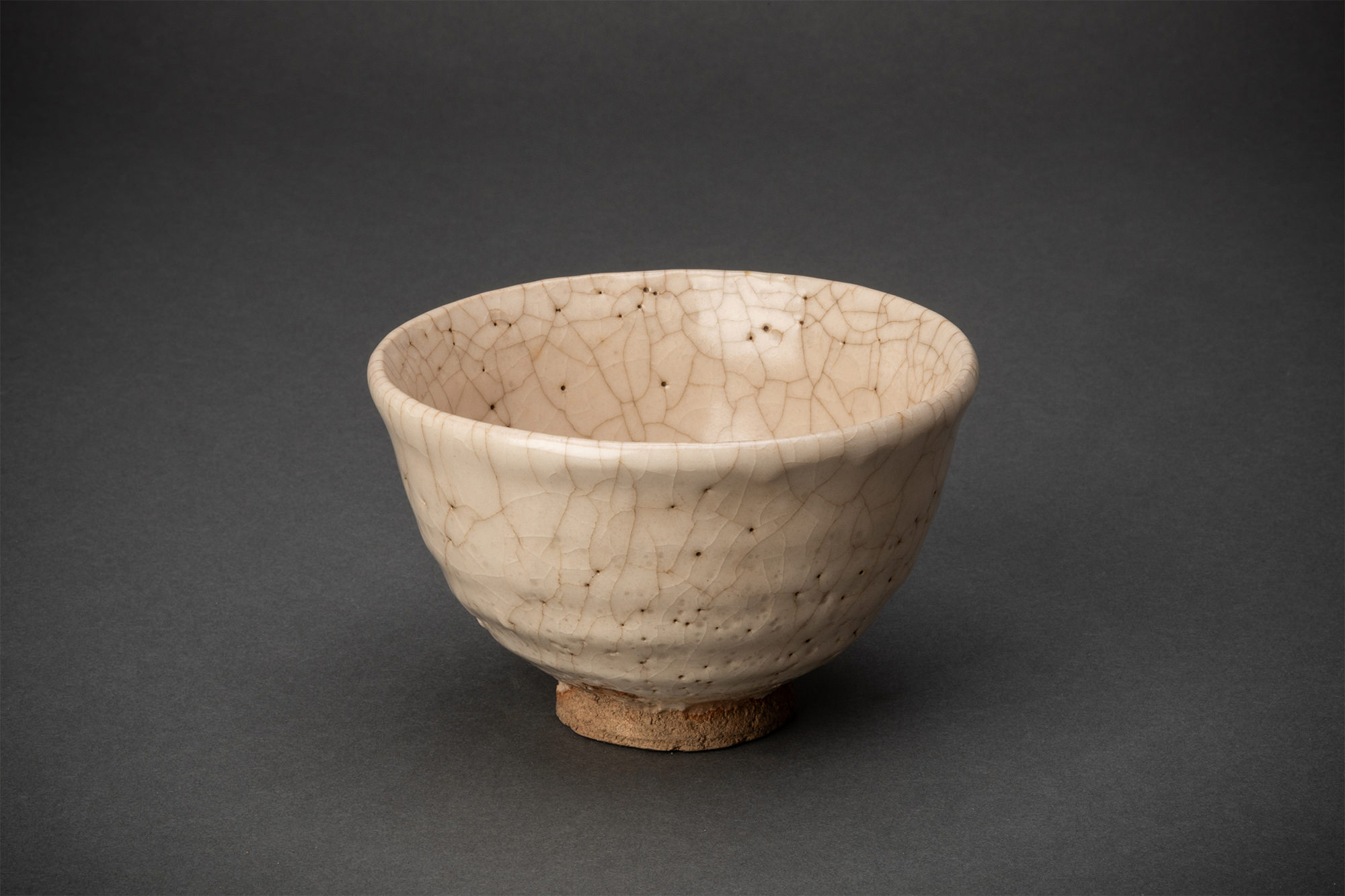
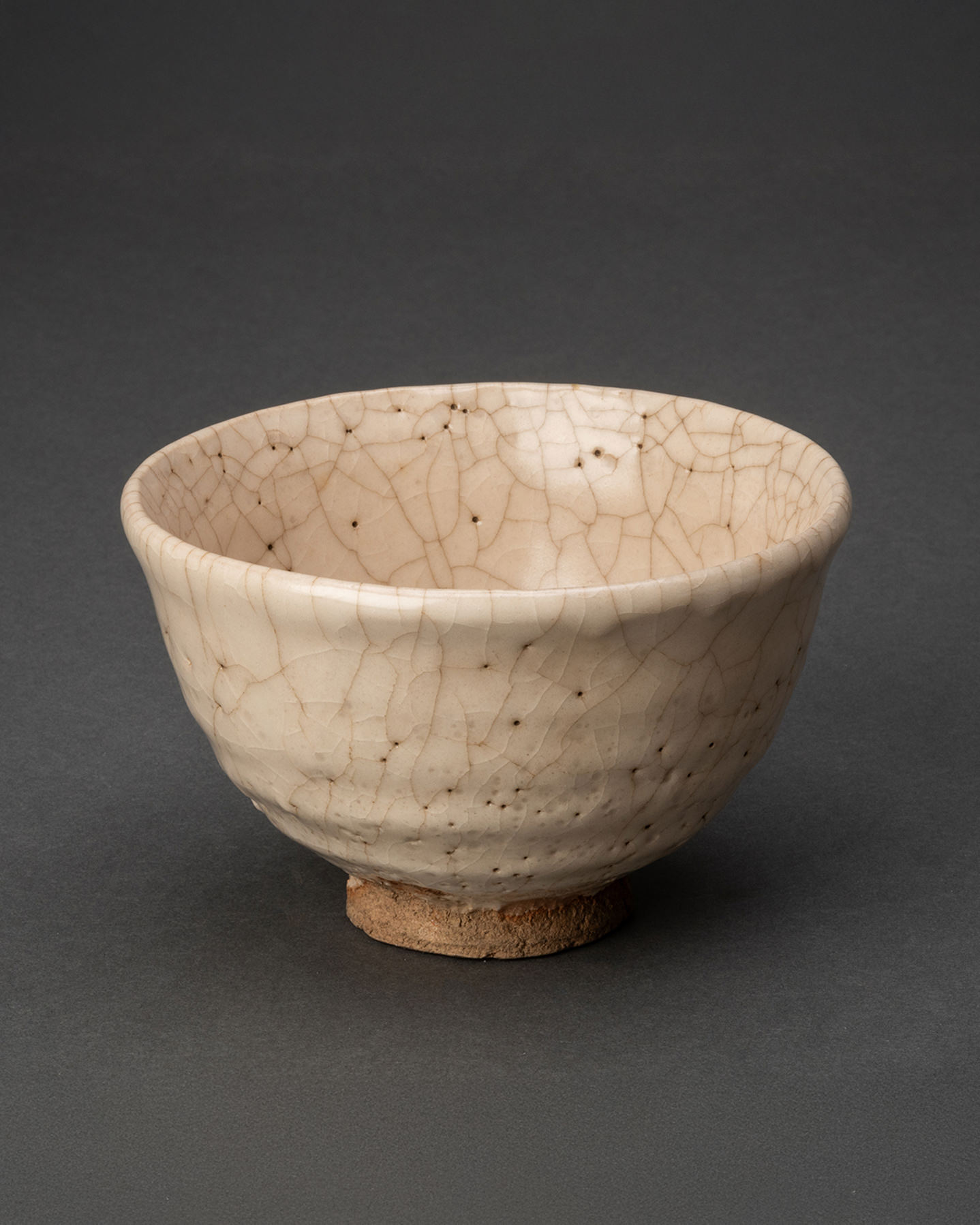
photo:AOTANI Takeru
Interview
Half a Century with Tamba Clay. Continuing to Create Forms Close to Everyday Life — NAOSAKU-GAMA’s Naosaku Shogen
Letting Tamba Clay Lead — NAOSAKU-GAMA’s Forms, Quietly Blending into Everyday Life
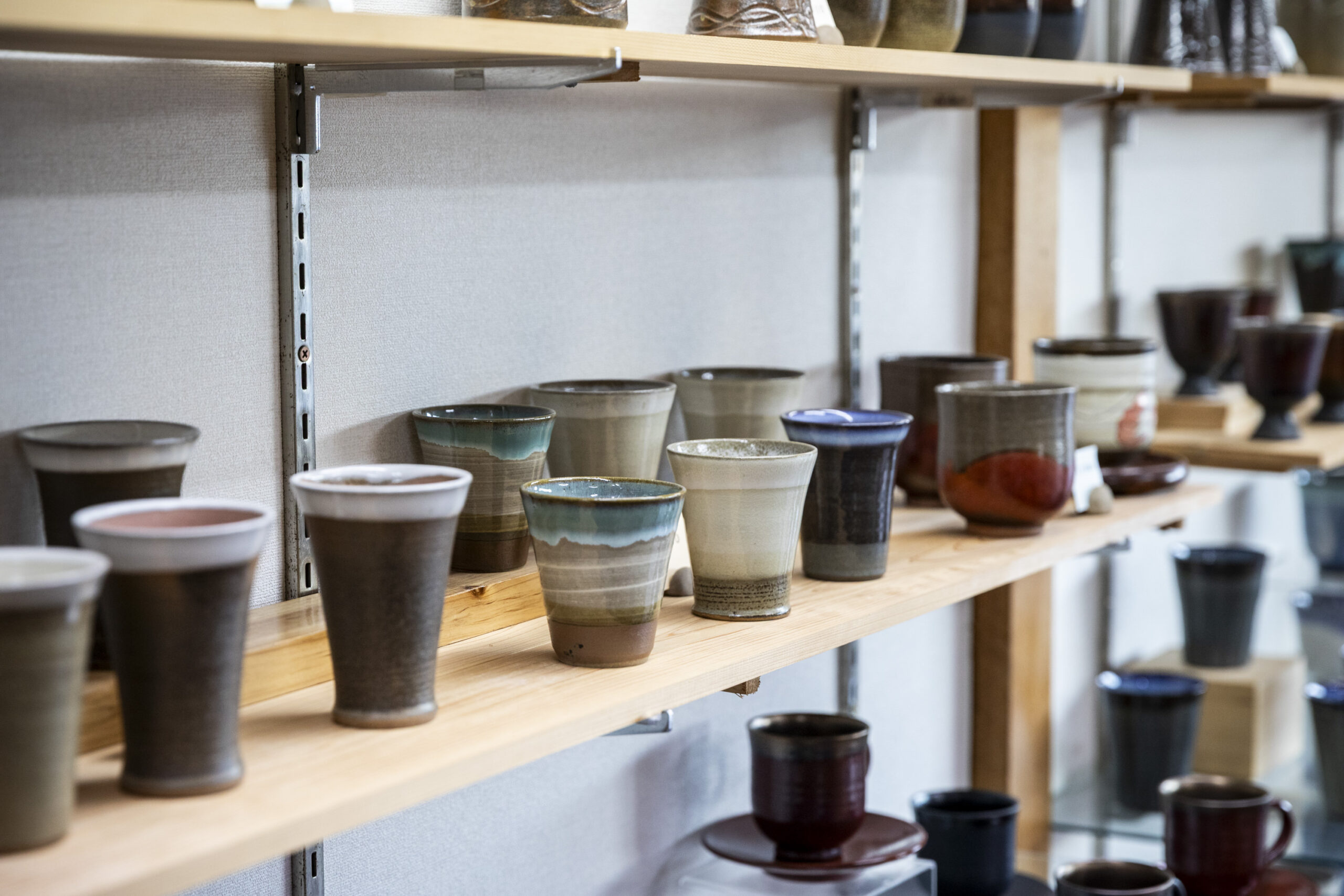
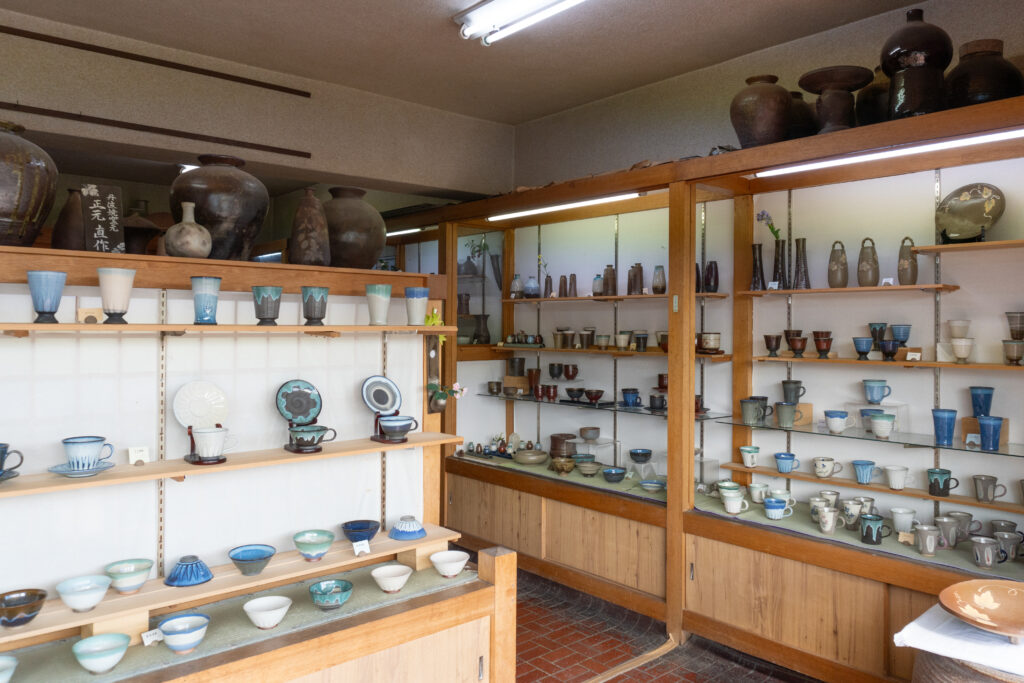
Among the potters of Tamba Tachikui, one façade stands out with its wide frontage and the bold characters reading “NAOSAKU-GAMA” across the wall. Inside, teacups, mugs, and plates in soft blues and whites are neatly arranged. The surfaces are carved with shinogi fluting, and the traces of the potter’s wheel remain visible. They carry the gentle expression so characteristic of Tamba clay.
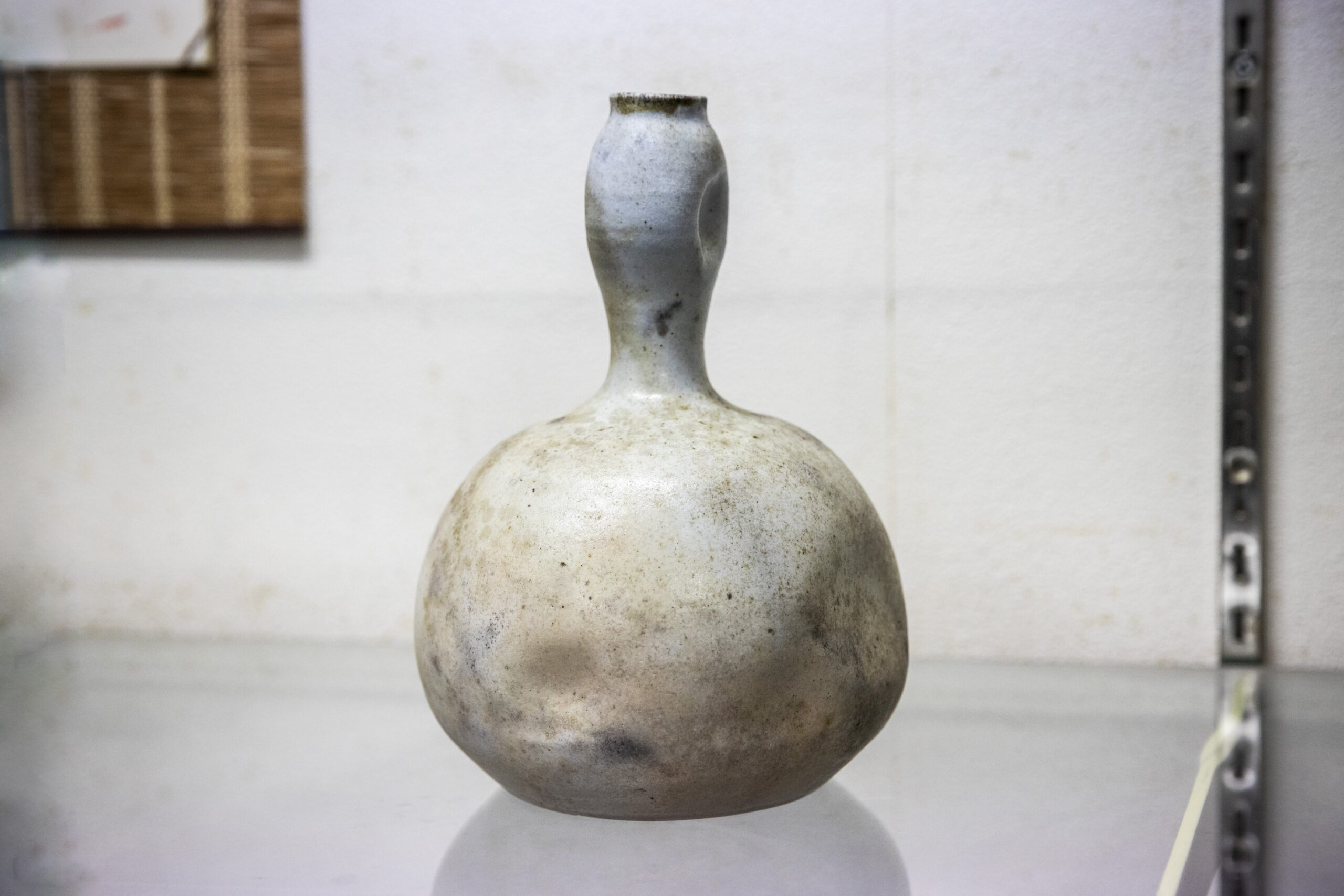
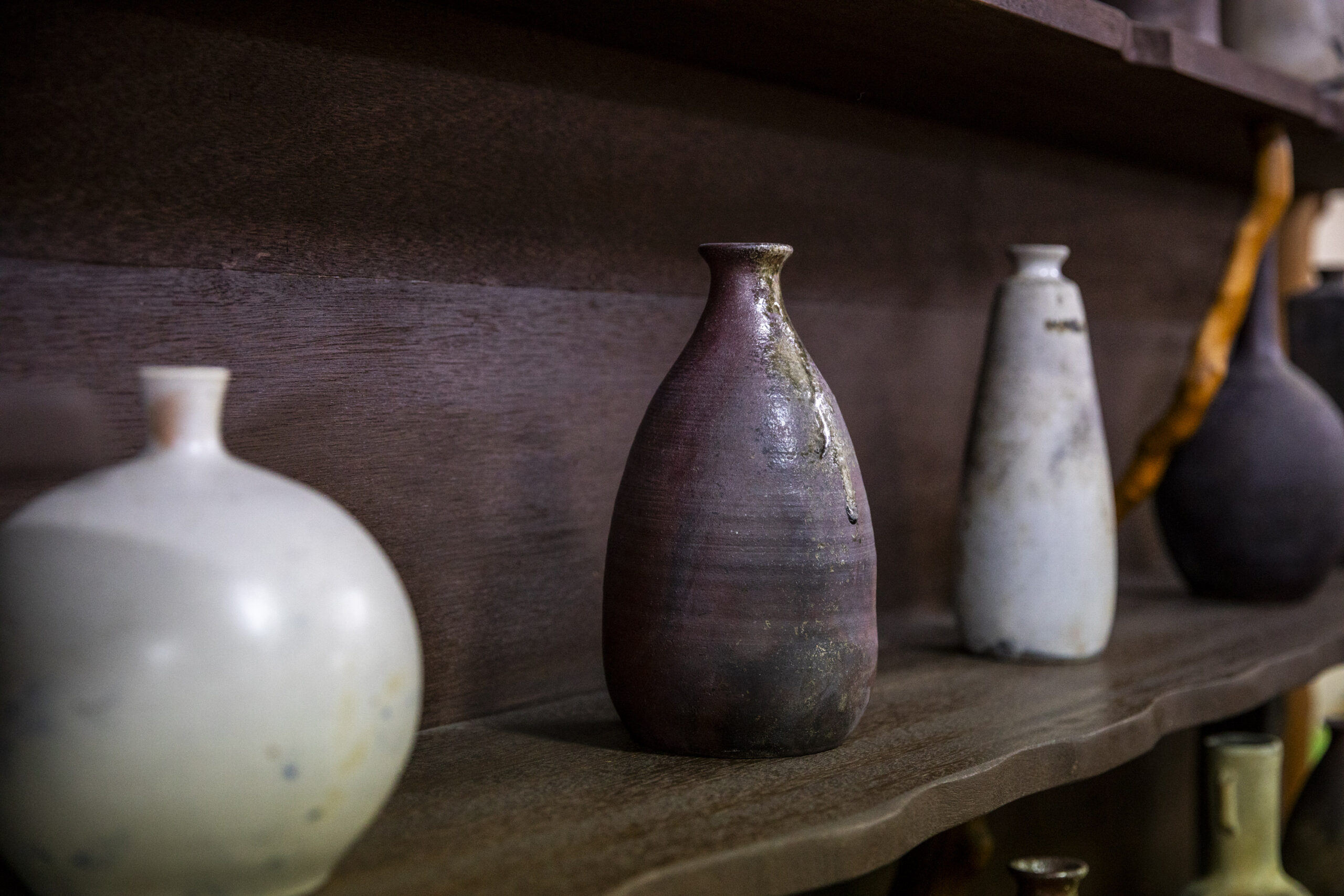
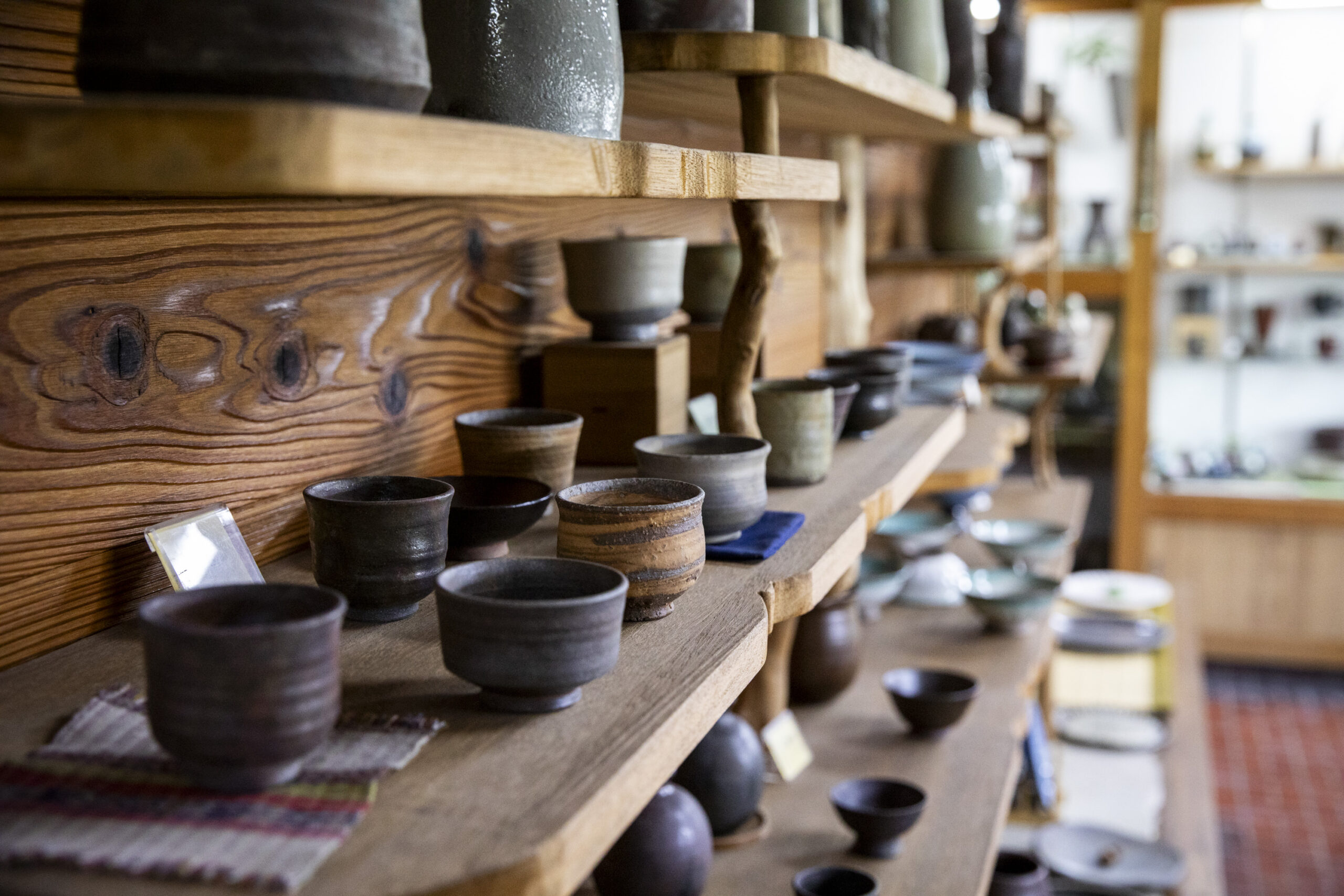
Further inside, white Tamba ware, black Tamba ware, and natural ash-fired pieces, alongside jars and flower forms, are displayed with an unforced sense of space. In a showcase at the back, tea ceremony utensils are also carefully presented.
NAOSAKU-GAMA is one of the most historically distinguished potters in Tamba ware, having produced many celebrated works over generations. As times have changed, the potter has attentively responded to users’ needs, adapting what it creates with flexibility.
What unites all these works is their simplicity, free from excessive ornamentation. The color palette is calm, yet the flow of glaze created in firing, and the marks left by flame and ash, give each piece a one-of-a-kind expression.
“When I wake up in the morning and sit down in the studio, I just feel settled. It’s become part of my life. That’s how my day begins.”
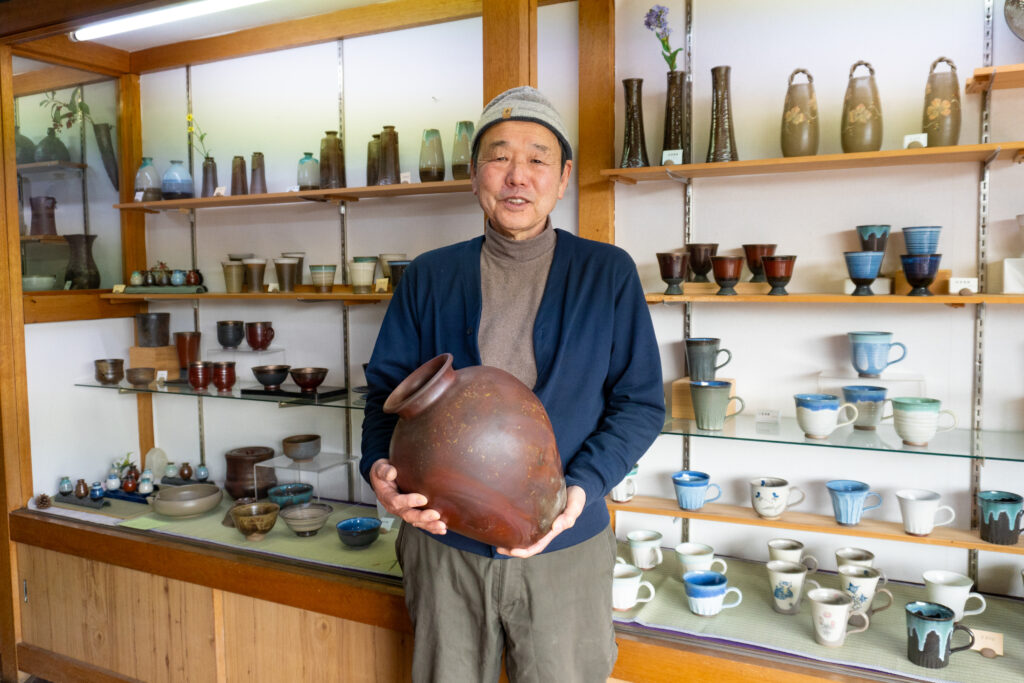
With a warm smile, this is how Naosaku Shogen of NAOSAKU-GAMA (hereafter, Naosaku) describes his days. He has walked alongside pottery for nearly fifty years. Customers have passed from parents to children, and from children to grandchildren. Half a century has accumulated quietly together with the clay.
“Someone who bought a piece thirty years ago once came back to tell me they were still using it with care. That made me truly happy.”
The forms he created, hoping they would be used for years, reconnect maker and user, giving rise to warm exchanges.
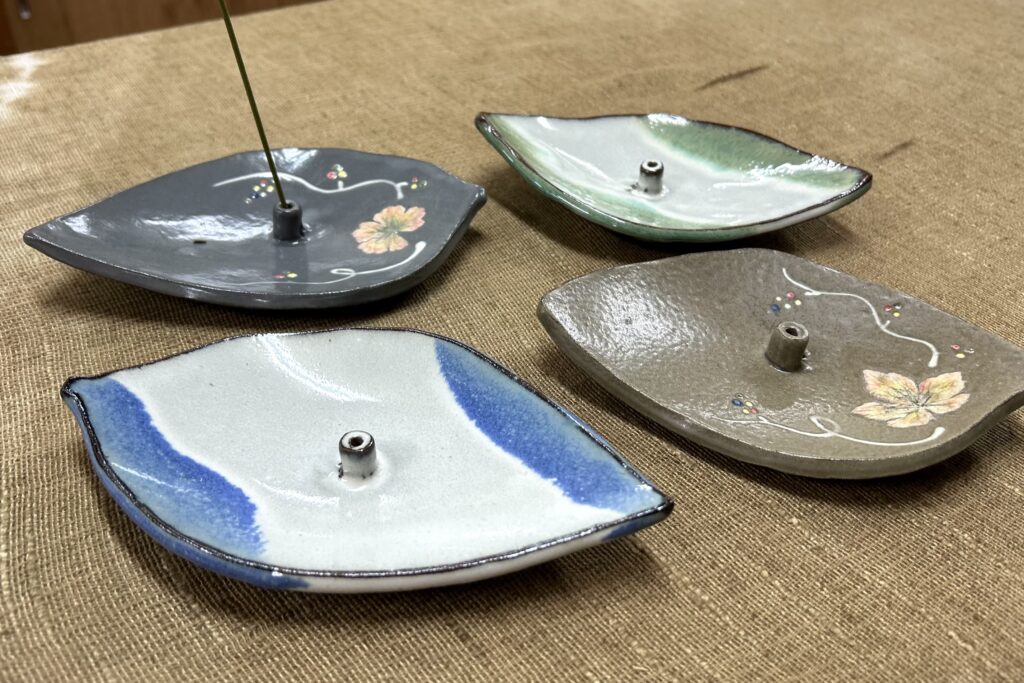
Four Seasons and Clear Air — Rediscovering the Beauty of Tachikui
In Naosaku’s childhood, potters still dug their own clay and worked kick wheels. The image of his parents beginning work early each morning remains vivid in his mind. From preparing clay to shaping, everything was done by hand—a physically demanding craft.
“In our generation, taking over the family business was simply natural. I think I really began to take an interest in pottery around high school.”
He entered university and once left Tachikui to see the wider world. Yet only after leaving did he come to recognize the distinct contours of his hometown’s climate and way of life.
“When I came back, I realized we have four seasons and such clear air. I thought, Tachikui is pretty wonderful, isn’t it?”
Returning home, he felt that the long-standing tradition of pottery in the place where he was born fit seamlessly into his own life. Even now, he works at his own pace, following a schedule set without strain.
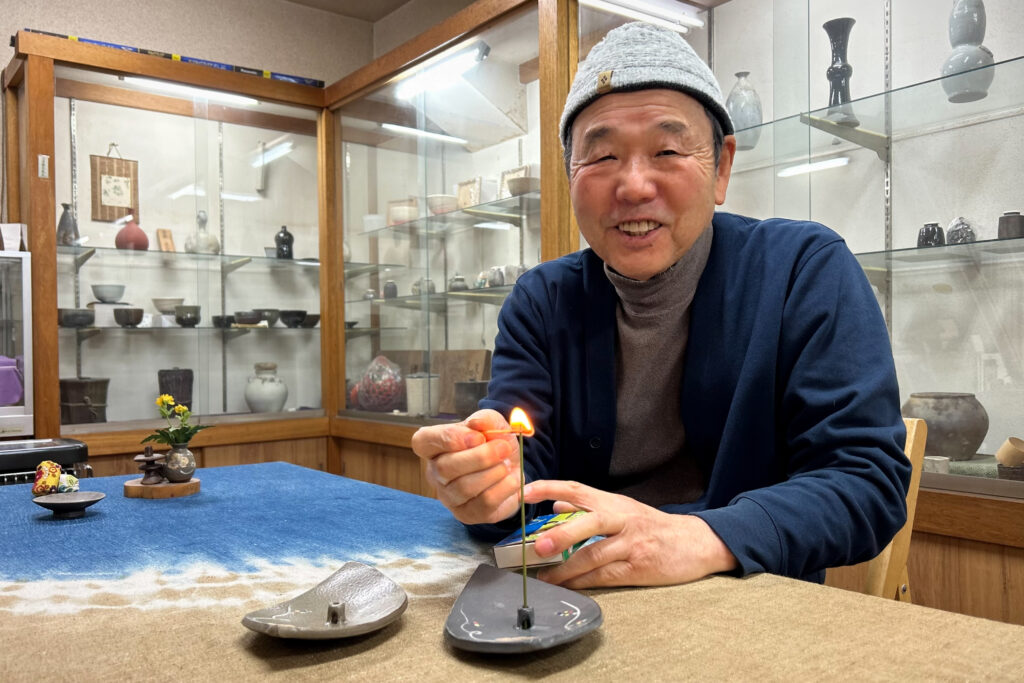
Customers Changing, Without Changing Too Much
In recent years, the faces of visitors to the potter have changed. Where tea ceremony and flower arrangement practitioners once formed the majority, more general tourists in their thirties and forties have been visiting since the pandemic.
“The colors of the forms have shifted little by little. People ask for cups with handles, or request greater ease of use.”
In the past, customers often purchased sets of the same type. Today, more people choose individual pieces one by one. Changes in lifestyle and living spaces are reflected directly in how people select their tableware.
“It’s not about continuing tradition exactly as it was. Even within tradition, new things are born. That’s only natural.”
This open acceptance of change underlies the calm presence of NAOSAKU-GAMA’s forms.
The Comfortable Distance of a Welcoming Potter
In recent years, Naosaku has felt the impact of shifting seasons and climate. “Summer and winter, especially, the drying conditions have changed,” he says with a slight frown.
“It feels like we’ve gone from four seasons to just two. There’s hardly a perfect in-between anymore. But pieces made in the gentle air of spring or autumn really do turn out differently.”
Though Tamba Tachikui is only about an hour by car from the city, time seems to flow more gently here.
“People who come from Tokyo often say, ‘What a lovely place.’ Many stay overnight and take their time visiting the potters.”
When asked about the stereotype that “potters are stubborn,” Naosaku laughs heartily. “There aren’t many like that anymore. Most are friendly and easy to talk to.”
Some visitors return after thirty years. Others stop by simply to share news about their families. Pottery connects people—it is something that does not change with the times.
Having walked alongside Tamba clay for half a century, gently accepting the waves of change, Naosaku continues his quiet practice. The forms born from his hands still rest beside someone’s daily life, offering warmth in the most natural way.
Overview
of
NAOSAKU-GAMA
Address
43 Shimotachikui, Konda-cho, Tamba-Sasayama, Hyogo, Japan
TEL
FAX
Website