

TOC
ICHINO NOBUYUKI-GAMA
profile
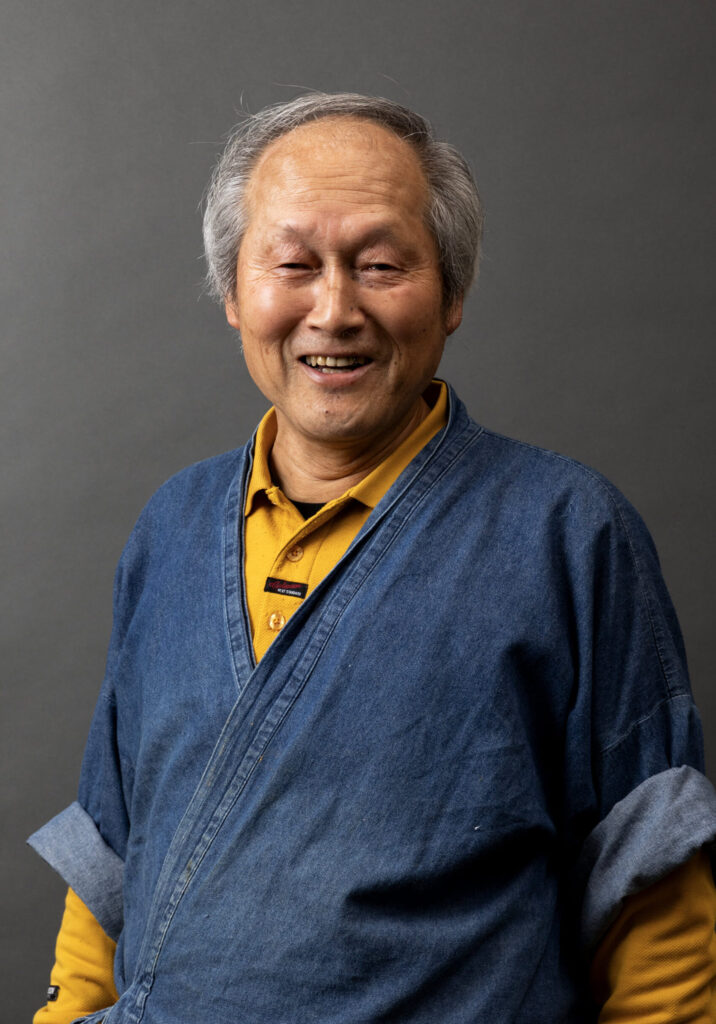
Nobuyuki Ichino
profile
Nobuyuki Ichino
Established 53 years ago
1st generation
Year of Birth:1953
Year Began Pottery:1973
Education / Training Background
Graduated from Sanda Gakuen High School
Studied under Tanso Ichino and Hirofumi Ichino
Major Awards
Hyogo Prefecture Distinguished Skills Award
Distinguished Service Award for Traditional Craftsmen
Order of the Sacred Treasure, Silver Rays
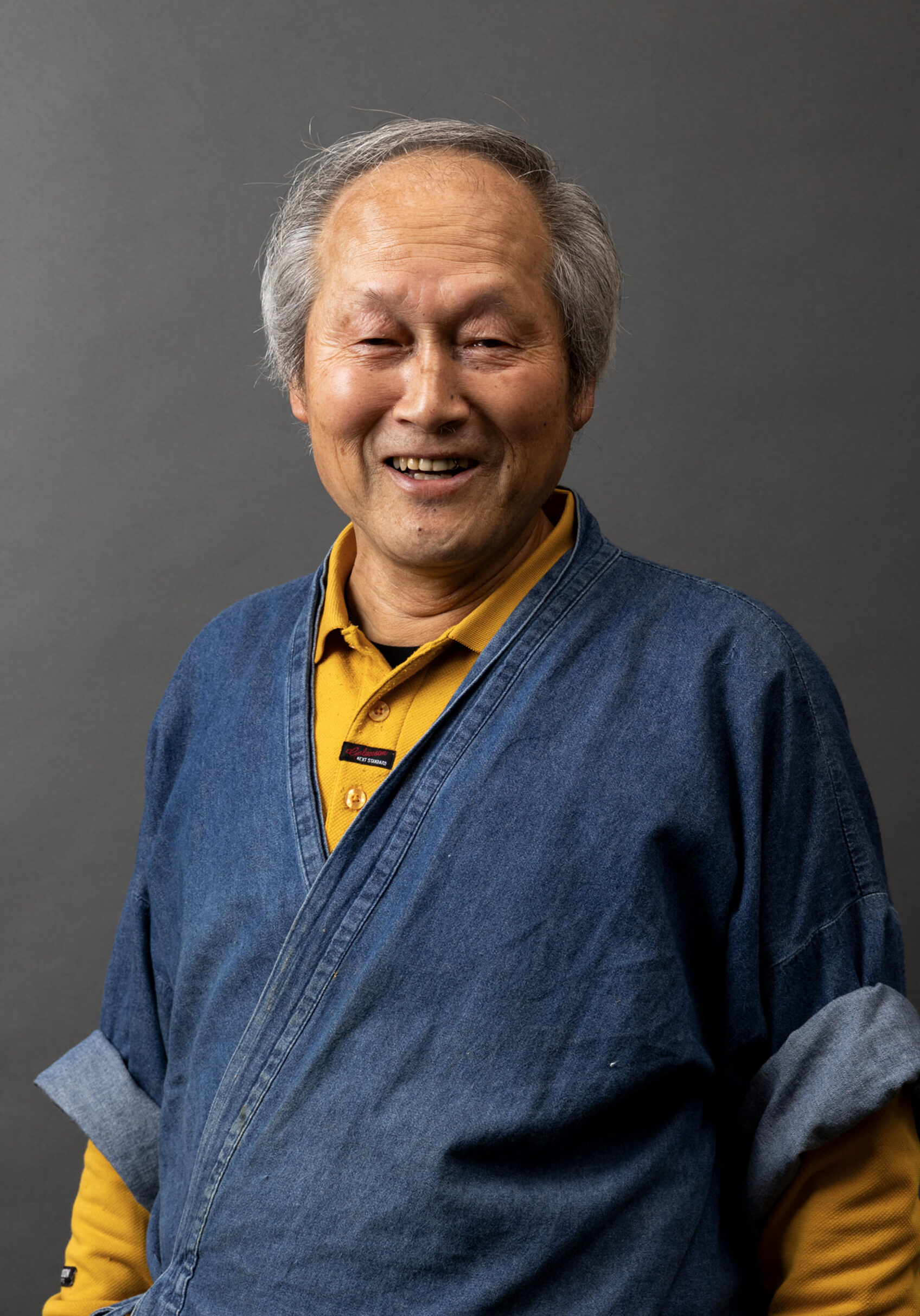
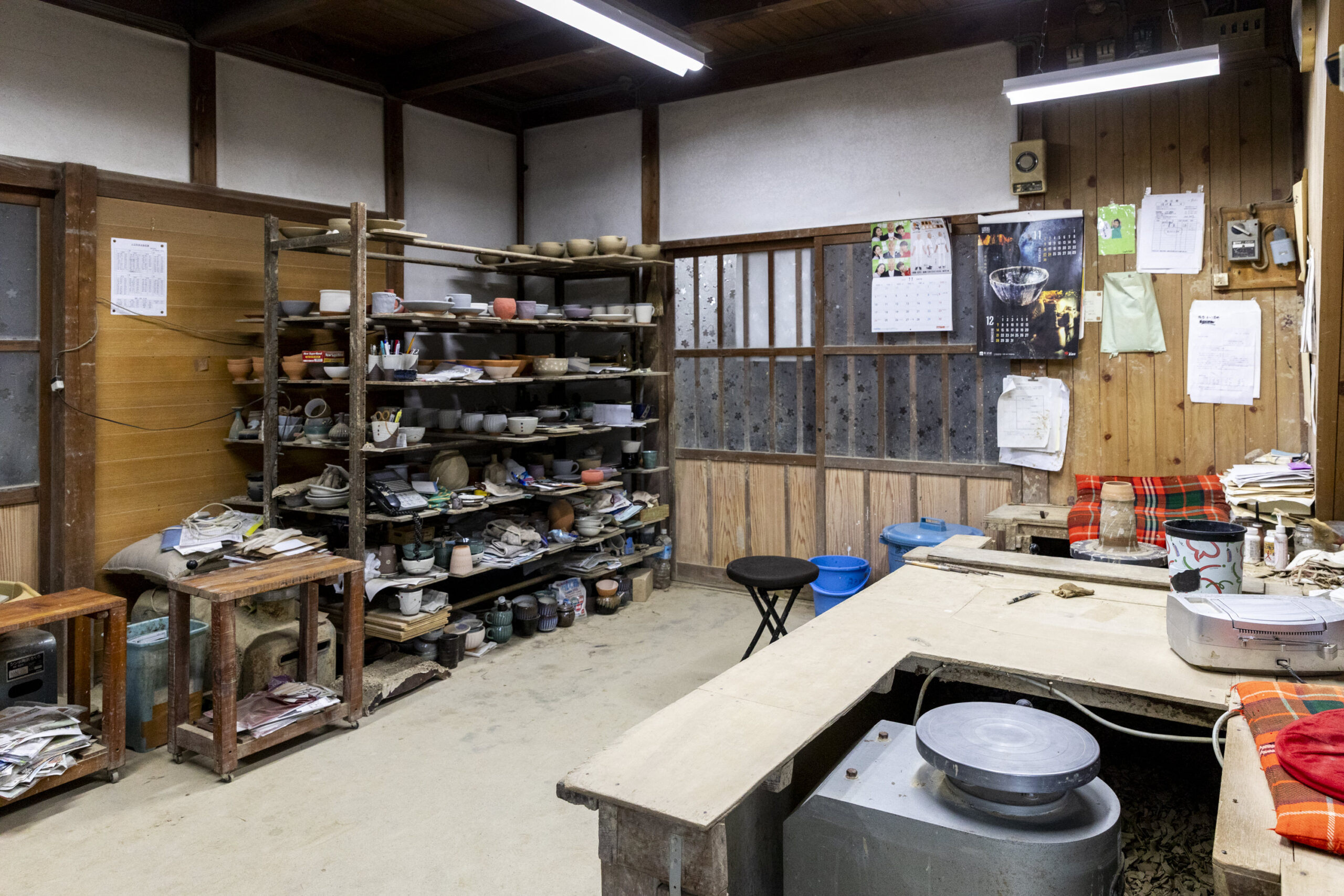
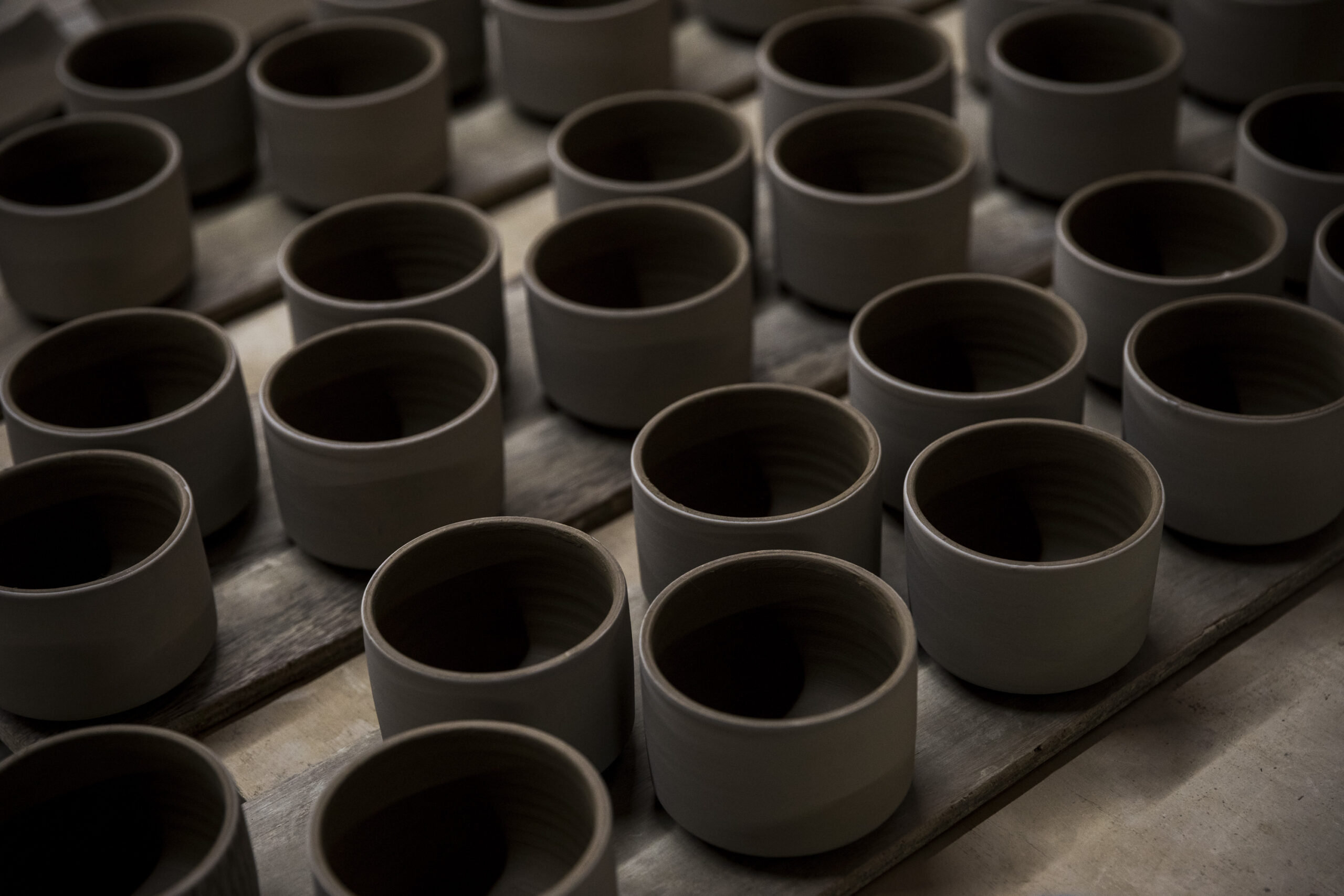
The state of the workshop
スクロールできます
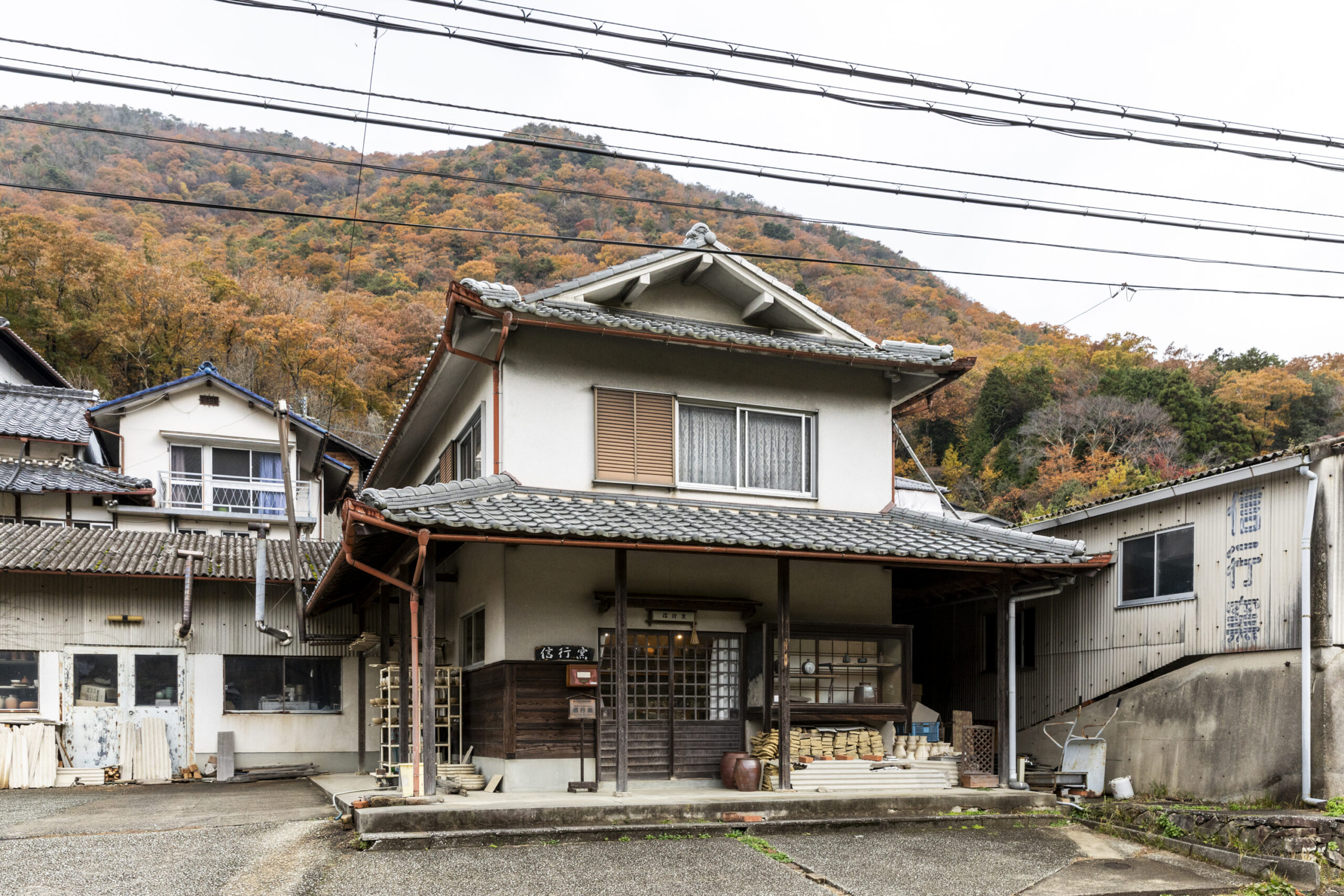
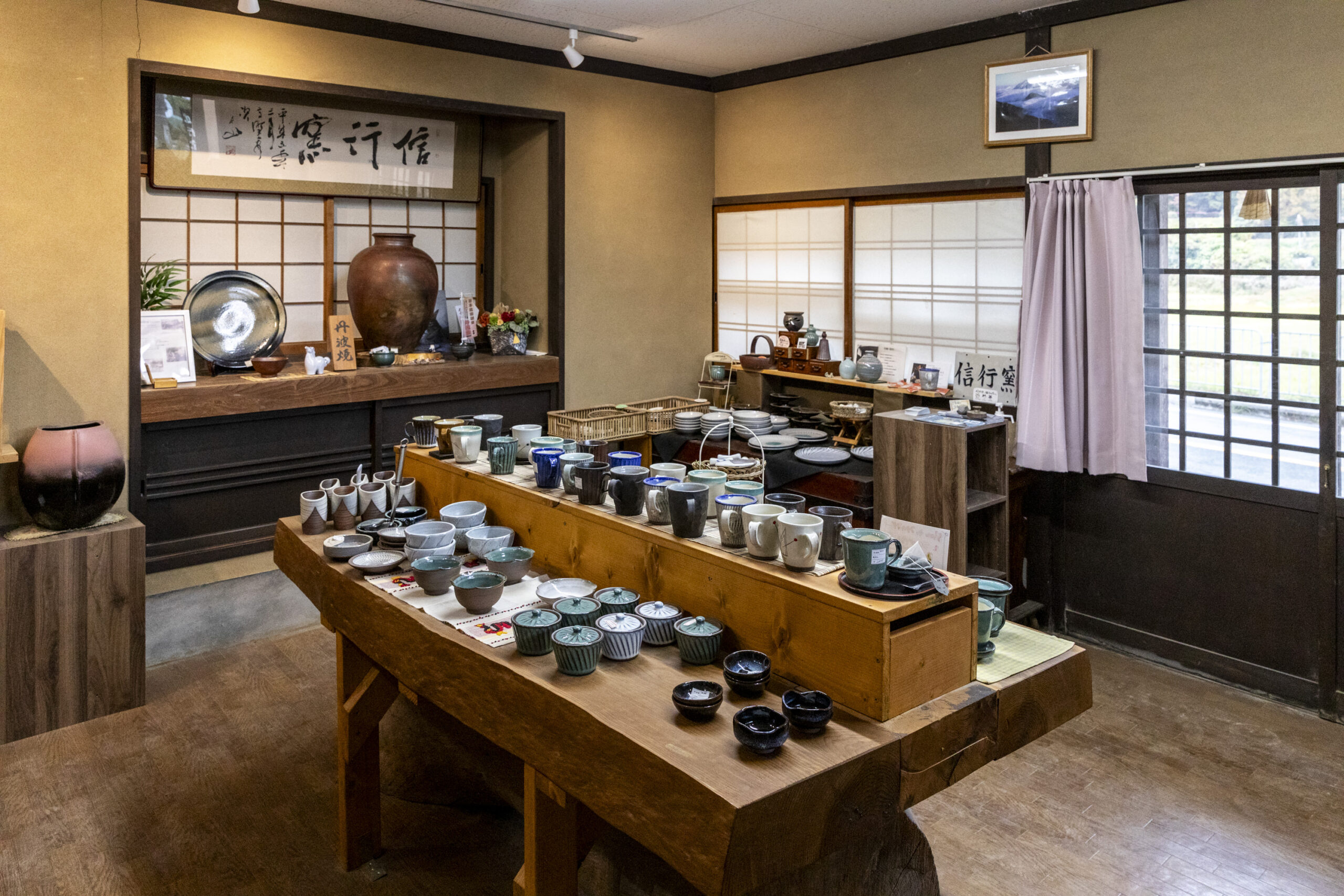
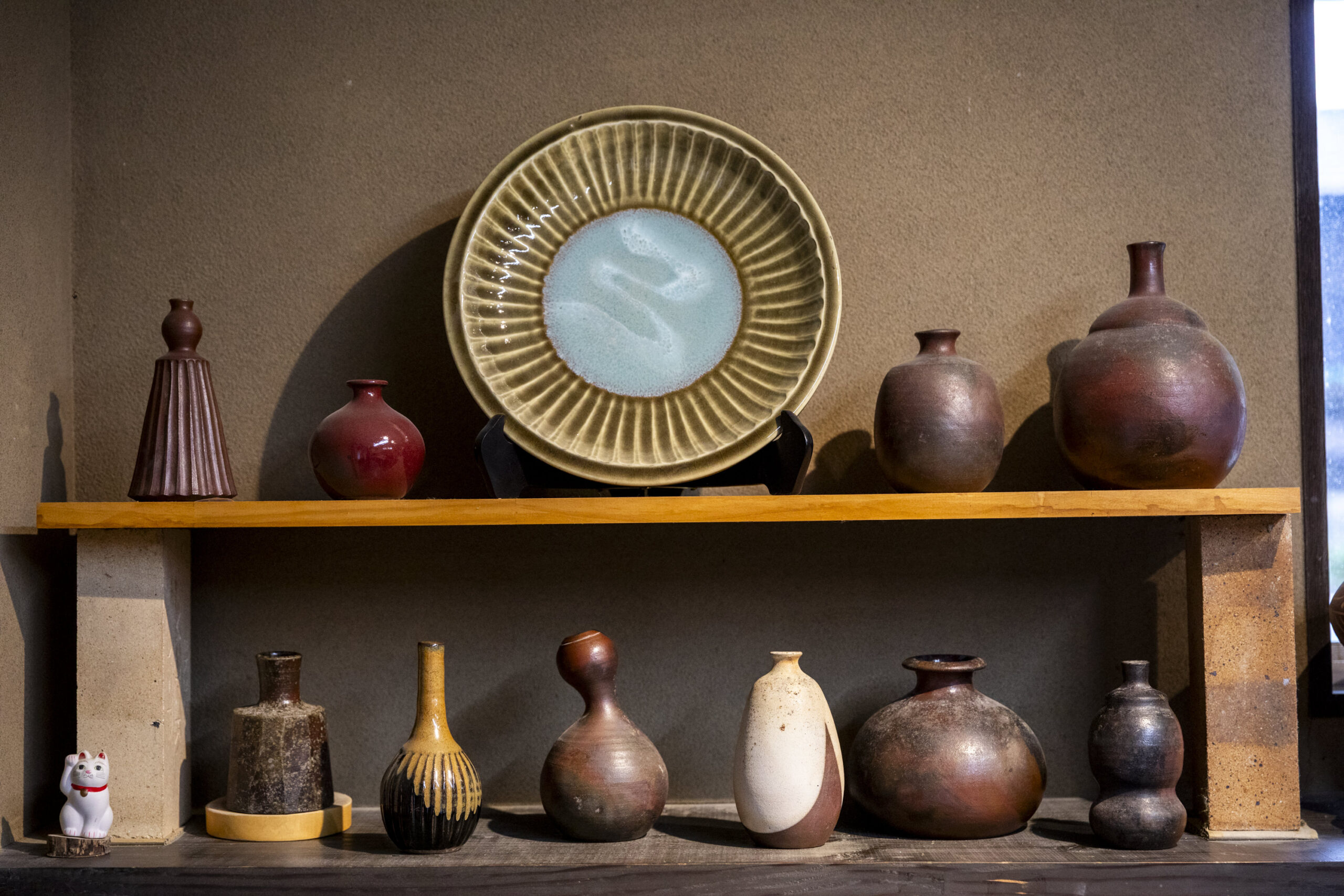
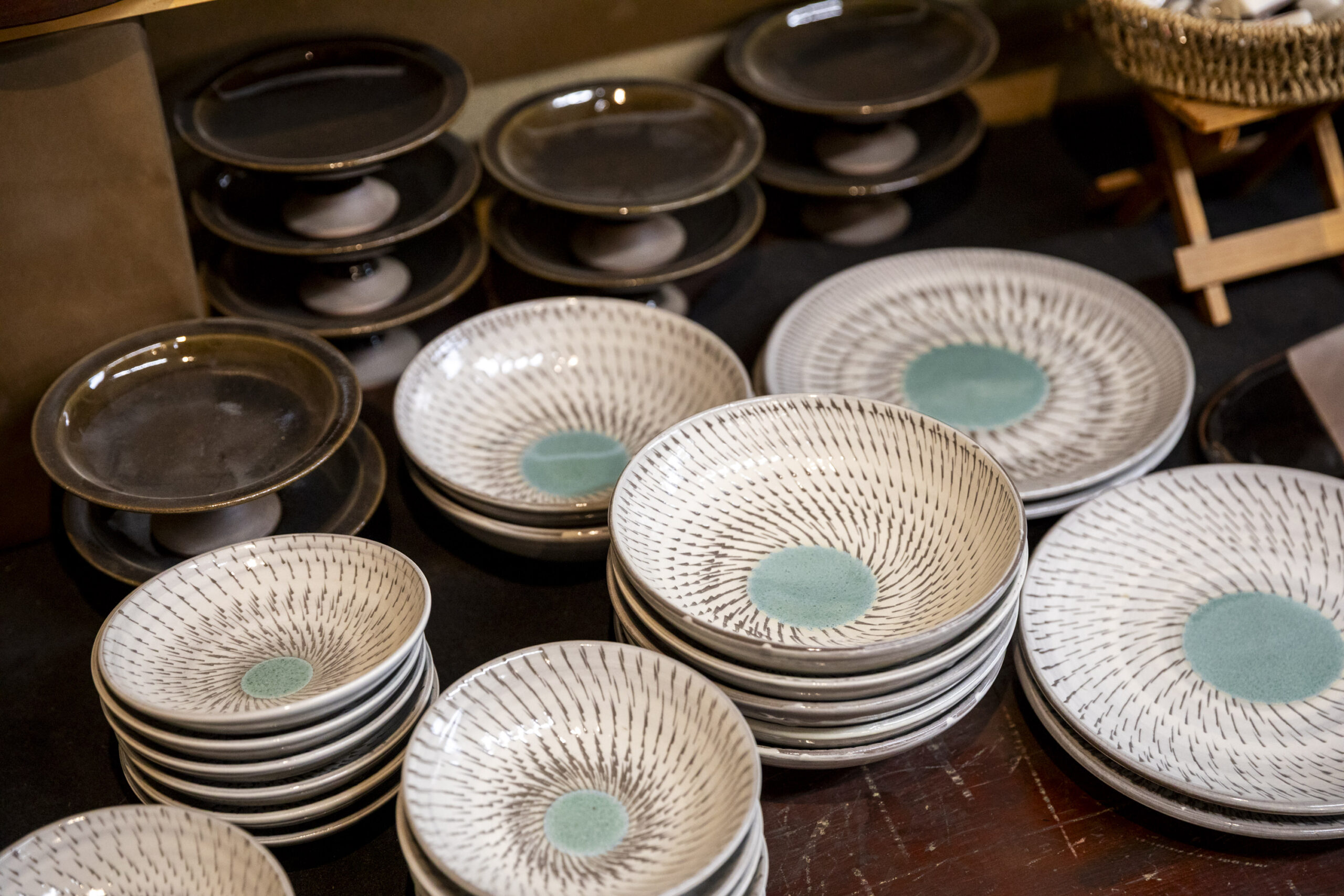
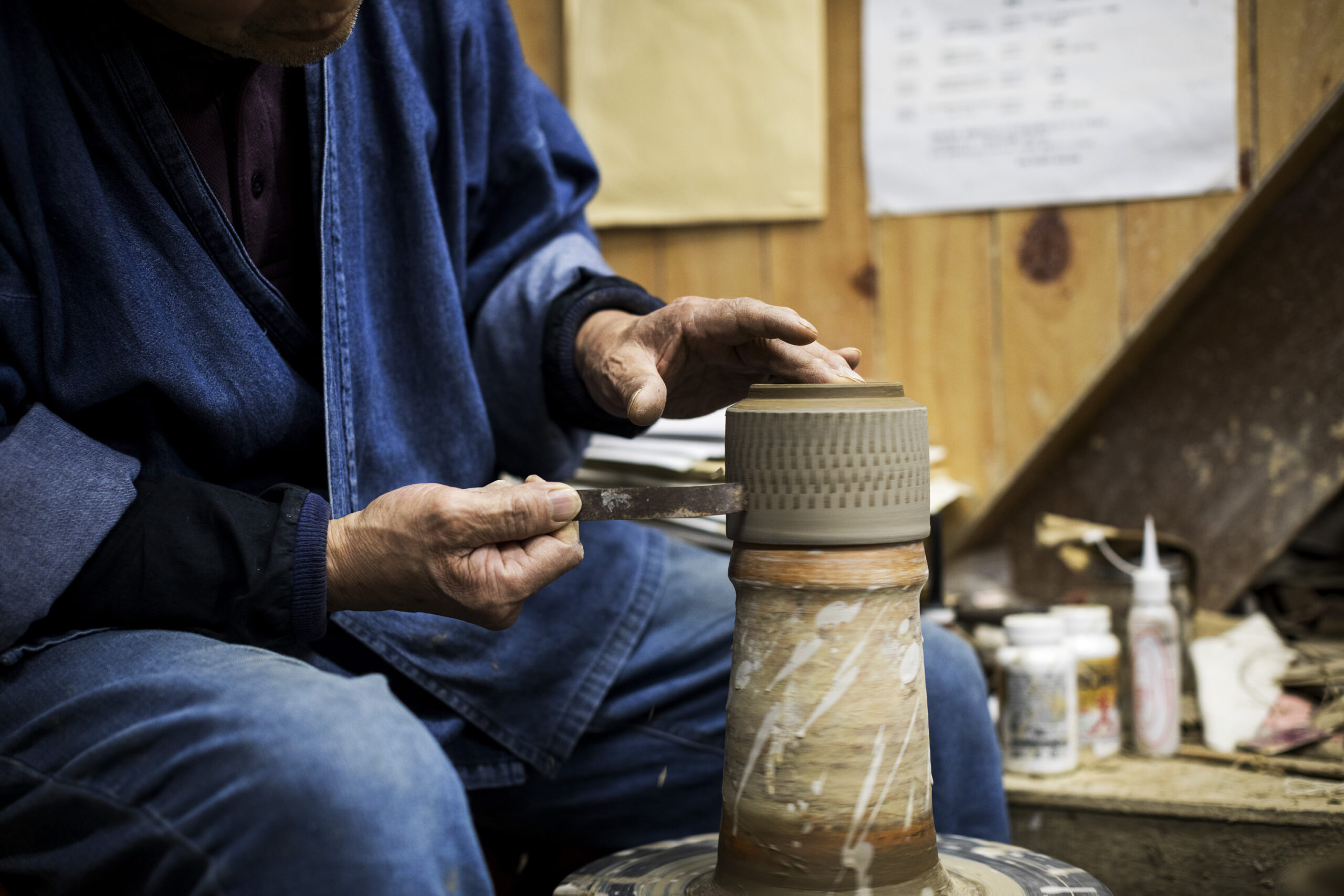
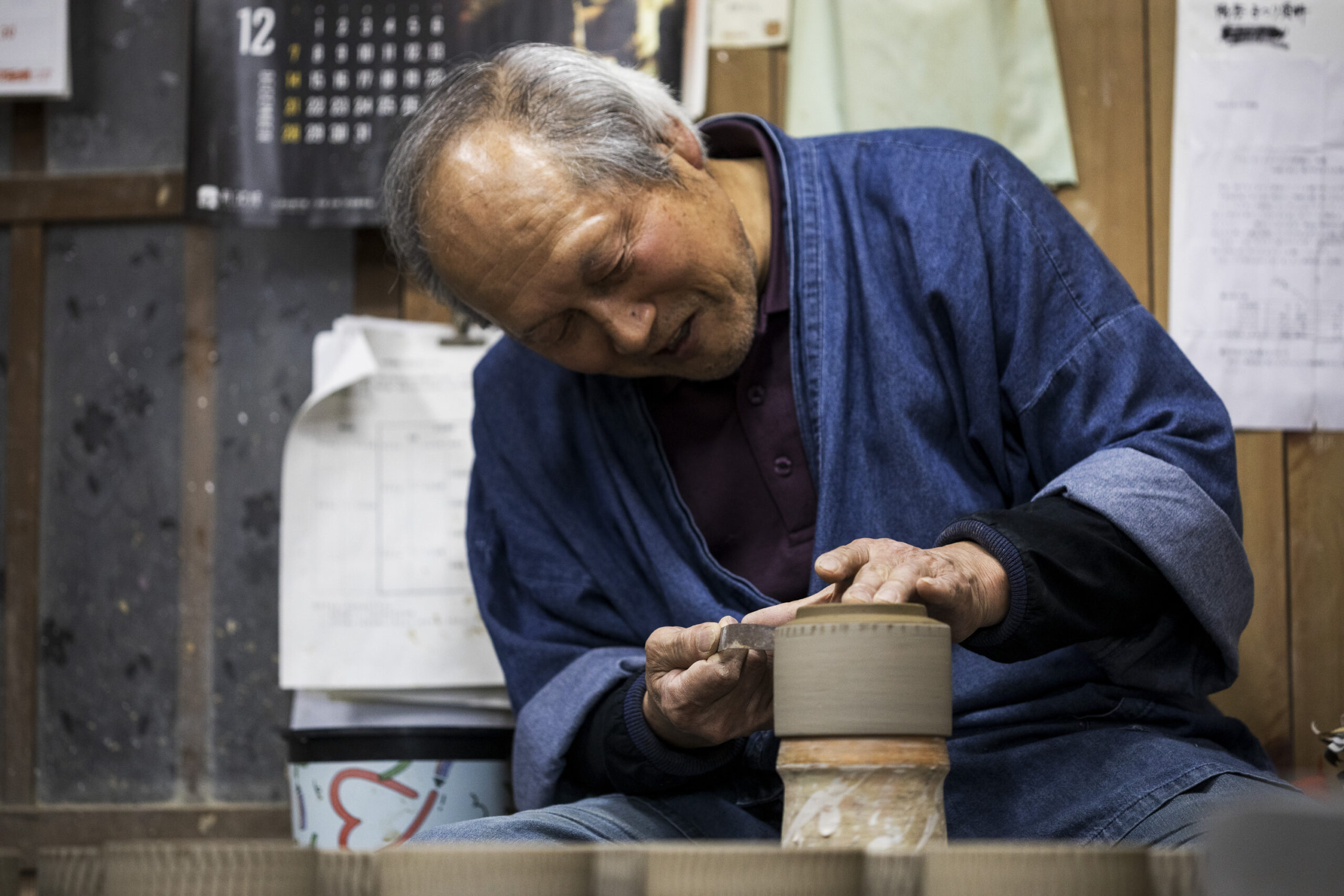


Works
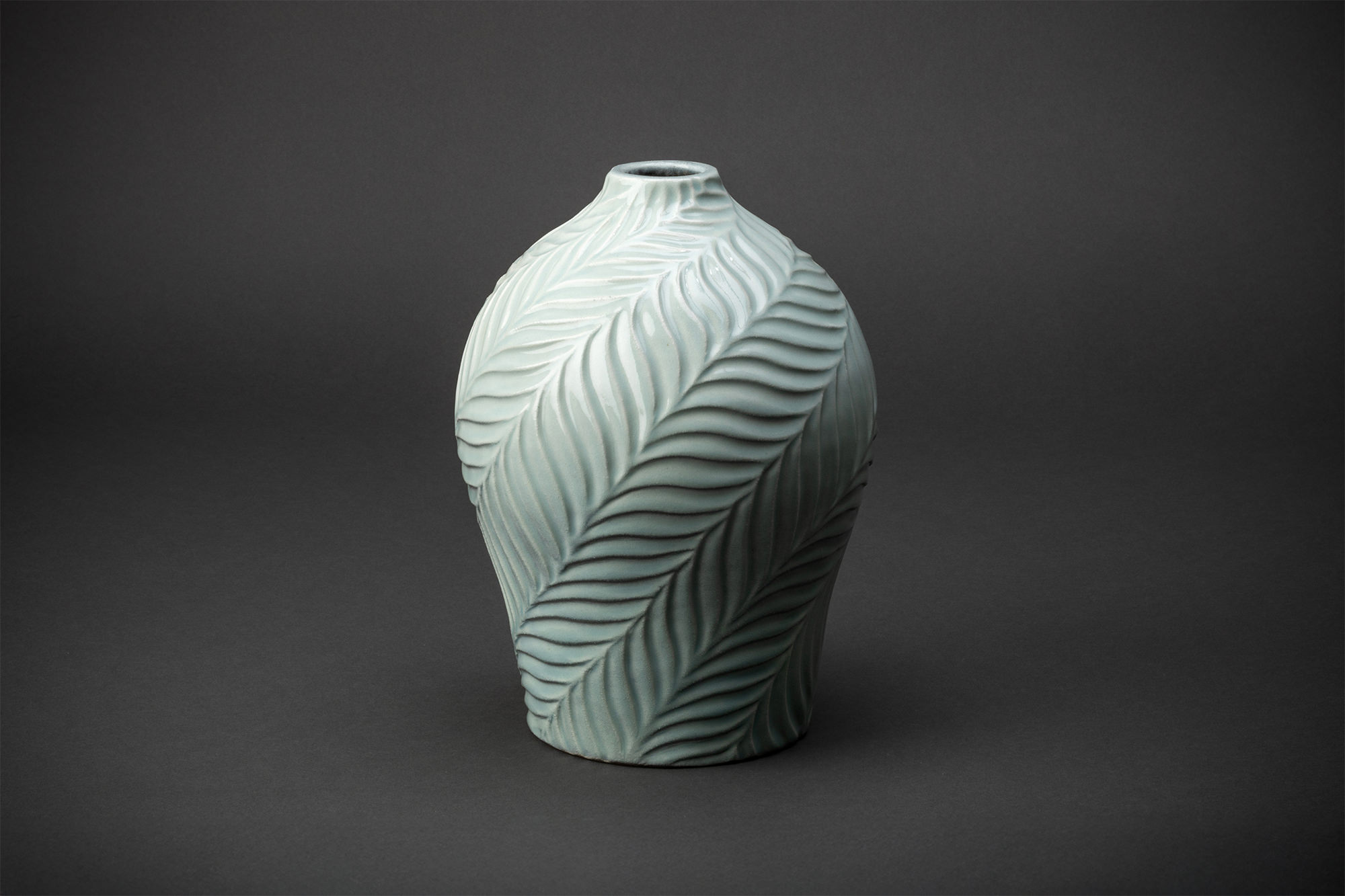
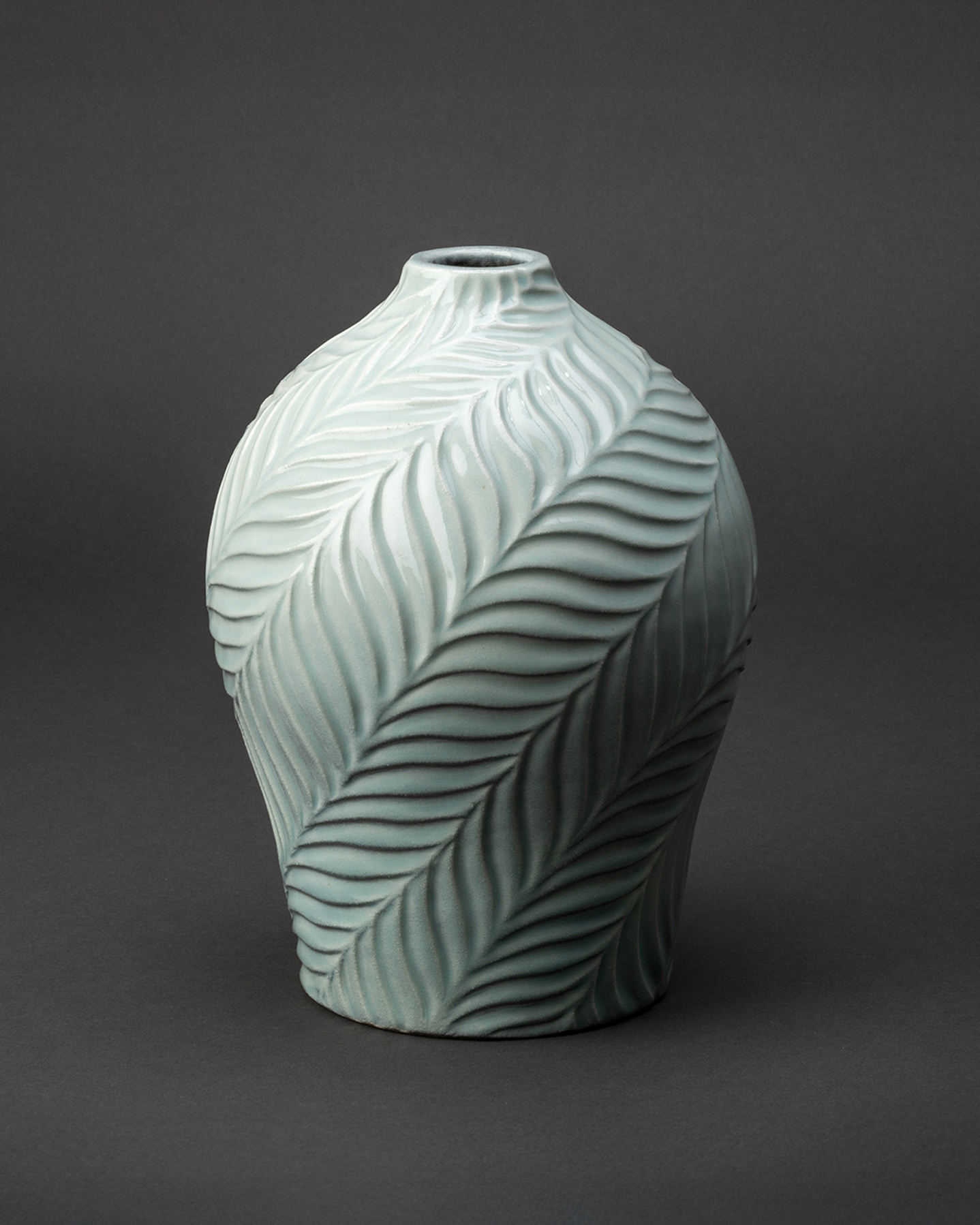
photo:AOTANI Takeru
Interview
Pursuing the beauty of utility while embracing universal design.
Creating pottery through a deep and constant consideration of the user’s perspective
Pursuing the “Beauty of Utility” by Responding to the Voices of Users
For Nobuyuki Ichino (hereafter, Nobuyuki), the most important principle in his pottery-making is the “beauty of utility.”
No matter how beautiful a form may be, it has no meaning if it is not used. In support of this belief, Nobuyuki actively visits pottery sections in department stores and other retail spaces, asking staff about current trends and customer needs as if he were a regular shopper himself.
When he learns, for example, that “people today are looking for mugs that can hold plenty of coffee or tea rather than traditional yunomi teacups,” he reflects this insight in his work with flexibility, unbound by the conventional framework of tradition.
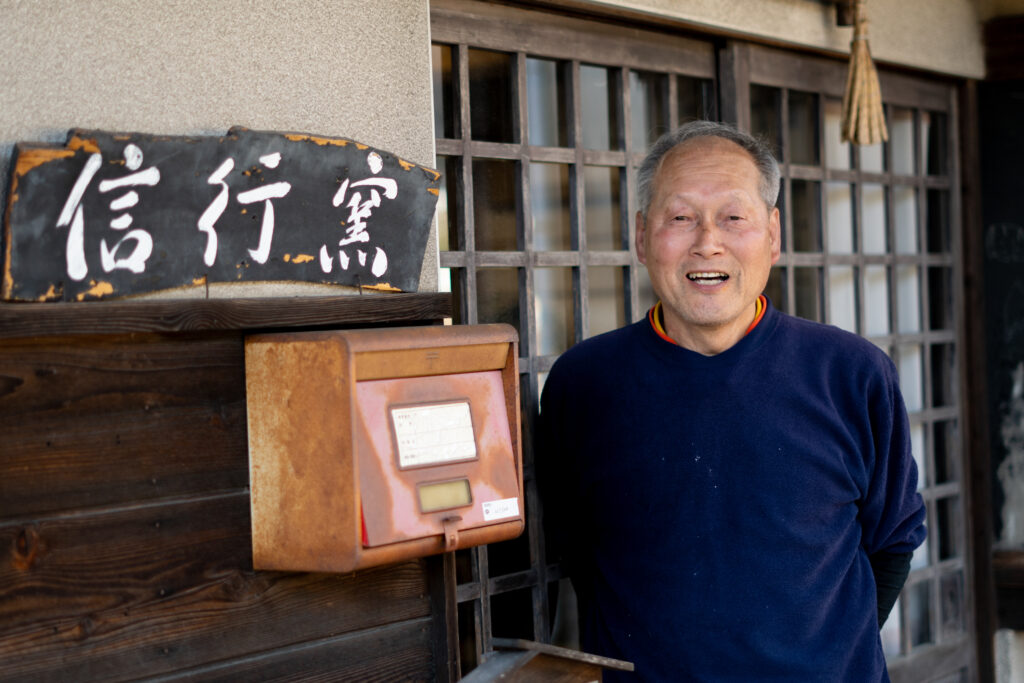
While observing the sales floor, he also imagines the lifestyles of all kinds of people who might use his work.
“I realized that there are many left-handed people in the world, yet most tools are designed only for right-handed users. So I tried making a teapot that would be easy to use with the left hand and put it out for sale. A customer told me, ‘I’ve never been able to find anything like this—I’m so happy.’ Those words truly meant a lot to me. I’m glad I took on the challenge.”
Gaining the perspective of “universal design” has further deepened his commitment to creating work that accompanies the diverse lives of users. This, for Nobuyuki, is the ideal way of being a potter.
He holds the philosophy that “tradition is not only something to preserve, but something to create together with the times.” Even now, well past the age of seventy, he continues to take on new challenges each day, inspired by the fresh approaches of younger potters.
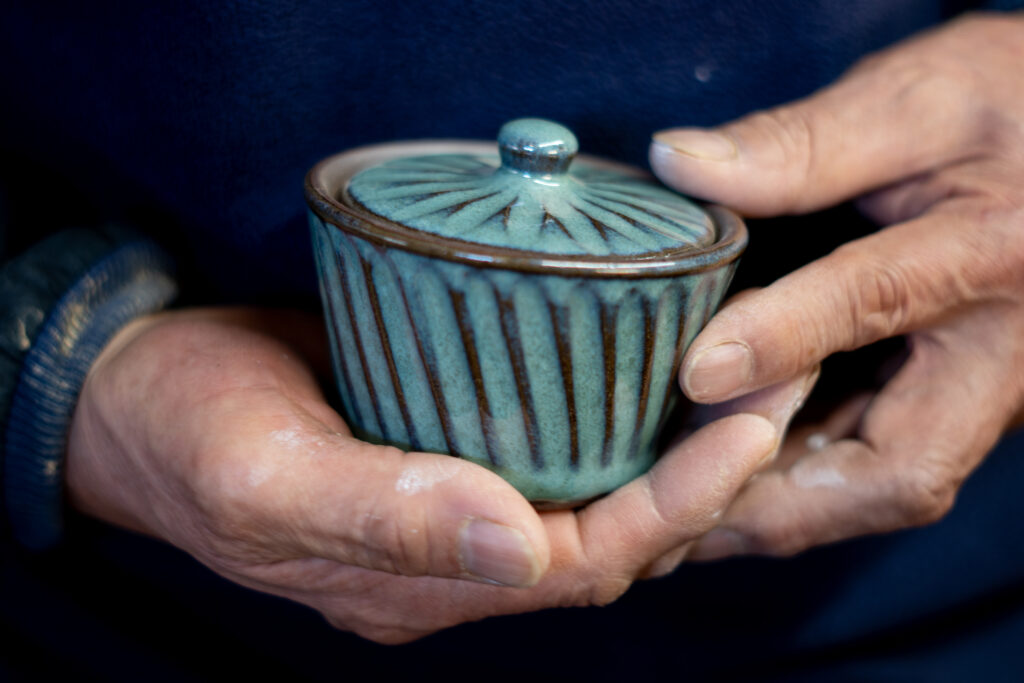
The Path of a Potter Shaped by His Mother
The pottery scenes that remain in Nobuyuki’s memory are of his mother, who steadfastly supported the family business. His father had established the potter, but when Nobuyuki was ten years old, his father suddenly passed away at the age of thirty seven while firing the climbing kiln. After that, his mother took on production work from other kilns on her own and supported the family single handedly.
“Although I was the eldest son, I had no intention of entering the world of pottery. Considering my personality, I thought I was better suited to office work than making things.”
After graduating from high school, he hoped to continue on to university. However, at a memorial service for a relative, his mother happened to reunite with Hiroyuki Ichino, who would later become his mentor. When Hiroyuki asked, “Your son is the eldest, isn’t he? What is he doing now?” that conversation became the starting point for arrangements between his mother and Hiroyuki that eventually set Nobuyuki on the path to becoming a potter.
“I thought the world of ceramics was physical work and probably not suited to me. I entered this field with anxiety and inner conflict at first, but now I’m grateful to my mother for creating the path for me.”
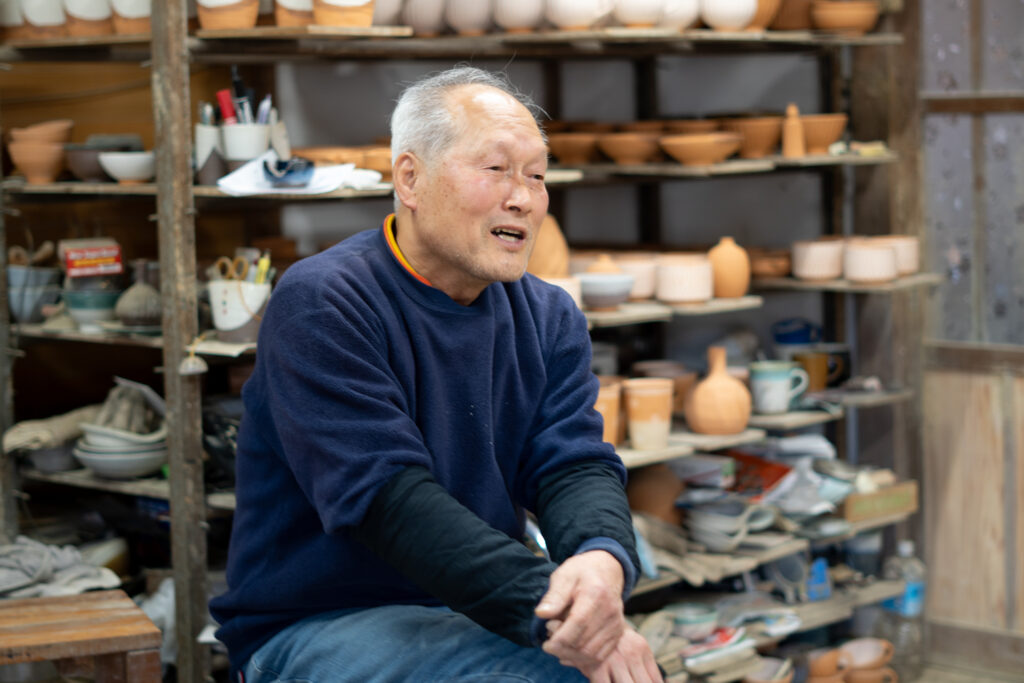
The Words of a Master That Still Bring Him Back to His Origins
For Nobuyuki, who believed he lacked an artistic sensibility, his apprenticeship felt like walking through darkness. Yet amid uncertainty and doubt, the presence of his master, Hiroyuki, became his greatest support.
One day, as Nobuyuki was turning the wheel with an empty mind, his master simply said, “That’s good.” Nobuyuki himself had no idea what was good about it. Confused but encouraged, he began to adjust the form further—only for his master to add, “Why are you ruining a good shape and taking it in the wrong direction?”
“When you touch the clay too much in an effort to perfect it, you end up losing the clay’s natural beauty. Whenever I feel stuck or stumble, I remember my master’s words from that time. He was someone who communicated through his presence alone, without needing many words. Even now, I still wish to become a person of that stature, though I feel I have yet to come close.”
When he finds himself unable to face the clay with clarity, Nobuyuki decisively stops working. He gets into his beloved mini truck and goes for a drive, refreshing himself while gazing at the mountains, rivers, and rice fields of Tachikui.
“Switching between work and rest is important. If you rush and try to make something, that impatience is transmitted to the clay.” After spending time in nature, he quietly returns to sit before the wheel once more.
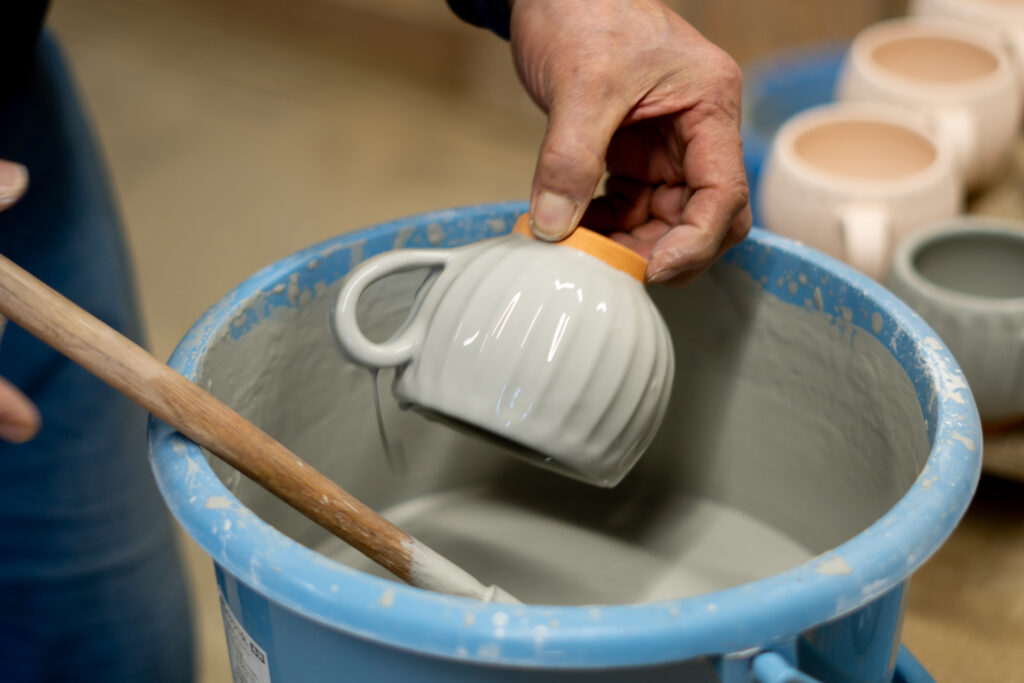
Tradition Is Something to Be Created with the Times, Not Only Preserved
“It’s only within the past ten years that I’ve truly come to feel that pottery is enjoyable from the bottom of my heart.”
For more than forty years before that, he says he always felt somewhere inside that he was “being made to do it.” But when the skills he had accumulated, his interactions with customers, and his own aspirations finally aligned in a positive way, his world changed.
“Now that I’m over seventy, my physical strength has declined, but my sense of fulfillment is greater than ever. I believe tradition is not only something to protect—it’s something to create together with the times. Seeing the new challenges taken on by younger potters inspires me. I want to keep pushing forward with the determination not to be outdone by them.”
Nobuyuki’s greatest source of comfort these days is the time he spends with his cats. “When I’m working at the wheel, sometimes a cat jumps up onto my back. They’re so adorable that even when I go out, I find myself wanting to come home as soon as possible.”
His personal motto is ichigo ichie—“treasure every encounter as a once-in-a-lifetime moment.” Nobuyuki is also one of the founding members of what has become a signature event, the Tamba Ware Pottery Festival. He had long hoped to create events that would allow visitors to enjoy Tachikui even more, especially by encouraging people to visit during the quiet winter season.
Overview
of
ICHINO NOBUYUKI-GAMA
Address
360 Shimotachikui, Konda-cho, Tamba-Sasayama, Hyogo, Japan
TEL
FAX
Website
Pottery Classes
We carefully guide you step by step in creating the piece you want to make.
Even one person is welcome. Let’s enjoy pottery together.
Available Dates: Tuesday, Thursday, Saturday, Sunday
Reception Hours: 10:00–15:00
Reservation: Required
Walk-ins: Please contact us
<Clay Modeling Class>
1–2 hours / ¥1,500 (700 g) / ¥2,200 (1 kg)
・Maximum Participants: 7–8
・Completion Time: 1 month
Notes:
・Choose from 3–4 types of glaze.
<Wheel Throwing Class>
2 hours / From ¥3,000 (1 kg)
・Maximum Participants: 4–5
・Completion Time: 1 month
Notes:
・Choose from 3–4 types of glaze.
・You can create anything from small bowls to large plates, sake bottles, or flower vases.