
TOC
ICHINO DENICHI-GAMA
profile
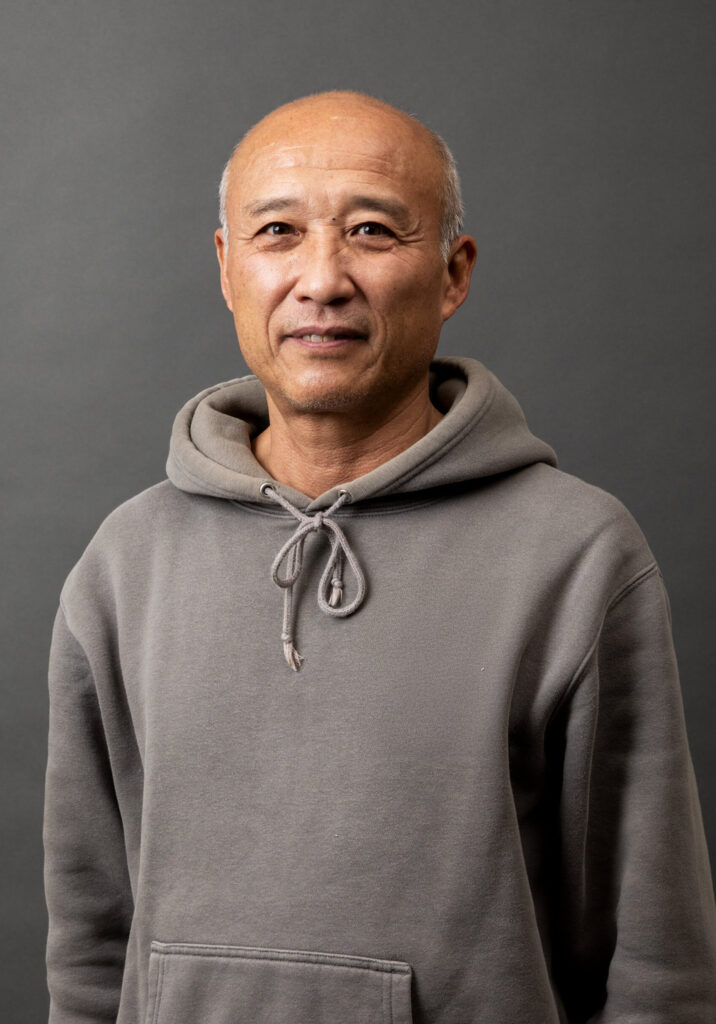
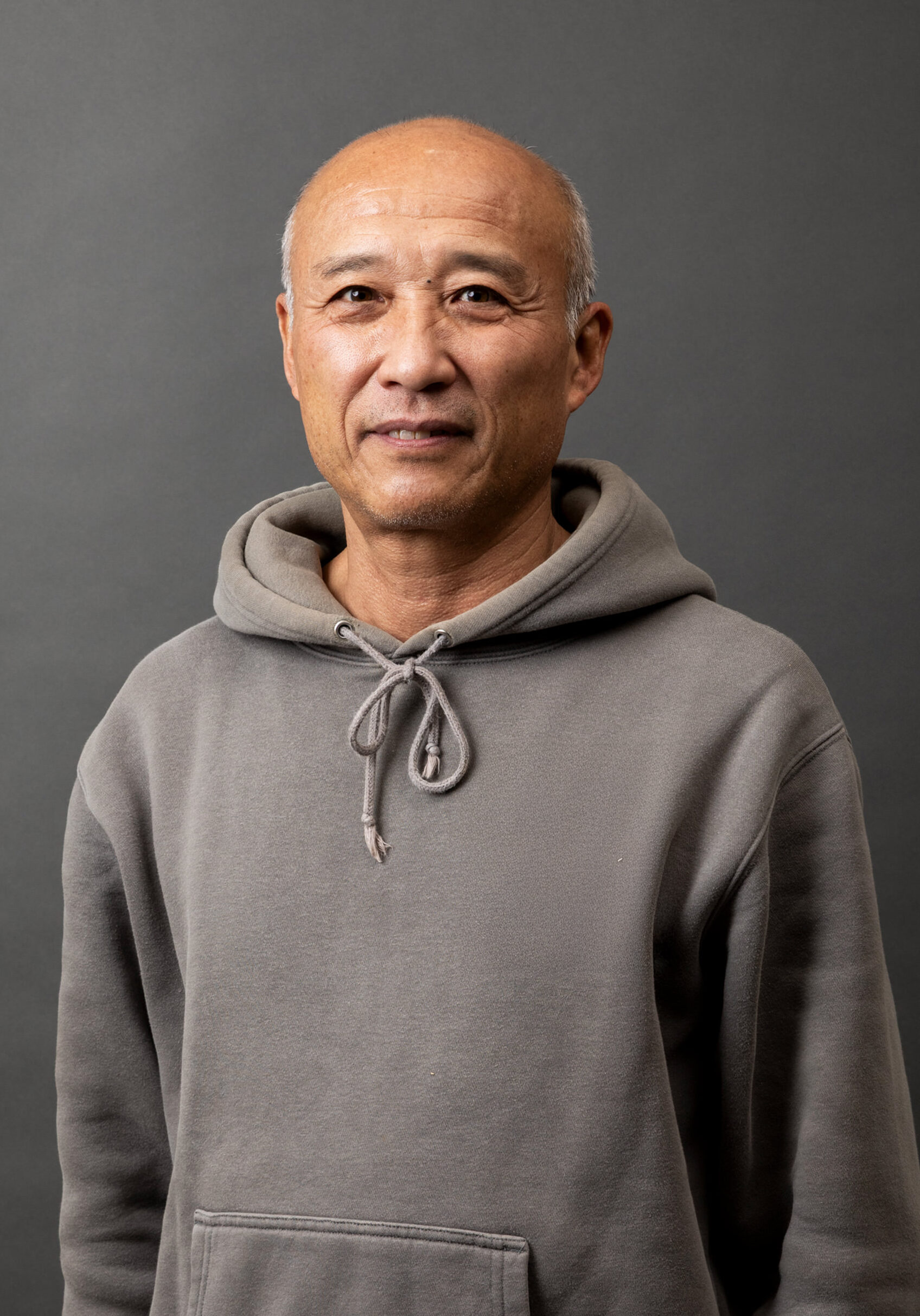
Tatsuya Ichino
profile
Tatsuya Ichino
2nd generation
Year of Birth:1962
Year Began Pottery:1984
Major Awards
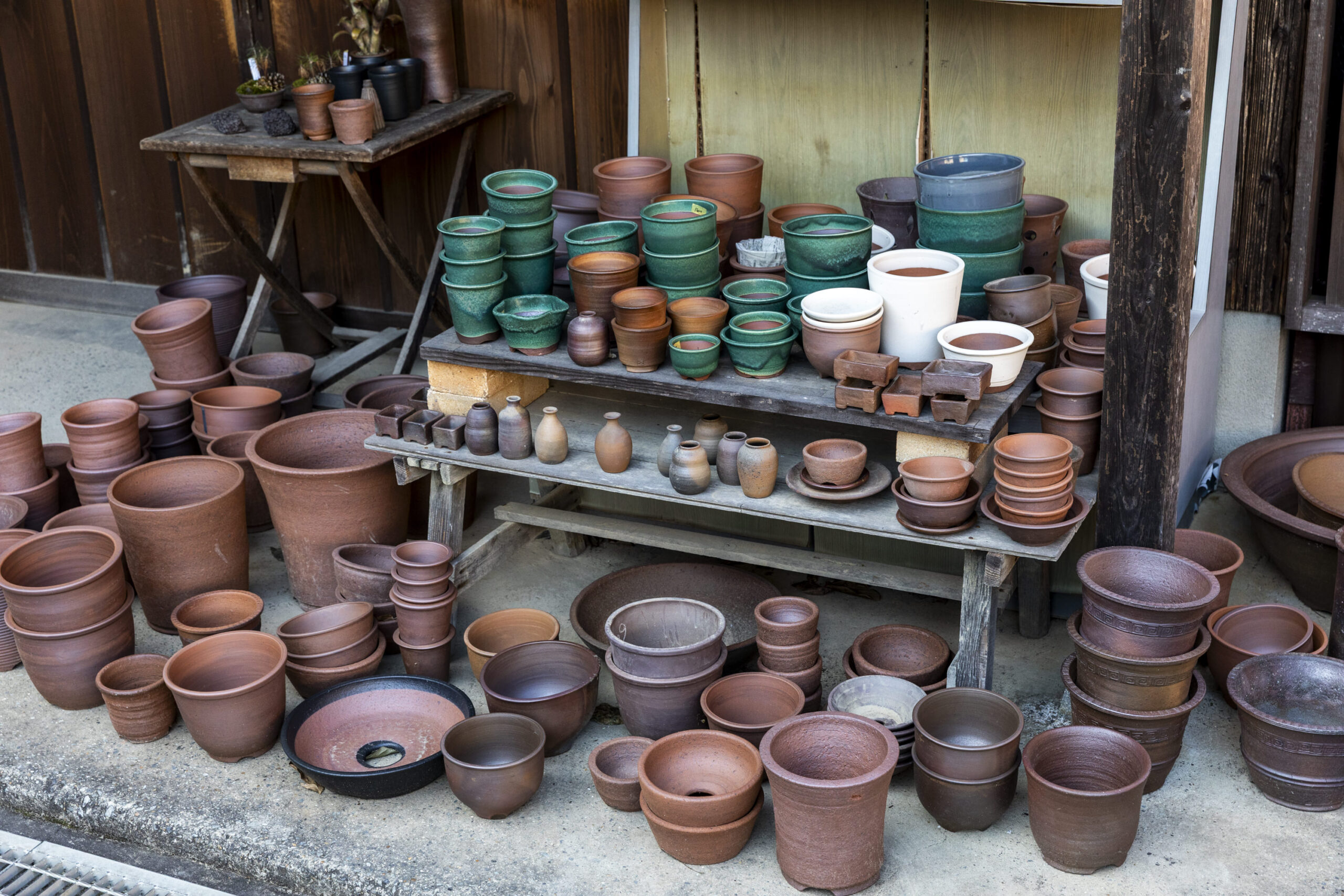
Specializes in flowerpots; “Denichi-bachi” holds a nationwide market share.
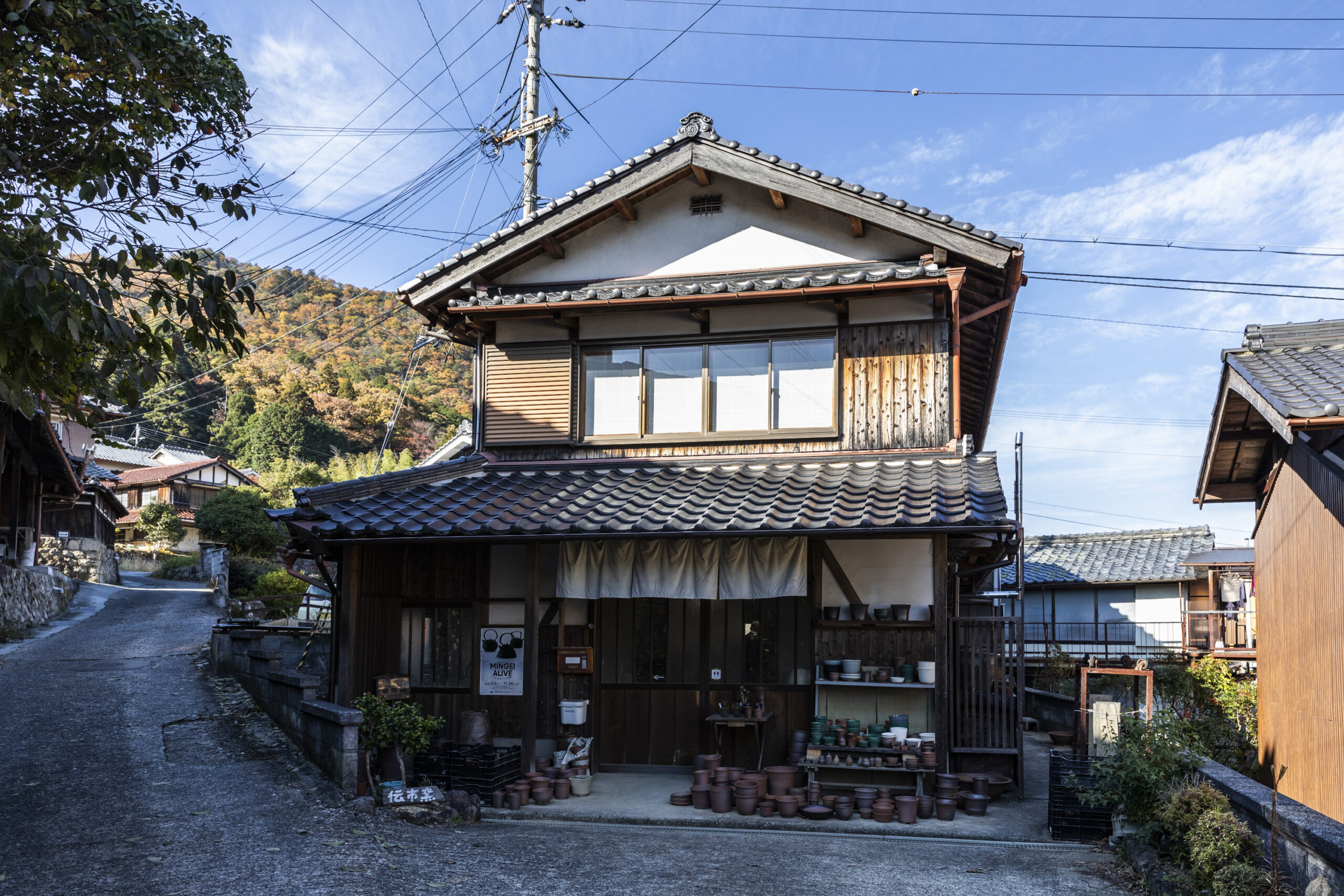
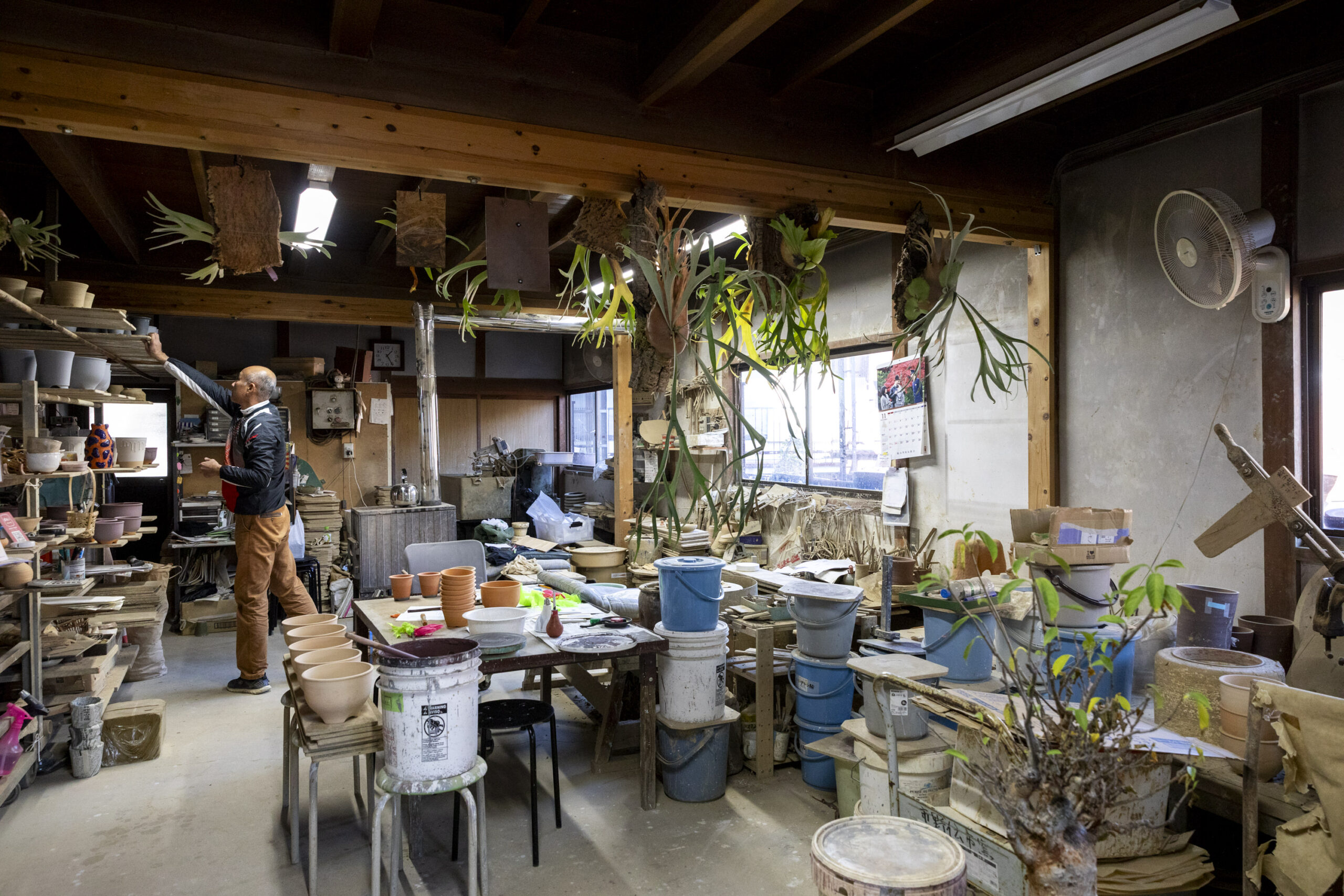
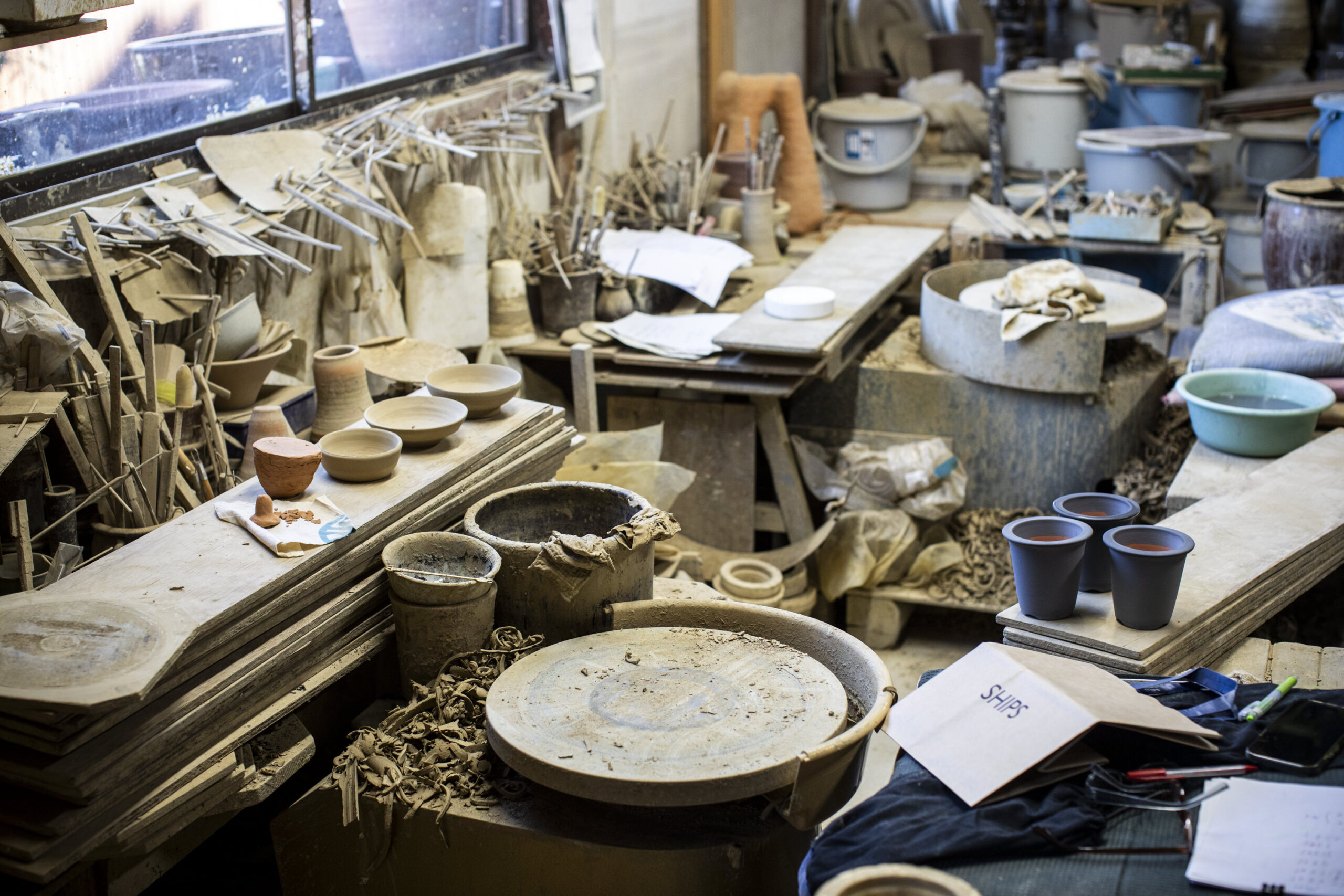
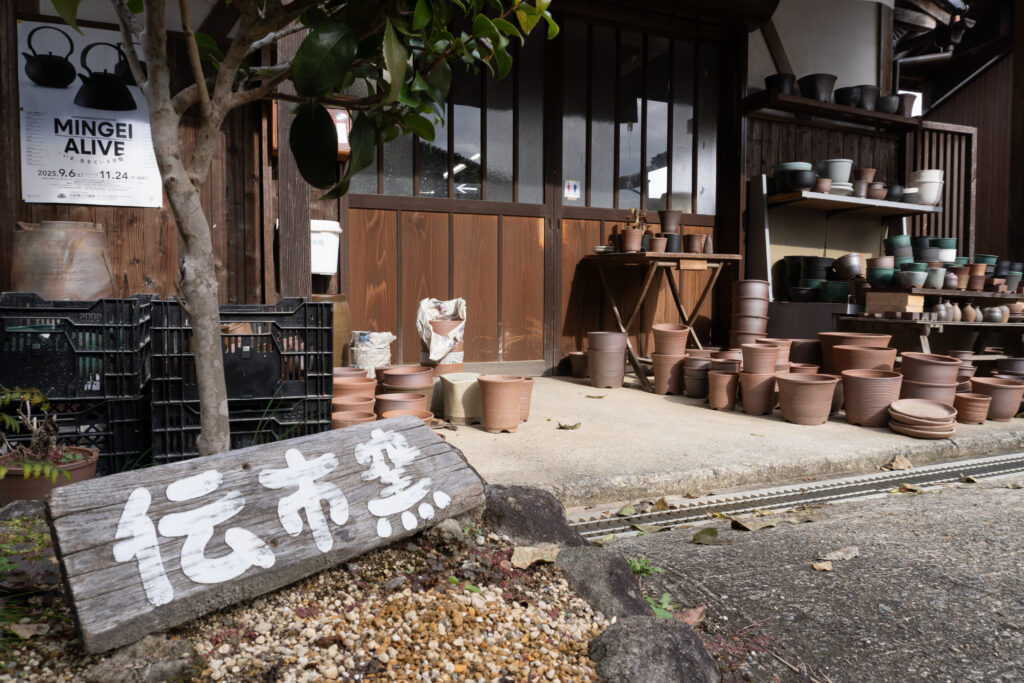
The state of the workshop
スクロールできます


Works
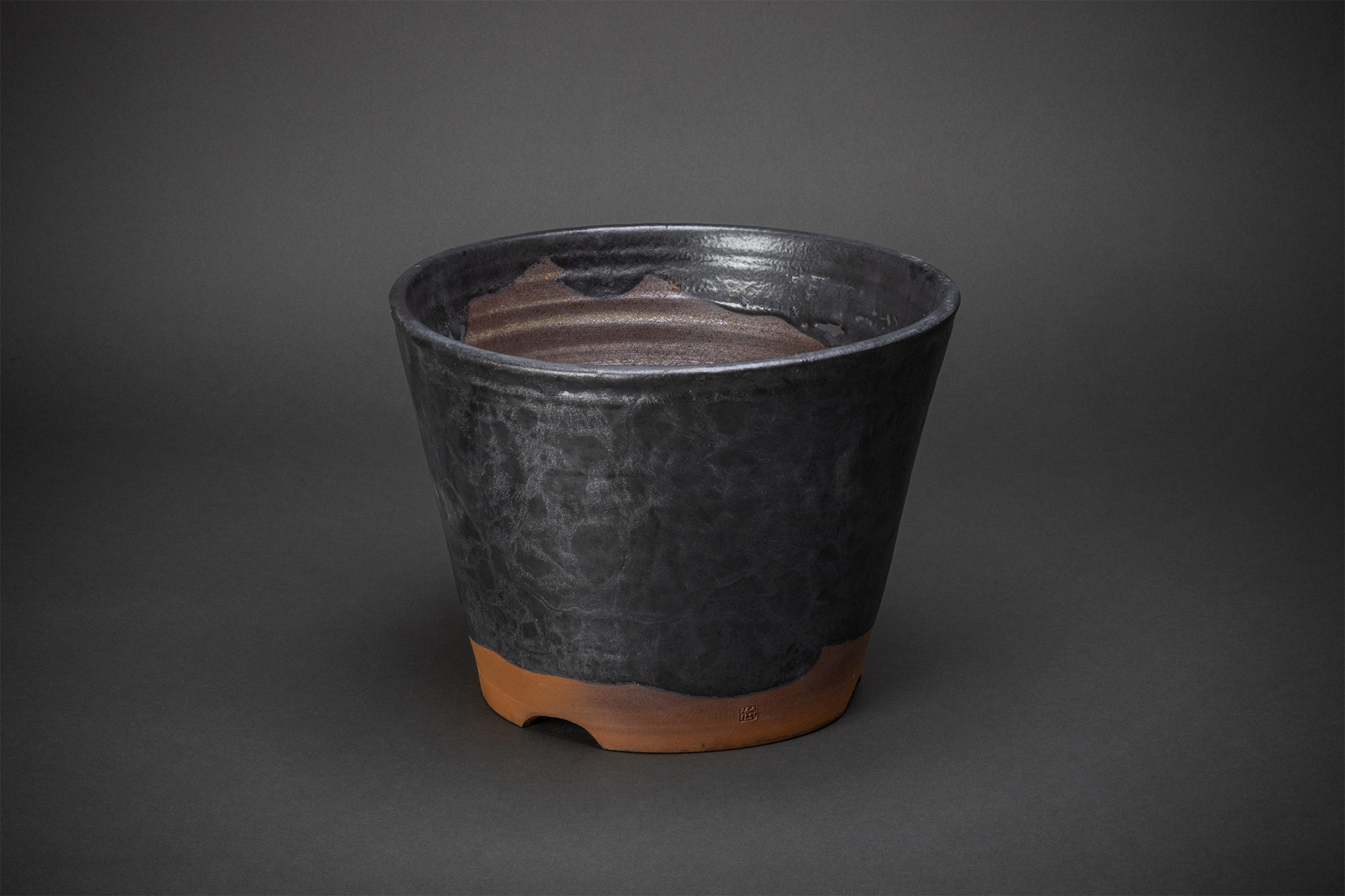
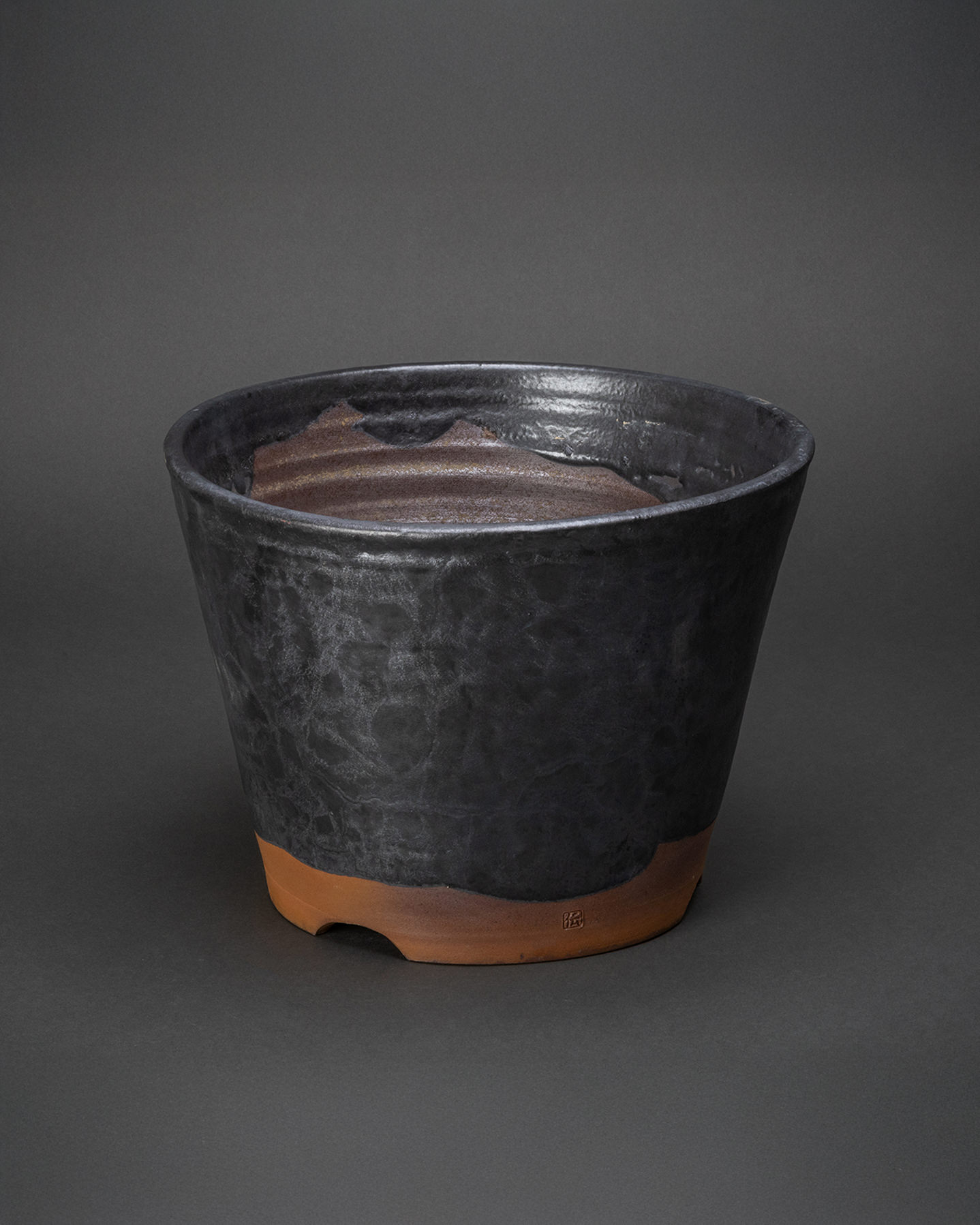
photo:AOTANI Takeru


Interview
The belief of a potter devoted to plant pots: “Make pots that can stand in for the mountains.”
The philosophy of Tatsuya Ichino of ICHINO DENICHI-GAMA, crafting planters that nurture the life of plants
Supporting from the background — crafting pots that allow plants to breathe and grow in good health
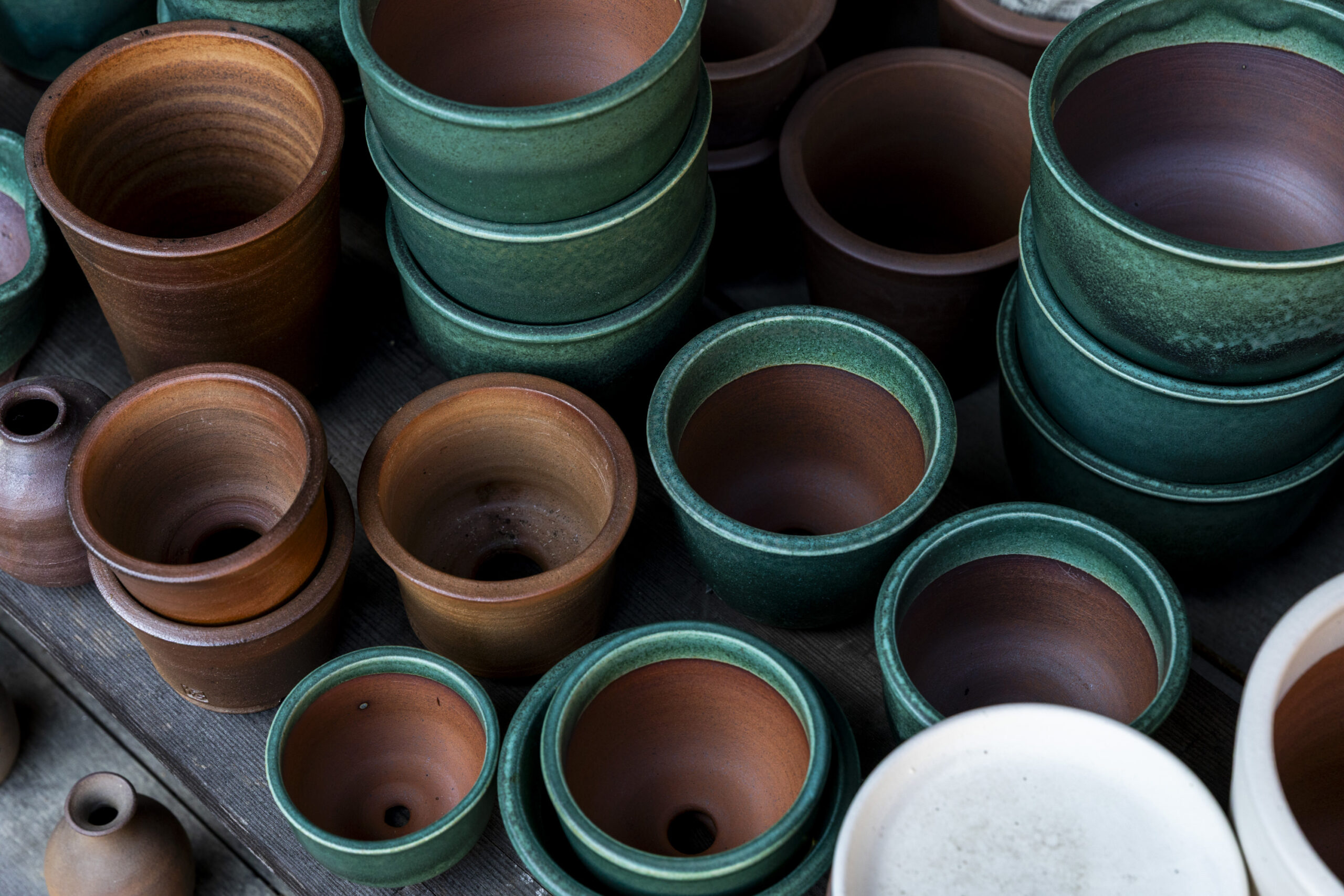
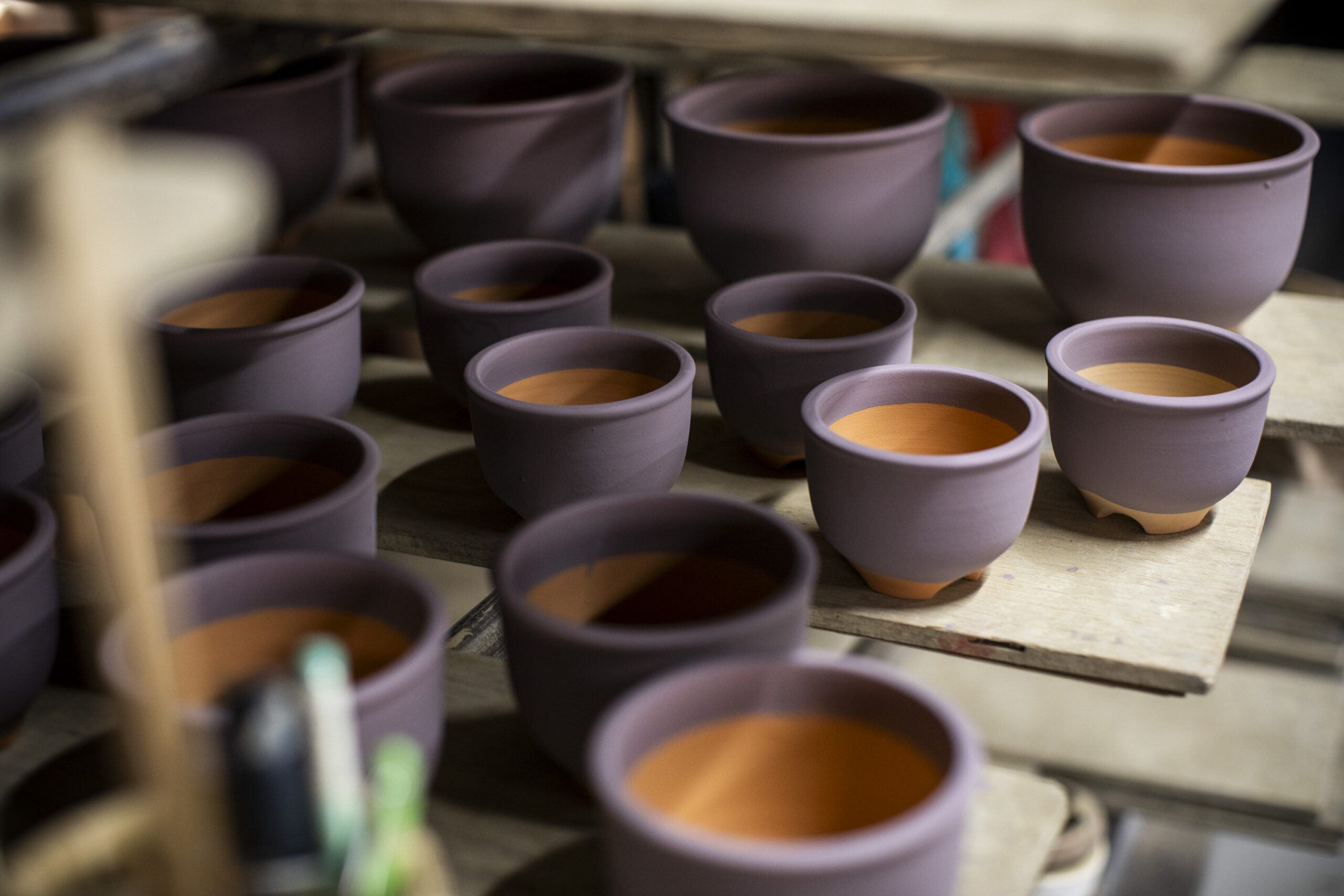
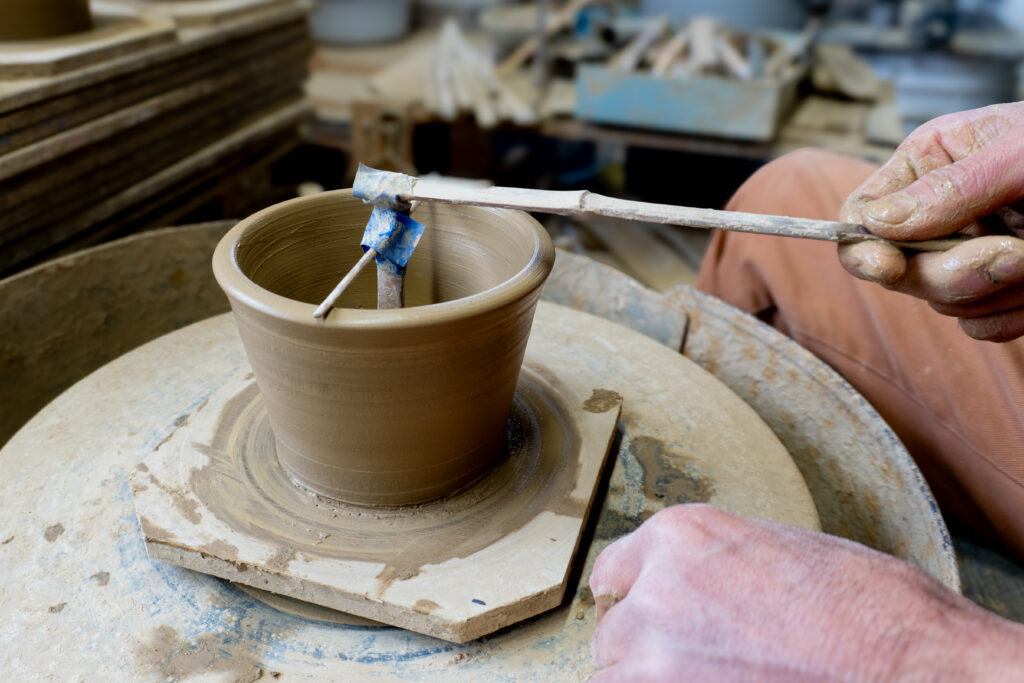
Each planter is formed one by one on the wheel using Tamba clay. They come in a wide range of sizes, all with a simple, unadorned presence. Trusted and beloved by enthusiasts, these pots are known as “Denichi-bachi.” With their thick rims, they are easy to hold and carry a strong yet understated presence.
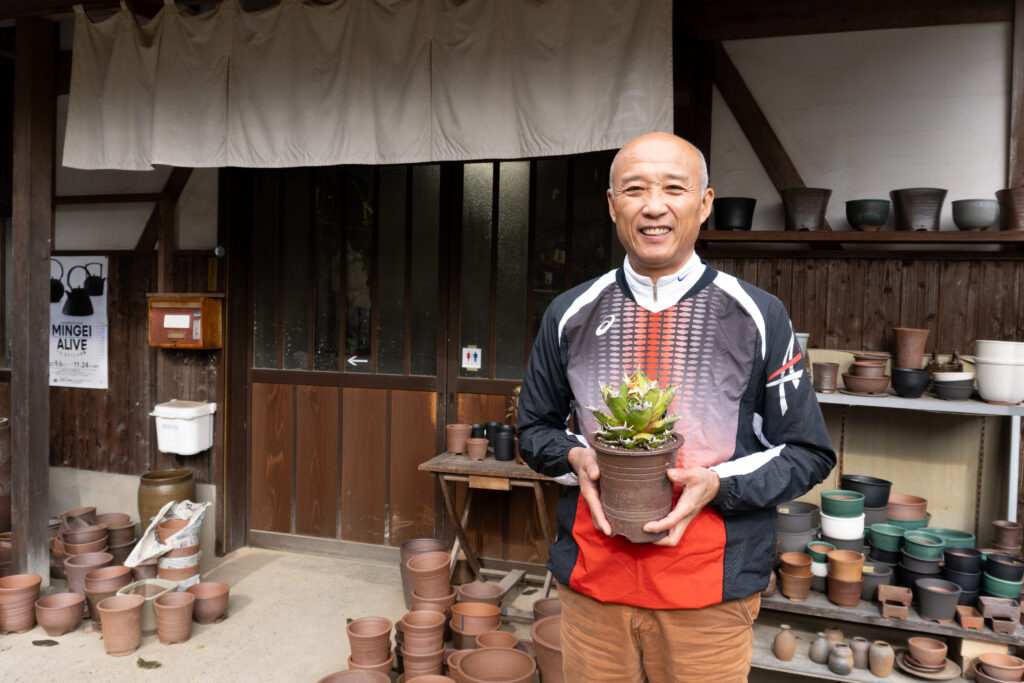
Tatsuya Ichino (hereafter, Tatsuya), the second-generation head of ICHINO DENICHI-GAMA, has spent more than forty years consistently pursuing functionality that prioritizes plant growth above all else.
“My father’s favorite phrase was, ‘Make pots that can stand in for the mountains.’ For plants that grow at elevations of 1,000 to 2,000 meters, urban apartments and houses are harsh environments. He always told me never to forget that a pot must help plants live.”
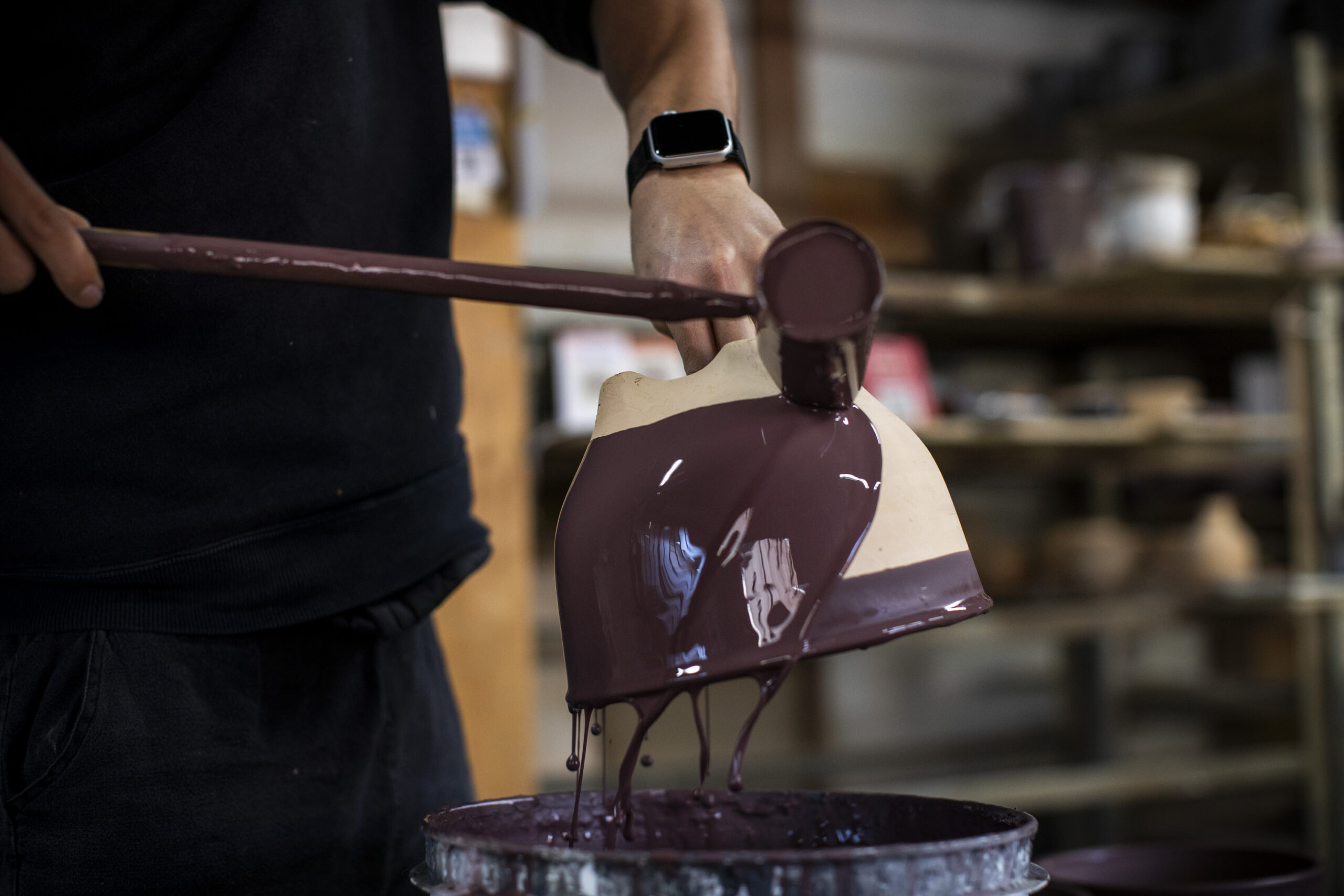
By mixing coarse feldspar into Tamba clay, countless tiny air pockets are created within the clay body. These spaces allow air to circulate, improve drainage, and prevent roots from rotting. The basics are unglazed, low-fired surfaces. The pot’s natural ability to regulate moisture helps maintain the proper humidity inside.
“Tamba clay doesn’t harden to a rock-solid finish when fired, so it can still breathe a little. I think that’s one of the great qualities of Tamba clay.”
Plants live and grow inside the pot. For that reason, every aspect—shape and thickness—is carefully calculated. Tatsuya says quietly, “There are many pots that look stylish, but not all of them have the functionality needed for plants to grow.”
“When people repot into a Denichi-bachi, I often hear things like, ‘A plant that hadn’t bloomed for four years finally flowered again—it came back to life.’ If the roots can’t spread properly inside the pot, the plant will die. That’s why we focus on clay composition and form that support healthy growth.”
Abandoning the dream of becoming a PE teacher, and learning the craftsman’s path by watching his father
Since childhood, pottery had been a constant presence in Tatsuya’s life. Outdoors, freshly formed pieces were lined up and left to dry in the sun. He spent his mischievous boyhood running around them, playing, and occasionally getting scolded for moving them.
He loved physical activity and devoted himself to track and field throughout junior high and high school. He even requested application forms for a sports university and began preparing. In his sixth-grade graduation essay he wrote that he would take over the family business, but in truth he wanted to become a PE teacher. “At the time, I really didn’t want to do it,” he recalls. Still, telling himself it was his destiny, he changed course and entered the ceramics program at an art university in Kyoto.
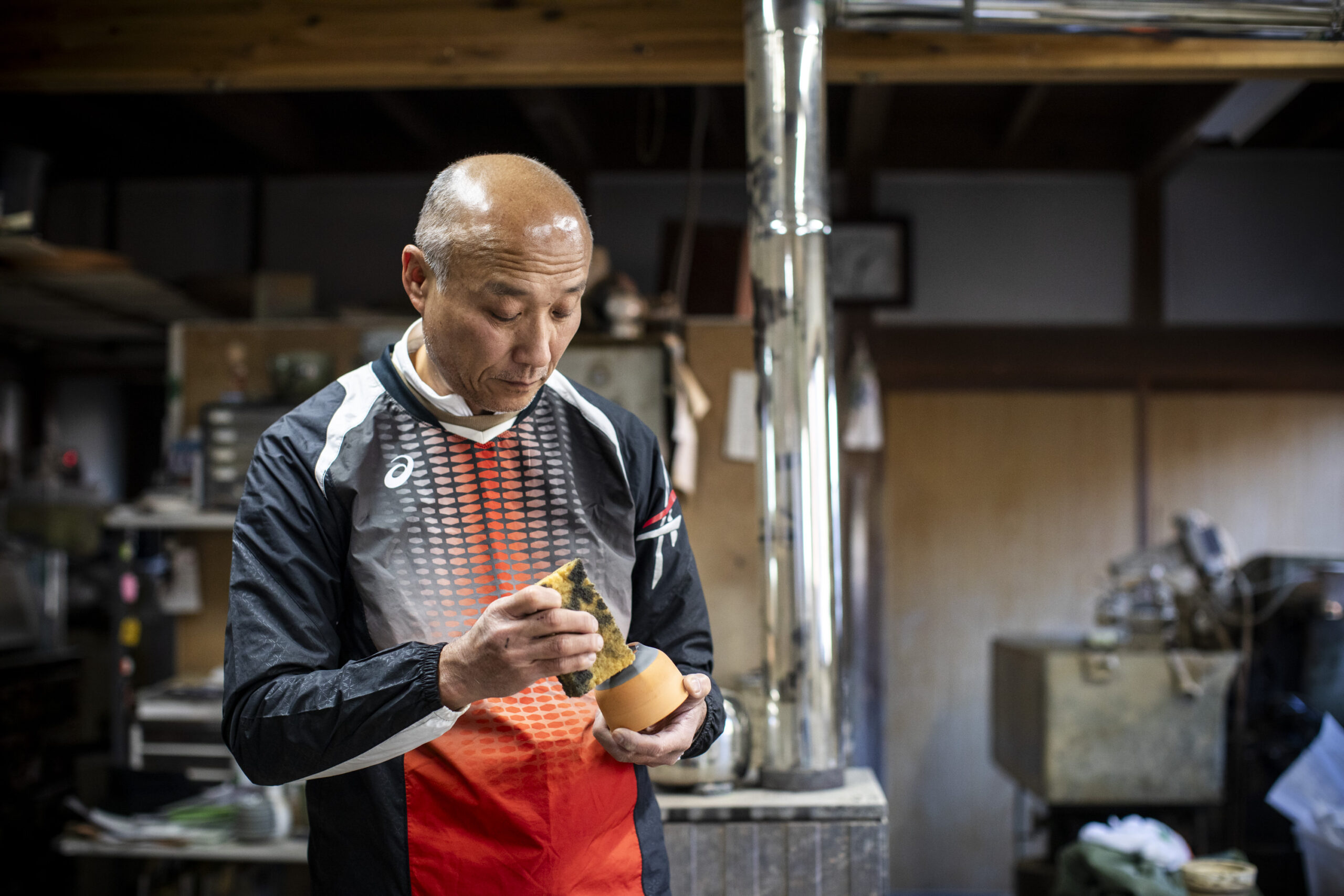
After graduating, he joined the family business at age twenty-two. It was a time when high-end pottery sold well. For about fifteen years, while his father made plant pots, Tatsuya produced tableware for restaurant orders. However, as times changed and affordable tableware became widespread, he decided to shift his focus entirely to plant pots—though it proved far more difficult than he had expected.
“The way you move your hands is completely different. With tableware, you make the rim thin and even where it touches the mouth, but with plant pots it’s the opposite—you make it thick. Above all, you have to think about the environment in which the plant will live. Creating something for a completely different purpose was very challenging.”
His father, who worked beside him, was a quiet, craftsman-like figure. Tatsuya recalls being praised only two or three times and hardly remembers receiving direct instruction. Throwing on the wheel, loading the kiln, firing—he learned everything by watching.
“I had to preserve the clay formulas, thickness, and forms my father had researched for so many years. There was a lot of pressure.”
Carrying his father’s convictions and pride in the “Denichi-bachi” name, Tatsuya continues to face the wheel each day.
Loving the mountains and air of Tamba, living within an unchanging landscape
To refresh himself, Tatsuya takes an annual golf trip with friends from other professions, traveling to places such as Okinawa, Nagasaki, and Shikoku. Leaving Tachikui behind, enjoying good food, and seeing different scenery—time spent with trusted friends far removed from ceramics helps restore his creative energy.
Though now retired from the role, he also served as a coach for a children’s soccer team for twenty-four years. Every weekend he ran about, raising his voice on the field. Time so different from the quiet studio helped maintain his balance.
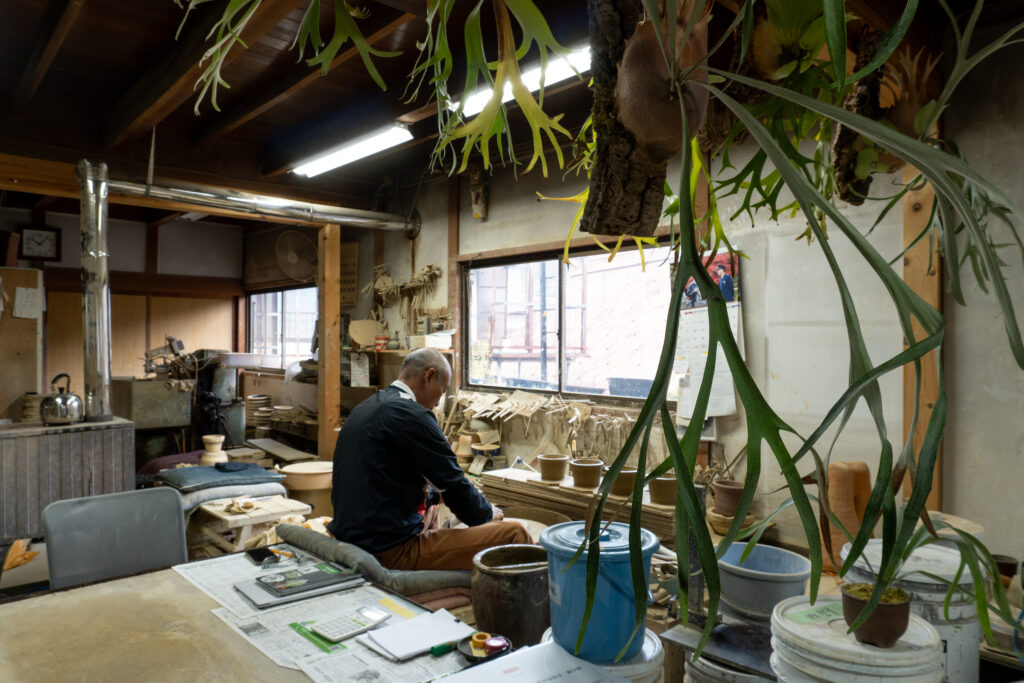
Active yet gentle by nature, Tatsuya deeply loves Tachikui, the place where he was born and raised.
When he sits in his workshop and lifts his gaze, the mountains stretch out beyond the window. Taking in that view is a moment of calm for him.
Mountain cherry blossoms in spring, fresh greenery in summer, autumn foliage in fall, and bare branches in winter. Watching the morning sunlight illuminate the mountainside and seeing the shifting light and colors brings him peace.
“To those who visit Tachikui, I hope you’ll not only enjoy the pottery but also feel the atmosphere of the village. Just an hour from Osaka, Kobe, or Himeji, you can find mountains so close, rice fields all around, and such a peaceful place. Isn’t that wonderful?”
With a gentle sense of purpose in his heart, Tatsuya continues to carry Tachikui—and Tamba ware—into the future.
Overview
of
ICHINO DENICHI-GAMA
Address
488 Kamitachikui, Konda-cho, Tamba-Sasayama, Hyogo, Japan
TEL
FAX
Website