
TOC
SHINSUI-GAMA
profile
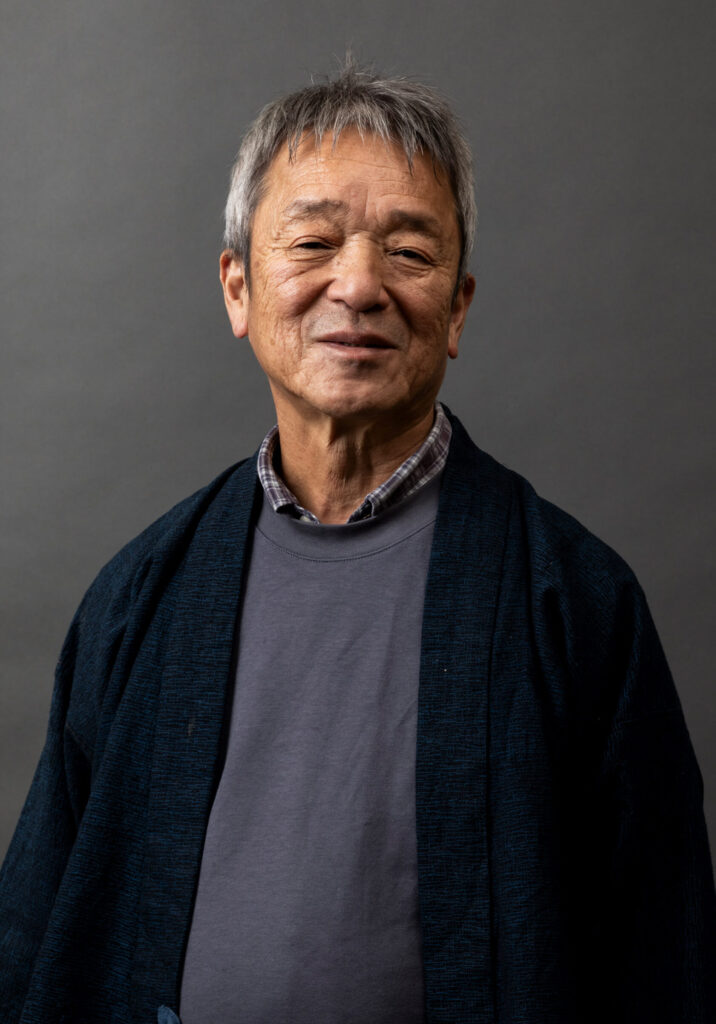
Shinsui Ichino
profile
Shinsui Ichino
2nd generation
Year of Birth:1957
Year Began Pottery:1980
Education / Training Background
2002: Succeeded to the name “Shinsui.”
Major Awards
1993 – Full Member, Japan Kōgei Association
2018 – Certified Traditional Craftsman
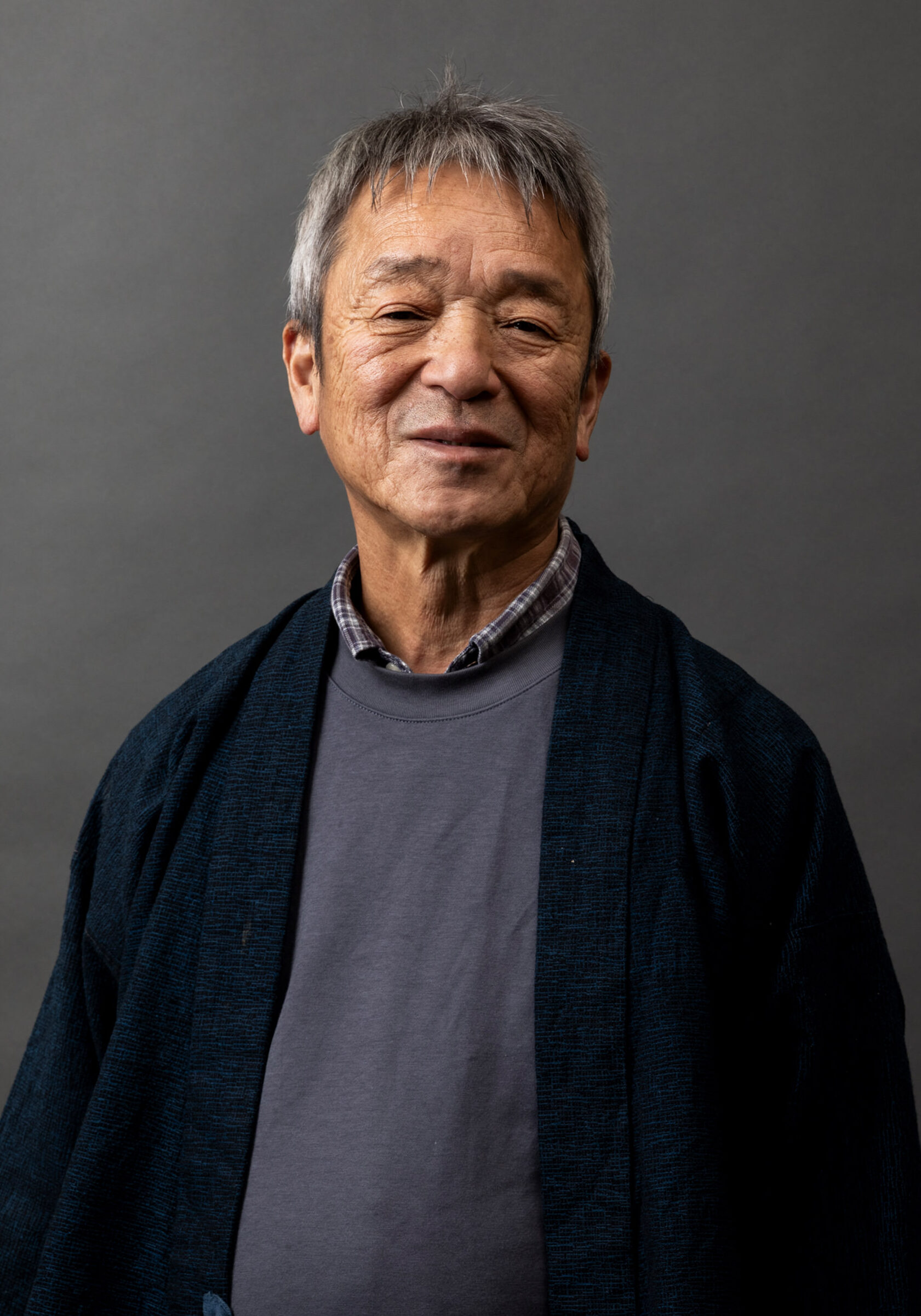
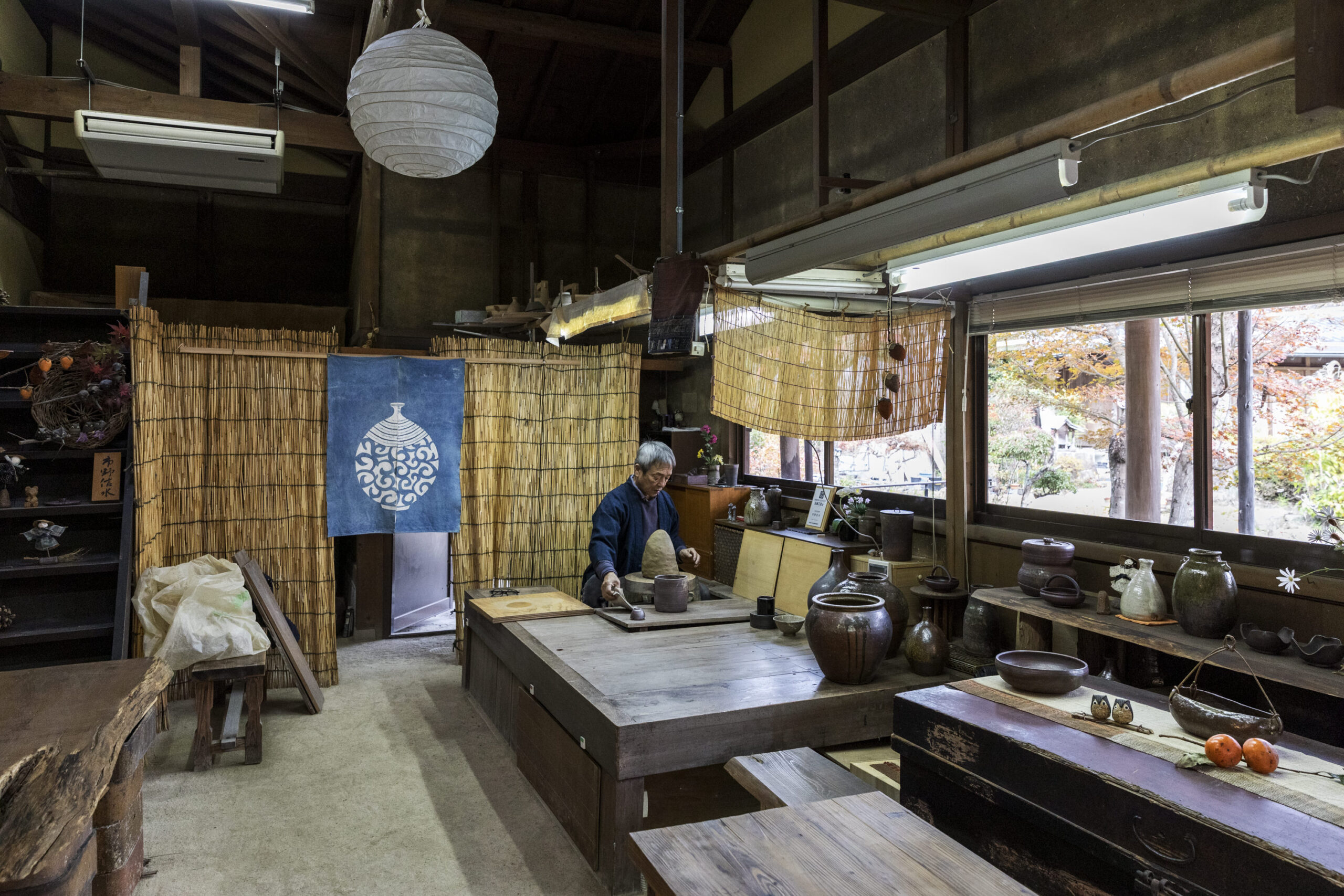
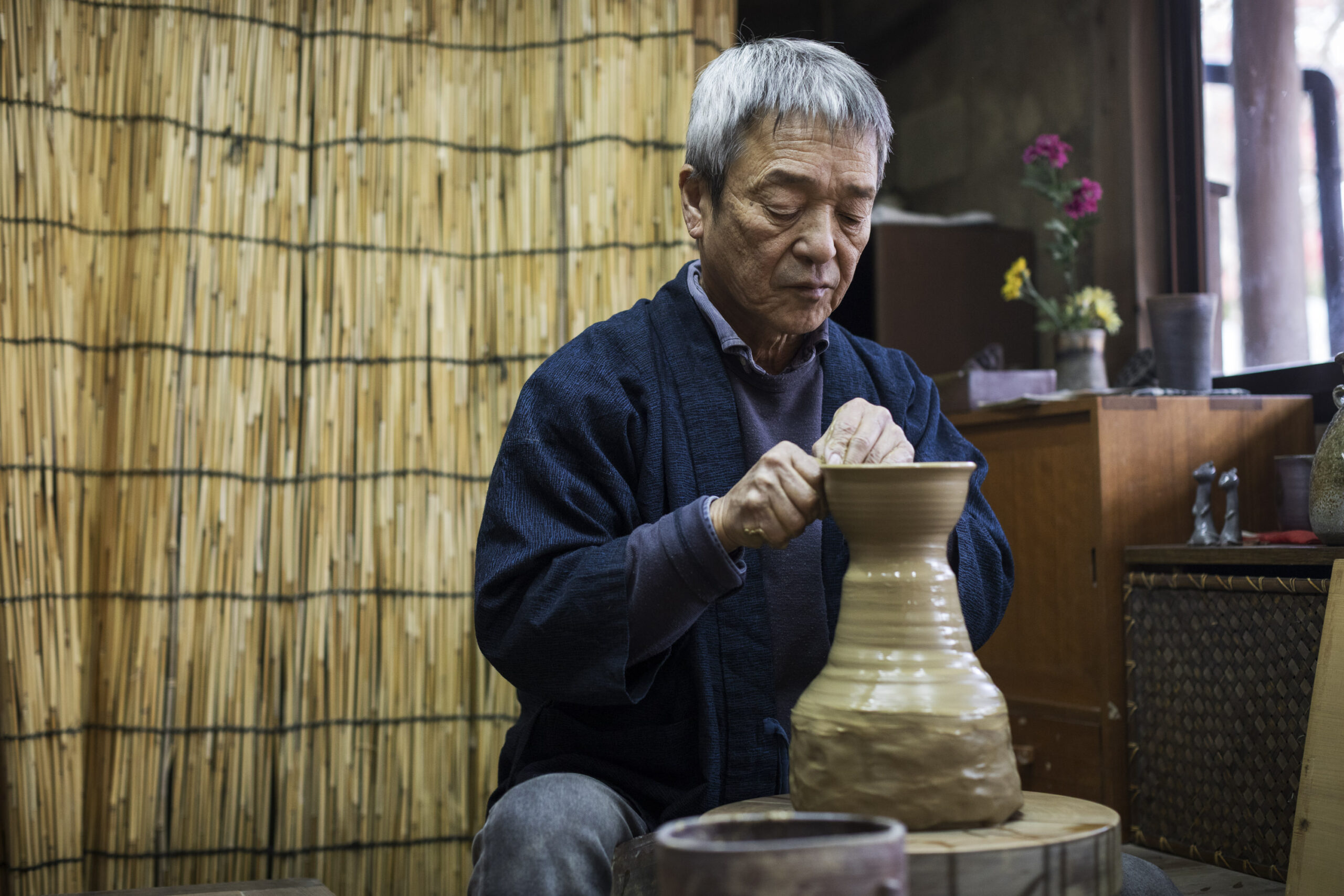
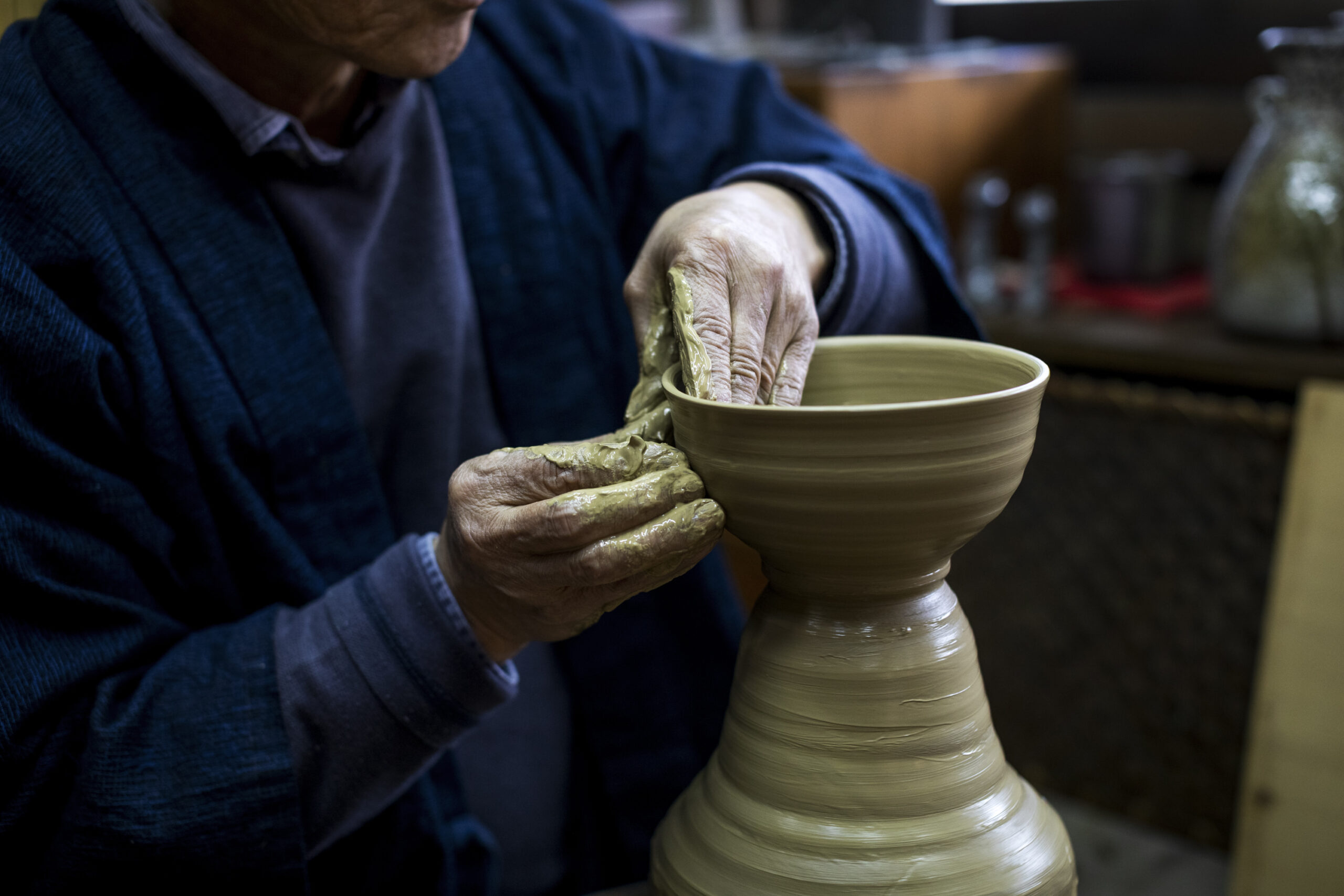
The state of the workshop
スクロールできます


Works
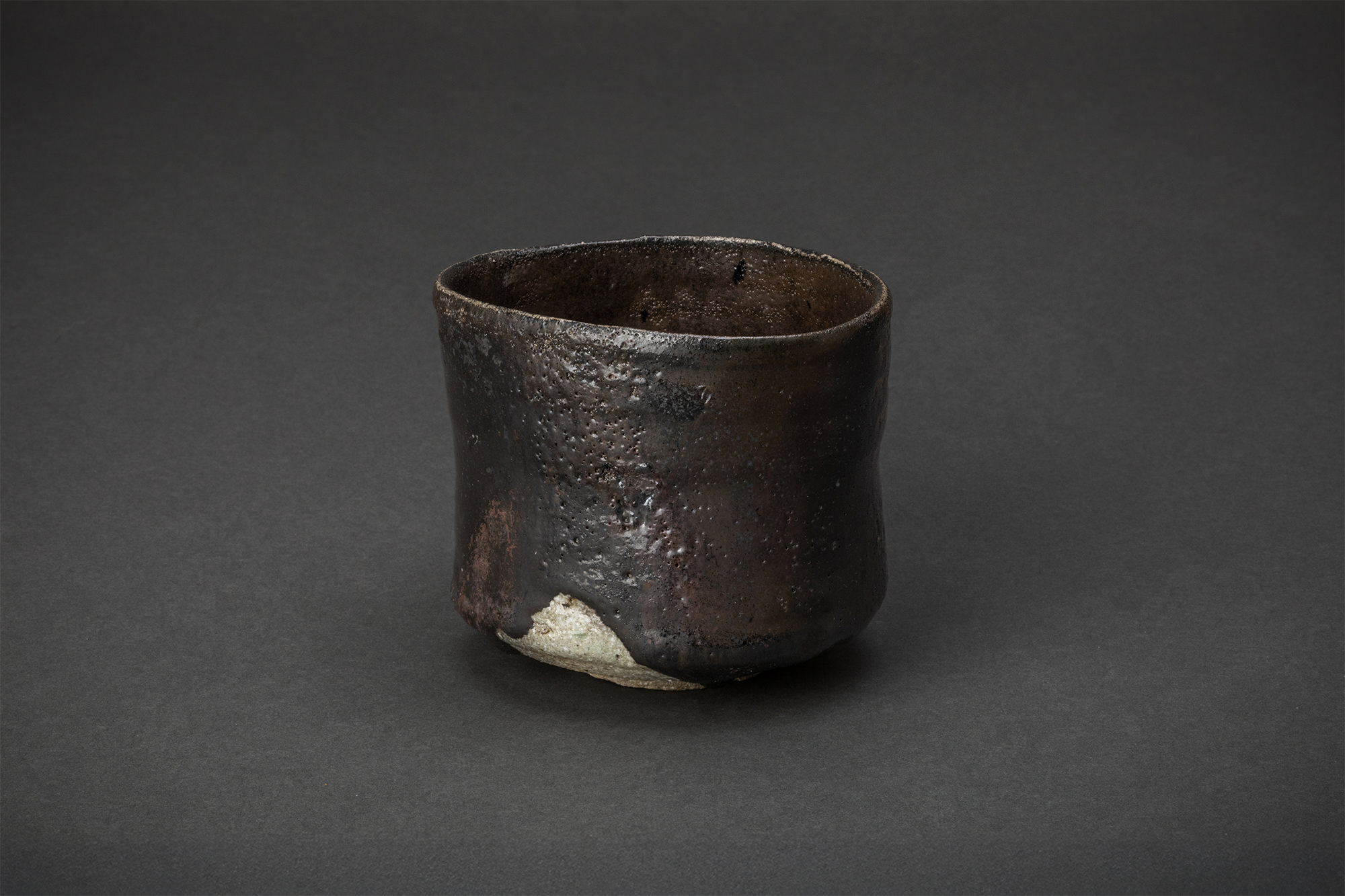
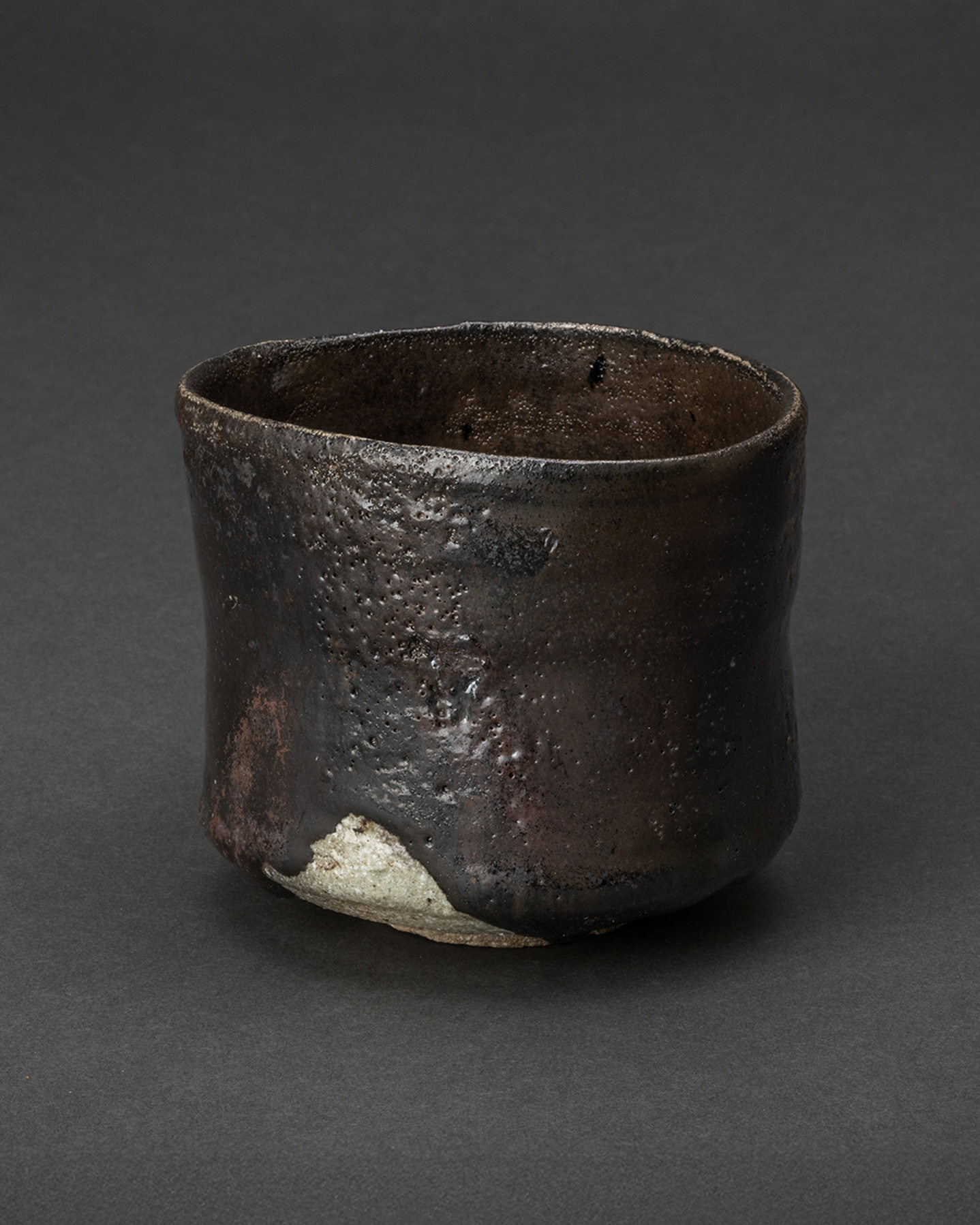
photo:AOTANI Takeru
Interview
“Utensils are only complete when tea is prepared in them” — The endless pursuit of the essence of chanoyu by SHINSUI-GAMA’s Shinsui Ichino
Tools born from natural ease, harmonizing with the tearoom
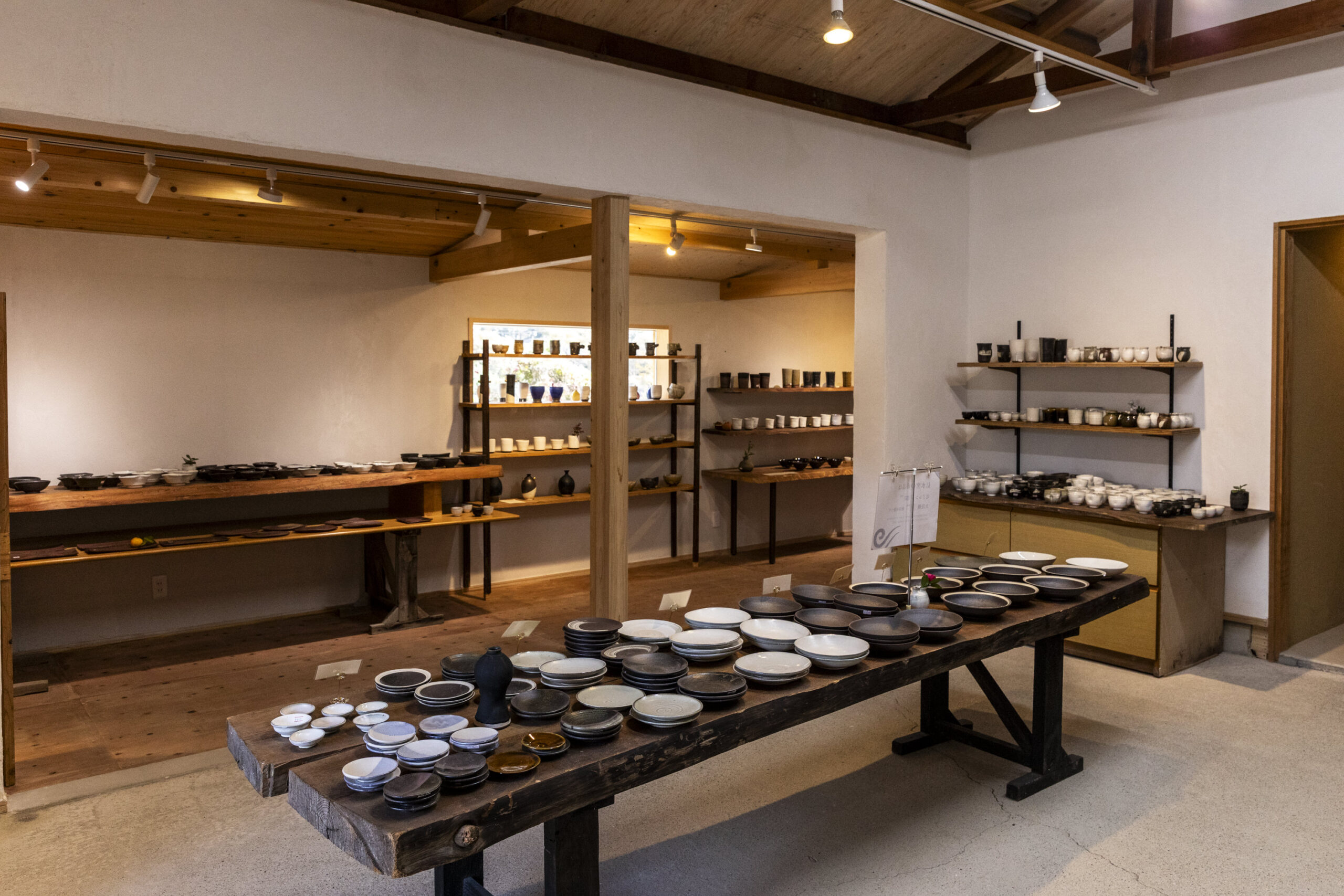
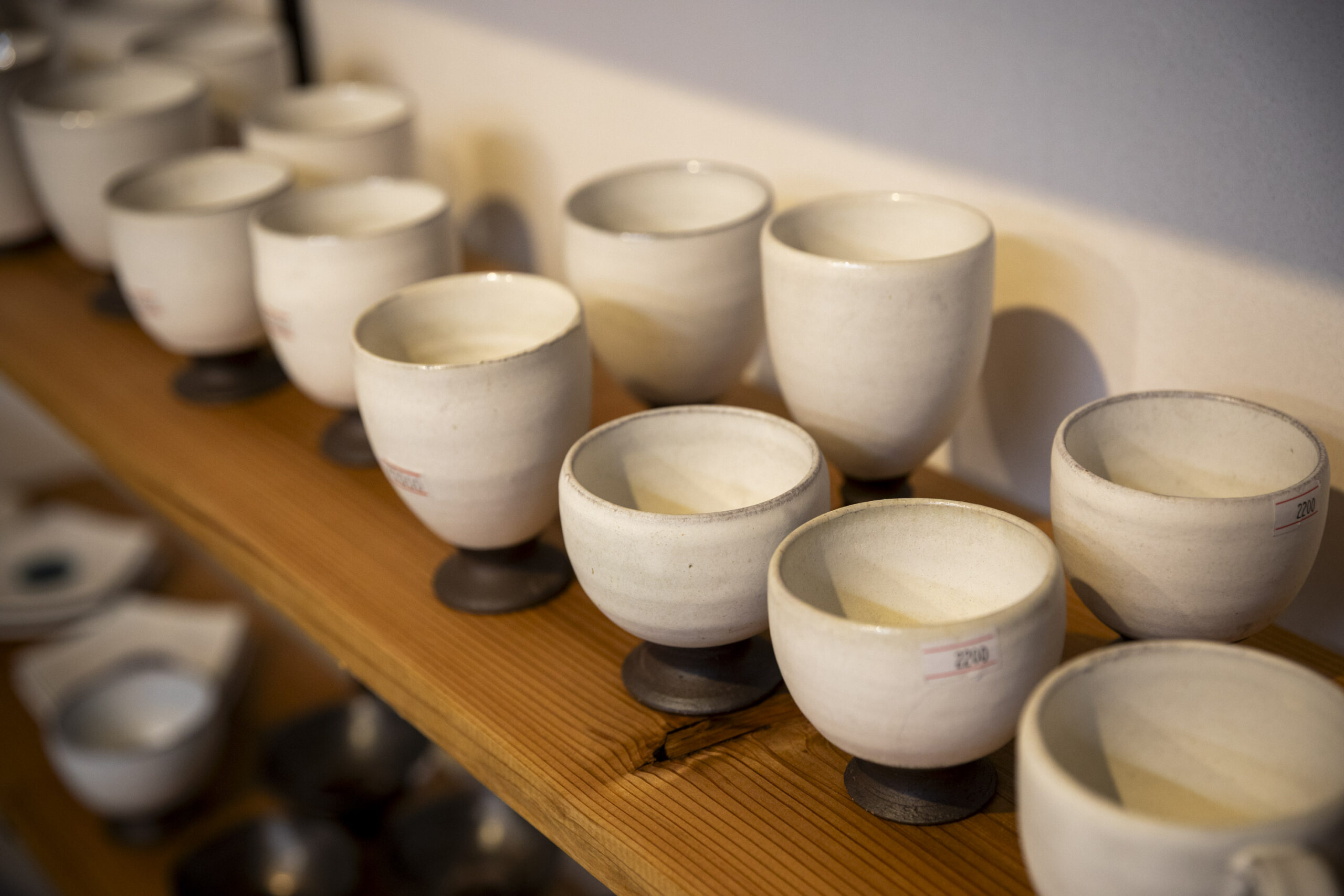
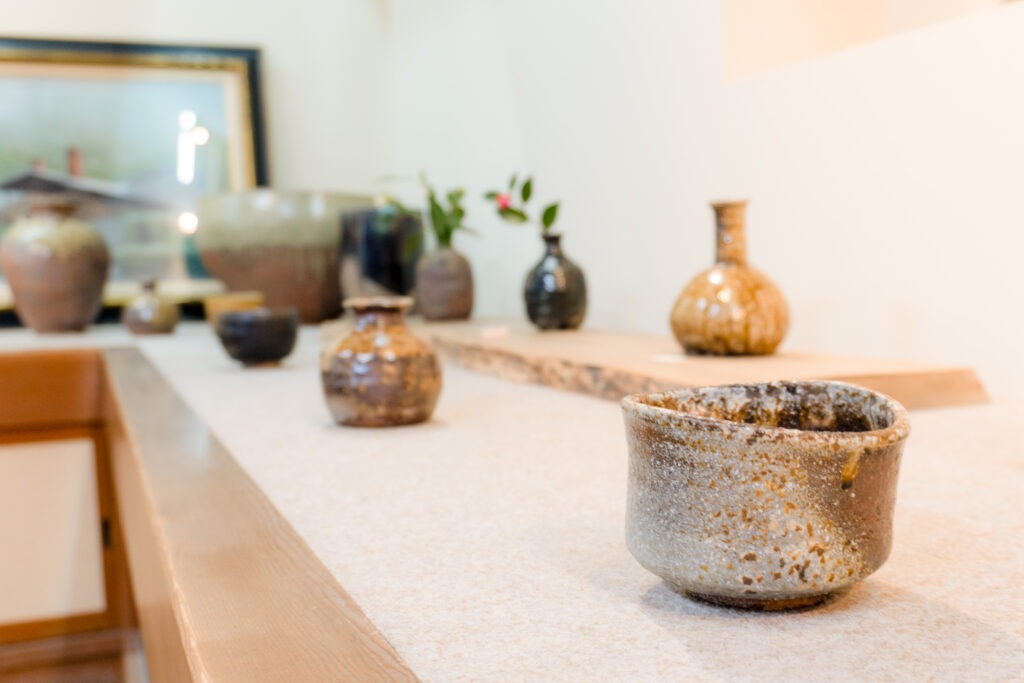
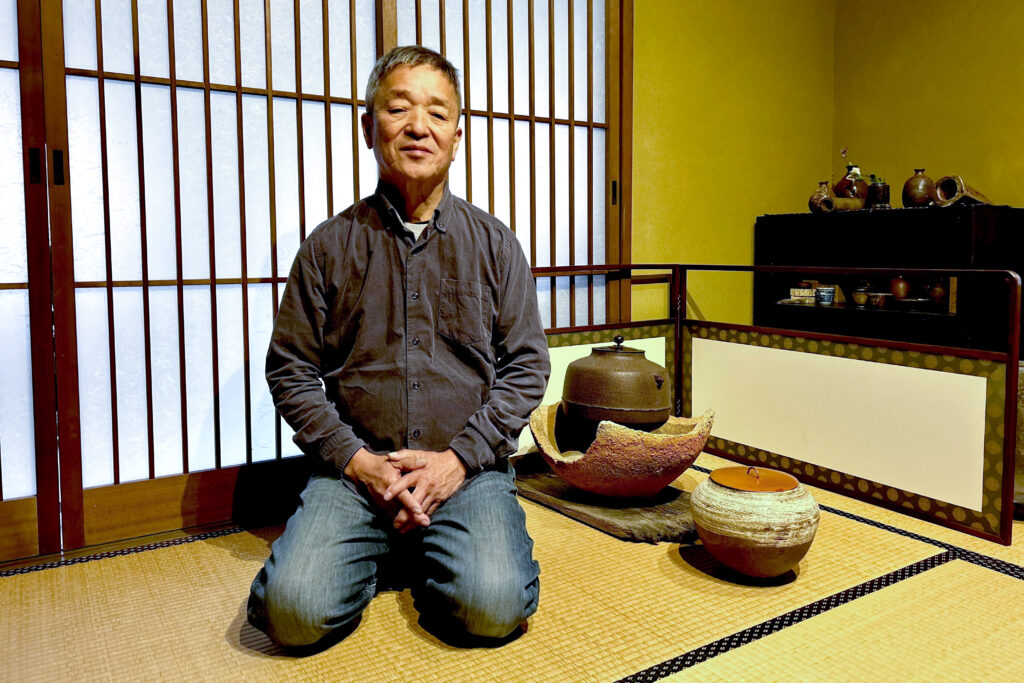
In the gallery adjoining the studio, tea utensils and tableware fired by Shinsui are displayed in quiet stillness.
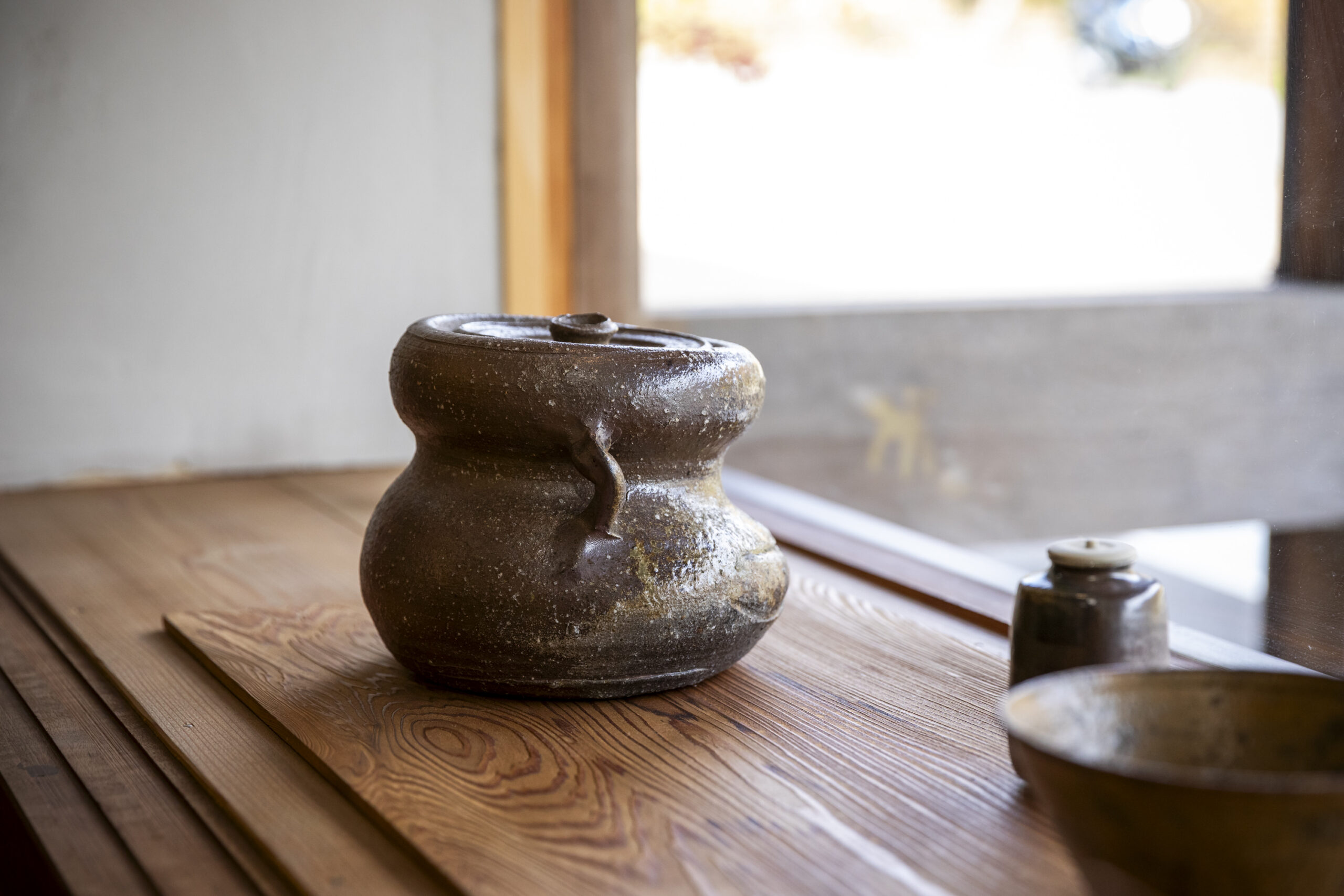
The natural ash glaze created by wood firing produces deep, evocative surfaces reminiscent of ancient Tamba ware. Shinsui currently uses four wood-fired kilns, including climbing kilns and anagama, but favors firing in the anagama kiln for its ability to produce truly one-of-a-kind expressions.
“Sometimes better results come from working lightly and naturally rather than trying too hard. You never know until it’s fired. Making, firing, glazing—everything about this process is difficult.”
Embracing that difficulty, he ultimately entrusts the work to clay and flame. This surrender to natural forces gives rise to forms that quietly dissolve into the stillness of the tearoom.
To fully experience the philosophy of tea, Shinsui began formally studying tea ceremony after turning sixty. Through this practice, he says, his approach to making pottery has changed.
A hanging scroll, flowers, and forms—many elements come together in chanoyu. He also began studying calligraphy, seeking to understand the deeper, integrated cultural essence that shapes the tea ceremony.
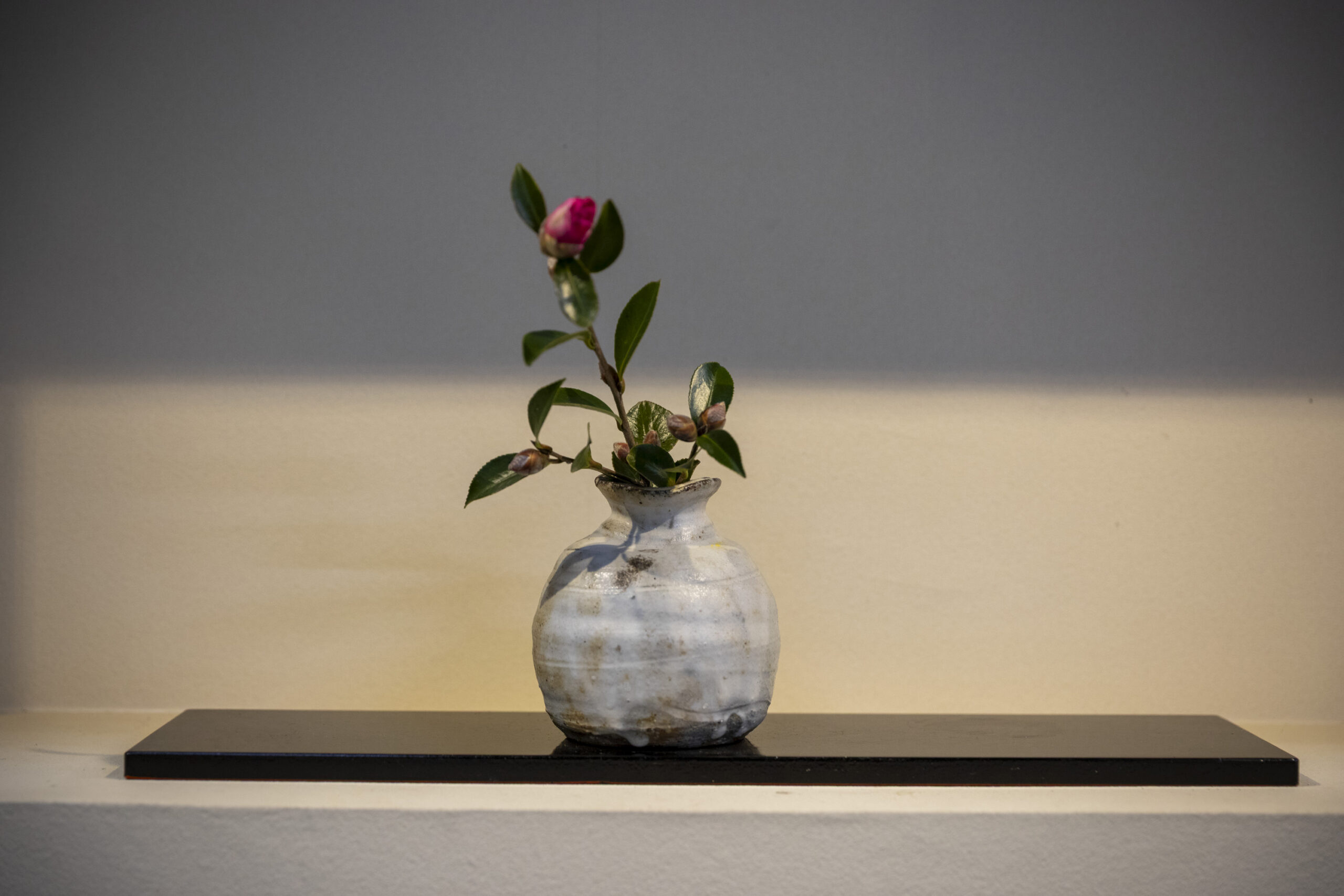
“Utensils are only complete when flowers are arranged and tea is prepared in them. I must create tools that function within the tearoom, that can truly be used in that setting.”
When flowers are placed inside, both form and blossom come alive. Creating tools that bring about such harmony is Shinsui’s aspiration.
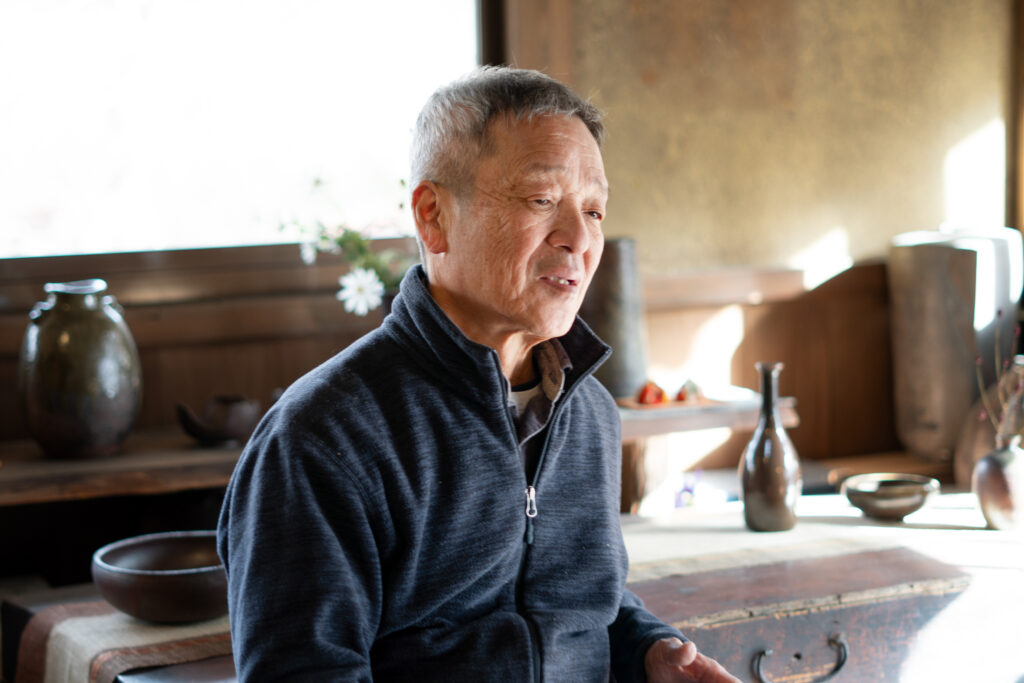
Inheriting the potter as the eldest son and the conflict of succession
As the eldest son, it was natural for Shinsui to inherit the potter. After high school, he studied at a vocational school in Kyoto, then trained for about two years at a Kyoto pottery studio.
After returning to Tamba Tachikui, he worked under the first generation master while studying the essence of tea utensils. He also joined a group centered around Living National Treasure Kiyomizu Uichi, renowned for iron-glazed ceramics such as flower forms and tea wares, and honed his skills through exhibitions and competitions.
When his father passed away, he intended to succeed the potter but had no plans to take on the name “Shinsui.” He felt the weight of the name and believed he lacked the resolve to inherit the passion for tea ceramics it embodied. A turning point came when a major department store offered him a solo exhibition—on the condition that he use the name “Shinsui.”
“I was terrified to exhibit at such a prestigious department store. The pressure was immense. But with a five year timeline in mind, I formally inherited the name in 2002, at the age of 45.”
At his exhibitions, he creates a full range of works, from tea utensils and large jars to practical tableware. Centered on the traditional wood-firing methods characteristic of Tamba ware, his pieces evoke the spirit of ancient Tamba.
Since taking on the name, he has held solo exhibitions across Japan two to three times a year, building connections with tea enthusiasts nationwide—from Hokkaido to Kyushu.
At exhibition venues, he often hears visitors say, “I own a piece from Shinsui-gama.” Knowing that his utensils continue to be used in tea practice across the country gives him a deep sense of fulfillment.
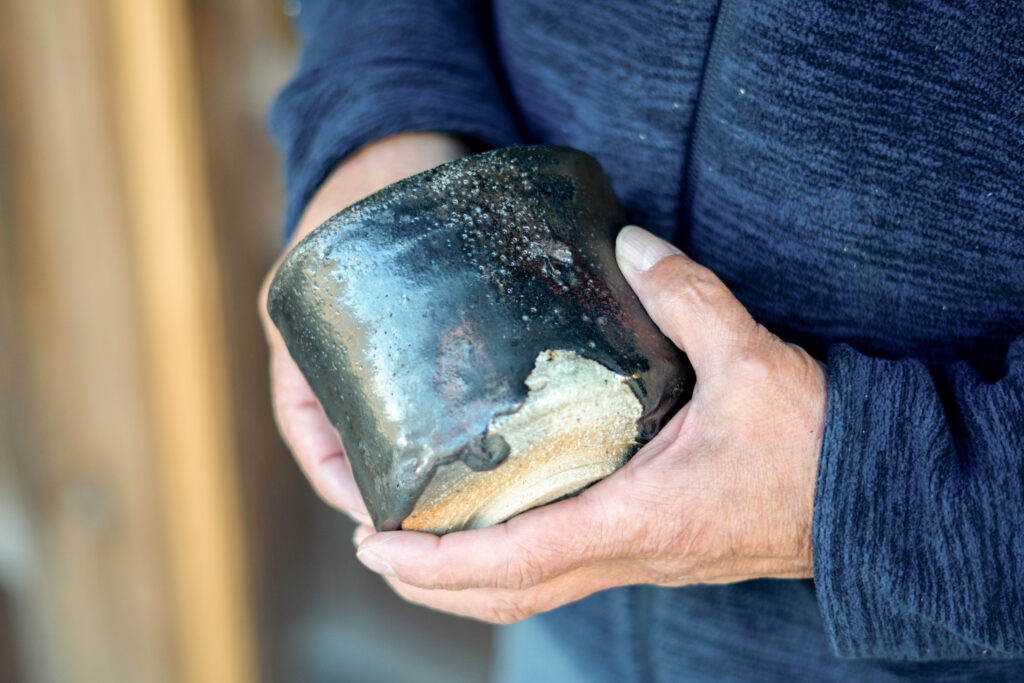
The moment you think “this is enough” is the end
“I always want to be strict with myself. The moment I think ‘this is enough,’ it’s over.”
Shinsui continues to look at his work with a critical eye. Pieces he once cherished may, after ten or twenty years, leave him wondering why he valued them so highly.
“Only after ten years do I feel I’ve improved, even slightly. Pottery is an endless road.”
From time to time, he receives requests to create kaki-no-heta bowls—a type of Korean tea bowl introduced from the Korean Peninsula, known for its profound wabi-sabi character. Their unadorned, unpretentious beauty lies beyond deliberate expression, and that very elusiveness presents a continual challenge.
“A rice bowl and a tea bowl may look similar, but they are completely different. Unless you approach it with the intention of making a tea bowl, you can’t produce a good one. Even now, I struggle, wondering why it remains so difficult.”
In his private life, Shinsui has taken up making 100% buckwheat soba. During New Year gatherings, he serves noodles he has made himself to his four children, their families, and grandchildren. Even his three year old grandchild sits in the tearoom and drinks matcha—an organic passing of culture to the next generation.
In spring and autumn, he hosts tea gatherings with a tea master. He is currently constructing a tearoom, hoping to offer visitors not only the beauty of the natural surroundings but also the experience of tea within that space.
“After visiting the gallery, I’d like people to enjoy a bowl of tea in the tearoom. I hope they can experience things they normally wouldn’t—like the difference between an iron kettle and a ceramic tea kettle.”
Working naturally, learning the essence of tea through lived experience, and sharing it with family and visitors alike—Shinsui’s path is an endless pursuit of unadorned beauty.
Interview, Text, and Photography:NOUCHI Nana
Overview
of
SHINSUI-GAMA
Address
4-3 Kamitachikui, Konda-cho, Tambasasayama, Hyogo, Japan
TEL
FAX
Website