
TOC
YAMAGOTOUKATSU-GAMA
profile
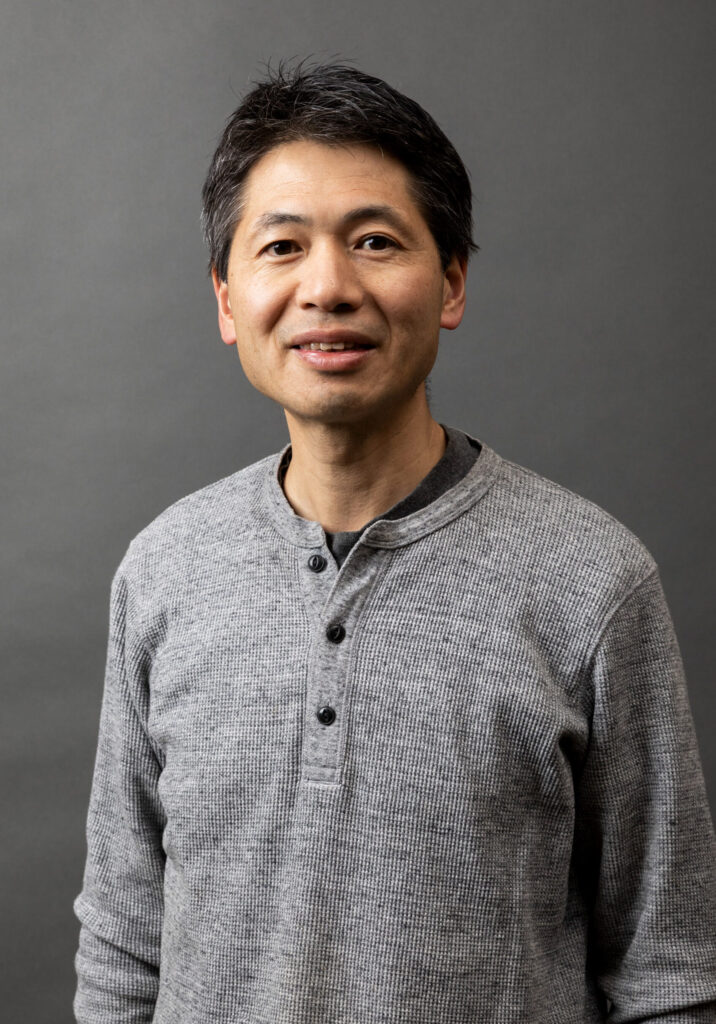
Katsuki Ichino
profile
Katsuki Ichino
Established 1843 / 7th generation
Year of Birth:1973
Year Began Pottery:1998
Education / Training Background
Graduated from Kwansei Gakuin University
Studied under Hiromi Itabashi
Major Awards
2007 – Encouragement Prize, Asahi Ceramics Exhibition
2008 – Excellence Award, Tanabe Museum Grand Prize “Chanoyu no Zokei” Exhibition
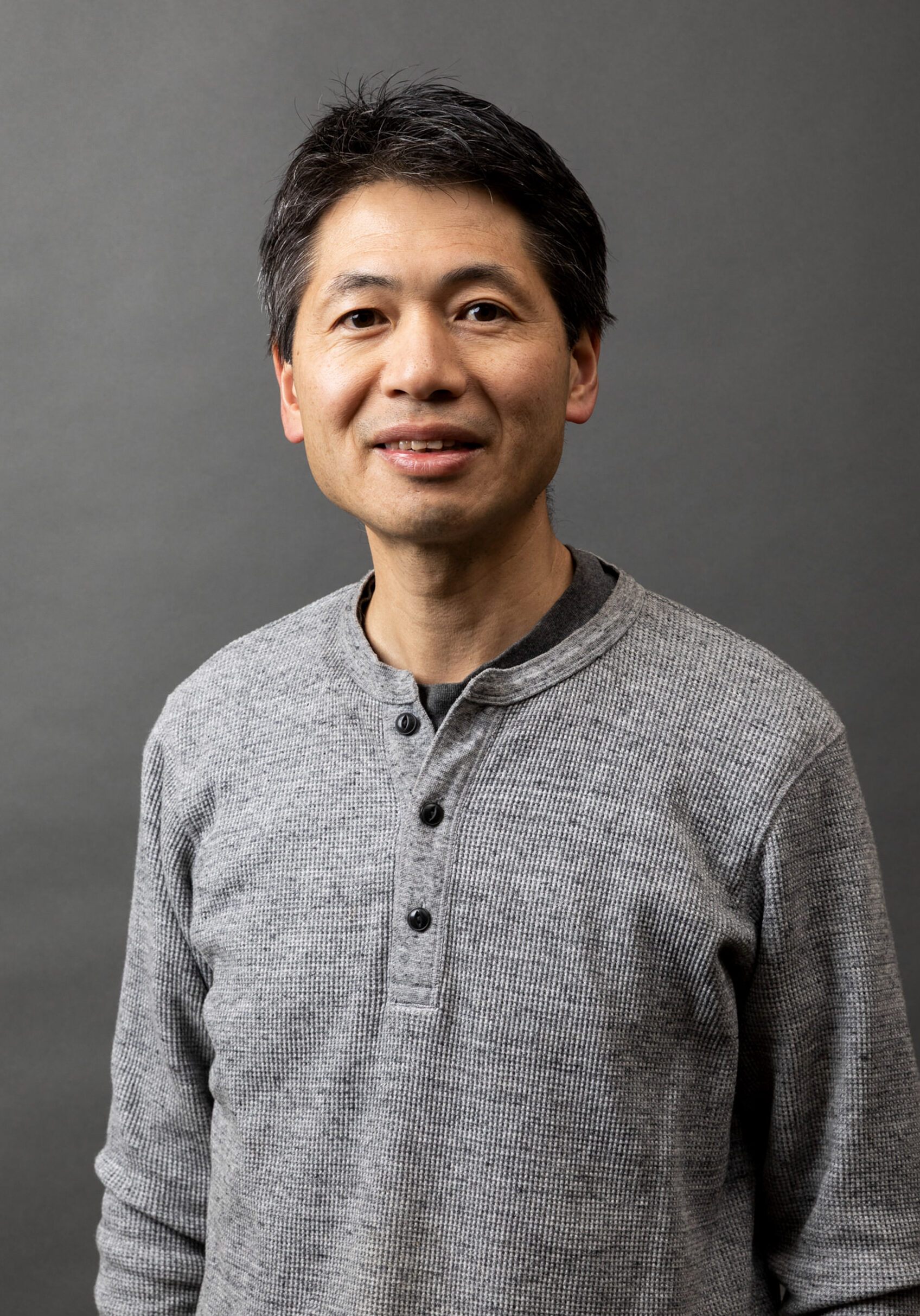
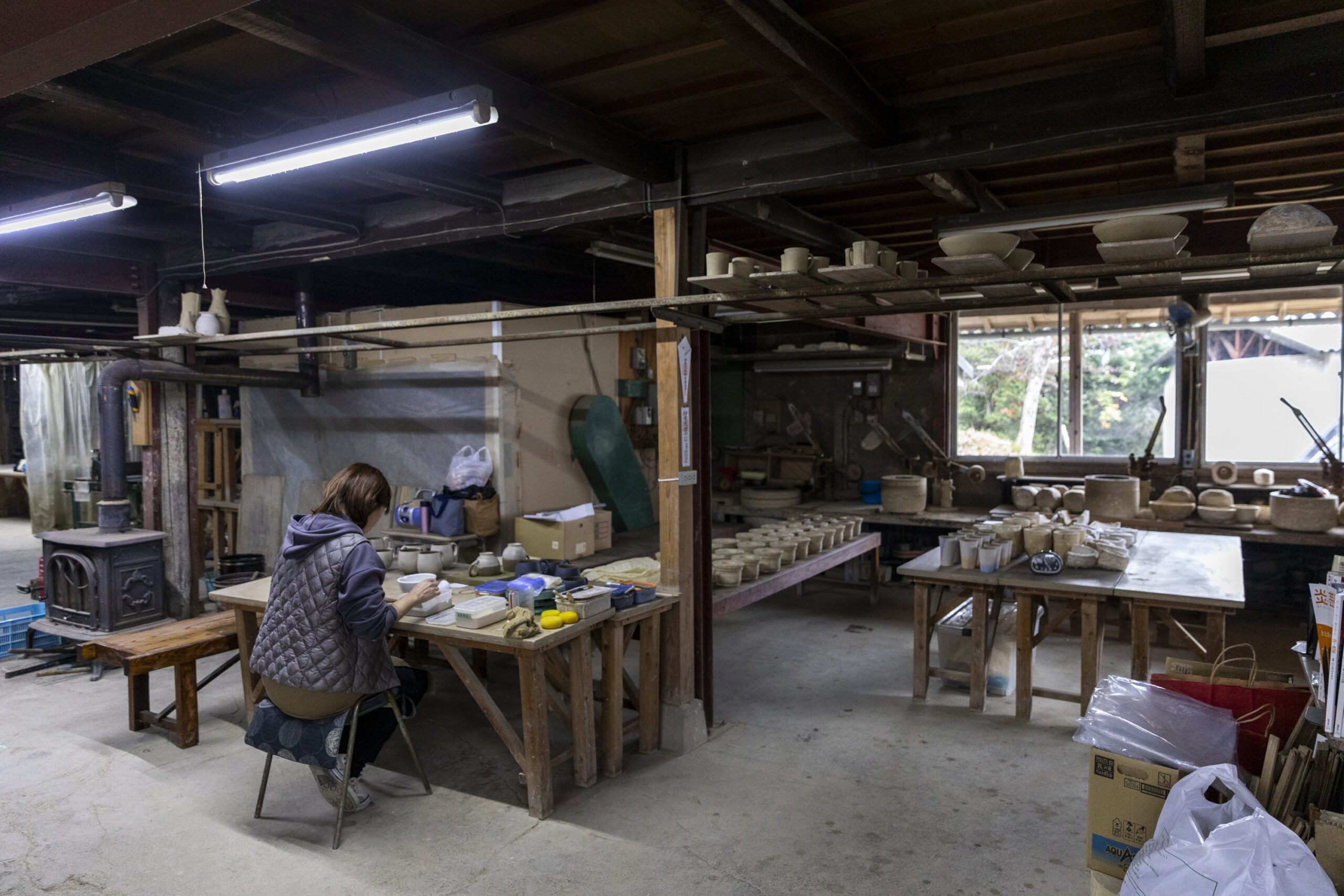
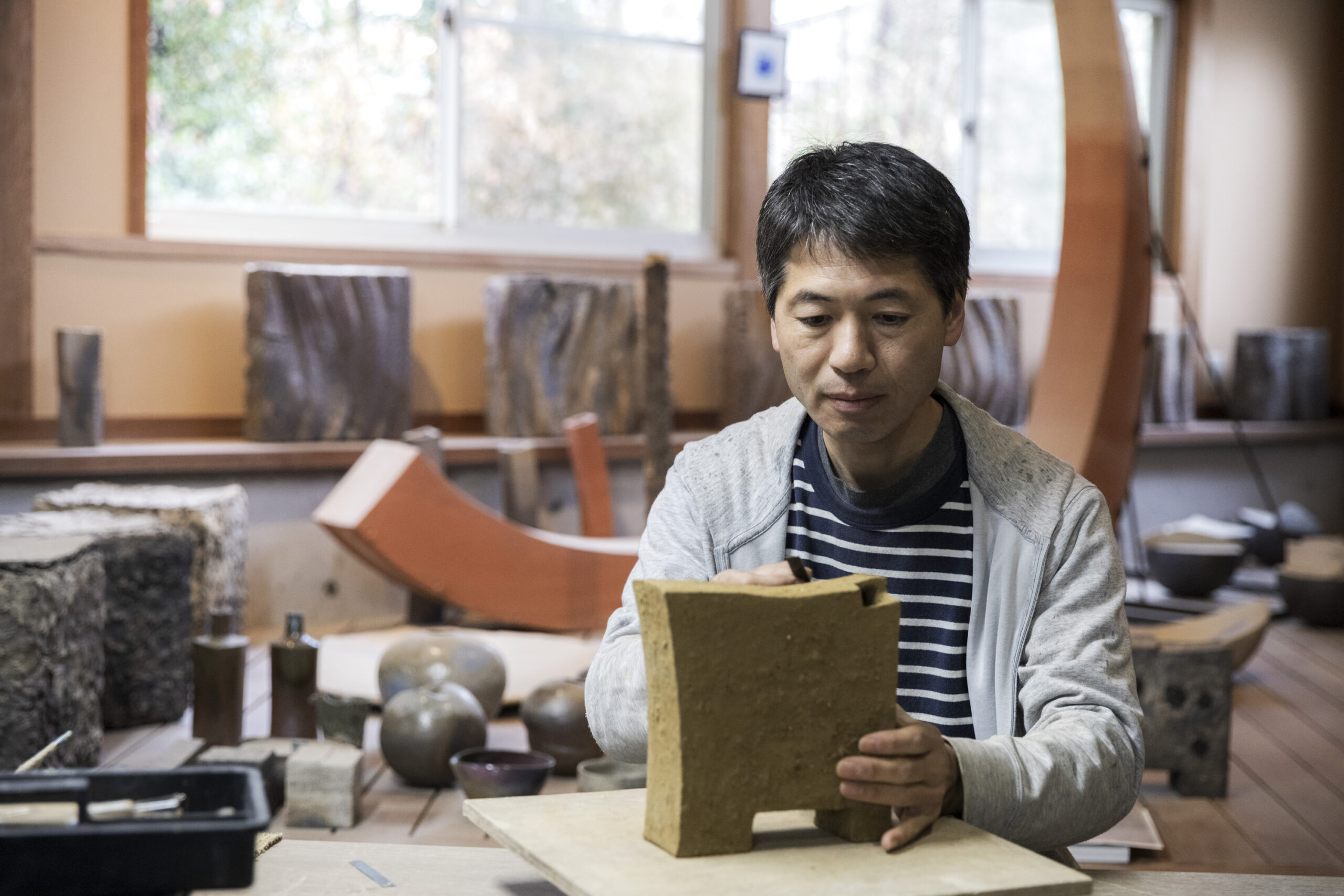
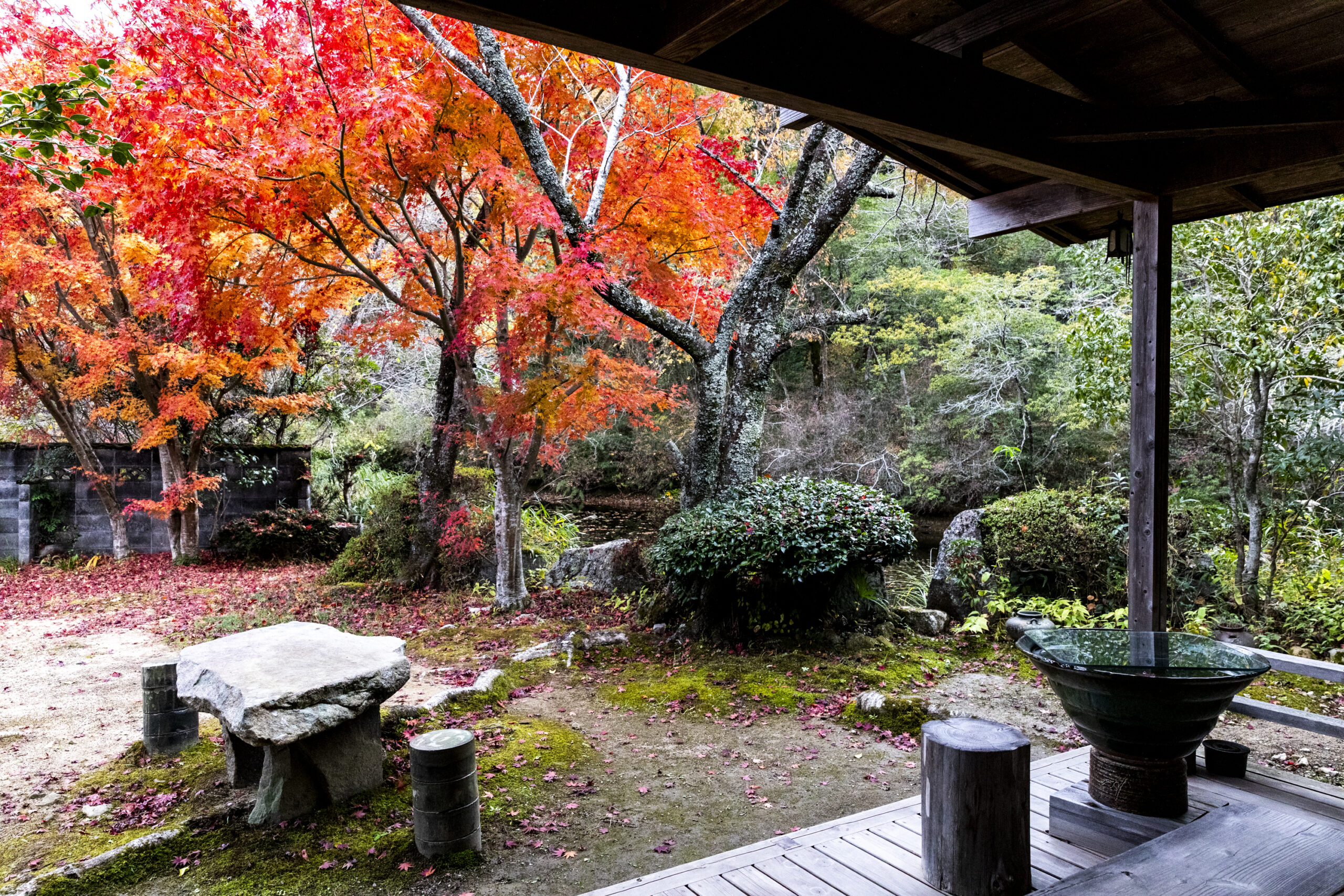
The state of the workshop
スクロールできます
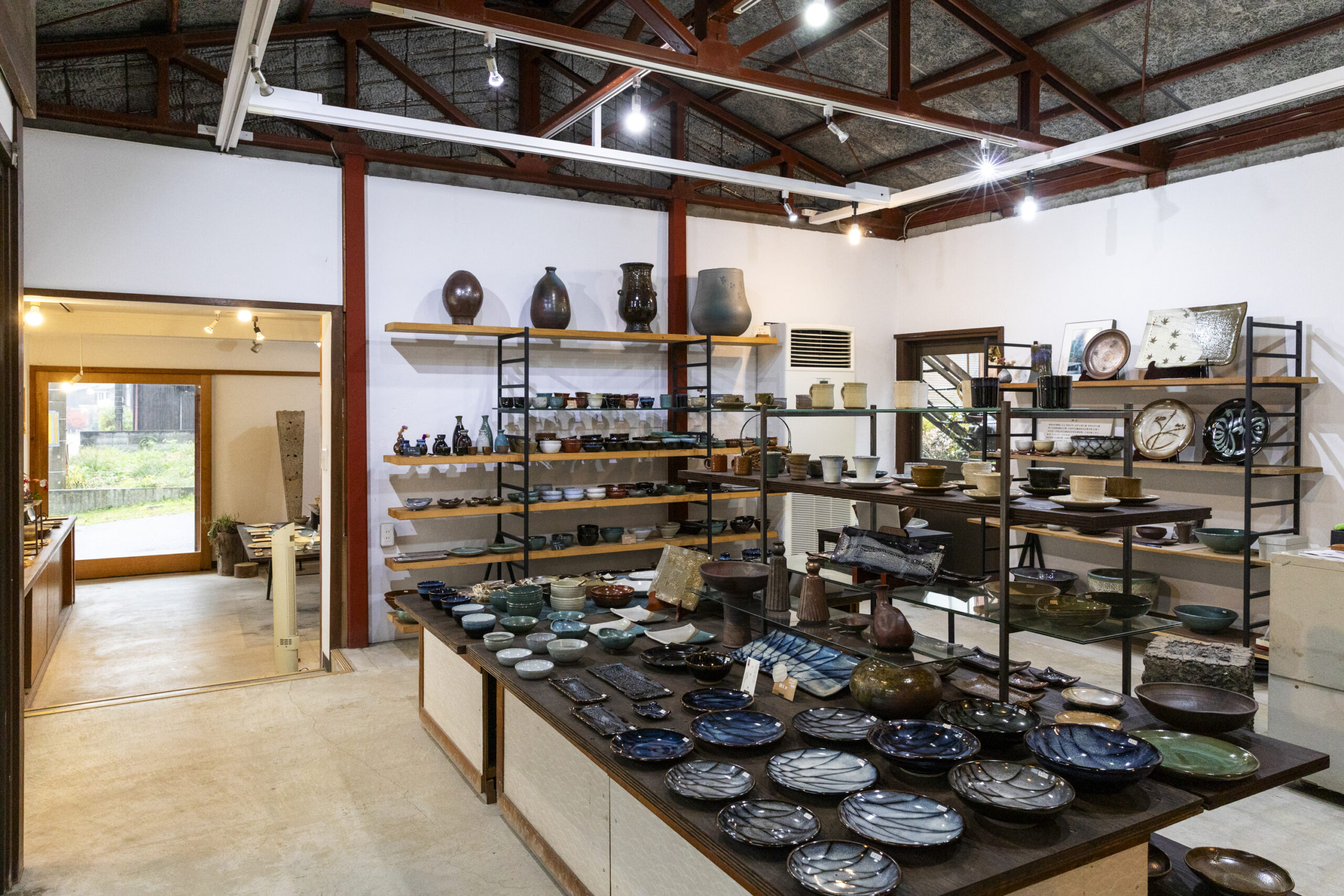
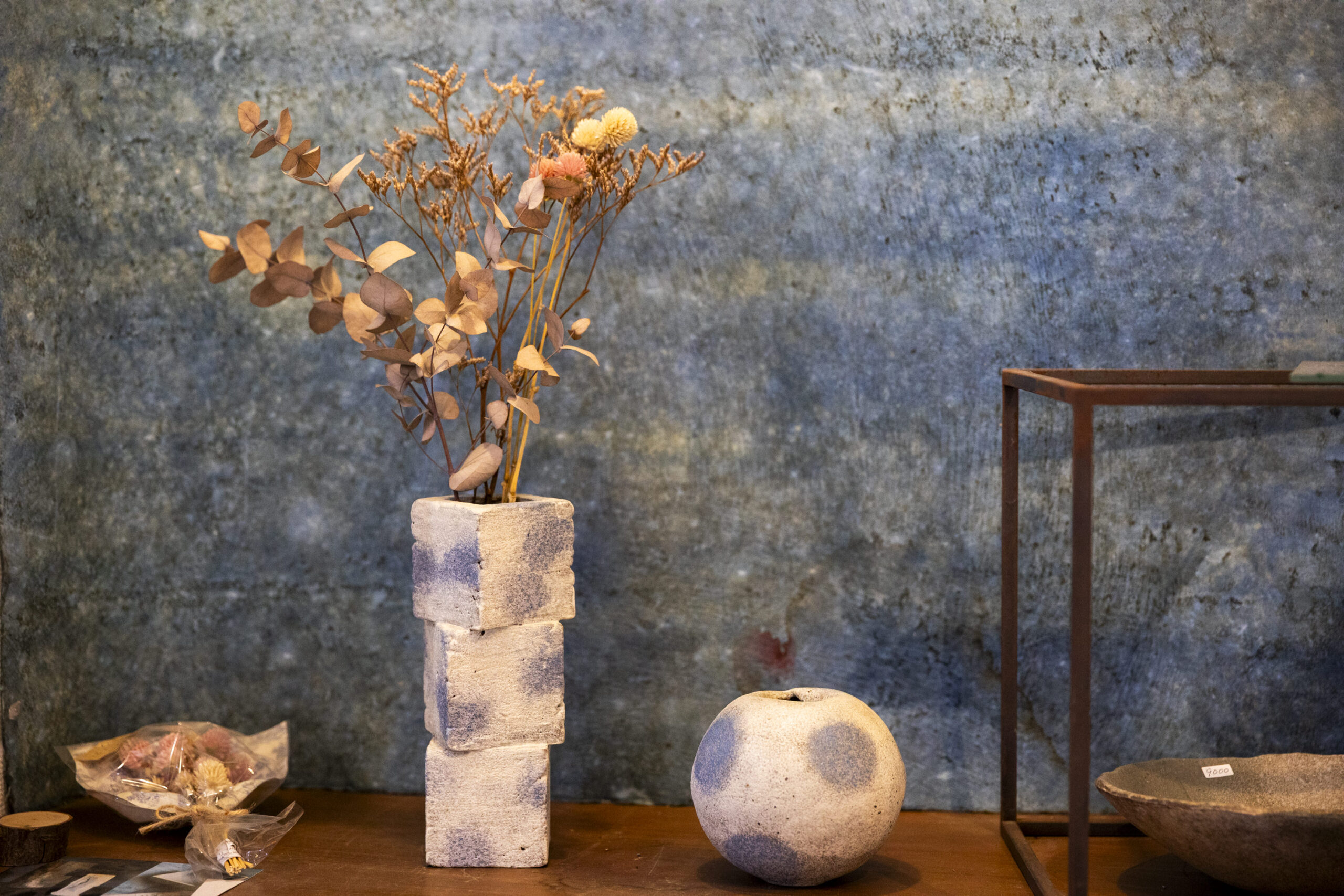
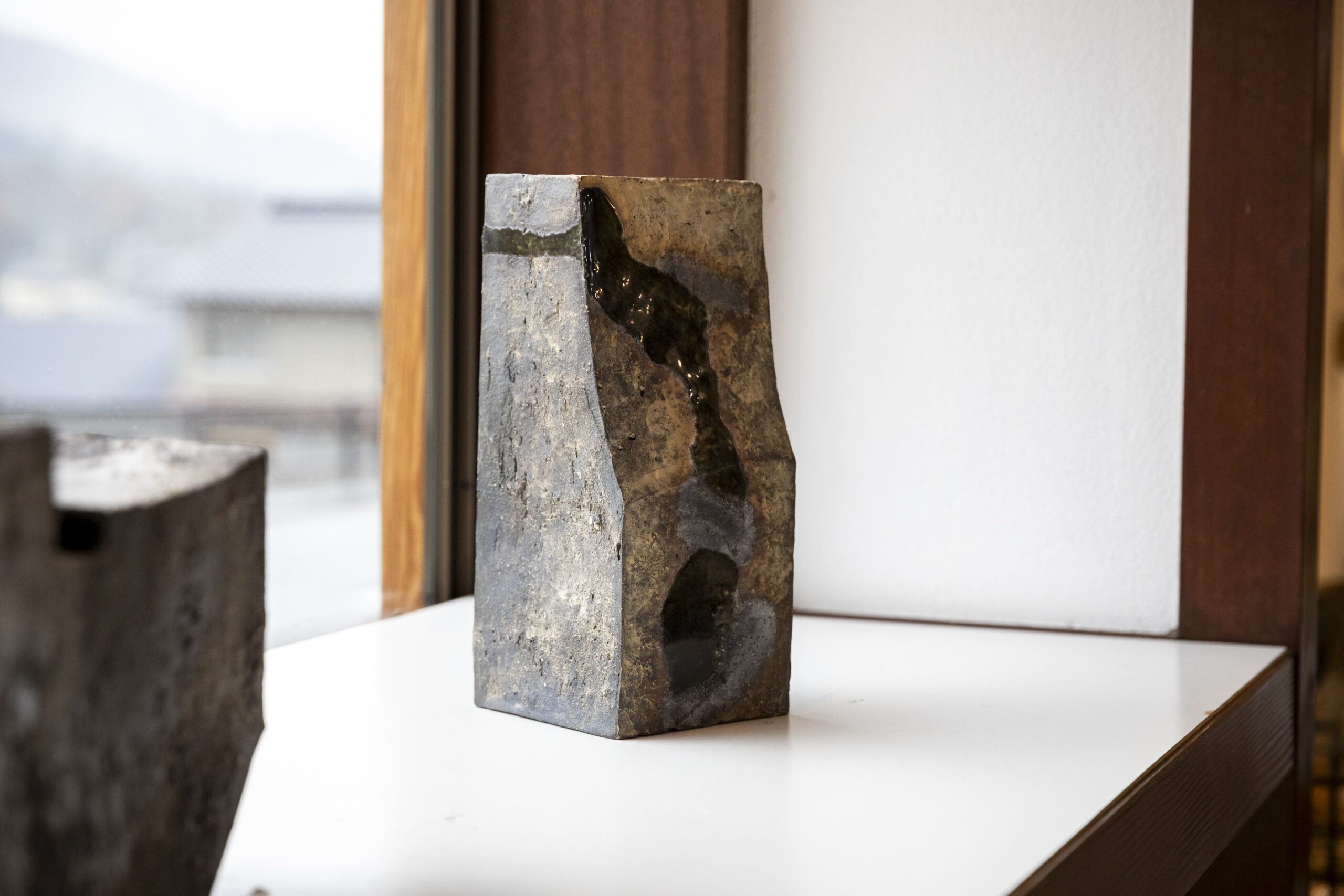
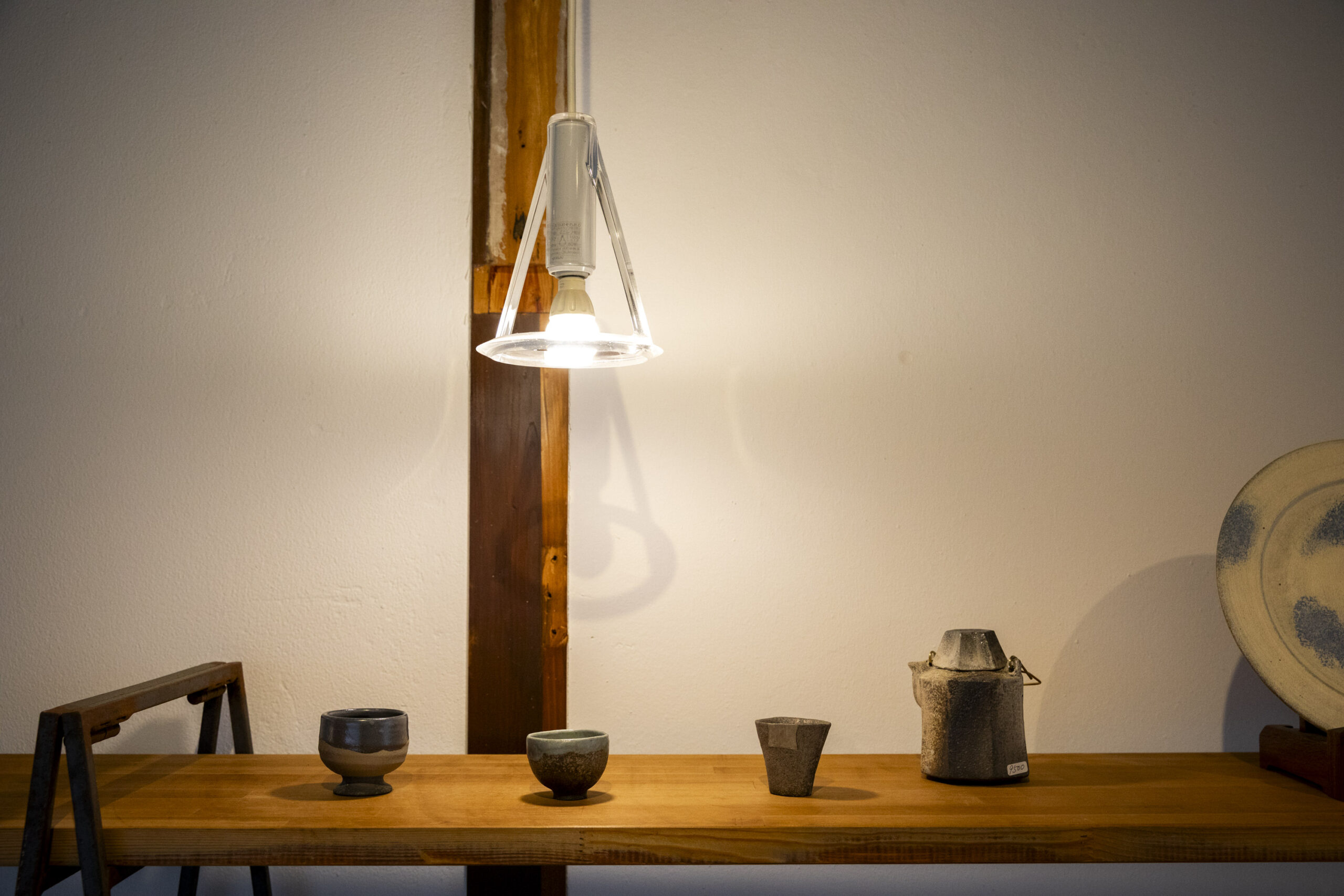


Works
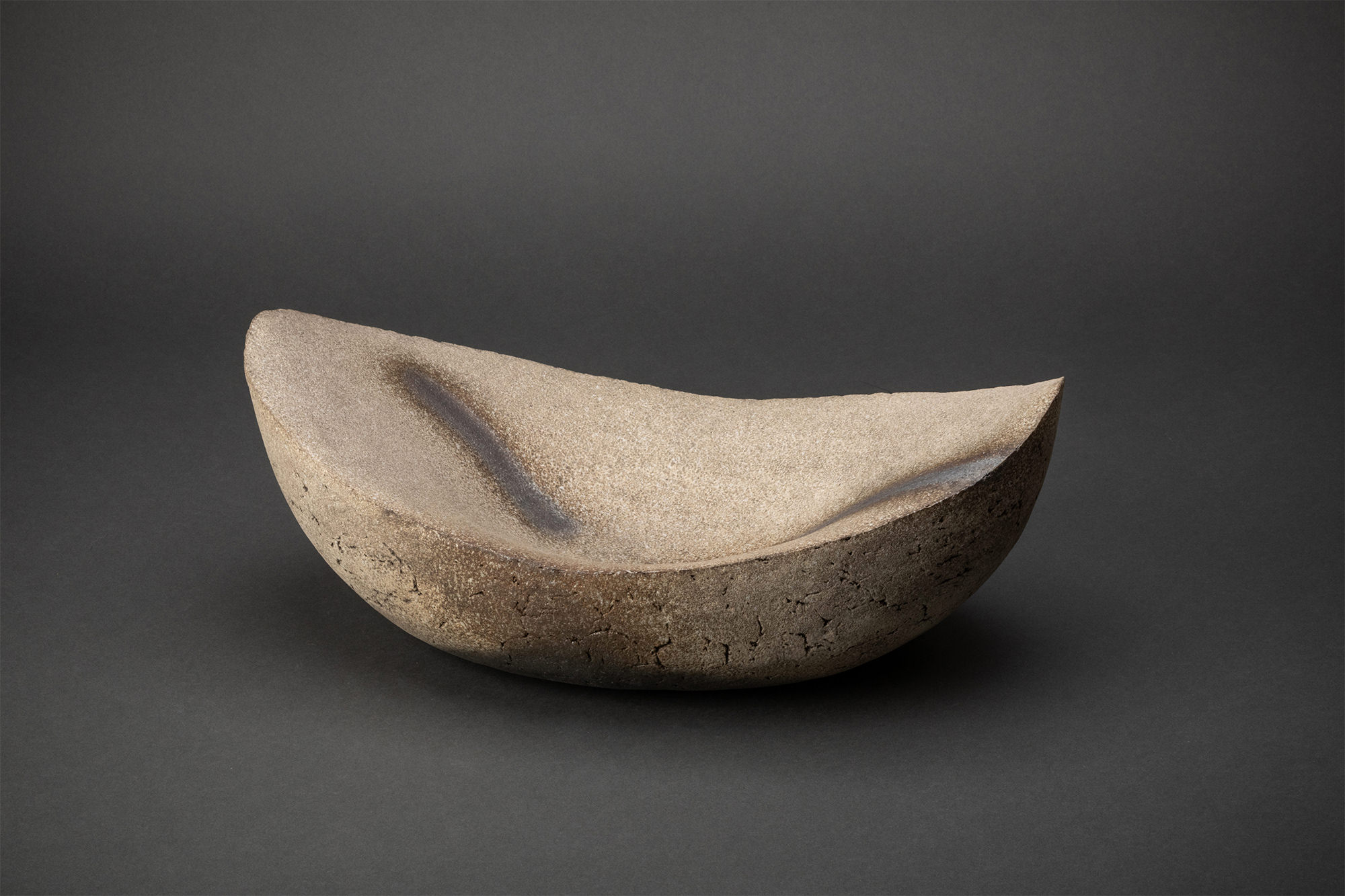
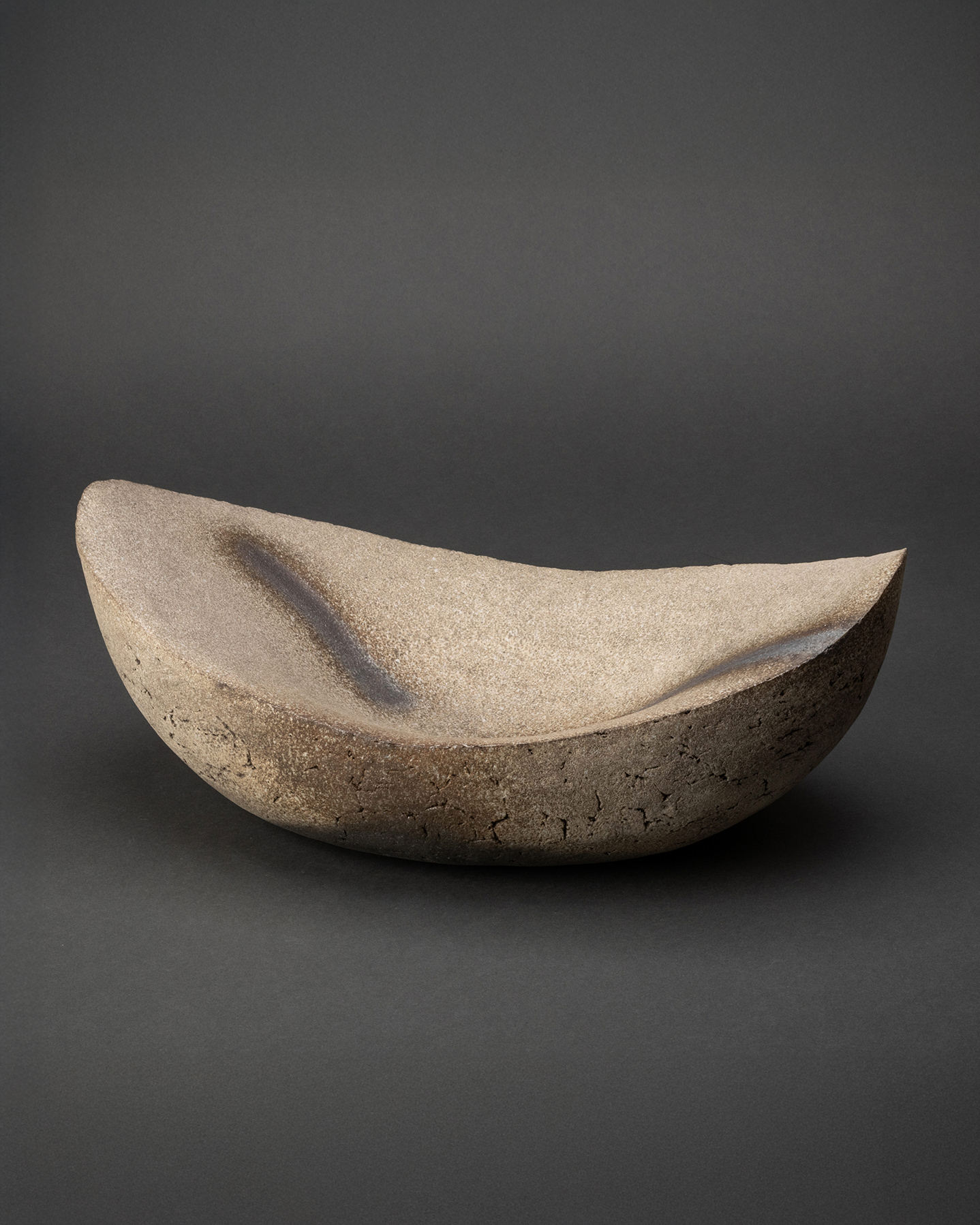
photo:AOTANI Takeru


Interview
Adding an Artistic Perspective to a Family Legacy. At YAMAGOTOUKATSU-GAMA, Katsuki Ichino Proposes “Objects for Living” that Gently Brighten Everyday Life
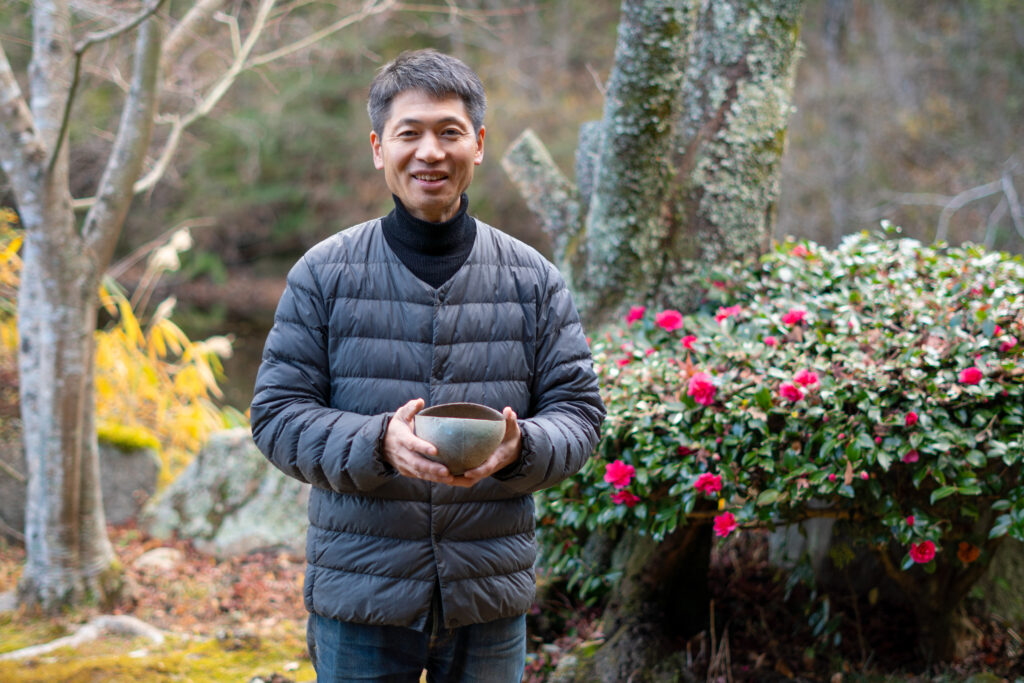
YAMAGOTOUKATSU-GAMA continues to produce donburi bowls shaped on mechanical wheels as a traditional potter. At the same time, its seventh-generation head, Katsuki Ichino (hereafter, Katsuki), fills his days creating free and profound art pieces as an individual artist—works that draw deeply on the clay of Tamba while standing alongside the long-inherited traditions and techniques of the potter.
Seeing Everything as Art — Where Self-Expression Meets Society
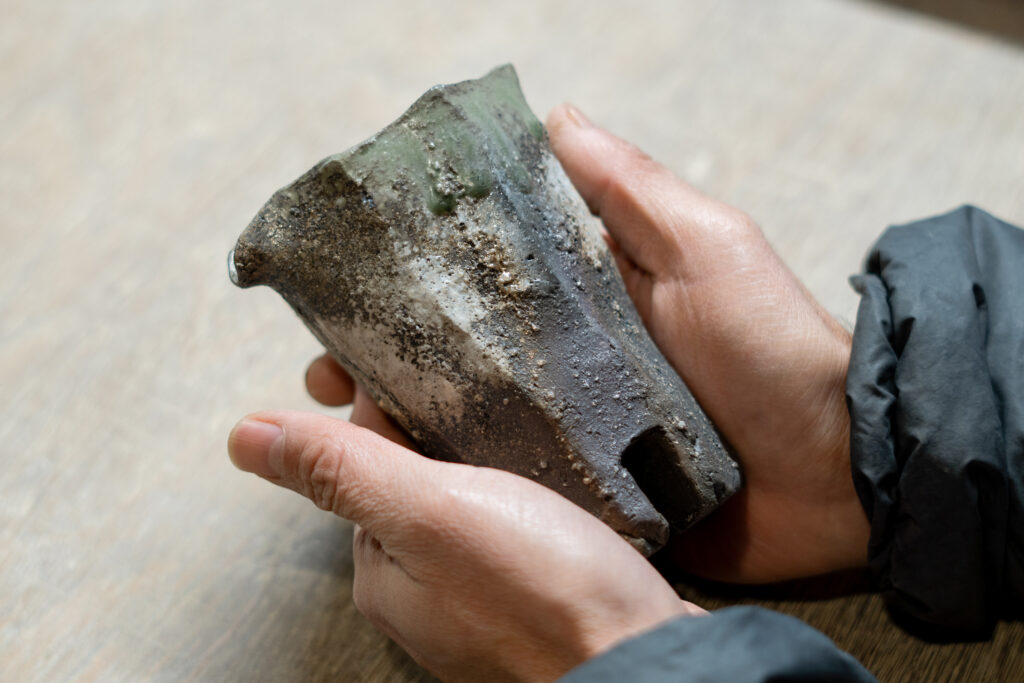
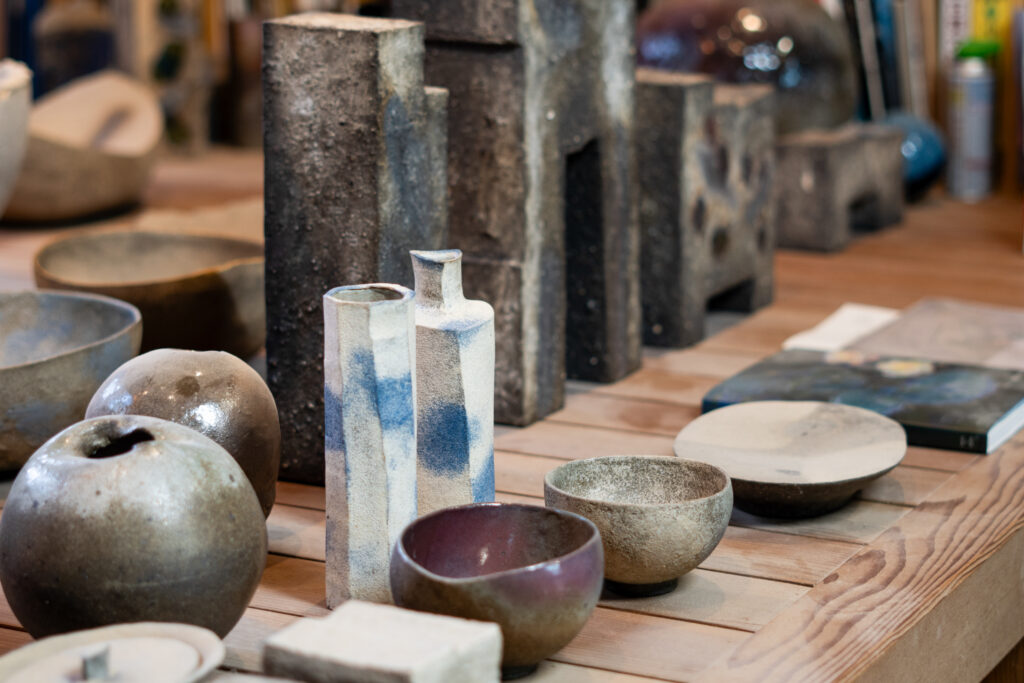
On the raised tatami platform of his studio, objects of various sizes that Katsuki has created—sculptural forms, jars, and flower forms—are arranged in quiet order. Made from clay dug in the mountains of Tamba, they carry a still presence while radiating rustic vitality, layered hues, and a solid, weighty sense of being.
What Katsuki now regards as the “core” of his creative practice are these objects—pure expressions shaped by imagination rising from within.
“When I was younger, I created works purely as self-expression. Over time, I began to feel that what I make must also be received by society. Not something trendy, but something only I can create—yet also something the world is looking for.”
Through this search, he arrived at a new concept: ‘objects that live with people.’ Some works incorporate a functional flower form as part of the sculptural form, where water and greenery bring moisture and vitality to a space. Others are large-scale pieces designed for corporate entrances or residential lobbies. Above all, Katsuki creates with careful attention to how people will feel in the space where his work is placed.
“At the start of the day, if someone catches sight of my work and thinks, ‘Let’s do our best today,’ that would make me happy. I want what I create to energize people and bring them a sense of happiness. That is what art means to me. That is my core.”
A Childhood Nurtured by Warmth and Artistic Sensibility
YAMAGOTOUKATSU-GAMA was a large potter producing many donburi bowls on mechanical wheels. When Katsuki was a child, five to ten craftsmen worked there. Outside, rows upon rows of freshly shaped bowls were lined up under the sun to dry. He spent his boyhood running carefully between them, playing without knocking them over.
“At the 10 a.m. and 3 p.m. breaks, everyone would gather on straw mats. The craftsmen would call out, ‘Katsuki-chan, come here,’ and we’d share snacks together. Even if I dropped something, they’d say, ‘Don’t worry, don’t worry.’ It was such a warm environment to grow up in.”
From the second grade of elementary school, he began learning piano—naturally nurturing his artistic sensibilities.
At university, he studied economics and stepped into a world unrelated to ceramics. At that time, he had no clear intention of succeeding the family business, and his parents maintained a flexible stance, telling him to “do what you like.”
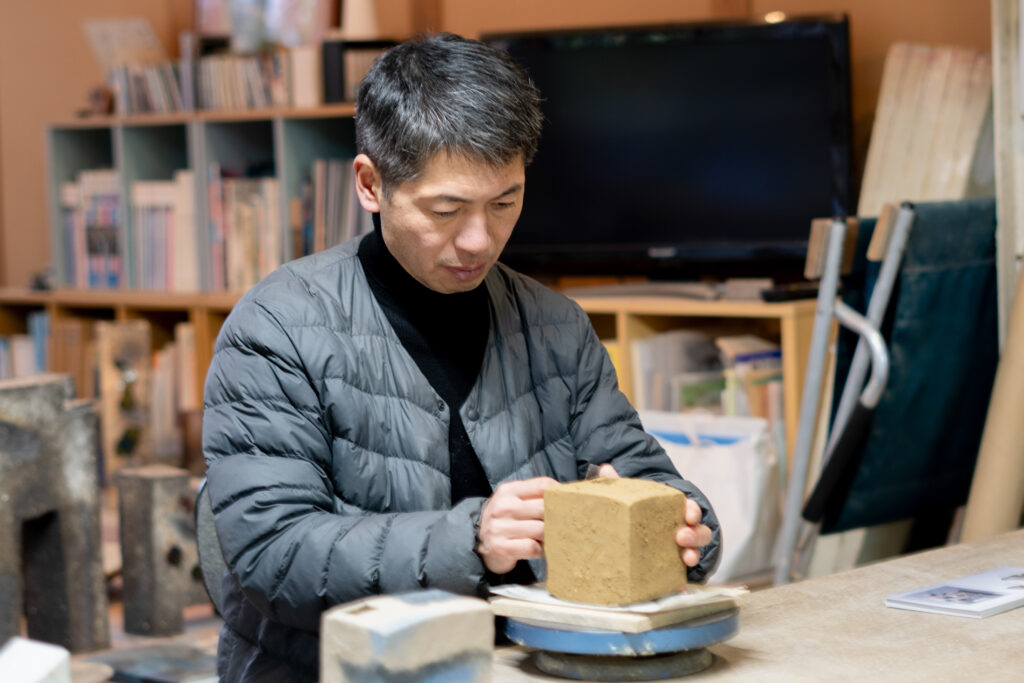
A turning point came when he was introduced to a painting teacher during his university years and began studying oil and watercolor painting. He was drawn more to abstract and psychological expression than to representational forms, becoming captivated by the depth of self-expression. After graduation, seeking further artistic exploration, he studied sculpture at Musashino Art School.
His ambition grew stronger, and he apprenticed for two years under an artist working with porcelain. In contrast to the earthy clay of Tamba, he encountered the world of white porcelain objects—a stimulating and transformative experience.
“When I first returned home, I devoted 70 to 80 percent of my time to making sculptural works rather than helping with the family business. When one of my pieces was selected for a public exhibition for the first time, I felt like I could finally see what I truly wanted to create.”
Producing donburi bowls for the family potter, and pursuing his own artistic practice.
At first, these two paths felt separate. However, after his father passed away, the boundary between them gradually blurred. Today, he considers both—the donburi production that has sustained the kiln and the creation of sculptural works—as twin pillars forming his “primary core.”
Watching participants in his pottery classes reshape formed donburi bowls into free expressions, he came to see that “this too is art.”
Embracing a Wide Range of Passions with Ease
At first glance, Katsuki appears gentle and composed. Yet outside of ceramics, he enjoys a wide variety of hobbies. He still plays piano for pleasure, ranging from classical to jazz. In summer, he even goes to baseball games.
“Shouting out loud at the stadium is a great way to release stress,” he says with a smile—revealing a grounded, unpretentious way of living.
“If you visit Tamba Tachikui, I hope you’ll tour the potters. People often imagine kiln studios to be formal or rigid, but it’s not like that at all. One of Tachikui’s greatest charms is how close you can feel to the makers—and how openly you can talk with them.”
Supporting the kiln while continuing to explore art that connects with society, Katsuki moves forward—seeking new forms that bring light into everyday life.
Interview, Text, and Photography:NOUCHI Nana
Overview
of
YAMAGOTOUKATSU-GAMA
Address
2 Kamitachikui, Konda-cho, Tambasasayama, Hyogo, Japan
TEL
FAX
Pottery Classes
From everyday tableware to more ambitious pieces, we provide guidance that brings out each person’s individuality.
We also hold social gatherings and exhibitions, and value interaction among participants.
Available Dates: First Saturday of each month (closed in January)
Reception Hours: 10:00–13:00
Reservation: Required
Walk-ins: Please contact us
<Clay Modeling Class>
180 minutes / ¥1,500 + firing fee
・Maximum Participants: 30
・Completion Time: Approx. 30 days
Notes:
・Glaze selection available upon request.
<Wheel Throwing Class>
60 minutes / ¥1,500 + firing fee
・Maximum Participants: 5
・Completion Time: Approx. 30 days
Notes:
・Glaze selection available upon request.