

TOC
HIGASHIYAMA-KOBO
profile
Hiroaki Ichino
profile
Hiroaki Ichino
1st generation
Year of Birth:1980
Year Began Pottery:2008
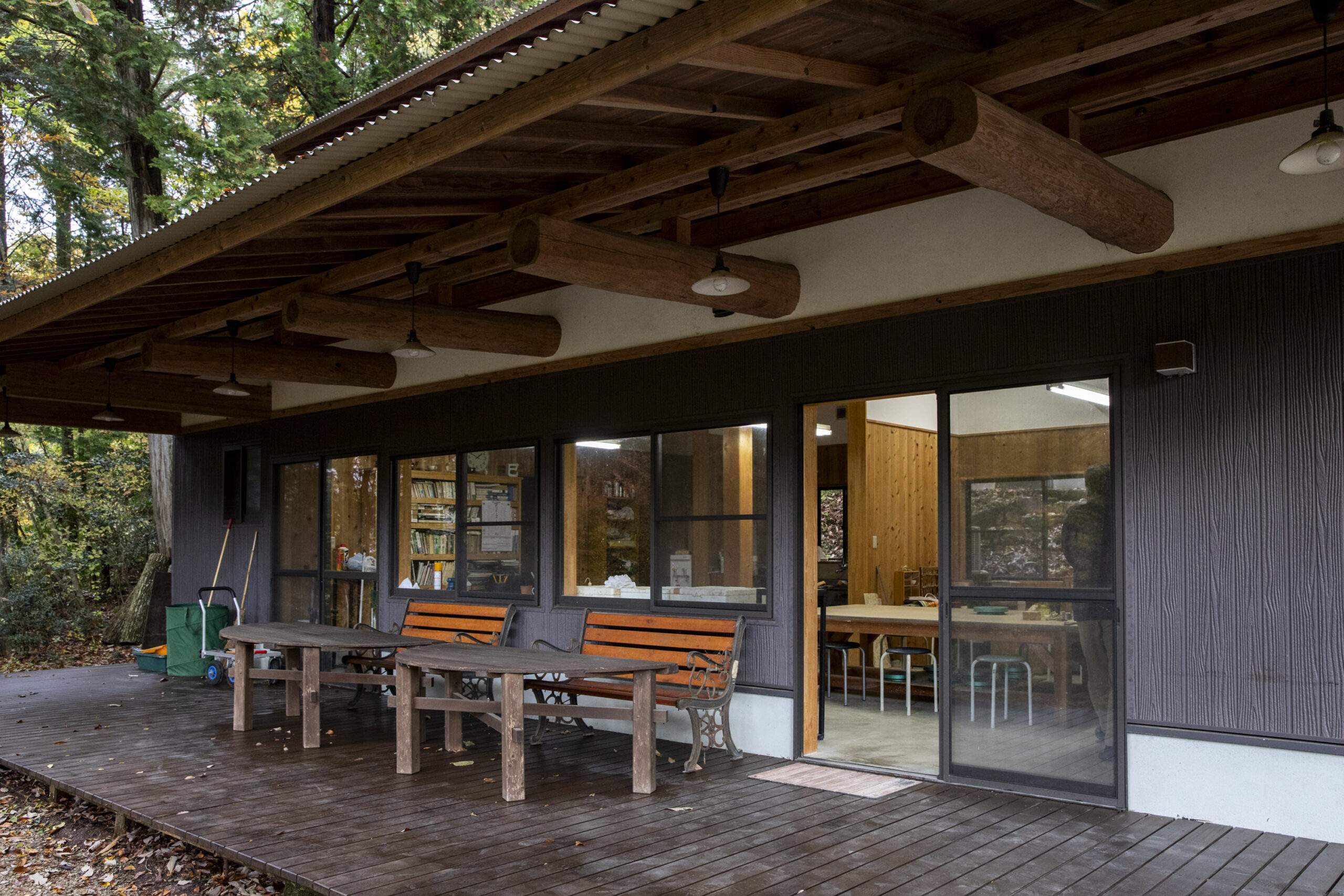
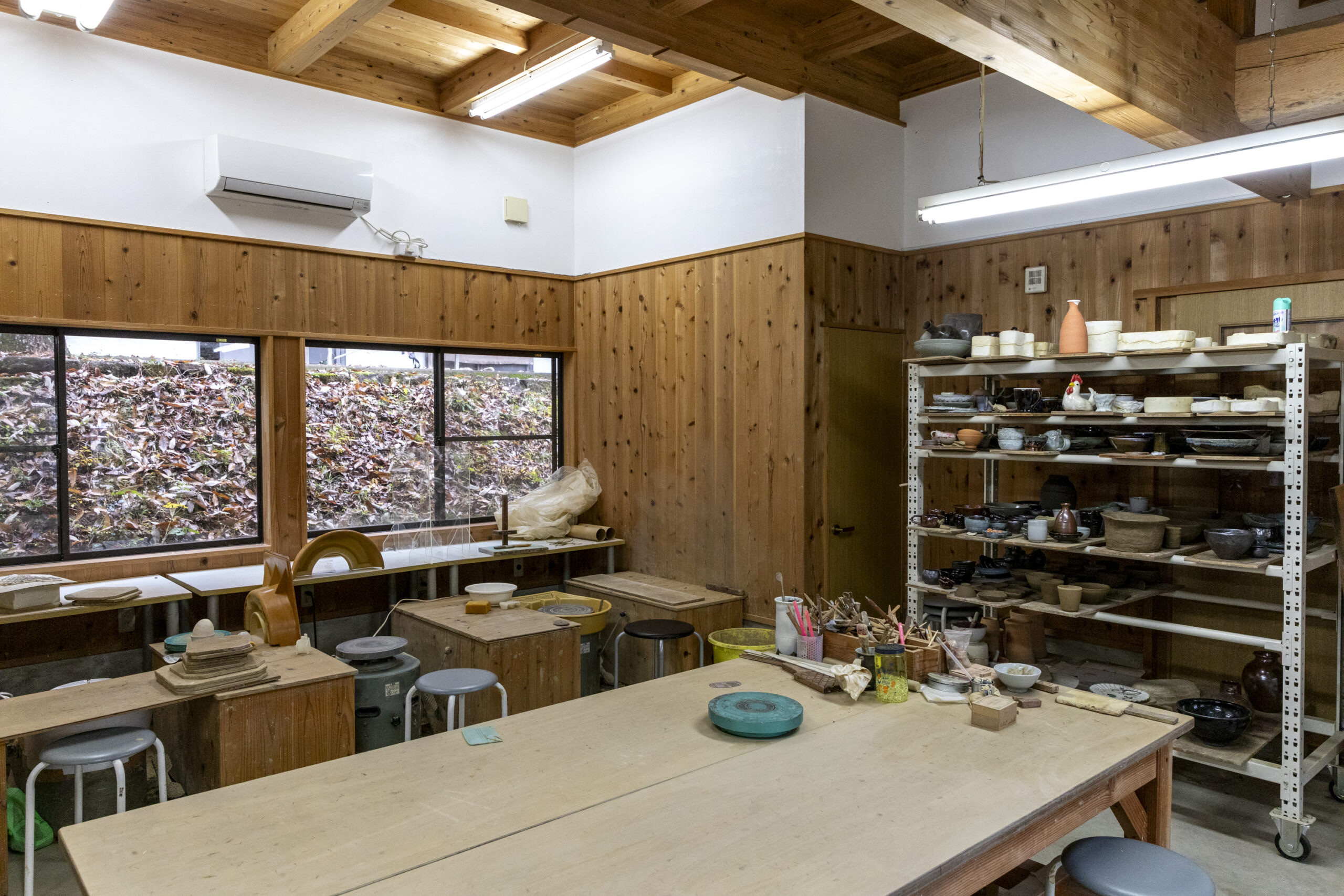
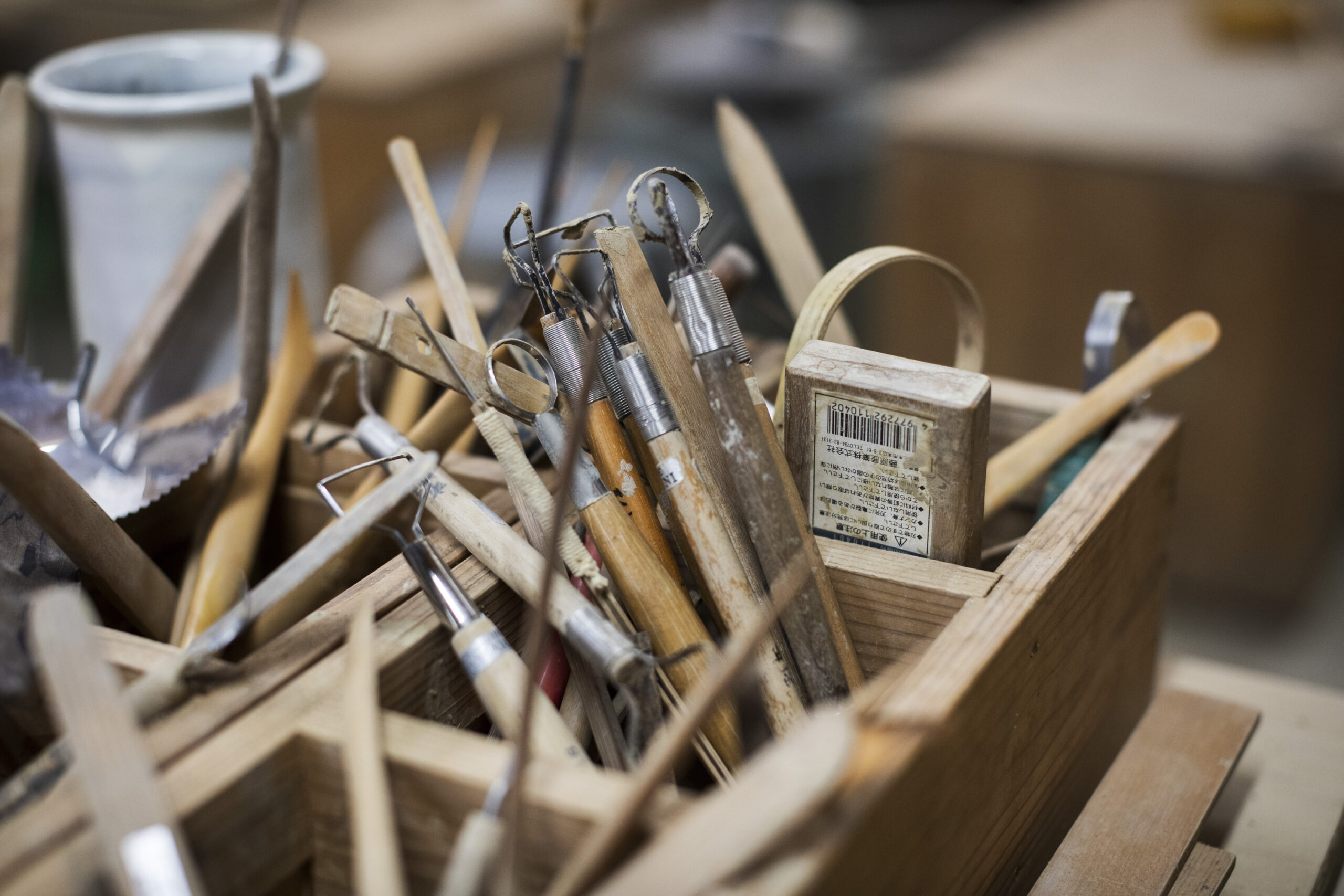
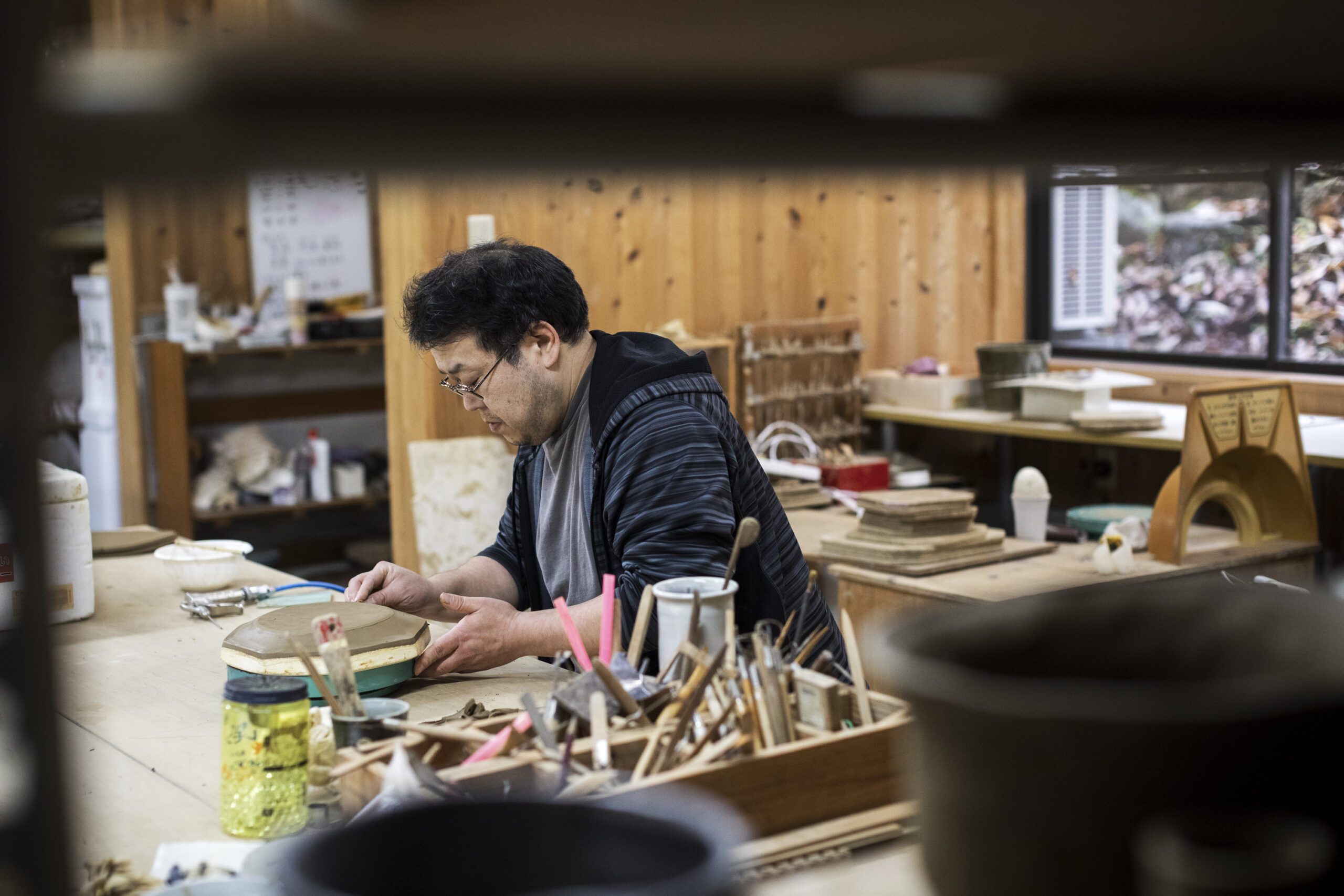
The state of the workshop
スクロールできます


Works
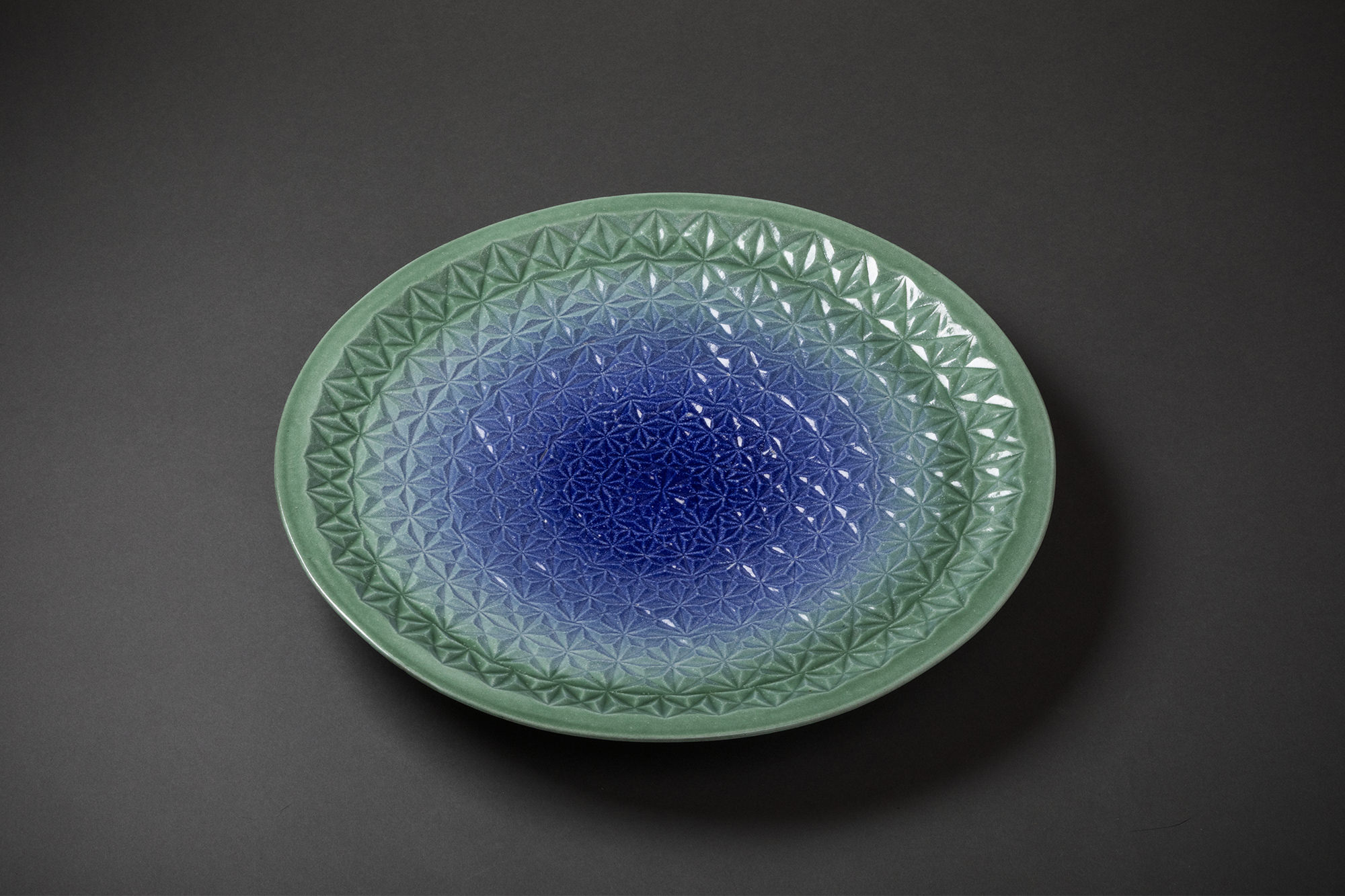
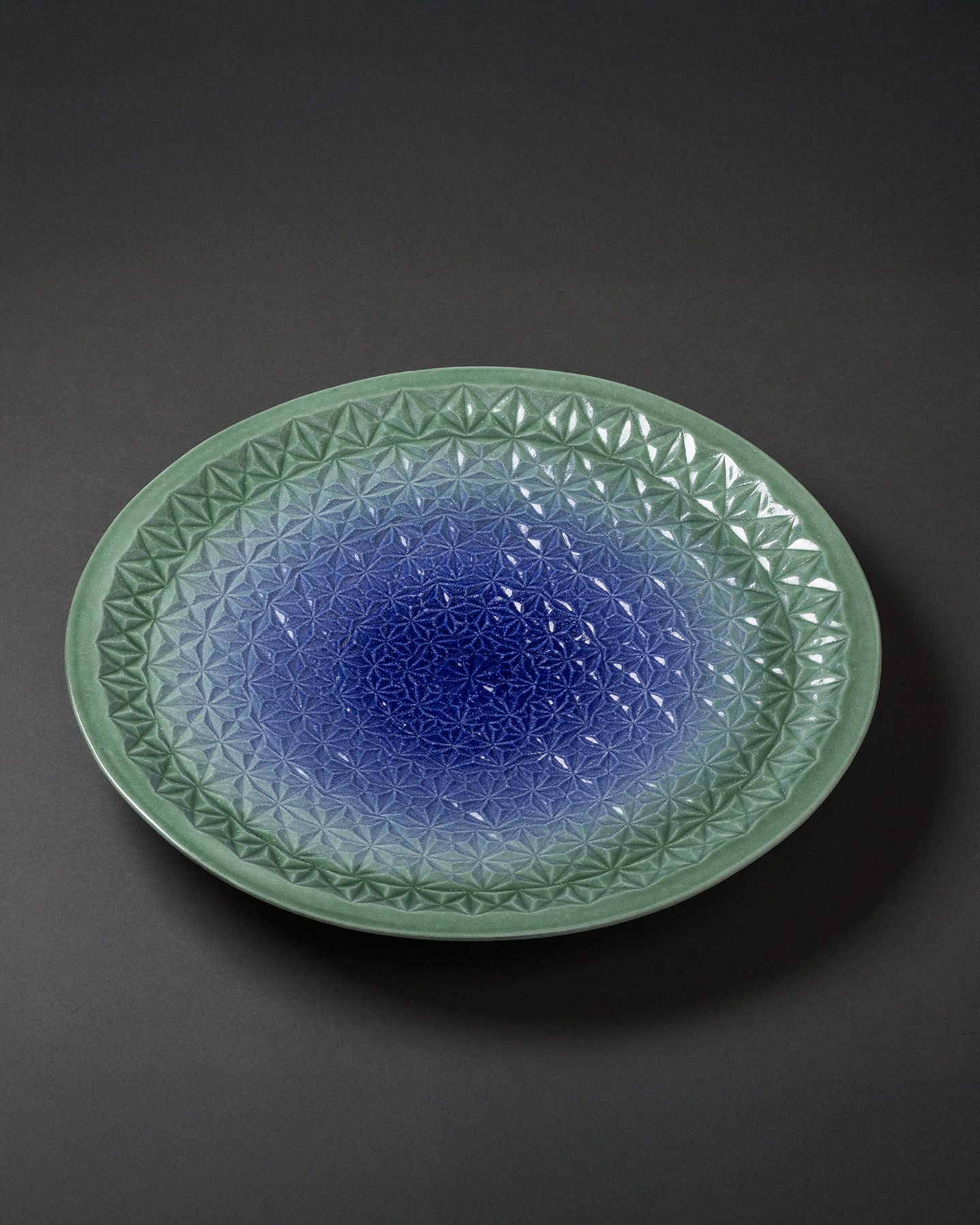
photo:AOTANI Takeru
Interview
A Melody of Light Played by Clay. After Setbacks at 28, Hiroaki Ichino of HIGASHIYAMA-KOBO Restarted as a Potter—Carrying On Tradition While Forging His Own Original Path
Geometric Light Etched into Clay: The Radiance of “Kiriko” Beyond Tradition
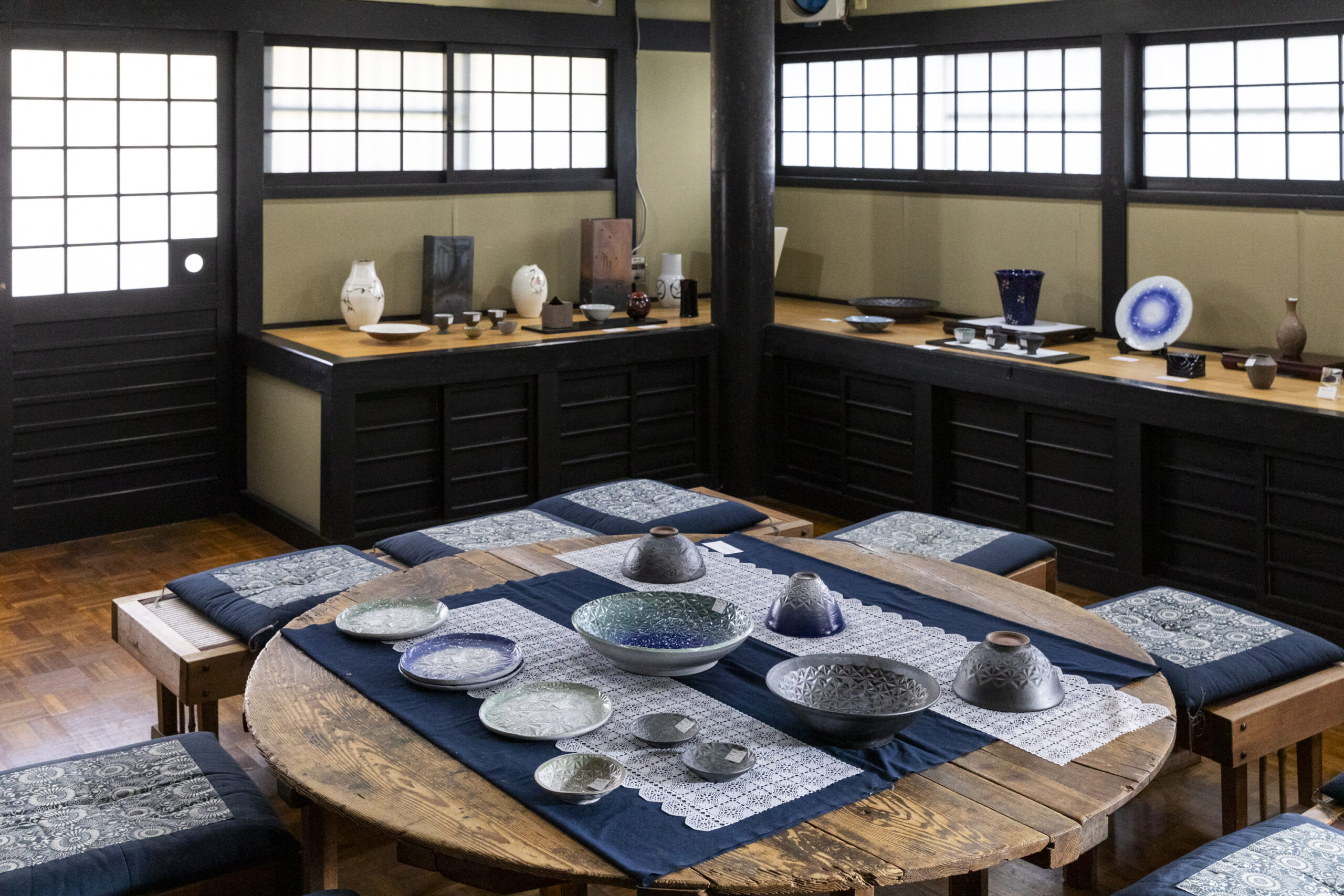
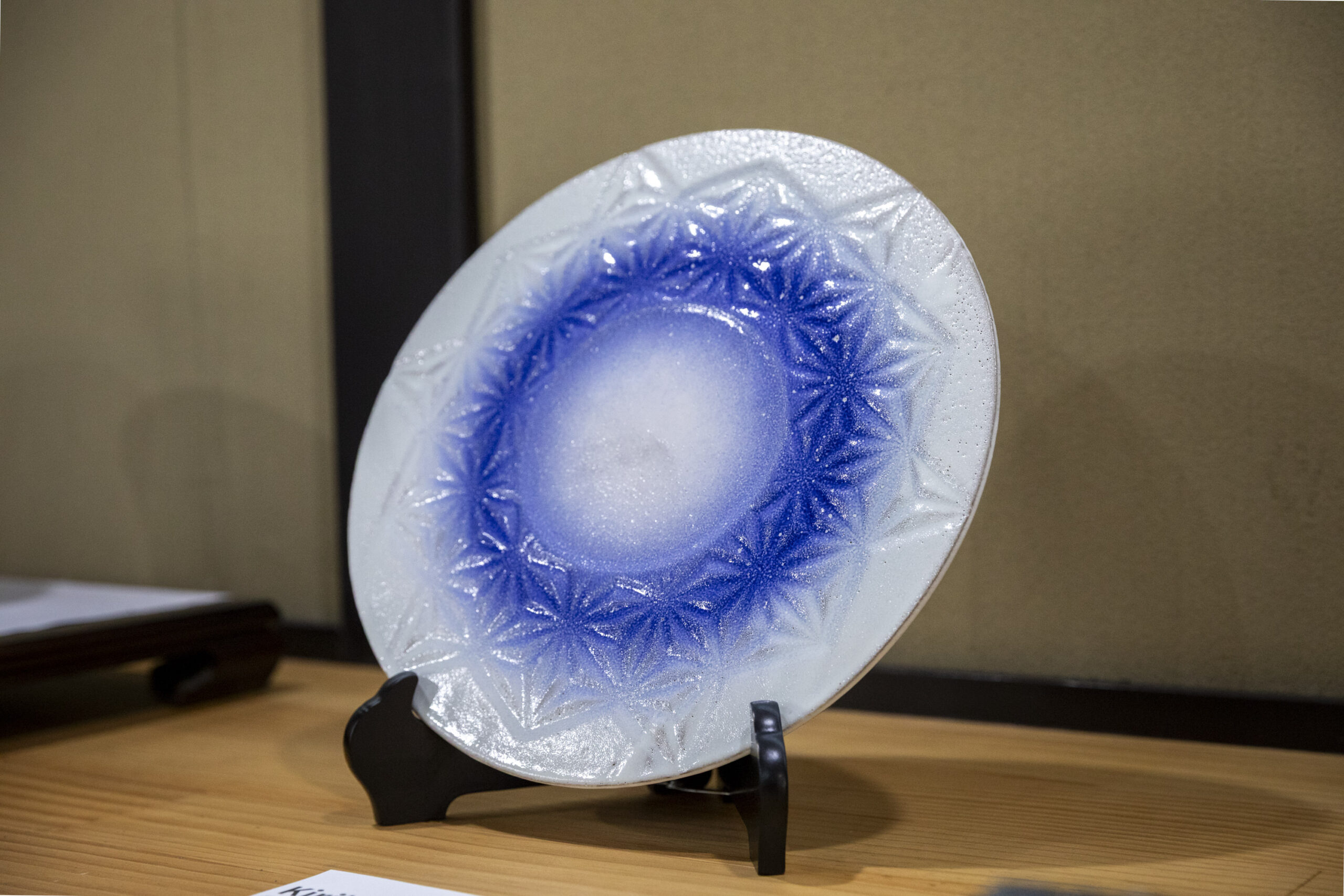
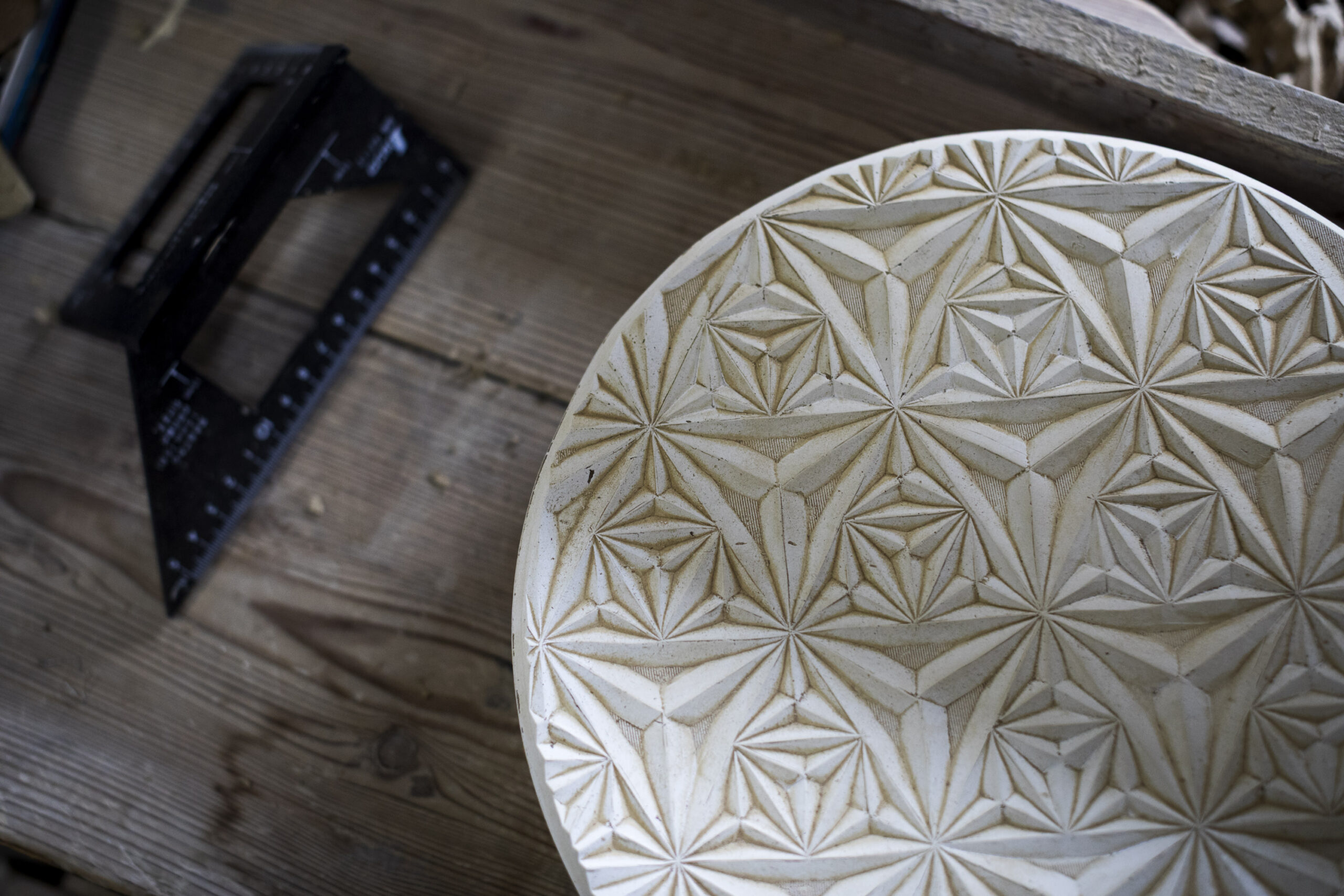
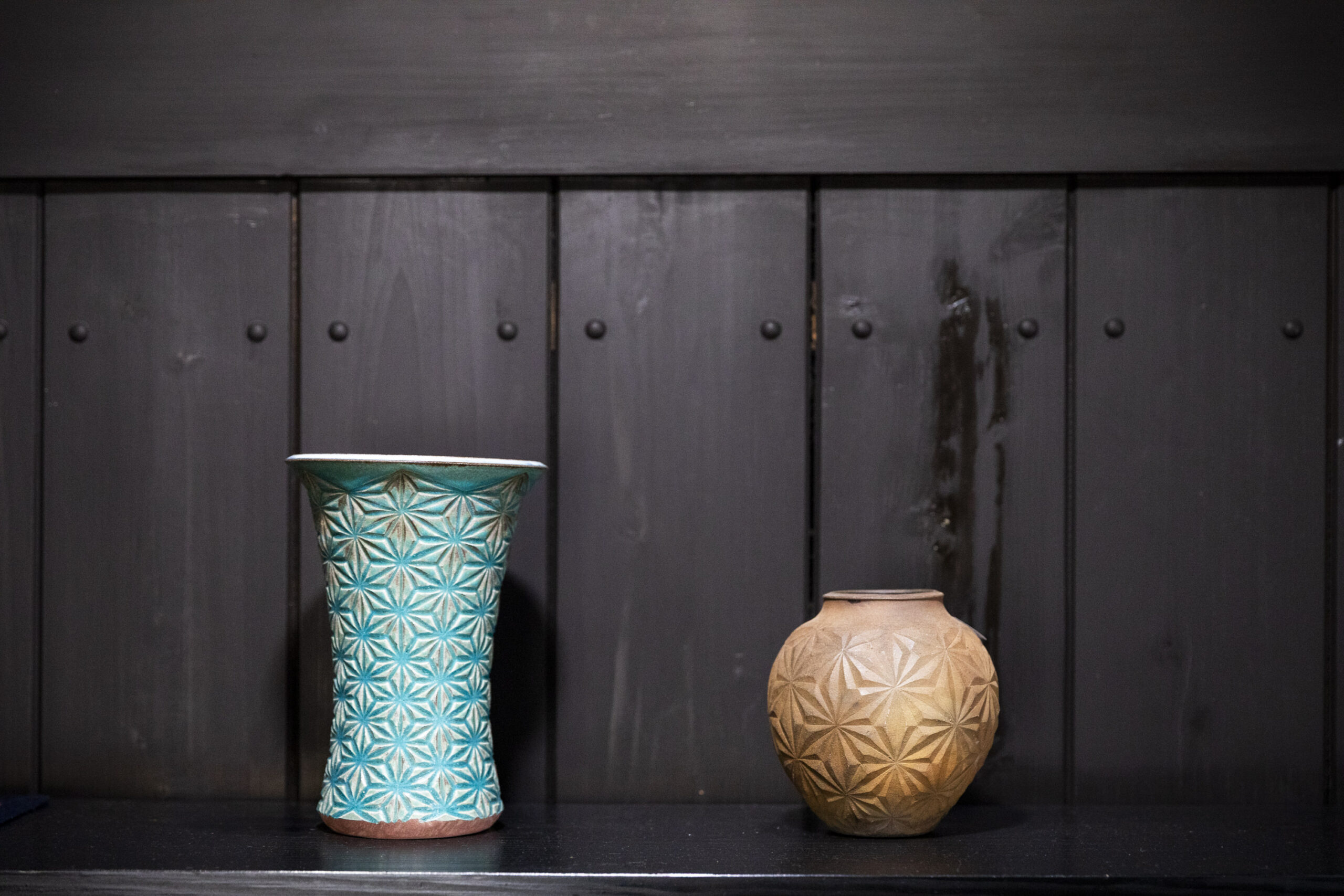
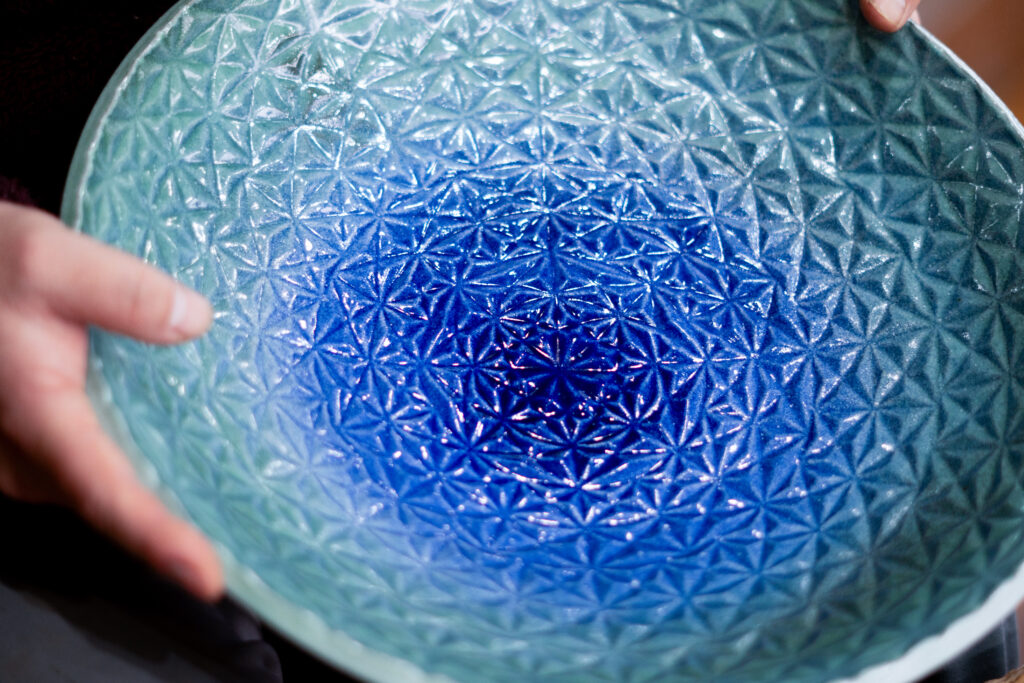
Standing before the works of HIGASHIYAMA-KOBO, one cannot help but be drawn to their brilliance. Geometric carvings cover the entire surface—triangles and star-like patterns repeating in steady rhythm, spreading evenly across each piece.
The defining feature is this original approach: carving directly into the clay body of Tamba Ware. Layered blue gradations shift subtly with the light, emphasizing the sharp ridgelines of the cuts. The interplay of depth and reflection makes the surface come vividly alive.
“One of my main themes is to make the form sparkle. Matte finishes are popular these days, but I want to present light itself—its reflections and movement—as part of the work. When someone walks into the shop, I want their eyes to go straight to it.”
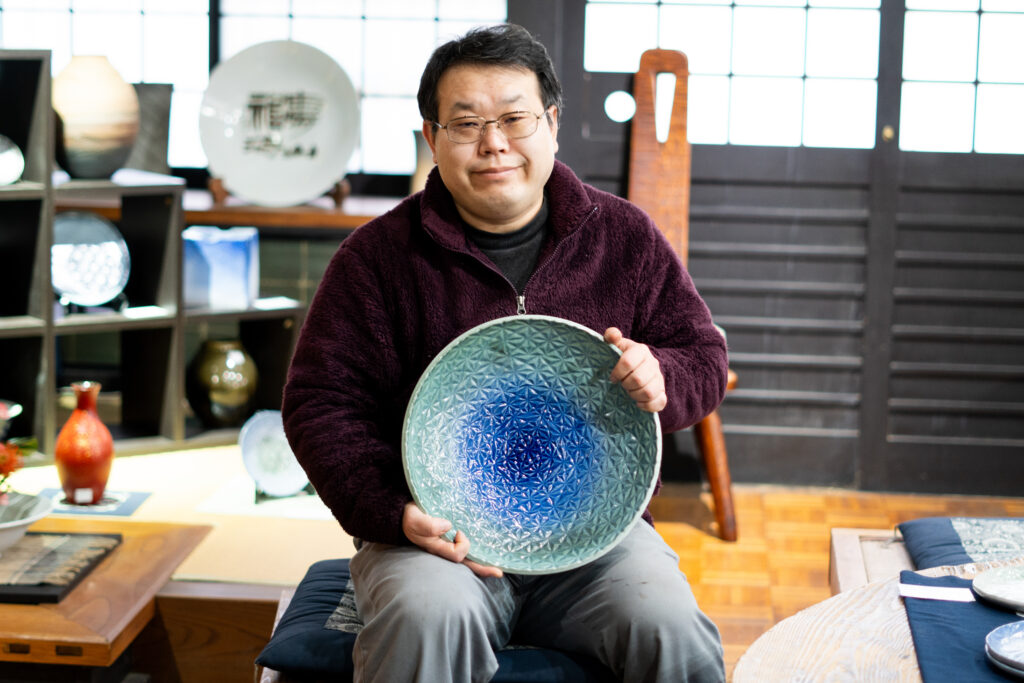
Not only the form, but the surface structure and the shifting color create the impact. Customers began to say, “It looks just like kiriko cut glass.”
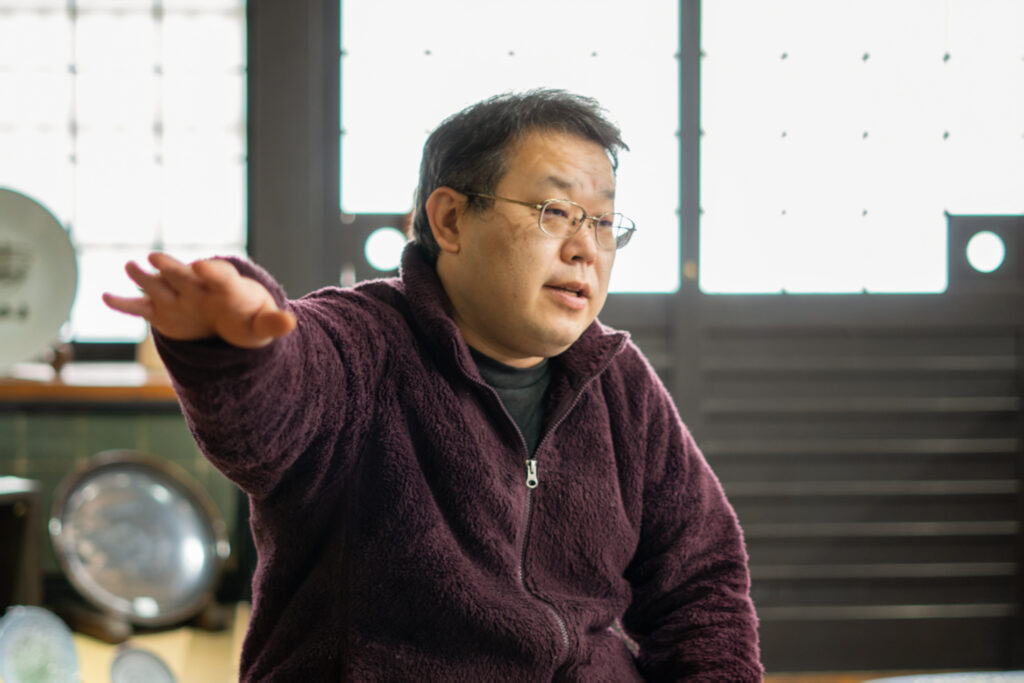
“I hesitated to call it kiriko outright, so I chose to write it in Roman letters—‘Kiriko.’ I used to call it kokumon (engraved pattern), but I wanted something softer and more playful. The name actually came from a customer’s comment.”
A Setback in Teaching—and a Restart at 28
“When I was a child, I watched my father work and felt something mysterious about how clay takes shape just by placing your hands on it at the wheel.”
Hiroaki began making pottery in earnest at the age of 28.
“Originally, I wanted to become a teacher, but that path didn’t work out. Then I remembered helping with the family business when I was a student, and I decided to step into this world.”
His older brother had already taken over the family potter (Ennen-gama), so Hiroaki did not expect to become a potter himself. But once he began walking as an independent maker, he felt a strong need to develop an identity distinct from his family.
“If I made the same style, my work would disappear into the background. So I made a bold decision to change direction and create something eye-catching as an individual artist.”
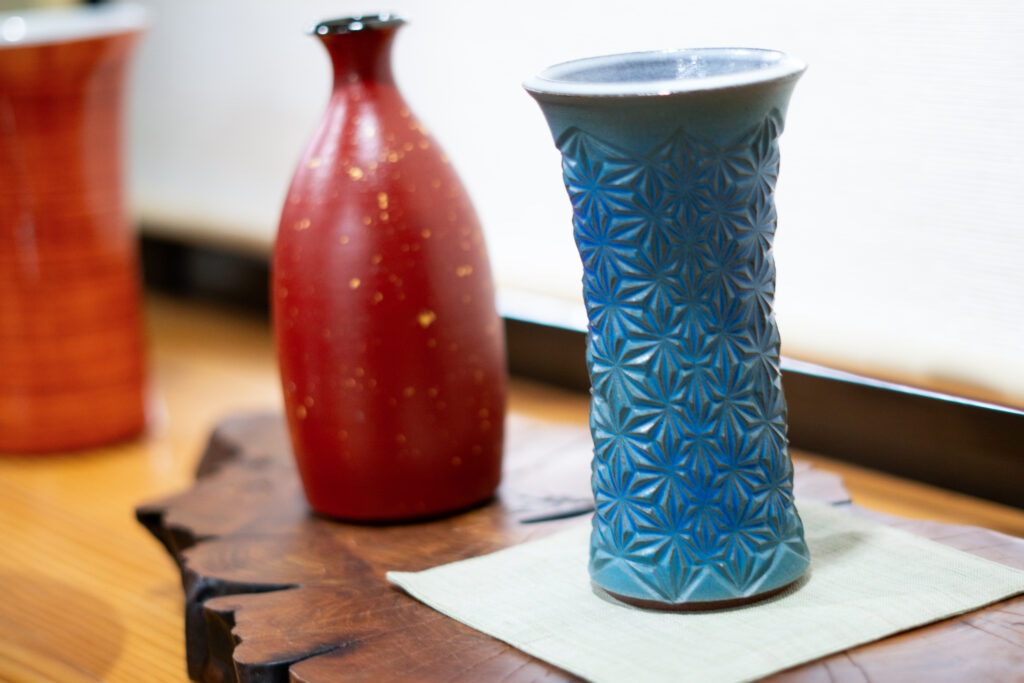
He began by experimenting with small vases. Using slab-building techniques to form angular columns, he felt that smooth surfaces were not interesting enough. Inspired by the faceted cuts of a square whiskey bottle, he introduced his distinctive carved patterns.
The method—cutting V-shaped grooves and slicing diagonally to reveal sharp edges—was virtually unseen in Tamba. The response exceeded all expectations.
“Koroshi”: The Discipline Taught by His Grandfather
Decorating each surface demands immense time and patience. The endurance required for such meticulous carving traces back to lessons learned from his grandfather.
“When I first entered the family business, I was made to do nothing but koroshi—centering and compressing the clay—for an entire day. It’s the foundational process that ensures the clay is evenly dense and stable. My grandfather used to say, ‘If you can’t do this, everything that follows becomes difficult.’ He was from the era of mass production, very strict about eliminating waste. But his teaching—‘be thorough in each step’—still forms the core of my work.”
Each piece takes one to two days to complete. Carving must begin when the clay is half-dry and finish before it dries completely. Once started, the process cannot pause. It is intense work—eyes fixed on the blade at close range, battling fatigue.
“When my concentration starts to fade, I play music—mostly J-pop. I refresh myself and keep carving.”
While his work demands the utmost stillness, Hiroaki’s favorite pastime is filled with energy.
“My hobby is baseball—especially the Hanshin Tigers. A close friend from high school, who has season tickets, and I go to Koshien once or twice a month during the season. We’ve known each other for over thirty years. We cheer at the top of our lungs, recharge, and then I return to my work. That’s my way of resetting.”
Forms That Enrich Shared Moments
Hiroaki hopes to propose forms that enhance the experience of enjoying food and drink together.
“For example, I make something called a ‘swing glass.’ When you put ice in it, you hear the clinking sound as it rocks like a spinning top. I imagined people enjoying the sound as they drink. One customer came back later and said, ‘I want another one.’”
In the world of traditional Tamba Ware, Hiroaki entrusts his identity to light and carved shadow. His finely detailed forms will continue to sparkle gently on dining tables, illuminating the everyday lives of those who use them.
Interview, Text, and Photography:NOUCHI Nana
Overview
of