
TOC
SHOYO-GAMA
profile
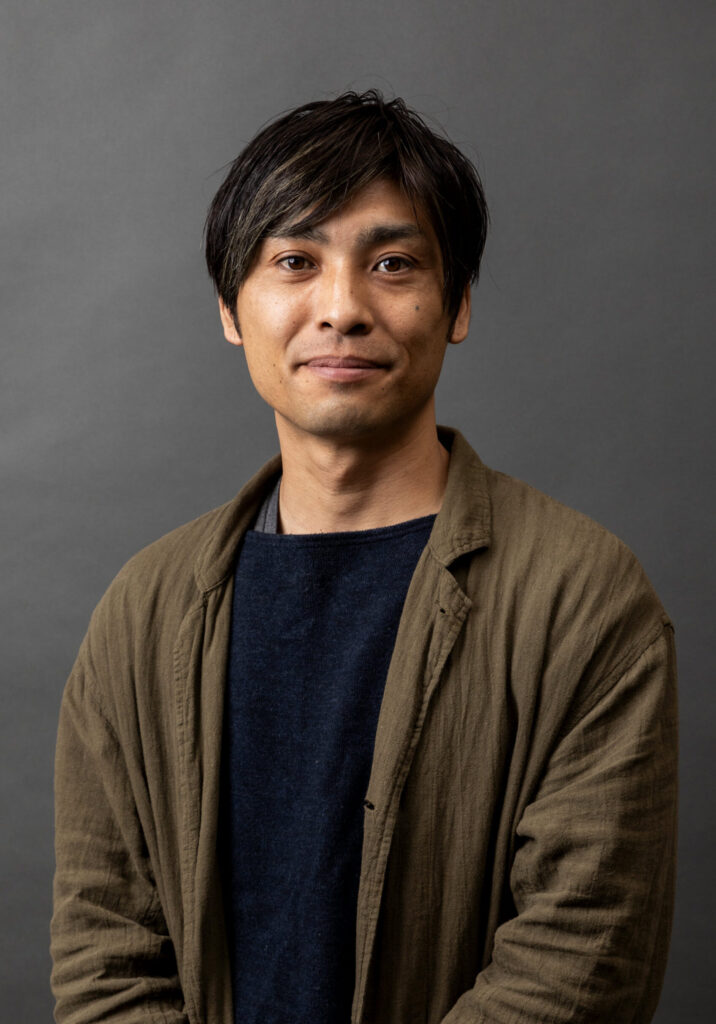
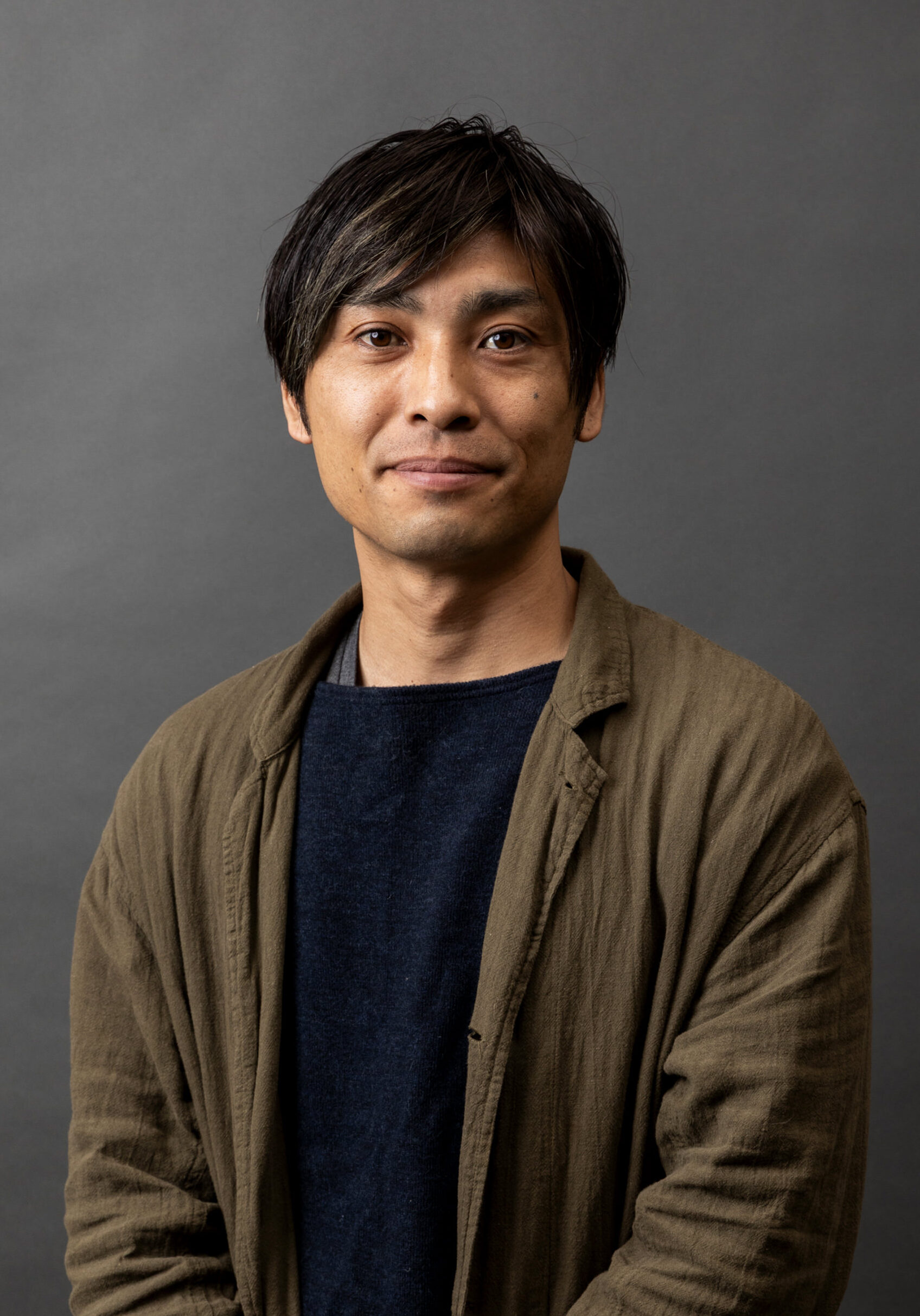
Yuki Ogami
profile
Yuki Ogami
3rd generation
Year of Birth:1986
Year Began Pottery:2012
Education / Training Background
Graduated from Kanazawa College of Art
Studied under Goro Suzuki
Major Awards
2014 – Selected, International Ceramics Exhibition
2016 – Selected, World Crafts Biennale
2017 – Selected, International Ceramics Exhibition
2021 – Newcomer Encouragement Prize, Kinki Branch of the Japan Traditional Crafts Exhibition
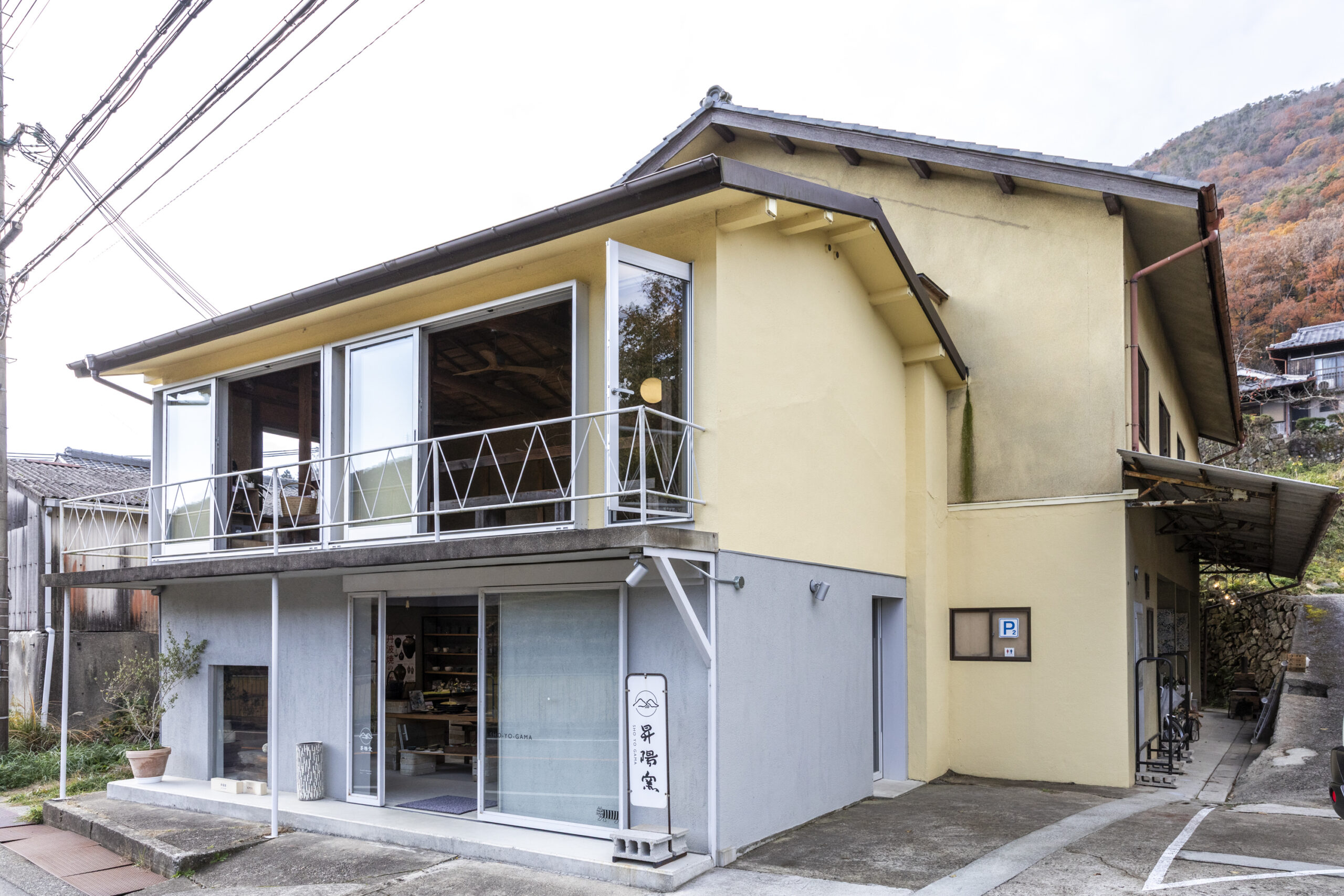
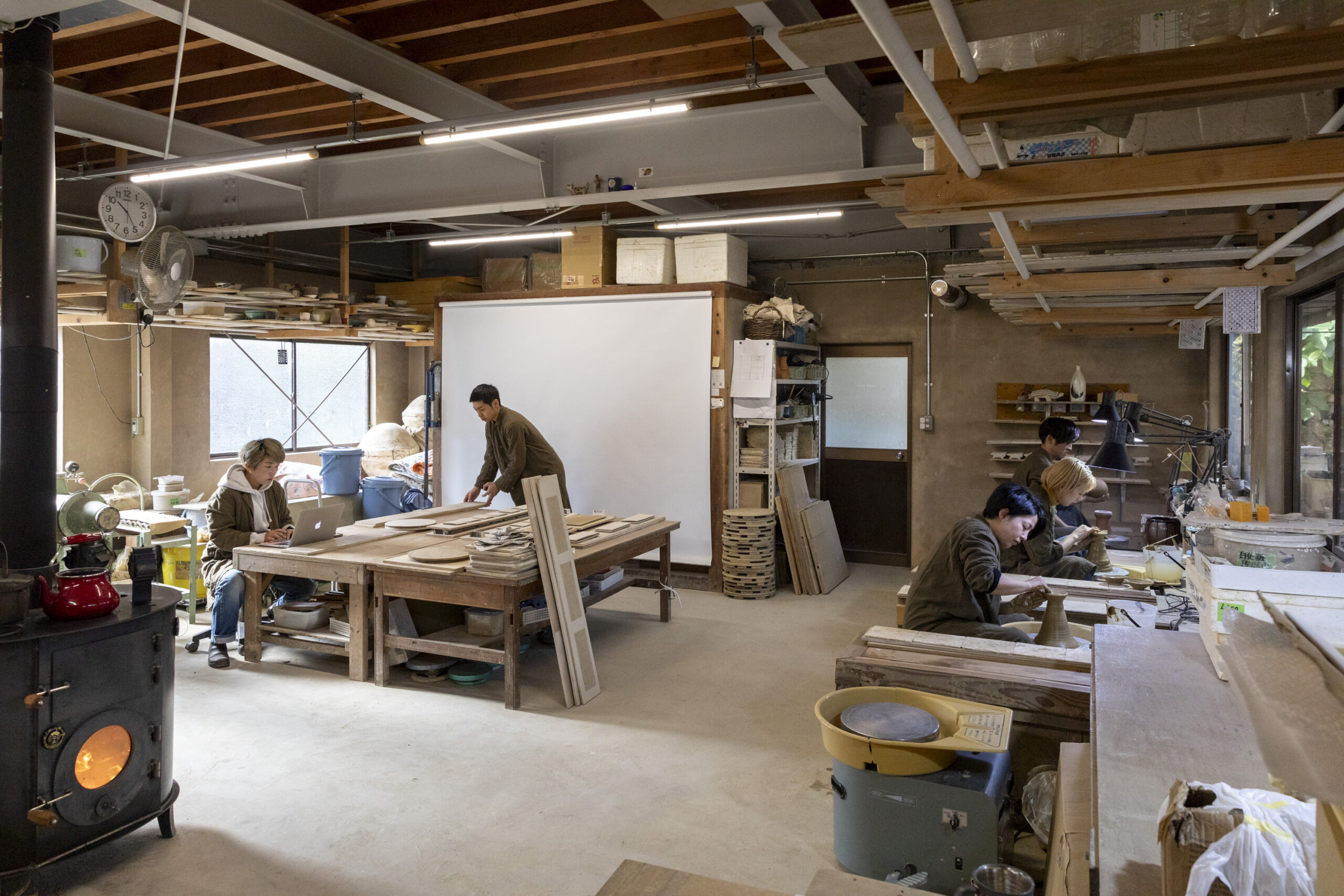
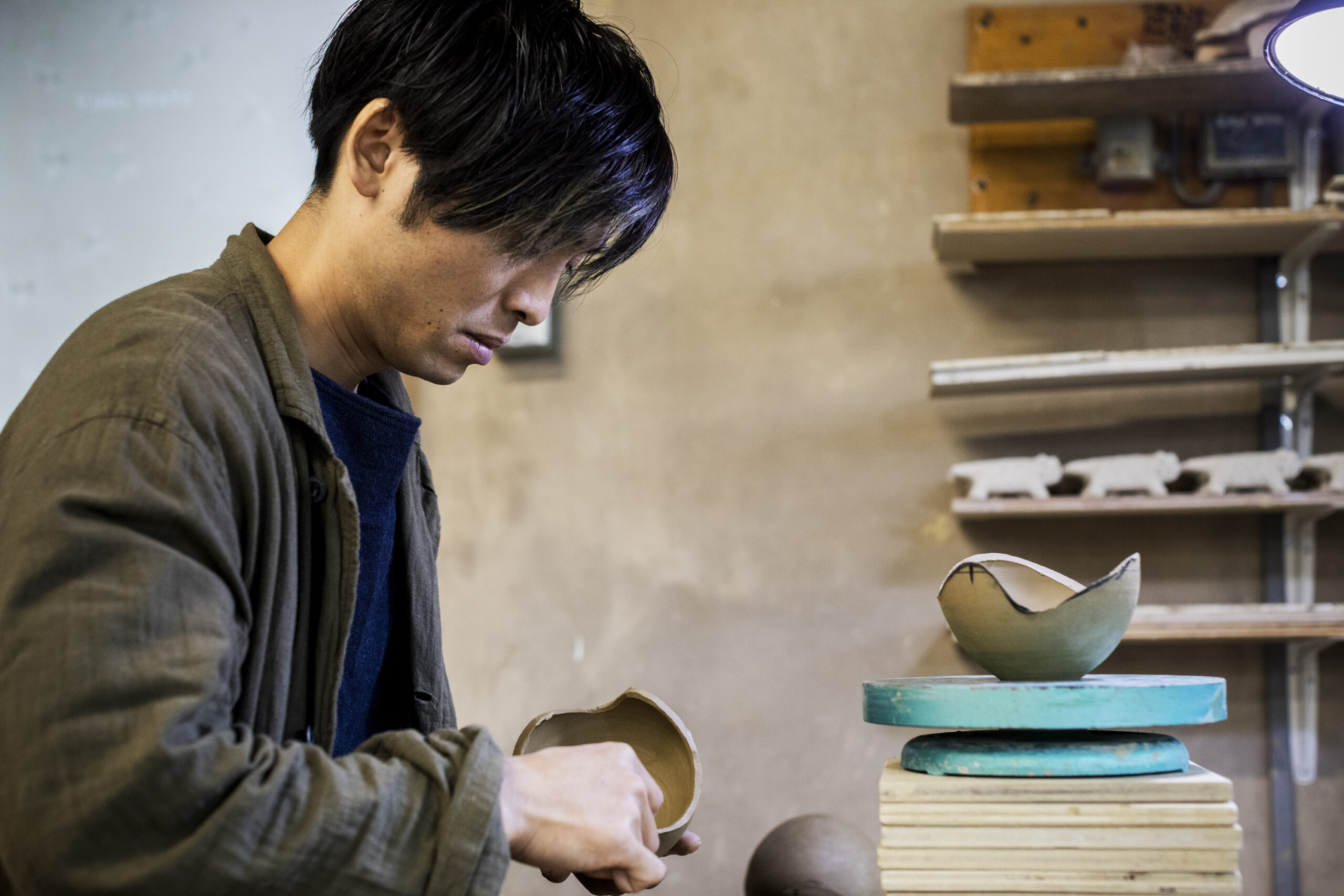
The state of the workshop
スクロールできます
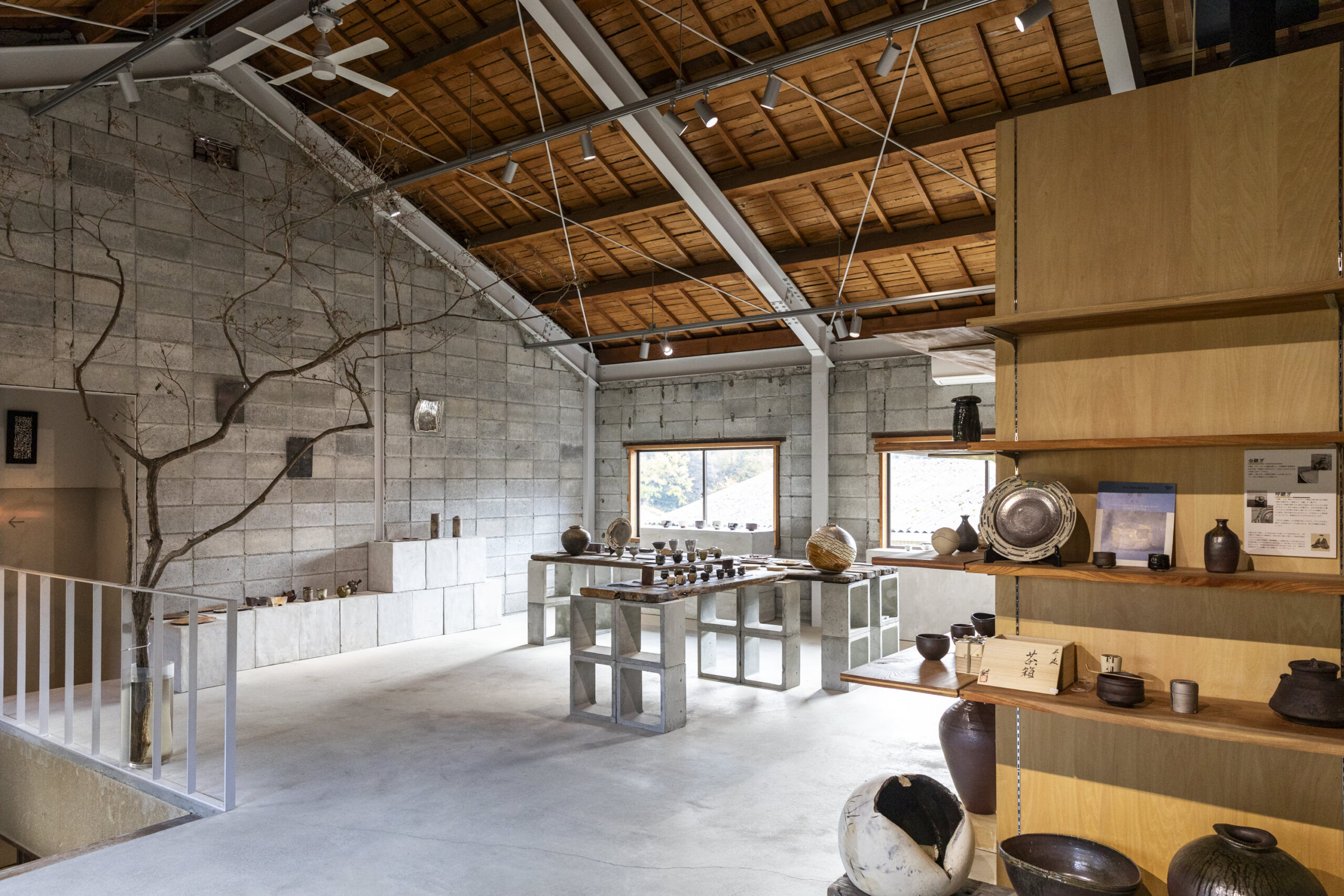
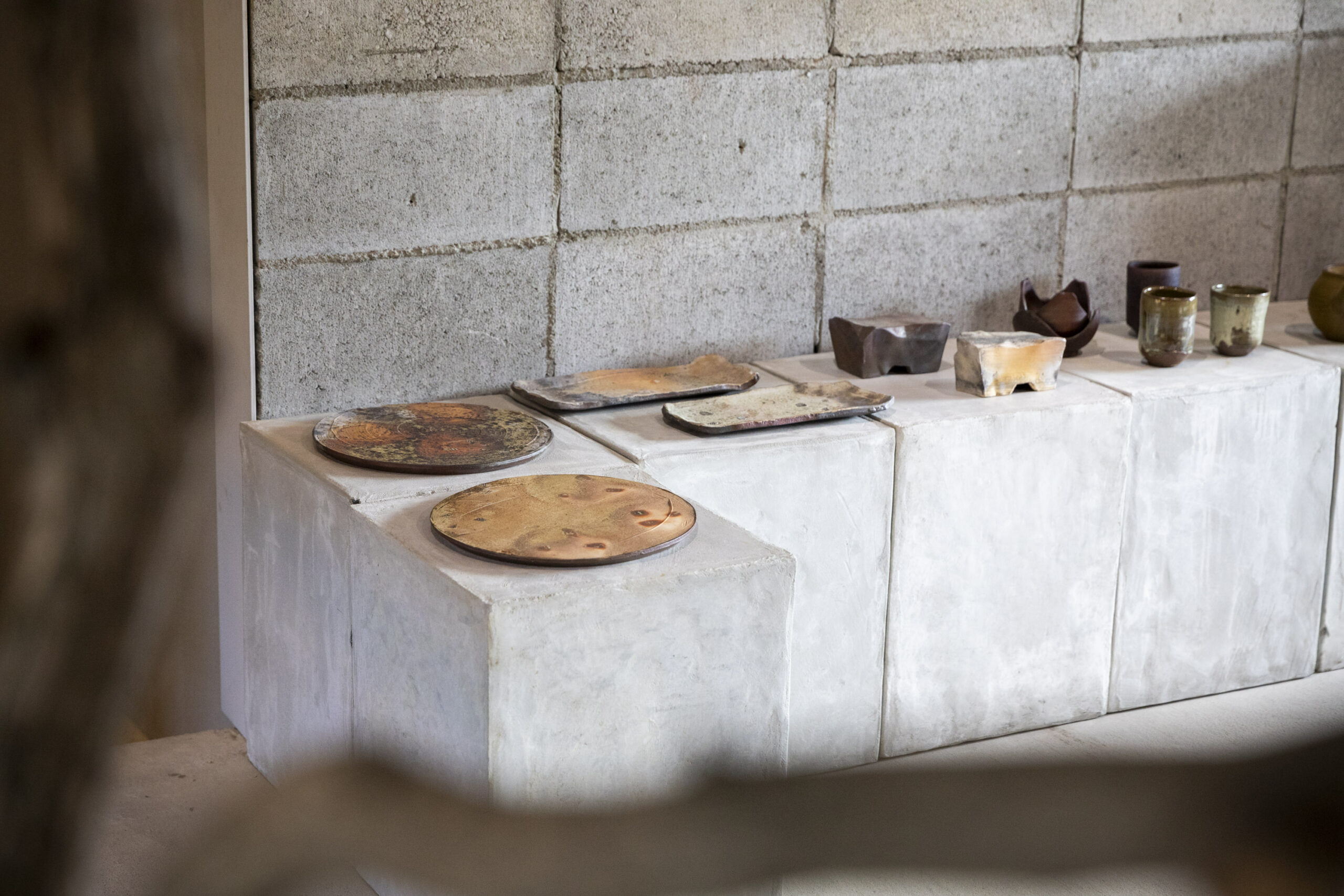
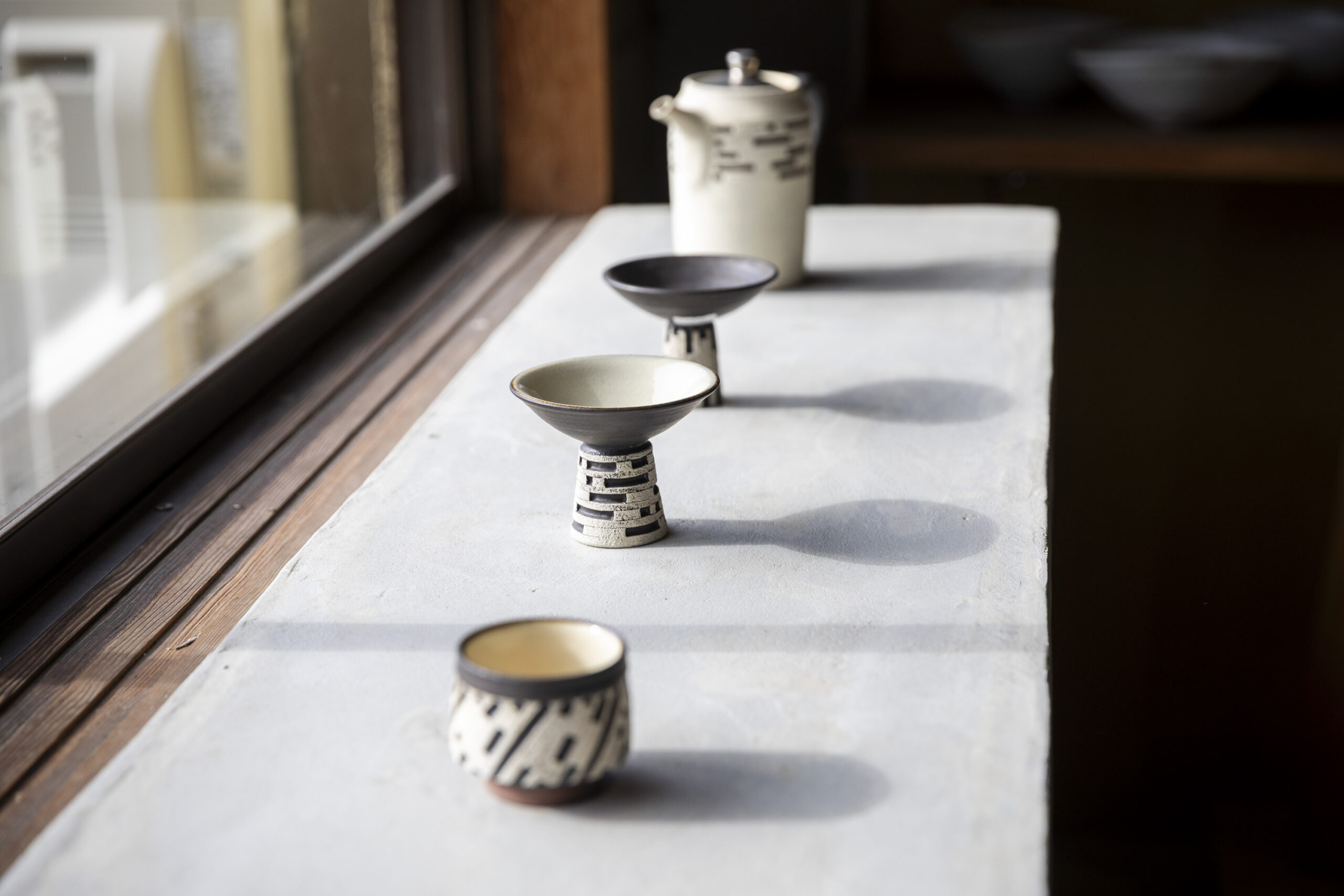
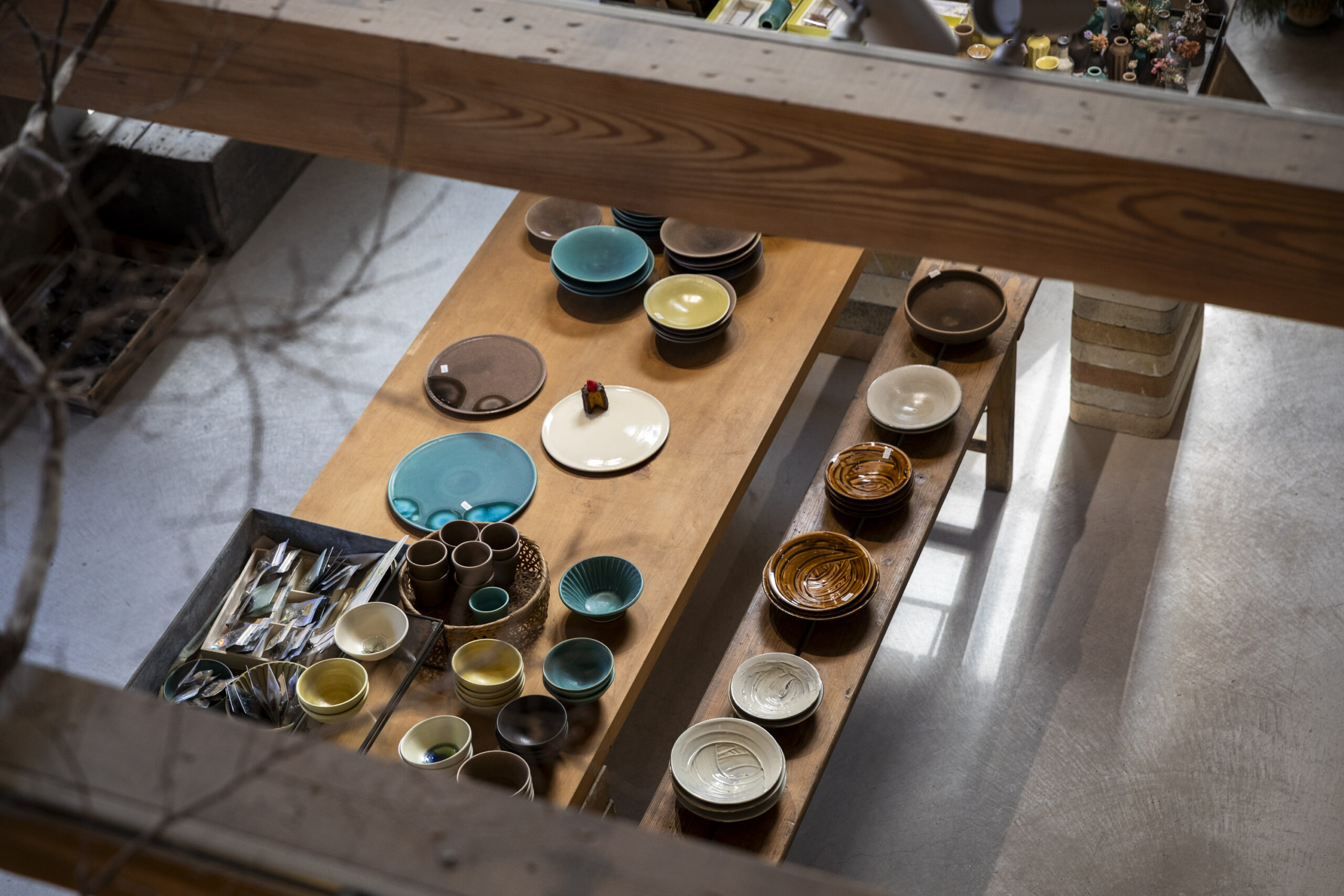


Works
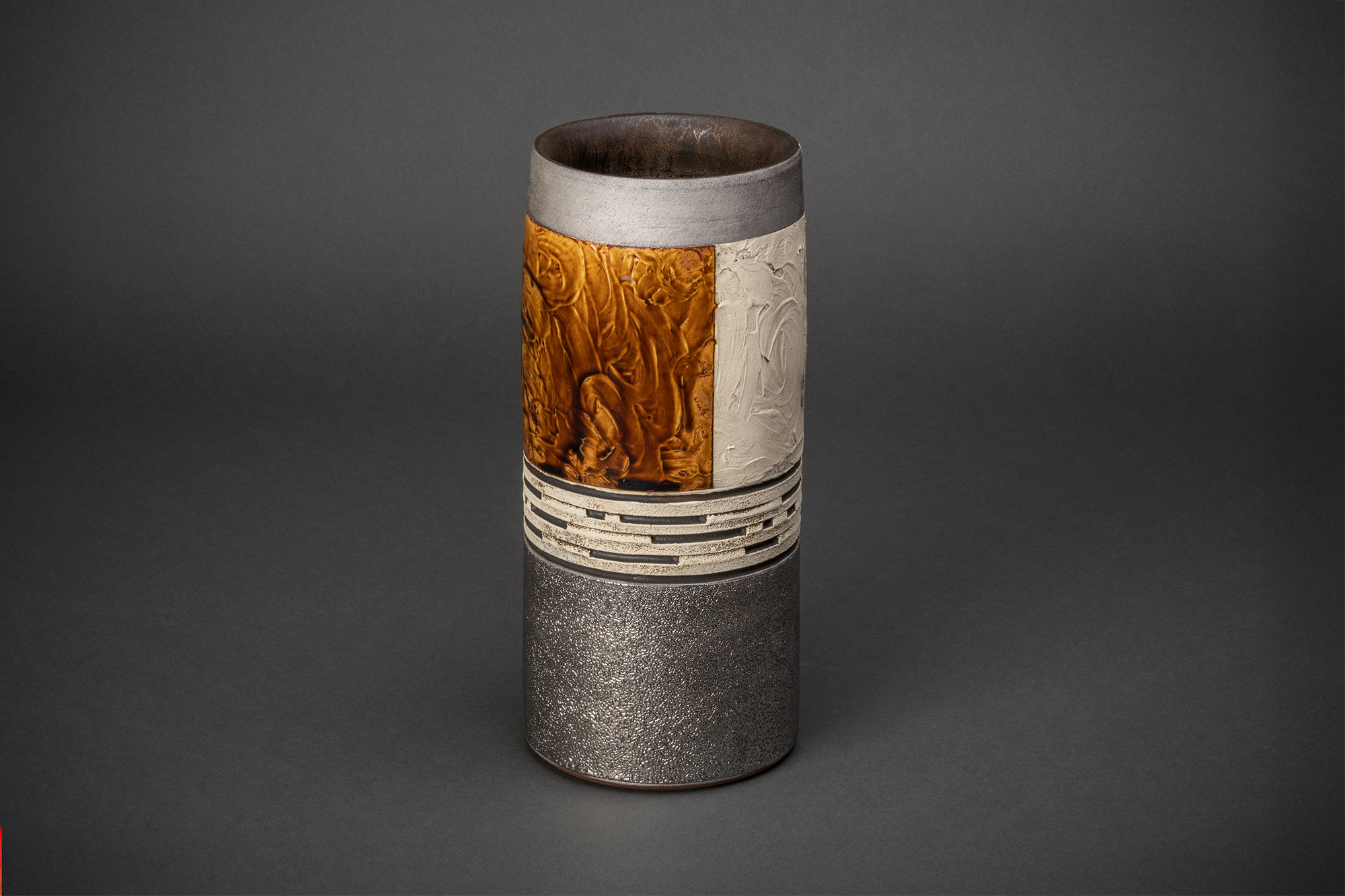
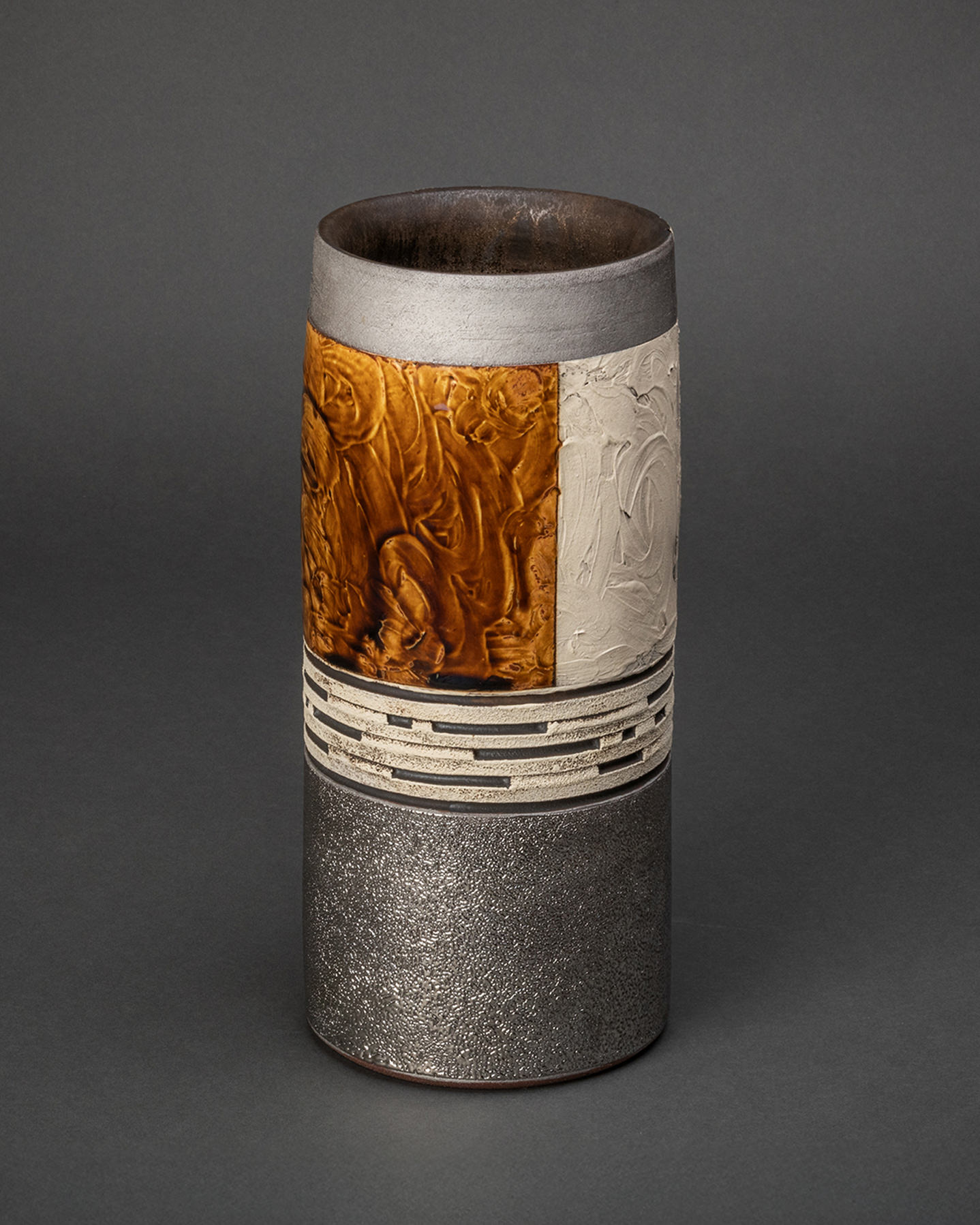
photo:AOTANI Takeru


Interview
Where Tradition and Modernity Intersect:
The Challenge of SHOYO-GAMA’s Yuki Ogami, Envisioning Tamba Ware 100 Years from Now
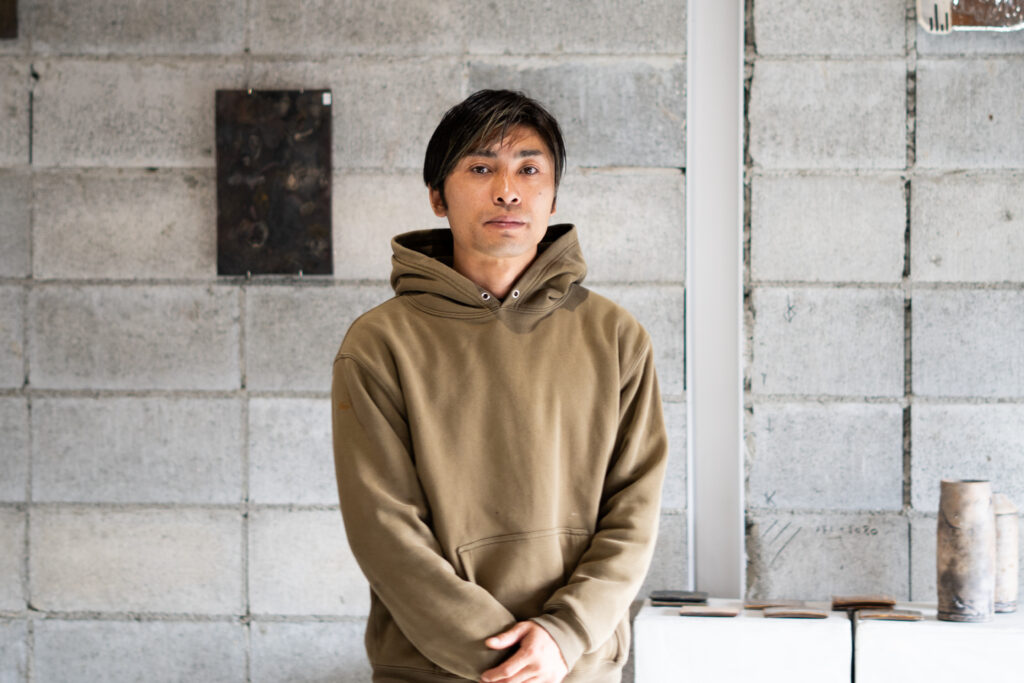
The “Green” That Blends into Daily Life and the Rhythmic Beauty of Shinogi Inlay
Rooted in traditional techniques yet bringing vivid color to contemporary tables, SHOYO-GAMA delivers forms that harmonize heritage with modern living. The works created by third generation potter Yuki Ogami retain the rustic warmth of Tamba clay while presenting forms that feel urban and refined.
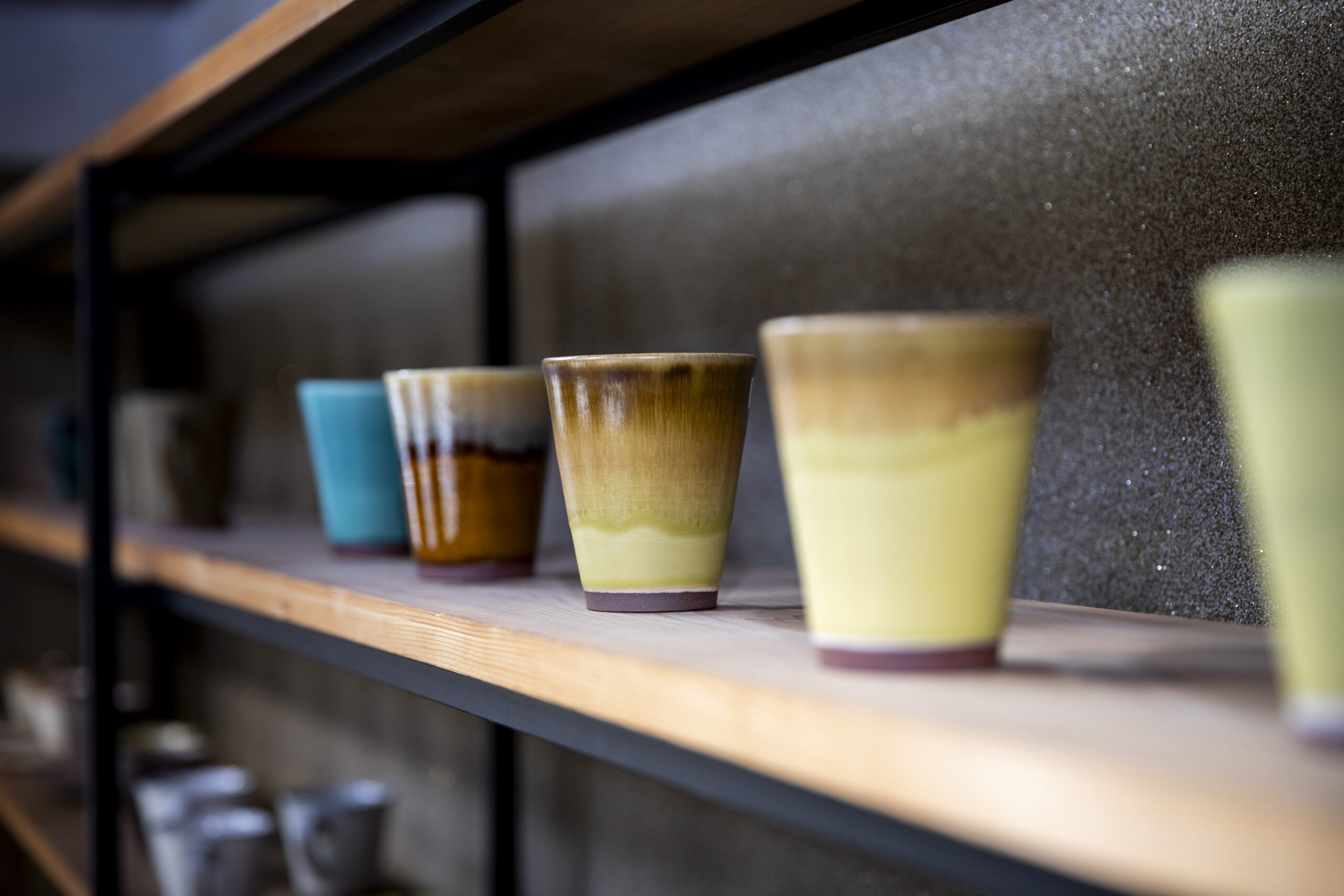
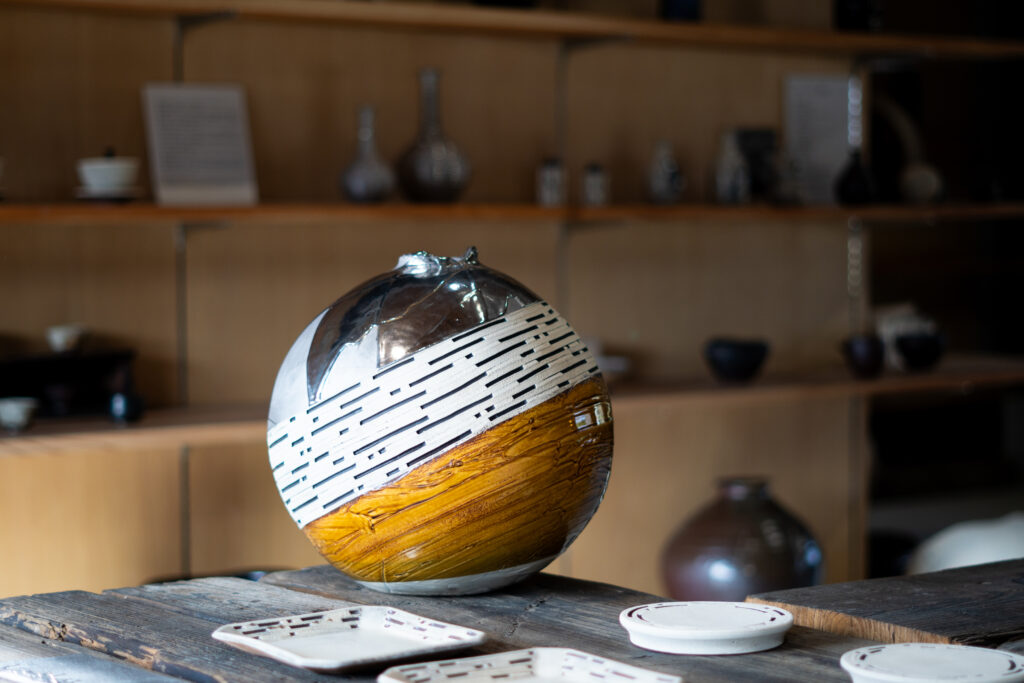
The “Midori (Green)” series, with its matte surface and subtle shimmer, is an original color developed through persistent experimentation. While maintaining a distinctly Japanese sensibility, it offers a modern presence that fits naturally into contemporary lifestyles, balancing visual impact with everyday usability.
Another signature technique established by Ogami is shinogi inlay. Grooves carved into the surface of the form are filled with contrasting colored clay, creating rhythmic linear patterns that serve as visual accents. The gentle texture felt at the fingertips conveys the warmth of handcraft.
“What I value most is hearing directly from customers. In Tamba, there is a culture where makers meet customers face to face rather than going through wholesalers. By capturing the voices of people whose lifestyles are constantly evolving and reflecting them in our work, we maintain a sense of speed and responsiveness. I believe that’s one of the strengths of Tamba ware today.”
In the past, his creative inspiration came from browsing architectural design books and overseas art collections in libraries. Today, however, his awareness has turned more toward his inner self and the rhythms of daily life.
“Clay is like a mirror that reflects the maker’s heart. If my mind is tense or sharp, the work becomes that way too. That’s why I try to make everyday moments as meaningful as possible—who I spend time with, what scenery I see, the air I breathe. Especially after rain, when mist rises from the mountains and it feels as if they are breathing—I find those moments deeply inspiring.”

“Take the Long Way Around and Broaden Your Perspective” —
Time Spent Away from Tamba That Shaped His Creative Foundation
Ogami grew up surrounded by climbing kilns, with smoke constantly rising nearby. On nights before firings, he would move quietly so as not to wake his father and grandfather. He also vividly remembers his grandfather, renowned for traditional ebi-e motifs, silently painting in the workshop.
Though he had a vague awareness that he would eventually inherit the family trade, he chose to attend a school known for its strong soccer program. There, encountering friends from entirely different backgrounds broadened his perspective. Watching their parents work long hours made him wonder whether other careers might be more practical, and for a time he distanced himself from pottery, focusing on soccer and studies.
Eventually, he set his sights on Kanazawa College of Art, one of Japan’s leading art universities.
“If I was going to pursue this path, I wanted to be in the best environment possible. Private art schools are extremely expensive, and I wanted to repay my parents in some small way for their hard work, so I studied hard to enter a national university.”
After graduating, his father advised him not to return immediately: “Don’t come back yet. Take the long way around. Broaden your perspective.” Following that guidance, he trained for three years under a ceramic artist in Aichi, then set out on a backpacking journey around the world.
Experiences with local traditions, such as Indian textiles and regional bronze ware, became a vital source of inspiration, enriching his creative expression and giving him a broader perspective on regional culture.
Carrying Tamba Ware into the Next Century
Upon returning to Tachikui, Ogami began anew, setting up a workshop in a small mountain hut with just a single display shelf outside.
At the core of his work today lies a clear conviction: creating for “Tamba Ware 100 years from now.” Rather than merely preserving a tradition that has continued for over 850 years, he seeks to pass it on as an even more compelling place and culture for future generations.
“Many parents in pottery regions hesitate to have their children take over because they don’t want them to struggle. But if this work is truly fulfilling and allows for a rich life, then children will naturally want to continue it. I want to embody that possibility—to show my sons, through my own example, how rewarding this work can be.”
Finally, when asked how visitors might best enjoy Tachikui:
“Most potters here combine home, workshop, and gallery in one place. I hope visitors will speak directly with the makers. Rather than just taking home an object, I want them to feel the atmosphere and the spirit behind it.”
With deep respect for tradition, Ogami continues to create new landscapes for Tamba ware within its long historical flow. His ongoing journey will surely become a source of inspiration for the generations that follow.
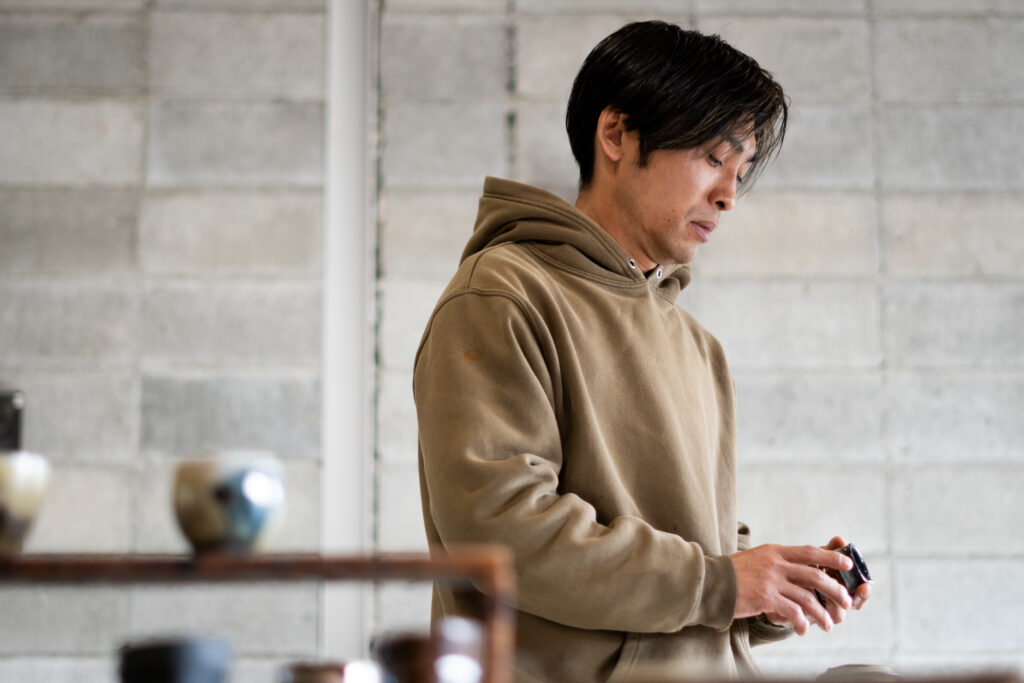
Interview, Text, and Photography:NOUCHI Nana
Overview
of
SHOYO-GAMA
Address
8 Shimotachikui, Konda-cho, Tambasasayama, Hyogo, Japan
TEL
FAX