
TOC
TANKYU-GAMA
profile
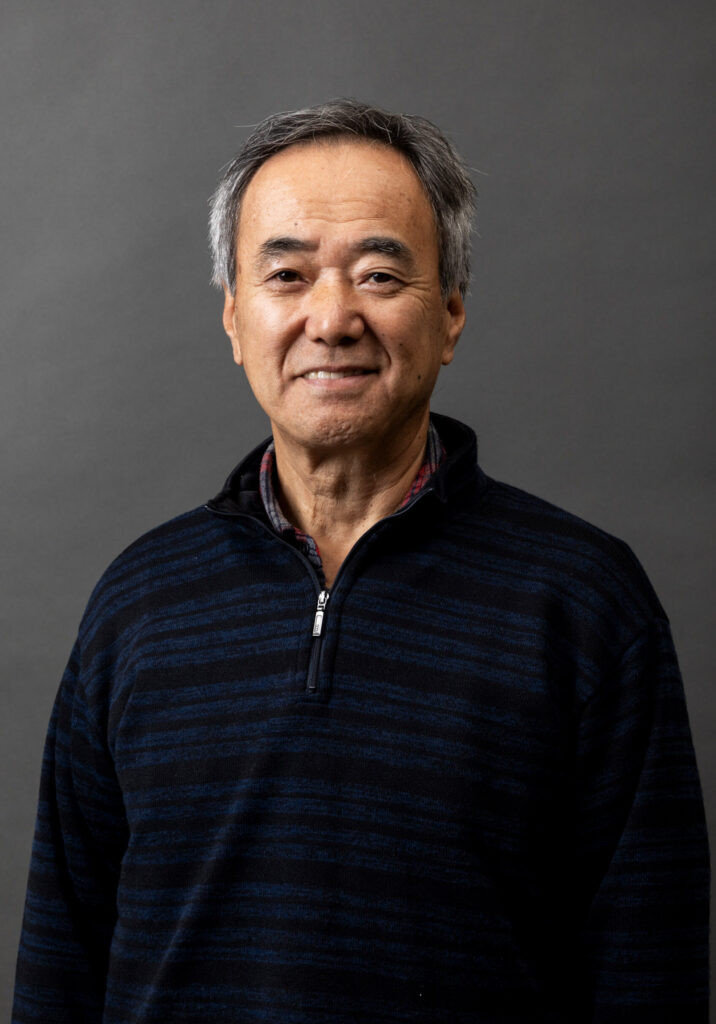
Kunihiko Onishi
profile
Kunihiko Onishi
8th generation
Year of Birth:1956
Year Began Pottery:1993
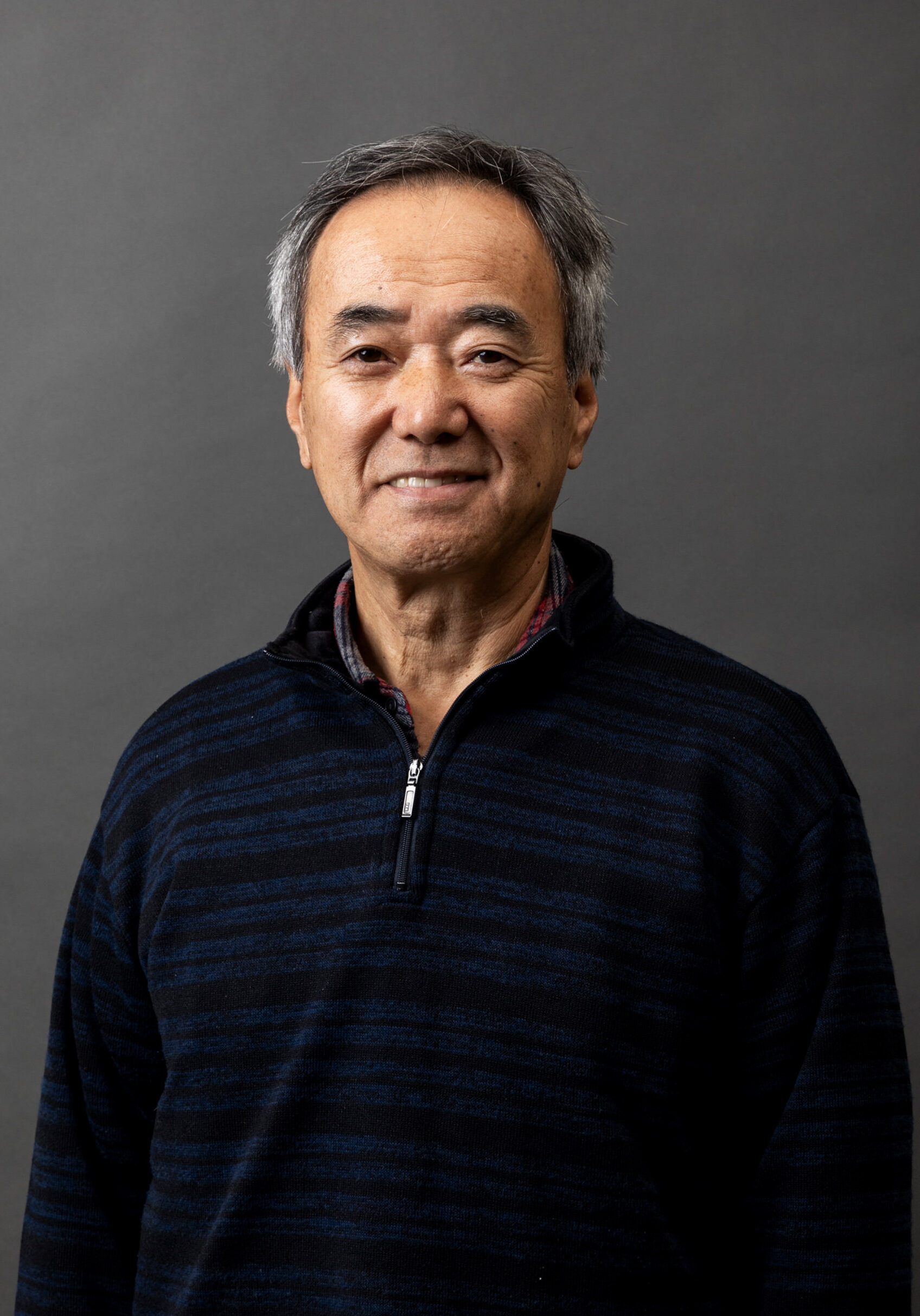
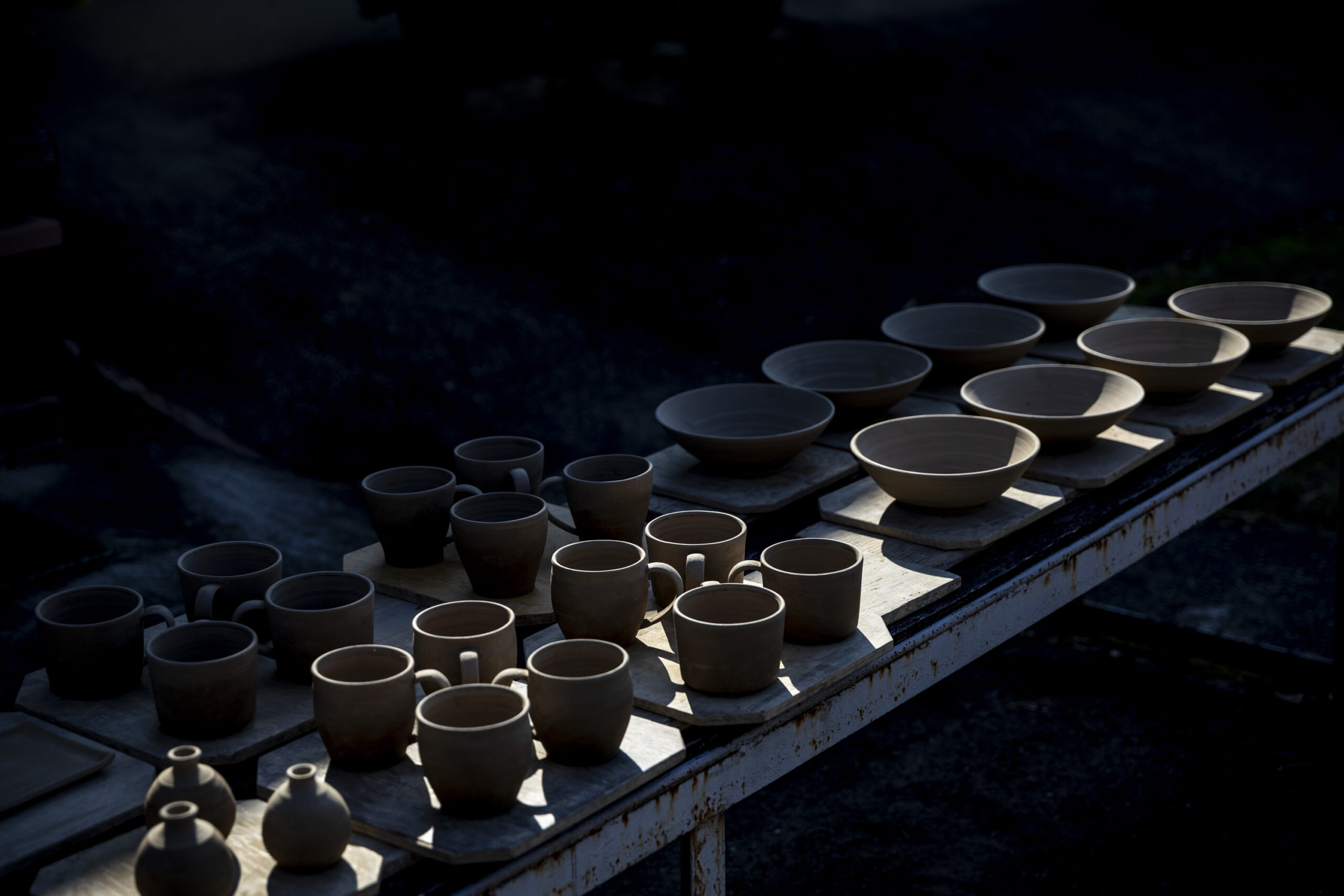
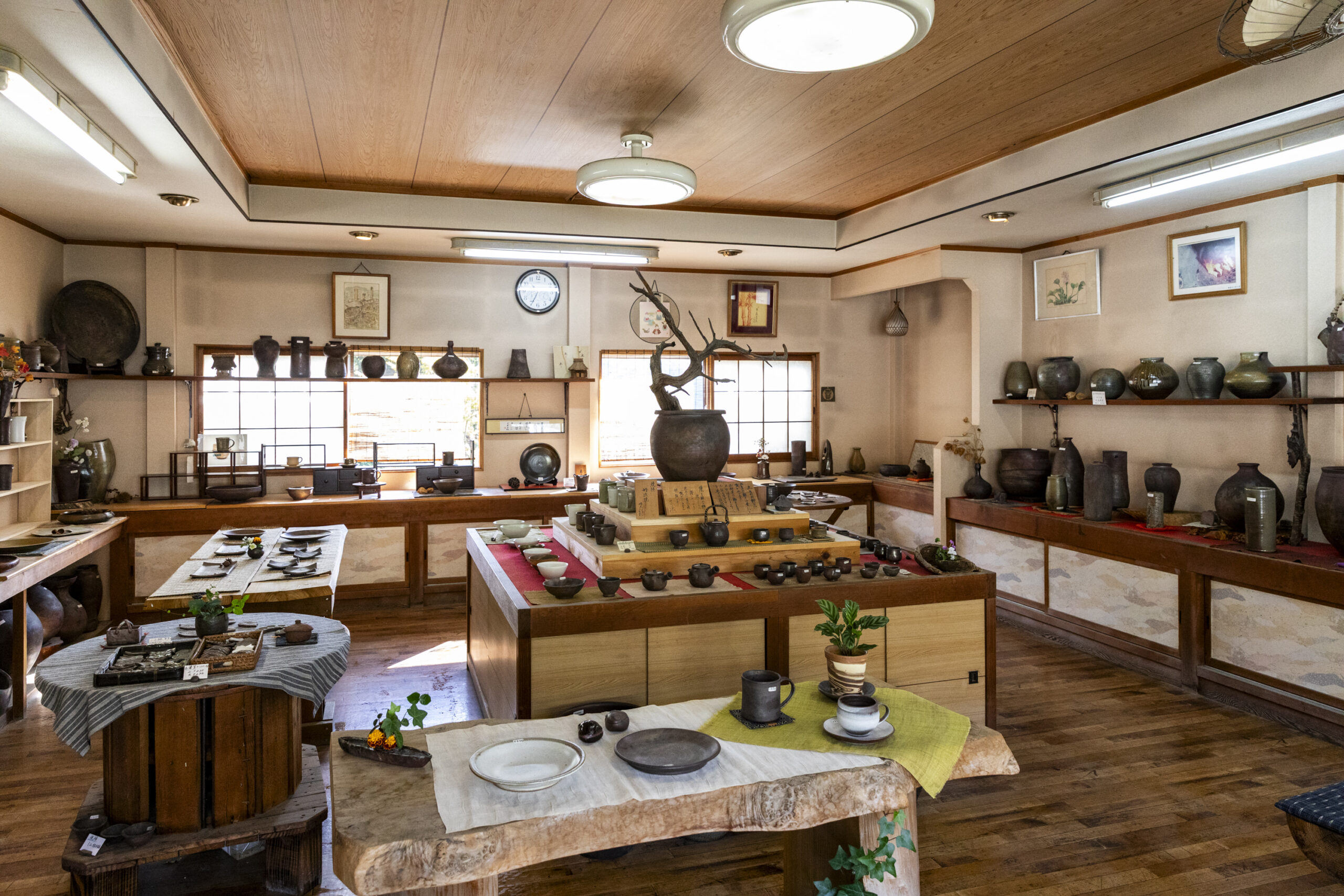
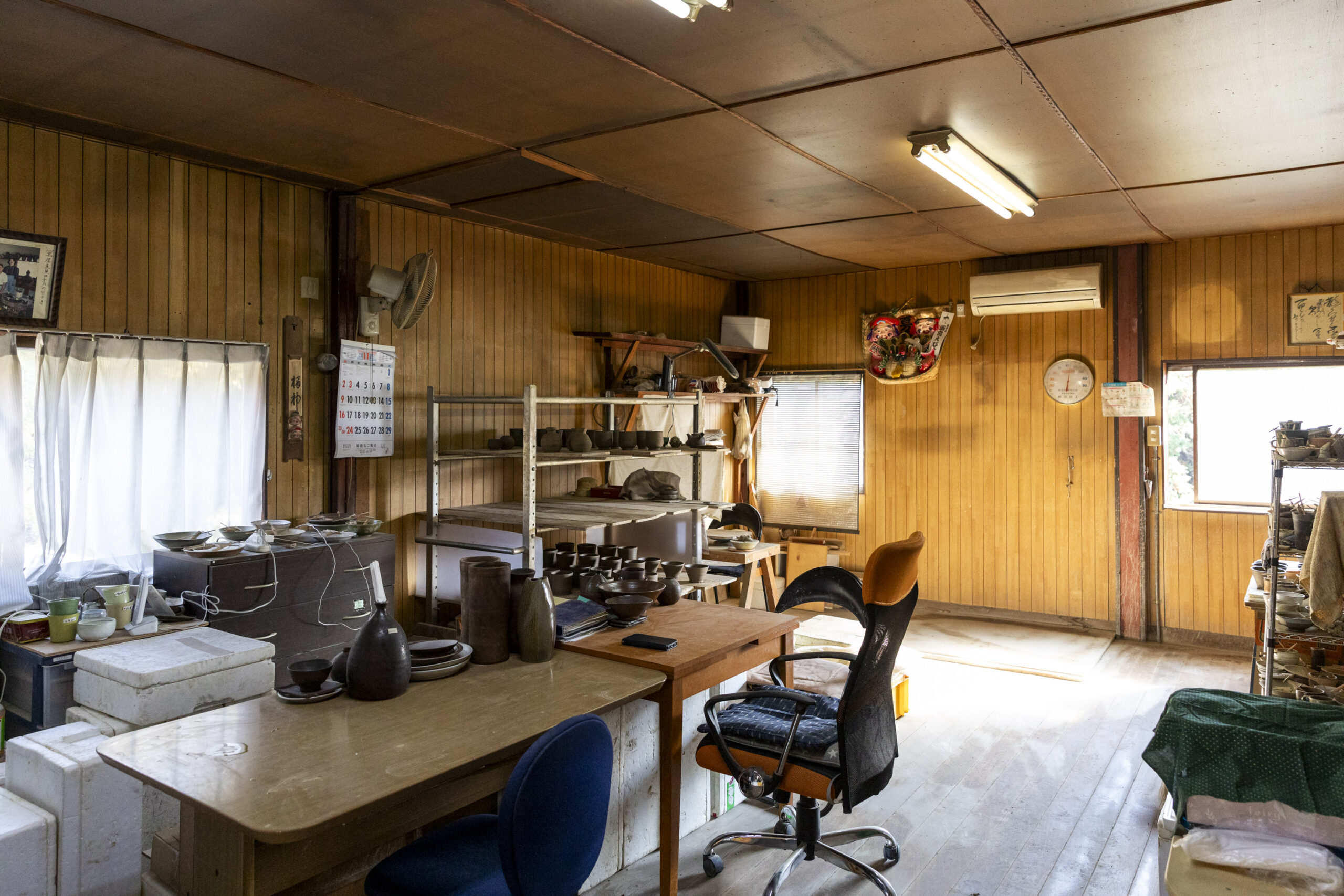
The state of the workshop
スクロールできます


Works
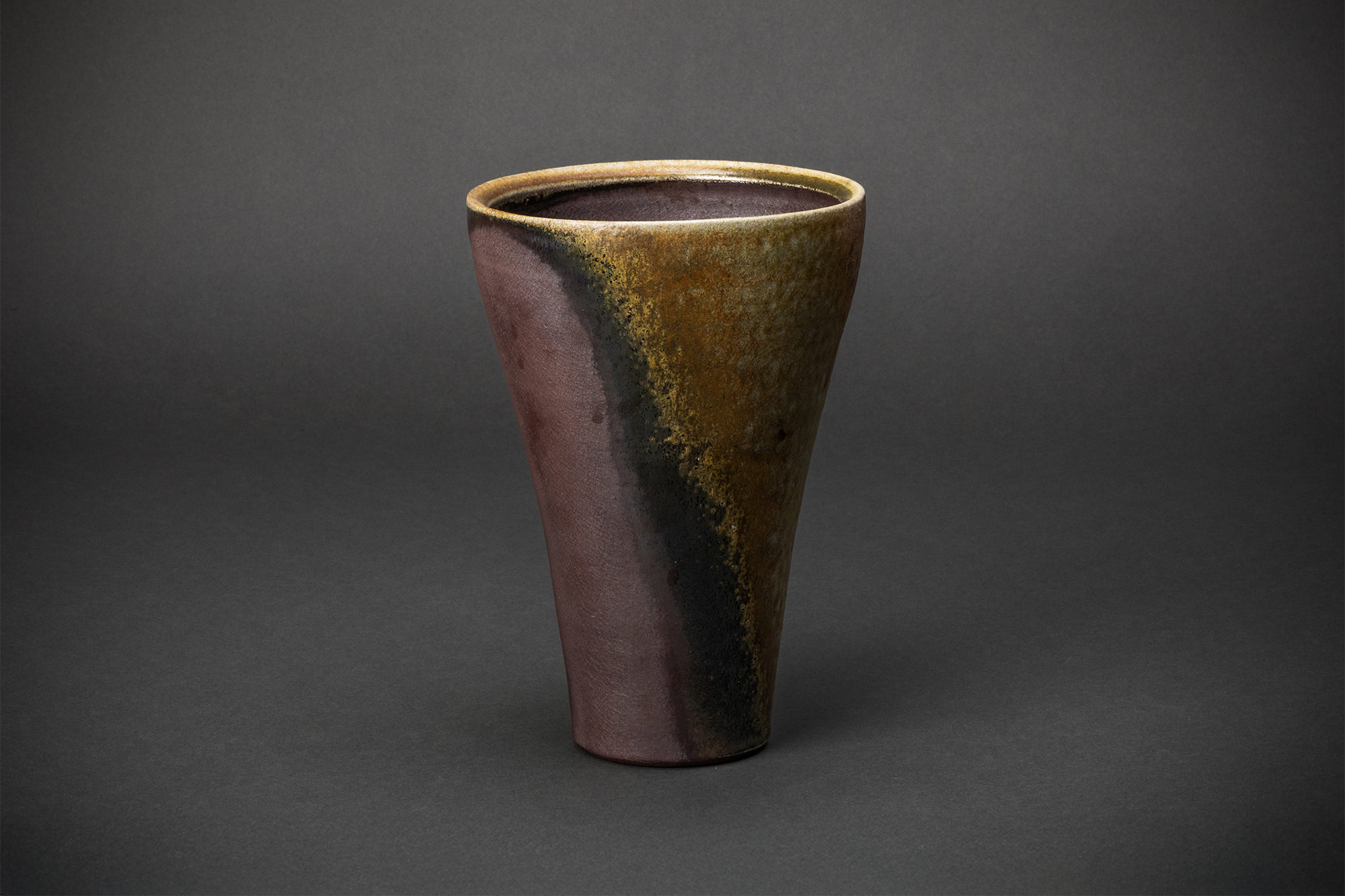
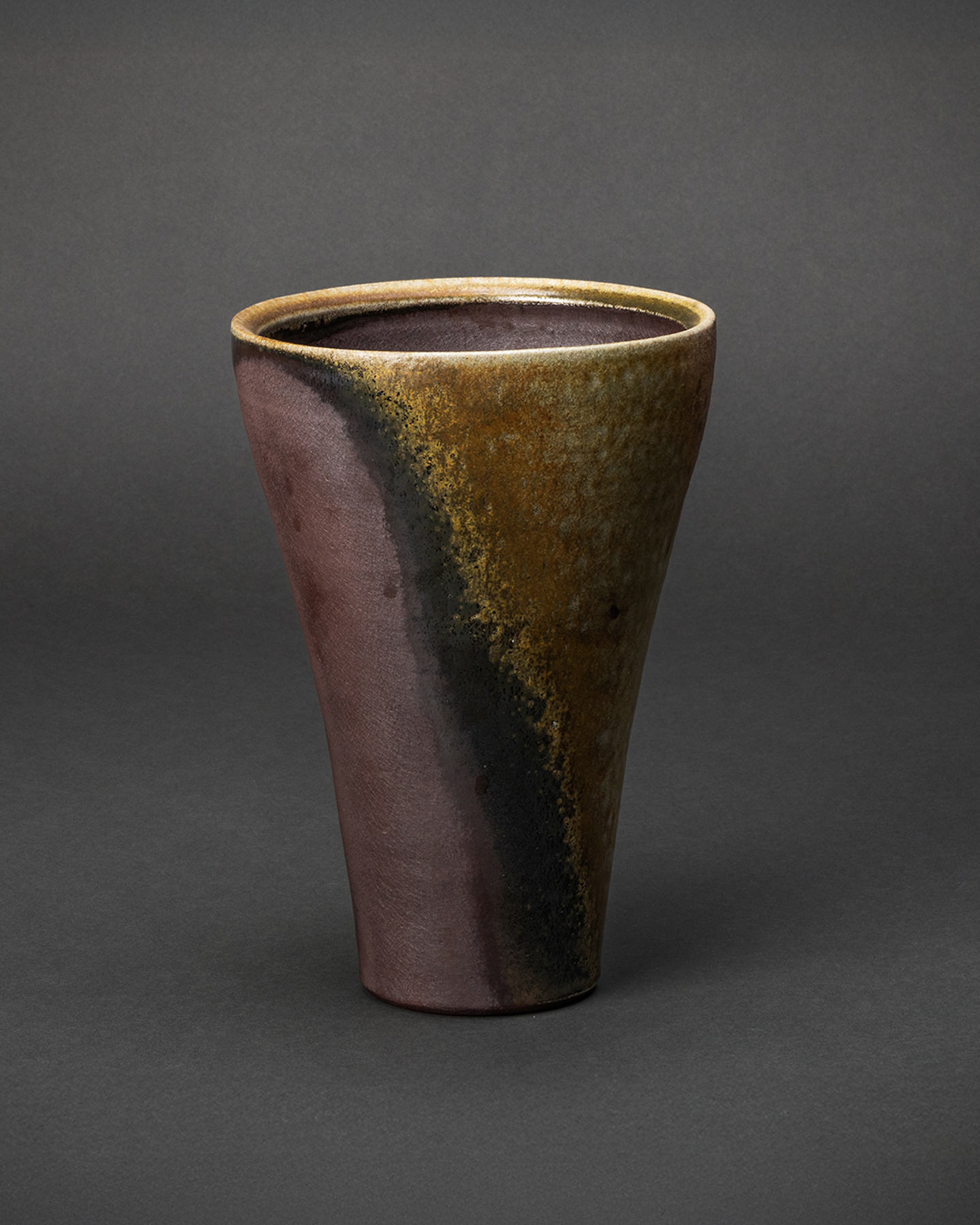
photo:AOTANI Takeru


Interview
Letting Flowers Take the Lead, with Forms as Faithful Companions — After Fifteen Years as a Company Employee, Kunihiko Onishi of TANKYU-GAMA Explores the Functional Beauty Found in Unadorned Yakishime
The Power of Clay and Fire, Just as They Are — The Beauty of Yakishime That Deepens with Use
The forms of TANKYU-GAMA are strikingly simple, each revealing the distinct character of Tamba clay. Created by Kunihiko Onishi, these works are yakishime—high-fired pieces made without any glaze, allowing the clay itself to speak.
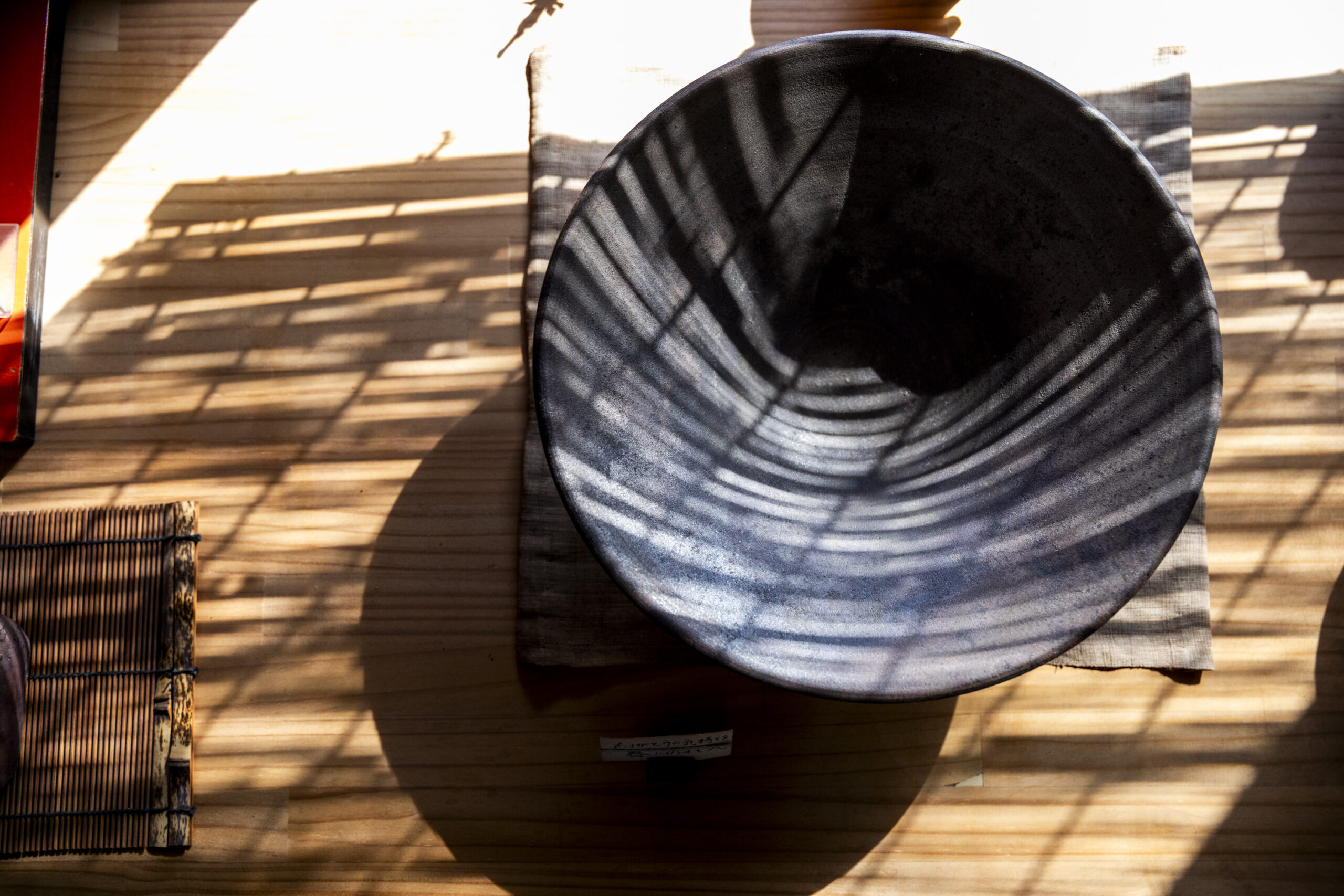
“Our potter focuses primarily on yakishime. When fired in a wood-fired kiln, each piece develops a different expression depending on how the flames strike it and how the ash settles. This is called yōhen—natural variations created inside the kiln. The uneven colors and textures formed by nature are the true charm of yakishime.”
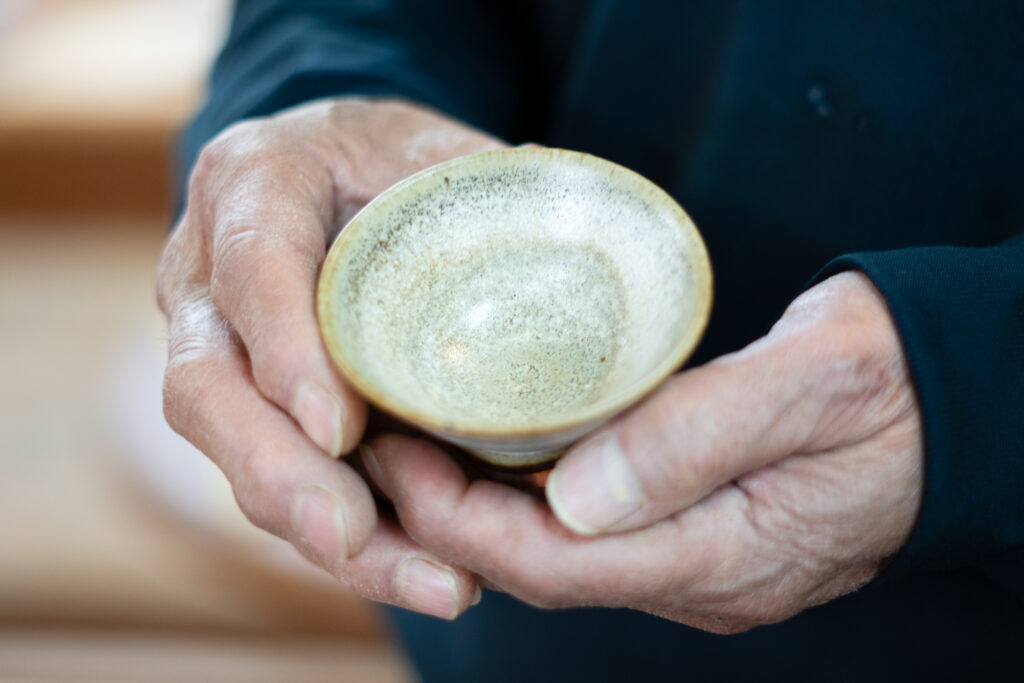
When you hold one in your hands, you feel the raw, slightly coarse texture of the clay itself—earthy, warm, and honest.
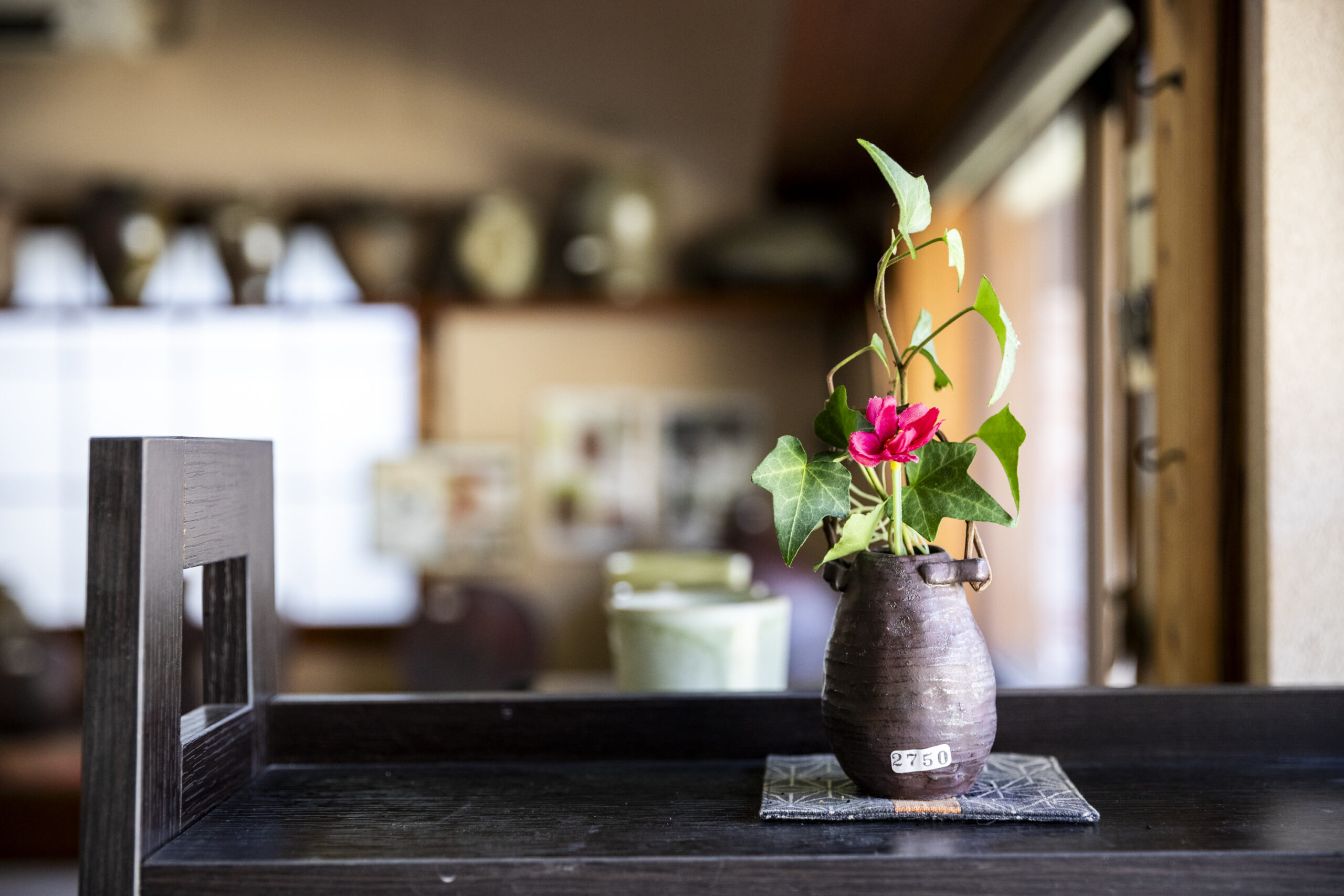
“Yakishime forms grow smoother as they are used, their edges softening and their color deepening over time. They’re especially wonderful for displaying flowers. The flower becomes the true star. The vase doesn’t assert itself—it stays in a supporting role. Even a single wildflower can look beautiful. I like that.”
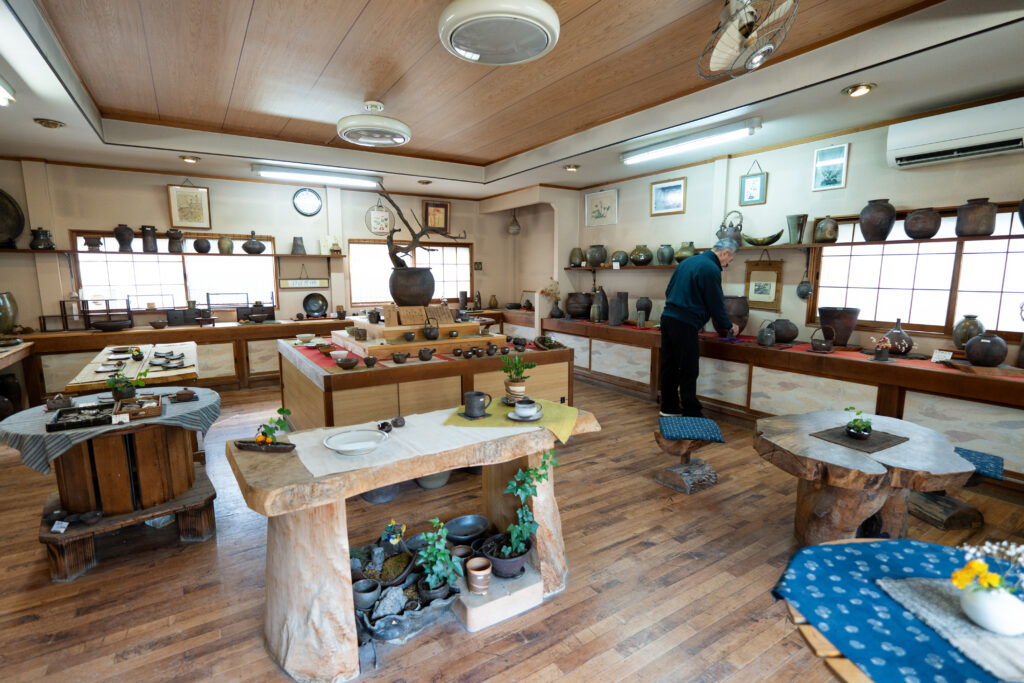
In response to modern living spaces, TANKYU-GAMA has gradually shifted from producing the large vases and ornamental pieces once common to focusing more on everyday tableware such as plates and mugs. Yet at its core remains an unwavering tradition passed down through generations: honoring the natural character of the clay.
At Thirty Six, Beginning a Second Life Shaped by the Memory of the Earthquake
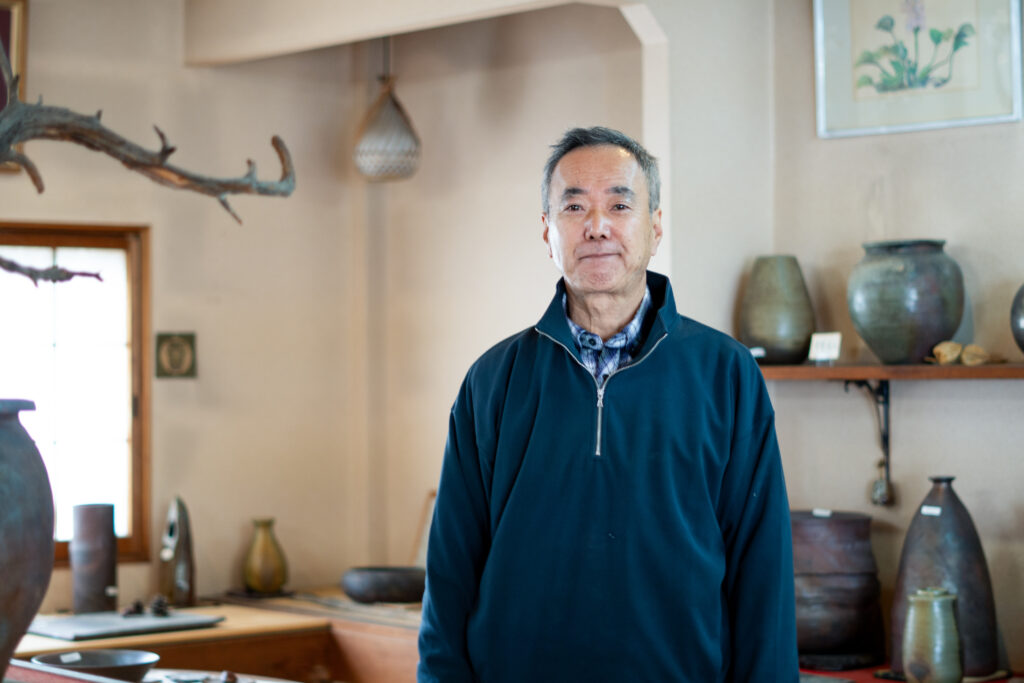
Though born into a family potter that had continued for generations, Onishi did not initially aspire to become a potter. For fifteen years, he worked as a company employee in a completely different field.
“At the time, I wasn’t pressured to take over the family business, and I didn’t feel particularly drawn to pottery either. I worked in sales and accounting, gaining experience across various roles.”
The turning point came in his mid thirties. As he was entrusted with greater responsibility within the organization, he also felt a growing desire to run a business of his own. That was when he remembered the family trade—creating pottery from scratch and seeing it through to sale.
“At thirty-six, I returned home. I didn’t attend school or undergo formal training; I simply began helping my father, learning by watching him. The following year, the Great Hanshin-Awaji Earthquake struck. Many of our customers were affected. That event became a major turning point in how I thought about my life.”
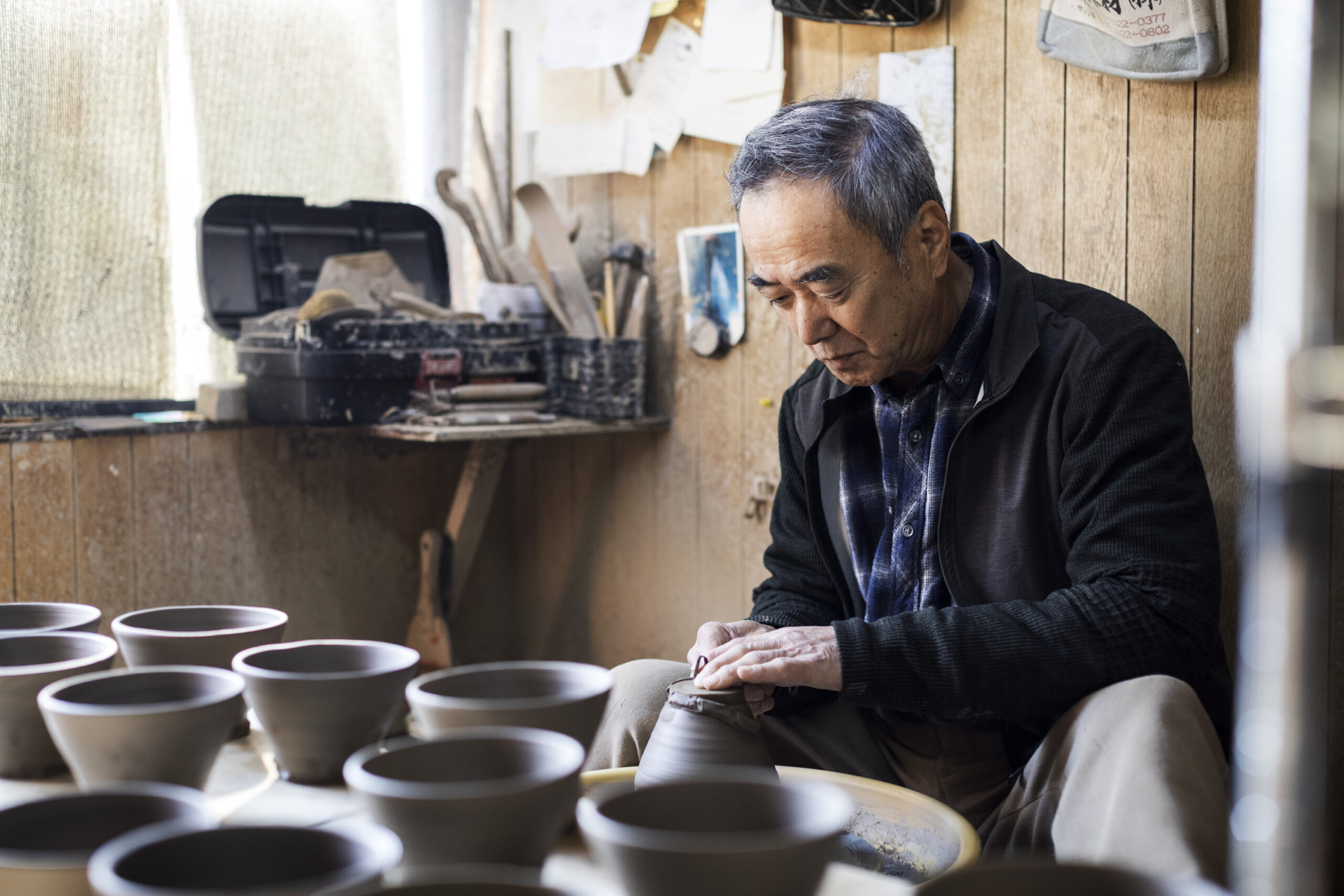
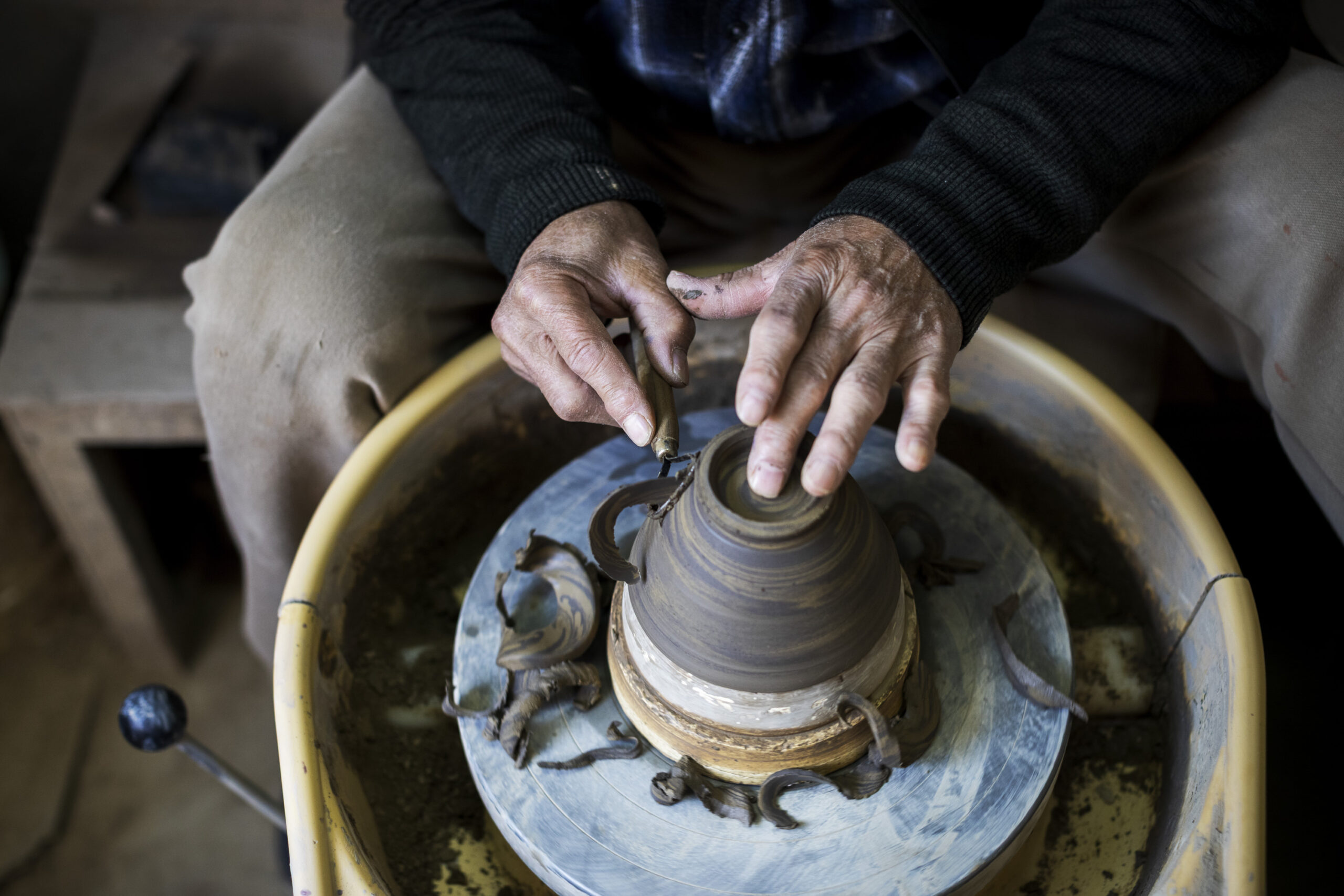
Bringing with him the disciplined routine of his company days, he began standing in his workshop at 8 a.m. every morning. After fifteen years in the corporate world, touching clay was not merely about inheriting a family business—it marked the beginning of a personal challenge: to create with his own hands and to sell with his own responsibility as an independent craftsman.
Yakishime Never Goes Exactly as Planned — And That’s What Makes It Fascinating
Once, Onishi had focused on fulfilling his role within an organization. In pottery, however, everything rests on one’s own shoulders.
“I sell directly what I make. If something fails, it comes back to me. But when a customer is pleased, that satisfaction belongs entirely to me as well. Still, because we entrust our work to natural forces like clay and fire, it can never be controlled one hundred percent.”
“In a company, you can’t create something yourself and sell it yourself. But in pottery, you can. If it doesn’t sell, that responsibility is mine. If it does, the joy is mine too. Tamba ware potters aren’t businesses where we can’t see our customers’ faces through wholesalers. People come here in person. Being able to speak with them directly—that’s part of what makes it interesting.”
When taking custom orders, he sketches illustrations to share a clear image of the finished piece—careful, thoughtful communication that reflects his years as a company employee. Even so, the flames within the kiln may shift the final result in unexpected ways.
One of his greatest challenges has been understanding and accepting the “spontaneity” unique to yakishime. Because it is not machine-made, certain aspects can never be fully controlled. Bridging the gap between a customer’s envisioned image and the reality shaped by natural materials remains an ongoing process of trial and error.
In moments between work, he lifts his gaze to the abundant nature of Tamba Tachikui spreading before him.
“The mountains of Tamba Tachikui are filled with native trees. In autumn, the leaves are truly beautiful. I hope visitors will take their time walking here, savoring scenery you can only experience in this place.”
Yakishime forms are sometimes described by younger generations as subdued, austere, even old-fashioned. When asked for advice for someone using them for the first time, he offers this:
“Start with something small. Place it on your table, or use it to hold a single wildflower. You’ll notice the atmosphere in the room quietly shift.”
Within his gentle manner of speaking, one can sense Onishi’s steadfast dedication to the honest beauty of yakishime.
Interview, Text, and Photography:NOUCHI Nana
Overview
of
TANKYU-GAMA
Address
115 Shimotachikui, Konda-cho, Tambasasayama, Hyogo, Japan
TEL
FAX
Website