
A journey through history and climate,
experiencing the home of Tamba
Ware with all five senses
Our Concept The Living Spiral
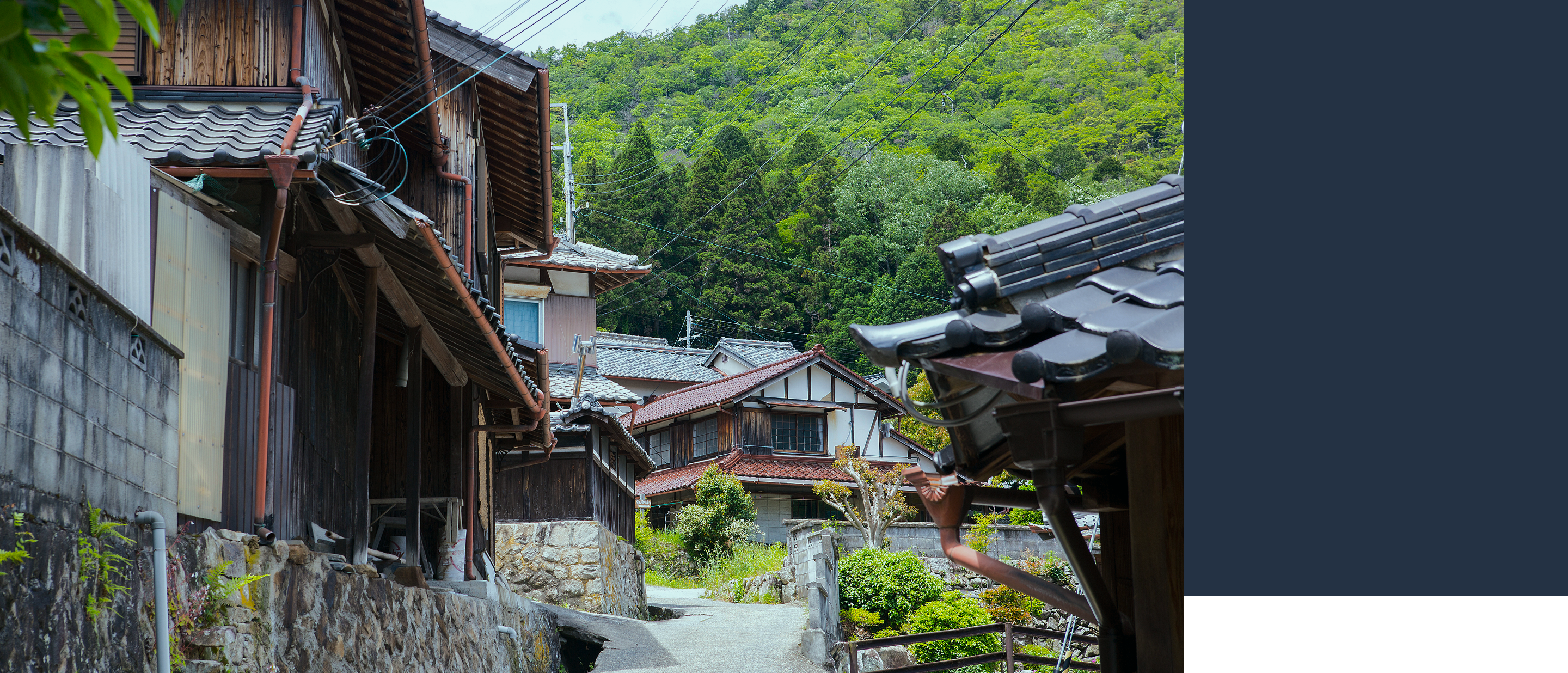
Walking through this area, you naturally begin to understand why Tamba Ware has been passed down for 850 years. The quiet of the village, its people, the pottery, and the atmosphere created over time all convey this heritage. The valley surrounded by mountains, the high-quality clay, and the wisdom of daily life that has supported the kiln fires—all these overlapping practices form a “living spiral” that connects the past to the present. By walking through the area, one can quietly sense that history is not just a record, but pulses together with the local landscape and culture.
Experiences that engage the senses cultivate visitors’ aesthetic awareness
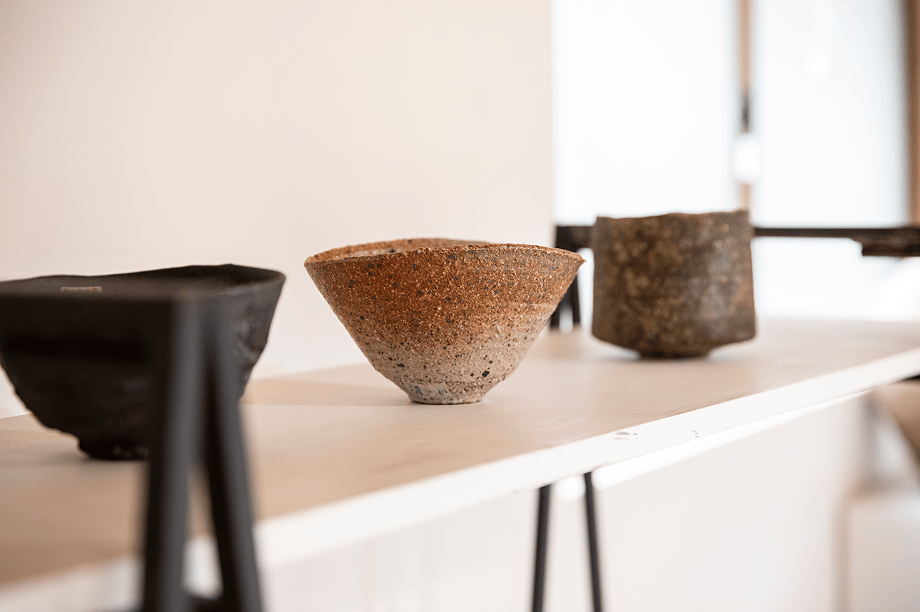
The Tamba Ware Village experience in Tachikui goes beyond selecting table ware or enjoying the scenery. The sound of wind passing through the mountains, the quiet weight of clay in your hands, the heat rising from the kiln, the scent of earth and firewood in the workshop, the arrangement of tools, the back of a potter quietly turning the wheel—these everyday elements accumulate as sensory experiences, allowing visitors to naturally perceive the region’s aesthetic sensibilities. The “learning from the landscape itself,” which cannot be gained by merely viewing the works, nurtures new aesthetic awareness. Time spent in Tachikui provides such profound insights. This story of the “living spiral” is explored in more depth through special exhibitions.
Visit the Exhibition

Overview of Cultural Tourism
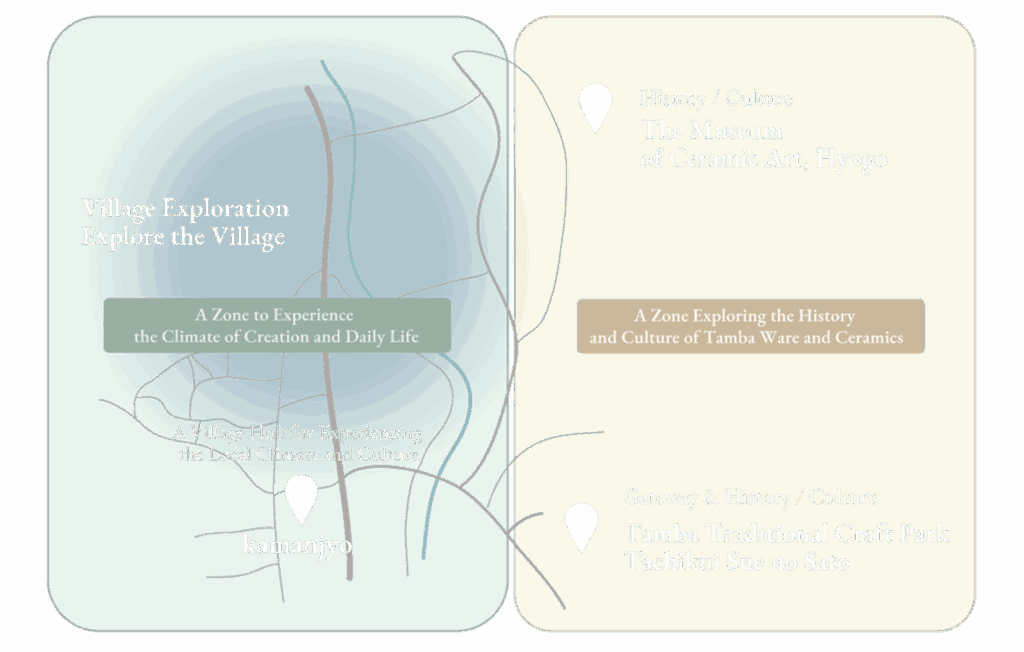
Three Key Hubs and Six Ways to Experience Tamba
Key Hubs
No.01
The Gateway to Tachikui Cultural Tourism: “Sue no Sato”
Key Hubs
No.02
Discover the Art of Ceramics at
“The Museum of Ceramic Art, Hyogo”
Key Hubs
No.03
Tamba Ware Information Center
“kamanjyo”
Ways to
Experience
No.01
Kiln Galleries
Ways to
Experience
No.02
Feel the Craftsmanship in the Studio
Ways to
Experience
No.03
The oldest noborigama kiln
Ways to
Experience
No.04
The History, Characteristics, and Techniques of Tamba Ware
Ways to
Experience
No.05
Savor the Region’s Rich Culinary Traditions
Ways to
Experience
No.06
A Village of Warmth, Healing Hot Springs

Tamba Pottery was awarded the “World Best Creative Journey” at the Creative Tourism Awards 2025 by the Creative Tourism Network, headquartered in Barcelona, Spain.Tamba Pottery was recognized for its uniqueness, cultural heritage, and comprehensive approach to establishing the region’s livelihood as a sustainable tourism model. This is the first time in Japan that Tamba Pottery has been awarded in the “Creative Tourism Awards”.Translated with DeepL.com (free version)
3 Key Spots
Cultural Tourism
Area Circulation
Image
Key Hubs
No.
01
The Gateway to Tachikui Cultural Tourism
Sue-no-Sato
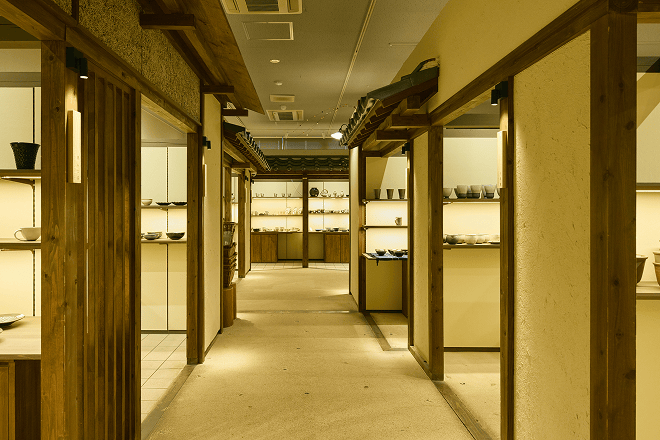
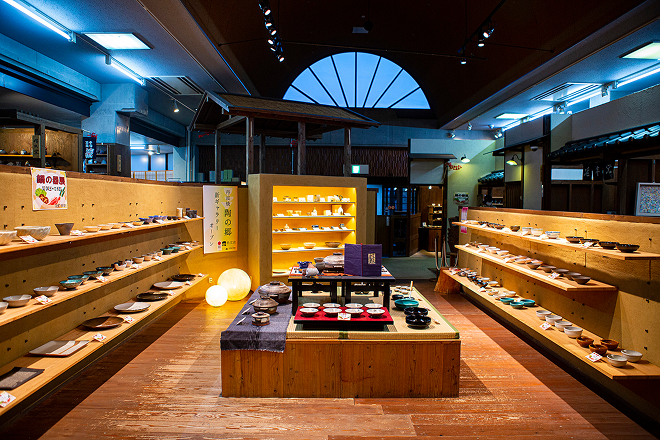
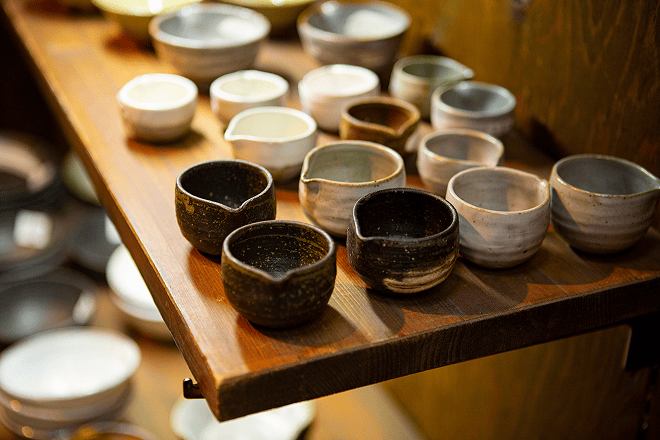
Exhibits and Spaces Conveying the Breath of History
At Sue-no-Sato, materials and vessels documenting the history of Tamba Ware are exhibited by period, allowing visitors to feel the living history of Tachikui up close. The exhibition spaces showing kiln transitions and potters’ work quietly narrate the deep context of Tamba Ware and guide visitors through the flow of time.
Function as a Starting Point for Exploring the Region
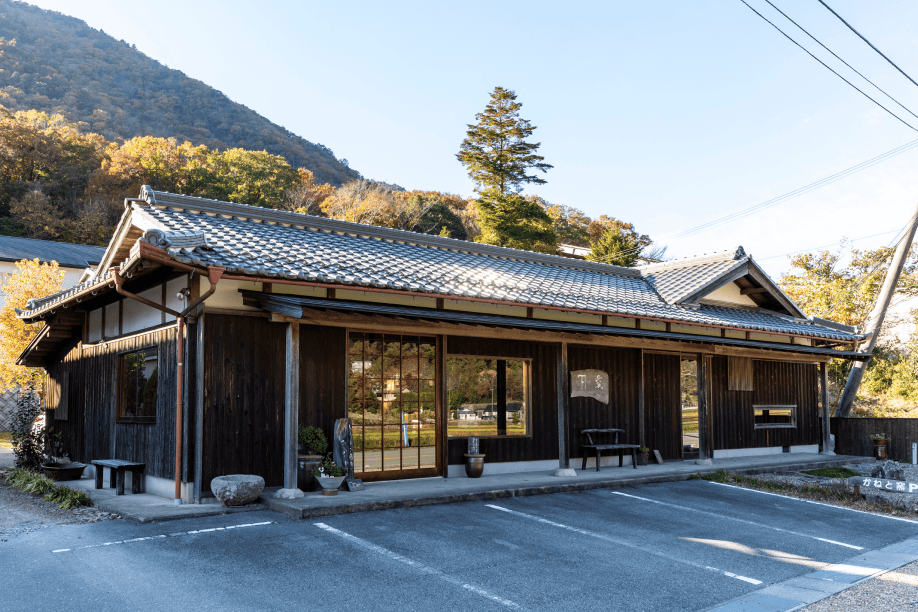
Sue-no-Sato functions as the starting point for exploring the Tachikui area. It offers a spacious parking lot and a bicycle rental service for reaching potters and nearby spots that cannot be visited on foot. It serves as a gateway for visitors to step into the charm of Tachikui.
open
10:00-17:00
Closed: Every Tuesday [open on holidays], Year-end and New Year [Dec 29–Jan 1]
open
10:00-17:00
Closed: Every Tuesday [open on holidays], Year-end and New Year [Dec 29–Jan 1]
Key Hubs
No.
02
Discover the Art of Ceramics at
The Museum of Ceramic Art, Hyogo
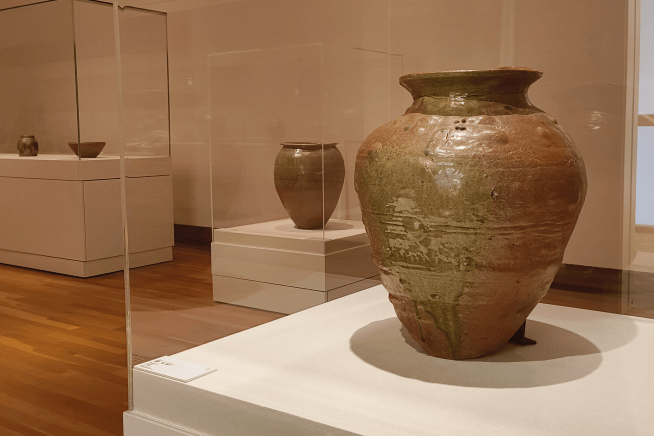
Minpei Ware: Polychrome Incense Container in the Form of a Hariko Dog Late Edo – Early Meiji Period Tanaka Hiroshi Collection
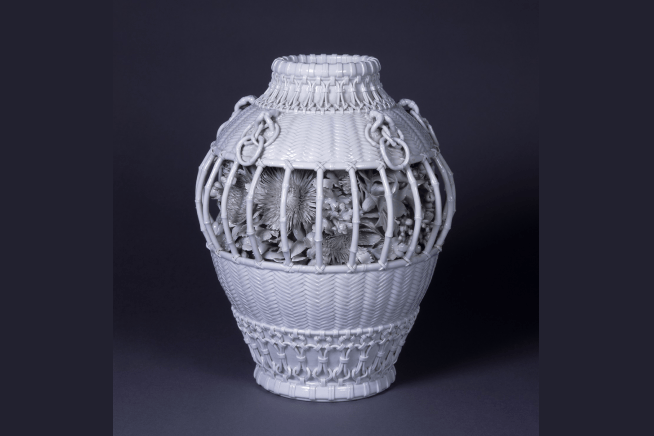
Izushi : White Porcelain Jar with Openwork Basket Pattern and Applied Chrysanthemum Motifs
1897–1906 (Tanaka Hiroshi Collection)
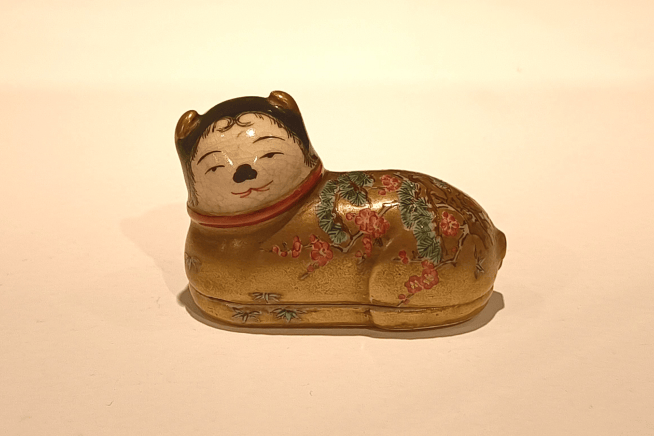
Minpei : Incense Container in the Shape of a Papier-mâché Dog with Overglaze Enamels
Late Edo period to early Meiji period (Tanaka Hiroshi Collection)
Tamba : Jar, inscribed “Shōjō”
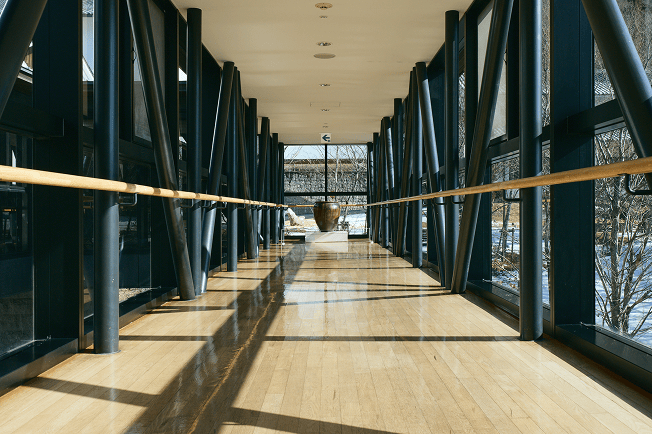
Kamakura period (Tanaka Hiroshi Collection): foreground
Izushi : White Porcelain Jar with Openwork Basket Pattern and Applied Chrysanthemum Motifs
1897–1906 (Tanaka Hiroshi Collection)
Minpei : Incense Container in the Shape of a Papier-mâché Dog with Overglaze Enamels
Late Edo period to early Meiji period (Tanaka Hiroshi Collection)
Tamba : Jar, inscribed “Shōjō”
Kamakura period (Tanaka Hiroshi Collection): foreground
Creating and Promoting Ceramic Culture
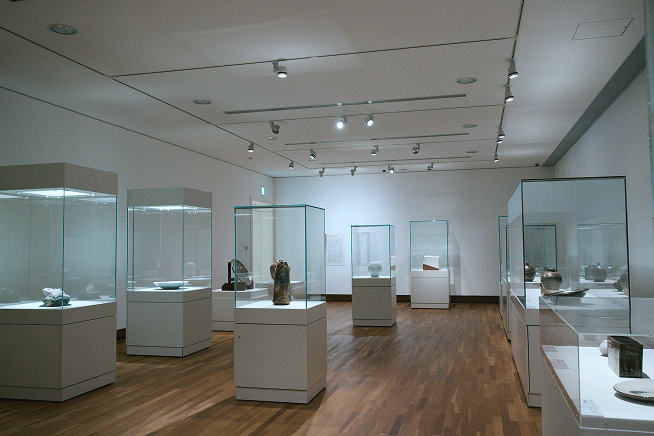
The Hyogo Ceramic Art Museum is a specialized museum housing ancient ceramics from Hyogo Prefecture, centered on Tamba Ware, as well as contemporary ceramics from Japan and abroad. The museum’s exhibitions present a wide variety of ceramics from past and present, allowing visitors to experience the appeal and diversity of the medium. It also nurtures the next generation of ceramic artists and offers collaborative projects with schools, workshops, and cultural programs. Surrounded by nature reflecting the four seasons, it serves as a hub for both learning and relaxation in ceramic culture.
Special Exhibitions

Thematic Exhibitions
At the Hyogo Ceramic Art Museum, more than 3,700 works are housed, including the “Tanaka Kan Collection,” focusing on Tamba Ware and other ceramics from Hyogo Prefecture, as well as contemporary works collected in recent years. Based on these holdings, a series of exhibitions, “The World of Tamba Ware,” and other thematic exhibitions are held throughout the year.
Special Exhibitions
In addition to the thematic exhibitions mentioned above, the museum holds approximately four exhibitions per year focusing on Tamba Ware, ancient ceramics from Hyogo and other parts of Japan, contemporary ceramics, and international ceramic works, introducing the diversity of ceramic culture.
Ceramics Courses
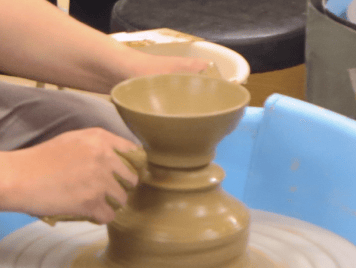
Workshops related to the special exhibitions, as well as electric-wheel classes for beginners to advanced participants, are offered to help visitors become familiar with ceramics and to nurture the next generation of ceramic artists.
open
10:00-17:00
open
10:00-17:00
※Last admission 30 minutes before closing
※Closed: every Monday [if holiday, the following weekday], Year-end/New Year [Dec 31–Jan 1]; maintenance closures may apply. See museum website for details.)
Key Hubs
No.
03
Tamba Ware Information Center
kamanjo
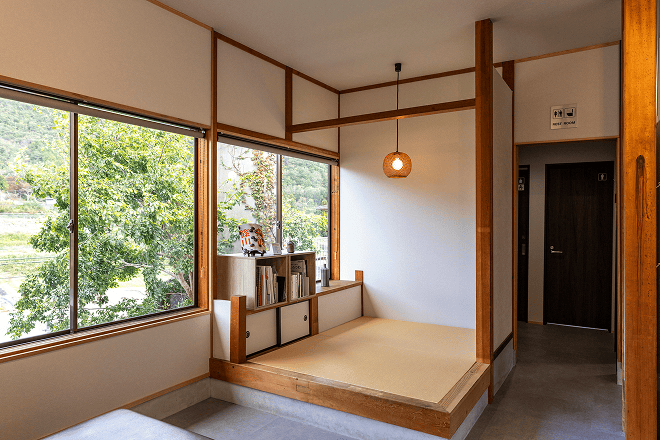
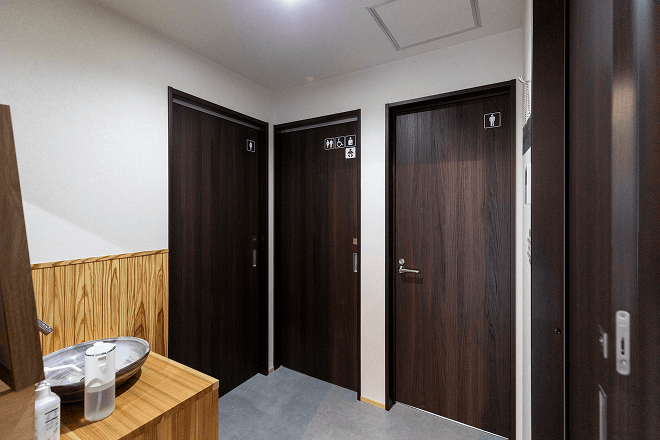
Function as a Relay Point for Exploring the Region
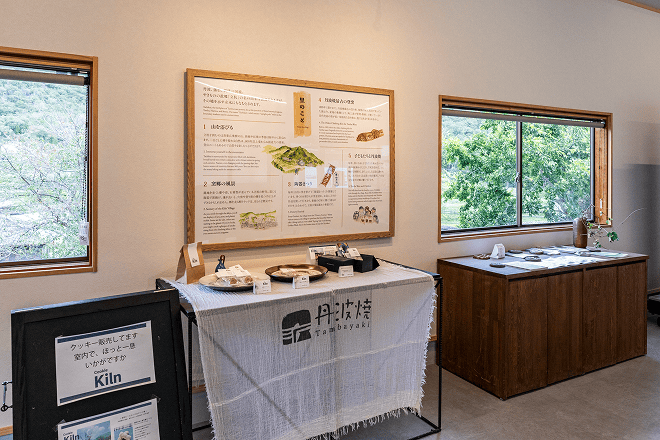
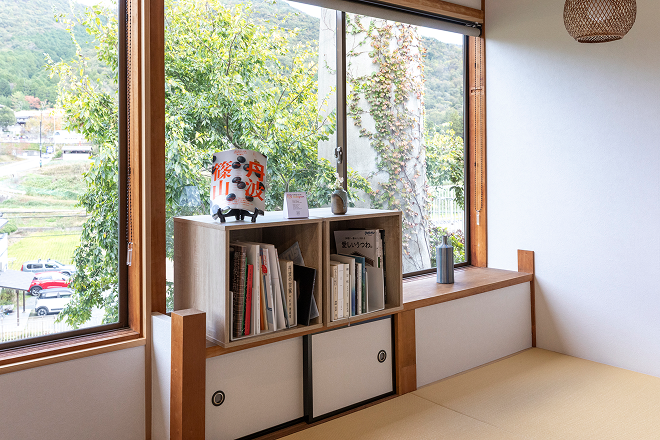
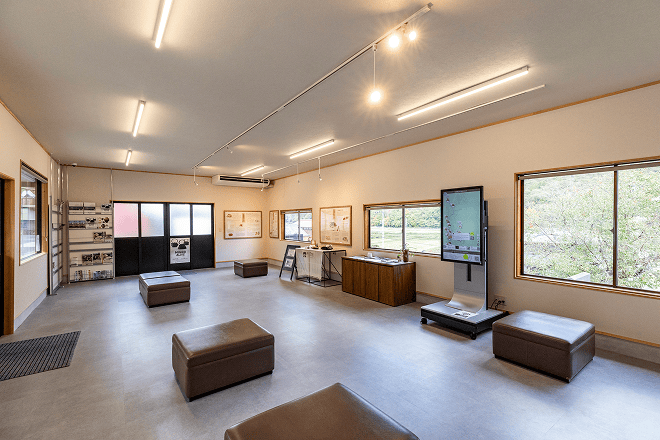
kamanjyo serves as the Tamba Ware Information Center and a relay point for exploring the Tachikui area. In addition to providing guidance on potters studios and nearby spots and offering maps, visitors can consult on walking routes. It supports the beginning of journeys that engage with Tachikui’s culture and attractions as the region’s “guide facility.”
open
10:00-16:00
(Closed: Year-end and New Year)
open
10:00-17:00
(Closed: Year-end and New Year)
6Ways to Fully Experience Tamba Ware
Experience the Breath of the Local Landscape with All Five Senses
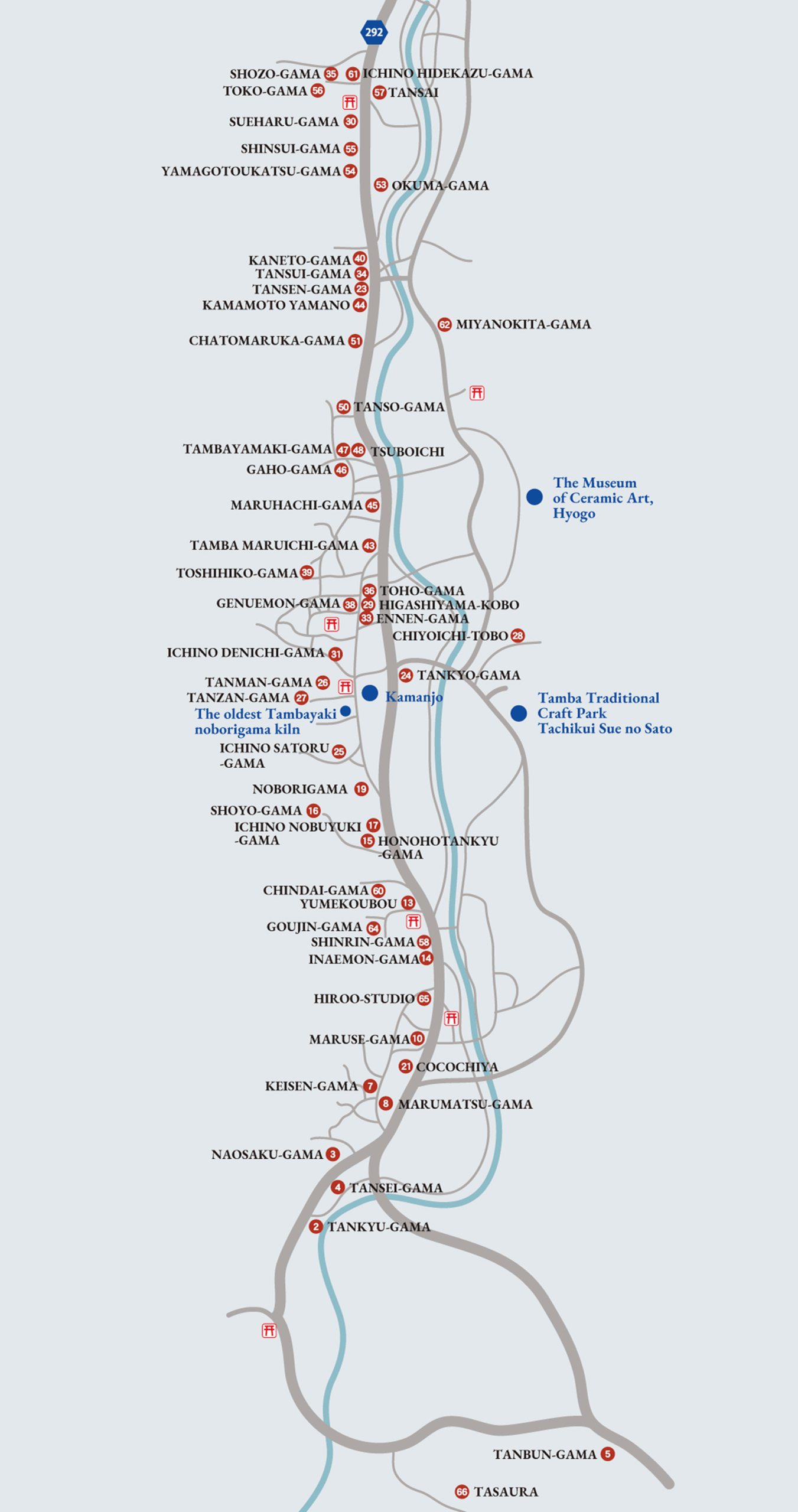
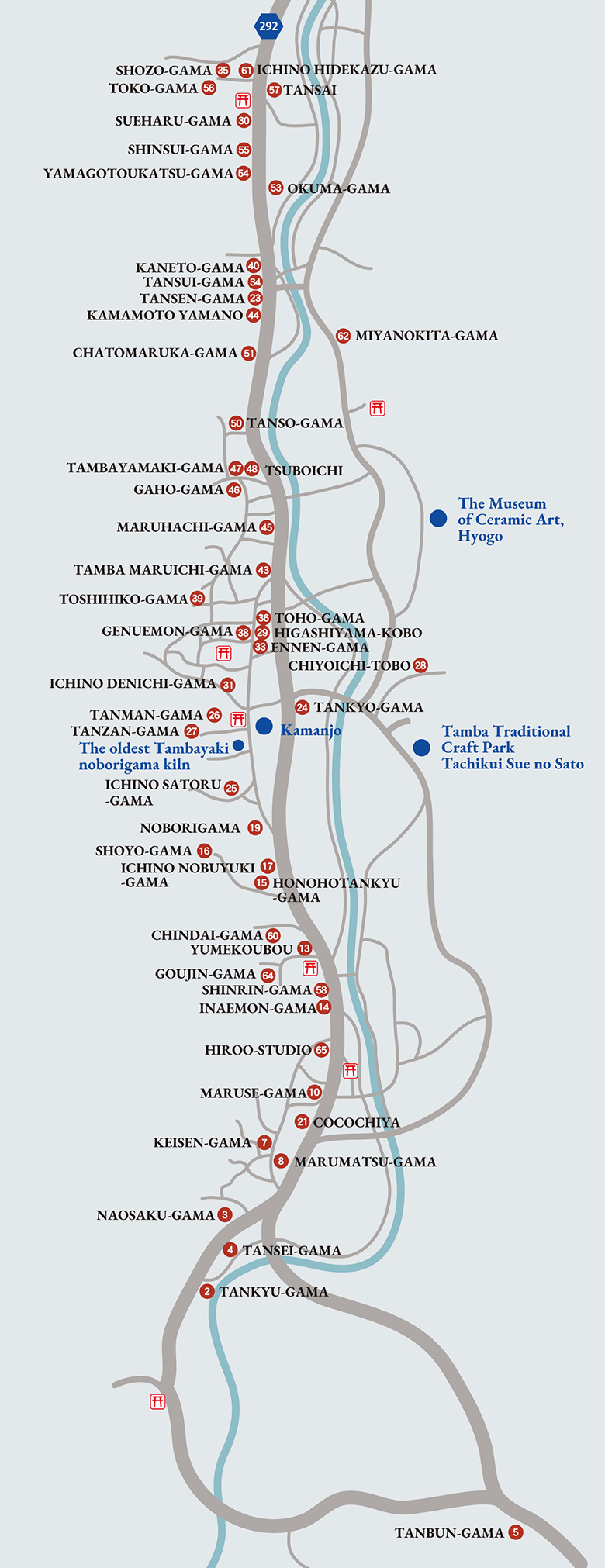
Walking through Tachikui, the alleys lined with potters workshops and galleries, theworkshops atmospheres allow
visitors to experience the local landscape with all five senses. Hands-on experiences that reveal the techniques inherited in the oldest climbing kiln and the history and methods of Tamba Ware provide time to explore the depth of the region. In addition, encountering dishes made with local ingredients allows visitors to experience the richness of Tachikui through taste as well.
Ways to Experience
No.
01
Potters’ Gallaries
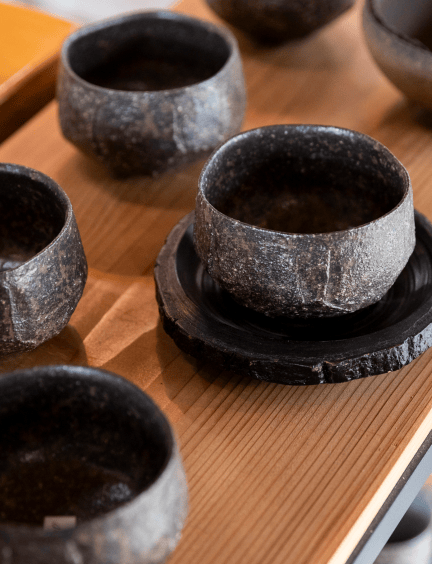
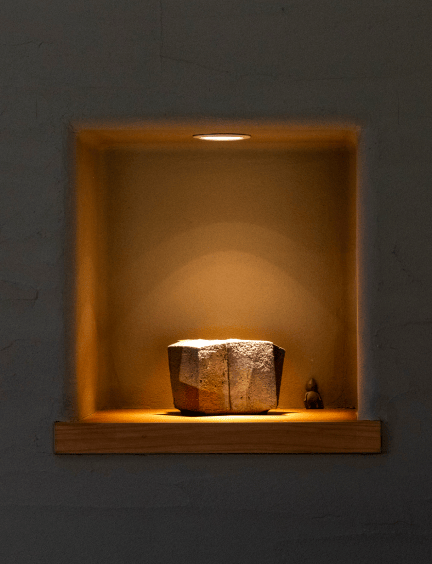
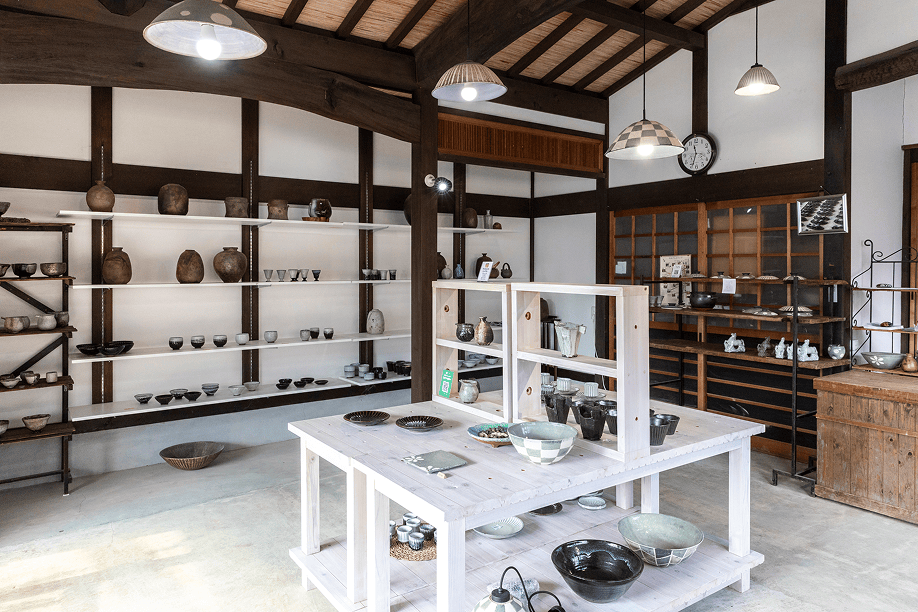
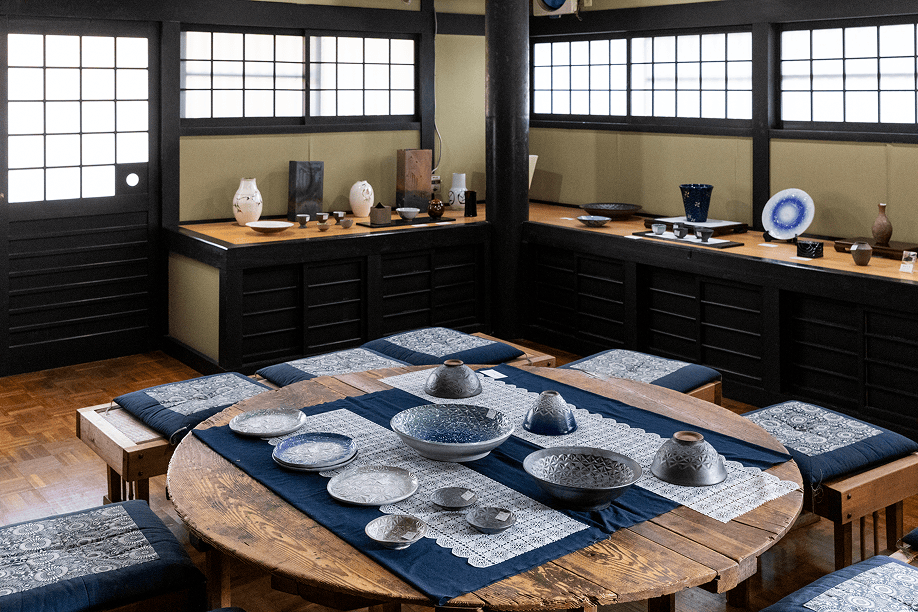
The galleries attached to each kiln allow visitors to experience the individuality of the works, directly sense the potter’s vision and the charm of Tamba Ware, and make purchases if desired.
List of Potters’ Gallaries

Ways to Experience
No.
02
Experience Handcrafts in the Workshops
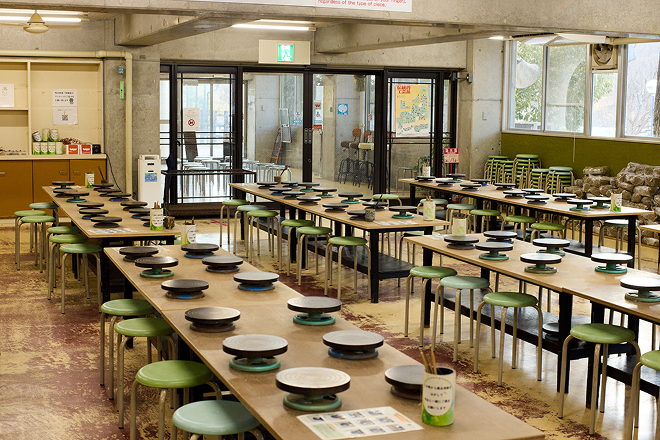
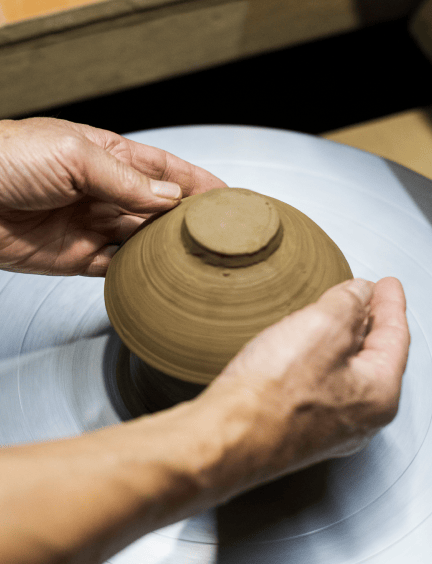
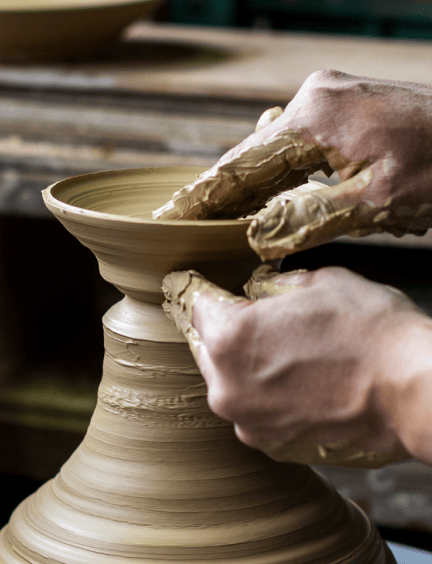
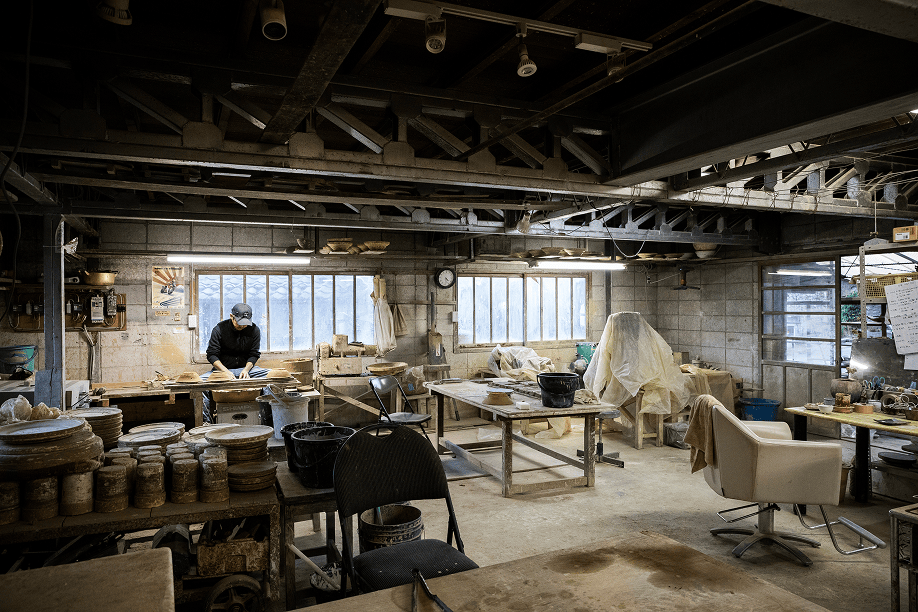
In kiln workshops, visitors can hear the wheel and observe the potters’ handcrafts up close. Some kilns offer hands-on workshops, allowing visitors to create their own pieces. Tours focusing on workshop observation only are also available; please inquire in advance.
Pottery Workshop Locations
Ways to Experience
No.
03
The oldest noborigama kiln
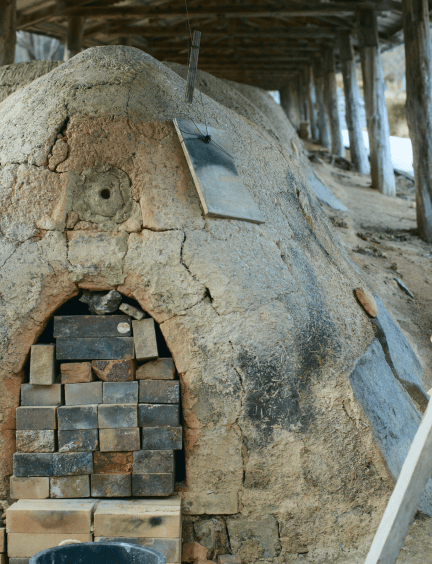
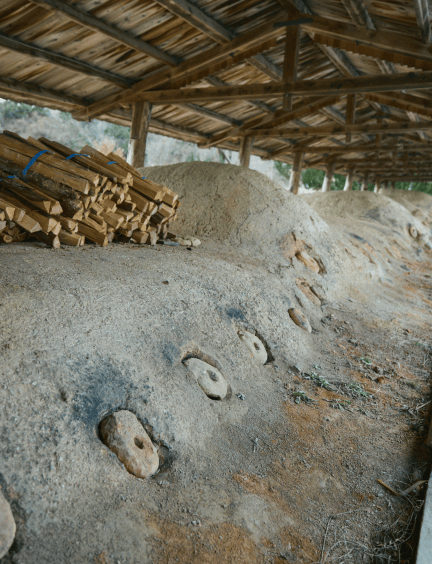
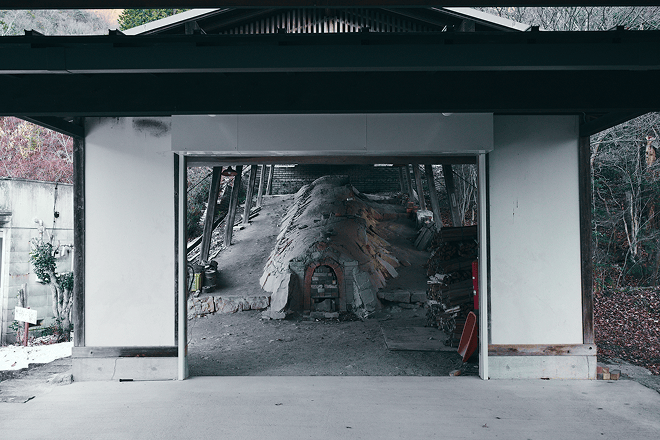
In Tachikui, the oldest surviving Tamba Ware climbing kiln, built in 1895, preserves the firing techniques and the appearance of the kiln site from that time. The kiln has been repaired by craftsmen whenever deterioration occurred and remains in active use. It is a valuable relic where visitors can feel the weight of history.
Kilns & Firing
Ways to Experience
No.
04
History, Characteristics, and Techniques of Tamba Ware
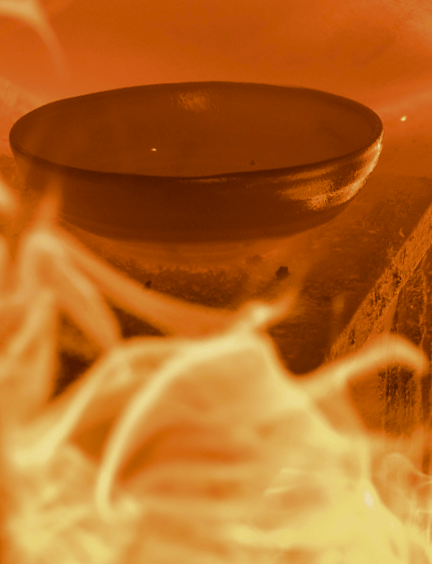
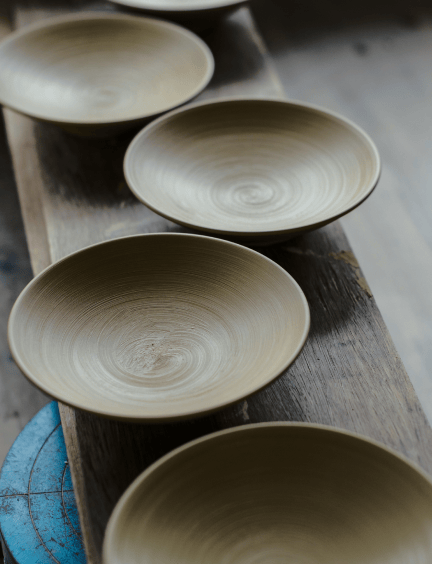
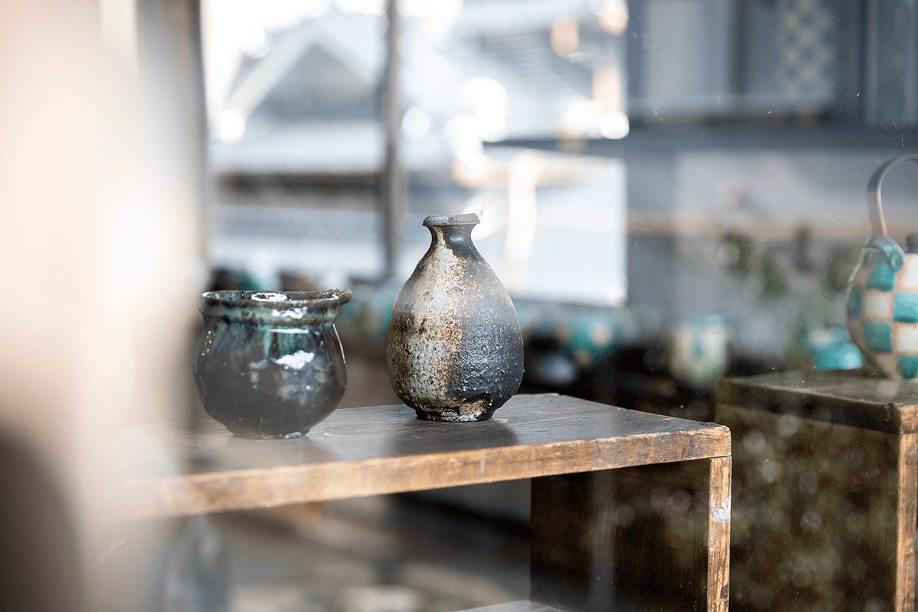
Tamba Ware has a history of approximately 850 years, characterized by its rustic and robust texture. Using local clay and climbing kilns, a wide variety of vessels continue to be produced today.
History, Characteristics & Techniquesof Tamba Ware
Ways to Experience
No.
05
Enjoy the Region’s Rich Food
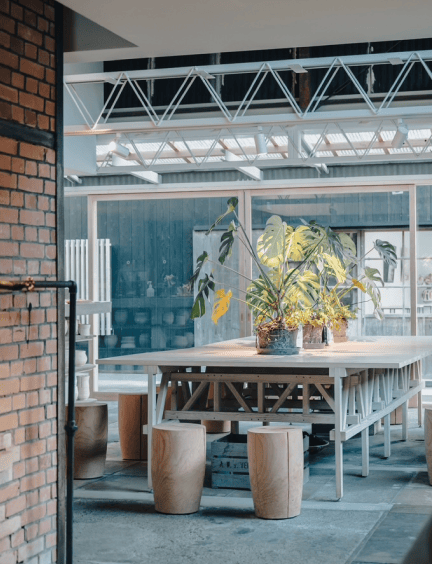
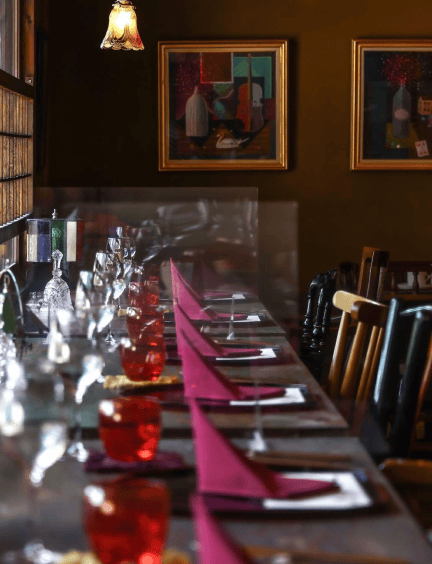
In Tachikui, restaurants using local ingredients are scattered throughout the area, many of which serve dishes in Tamba Ware vessels. Visitors can enjoy both the rich local food culture and the appeal of Tamba Ware through dining.
Local Cuisine
Ways to Experience
No.
06
A Village of Warmth, Healing Hot Springs
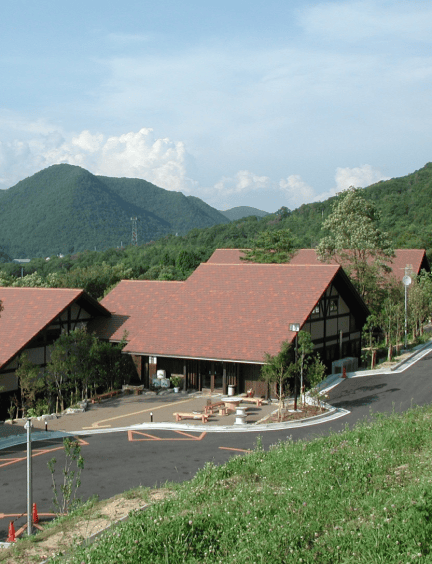
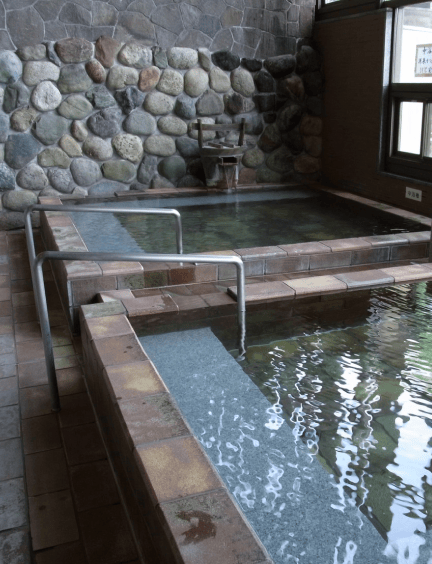
Located about a 10-minute drive from the Tamba Ware village, this natural hot spring facility offers a relaxing retreat. The indoor baths feature continuously flowing spring water, and there is also a spacious open-air bath and a sauna. After your soak, you can enjoy local specialties, regional products, and even gelato while browsing the shops.
Visit a hot spring
Getting to Tamba Traditional Craft Park Tachikui Sue no Sato from Kyoto or Osaka
By public transportation (train and bus)
■ Kyoto Station
- Take the JR Kyoto Line from Kyoto Station to Osaka Station (28 minutes).
- Take the JR Fukuchiyama Line from Osaka Station to Aino Station (52 minutes).
Take a Shinki Bus bound for ‘Shimizu’ (清水) or ‘Hyōgo-tōgei-bijutsukan’ (Hyogo Museum of Ceramic Art 兵庫陶芸美術館) for 10 minutes and get off at the ‘Sue-no-sato-mae’ (陶の郷前) bus stop. Alternatively, get off at ‘Tachikui-kokaido-mae’ (立杭公会堂前) and walk 5 minutes.Take the Shinki Bus bound for “Shimizu” or “Hyogo Ceramic Art Museum” from in front of the station.Get off at “Tou-no-sato-mae” (10 minutes). Or get off at “Rikkake Kokaido-mae” and walk 5 minutes.。
■ Shin-Osaka Station
- Take the JR Kobe Line from Shin-Osaka Station to Osaka Station (4 minutes).
- Take the JR Fukuchiyama Line from Osaka Station to Aino Station (52 minutes).
Take a Shinki Bus bound for ‘Shimizu’ (清水) or ‘Hyōgo-tōgei-bijutsukan’ (Hyogo Museum of Ceramic Art 兵庫陶芸美術館) for 10 minutes and get off at the ‘Sue-no-sato-mae’ (陶の郷前) bus stop. Alternatively, get off at ‘Tachikui-kokaido-mae’ (立杭公会堂前) and walk 5 minutes.
By car
■ Kyoto Station
- Take the Meishin Expressway from the Kyoto-Minami IC. Get off at the Sanda-Nishi IC of the Maizuru-Wakasa Expressway (approximately 55 minutes).
- 14 minutes by car from Sanda-Nishi IC to Tachikui Sue no Sato.
■ Shin-Osaka Station
- Take the Hanshin Expressway from the Toyonaka-minami exit. Get off at the Sanda-Nishi IC of the Maizuru-Wakasa Expressway (approximately 32 minutes).
14 minutes by car from Sanda-Nishi IC to Tachikui Sue no Sato.
* Taxis are not included due to difficulties in communicating in English.