
TOC
TOKO-GAMA
profile
Shota Ichino

profile
Shota Ichino
5th generation
Year of Birth:1990
Year Began Pottery:2014
Education / Training Background
Graduated from Kyoto Prefectural Advanced Technical School of Ceramics
Completed the Ceramics Course at the Kyoto Municipal Institute of Industrial Technology

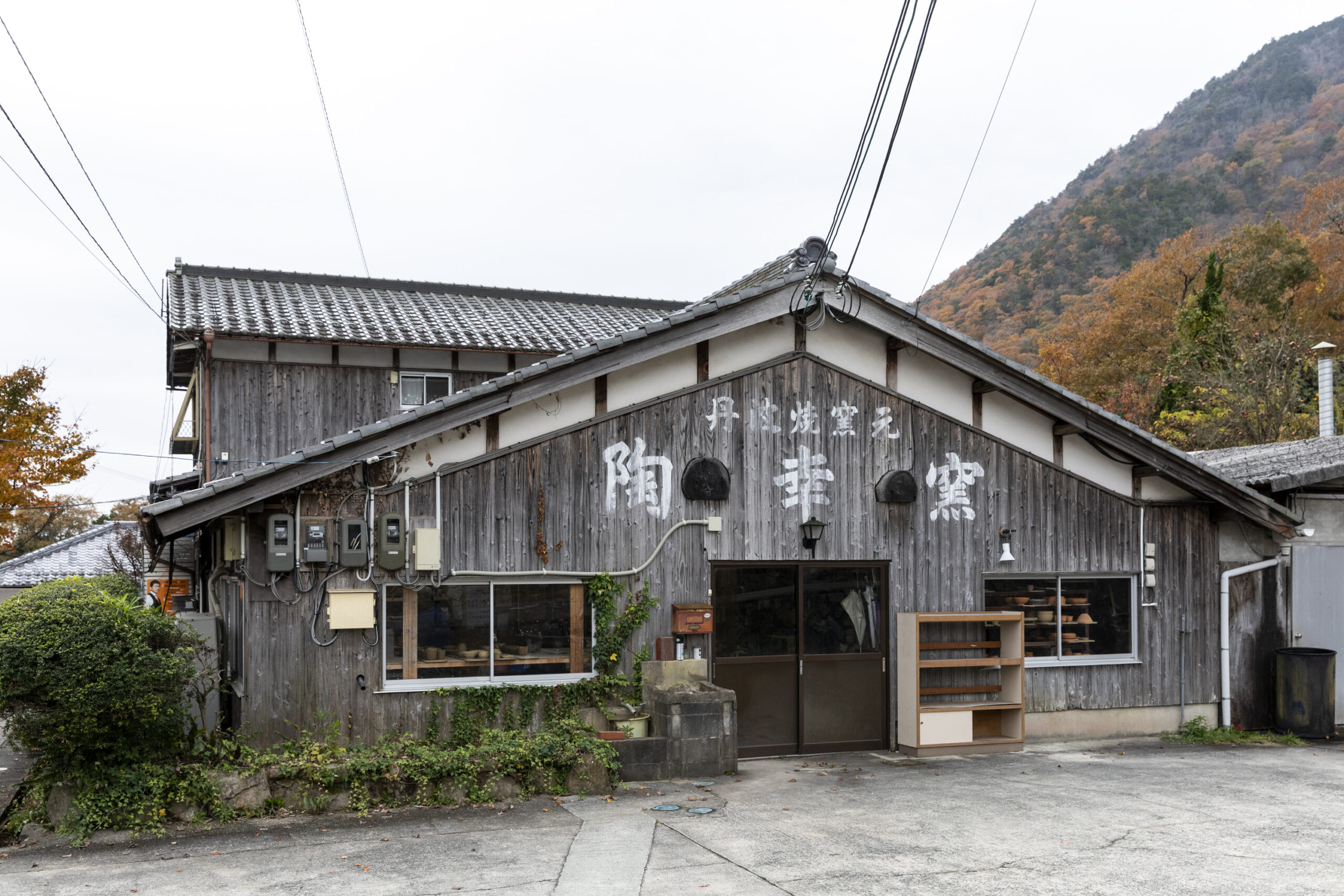
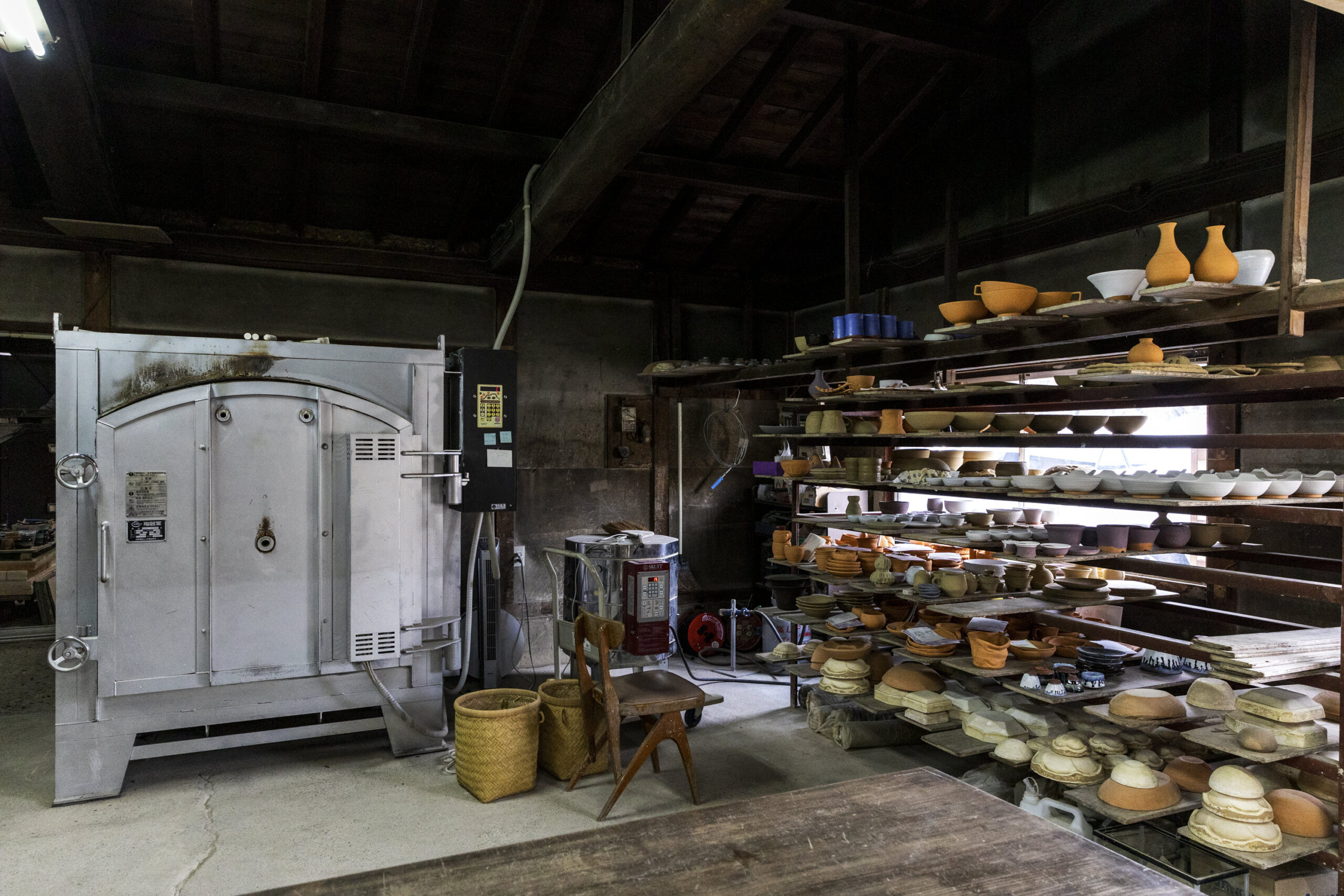
The state of the workshop
スクロールできます
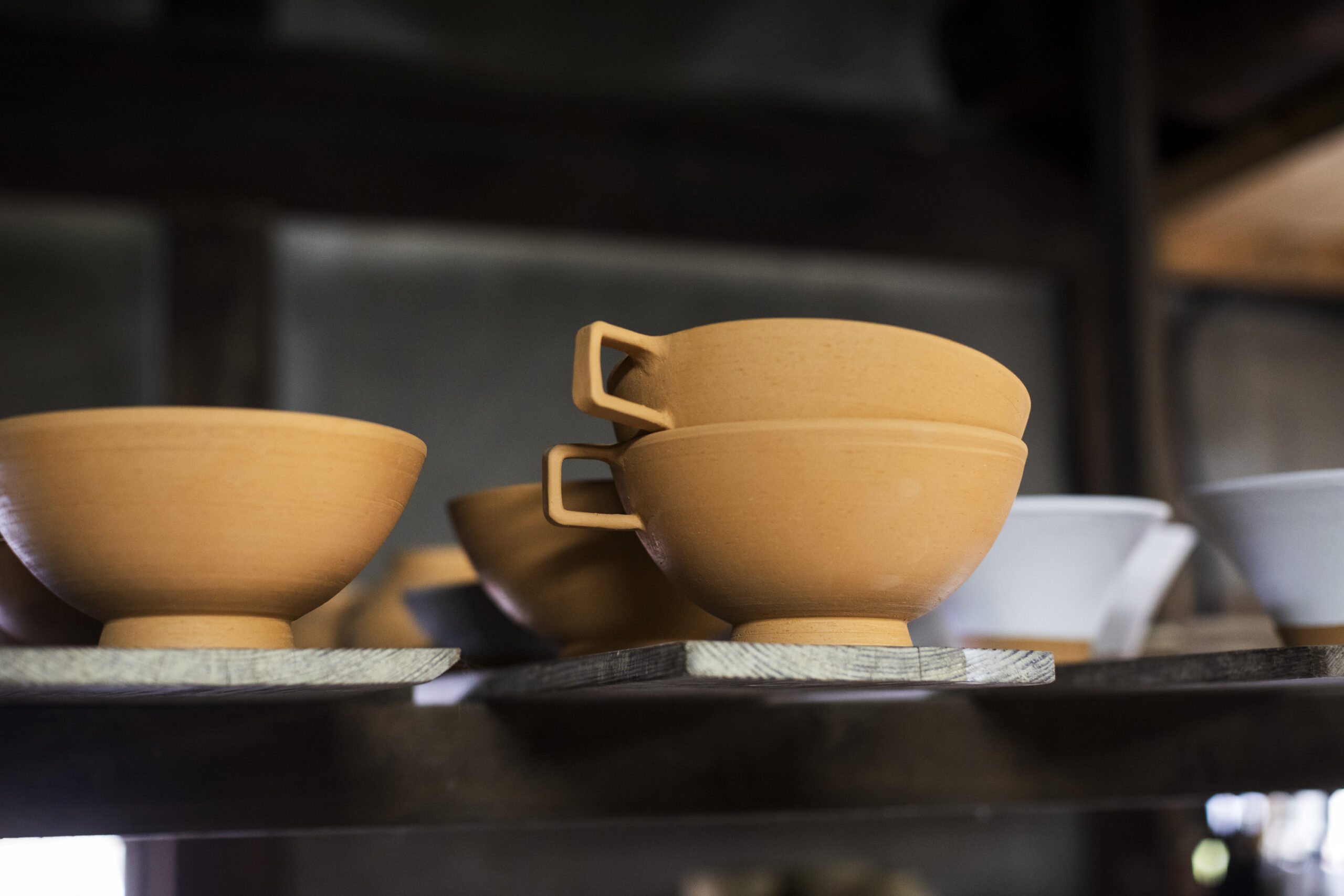


Works
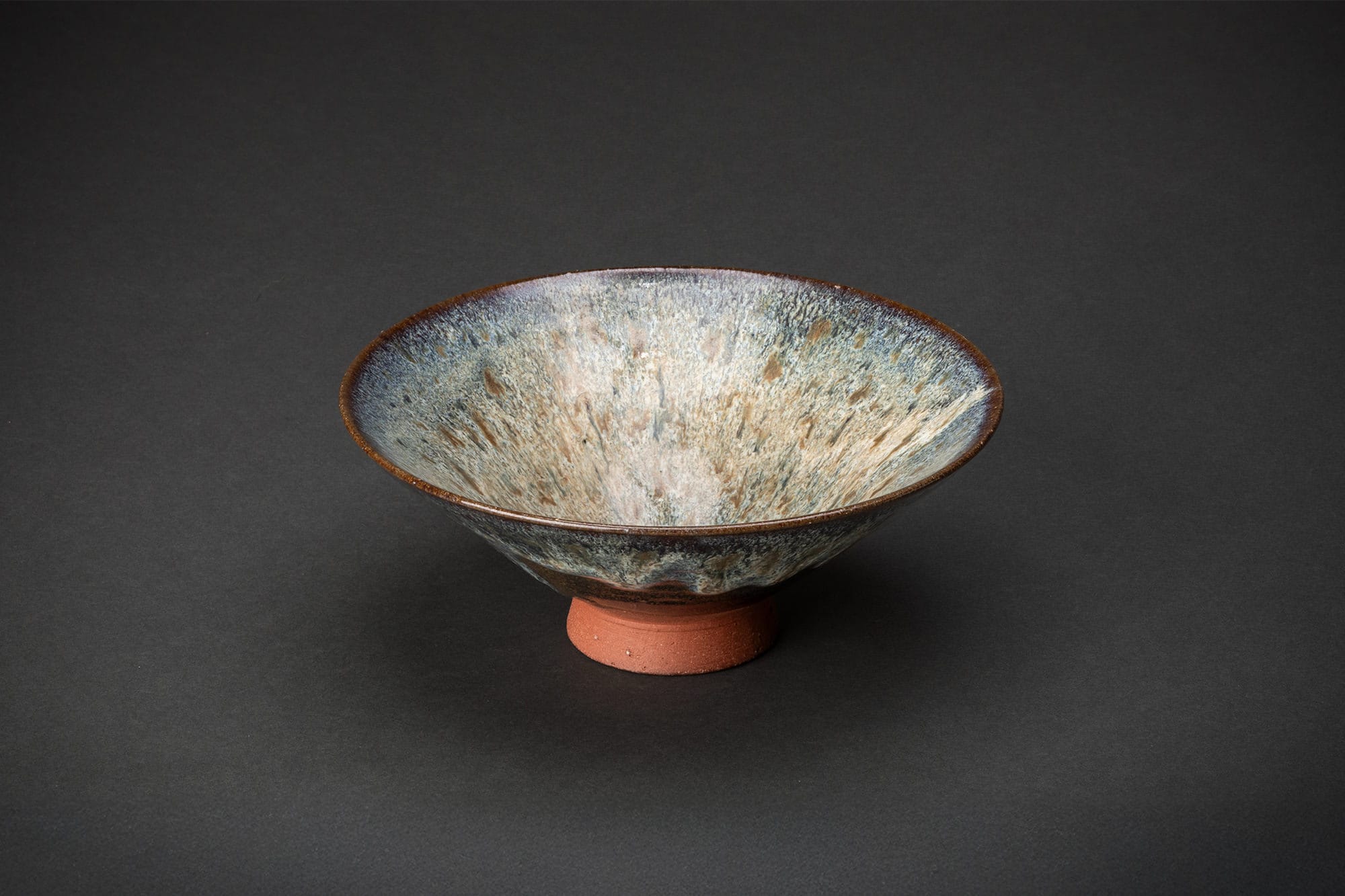
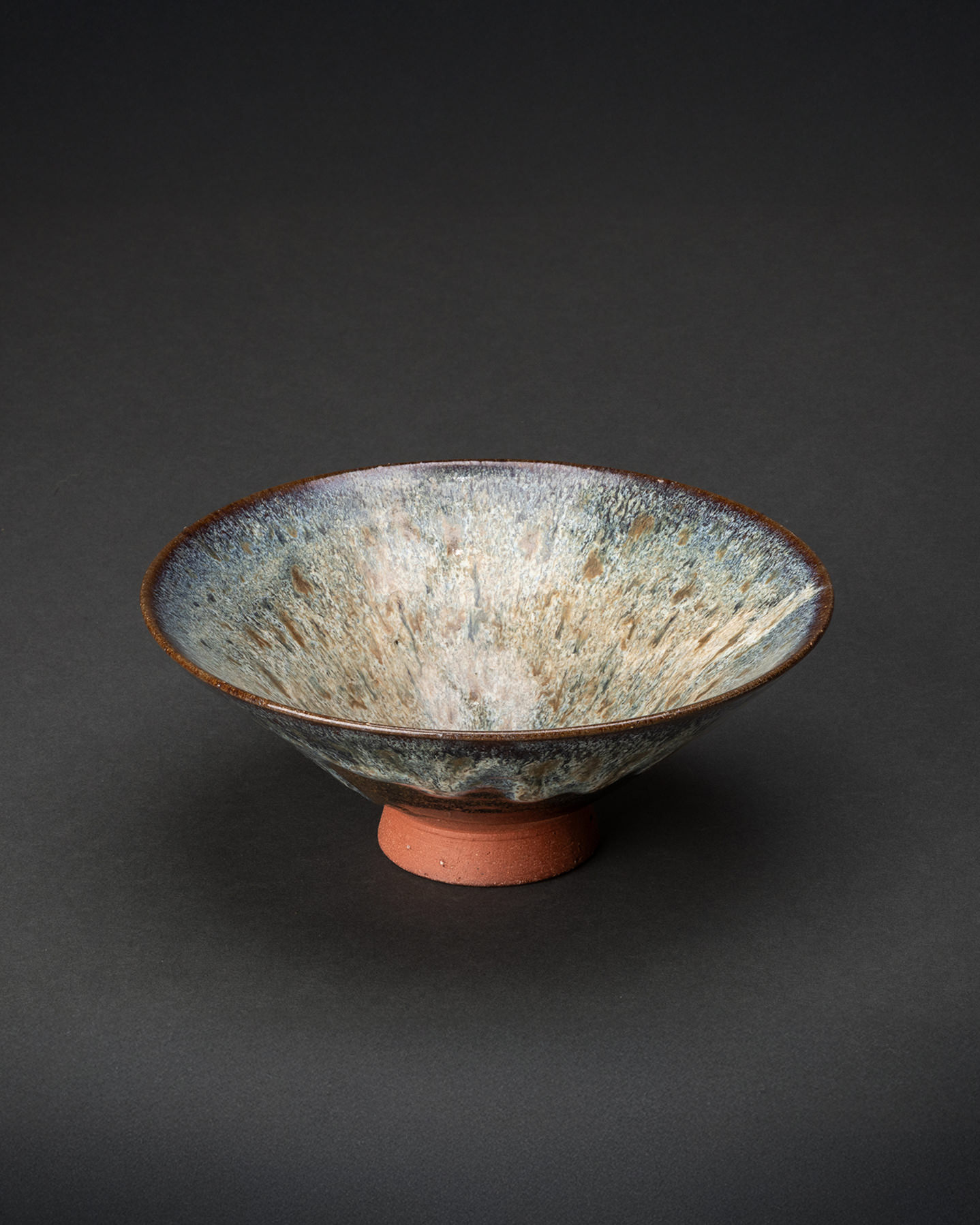
photo:AOTANI Takeru


Interview
Captivated by the Flow of Glaze. The Inquisitive Spirit of TOKO-GAMA’s Ichino Shota, Pursuing the Possibilities of Clay and Color
Between Chance and Intention: The Expressive Life of Glaze
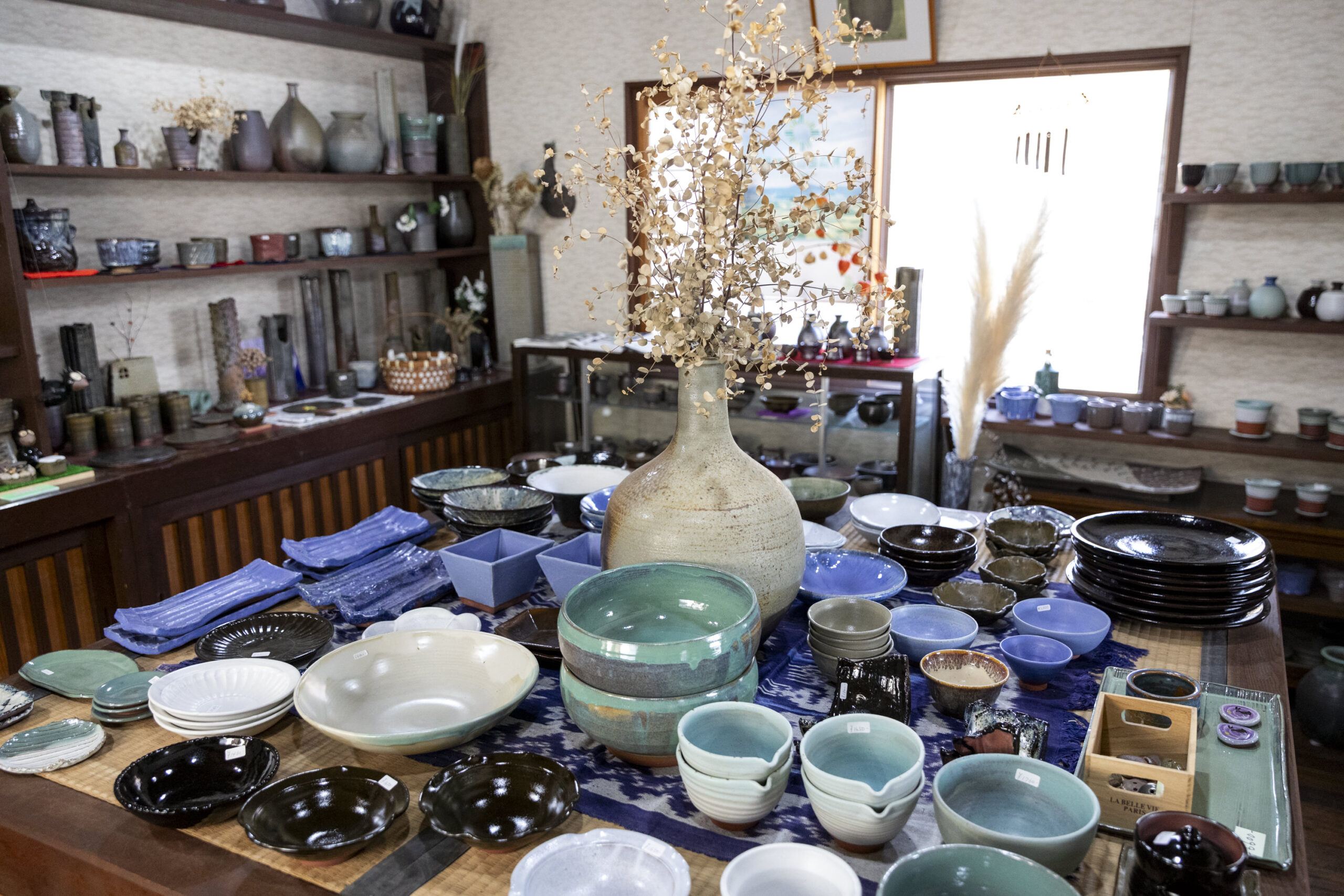
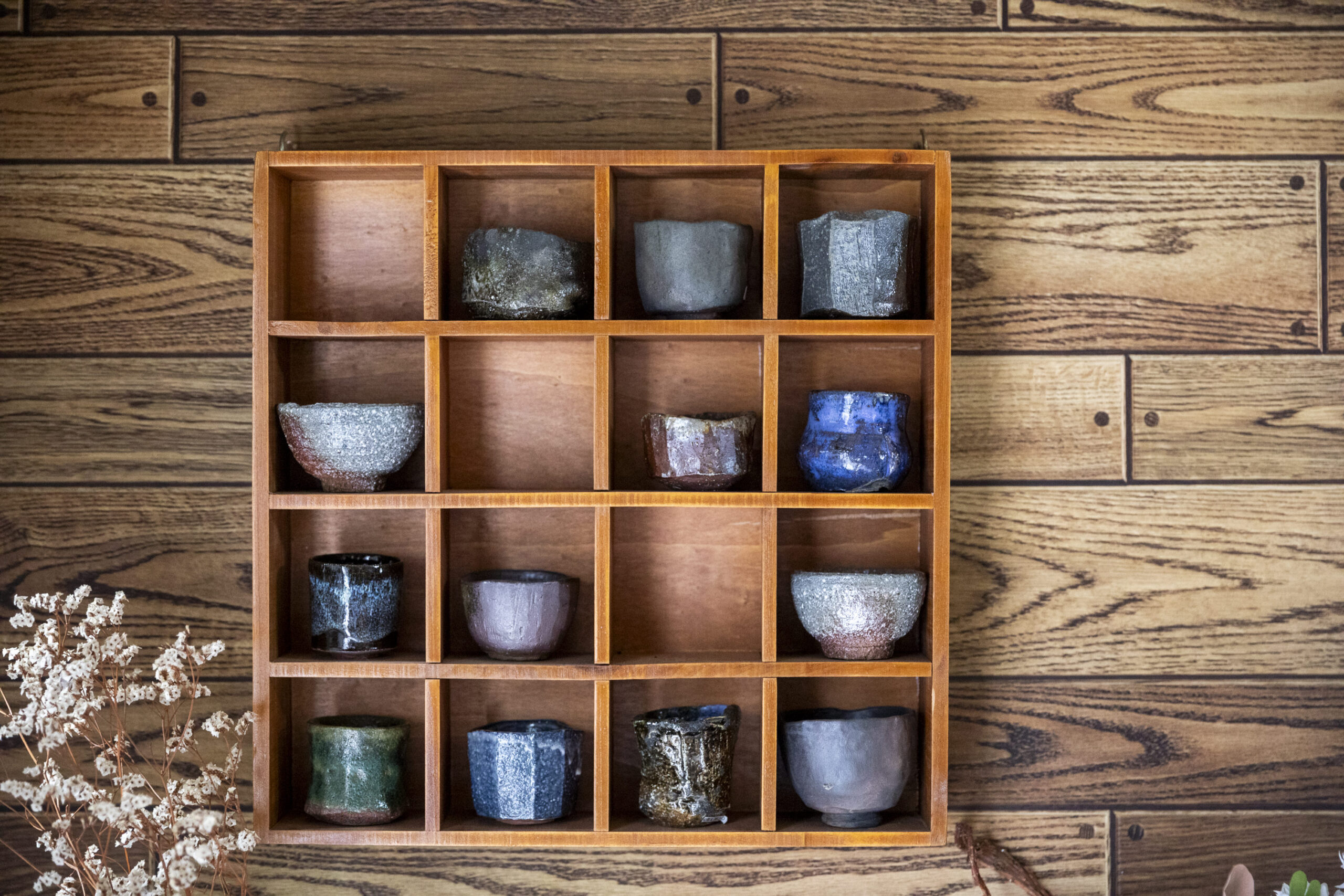
The forms displayed in the gallery are each entirely unique. Radiating a rich range of colors, they quietly await their encounter with the hands that will one day use them.
A bowl finished in kurokin-yū (black and gold glaze) shifts elegantly between gold and deep black depending on how the light touches it. On another plate, white glaze flows over a layer of brown glaze, creating an effect reminiscent of an aurora—its color and luminosity changing with the viewing angle. In pieces carved with shinogi, fine ridged grooves cut into the surface, the glaze travels along the carved lines, capturing what feels like a single suspended moment of movement in solid form.
The expressions created by these flowing glazes carry a gentle vitality, as though something living resides within them. This is the world that the young potter of TOKO-GAMA, Ichino Shota, pursues—a world shaped by color and the movement of glaze.
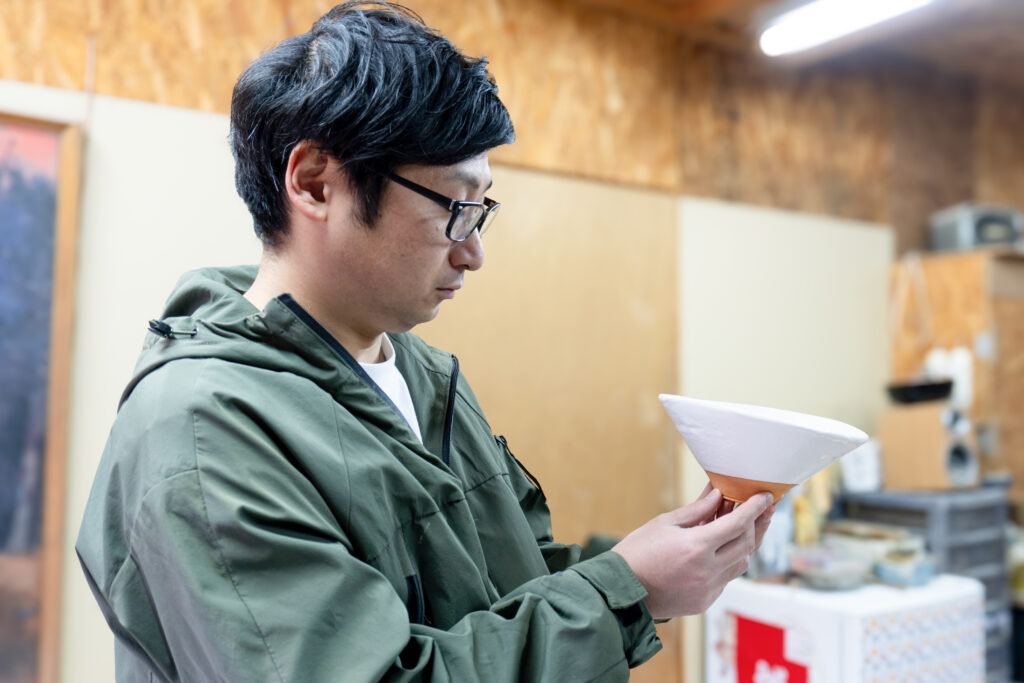
While rooted in the clay of Tamba ware, Shota’s focus continually turns toward the possibilities of glaze. After two years of study in Kyoto, he built a solid foundation in the relationship between clay and glaze, as well as firing conditions. Today, he adjusts glaze thickness and composition himself to draw out the effects he envisions.
“The color changes depending on the clay,” he explains. “White clay, red clay, and Tamba’s brownish clay all produce completely different results with the same glaze. Transparent glazes in particular are influenced by the base clay, and on darker clay they tend to look muted. So I adjust the formula to achieve a brighter, clearer tone.”
From “Old-Fashioned” to “Freedom”: Discovering the World of Color
Growing up in a potter family, pottery was simply something that was always there for Shota.
“Traditional Tamba ware was mostly white or black. Back then, I had the impression that it was somewhat old-fashioned.”
The sight of forms neatly lined up outside the workshop to dry was part of everyday life. During his soccer-filled childhood, he recalls with a sheepish smile accidentally breaking pieces when a stray ball struck them.
After graduating from high school, he began helping with the family business, though he did not initially feel a strong determination to succeed it. “If I found something else I wanted to do, I might have chosen that instead.” What changed his course was encountering a group of young Tamba potters known as “Group Kama.”
“When I went to see a senior’s exhibition, I was amazed at how free the expression could be. What struck me most was the color red. That vivid hue really moved me.”
His image of pottery shifted instantly, from something “old fashioned” to something filled with expressive freedom.
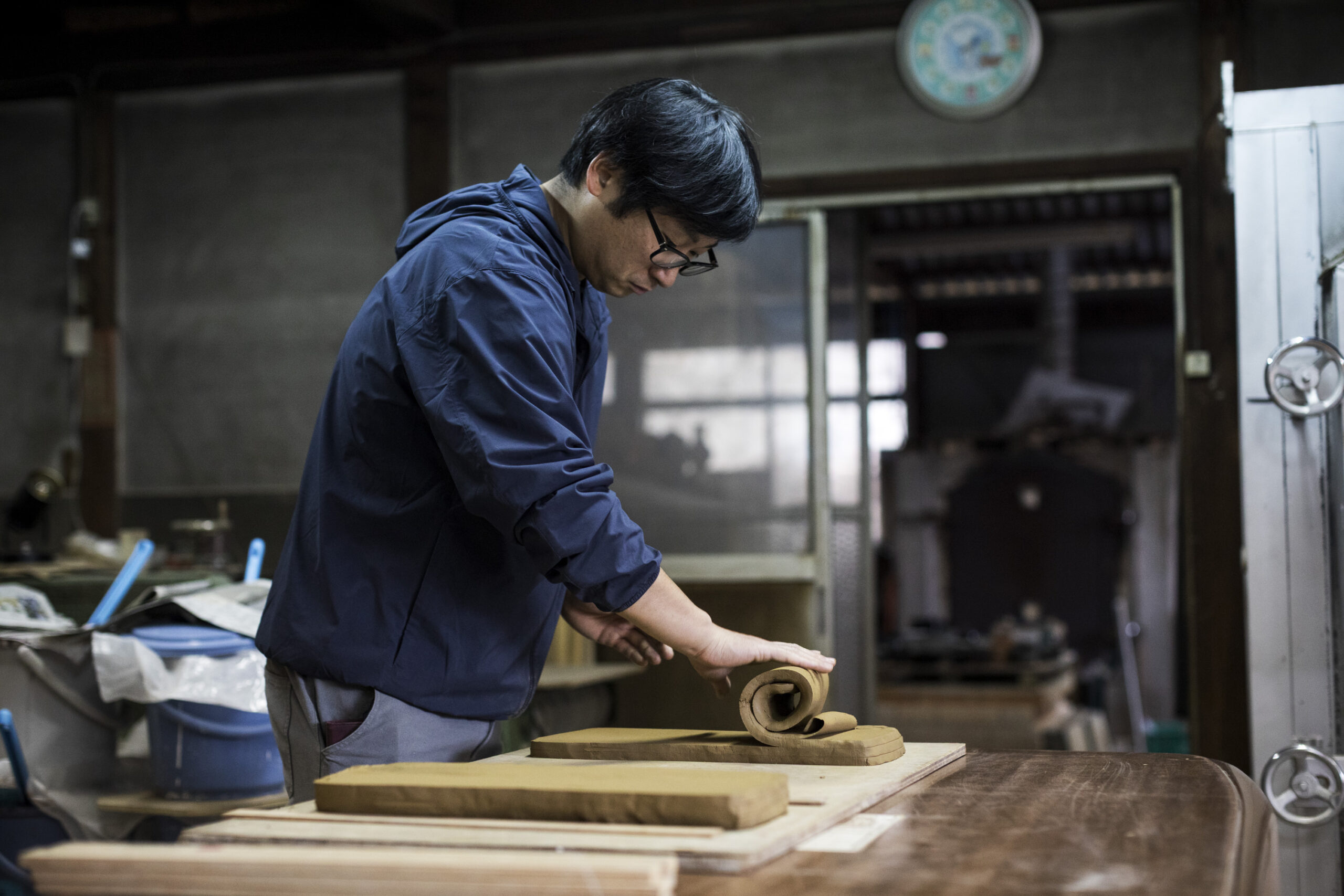
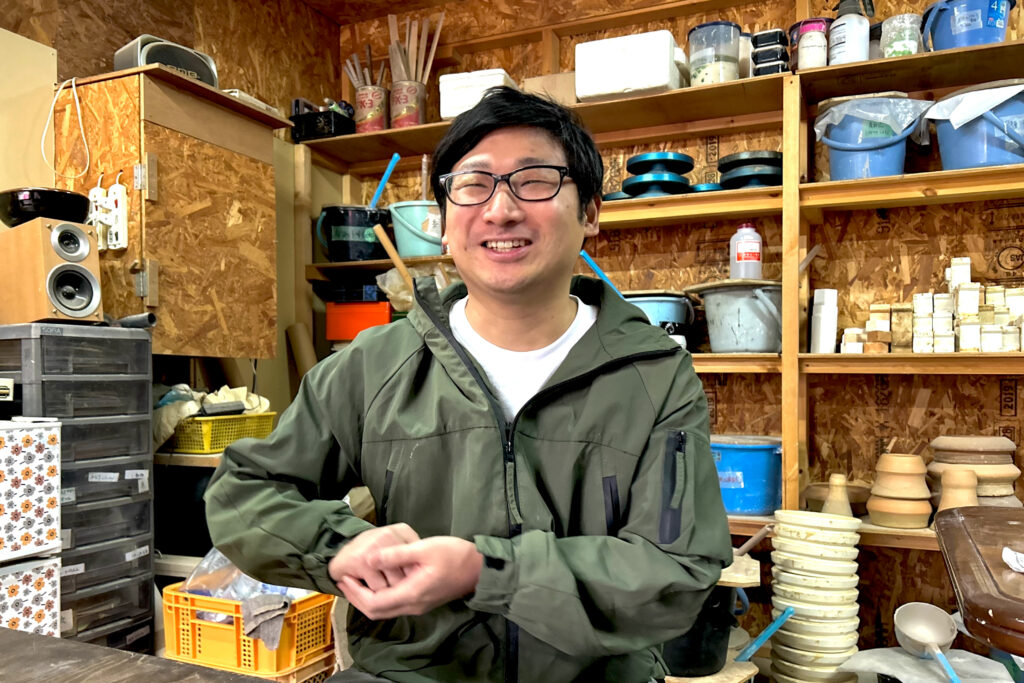
Wanting to pursue his own form of expression, Shota enrolled in a ceramics school in Kyoto at age twenty five. Over two years, he studied pottery and glaze in depth, building essential technical knowledge and skills.
“Once I understood the theory, I could gradually shape what I had imagined. The more I learned, the more the possibilities expanded. I found myself drawn deeper and deeper into the world of ceramics.”
Enjoying Creation, Imagining the User’s Freedom
“First, I want to make pieces that I personally find cool—pieces I would want to use myself. Then I think about how to incorporate the character of this land into them.”
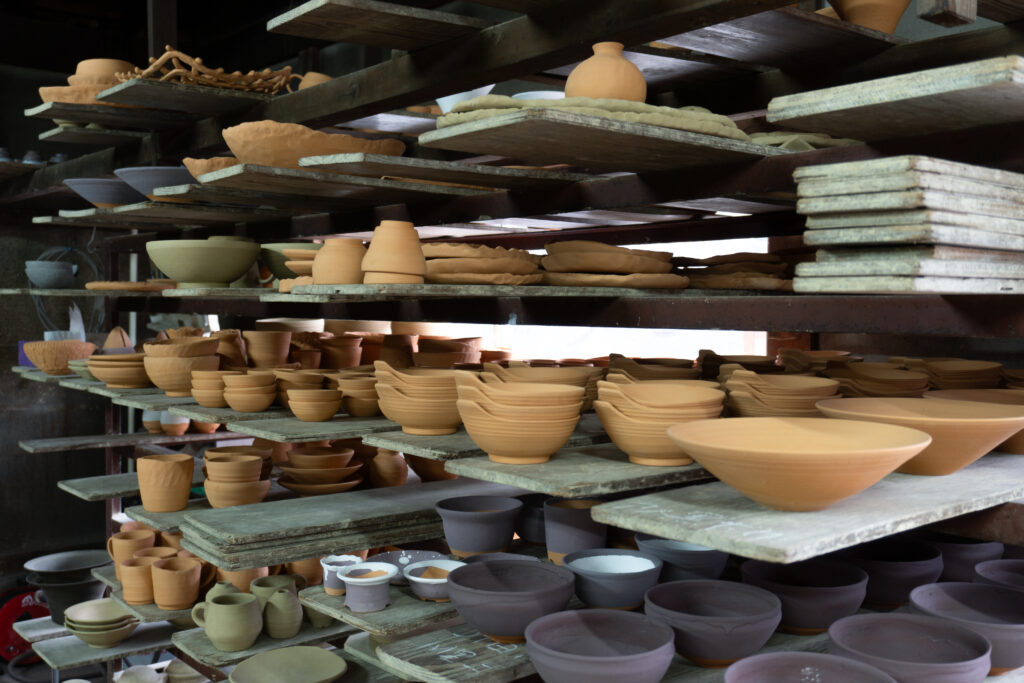
Shota mainly creates everyday items such as mugs, plates, and sake cups. Beyond the visual appeal of the glaze, he also considers practicality—how the piece feels in the hand, how easy it is to handle, how comfortably it can be held. Still, he does not impose strict rules on how his work should be used.
“Even if I make something as a rice bowl, it’s perfectly fine if someone serves simmered dishes or salad in it. I want people to feel free in how they use my work.”
Conversations with customers sometimes lead him to rediscover traditional techniques, while fellow local artists provide fresh inspiration. Listening to the voices of pottery enthusiasts and reflecting that feedback in his work is, in itself, something he genuinely enjoys.
When away from the wheel, he refreshes himself by watching soccer or comedy programs. “When I’m absorbed in something I like, I forget about pottery for a while,” he says with a modest smile—very much a young man of his generation.
“If you’re visiting Tamba, I recommend trying the local black edamame in October. It’s at its peak then—truly exceptional.”
Rooted in Tachikui, he continues to search for what defines “Ichino Shota’s Tamba ware.” His exploration of clay and color is only just beginning—and will continue into the future.
Overview
of
TOKO-GAMA
Address
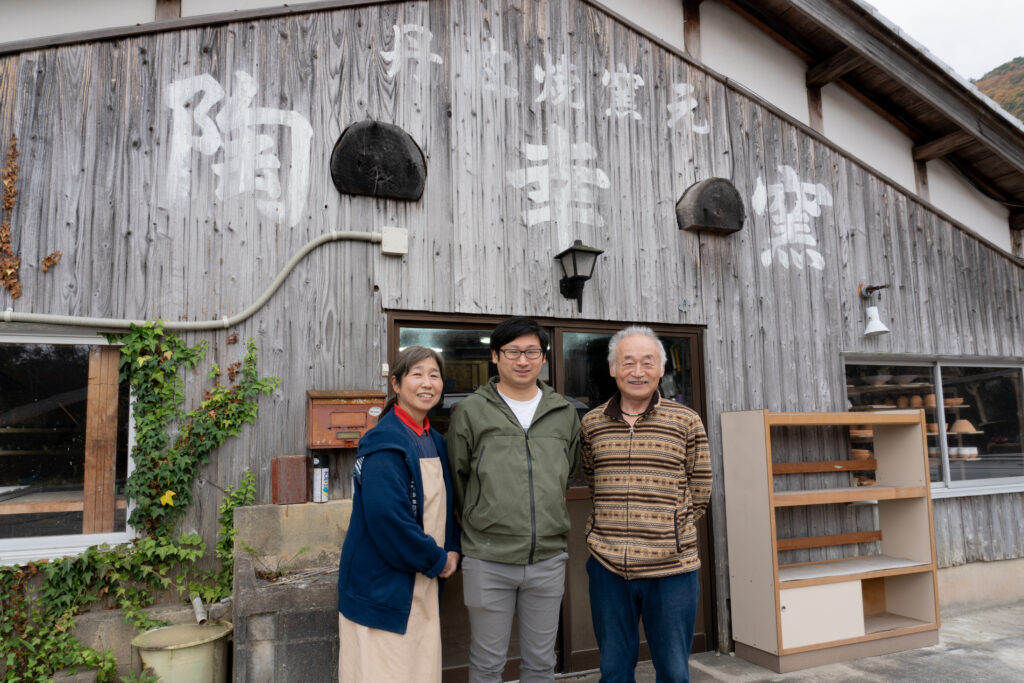
2-5 Kamitachikui, Konda-cho, Tamba-Sasayama, Hyogo, Japan
TEL
FAX
Website
Pottery Classes
A pottery workshop that even beginners can enjoy.
Enjoy pottery with your family, friends, or as a couple.
Available Dates: Every day except Wednesday
Reception Hours: 10:00–15:00
Reservation: Required (from 2 people)
Walk-ins: Please contact us
<Clay Modeling Class>
Approx. 60 minutes
Adults ¥3,500 (up to 2 pieces with 1 kg clay)
Children ¥1,500 (elementary school grade 6 or younger, 1 piece with 0.5 kg clay)
・Maximum Participants: 10
・Completion Time: 30–45 days
Notes:
Choose from 5 glaze colors.
<Wheel Throwing Class>
Approx. 60 minutes
Fee: ¥4,500
・Maximum Participants: 7
・Completion Time: 30–45 days
Notes:
Choose from 5 glaze colors.