
TOC
TANSUI-GAMA
profile
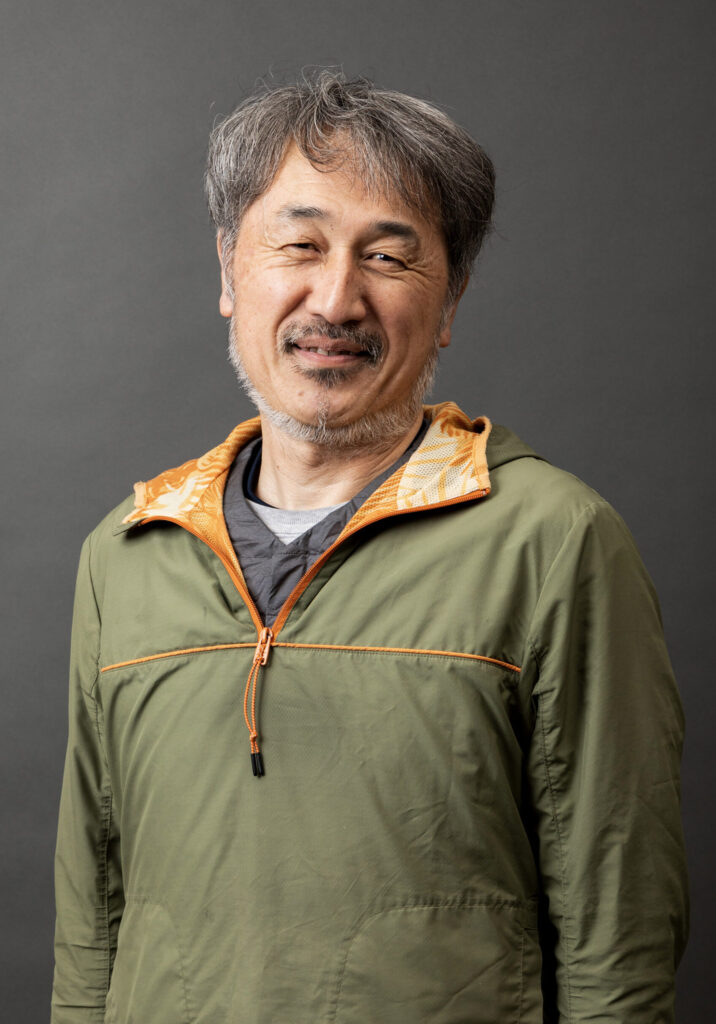
Satoru Tanaka
profile
Satoru Tanaka
7th generation
Year of Birth:1973
Year Began Pottery:1999
Education / Training Background
1995: Graduated from Osaka College of Art (affiliated with Osaka University of Arts)
1997: Graduated from Kyoto Prefectural Advanced Technical School of Ceramics
1998: Completed Kyoto Prefectural Industrial Research Institute
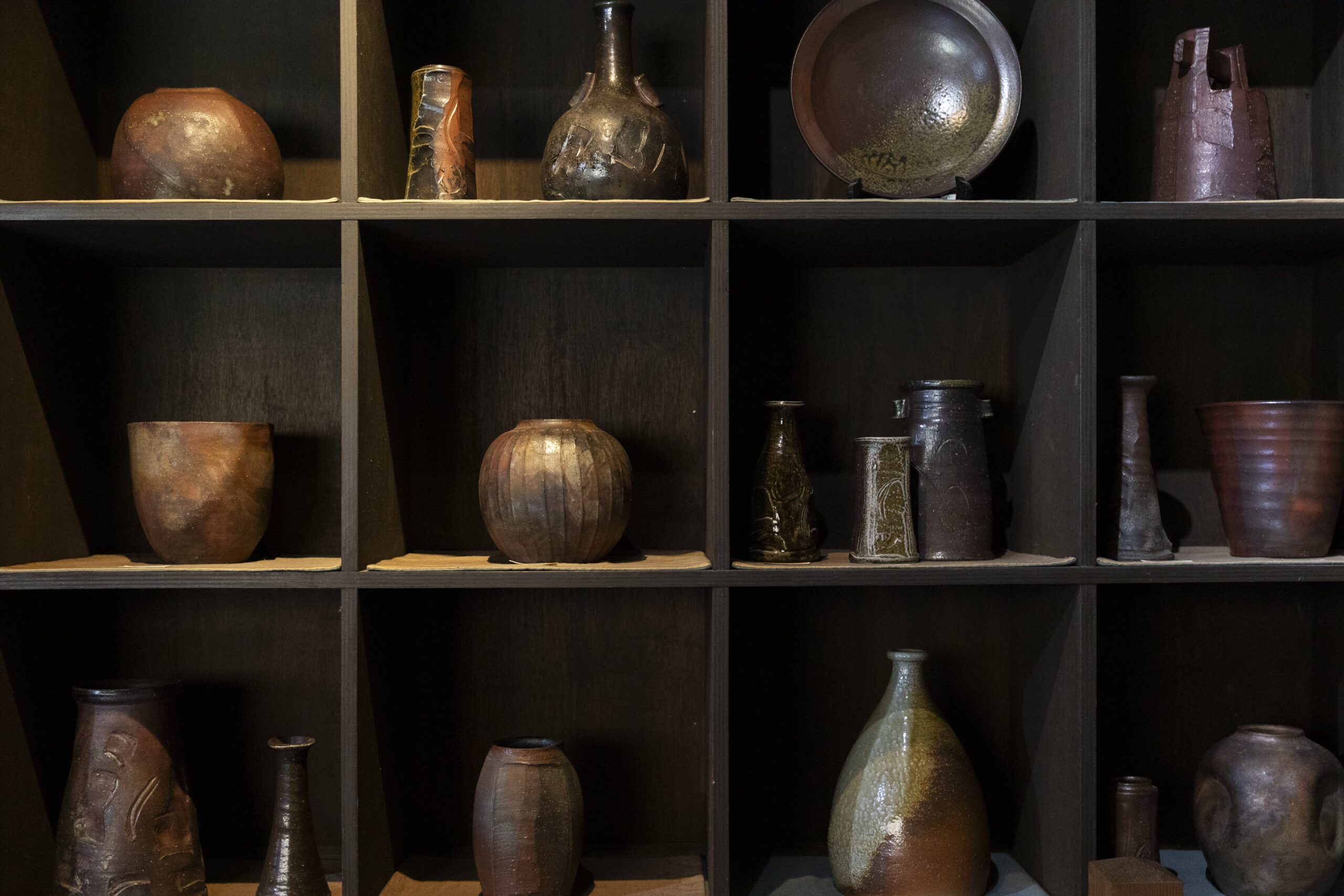
The state of the workshop
スクロールできます
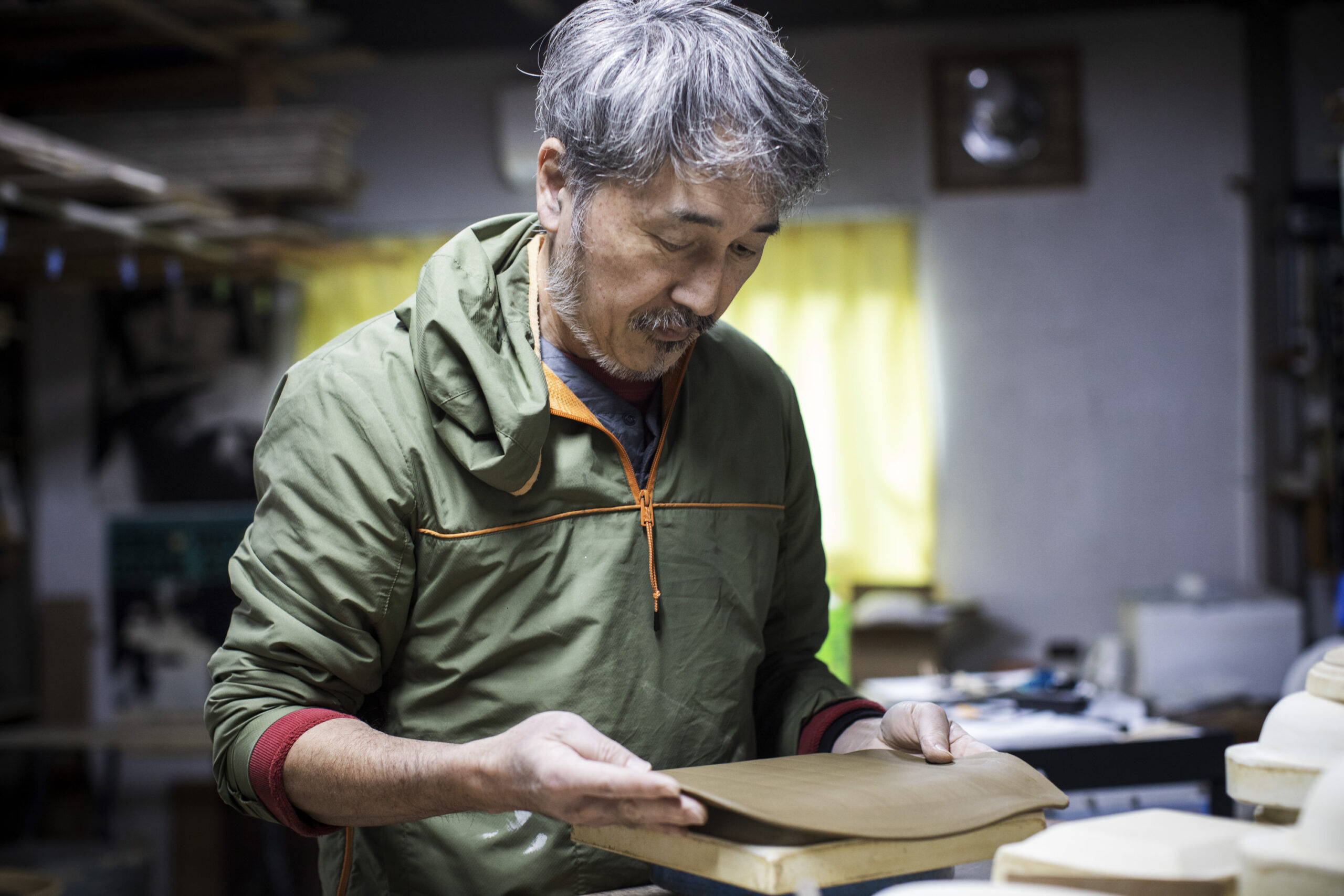
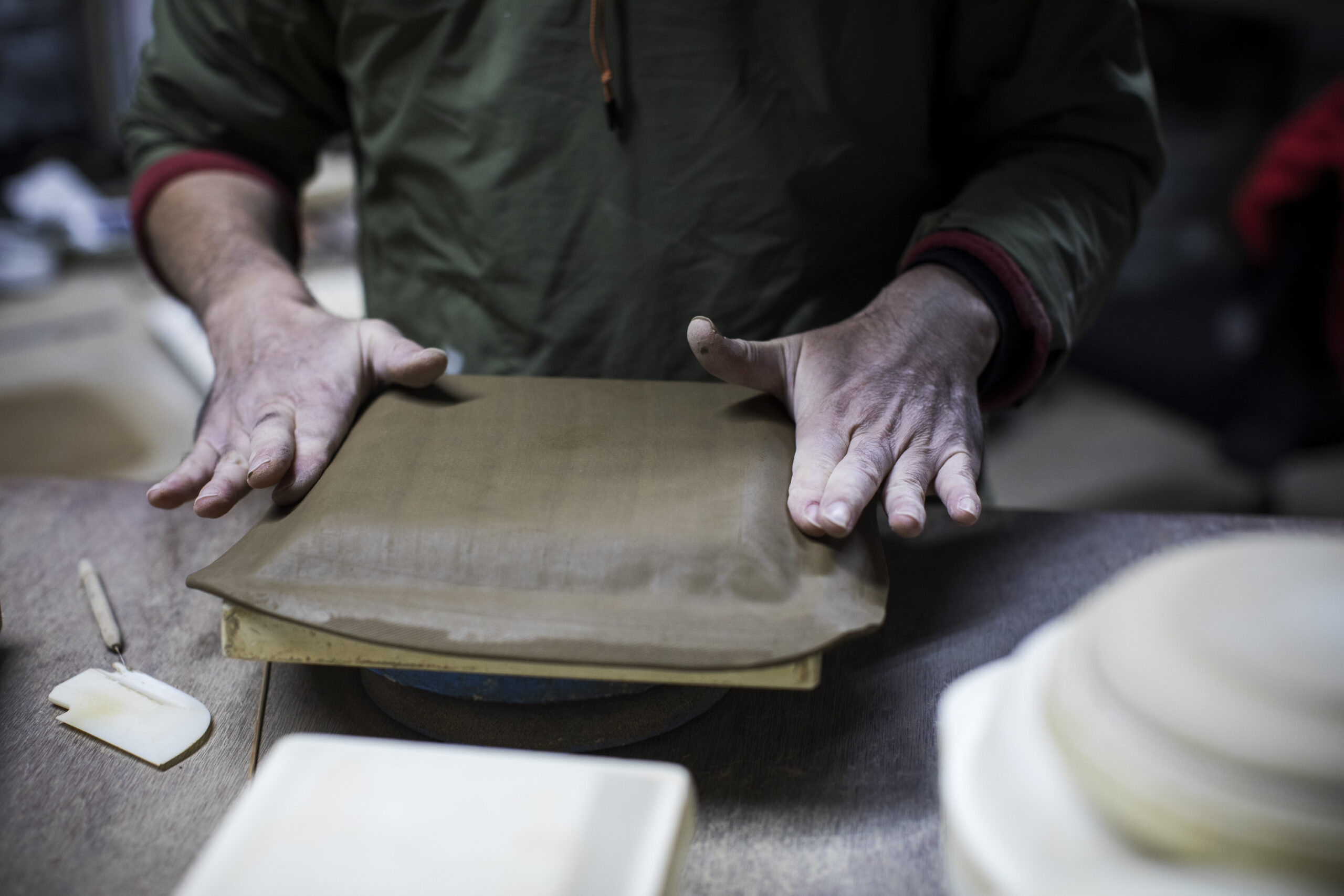


Works
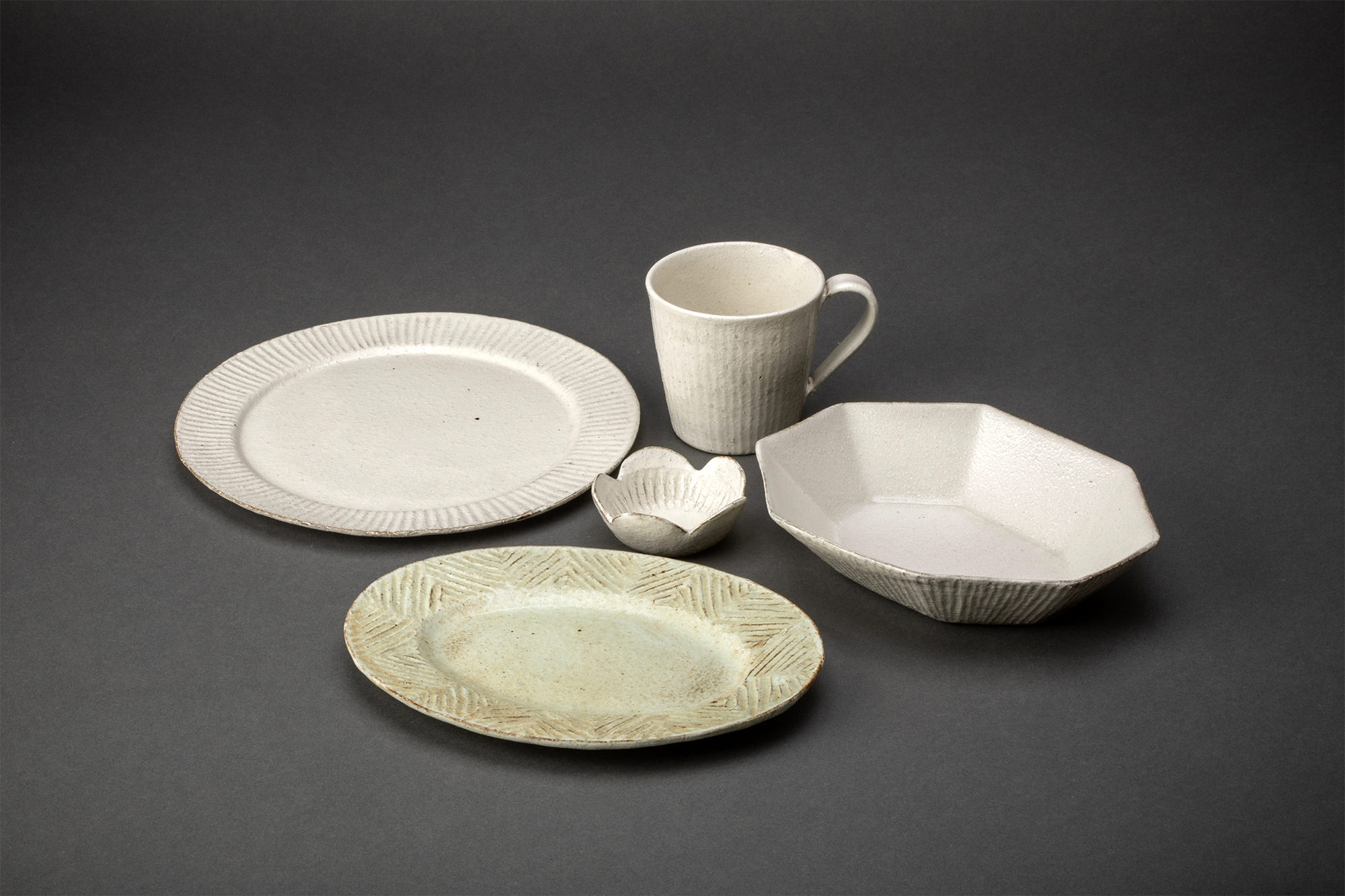
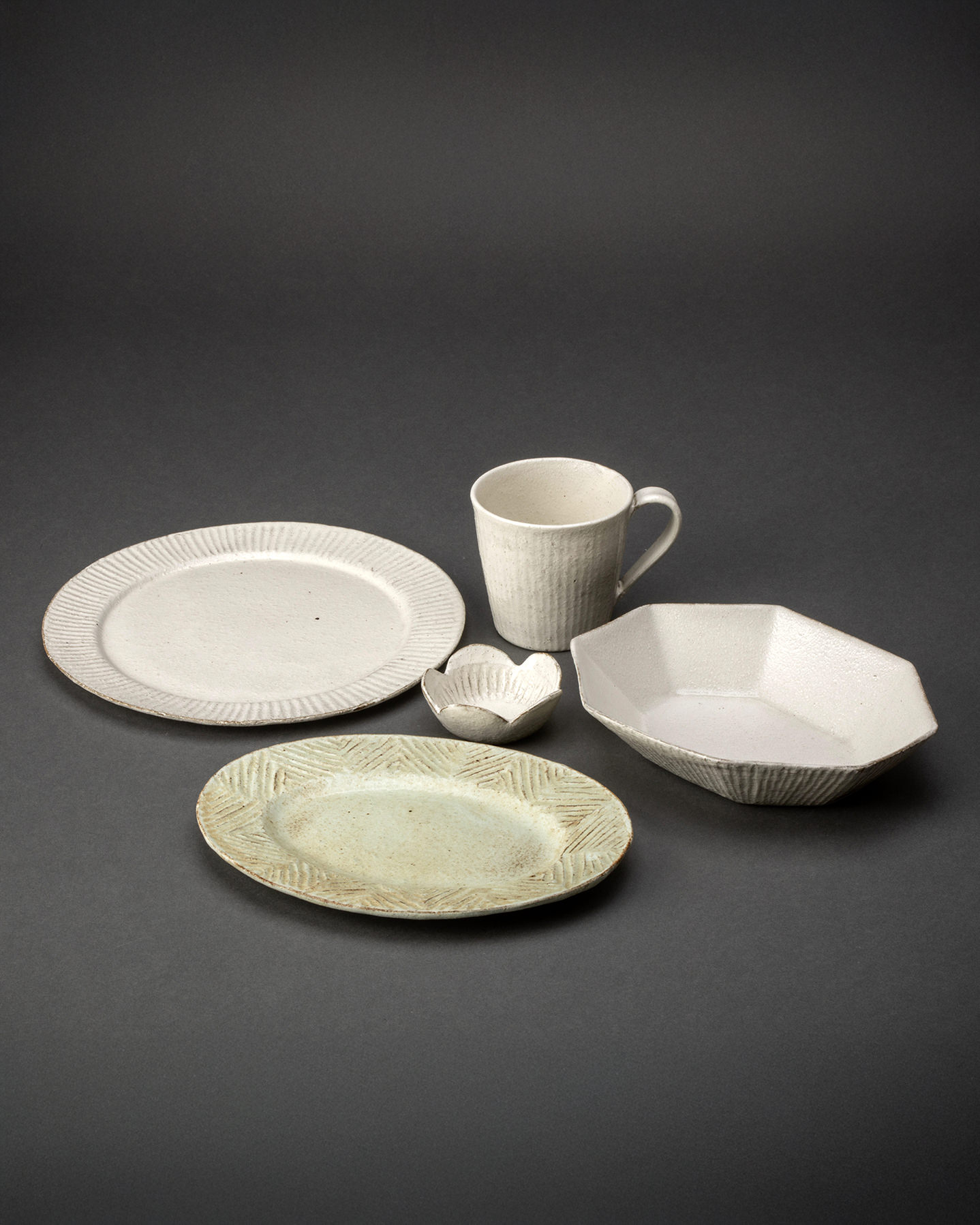
photo:AOTANI Takeru
Interview
Whitening Red Clay and Giving It Strength — The Form of “Everyday-Supporting Forms” Embodied in Kohiki by Satoru Tanaka of TANSUI-GAMA
Natural, Rustic, and Charming — Kohiki Forms You’ll Want to Use Every Day
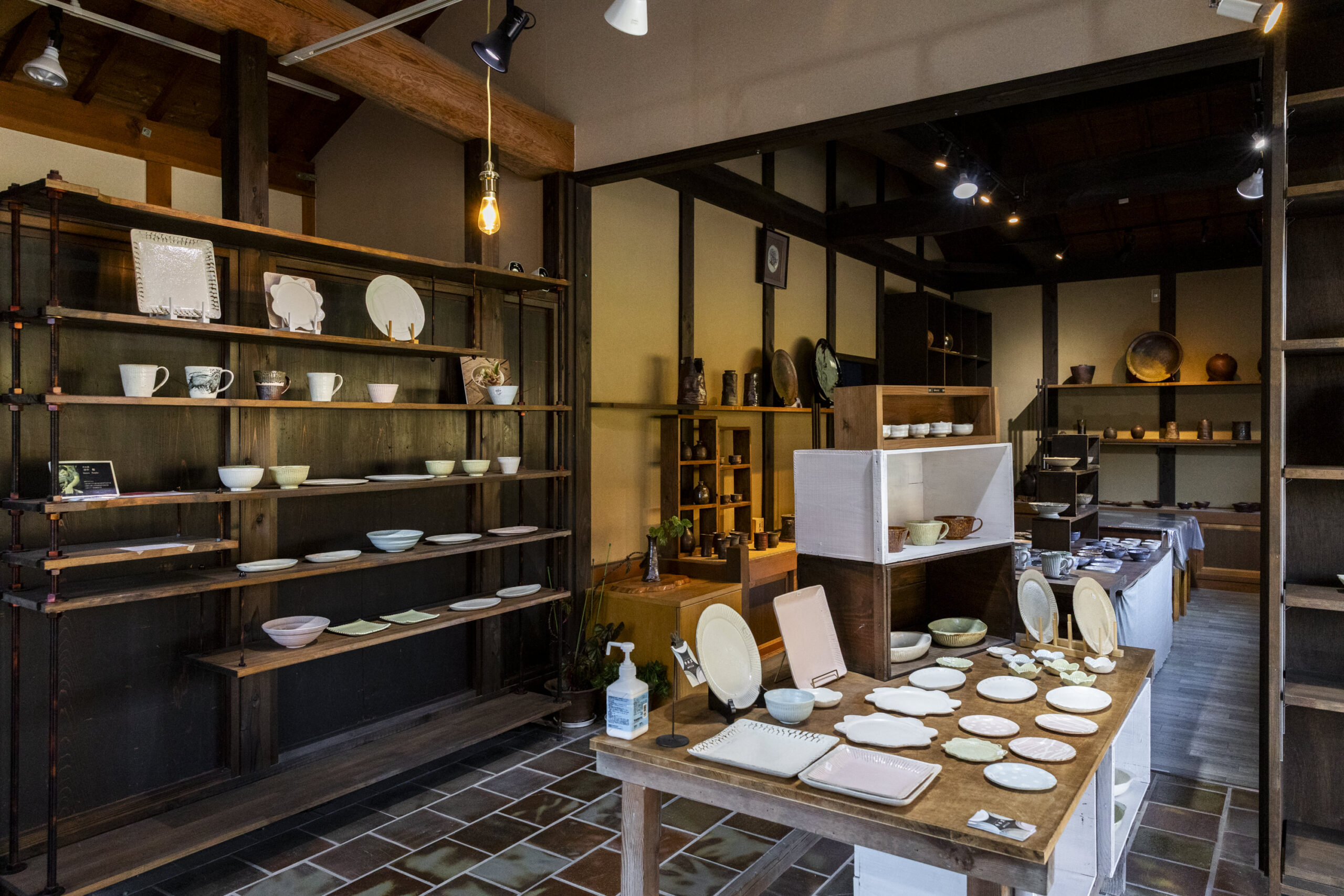
Among the some fifty potters lining the streets of Tamba Tachikui, TANSUI-GAMA stands out for its gently warm presence. Its white forms, often described as “cute,” are especially beloved by women.
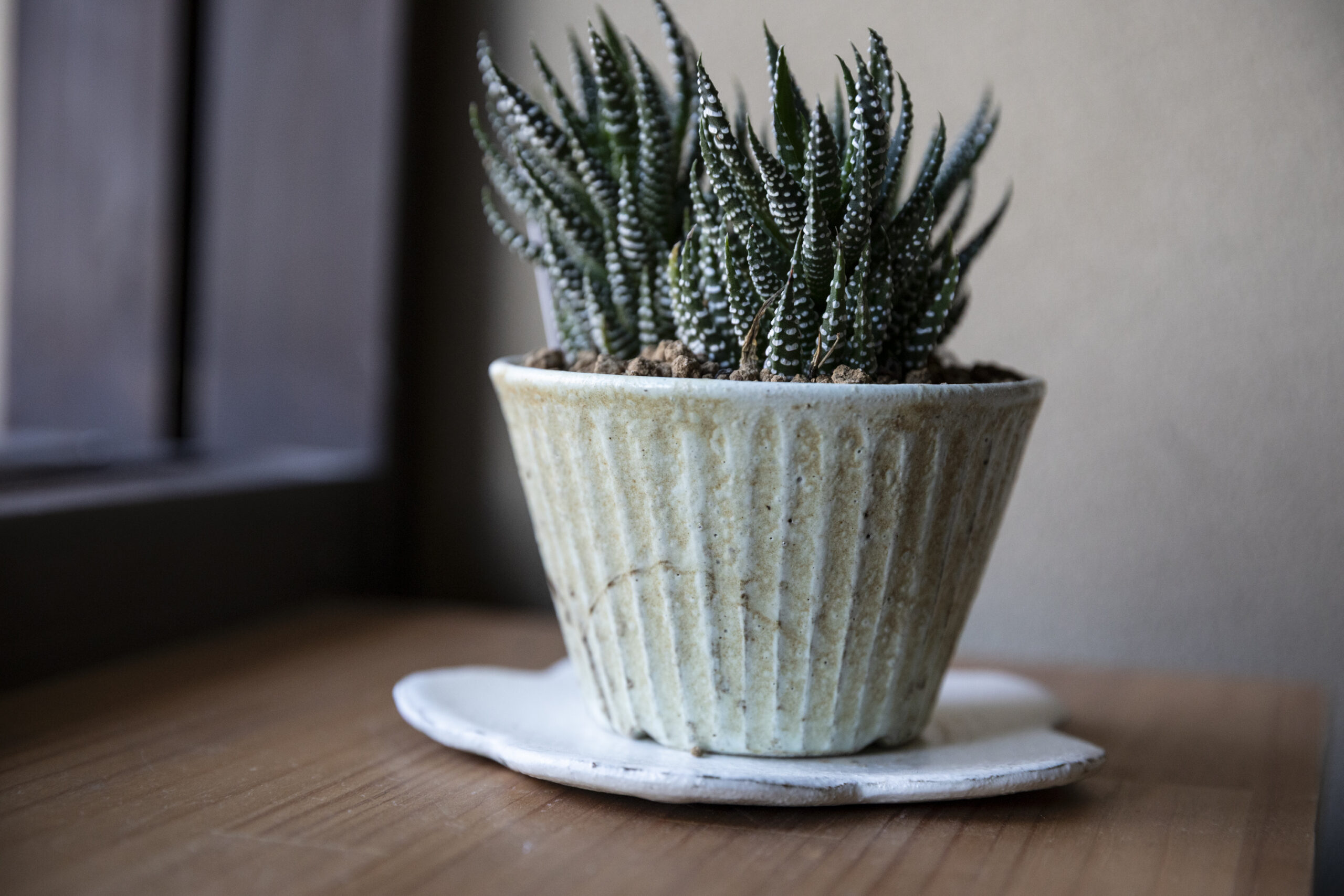
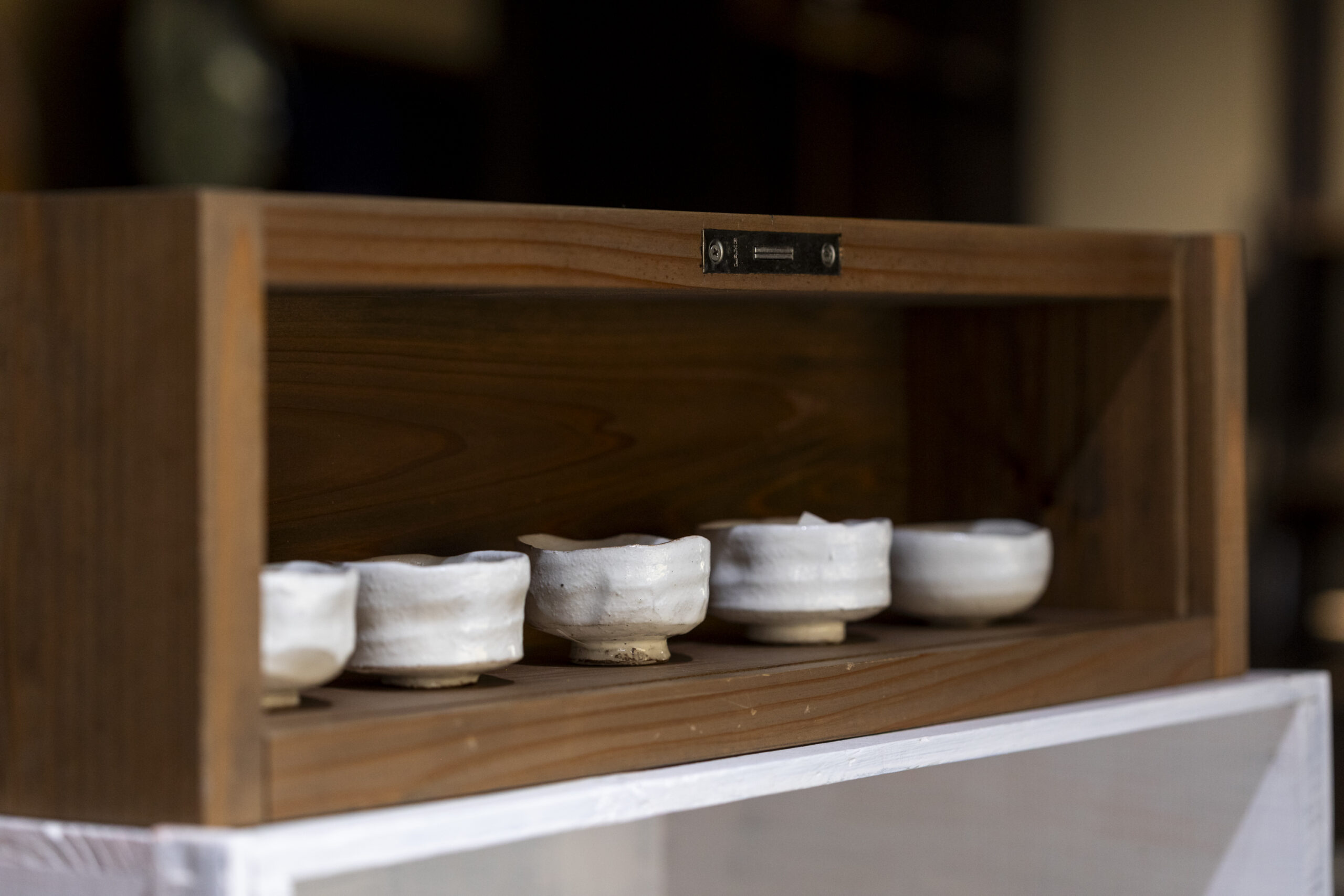
Created by seventh-generation potter Satoru Tanaka, these works are made using a technique called kohiki. A layer of white slip is applied over Tamba’s distinctive red clay before firing, resulting in a soft, rustic texture reminiscent of well-loved antique tableware.
“They may look delicate. But I make forms you’ll want to reach for every day without hesitation.”
Tanaka speaks with conviction about usability, which he studies thoroughly. From the pleasant feel in the hand to their lightness and the comfort of the rim against the lips, his pieces are widely praised for being easy to use.
He also considers resistance to staining and durability, never forgetting the user’s perspective, the wish to keep using a piece for years, just as it was when first purchased.
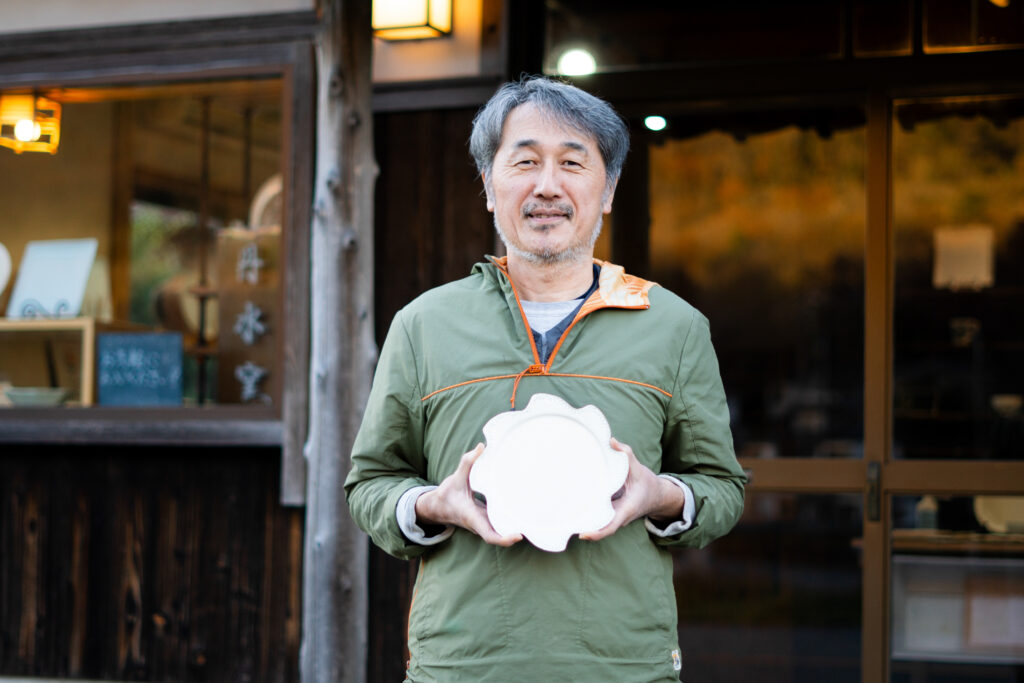
The Workshop as a Playground, the Electric Wheel as a Toy
“I must have been in the lower grades of elementary school. I remember sneaking into my grandfather’s workshop and spinning the electric wheel just for fun. He never scolded me, he let me do as I pleased. I’d try shaping something in my own way. Back then, the wheel was just another toy.”
Outside as well, he was free-spirited. Growing up surrounded by mountains, he played with friends in abandoned factories nearby and was sometimes scolded by adults. It was a mischievous childhood.
He had no strong awareness of becoming a successor. Since the family business was pottery, he vaguely assumed he would probably end up doing it. His mindset shifted after entering a ceramics school following high school graduation.
“Watching a lump of clay gradually take the shape I imagined, that process felt purely fascinating. I wasn’t particularly good at drawing or crafts as a child. But for some reason, I found deep enjoyment in the act of making pottery itself.”
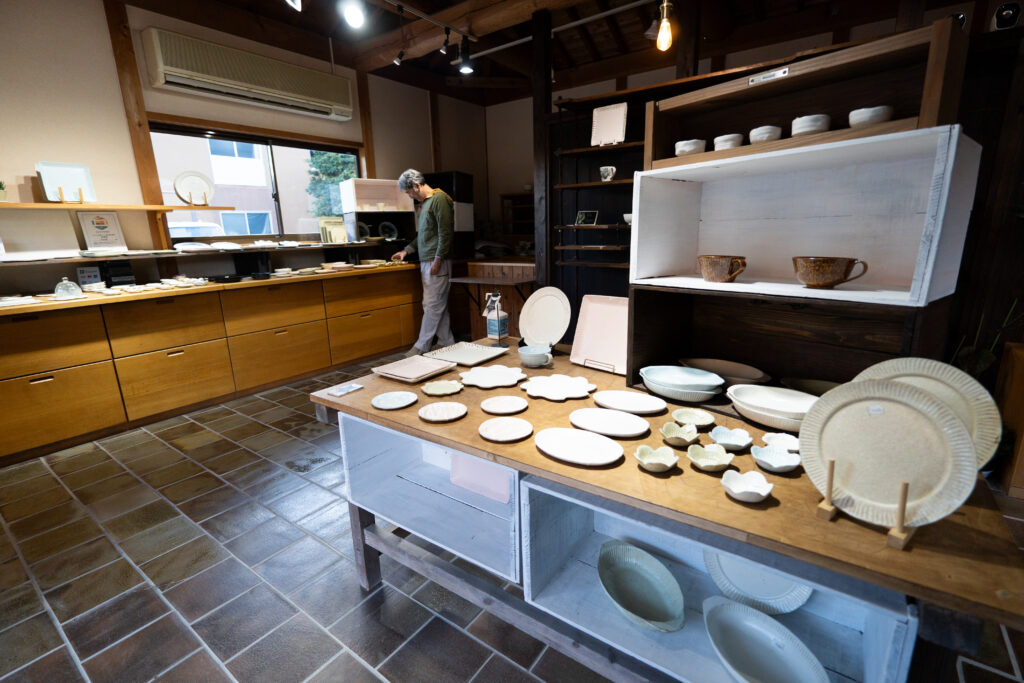
Turning Tamba’s Red Clay White — The Ongoing Experiment of Kohiki
“When I returned at twenty four, I kept wondering where I stood within the family business and what I should create.”
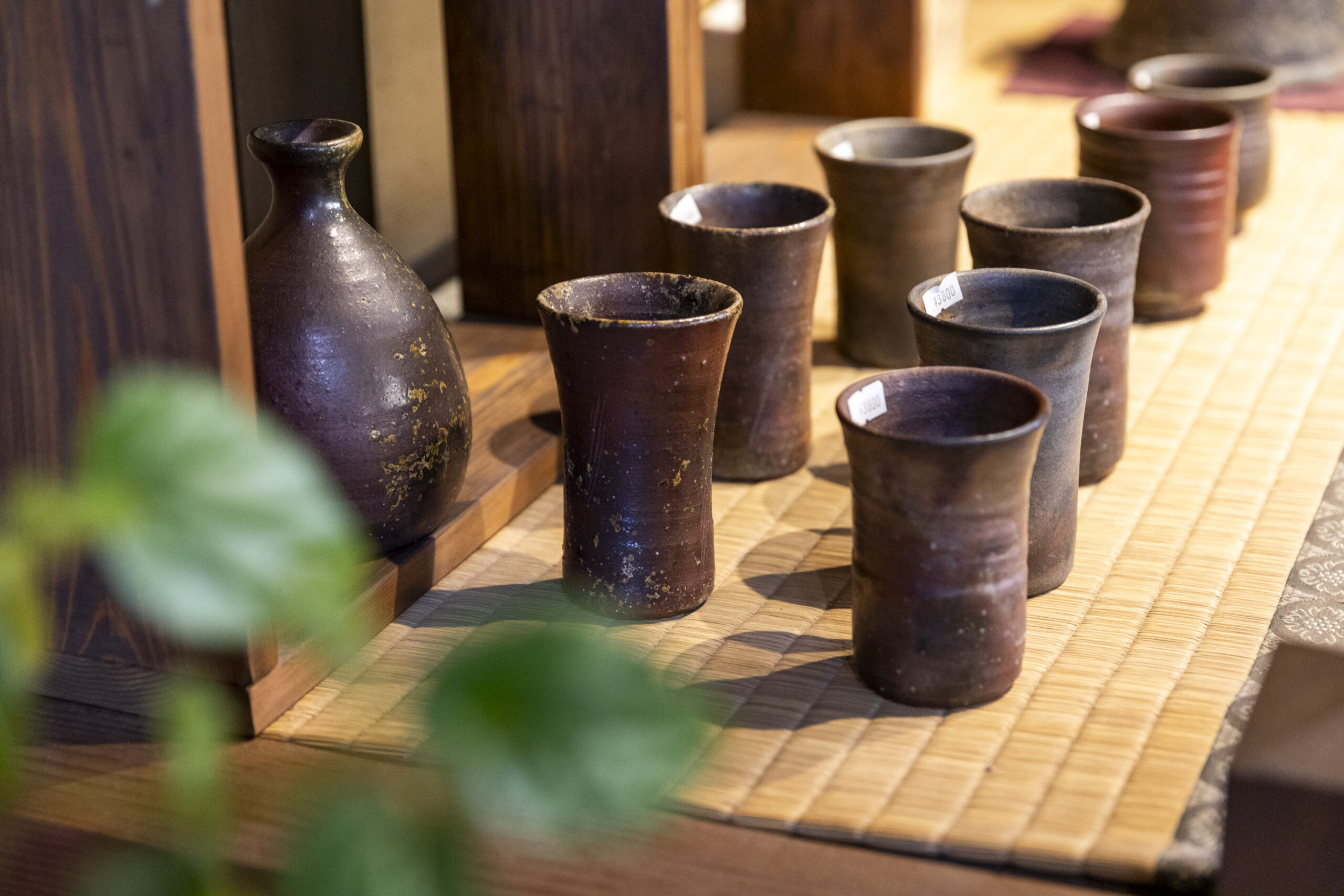
Tamba ware is often associated with the strong, earthy expressions of unglazed yakishime or natural ash glaze in shades of brown and black. Tanaka chose instead to pursue kohiki—a technique in which white slip is applied over the clay body and then covered with a transparent glaze.
Traditionally, kohiki can be delicate, with higher water absorption and a tendency to stain. Moreover, Tamba’s clay contains iron, giving it a reddish tone that subtly shows through the white surface. Tanaka sought to preserve that character while strengthening the pieces for daily use. Through repeated experimentation, he refined them into reliable tools that people could use without worry.
“It’s all about combining different clays and glazes, adjusting the firing method—layering possibilities to achieve the color and texture I’m aiming for. It’s almost like a chemistry experiment. The challenge is balancing the strength I want with the gentle, rustic atmosphere that defines kohiki. I make prototypes, use them myself, test how they feel—that accumulation has shaped what I create today.”
He also draws inspiration from European antique tableware, exploring how to express that timeworn texture through his own technique.
“Recently, I’ve become interested in the subtle variations in surface texture created by different layers of white slip. Incorporating new elements is exciting—I find myself thinking about it constantly.”
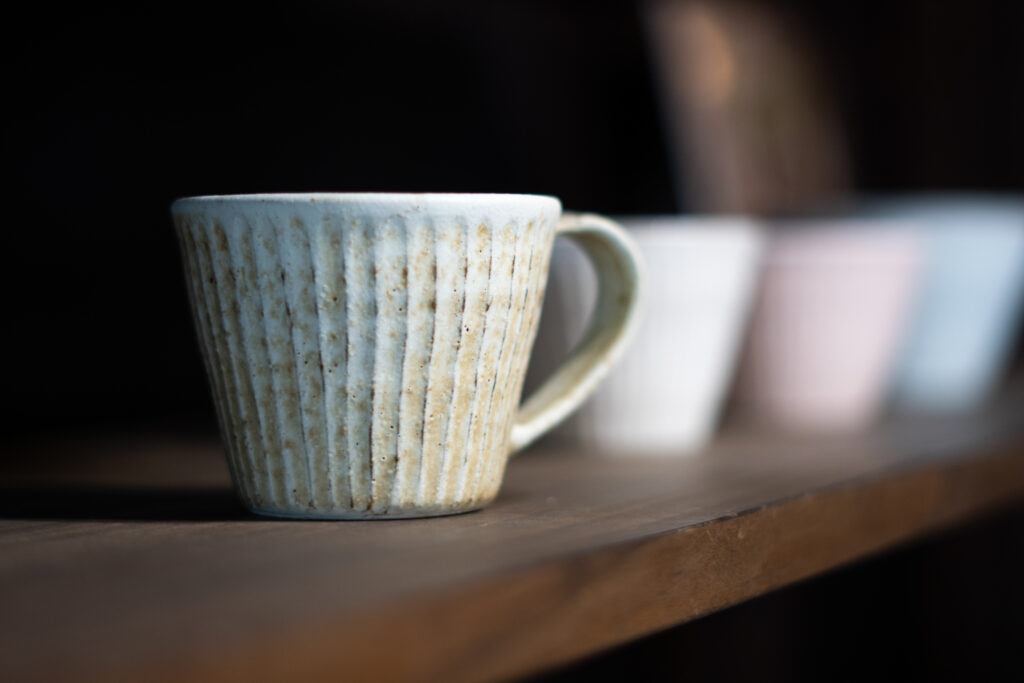
The Soundtrack in the Studio: Tatsuro Yamashita
Like the approachable warmth of his kohiki forms, Tanaka himself has an easygoing charm. While working, he often listens to the music or radio programs of his favorite artist, Tatsuro Yamashita.
“Music helps me get into the rhythm of making. I feel like it leads to better work. I’d love to go to a live concert, but tickets are impossible to get. It’s nothing but stress,” he laughs.
His warm personality naturally finds its way into his creations. At exhibitions and the Tamba Ware Pottery Festival, many female fans comment, “They’re so easy to use,” and “They’re adorable.”
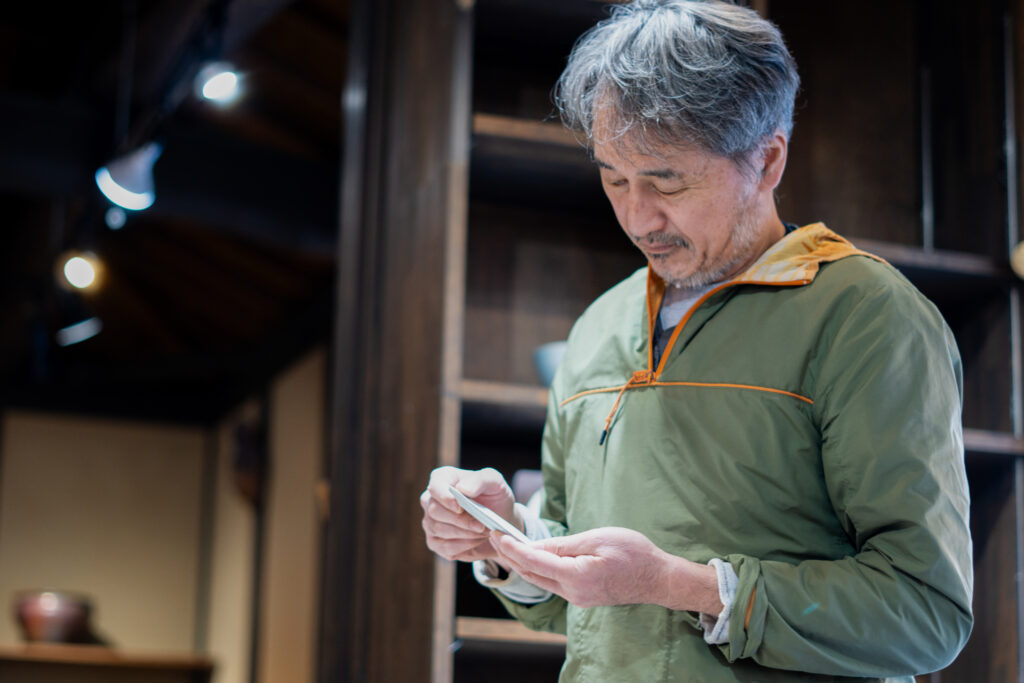
Finally, we asked him how best to enjoy Tamba Tachikui.
“First and foremost, the mountain scenery. I used to walk an hour to elementary school, growing up with the scent of seasonal change and the smell just before rain. Enjoy the landscape, savor good food, and maybe stop by a hot spring on your way home. I especially recommend local chicken dishes—tataki is absolutely delicious.”
Embracing the beauty of an unpretentious life, Tanaka continues his pursuit of the ideal white surface, texture, and beauty of use—shaped by the clay of Tamba.
Overview
of
TANSUI-GAMA
Address
2-5 Shinoguchi, Kamitachikui, Konda-cho, Tamba-Sasayama, Hyogo, Japan
TEL
FAX
Website