
TOC
TANMAN-GAMA
profile
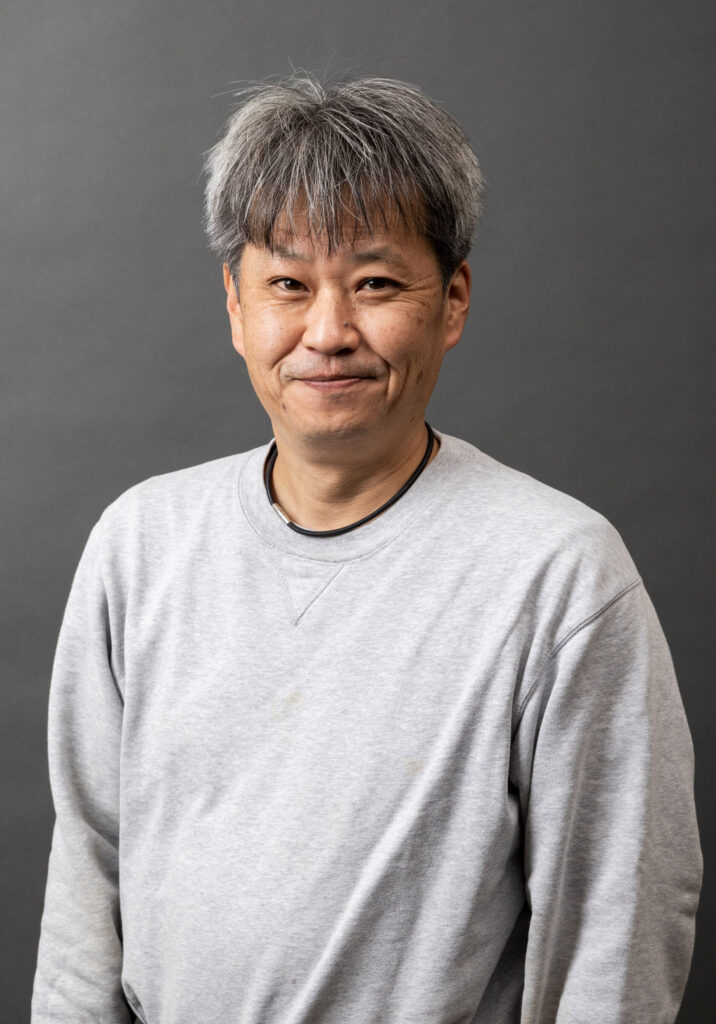
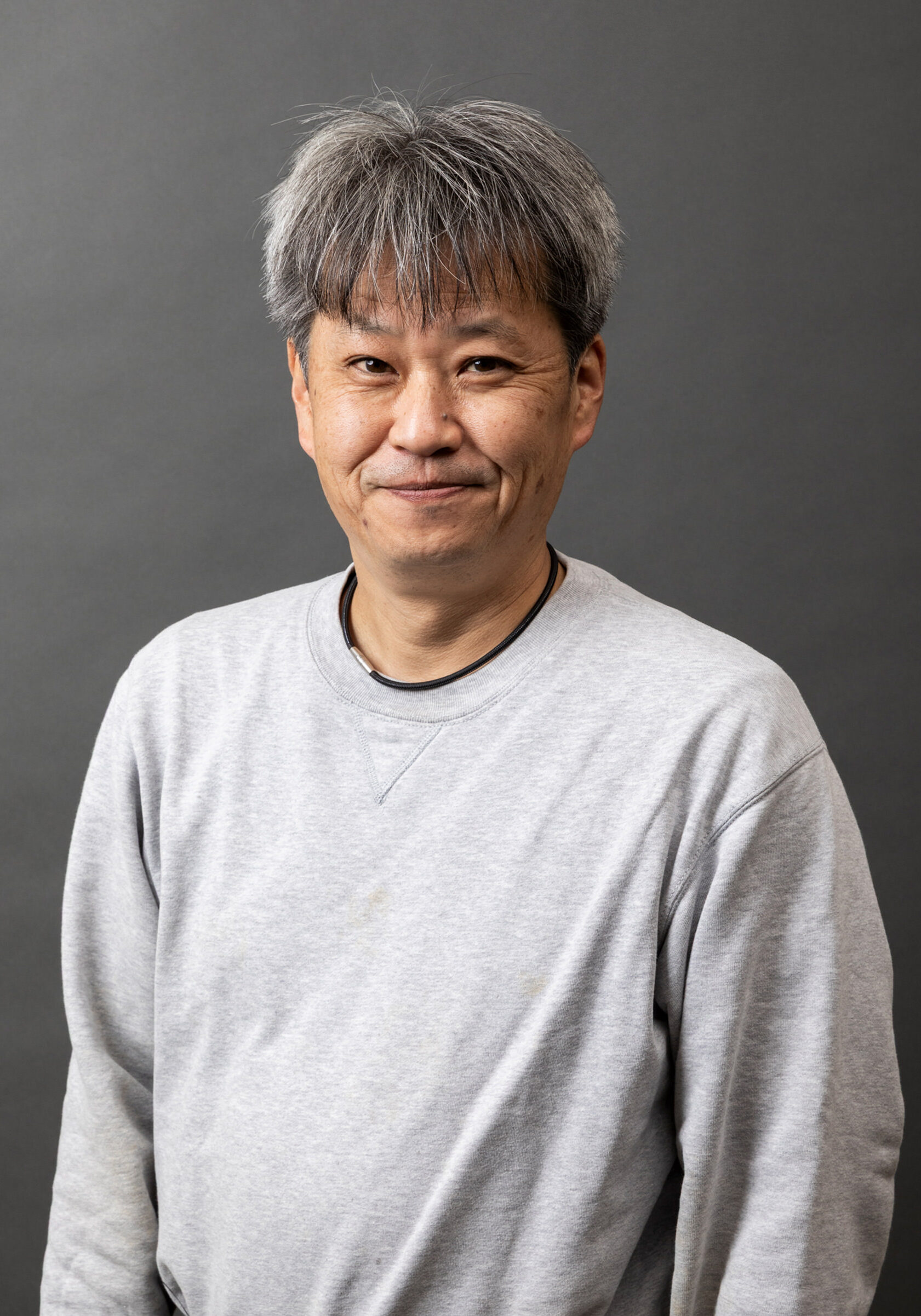
Yasuyuki Morimoto
profile
Yasuyuki Morimoto
2nd generation
Year of Birth:1970
Year Began Pottery:1989
Education / Training Background
After graduating from high school, studied under Mitsuo Morimoto at Tanman gama.
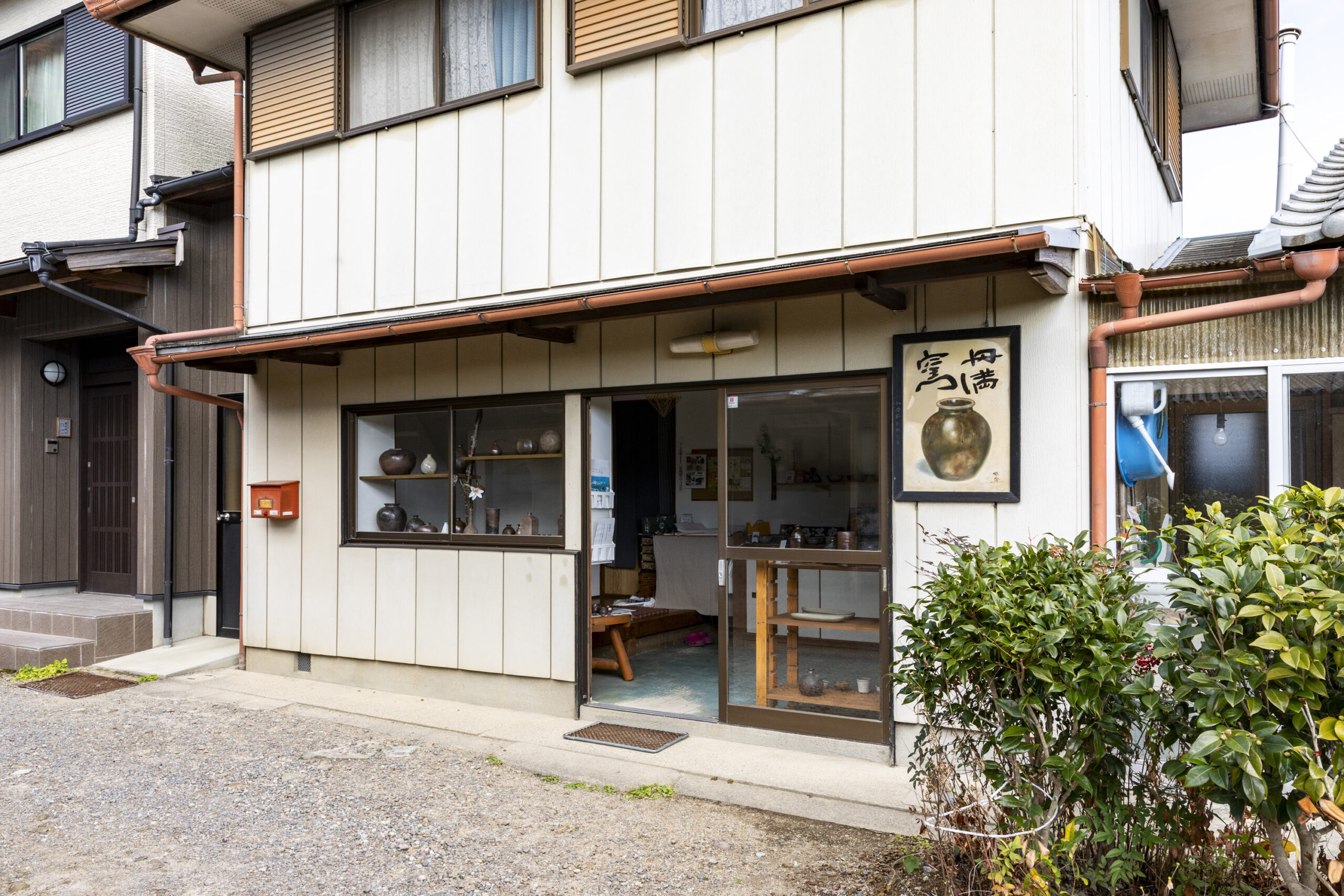
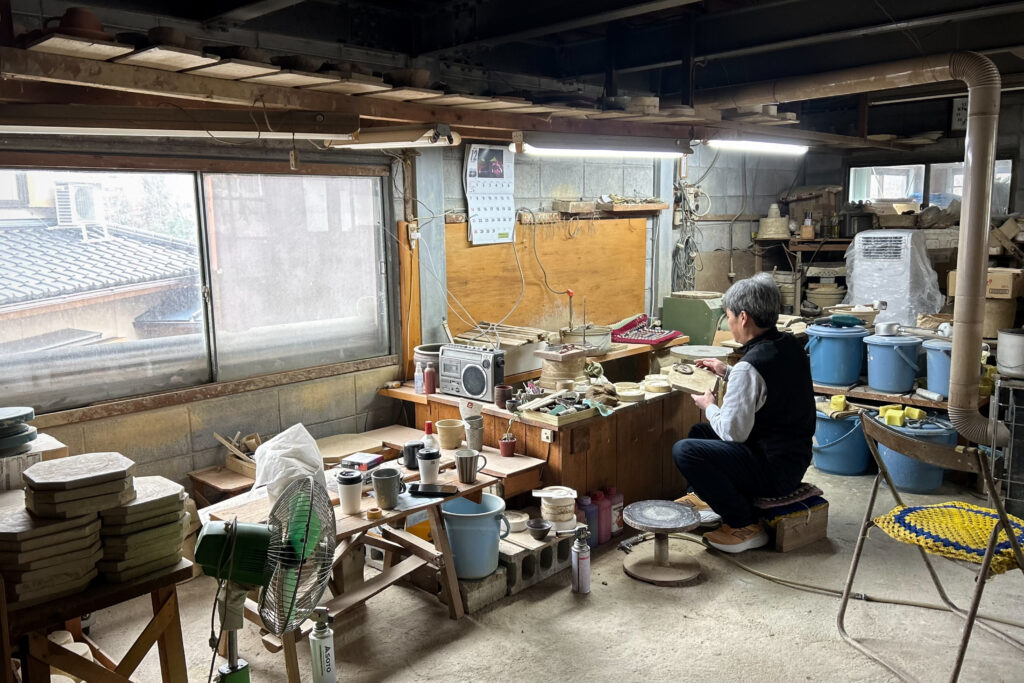
The state of the workshop
スクロールできます
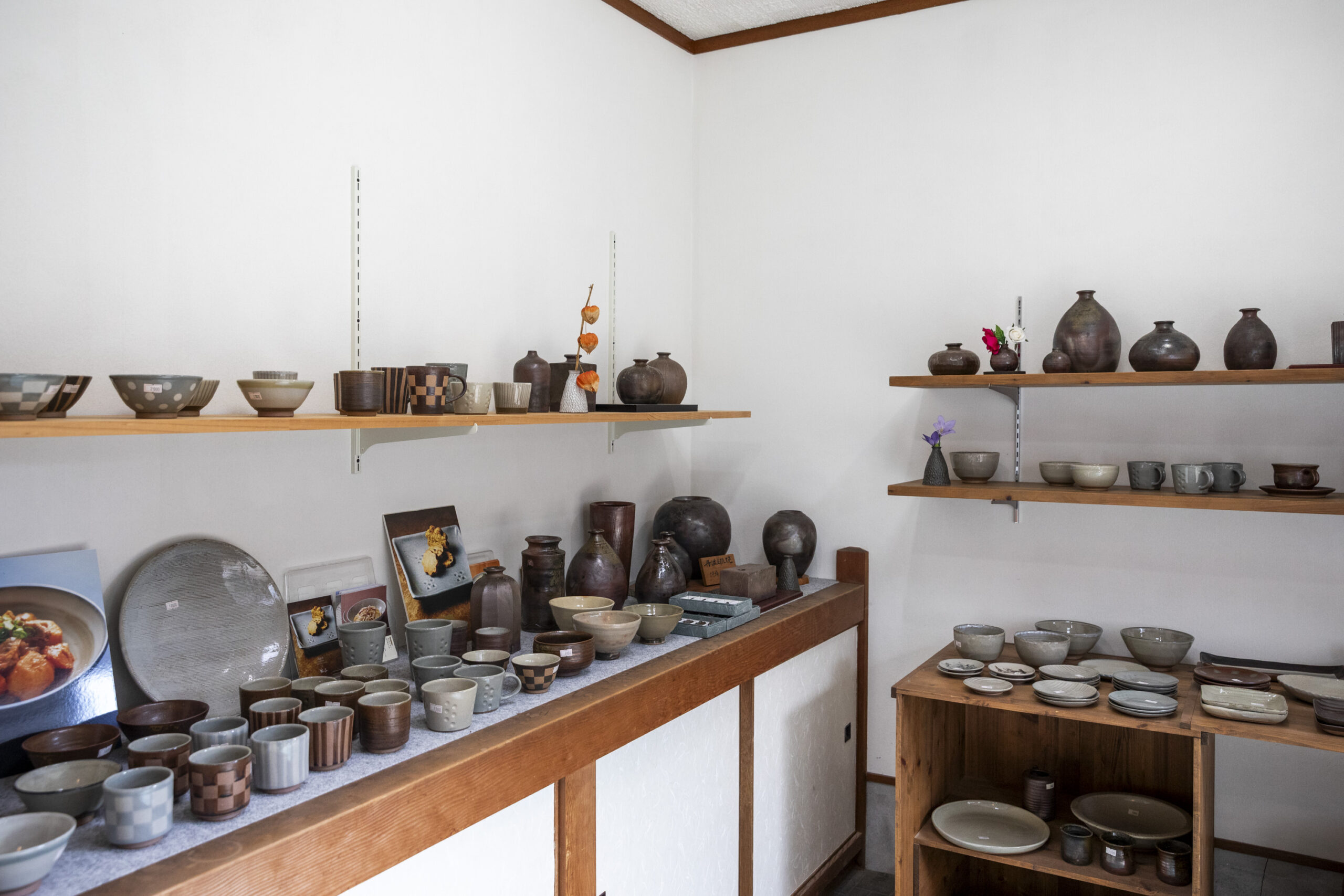
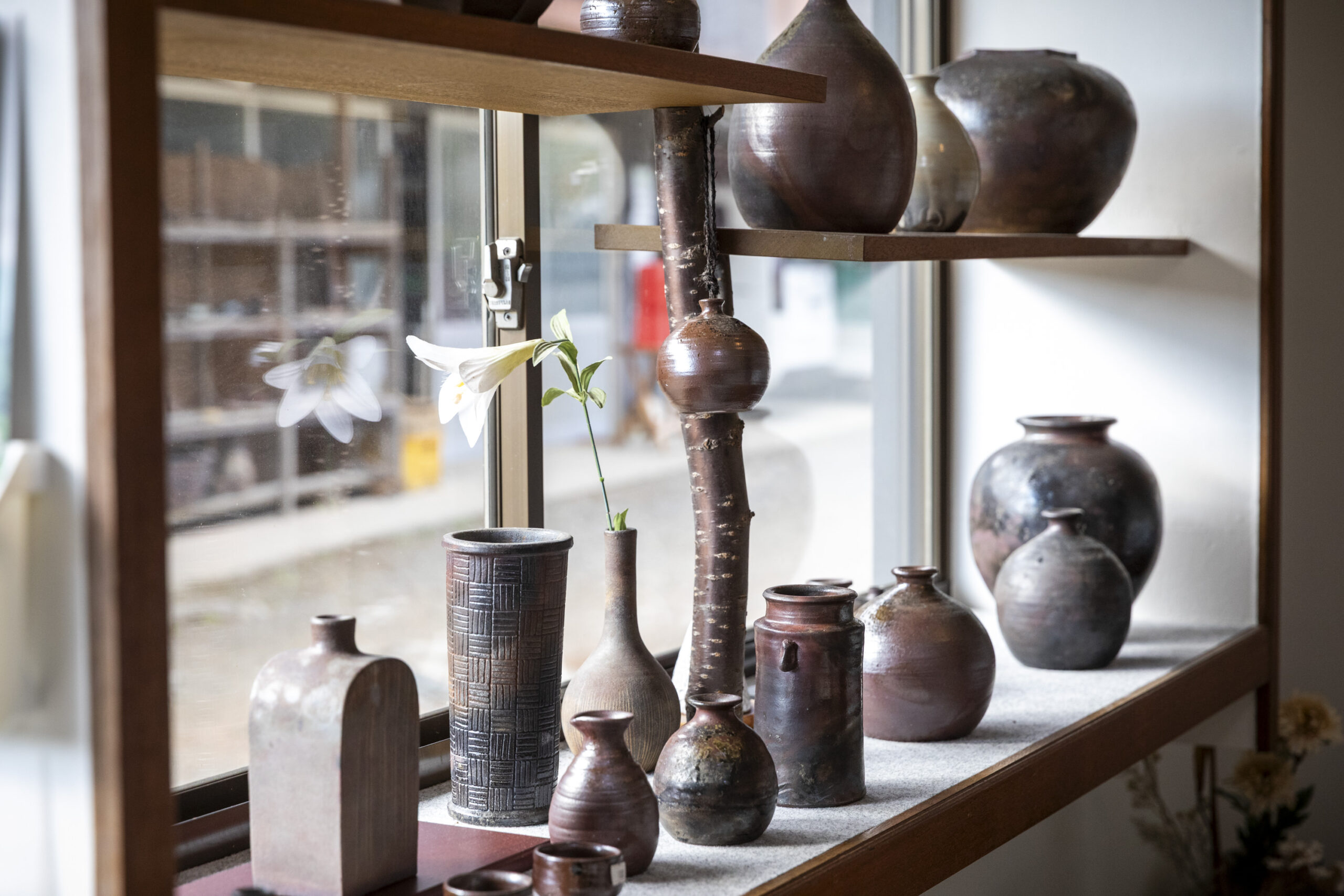
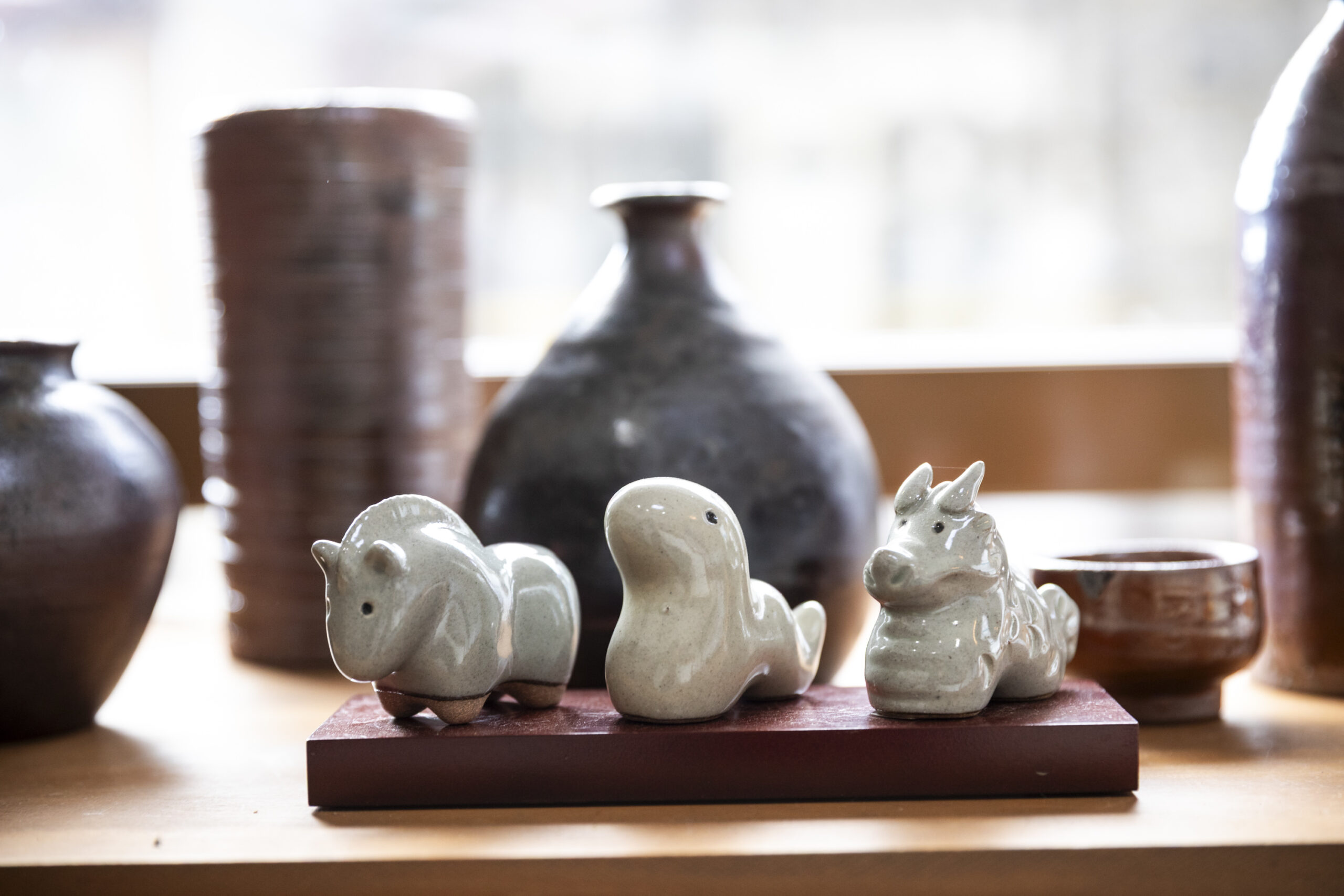
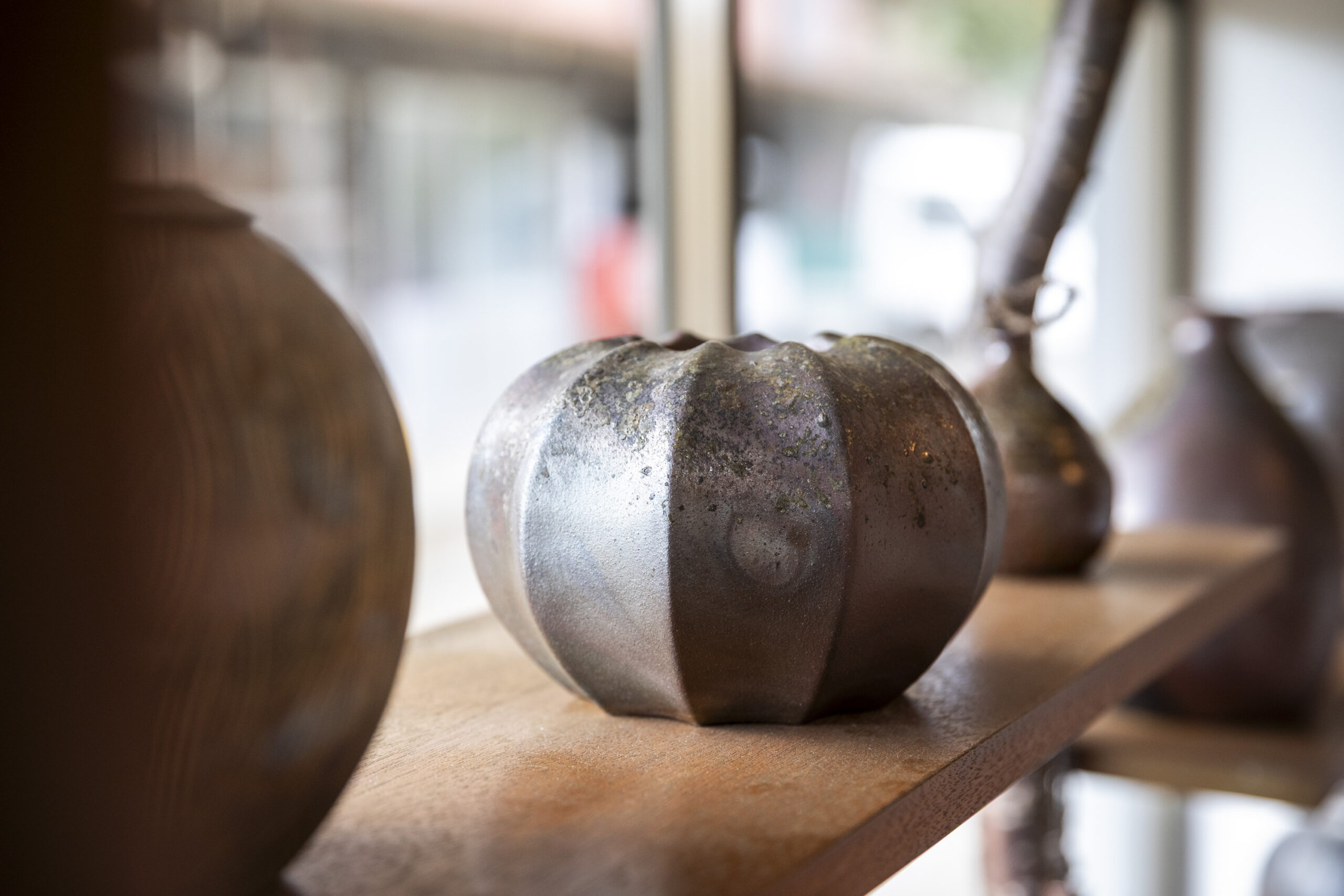
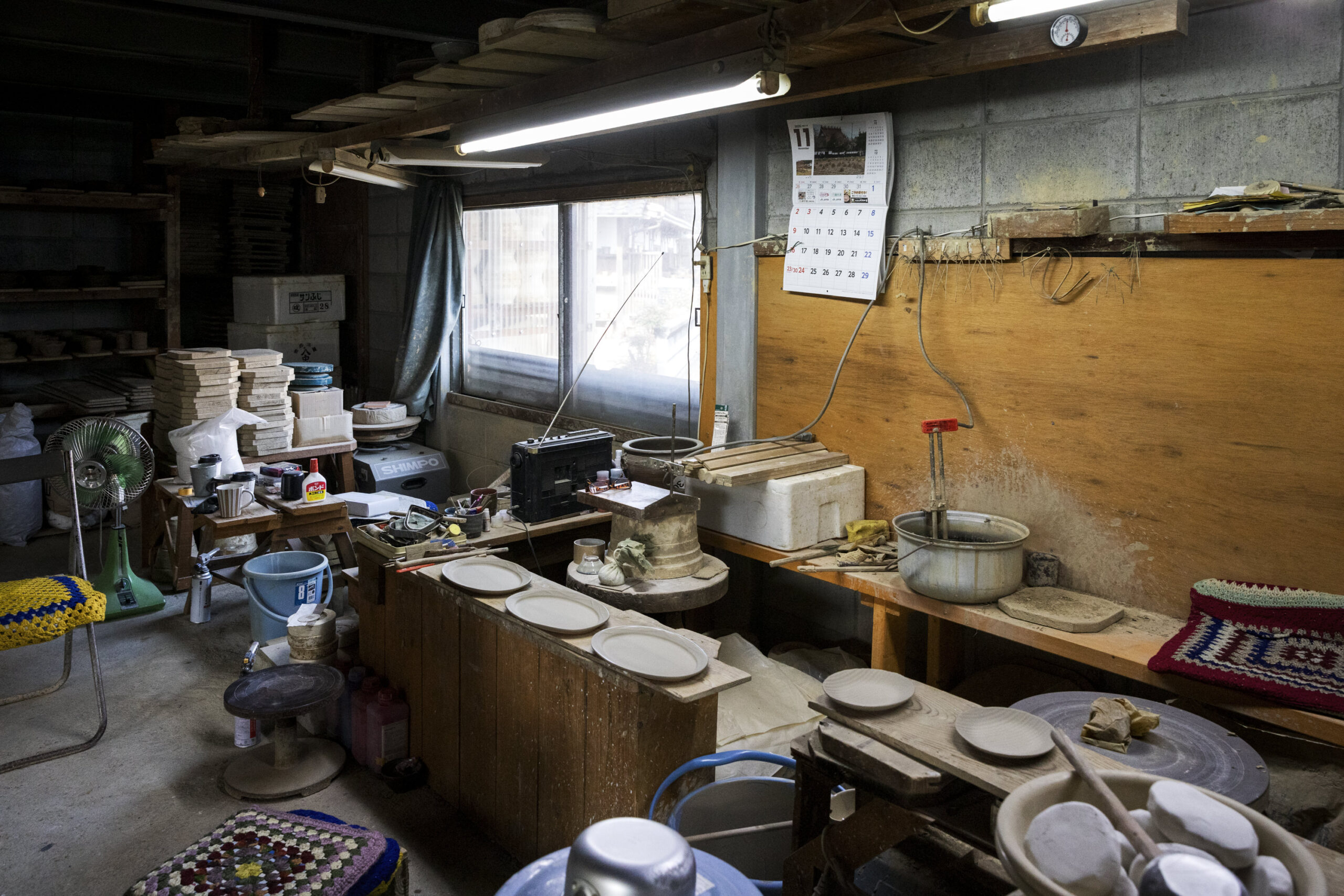
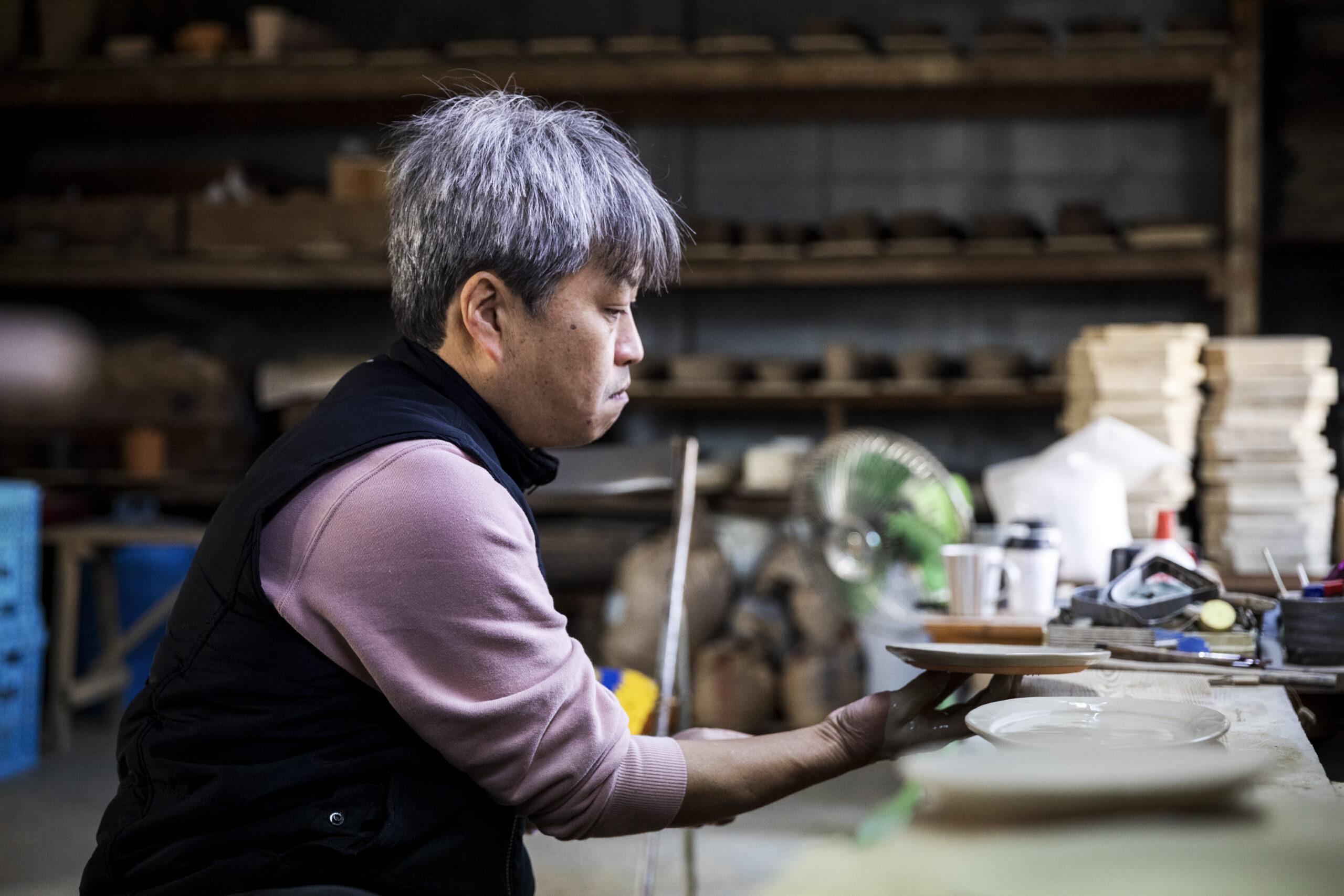
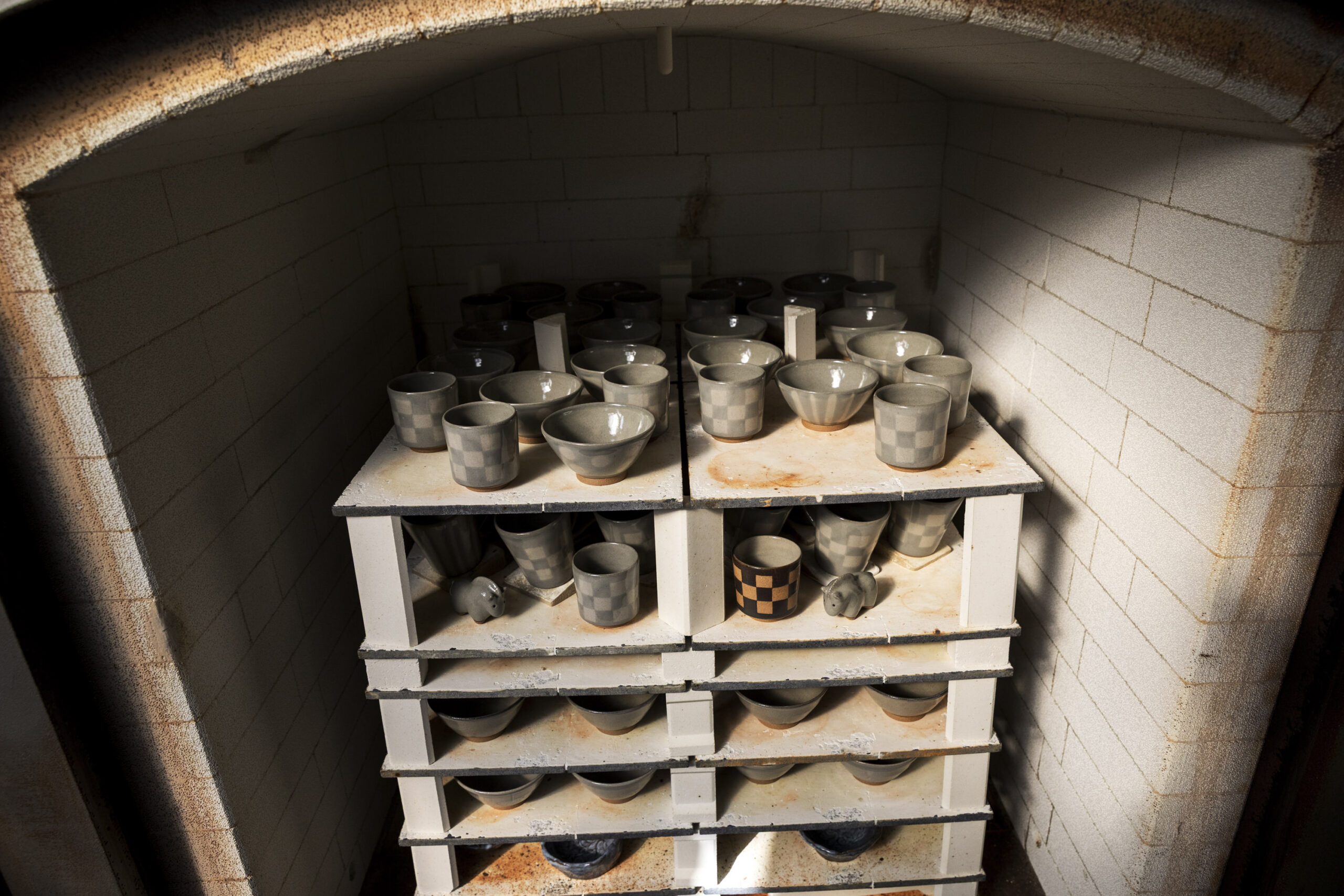


Works
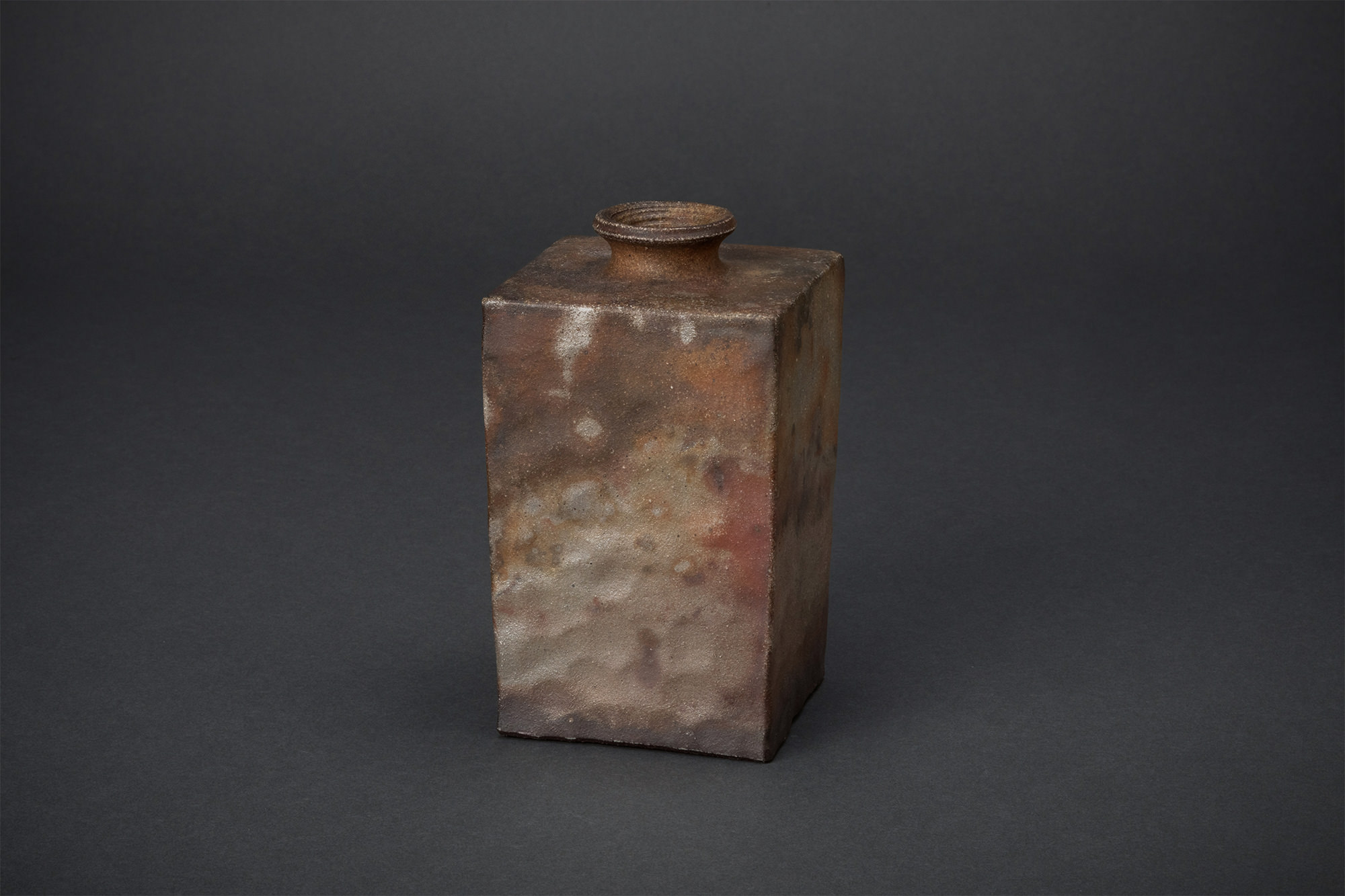
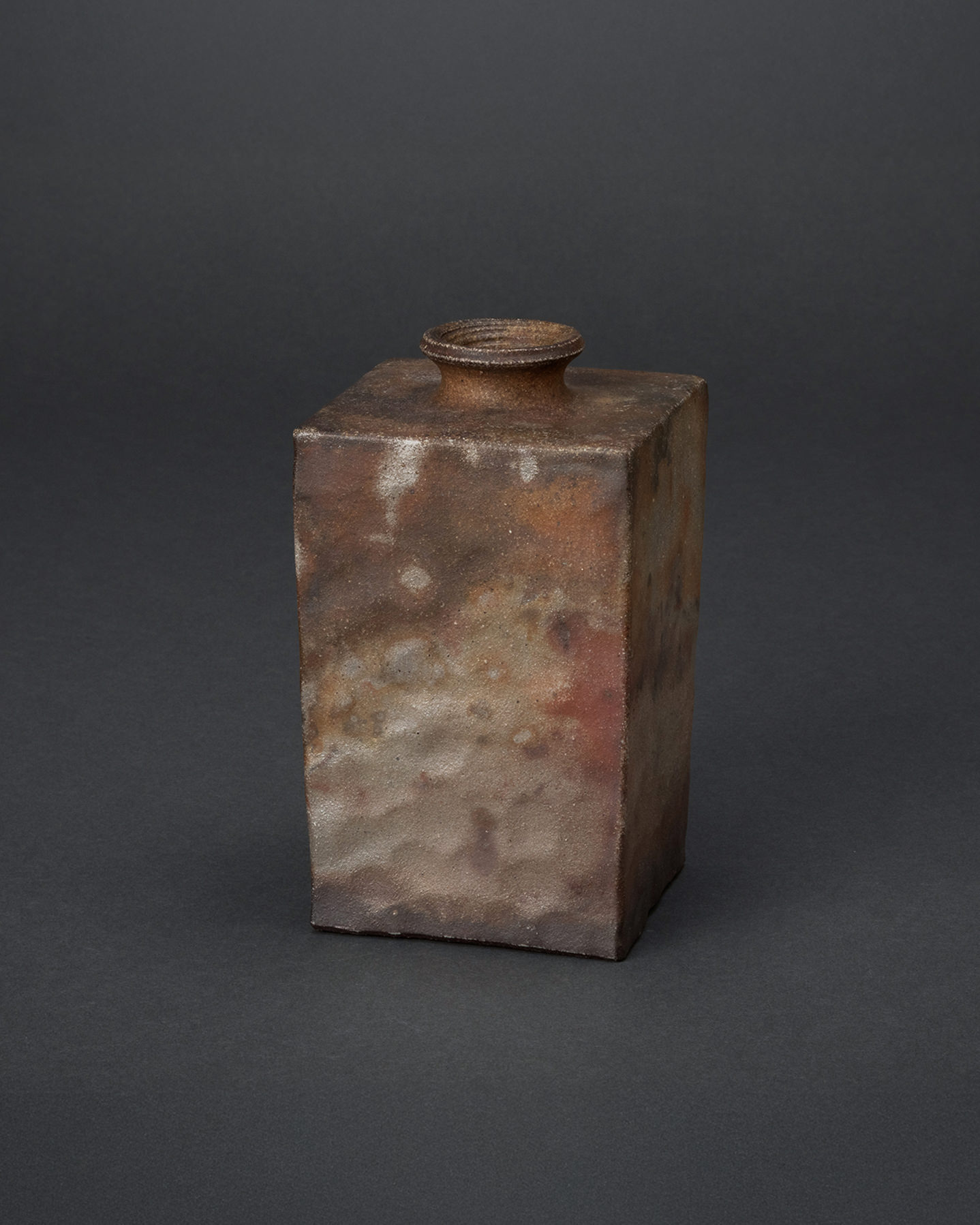
photo:AOTANI Takeru
Interview
Thirty-Five Years with Tamba’s Traditional Leftward Wheel — A Self-Taught Potter Shaping Practical Ease with Quiet Pride: Yasuyuki Morimoto of TANMAN-GAMA
Soft Gray Stillness at the Table — With Unwavering Attention to Ease of Use
Gentle hues, including pale gray that rests softly on the eyes. Simple patterns such as checkerboards and polka dots. The works of TANMAN-GAMA never insist on attention; instead, they stand quietly, blending naturally into daily life.
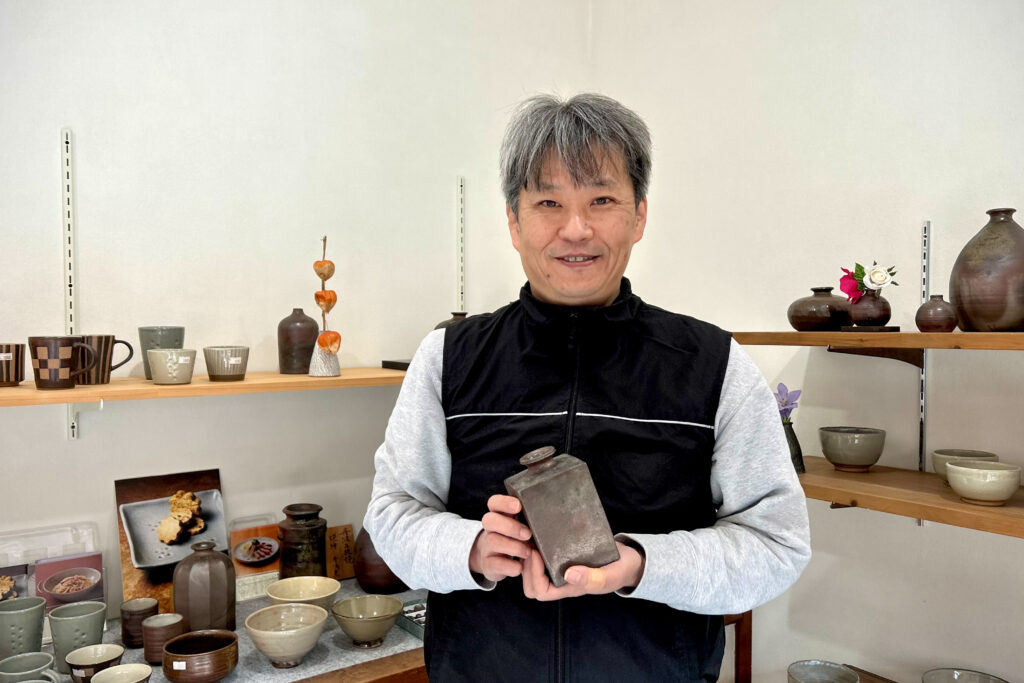
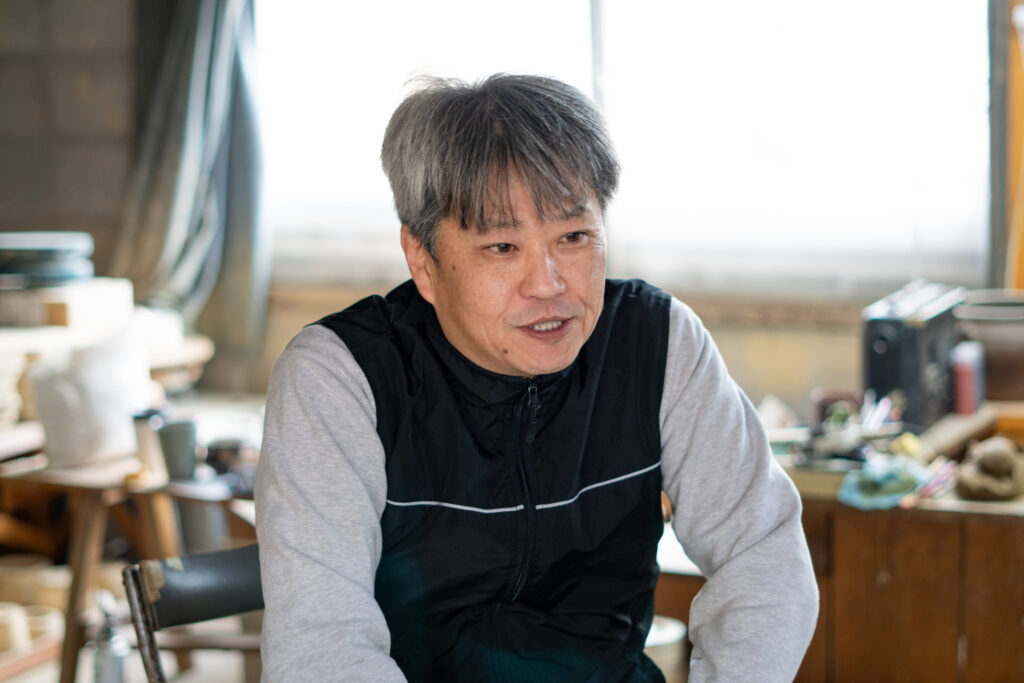
Yasuyuki Morimoto, head of the potter, speaks with the same calm presence that his forms convey.
Above all, he prioritizes usability in his making. When asked about his subdued color palette that complements food, he smiles shyly and replies, “They’re simply the colors I like.”
“Even if I think something is good, it means nothing if customers aren’t happy with it. If it’s a rice bowl, I try to make it even a little lighter. I use my own pieces at home to understand how they feel. In the end, my personal preferences and my pursuit of usability naturally show up in the form.”
What encourages him most are the words from customers who say, “This is my favorite.” Knowing that something he believed in and created has become part of someone’s daily life gives him strength to continue.
Following His Father’s Back — Skills Absorbed Through Tireless Practice
As a child, he loved crafts and drawing, always making something—assembling shapes from empty boxes. In the workshop, while his parents worked, he played with clay and would ask for his pieces to be fired. “I was amazed to discover that clay becomes hard and even shrinks when fired,” he recalls with a smile.
Though born the eldest son, his parents never once told him to take over the family business. He himself did not make a firm declaration, but naturally assumed, “Someday I’ll inherit it.”
After high school, instead of attending a ceramics school, he stepped directly into the family potter. His teacher was his father’s back as he worked.
“Especially on the wheel, so much depends on feeling. Just watching my father wasn’t enough. I had to throw clay myself to grasp it. I practiced again and again, for hours at a time, until the movements sank into my body. Back then, I was simply desperate.”
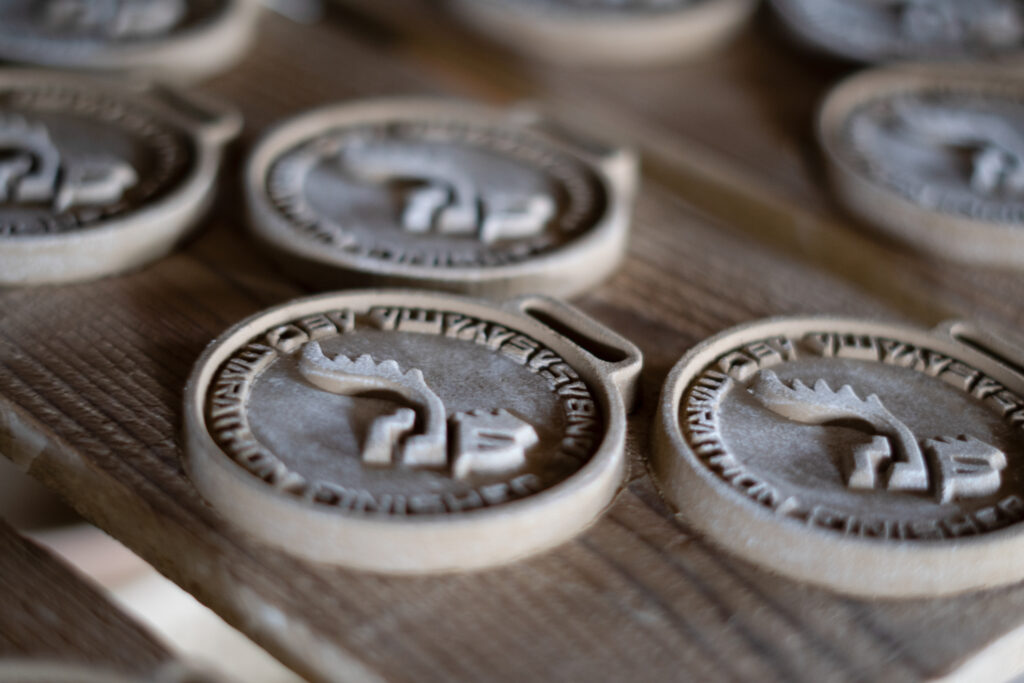
In Tamba ware, a rare tradition endures: the wheel turns to the left. While rightward rotation is standard elsewhere in Japan, Morimoto has known only Tamba’s leftward wheel. It is proof of how firmly he has rooted himself in this land and inherited his father’s technique directly.
“When I was young, for some reason I never felt the urge to study under someone else. I just thought, I have to keep making.”
In an era before the internet, he devoured specialized books, experimented repeatedly, and endured countless failures. He understood that only through repetition could he develop his own technique. When uncertain, he consulted trusted fellow potters, solving problems one by one. “Before I knew it, thirty five years had passed,” he says with a quiet laugh.
As times changed, he shifted from the flowerpots and vases his father mainly produced to tableware. Different forms and thicknesses require different skills. Each transition led him to study usability anew and to mix his own glazes—sometimes experimenting with glazes made from local clay—always valuing the principle of creating with materials from the land and with his own hands.
“Even if two pieces are made to the same size and shape, the maker’s sensibility will always show. After all, they’re handmade.”
Rooted in Tachikui, Living Through Forms
Since his father’s passing, Morimoto has handled everything himself—from forming to firing.
“To be honest, I would love to fire flower vases in a climbing kiln. But alone, it’s difficult,” he admits softly. Yet beneath those words lies a steadfast sincerity—an unwavering commitment to doing his best with what is possible now.
Born and raised in Tachikui, in a place where pottery was part of everyday life, he spent thirty five years surrounded by nature, watching his father’s back and facing clay with quiet dedication.
As Morimoto says, “A potter’s sensibility appears in the work.” Looking closely at the forms he creates, one senses that even without many words, his honest way of life speaks clearly through each piece.
Overview
of
TANMAN-GAMA
Address
491 Kamitachikui, Konda-cho, Tamba-Sasayama, Hyogo, Japan
TEL
FAX
Website