
TOC
TANBUN-GAMA
profile
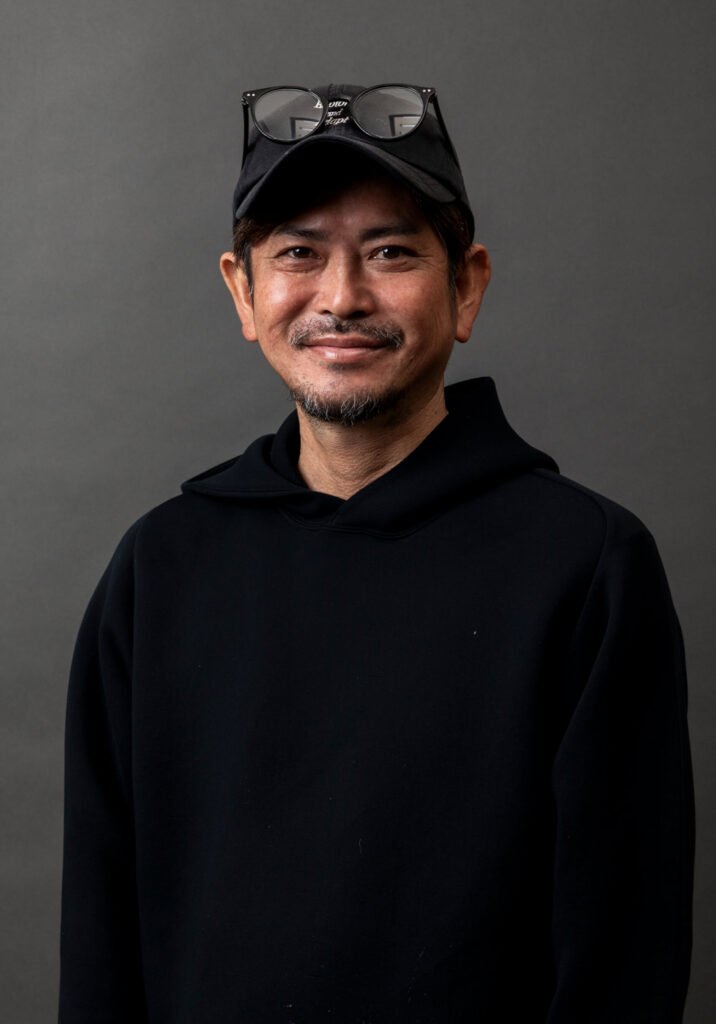
Masafumi Onishi
profile
Masafumi Onishi
Established 1902 / 4th generation
Year of Birth:1980
Year Began Pottery:2004
Education / Training Background
Graduated from Osaka University of Arts Junior College, Department of Design Arts (Crafts Major)
Trained under Hiroshige Kato at Kasen Toen, Seto City, Aichi
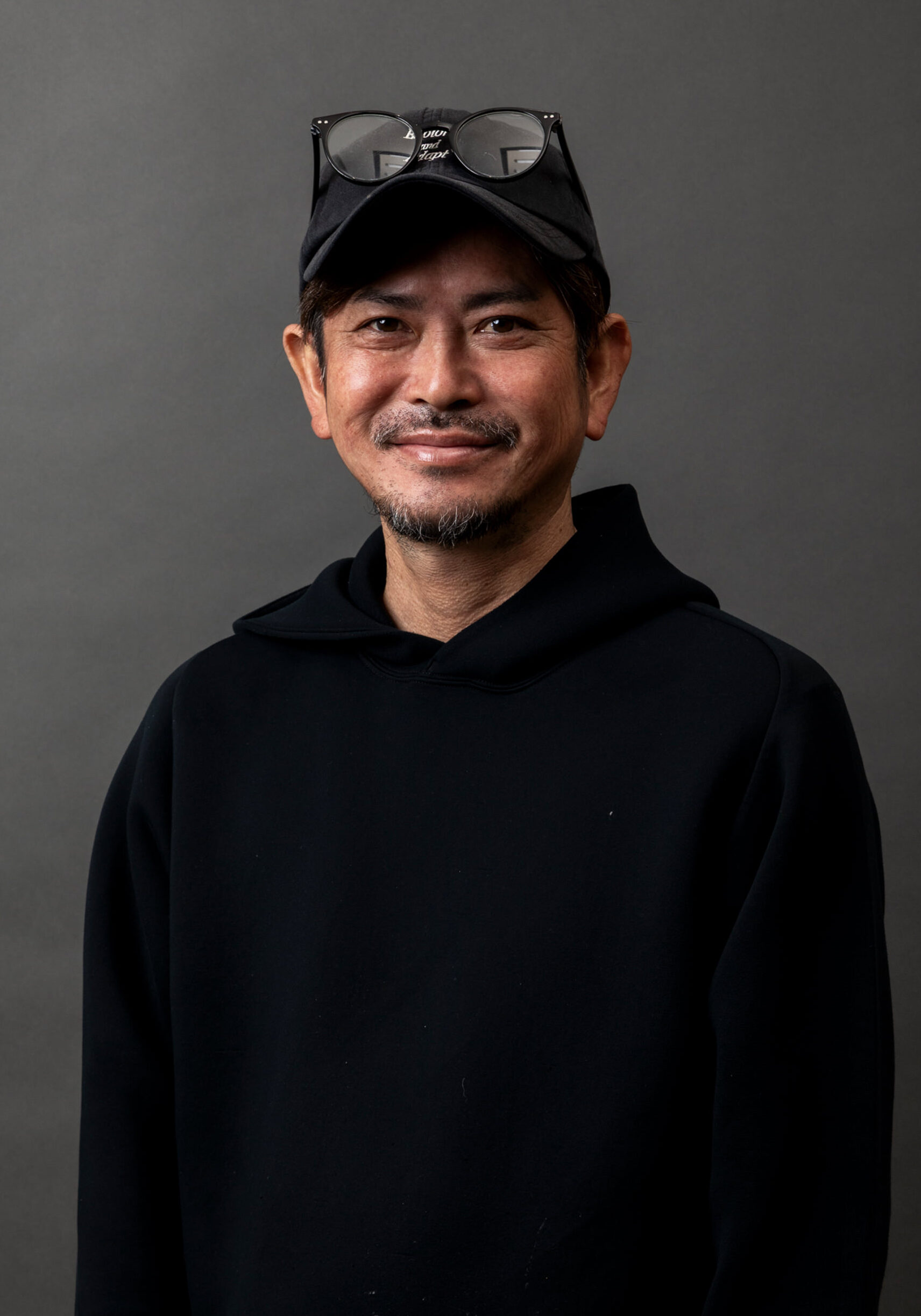
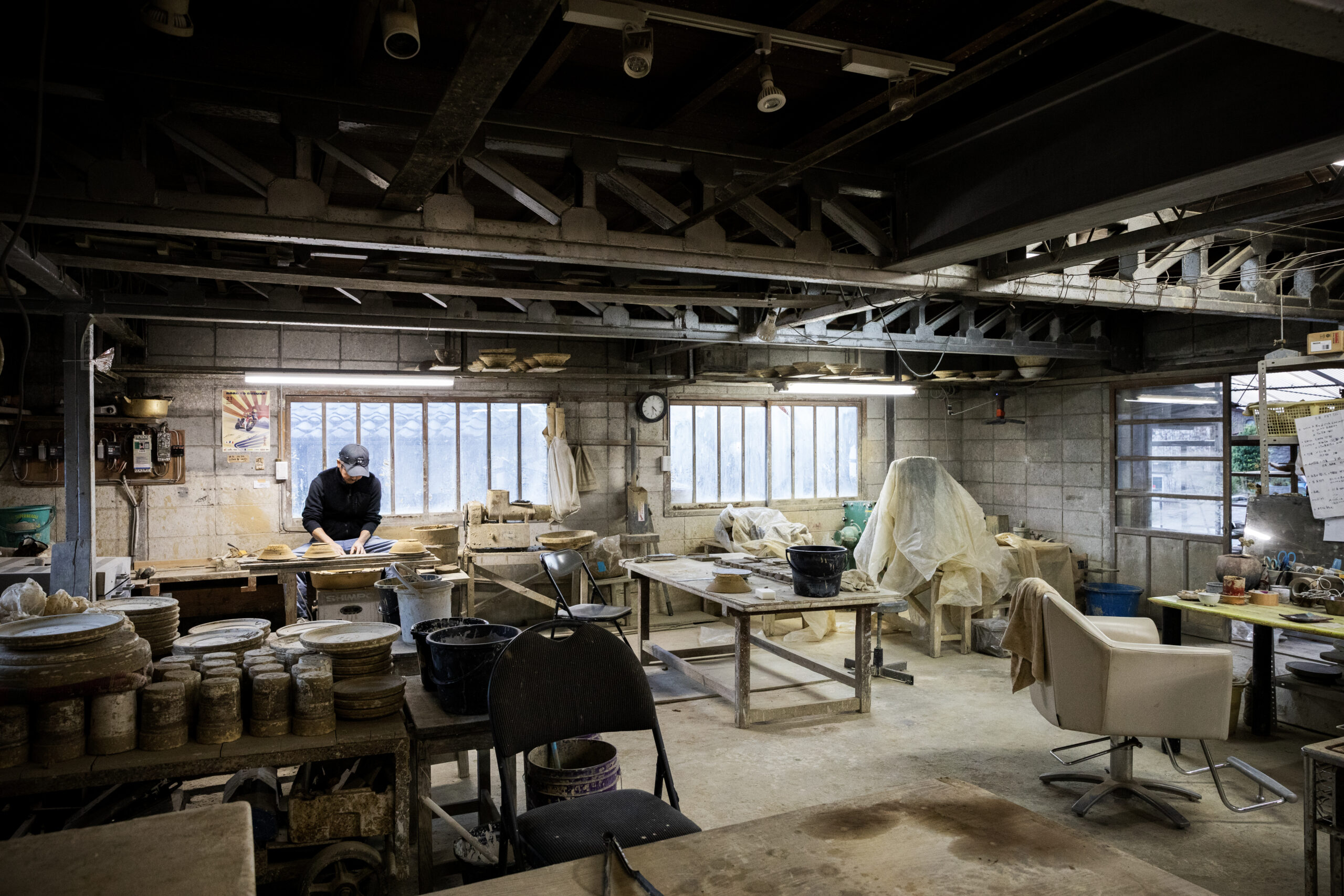
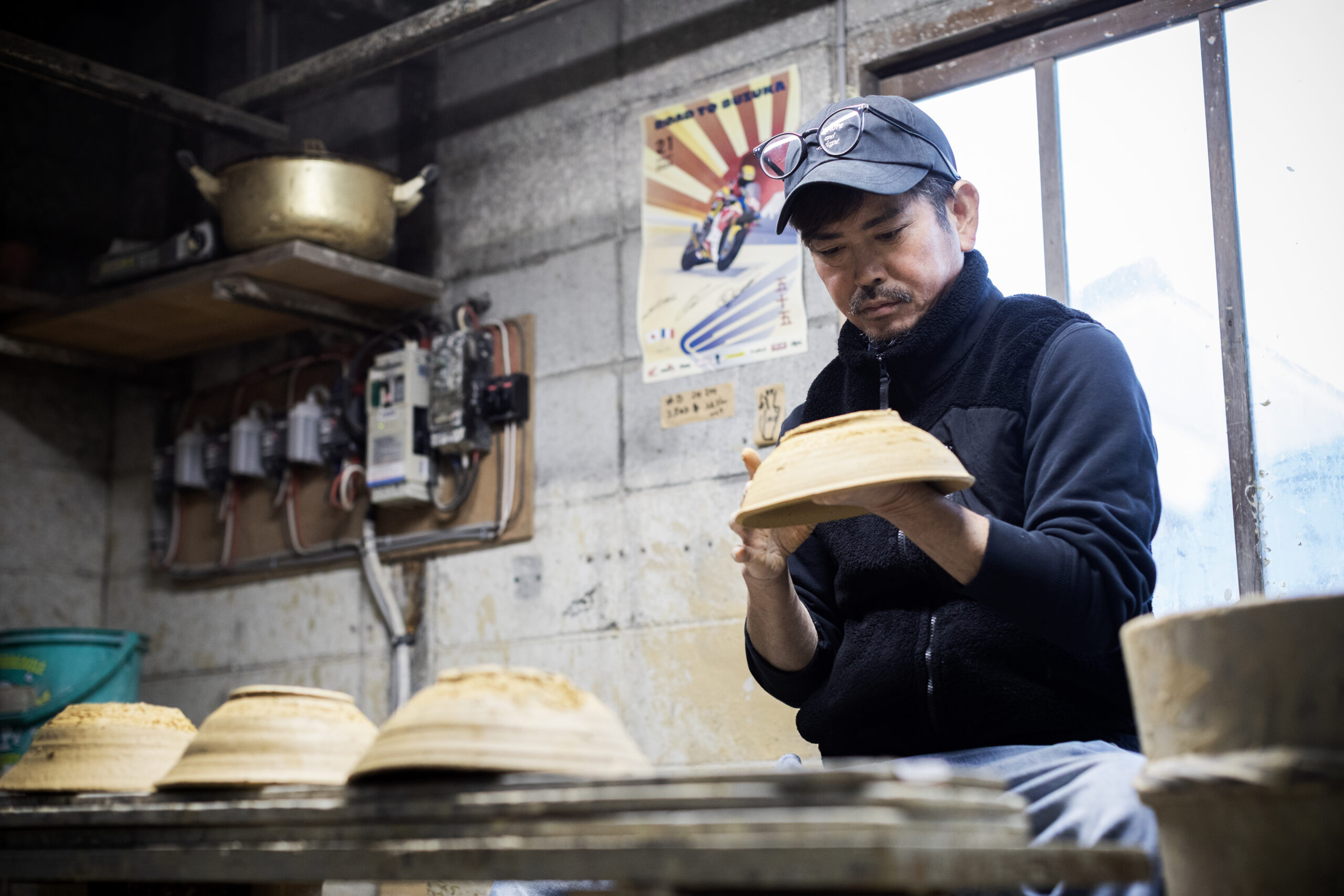
The state of the workshop
スクロールできます
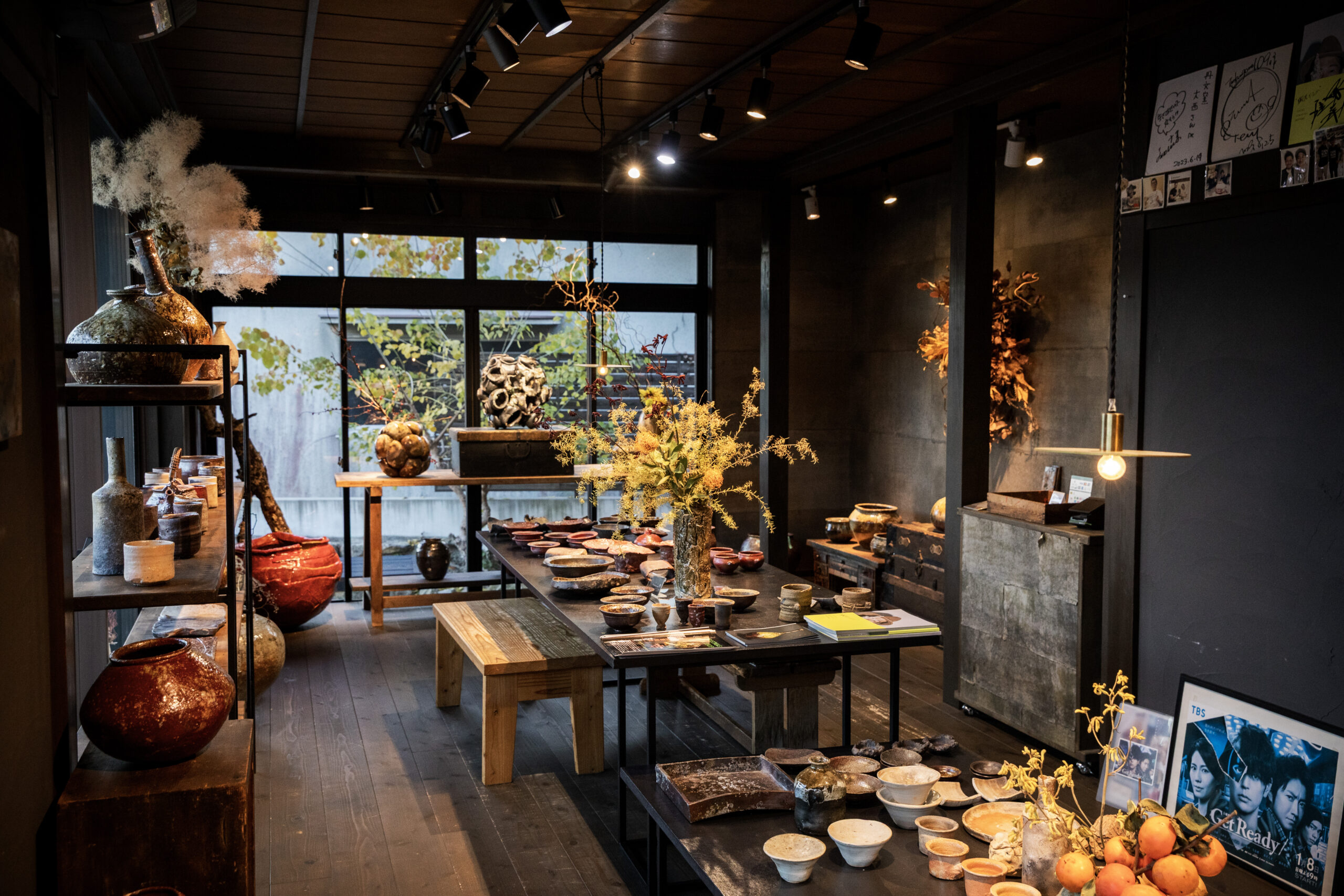
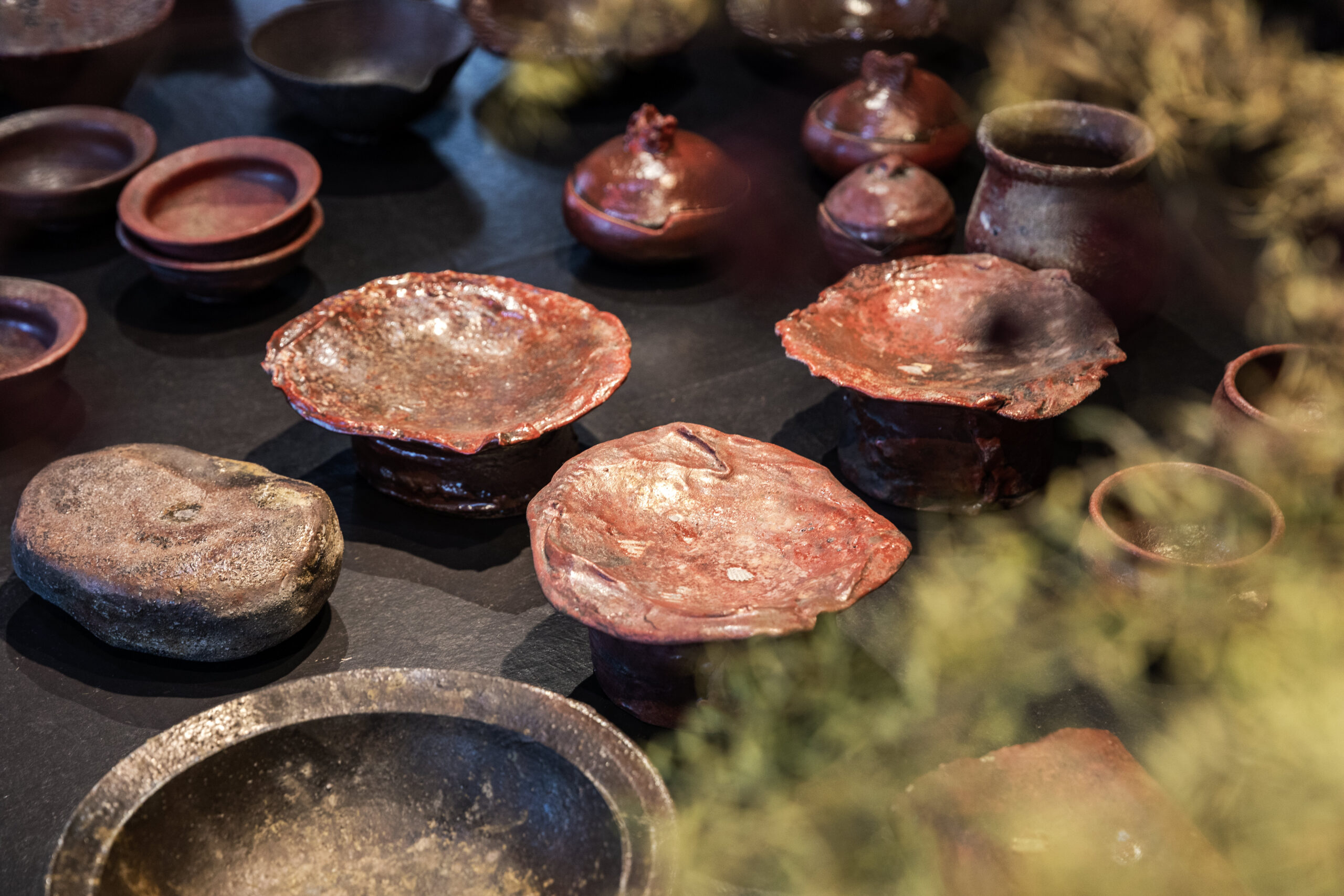
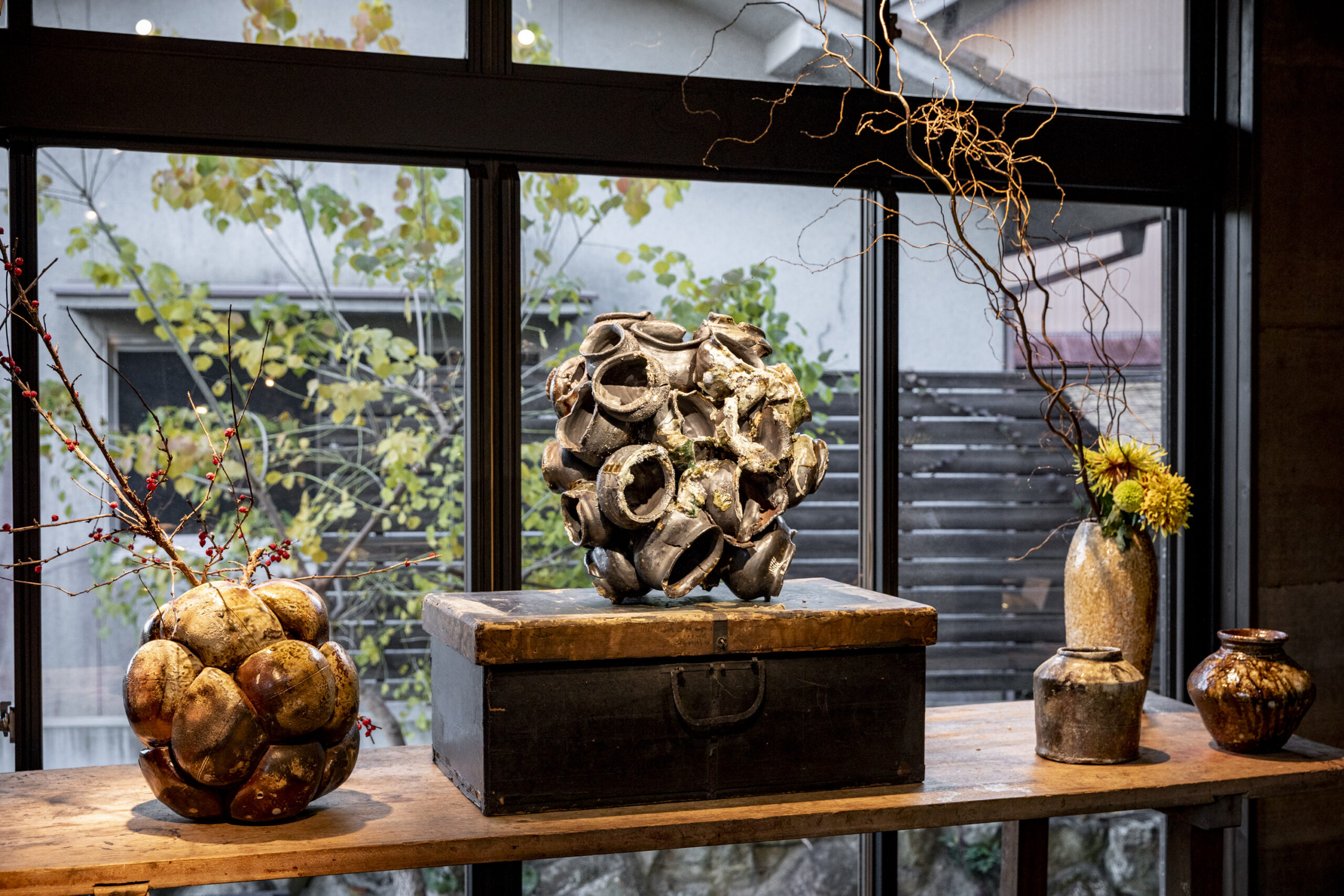
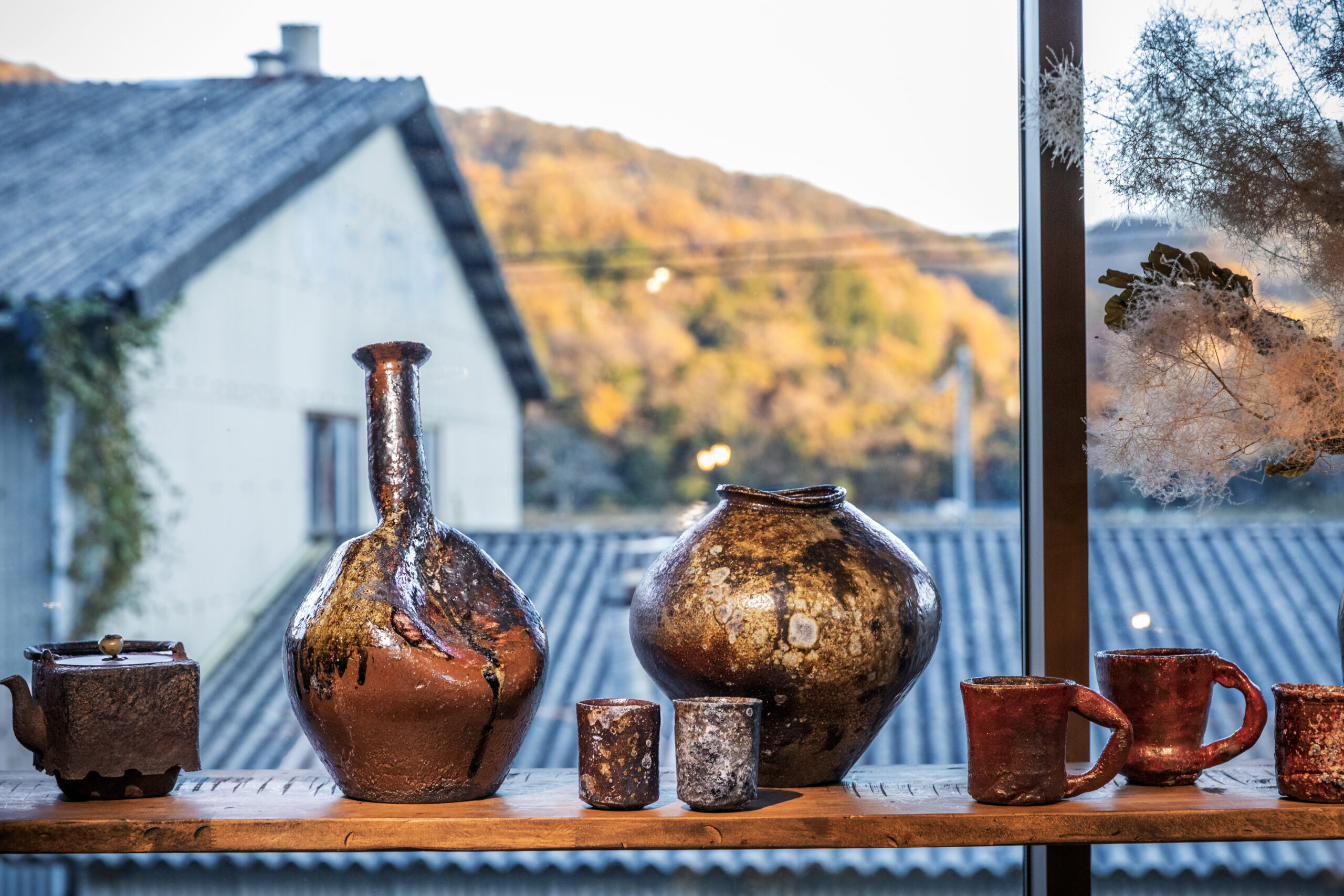


Works
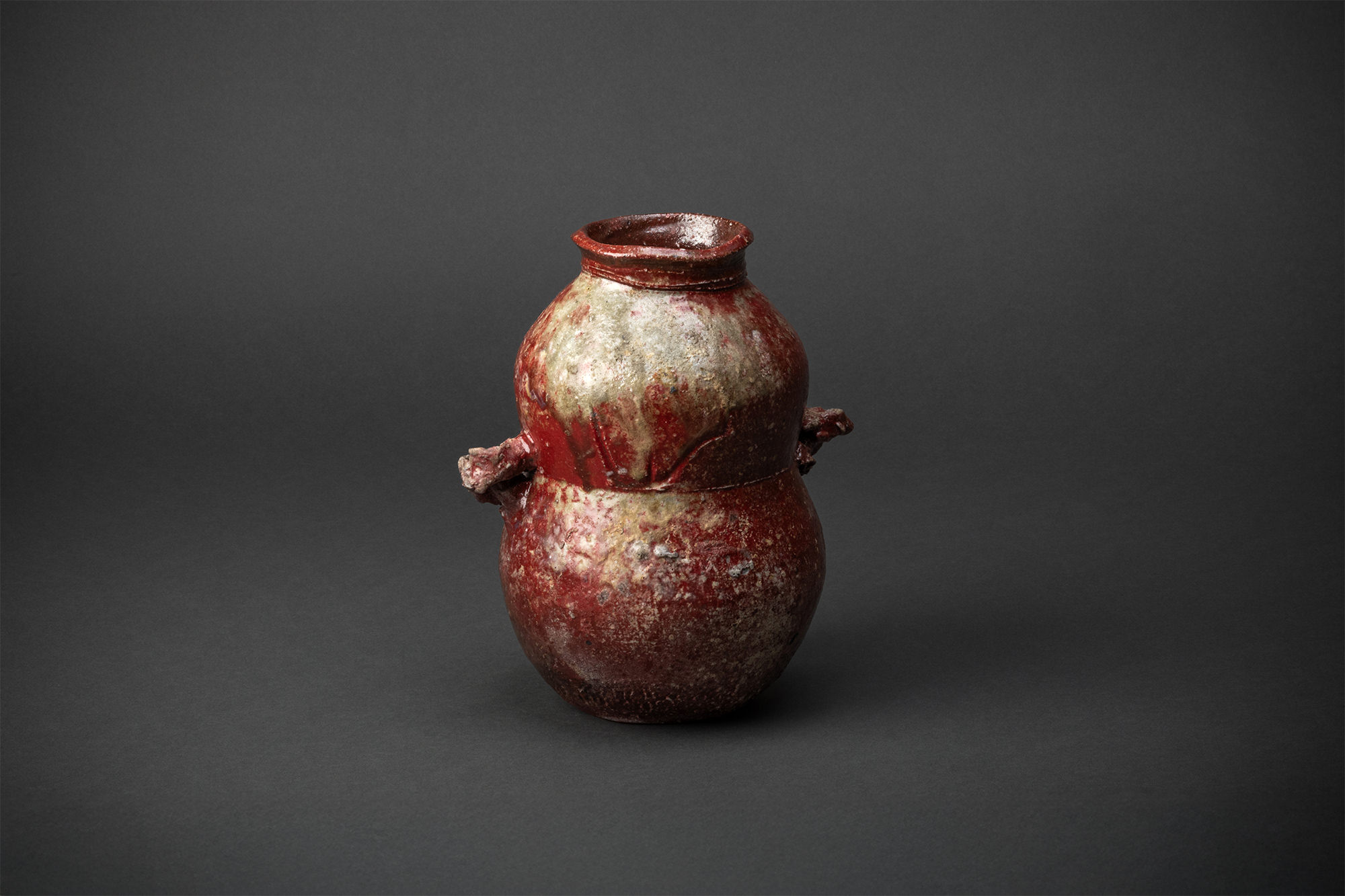
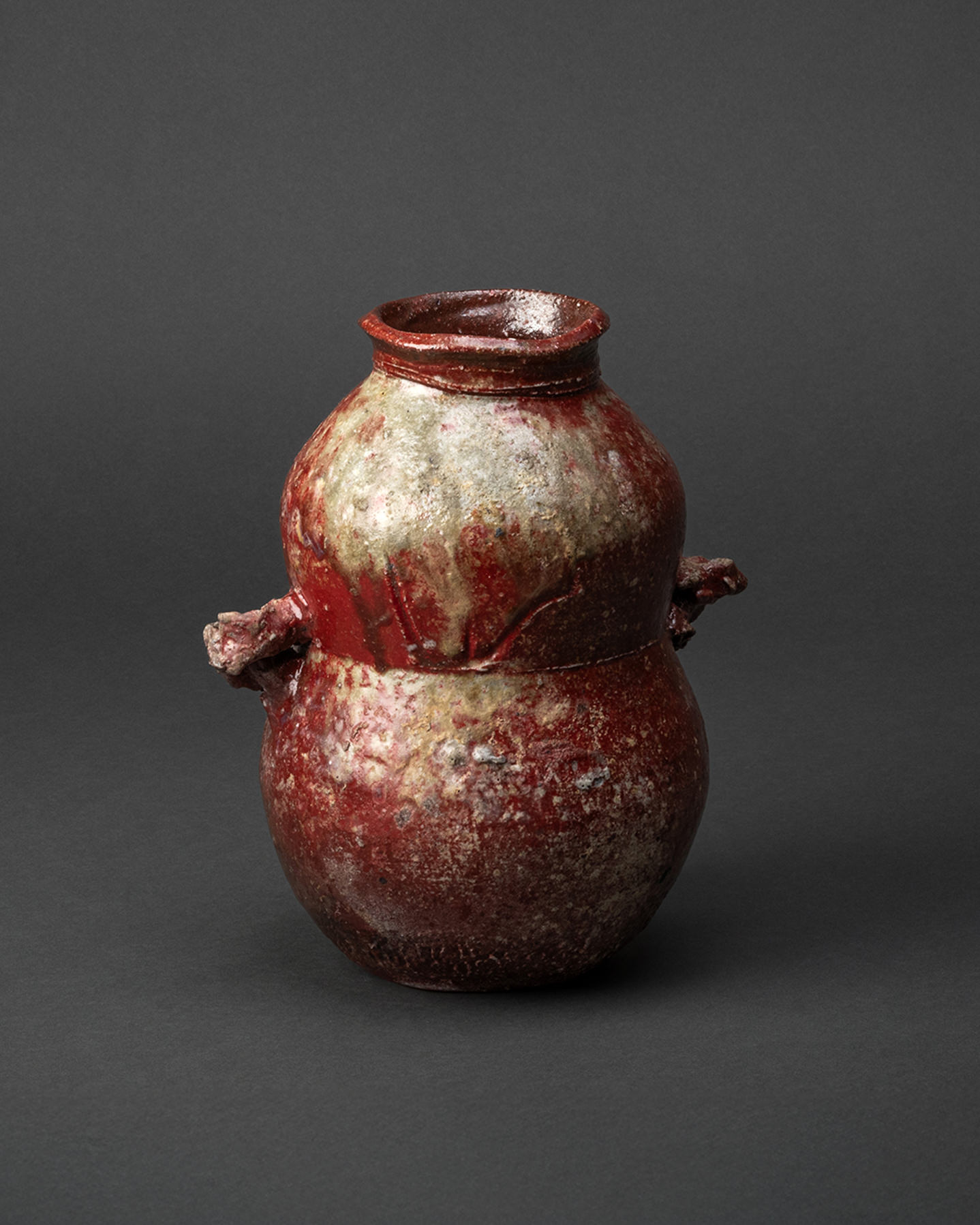
photo:AOTANI Takeru


Interview
Fascinating Because It Cannot Be Calculated — The Unending Quest of Masafumi Onishi of TANBUN-GAMA, Pursuing Edo-Style “Red” Through Dialogue with the Flames of the Climbing Kiln
Abandoning Calculation, Entrusting Everything to the Flame — The Aesthetics of Waiting for a “Miracle Piece”
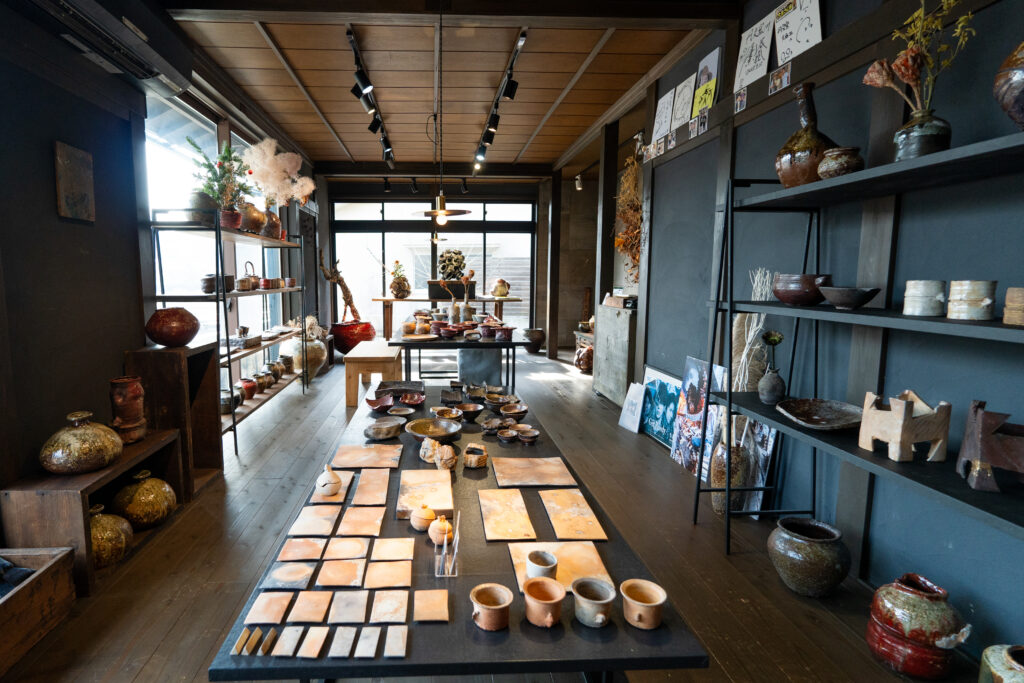
The gallery of tanbungama109 is wrapped in a distinctive atmosphere. From each form radiates the raw, living energy of the clay itself. The works of Masafumi Onishi carry a sensual vitality—an almost breathing presence that stirs the heart.
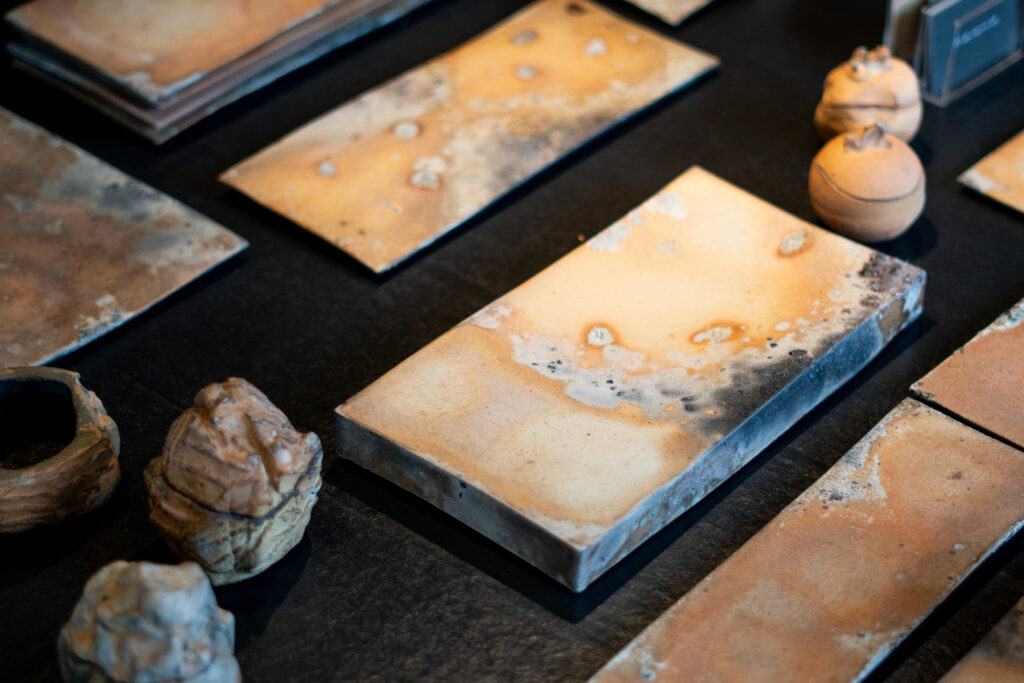
Made from Tamba clay and pigments, and fired in a climbing kiln, every piece is one of a kind. Natural ash glazes in black, white, and red intertwine in complex ways. Traces of haikaburi, where ash settles and melts onto the surface, create expressions that can never be repeated.
“With electric or gas kilns, you can reproduce something similar. But with a climbing kiln, even I can’t predict what color will emerge until it’s finished. Wood is fed into the fire, ash dances through the air, and by chance it lands on a form, creating a landscape unique to that one piece. That ‘unpredictable fascination’ is why I’m so deeply absorbed in this path.”
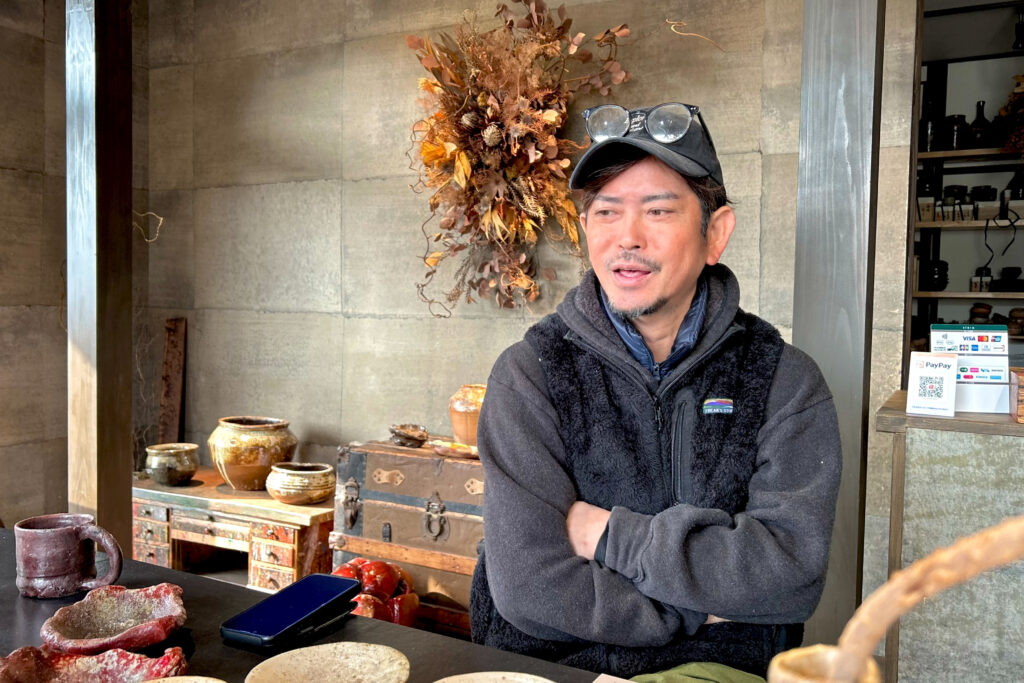
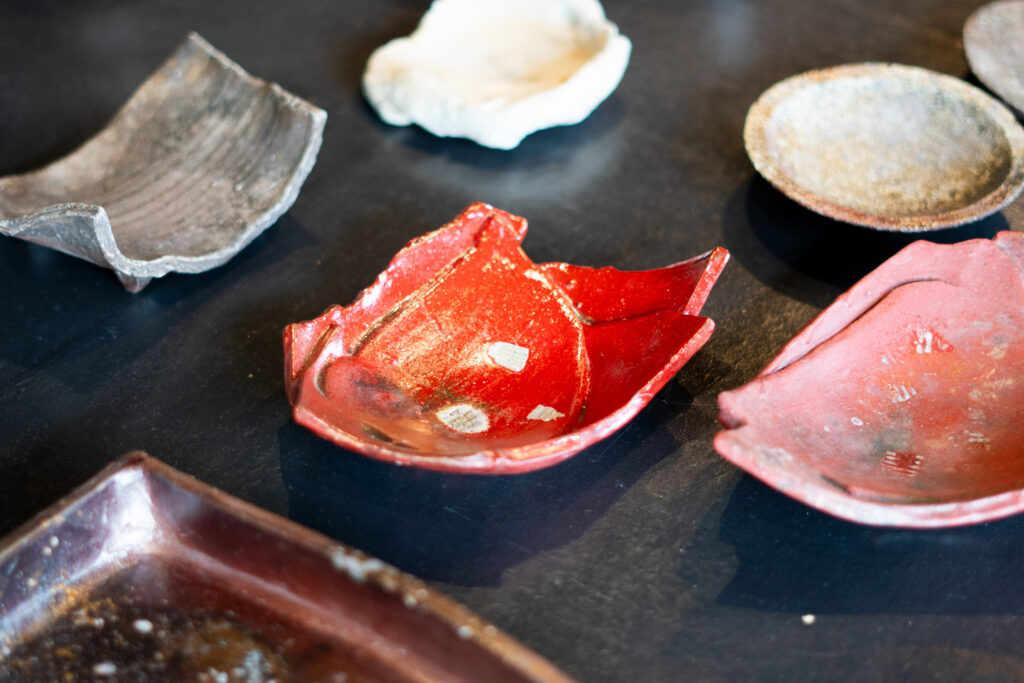
Onishi’s ideal lies in the lustrous red tones seen in Edo period Tamba ware. “If perfection is 100, I might be satisfied with 60 percent from a climbing kiln. If I get close to 90 percent, that’s a miracle. But chasing that one miracle piece makes me want to fire the kiln again.”
In his earlier years, he favored dramatic surfaces rich with ash effects. Over time, especially after his thirties, his focus shifted. Now he seeks to draw out the inherent strength of the clay itself, without relying too heavily on flamboyant surface decoration.
From ‘I Have to Inherit’ to ‘This Is Fascinating!’ — An Apprenticeship That Sparked Passion
Today, Onishi speaks with overflowing passion, but as a young man he was reluctant to take over the family business.
“As a child, I couldn’t imagine myself making the large jars and basins we had at home. My father was busy with community activities, and I was terrible at art and drawing.”
Motivated at first by a sense of obligation—‘I guess I have to inherit’—he majored in ceramics at an art junior college and then trained for four and a half years in Seto, Aichi Prefecture. Those years ignited something within him.
“My senior apprentices genuinely loved making pottery. We would go into the mountains to dig clay, refine it, create our own glazes, and fire the kiln. From sourcing materials to the final firing, everything was completed by our own hands. I was completely captivated by that story. Without those apprenticeship years, I definitely wouldn’t be here today.”
Returning home at twenty four, Onishi began incorporating colors and techniques not previously seen in Tamba ware. At first, some said, “This isn’t Tamba.” But by fusing traditional climbing kiln methods with his own sensibility, he gradually established a style uniquely his own—unmistakably Masafumi Onishi.
Cherished by Chefs — Forms That Grow Alongside Their Users
In recent years, TANBUN-GAMA’s forms have gained strong support from professional chefs. Orders come from Japanese cuisine, Italian, French, sushi, yakitori—across genres.
“I want users to express themselves freely, letting the form enhance their dishes and spaces. I often go to eat at their restaurants, and honestly, I’m the one learning from them.”
According to Onishi, there is a unique pleasure in using wood-fired yakishime forms—the sense that they “grow.”
“At first, the texture may feel rough. But with daily use, oils from the hands and moisture gradually make the surface smoother, developing a distinctive sheen. We call that ‘growing.’ Over time, the form settles into the rhythm of the user’s life.”
If a piece from TANBUN-GAMA chips or breaks, his wife carefully repairs it using kintsugi, then returns it to the owner. The repaired lines become a new landscape, transforming the form into something even more cherished than before.
A Lifetime of Experimentation — Creating New Landscapes of Tamba Ware
Onishi laughs and calls himself “a bit of a fanatic,” his eyes shining with boyish curiosity.
“Most people think, ‘Once I have enough finished pieces, I’ll fire the kiln.’ But I think, ‘I want to test something new—so I’ll make pieces in order to fire.’ If I discover a new clay, I can’t wait to see what color it produces. I fire the climbing kiln four or five times a year, and each time is an experiment.”
For Onishi, Tamba Tachikui is an irreplaceable place.
“There’s nowhere else in the world where more than fifty potters are gathered within a three-kilometer radius. In autumn, visitors walk from potter to potter. That scene is Tachikui’s pride.”
Bearing the banner of tradition while refusing to be confined by convention, Onishi continues to pursue his ideal red with unwavering curiosity. The forms born from the climate of Tamba and his pure inquisitiveness will no doubt continue to radiate a singular presence found nowhere else.
Overview
of
TANBUN-GAMA
Address
【shop】578-25 Nishiaino, Sanda, Hyogo, Japan
【tanbungama109】109 Shimotachikui, Konda-cho, Tamba-Sasayama, Hyogo, Japan
Website