

TOC
TAMBA YAMAKI-GAMA
profile
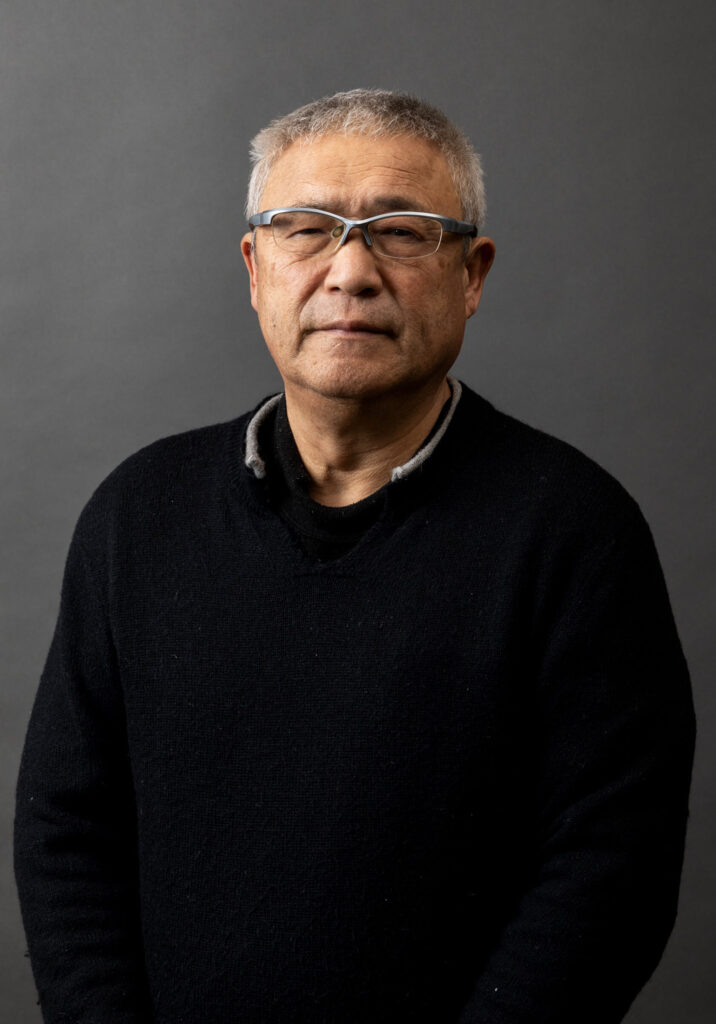
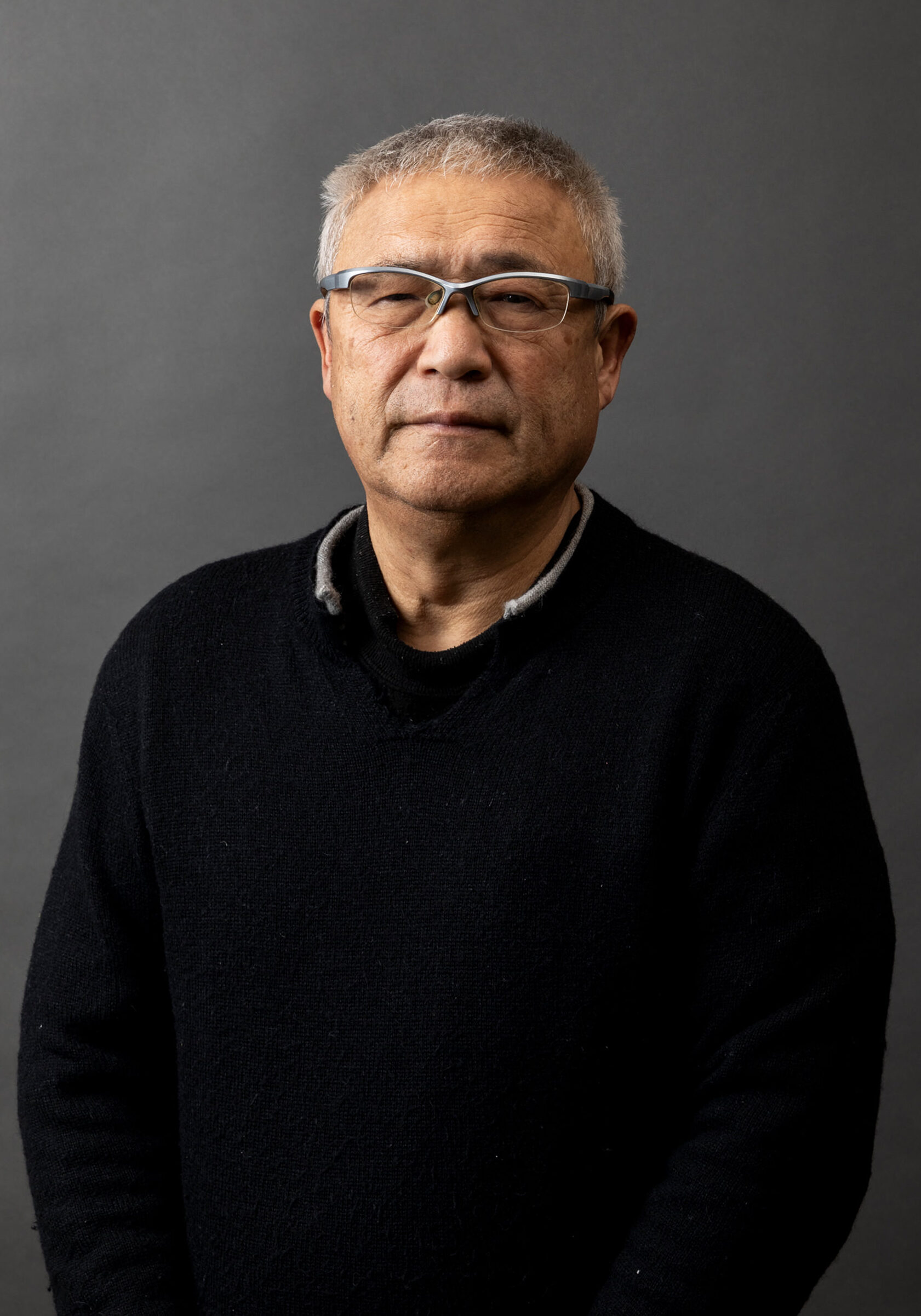
Yoshihito Ogami
profile
Yoshihito Ogami
6th generation
Year of Birth:1956
Year Began Pottery:1986
Education / Training Background
Graduated from Nara Junior College
Major Awards
Hyogo Prefectural Exhibition
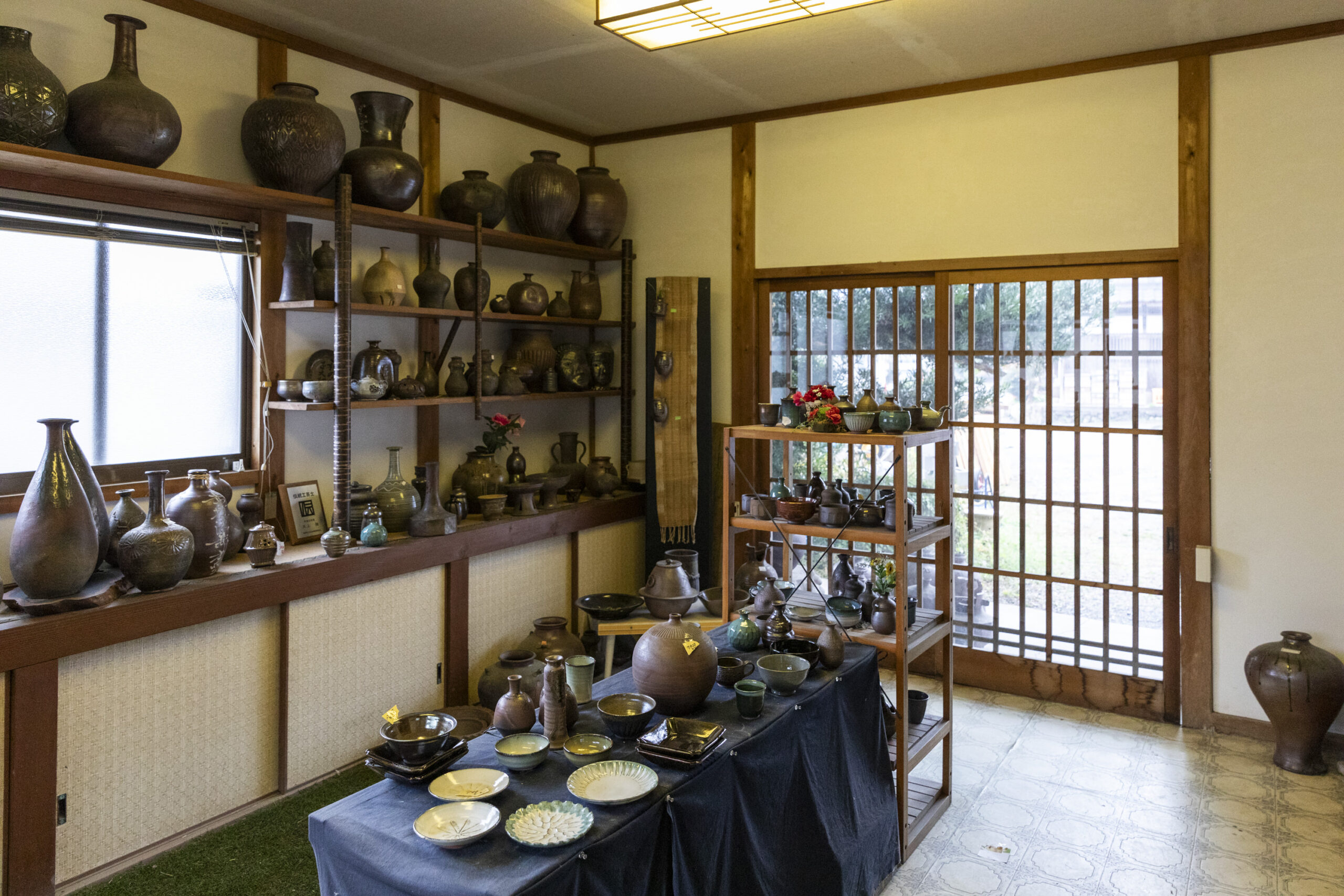
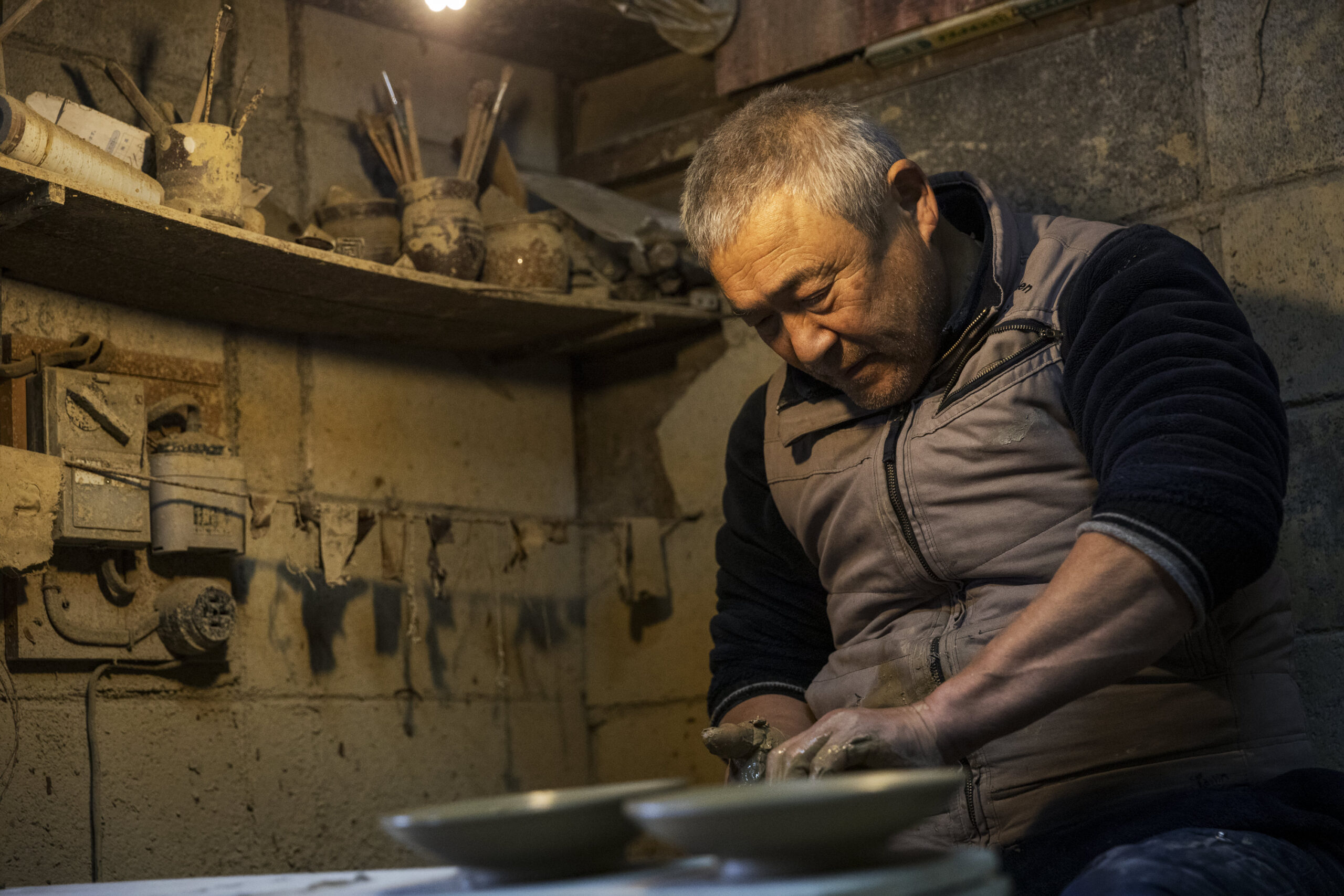
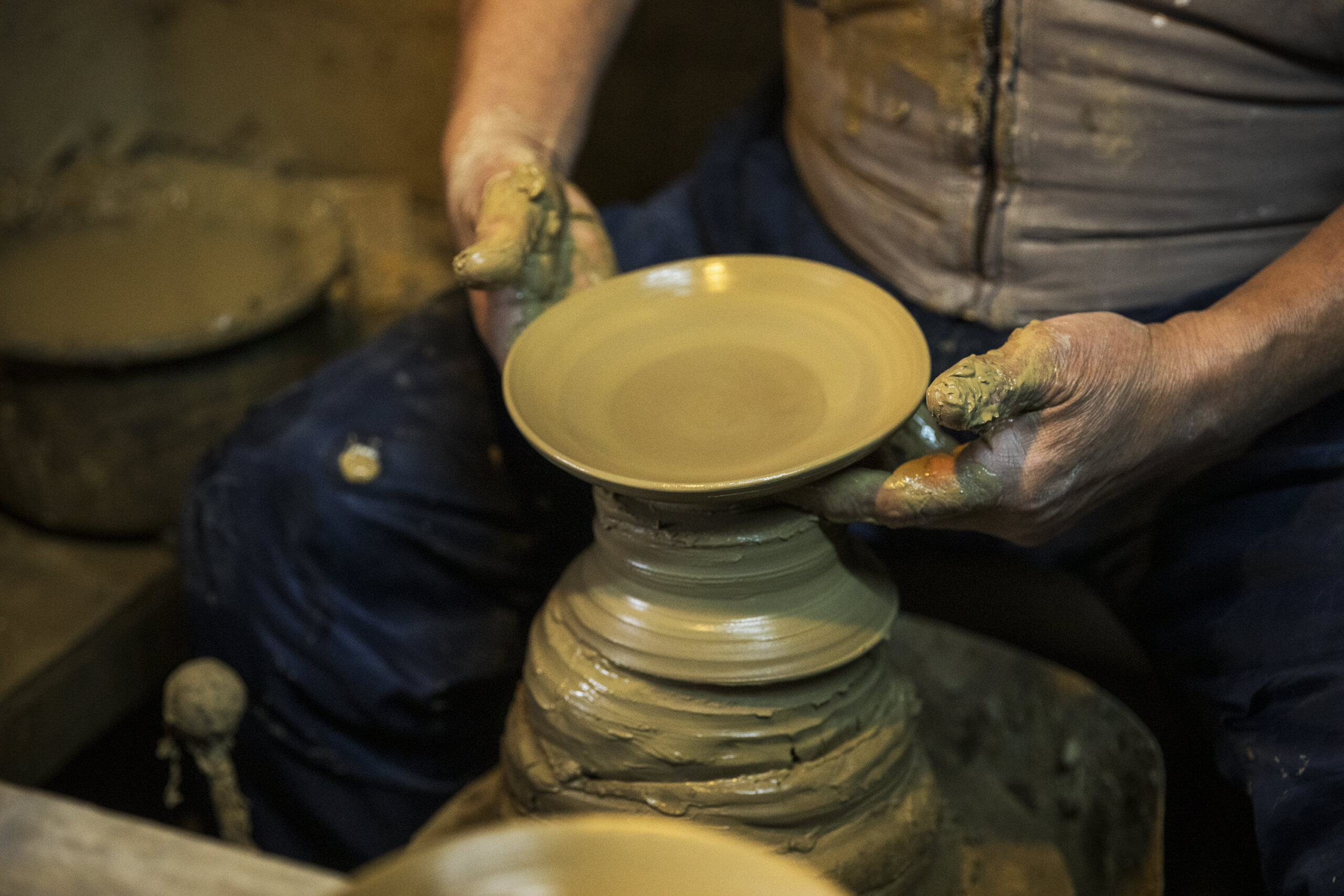
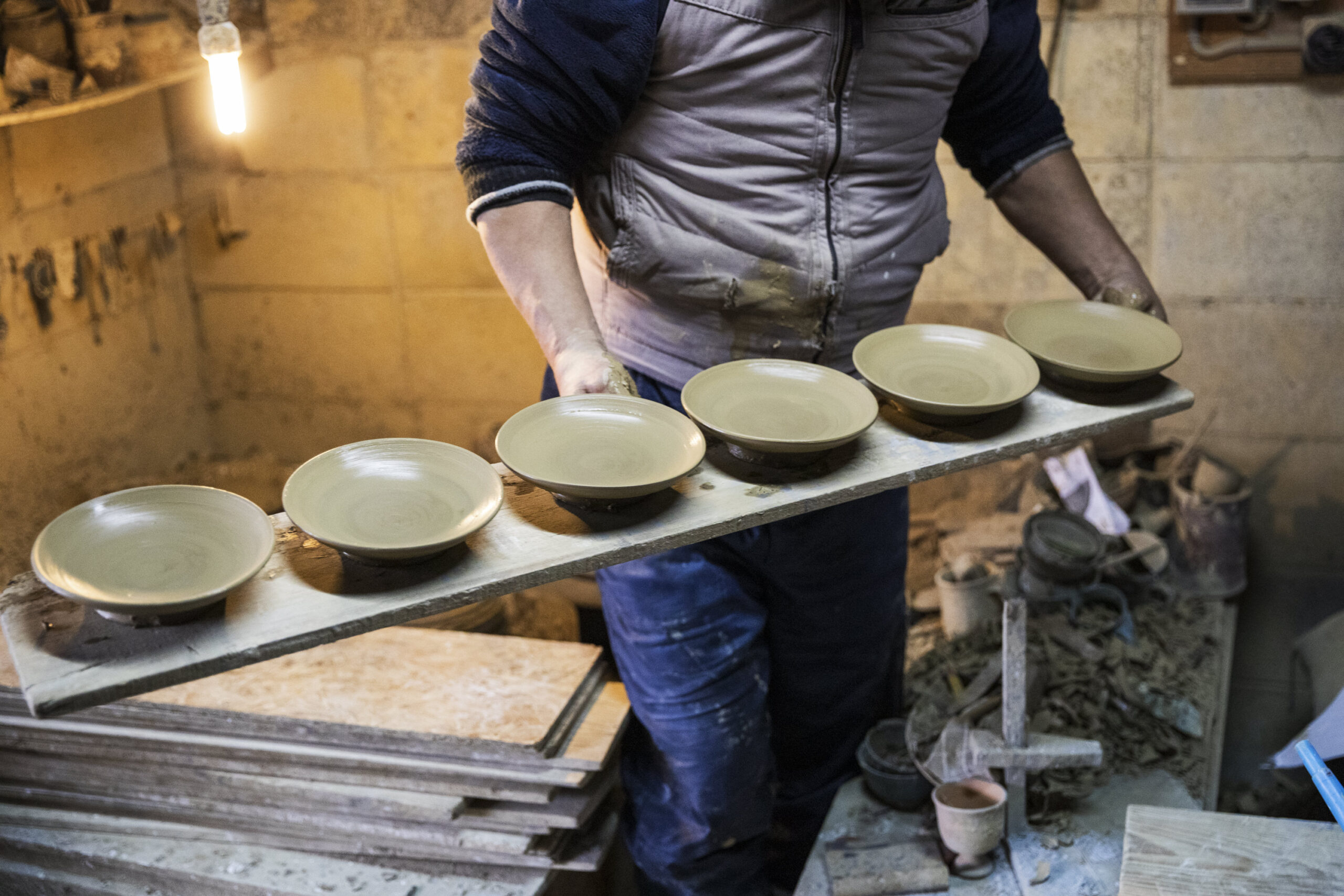
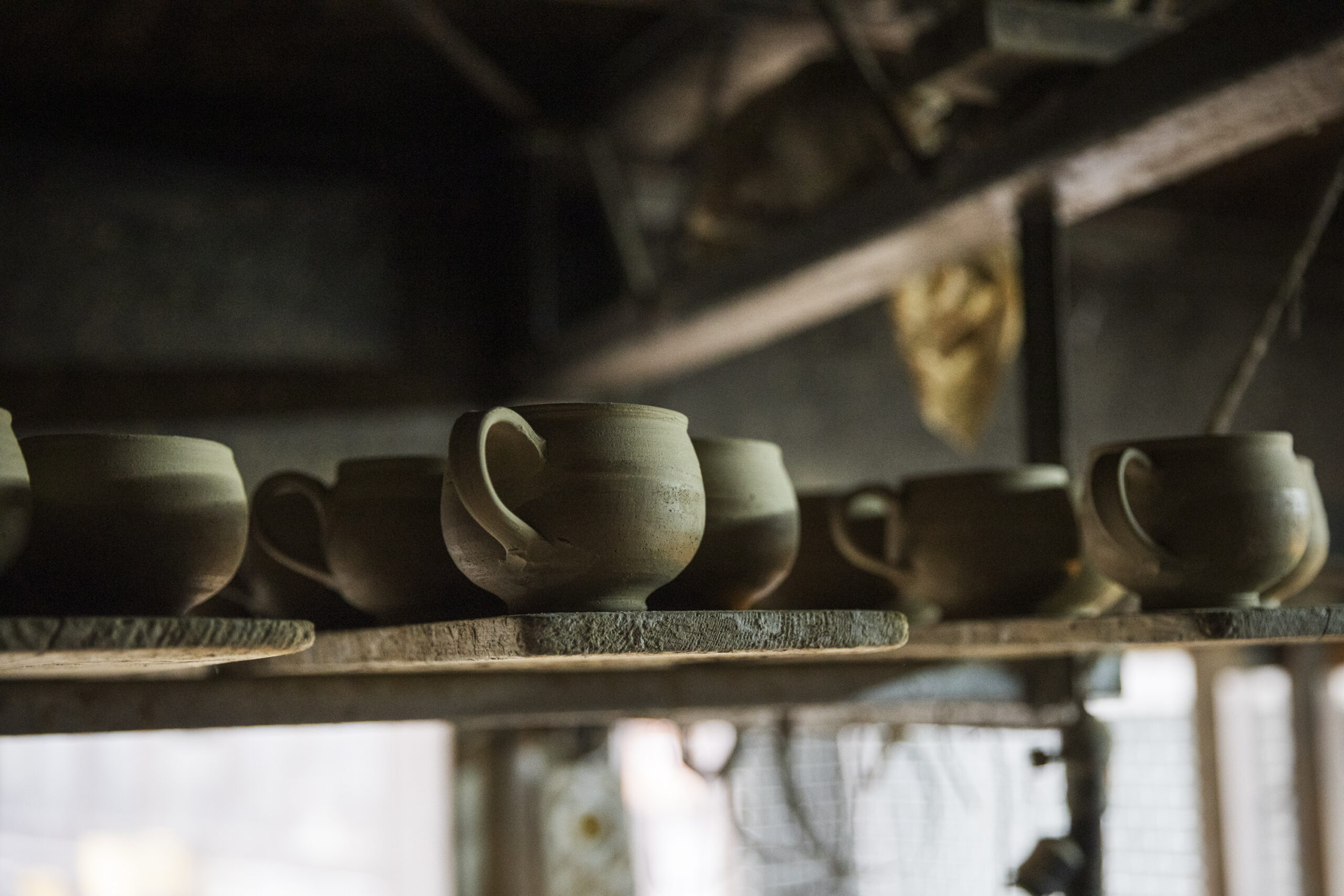
The state of the workshop
スクロールできます
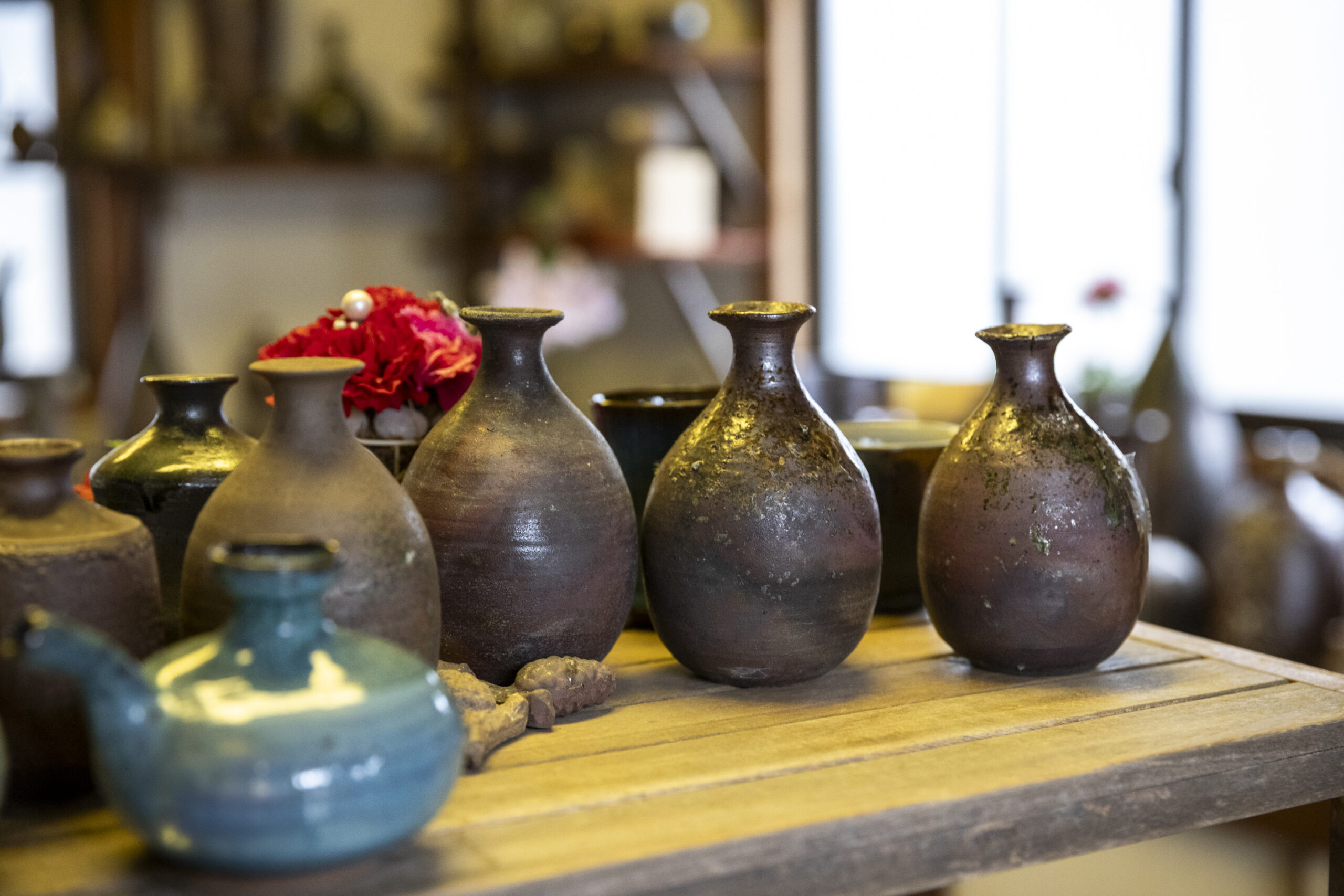
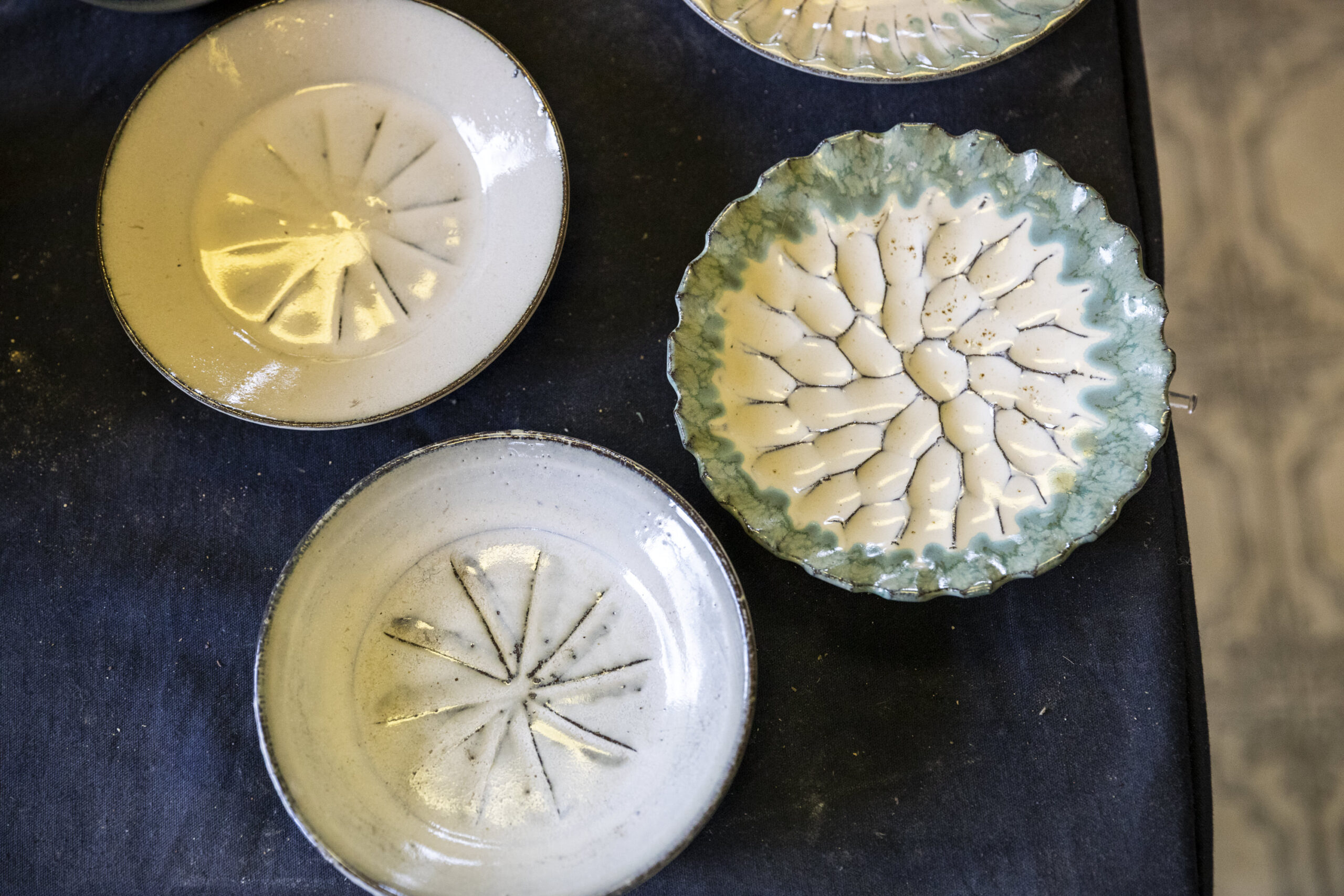
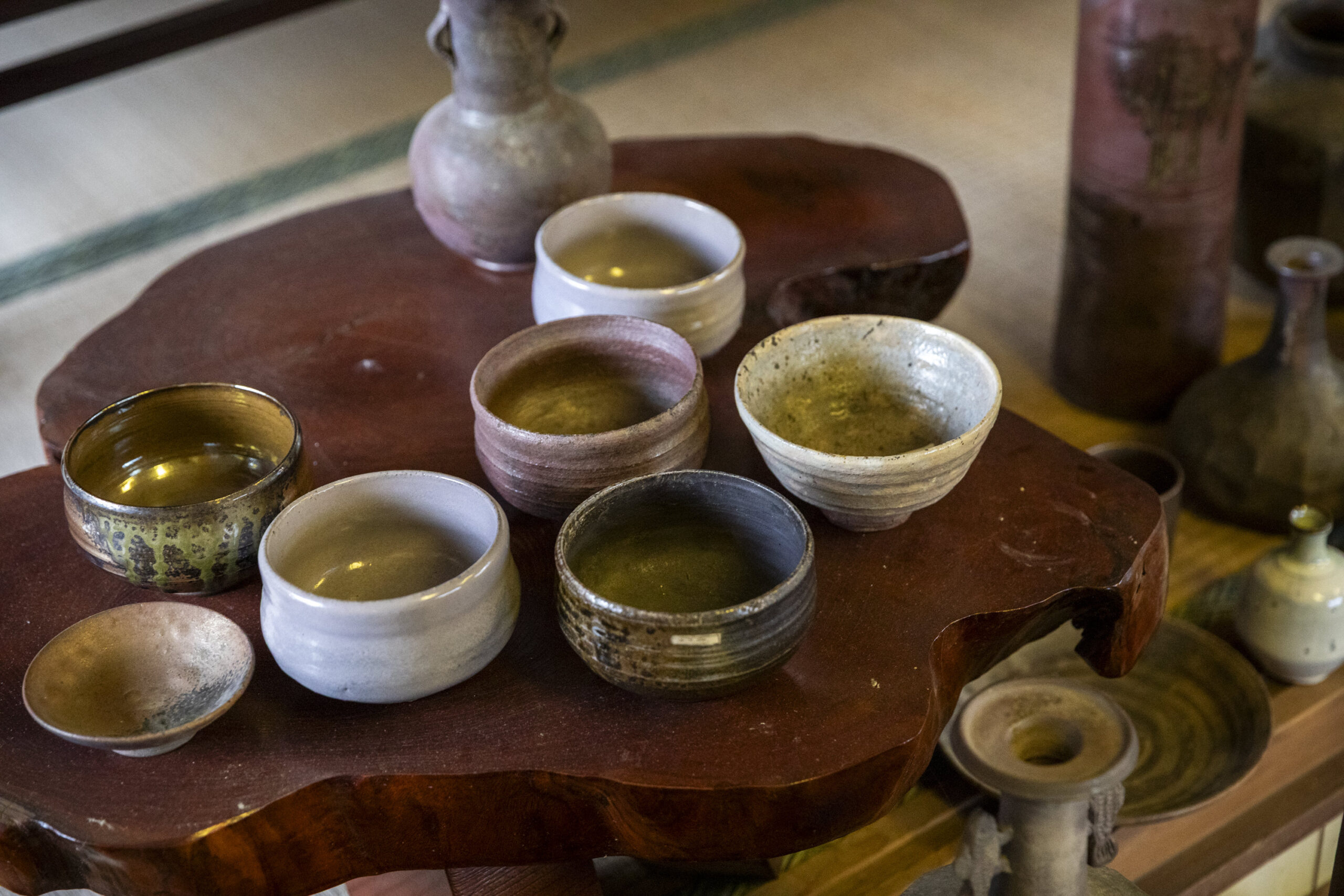


Works
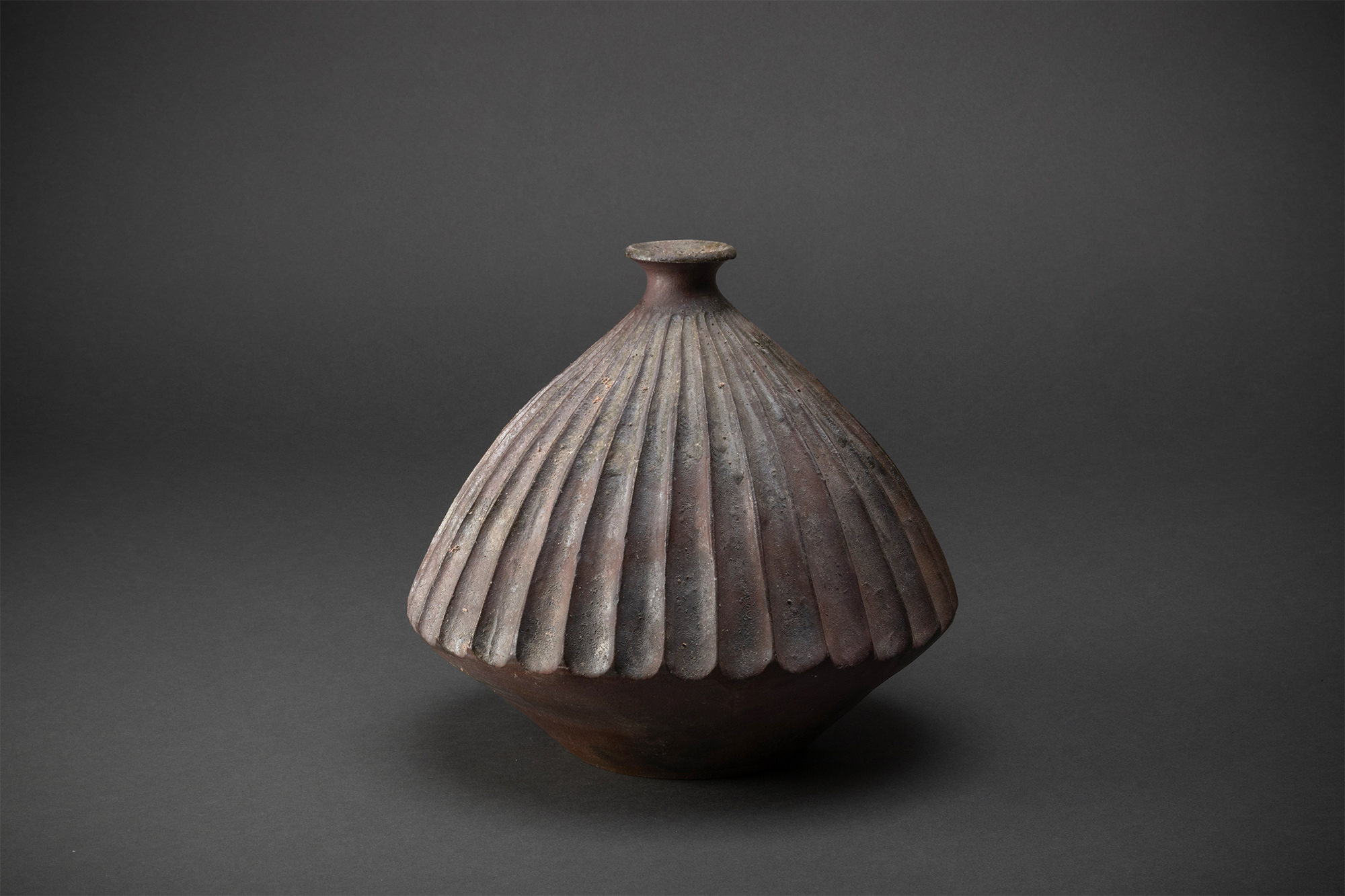
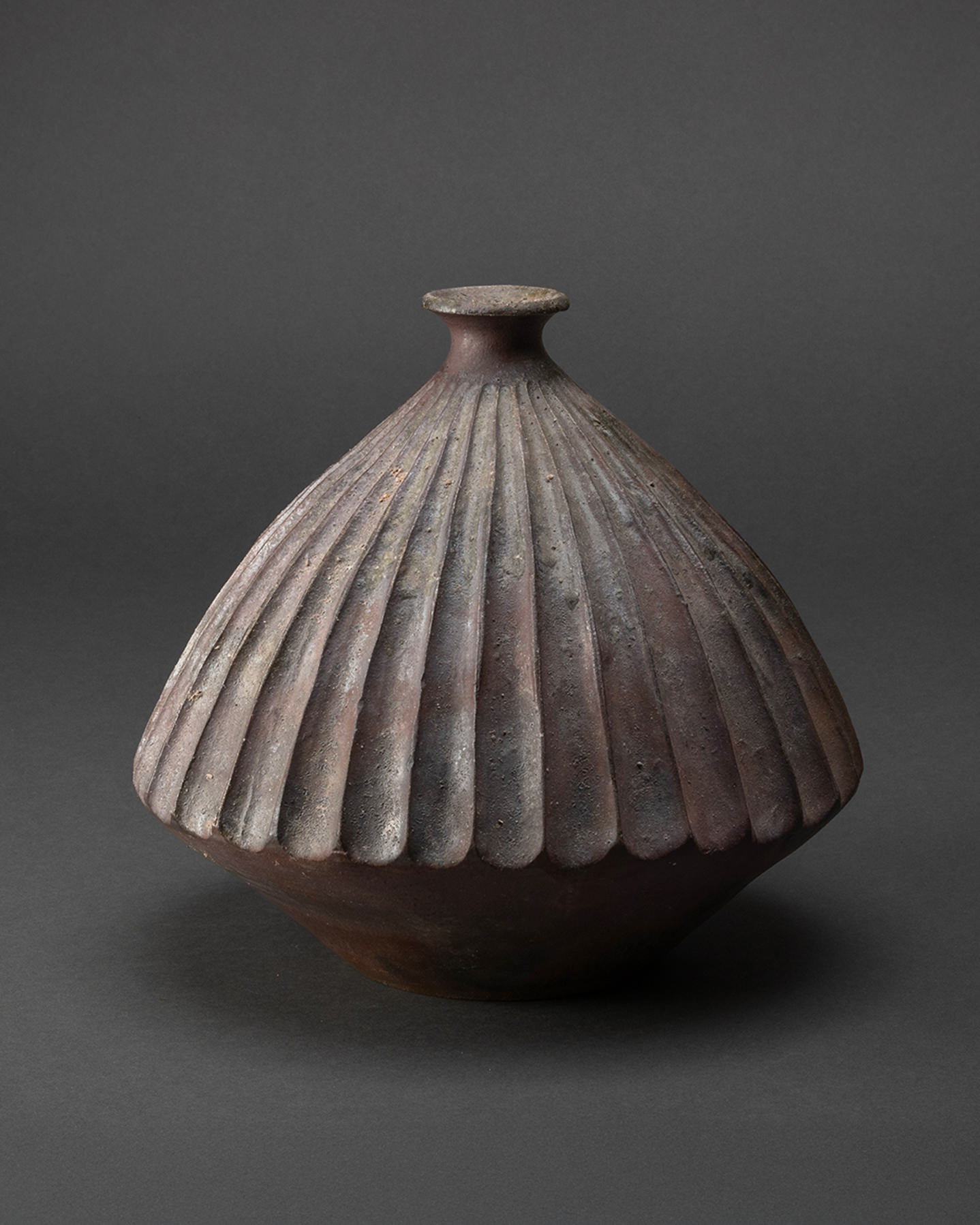
photo:AOTANI Takeru
Interview
Natural Motifs and Timeless Blues and Whites — The Everyday Forms Yoshihito Ogami of TAMBA YAMAKI-GAMA Continues to Pursue
Timeless Forms and Colors — With Affordability in Mind
In the workshop, small bowls, plates, and cups—fired just the day before—are neatly arranged in shades of blue and white. Shells, plum blossoms, and hydrangeas appear as motifs inspired by natural forms, carrying a folk-art spirit. Crafted from Tamba clay and finished with shinogi carving and faceted edges, the forms feel rustic yet refined.
Yoshihito Ogami, sixth generation head of TAMBA YAMAKI-GAMA, once devoted thirty years to creating unglazed yakishime jars. As times changed and demand shifted, he transitioned about a decade ago to producing glazed forms.
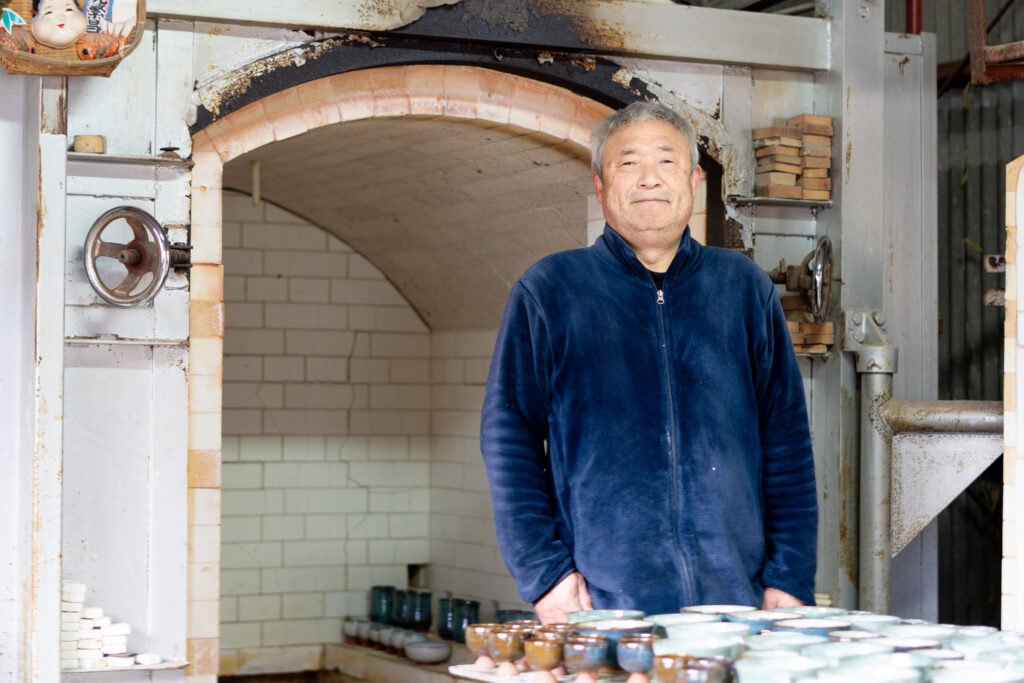
“I pursued yakishime jars in the climbing kiln. But as the times changed, demand for jars and large pots declined. So I shifted toward practical tableware pieces meant to be used in everyday life.”
Moving from unglazed work to glazed forms, Ogami arrived at a palette centered on blue and white. His approach reflects the perspective of the user, seeking not only ease of use but also accessibility in price.
“Yellow and red are vibrant, but I wondered if people might tire of them. When I use them myself, I find I return to these calm tones. I think customers feel the same.”
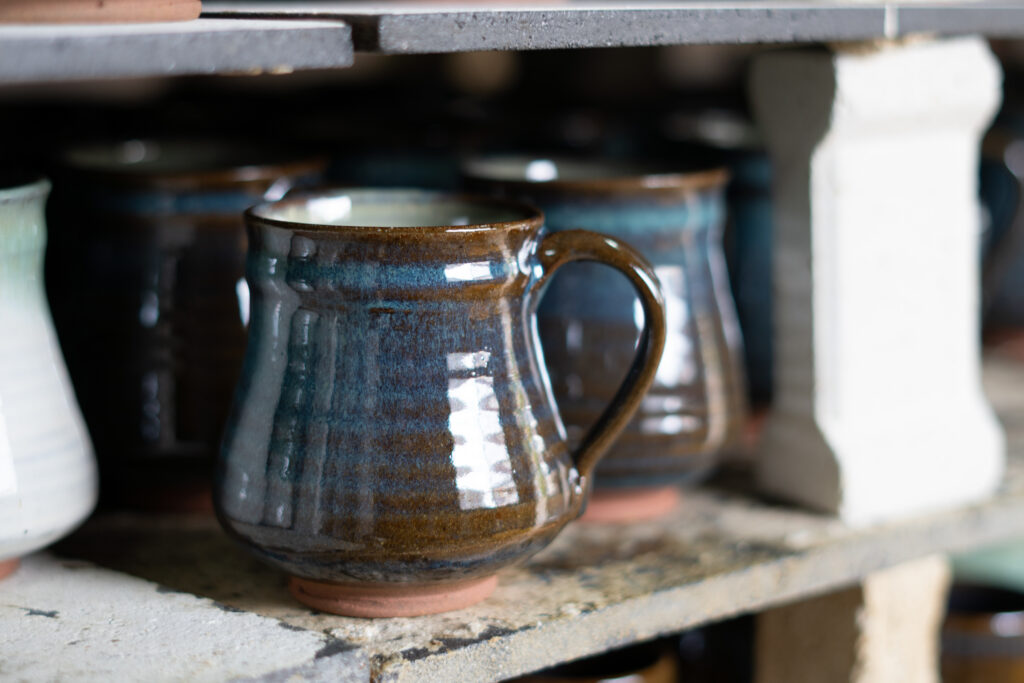
Even within blue, subtle variations in glaze concentration create entirely different expressions—greenish hues, deep indigo shades. The final result is difficult to predict and does not always turn out as imagined. Still, Ogami enjoys the process of trial and error in pursuit of colors that never grow tiresome.
“Blue especially changes with just a slight difference in glaze thickness. The smallest adjustment can produce a completely different shade. But working while hoping the color I envision will emerge—that’s part of the joy.”
Alongside color, he adds gentle playfulness to form. Plates with carefully faceted edges evoke hydrangea petals. Plum-shaped bowls are finished with softly curved rims reminiscent of abalone shells. While striving for simplicity and usability, he hopes his forms also enrich the heart.
“You might use them for yogurt, sweets, or fruit. Above all, I value making pieces that can be used every day.”
His cups, designed for lightness and comfortable grip, have been praised by café owners for their gentle handles and ease of use. They are not excessively thin, but they offer a soft, reassuring feel in the hand—forms meant to be cherished over time.
Devoted to the Wheel — A Craftsman’s Pride
Ogami comes from a family spanning ten generations, and he is the sixth-generation potter . In his grandfather’s time, the family produced grinding mortars. From childhood, he naturally assumed he would follow the path of pottery.
After high school, he studied ceramics for two years at an art junior college in Nara, then trained for two and a half years at an Ōtani ware potter in Naruto, Tokushima Prefecture. Upon returning home, he began an intense period of jar-making alongside his father.
“I sat at the wheel eight hours a day for nearly thirty years, making jars continuously. My hands cramped, my shoulders stiffened—I must have made an enormous number.”
Through those years, he gained unwavering confidence in his wheel-throwing skills. He is especially adept at shaping round forms and smaller forms with speed and precision.
“Working quickly is second nature to me. I want my pieces to remain affordable for customers. I think about efficiency while still preserving the feel of handmade work.”
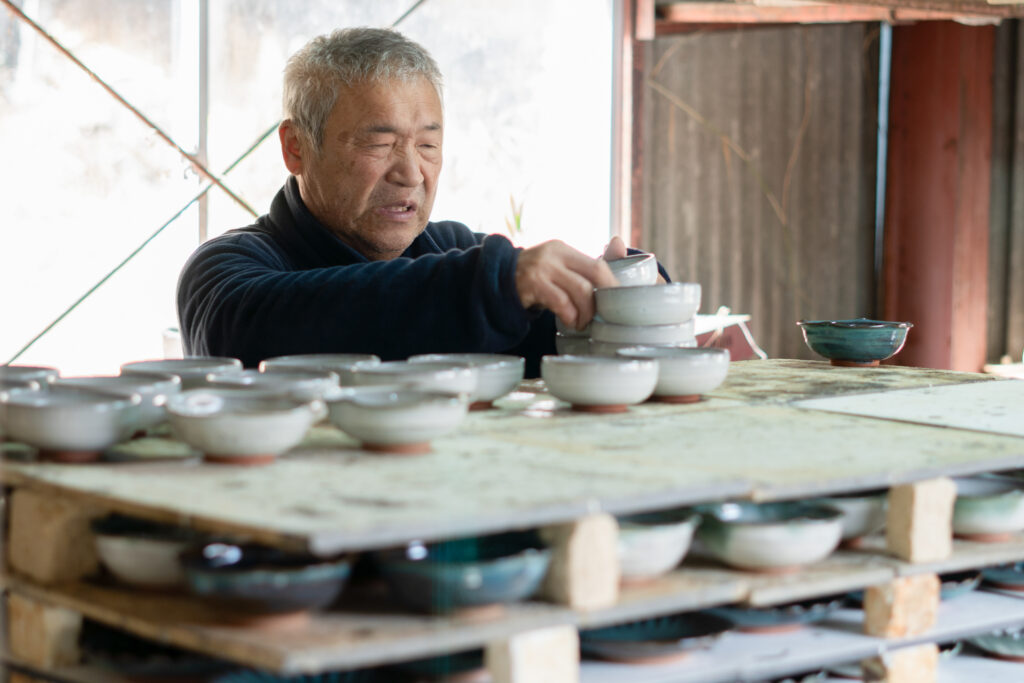
The hydrangea-inspired plates are individually faceted with care. Though labor-intensive, he believes forms should also bring visual enjoyment. While pressure and depth may vary slightly from piece to piece, he strives for overall consistency.
“Still, those small differences are part of the charm of handmade work. Customers appreciate that unique quality.”
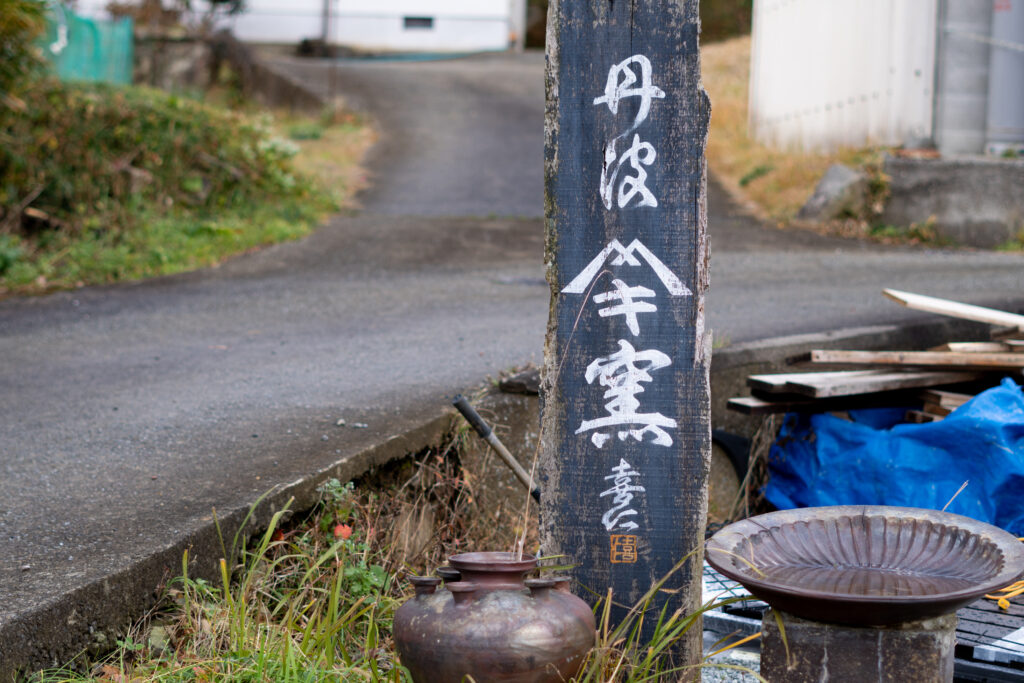
Working Up a Sweat, Enjoying a Drink
In addition to pottery, Ogami works part-time at a delivery company, sorting packages three evenings a week until 10 p.m.
“Moving my body and working up a sweat feels refreshing. And the drink afterward tastes even better—that’s my real reward.”
The forty minute drive to his part-time job also serves as a welcome change of pace. In contrast to long hours seated at the wheel, physical labor helps him maintain balance.
“When you visit Tachikui, I hope you’ll stroll through Sue-no-Sato’s kiln row and the Ceramic Art Museum, taking your time to experience pottery. I’d love to see more people come and help revitalize the region.”
Ogami will continue creating forms that can be used every day without growing tiresome—pieces that quietly accompany the rhythm of daily life.
Overview
of
TAMBAYAMAKI-GAMA
Address
343 Kamitachikui, Konda-cho, Tamba-Sasayama, Hyogo, Japan
TEL
FAX
Website