
TOC
SHINRIN-GAMA
profile
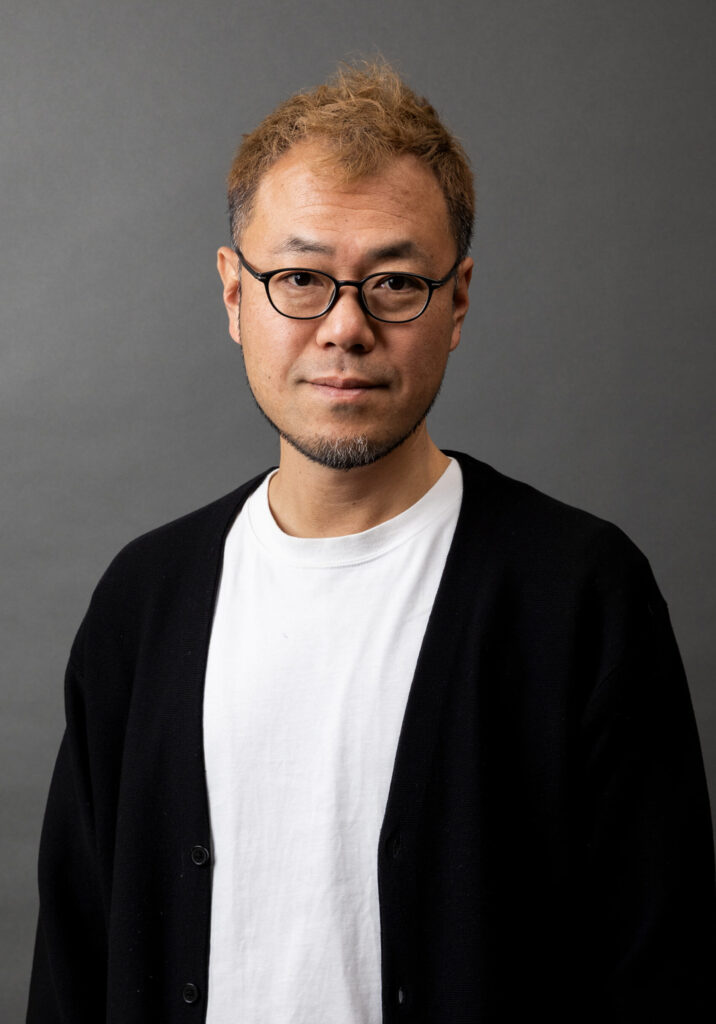
Nobuto Nakaoka
profile
Nobuto Nakaoka
Independent since 2006 / 1st generation
Year of Birth:1977
Year Began Pottery:1996
Education / Training Background
Studied under Tadashi Nishibata at Sueharu gama
Trained in the Ceramics Department at Kyoto Municipal Industrial Research Institute
Major Awards
Excellence Award, 30th Tanabe Museum Grand Prize “Chanoyu no Zokei” Exhibition
Second Grand Prize, Kobe Biennale 2013 Contemporary Ceramics Competition
Honorable Mention, Hagi Grand Prize Exhibition of Contemporary Ceramics III
Excellence Award, Hagi Grand Prize Exhibition of Contemporary Ceramics V
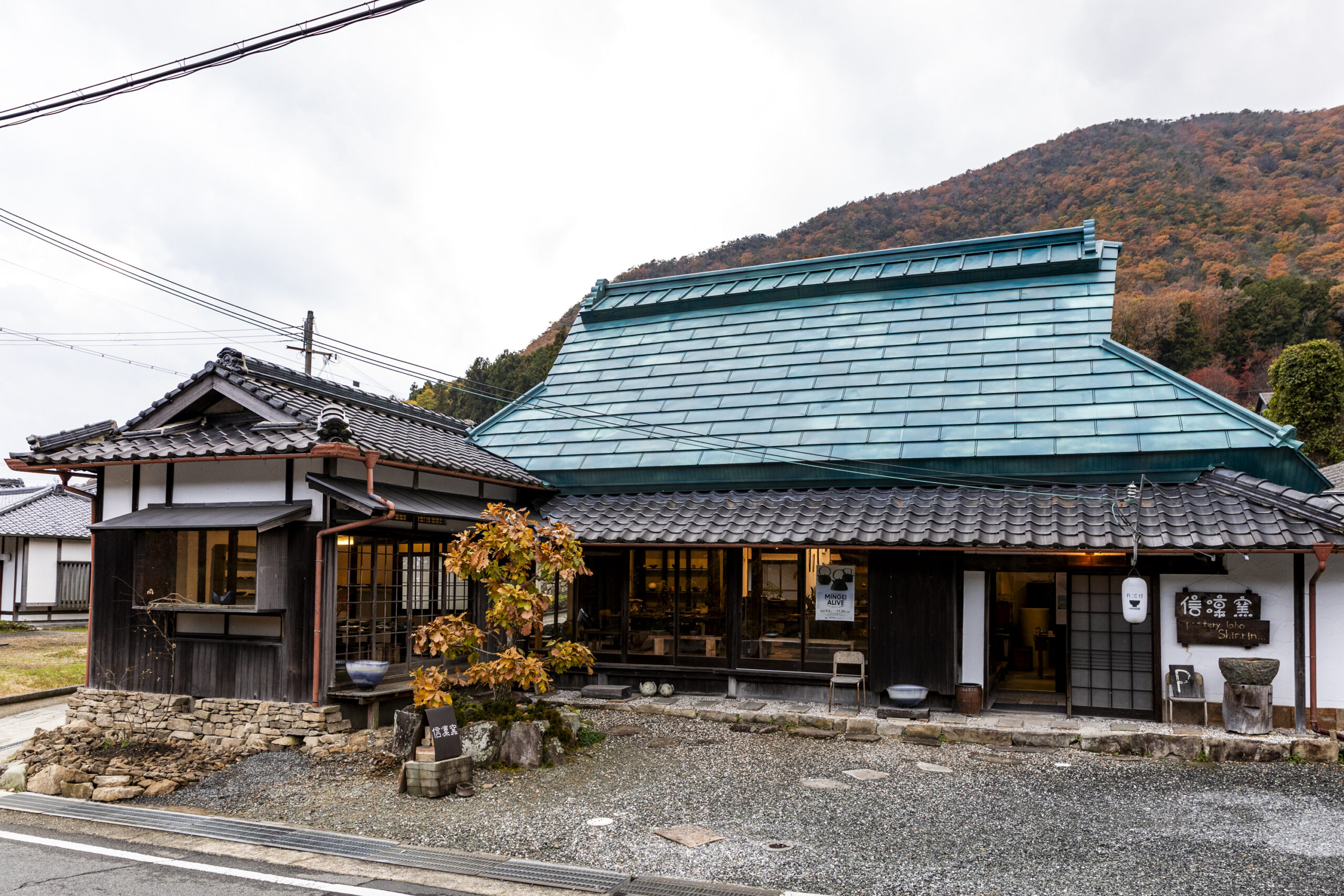
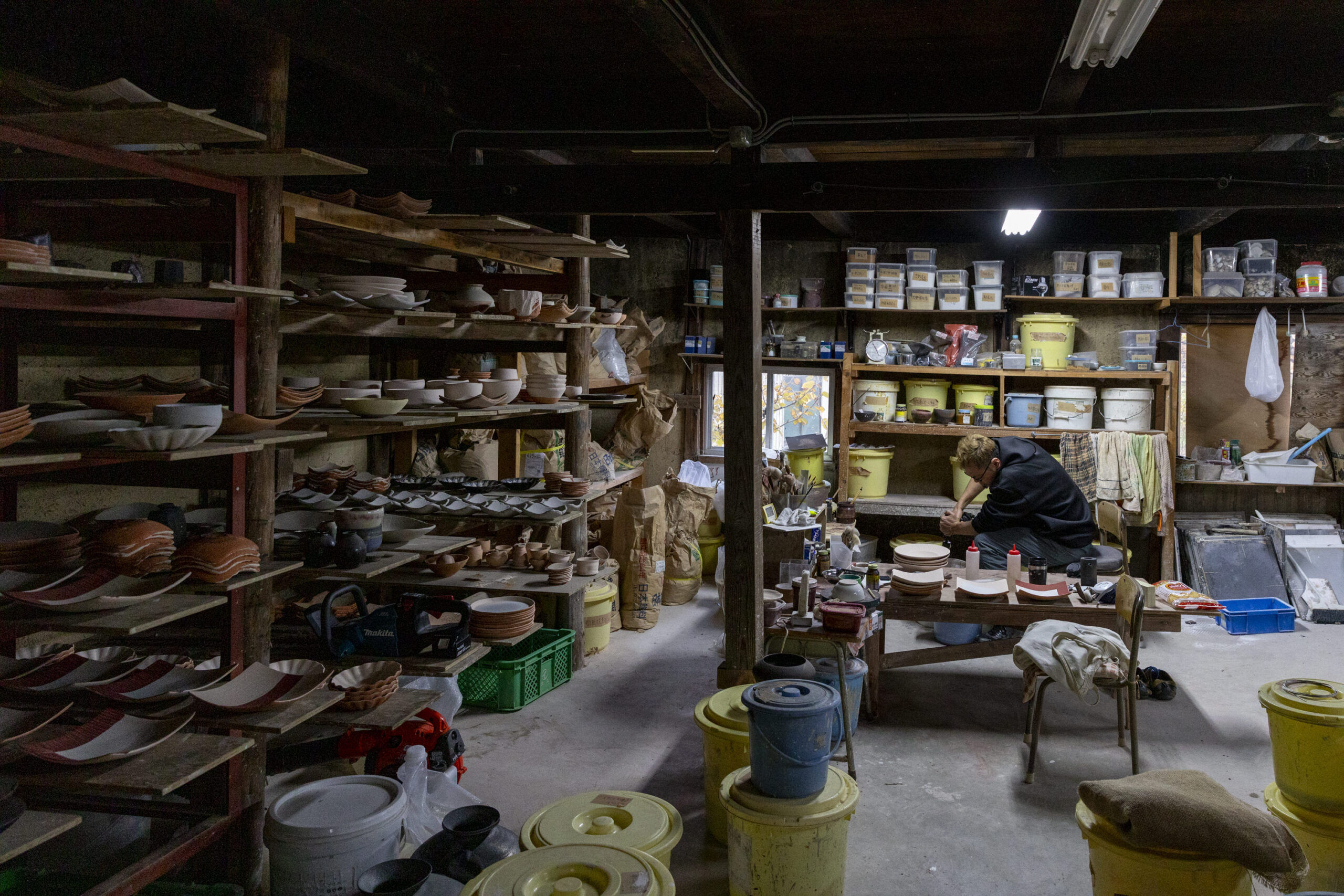
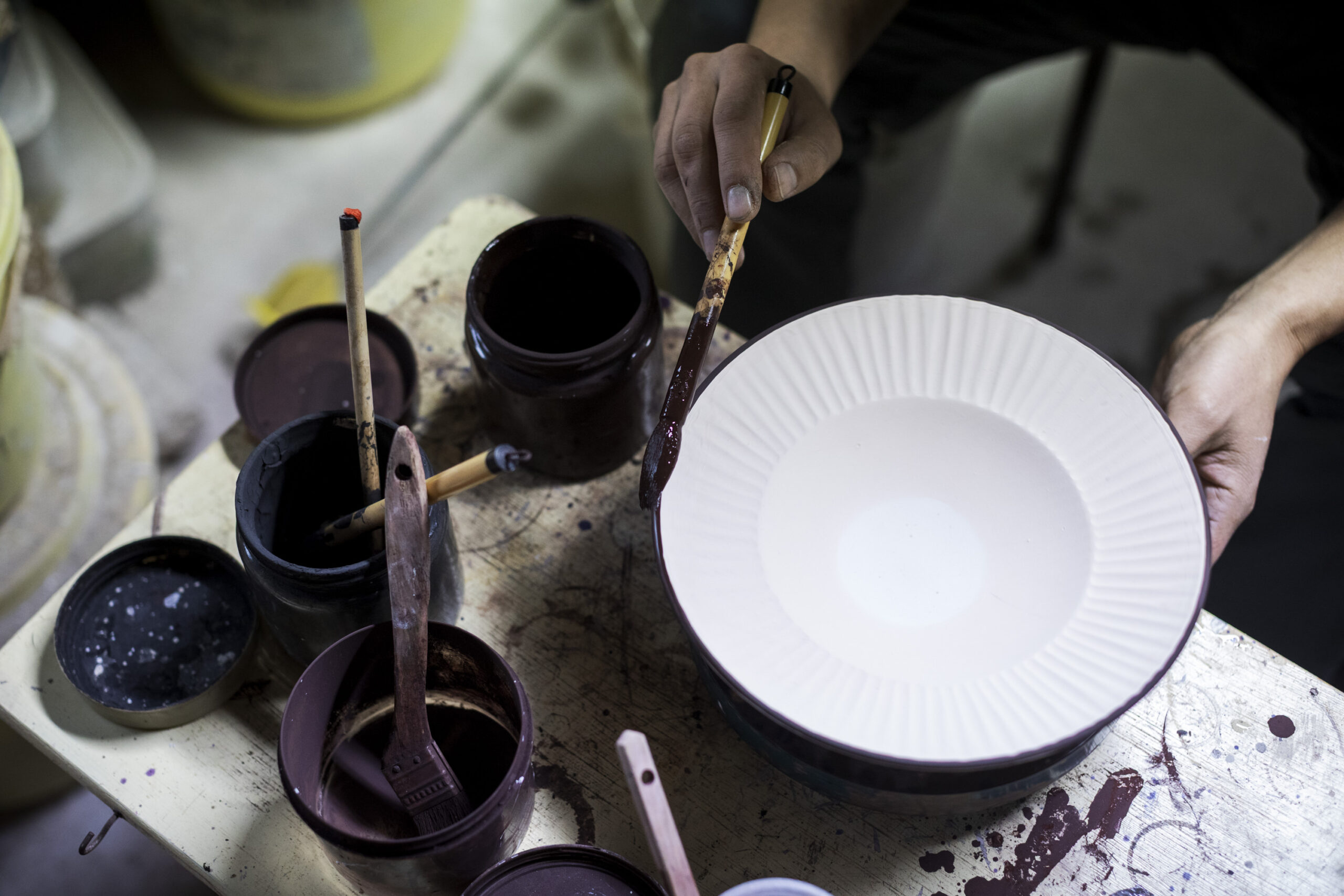
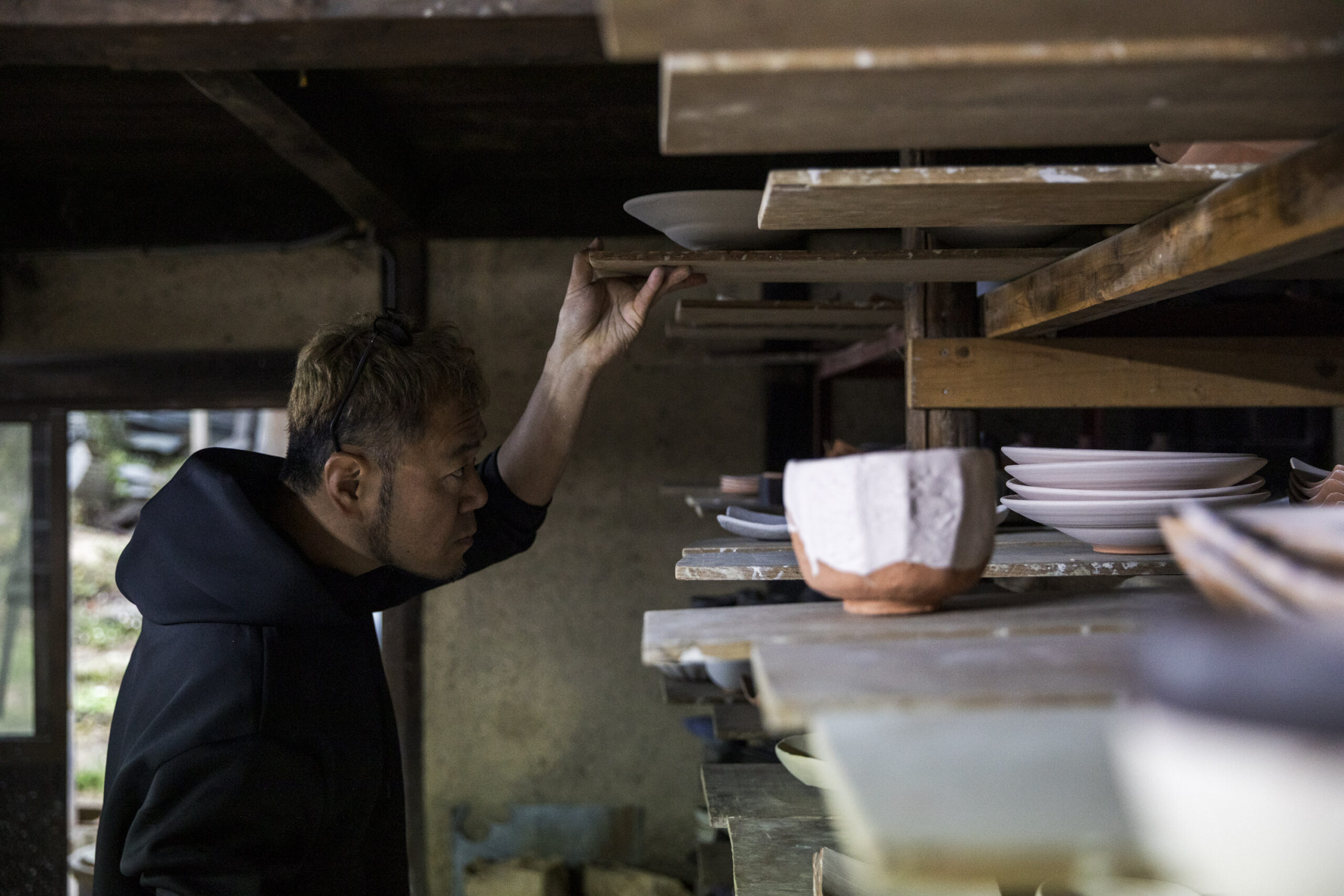
The state of the workshop
スクロールできます


Works
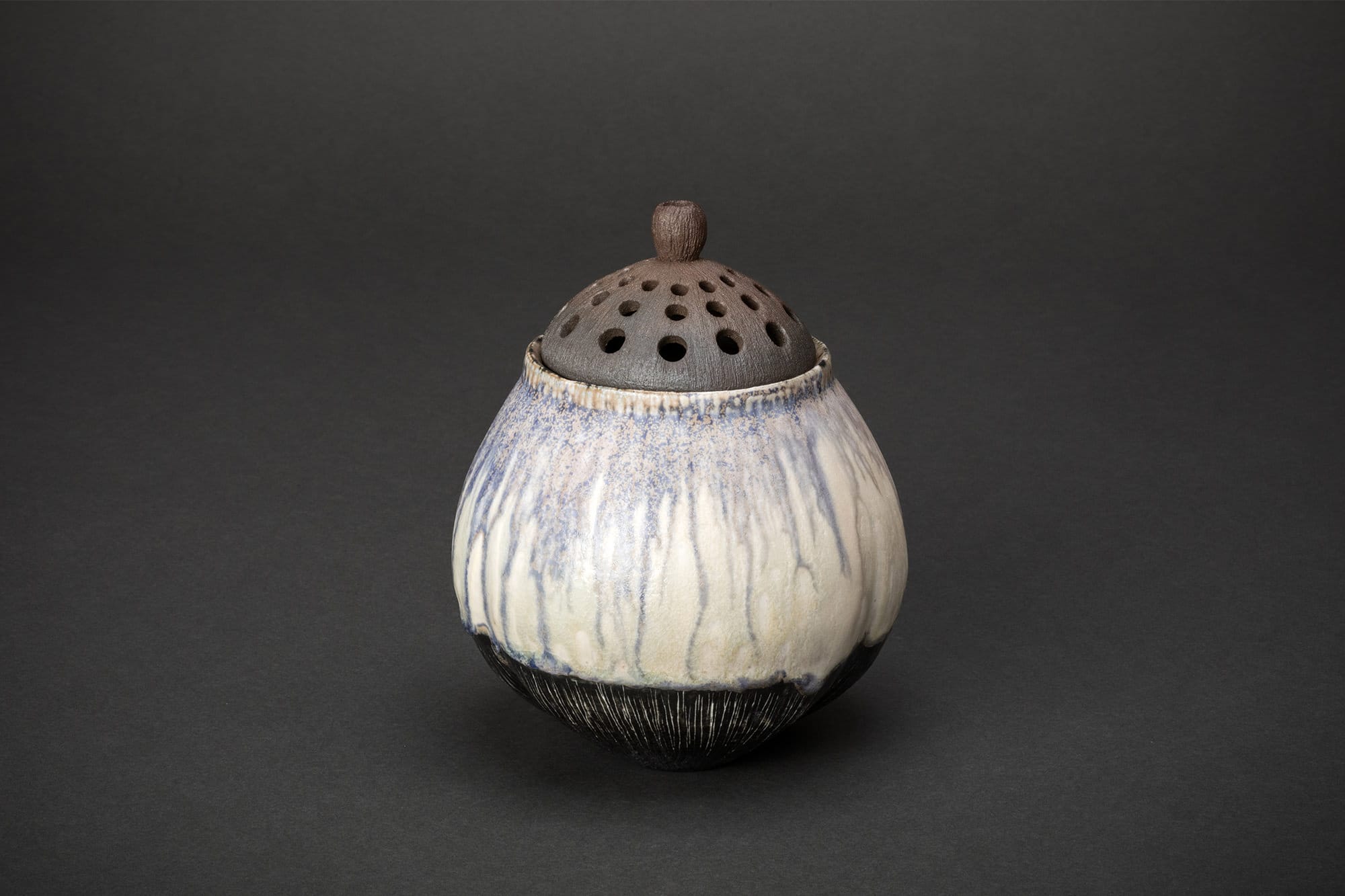
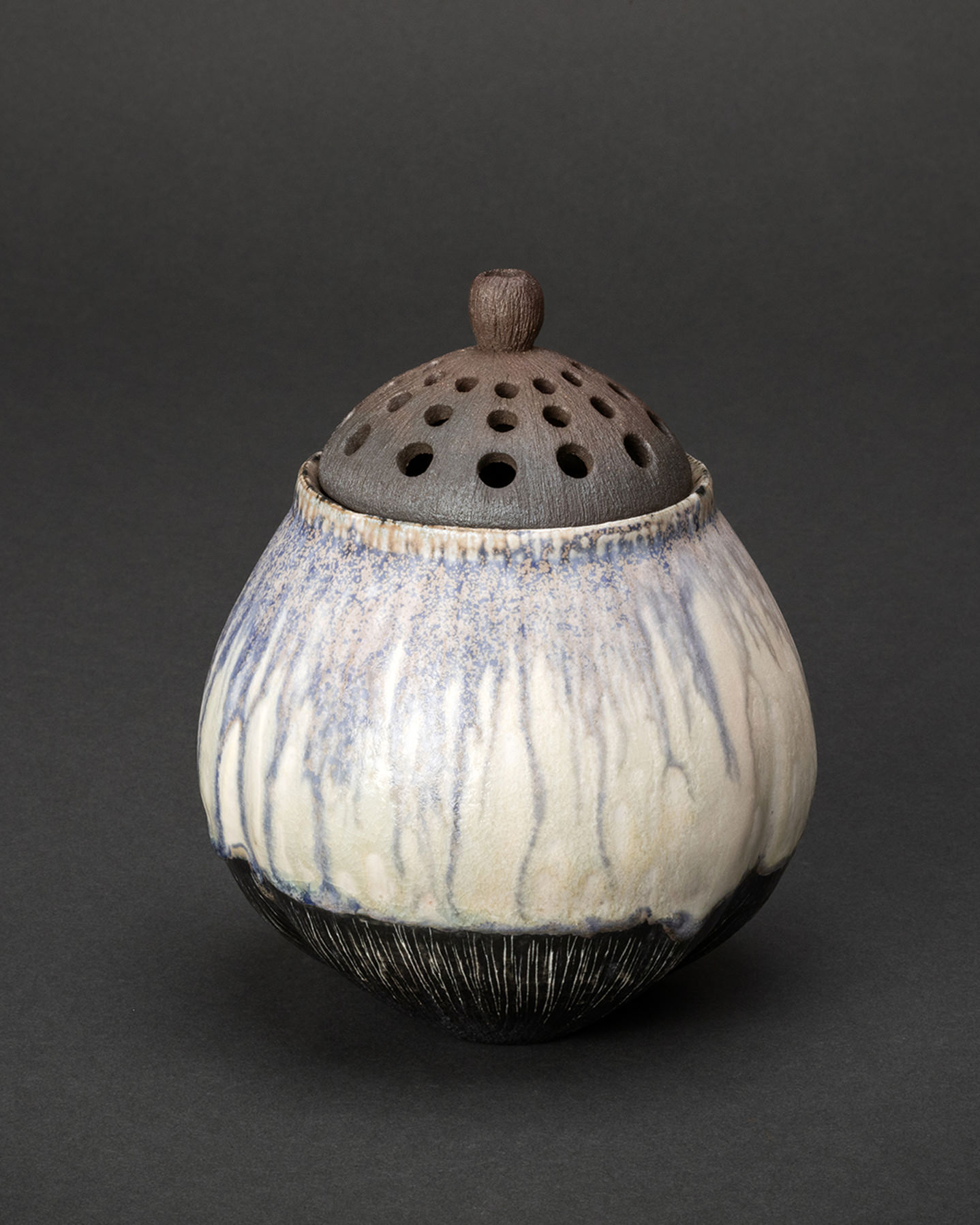
photo:AOTANI Takeru
Interview
Refined and Modern. The Aesthetics of SHINRIN-GAMA’s Nakaoka Nobuto, Capturing the “Ephemeral Traces” Drawn by Gravity in Each Form
Gradations Drawn by Gravity. Capturing “Phenomena” Within a Microcosm of Clay
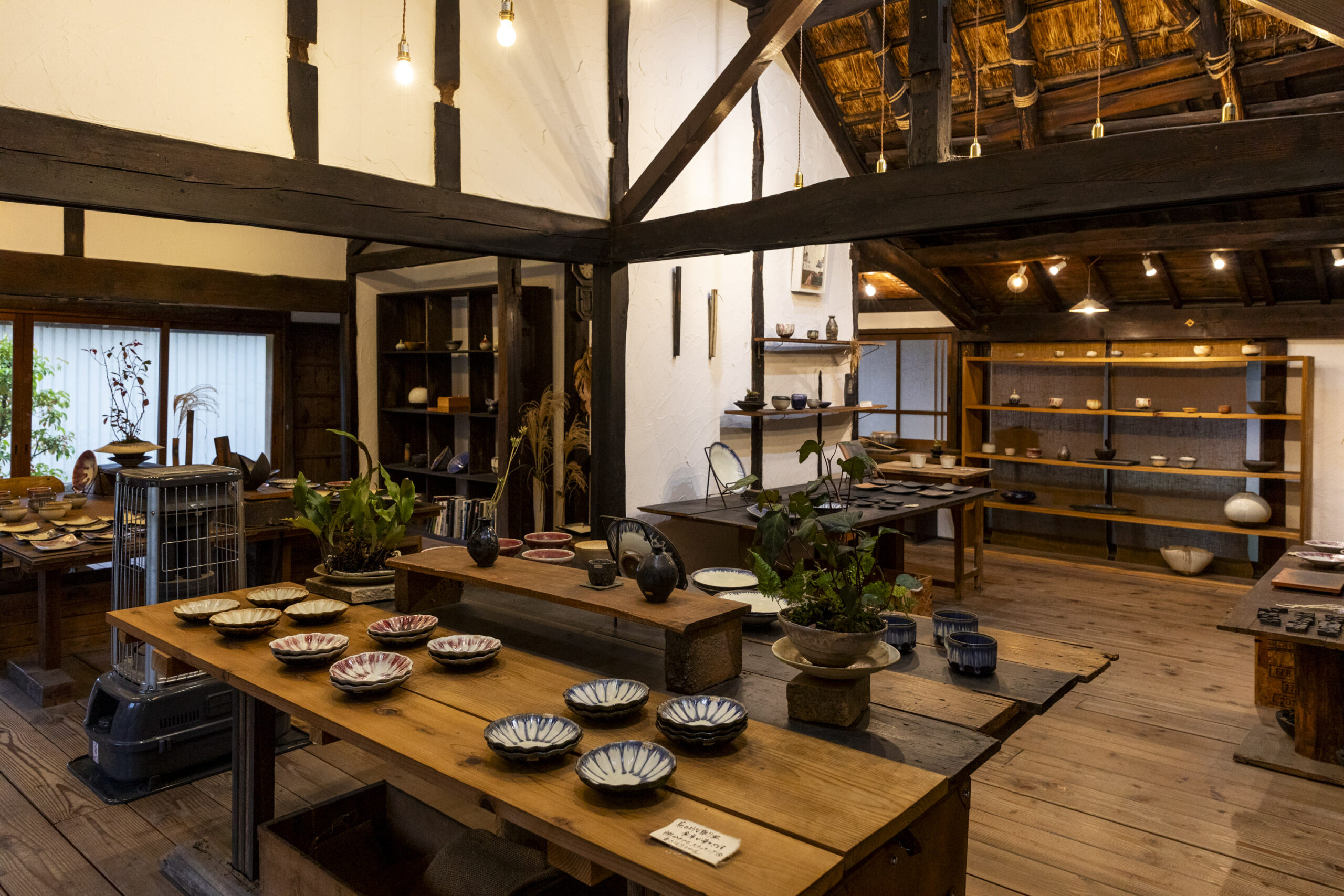
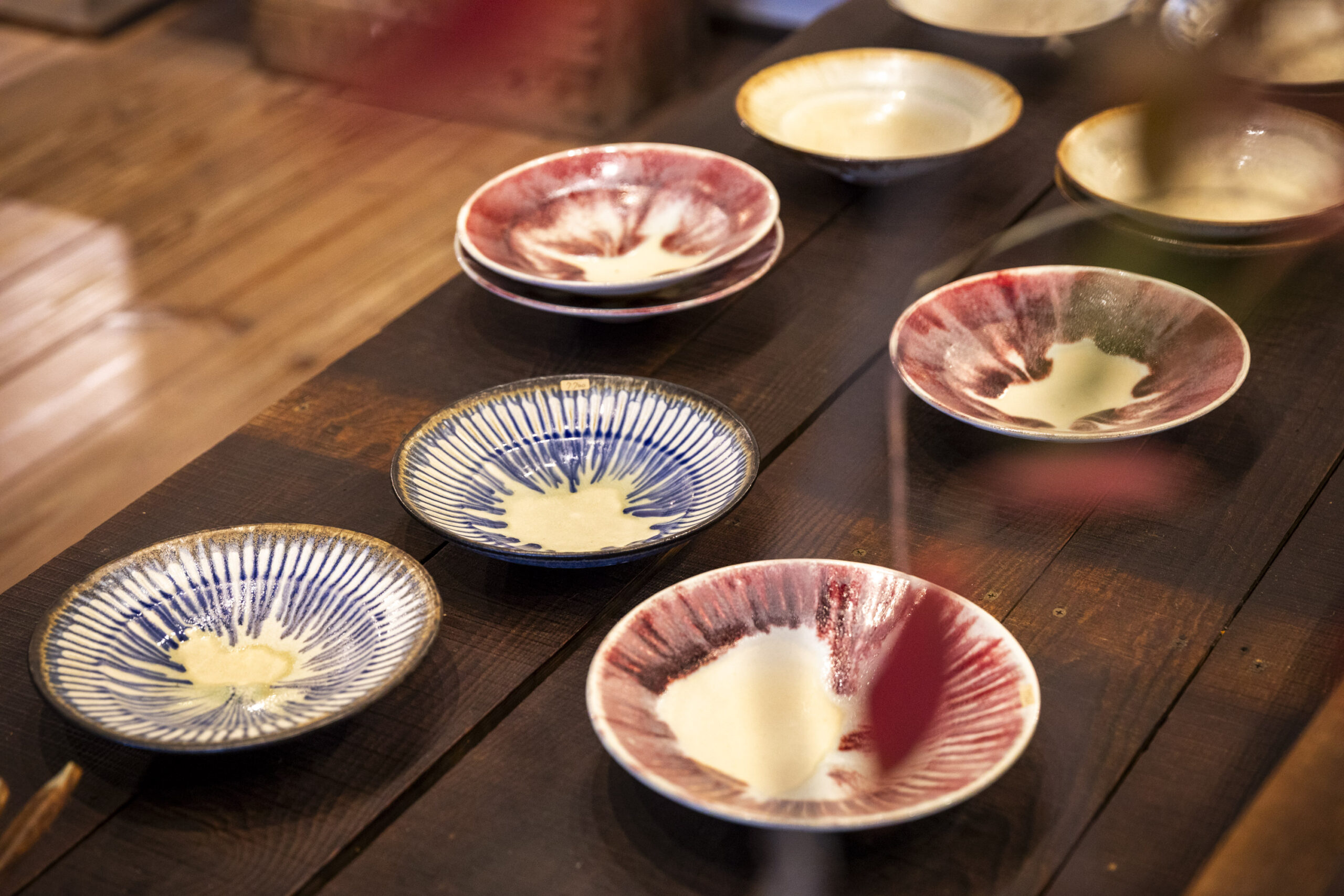
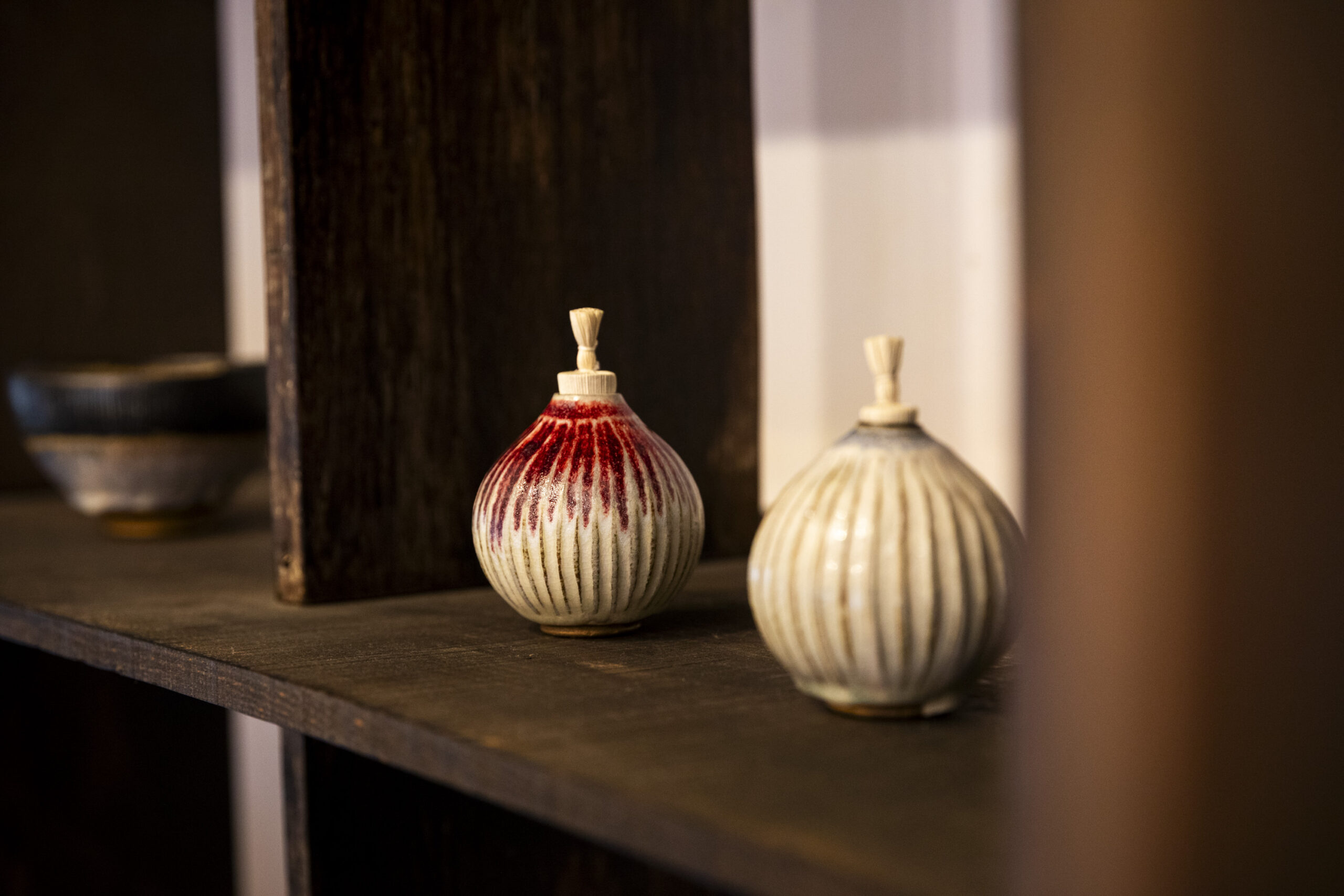
Inside the gallery, renovated from a traditional farmhouse over 150 years old with only minimal alterations, a quiet atmosphere lingers, accompanied by the soft sound of jazz. The works displayed in a clean line appear almost architectural, their sculptural presence imbued with a refined dignity. Matte blacks reminiscent of metal, and beautiful gradations shifting from deep blues and reds into white, create a palette of subdued colors that settles harmoniously into the space.
These pieces are records of “phenomena” captured in clay by Nakaoka Nobuto of SHINRIN-GAMA, born from the interplay of Earth’s gravity, the kiln’s flames, and chance.
“I deliberately apply pigment only near the rim. The glaze, rich in metallic components and therefore heavy, melts under the kiln’s heat and slowly begins to slide downward, pulled by gravity. That trajectory becomes the form’s pattern.”
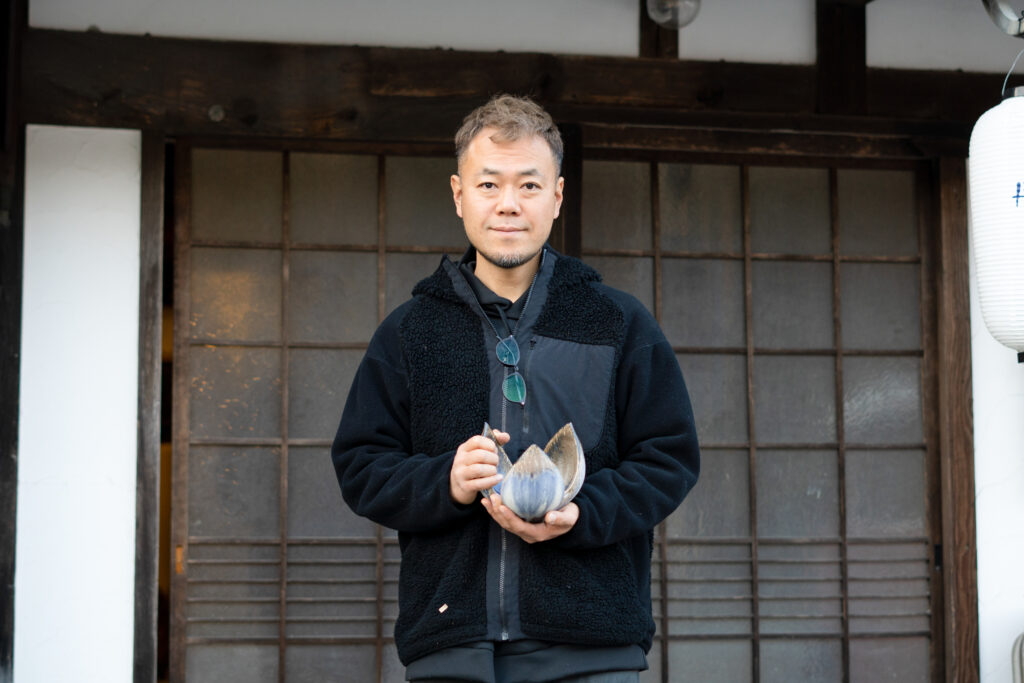
What Nakaoka observes is beauty that lies beyond intention. While the sharp lines and edges of each form are carefully calculated and shaped, the glaze responds to gravity—an irresistible natural force beyond human control. Entrusting the work to this force of nature, the form continues to transform moment by moment.
“In ceramics, there is always a period when human hands can no longer intervene. Once the kiln is sealed, what heat and gravity will bring about is unknown. I want to preserve the accumulation of those changes within the form of each form.”
If those who resonate with his sensibility naturally feel drawn to his work, that is enough. Such a clear and unpretentious philosophy further enhances the transparency and quiet strength of his creations.
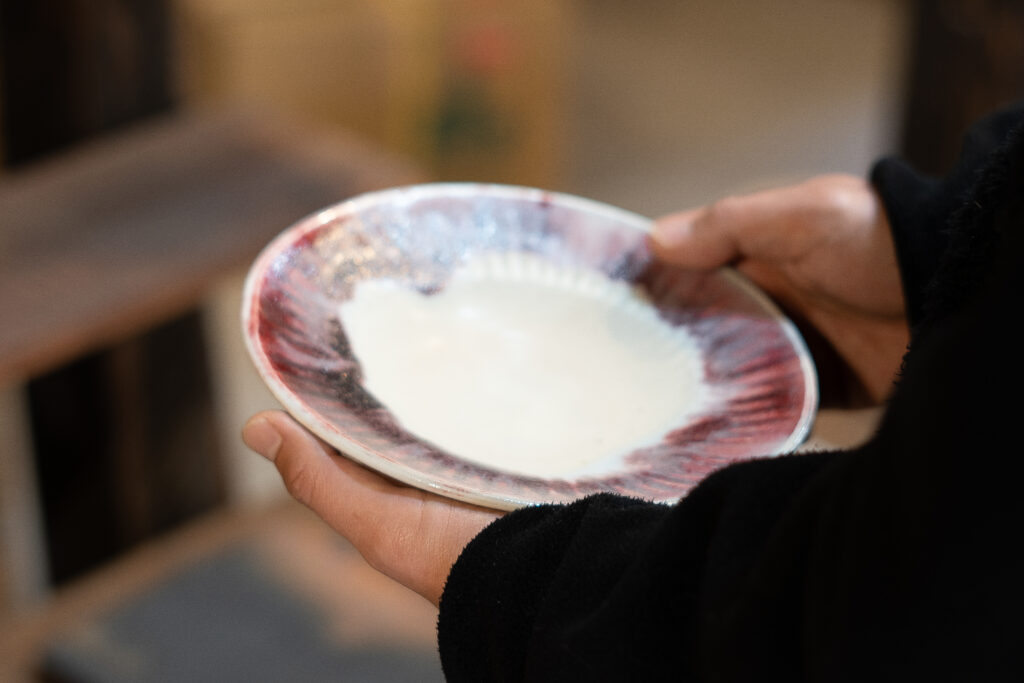
From Osaka to Tamba. Finding an Independent Path After the Japan Overseas Cooperation Volunteers
Born and raised in Osaka, Nakaoka spent his childhood constantly making things with his hands. He was also fascinated by the “backstage” of craftsmanship where he could watch carpenters building nearby houses for hours without losing interest.
A turning point came during high school. His school happened to have a small potter for ceramics, and in an art class he touched clay for the first time. In that moment, he knew: “This is interesting. I can make this my profession. I want to become a ceramic artist.” An unshakable confidence emerged from within.
“I couldn’t find much joy in ordinary high school life. For someone like me, who felt on the verge of dropping out of that framework, discovering ceramics felt like a clearing of the fog.”
After graduating, at eighteen, he became an apprentice under Nishibata Tadashi of Sueharu-gama. Without knowing left from right, he leapt into the world of ceramics. After four years of training, he studied ceramic theory at the Kyoto Industrial Research Institute, then returned to his master’s studio for another two years of practice. At twenty five, on the brink of independence, he made a bold decision: he joined the Japan Overseas Cooperation Volunteers as a ceramic instructor and traveled to Saint Vincent, an island in the Caribbean.
“I’d backpacked through India and Nepal before, and my curiosity about the world outside Japan was impossible to suppress. But the reality was harsh.”
There were no materials, no tools, no connections—an entirely different language and culture. Alone and often pushed to his mental limits, he spent two years in an environment where he had no choice but to rely on himself. That experience became an irreplaceable foundation for him.
“Right after returning to Japan, I was introduced to the place that is now my studio. It was a connection formed through a chain of coincidences, and I knew I wouldn’t find another like it. I decided immediately.”
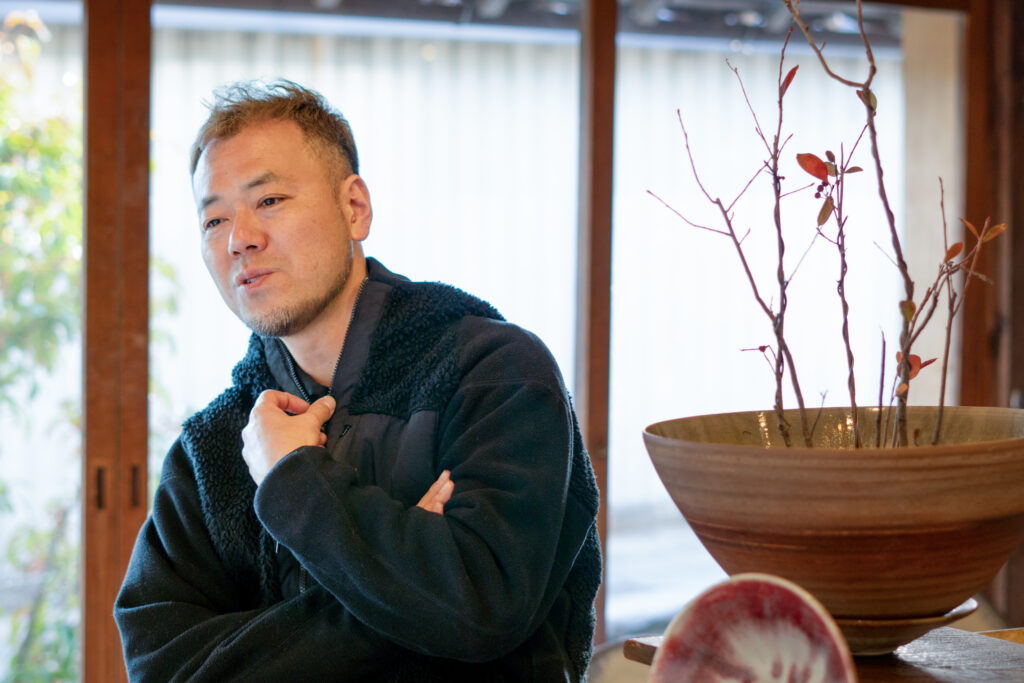
Evening Drinks and “Listening Reading.” Refining Potters Through a Quiet Daily Rhythm
In the early days after becoming independent, Nakaoka devoted himself not to pursuing his own artistic vision, but to fulfilling commissioned work. Confronting each task with sincerity gradually sharpened his sensibility. Compared with other regions, Tamba clay does not produce flamboyant colors; it demands ingenuity and intelligence from the maker.
Today, Nakaoka’s daily routine is remarkably quiet. When he sits at the wheel, music or audiobooks are always playing beside him.
“When throwing on the wheel, I concentrate fully. But trimming and glazing afterward can feel almost like ‘autopilot.’ As I listen to stories, I entrust everything to the sensations my body remembers. That rhythm feels right.”
After work, he prepares simple dishes himself and enjoys an evening drink—beer first, then sake. Yet he rarely uses his own potters during these moments.
“If I use my own pieces, I end up spotting flaws and slipping back into work mode,” he laughs. “So I enjoy using the work of artists I admire, purely as a user.”
For those visiting Tachikui, Nakaoka recommends stepping out of the car and walking along the old road.
“The old road still holds an atmosphere where time seems to stand still. As you walk, you can sense how past craftsmen lived here. Experiencing that presence will change how you see Tamba ware.”
Perhaps, when Nakaoka faces clay, he too reflects on the countless potters who built the legacy of Tamba ware, working with quiet reverence for those who came before.
Overview
of
SHINRIN-GAMA
Address
180-1 Shimotachikui, Konda-cho, Tamba-Sasayama, Hyogo, Japan
TEL
FAX
Website