
TOC
MARUSE-GAMA
profile
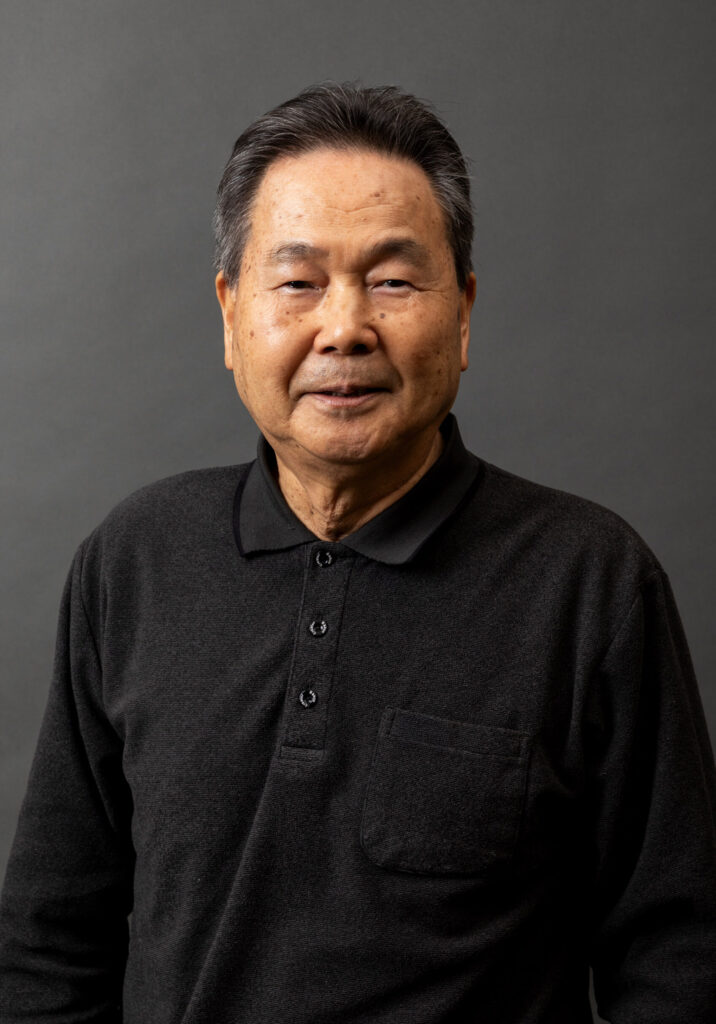
Masaji Ogami
profile
Masaji Ogami
2nd generation
Year of Birth:1950
Year Began Pottery:1970
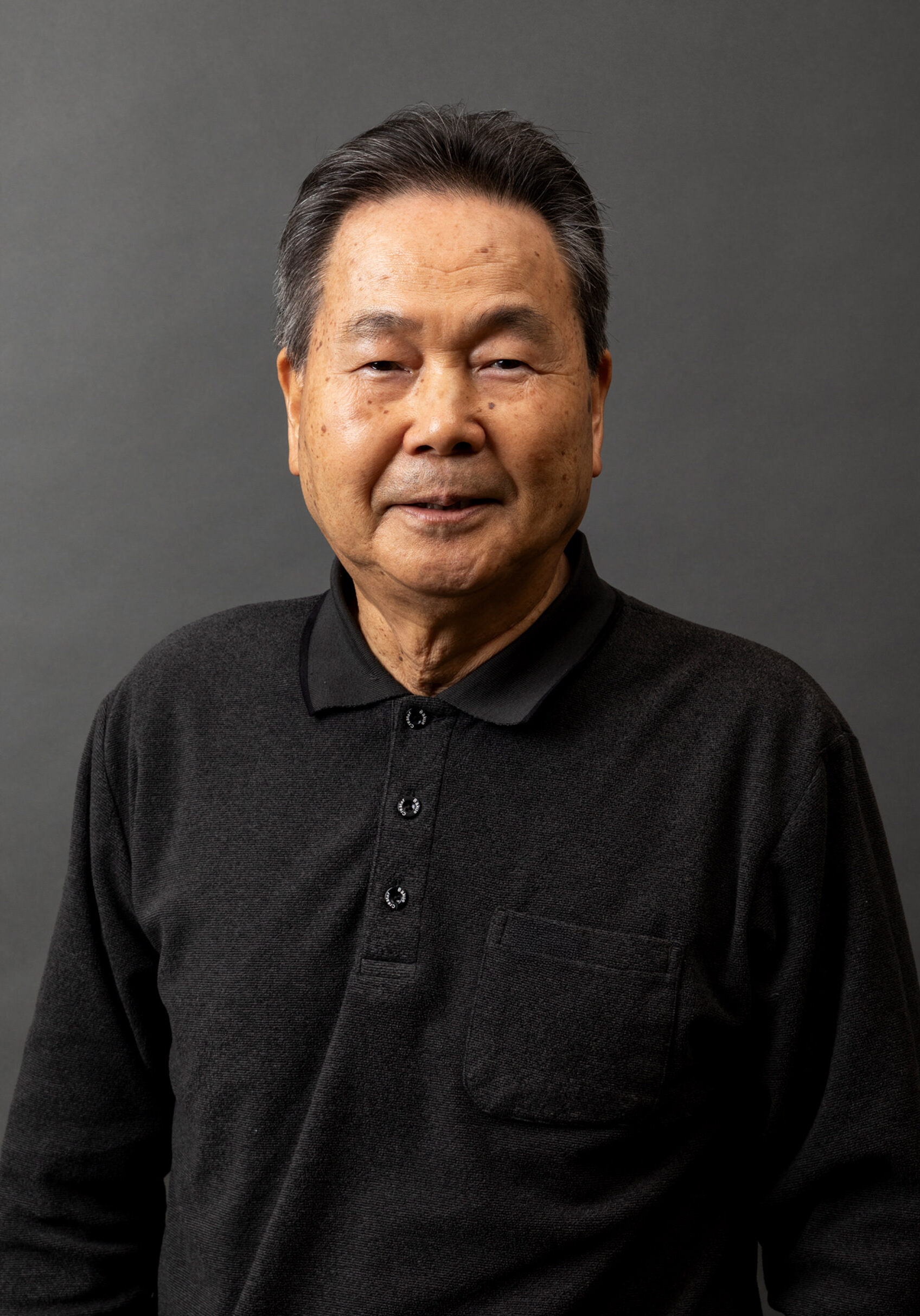
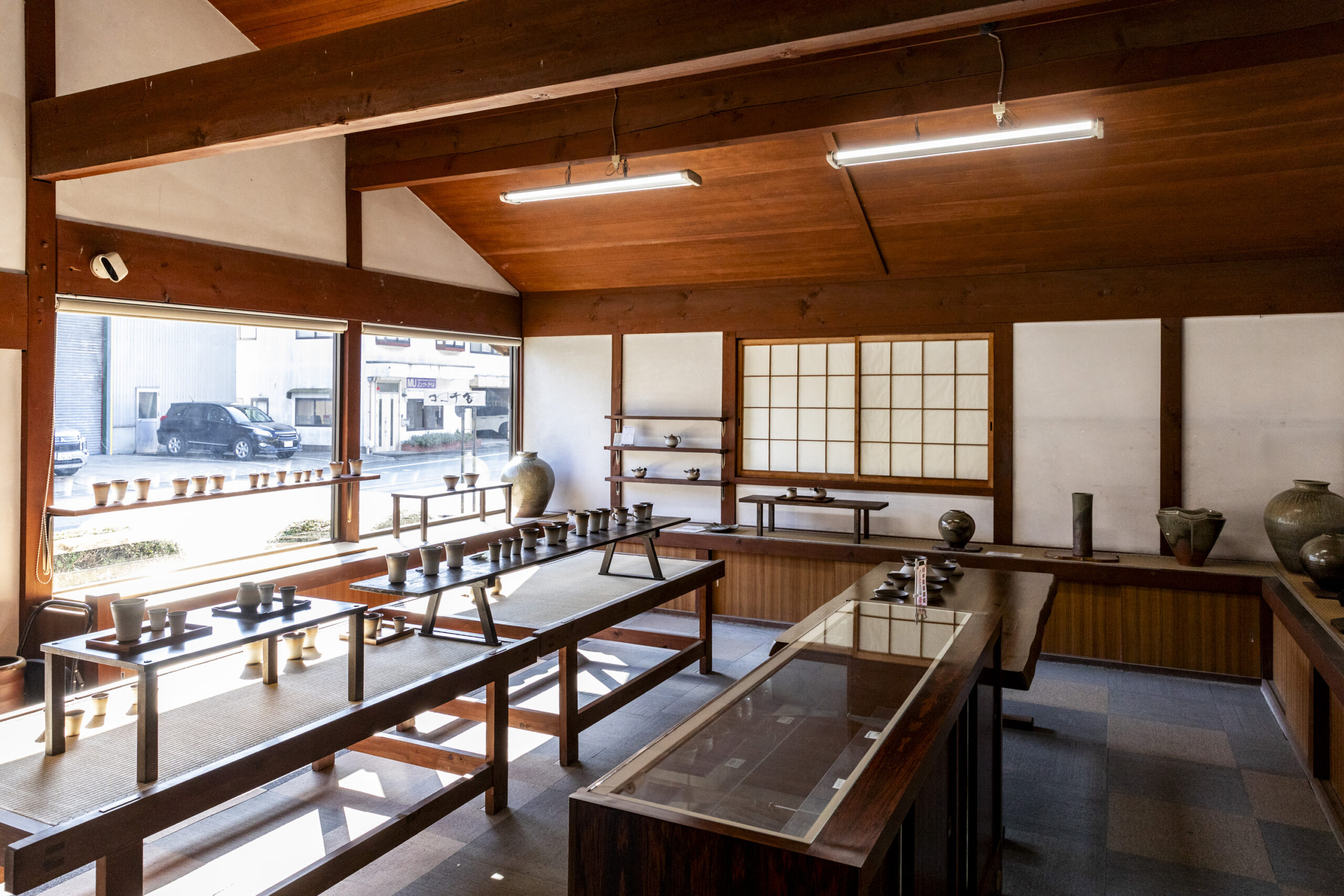
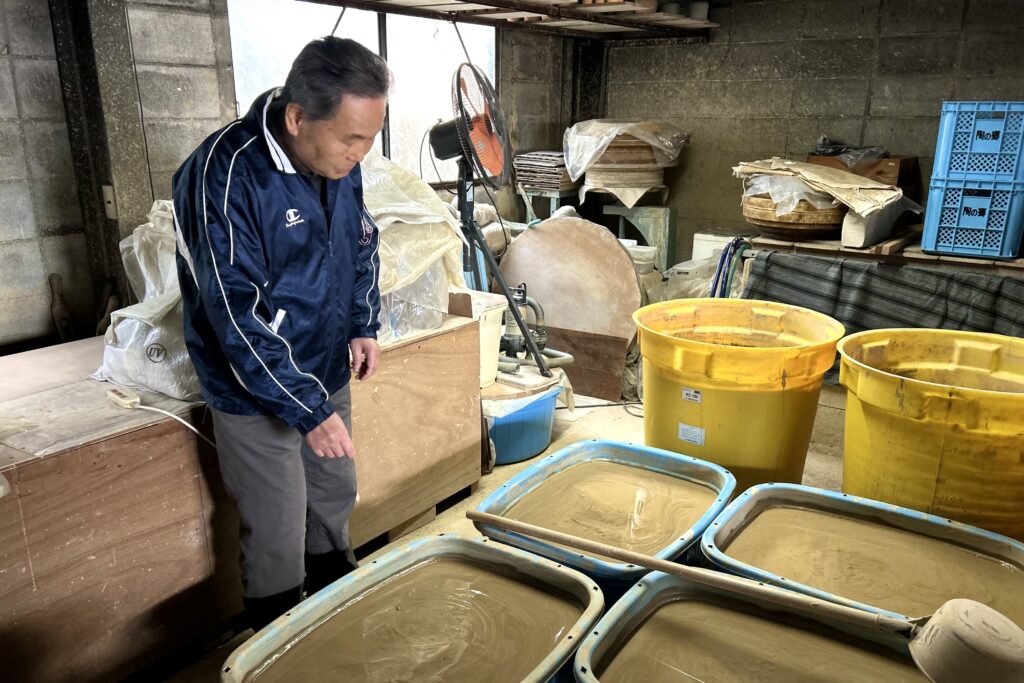
The state of the workshop
スクロールできます
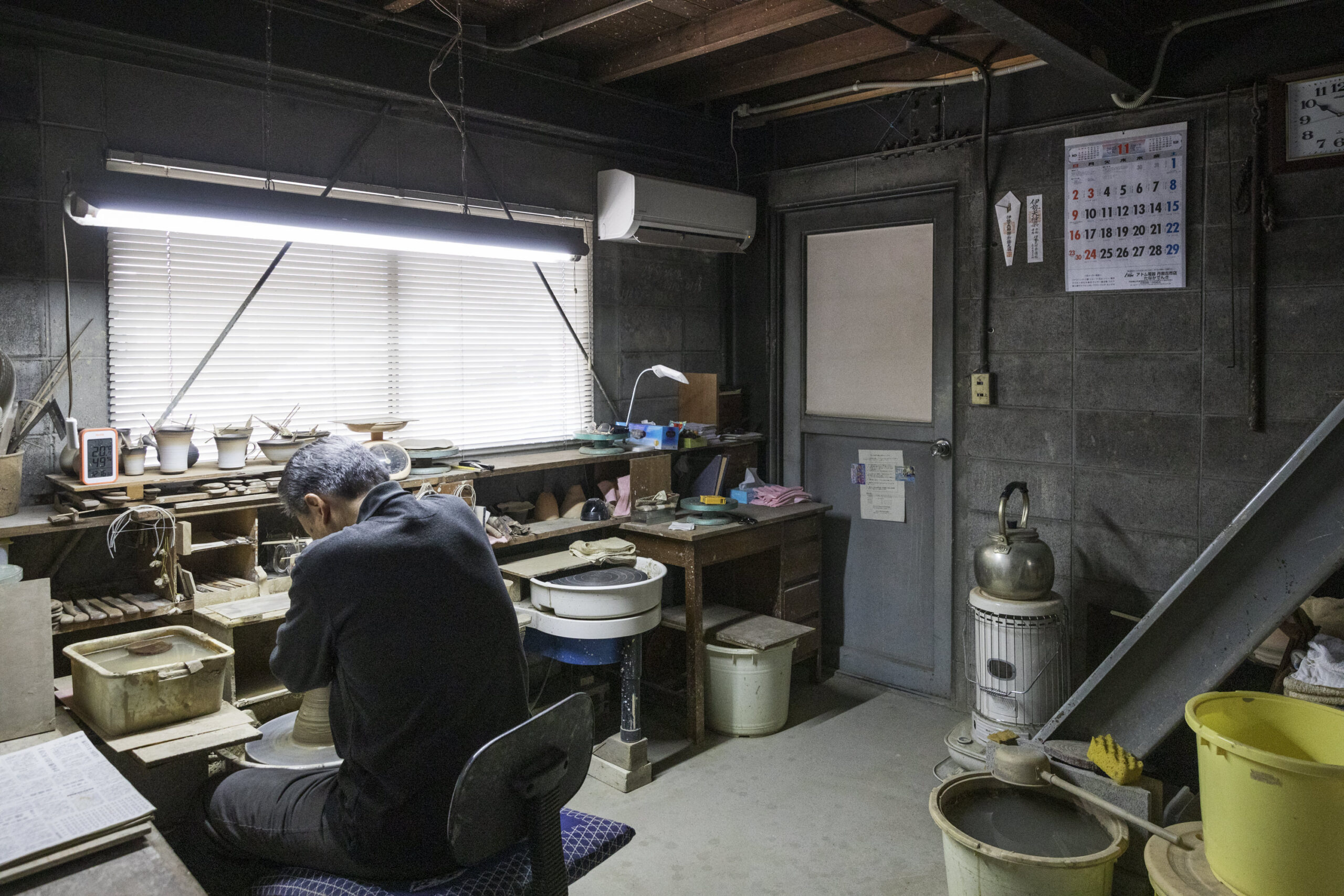
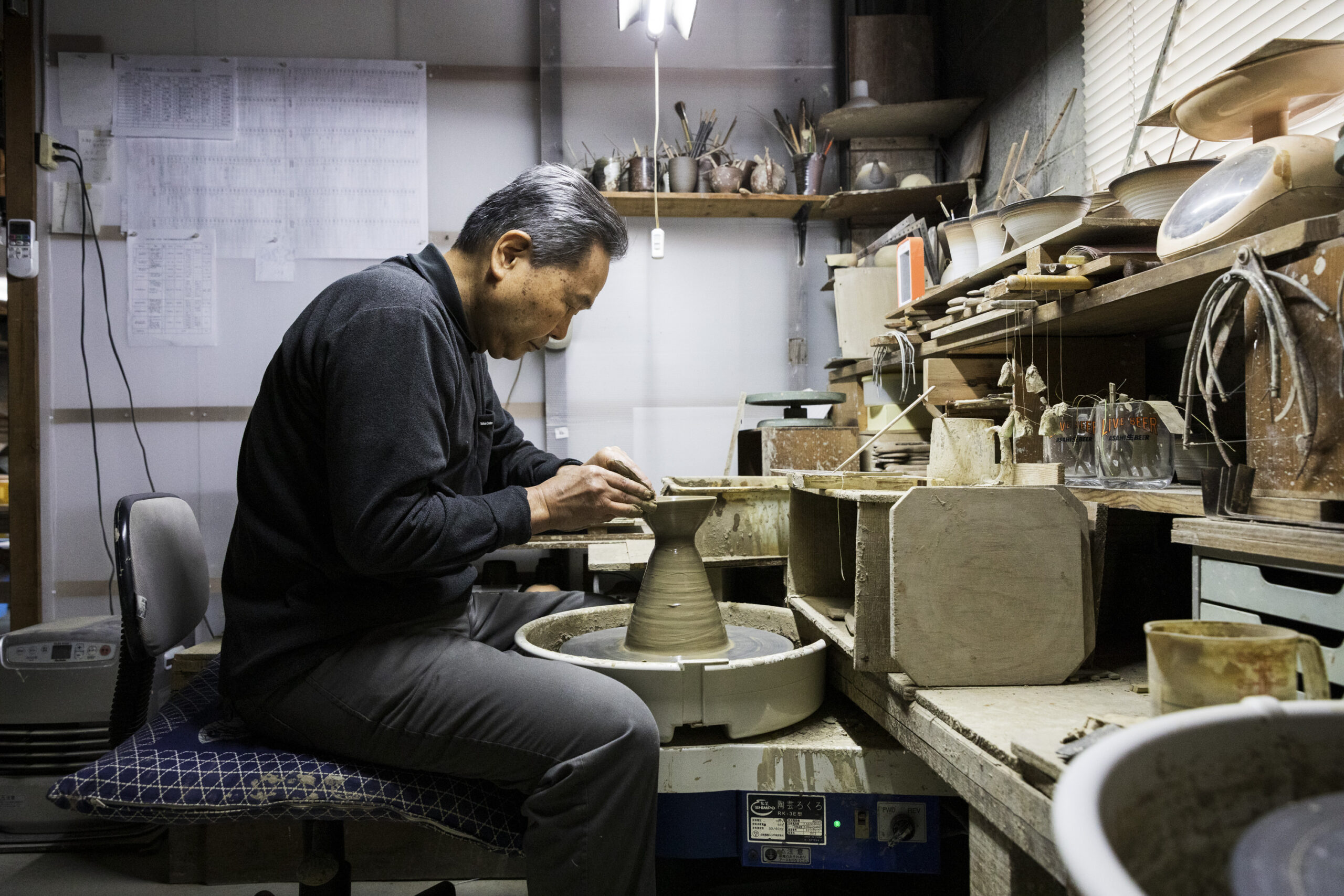
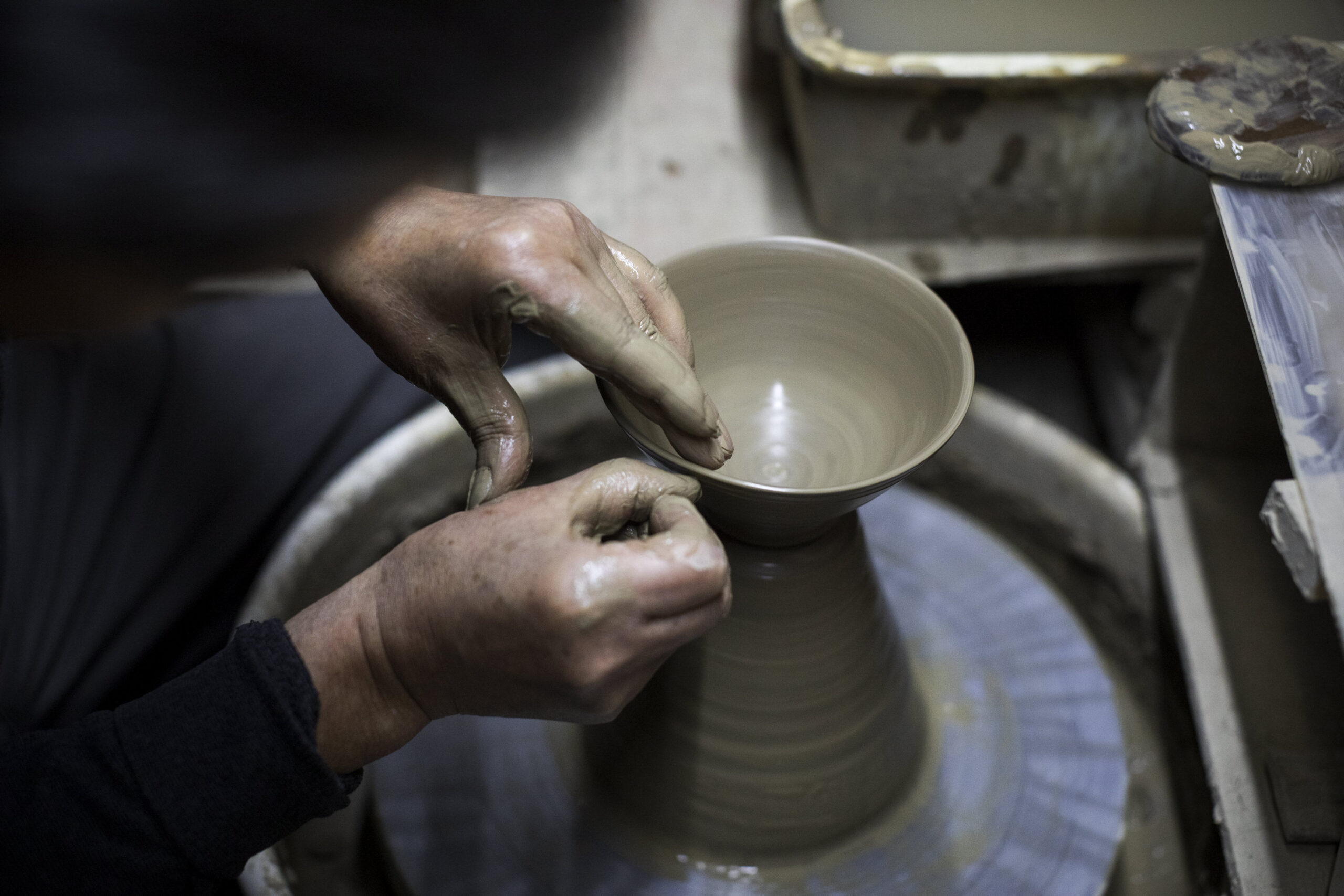


Works
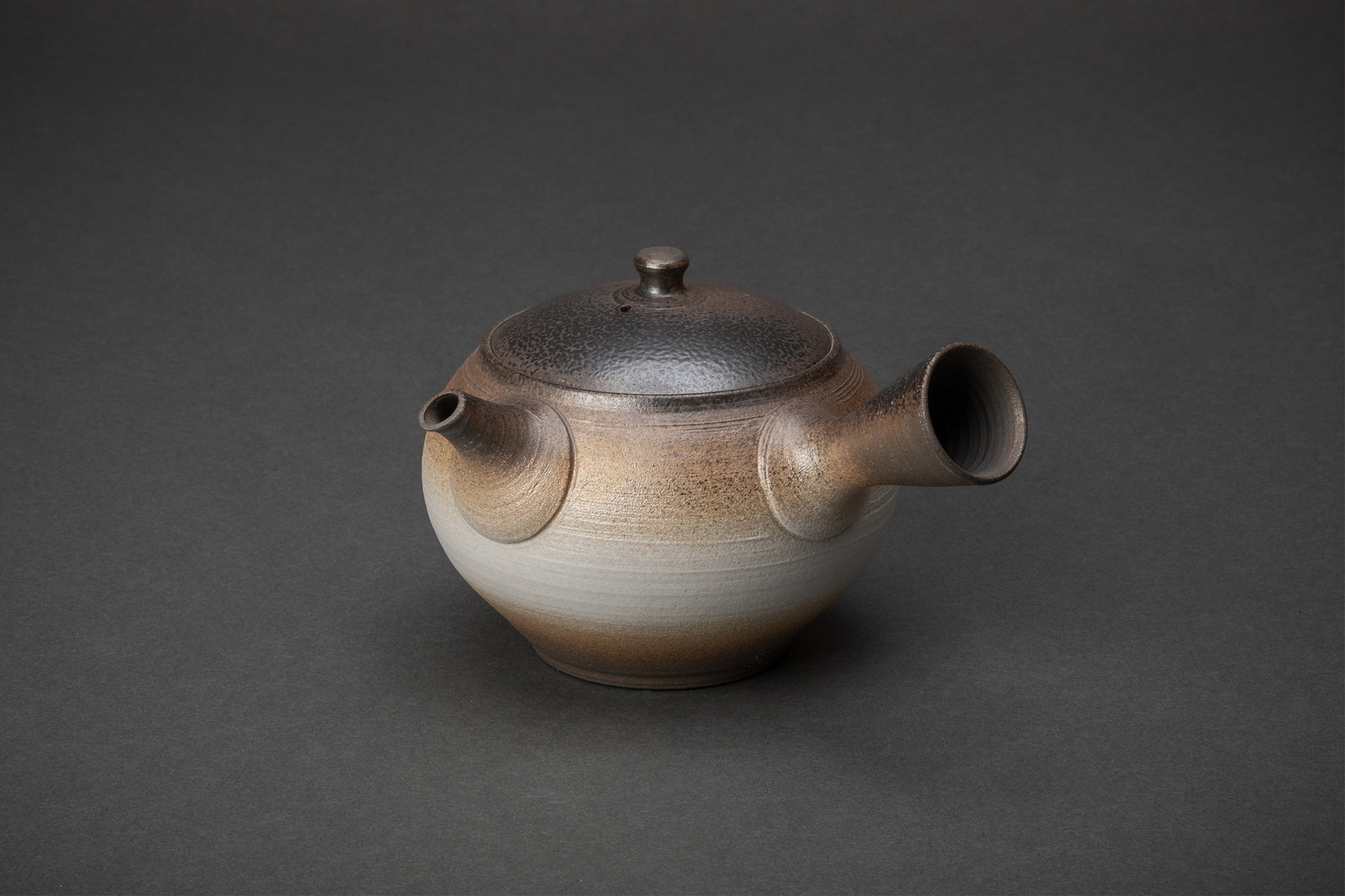
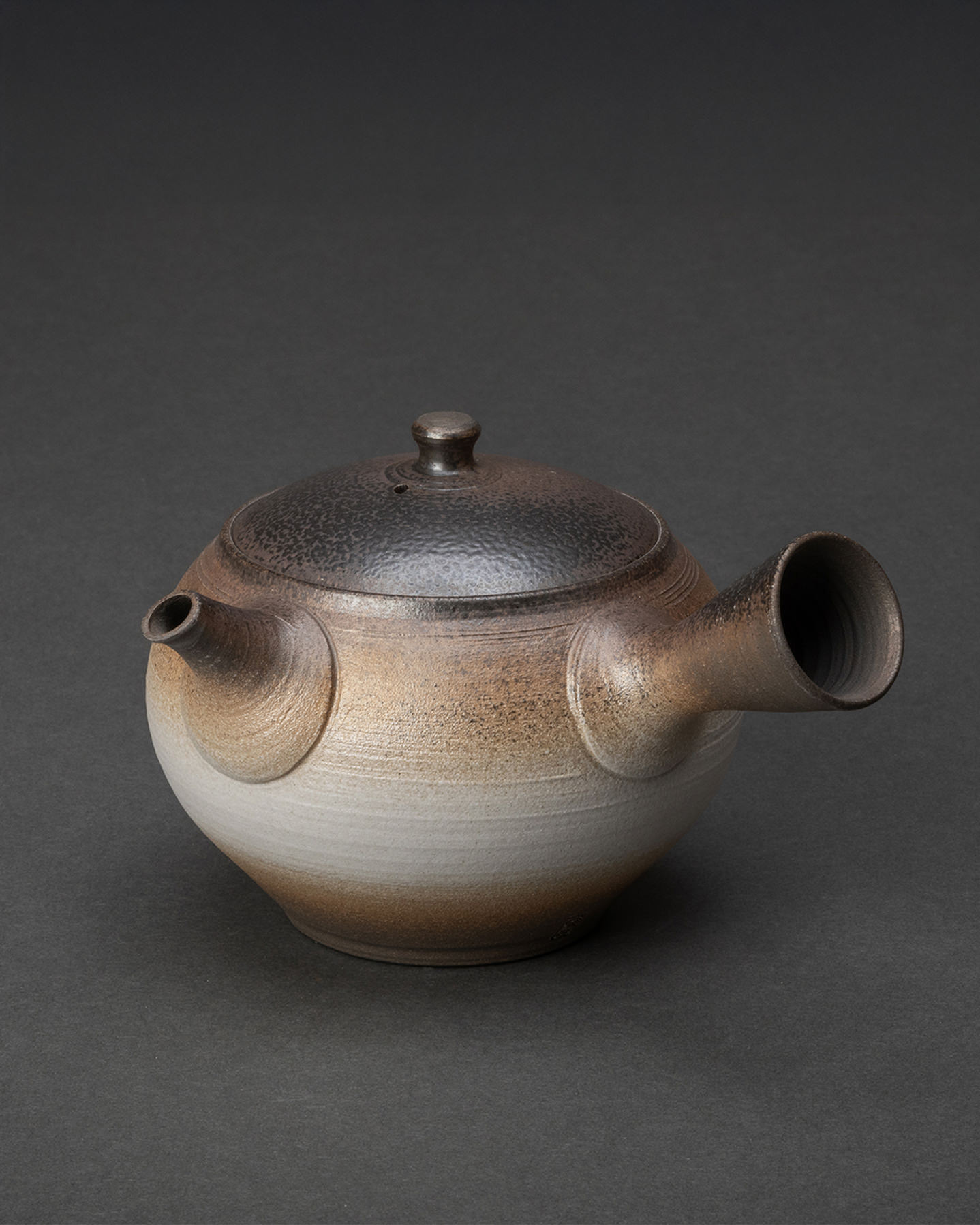
photo:AOTANI Takeru
Interview
Understanding the Nature of the Clay to Shape Its Expression—Carbon-Fired Golden Sheen and White Brushstroke Gradations.
The Functional Beauty Masaji Ogami of MARUSE-GAMA Has Reached, Designed to Gently Accompany Everyday Use
Golden Sheen from Carbon Firing and White Brushstroke Gradations Rooted in Traditional Tamba Clay
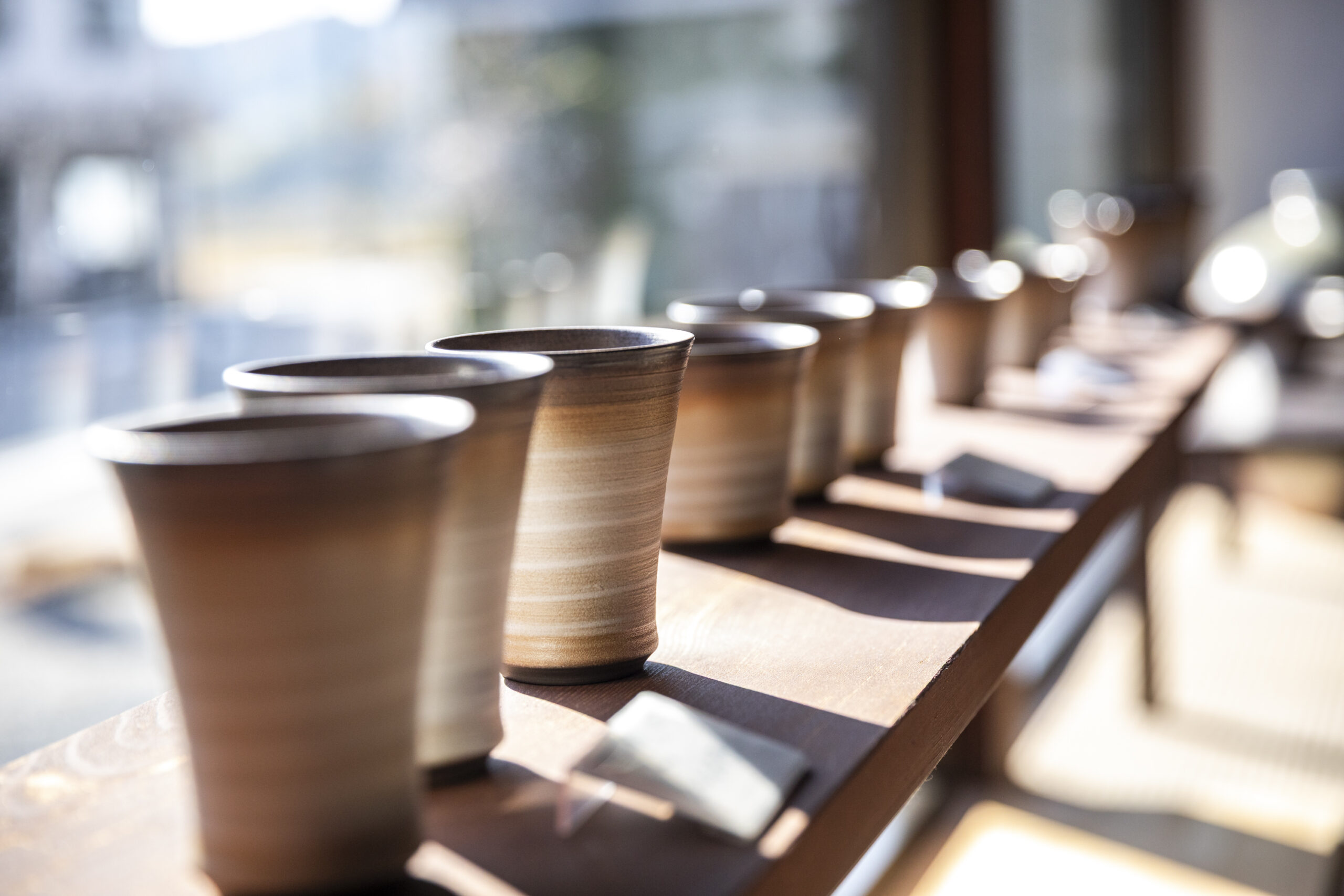
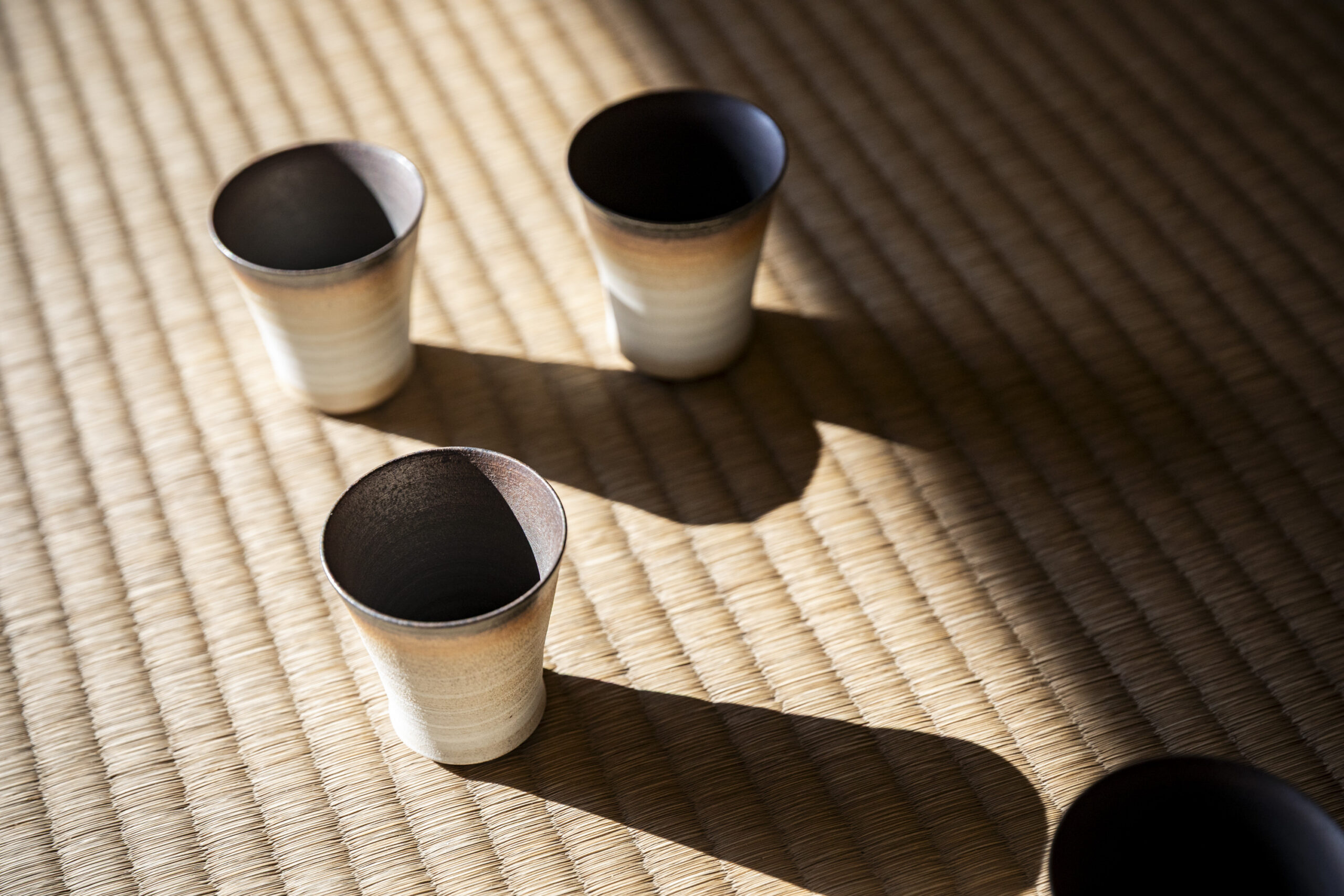
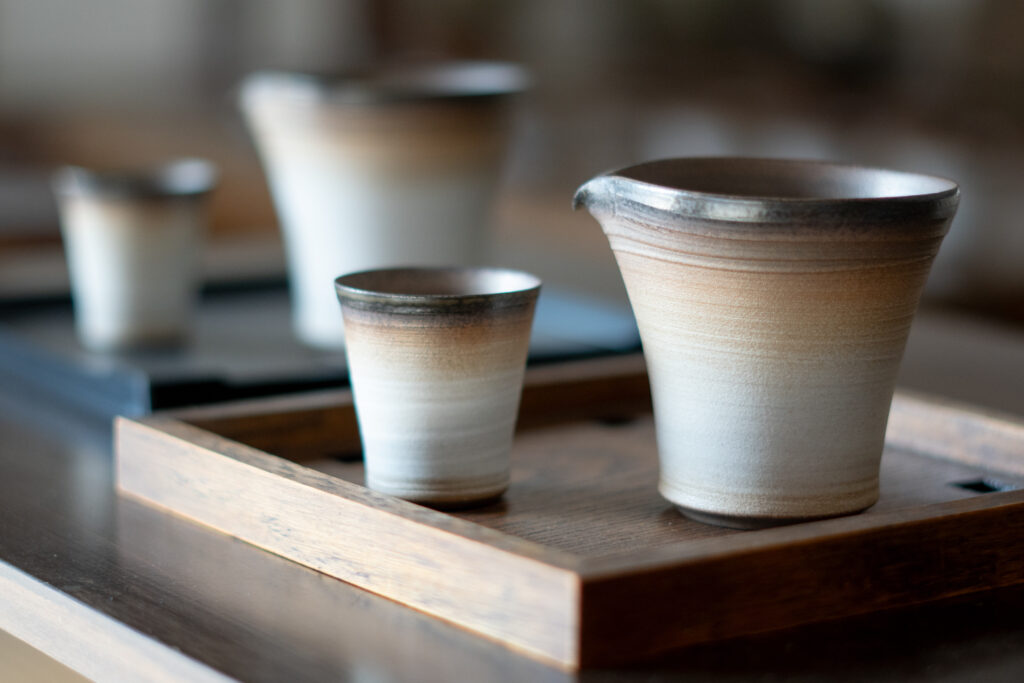
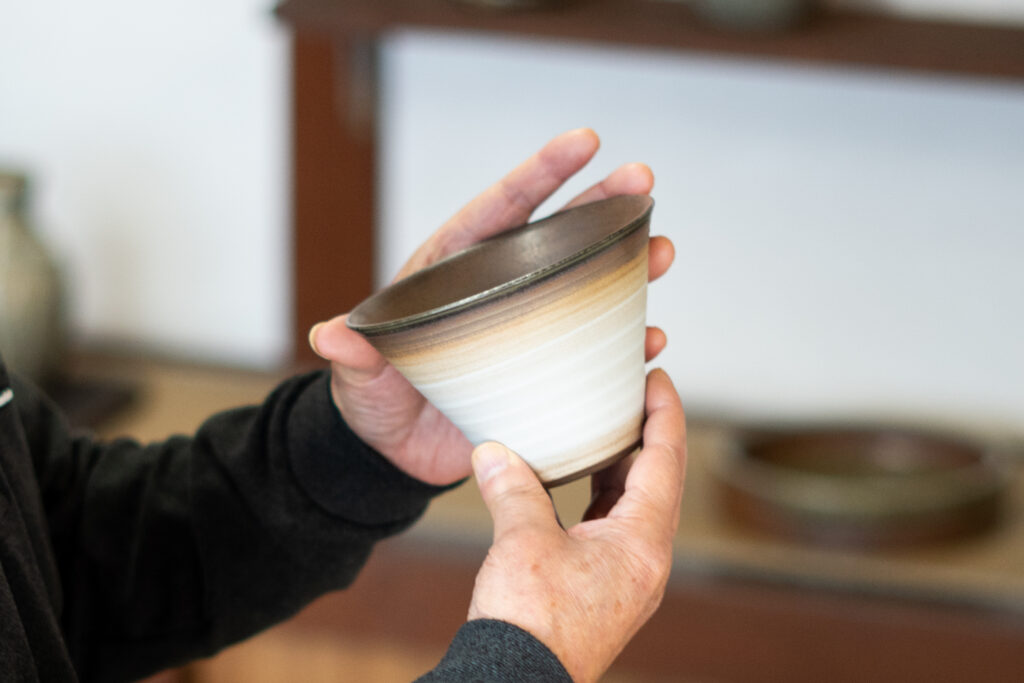
When you hold a piece from MARUSE-GAMA, it is the color that first captivates you. The natural reddish-brown tone of Tamba clay is layered with white brushstroke decoration, while along the rim a golden sheen emerges through carbon firing, forming a quiet gradation. This distinctive expression is the work of Masaji Ogami.
“These colors are only possible because I prepare the clay myself. I mix Tamba’s red clay with okutsuchi—the ‘deep clay’ found at the bottom of rice paddies. Then I spray a white clay dug from the mountains onto the surface.”
For Masaji, everything begins with the clay itself. While many potters purchase pre-blended clay, he dissolves raw clay in water and removes impurities through a refining process known as suhi (water levigation), carefully filtering it to create his own original blend.
“Every clay has strengths and weaknesses. If there’s a flaw, you compensate by blending in something else. That’s how I developed a clay that achieves the texture I’m after—and even in an electric kiln, it can produce the depth of an unglazed, high-fired finish. I’ve been working in this style for over ten years now.”
His forms carry more than utility; they hold the quiet presence of nature. The restrained contrast created by combed lines and white brushwork feels as though it captures the very landscape of Tamba itself.
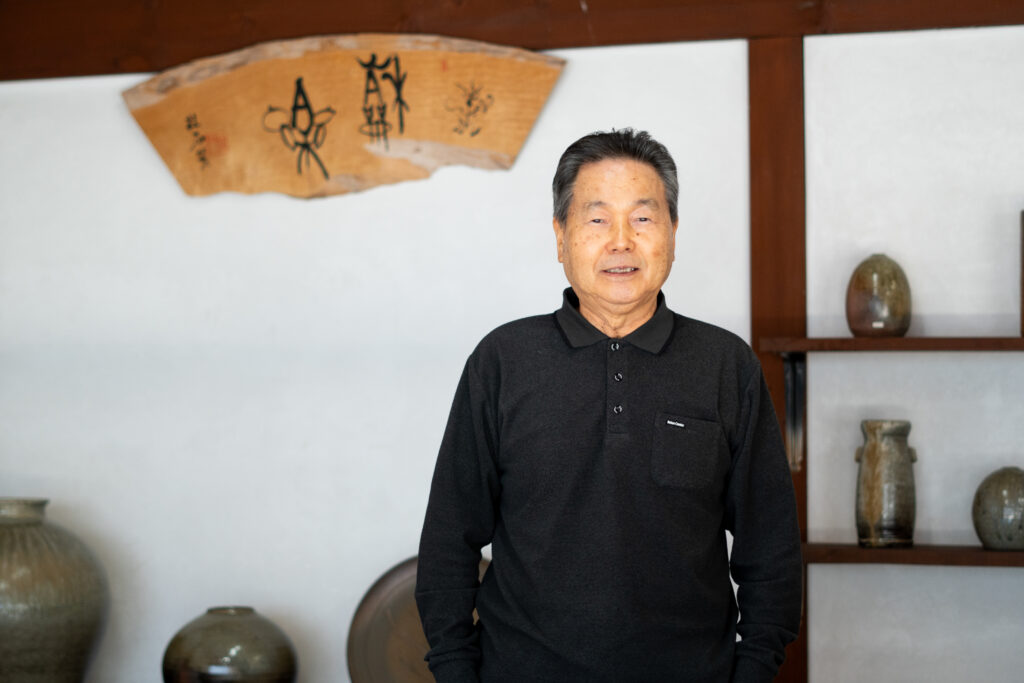
Reviving the Kiln During the Pottery Boom
Though Masaji inherited MARUSE-GAMA from his father, its history nearly came to an end.
“About five years before I was born, my father closed the kiln once. During the war, he made sake flasks and sulfuric acid bottles, but demand eventually disappeared. By the time I was a child, pottery was no longer part of our daily life.”
Back then, working conditions in Tachikui were far harsher than today. The climbing kiln stood about 150 meters up the mountain from the workshop. Finished wares and firewood had to be carried up and down the slope with heavy loads balanced on shoulder poles. Masaji did not witness this himself, but the remnants of that landscape remain vivid in his memory.
When he was in his early twenties, Japan was experiencing a pottery boom. His father decided to restart the family business, and Masaji chose to walk the same path.
“At first, it was simply for a livelihood. I apprenticed for about two years under Isaku Ichino and the potter of TOKO-GAMA. After returning home, my father and I made sake flasks together. I delivered them to liquor shops myself. Around here, they were called ‘poor man’s flasks.’”
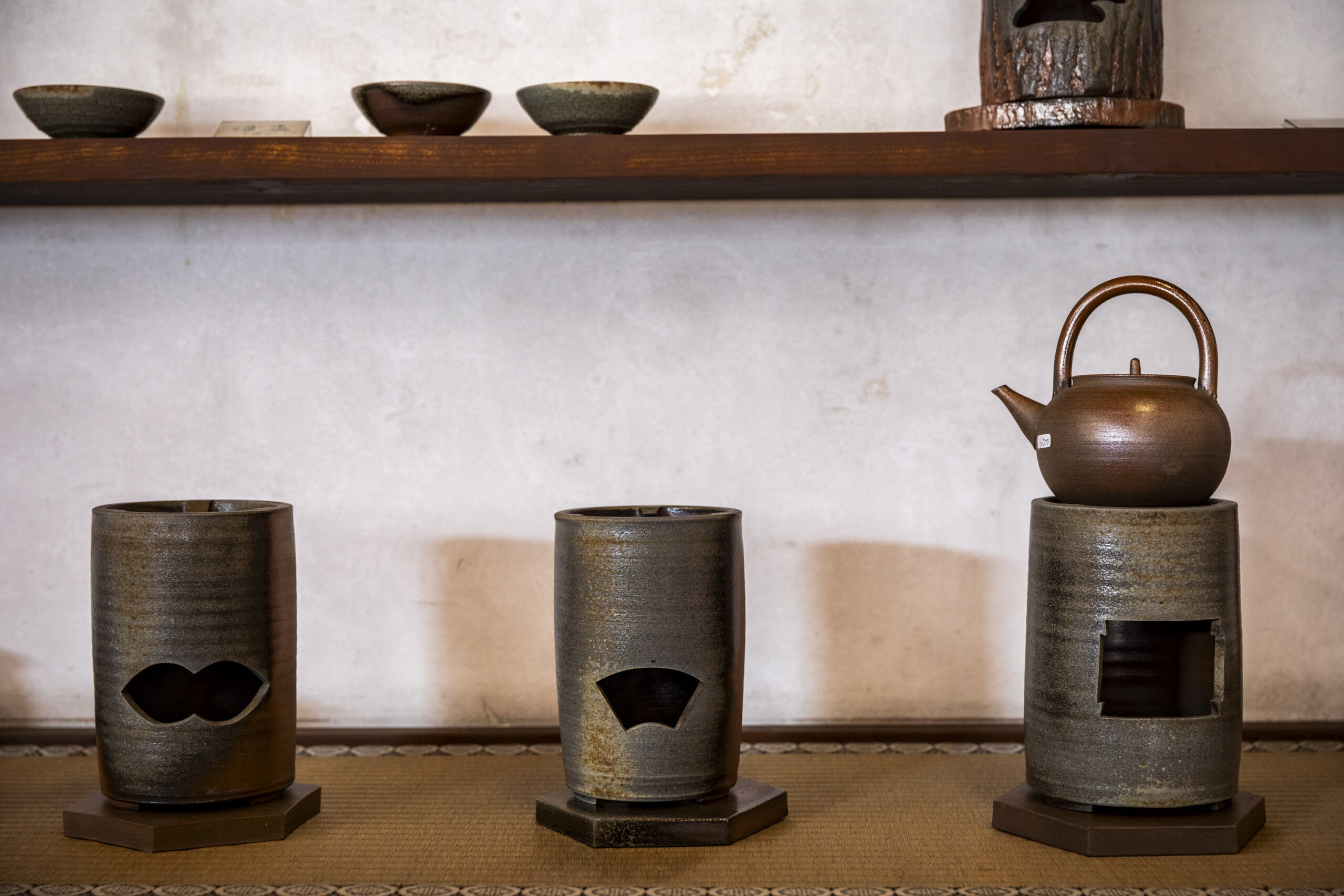
Just as his father once carried loads up the mountain, Masaji learned firsthand the realities of creating everyday wares rooted in daily life. Yet as times changed, demand for sake flasks declined again. Each time, he adapted his style to meet contemporary needs. Today, mindful of physical strength, he focuses mainly on smaller works such as teapots, pouring forms, and cups.
Devotion to a Clean, Drip-Free Pour
What Masaji now values most in his work is a “clean-cut spout.” For teapots, katakuchi pouring forms, and soy sauce dispensers, he refuses to compromise.
“The key is that the liquid doesn’t drip back onto your hand after pouring. A form shouldn’t cause stress. At events, I sometimes pour water in front of customers so they can see for themselves. It communicates better than any explanation.”
He pursues what might be called “honesty as a tool.” By lowering the clay’s absorption rate, he ensures that sake can be left inside without seeping through—always thinking from the user’s perspective.
“When someone tells me, ‘The spout on this teapot cuts the water so cleanly,’ that makes me happy. After more than fifty years, I can only manage smaller pieces physically, but that commitment will never change.”
A Gentle Life Rooted in Satoyama
Masaji cherishes the passing seasons on his days off.
“In autumn, I make dried persimmons. Once they’re ready, I enjoy sharing them with my sister and friends. I also grow shiitake mushrooms in the hills.”
He once cultivated cherry tomatoes as well, though he laughs shyly and admits, “They required too much management.”
When he says he has “never once felt dissatisfied” living in Tachikui, the quiet fulfillment in his words is unmistakable—born of decades spent steadily shaping clay with sincerity.
“I’ve never thought much about a grand concept for my work. I simply pursue forms that suit the clay I’ve made, and shapes that feel good to use.”
In the forms of MARUSE-GAMA, function and beauty exist in delicate balance. They embody Masaji’s unadorned character and his deep consideration for those who will hold them in their hands.
Overview
of
MARUSE-GAMA
Address
212 Shimotachikui, Konda-cho, Tamba-Sasayama, Hyogo, Japan
TEL
FAX
Website