
TOC
MARUHACHI-GAMA
profile
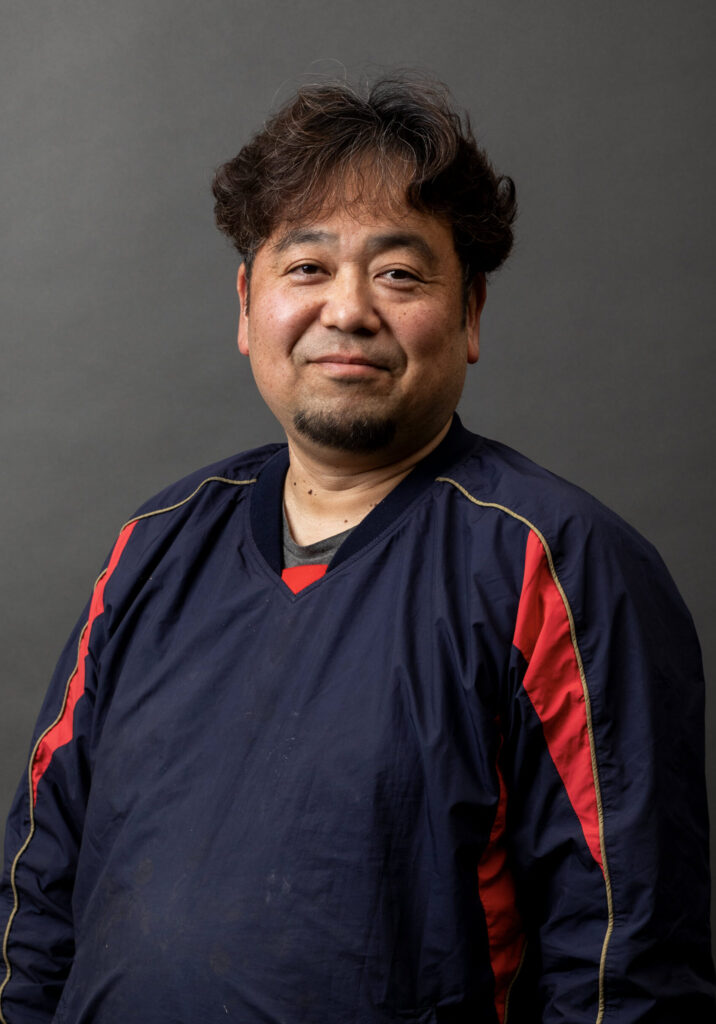
Yoshihisa Shimizu
profile
Yoshihisa Shimizu
5th generation
Year of Birth:1975
Year Began Pottery:2005
Education / Training Background
1988: Graduated from Konan University, Faculty of Economics
2000: Studied under ceramic artist Ken Matsuzaki
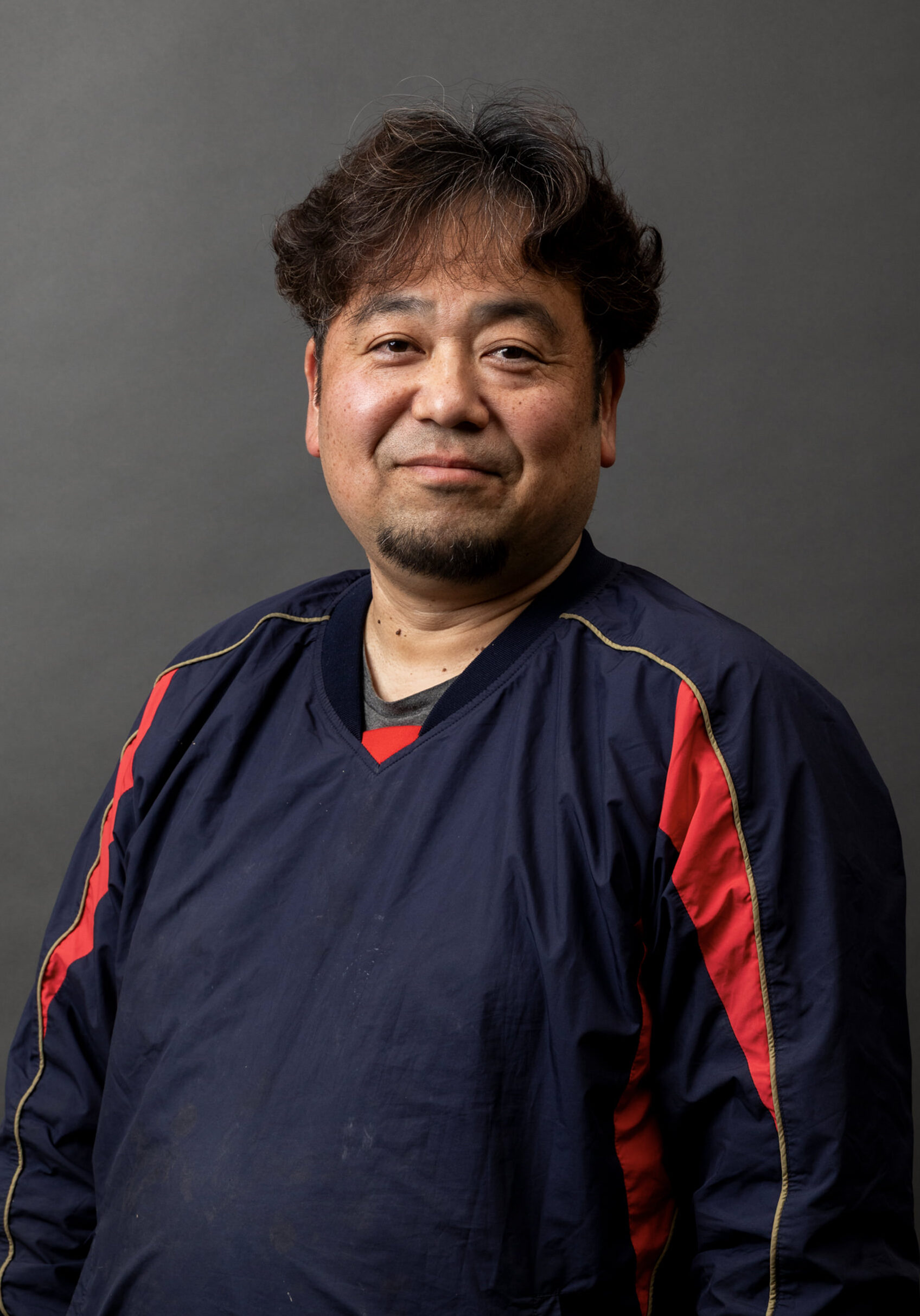
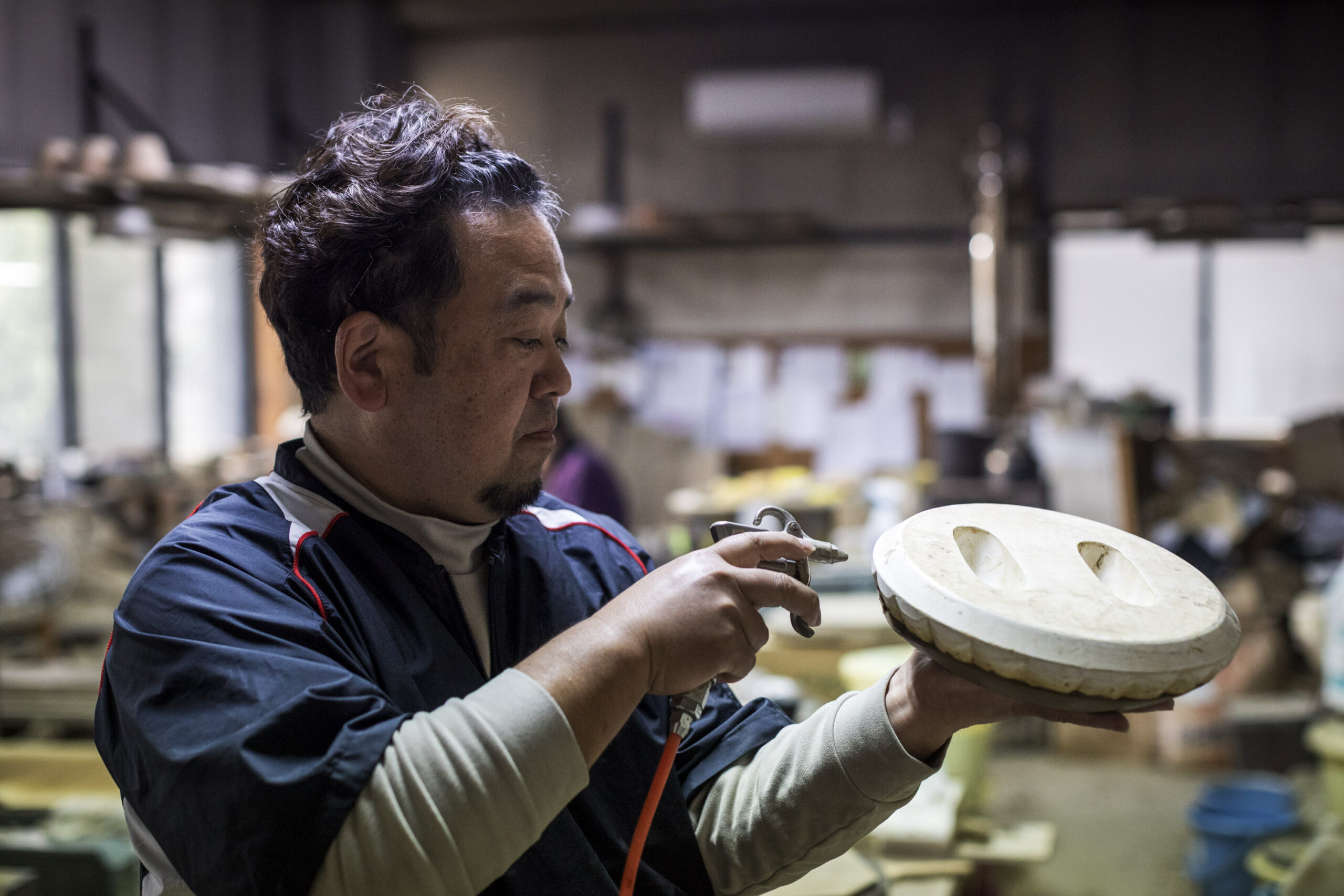
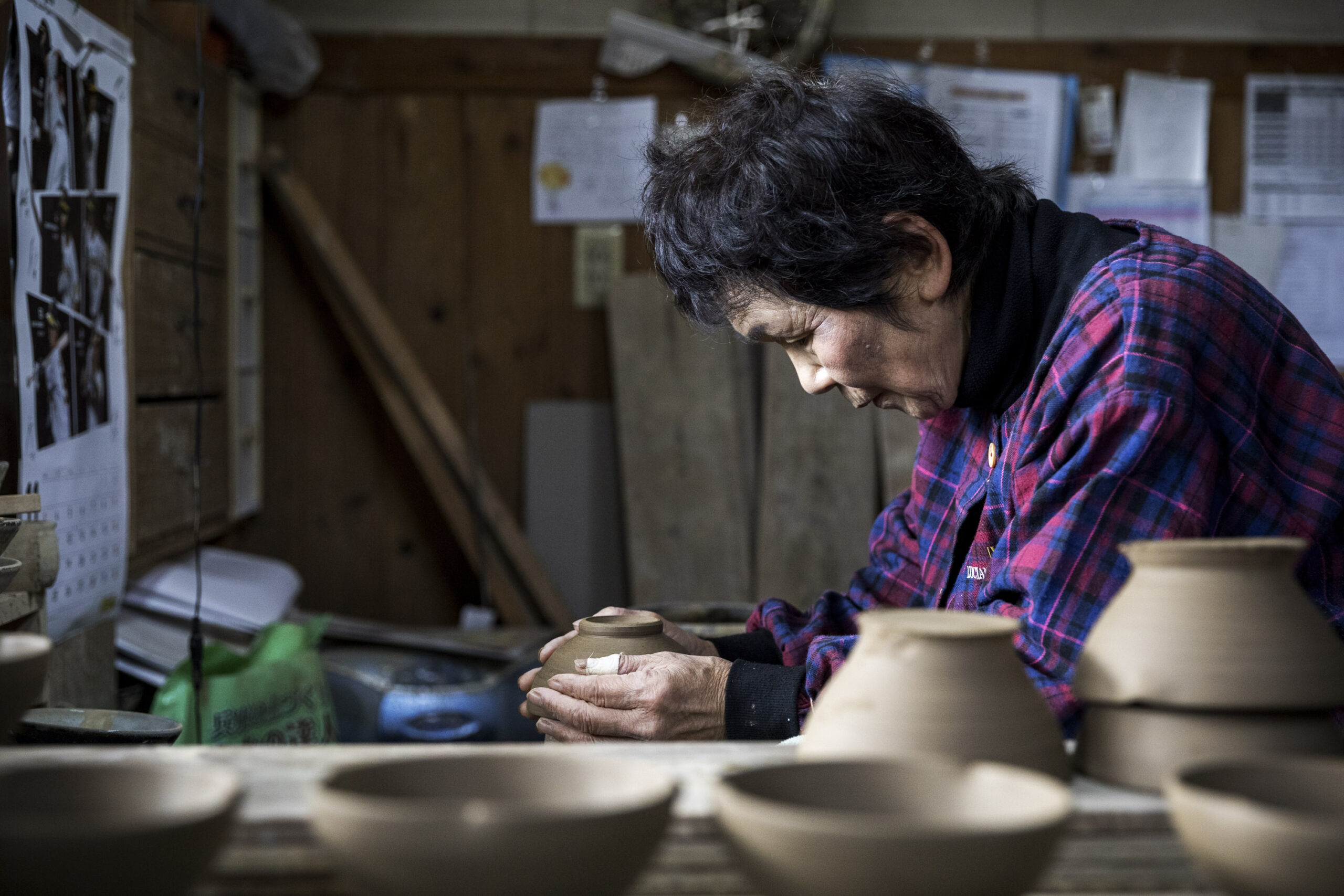
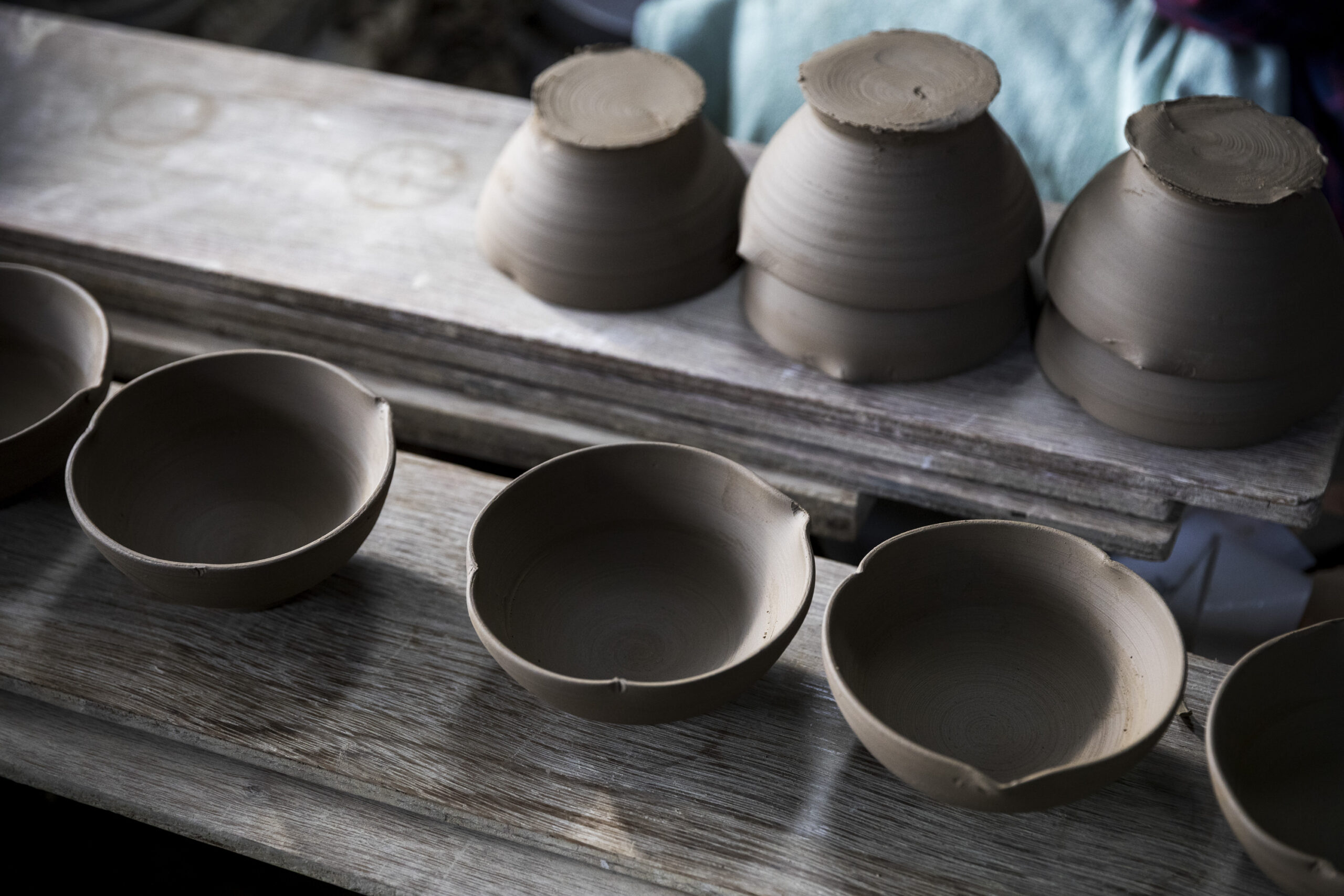
The state of the workshop
スクロールできます
text
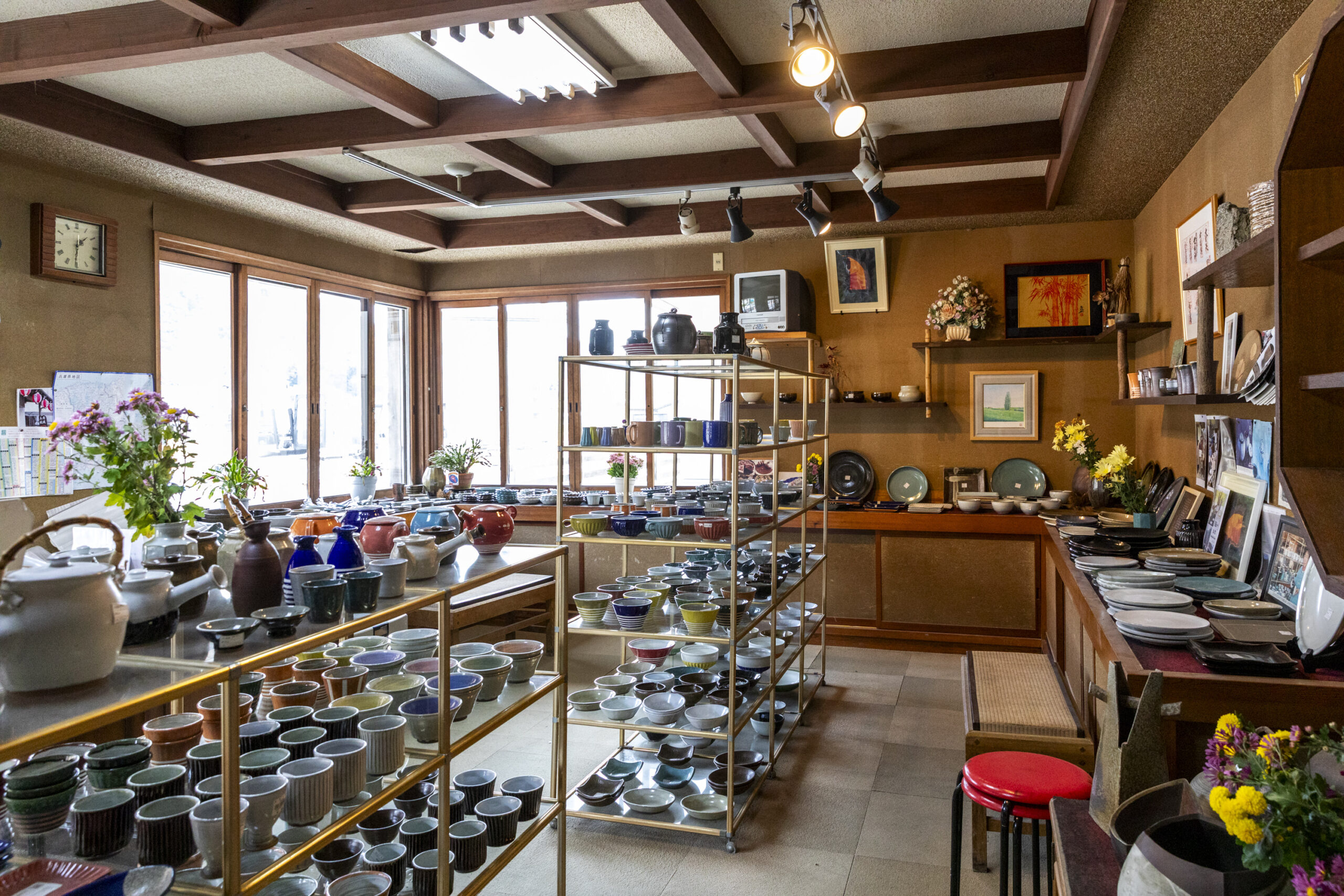
text
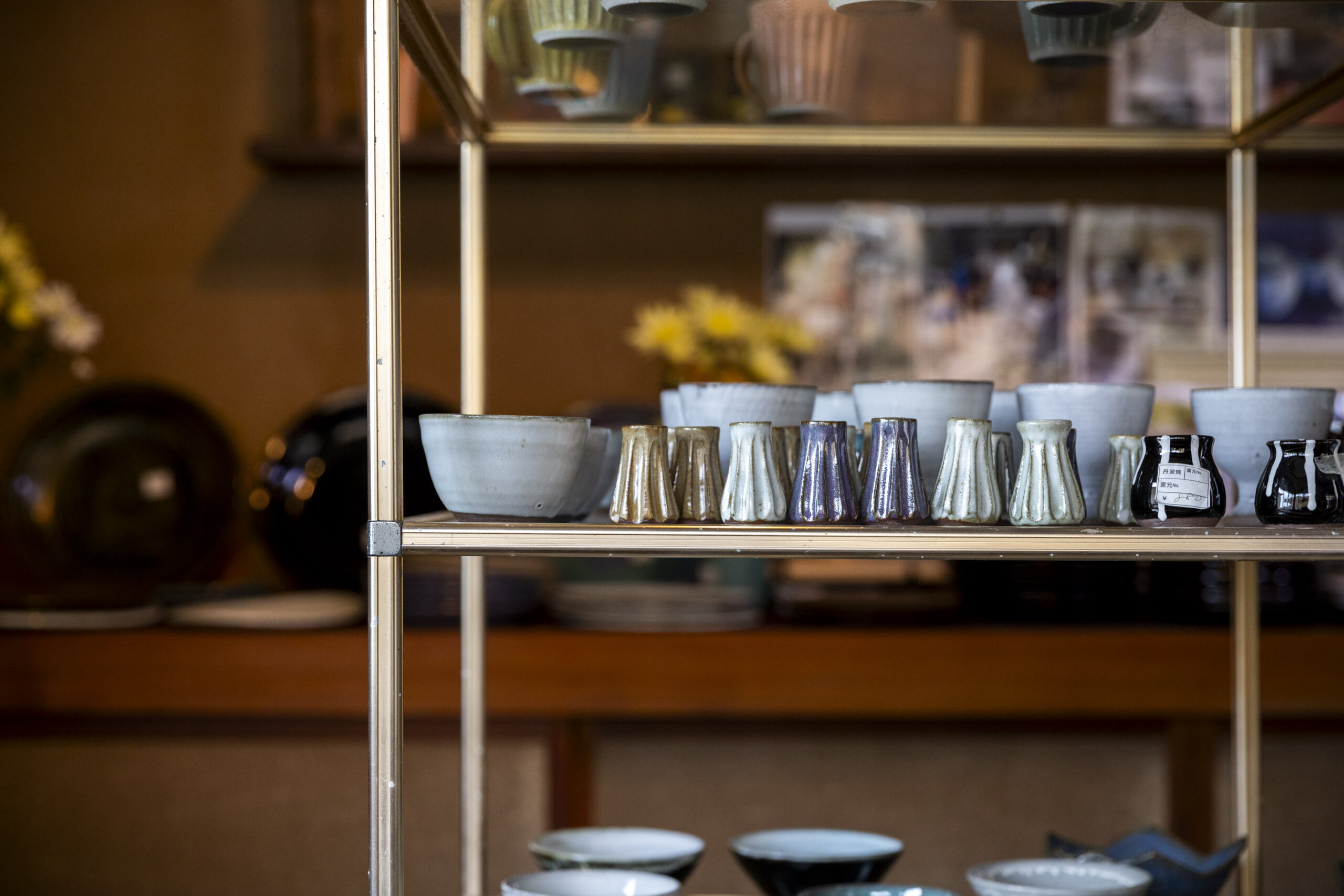
text
text
text
text
text
text


Works
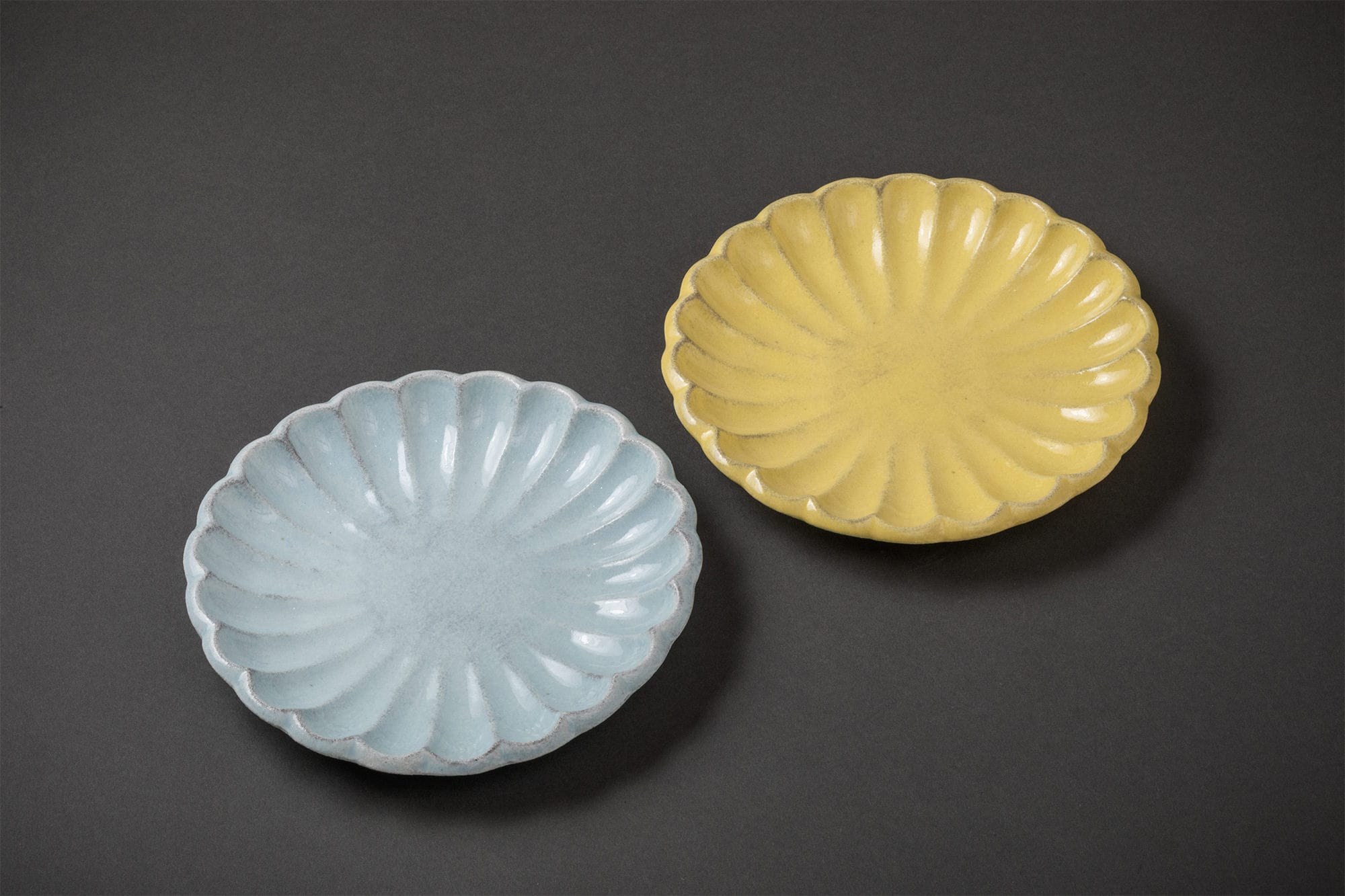
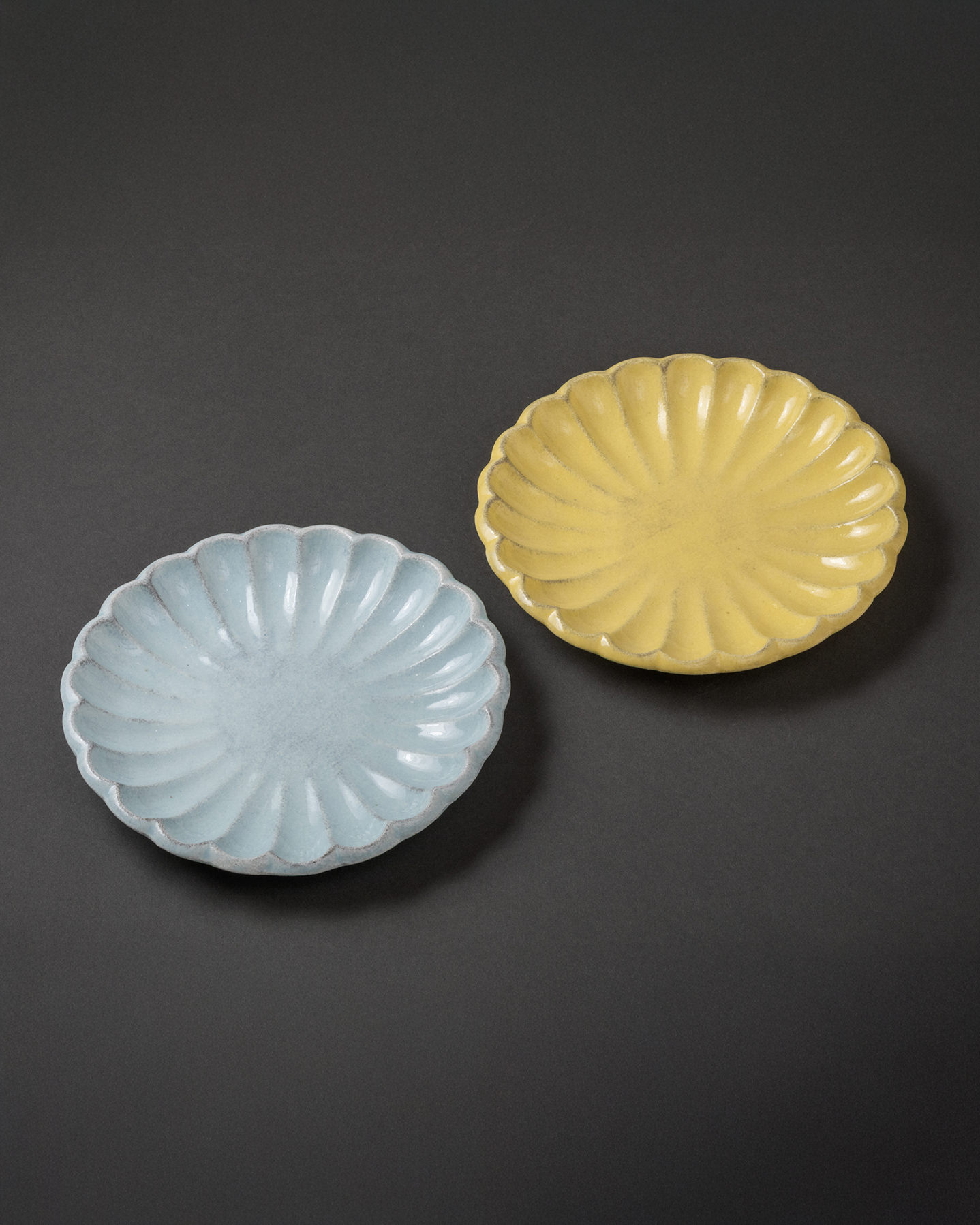
photo:AOTANI Takeru


Interview
Stripping Back to the Essence of Clay and Flame. Forms by MARUHACHI-GAMA’s Yoshihisa Shimizu That Gently Blend into Everyday Life
The Functional Beauty of Everyday Tableware and the Natural Aesthetic He Pursues as an Artist
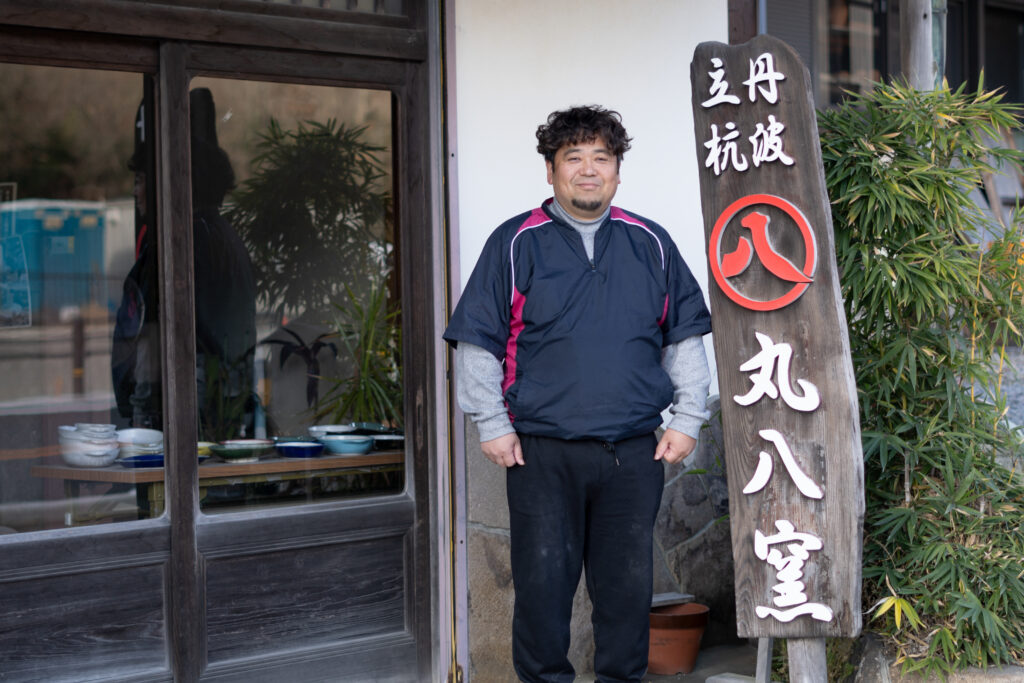
In addition to the standard wares of the potter, Yoshihisa Shimizu (hereafter, Yoshihisa) has developed an original series of rice bowls in six colors and three sizes, created with the hope that they will be used as children grow. Valuing both visual impression and the tactile feel in the hand, he crafts tableware designed to fit naturally into everyday life.
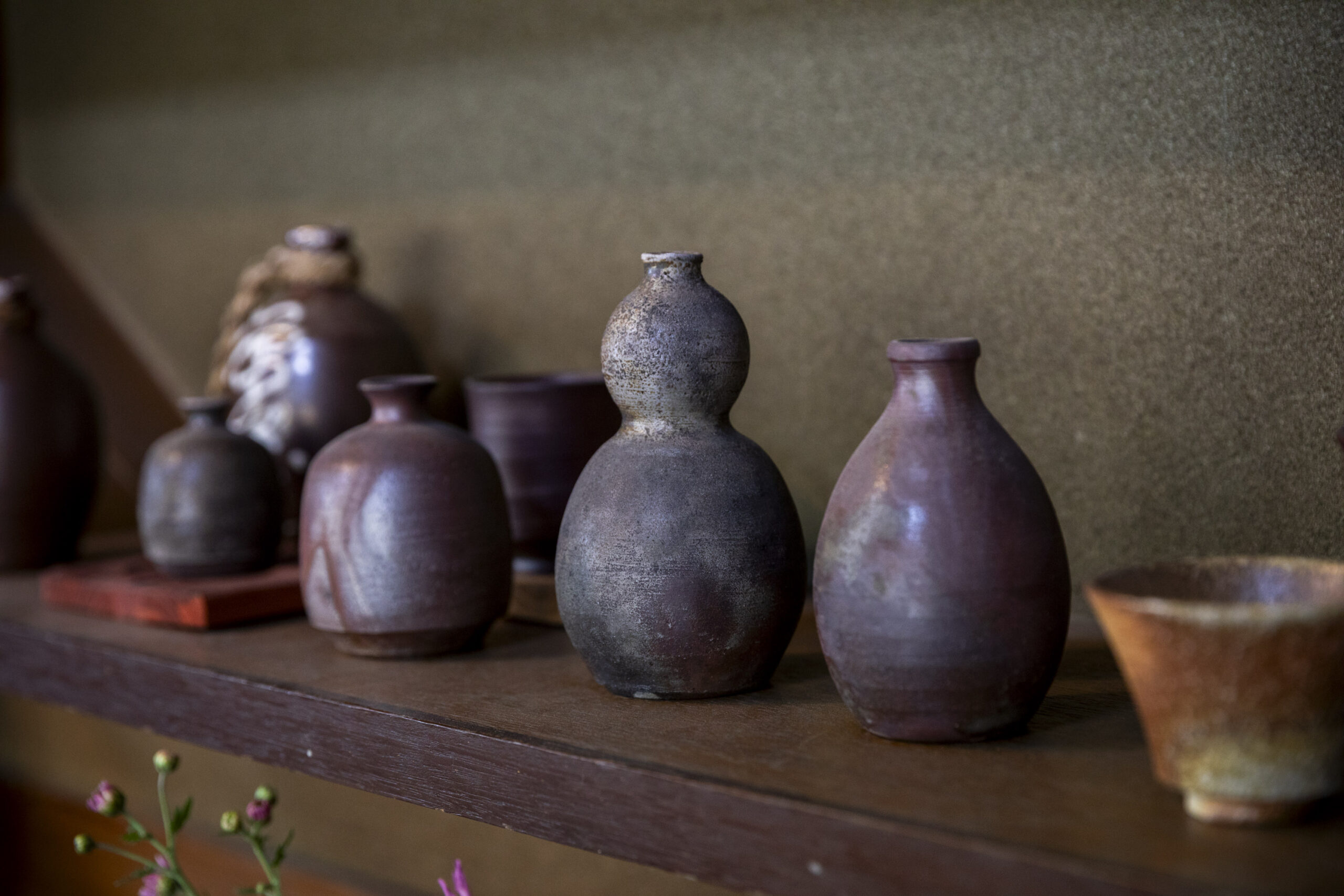
As an individual artist, he also pursues the beauty of natural ash glazes seen in traditional Ko-Tamba ware, expressing this aesthetic in larger works such as flower forms and jars.
The ash effects created by the flames of the wood-fired kiln—known as haikaburi—possess a depth and strength that can never be artificially reproduced.
“The final result may appear accidental, but to reach that point, I control the kiln temperature with great precision,” he explains.
Rather than raising the temperature to the commonly cited high of 1300°C, he deliberately maintains the kiln at around 1250°C for several hours, then continues firing slowly at approximately 1200°C.
This “long firing at the right temperature range” draws out a richness in the clay that can only occur in that single moment. Though no one can see exactly what transformations are taking place inside the kiln, Yoshihisa relies on accumulated experience to anticipate the kiln’s internal environment, calculating everything possible up to the threshold of nature’s intervention. The chemical dialogue between natural forces and his knowledge lends his works a quiet yet powerful presence.
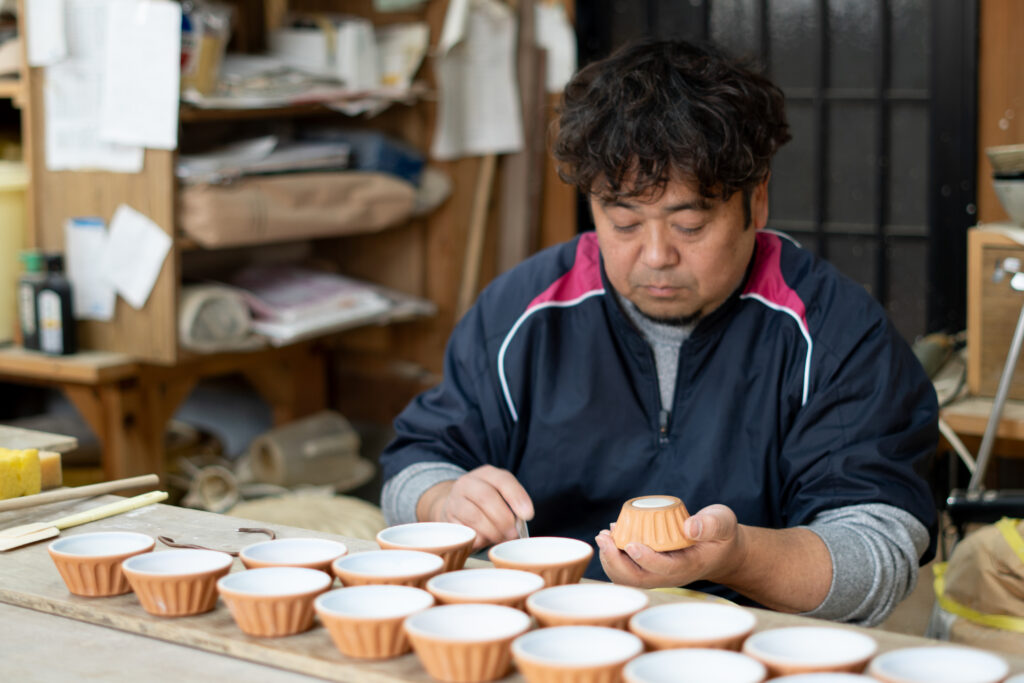
Letting Go of a Dream to Become a Police Officer, and Choosing the Path of a Potter
Yoshihisa was born as the first son in the Shimizu family in 70 years. Although his parents never pressured him directly, he keenly felt the high expectations from those around him to become the successor to MARUHACHI-GAMA.
As an elementary school student, the voices of his cheerful “I’m off!” and “I’m home!” echoed not in the house, but inside the workshop. The studio was simply part of his everyday path. After school, craftsmen and women who helped at the potter would greet him with “Welcome back,” and he would head straight out to play with friends in the rice fields, rivers, and mountains, spending his childhood as an energetic, carefree boy surrounded by nature.
As he entered high school, Yoshihisa began to feel the weight of those expectations more strongly. Still, he found himself drawn to a childhood dream—becoming a police officer.
“I wanted to join the police, so I applied to the law faculty, but I didn’t pass. I was accepted into the economics faculty instead, and at that point I made up my mind: after graduation, I would return to pottery.”
After graduating from university, he worked in the family business for a year, but found it difficult to fully commit himself. Wanting to deepen his understanding, he studied ceramics in Kyoto. Then, determined to create works reminiscent of the rustic charm of Ko-Tamba that he had long admired, he apprenticed under an independent Mashiko ware artist in Tochigi Prefecture whose style reflected that aesthetic.
There, he experienced many processes that were impossible to learn within the mass-production framework of the family potter—refining raw clay, drying it in the sun, grinding materials with a stone mill, and kneading clay by foot. Those formative years became the foundation of both his technical skills and his philosophy toward pottery.
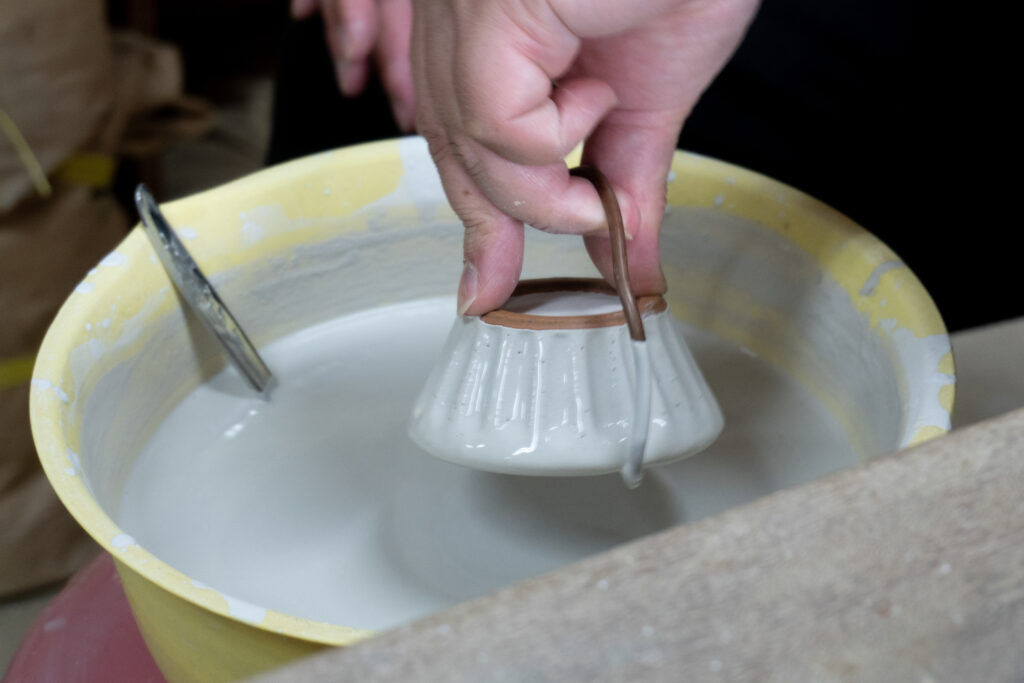
The Boy Who Came Back for a Rice Bowl as He Grew Up
One year at the Tamba Ware Pottery Festival, a boy not yet in elementary school came to buy one of Yoshihisa’s original rice bowls—the series available in six colors and three sizes. That day, he chose the smallest size in red. A few years later, the same boy returned, saying, “It’s gotten too small,” and picked a medium-sized bowl in a different color. Several years after that, he came back again—this time asking for the largest size, once more selecting a new color.
“I created the rice bowl series so children could enjoy choosing their favorite color, and so the bowls could grow with them. The fact that he kept choosing our bowls—and that I was able to witness his growth along the way—made me truly happy. It’s something I will never forget.”
Yoshihisa is also the father of two children. Until a few years ago, he says with a smile, nothing brought him more joy than rushing to cheer at his son’s baseball games.
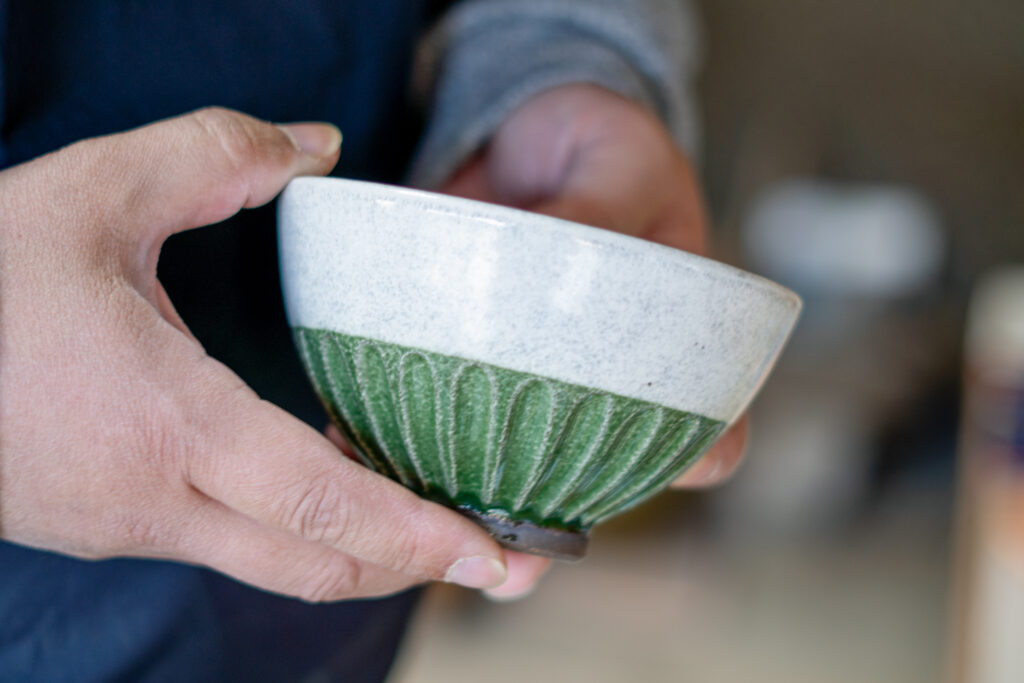
Finally, we asked Yoshihisa about Tamba ware and Tachikui itself.
“Tamba ware is pottery where each potter’s individuality truly shines. I’d love for more people—especially beyond the Kansai region—to recognize it as pottery from Hyogo Prefecture. The mountains feel so close here in Tachikui, and the natural beauty—autumn leaves blazing in color, the fresh greenery of early summer—is part of its charm. I hope visitors will enjoy not only a hands-on pottery experience, but also the atmosphere of this land.”
Overview
of
MARUHACHI-GAMA
Address
363-1 Kamitachikui, Konda-cho, Tamba-Sasayama, Hyogo, Japan
TEL
FAX
Website