
TOC
KANETO-GAMA
profile
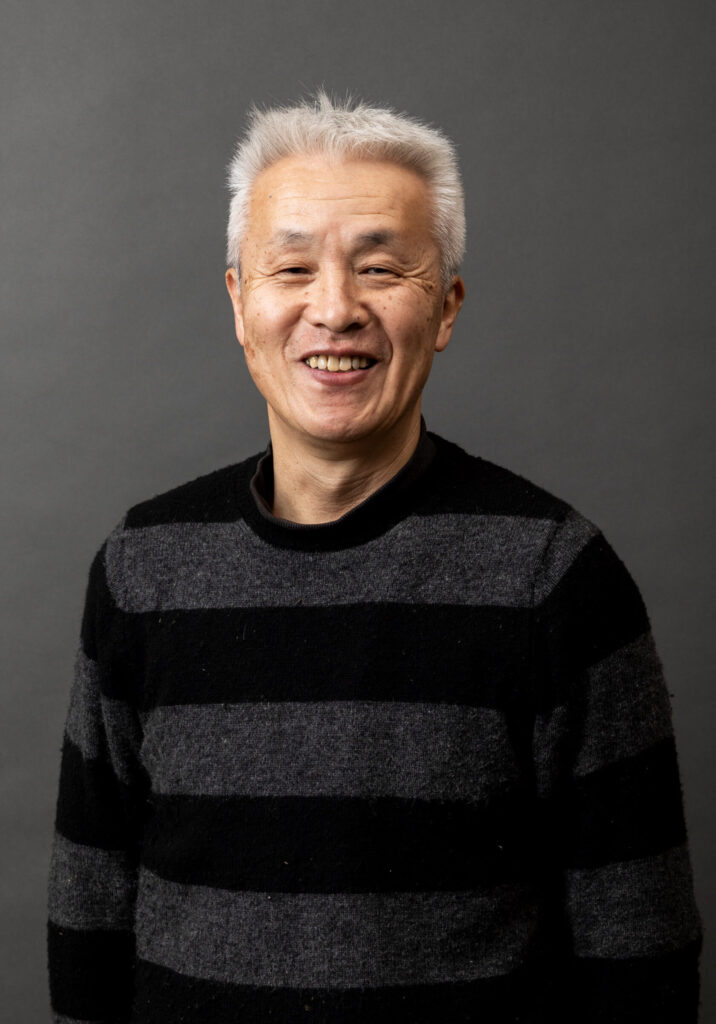
Keiichi Shimizu
profile
Keiichi Shimizu
Founded in the late Taisho period / 4th generation
Year of Birth:1962
Year Began Pottery:1984
Education / Training Background
Completed Advanced Research Course at Kyoto Municipal Industrial Research Institute
Major Awards
Hyogo Prefecture Art Encouragement Award (2002)
Hyogo Prefecture Cultural Merit Award (2024), among others
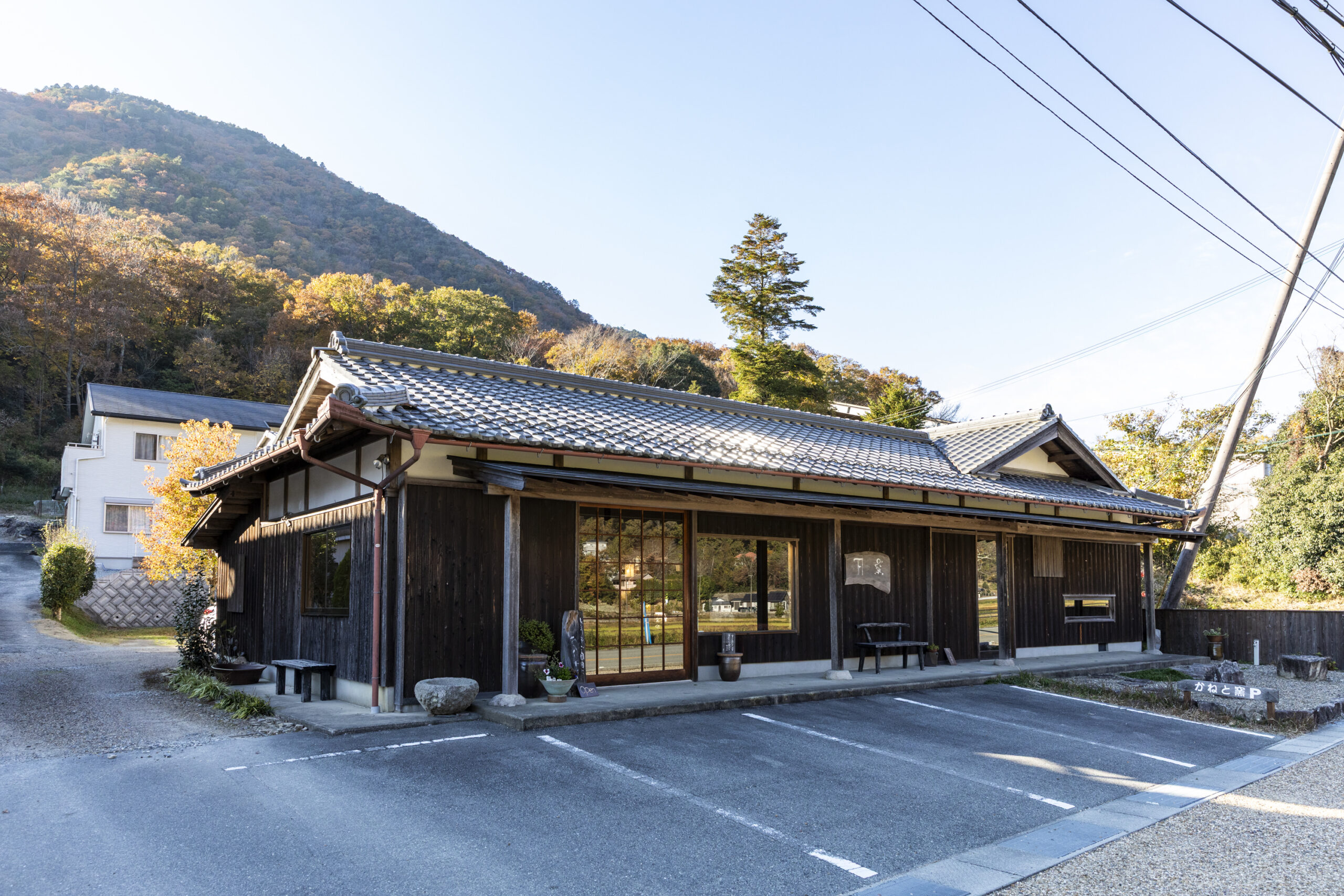
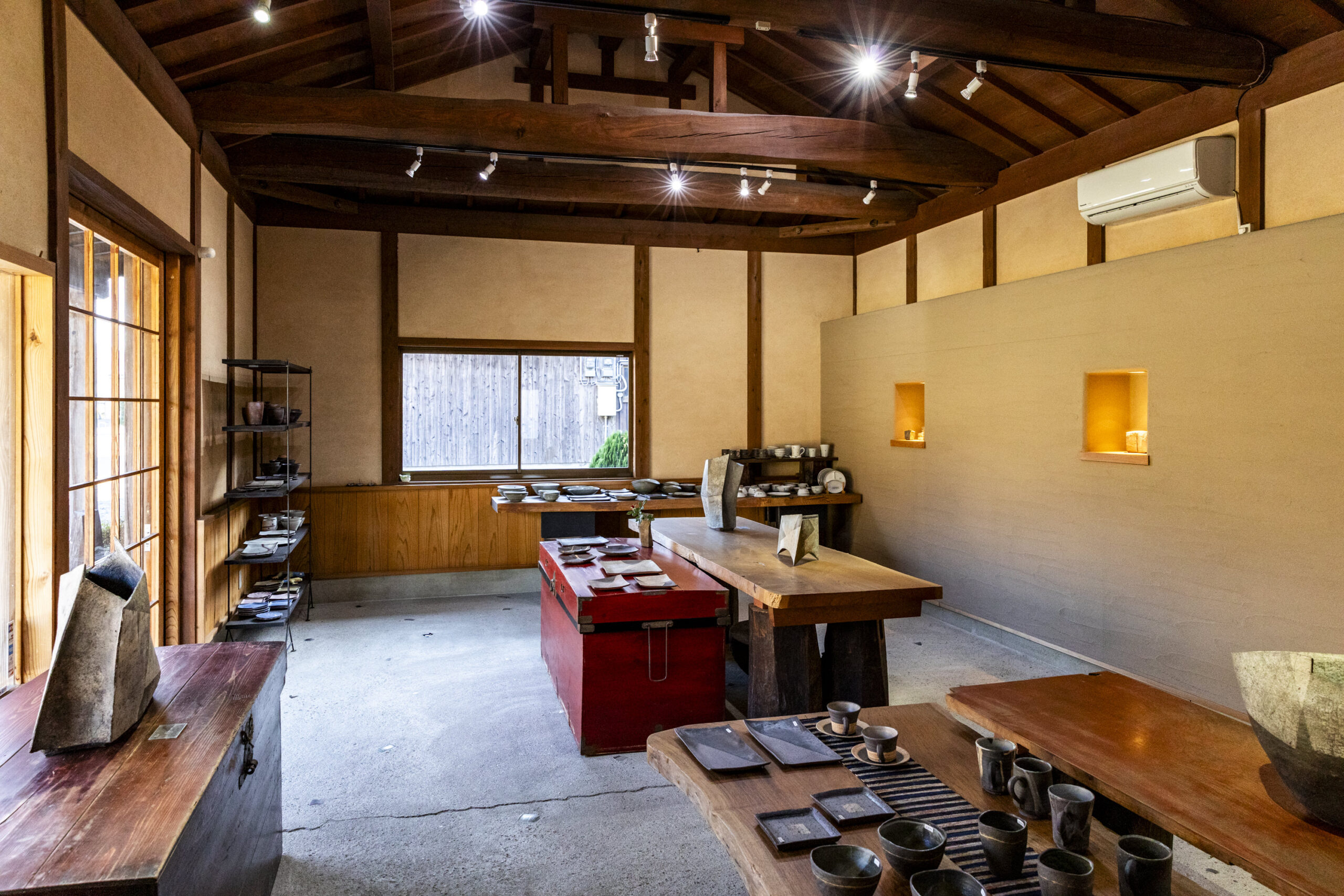
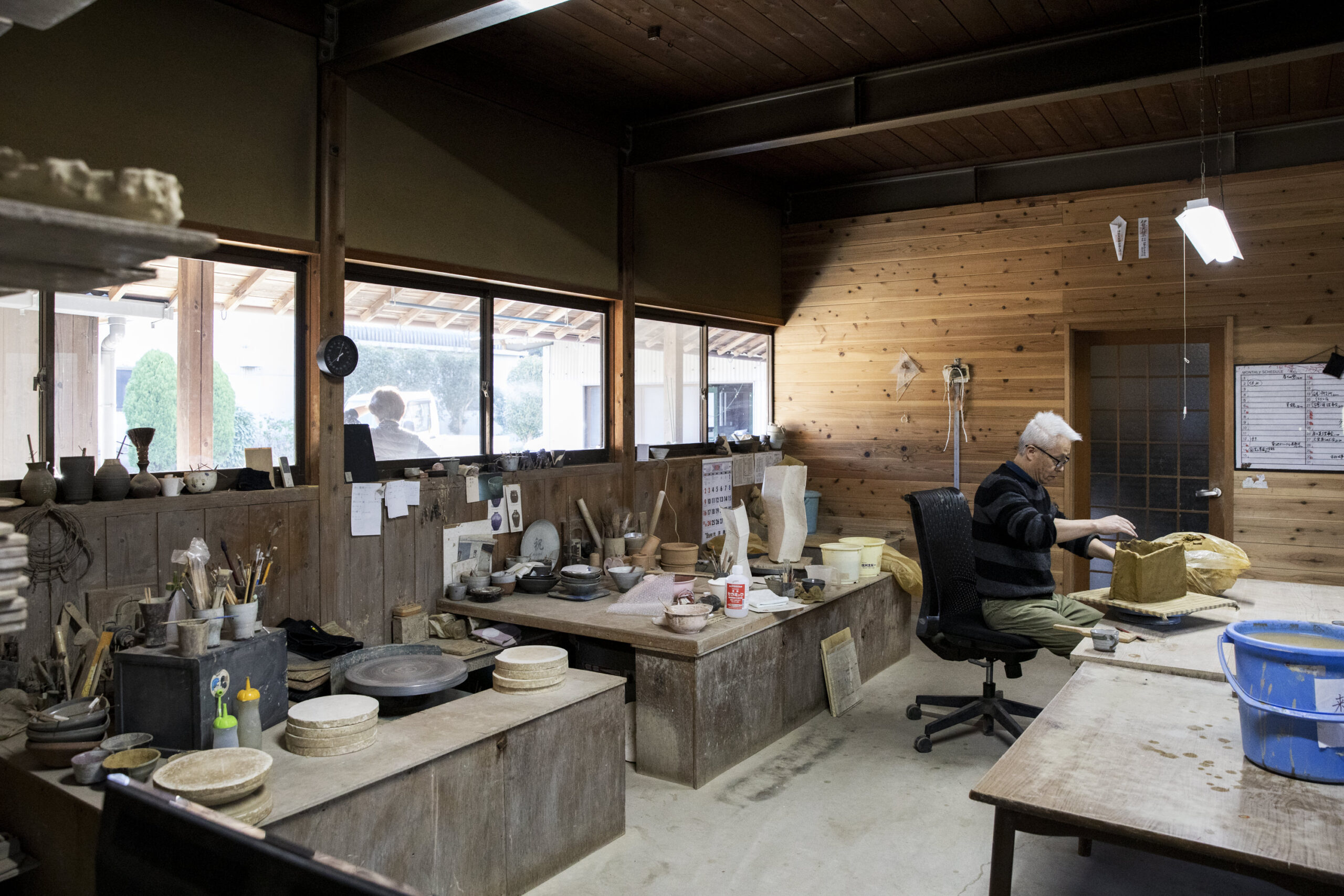
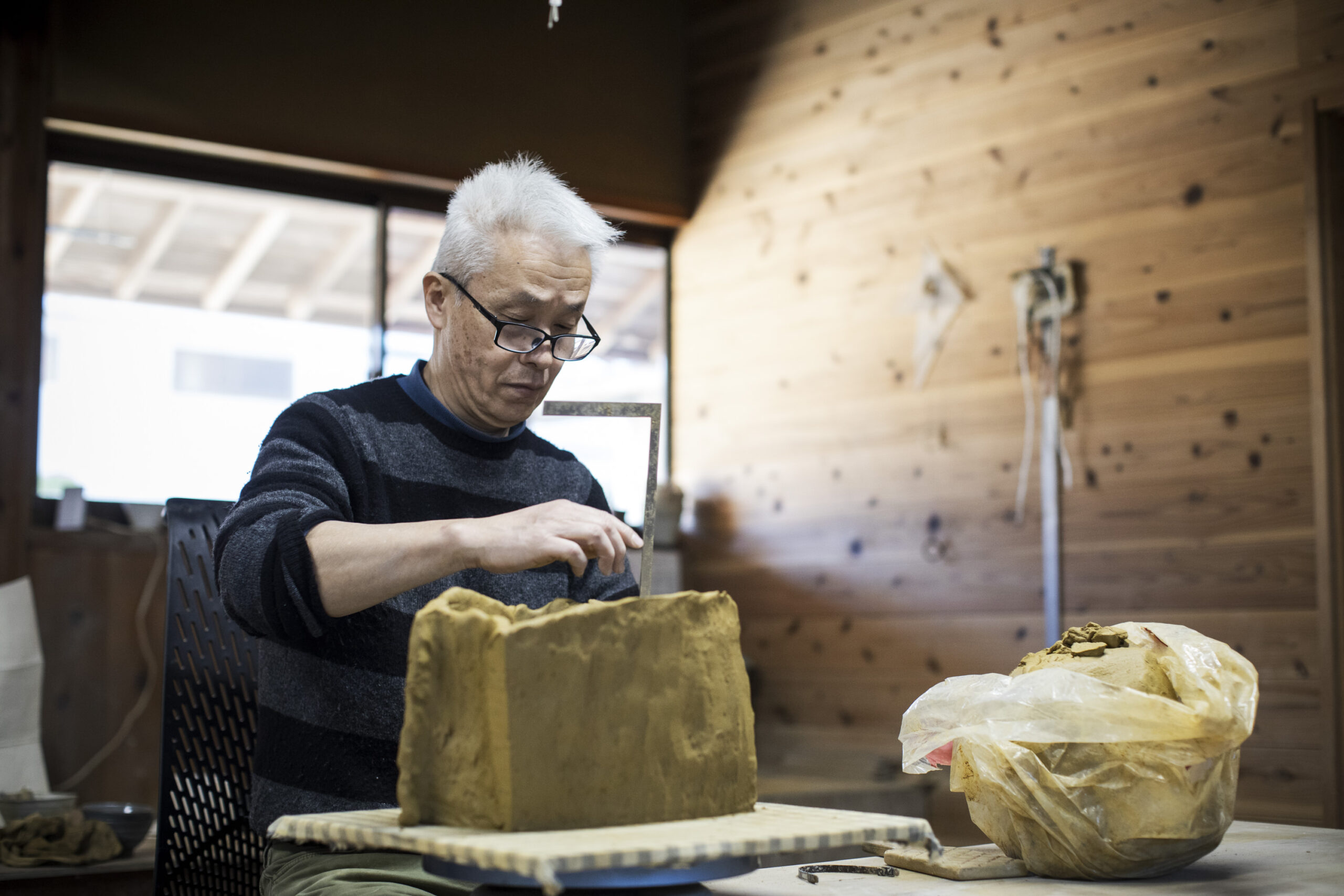
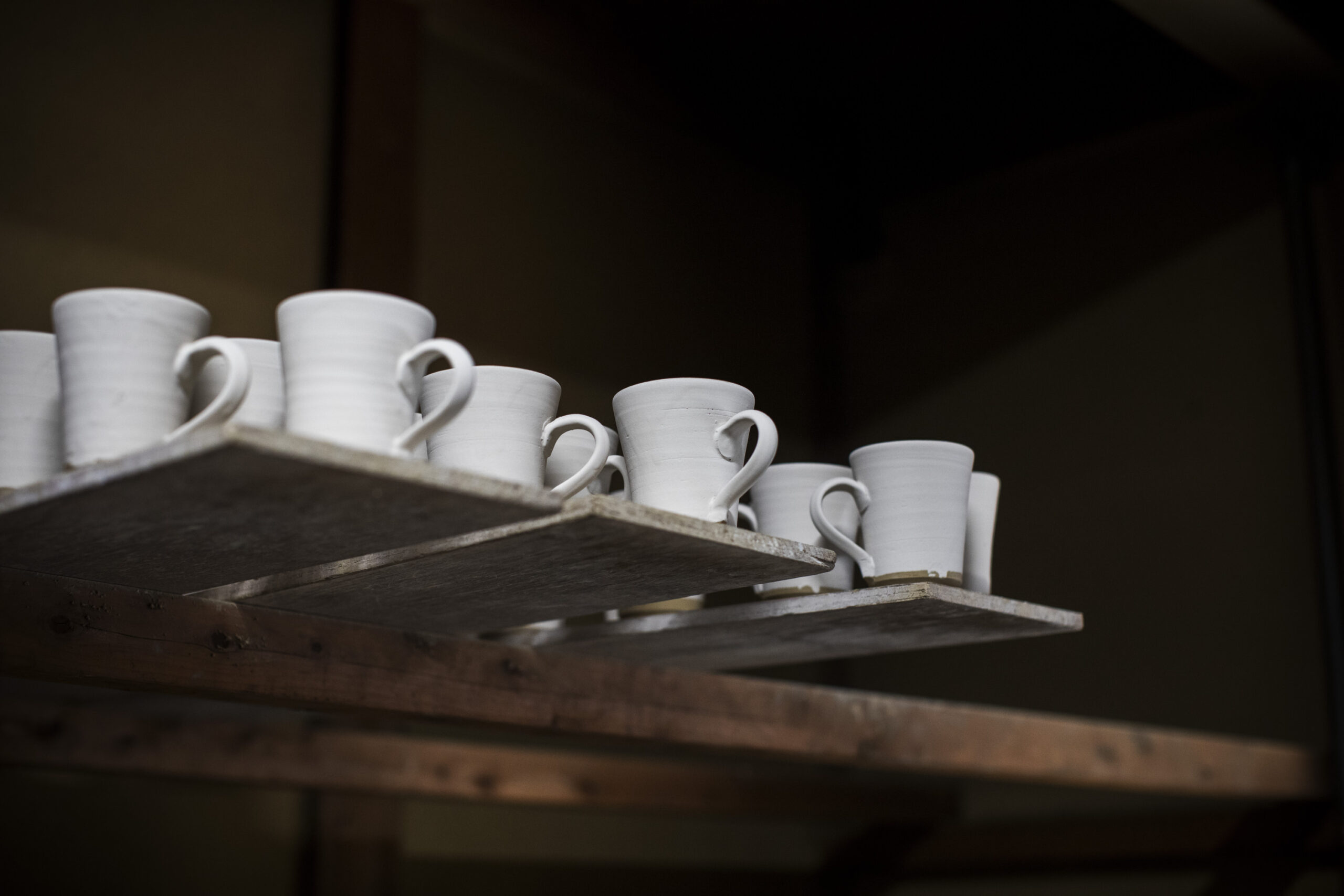
The state of the workshop
スクロールできます


Works
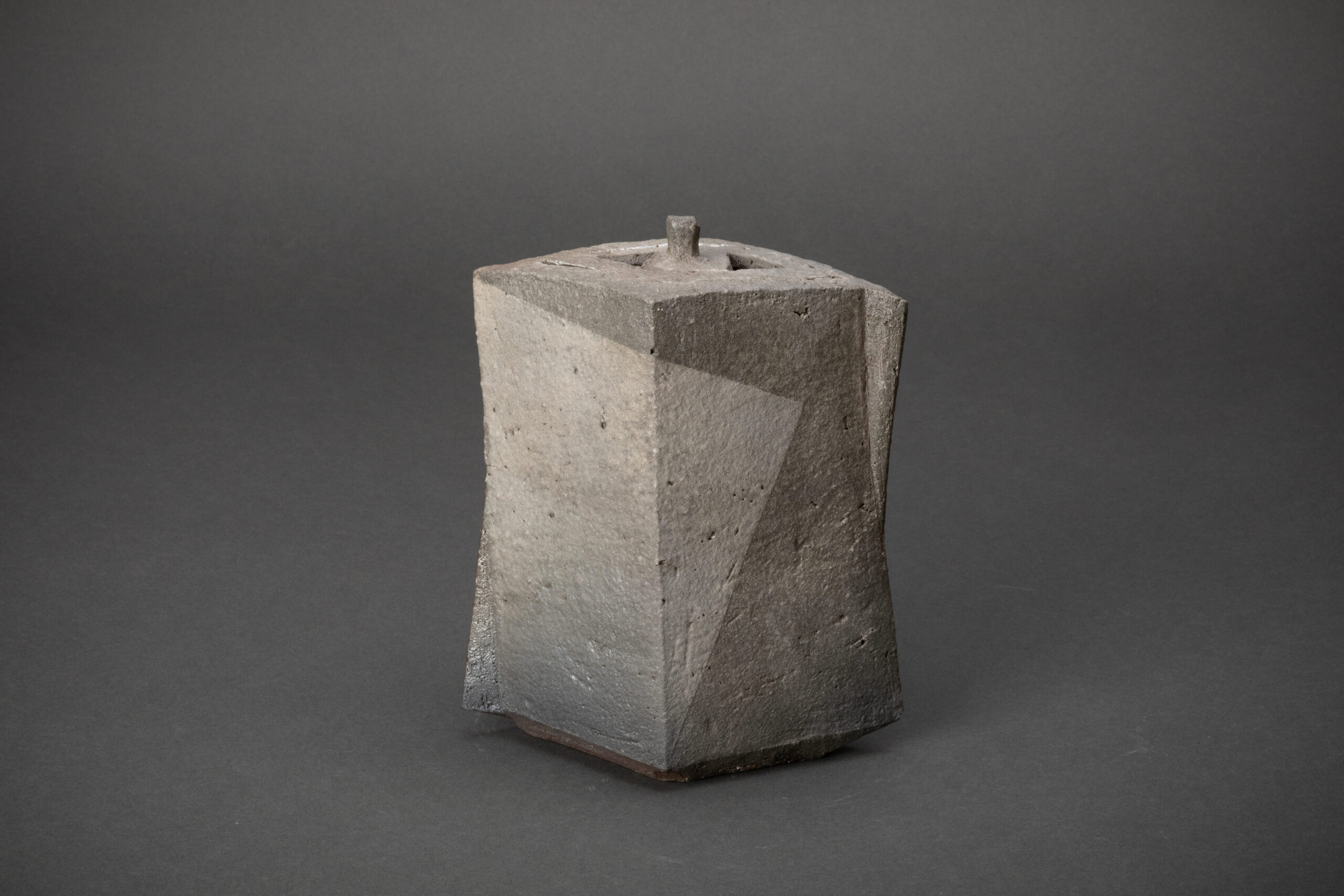
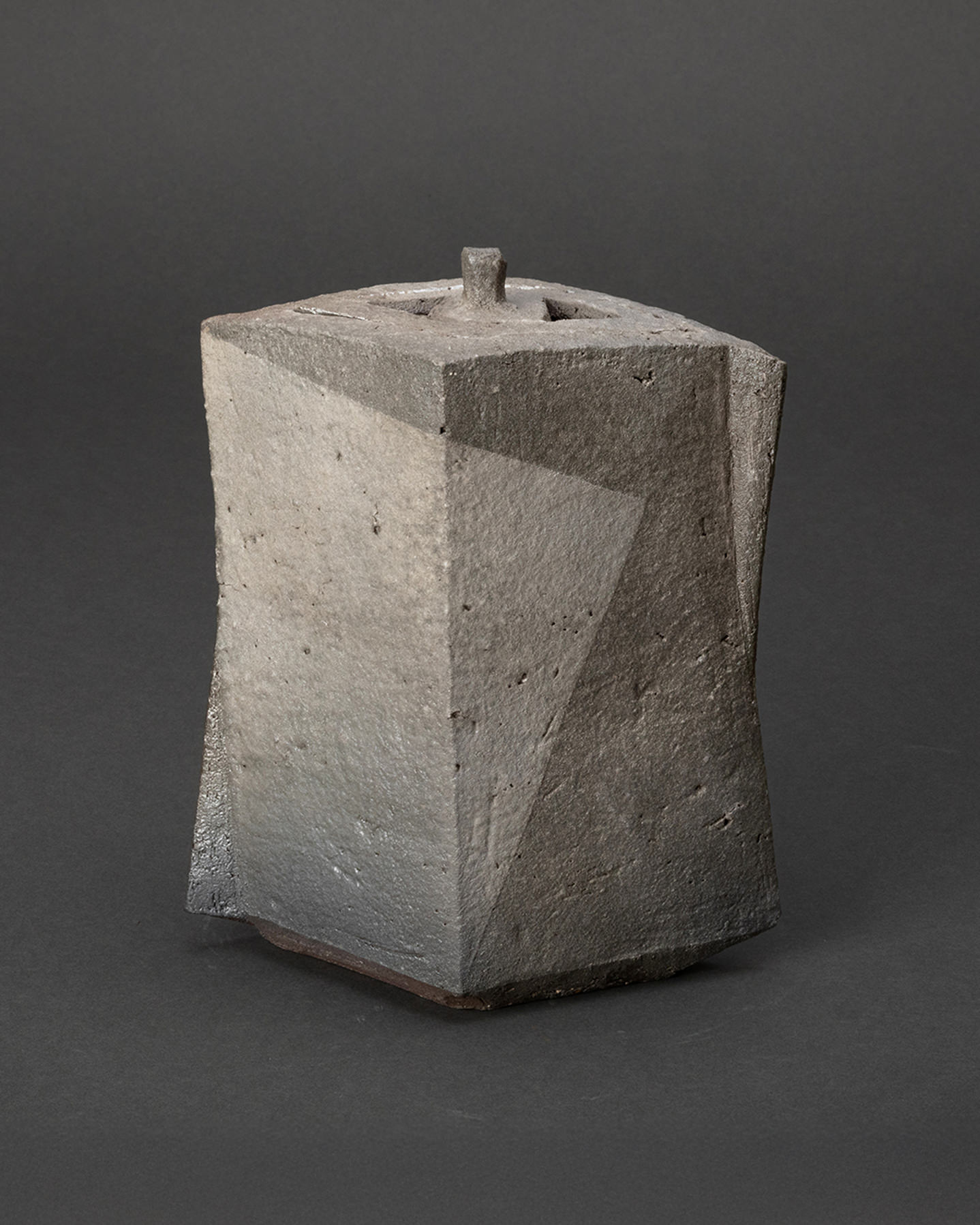
photo:AOTANI Takeru


Interview
Listening to the voice of Tamba clay and creating with it. In the space between tradition and innovation, the philosophy of making that Kaneto-gama’s Keiichi Shimizu has arrived at
Letting go of intention and entrusting the clay. A quiet presence that lets cuisine take the lead
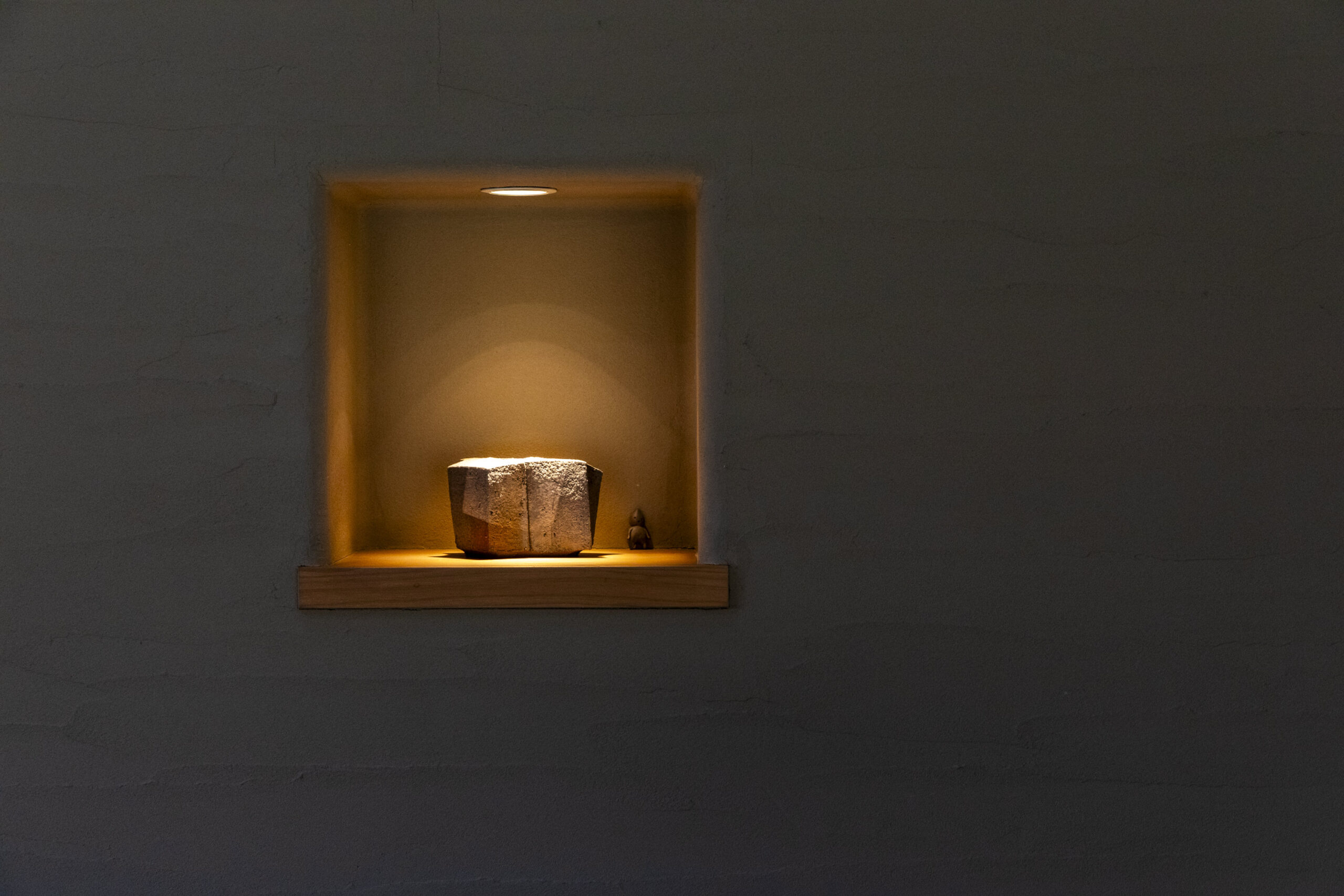
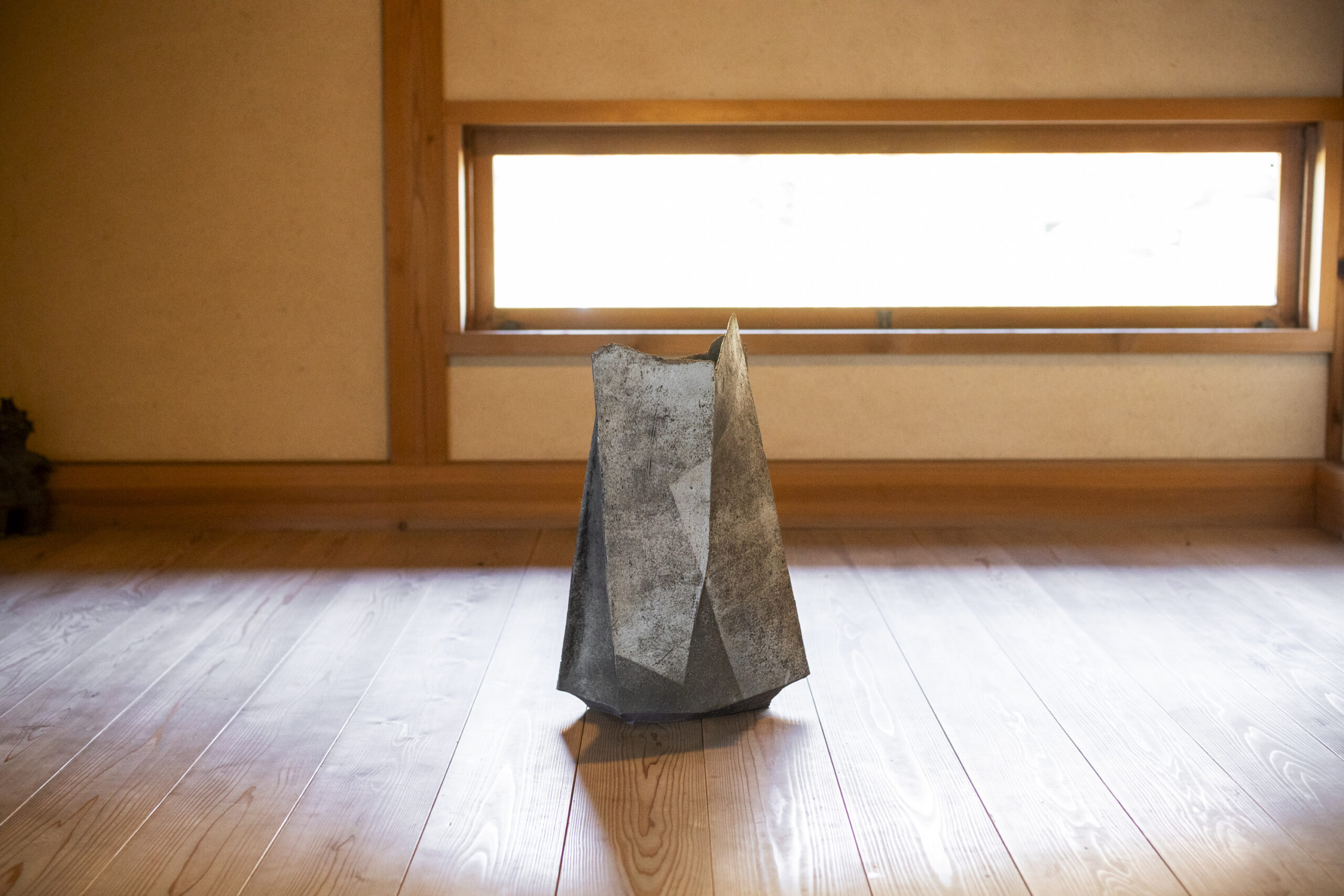
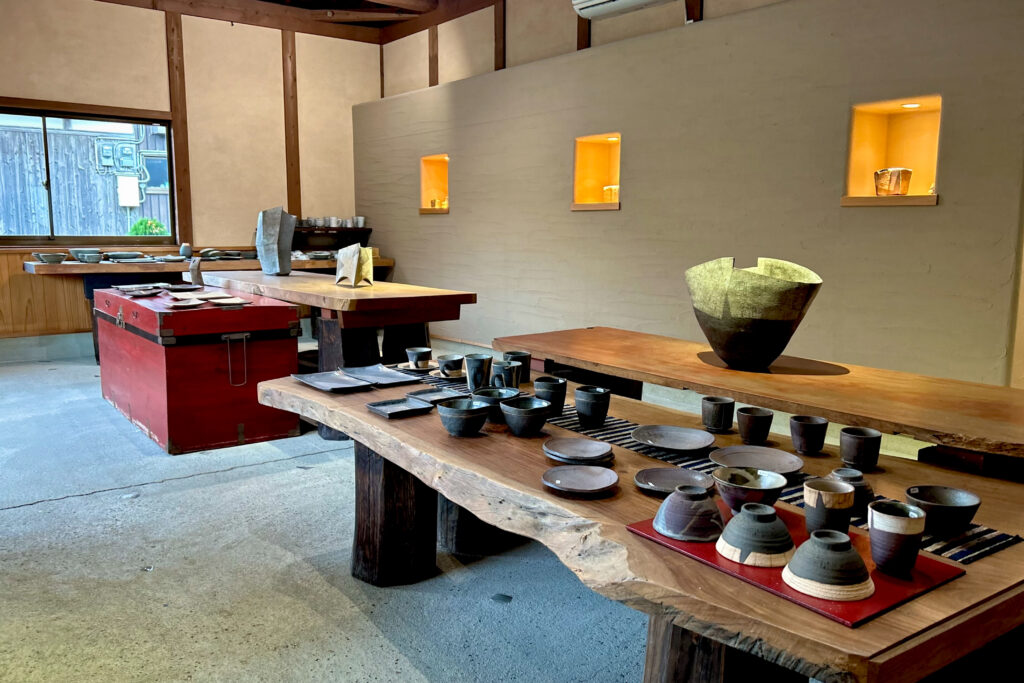
When visiting the gallery of Kaneto-gama, sharp flower forms clad in the cool roughness of raw clay immediately catch the eye. Around them, in contrast, forms in soft tones of black and gray stand quietly, exuding a calm aura.
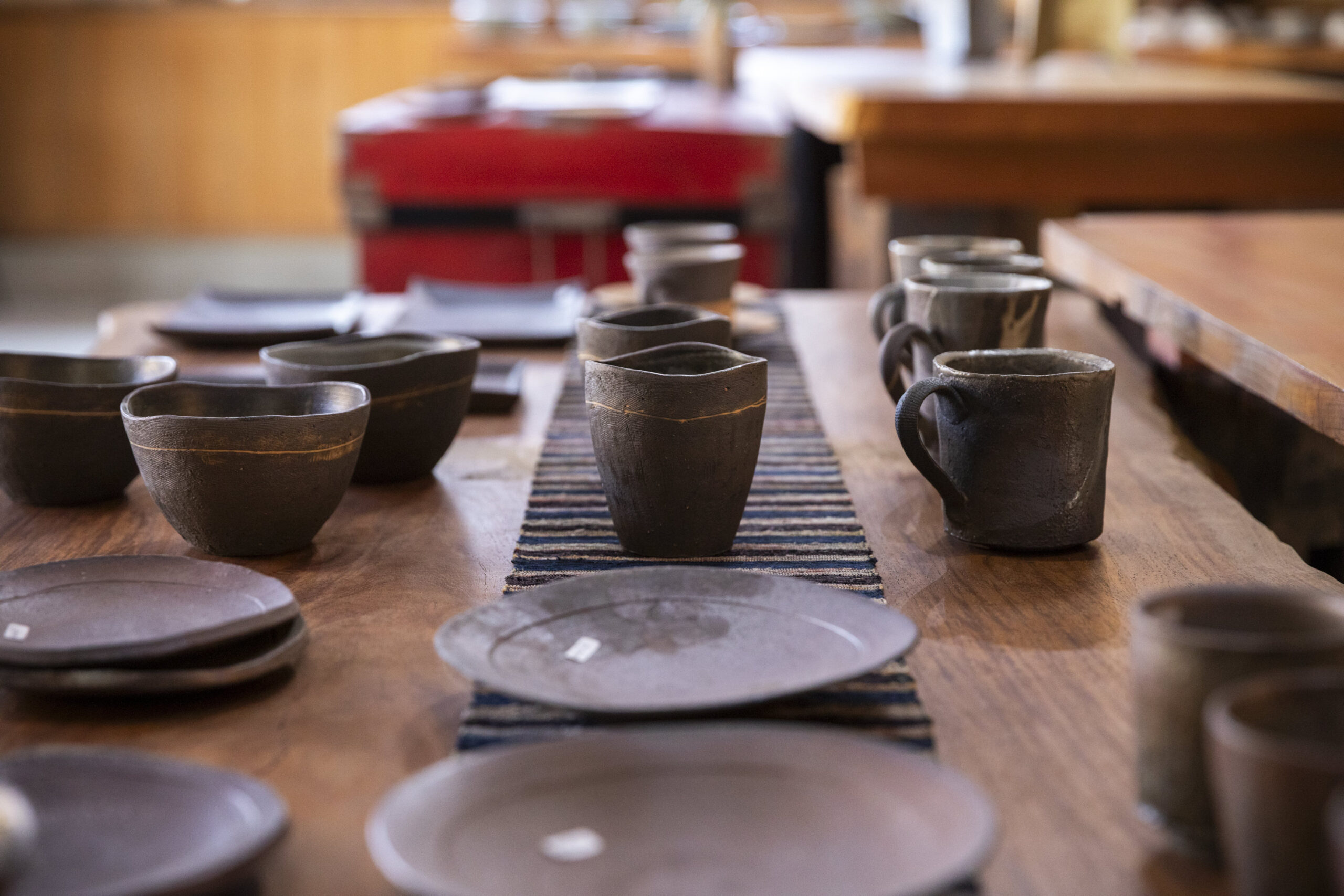
Bowls, plates, and rice bowls are balanced in foot, rim, and depth, embodying the “beauty of utility” and bringing a gentle sense of calm to the dining table.
“In the past, I first had a strong idea of what I wanted to create and then thought about the techniques to achieve it. Now it’s different. I think about what should be made from the clay in front of me, and what this clay is asking for.”
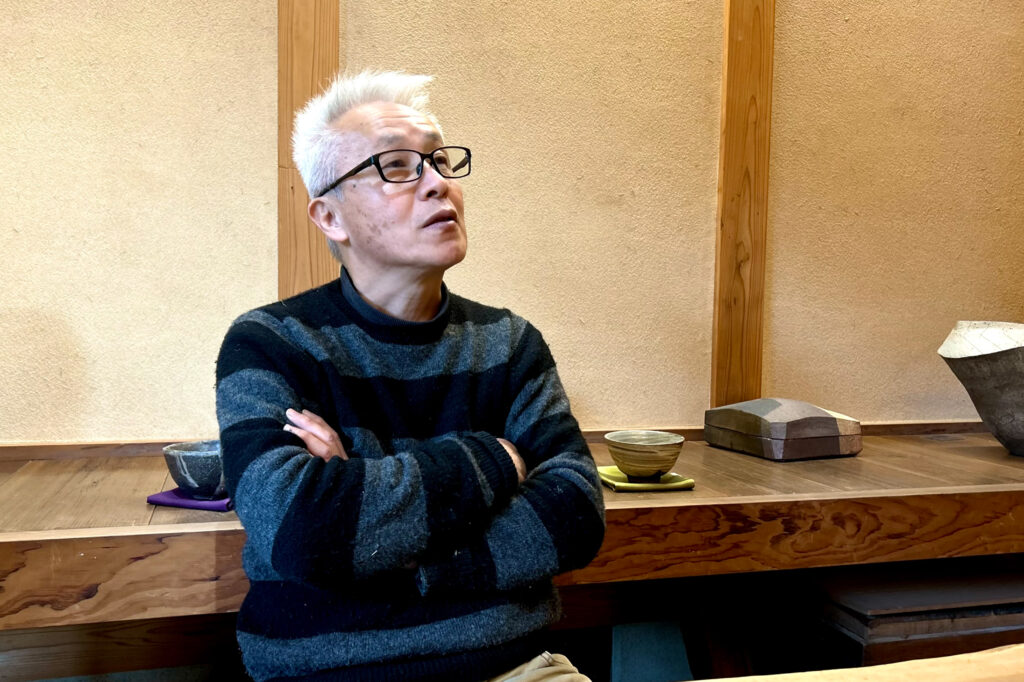
Keiichi Shimizu of Kaneto-gama (hereafter Keiichi) describes his approach to making as “a dialogue with clay.” As he turns the wheel or builds forms freehand, he listens carefully to the voice of the clay at each step.
“If I were to put it grandly, I feel as if I’m creating works together with the clay. I let go of intention and entrust it to the clay. Then the form doesn’t assert itself too strongly, and it acquires a modest presence that gently receives the food.”
When he sees the forms born from this process vividly enhancing dishes in restaurants and other settings, a quiet joy spreads within him.
“When a gentle dish is served on a form with a strong, austere impression, the expression of the form softly changes in that moment. That’s what makes me happiest.”
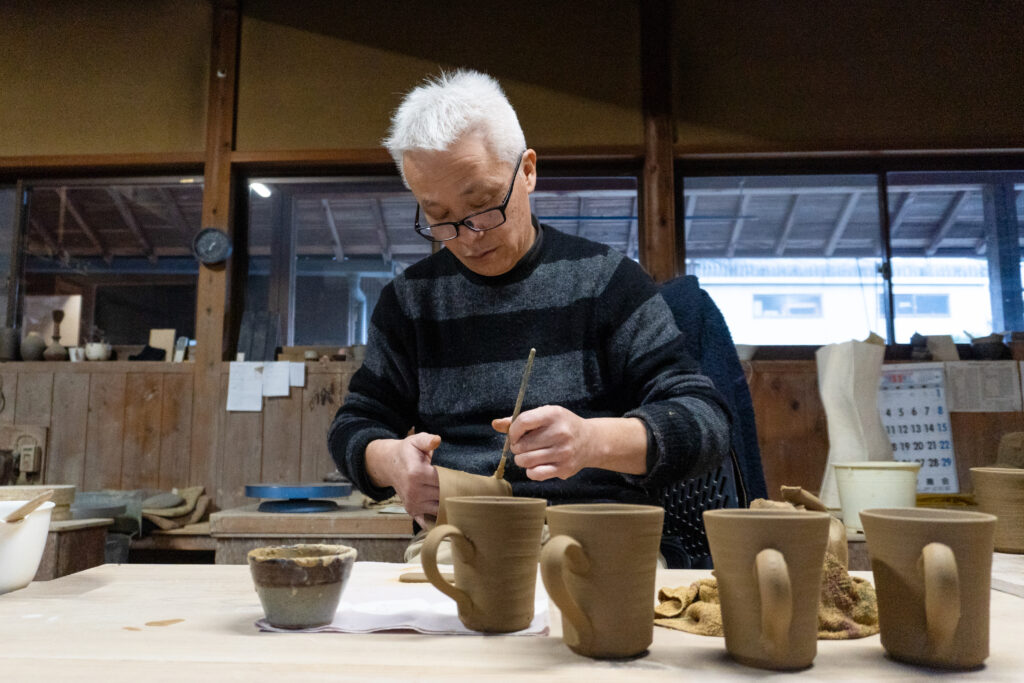
The backs of his father and grandfather, always working, formed his original landscape of pottery
The original landscape in Keiichi’s memory is the former workshop that once stood beside his home, now demolished. Exposed earthen walls stained with clay and a space filled with tools and materials in disarray—there, his father and grandfather sat side by side at the wheel.
“When I dream about the workplace, that place always appears. Even when my father shows up in my dream, it’s always that old studio. It must be my unconscious origin.”
Both his father and grandfather were always making something, always facing the potter. Having grown up watching them, Keiichi too feels uneasy when his hands are not at work. “I can’t seem to make time to just sit and do nothing. I’d like to be a bit more contemplative,” he says with a wry smile.
“My grandfather used to tell me, ‘Don’t grow too big, don’t grow too big’ (laughs). If I got too tall, it would be harder to get inside the climbing kiln and work. That’s when I naturally began to think that I would follow this path.”
After graduating from high school, he enrolled in a vocational training school in Kyoto. Having had little experience with clay until then, he began as almost a complete novice, learned the basics, and returned to the family business. At the time, the mainstream was more like factory-style craftsmanship, producing uniform utilitarian wares in response to orders.
Taking a detour to rediscover “Tamba” as his roots
In his mid-twenties, Keiichi began submitting works to public exhibitions. At first, there was a period when he pursued expressions “different from Tamba ware.” He intentionally avoided Tamba clay, used white clay, and created sculptural works with vivid glazes—expressions born from his struggle with tradition.
However, as he moved into his thirties and forties, his mindset began to change.
“When I thought about where my roots truly lay, I always came back to Tamba. This place has a generosity that embraces everything. If I myself recognize something as Tamba ware, then it becomes an expression of Tamba.”
His current works maintain geometric structures while cherishing the natural kiln effects brought about by Tamba clay and fire. What shape does the clay wish to become? Through continual dialogue with the clay, he shapes his work—this is his present approach.
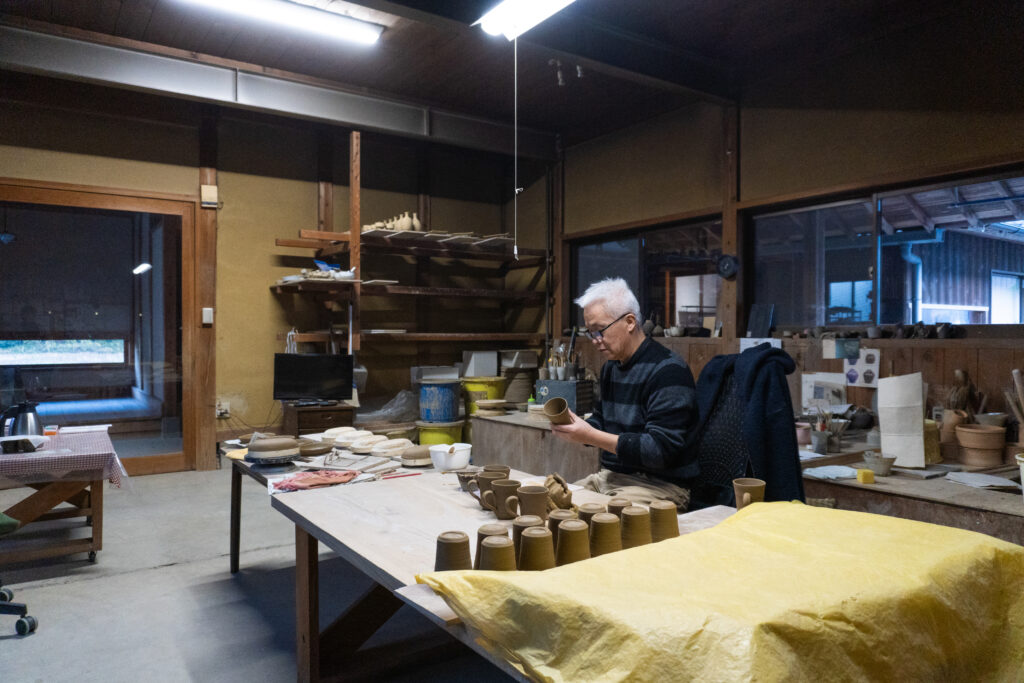
Morning journaling and coffee. A quiet routine that nurtures “honest form”
Keiichi strives to live each day with a steady rhythm. He wakes before 6 a.m. and opens the workshop door around 7. He writes in his journal from the previous day and brews coffee while watching the morning drama. Then begins his time for creation.
“When I was younger, I pushed myself late into the night. Now I feel best when I come in at seven and leave at nineteen. Keeping a regular rhythm keeps what I make healthy as well.”
Beyond the workshop window stretch mountains that change color with the seasons. Keiichi treasures this scenery as something “that exists nowhere else in the world but here.”
“Things that have survived for hundreds or even thousands of years possess an undeniable power. Shrines, temples, and Jomon pottery remain today because someone felt they were worth preserving. I hope my forms can remain quietly in someone’s heart like that. Whether people think they’re beautiful or cool—anything is fine. I simply want to create something that resonates in people’s hearts.”
Overview
of
KANETO-GAMA
Address
2-4 Shinooguchi, Kamitachikui, Konda-cho, Tamba-Sasayama, Hyogo, Japan
TEL
FAX
Website