
TOC
KAMAMOTO YAMANO
profile
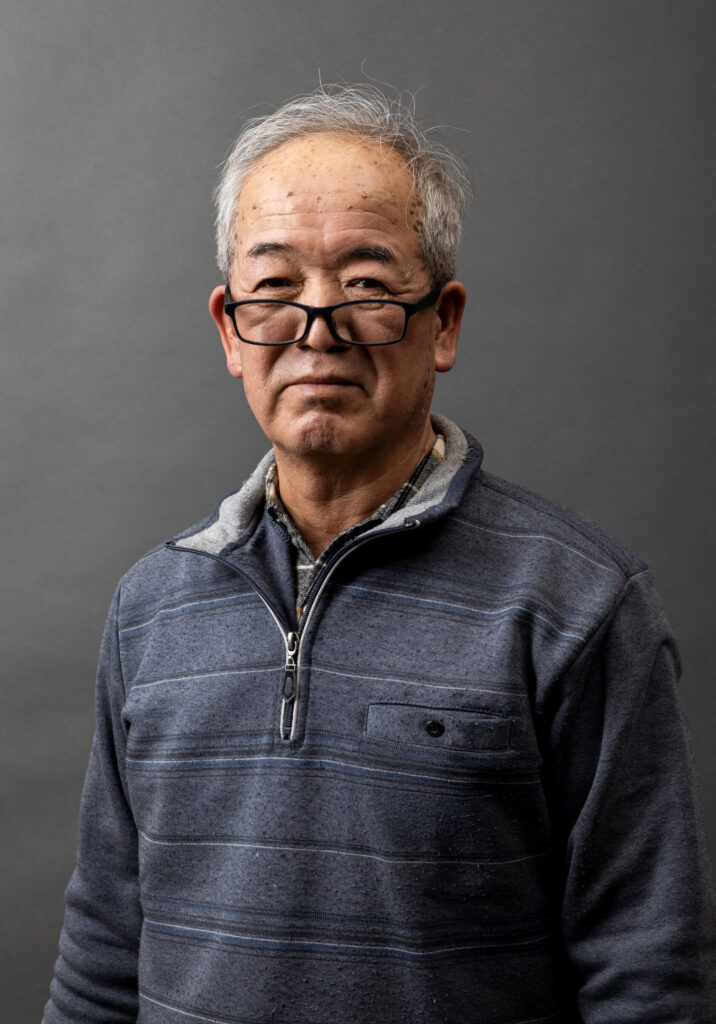
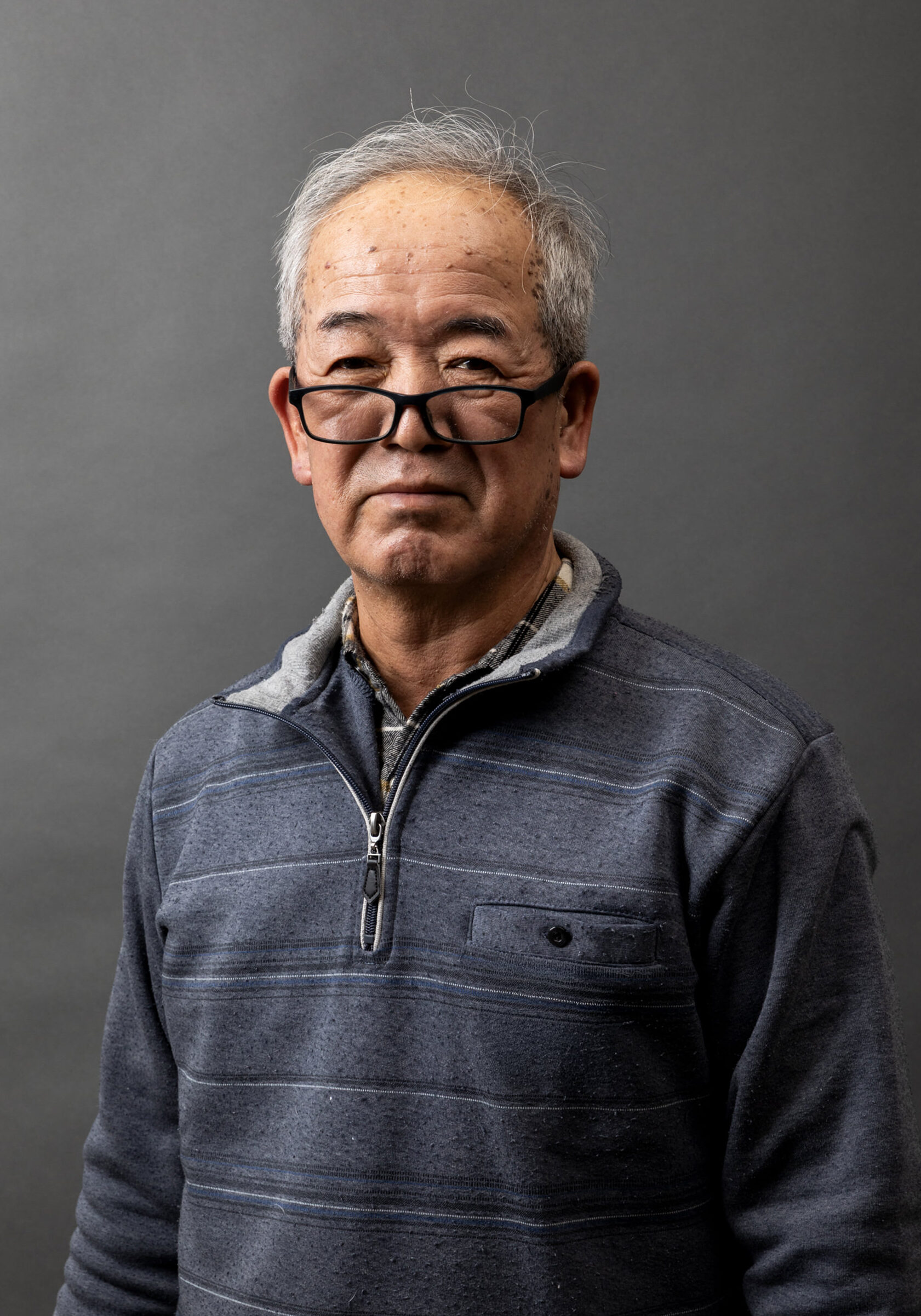
Masayuki Ogami
profile
Masayuki Ogami
14th generation
Year of Birth:1958
Year Began Pottery:1976
Education / Training Background
Studied under Yasuhiro Okuda in Ise
Major Awards
Selected and Awarded multiple times, Hyogo Prefectural Crafts Art Exhibition
Prize Winner, Hyogo Prefectural Exhibition
Selected multiple times, All Kansai Exhibition
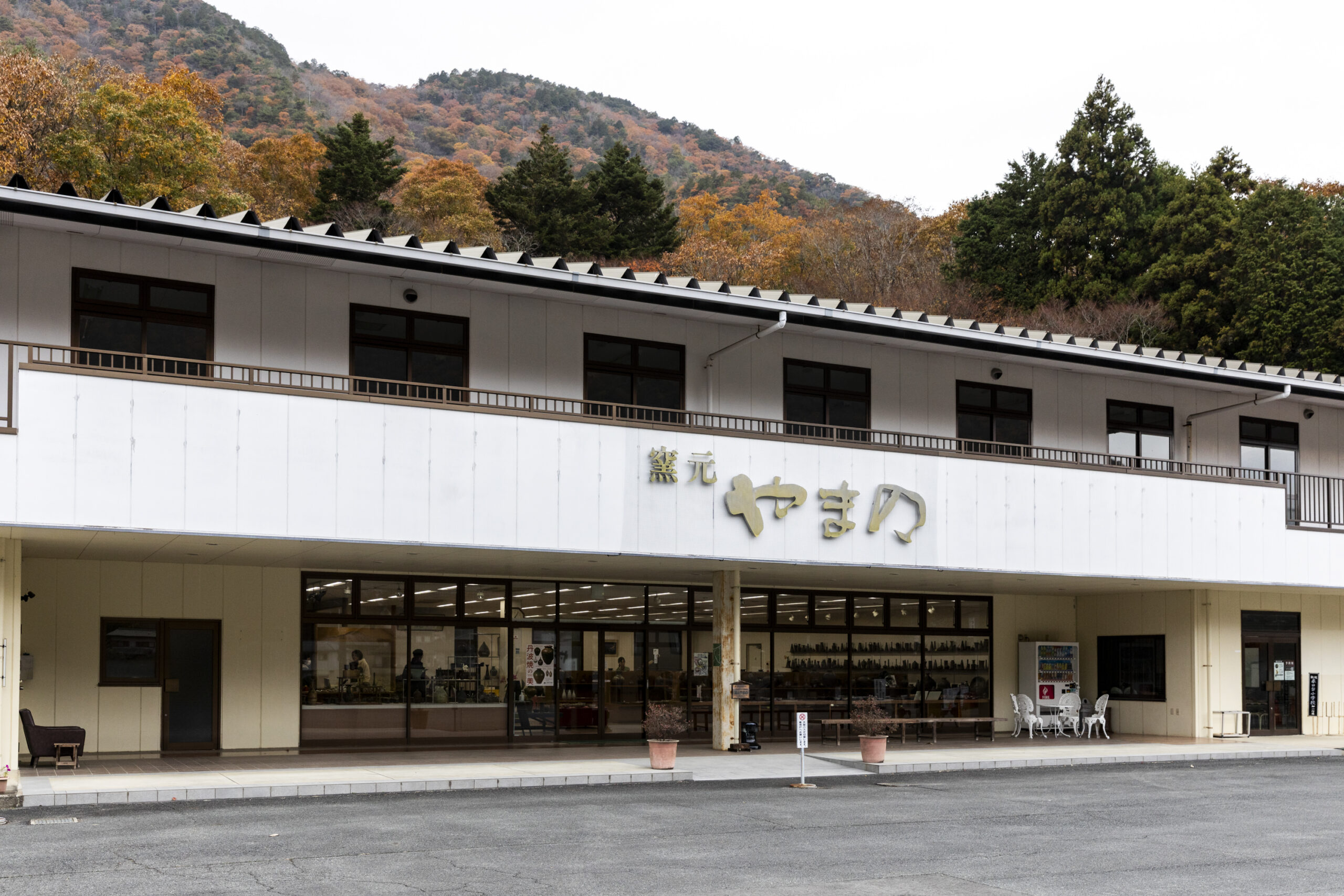
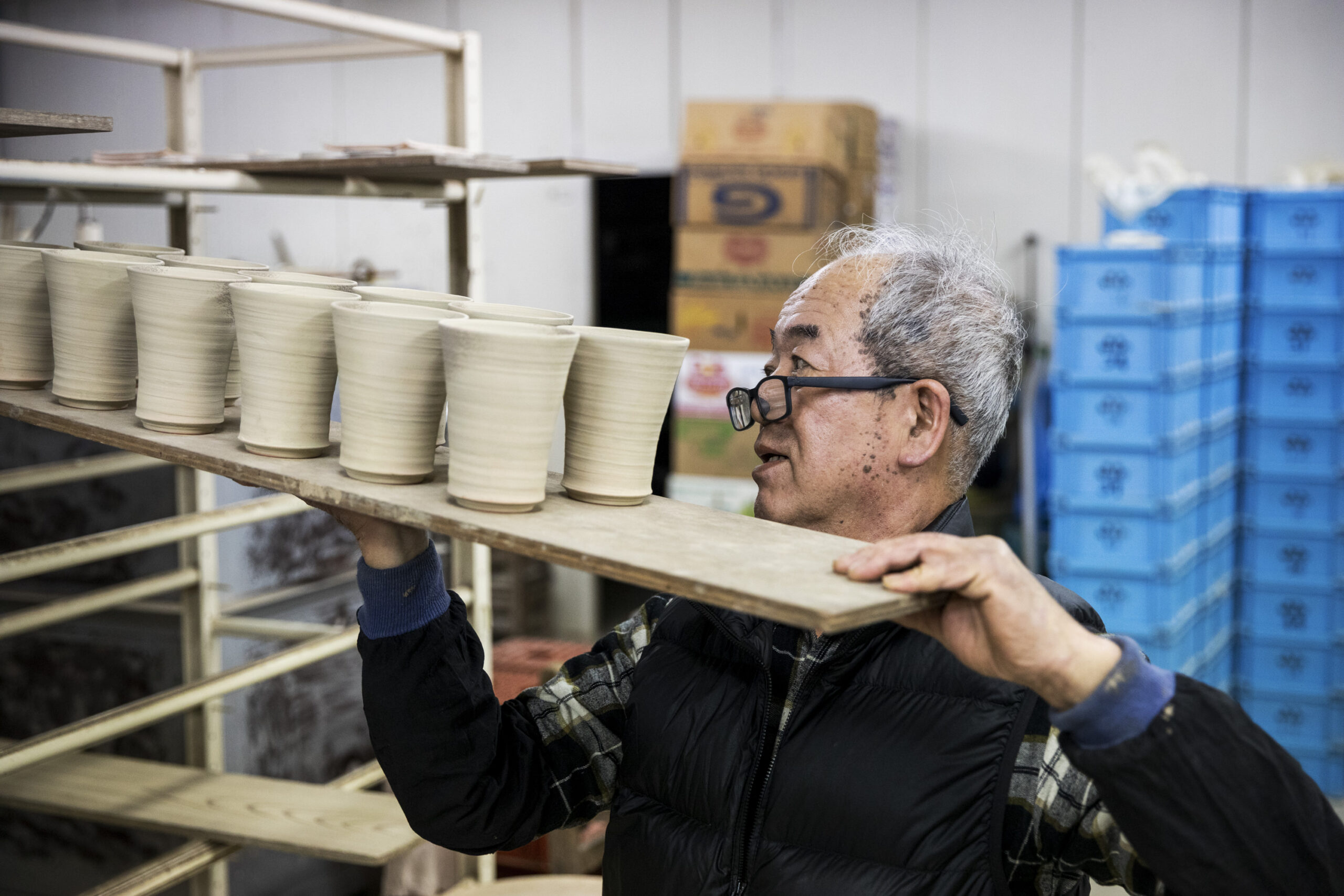
The state of the workshop
スクロールできます
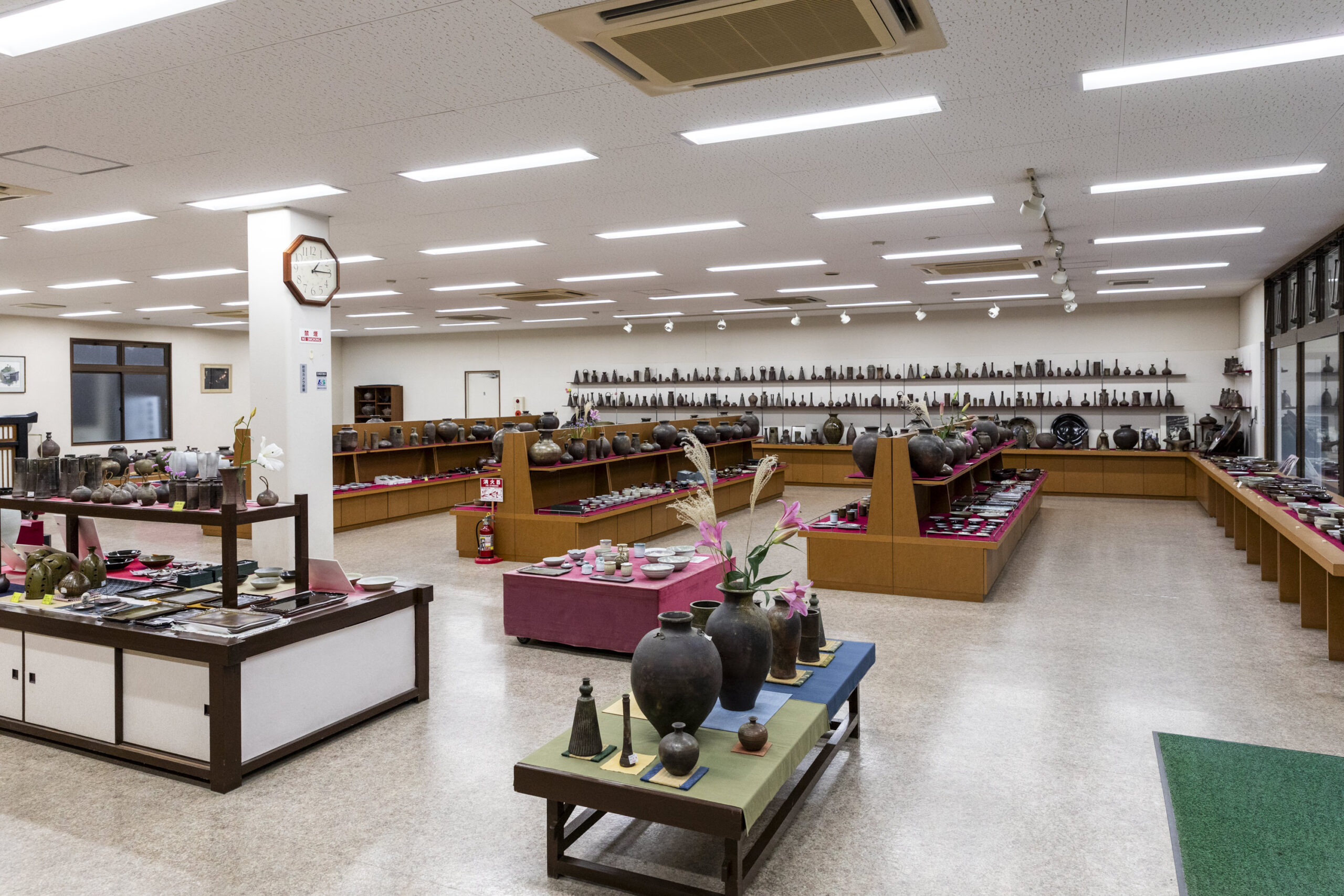
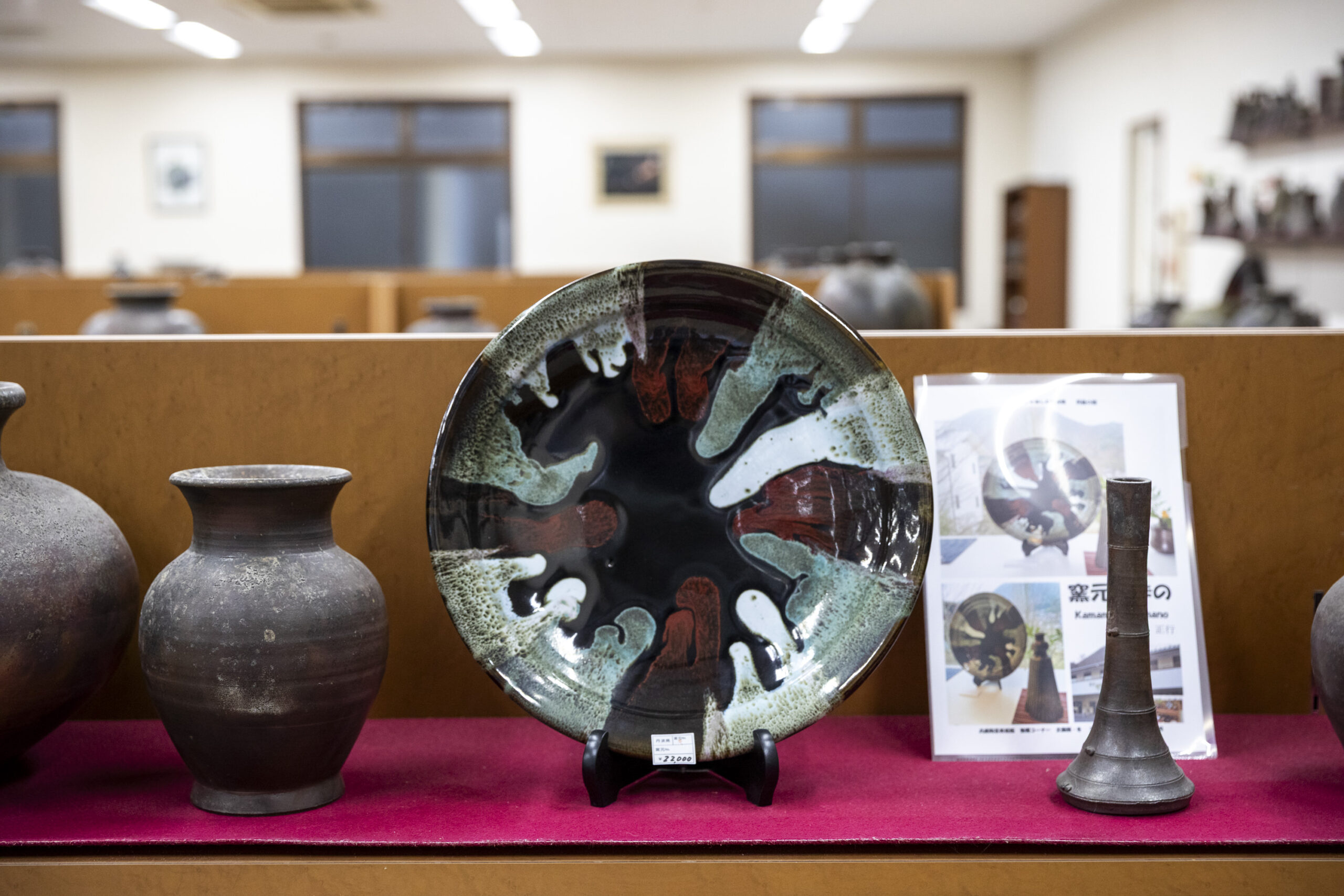
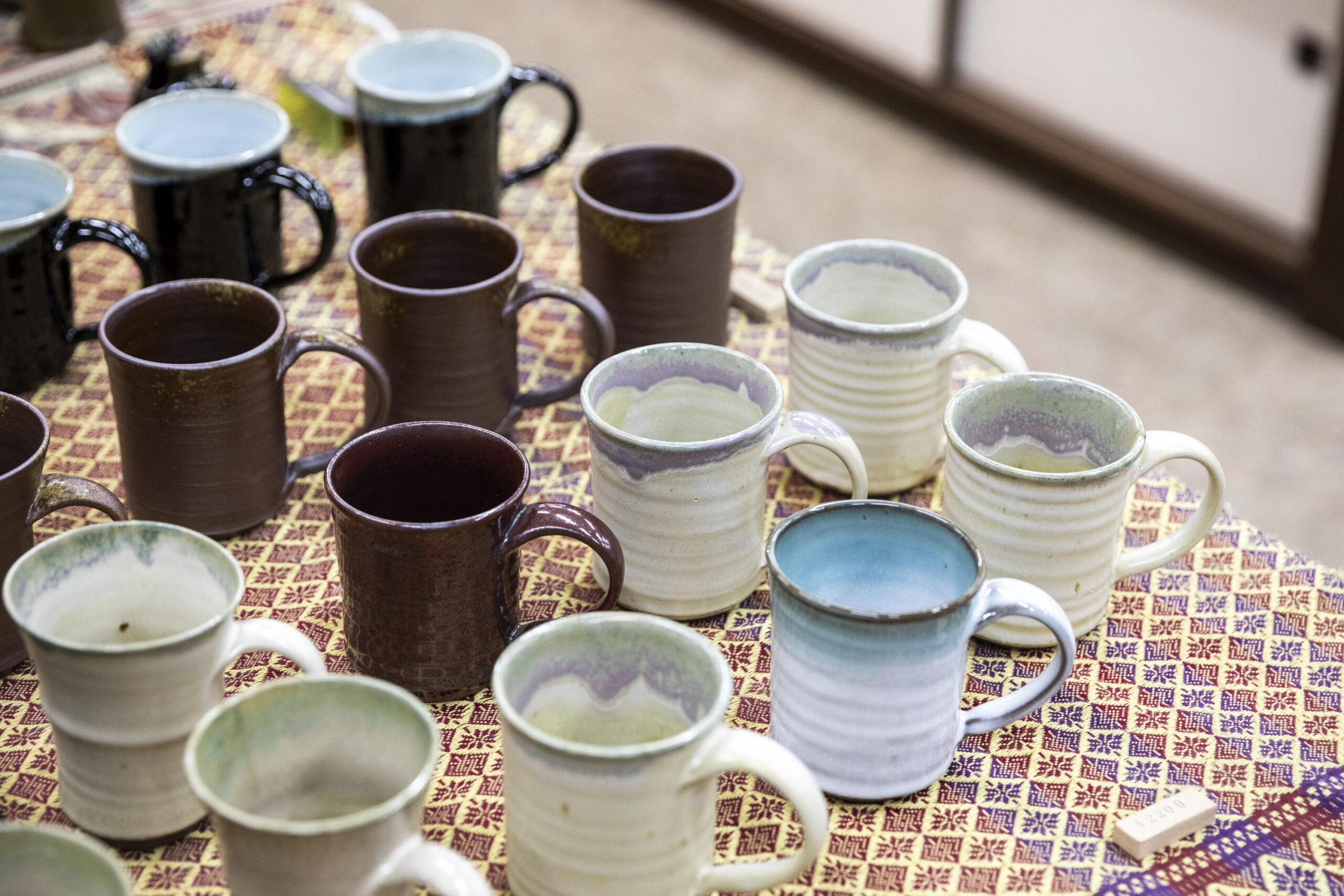
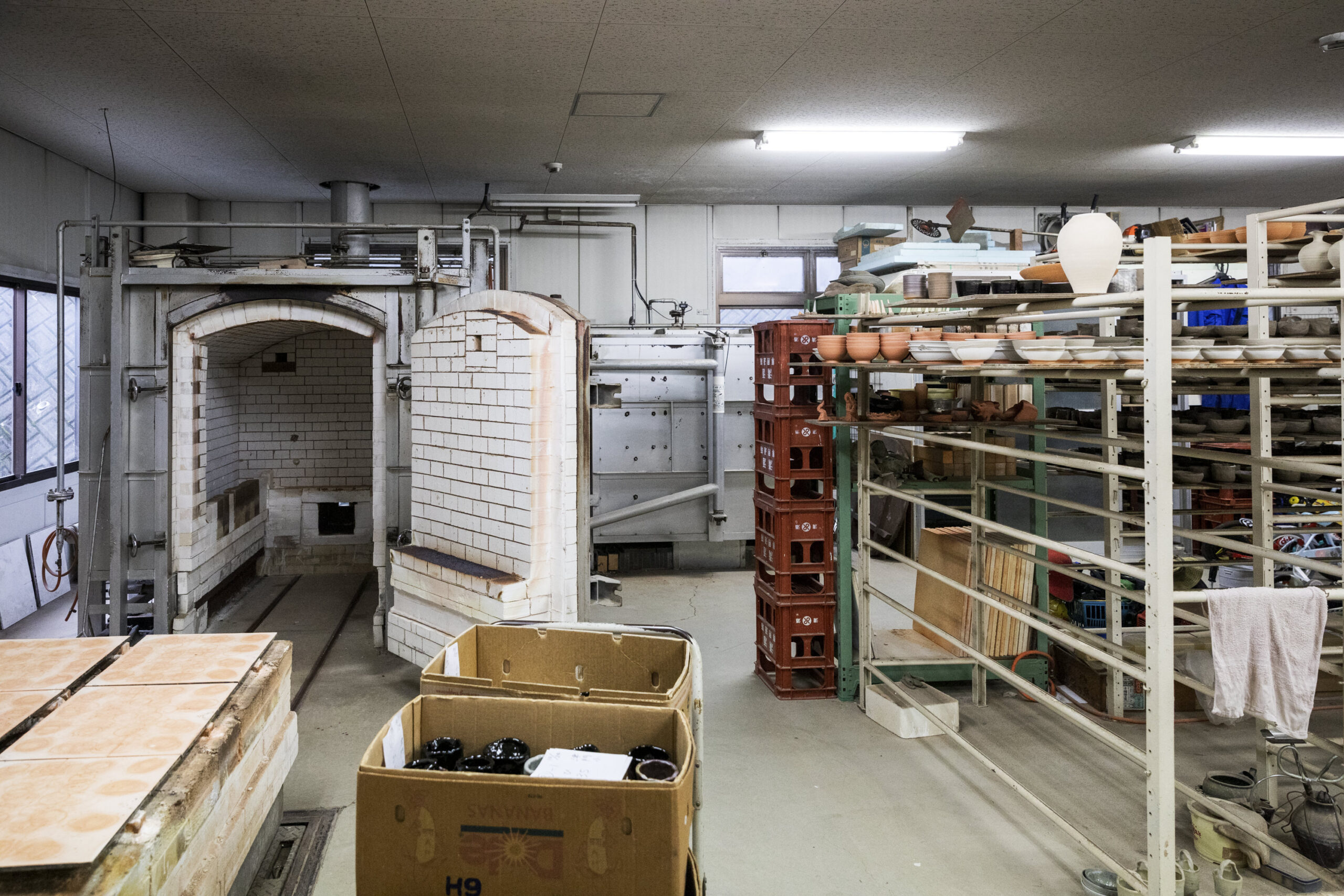


Works
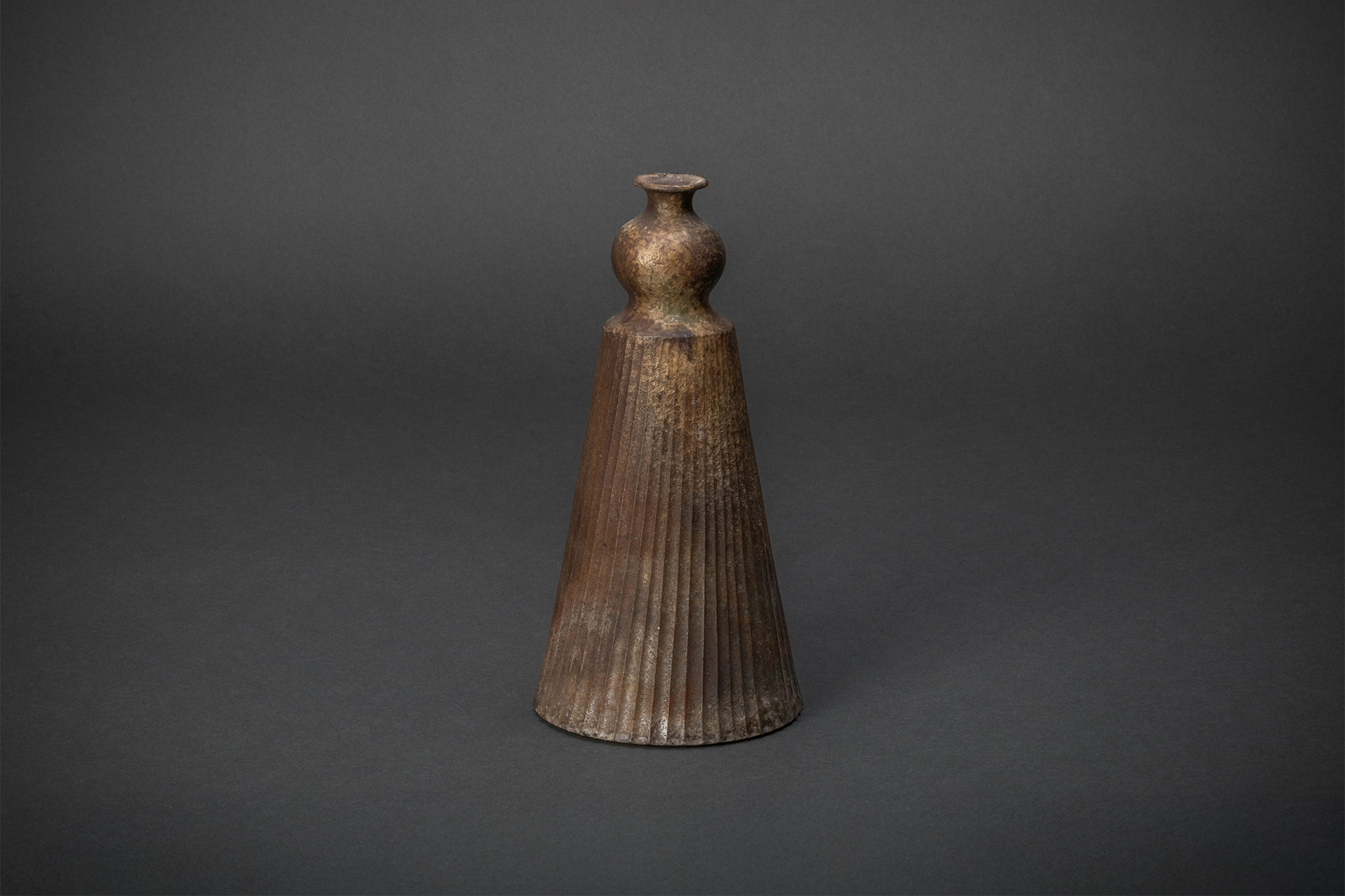
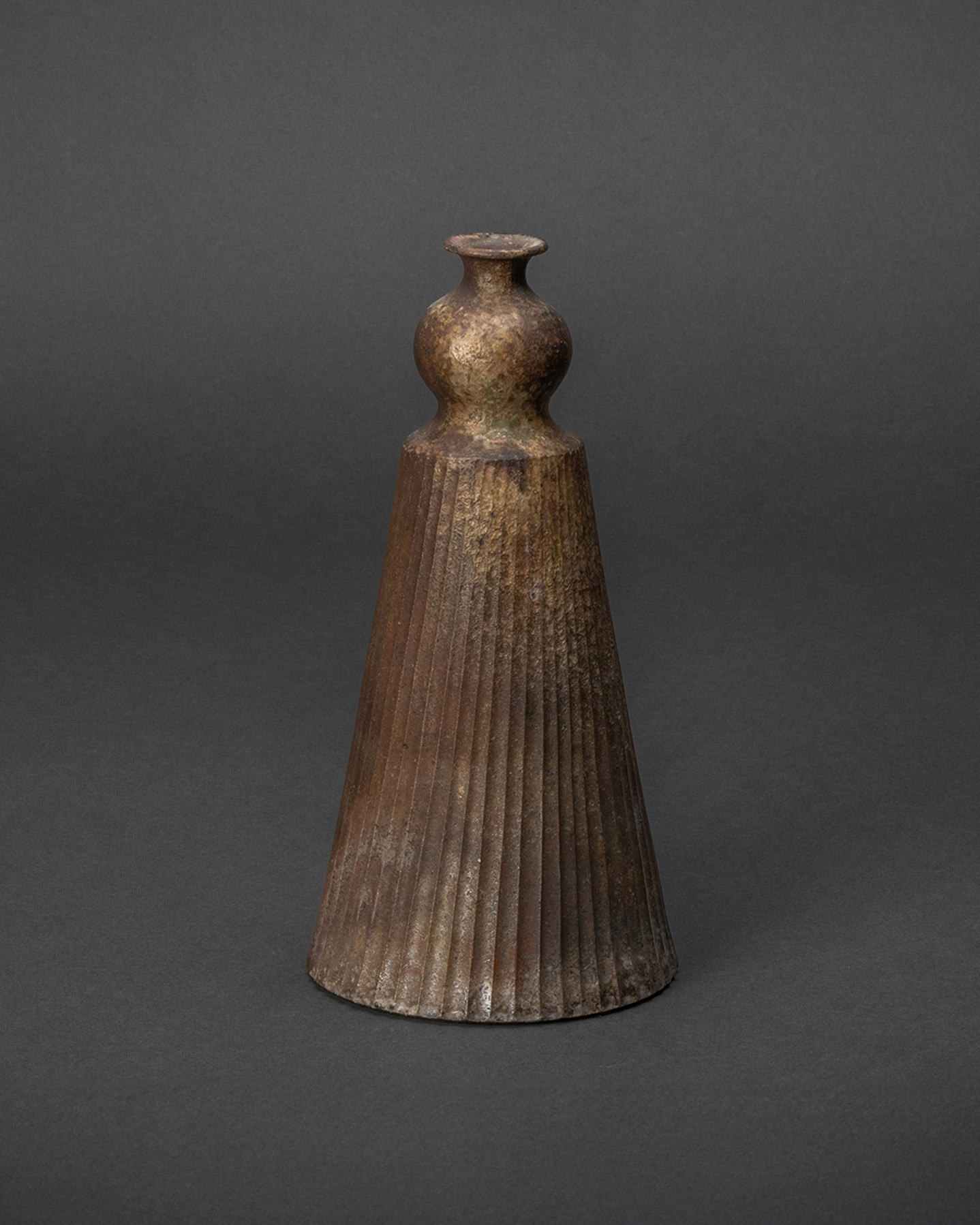
photo:AOTANI Takeru
Interview
Passing on the First Experience of “Using One’s Own Form” to the Next Generation — The Vision of Masayuki Ogami of KAMAMOTO YAMANO, a Potter Continuing Since the Edo Period
Listening to the Voice of Clay, Embracing Unadorned Beauty: Functional Forms Shaped by Tamba’s Climate and Landscape
What Masayuki Ogami of KAMAMOTO YAMANO (hereafter, Masayuki) creates are ceramics in rich, earthy tones, deep blacks, charred browns, and soft grays, born from yakishime and natural ash glaze effects.
“As for us, our forms are meant not for display, but for use in everyday life,” he says.
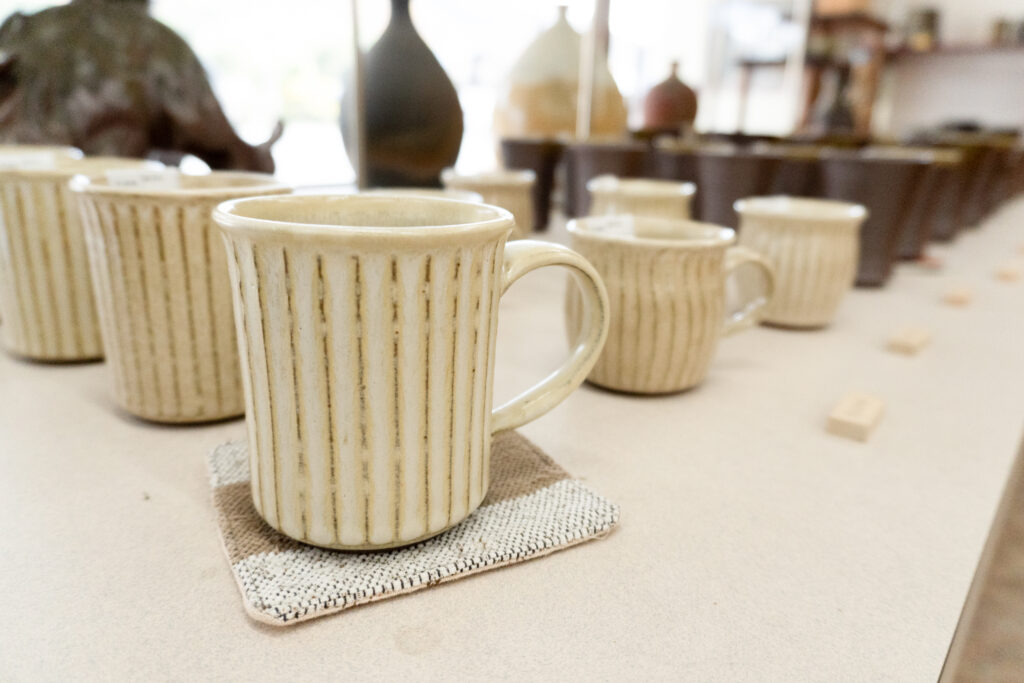
True to his words, the forms are refined and dignified, distinguished by a simplicity stripped of excess ornamentation. Fired without applied glaze, the texture of yakishime reveals the clay’s natural expression. When held, the pieces feel quietly warm, conveying the inherent strength of Tamba clay itself.
At the entrance of the gallery, seasonal plants are arranged in yakishime jars. Paired with greenery, the forms recede gracefully into the background, enhancing and enlivening the surrounding space. Their presence seems to embody Masayuki’s philosophy of “practical use.”
A Childhood Playground Among Climbing Kilns: A Path Etched into Memory
Born as the eldest son of KAMAMOTO YAMANO, a potter established in the Edo period, Masayuki spent his childhood playing in the mountains, by the river, and around the climbing kiln behind the house.
“I often played around an old climbing kiln in the mountains that was no longer in use. To a child, it felt like a secret base. My grandfather would always be there in his work clothes, silently turning the kick wheel. The workshop felt almost sacred—a place you shouldn’t approach casually.”
As the eldest son, Masayuki was told each year at family gatherings, “You’ll be a potter too.” Those words gradually took root within him, and by the time he graduated high school, he chose the path of ceramics without hesitation.
He trained at Kagura Potter in Ise, Mie Prefecture. What left the deepest impression on him there was the process of kneading clay.
“We would knead about 30 kilograms of clay a day, from morning until night without rest. My arms would be completely exhausted. But eventually I learned to use the weight of my body rather than just arm strength. How to remove air perfectly in the shortest time—that was a fundamental skill I learned through my body.”
Working with 400 Children: Offering the First Experience of Eating from One’s Own Form
Today, one of the central pillars of Masayuki’s work is a ceramics workshop program that runs for as much as nine months each year. At times, he teaches as many as 100 to 400 students at once, sharing the joy of working with clay.
“I always suggest making something for everyday use. Decorative objects may end up forgotten, but a bowl or cup will be used daily. Eating from a form you made yourself becomes an irreplaceable memory—one that may one day lead to the realization, ‘This is what Tamba ware is.’”
In his classes, Masayuki places particular emphasis on teaching the importance of weight in a form.
“Nowadays many people prefer lighter pieces, but if something is too thin it breaks easily. For practical use, a certain thickness and durability are essential. The delicate balance between weight and usability—that is the functional beauty of ceramics.”
Beginning at 2 a.m.: Loving the Fleeting Autumn Framed by the Studio Window
Masayuki’s day begins at two in the morning. “I go to bed around 8:30 p.m., and wake up at two or four. I check my schedule and go for a drive before dawn. Breathing in the crisp morning air is how my day begins. My wife jokes that I’m ‘wandering around,’” he says with a laugh.
This routine, unchanged for over thirty years, supports the rhythm of his creative life. After long days of teaching workshops, a quiet bath soothes his tired body at day’s end.
From the studio window, the mountains of Tamba unfold in seasonal colors. He smiles as he speaks of the beauty of this view.
“The window frames the landscape like a photograph. In autumn, when traces of green remain and red and yellow leaves overlap, the moment is indescribably beautiful. I look forward to that one week of peak autumn color every year.”
Devoting two-thirds of the year to teaching ceramics and sharing its appeal, Masayuki also carefully maintains the grounds—cutting grass and tending the surroundings so visitors can enjoy the potter site. Loving the clay of Tamba, he continues to carry its spirit forward to the next generation.
Overview
of
KAMAMOTO YAMANO
Address
385 Kamitachikui, Konda-cho, Tamba-Sasayama, Hyogo, Japan
TEL
FAX
Website
Pottery Classes
This pottery workshop can be enjoyed even by beginners.
The following prices and times apply to individual participants.
Group rates are also available. Please see the KAMAMOTO YAMANO website for details.
Available Dates: Every day except the first Monday of the month
(or the following weekday if it falls on a holiday)
Reception Hours: 8:00–15:30
Reservation: Required
Walk-ins: Please contact us
<Clay Modeling Class>
Approx. 60 minutes / ¥1,650 per person
・Maximum Participants: 1,000
・Completion Time: 30–45 days
Notes:
Choose from three glaze colors.
<Painting Class>
Approx. 20 minutes / Teacup ¥770 / Plate ¥990
・Maximum Participants: 1,000
・Completion Time: 20–30 days
Notes:
Glaze color selection is not available.