
TOC
INAEMON-GAMA
profile
Tsuyoshi Uenaka
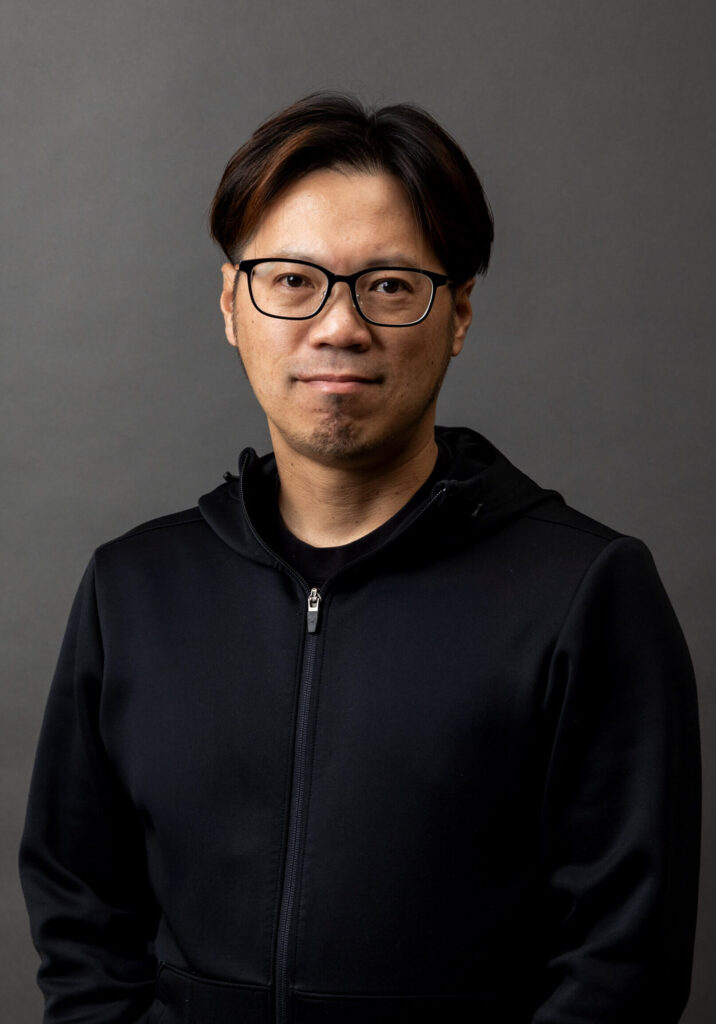
profile
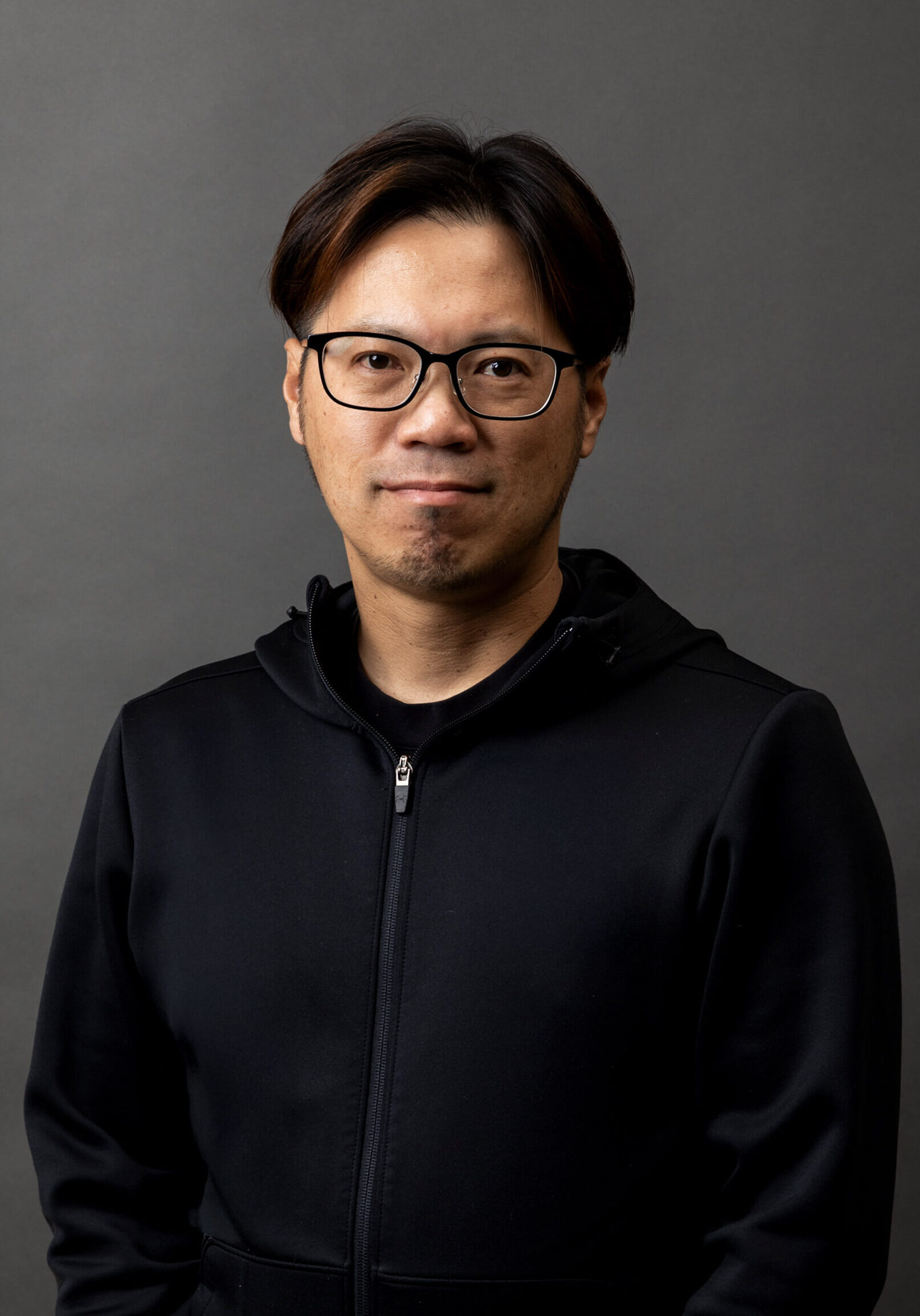
Tsuyoshi Uenaka
11th generation
Year of Birth:1982
Year Began Pottery:2004
Education / Training Background
Graduated from Kyoto Prefectural Ceramic Training School
Trained at the Kyoto Municipal Industrial Research Institute
Instructed by his father, 10th-generation Inaemon
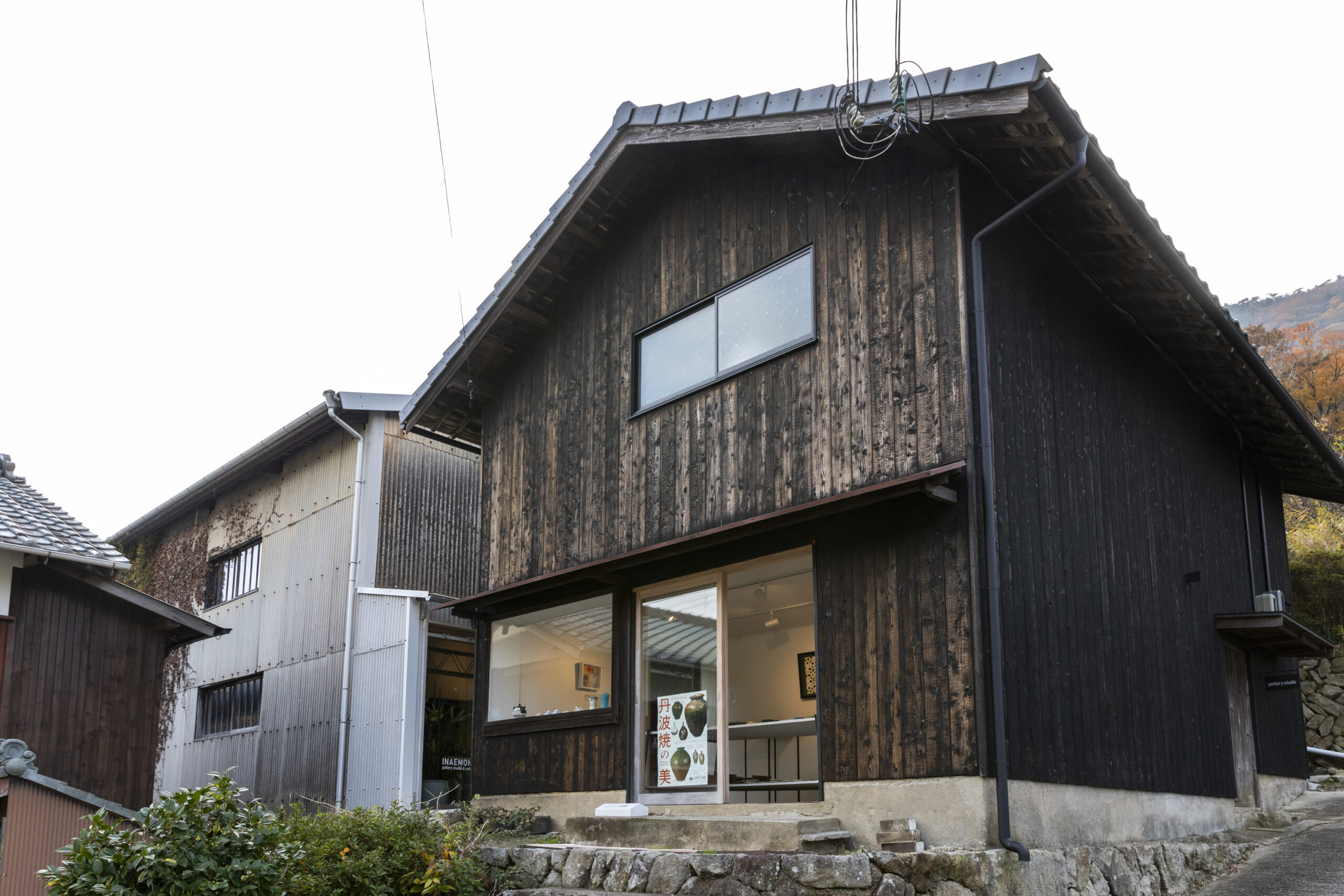
The state of the workshop
スクロールできます


Works
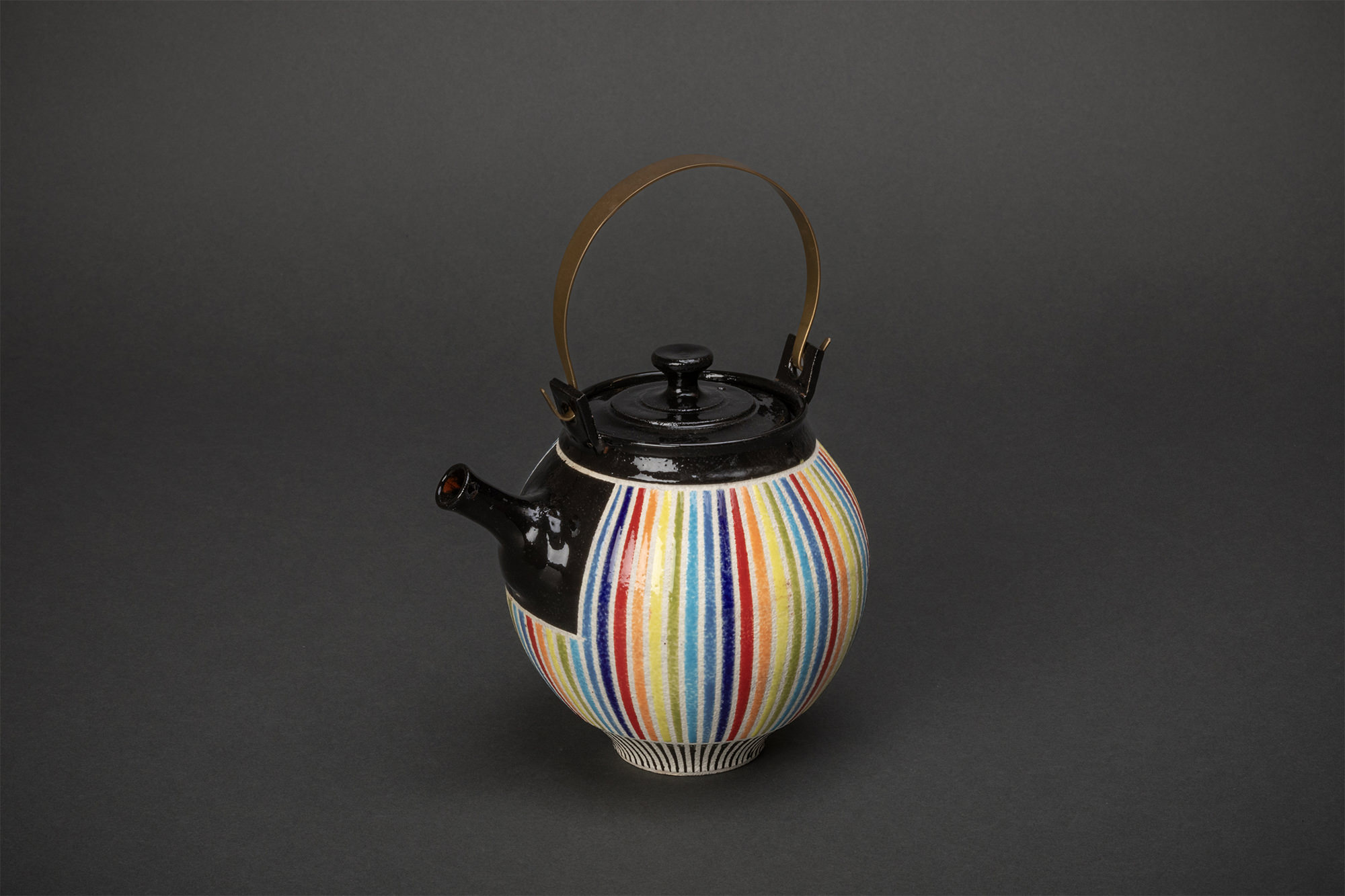
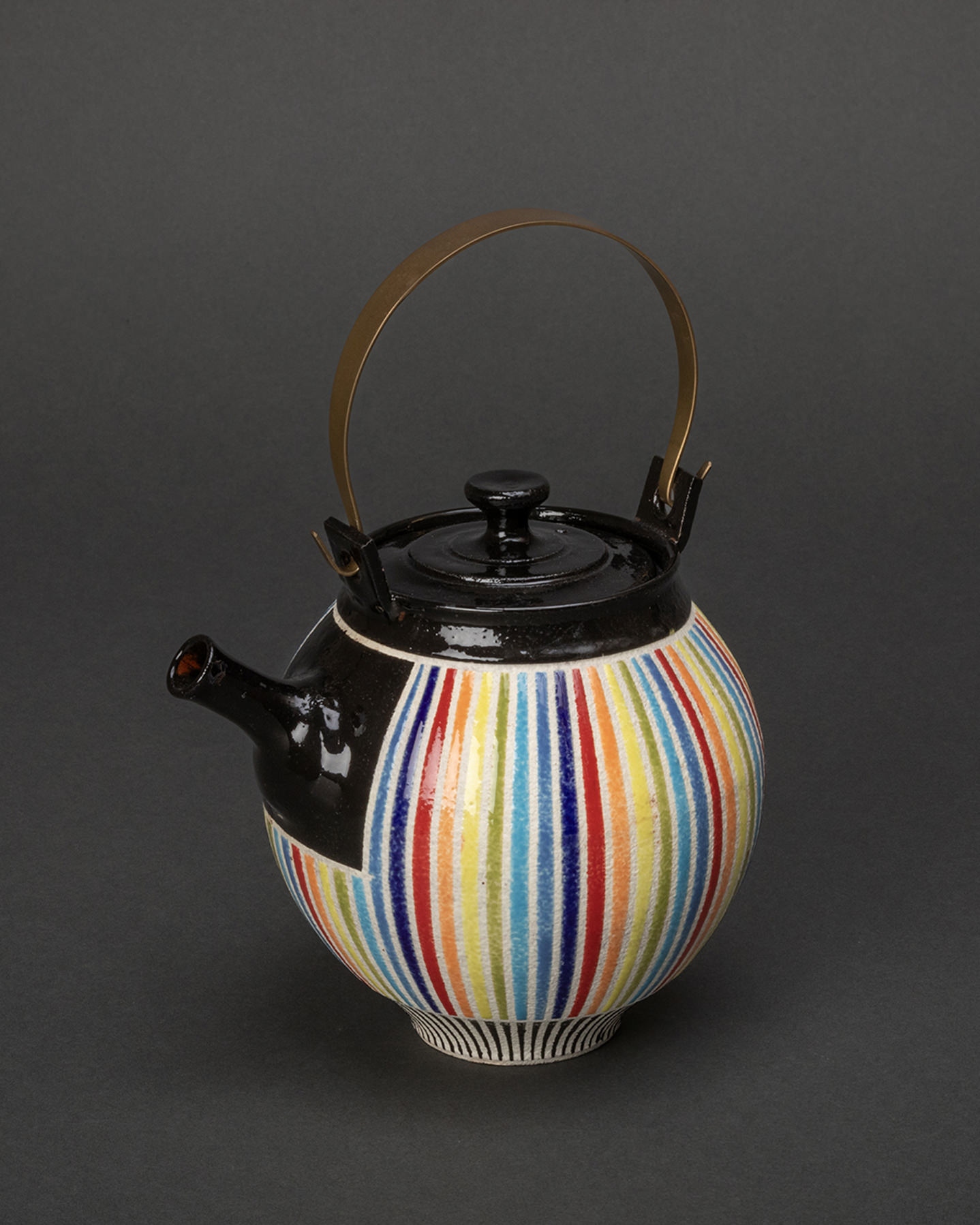
photo:AOTANI Takeru


Interview
Reflecting Tamba’s Past and Present in Clay. At INAEMON-GAMA, Tsuyoshi Uenaka Cherishes the Philosophy of “Half by the Maker, Half by the User”
The Present Form of Tamba Ware: Colorful Forms for Everyday Living
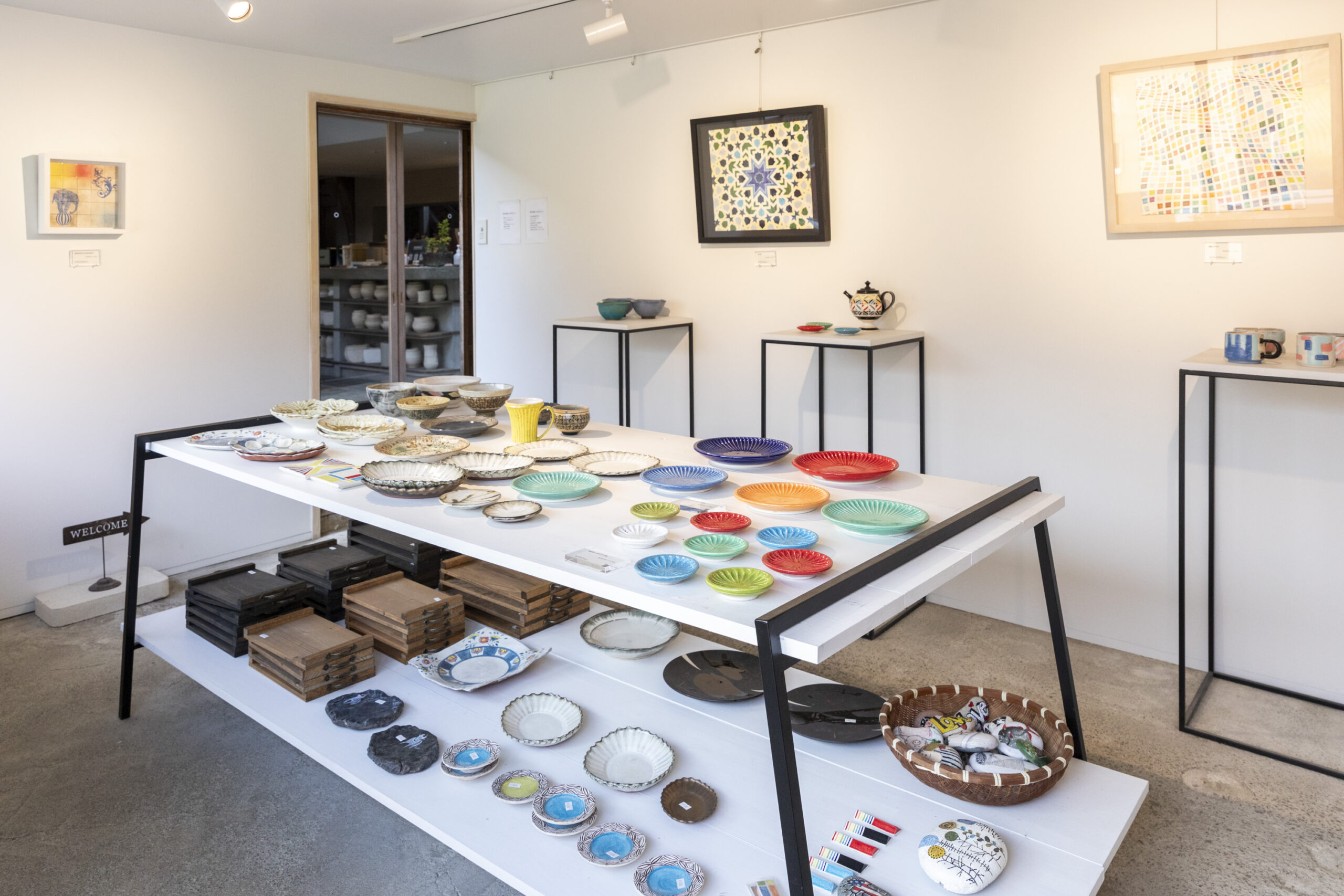
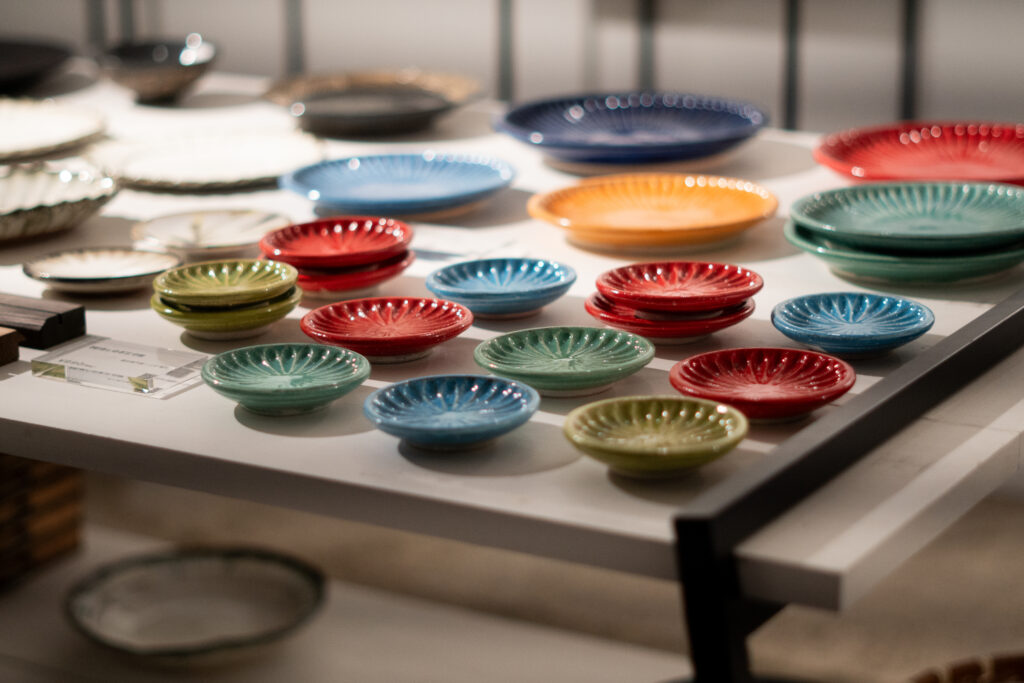
The gallery of INAEMON-GAMA is filled with a light, refreshing atmosphere that gently departs from conventional images of Tamba ware. Colorful forms are arranged with care, and the rhythm of glazes and color combinations harmonizes beautifully, drawing in visitors at first glance.
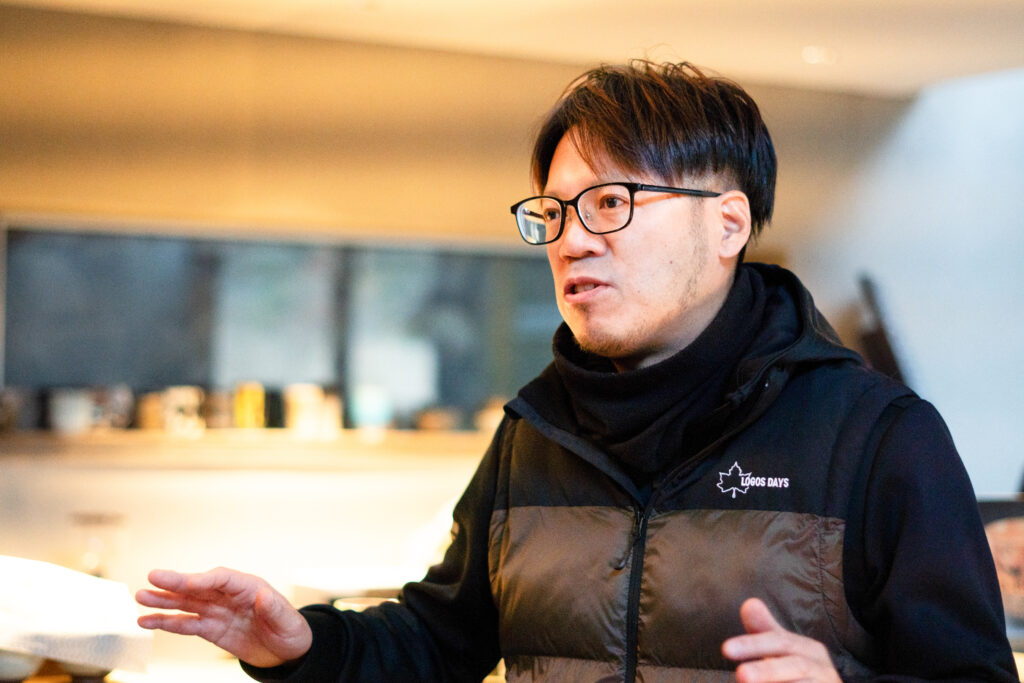
Among the potters of Tamba Tachikui, it is Tsuyoshi Uenaka, the 11th-generation head of INAEMON-GAMA (hereafter, Tsuyoshi), who creates these distinctly expressive works.
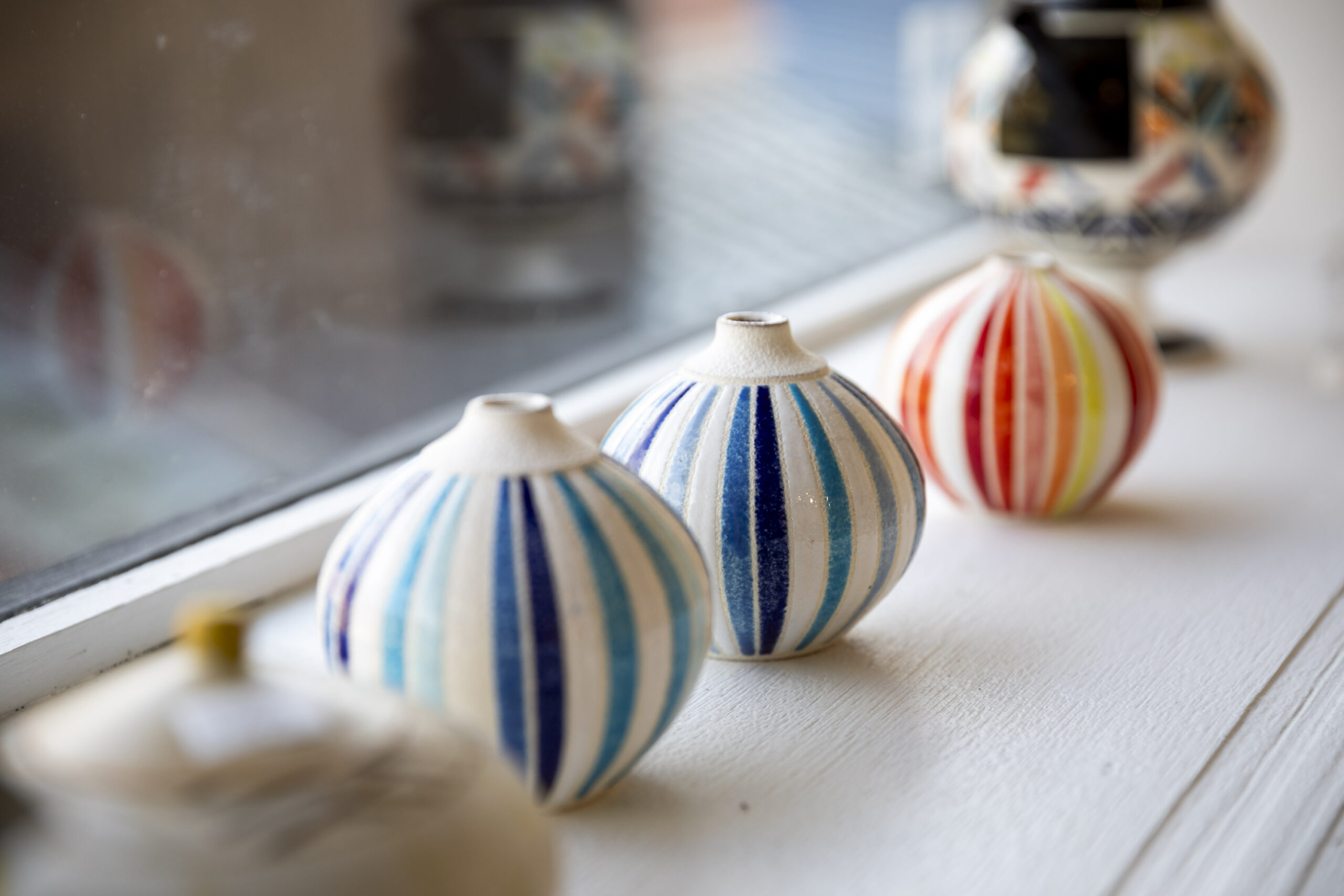
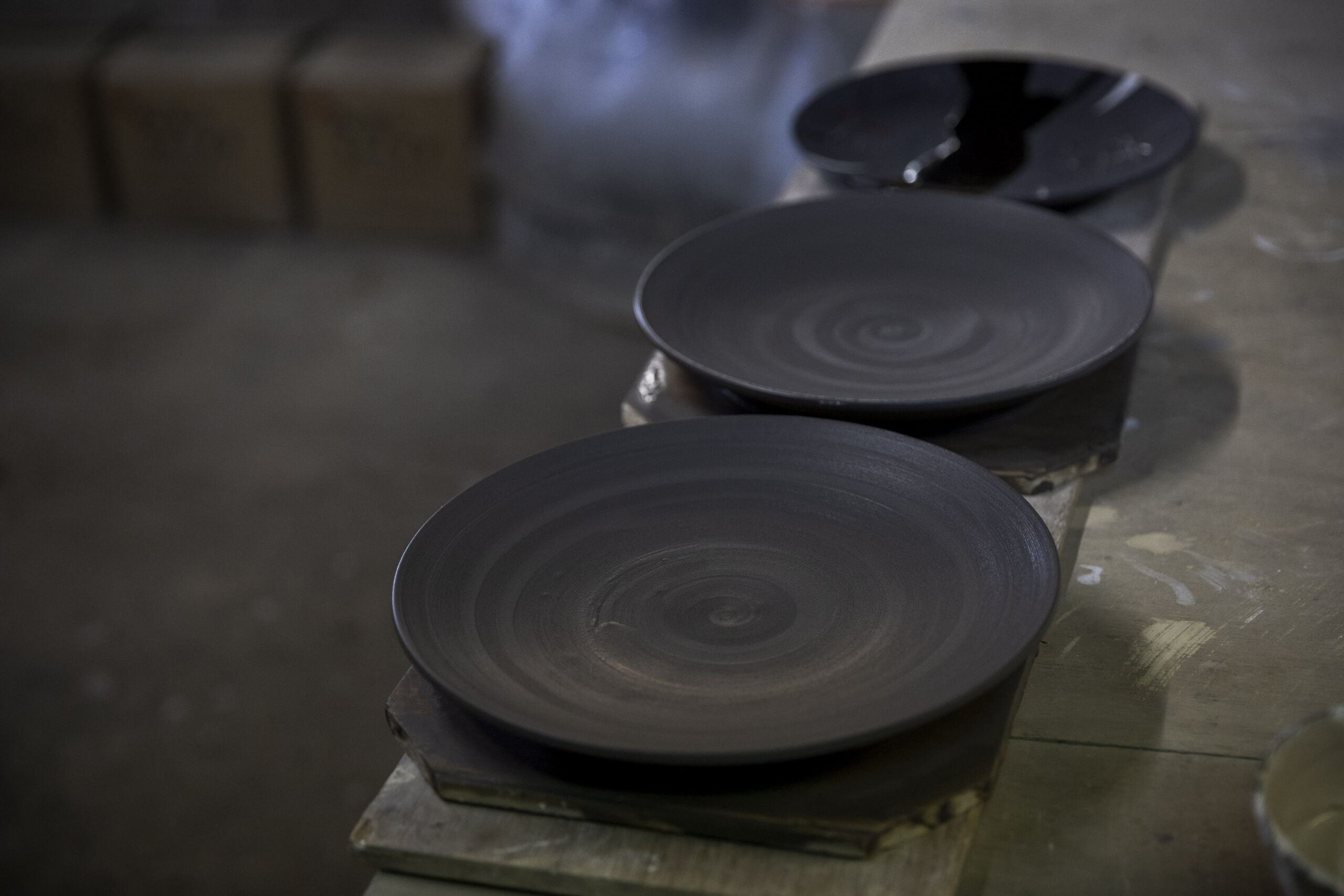
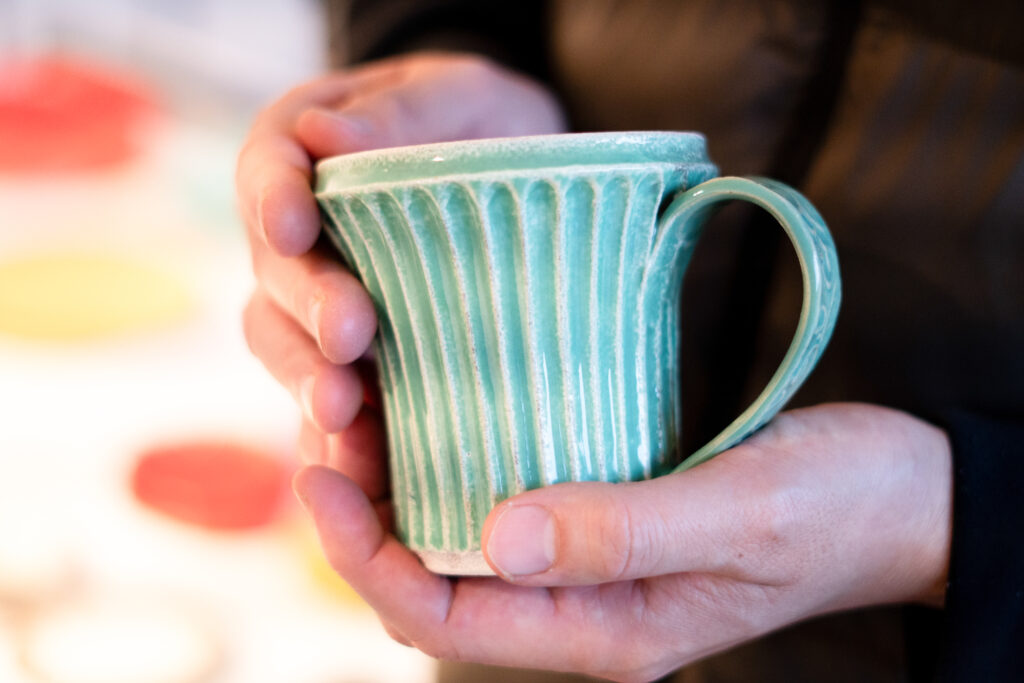
Tsuyoshi’s forms honor traditional Tamba techniques such as shinogi (carved ridges) and visible traces of handwork, while incorporating colors and functionality that naturally blend into contemporary dining tables. Pools of glaze and subtle shadows create individuality in each piece, allowing vivid color impressions to coexist with the calm texture of clay. His approach seems to build a bridge between the long history of Tamba ware and the realities of modern life.
“A form exists because there is both a maker and a user. Only when both are present does it truly become a form. Half by the maker, half by the user—that’s how I think about it.”
True to his words, Tsuyoshi focuses primarily on everyday tableware—plates, bowls, and cups—while also exploring forms as forms of expression. Rather than relying on excessive decoration, he values a balance between practical form and quiet presence, a philosophy that permeates his work.
A Style Shaped Through Steady Accumulation
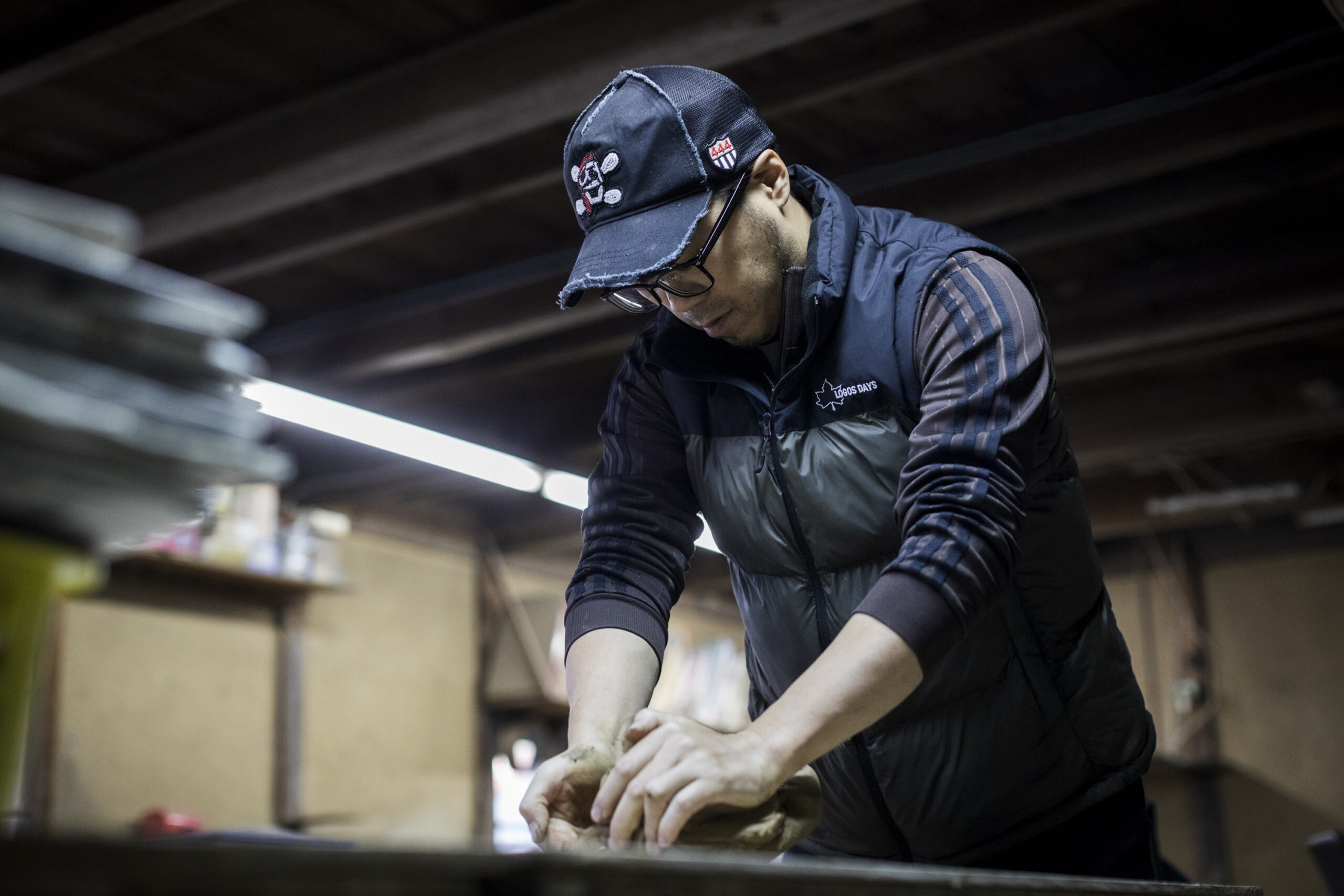
After completing his studies at a ceramics school in Kyoto, Tsuyoshi returned to Tachikui and stepped fully into the world of making. Rather than simply inheriting the family business, he began facing the work before him as an independent maker.
Early on, after joining a group of young ceramic artists, he was offered an opportunity to exhibit at a department store gallery. At the time, with limited experience, he felt there was little room for overthinking.
“Back then, all I could do was focus on what I was capable of. If something was lacking, I would notice it while making, fix it, and then move on to the next piece. Looking back, it was a time when I simply kept my hands moving without overanalyzing.”
For him, both technique and expression were not things to achieve all at once, but to develop gradually through repeated trial and error. That mindset continues to guide his work today.
“When something fails, I think about why, improve it, and try again. Rather than relying on special talent, I just keep building on what I did yesterday. I think that method suited me.”
From This Kiln Site to Everyday Life
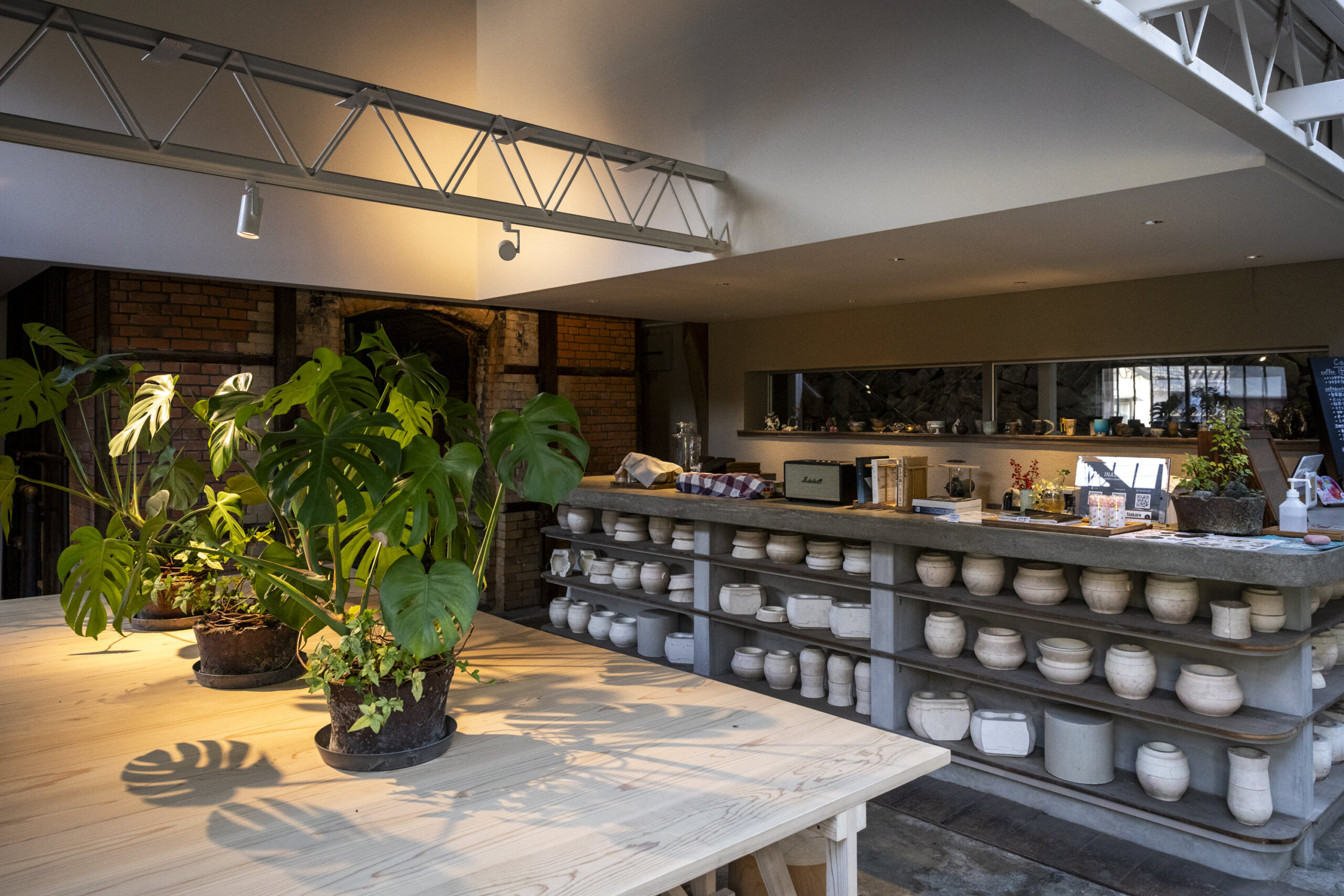
Beside the current workshop stands the gallery and experiential space known as INAEMON pottery studio & cafe, which also houses a ceramics workshop and café. Opened in 2022, this building was once used as a workspace by his grandfather’s and father’s generations.
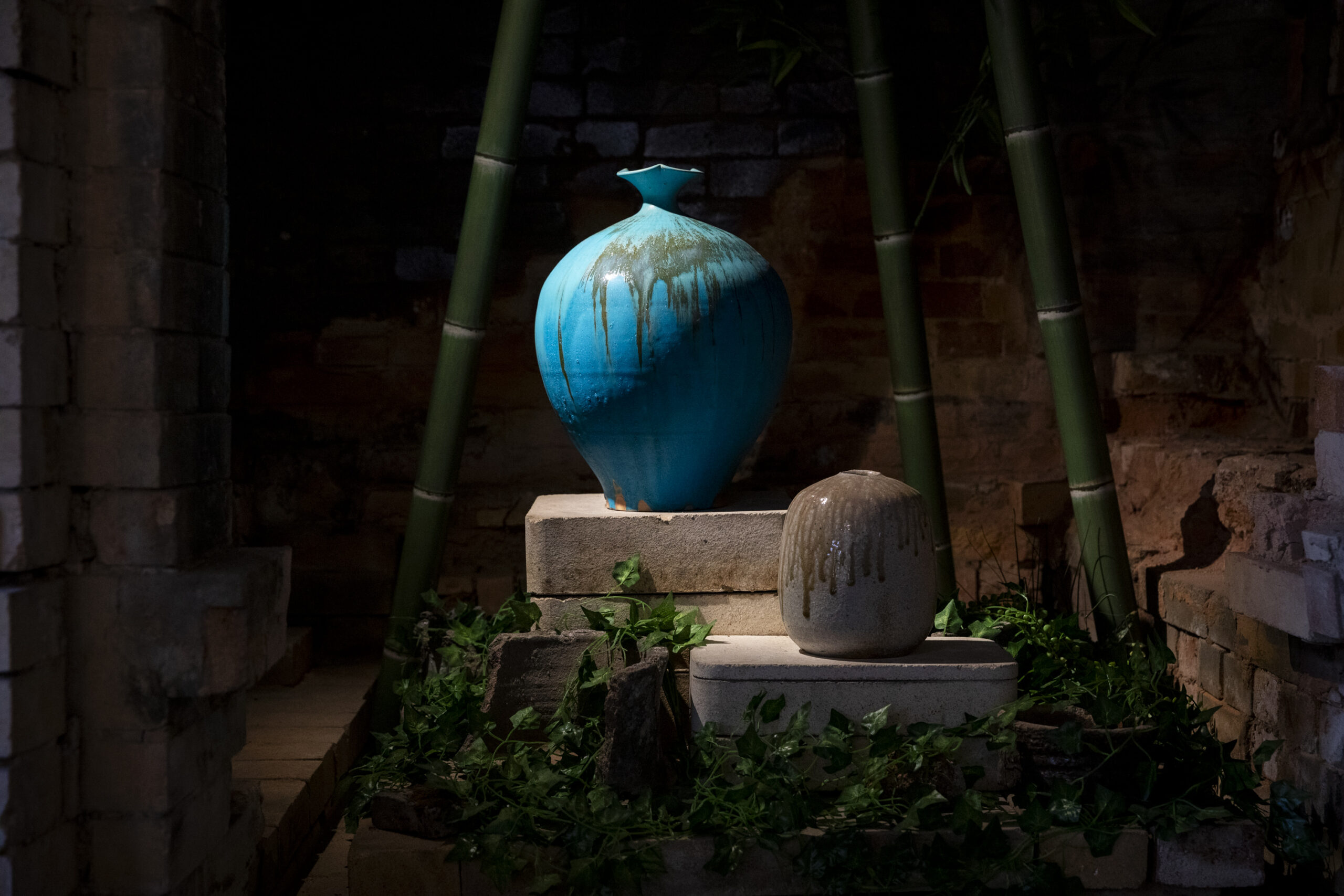
At its heart stands a brick kiln built around the 1960s. It was once used to fire large quantities of slip-cast plaster mold works. Though it eventually fell out of use, the kiln itself remains intact.
“I always wanted to create a space centered around this kiln. It’s not about giving it special symbolism—it’s simply the history of our workshop.”
Reclaimed floorboards from the second floor and kiln shelves once used inside the kiln were repurposed in the interior design, preserving the atmosphere of the former workspace. By retaining the old kiln site, the workshop has become both a place to view forms and a place to touch clay.
“When I tell visitors that we used to fire pieces in this kiln, they’re often delighted. Even everyday tools like plaster molds, which we’re used to seeing, become storytellers of this place’s history when viewed from the outside.”
Here, the accumulated time that nurtured Tamba ware exists seamlessly alongside present-day creation.
It is not about contrasting past and present. In this space, colorful forms, ash glazes, unglazed works, and collaborations with different materials are created, while on weekends the café and pottery classes welcome visitors.
Spending time in a workshop where traces of the old kiln remain and experiencing clay firsthand—Tsuyoshi hopes that visitors will appreciate not only the forms themselves but the entire way of life surrounding them.
Continuing to Ask Within the Flow of Time
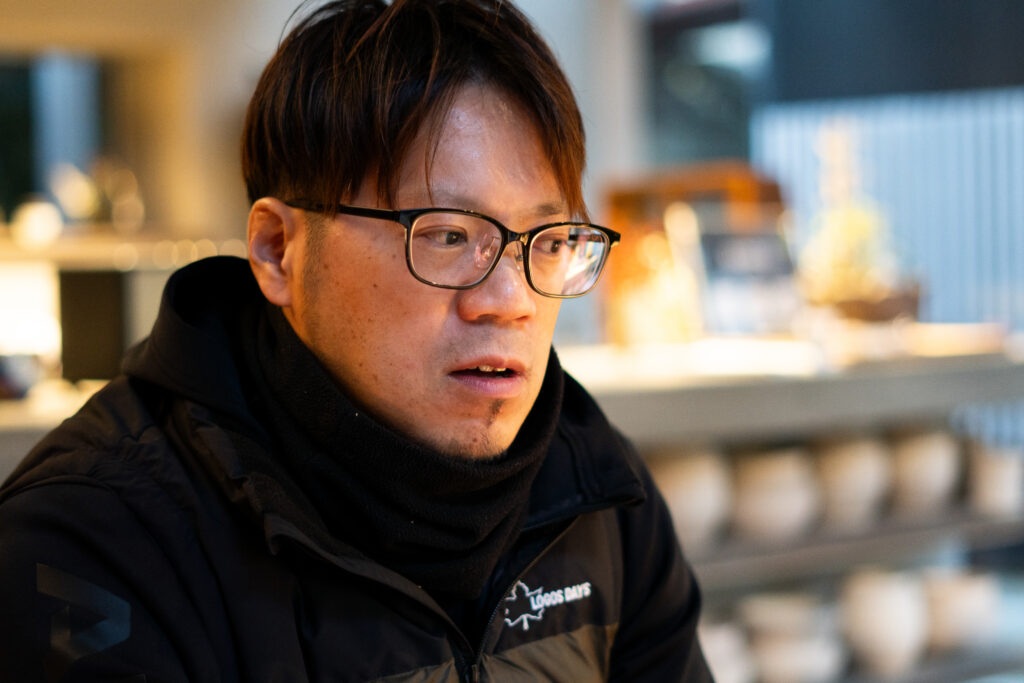
“Within this long stretch of time, I feel that I am simply adding my hands as one small part of it. I’m grateful for that.”
Tsuyoshi reflects that his relationship with forms has changed greatly over the past twenty years. Yet despite those changes, he has never felt that his journey has come to a halt.
“There are things I’ve finally begun to understand, and many more that I still lack. I feel I’m always in the middle of the process.”
Rather than leaning entirely toward usability or visual beauty, he continues to seek a balance—always assuming that his forms will be used in daily life.
What he has inherited as the 11th generation head is not only technique or form, but the attitude of facing clay while imagining the time and lives of those who will use it.
Without rushing toward completion or fixing a single answer, he continues today, layer by layer, adding his touch to clay.
Overview
of
INAEMON-GAMA
Address
183 Shimotachikui, Konda-cho, Tamba-Sasayama, Hyogo, Japan
TEL
FAX
Website