

TOC
HONOHOTANKYU-GAMA
profile
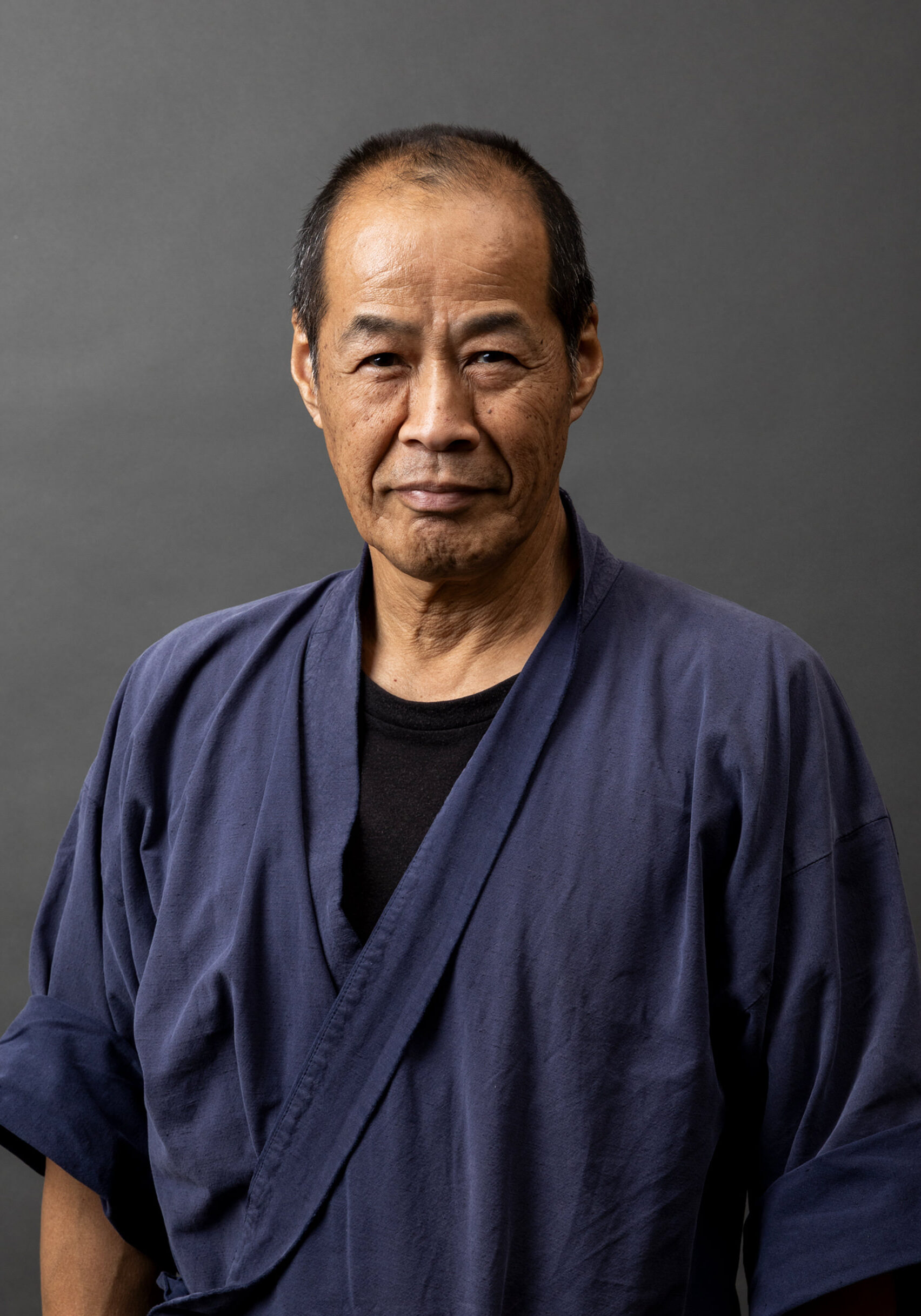
Toyokazu Shimizu
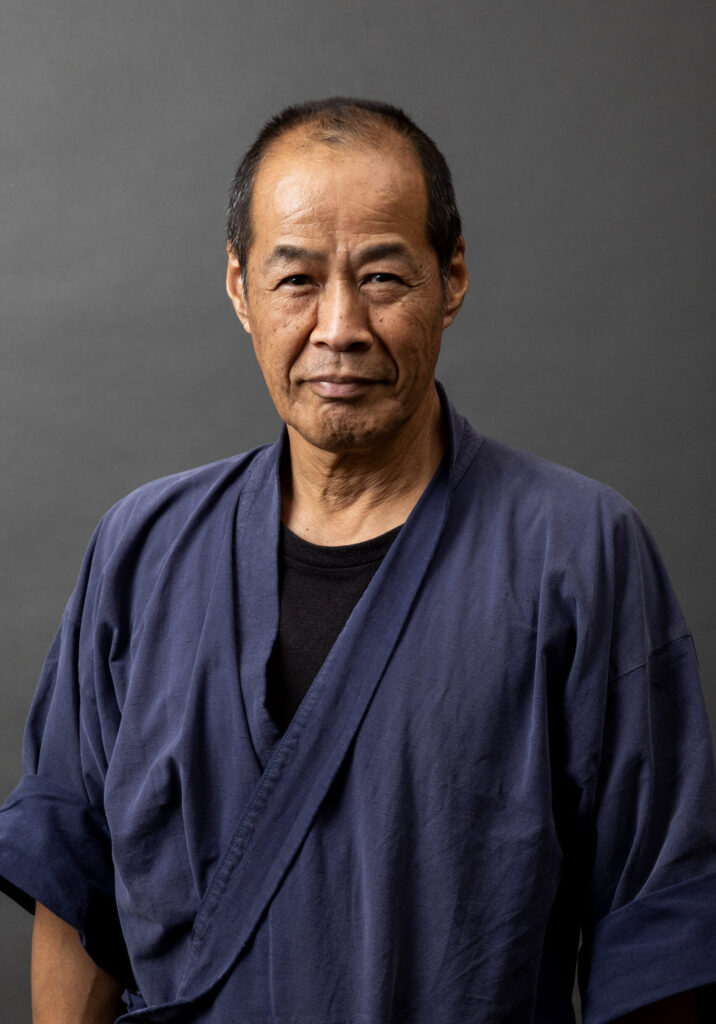
profile
Toyokazu Shimizu
10th generation
Year of Birth:1960
Year Began Pottery:1993
Major Awards
2021 – Hyogo Prefecture Distinguished Skills Award, among others
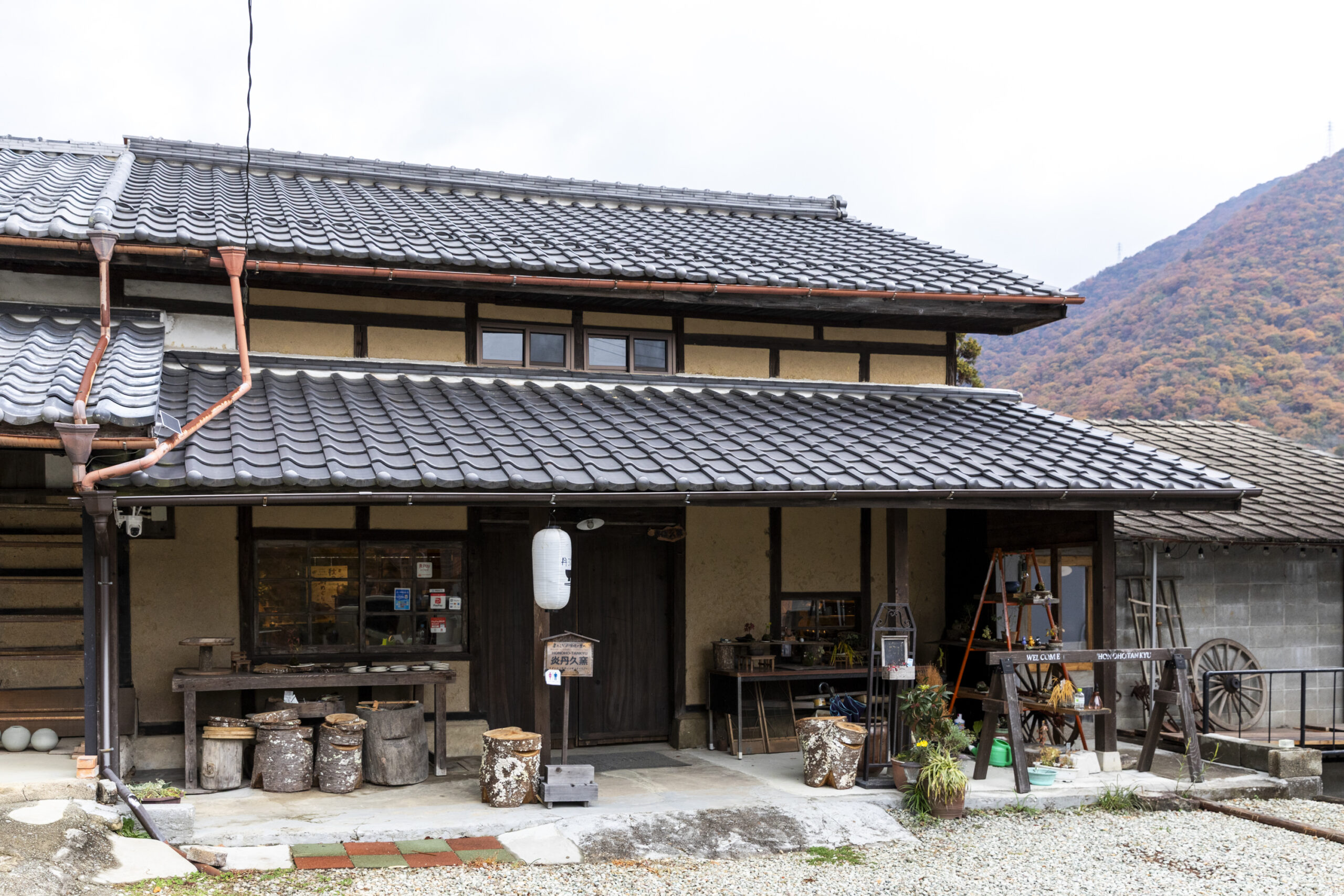
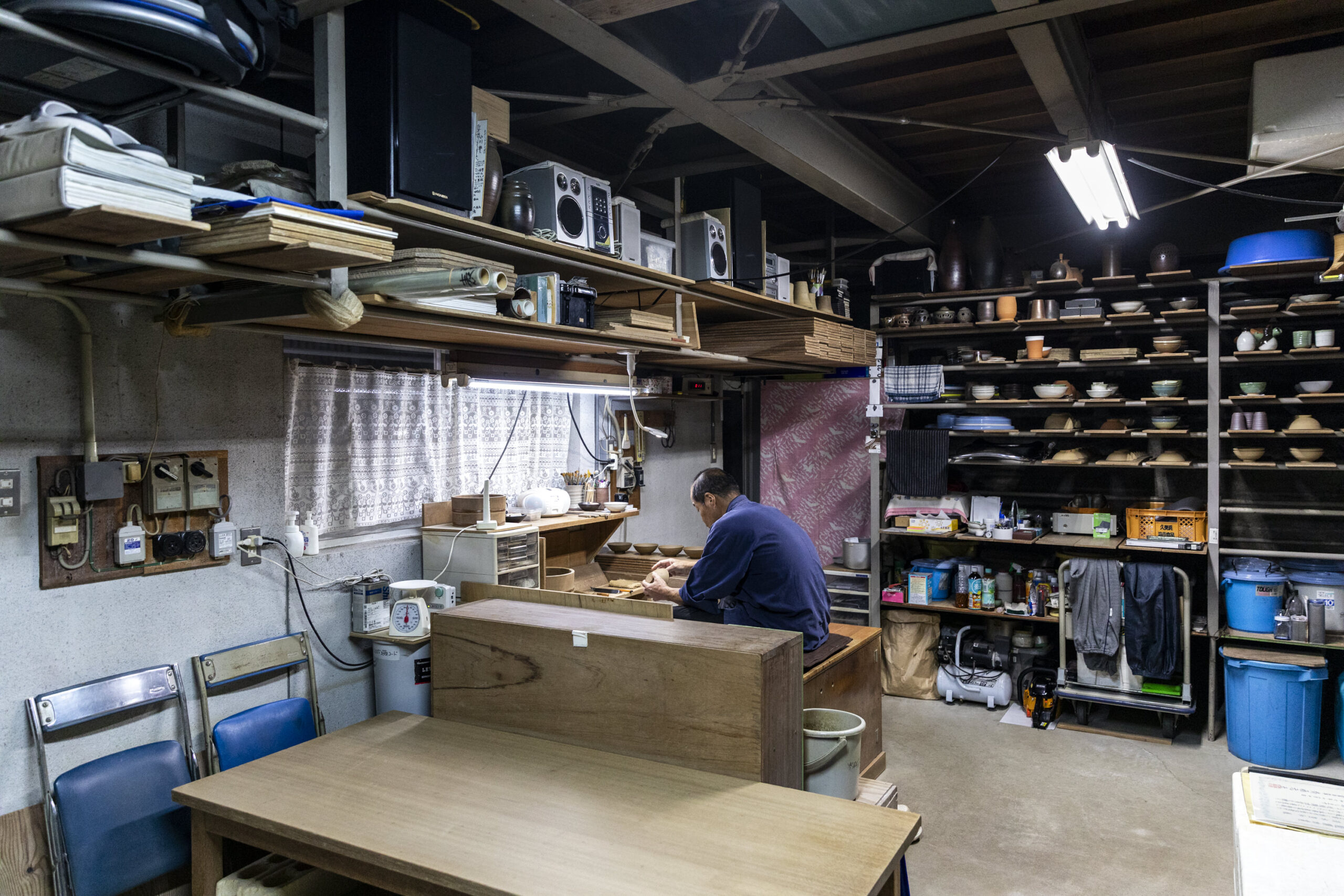
The state of the workshop
スクロールできます
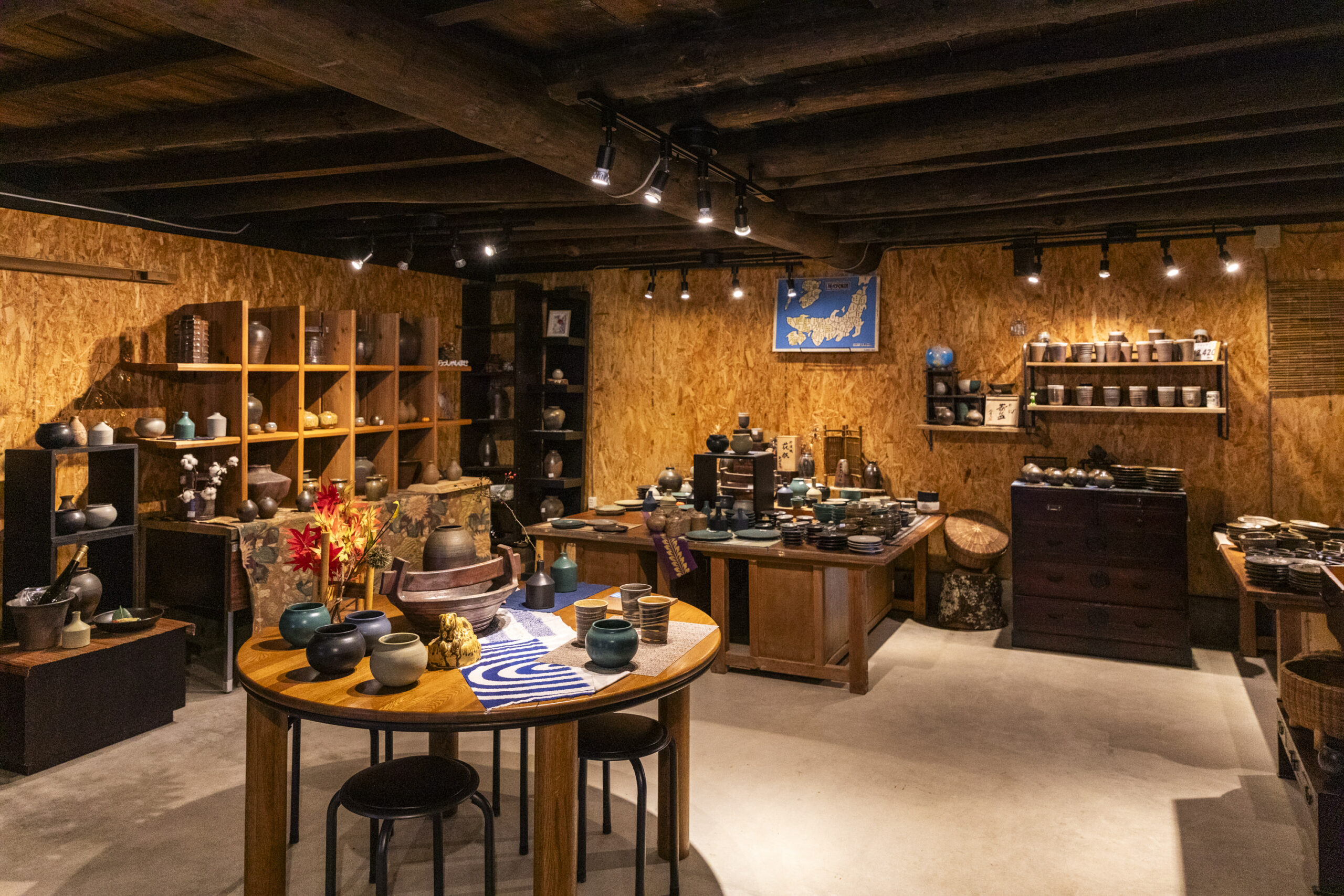
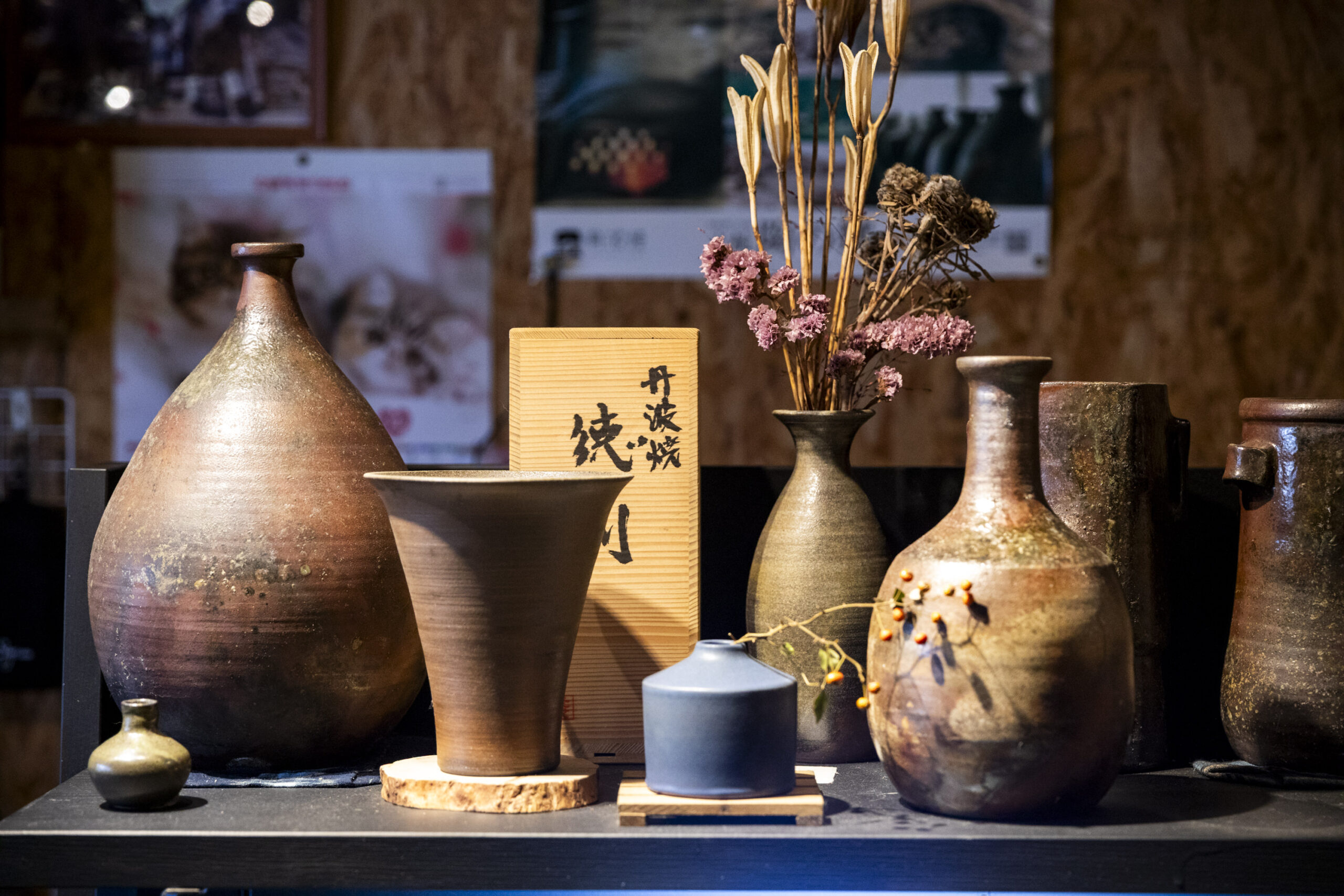
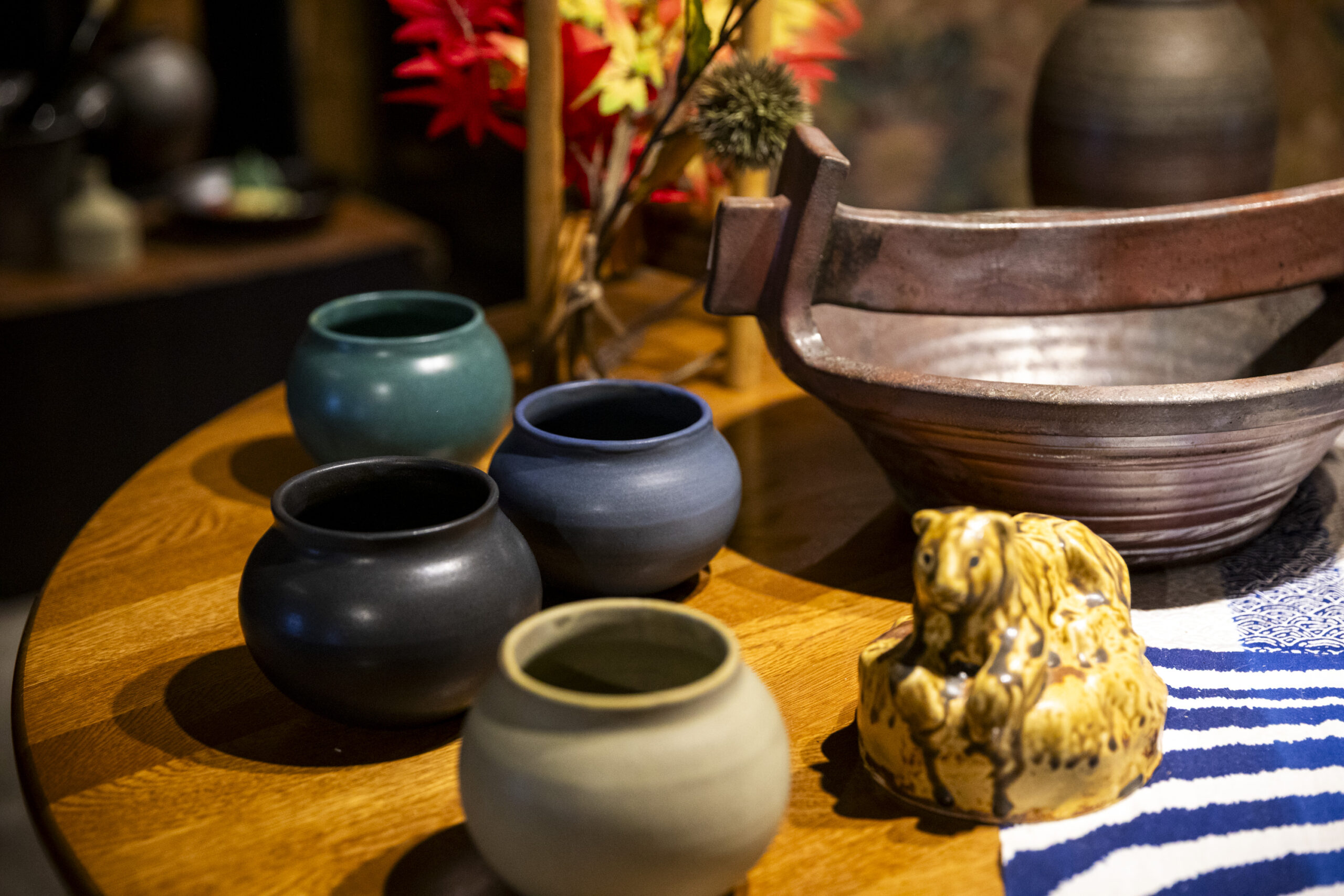


Works
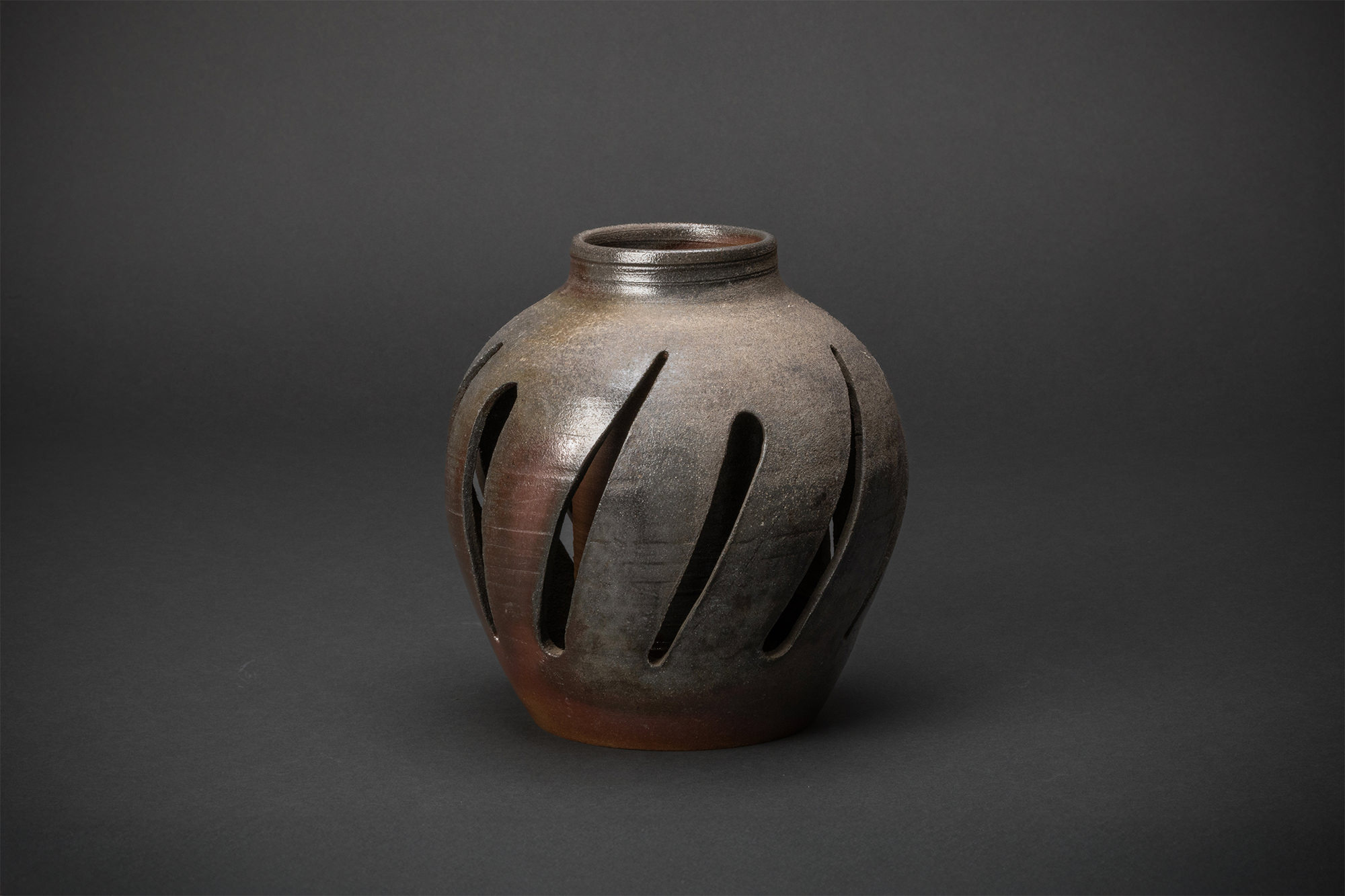
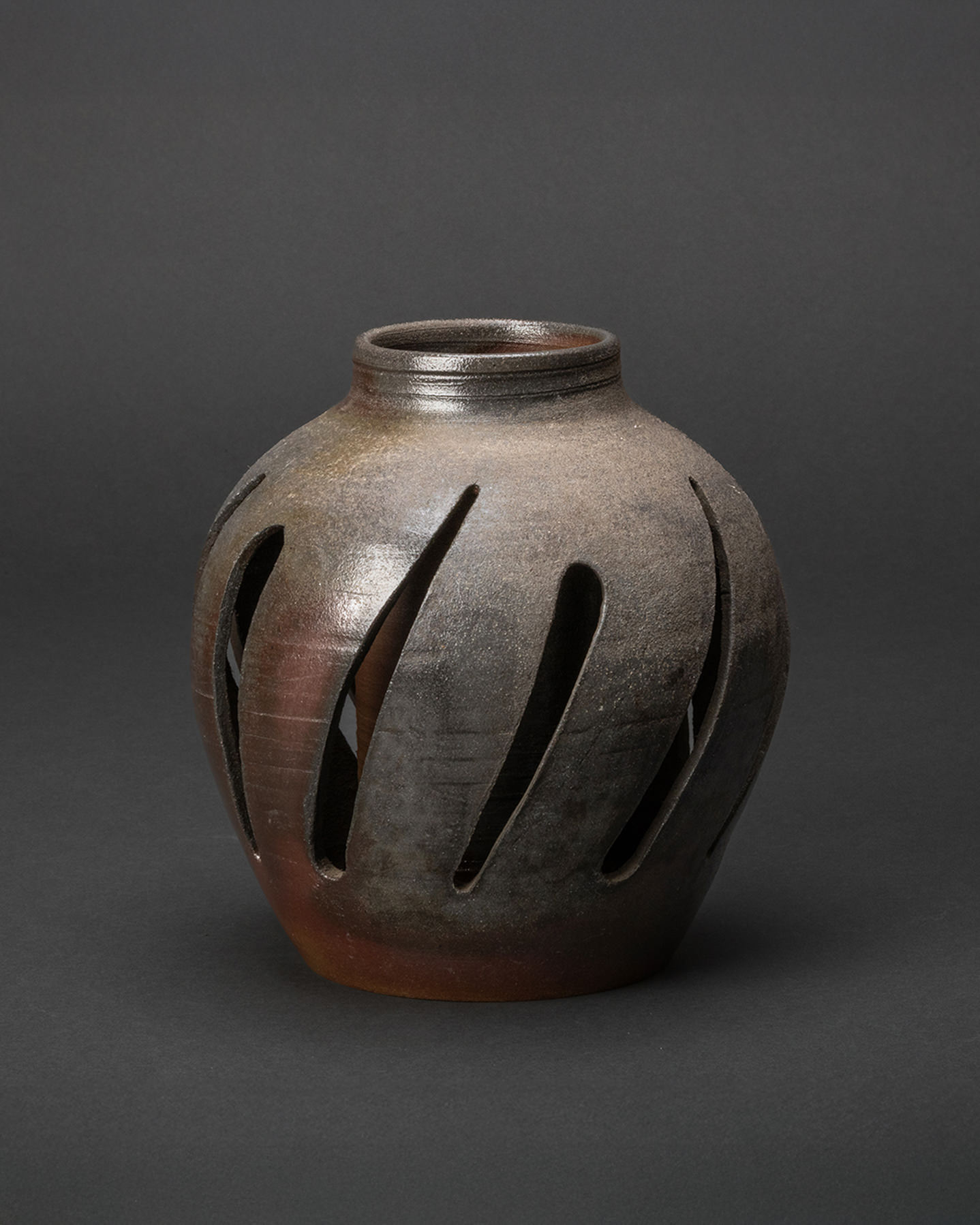
photo:AOTANI Takeru


Interview
Leaving the Wheel Marks and the Texture of the Clay Intact. The Inquisitive Spirit of Late Blooming Potter Toyokazu Shimizu of HONOHOTANKYU-GAMA, Who Began His Ceramic Journey at 30
The Trace of Fingertips as Identity — The Aesthetics of “Not Carving Everything Away”
When you hold a piece by Toyokazu Shimizu of HONOHOTANKYU-GAMA, you sense a certain raw vitality.
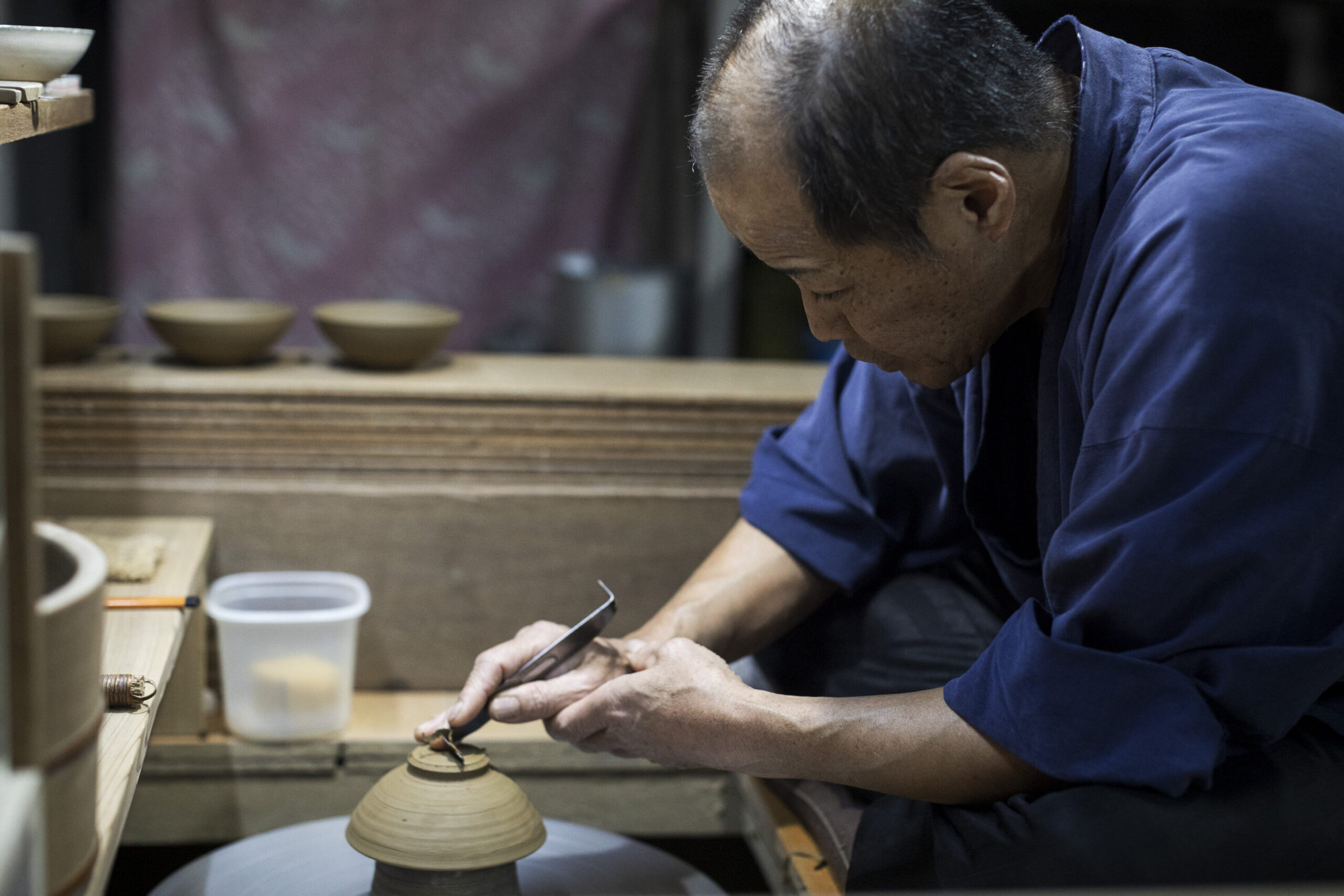
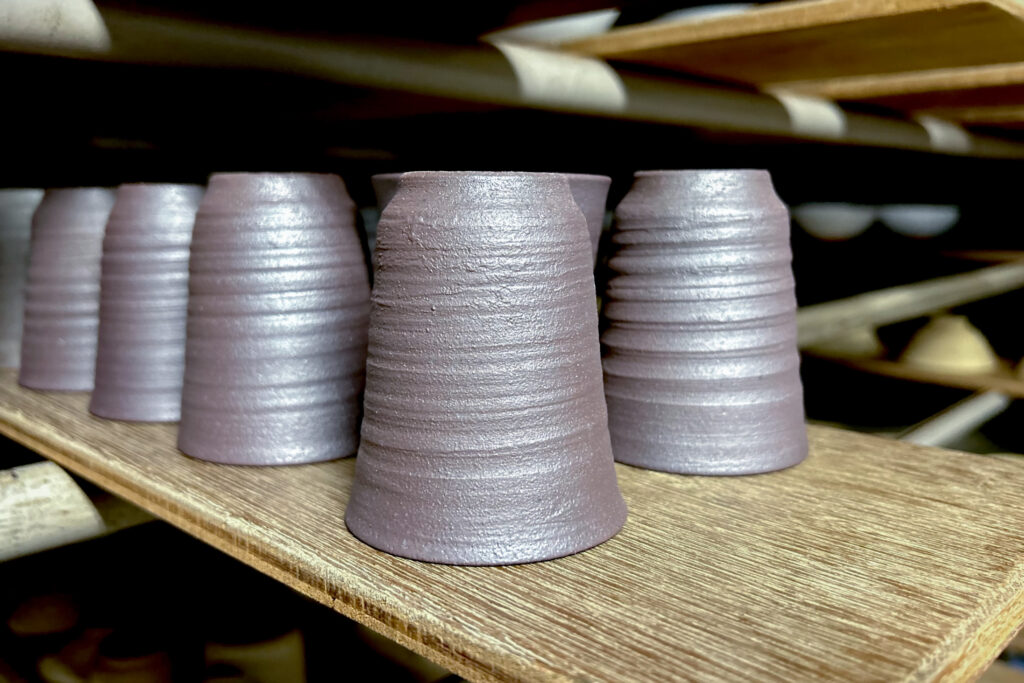
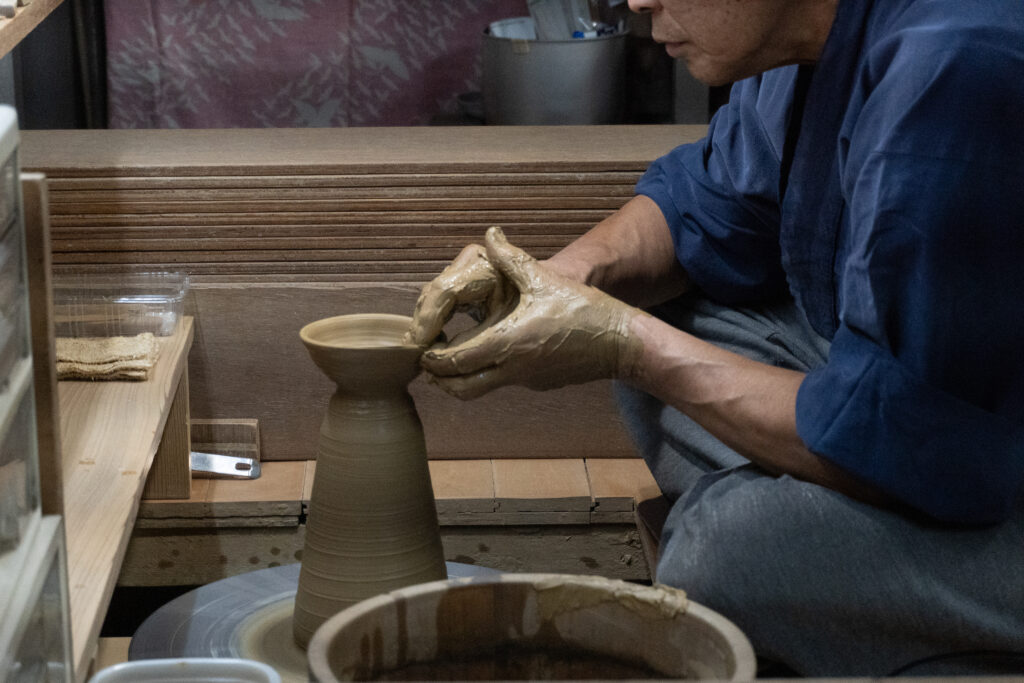
Run your fingers across the surface and you feel gentle undulations, soft rises and dips. In most ceramics, once a form is thrown on the wheel and dried, the surface is carefully trimmed to achieve a smooth, refined finish. But Shimizu intentionally reduces this trimming process to the bare minimum.
“When I’m at the wheel, the traces left by my fingers, the rokuro-me, or wheel marks, I want to preserve them as much as possible. I want people to feel the texture from the moment it was made, the movement of the clay in that instant. That’s why I don’t want to carve it all away.”
As he gazes at the clay beneath his hand, his eyes are gentle, almost tender. While many potters strive to perfect how smoothly they can trim and refine, Shimizu deliberately moves in the opposite direction. Grounded in the techniques inherited from his master, he struggled to discover an expression that felt truly his own.
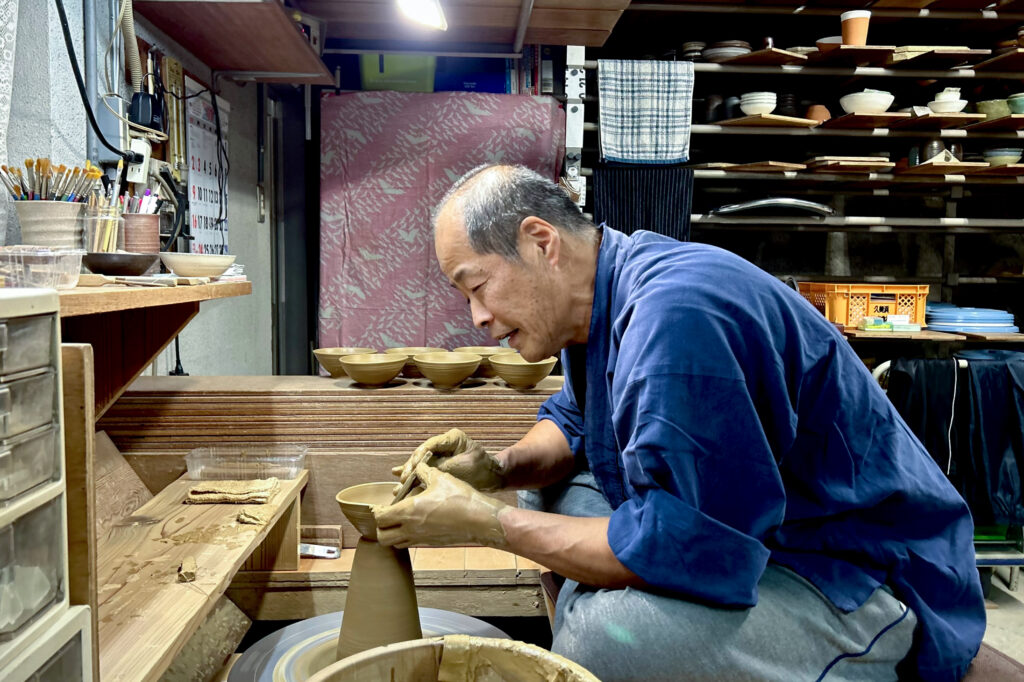
“It’s common to neatly trim and tidy the edges of a form—that’s what you usually see. But I didn’t want to do that. I think that’s the one area where I’ve finally stepped beyond my master’s realm.”
By choosing not to trim away everything, the natural texture of the clay comes alive. Pieces meant to be held are made light; those meant to sit steadily retain a subtle weight. While maintaining functionality, each form carries a quiet irregularity that only human hands can create—something no machine could replicate. It is not a standardized beauty, but a form that feels as if the clay itself has simply taken shape.
“Should It End with My Father?” — Becoming a Potter at 30
Shimizu entered the world of ceramics at the age of 30. Though he was born and raised in Tachikui, in a family line that had continued for generations, he once believed, “I won’t become a potter,” and pursued a different profession.
The turning point came with the birth of his son. Could he really allow the kiln fire to go out in his generation? Was it right to let a lineage that traced back more than ten generations come to an end? After much soul-searching, he knocked on the door of his master—who was also his cousin.
“Ceramics only come together when four elements are complete: forming, trimming, glazing, and firing. If even one is missing, it doesn’t work. Especially with glazes—I don’t use ready-made ones. I blend my own raw materials and keep testing until I’m satisfied.”
Because he did not receive formal academic training, Shimizu approaches clay with a pure spirit of inquiry. When opening the kiln, he reacts honestly: “This color is good,” or, “Next time, I’ll try this.” Through repeated trials and small revelations, he has developed colors unique to HONOHOTANKYU-GAMA—tones that cannot be achieved through commercial blends.
“There are forms that only Tamba clay can produce. There are colors that can only emerge from this land. I want to deliver something that could only be made by Toyokazu Shimizu of Tamba Tachikui. That was my single-minded wish.”
DIY, Audio, and Community — The Joy of Creating in Daily Life
Shimizu is a man of many talents. His hobby is DIY. He crafts tools that fit comfortably in his own hands and repairs vintage audio equipment to coax out the sound he prefers.
“Listening to music enriches the heart. Using a form in daily life and feeling fulfilled—that’s almost the same thing. For me, they’re on the same continuum.”
One episode captures his character perfectly. While teaching a pottery class, he discovered that a student had brought a beloved form purchased years earlier at the Tamba Ware Pottery Festival—and it turned out to be one of his own.。
A piece that had left his hands was quietly supporting someone’s daily life, cherished over time. That serendipitous encounter was one of the most rewarding moments of his life as a craftsman.
“I’d love for people to try touching clay at least once in a pottery experience. The wet, heavy clay. The dust that rises into the air. If you understand how these forms are made, I think the way you look at pottery will change.”
Today, Shimizu once again sits at the wheel, his favorite music playing in the background. He leaves the wheel marks—the proof of his making—as the texture of his identity, continuing to add quiet warmth to the everyday lives of those who use his forms.
Overview
of
HONOHOTANKYU-GAMA
Address
9-4 Shimotachikui, Konda-cho, Tamba-Sasayama, Hyogo, Japan
TEL
FAX
Pottery Classes
Enjoy pottery in a small group or with friends.
Private lessons are also available.
Available Dates: Almost open year-round
Reception Hours: 9:00–17:00
Reservation: Required
Walk-ins: Available (Please contact us)
<Clay Modeling Class>
Approx. 60 minutes / ¥2,500 (600 g) / ¥3,500 (1 kg)
・Maximum Participants: 6
・Completion Time: Approx. 40 days
Notes:
・Choose from several glaze colors.
<Wheel Throwing Class>
Approx. 90 minutes / ¥4,000
・Maximum Participants: 2
・Completion Time: Approx. 40 days
Notes:
・Choose from several glaze colors.
・Please wear clothing that can get dirty, especially shoes and lower garments.