
TOC
HIROO_STUDIO
profile
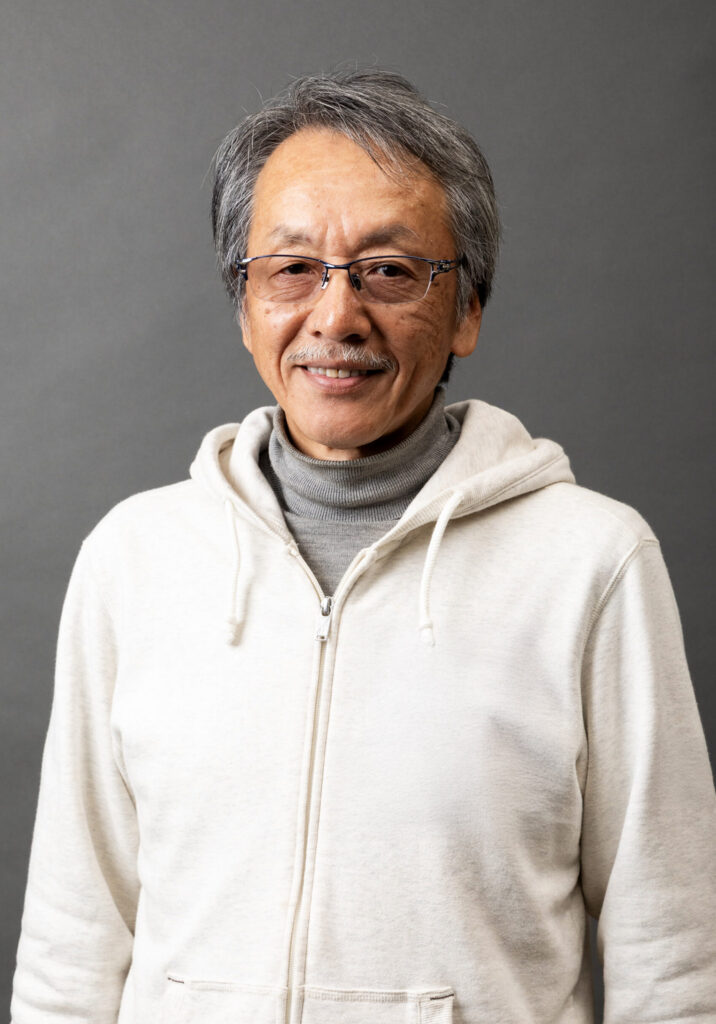
Hiroo Uenaka
profile
Hiroo Uenaka
1st generation
Year of Birth :1960
Year Began Pottery: 2010
Education / Training Background
Musashino Art University and Graduate School
Faculty of Art and Design Department of Art and Design
Completed Scenic Design
The state of the workshop
スクロールできます
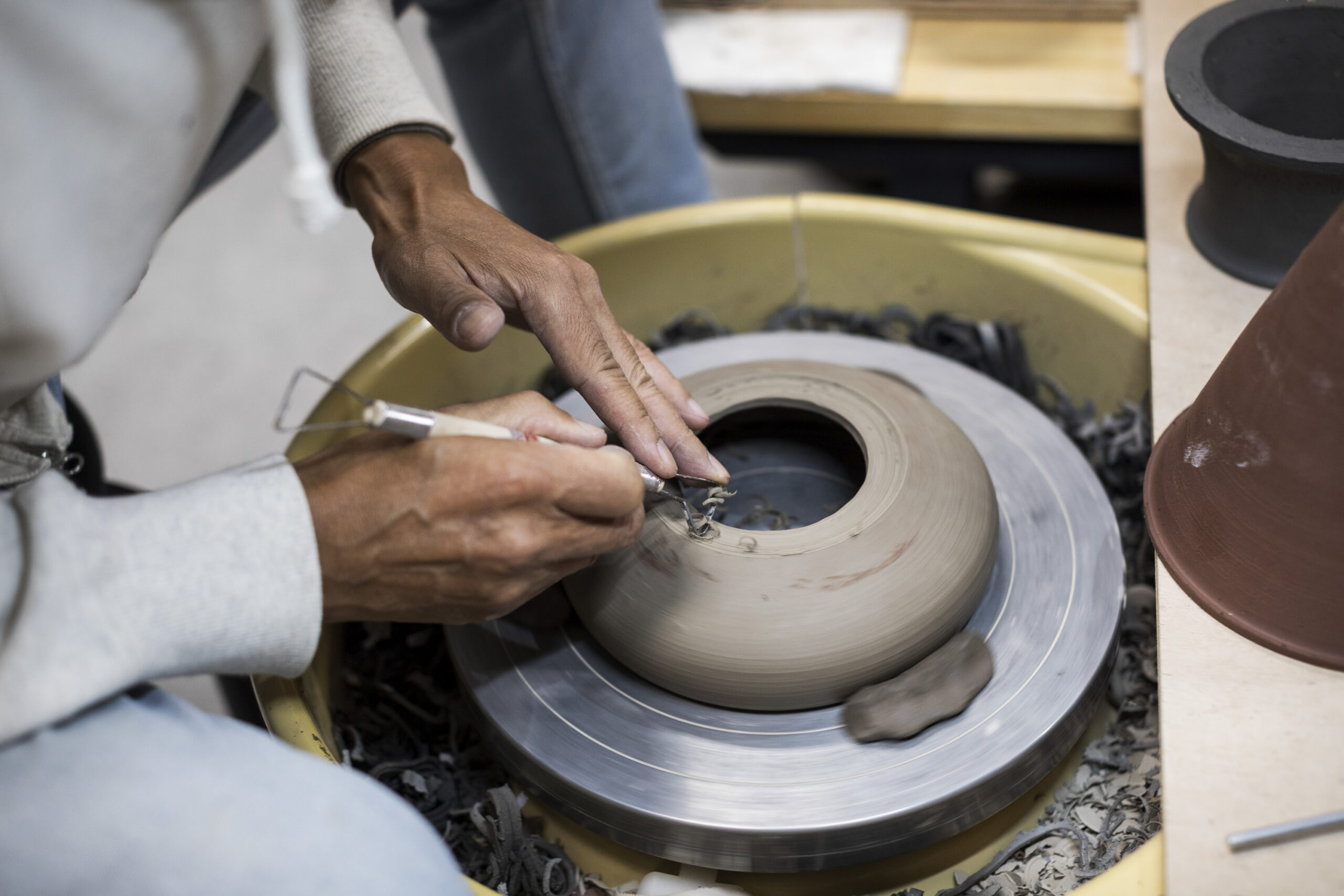
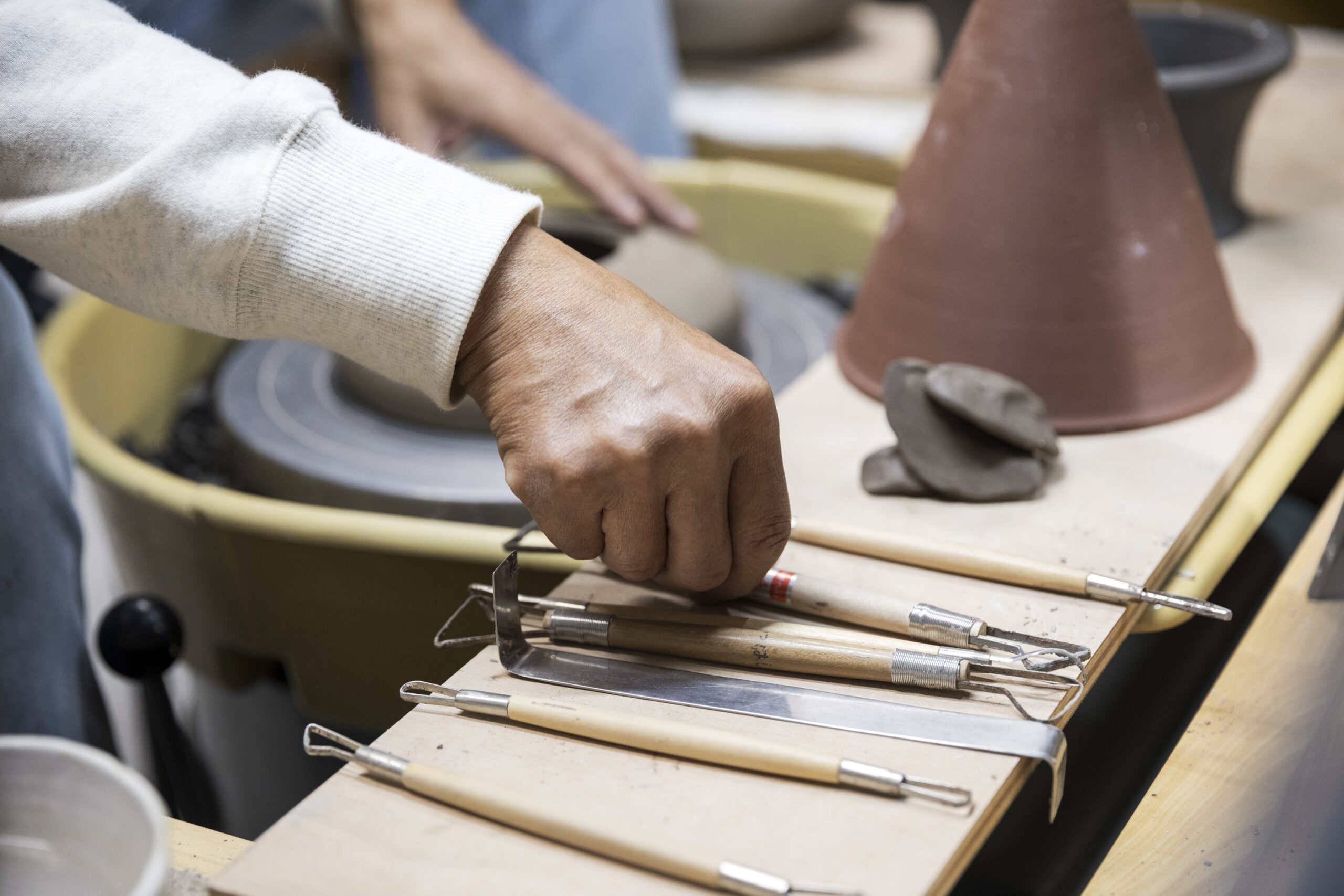
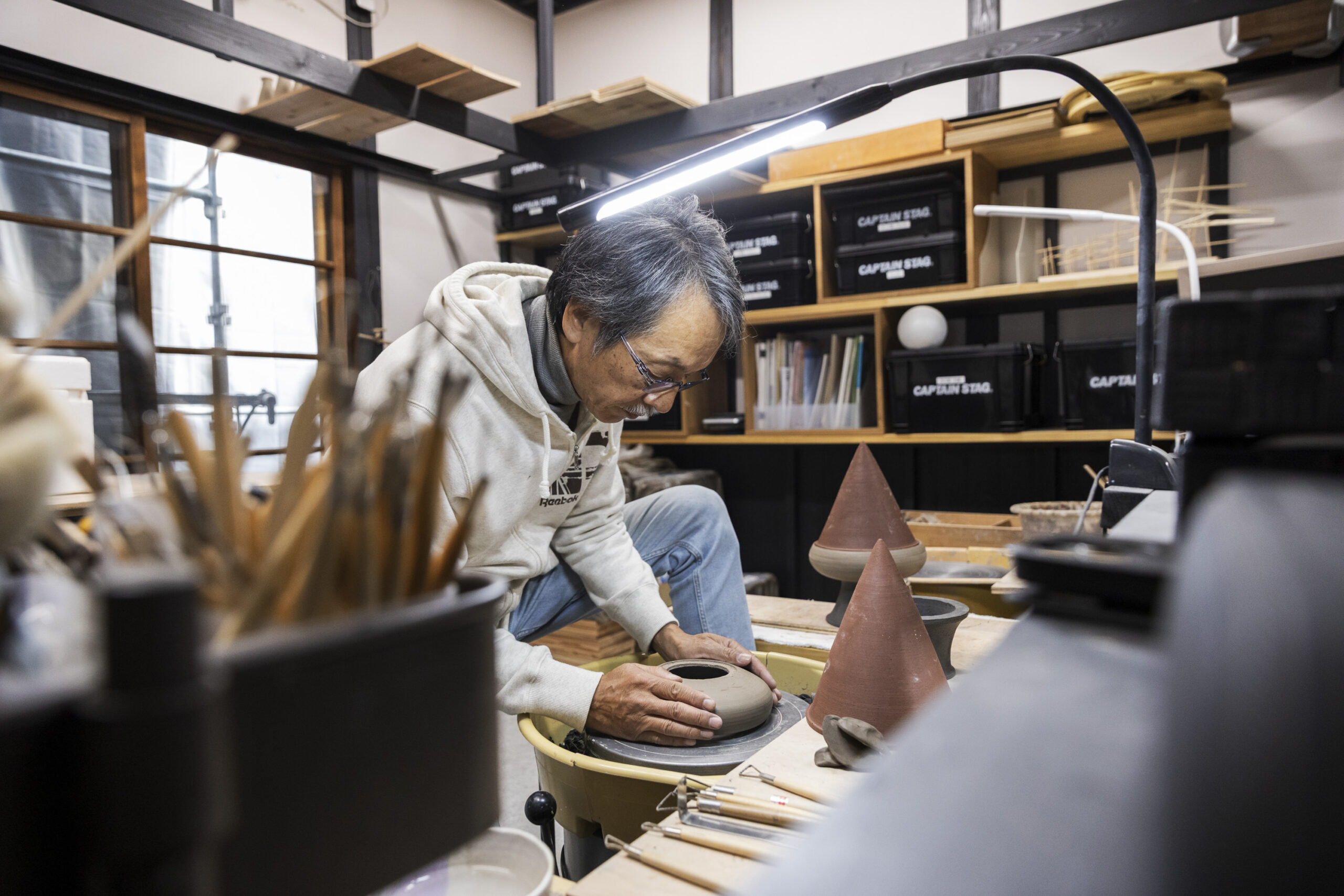
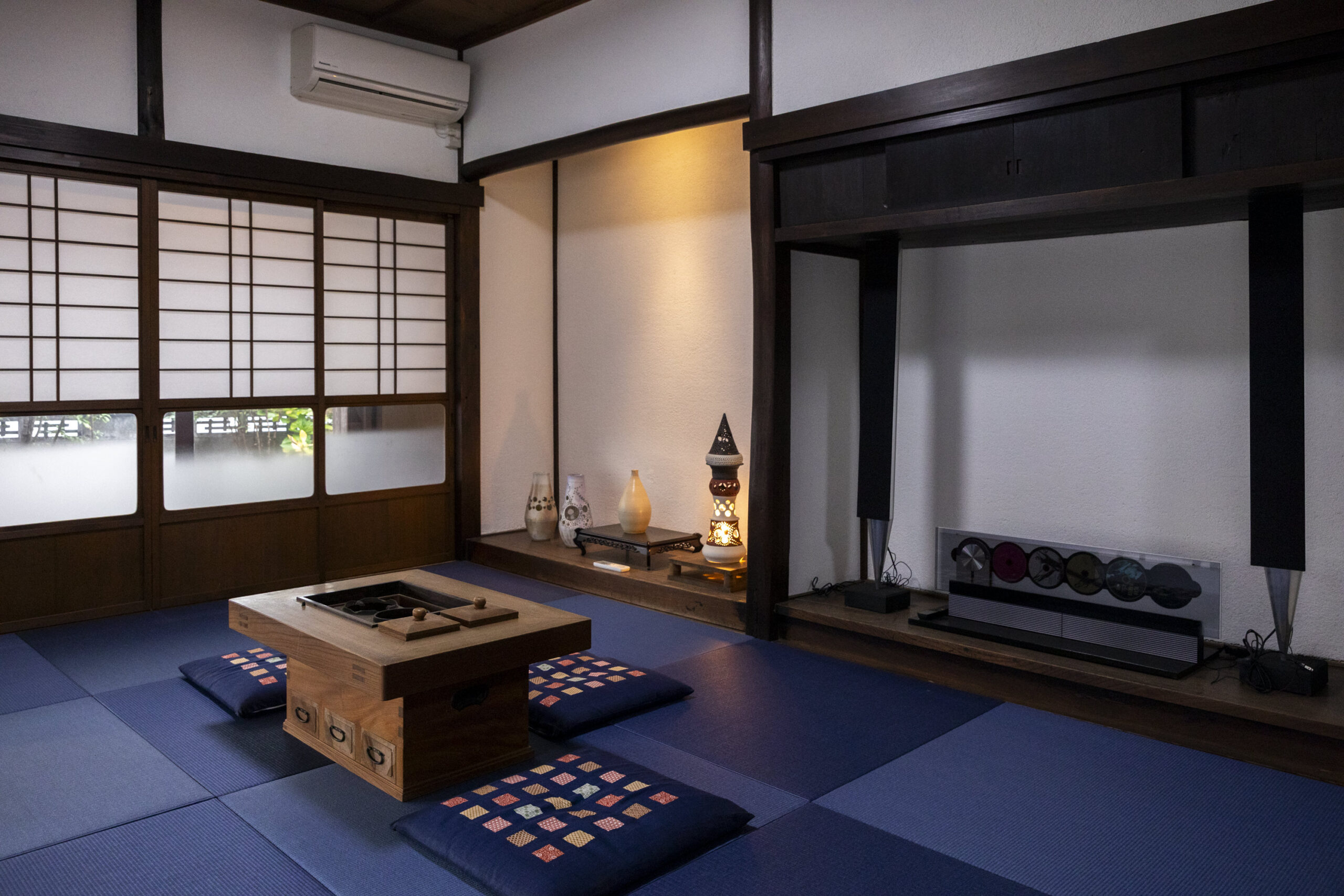
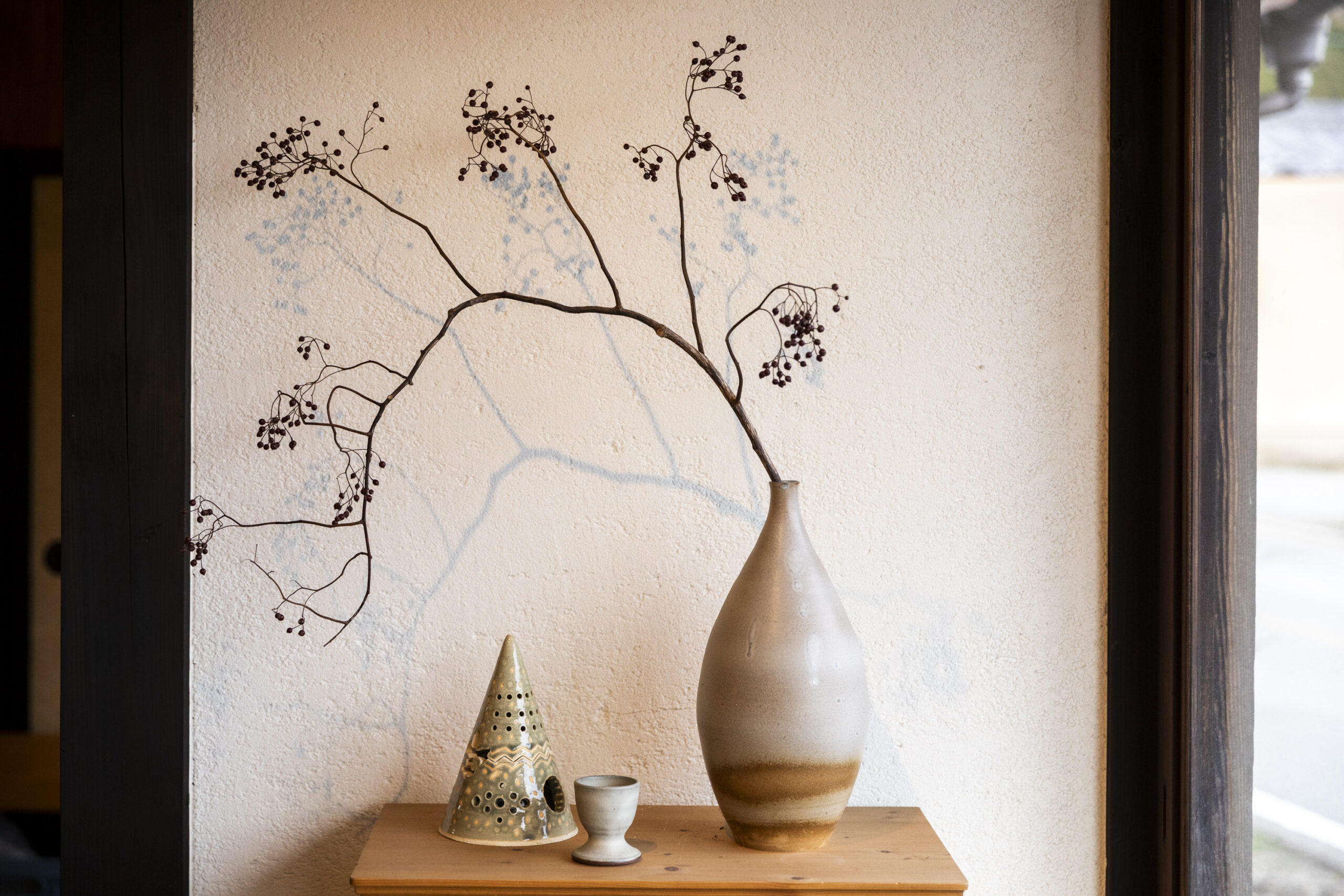
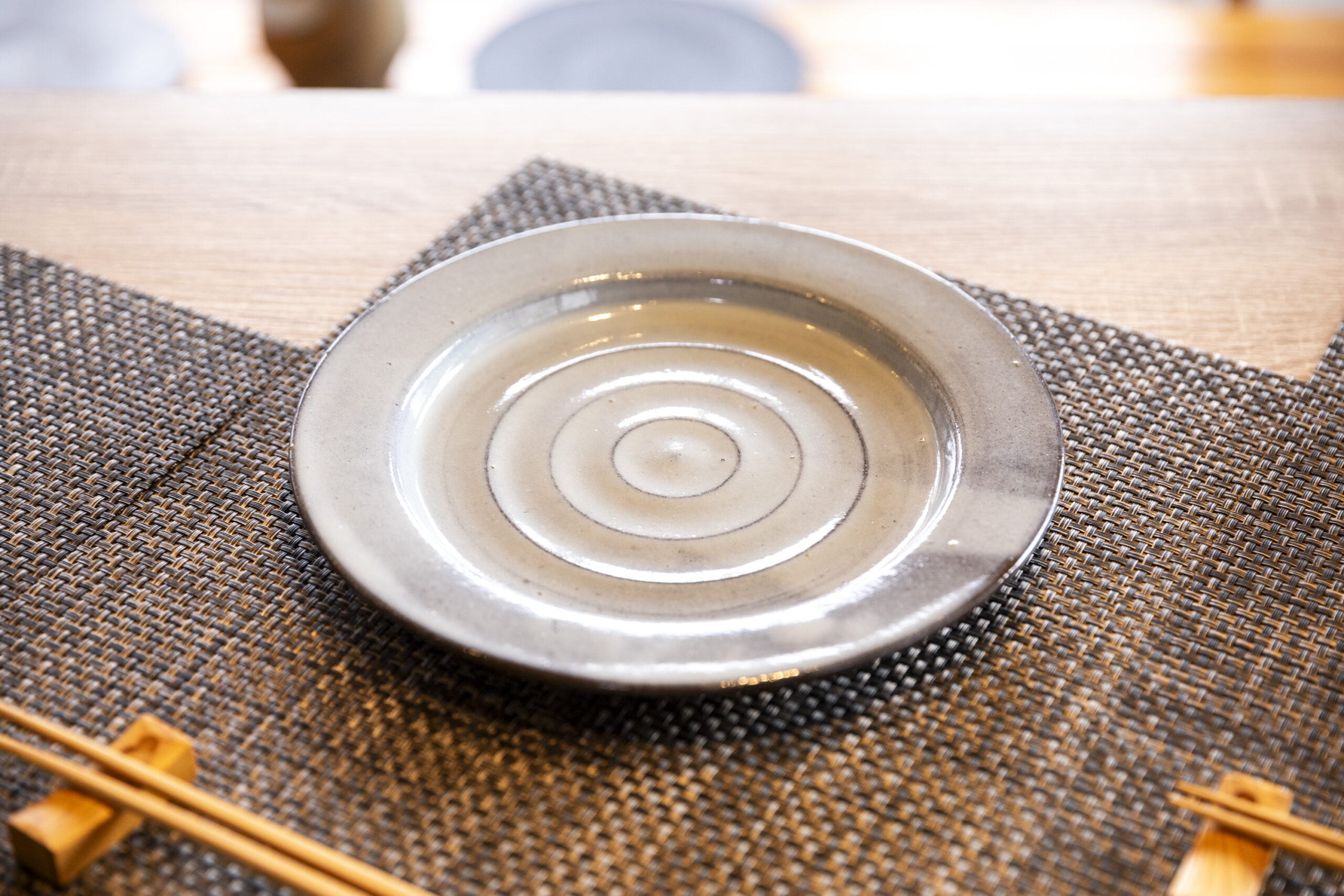
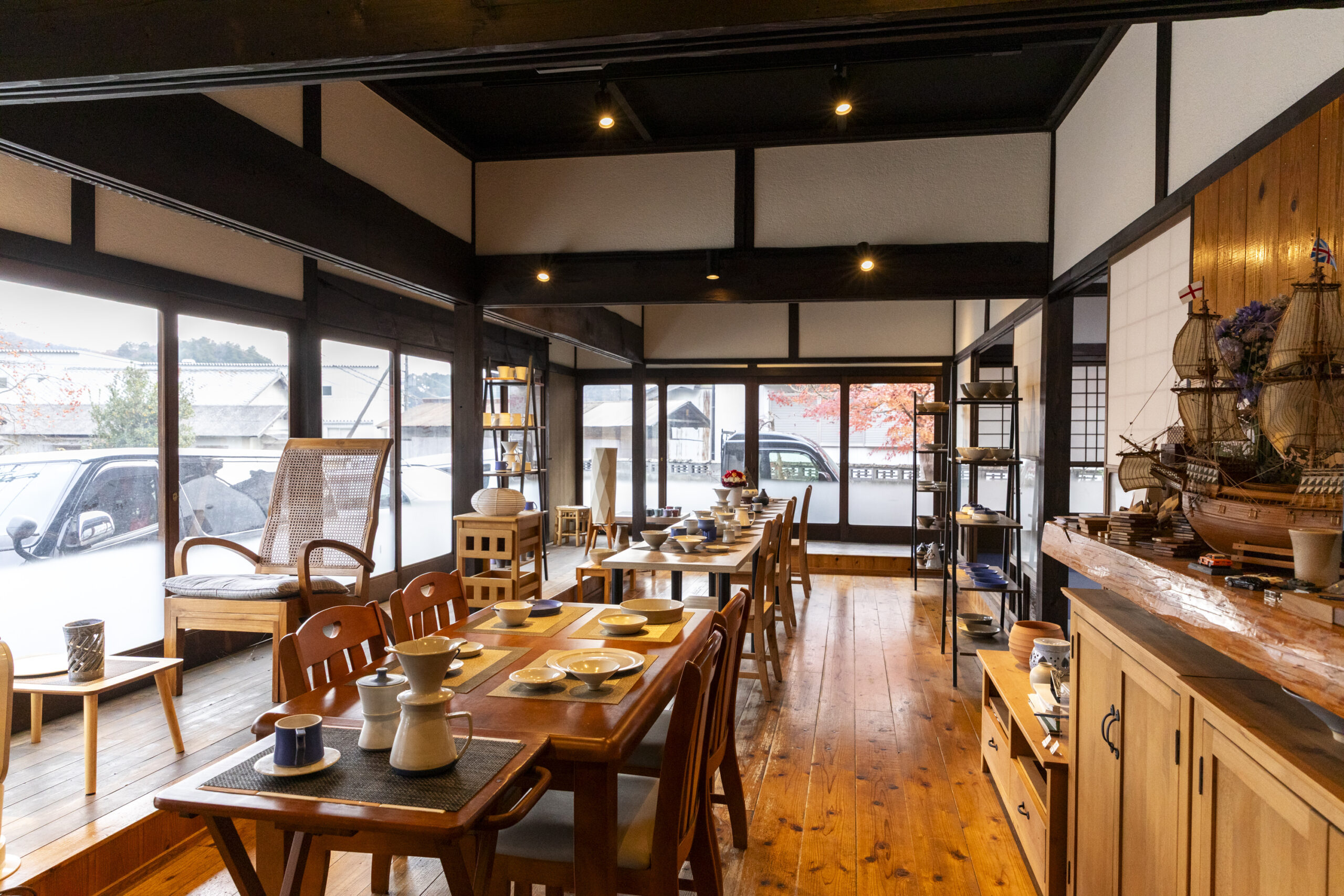


Works
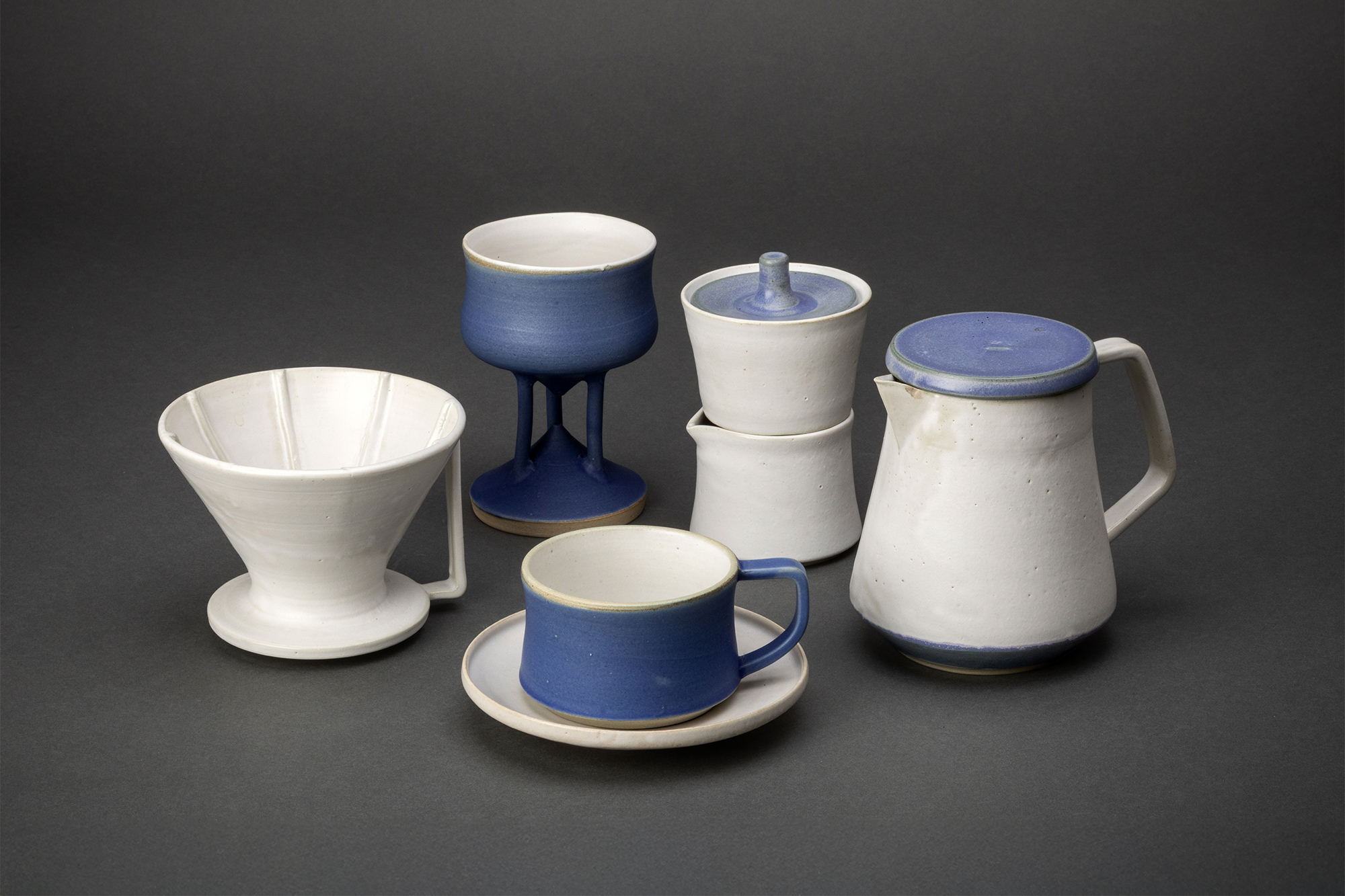
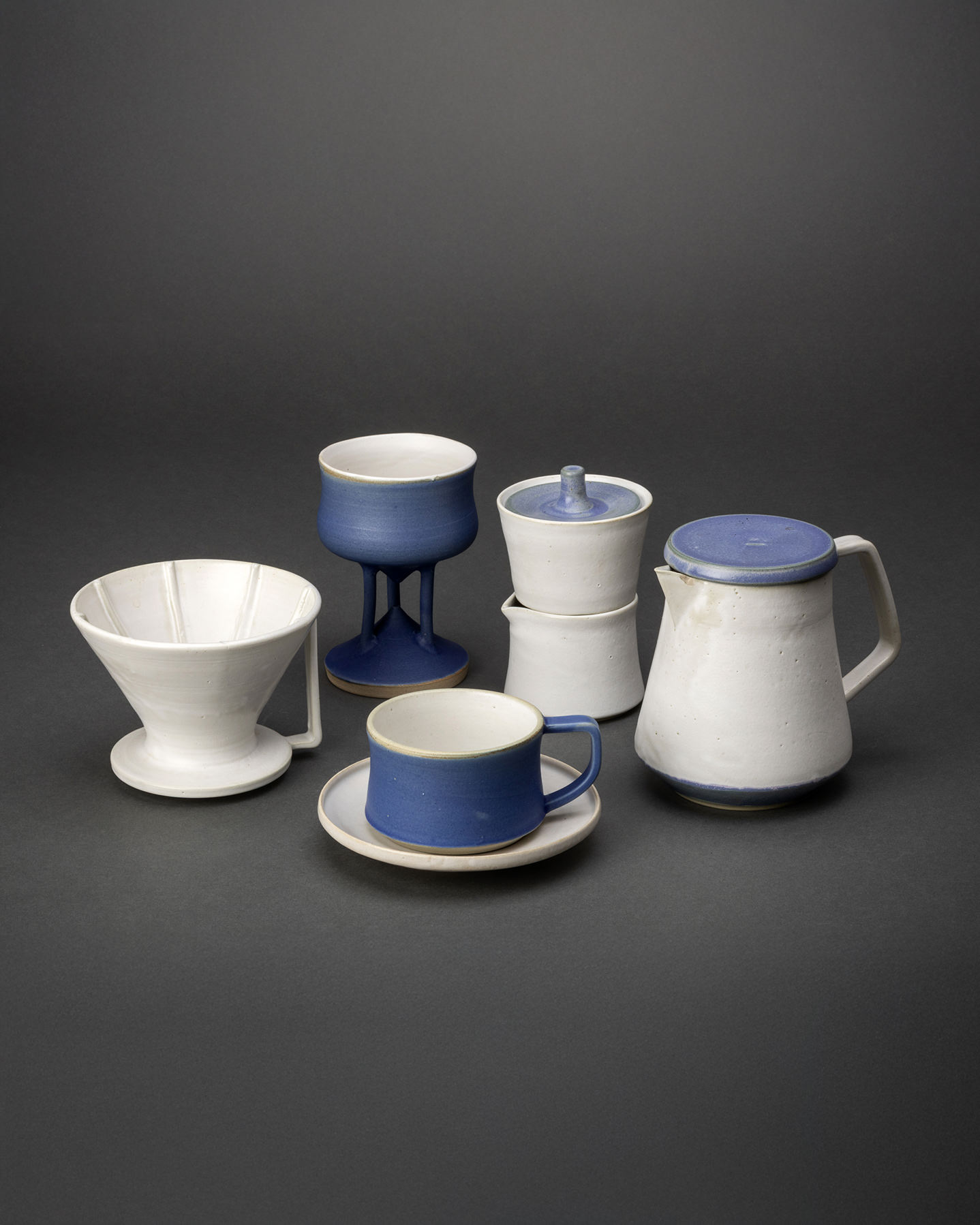
photo:AOTANI Takeru
Interview
From the Glamour of the Extraordinary to the Calm of Everyday Life. With a Television Art Director’s Eye, Hiroo Uenaka of HIROO_STUDIO Reimagines the Way We See Tamba Ware
Leaving Tachikui, where he was born and raised, at the age of 18, Hiroo Uenaka (hereafter, Hiroo) returned 42 years later. Reviving the workshop his late father had established under the name Konoemon, he breathed new life into it as HIROO_STUDIO.
Hiroo’s life has been shaped by two contrasting worlds of design: the glamorous realm of television set art and the quiet, contemplative form-making of clay.
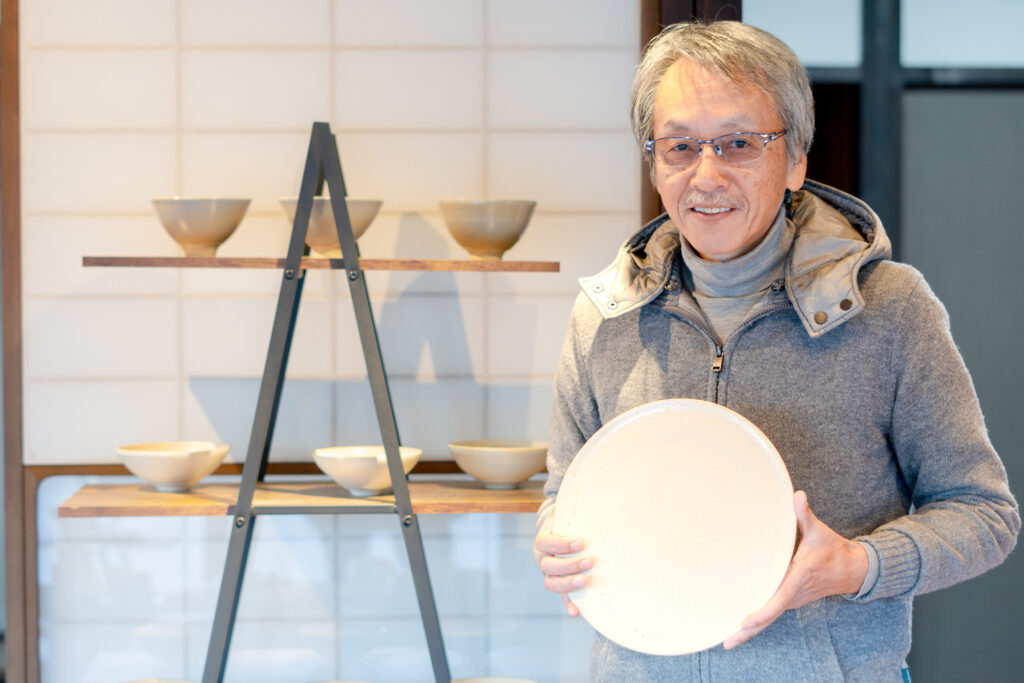
A Modern Style Reminiscent of Scandinavian Design—Rooted in Memories of Denmark
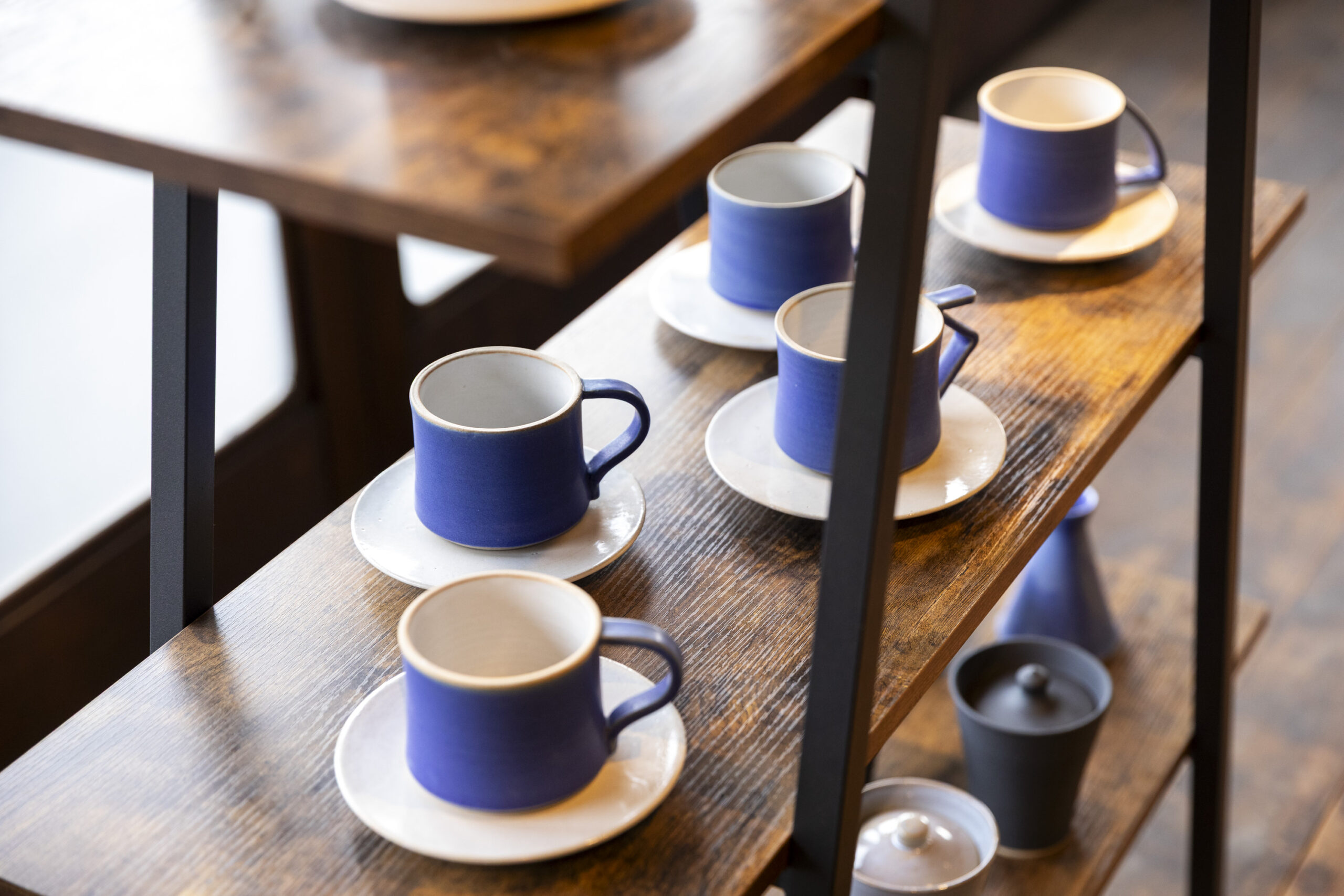
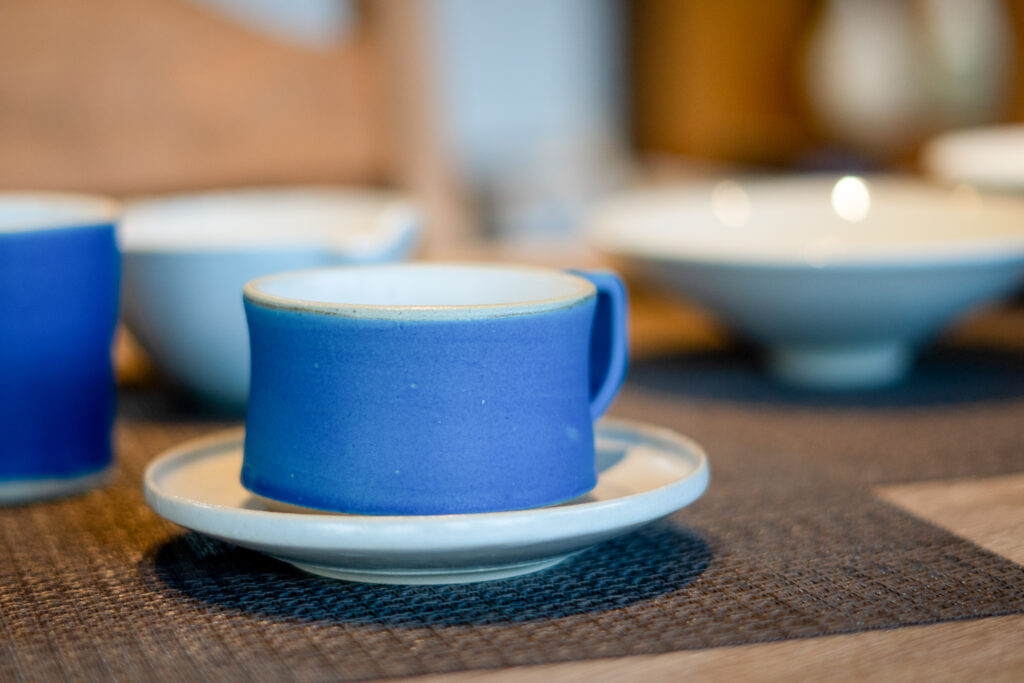
Hiroo’s work is characterized by a modern style reminiscent of Scandinavian design, with matte blues and whites that immediately catch the eye. He says the interiors he encountered during a visit to Denmark left a deep impression on him. Unlike the unglazed, high-fired pieces and red-clay works created by the previous generation in the tradition of Tamba ware, his aim is to craft forms that gently add a sense of calm or subtle stimulation to everyday life—pieces that feel natural and comfortable in the hand.
“I want my pieces to be cool, but not overly assertive. If my vessels can quietly add a touch of color to someone’s daily life, that would make me happy. How they are used or displayed is entirely up to the person who chooses them. My current goal is to achieve a blue with a slightly more purplish tone.”
In fact, Hiroo spent 42 years working at the forefront of television set design. Today, he divides his time between two bases: on weekdays he works in his studio in Tachikui, and on weekends he travels back and forth to Suita in Osaka, where his family lives. Moving from television art direction to ceramics, he speaks quietly about the clear difference between these two forms of “making.”
“Television set design brings a fleeting kind of joy—the things you create disappear in an instant. Ceramics, on the other hand, leave something tangible behind, something that can bring happiness to a small number of people. When customers show me photos of how they’re using my pieces, or when we talk about them, I truly feel the depth of making.”
A Handmade Model of Tetsujin 28-go, Built from Clay and Fire
As a child, Hiroo’s playground was his father’s workshop.
“When I was little, it was completely natural for me to play in my father’s studio. Even before I started elementary school, I would make each individual part of a Tetsujin 28-go plastic model out of clay and assemble it. Up until around middle school, I could throw a simple tea bowl on the wheel.”
By high school, however, he had drifted away from clay. What captivated him instead was the glamorous world inside the television screen. He found himself mesmerized by the “otherworldly” stage designs of music programs such as The Best Ten and Yoru no Hit Studio, where entire visual worlds were created to match each song. At that time, he had absolutely no intention of inheriting the family business.
After graduating from high school, he enrolled in the Department of Entertainment Design at Musashino Art University. He was hired as a part-time assistant at TBS, where he built 1:40 scale set models based on design drawings, gaining firsthand exposure to the behind-the-scenes world of large-scale television production. After completing graduate school, he joined Mainichi Broadcasting System (MBS).
“Television art is a world where you design something, build it, and then it disappears in an instant once the broadcast ends. But that fleeting moment is seen by millions of people—that’s where I found my joy. I was driven by the desire to create things no one had ever seen before, and I designed more sets than I can count.”
Through walking city streets, visiting architectural landmarks, and studying department store displays, he continuously absorbed every kind of design, filling his inner reservoir of ideas.
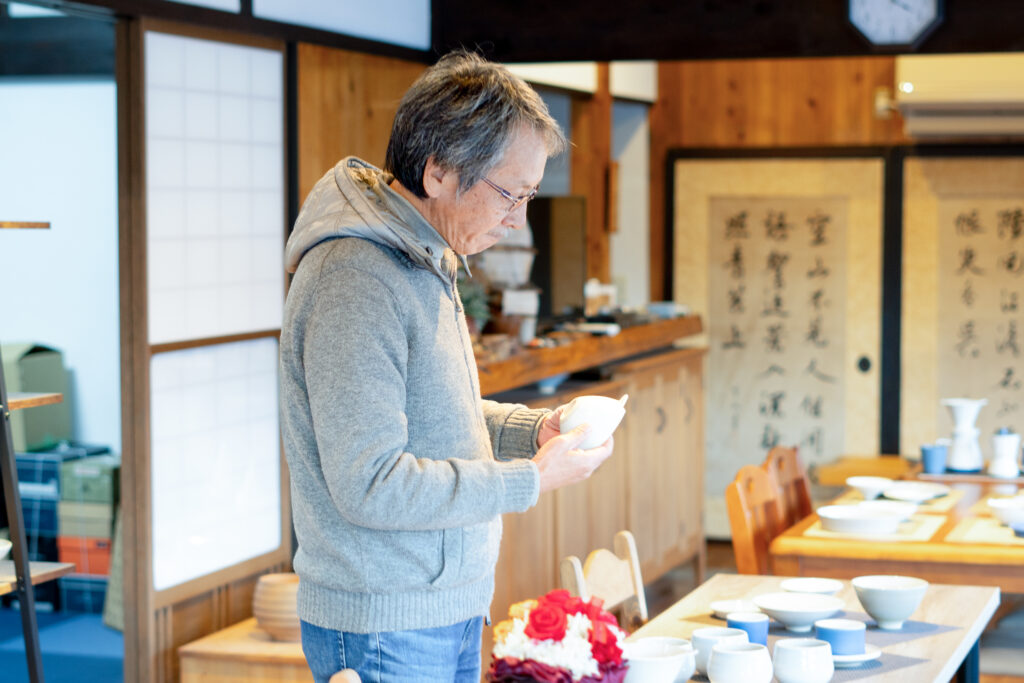
The Turning Point Back to Ceramics—A Word from His Wife
His days at the television station were intensely busy. Yet around the age of 50—ten years before his mandatory retirement—one remark from his wife prompted him to think seriously about a second chapter in life.
“She said to me, ‘Why not start preparing now for life after 60?’ One day, as I was strolling near my workplace, I noticed a sign for a pottery class. It stirred something nostalgic inside me.”
For the ten years leading up to retirement, he attended a pottery class once a week while continuing his full-time job. Reconnecting with clay—hand-building and throwing pieces on the wheel—he rediscovered the joy of ceramics. In 2020, upon reaching retirement, he returned to his hometown of Shimotachikui for the first time in 42 years and resumed pottery in earnest in his father’s former studio.
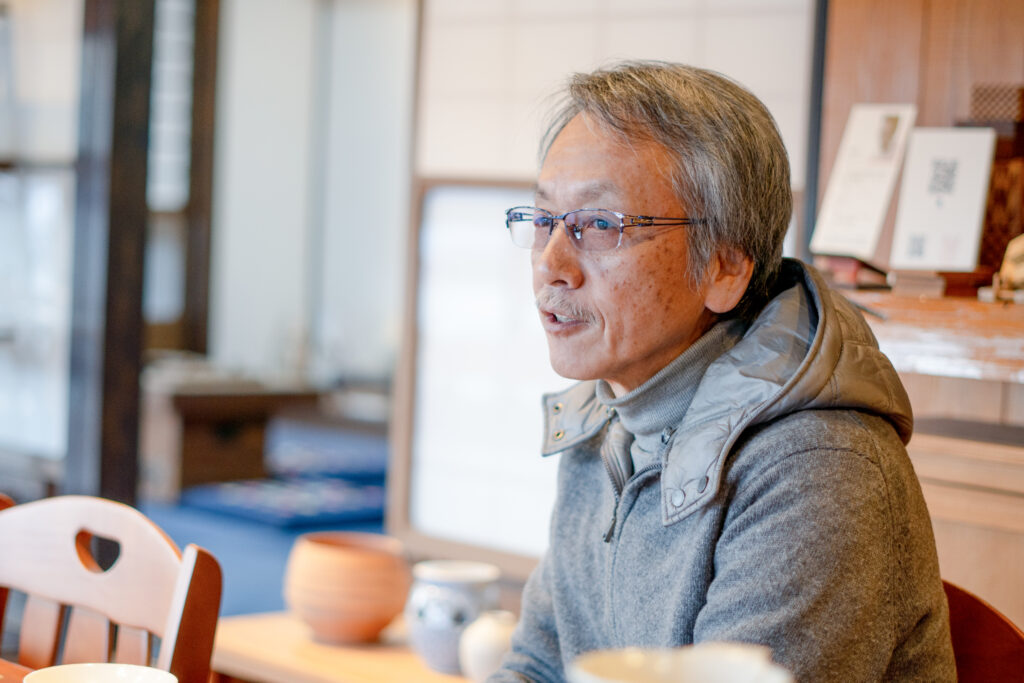
Outside of pottery, his pleasures are golf and driving his Roadster.
“On my days off, I’m either out playing golf or taking the Roadster for a drive. Coming back to Tachikui and driving a manual Roadster through the mountain roads—that’s how I refresh myself.”
When asked what he would recommend to those visiting Tachikui, he laughs a little shyly. “I was away for 42 years, so I’d be happy if visitors told me what they discover here.”
From the dazzling world of stage design to the quiet intimacy of the pottery studio. In Hiroo’s vessels, the passion he once poured into fleeting, momentary designs seems to coexist with the calm strength of Tamba clay. Today as ever, he continues to refine his expression—unhurried, shaping his free-spirited sensibility into form.
Overview
of
HIROO_STUDIO
Address
193 Shimotachikui, Konda-cho, Tamba-Sasayama, Hyogo, Japan
TEL
FAX
Website