
TOC
CHIYOICHI-TOBO
profile
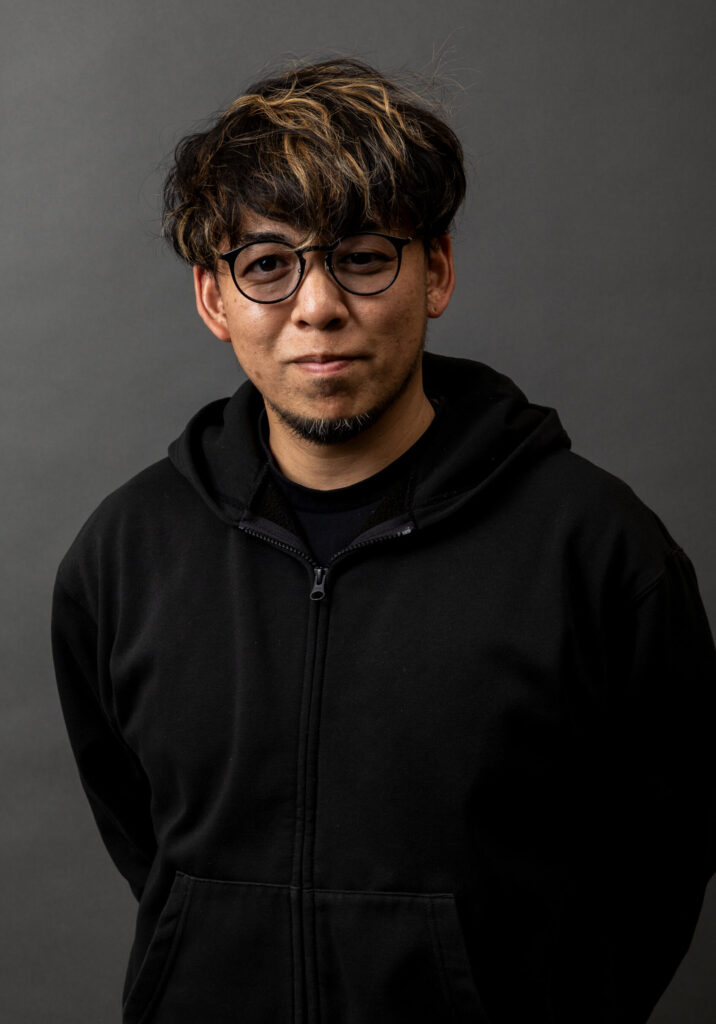
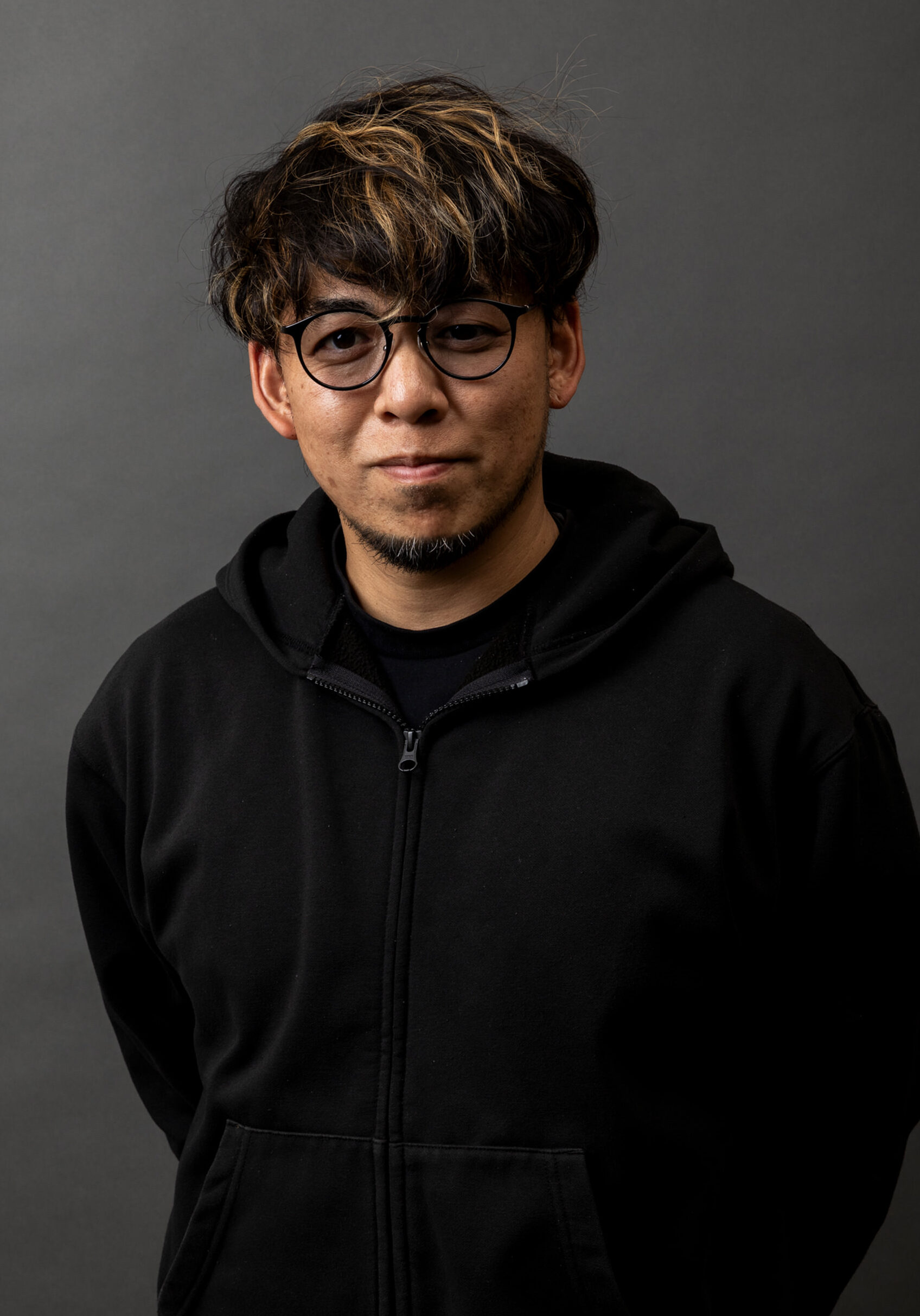
Masatoshi Shimizu
profile
Masatoshi Shimizu
4th generation
Year of Birth:1984
Year Began Pottery:2010
Education / Training Background
Studied under Hirokazu Ichino
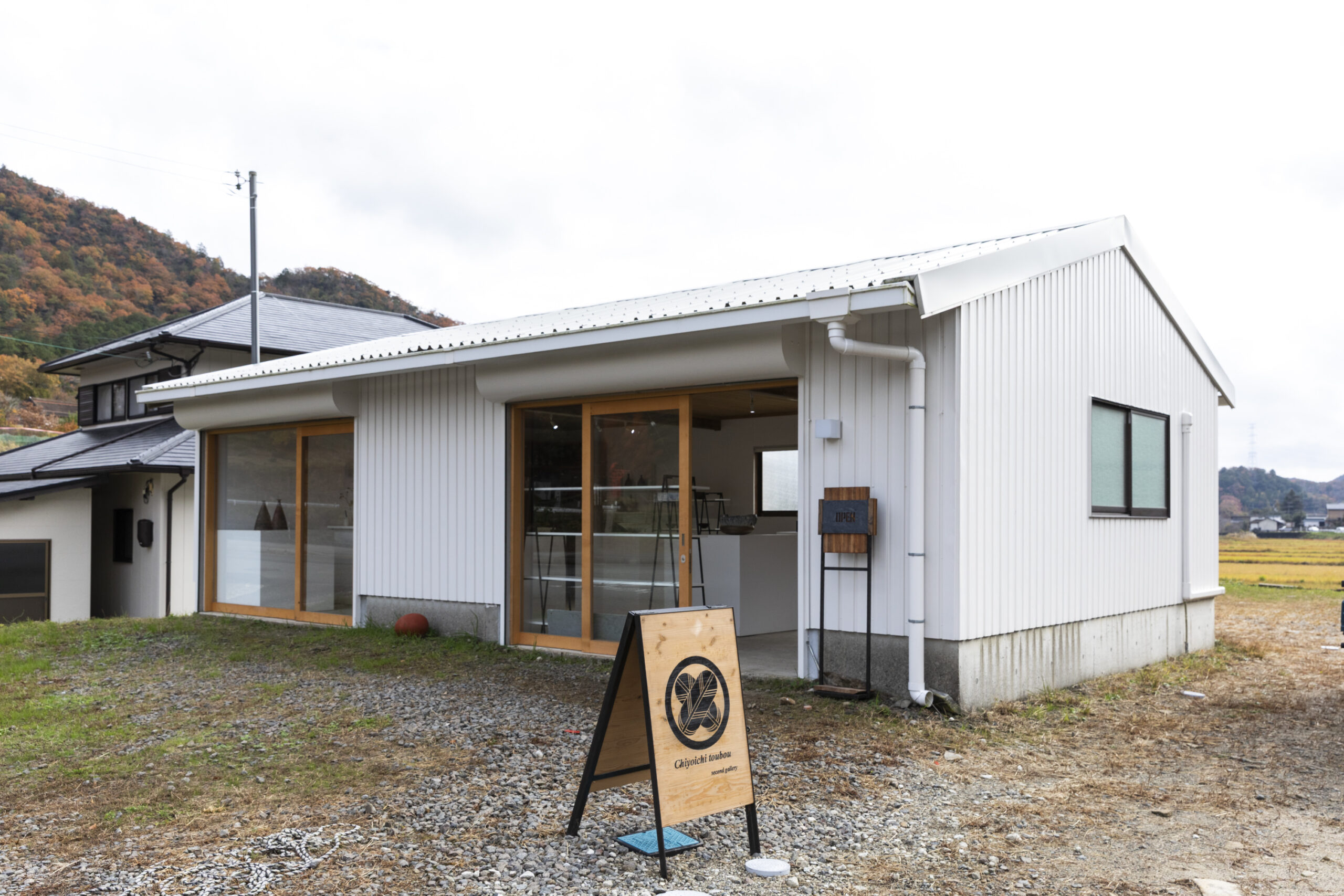
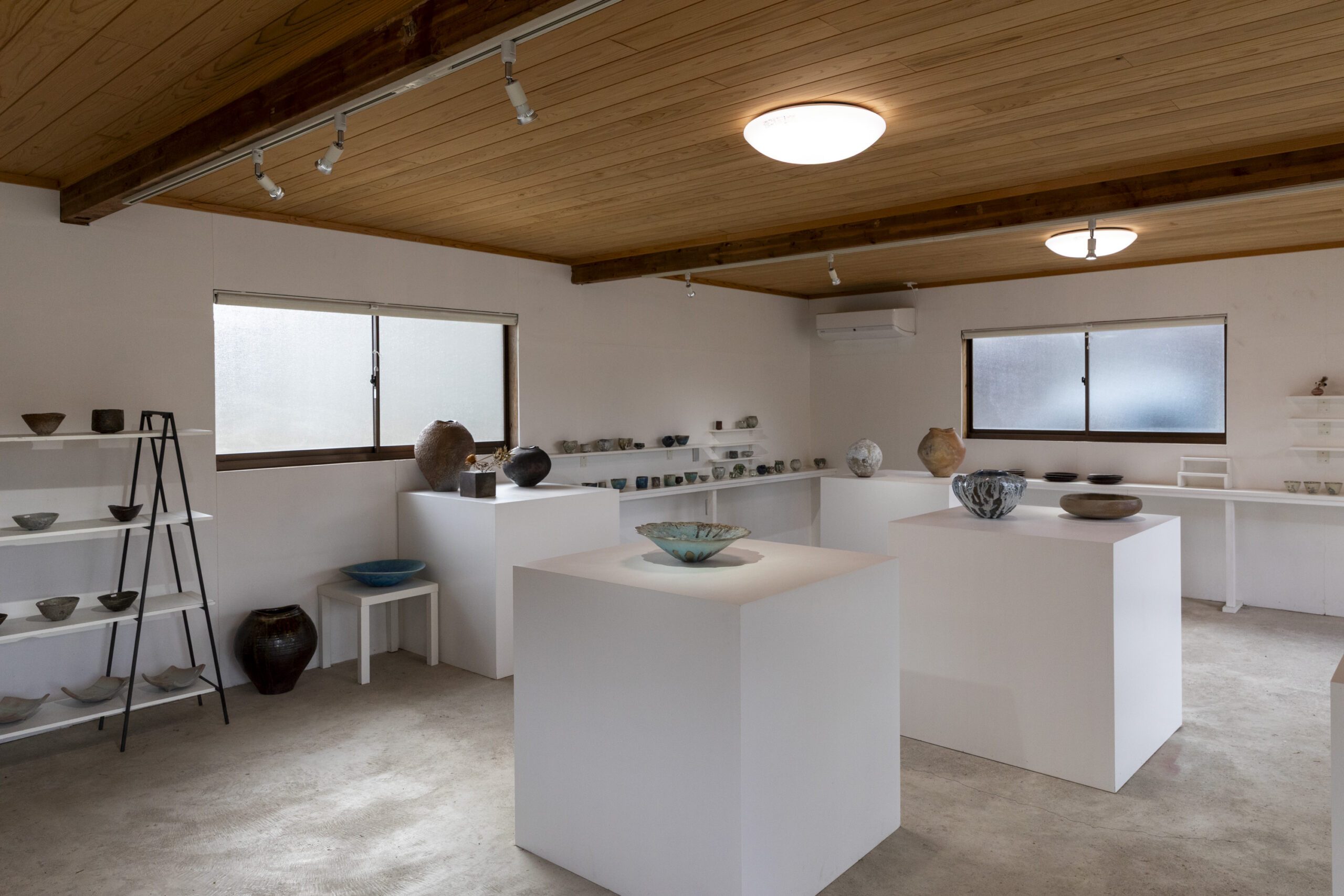
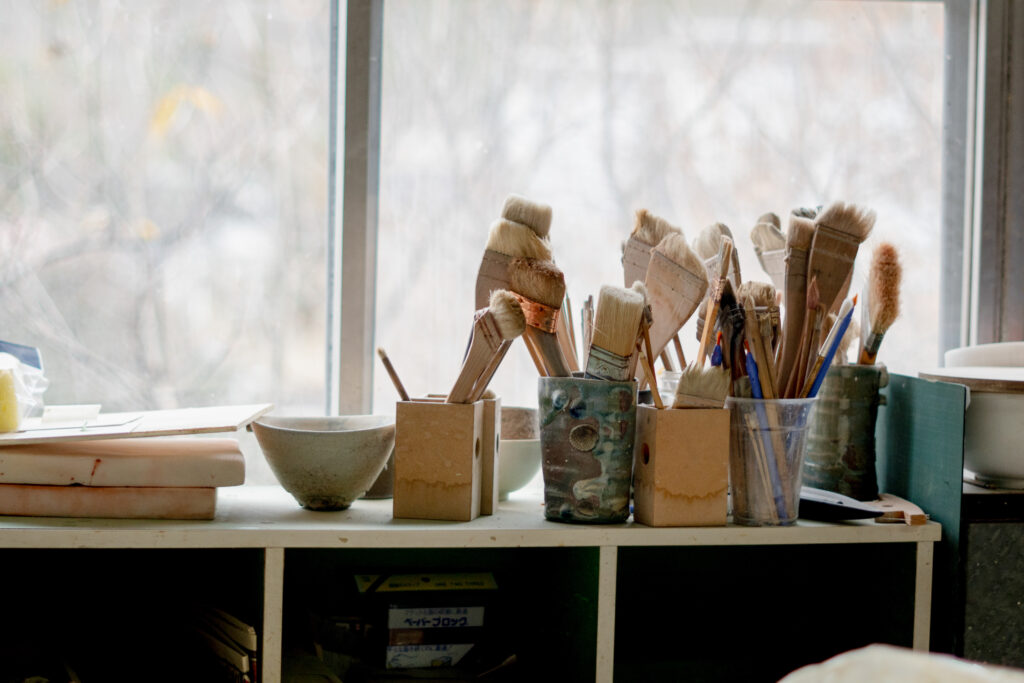
The state of the workshop
スクロールできます
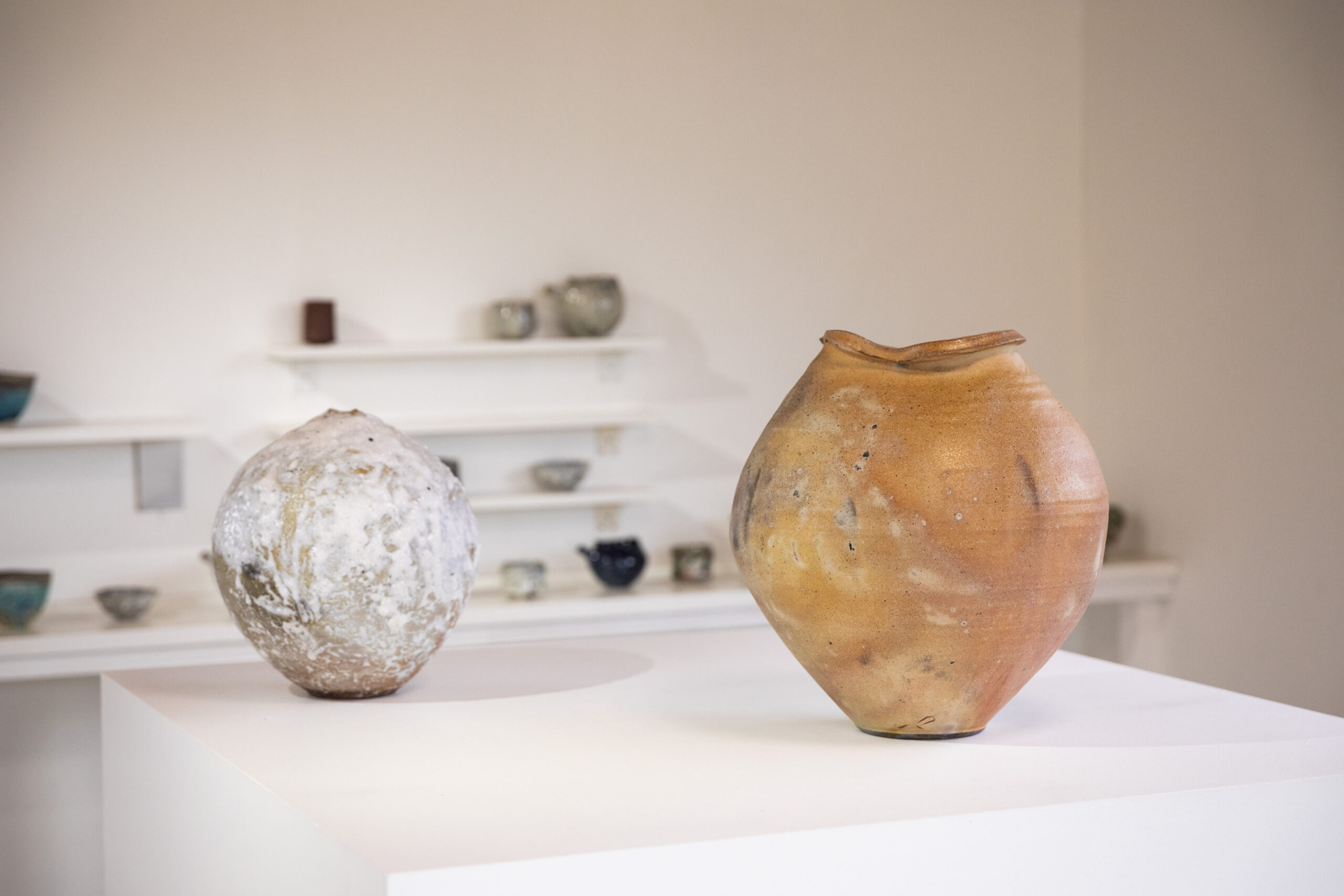
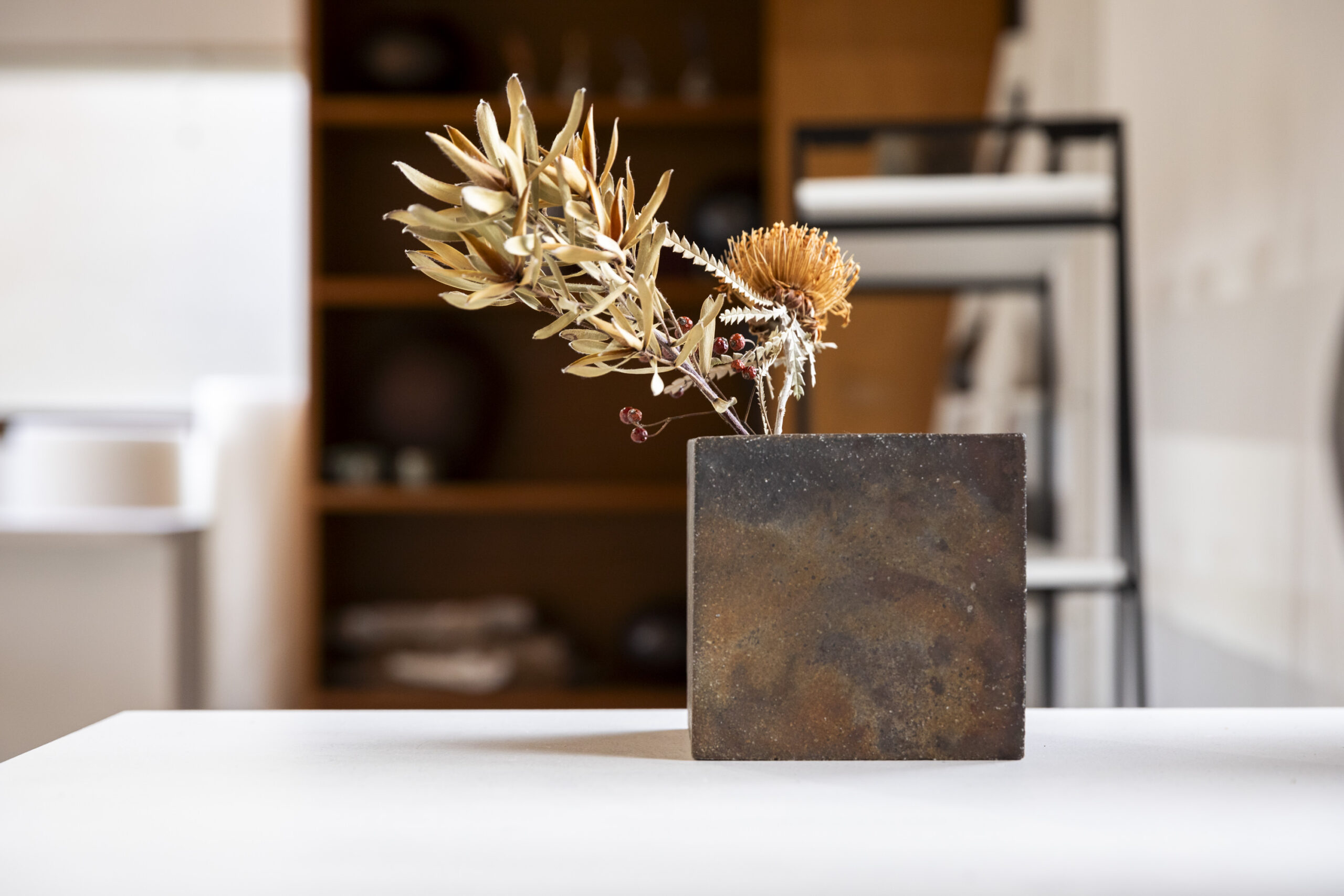
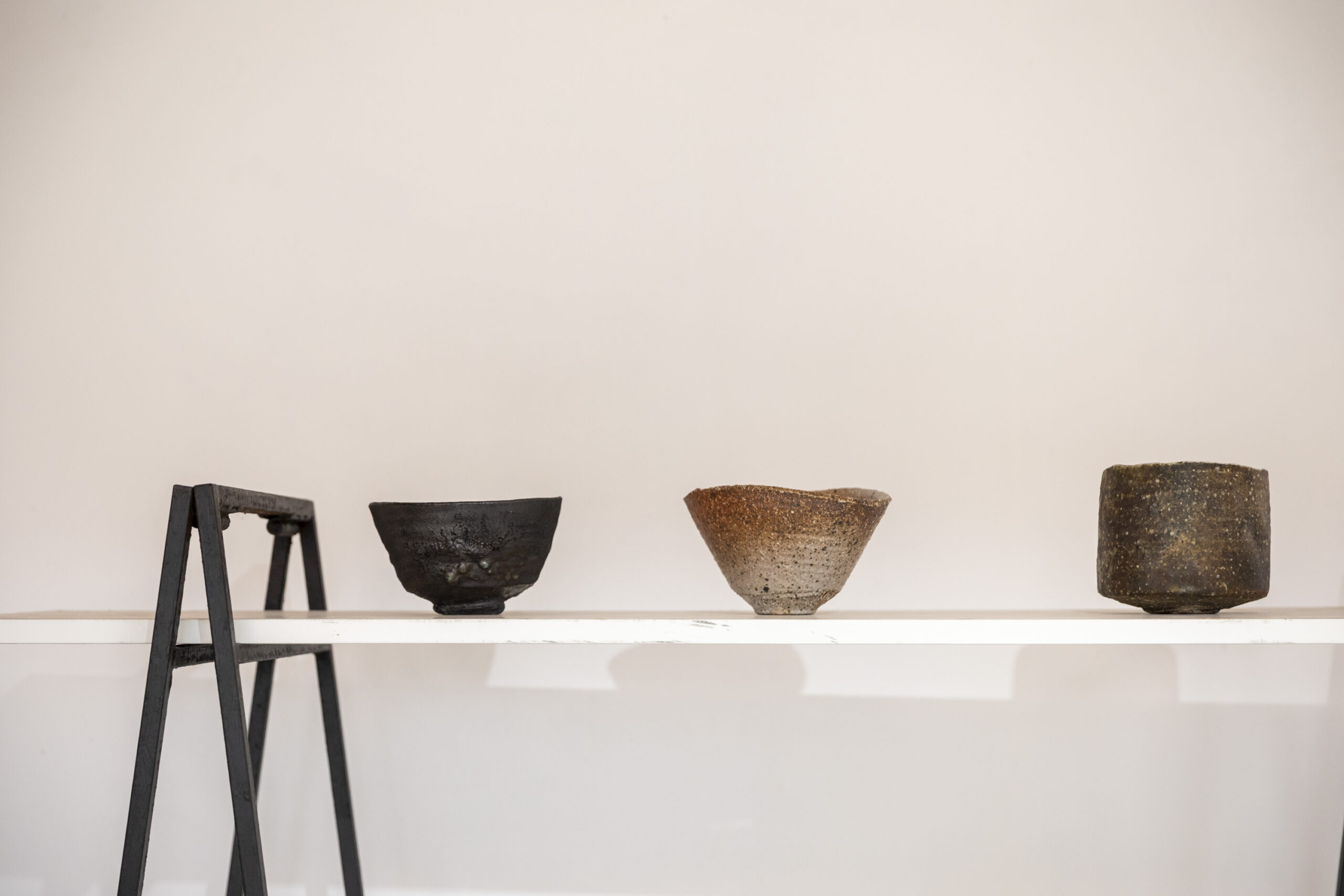
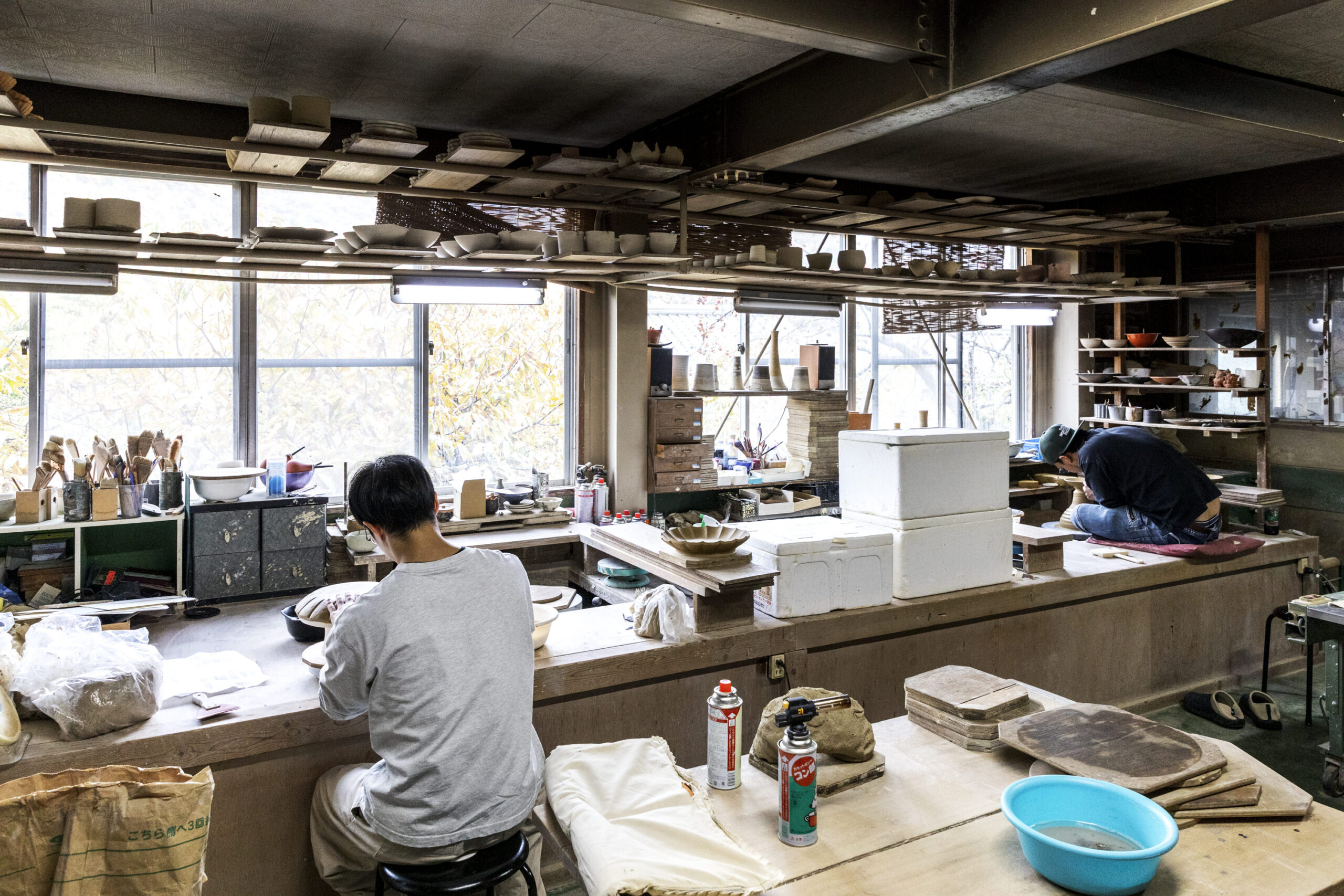
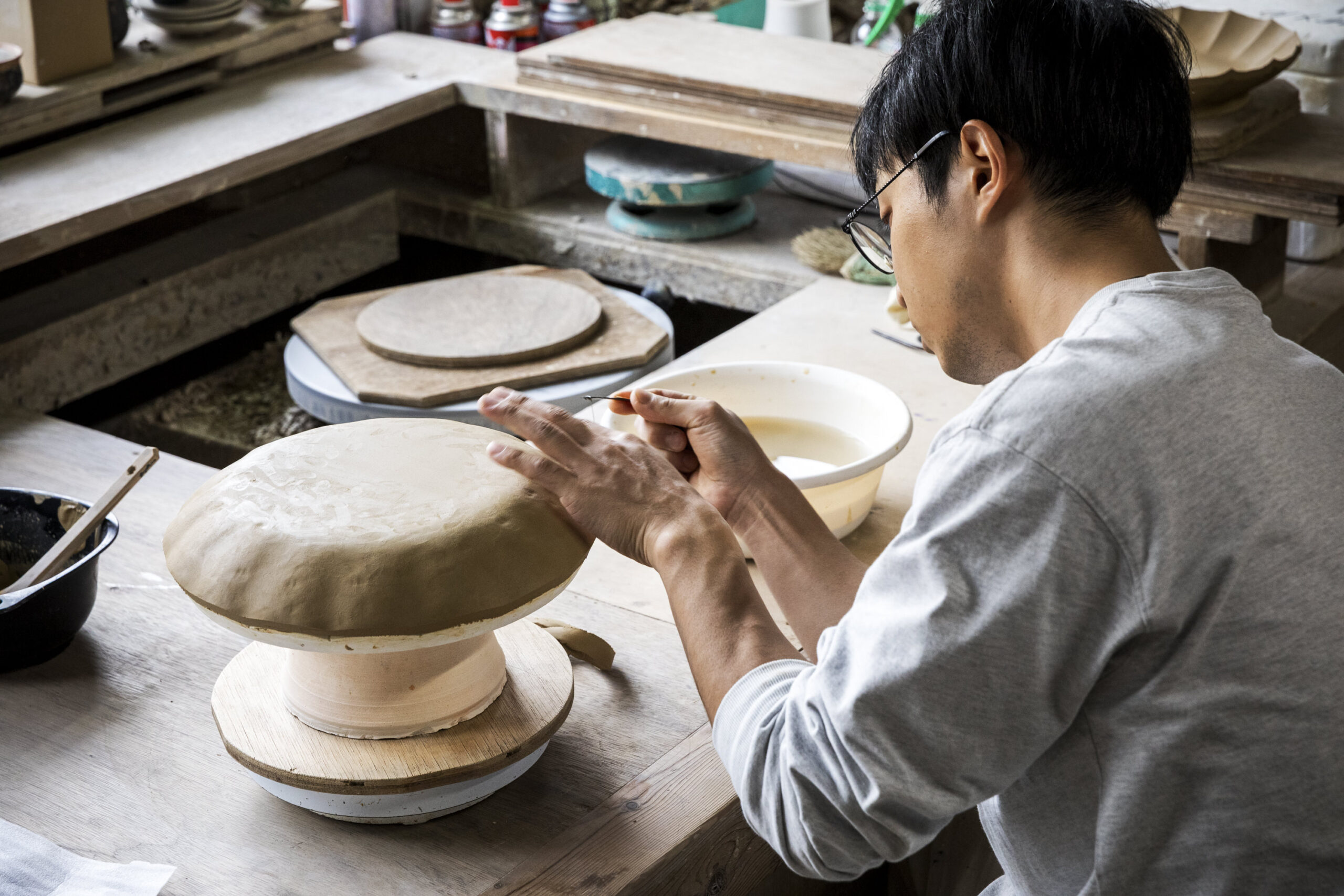


Works
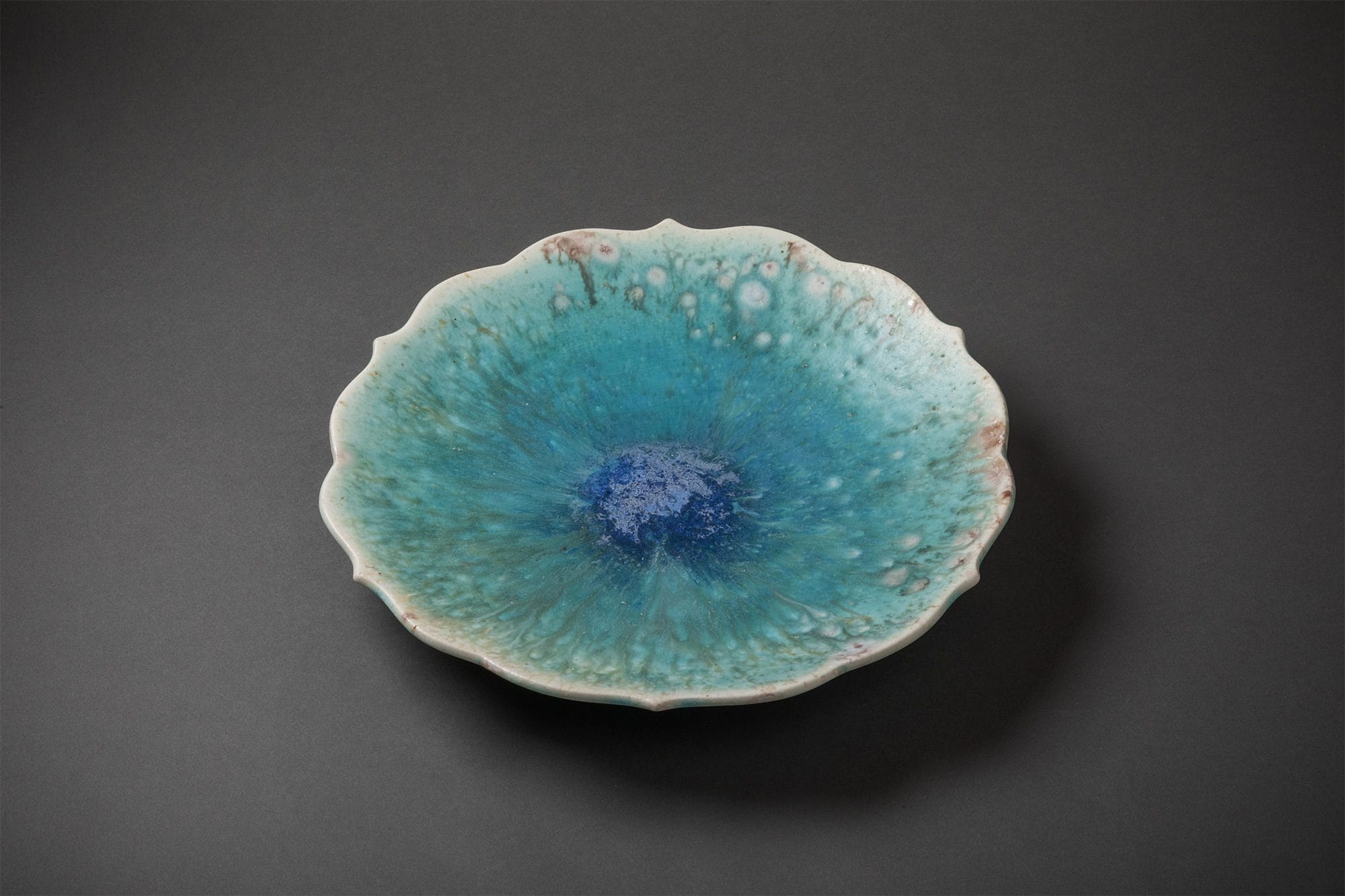
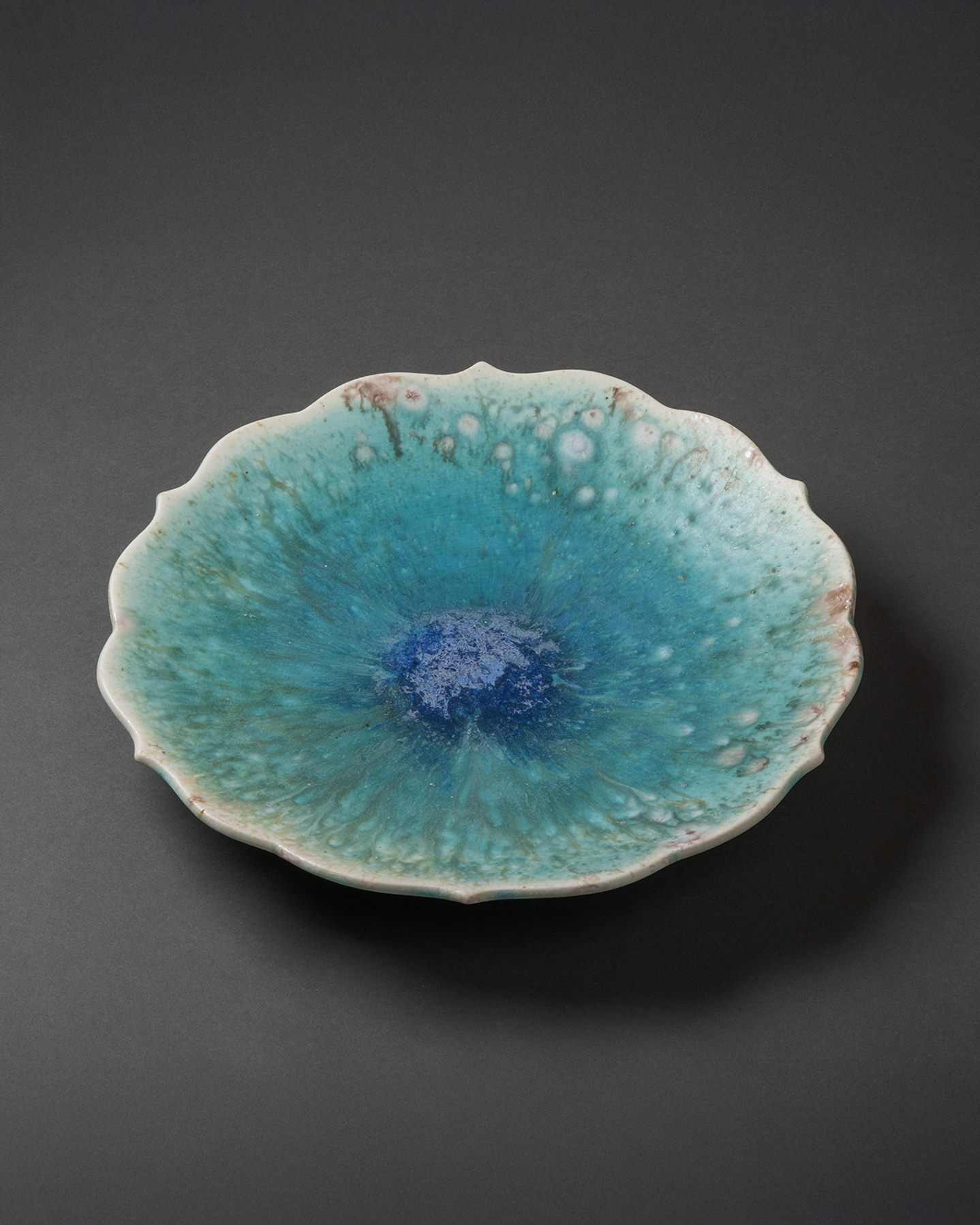
photo:AOTANI Takeru
Interview
A Distinctive Potter Who Draws on a Career as a Sheet-Metal Craftsman — Masatoshi Shimizu of CHIYOICHI-TOBO and His Vision of “Objects in the Form of Forms”
Aiming to Create “Objects in the Form of Forms”
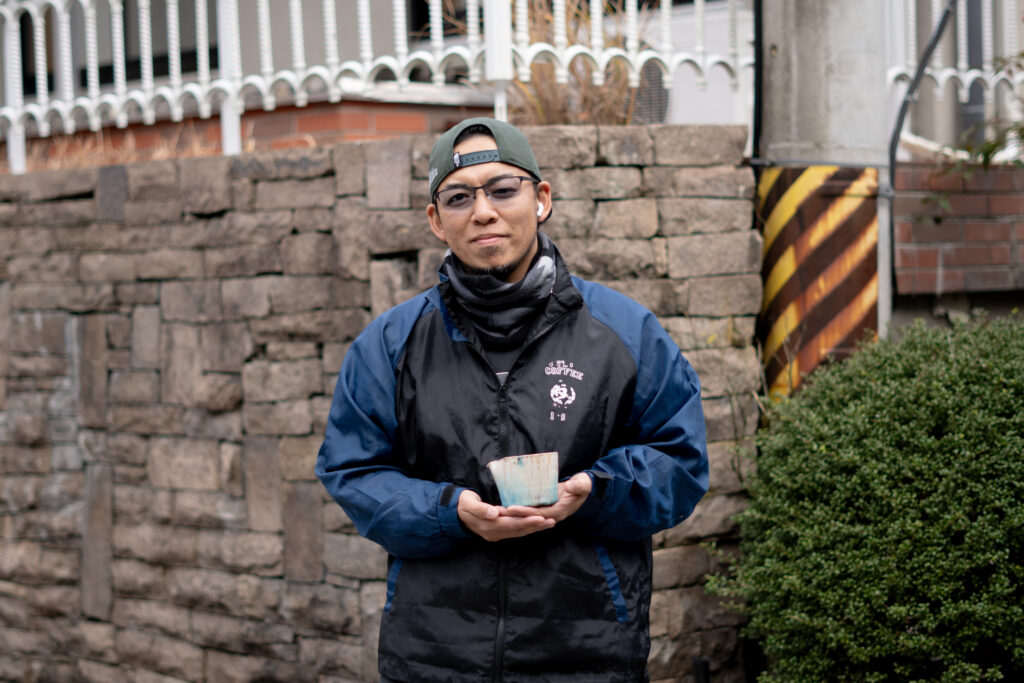
Climbing the narrow slope along Shiratama Inari Shrine in Kamitachikui, you occasionally turn back to see gentle mountains unfolding below and a view of Sue-no-Sato in the distance. Midway up the hill, the name “CHIYOICHI-TOBO” appears on the wall of a residence, with several large jars resting casually beneath it. This is the workshop and gallery of Masatoshi Shimizu, the fourth-generation head of CHIYOICHI-TOBO.
When asked how he defines Tamba ware, Masatoshi clearly distinguishes between two approaches: contemporary, colorful, user-friendly “products of a potter,” and works created as an artist using the traditional climbing kiln. His perspective is remarkably light and open. In his flexible embrace of both tradition and innovation, one senses the depth and breadth of Tamba ware itself.
“What I wanted to create was something almost the opposite of warmth and gentleness—sharp, delicate forms.”
Masatoshi approaches his work with a keen awareness of tension-filled, refined lines.
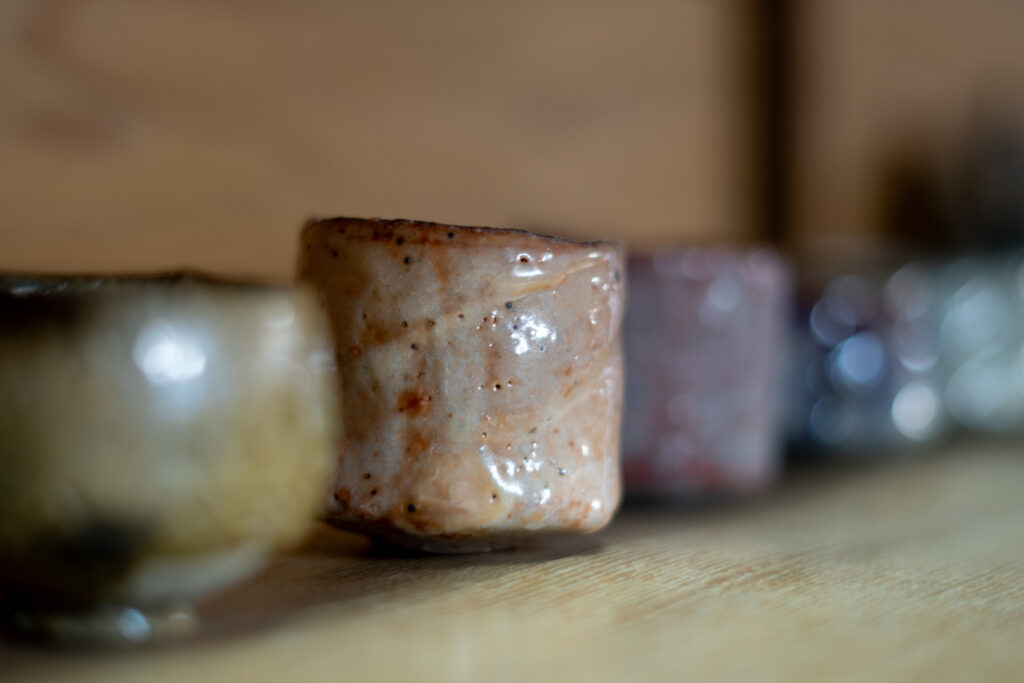
“I aim to create stylish forms that make the user feel a slight sense of tension when they touch them. What I make is less tableware and more ‘objects in the form of forms.’”
An Aesthetic Eye for “Correcting the Line,” Honed Through Sheet-Metal Finishing
As a child, Masatoshi was especially fond of his warm and approachable grandparents. After school, he would often stop by their workshop. The sight of them busily working with clay was an ordinary part of daily life, and he vividly remembers the gentle smiles they showed him in the pauses between tasks. He also recalls, with surprising clarity, the distinct smell of clay and the damp heaviness of the air inside the workshop.
“Back then, the workshop felt much more earthy and humid. I loved going to see my grandparents, but I could never quite get used to that particular atmosphere.”
At the time, Masatoshi had little interest in pottery and even disliked art classes at school. Yet he found enjoyment in repairing broken things—such as fixing chairs—discovering satisfaction in the act of restoring what was damaged.
After graduating from high school, he had not the slightest intention of inheriting the family business. Drawn instead to cars and motorcycles, he enrolled in a technical school specializing in automotive work, where he learned sheet-metal shaping and painting.
He began working at an auto supply shop in Amagasaki, but eventually left, frustrated that his days off did not align with his friends’. “Then it hit me—right, my family runs a pottery kiln,” he recalls with a smile. He returned to Tachikui and later enrolled in a ceramics school in Kyoto.
“At first, I couldn’t see what was so interesting about pottery. But as I went every day and connected with classmates, I gradually began to understand what I wanted to create.”
One reason he struggled to find pottery engaging was the traditional image he had carried since childhood: heavy, thick, brown forms. However, encountering a wide range of expressive works at school made him realize that the aesthetic sense he had developed in sheet-metal work—his instinct for correcting and refining lines—could be applied to ceramics as well. By channeling that skill, he discovered the joy of expressing his own distinct style.
Sharing the Culture of Japanese Sake with the World
Although Masatoshi creates sharply stylish works, in person he is disarmingly charming. These days, one of his greatest pleasures is enjoying a glass of Japanese sake after finishing his work.
“I love sake, so I’d like more people from overseas to experience it. When visitors come here and I serve them sake in one of my guinomi cups, it makes me happy to hear them say, ‘This is delicious!’ Right now, my goals are about sixty percent ‘promote sake,’ thirty percent ‘drink sake together with people from abroad,’ and maybe ten percent ‘have them use my forms,’” he laughs.
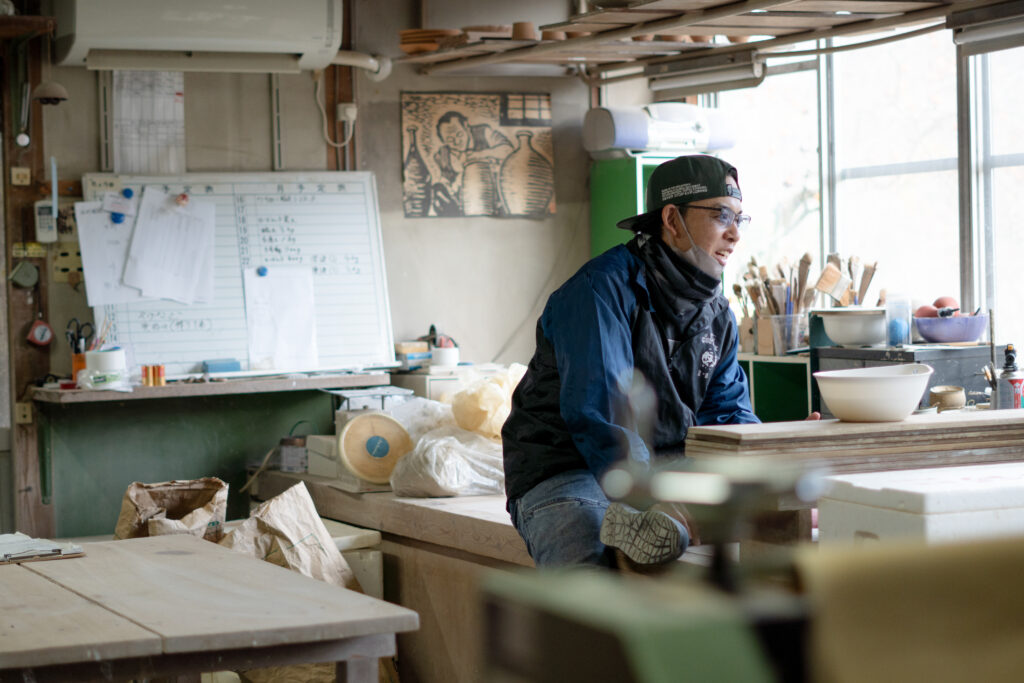
At the end of the interview, he was asked what experience he would recommend to those visiting Tachikui.
“I still go golfing about twice a month—I love it. How about trying golf? There are around twenty golf courses within a thirty minute drive from Tachikui. Playing in the middle of nature is the best.”
Having once distanced himself from what he saw as the “earthy” family trade, and after pursuing a path in automotive repair, Masatoshi ultimately found his way back to pottery. Rooted in Tamba, yet guided by curiosity, fresh perspectives gained from the outside world, and a contemporary sensibility, he continues to pursue a style of Tamba ware that quietly reflects his own individuality.
Overview
of
CHIYOICHI-TOBO
Address
5 Bounokaki, Kamitachikui, Konda-cho, Tamba-Sasayama, Hyogo, Japan
TEL
FAX
Website