
TOC
CHINDAI-GAMA
profile
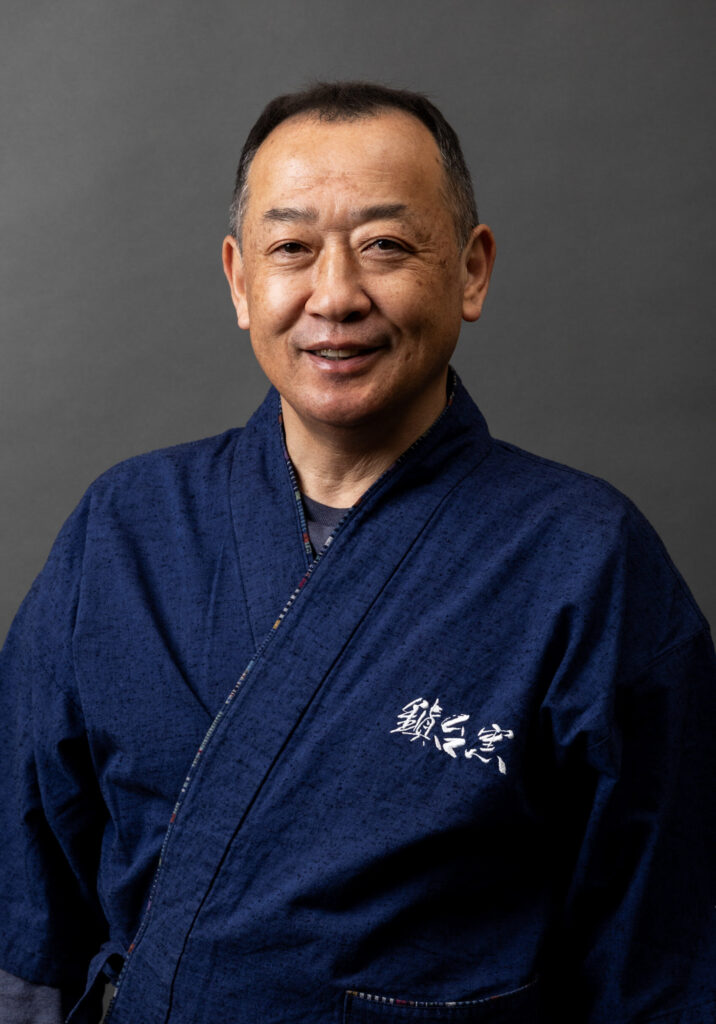
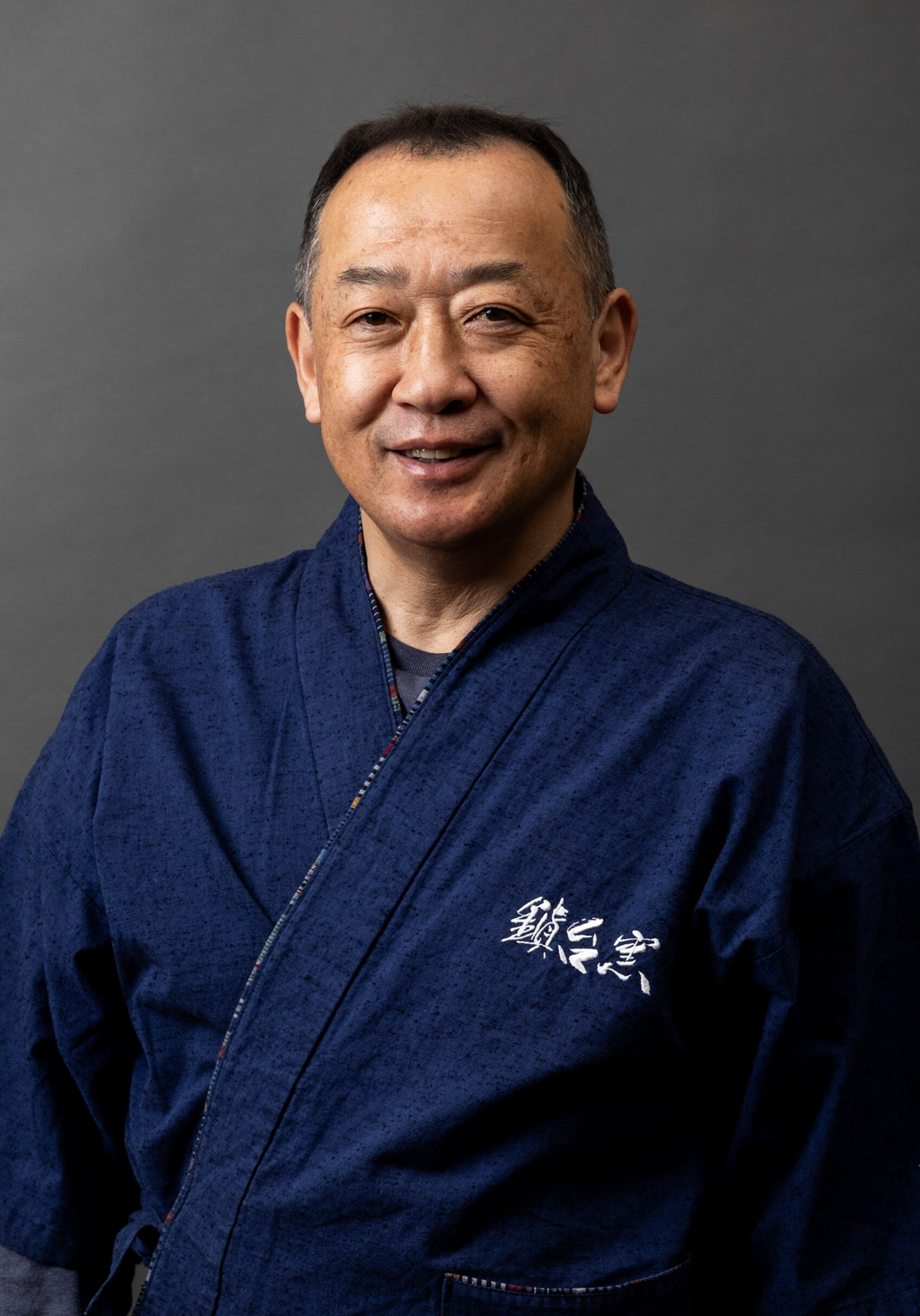
Kazunori Ogami
profile
Kazunori Ogami
4th generation
Year of Birth:1966
Year Began Pottery:1986
Education / Training Background
Graduated from Saga Art Junior College, Department of Ceramics.
Trained at Aoi gama (Kishu gama)
Major Awards
Selected, Japan Traditional Crafts Kinki Exhibition
Selected, Hyogo Prefectural Exhibition
Prize Winner, Hyogo Crafts Art Exhibition
Works
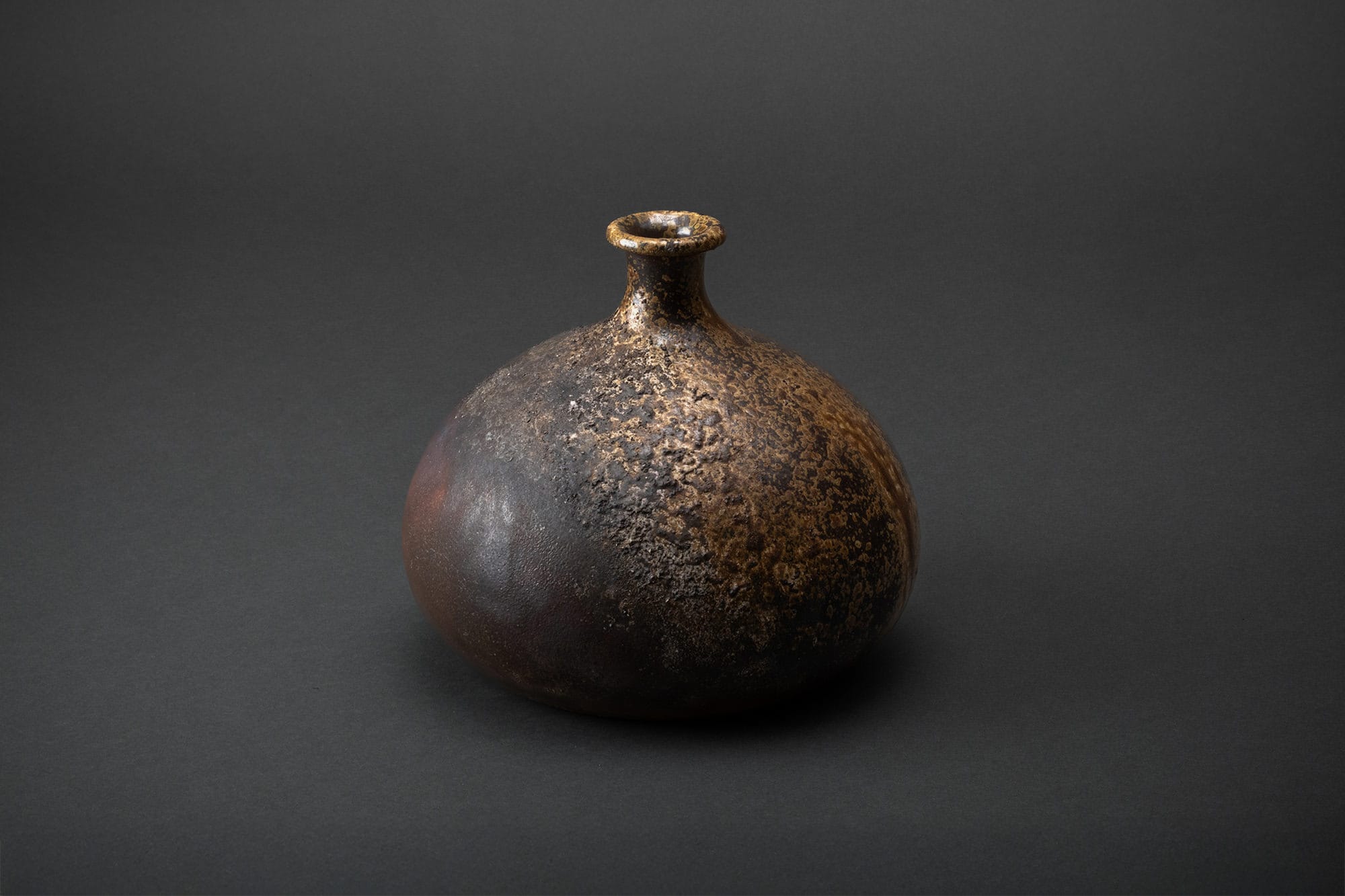
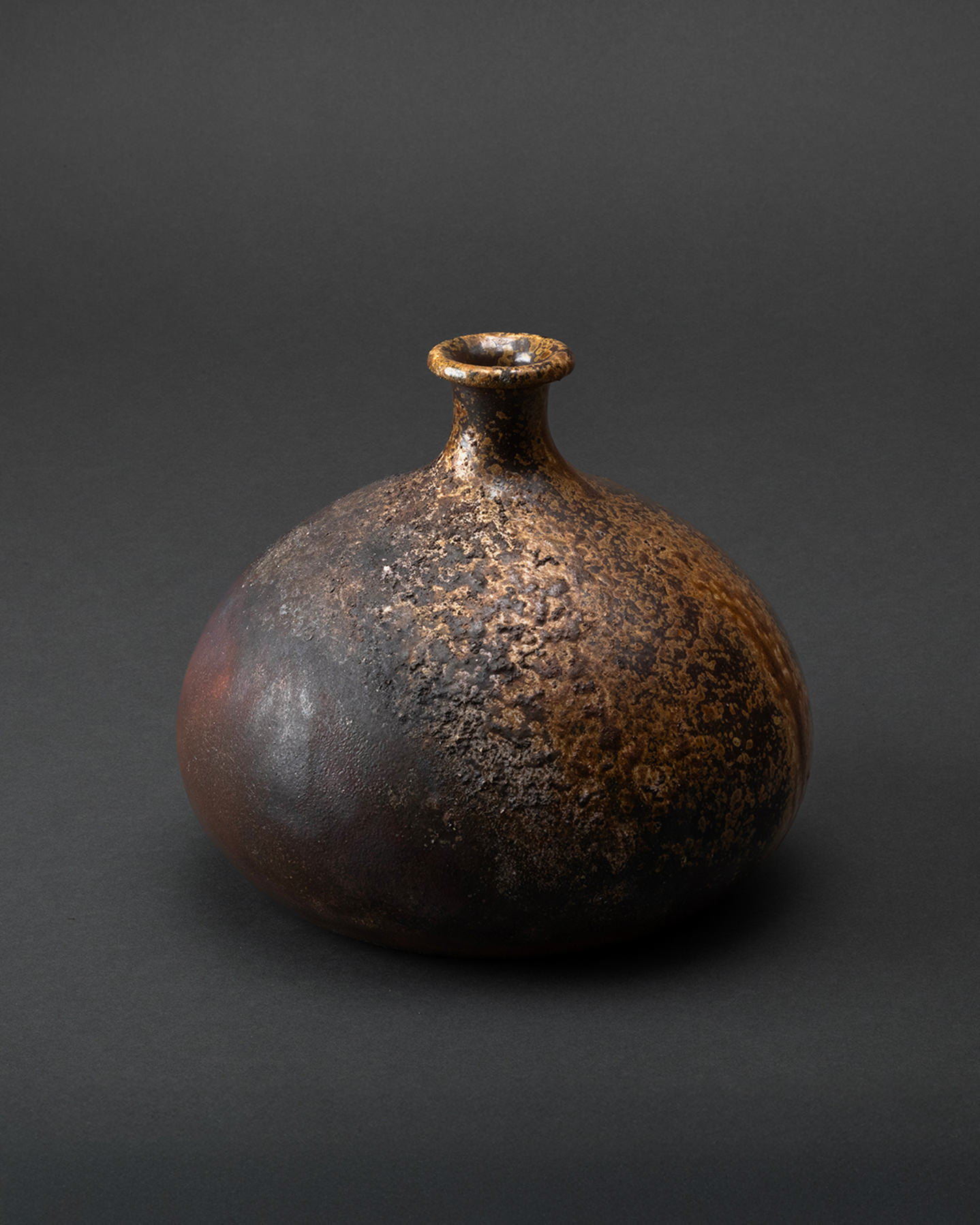
photo:AOTANI Takeru
Interview
Tamba Ware Pursued Through Local Materials — The Craft of Kazunori Ogami of CHINDAI-GAMA, Shaped by Diverse Experience, Tradition, and an Unceasing Spirit of Inquiry
CHINDAI-GAMA once welcomed large groups for hands-on pottery workshops. Its fourth generation head, Kazunori Ogami (hereafter, Kazunori), now balances two paths, devoting himself to pottery while also serving as a prefectural assembly member. When his public duties are fulfilled, he intends to focus even more deeply on creating Tamba ware that makes full use of local materials.
Pursuing Tamba Ware Fired Entirely with Local Materials
Kazunori once researched glazes made from the ash of black soybeans. Using ash produced by burning the branches of kuromame—Tamba-Sasayama’s famed specialty—he applied it to tea bowls and fired them in a wood-fired anagama kiln. Natural ash mingles with flame, creating unexpectedly rich surfaces. He continues to pursue the possibilities of expressing Tamba ware through materials rooted in the region.
“Using local clay, local materials, and firing in local kilns—that pursuit is what defines traditional Tamba ware.” These were his teacher’s words, and they remain his guiding principle.
During his apprenticeship at Aoi Potter of Kishu ware, the potter established its own brand, “Nachiguro glaze,” made from local Nachiguro stone and recognized by tea masters. Inspired by that example, Kazunori sought materials unique to Tamba and arrived at “Kuromame glaze,” created from the ash of black soybean branches and leaves. This glaze produces distinctive hues and luster, yet he considers the research still unfinished. Changing the formula alters the surface; the exploration has no end.
The expressions created by kuromame ash move people deeply. Once, a temple priest visited after seeing a tea bowl with kuromame ash on the potter’s website, asking to acquire it. For Kazunori, it was reassurance that the direction he was pursuing in Tamba ware was not mistaken.
“Kuromame glaze is still developing and hasn’t reached full maturity. I want to continue refining its formula over time.”
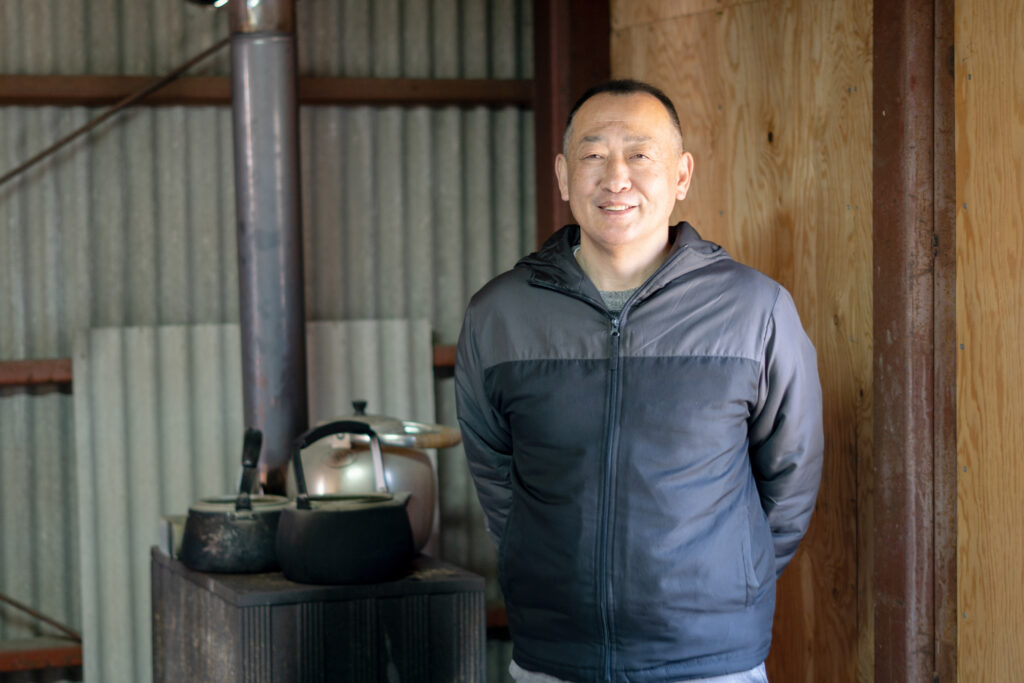
A Conversation on a Train That Led Him to Pottery
Kazunori was born the fourth generation of the potter. He still remembers his grandfather returning home around dusk, clothes covered in mud. His father, who had entered the family as a son-in-law, initially ran a separate business but later began pottery production after his grandfather passed away.
As a high school student, Kazunori traveled to Osaka to study drawing in preparation for art university entrance exams. At one point, he even considered becoming a police officer. One day on a train, a stranger struck up a conversation with him.
“You should pursue pottery—it will open up a bright life for you.” For reasons he still cannot fully explain, he accepted those words sincerely. After graduating from a junior college of art in Kyoto, he trained for nearly three years at a potter in Shirahama, Wakayama.
“At that potter, we created forms used in tea ceremonies. Life felt timeless—almost like ‘no calendar in the mountains.’ The days were long and demanding, but I learned techniques and philosophy at a very high level.”
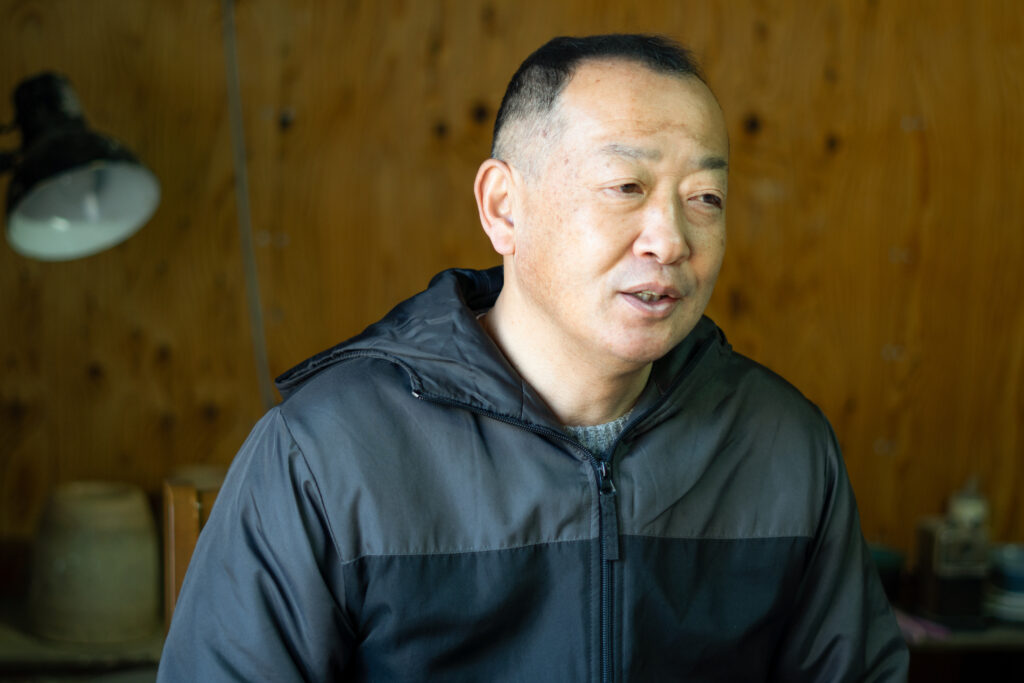
Returning to Tamba brought him into a completely different world. His father had expanded into group tourism, and Kazunori found himself busy working in the shop and teaching pottery workshops.
“From around 1981 to 1993, tour buses arrived daily. Even on New Year’s Day, we welcomed visitors heading to Banshu Kiyomizu-dera Temple. The shop never closed—365 days a year.”
Amid this busy schedule, he continued entering juried exhibitions such as the Japan Traditional Art Crafts Exhibition, never abandoning his search for his own artistic voice. After marriage, he naturally began wanting to create practical wares used in everyday life. He speaks of the joy of feeling connected to people through daily living.
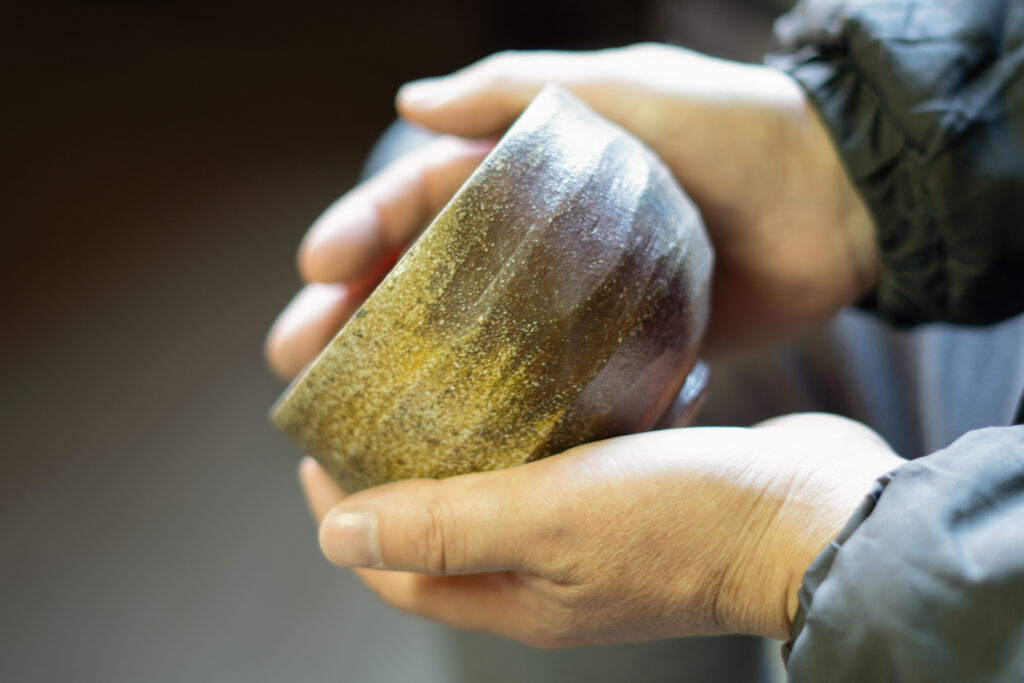
Even Life as a Prefectural Assembly Member Feeds His Pottery
Today, Kazunori is active as a prefectural assembly member, leading a demanding life. His grandfather and father were also involved in politics. “In the end, I’m walking a similar path,” he says with a wry smile. “Right now, I can’t devote as much concentrated time to pottery as I’d like.”
Yet he never neglects inspiration.
“I love watching things unfold right in front of me—music, films, sports.”
From classical to rock to enka, his musical tastes are wide-ranging. He attends baseball games, women’s volleyball matches, and high school rugby tournaments. Experiencing the energy of live performance replenishes him as he walks his dual path of creation and politics.
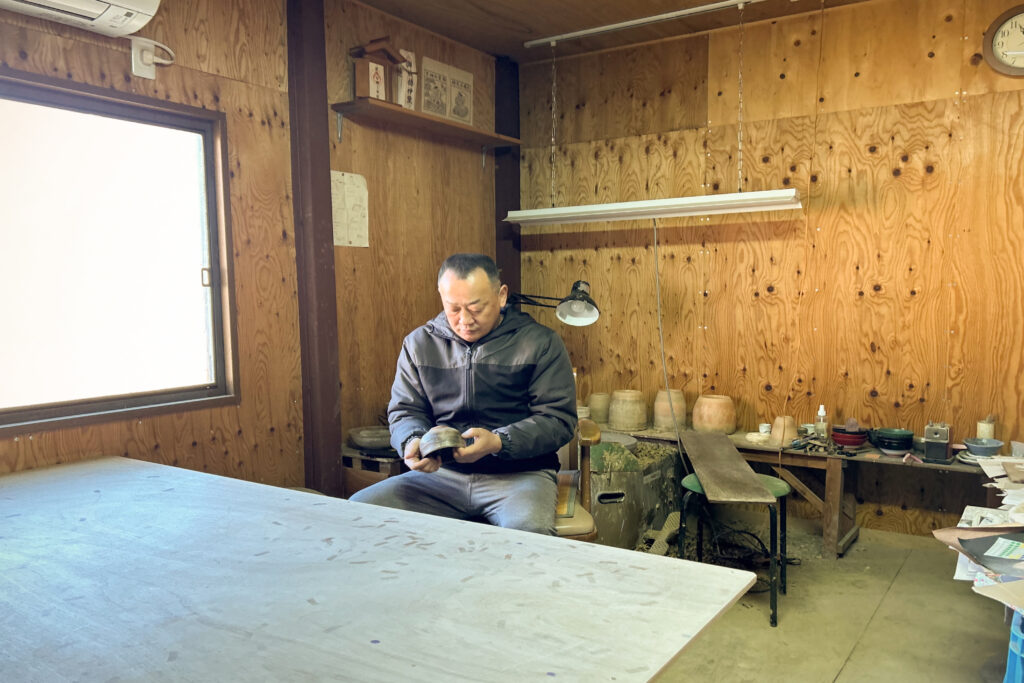
Try the Electric Wheel Experience
Finally, he was asked how visitors might best spend their time in Tamba Tachikui.
“I’d love for people to try pottery on an electric wheel. Just shaping clay with your hands is enough. For overseas visitors, there may be logistical hurdles in shipping finished pieces, but it’s not essential to take home what you made. After experiencing the spirit of pottery through the process, they can choose a favorite piece to bring back.”
He vividly recalls a visitor from Norway who became so absorbed in the sensation of the electric wheel that time seemed to disappear.
More than just objects, Kazunori hopes visitors will take home memories—the feel of clay, conversations with makers, and the humanity of the pottery village itself.
Overview
of