
TOC
CHATOMARUKA-GAMA
profile
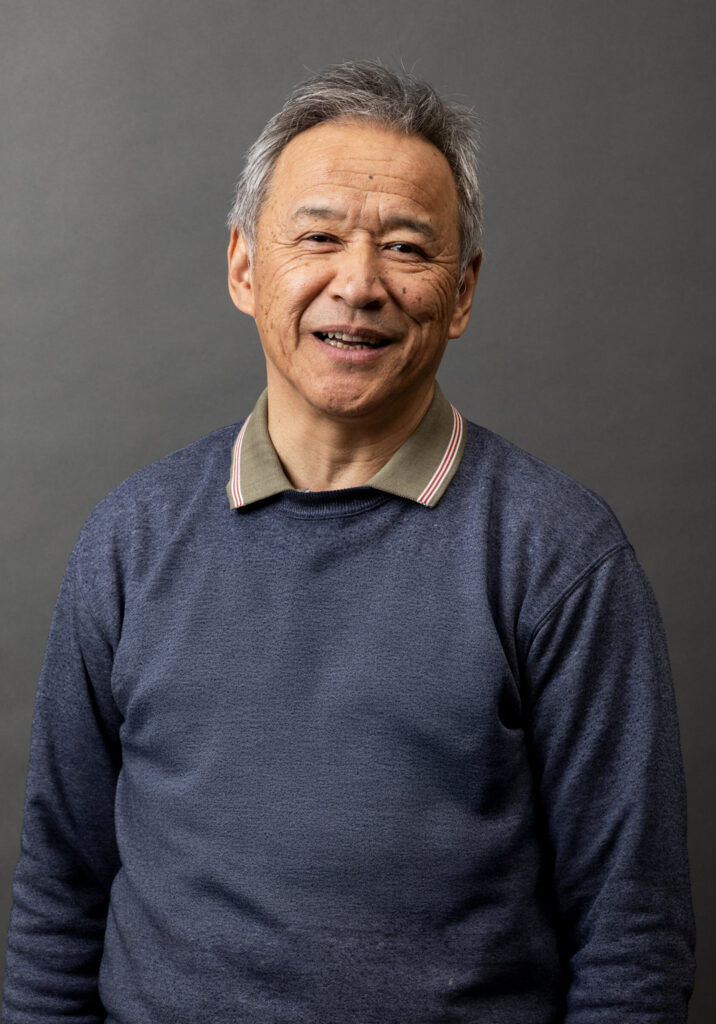
Toshihiko Ichino
profile
Toshihiko Ichino
4th generation
Year of Birth:1956
Year Began Pottery:1978
Education / Training Background
Kinki University
Ushino-to yaki, Tottori City, Tottori Prefecture
Major Awards
Hyogo Prefecture Distinguished Skills Award
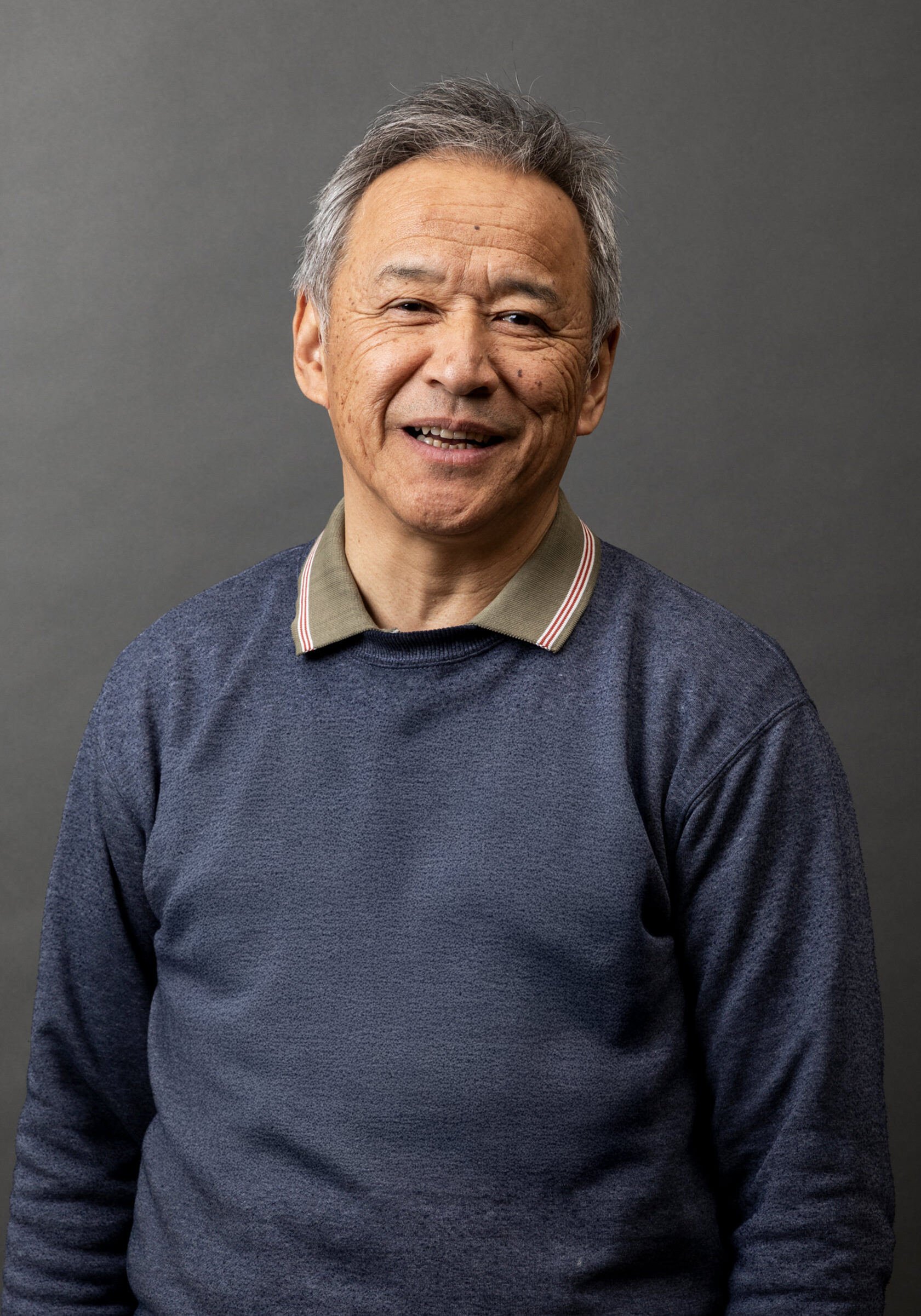
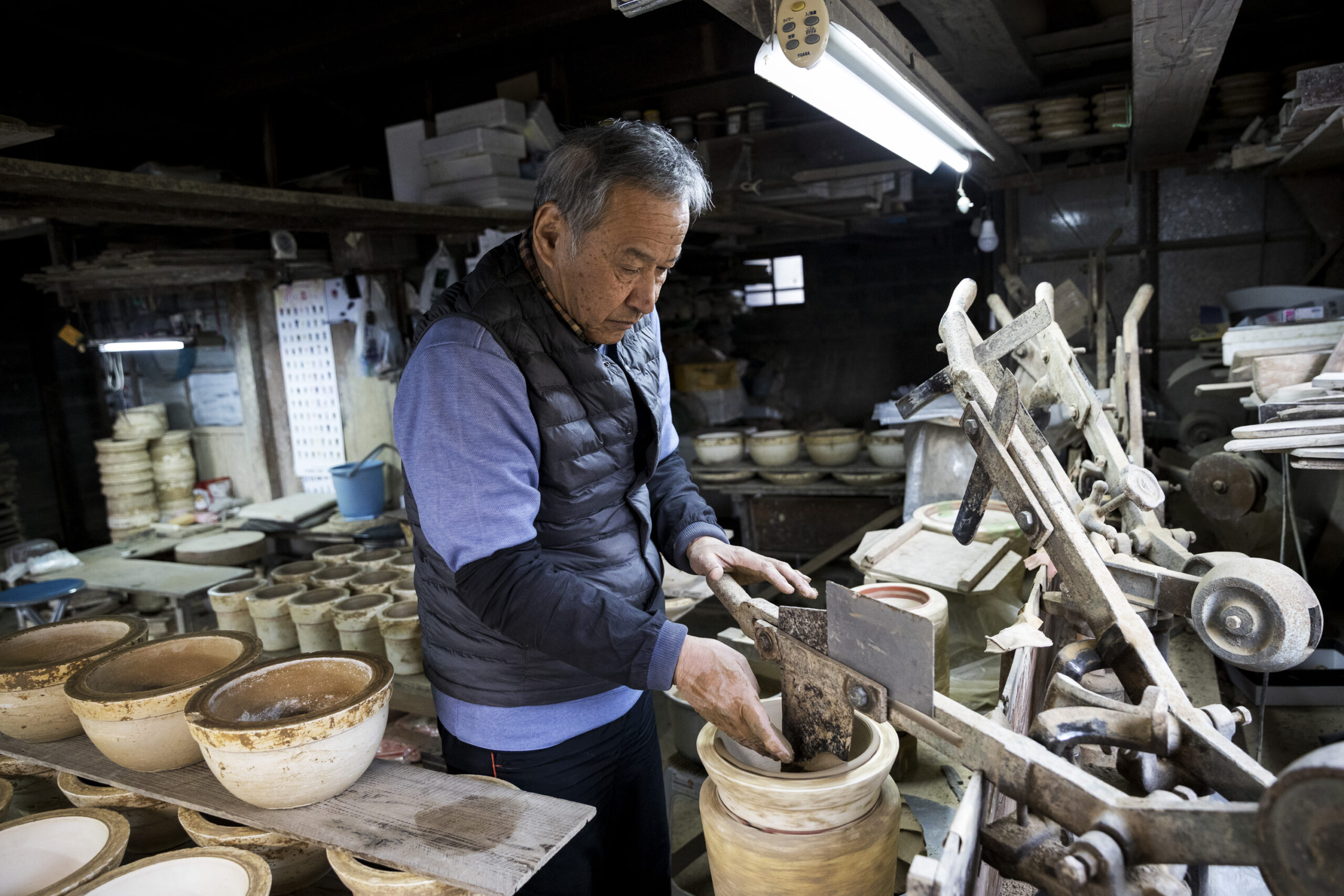
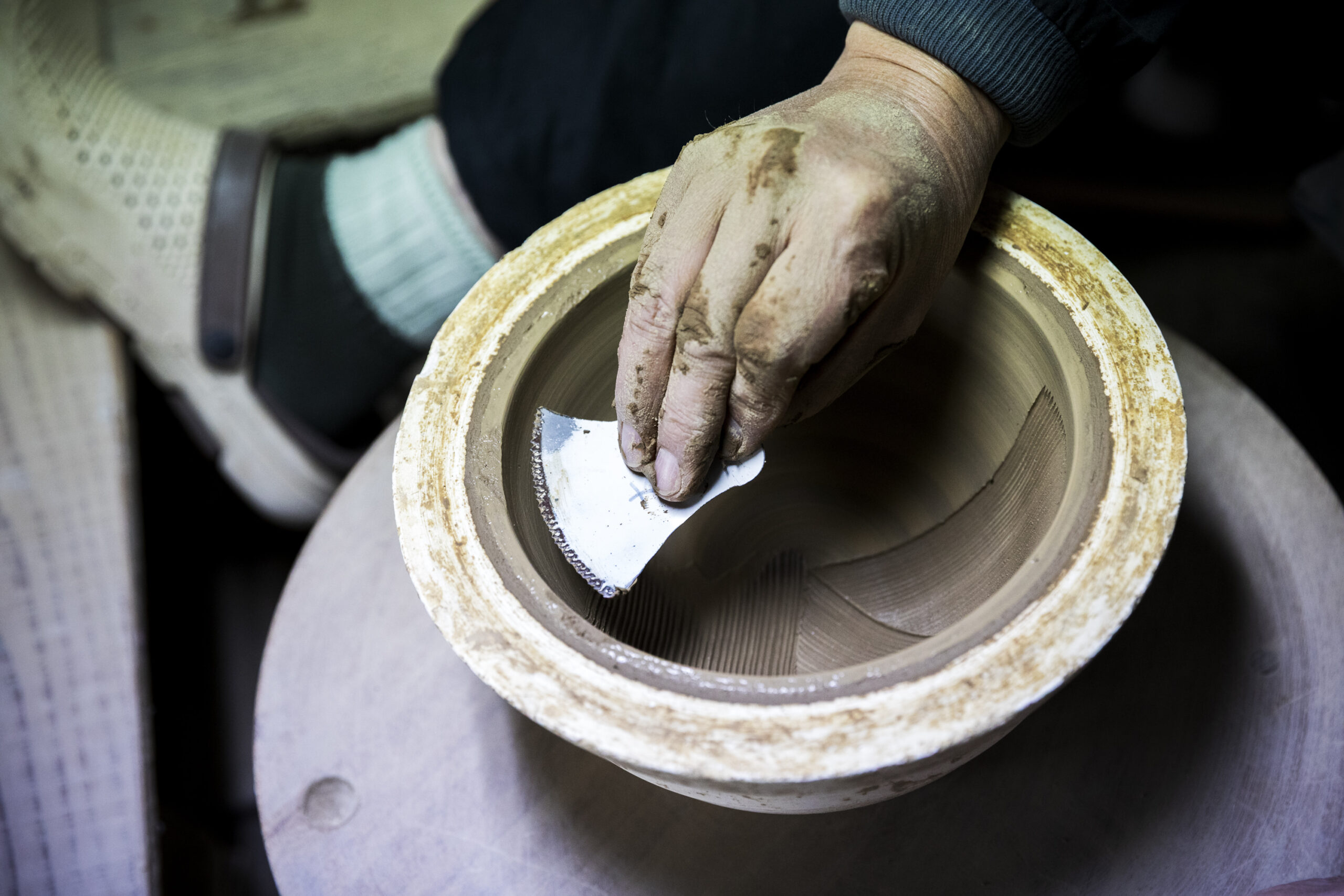
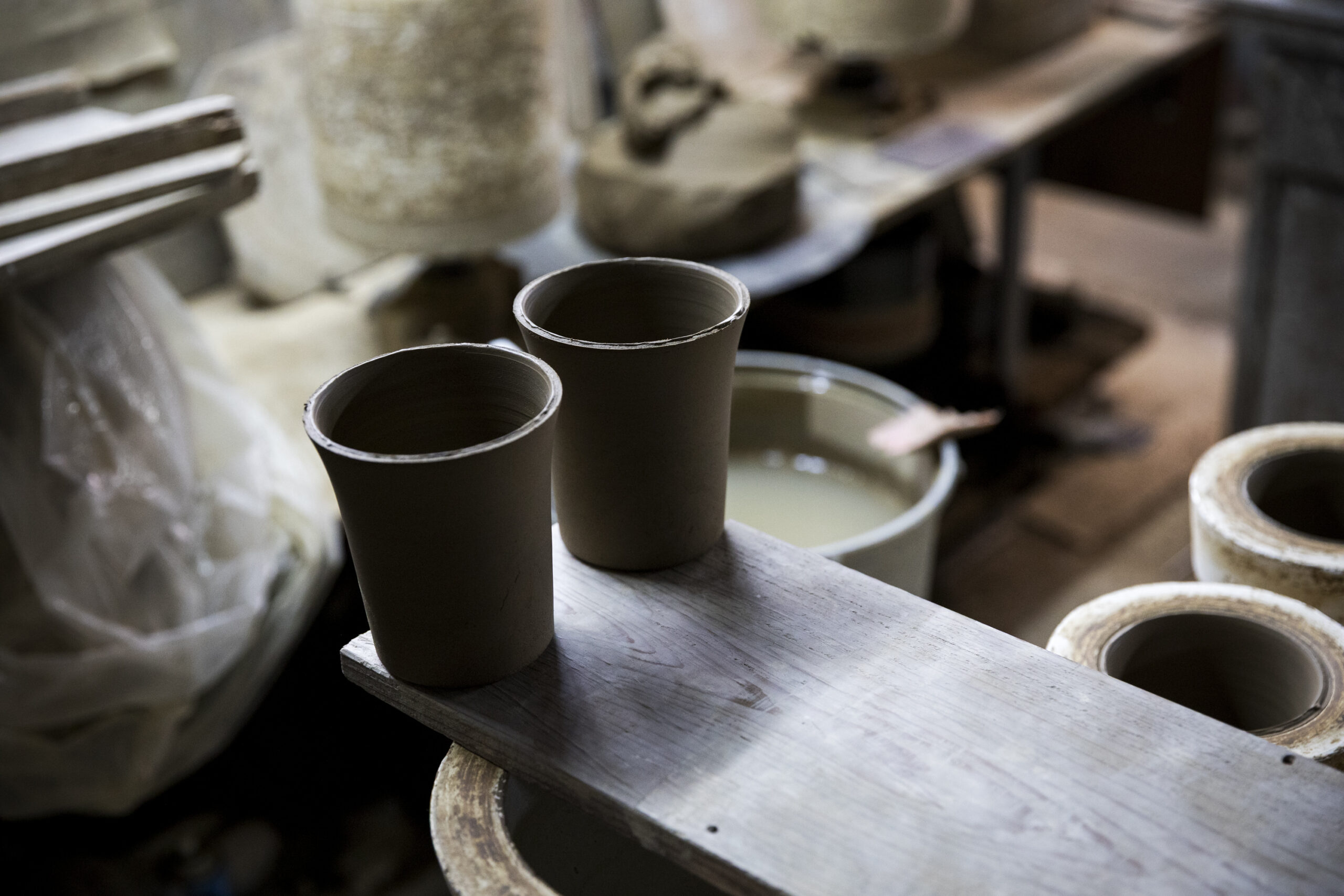
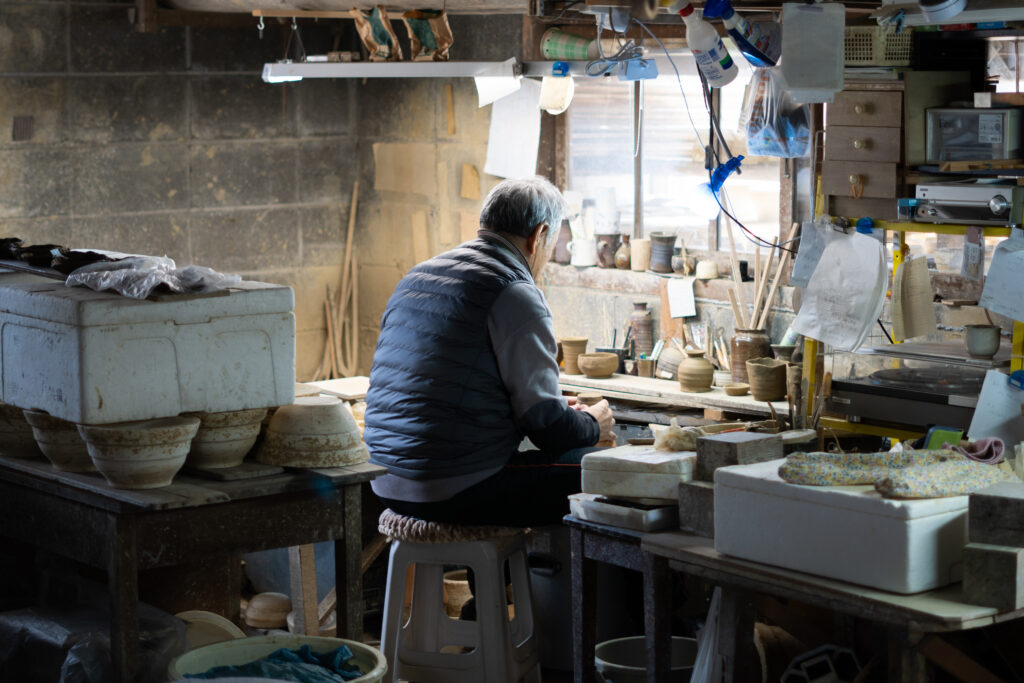
The state of the workshop
スクロールできます
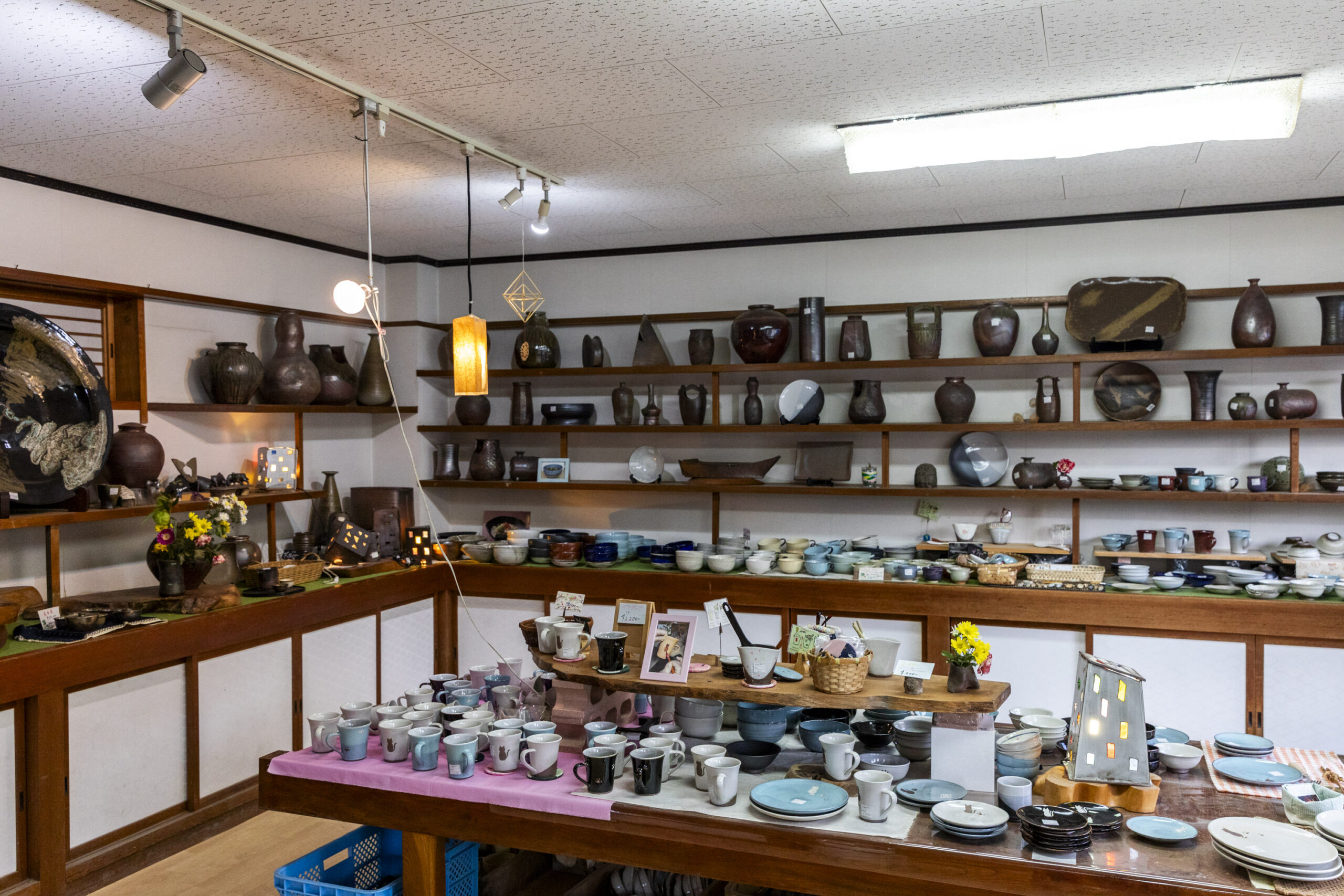
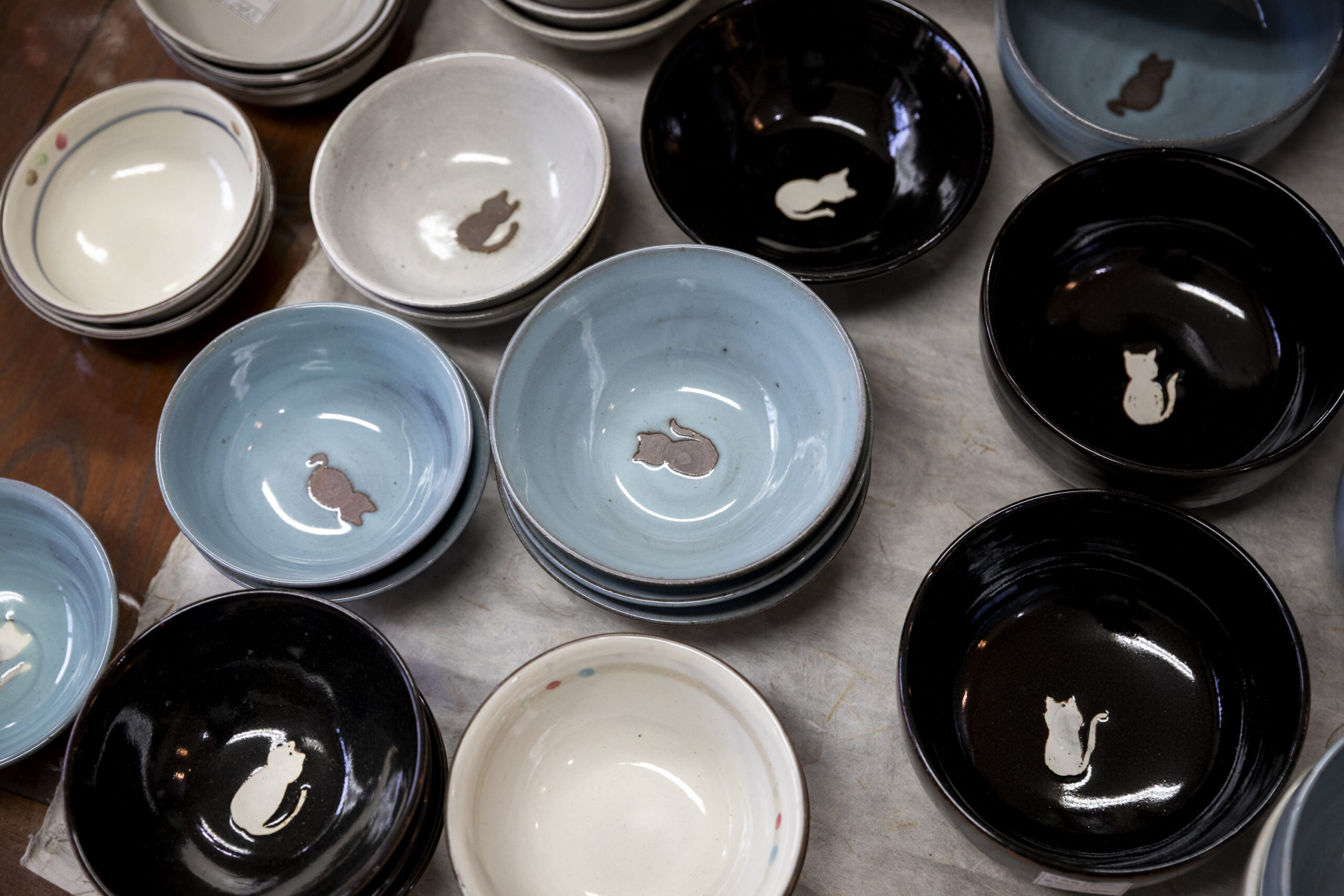
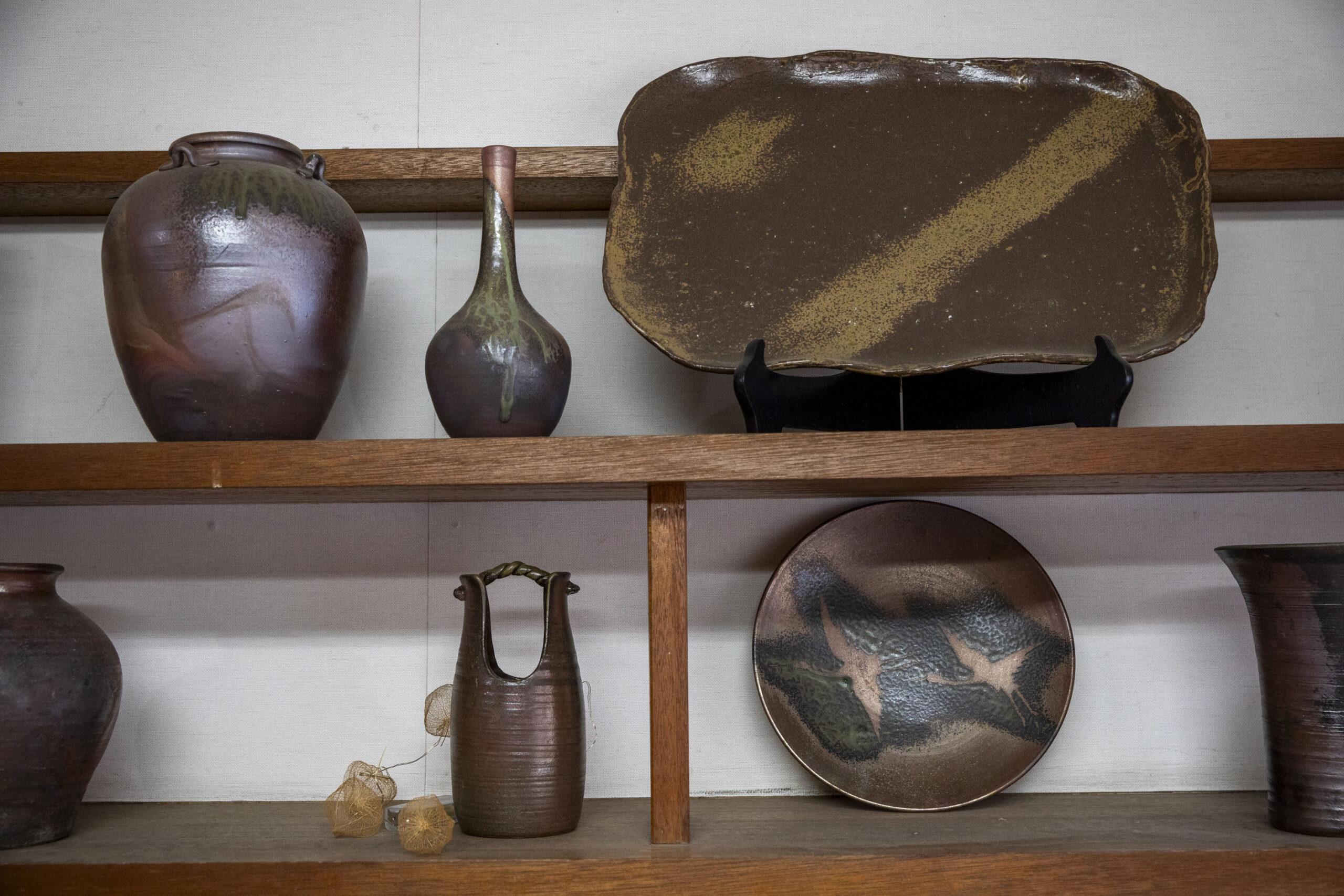
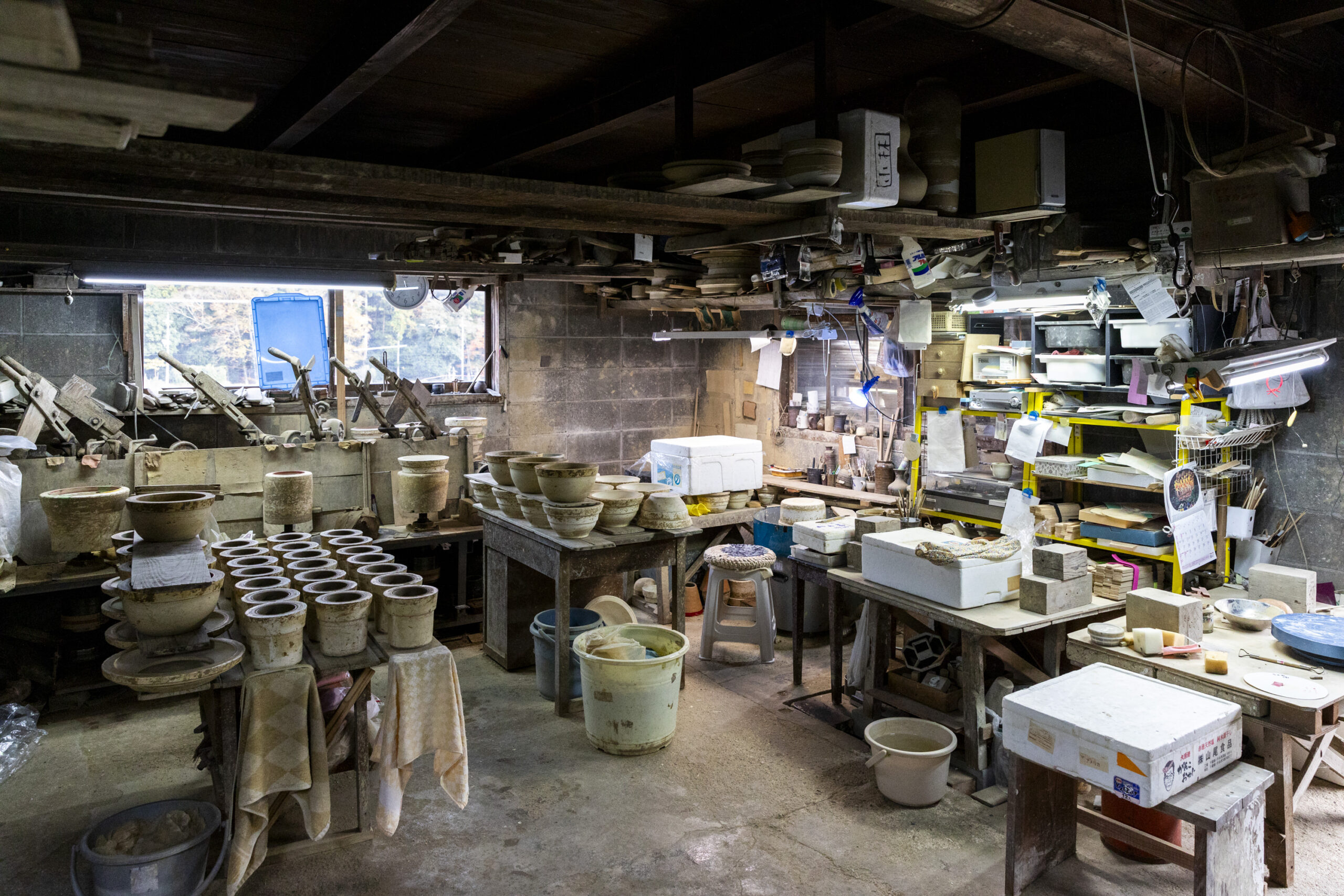


Works
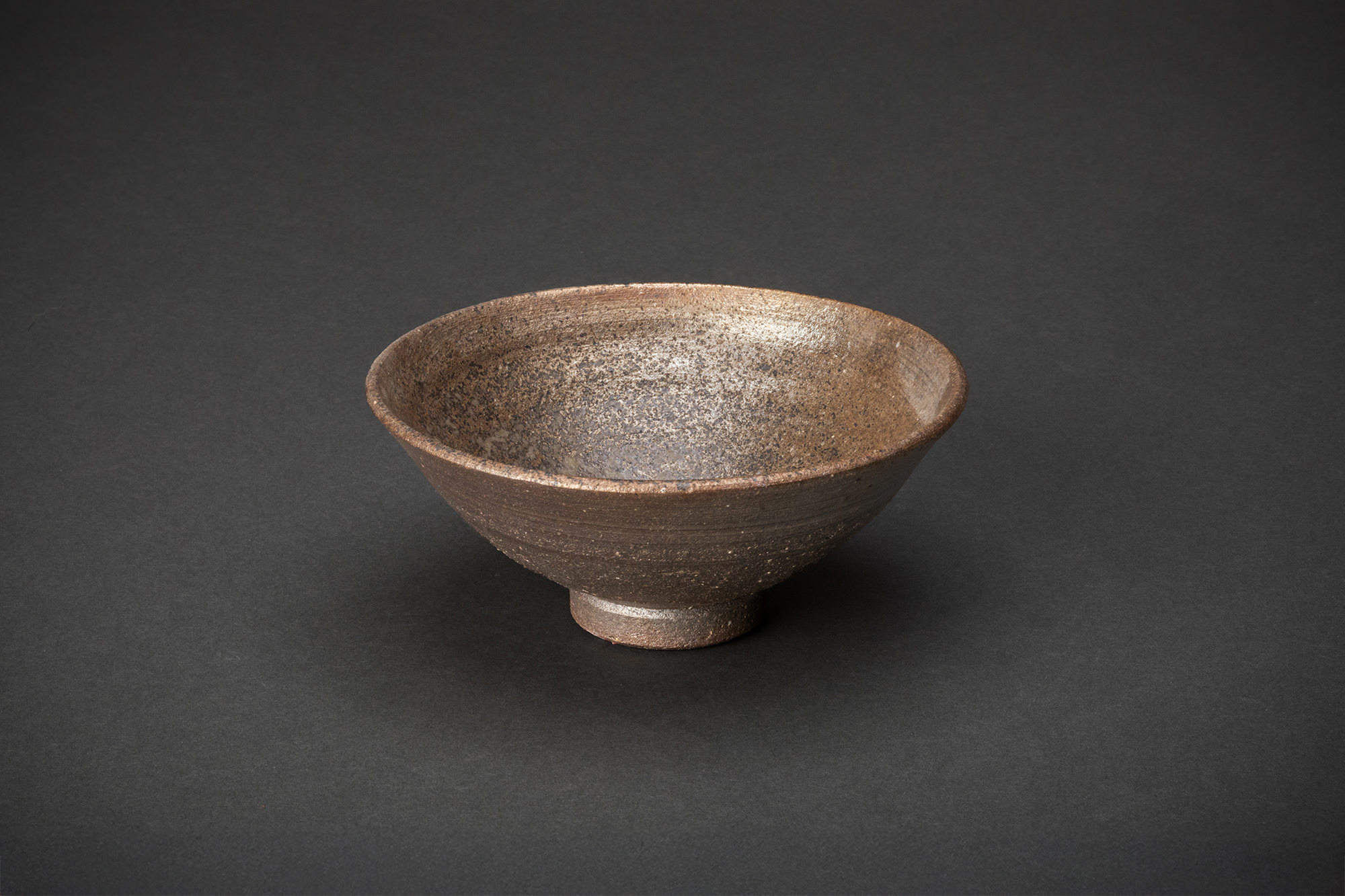
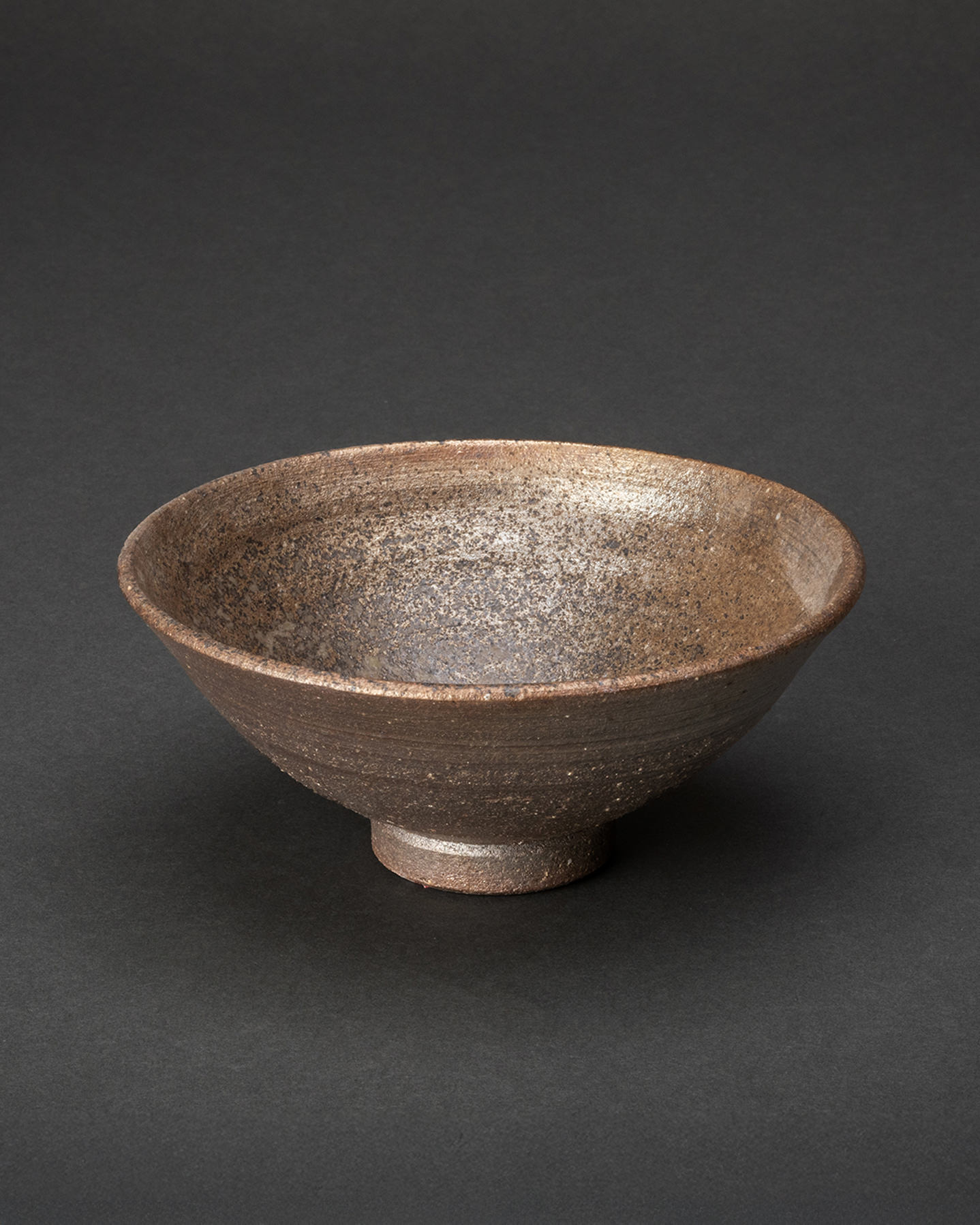
photo:AOTANI Takeru


Interview
Bringing Playfulness and the Warm Breath of Clay to the Everyday Table — The “Beauty of Use” Cherished by Toshihiko Ichino of CHATOMARUKA-GAMA
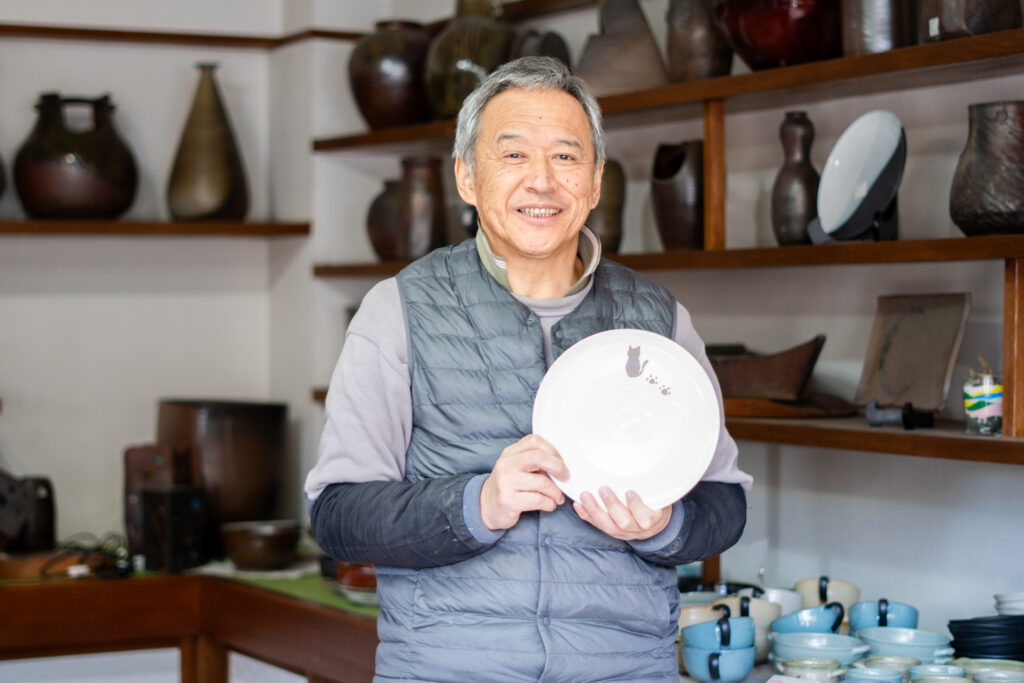
The Beloved “Cat Series” and Everyday Ease That Endures for Over 40 Years
When you visit CHATOMARUKA-GAMA, a noren curtain adorned with cats greets you at the entrance. Inside, shelves are lined with forms featuring charming, lighthearted designs that gently lift the spirit.
The fourth generation potter, Toshihiko Ichino (hereafter, Toshihiko), creates primarily practical wares that make the most of the clay’s natural character. When you pick them up, their smooth texture comes as a pleasant surprise. Especially in his cups, the softness at the moment the rim touches the lips and the comforting weight in the hand are carefully considered.
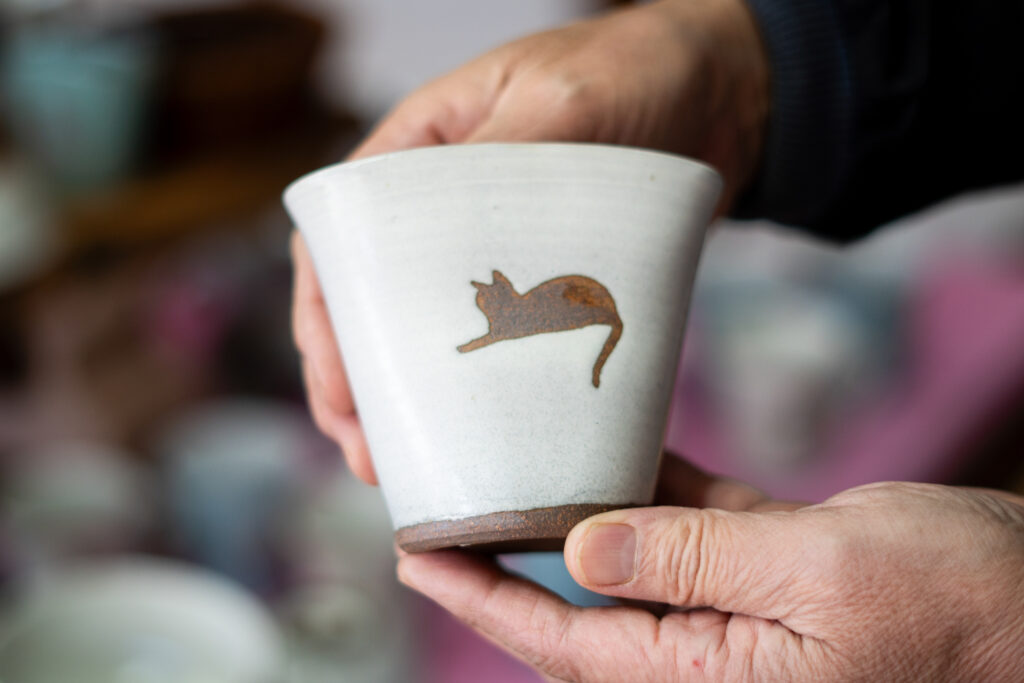
Essential to understanding Toshihiko’s style is the potter’s signature “Cat Series.” Silhouettes of cats perched along the rim, or playful feline motifs decorating the surface—these are not mere ornamentation. They are his way of adding a gentle accent of joy to everyday life.。
“I’ve been making this cat design for over forty years now. When I returned from training in Tottori, one of the students at the ceramics class I was running made a piece featuring a cat motif. I thought, ‘That’s interesting—what a good design.’ I asked permission to use it, and that’s how it began. Lately, people have been asking for dogs too, so I’ve been experimenting,” he laughs.
Rather than clinging only to his own ideas, Toshihiko remains open to inspiration from others. That openness may be why the potter’s wares continue to be loved across generations.
Harder Than Making Pottery — Making the Clay
“If you ask about the original landscape of pottery, it’s clay preparation. Nowadays you can simply obtain clay from a supplier, but in the past we refined it ourselves at home through suihi.”
One of Toshihiko’s vivid childhood memories is watching this clay preparation. Suihi involves mixing raw dug clay with water, removing stones and leaves, and pouring off the slurry to refine it. The process demanded enormous time and labor.
“Especially in winter, it was tough. The muddy clay placed in plaster molds would freeze. As it froze, water would separate out, gradually forming workable clay. It took an incredible amount of effort. Even as a child, I felt that preparing the clay was harder than shaping the forms themselves.”
Though the eldest son, Toshihiko never felt obligated to inherit the potter. His parents never forced him. During university, he lived in Osaka, working various part-time jobs—from izakaya restaurants to security work.
“After experiencing different kinds of work, I realized how fascinating it is to see something take shape with your own hands. By stepping outside, I came to understand the value of our family craft.”
At twenty two, he apprenticed at Ushinodo-yaki in Tottori Prefecture, taking his first true steps into the world of pottery.
Burning Straw, Kneading Clay — Learning the Foundations
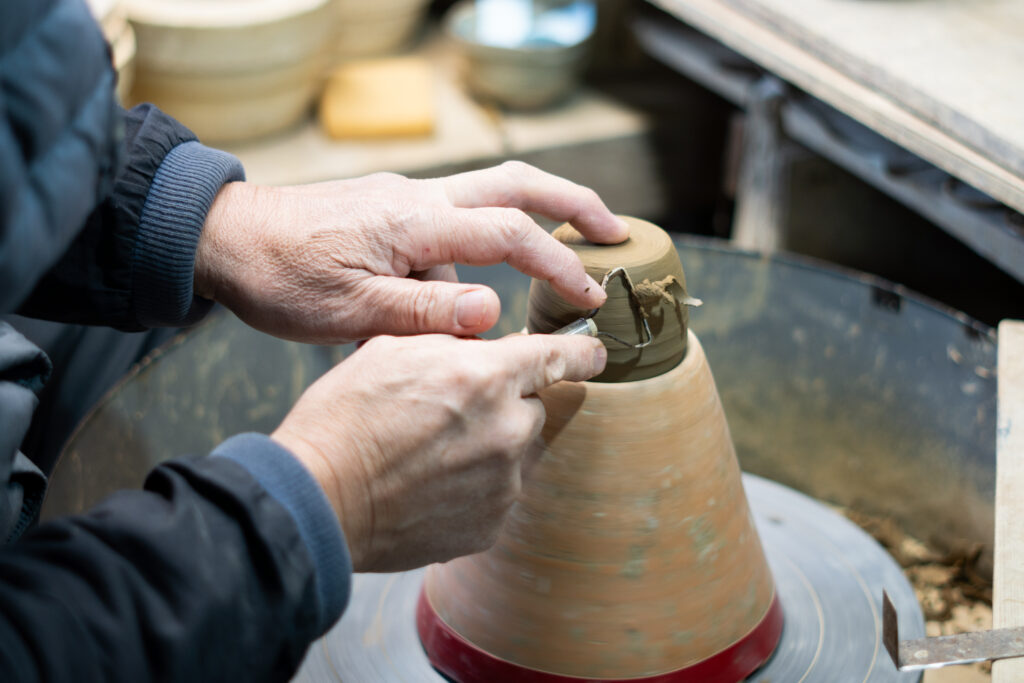
Though his apprenticeship in Tottori lasted only two and a half years, it formed the backbone of his craft.
“There were no machines. No clay mixer. We kneaded refined clay by foot for two or three hours at a time. We made glazes from raw materials. I vividly remember preparing straw ash to achieve white glazes. We burned straw and poured water over it mid-burn to create a carbonized material. Then we ground it in a stone mortar. It was hard winter labor, but learning to source and prepare materials from scratch was invaluable.”
After completing his apprenticeship and returning to Tachikui, Toshihiko once again faced the unique qualities of Tamba clay.
“The composition of the clay here is different from Tottori’s. Tamba clay contains a great deal of iron. I kept firing in the wood kiln, thinking about how best to bring out that earthy character.”ました」
All of Tamba’s Nature as the Hidden Flavor of the Form
At the heart of Toshihiko’s work lies a sincere perspective toward the user: forms that stay close to daily life and are easy to pick up and use.
“No matter how practical something is, if it’s too expensive, people won’t feel comfortable using it. I want them to use it casually every day and think, ‘Food tastes better on this form.’ That’s what makes me happy.”
Above all, Toshihiko values food. In the past, he would travel to the Sea of Japan or the Seto Inland Sea in search of fresh fish, cleaning and preparing them himself. He also takes pride in the rice he grows.
“Until two years ago, I operated the machinery myself and grew rice on my own. Now I outsource the planting and harvesting, but daily water management and mowing are still my responsibility. The rice grown in this natural environment is truly delicious. Local vegetables sweetened by frost, freshly cooked rice and eating them from forms I’ve made myself. That’s real luxury.”
He continues.
“When people cross the mountain pass and descend into this area, they sometimes say it feels like entering another world. Untouched nature still remains here. I hope people come to experience this air and this food. When they understand the richness of nature, I think the warmth of the pottery will resonate more deeply.”
The gentle atmosphere that Toshihiko’s forms radiate is born from the rich landscape of Tamba Tachikui and from his own sincere way of living.
Overview
of
CHATOMARUKA-GAMA
Address
7-3 Kamitachikui, Konda-cho, Tamba-Sasayama, Hyogo, Japan
TEL
FAX
Pottery Classes
You can choose the final color of your piece from 15 glaze colors designated by the kiln.
(Example: white inside and green outside)
Available Dates: Every day except Tuesday
Reception Hours: 10:00–15:00
Reservation: Required
Walk-ins: Not available
<Clay Modeling Class>
60 minutes / ¥3,000 per person
(includes 1 kg of clay and firing fee)
・Maximum Participants: 20
・Completion Time: Approx. 40 days
Notes:
・Glaze selection available upon request.
・Beginners are welcome.
<Wheel Throwing Class>
50 minutes / ¥3,000 (2 kg clay)
Firing fee not included
・Maximum Participants: 2
・Completion Time: Approx. 40 days
Notes:
・Glaze selection available upon request.
・A demonstration can be provided first if requested.