kamanjyo Facility Guide
A place to plan your journey
and to take a restful pause
A Cultural Touring Hub for Exploring the Village
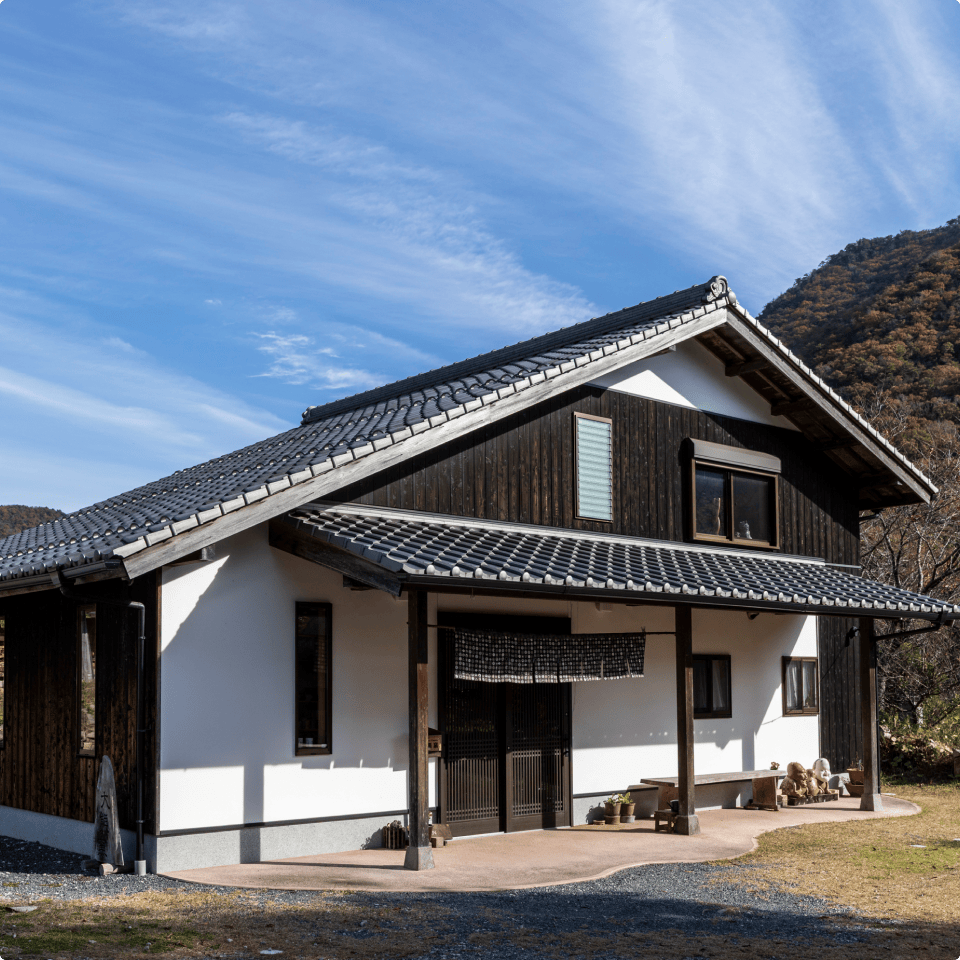
The Tamba Ware Information Center kamanjyo is a cultural tourism hub located at the heart of the village area where many kilns stand side by side. On weekdays, English-speaking guide is available, and there are also benches and restrooms for visitors to take a rest area. Please feel free to stop by for advice on how to tour the kilns or if you are looking for nearby restaurants and sightseeing spots.
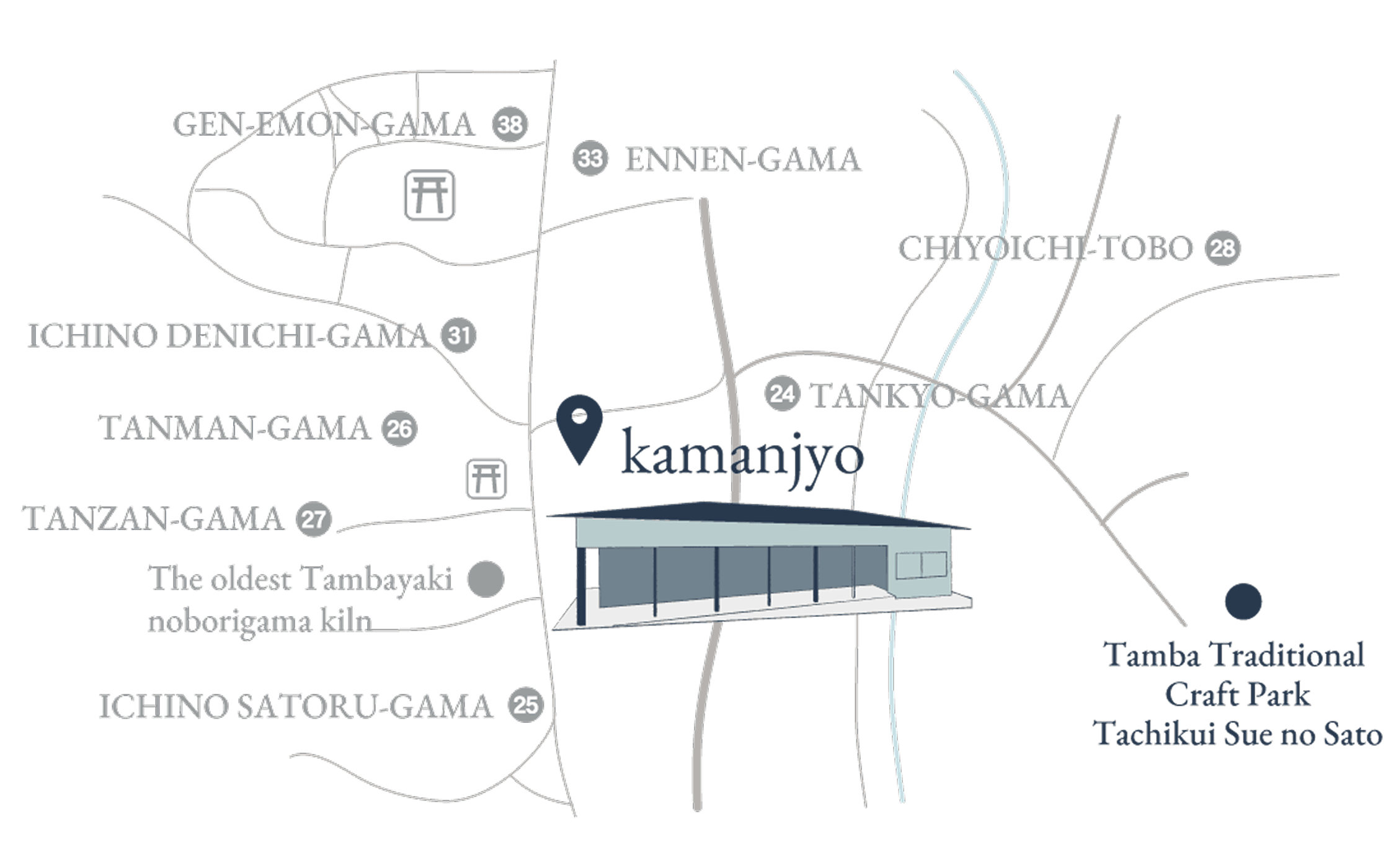
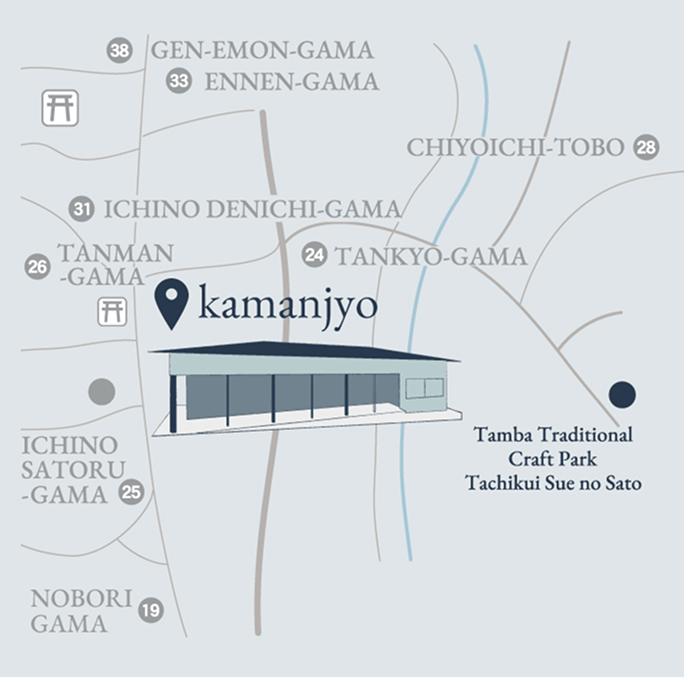
Google Map

“kamanjyo”: A Place to Design Your Journey Through Tachikui
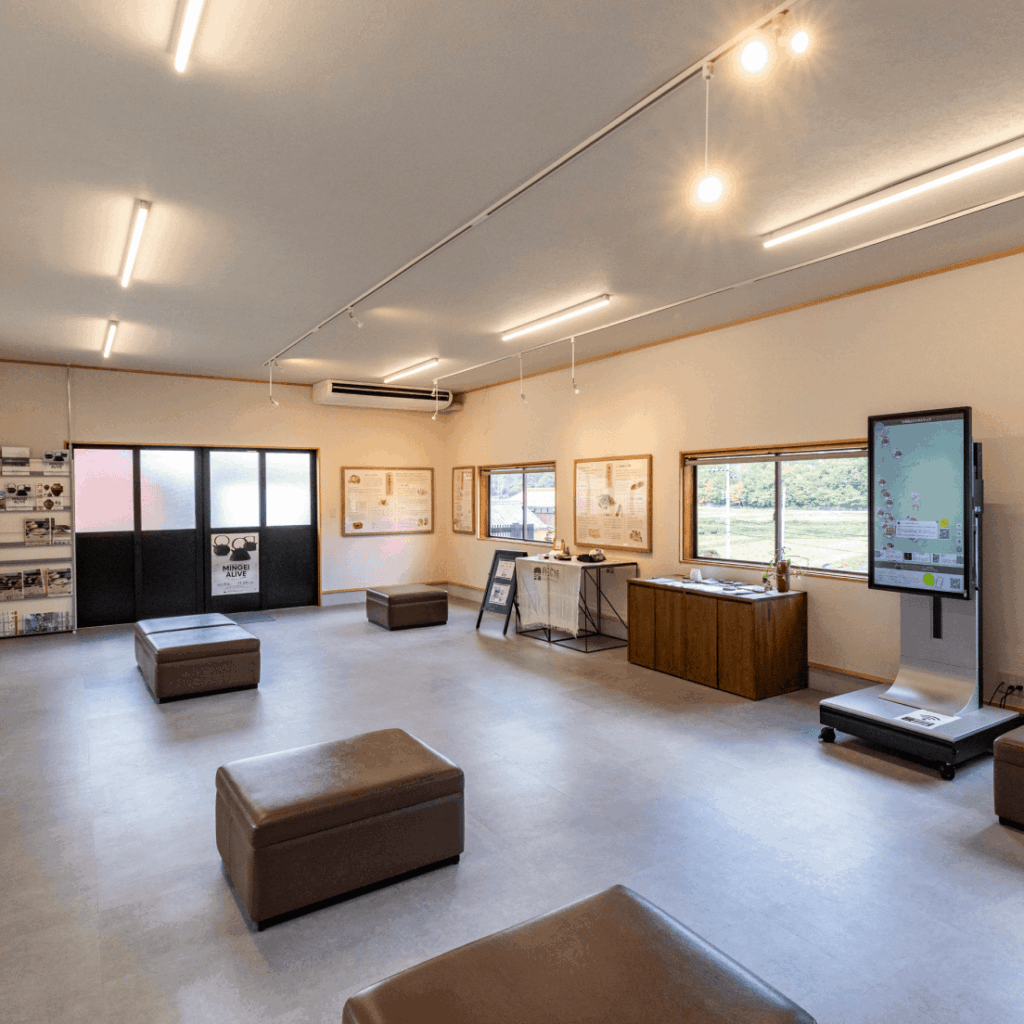
At kamanjyo, you can plan your kiln-hopping tour in the Tachikui area. With maps and local sightseeing information in hand, you can choose which kilns to visit and create your own walking route. As the starting point for exploring Tachikui, be sure to stop by Kamanjyo first.
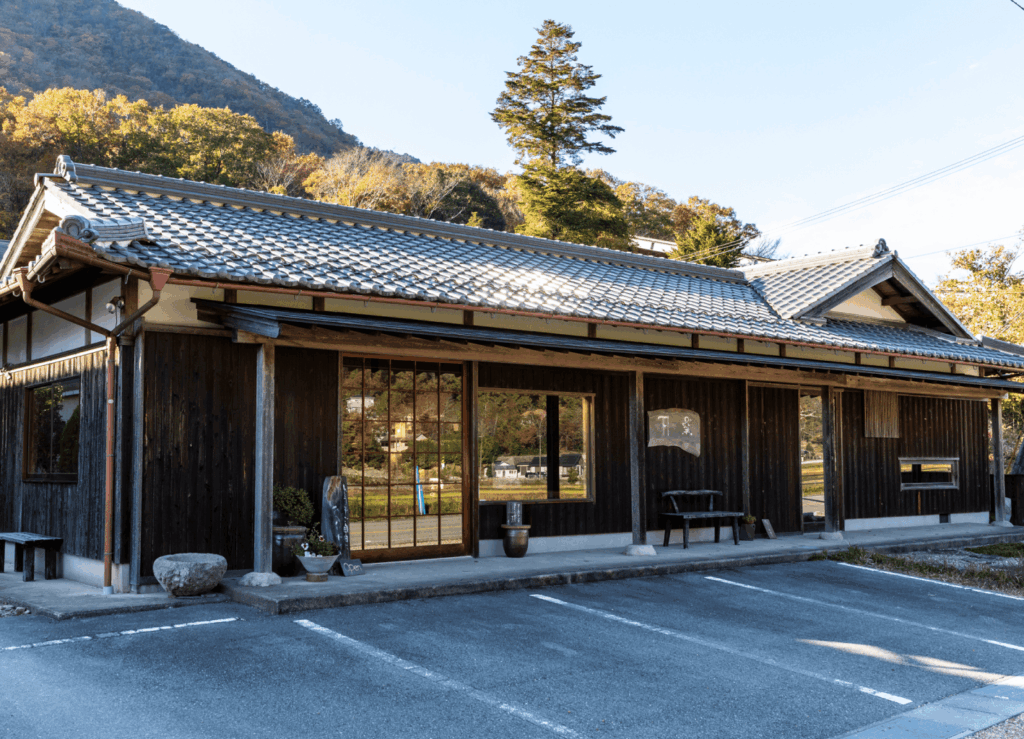
About the name kamanjyo – The name “kamanjyo” comes from the local dialect. In the dialect, the upper area is called “uenjo” and the lower area “shitanjo.” Inspired by this, members of the local association proposed calling the place where kilns (kama) are located “kamanjyo,” and the name was adopted. In front of kamanjyo stands Tachikui’s symbol, the “oldest climbing kiln.”

Address
525 Kamitachikui, Kondacho, Tambasasayama City, Hyogo 669-2135
TEL
080-7045-7337
Hours
10:00 AM – 4:00 PM
Closed
End of the Year, New Year Holidays
A Short Journey to Experience the Local Cultural Landscape
Touring the Kilns
The village of Tachikui, home of Tamba Ware, is a rare place in Japan where more than 50 kilns stand together.
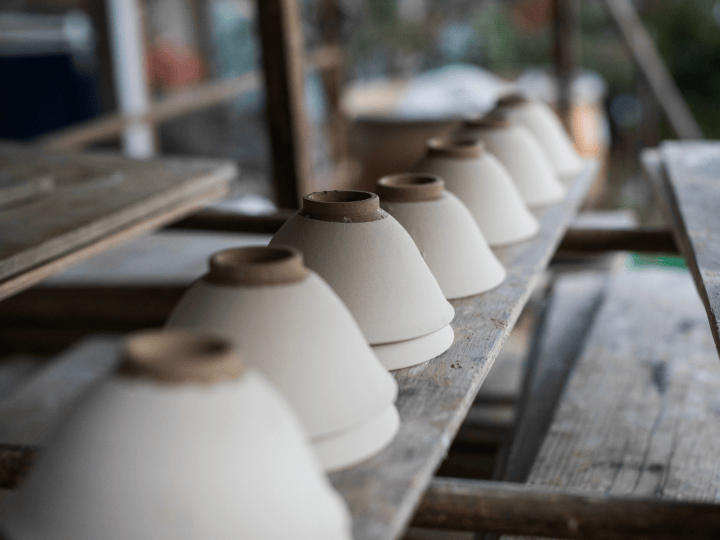
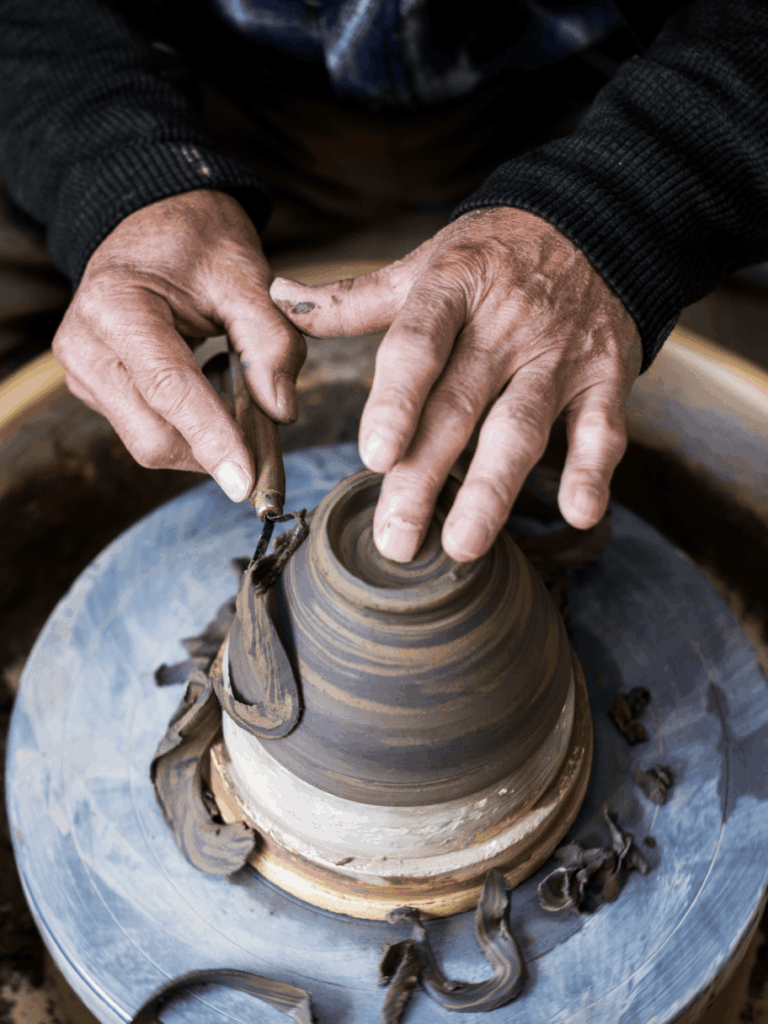
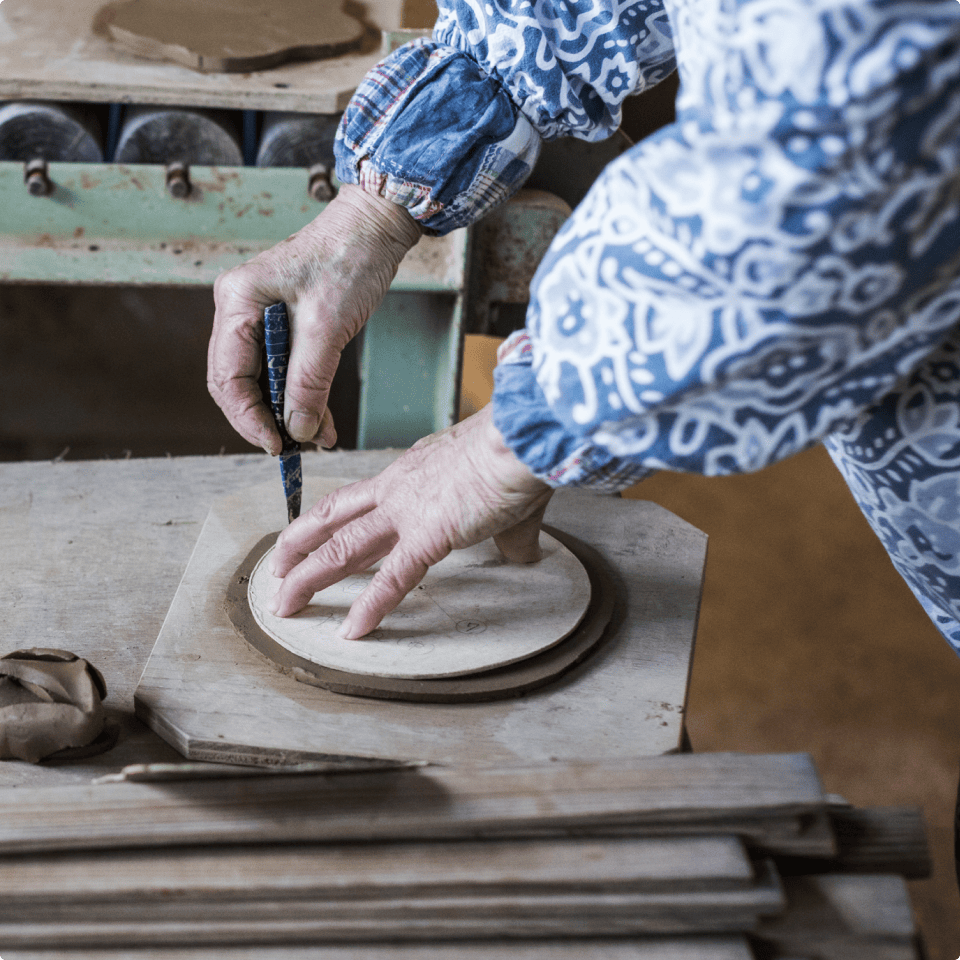
If the timing is right, you may be able to visit the workshops and experience the texture of the clay that lives within the creative space, as well as observe potters closely as they work on their pieces.
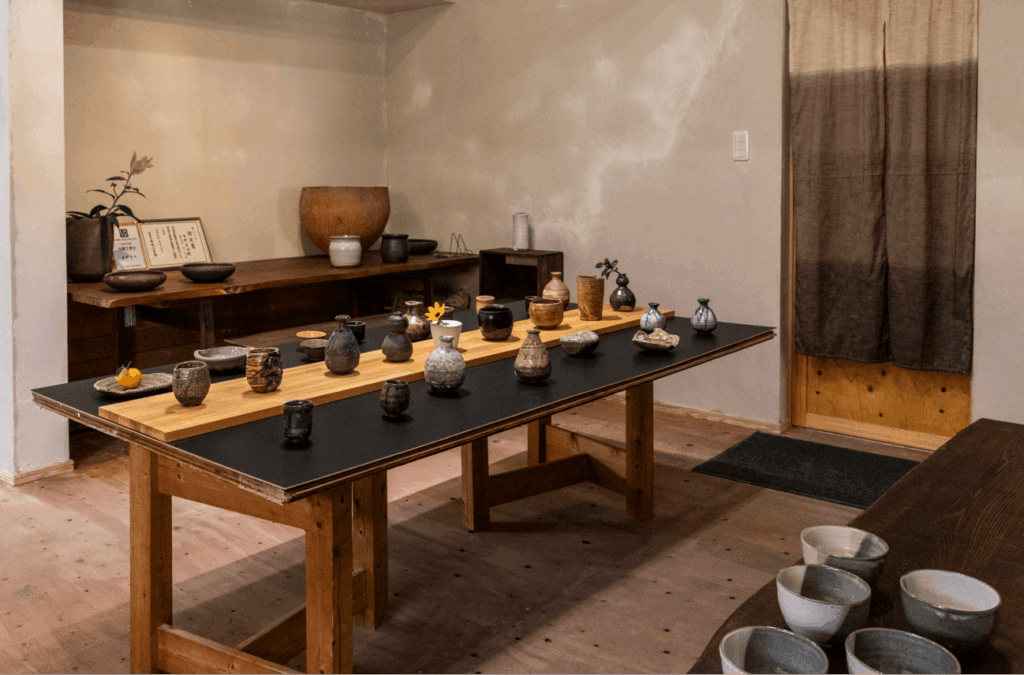
Many kilns also have attached galleries where you can hear directly from the potters about the appeal of their works and even purchase pieces you like on the spot. Visitors can look forward to a special experience—encounters with the makers and a deeper appreciation of Tamba Ware.


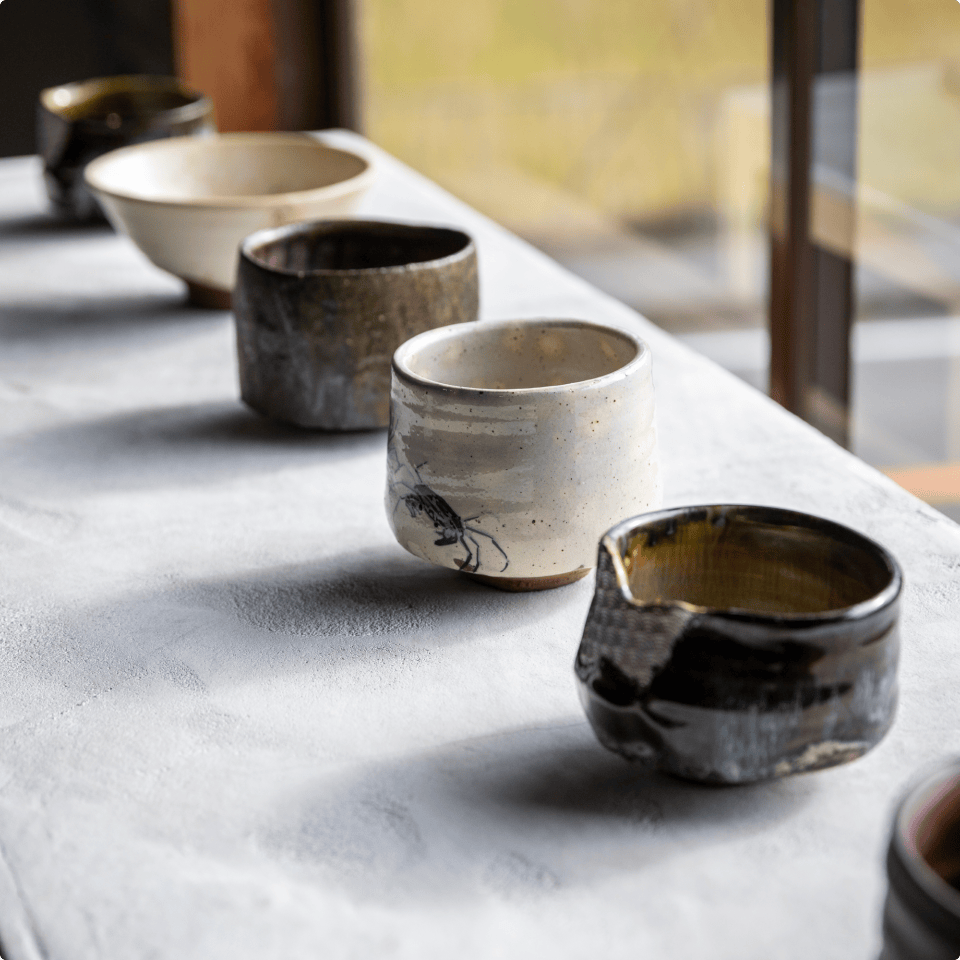
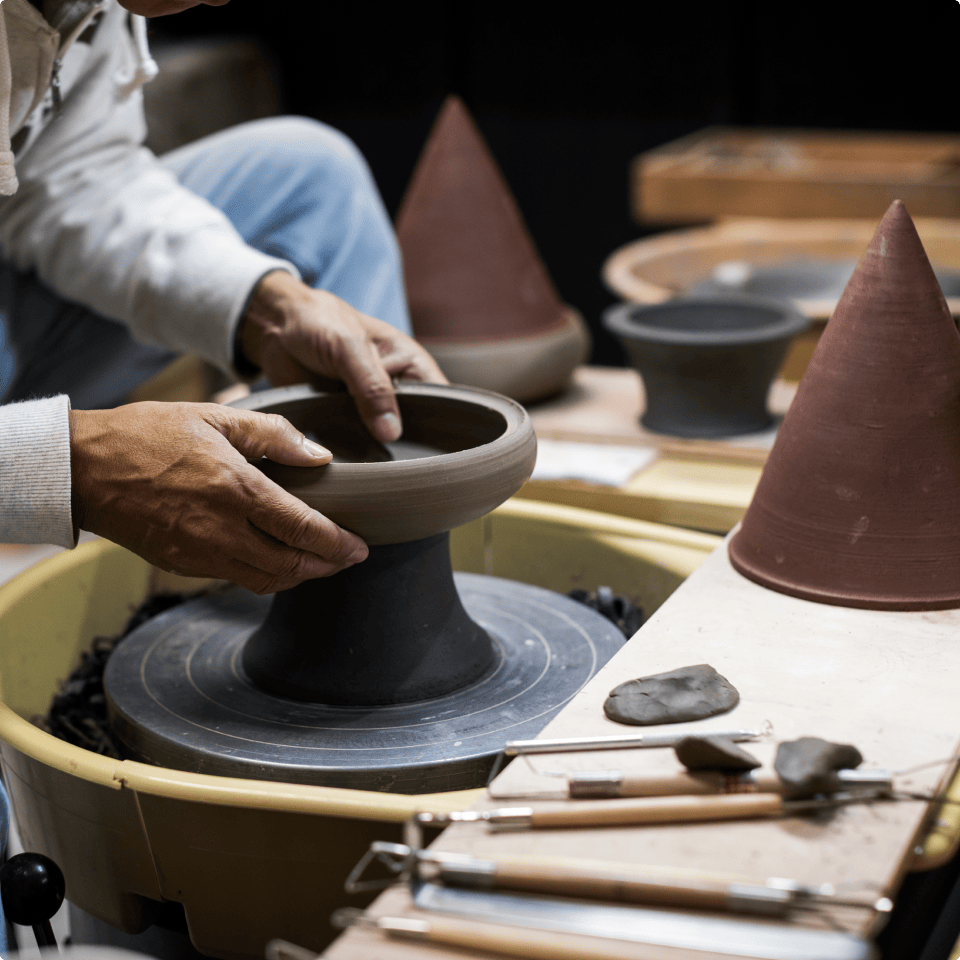
Traditional Climbing Kilns that Hold the Spirit of Tamba Ware
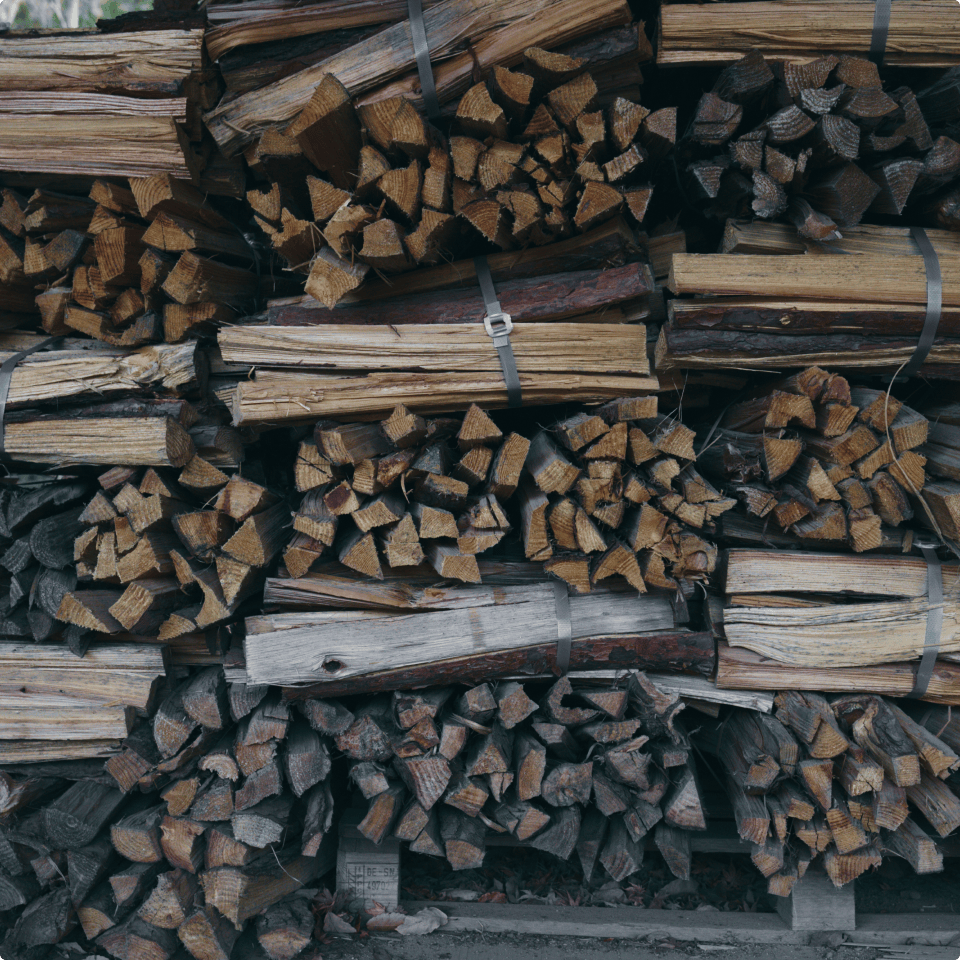
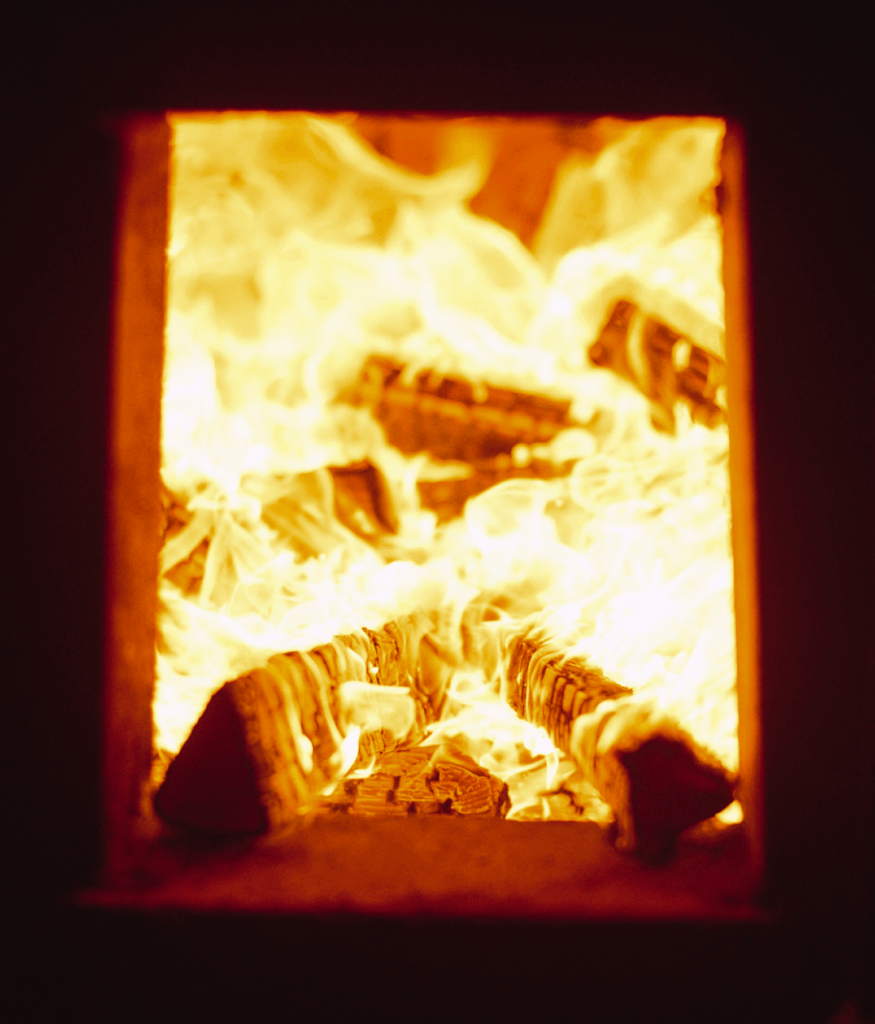
At the heart of the powerful yet warm character unique to Tamba Ware lies the traditional climbing kiln. Built skillfully along the slope of a mountain, these kilns use only red pine wood as fuel and are fired continuously for about three days and nights.
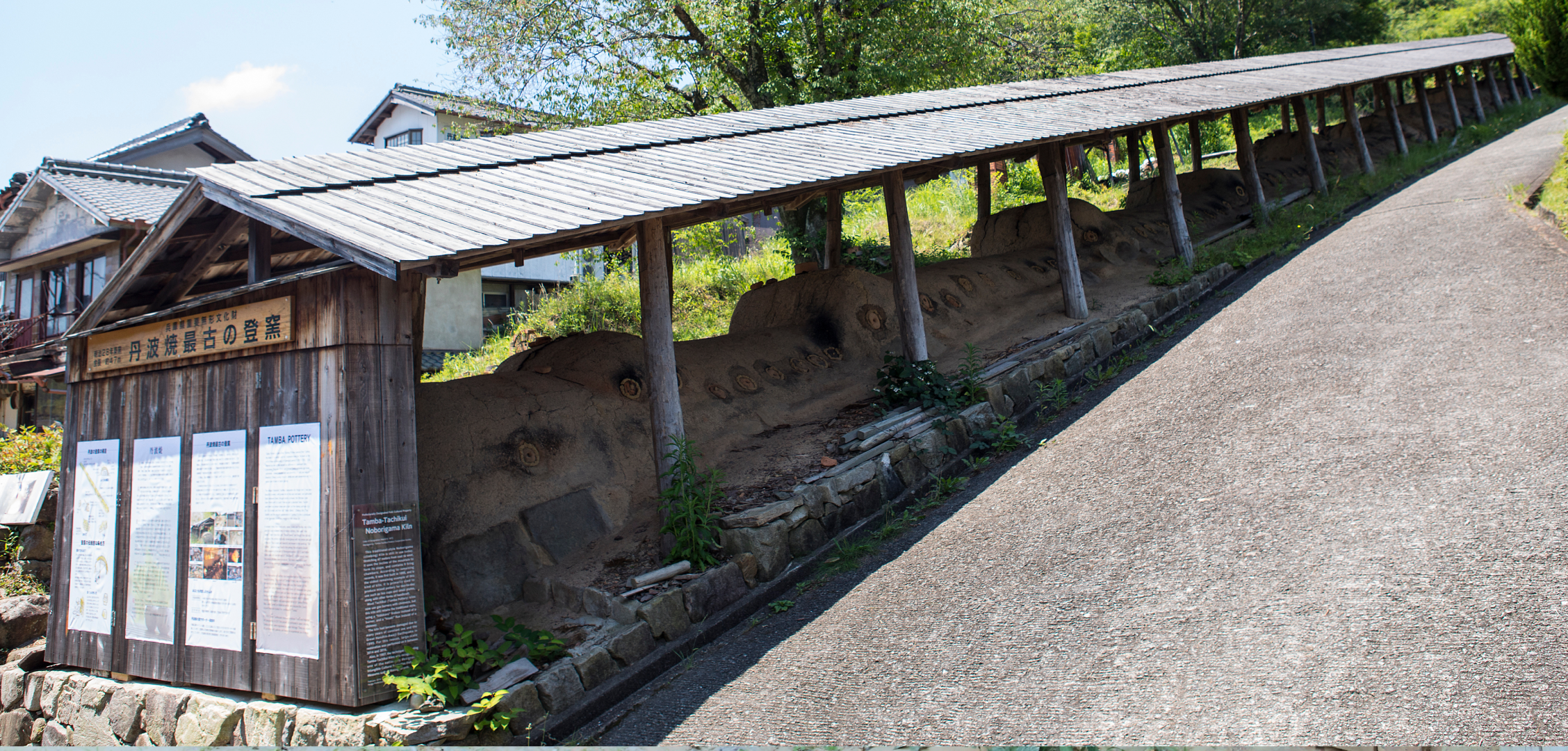
Inside the kiln, the fiercely burning flames create dynamic patterns on the vessels, and the ash from the firewood rises and melts into a natural glaze. These effects, known as “haikaburi” (ash covering) and “natural ash glaze,” are the source of Tamba Ware’s unique beauty—no two pieces are ever the same.
Exploring the Village Through Its Sounds, Scents, and Landscapes
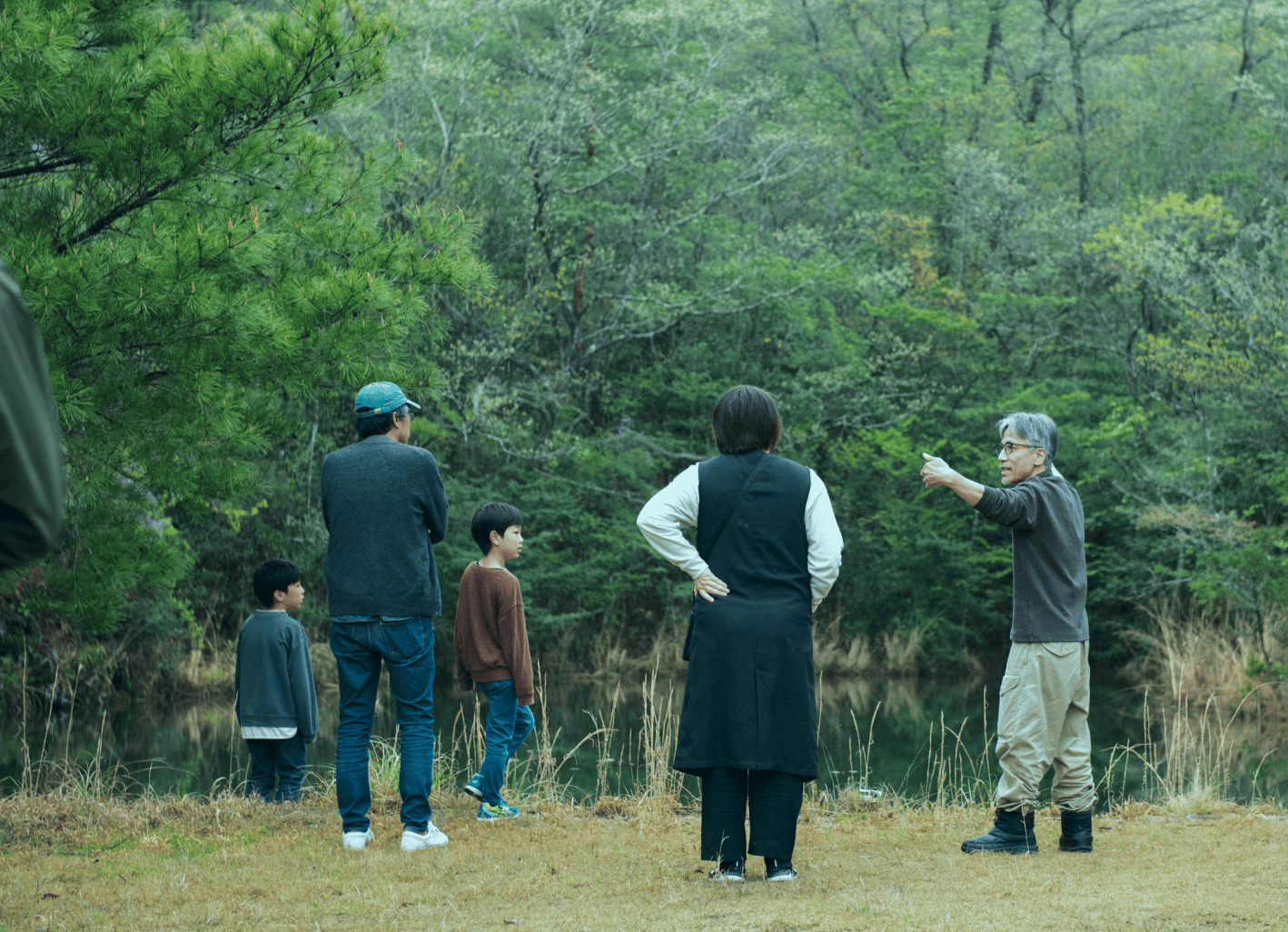
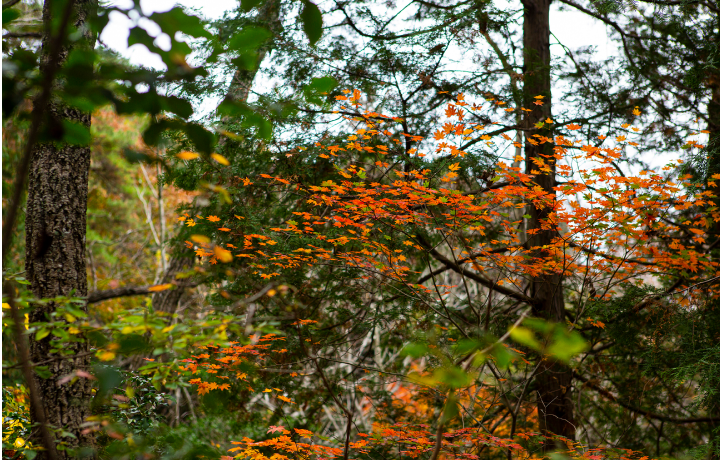
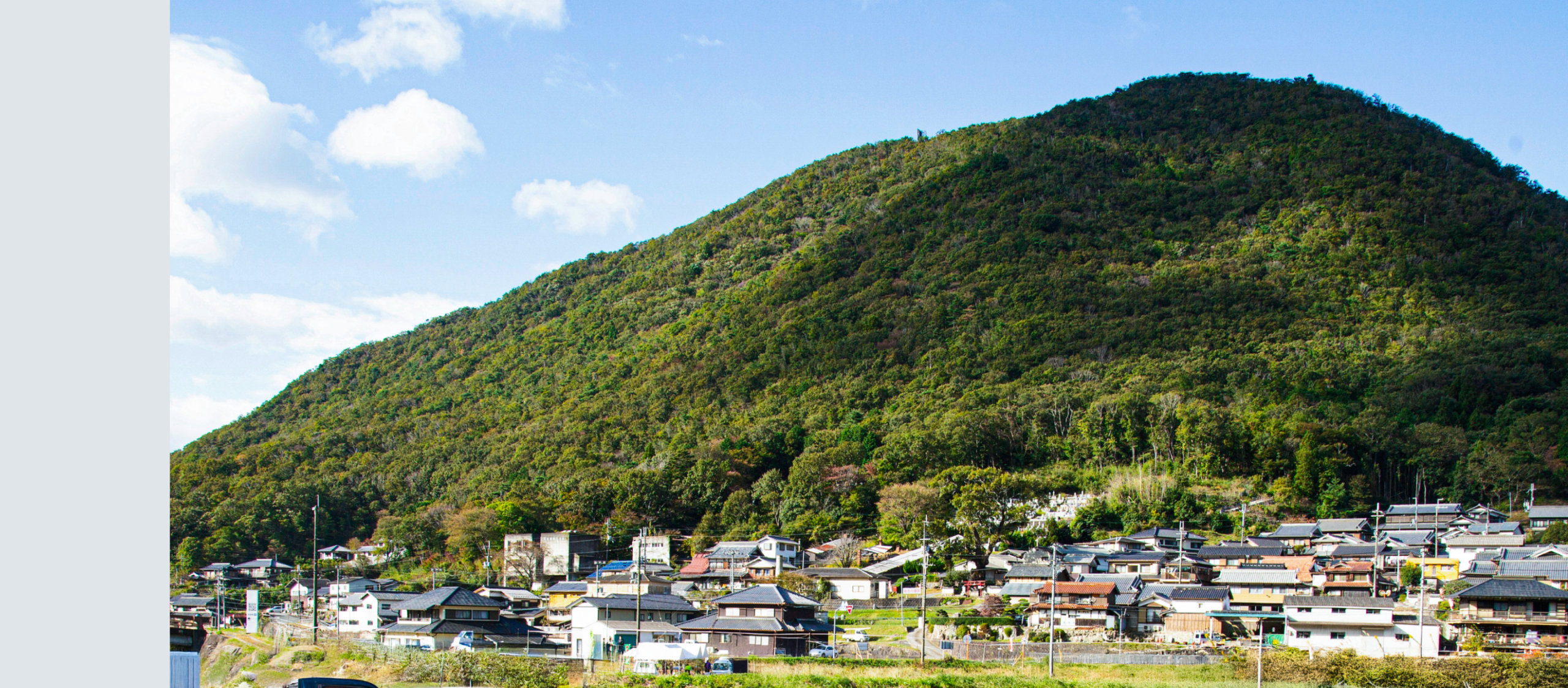
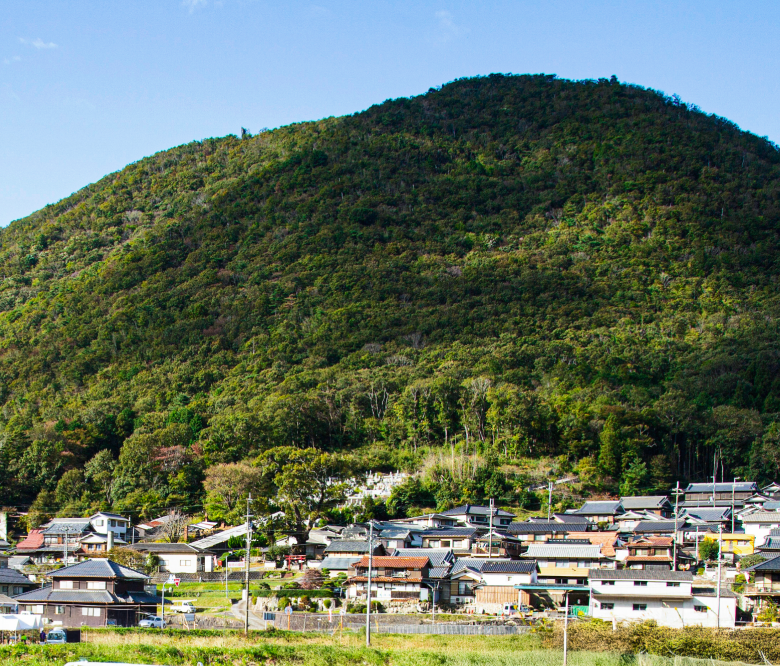
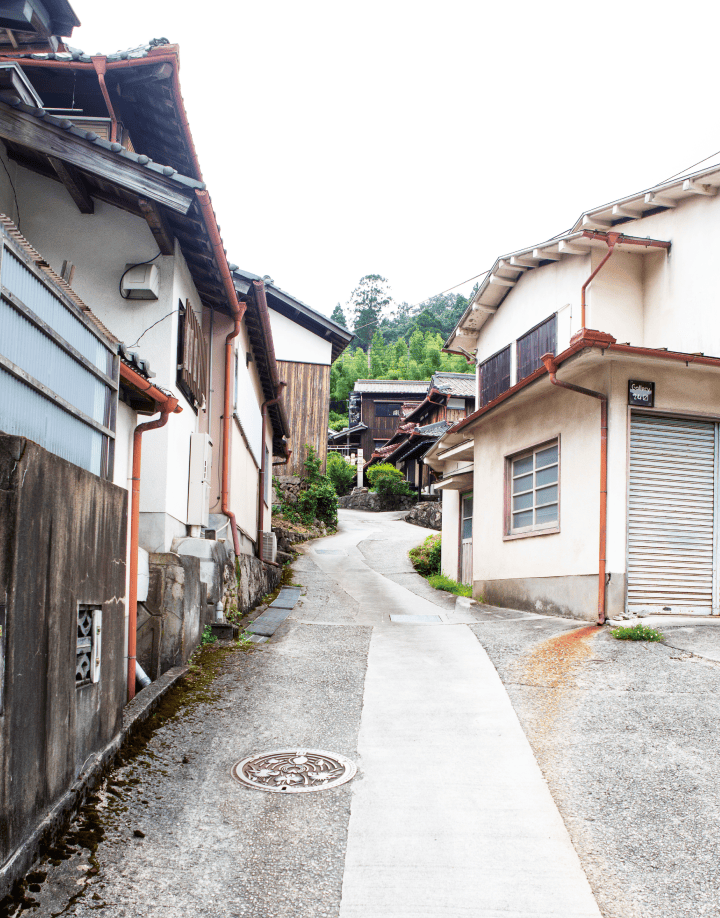
Behind the village where kilns are scattered lies the satoyama landscape that has long provided clay for raw materials and firewood for fuel, as well as the rivers and rice fields essential to daily life.
By taking a short walk through the rich forests essential to pottery-making and the surrounding rural scenery, you can experience the lifestyle of this land that has long coexisted with nature. As you walk through the village, listening carefully to the sounds of clay being shaped and the scent of burning wood drifting from the workshops, you can sense the atmosphere of craftsmanship that fills the air.