
TOC
MIYANOKITA-GAMA
profile
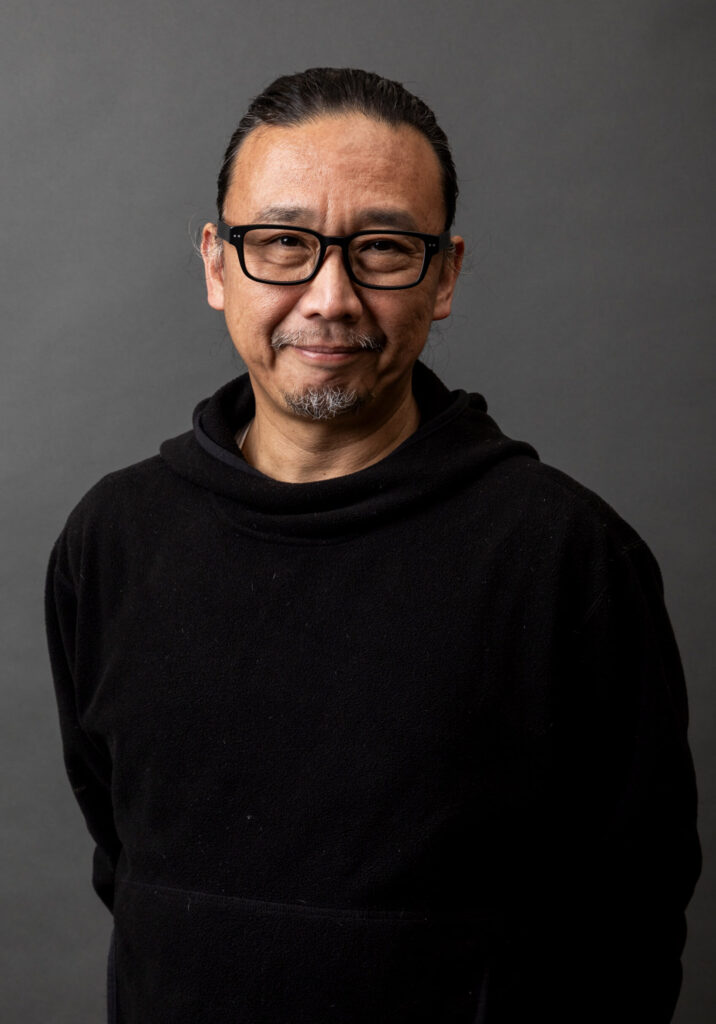
Masahiko Imanishi
profile
Masahiko Imanishi
Established 25 years ago / 1st generation
Year of Birth:1971
Year Began Pottery:1990
Education / Training Background
Completed Kyoto Prefectural Ceramic Technical School
Completed Kyoto Municipal Industrial Research Institute
Served five years as a live-in apprentice at the home of Akira Okamoto (Kyoto)
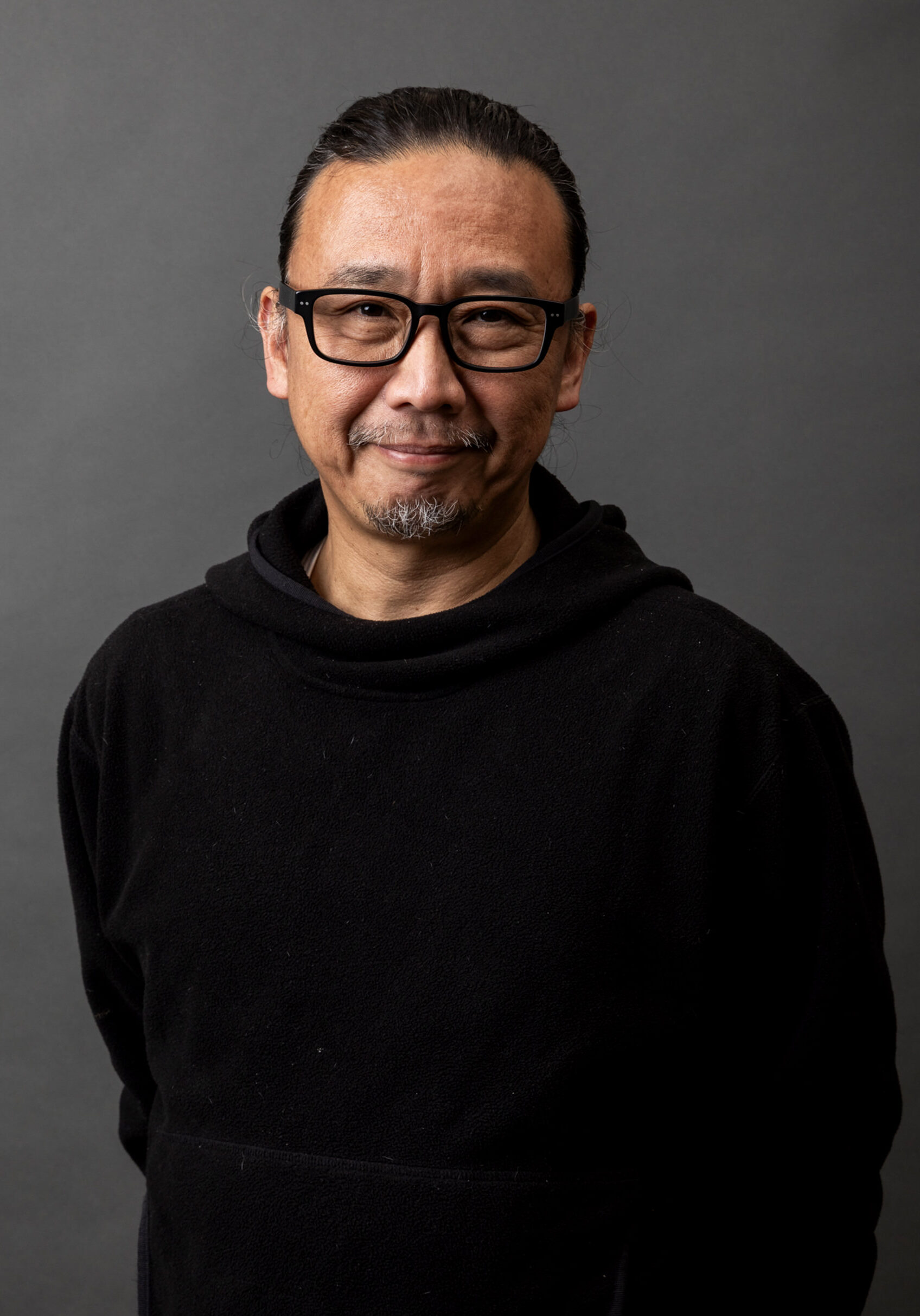
The state of the workshop
スクロールできます
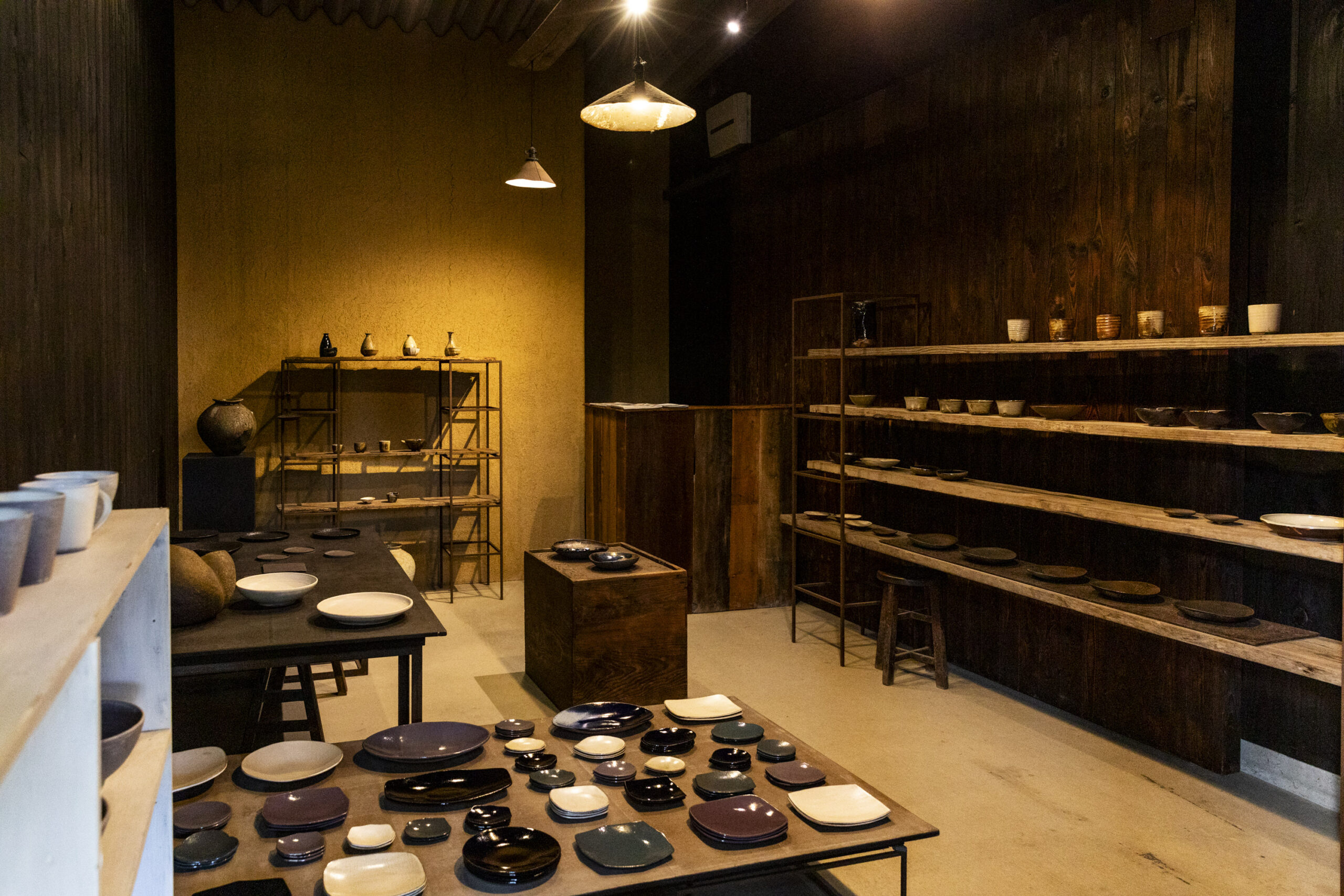
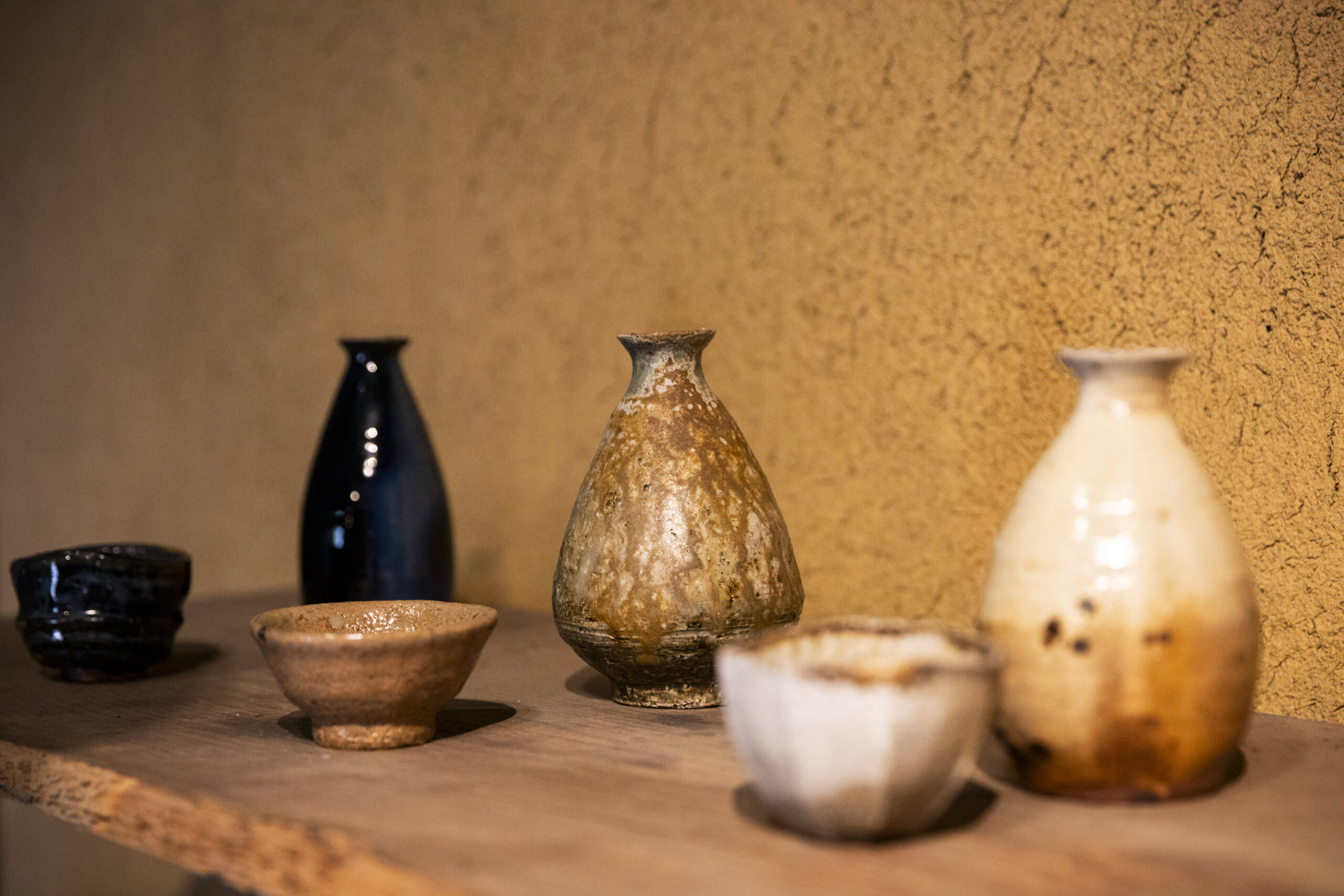
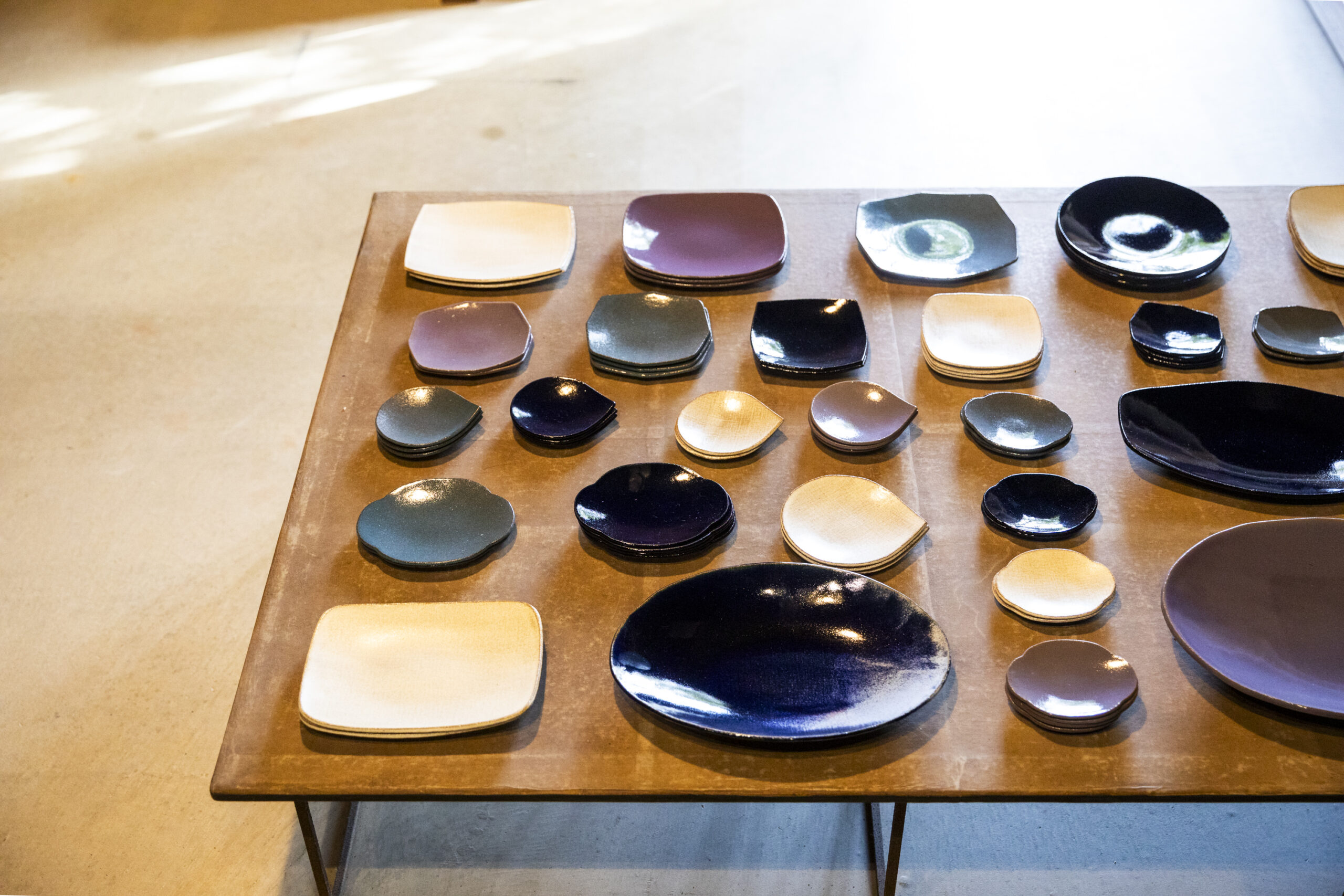
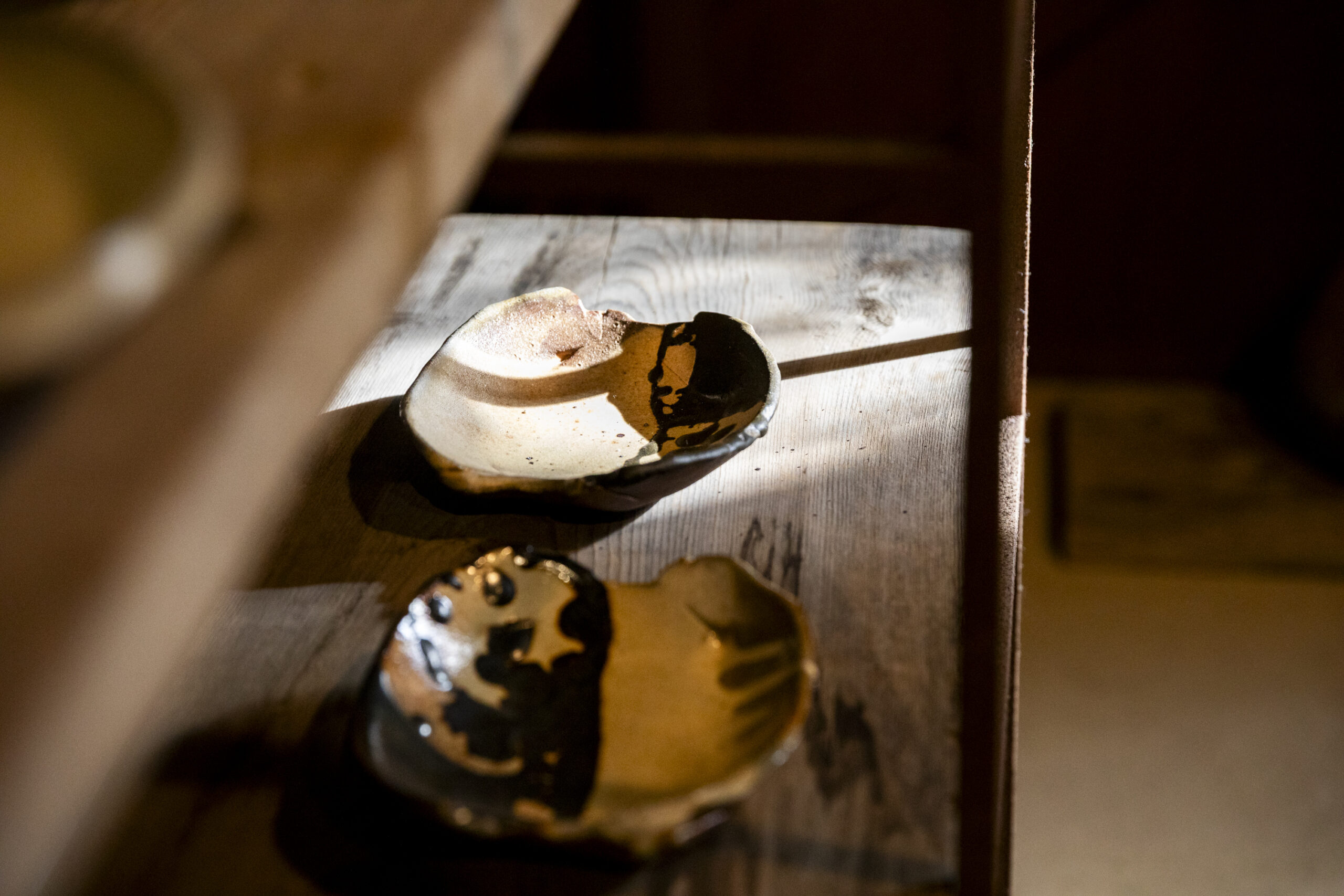
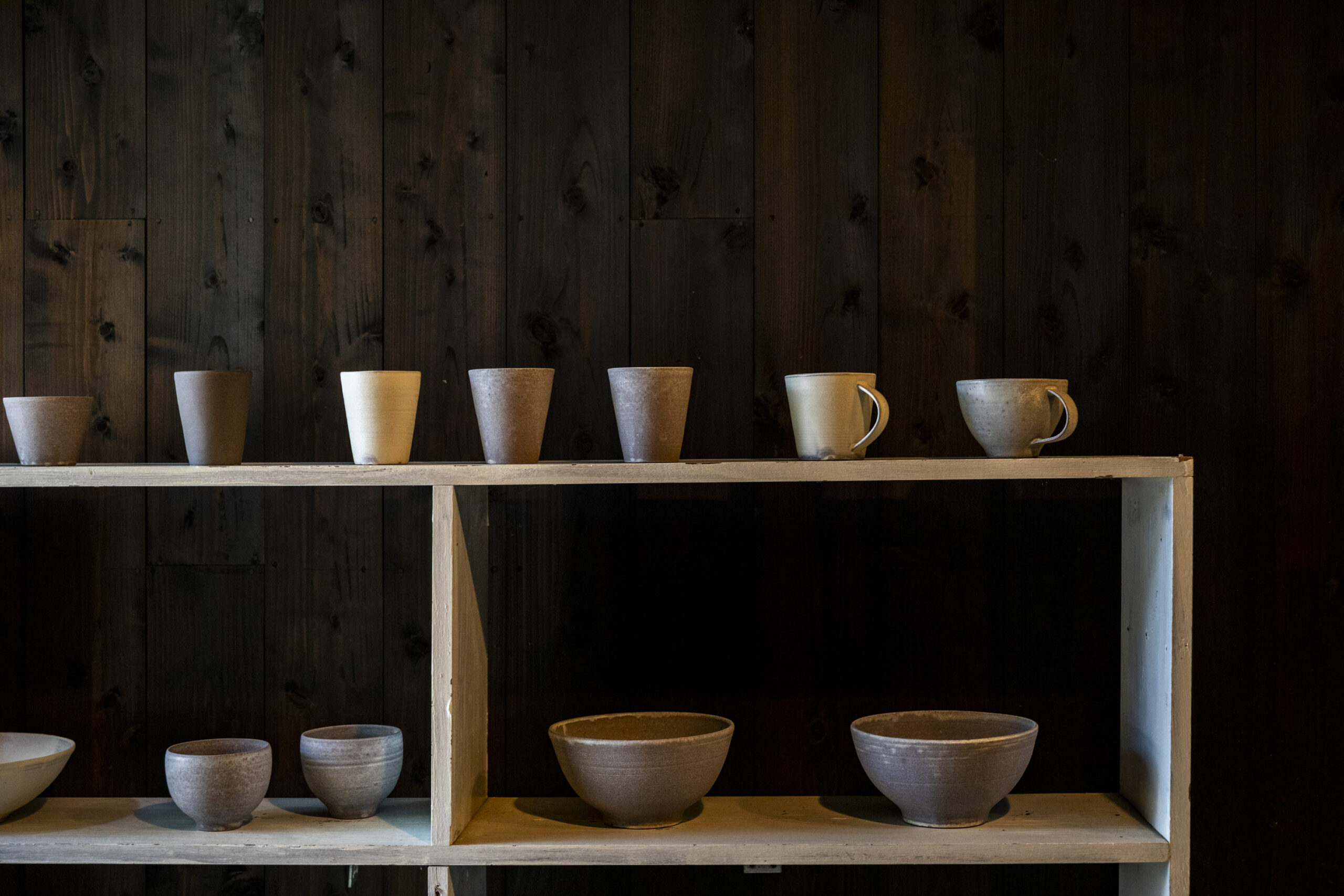
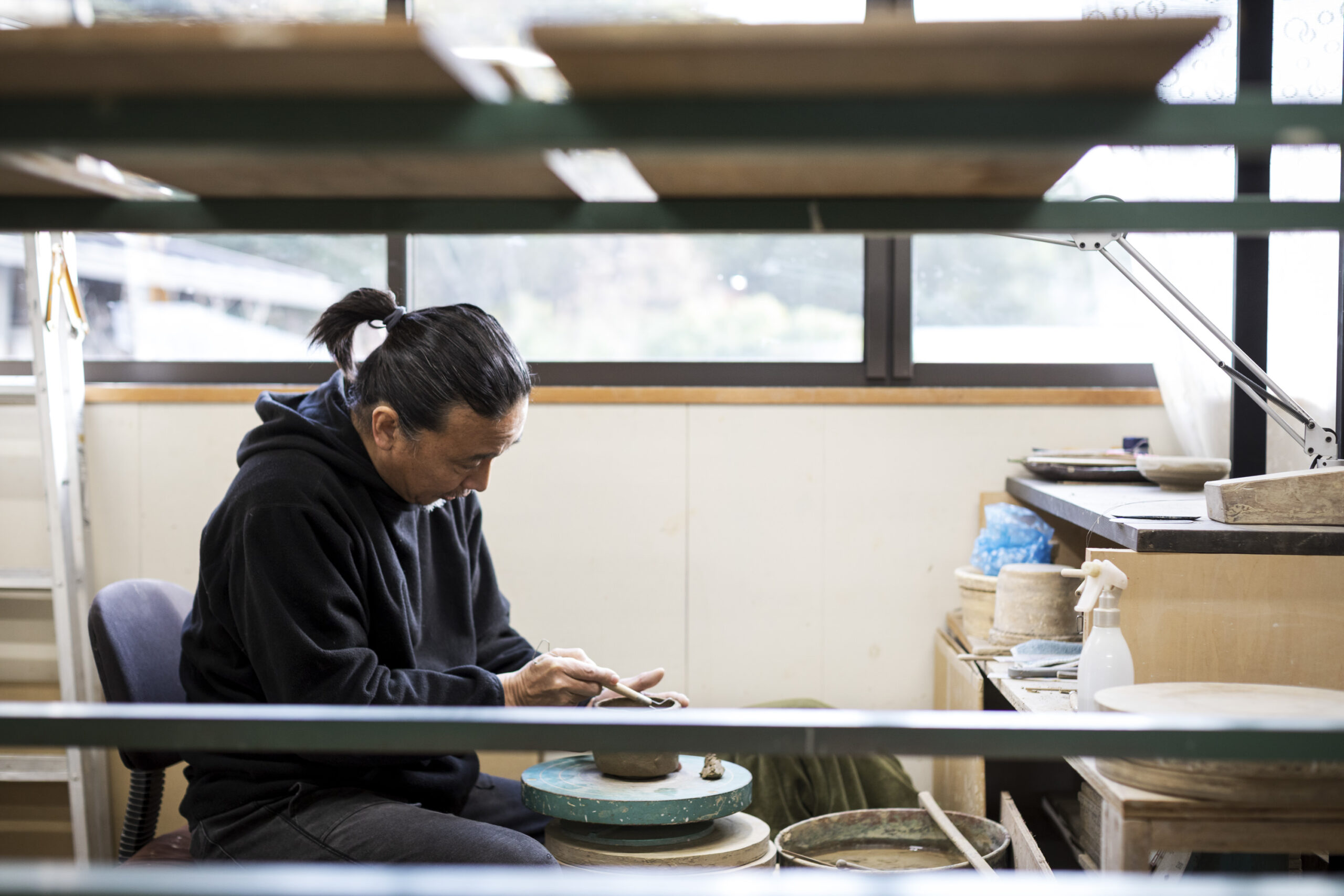
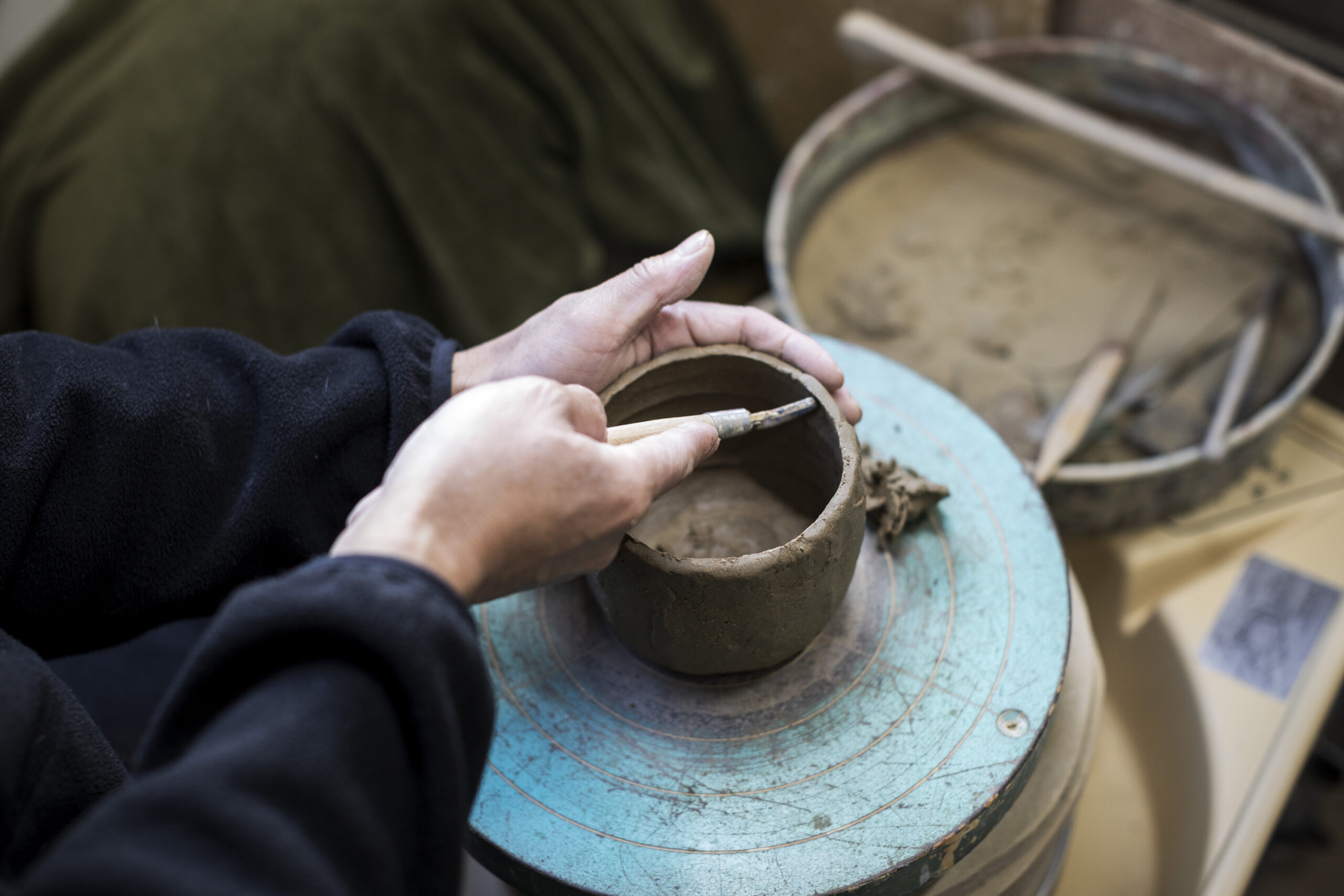


Works
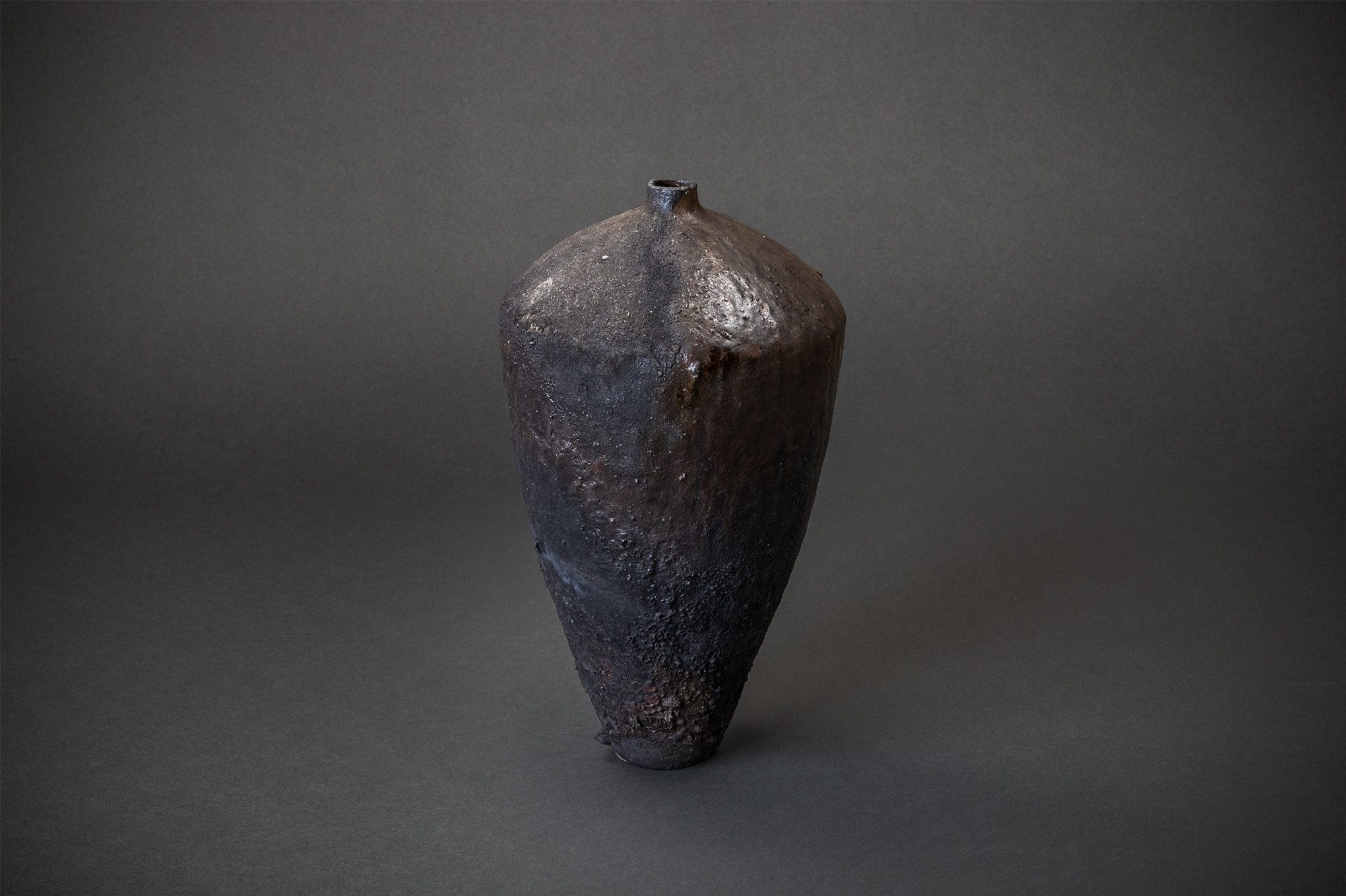
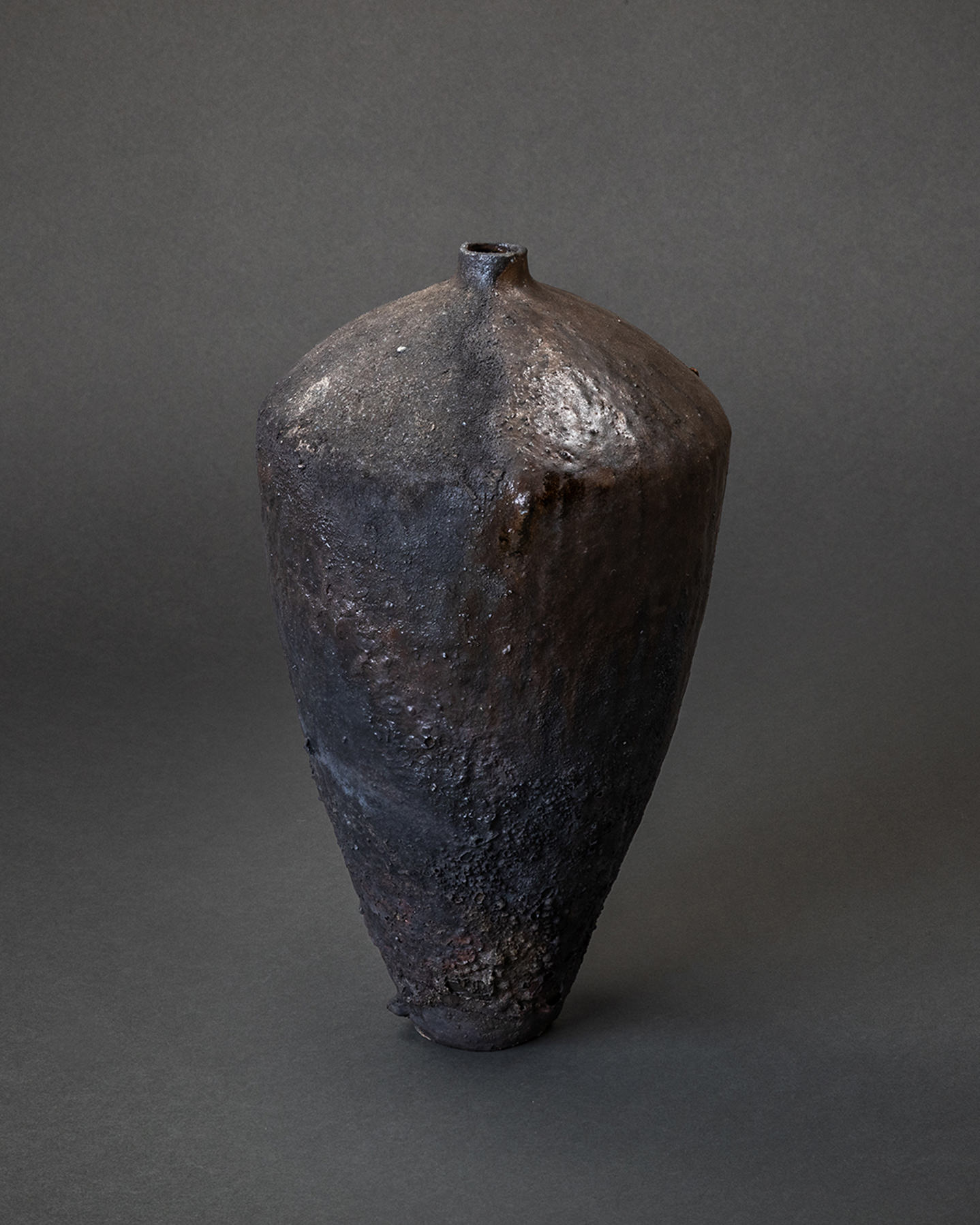
photo:AOTANI Takeru
Interview
Listening Closely to the Voice of Clay, Drawing the Depths of Ko-Tamba into the Present. The Quiet Passion of MIYANOKITA-GAMA’s Masahiko Imanishi
Tracing the Process of Ko-Tamba, Capturing the Layers of Clay and Flame
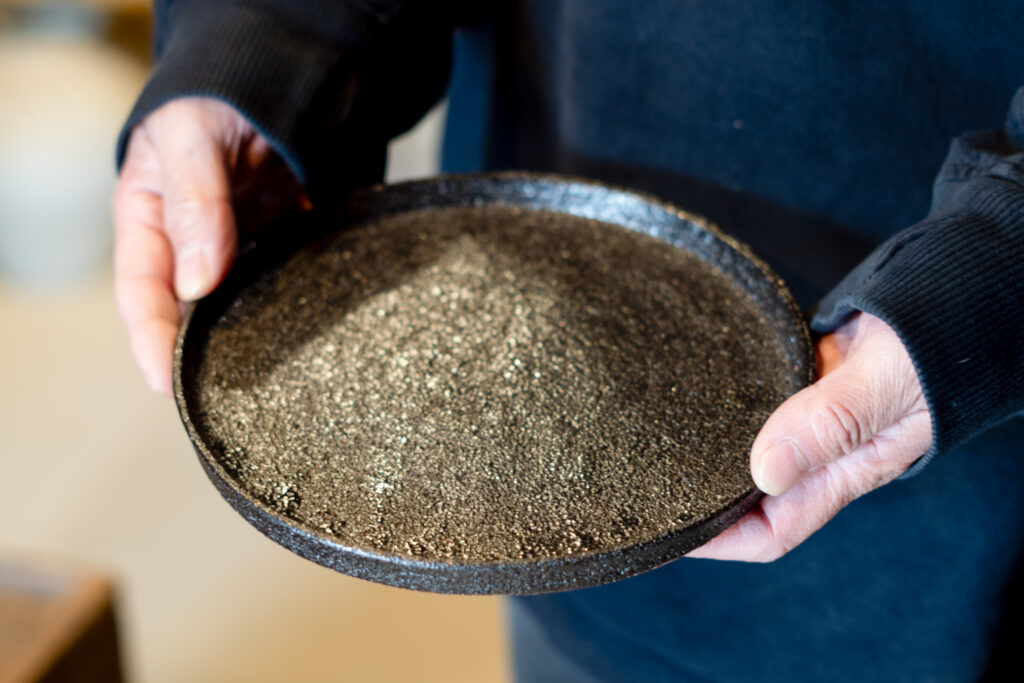
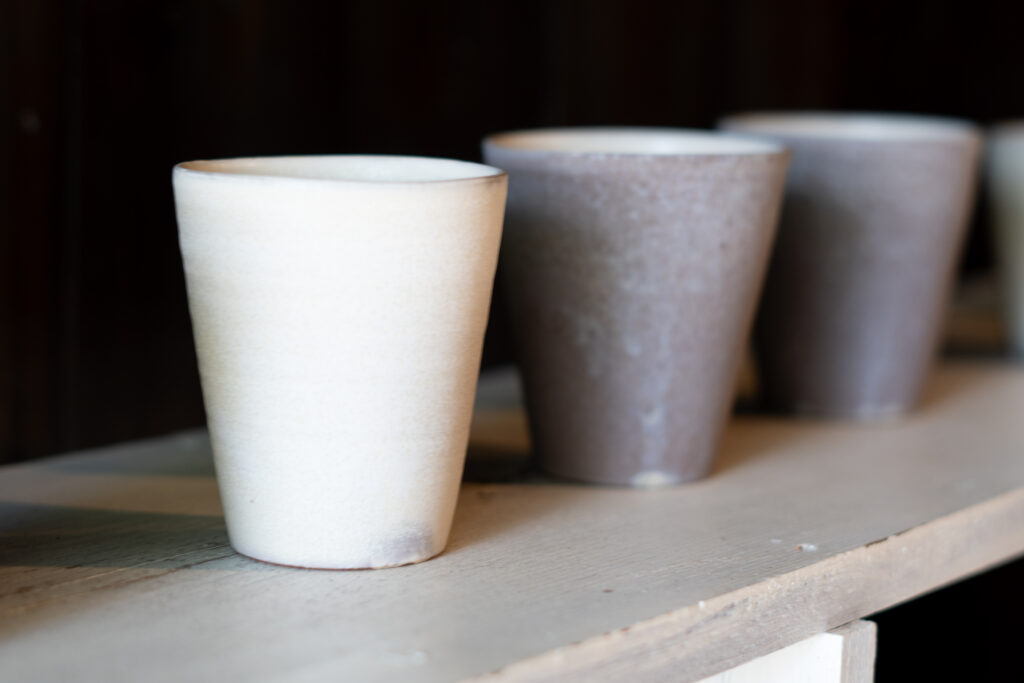
What breathes through the works of Masahiko Imanishi of MIYANOKITA-GAMA (hereafter, Imanishi) is the dynamism released by the texture of clay and the traces of firing. At first glance, they appear rugged and powerful. Using local Tamba clay, he embraces the natural ash glaze and unglazed, high-fired techniques that yield rich reddish-browns and deep dark tones—surfaces that feel almost like gazing at a cross section of geological strata.
“Rather than imitating tradition, I want to empathize with what potters of the past were thinking and why they made the choices they did,” Imanishi explains.
He ventures into the mountains himself to dig and refine his clay. When these carefully prepared materials are fired in a wood kiln, ash falls across the surfaces, and the force of the flames draws out subdued, complex expressions beyond human calculation. Within the matte texture, subtle layers of color quietly emerge—an accumulation of time spent in dialogue with raw materials. While preserving traditional forms such as sake flasks and cups, his forms also carry a stability suited to contemporary life, where raw materiality and everyday usability coexist.
Yet even Imanishi, who now delves so deeply into the roots of Ko-Tamba, once spent years discouraged by comparisons with those around him.
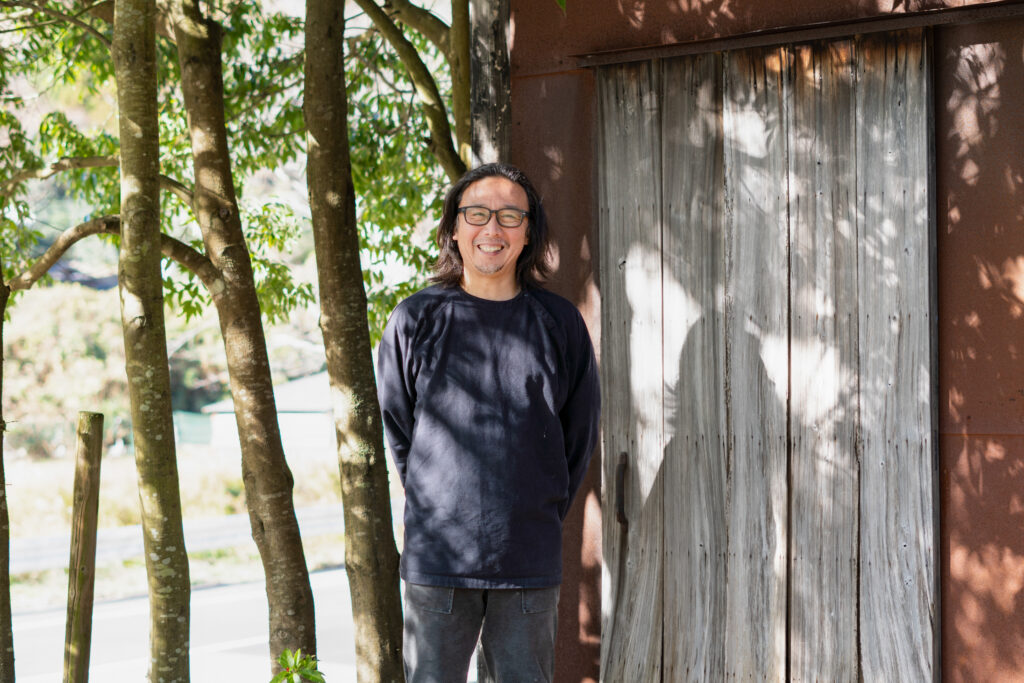
An Awkward Detour That Began with “I Just Wanted to Live on My Own”
Born the second son of a pottery family, Imanishi grew up in what was essentially a large-scale production workshop, bustling with 20 to 30 craftsmen. “The wheel-throwers would come to our house for dinner. It felt like one big family. When a large jar was being made, I’d come home from school and think, ‘It’s gotten bigger since yesterday!’ and watch it through the window.”
As the second son, however, he was not expected to inherit the family potter. After high school, he enrolled in an accounting vocational school and even secured a tentative job offer at a company. Then his older brother, eight years his senior, said to him: “If you’re going to become a potter, go study at a vocational training school in Kyoto.” Those words shifted his path.
“If I went to school, I could live on my own. That’s honestly why I decided,” he laughs. His parents and relatives strongly opposed the idea, warning that siblings, even in the same trade, rarely succeed together.
His start at the training school was marked by frustration. Among thirty students, his wheel-throwing skills ranked near the bottom. Surrounded by naturally gifted classmates, he felt painfully unsuited to the craft. “Watching others throw closed forms where you can’t see inside—it felt like magic. I was in despair. I even thought maybe I was better suited to selling pottery than making it.”
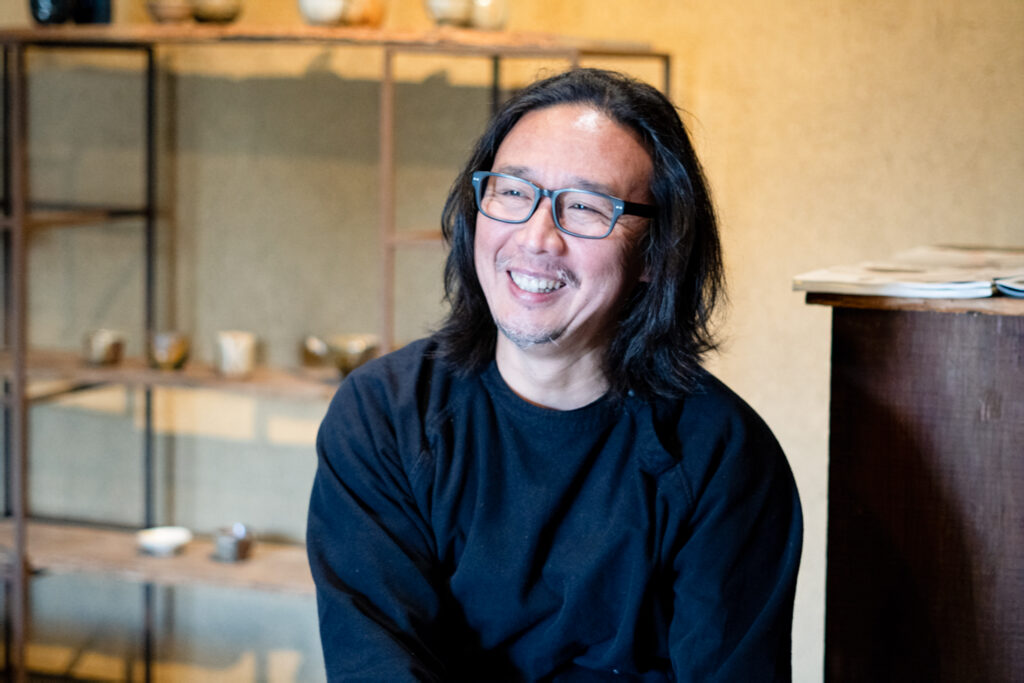
Five Years of Immersive Mountain Apprenticeship—A Turning Point Through Shino
A turning point came at a glaze school he attended after completing his training. There, a teacher introduced him to the fascination of gathering and preparing clay himself. He was especially drawn to the beauty of Shino ware, the white ceramics of Gifu.
He later entered a five-year live-in apprenticeship deep in the mountains of Uji, Kyoto. It was a world so remote there were not even vending machines.
“There was no entertainment at all. That’s why I could devote myself entirely to pottery. I practiced at the wheel endlessly and devoured every specialist book I could find.”
With no escape from the work, his skills sharpened. In winter, he endured the harsh labor of digging and loading up to a ton of clay from frozen ground. From selecting materials to firing, he absorbed every aspect of pottery through lived experience. Before long, he found himself captivated by its profound depths.
Bizen, Karatsu—and Ultimately, Ko-Tamba
After completing his apprenticeship, Imanishi initially considered establishing himself in either Karatsu or Bizen, both of which strongly appealed to him. Yet when he revisited the overwhelming presence of Ko-Tamba at the Tamba Old Ceramics Museum and local antique shops, something stirred within him. “After all, I want to work with Tamba clay.”
At 29, he established his own kiln in Sanda City. After about ten years of activity—and with his father’s blessing—he returned to his current base in Tachikui. Today, he works with a calm and steady approach, creating what he personally believes to be good and offering it to those who resonate with it.
“If there are fifty people, there are fifty ways of living—and fifty kinds of pottery. That’s what makes Tamba so interesting. I hope people discover not only the forms, but also the individuality of the person who made them. You can start by liking the pottery, or by getting to know the person first.”
The boy who once enjoyed chatting with neighborhood craftsmen has now become one of the “interesting uncles” himself, carrying forward the culture of Tamba Tachikui to the next generation. As he reflects calmly on his life, one senses a quiet joy in his devotion to digging clay and confronting the flames.
Interview, Text, and Photography:NOUCHI Nana
Overview
of
MIYANOKITA-GAMA
Address
1-47 Miyanokita, Kamitachikui, Konda-cho, Tambasasayama, Hyogo, Japan
TEL
FAX
Website