
TOC
TANSO-GAMA
profile
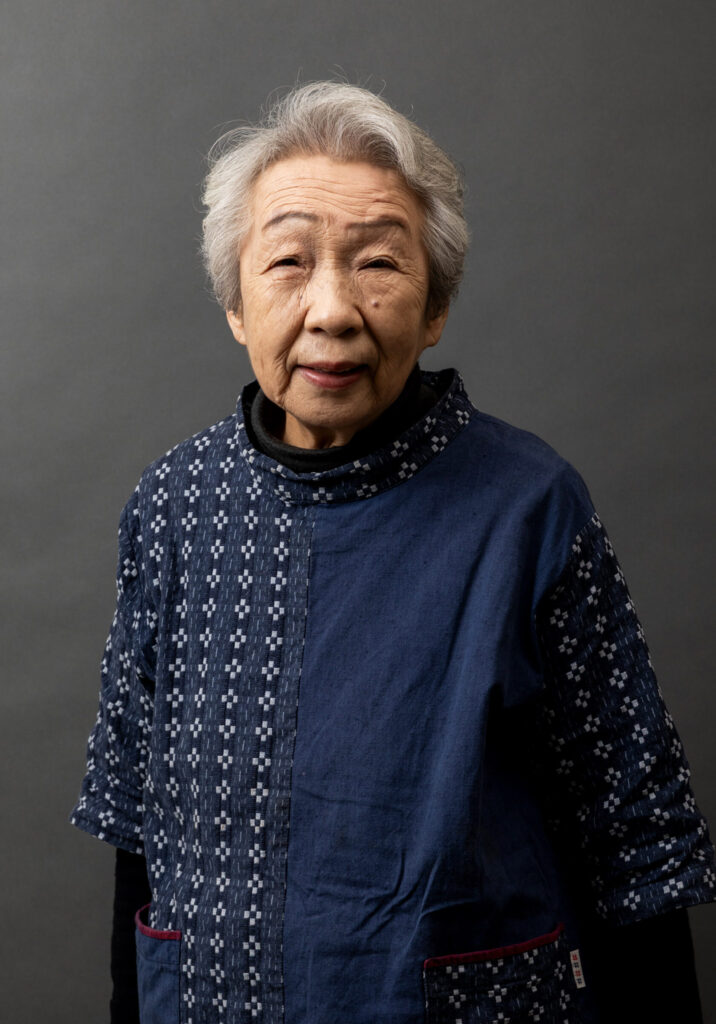
Shigeko Ichino
profil
Shigeko Ichino
8th generation
Year of Birth:1942
Year Began Pottery:1970
Education / Training Background
1970–1971: Worked at the Leach Pottery, St Ives, UK
Major Awards
Hyogo Prefecture Distinguished Skills Award
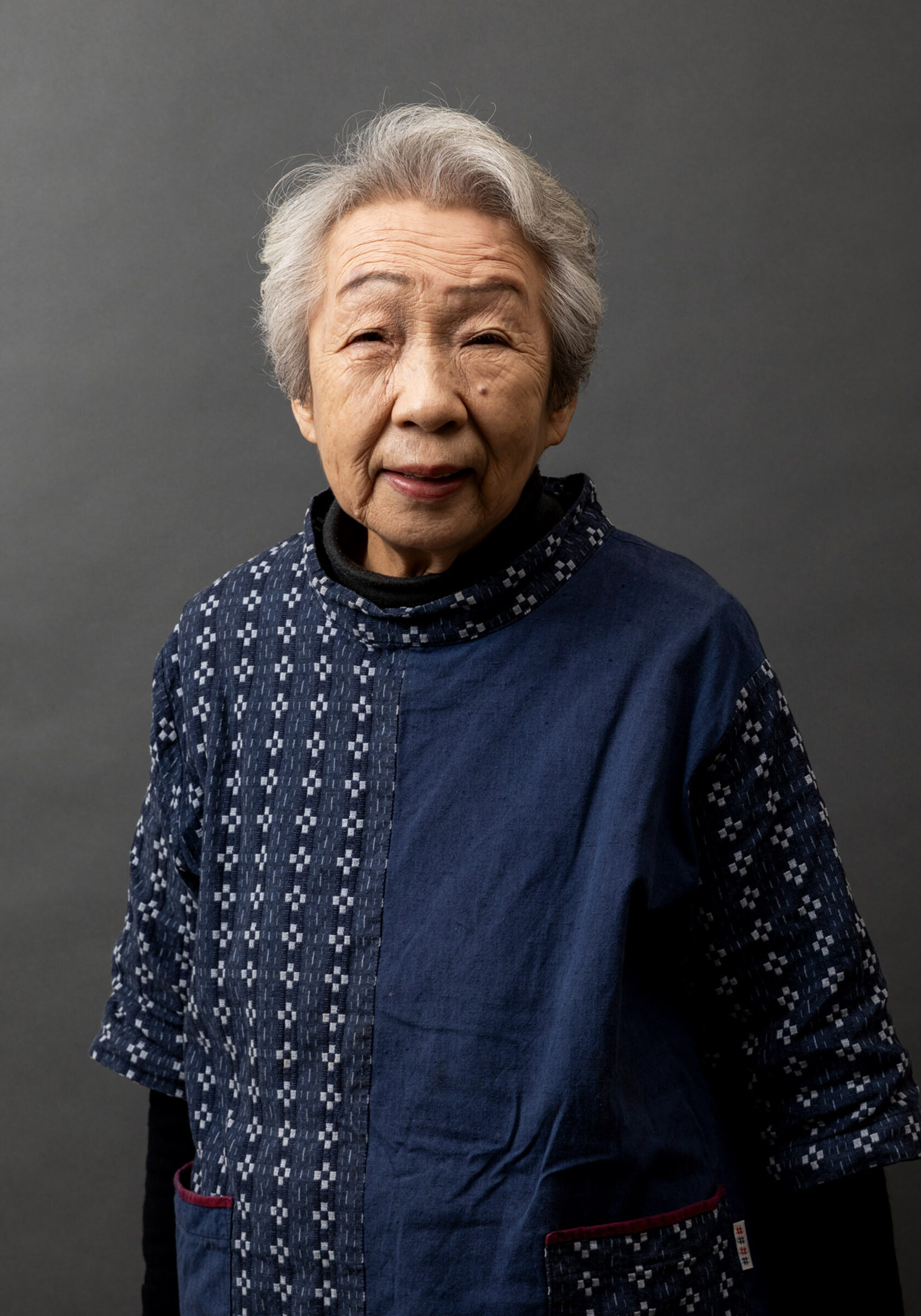
The state of the workshop
スクロールできます
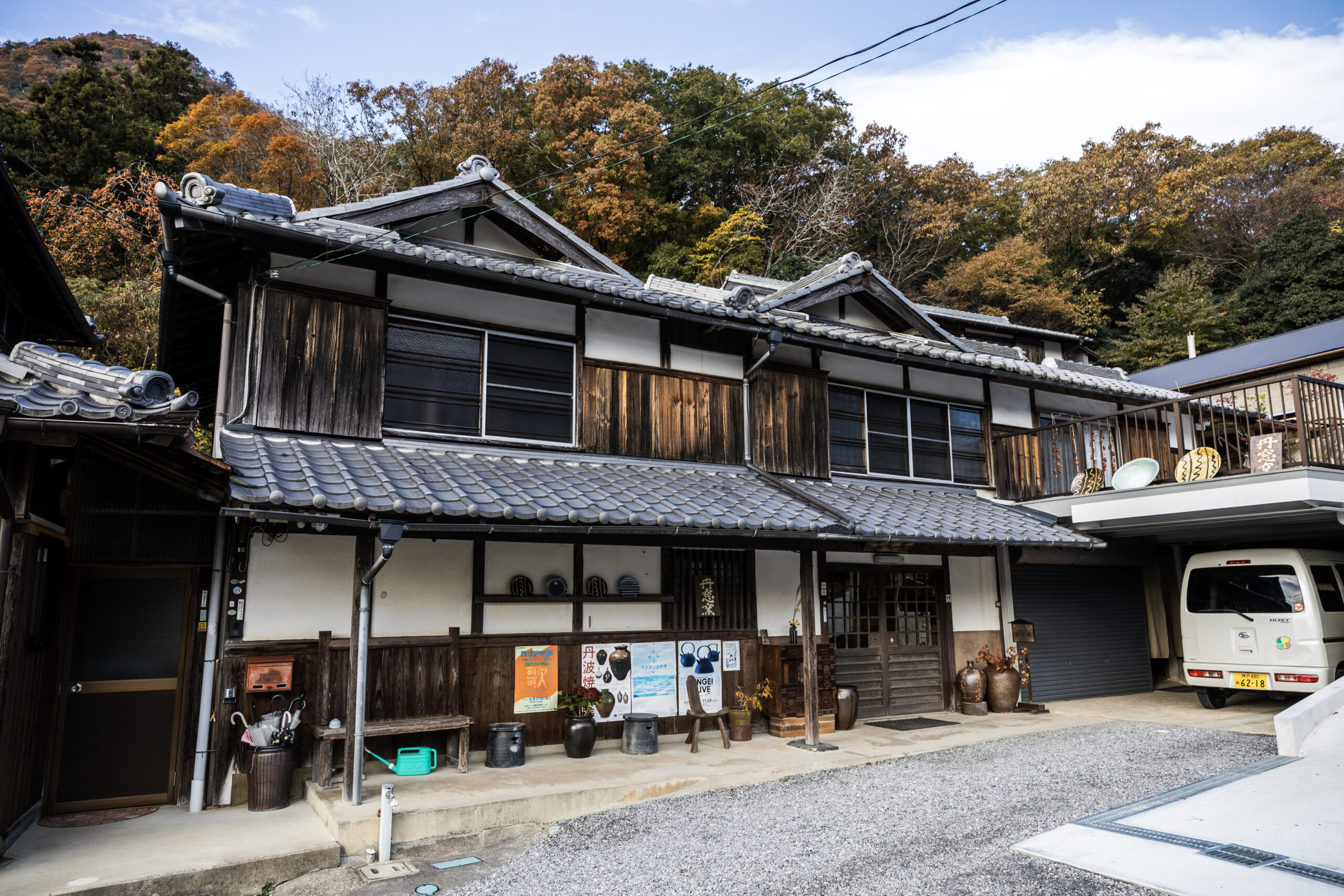
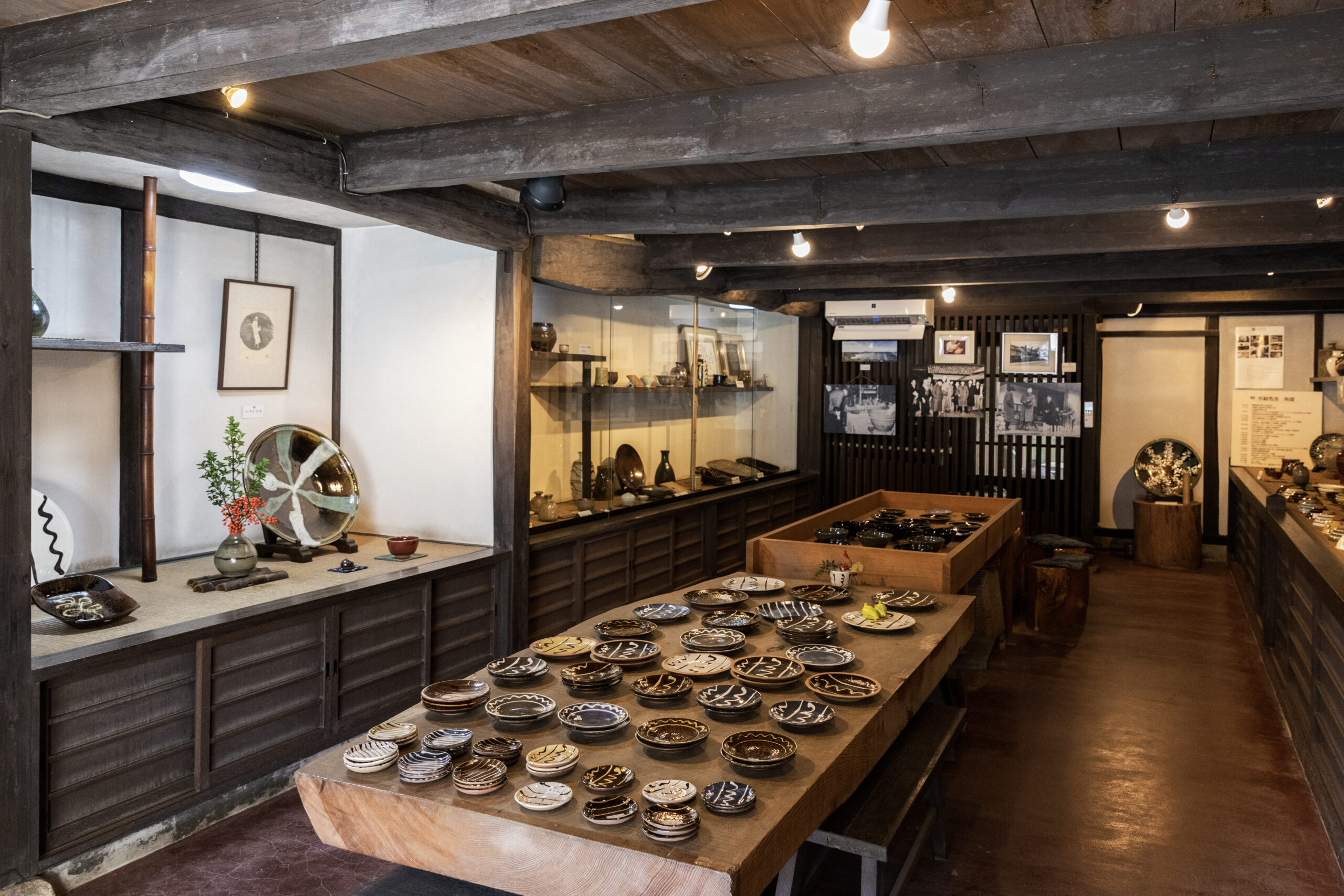
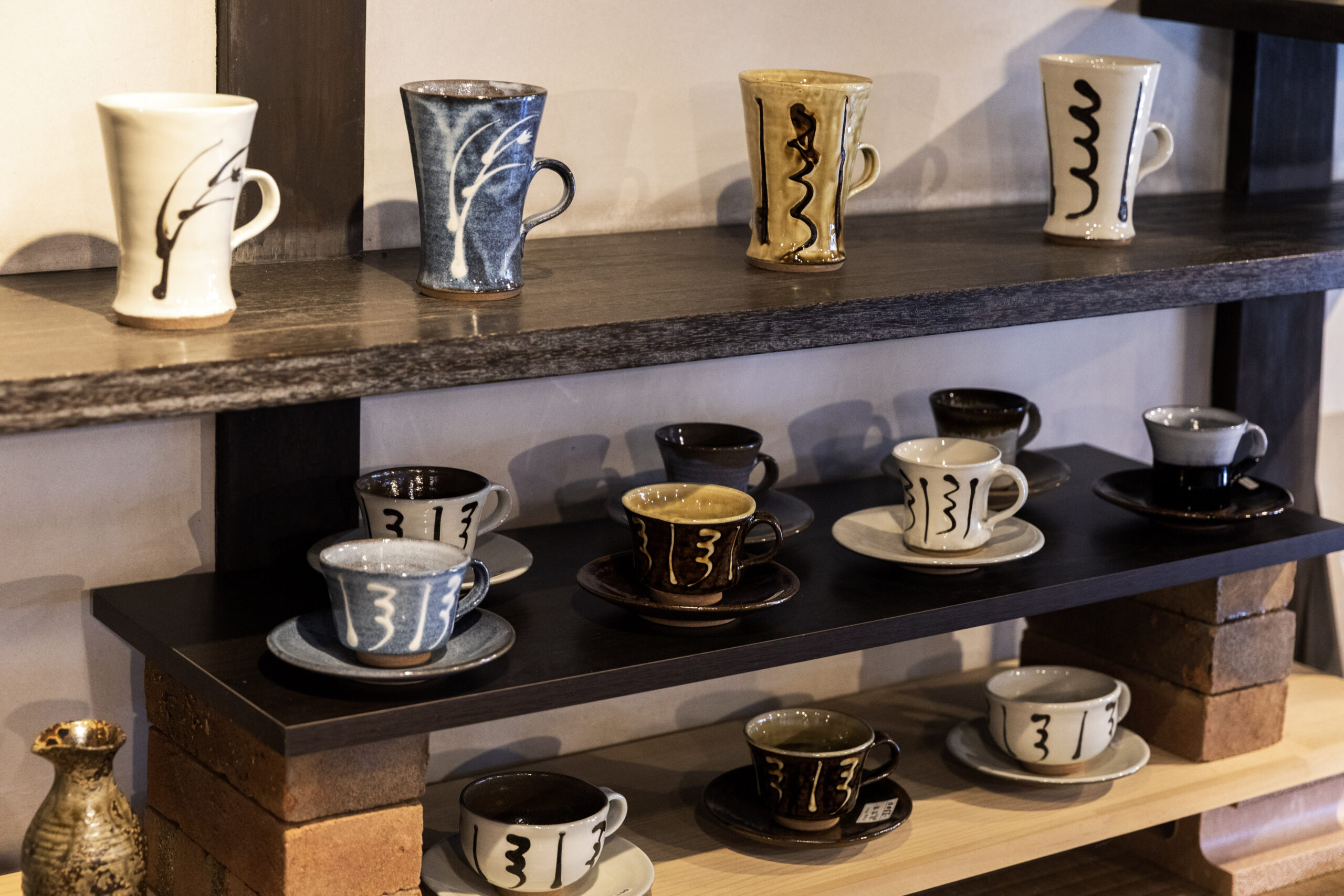
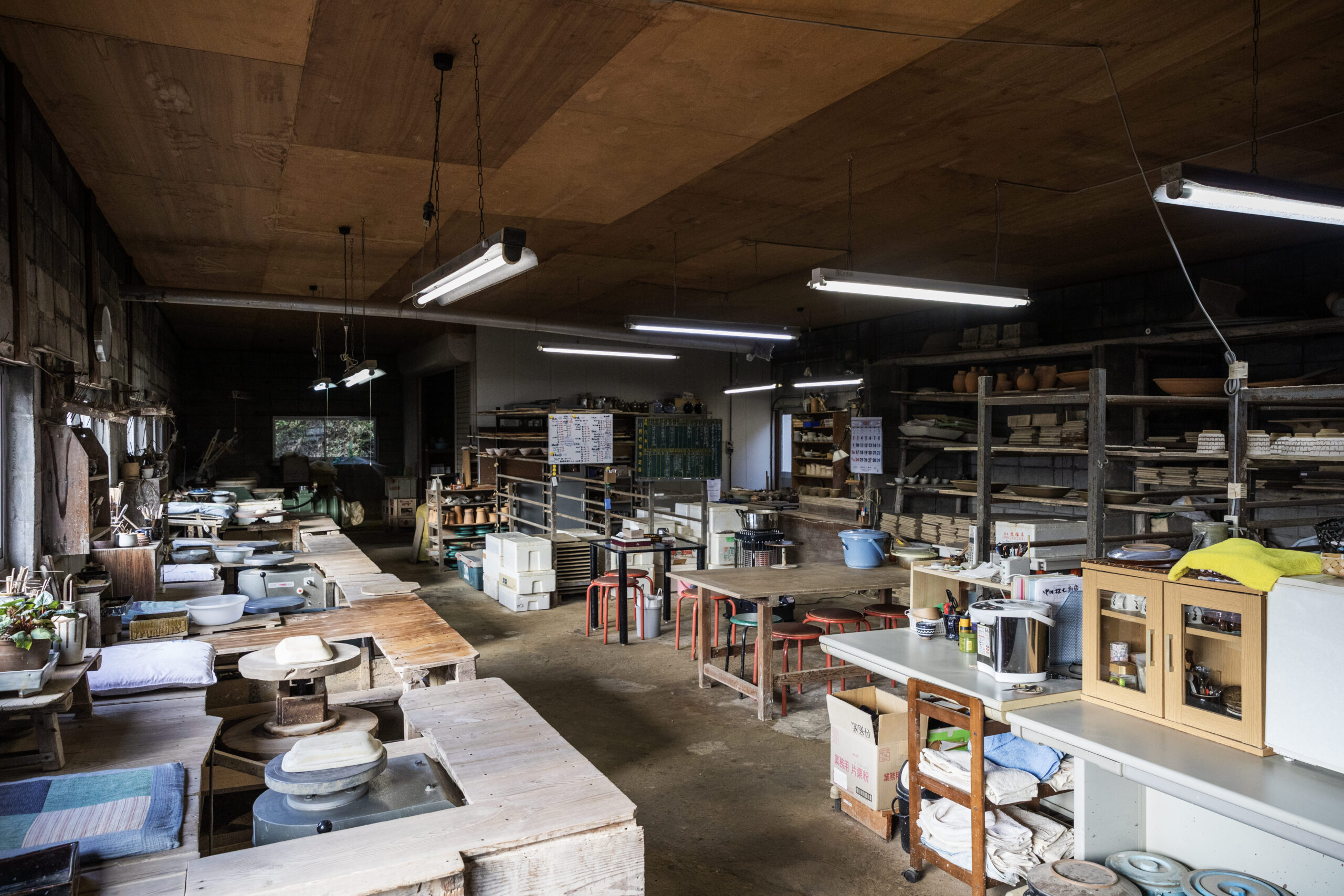
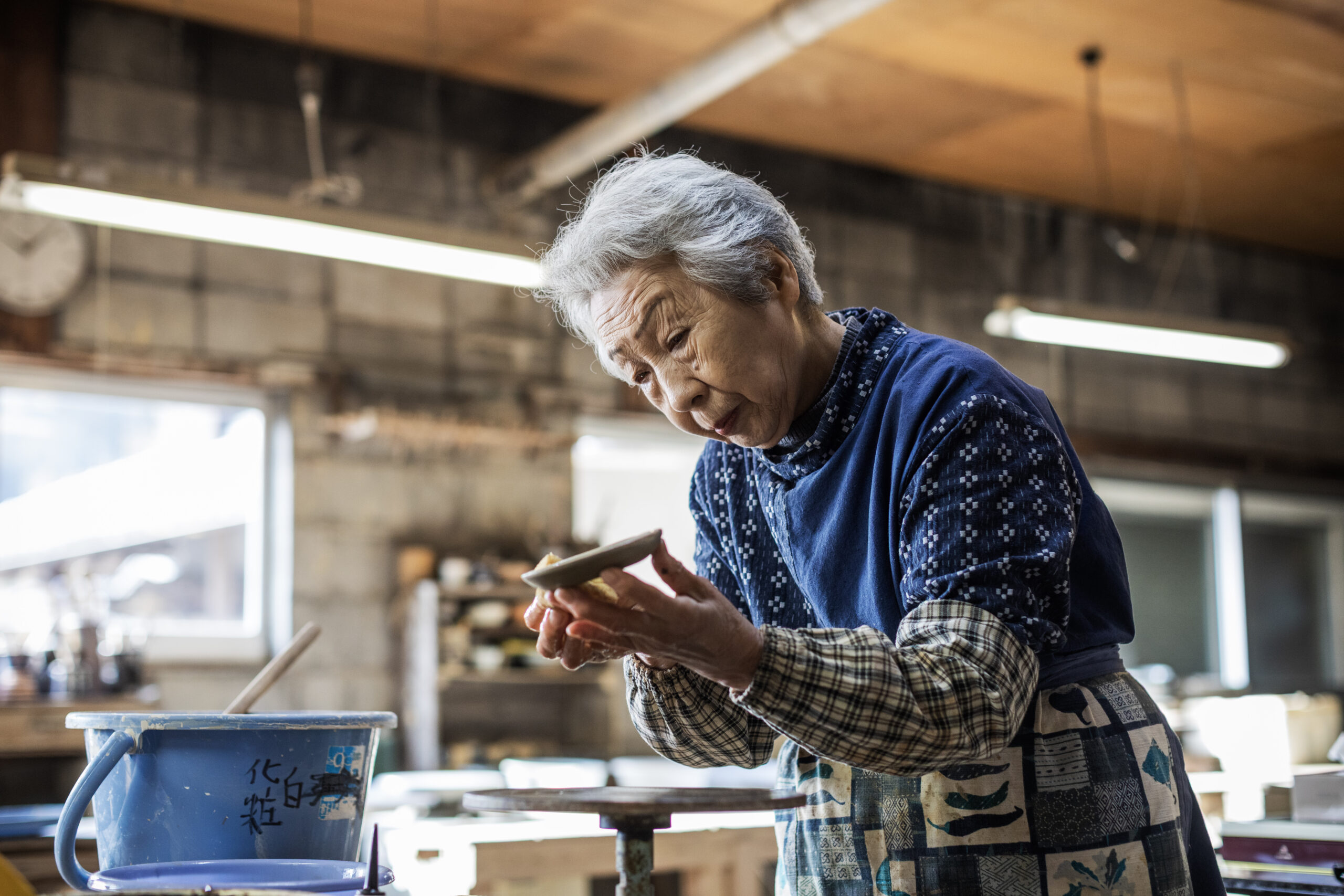
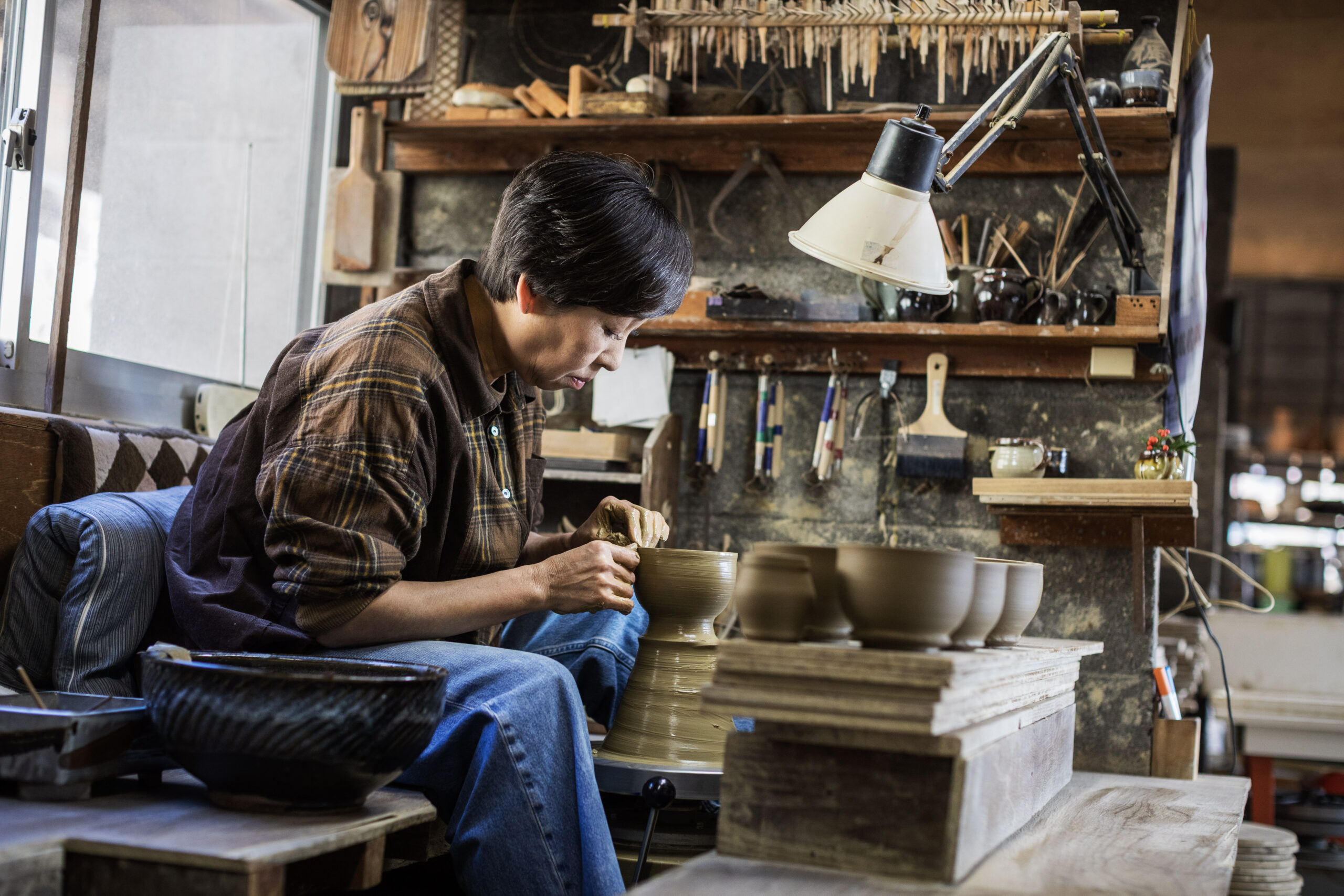
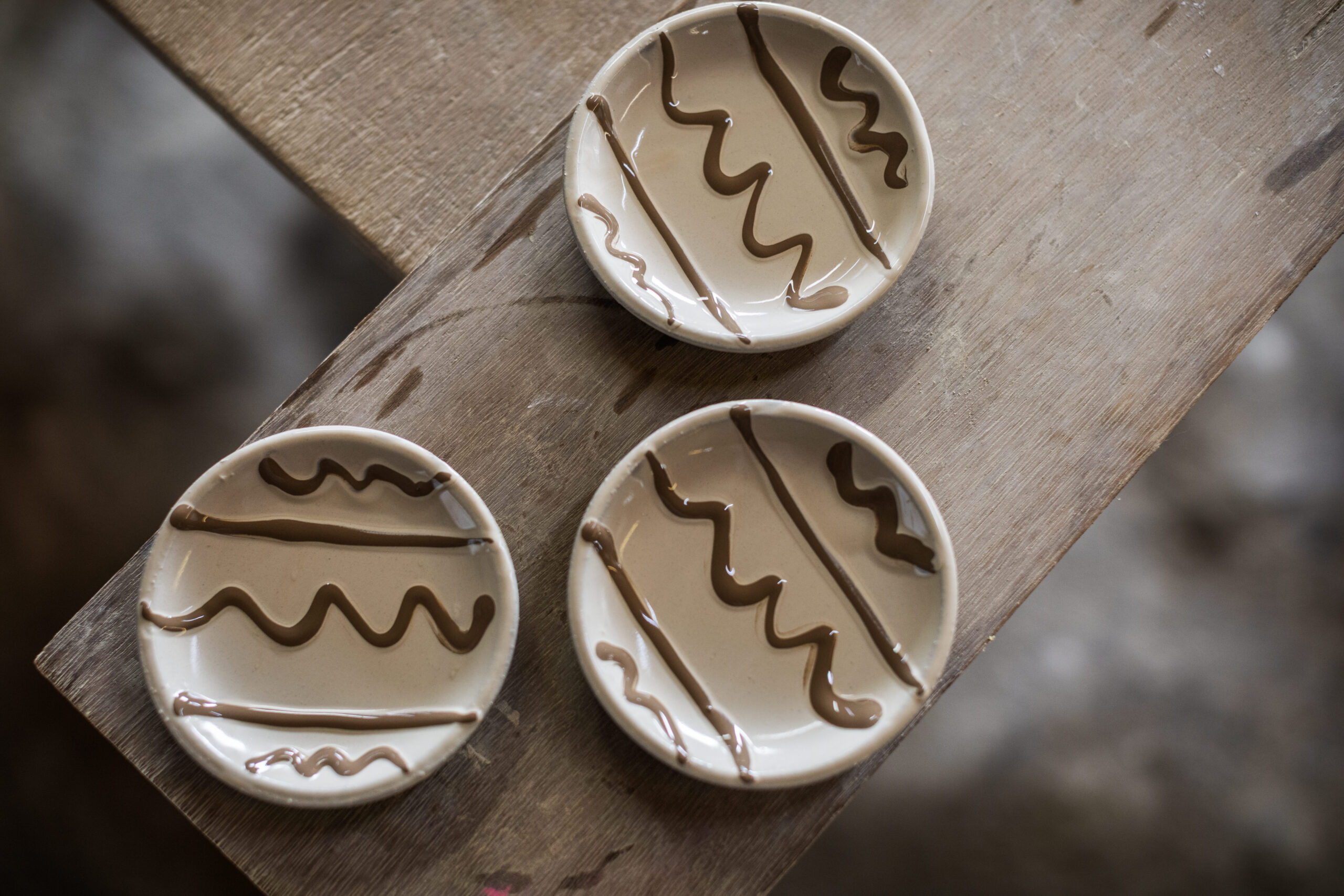
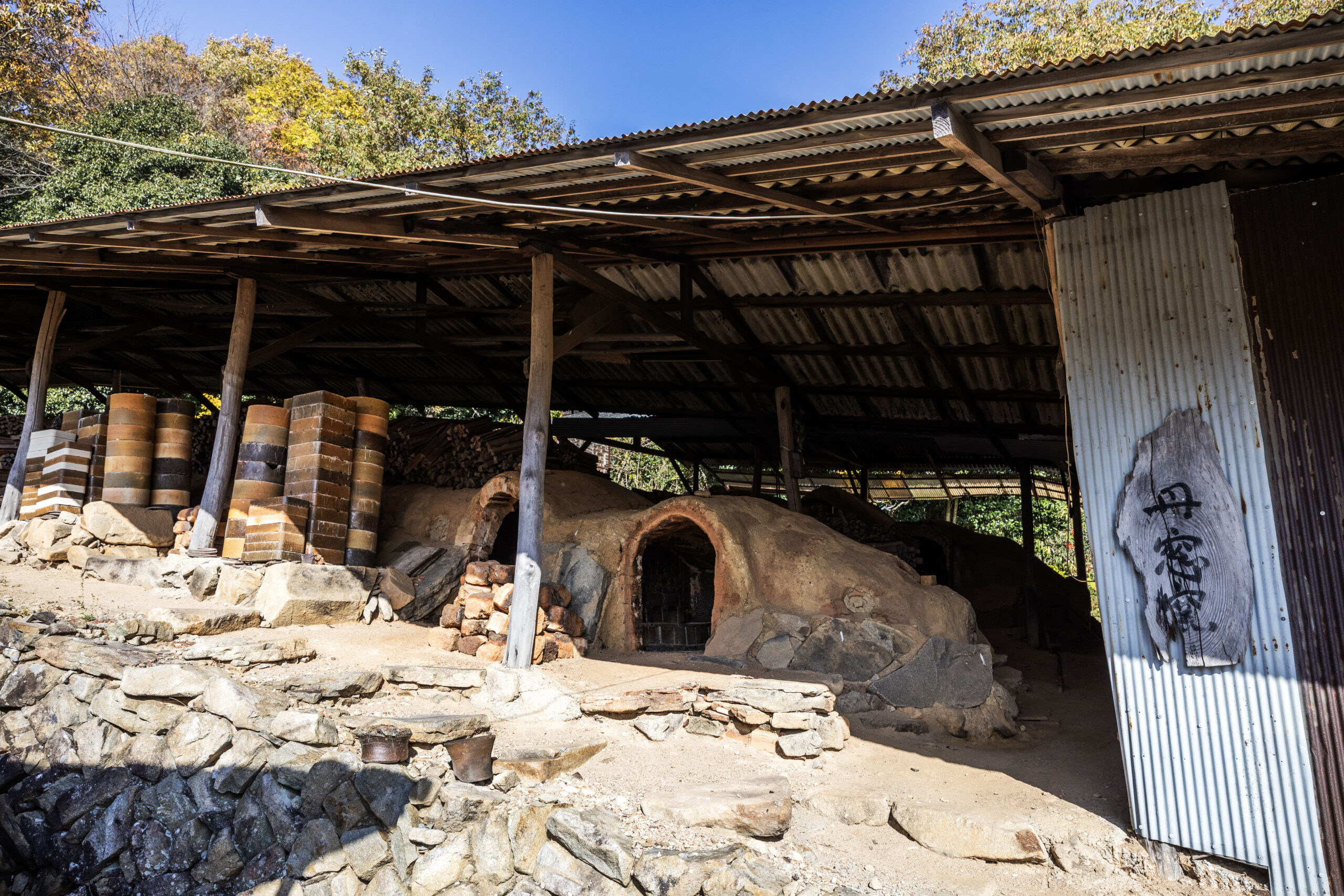


Works
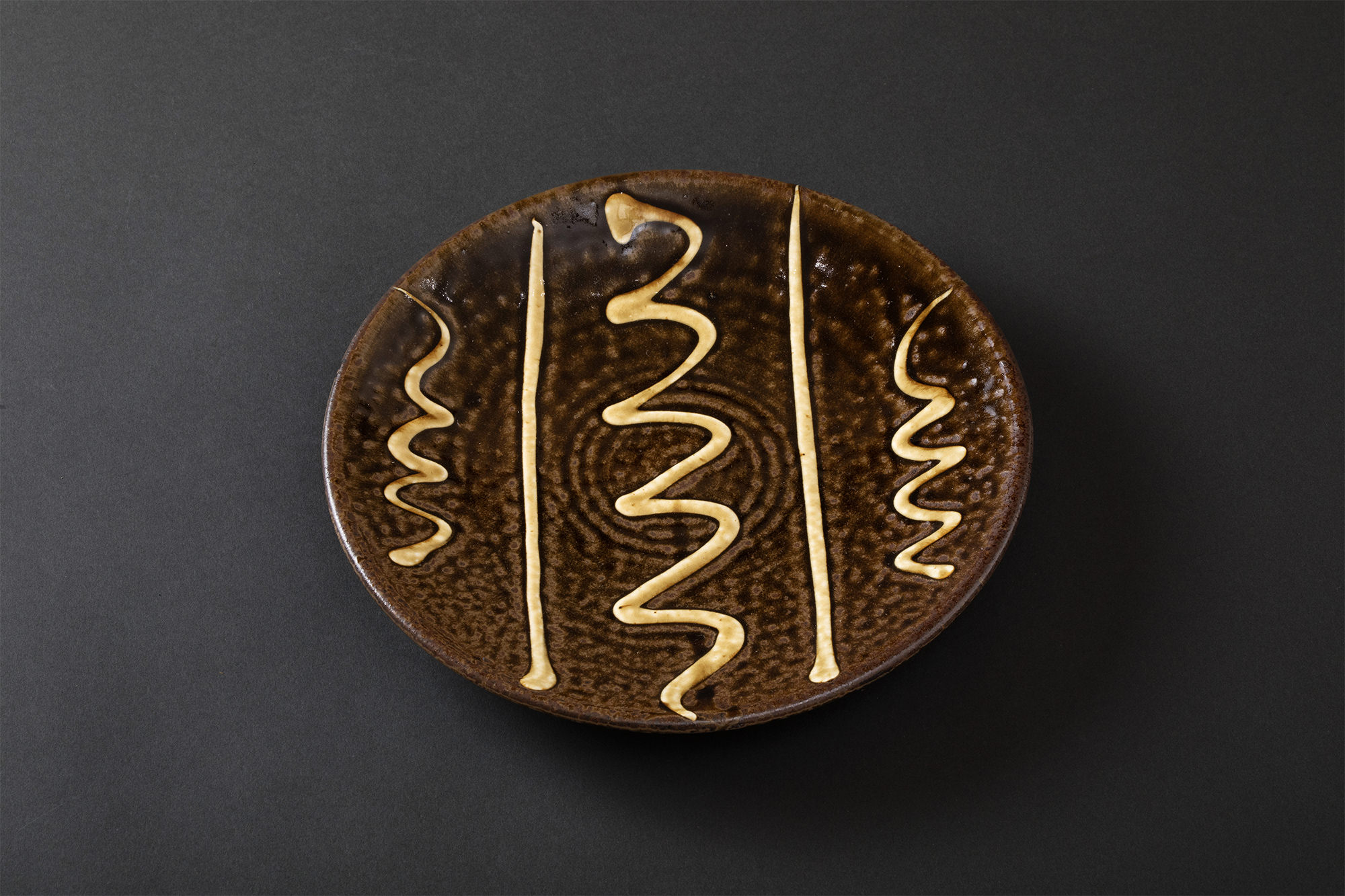
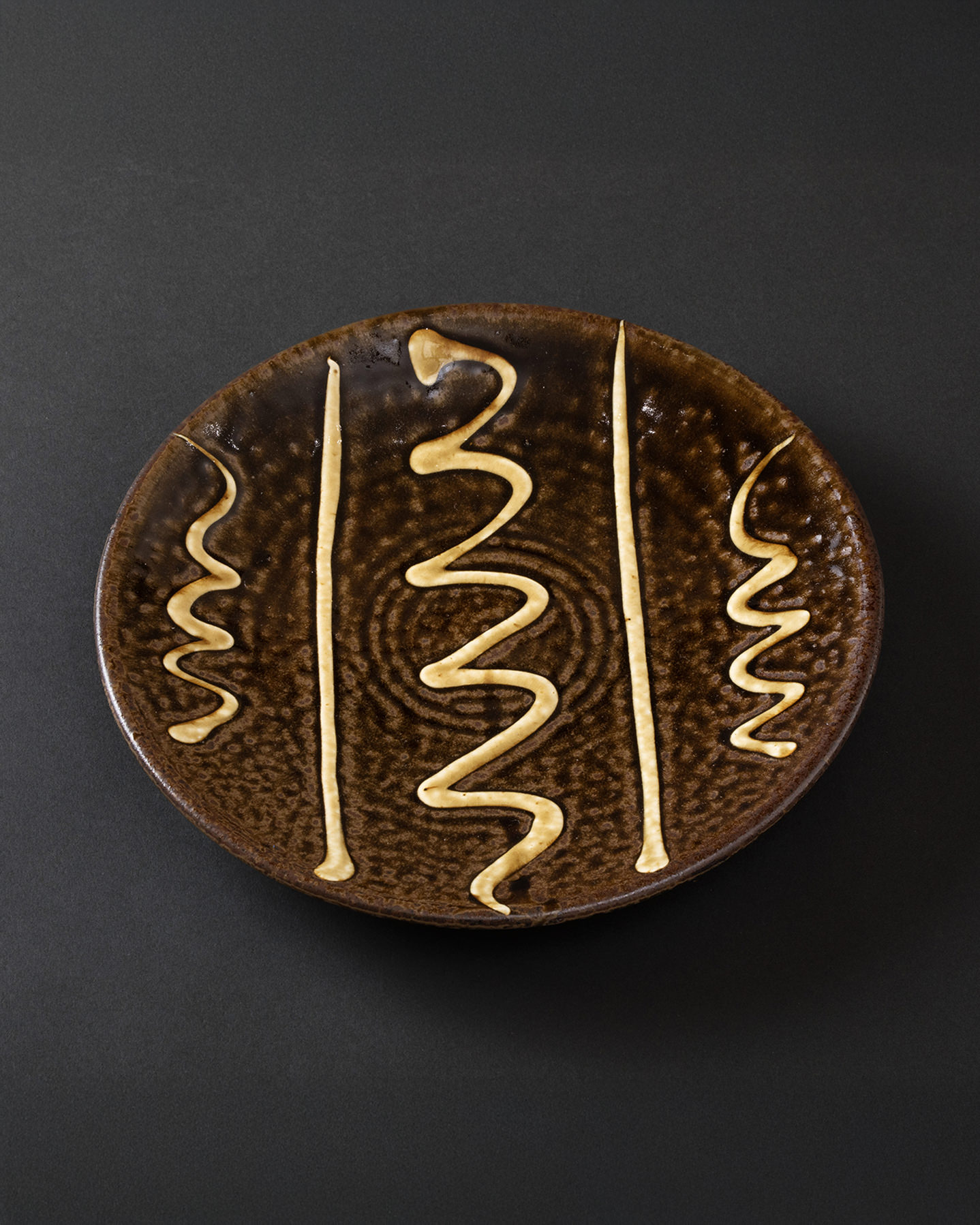
photo:AOTANI Takeru
Interview
A Touch of Britain on Tamba Clay — Shigeko Ichino of TANSO-GAMA, Connecting Slipware and the Light of the Mingei Spirit
In Tamba, TANSO-GAMA is the only potter devoted to the technique known as slipware, continuing to create works that blend modern sensibility with the warmth of clay. Greeting visitors is Shigeko Ichino, the eighth generation head of the potter. Behind her gentle smile lie the years she spent supporting her late husband, Shigeyoshi, both privately and professionally, as well as the determination with which she succeeded to TANSO-GAMA at the age of sixty nine—along with the turbulent days that followed.
Today, TANSO-GAMA is the sole potter in the Tamba ware region specializing in slipware. The harmony between a breeze of Britain and the clay of Tamba is a one-of-a-kind gift born from the time Shigeyoshi and Shigeko spent living in England with their family.
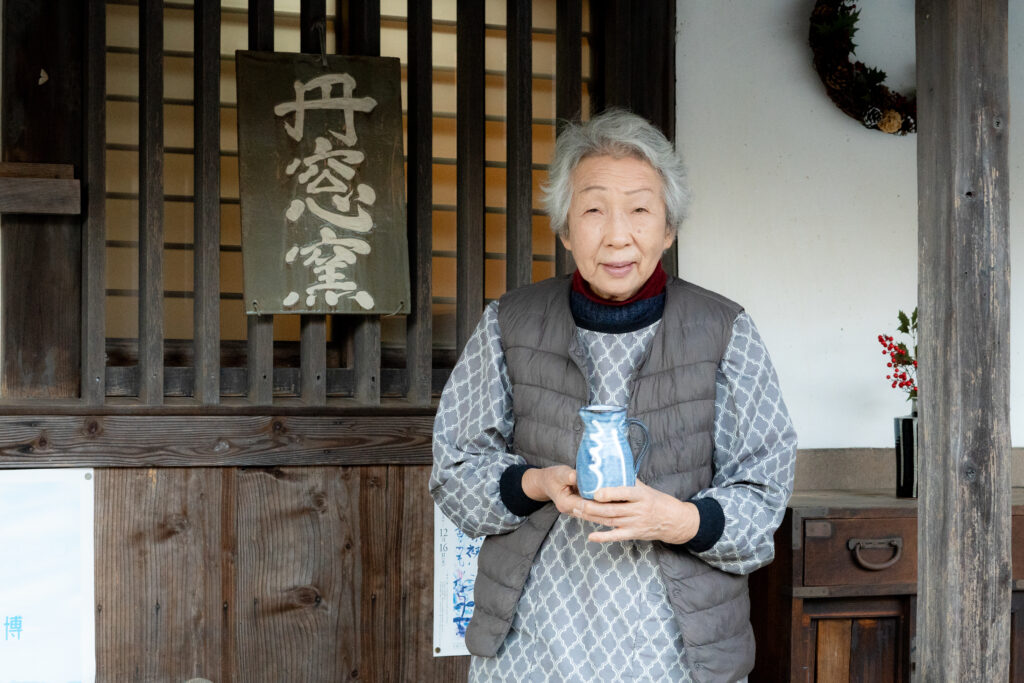
Facing the clay with an empty mind, creating forms that settle naturally into daily life.
“If I’m not fully present with the form, the lines will falter. So when I work, I empty my mind. I think of nothing besides the pattern before me and draw the lines as I feel them.”
TANSO-GAMA is the only potter in Tamba devoted exclusively to slipware. The seventh generation head, Shigeyoshi Ichino, trained under the British potter Bernard Leach and mastered the technique there. He later adapted it into a style uniquely his own within the potter.
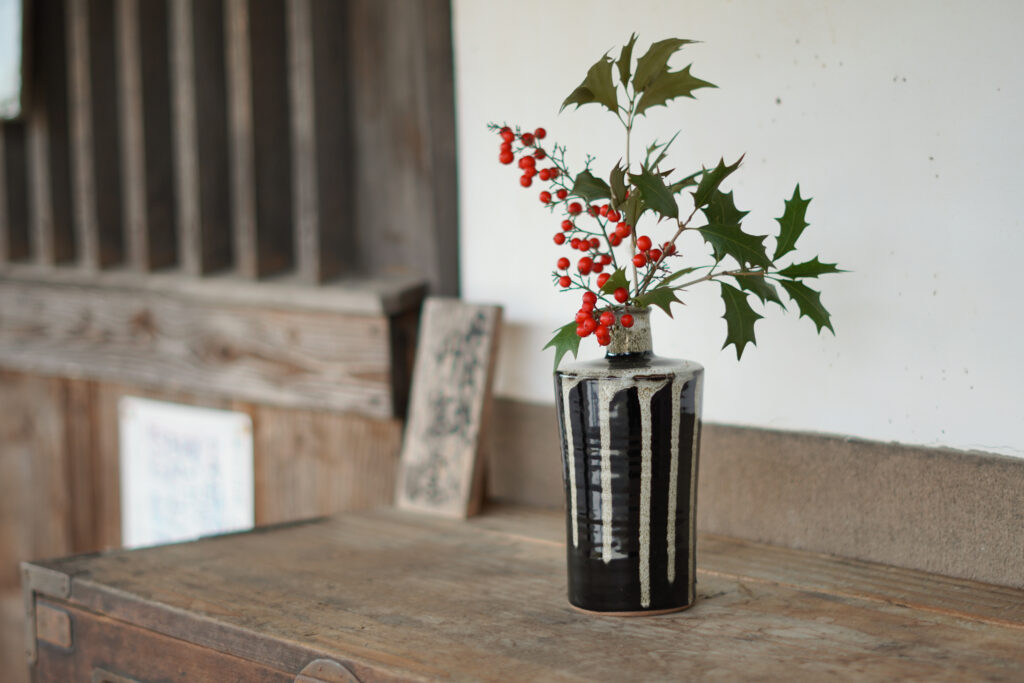
After Shigeyoshi’s passing, slipware was entrusted to the eighth generation head, Shigeko Ichino, who now decorates forms each day. Using a dropper-like tool to trail liquid clay across the surface, she creates flowing patterns characteristic of slipware. The quiet time spent emptying her mind and concentrating on each line gives the forms both strength and quiet elegance. Within their expression, modernity and the warmth of clay gently coexist.
What Shigeko seeks above all are forms that settle naturally into everyday life—pieces that are easy to use and live with. In Tachikui, where diverse styles continue to emerge, she steadfastly keeps alive the “light of Mingei.”
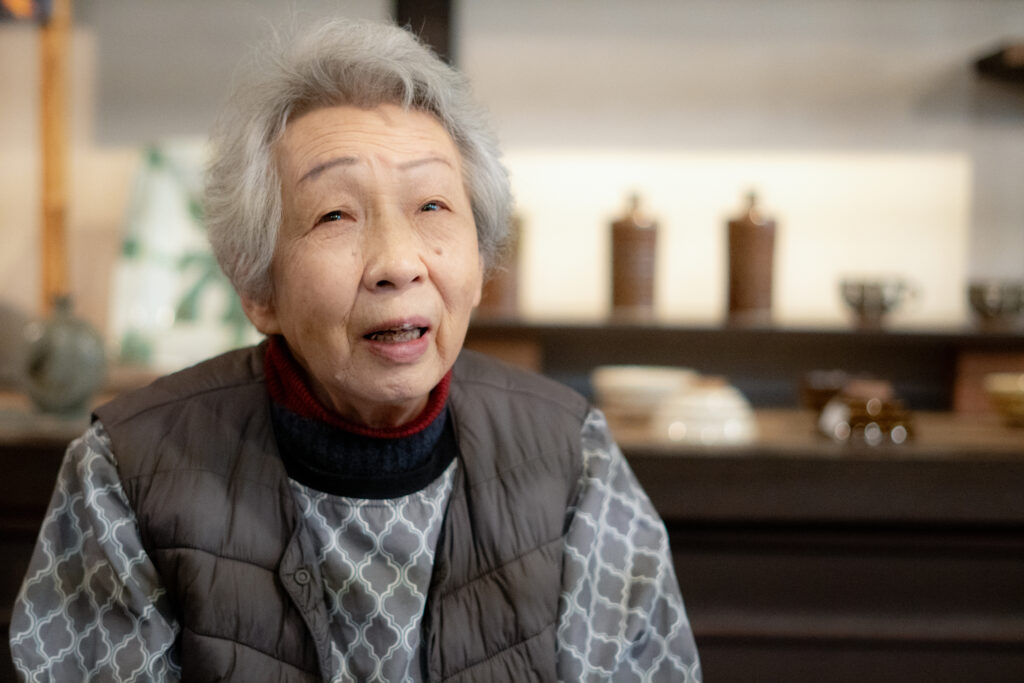
From the Daughter of a Traditional Inn to the Wife of a Historic Potter.
“In 1964, I married into TANSO-GAMA from my family home, which ran a traditional inn and restaurant in front of Sasayamaguchi Station.”
At the time, Tachikui was lined with impressive thatched-roof houses, and the roads were still rough gravel. Compared to the lively atmosphere around the station, it felt like a quiet satoyama village nestled among gentle hills.
“There were three live-in apprentices then, and I prepared meals for them morning, noon, and night.”
Shigeko’s main role was to support the daily lives of those working at the potter, providing food, clothing, and household care. In those days, when farming and pottery were both part of life, she also cut grass in the rice fields and tended the cows.
“When my children were around five or six years old, I finally began helping in the workshop.”
She started with glazing, loading the kiln, and carrying firewood. Gradually, she learned to shape clay on the electric wheel, mastering each step of pottery-making one by one through steady practice.
The Slipware Technique Entrusted by the British Potter Bernard Leach
“My husband received a message from the world-renowned potter Bernard Leach. He suggested, ‘Why not incorporate Western-style forms into the future of Tamba ware? Come to England and study.’ Because Mrs. Leach had previously trained at TANSO-GAMA for two years, we were fortunate to receive this invitation, and my husband decided to go to England for training.”
In 1969, Shigeyoshi began a four year apprenticeship at the Leach Pottery. During that time, at Mrs. Leach’s suggestion, Shigeko also crossed the sea with their five and three year old children, staying in England for ten months.
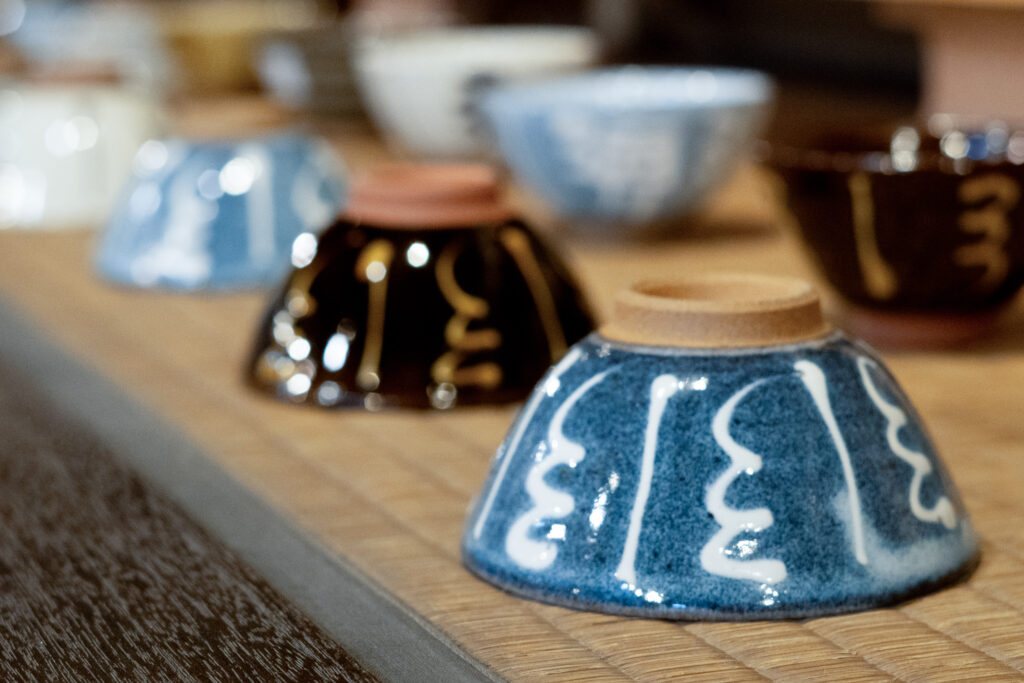
This experience became the bridge connecting TANSO-GAMA with the British traditional technique of slipware. Slipware involves trailing liquid clay from a dropper-like tool to create patterns across the surface of a form. In some ways, it resonated with traditional Tamba techniques as well—such as tsutsugaki, in which clay is squeezed from a bamboo tube to draw characters or designs, and suminagashi-like decorative methods that layer white and dark slips before moving the form to create flowing patterns.
Becoming the Eighth Generation Head at Sixty Nine
“What should I do now? Should I simply stop altogether…?”
In 2011, Shigeyoshi—her partner in both life and work—passed away suddenly at the age of sixty nine. In the midst of deep grief, Shigeko wrestled with what lay ahead. Yet she received heartfelt encouragement from many around her, both within and beyond the pottery community. Her daughter, Kimiko, also told her, “One day, I will carry it on as well.” With those words, Shigeko resolved to become the eighth generation head of TANSO-GAMA.
“There was pressure, of course. But my husband had taught me how to prepare the glazes, and I could refer to the notebooks he left behind. If I was going to continue, I felt that slipware was what I should devote myself to.”
In this way, Shigeko gradually established her own style in Tachikui. Today, she stands in the workshop alongside her daughter from 8:30 in the morning until 5 in the evening. Since being featured on a television program, visitors have come from across Japan, from Hokkaido to Kyushu, and orders continue to arrive from well-known craft galleries and specialty shops.
Even amid her busy days, Shigeko treasures a monthly meal with friends in Sasayama. She makes sure to rest well and delights in lively conversation. That sense of balance and well-being is the quiet source of her creativity.
“When you come to Tachikui, first visit Sue-no-Sato and enjoy the individuality of each potter’s forms. Then take a walk to see the old climbing kilns. At our kiln, we still have a large seven-chamber climbing kiln that has been used since long ago. I would be happy if visitors could feel that history as well.”
Interview, Text, and Photography:NOUCHI Nana
Overview
of
TANSO-GAMA
Address
327 Kamitachikui, Konda-cho, Tambasasayama, Hyogo, Japan
TEL
FAX
Website