
TOC
TSUBOICHI
profile
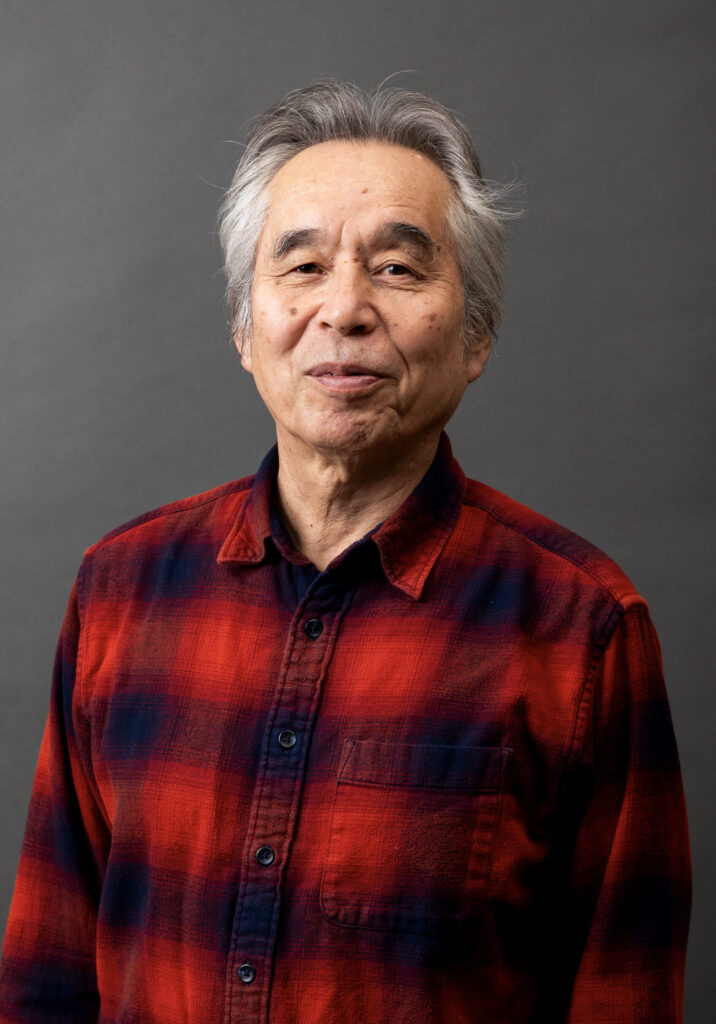
Gensho Ichino
profile
Gensho Ichino
2nd generation
Year of Birth:1958
Year Began Pottery:1981
Education / Training Background
Graduated from Saga Art Junior College, Department of Ceramics.
Studied under Shigeya Iwabuchi
Major Awards
Nikkei Shimbun Award, Japan Traditional Crafts Kinki Exhibition
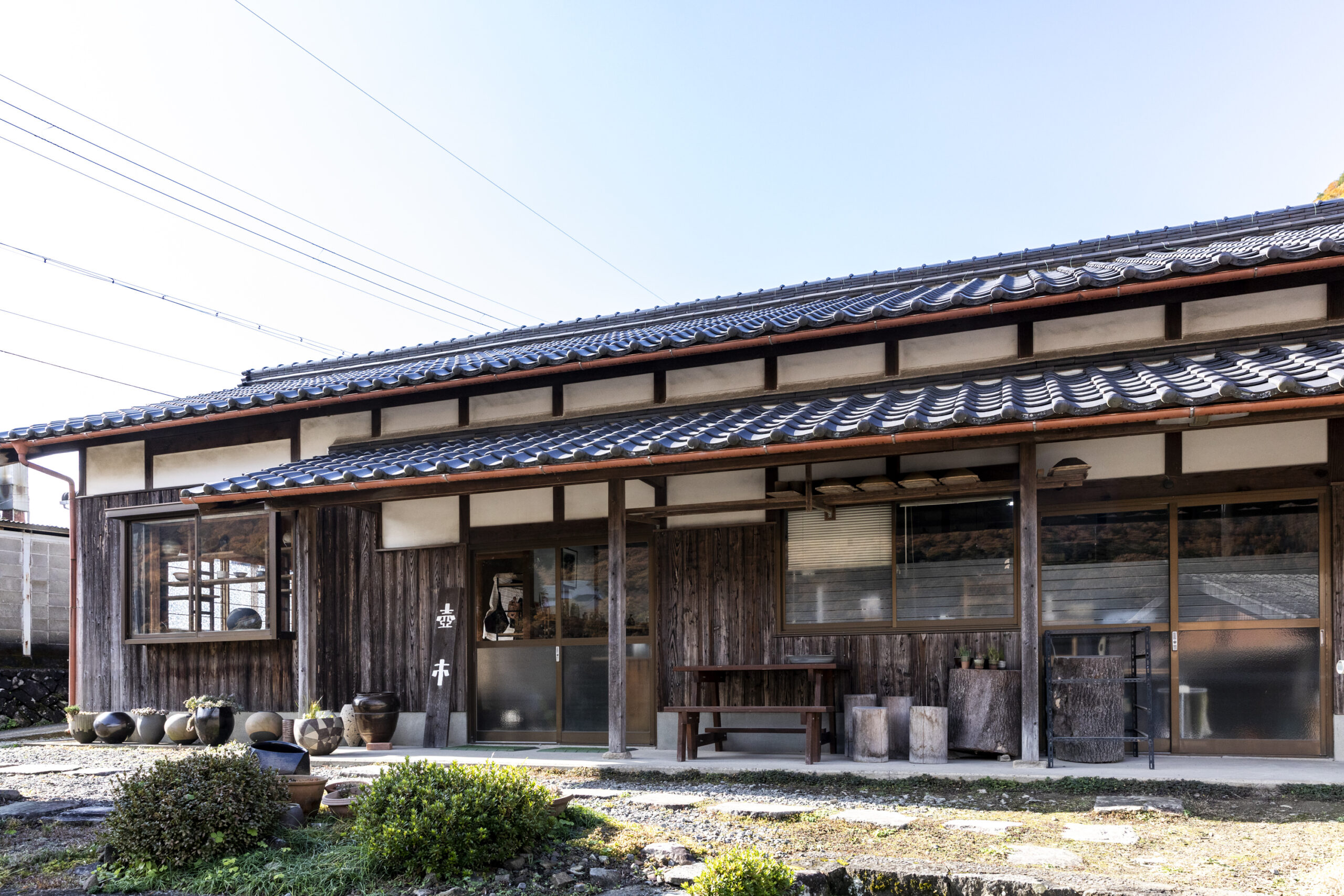
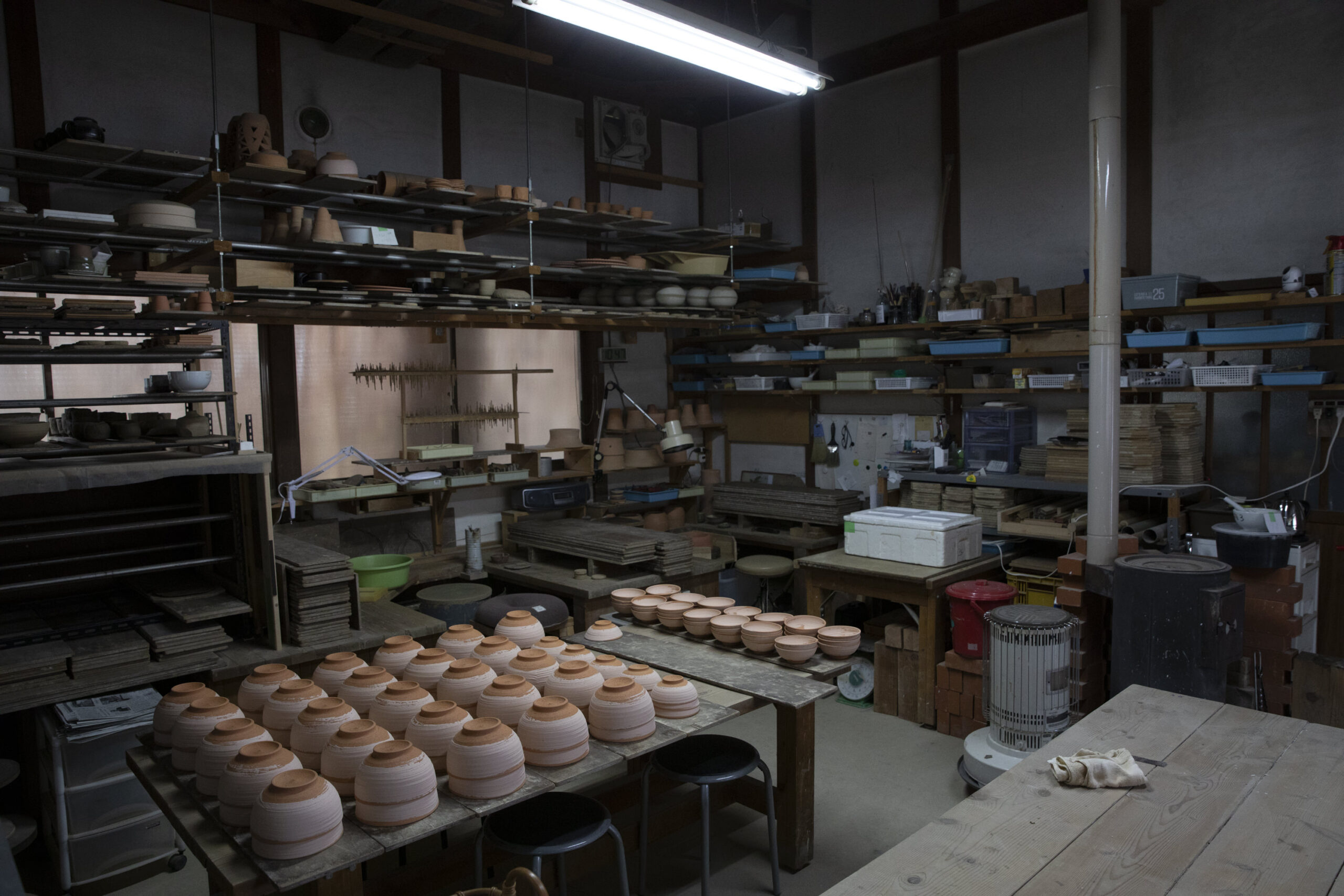
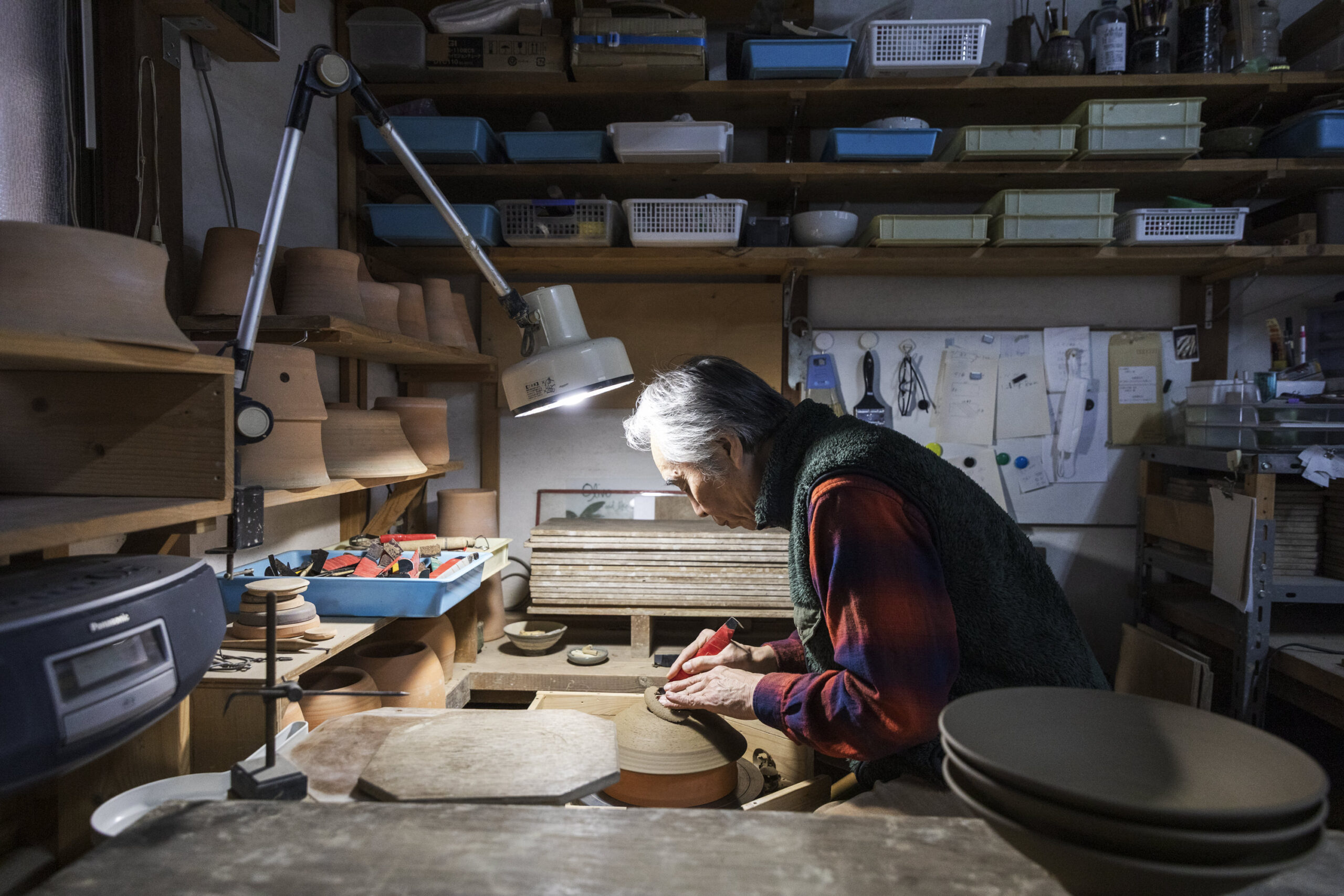
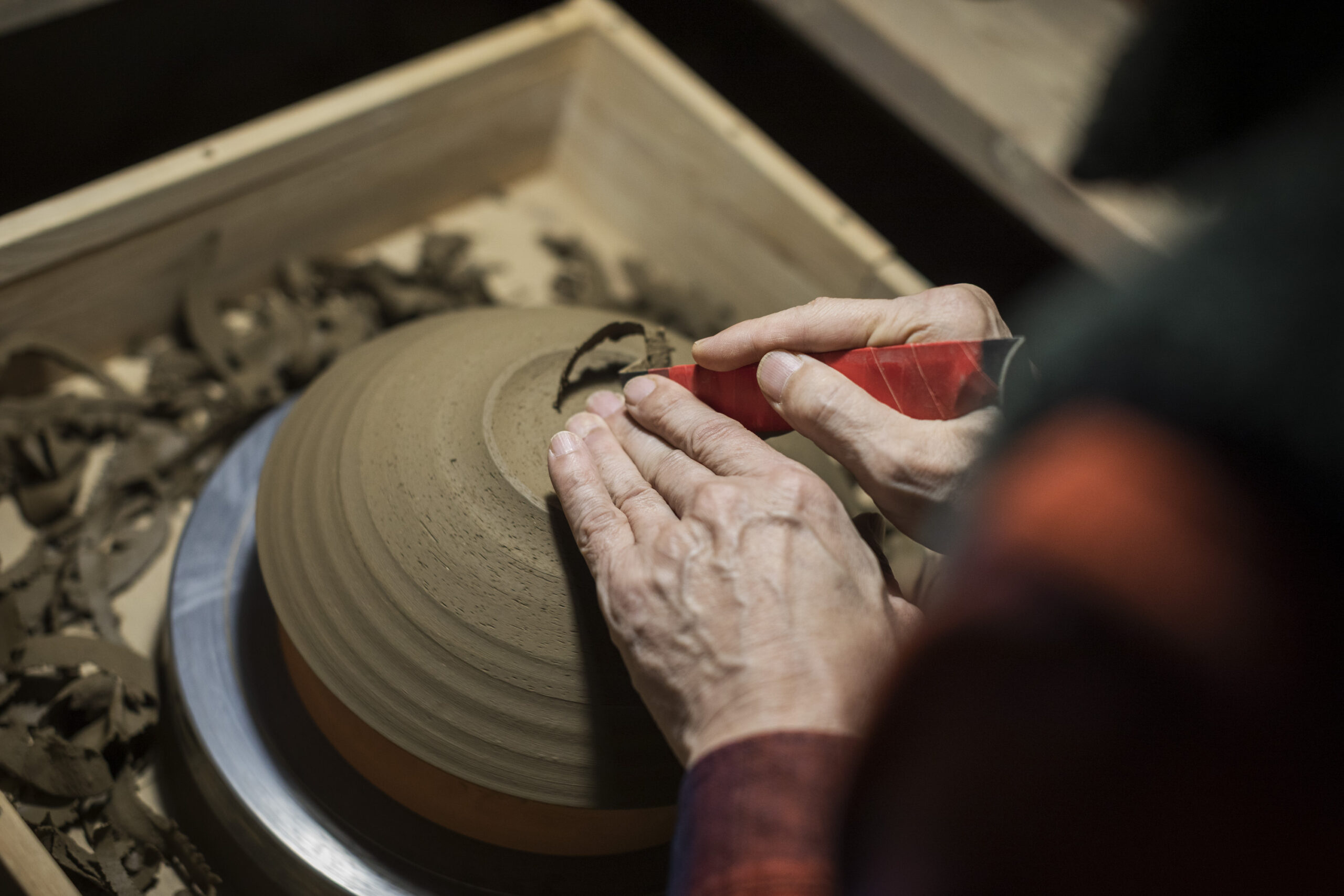
The state of the workshop
スクロールできます
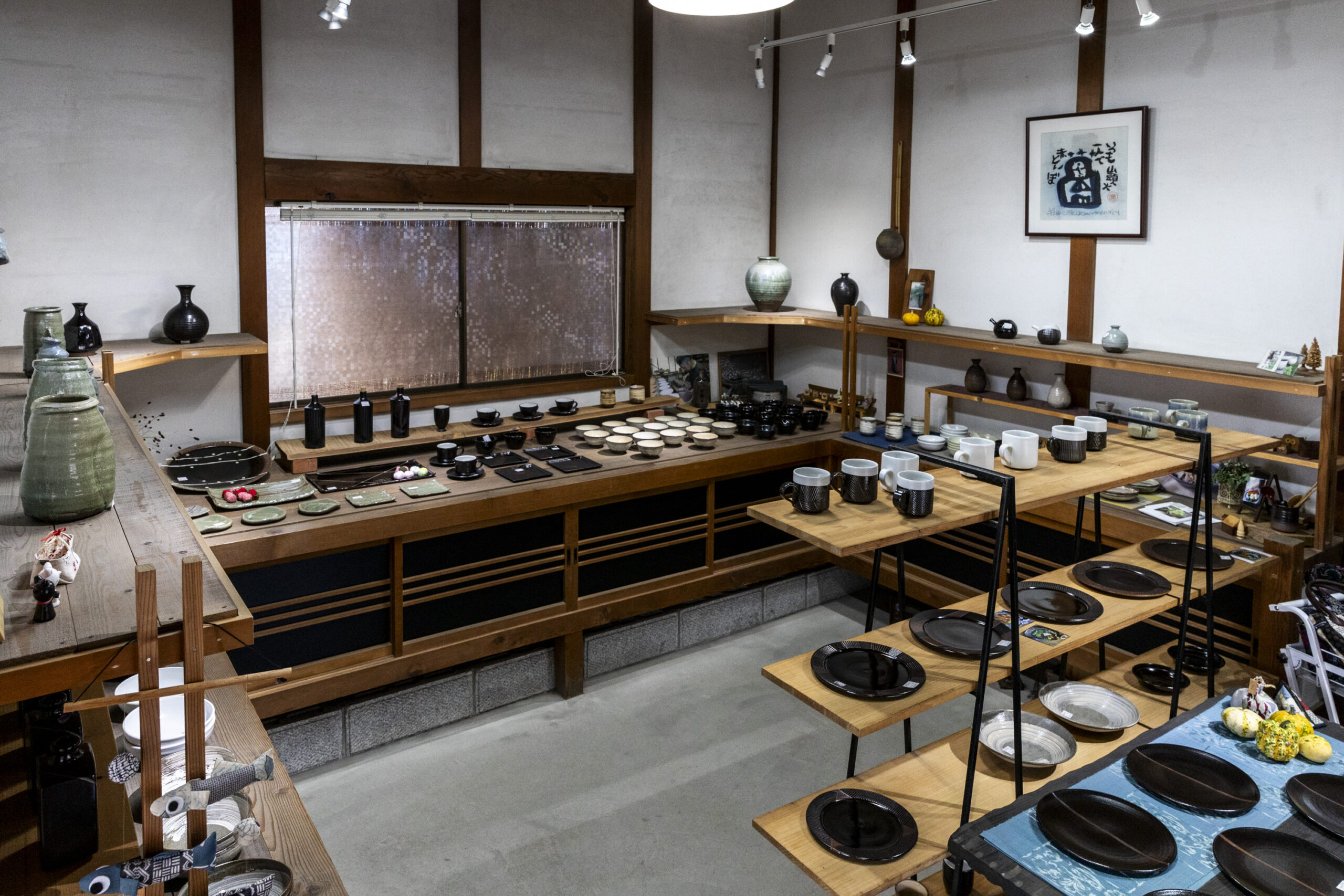
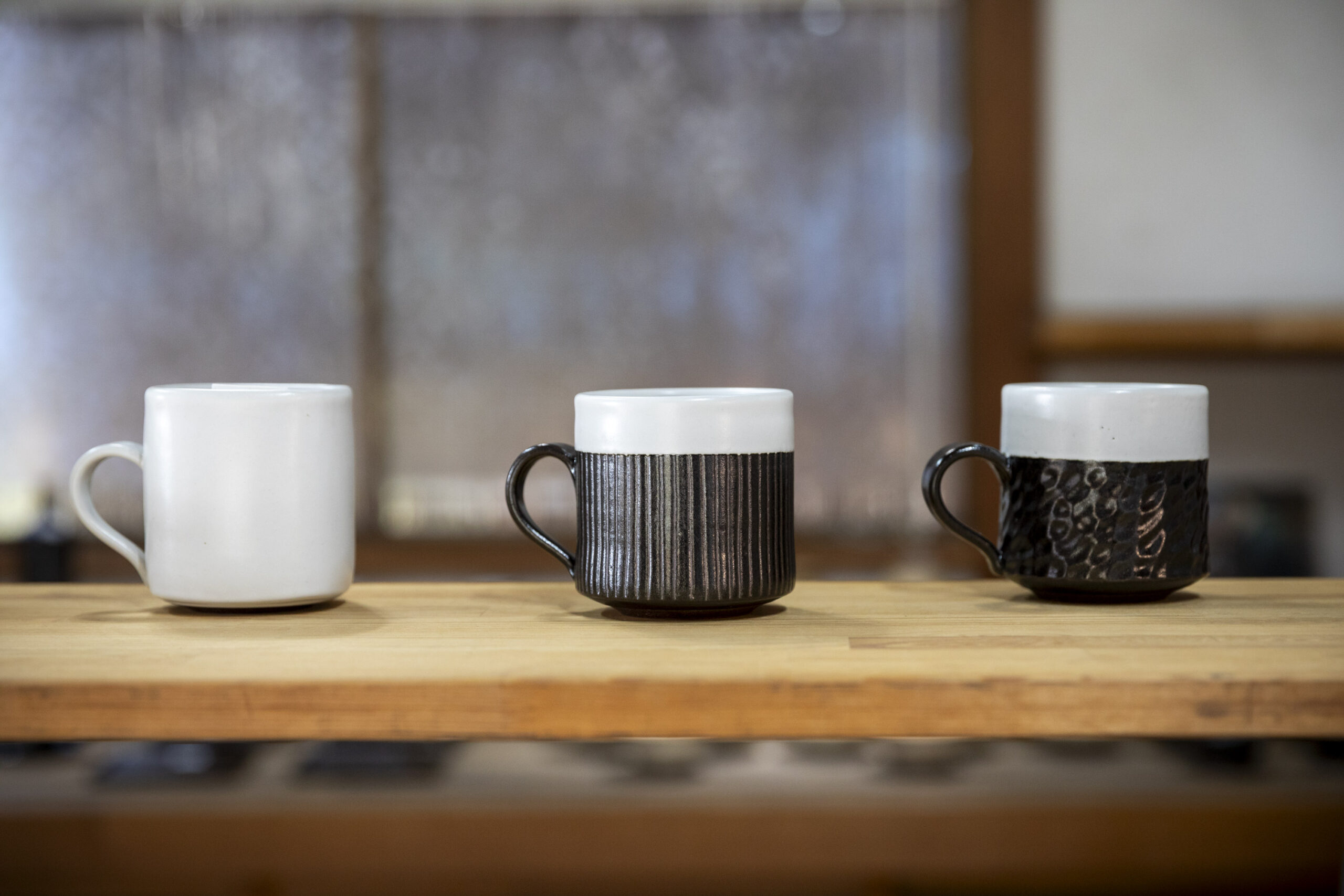
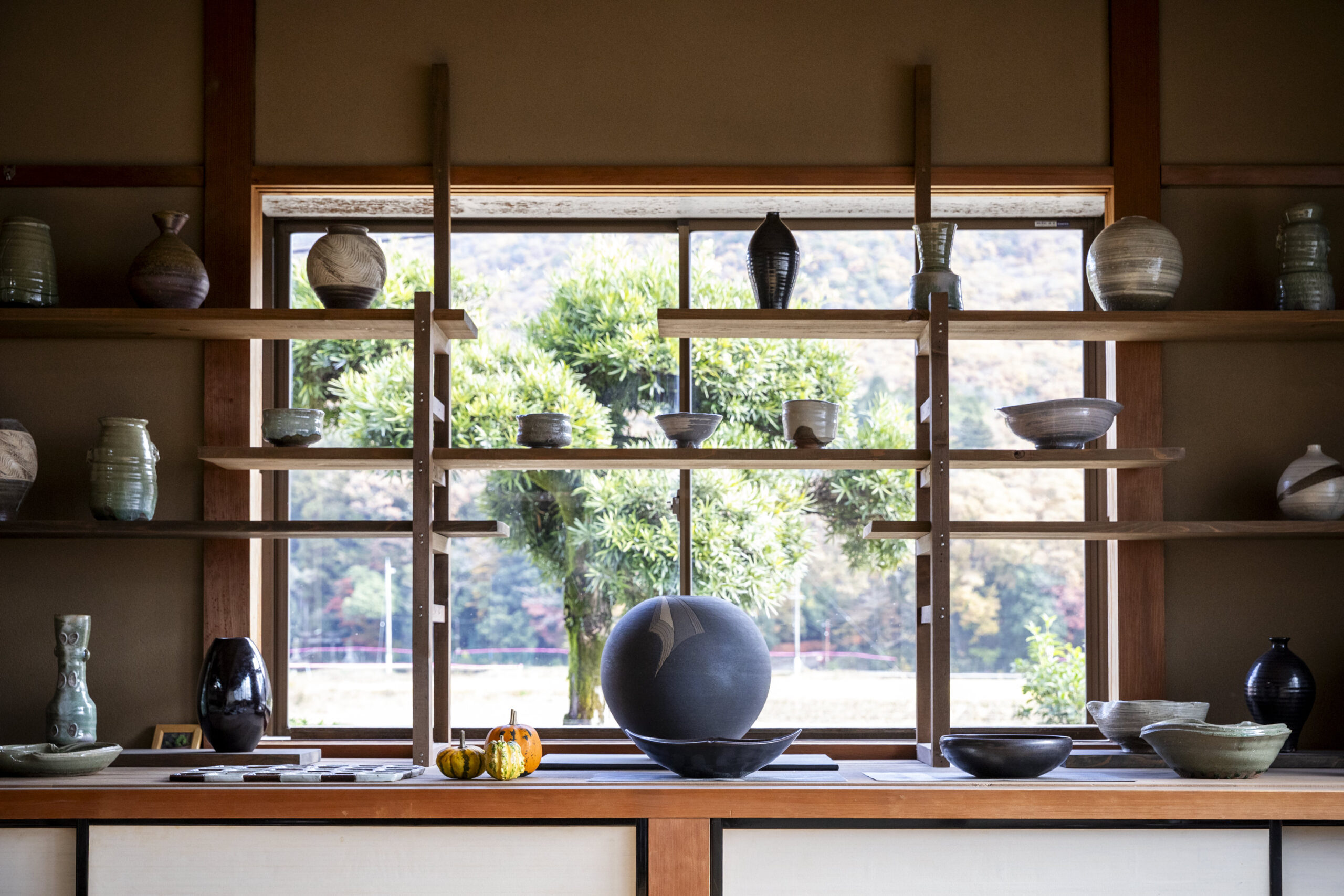
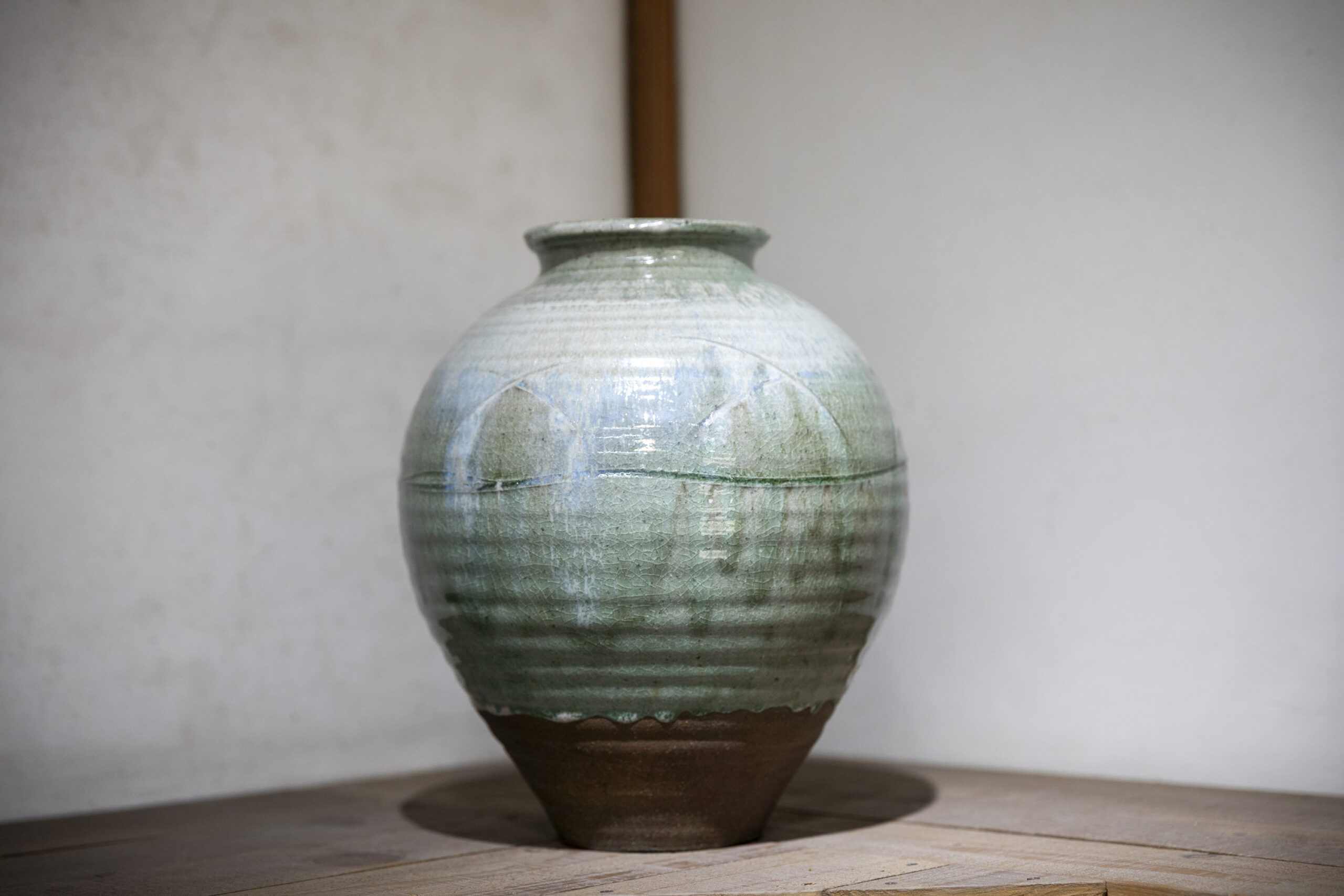


Works
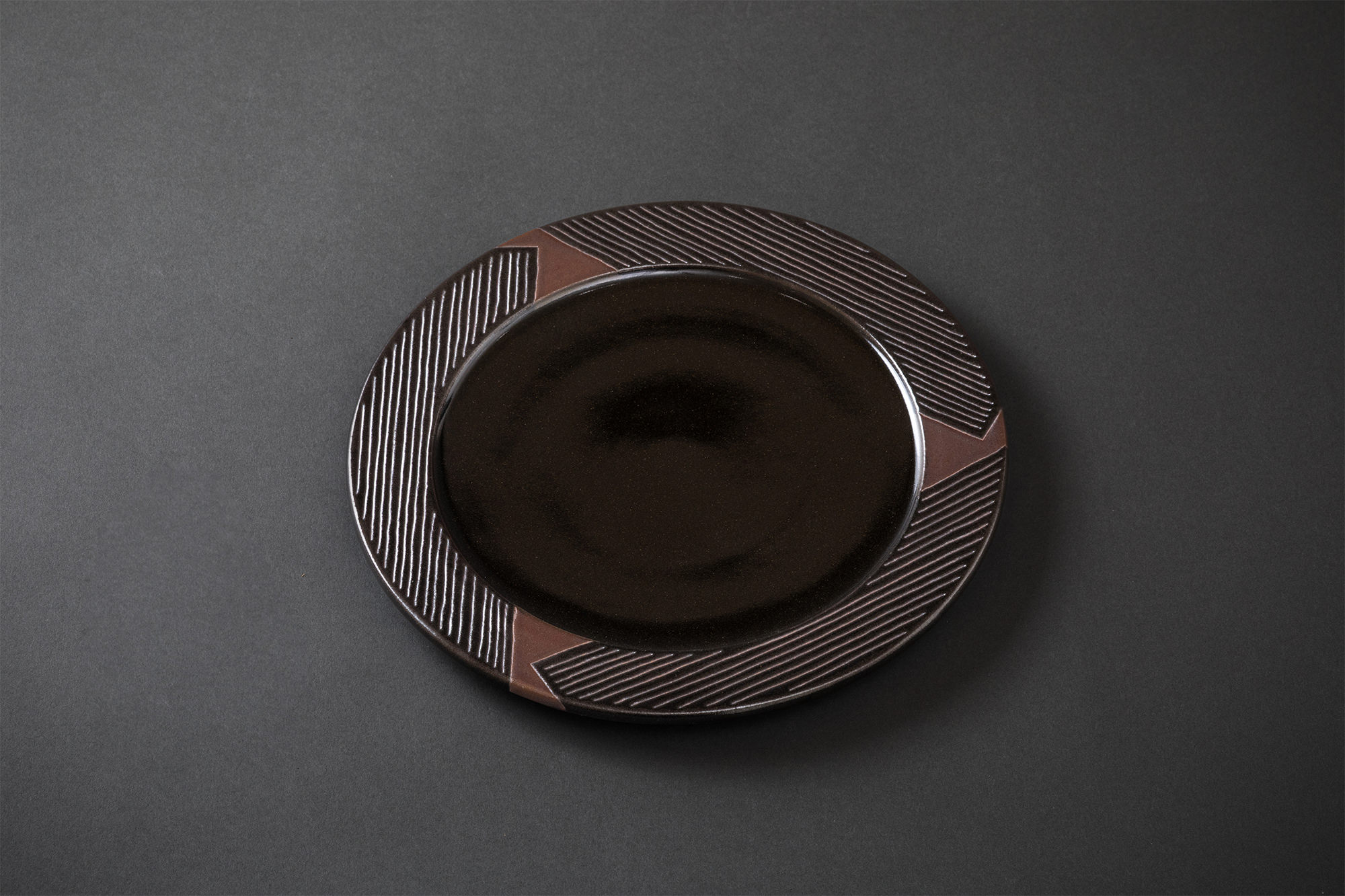
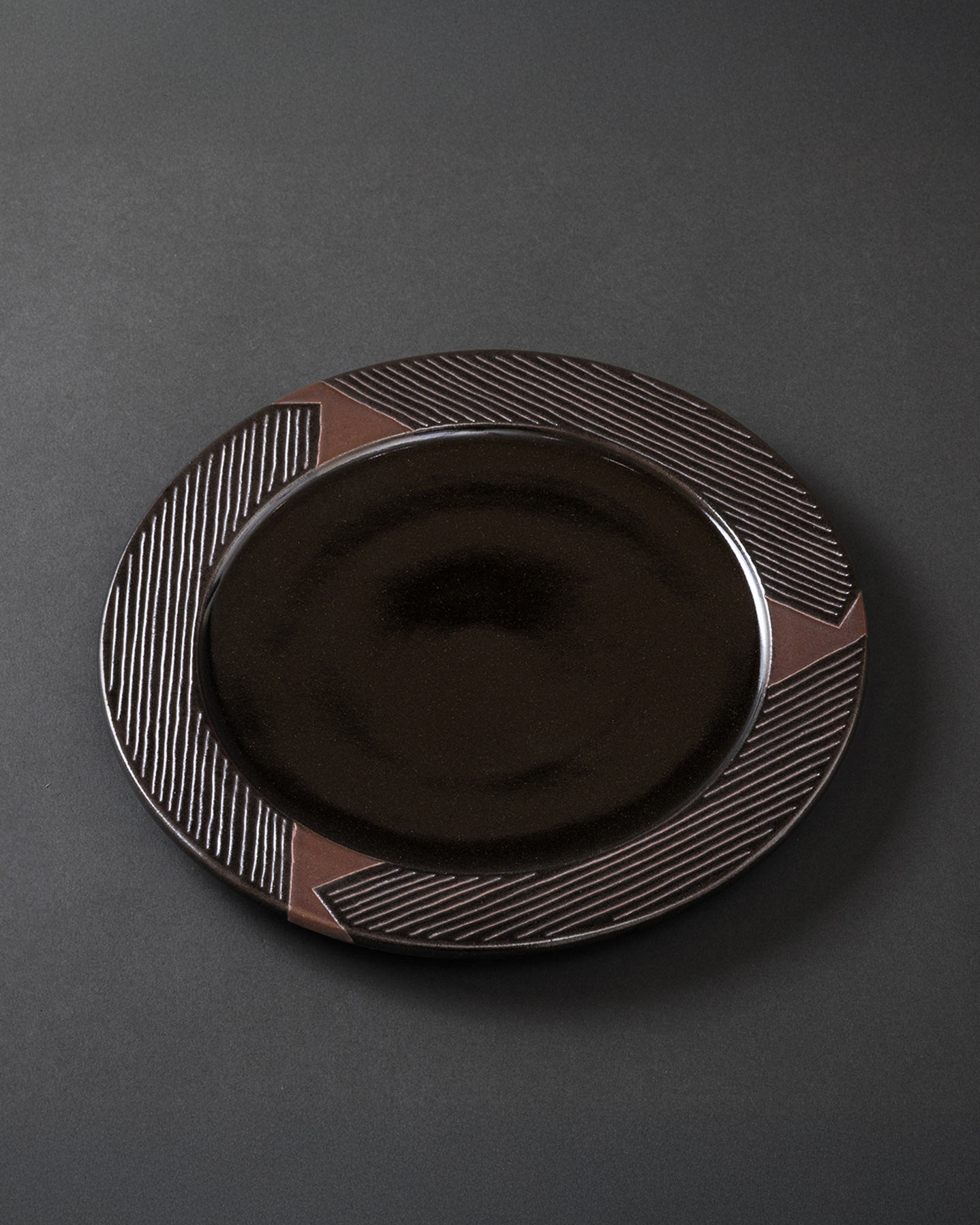
photo:AOTANI Takeru
Interview
Infusing Jet-Black Surfaces with the Strength of Clay — The Warmth of Everyday Tableware Crafted with Honest Hands by Gensho Ichino of TSUBOICHI
For the Words, “It Was So Easy to Use.” Forms Placed at the Center of Daily Life
The forms of TSUBOICHI possess a quiet dignity. They do not rely on vivid colors or ornate decoration. Instead, one’s eye is drawn to their deep, refined jet-black surfaces that draw out the inherent strength of Tamba clay. The moment you pick one up, your fingertips and palm seem to agree with its balance—there is a reassuring sense of rightness in the way it settles into the hand.
“I want to make pieces that people can use every day at home—not just for special occasions.”
Gensho Ichino of TSUBOICHI speaks in a calm, matter-of-fact tone. Behind his words lies an unwavering axis as a maker, refined through forty five years of dedication.
His commitment is especially evident in rice bowls—the forms we reach for daily. Because they are used every day, he knows that even the slightest difference in weight or the thickness of the rim can dramatically affect comfort.
“Each piece is handmade, so I want to preserve warmth. But if it’s hard to use, what’s the point? When a customer tells me, ‘That bowl I bought the other day—it was so easy to use,’ that’s something I’m truly grateful for.”
This “ease of use” is not born from calculation alone. After shaping tens of thousands of pieces on the wheel, his body instinctively makes subtle adjustments. Those accumulated sensations are transformed into forms and textures that bring quiet comfort to the everyday table.
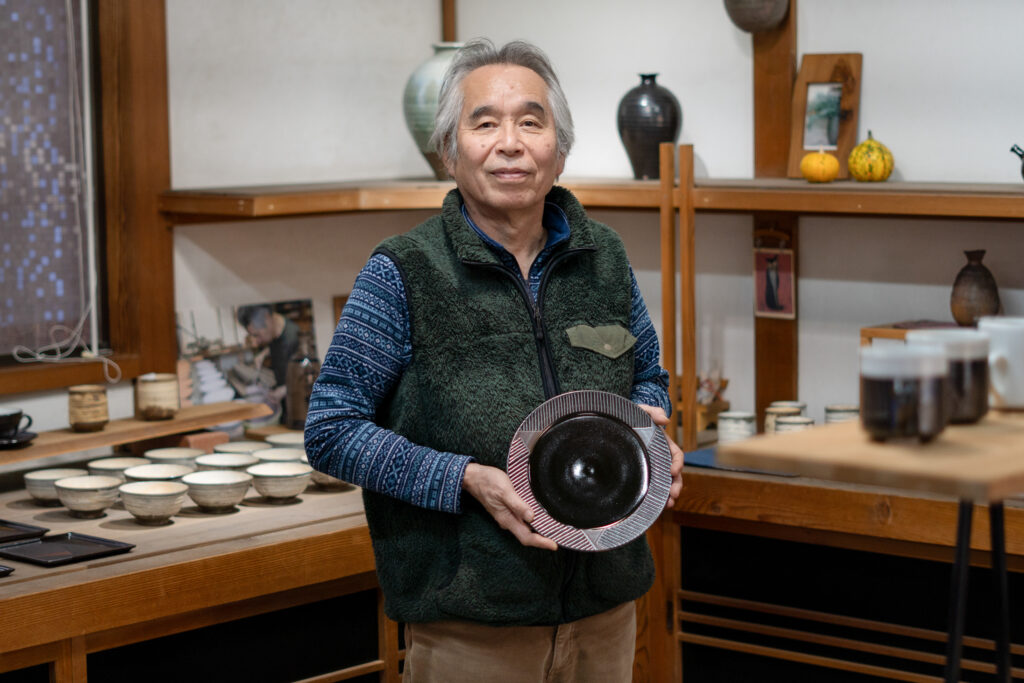
Growing Up in a Pottery Town Without Knowing Pottery
Though born and raised in Tachikui, pottery was not central to Gensho’s childhood memories.
“When I was a child, my father wasn’t yet running the pottery business. If you weren’t involved, you didn’t really know much about it.”
What he remembers instead is the river—before it was lined with concrete, when it was still earth. Two or three meters wide, its water ran clear. He would spend hours chasing fish there.
“I’d play until evening and bring the fish home. Sometimes they became dinner.”
The rice fields, too, were not yet neatly divided. Each plot was irregular in shape. Surrounded by untamed nature, he walked nearly four kilometers to and from elementary school each day.
“It was forty or fifty minutes each way. But the scenery I saw and the smell of the soil along the way—maybe those sensations are at the root of who I am.”
Growing up freely and mischievously without conscious awareness of pottery, the unadorned beauty of nature that seeped into him during those years seems deeply connected to the quiet, rustic presence of the forms he now creates.
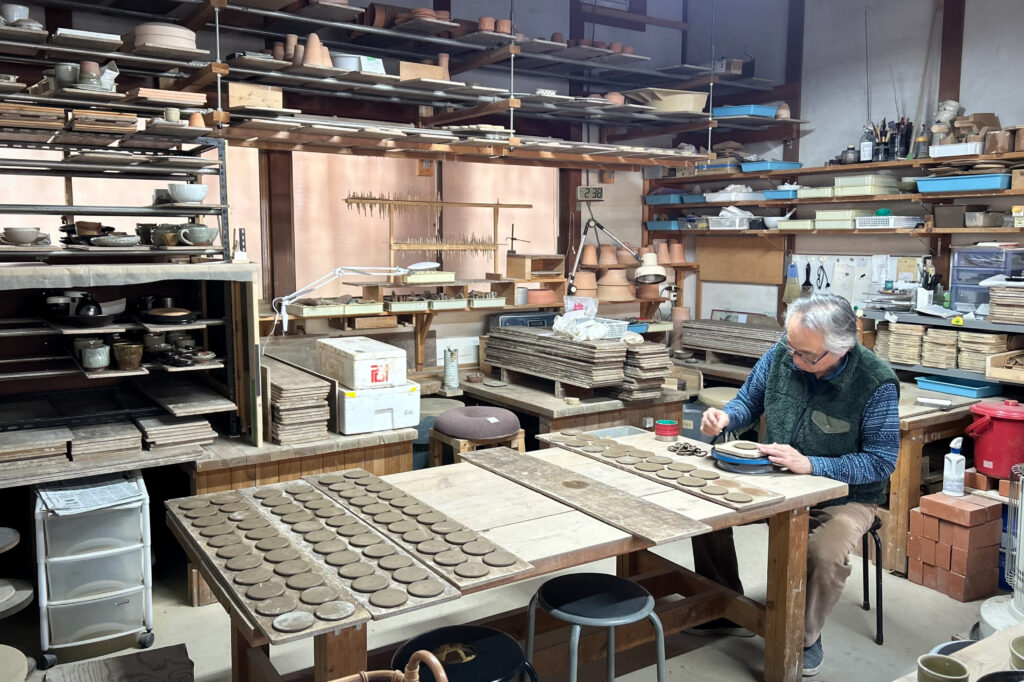
A Dream of Cars and the Path of Clay Entrusted by His Father
A turning point came in high school. His father, who had once studied pottery, returned to the craft after working in another field.
“At the time, I really wanted to work in the automotive world. In the end, I gave up that path and chose pottery instead.”
He laughs and calls it a reluctant decision. Yet he chose to study at an art university in Kyoto and, after graduating, apprenticed under a ceramic artist there for two and a half years. At twenty three, he returned to Tachikui with the foundations of professional pottery firmly in place.
“I came back around the end of the bubble economy. There were still plenty of orders, and we were busy. I was just focused on carefully handling the work in front of me.”
Without grand ambition, yet steadily and sincerely, he has continued turning the wheel. His journey now approaches half a century.
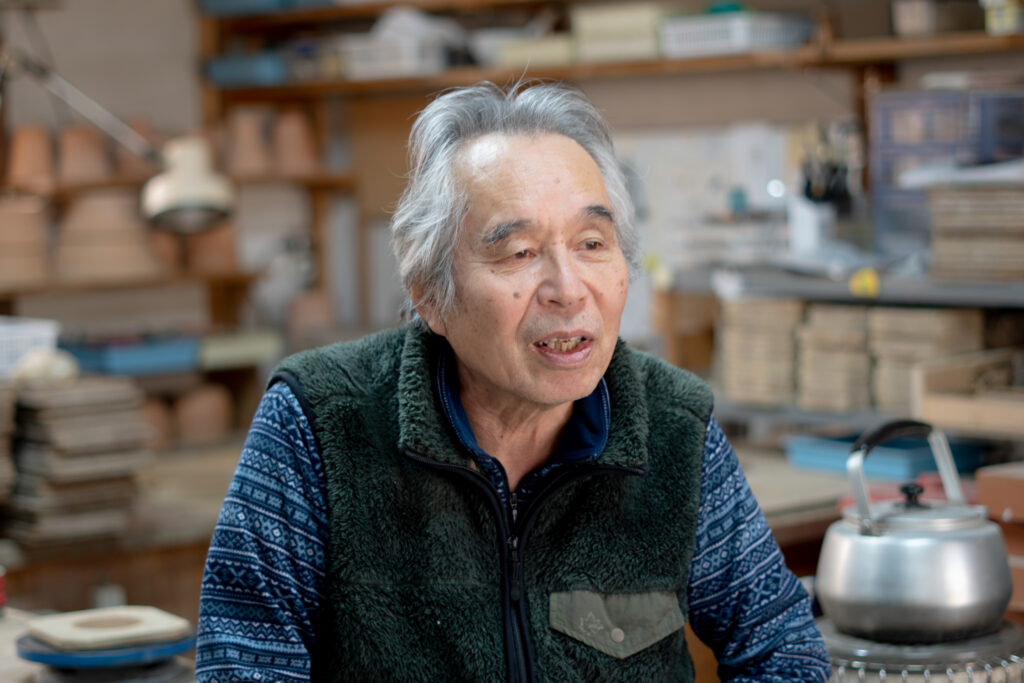
No Forcing It — Making What He Truly Wants to Make
The kinds of pieces he makes have not changed much since his twenties, brush-marked wares and forms centered on black tones. He rarely ventures into bright colors. “I’m not one to follow trends. I just end up making what I want to make,” he says with a smile.
Now sixty seven, he laughs, “If I push myself too hard, I feel it the next day.” Still, he has no intention of stopping. As long as his body allows, he will continue working with clay.
He spends most days working alone in quiet concentration. Though grateful for visitors, he admits feeling a bit shy when speaking with them. That reserved distance seems reflected in his forms, they never assert themselves too strongly, instead gently blending into the lives of those who use them.
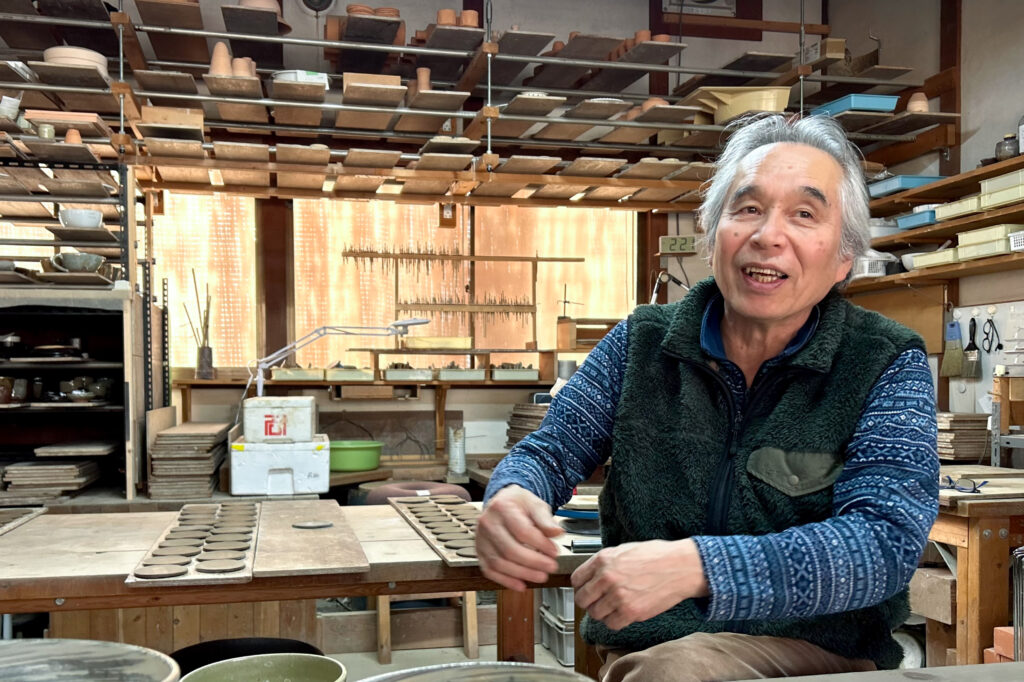
When asked about the charm of Tachikui, he answers without hesitation: May, when everything turns green. “Front and back—everywhere you look, it’s all green.” Unlike heavily planted areas, this pottery village is surrounded by close, enveloping greenery. Within that landscape, he continues to face the clay at his own steady pace.
In his shy smile, there is the ease and lightness that come only from long dedication. Perhaps the quiet daily life embedded in his jet-black forms is none other than the living continuity of Tamba’s earth itself, expressed through Gensho’s hands.
Interview, Text, and Photography:NOUCHI Nana
Overview
of
TSUBOICHI
Address
330 Kamitachikui, Konda-cho, Tambasasayama, Hyogo, Japan
TEL
FAX
Website