
TOC
TAMBA MARUICHI-GAMA
profile
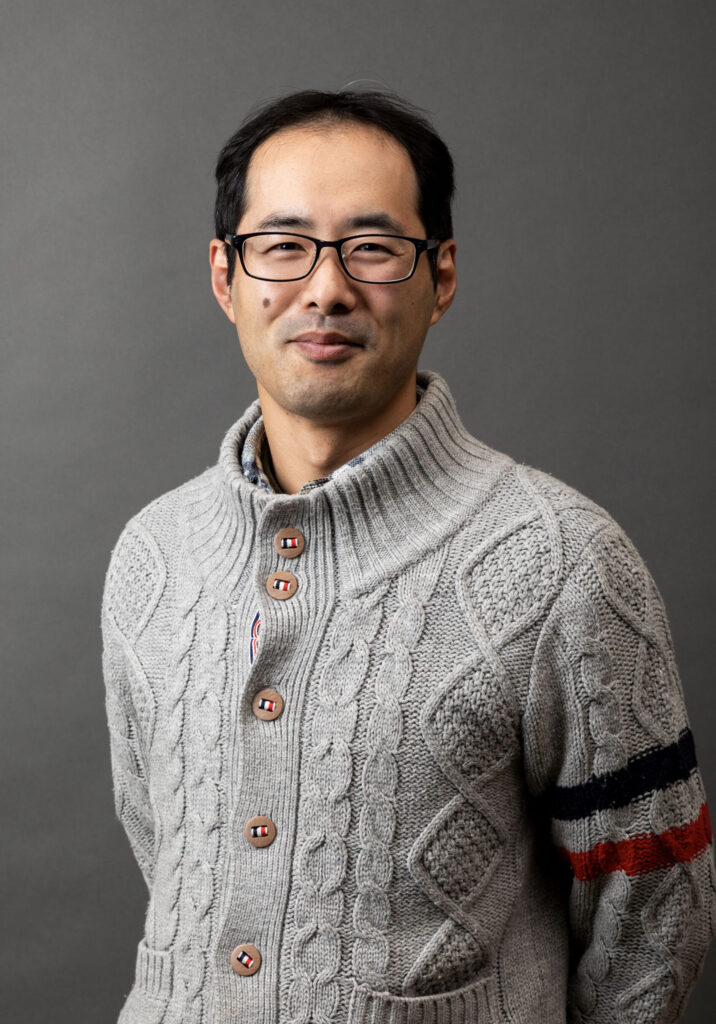
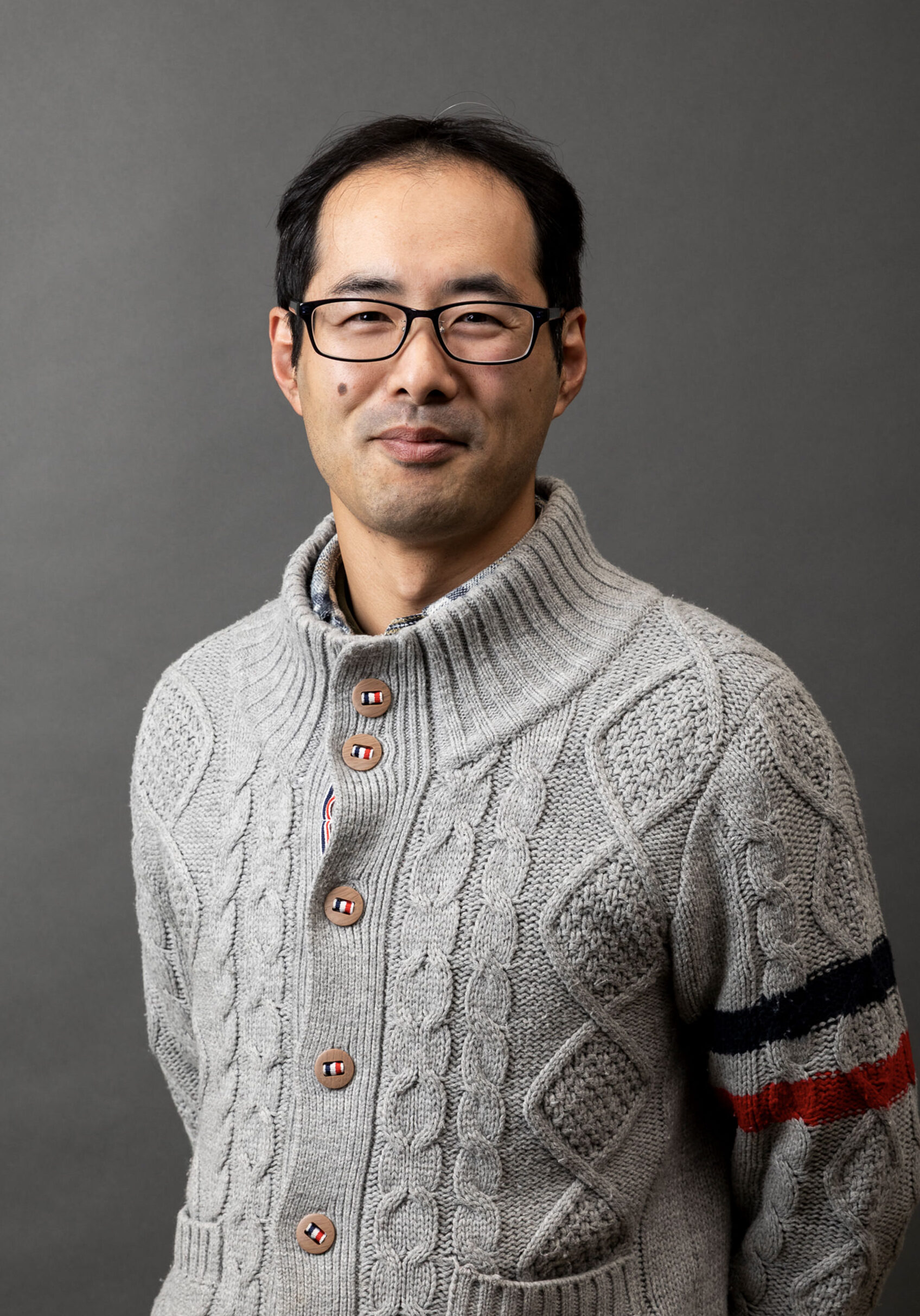
Kazutoshi Ichino
profile
Kazutoshi Ichino
6th generation
Year of Birth:1982
Year Began Pottery:2005
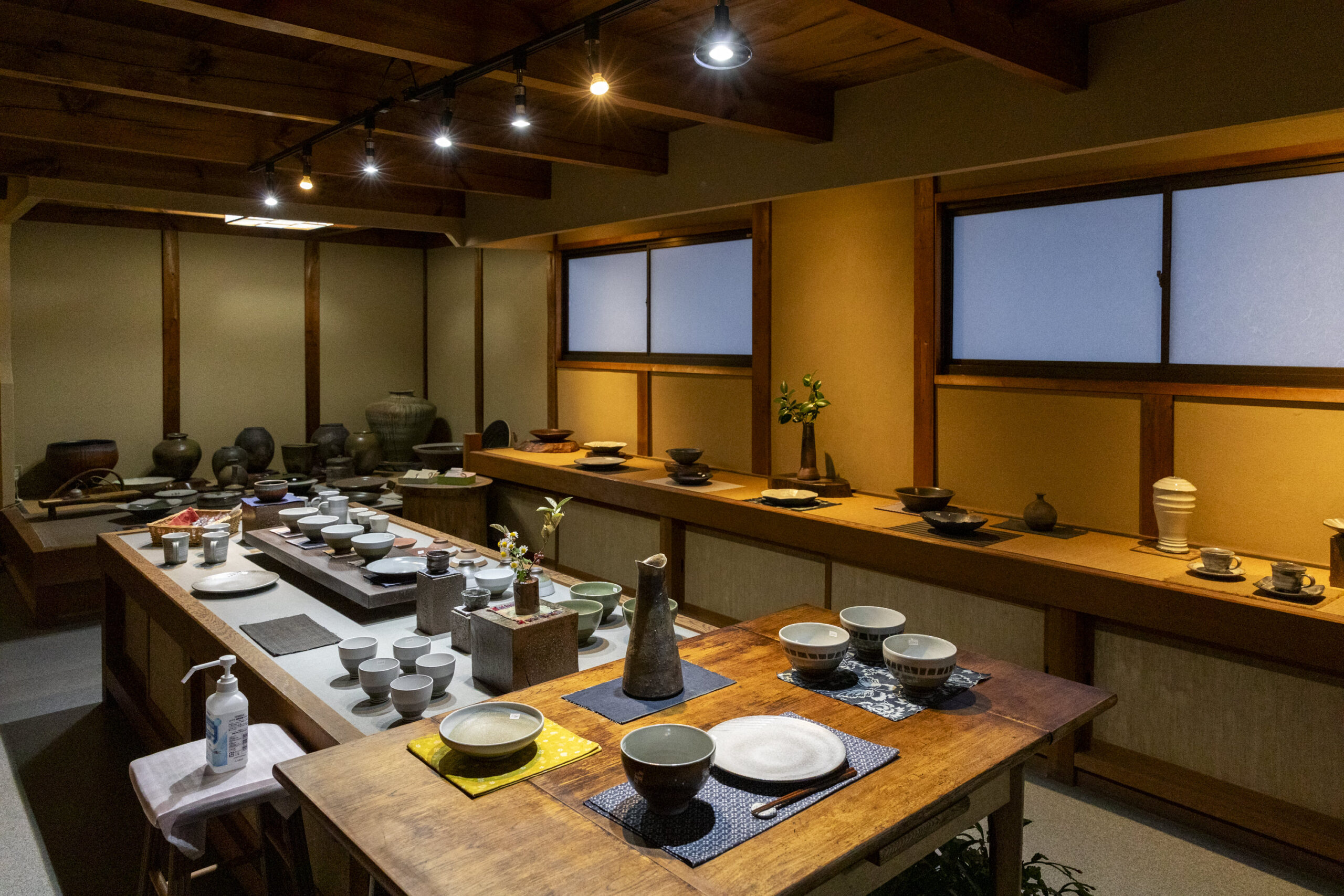
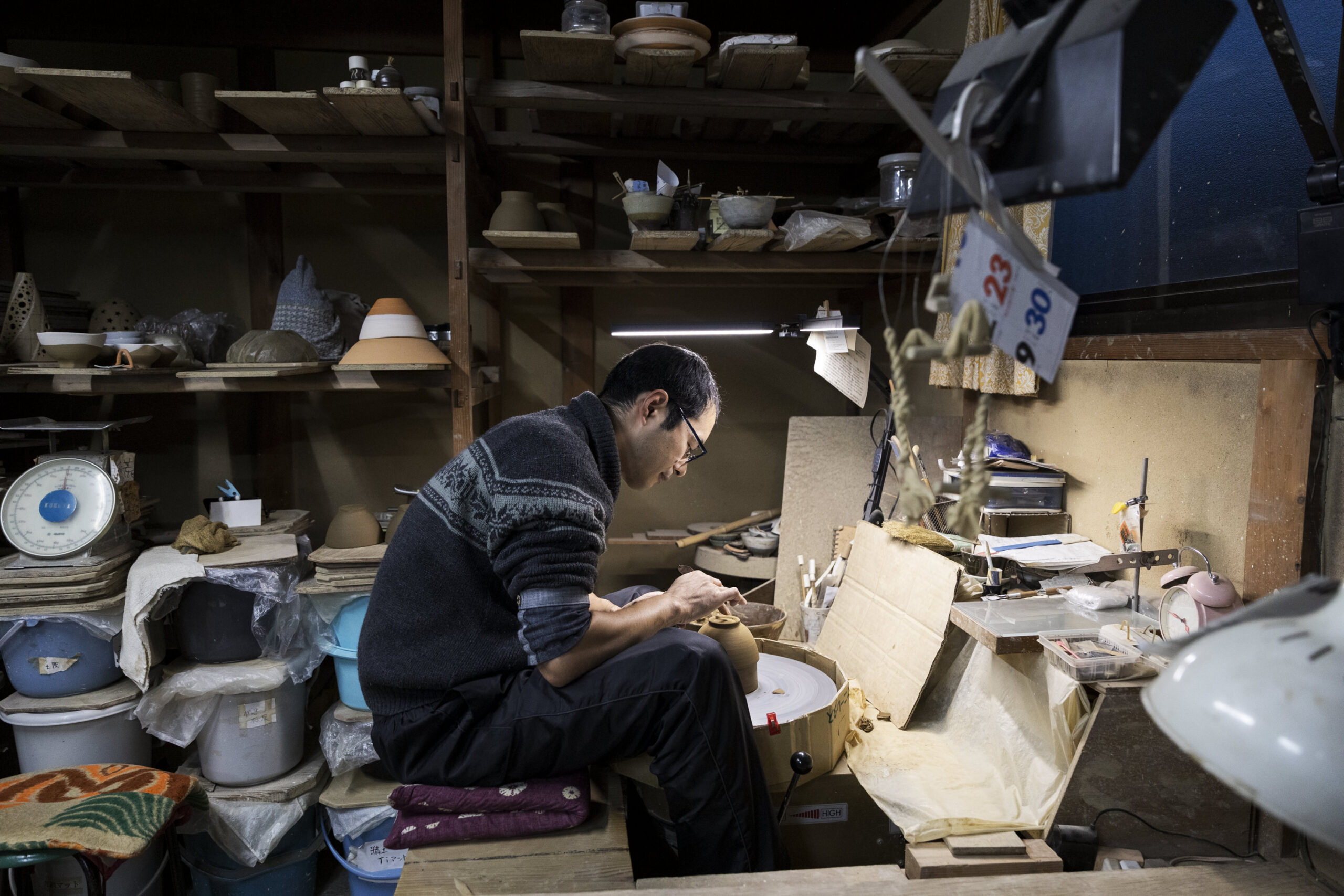
The state of the workshop
スクロールできます
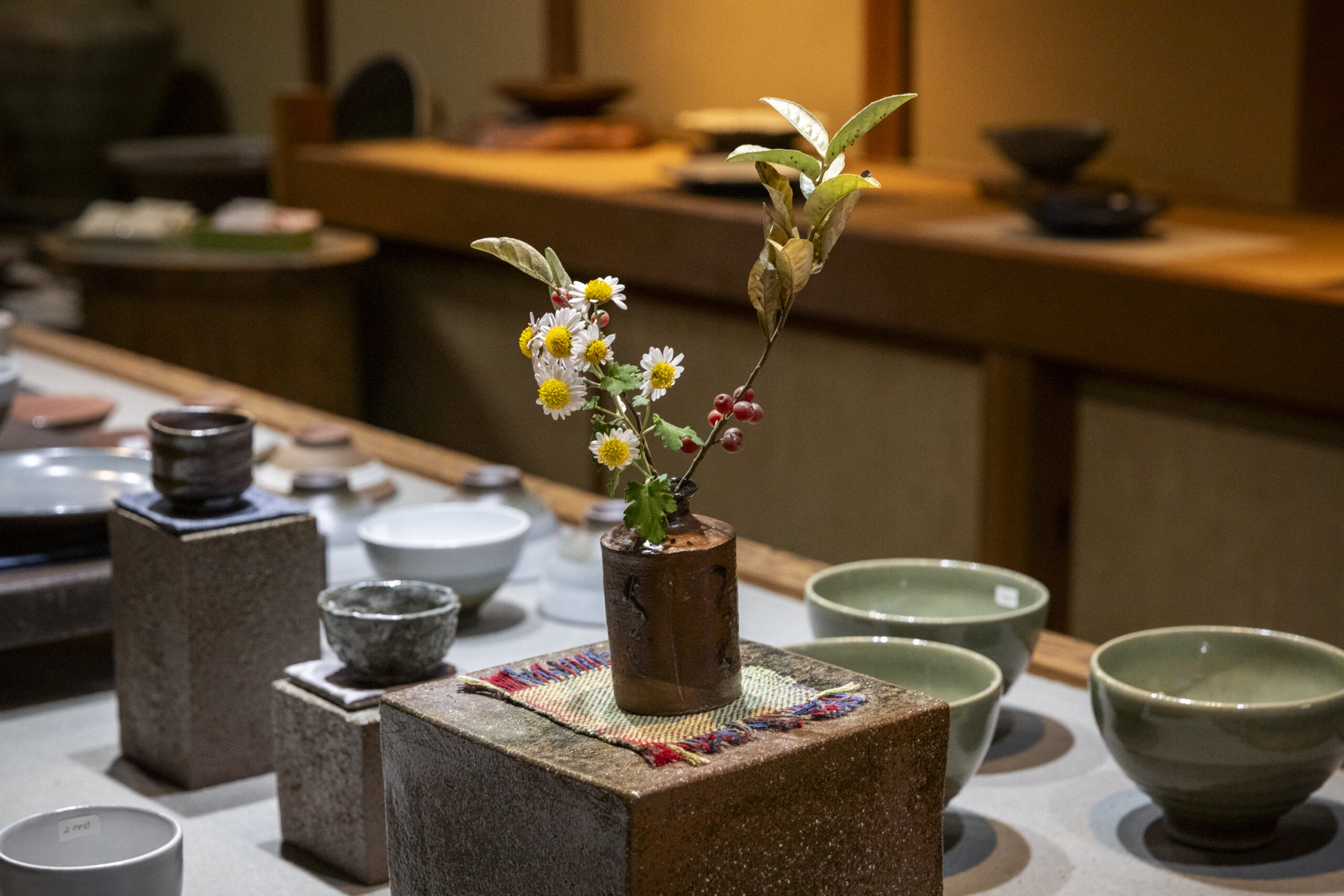
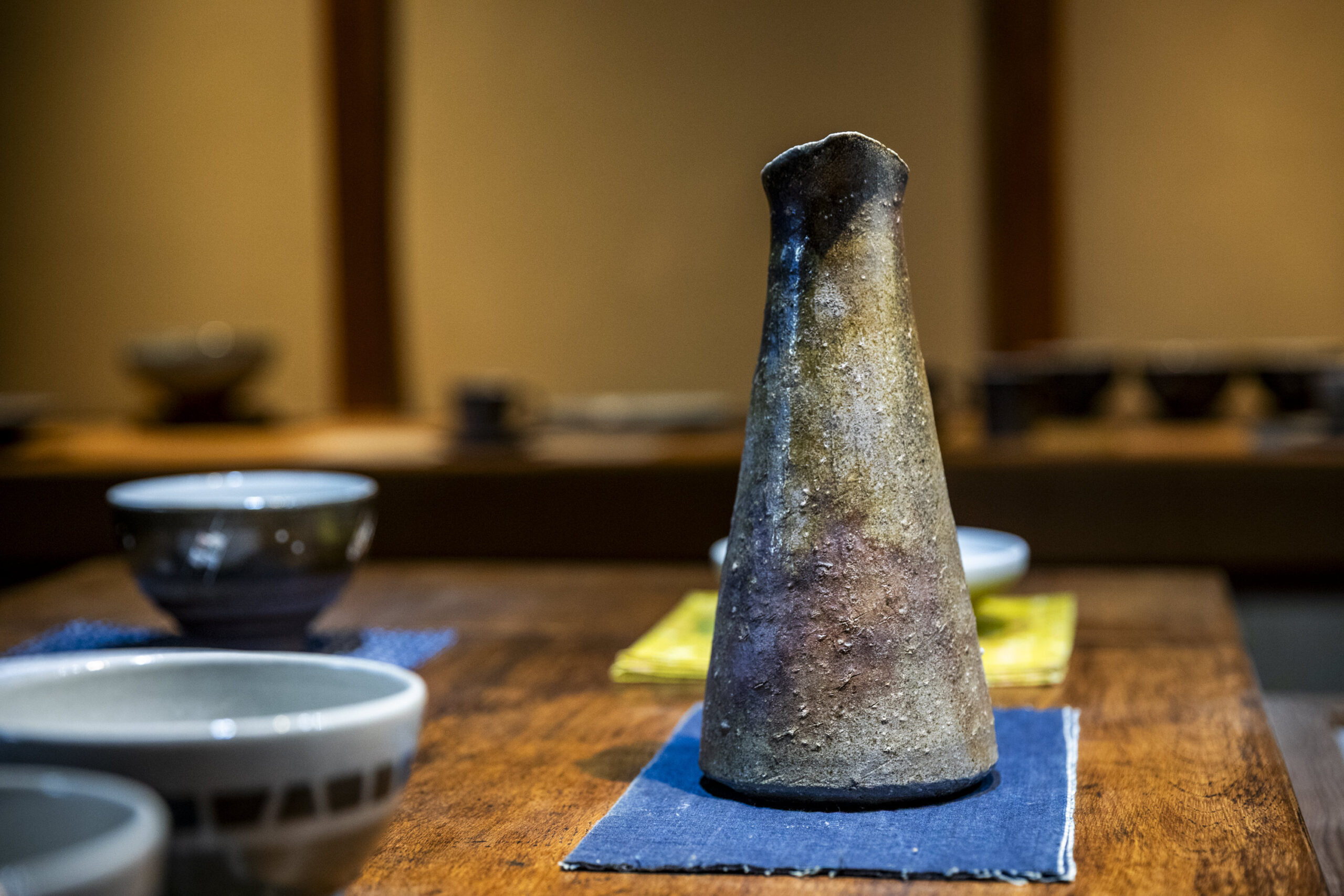
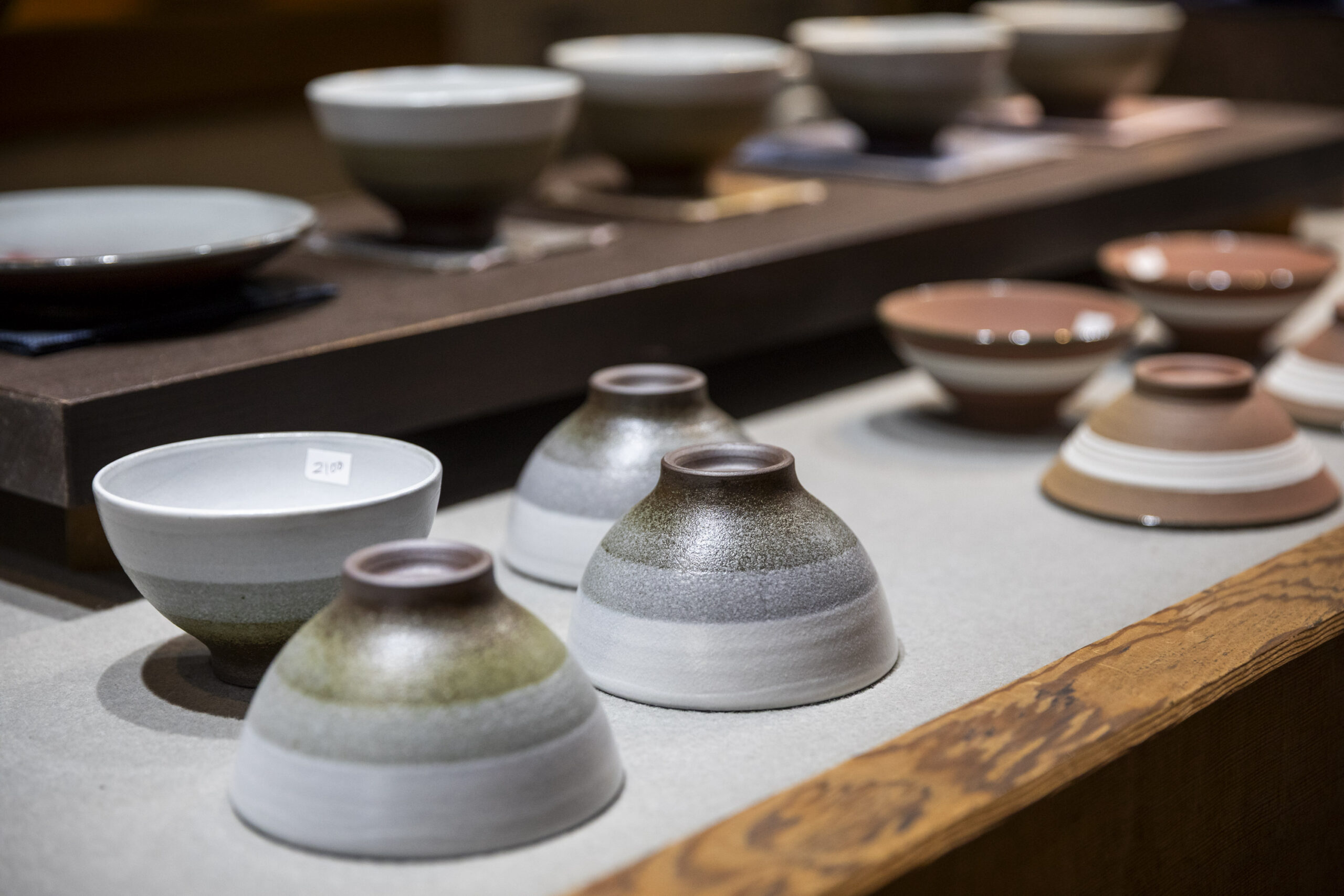
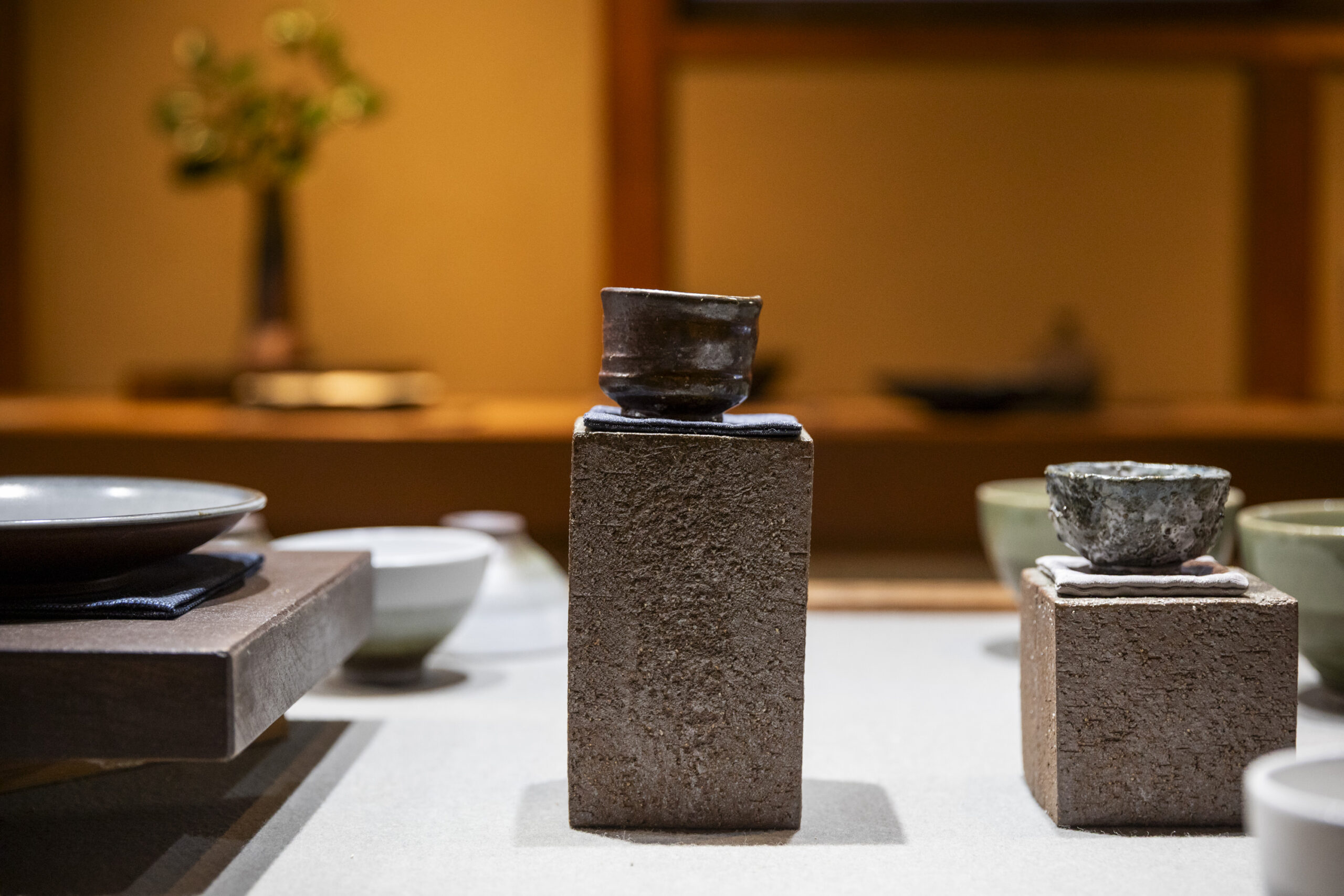
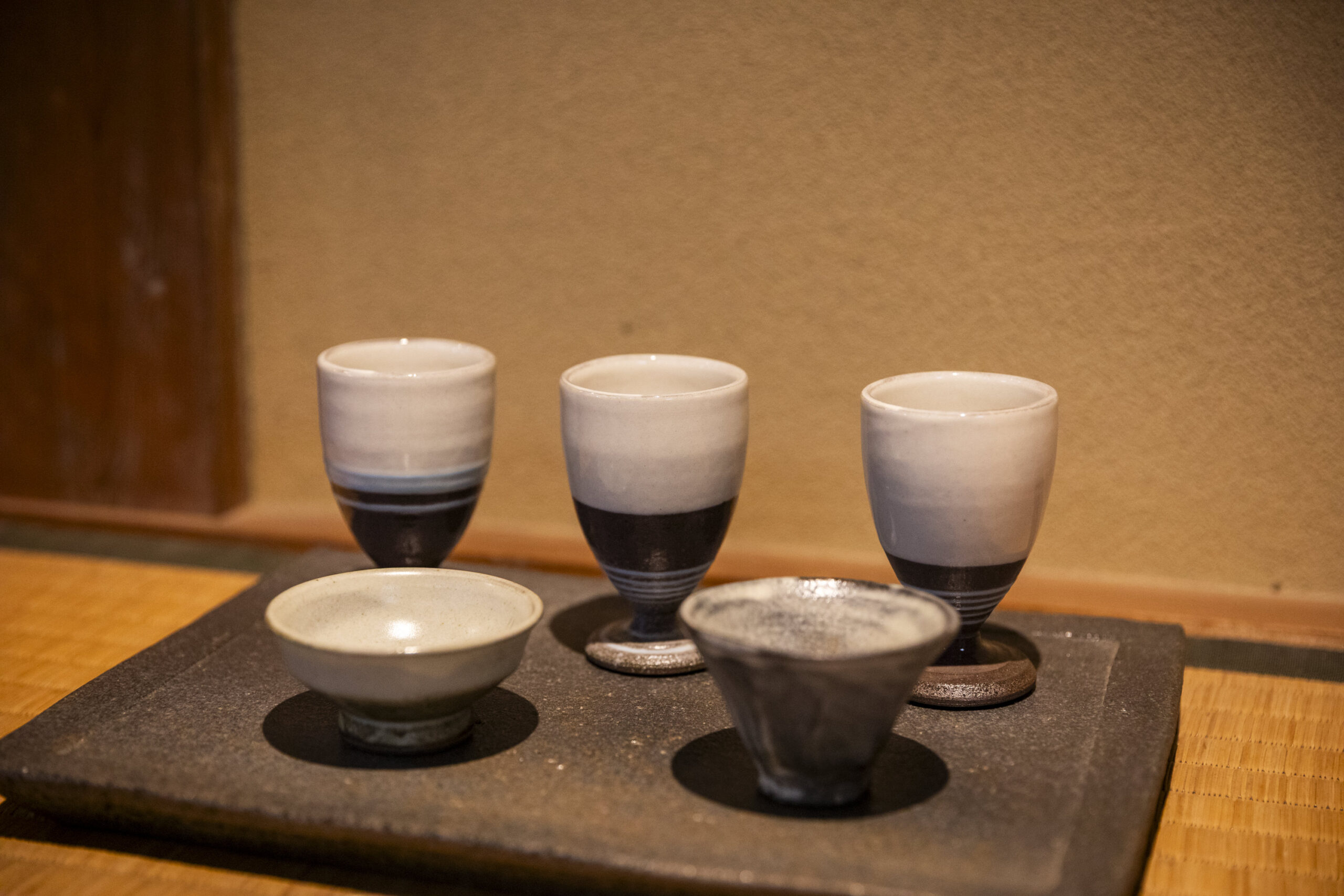


Works
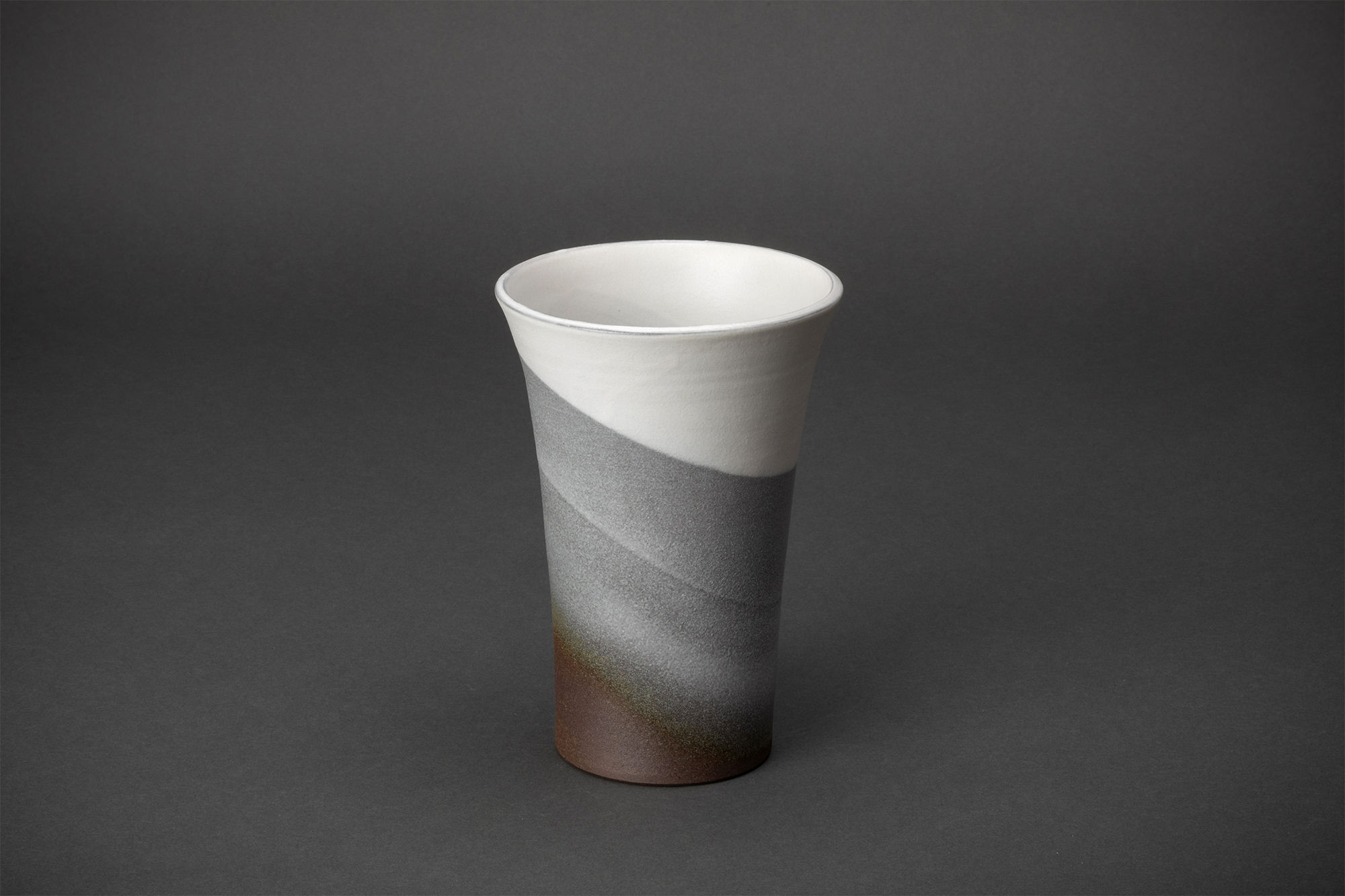
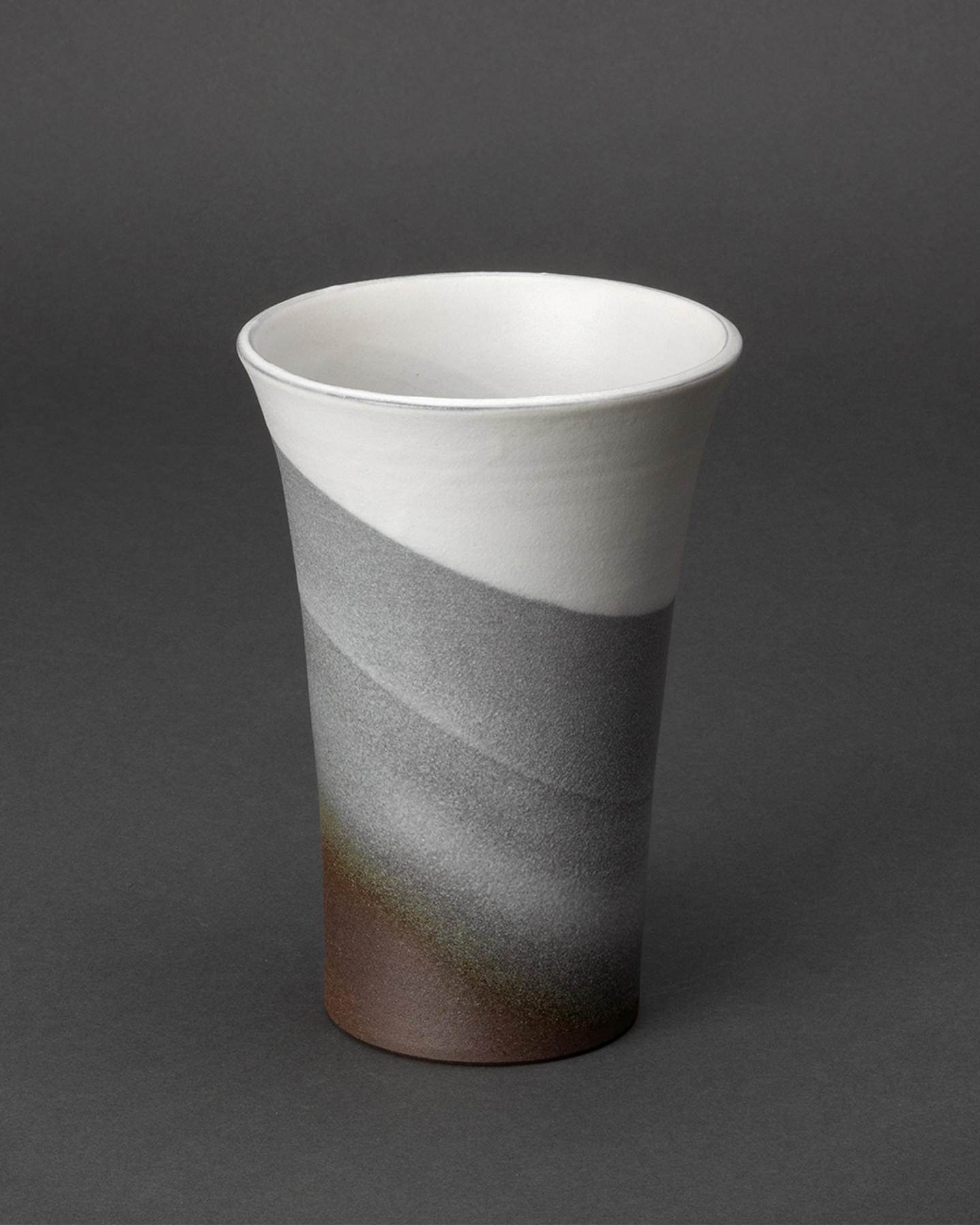
photo:AOTANI Takeru
Interview
Forms That Stay Close to Daily Life and Grow in the Hands of Those Who Use Them — The Sincere Craft of Kazutoshi Ichino of TAMBA MARUICHI-GAMA
A Carefully Measured Balance That Blends Seamlessly into Everyday Life
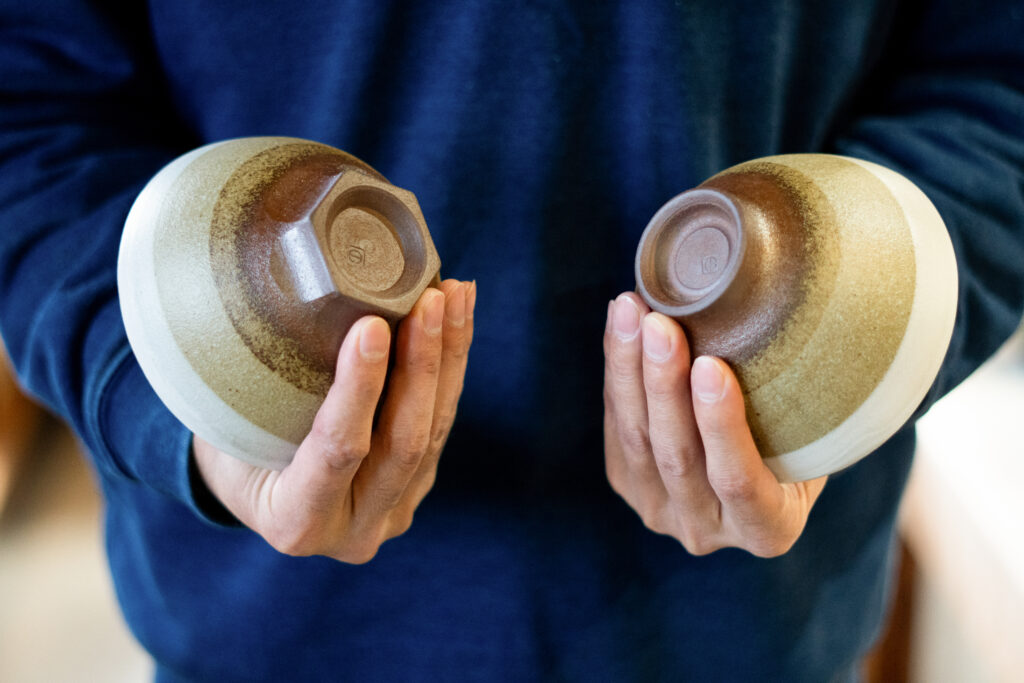
On the shelves of the workshop, rice bowls, mugs, and sobachoko cups wait quietly for their place at the daily table. The works of Kazutoshi Ichino of TAMBA MARUICHI-GAMA are all rendered in calm tones, carrying the rustic texture characteristic of Tamba clay. Though handmade, their forms are stable, their presence gentle and understated—imbued with a softness almost like that of a picture book world.
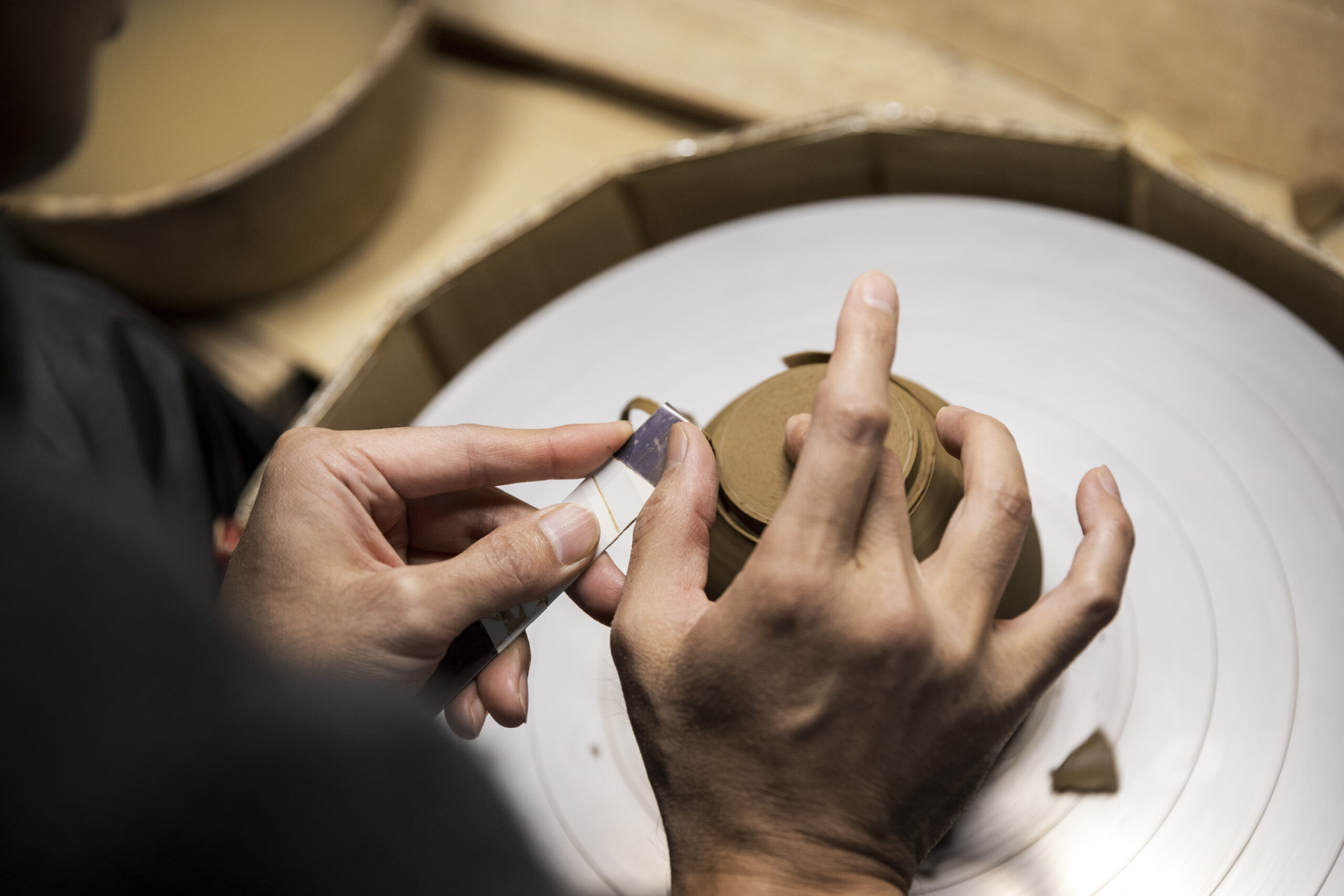
“I wanted rice bowls to feel more comfortable the moment you hold them, so I even made some with hexagonally faceted foot rings. It’s not very noticeable, but it’s one of my small personal touches.”
In his making, Kazutoshi carefully considers the balance between usability and price.
“If I put in too much time simply because I want to perfect every detail, the piece may become something customers can’t easily afford. I want as many people as possible to use my pottery. Deciding how far to go with each touch, that’s always the hardest part.”
Not too loose, not overly labored. This subtle calibration gives form to a “beauty of use” that naturally settles into our daily lives.
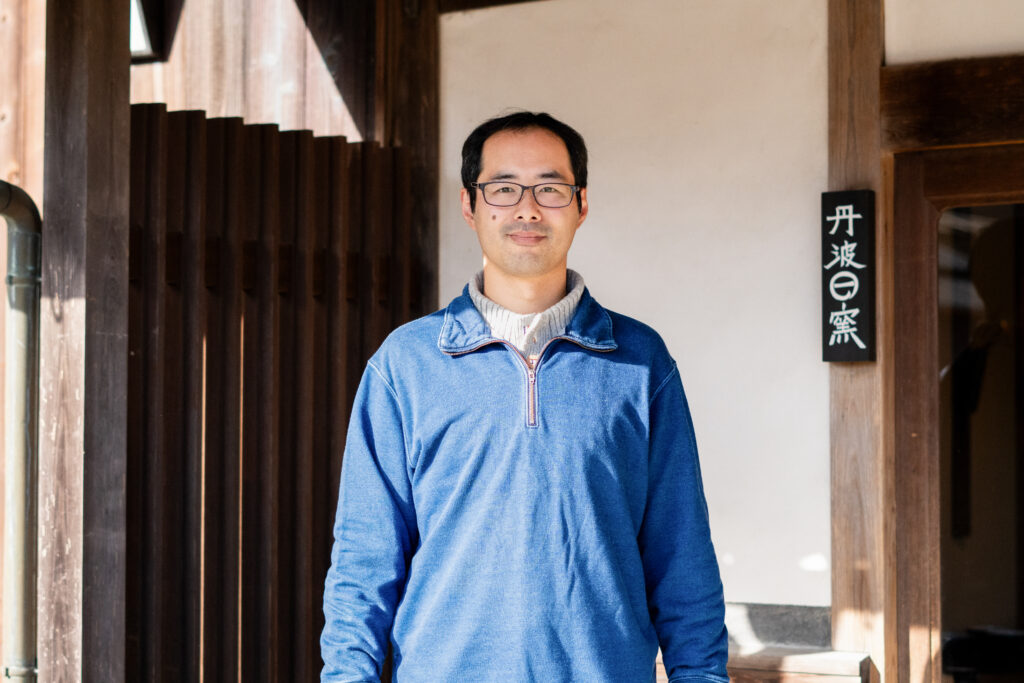
Grandfather’s Cigarette Smoke and the Climbing Kiln
Childhood memories remain vivid in Kazutoshi’s mind—scenes unique to a craftsman’s world.
“This shop space used to be the workshop. My grandfather worked here intensely. If I opened the door suddenly, the room would be filled with cigarette smoke. I’d think, ‘Whoa, this is dangerous!’ and close it right away,” he laughs. “He was a heavy smoker, turning the wheel with a cigarette in his mouth.”
He also recalls bringing meals to his grandfather during all-night firings in the climbing kiln and playing carefully in the yard, making sure not to hit the drying flowerpots with his ball.
Beyond Uniformity — Discovering the Subtle ‘Fluctuations’ Unique to Handwork
His serious pursuit of ceramics began after high school. He studied the fundamentals of sculpture and craft at an art junior college in Nara, then moved to Kyoto to learn advanced wheel-throwing techniques and glaze formulation.
In Kyoto, he mastered the skill of shaping thin, precise forms. But upon returning to the family potter, he found that approach did not translate easily. The white clay he used in Kyoto behaved very differently from Tamba’s red clay.
“The white clay in Kyoto could be stretched thin, allowing for delicate pieces. But if I tried that with Tamba clay, the form might collapse at the waist or warp during firing. And if it was too thin, it could look weak.”
His father would say, “You touch the clay too much—you take too long and end up making only slurry.” On the wheel, too much handling can distort the shape. Accustomed to producing exact measurements in school, Kazutoshi had to work hard to adjust his ingrained habits to suit Tamba clay.
Now he sees that while striving for mechanical uniformity, the slight “fluctuations” created by the movement of fingers are precisely what machines can never achieve—the quiet charm unique to forms shaped by human hands.
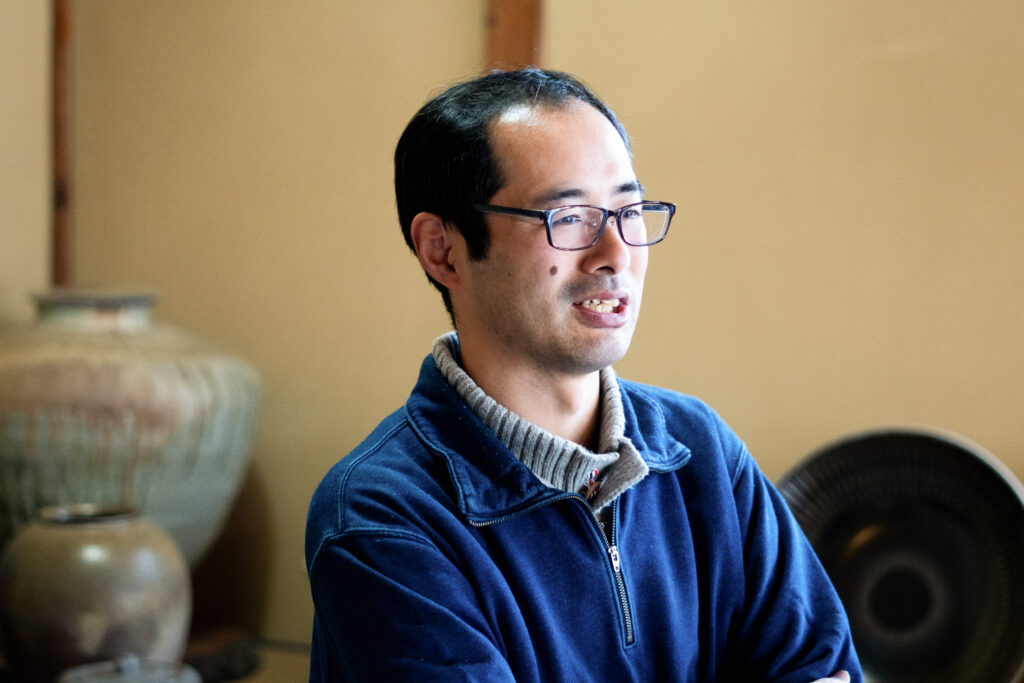
Seeking the Perfect Balance for Everyday Living
Kazutoshi’s work has two contrasting faces.
One is traditional natural-ash pieces fired in a wood kiln. Without applied glaze, ash carried by the flames melts naturally onto the surface, creating expressions beyond intention—no two alike.
The other consists of colorful everyday tableware fired in a gas kiln. Here, instead of relying on chance, he carefully controls impurities and uneven firing, ensuring a consistent and beautiful finish.
One kiln entrusts the outcome to fire; the other meticulously manages details with the user’s daily life in mind. Through the shared foundation of Tamba clay, Kazutoshi moves between these opposing approaches.
“How far should I refine it? What finish feels just right for everyday use? I go back and forth, searching within that narrow space.”
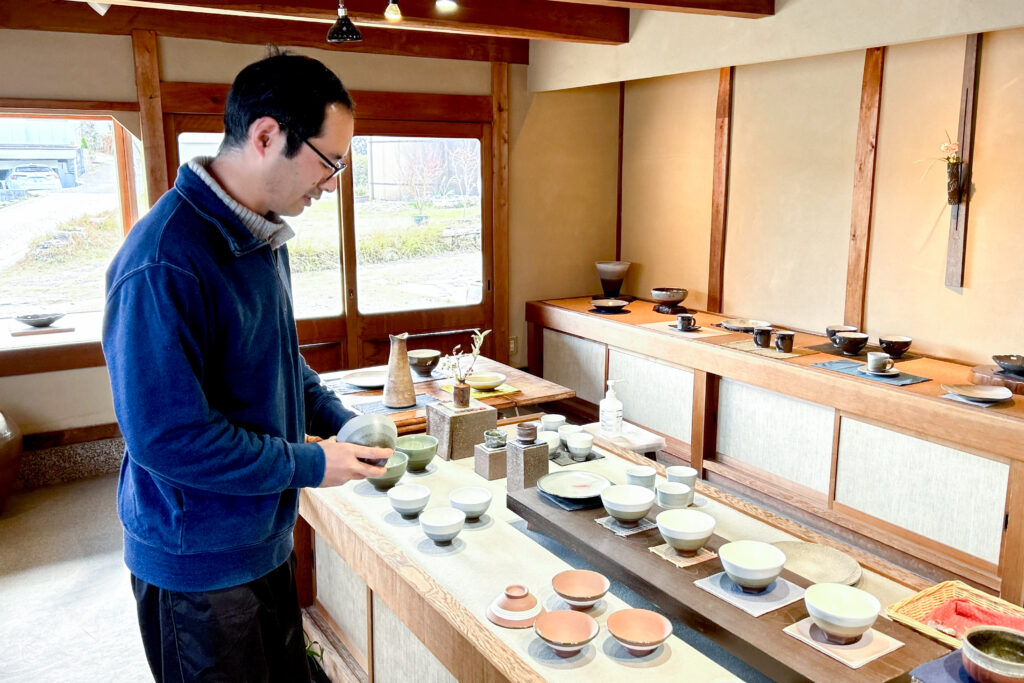
At the end of the interview, he shared a story about visitors to the potter.
“A small child once looked at a sake cup I made and asked, ‘What’s this?’ I told them, ‘You could even drink Yakult from it if you like.’ Pottery can last a lifetime if it doesn’t break. I hope people use it in whatever way feels right to them.”
Another customer once asked if she could use a sake flask as a single-flower vase. “Of course,” he replied. “Please, use it however you wish.”
With his gentle manner and solid technical skill, Kazutoshi continues to create forms quietly each day, shaped by the nature of Tamba and by the calm rhythm of his own life.
Interview, Text, and Photography:NOUCHI Nana
Overview
of