
TOC
TOSHIHIKO-GAMA
profile
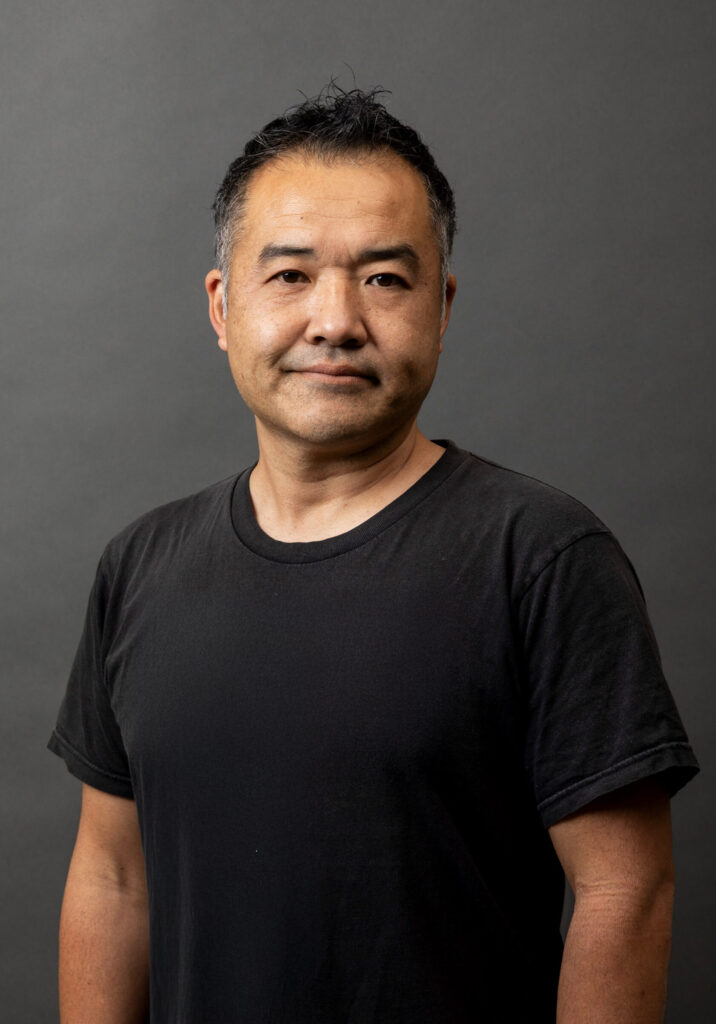
Takeshi Shimizu
profile
Takeshi Shimizu
5th generation
Year of Birth:1975
Year Began Pottery:2004
Education / Training Background
Graduated from Kyoto City University of Arts, Department of Crafts (Ceramics Major)
Studied under Masayuki Imai and Makimasa Imai
Major Awards
2017 – Hyogo Prefecture Art Encouragement Award
2024 – Excellence Award, 16th Contemporary Chato Exhibition (also awarded in 2018, 2019, 2023)
Gold Prize, 26th Mino Tea Bowl Exhibition (also awarded in 2018)
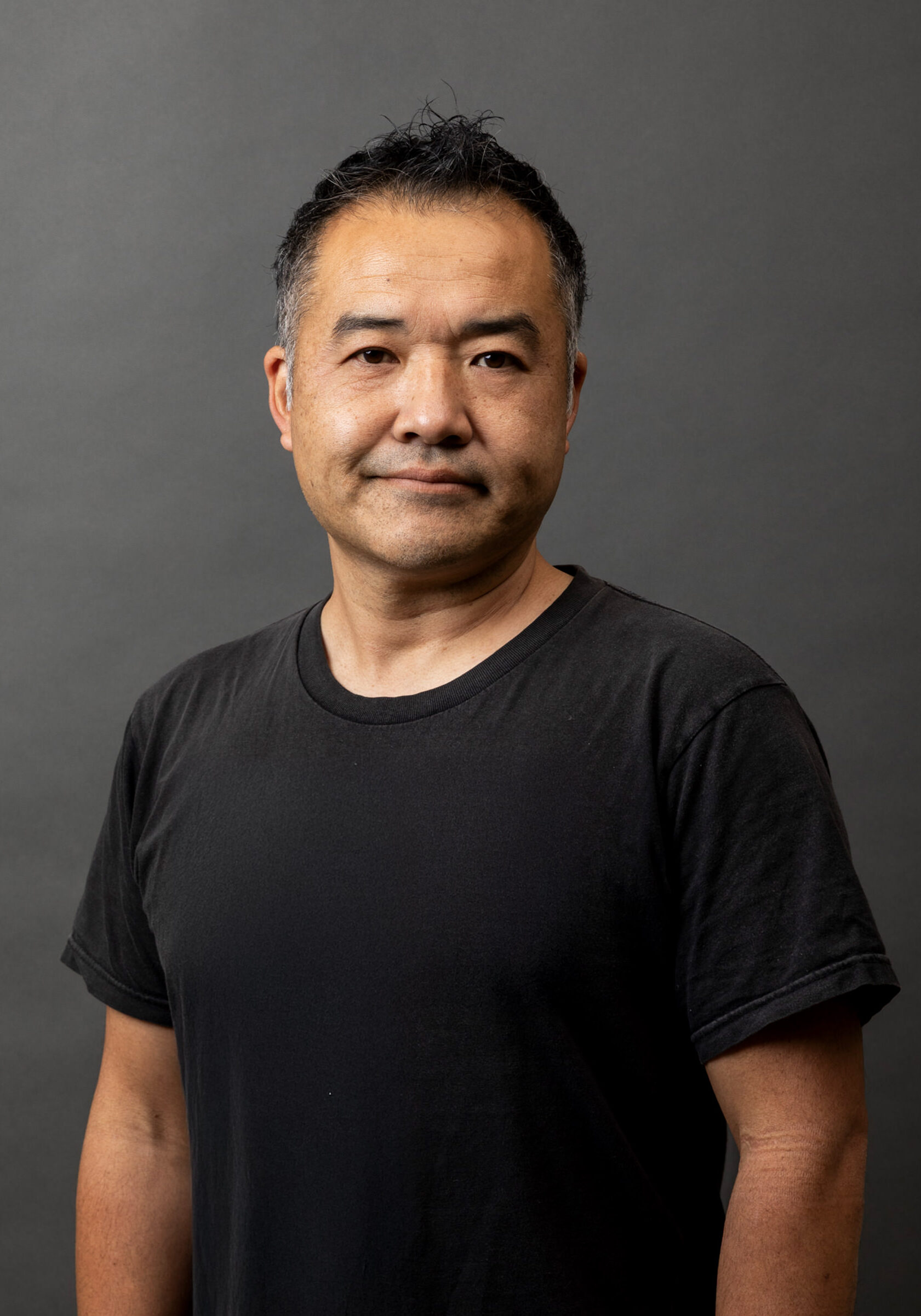
The state of the workshop
スクロールできます
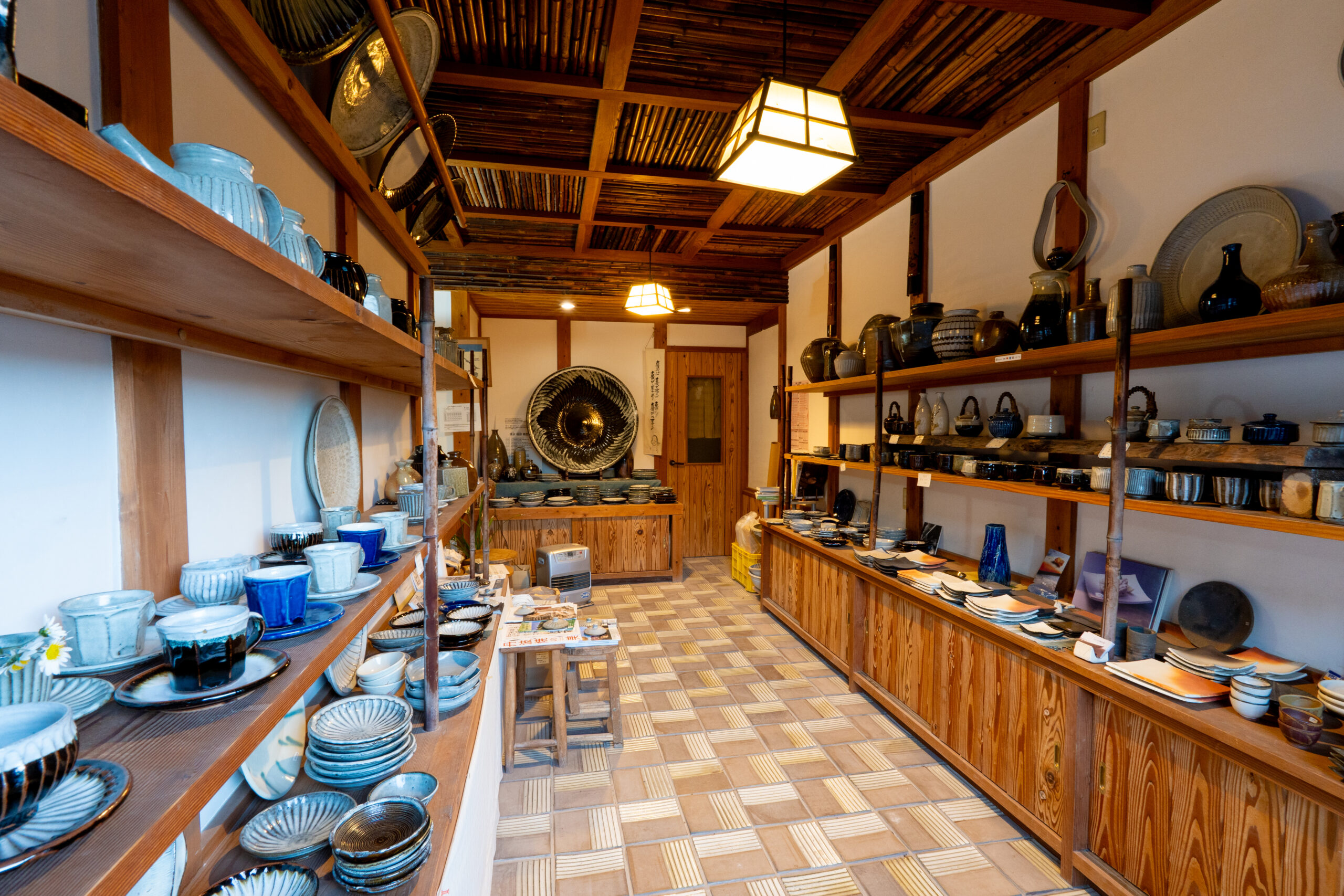
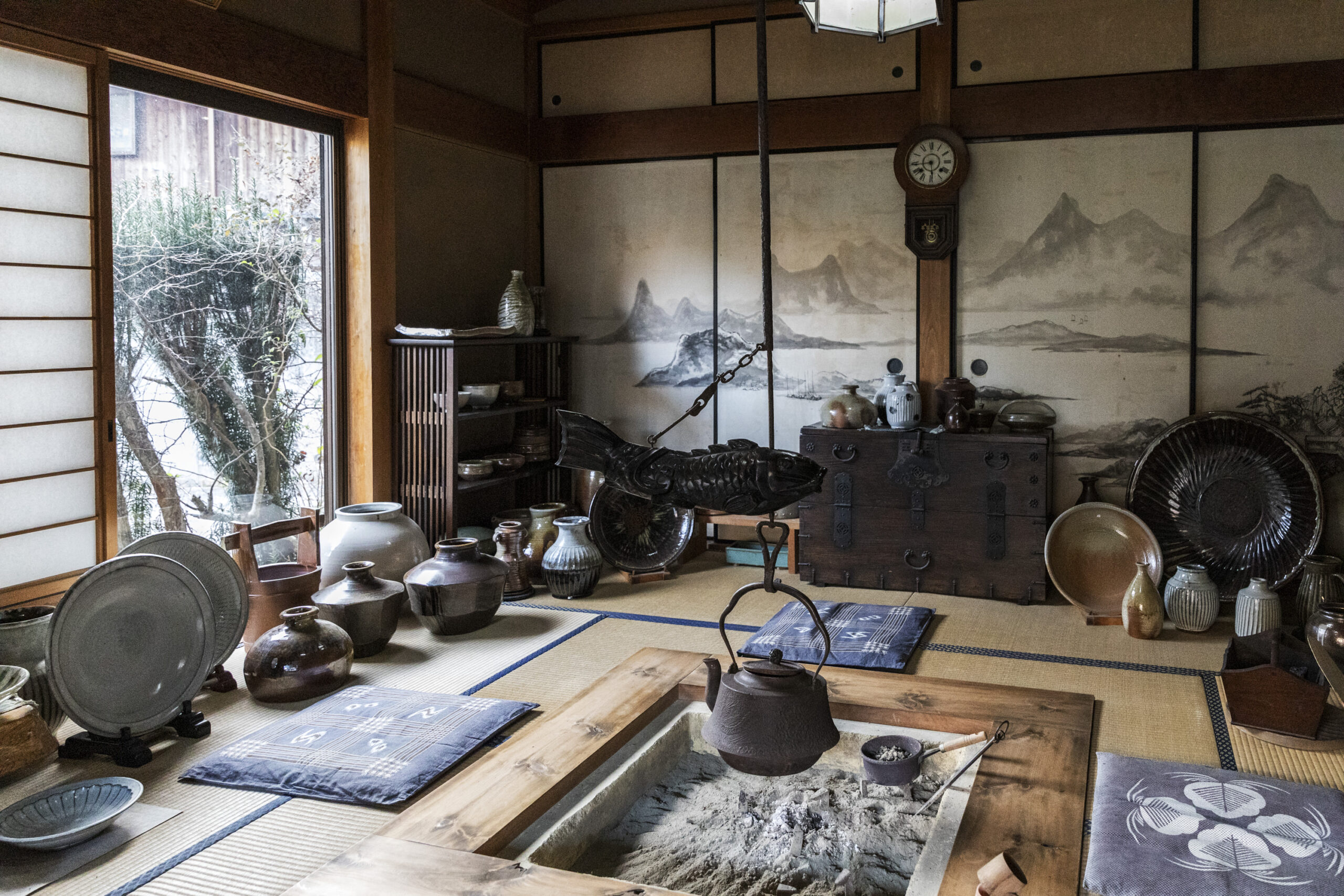
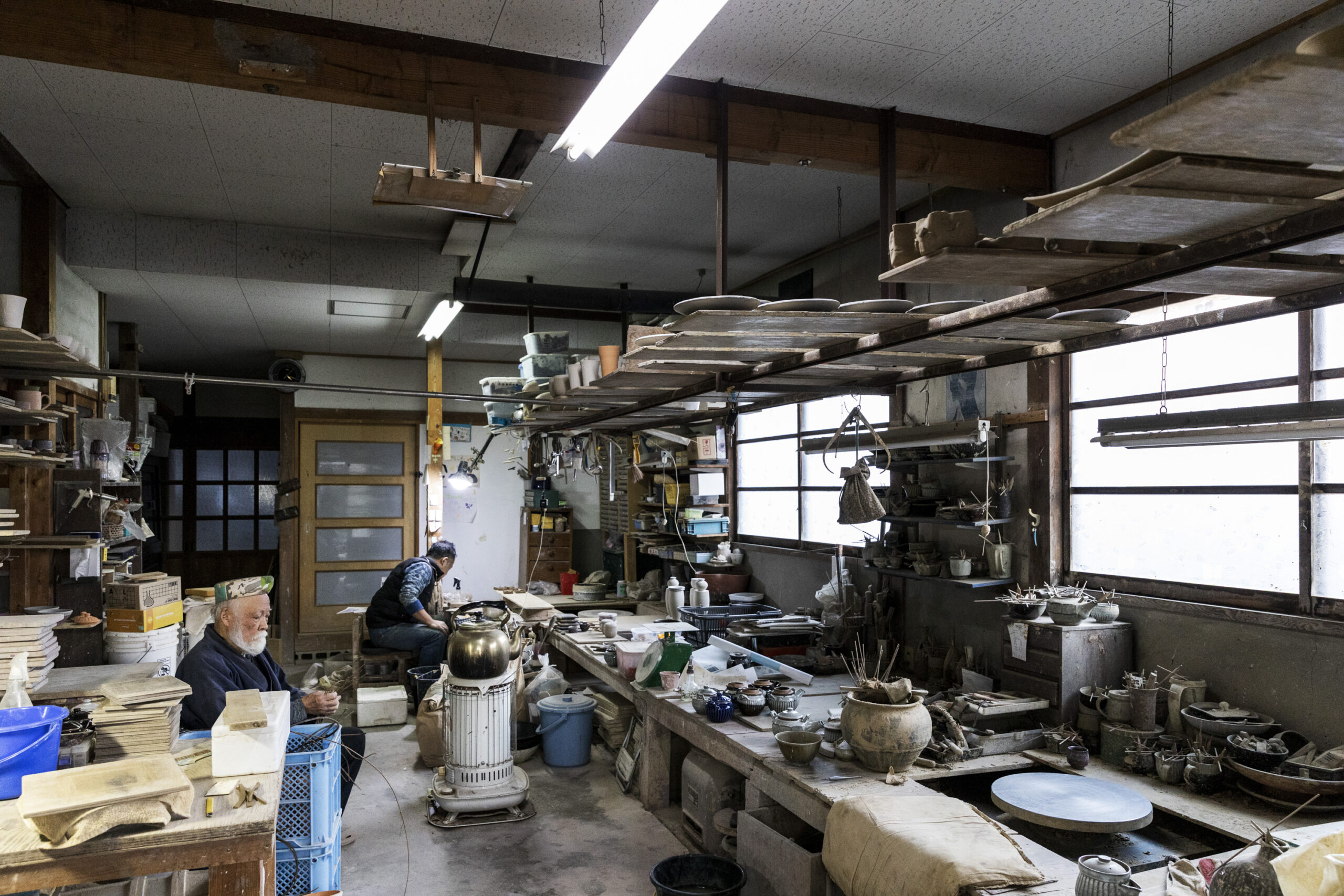
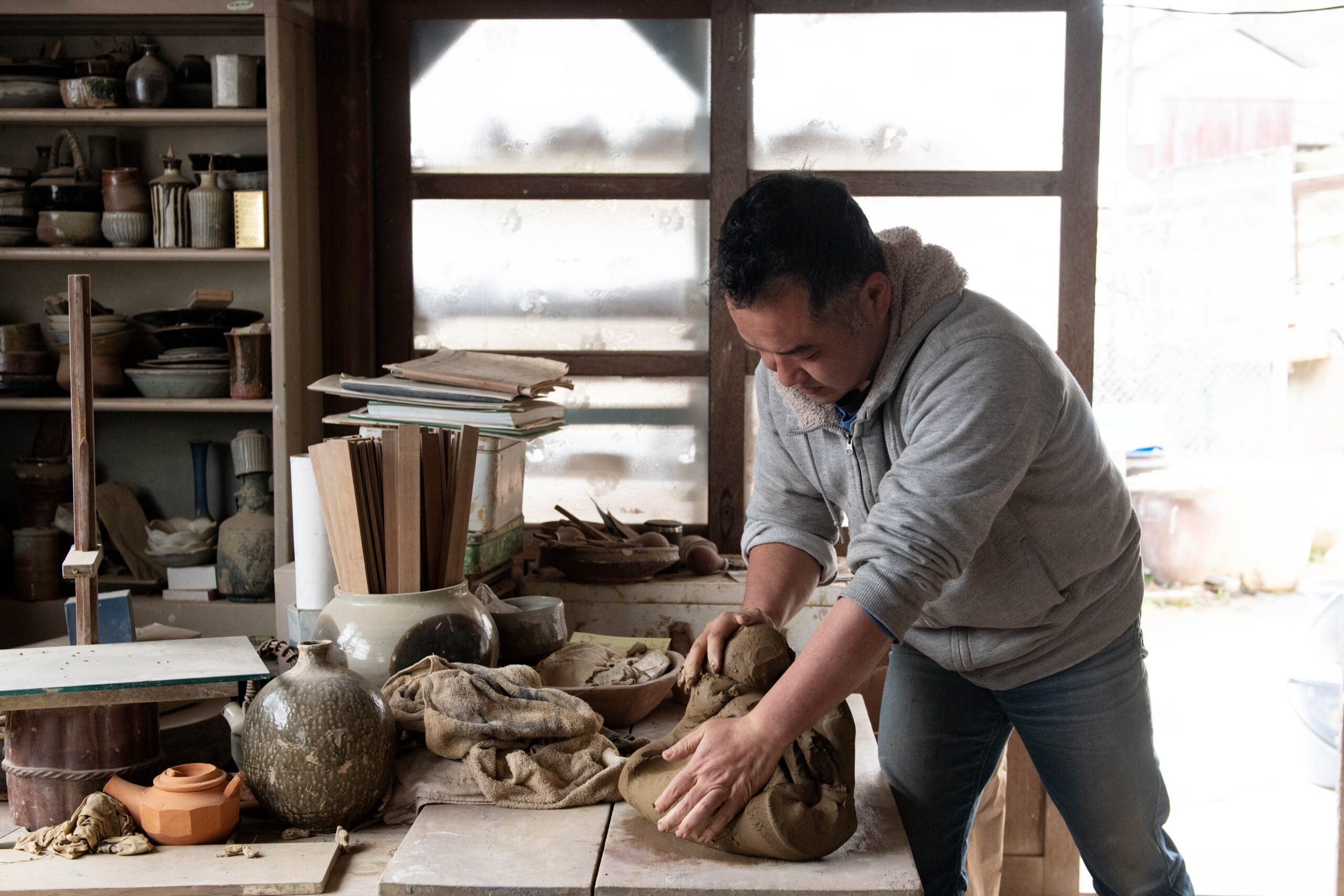
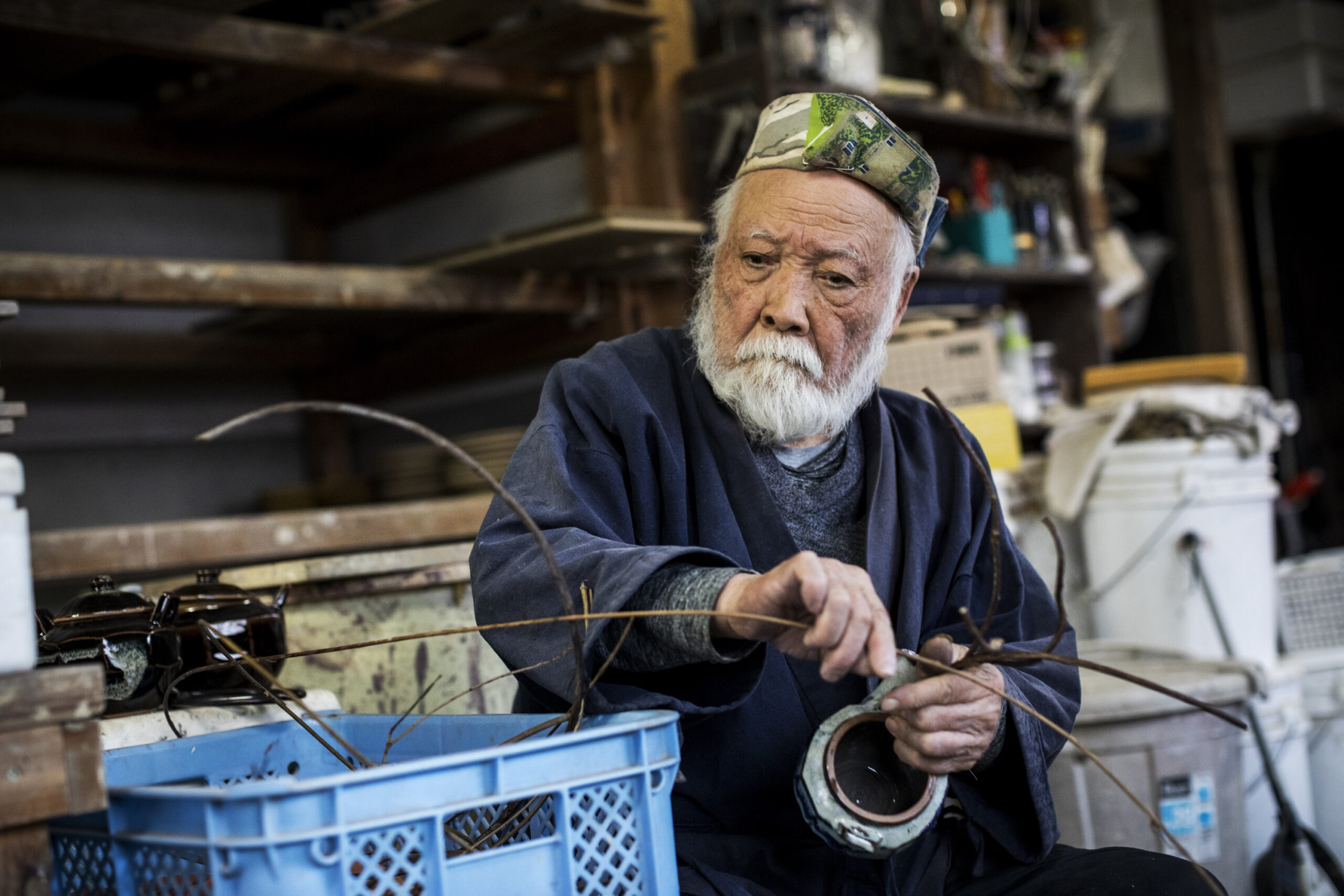
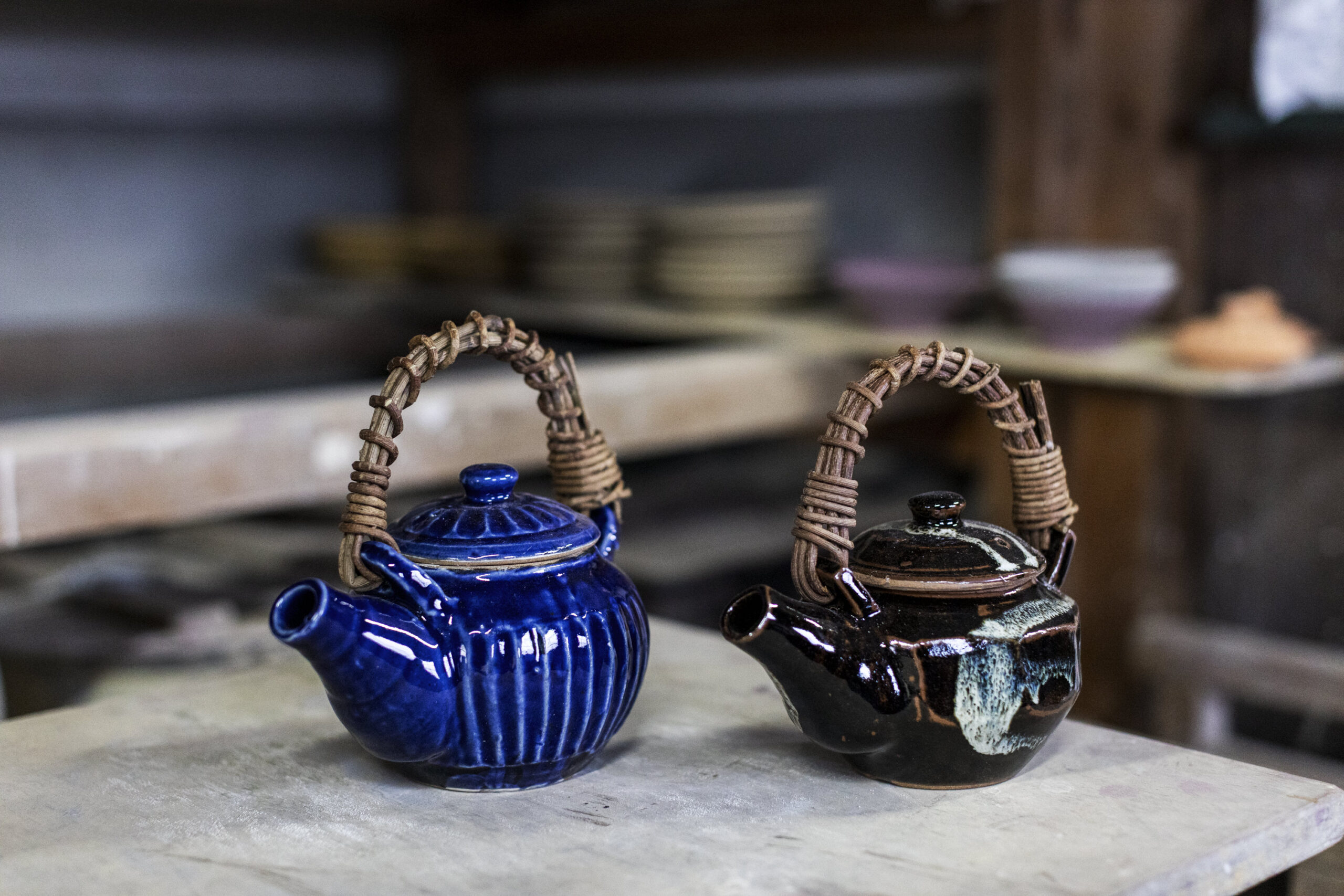
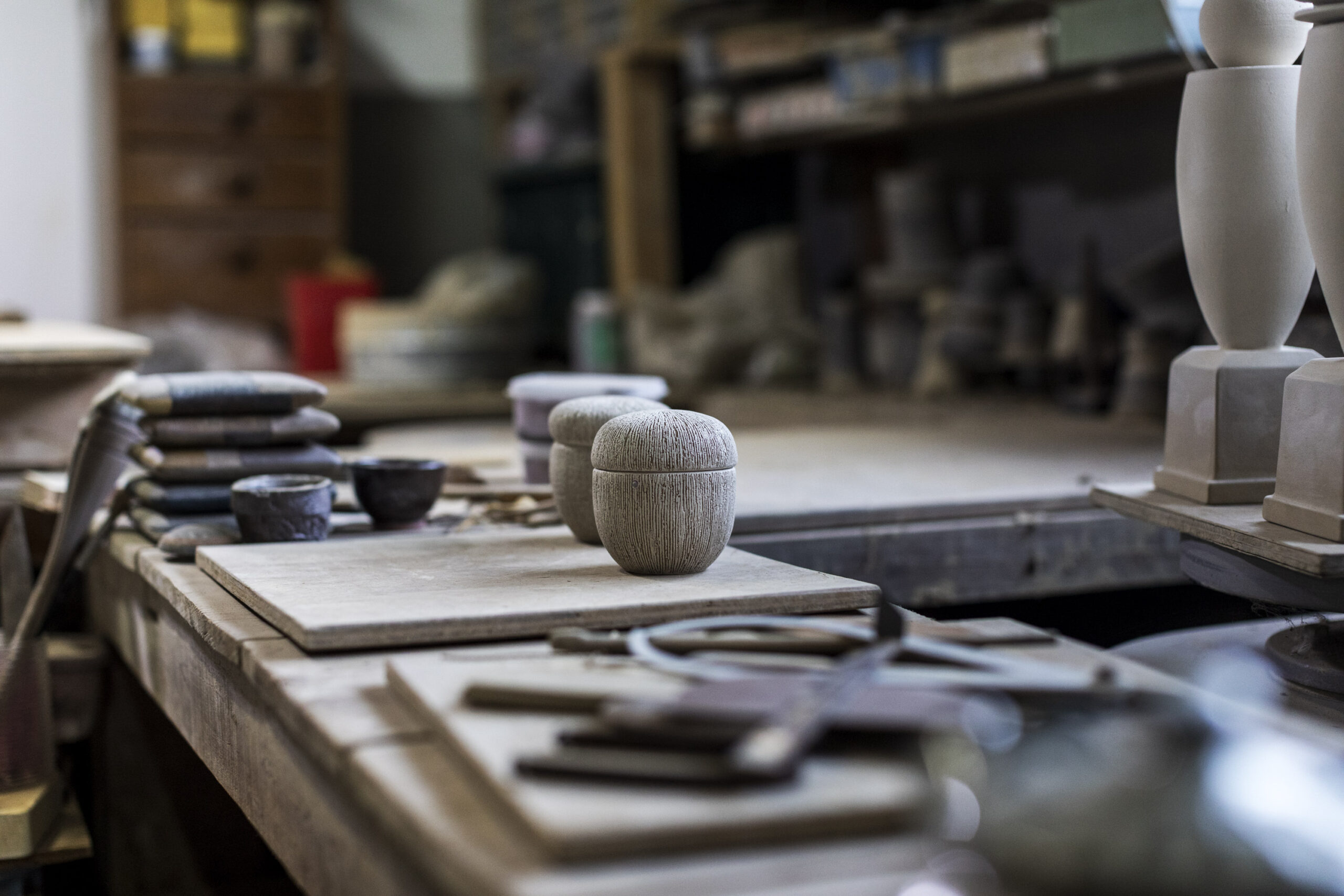


Works
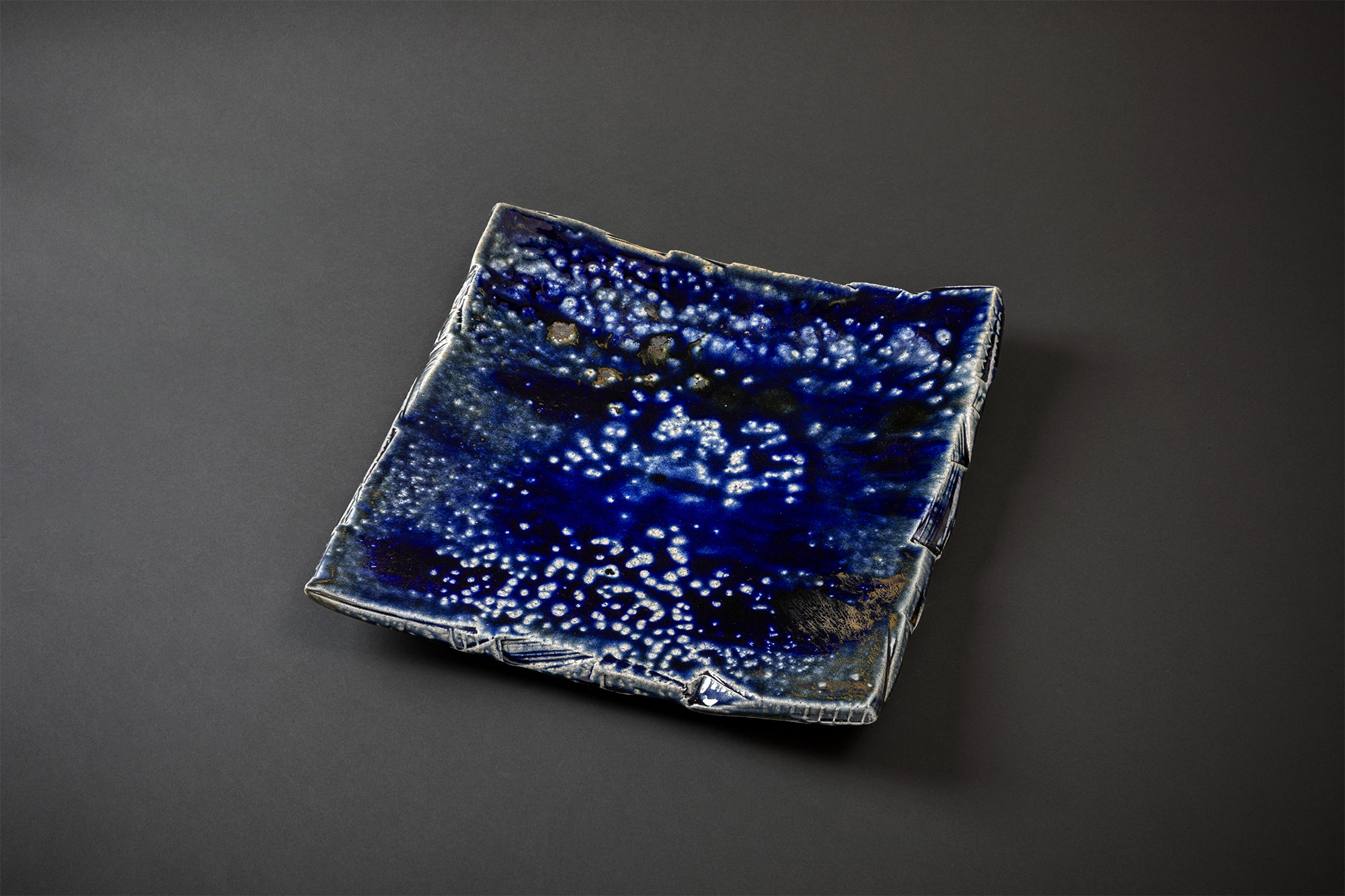
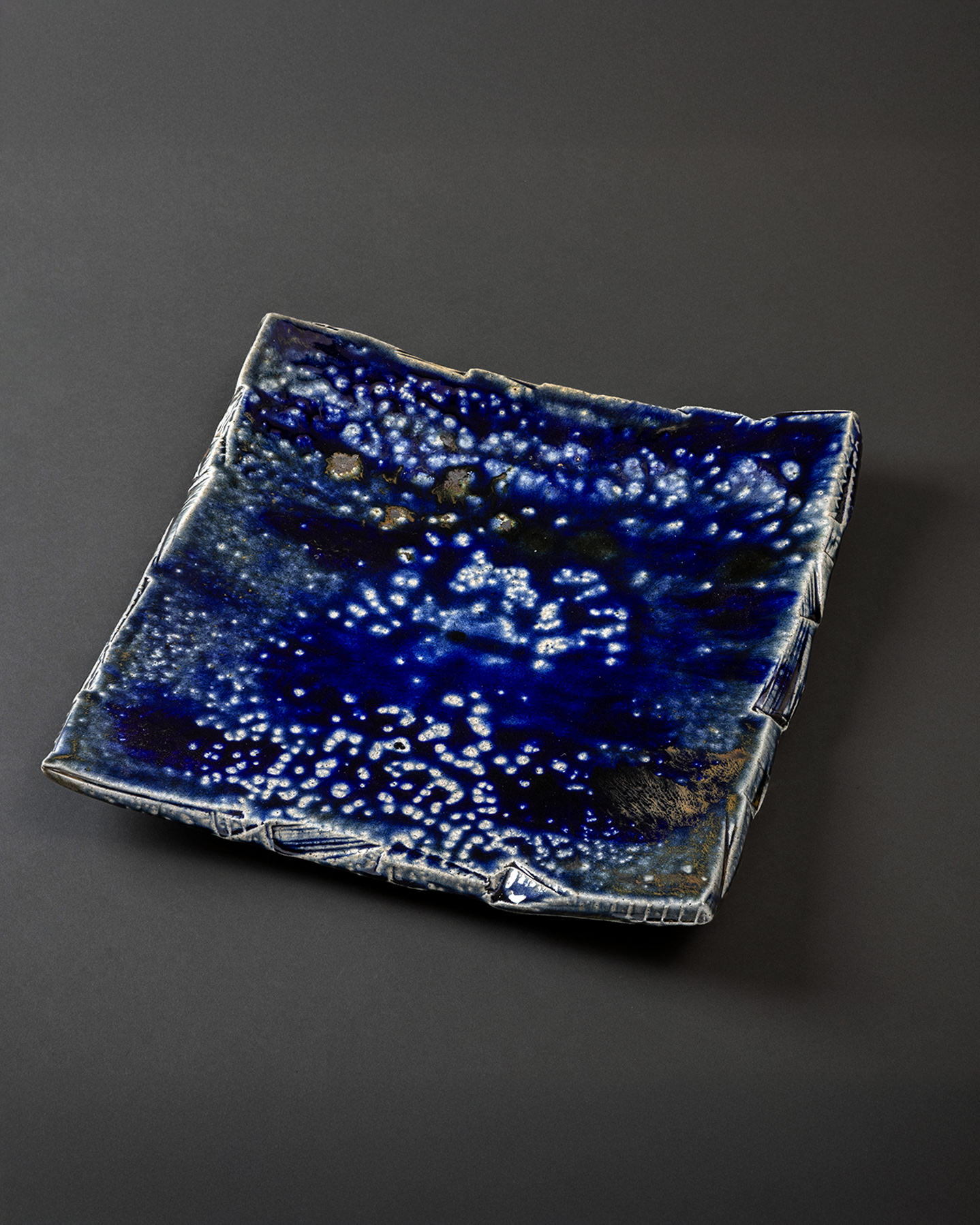
photo:AOTANI Takeru


Interview
Earthy textures and kiln transformations that gently loosen the heart. The forms of TOSHIHIKO-GAMA’s Takeshi Shimizu, carrying forward his father’s mingei tradition
The generous spirit carved by Tamba’s clay and flame. Forms by Takeshi Shimizu that grow closer with use
The wood-fired works of TOSHIHIKO-GAMA’s Takeshi Shimizu (hereafter, Takeshi) carry a quiet generosity within their strength.
Deep browns and blacks form the base tones, with hints of blue and ash-white softly emerging. Traces of flame and falling ash remain just as they were left in the kiln. The glaze is never uniform—it flows, pools, and at times changes expression boldly. And yet, it never feels overpowering. Instead, each piece holds a presence that naturally suggests how it might be used.
A subtle wavering at the rim and along the body. Forms that are not overly perfected create a sense of comfort when held. This expression is possible because Takeshi grew up immersed in the mingei philosophy upheld by his father, Toshihiko, valuing the honest character of natural materials.
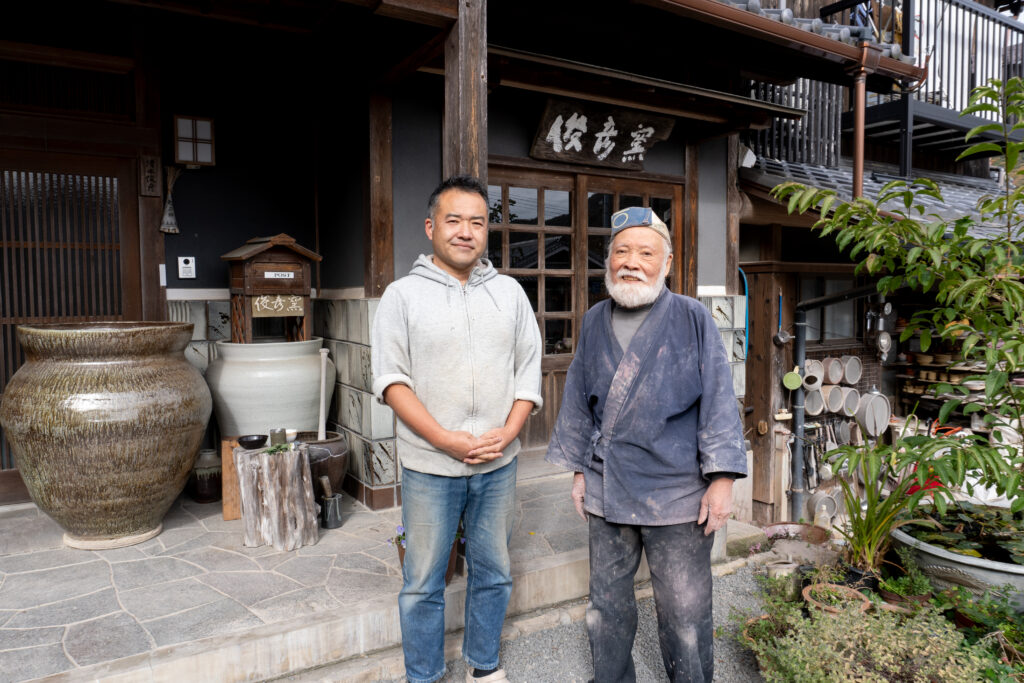
“When I’m throwing on the wheel, I’m often not thinking about anything at all. It might be similar to cooking,” he says.
True to his words, there is no sense of strain or forced intention in his work.
When preparing pieces for solo exhibitions, he may move his hands with a particular intention. But when making everyday forms, he creates while gently imagining the lives of those who will use them. His body simply moves, naturally.
“At the core, I’m always aware that I’m making Tamba ware. As much as possible, I want everything to be completed with what exists here in Tamba.”
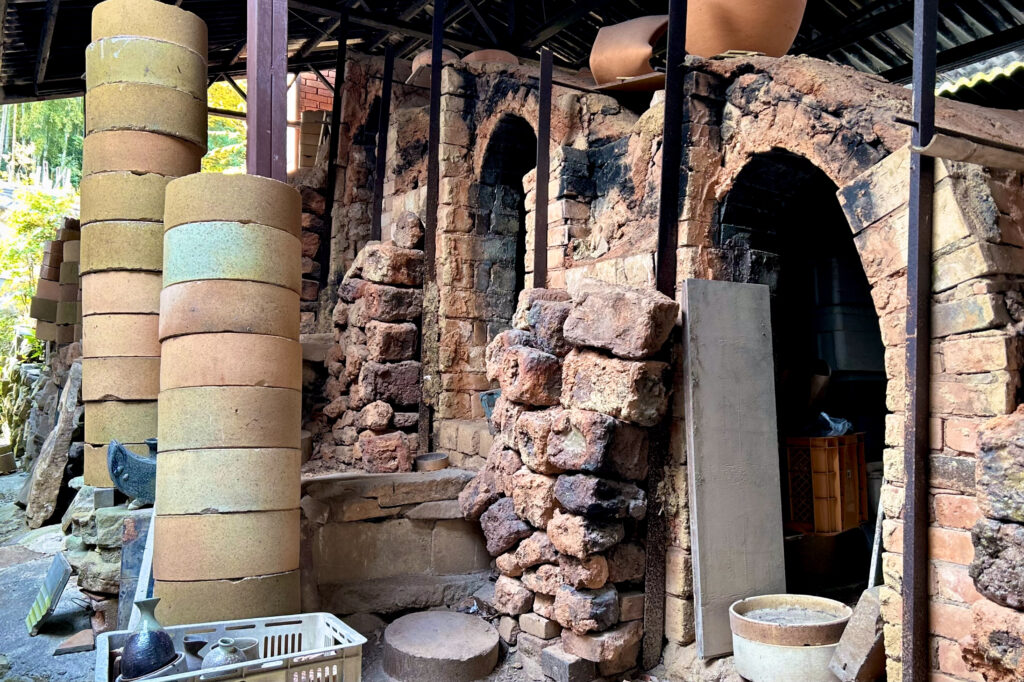
The clay, the glazes, and the wood-fired kiln. The forms of TOSHIHIKO-GAMA are born from fully embracing the land of Tamba itself.
Pottery was simply too close. A detour before the family trade became his own work
As the fifth-generation head of TOSHIHIKO-GAMA, Takeshi did not see pottery as something special.
“There were many people around me making pottery. This environment was just normal.”
His childhood room was on the second floor of the workshop-home. From there, he could hear his father, Toshihiko, working until two in the morning. The dishes on the family table were always his father’s handmade pieces. That was simply everyday life.
Entering art university exposed him to the world beyond. Mass-produced tableware was different from the individually handmade pieces his father created, yet he felt no particular discomfort with that contrast.
“Outside the house was outside. That was normal, too.”
In his first year of university, he studied not only ceramics but also Japanese painting and textile dyeing. He was especially drawn to contemporary lacquerware, finding joy in carving wood and shaping form.
When it came time to choose his specialization in his second year, he wavered greatly. In the end, he chose ceramics for a simple reason.
“Clay had a high degree of freedom. I realized then that it was a material capable of forming the shapes I imagined.”
After graduation, he trained in Kyoto and returned to Tamba Tachikui at the age of 30. At that time, however, he was not consciously thinking about making “Tamba ware.”
In his mid thirties, he finally understood what it meant to make “Tamba ware”
The turning point came after he reached his mid thirties.
“The more I studied ceramics, the more I came to understand the depth of what Tamba ware truly is.”
Today, it is easy to source clay and materials from all over Japan. Even so, Takeshi deliberately returned to local materials from Tamba.
“If the foundation isn’t completed within Tamba, I feel it can’t truly be called Tamba ware.”
At a time when the individuality of production areas can easily blur, grounding oneself in the land carries special meaning. His father never once told him, “I want you to take over.” Before he realized it, he was simply in the workshop, turning the wheel, working with Tamba clay.
By continually facing pottery and moving his hands, Takeshi eventually found himself returning to “Tamba ware.”
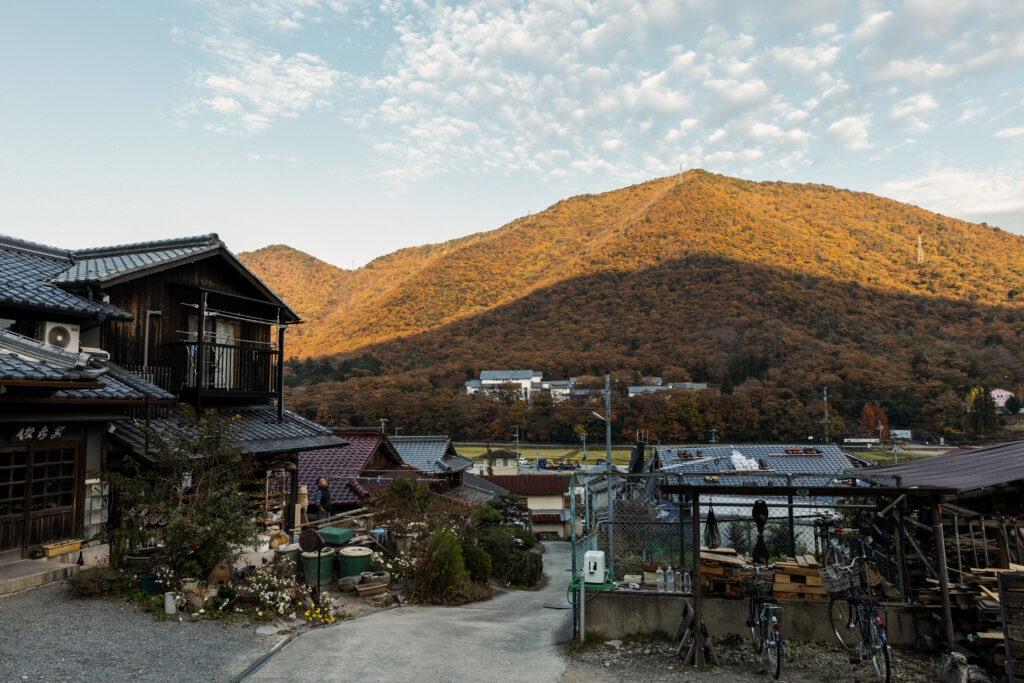
The mountain shadows that teach him how to live in Tamba
When asked how he refreshes himself outside of pottery, Takeshi smiles lightly and shakes his head.
“Nothing in particular. I enjoy thinking about pottery.”
Instead, he speaks about the mountains visible from outside the workshop.
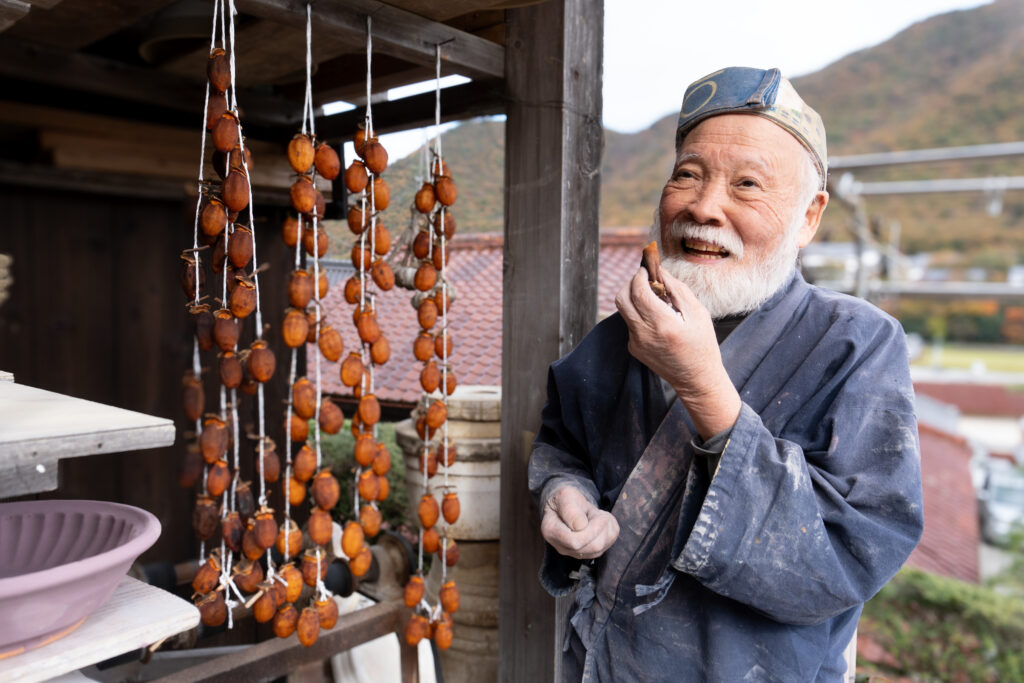
In winter, morning sea clouds gather over the leafless mountains. In the evening, when the western sun shines, the shadow of the opposite mountain appears and slowly climbs along the mountainside.
“Visitors are often surprised and ask, ‘What is that shadow on the mountain?’ It’s a dynamic scene—the shadow of one mountain cast upon another. I love that view, and I can’t help but take photos.”
What was once simply the ordinary environment of his family trade gradually, over time, became unmistakably his own work. In that sense, Takeshi’s philosophy seems to have quietly merged with the rhythms of his daily life.
Interview, Text, and Photography:NOUCHI Nana
Overview
of
TOSHIHIKO-GAMA
Address
396 Kamitachikui, Konda-cho, Tambasasayama, Hyogo, Japan
TEL
FAX
Website