

TOC
TOHO-GAMA
profile
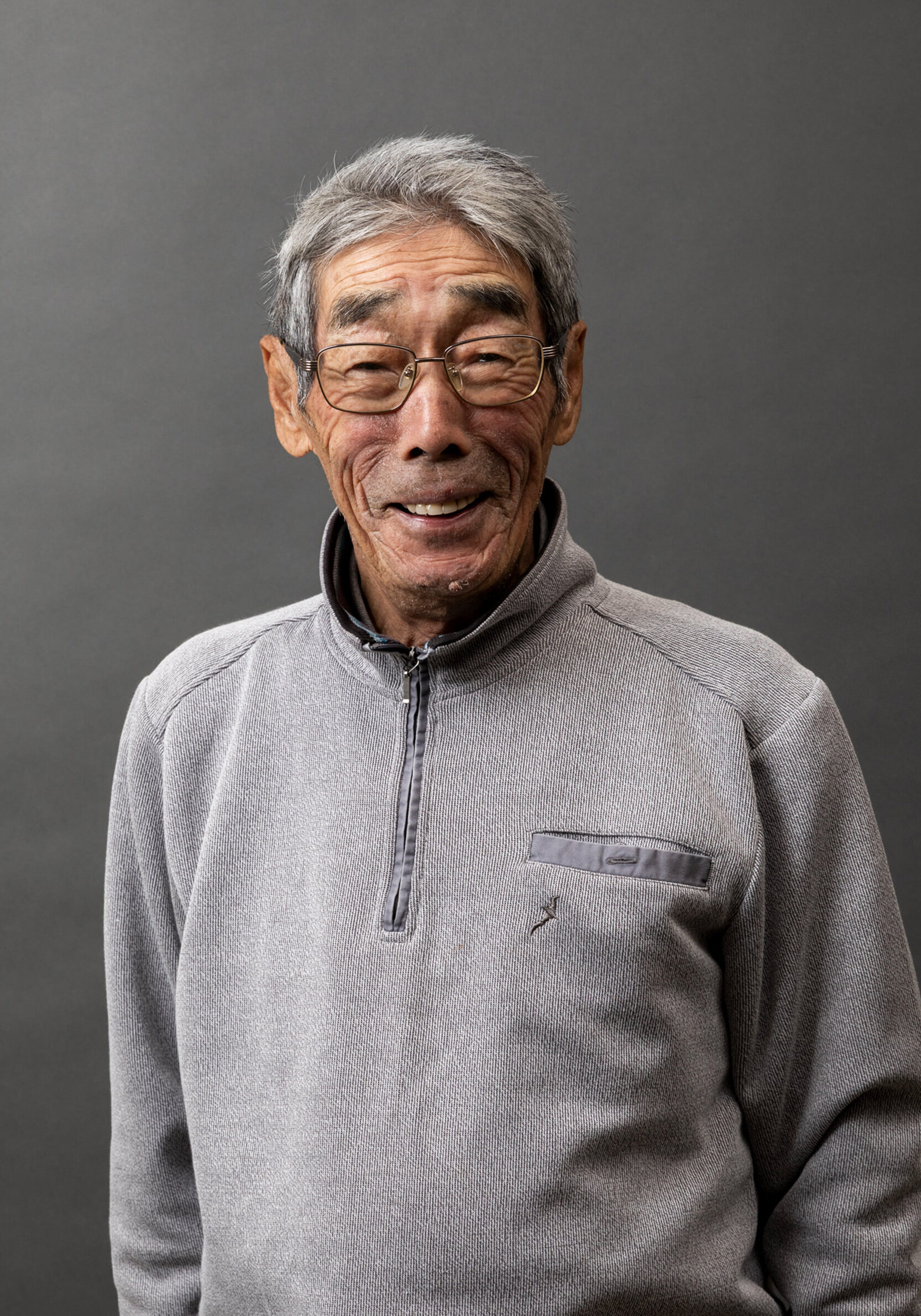
Tadayoshi Shimizu
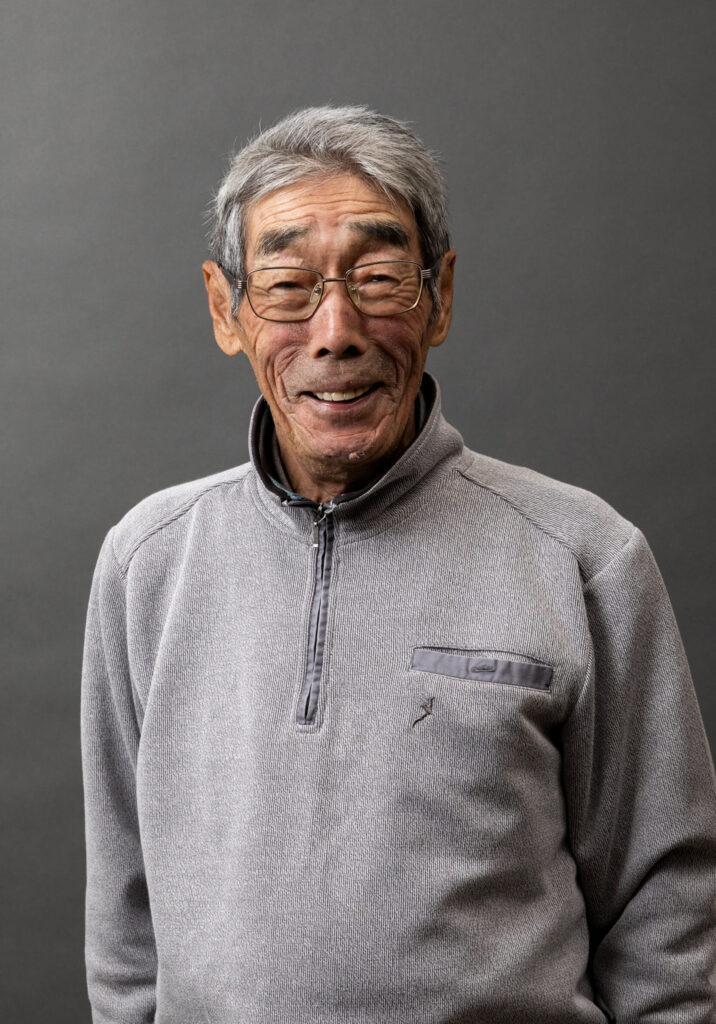
profile
Tadayoshi Shimizu
53 years in operation / 1st generation
Year of Birth:1939
Year Began Pottery:1954
Education / Training Background
Studied under Yasuhiro Okuda and Yoshio KishimotoIn
1973, established Tōhō Kiln independently
Major Awards
1979 – Certified Traditional Craftsman of Tamba Tachikui Ware
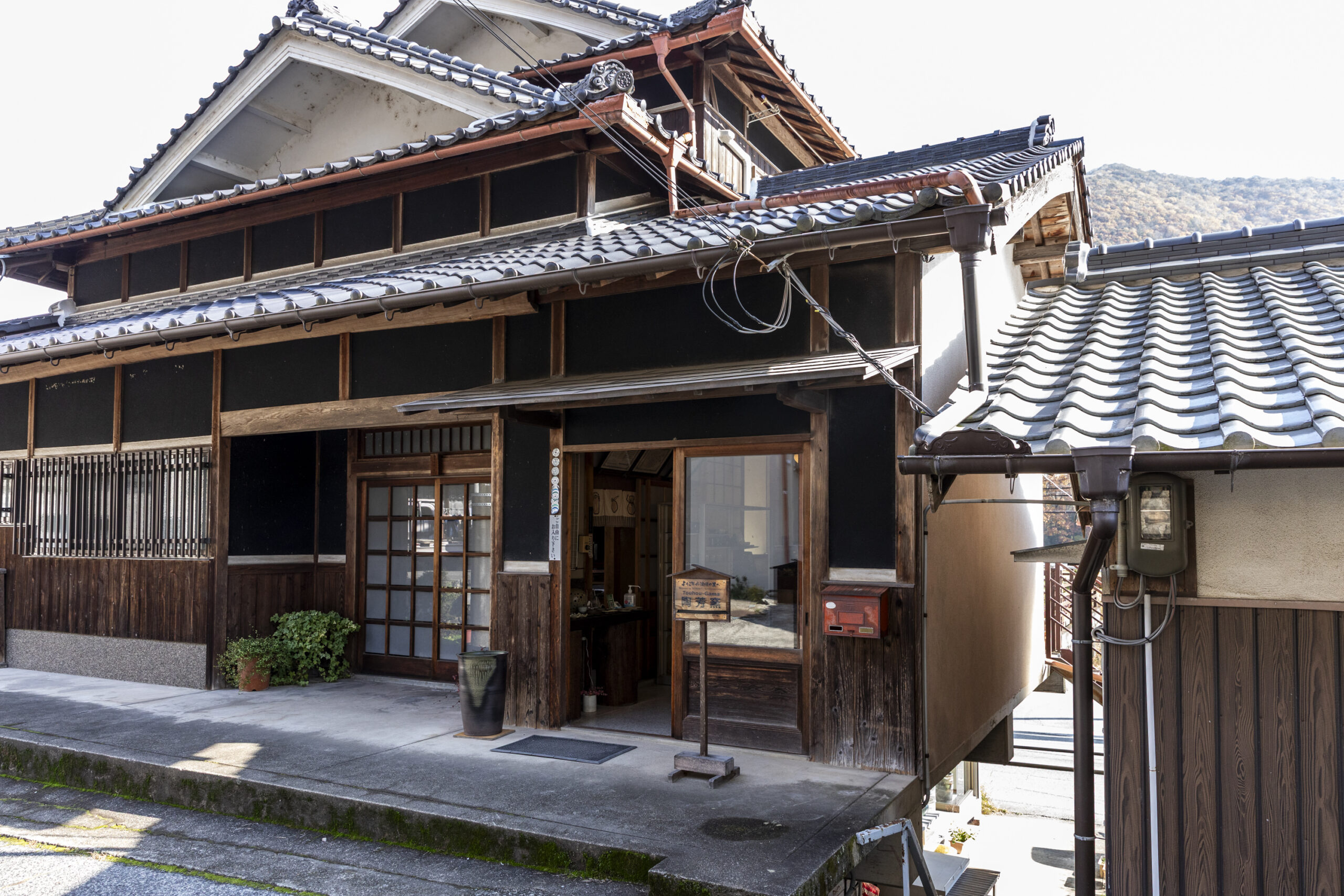
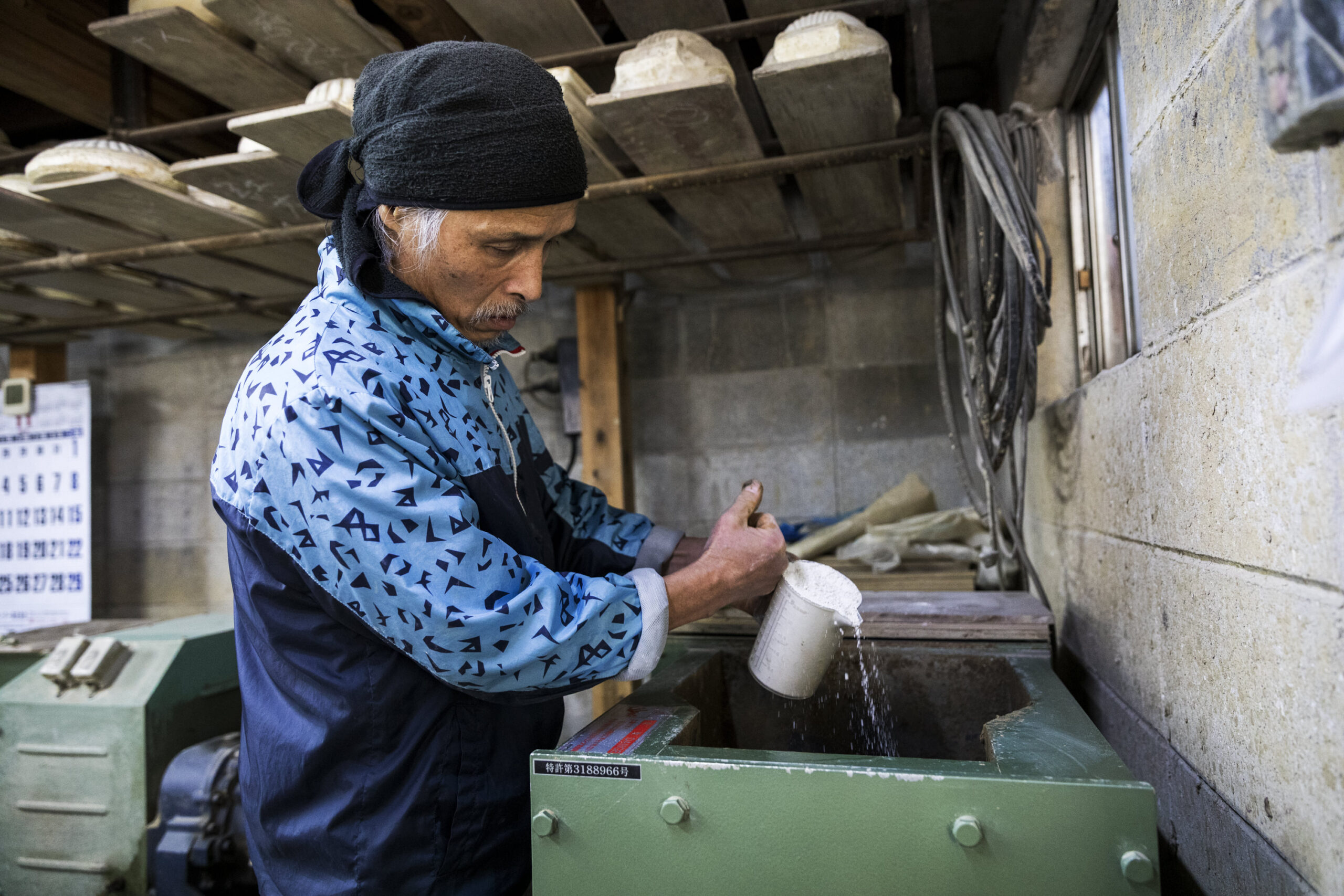
The state of the workshop
スクロールできます
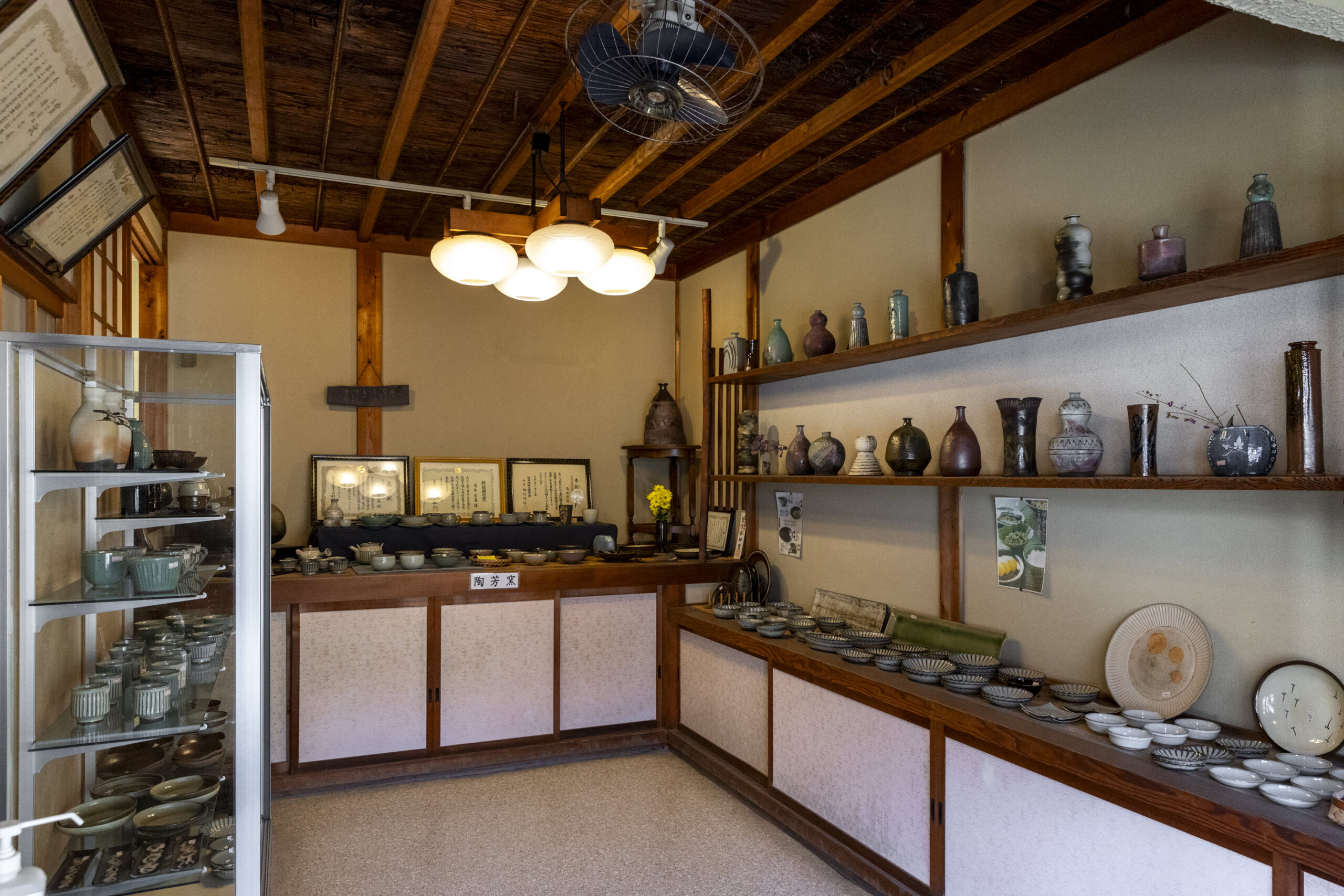
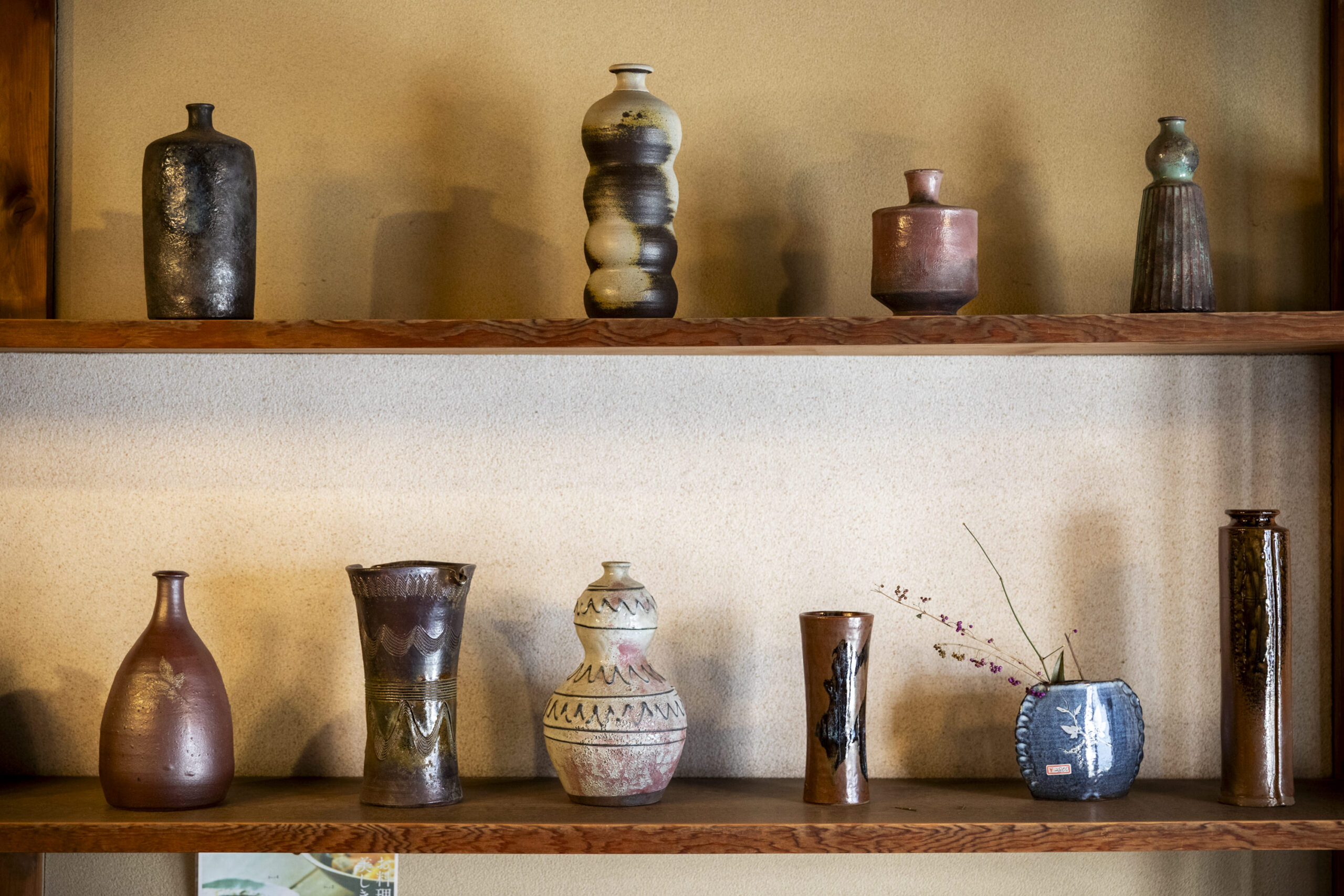


Works
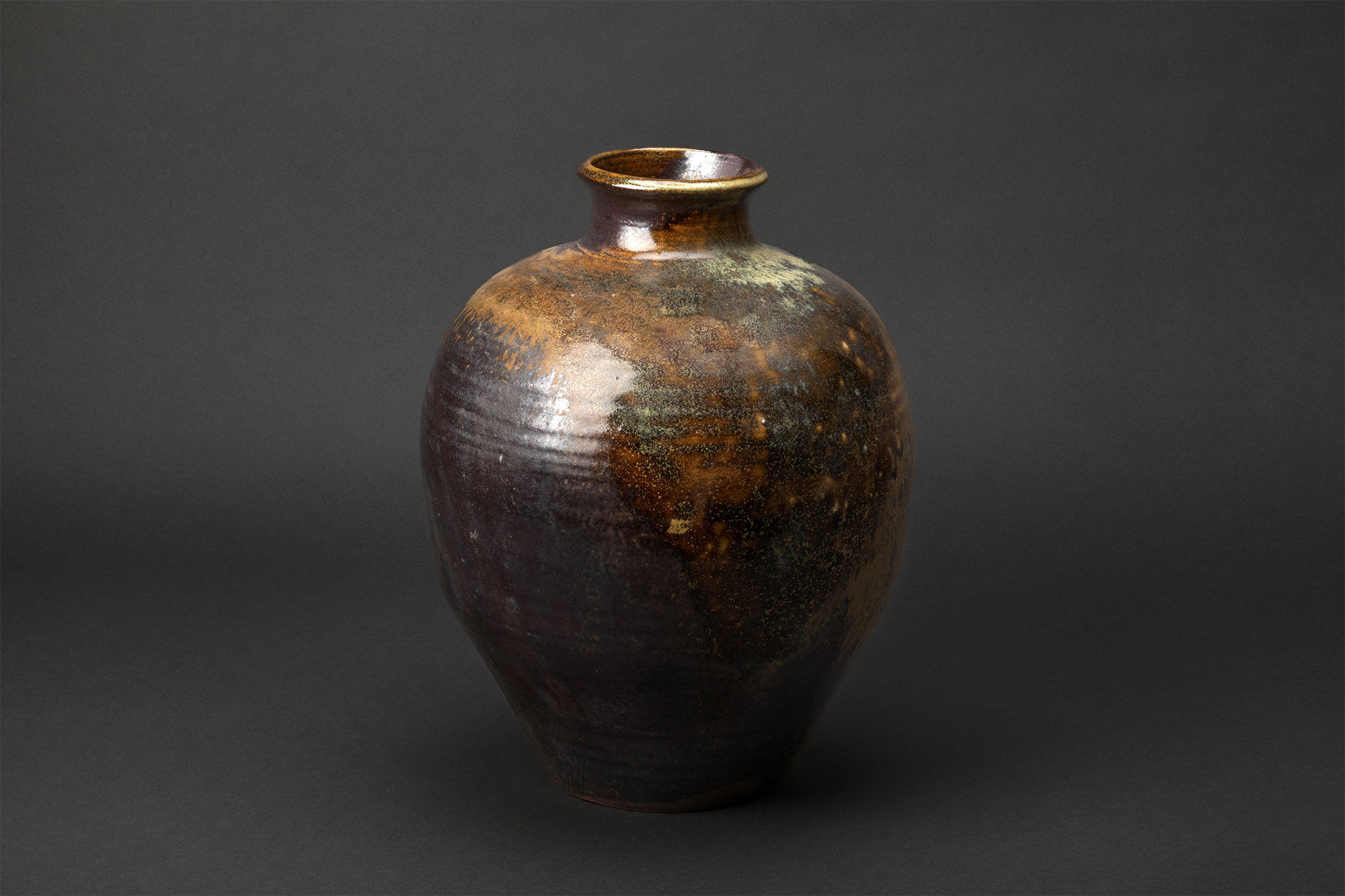
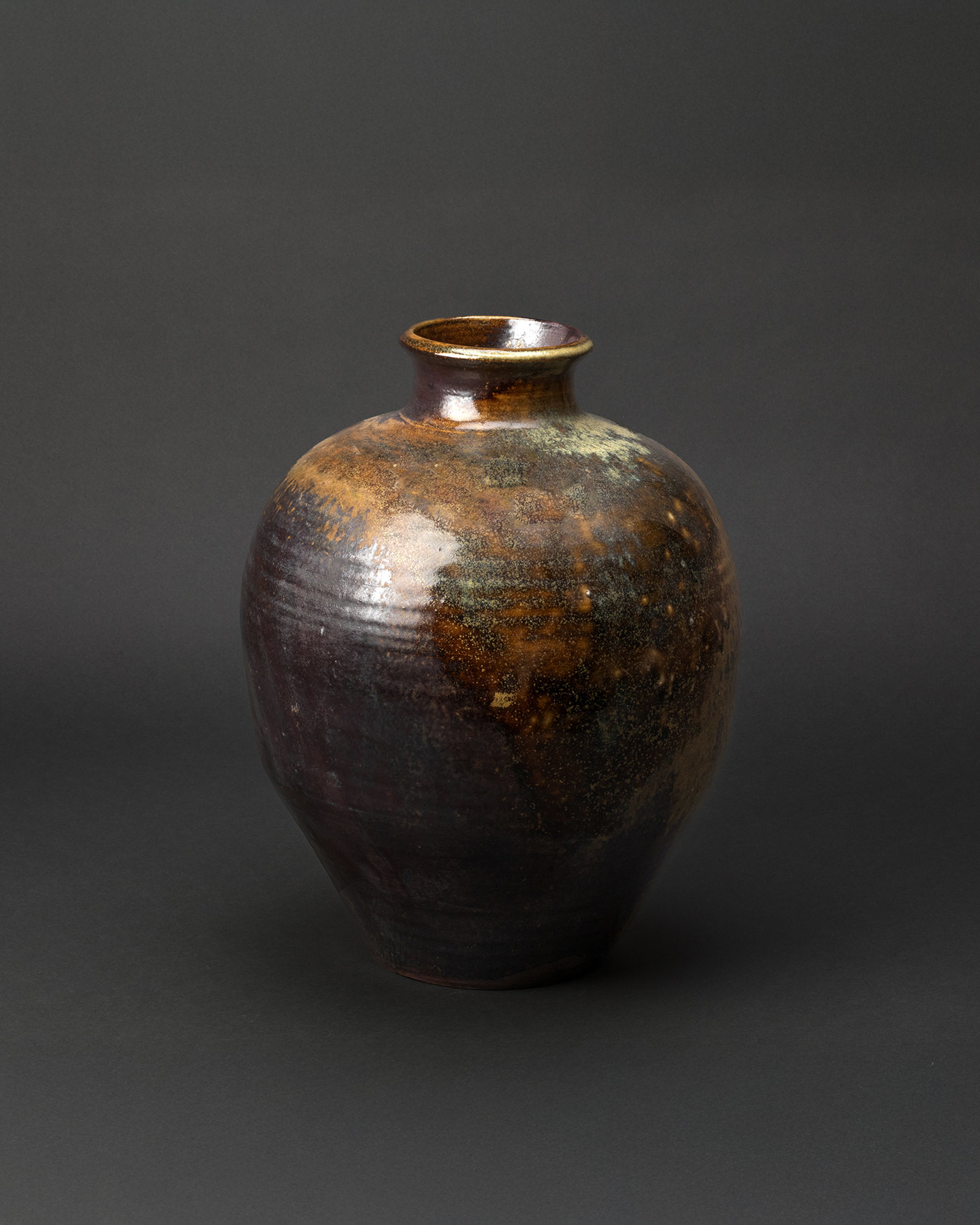
photo:AOTANI Takeru
Interview
Dancing Patterns of Suminagashi and Itchin on Clay.Eighty Five Years Rooted in Tachikui—The Pottery Life of TOHO-GAMA’s Tadayoshi Shimizu
Suminagashi’s Distinctive Flow — A Style Instantly Recognizable as “Tadayoshi Shimizu”
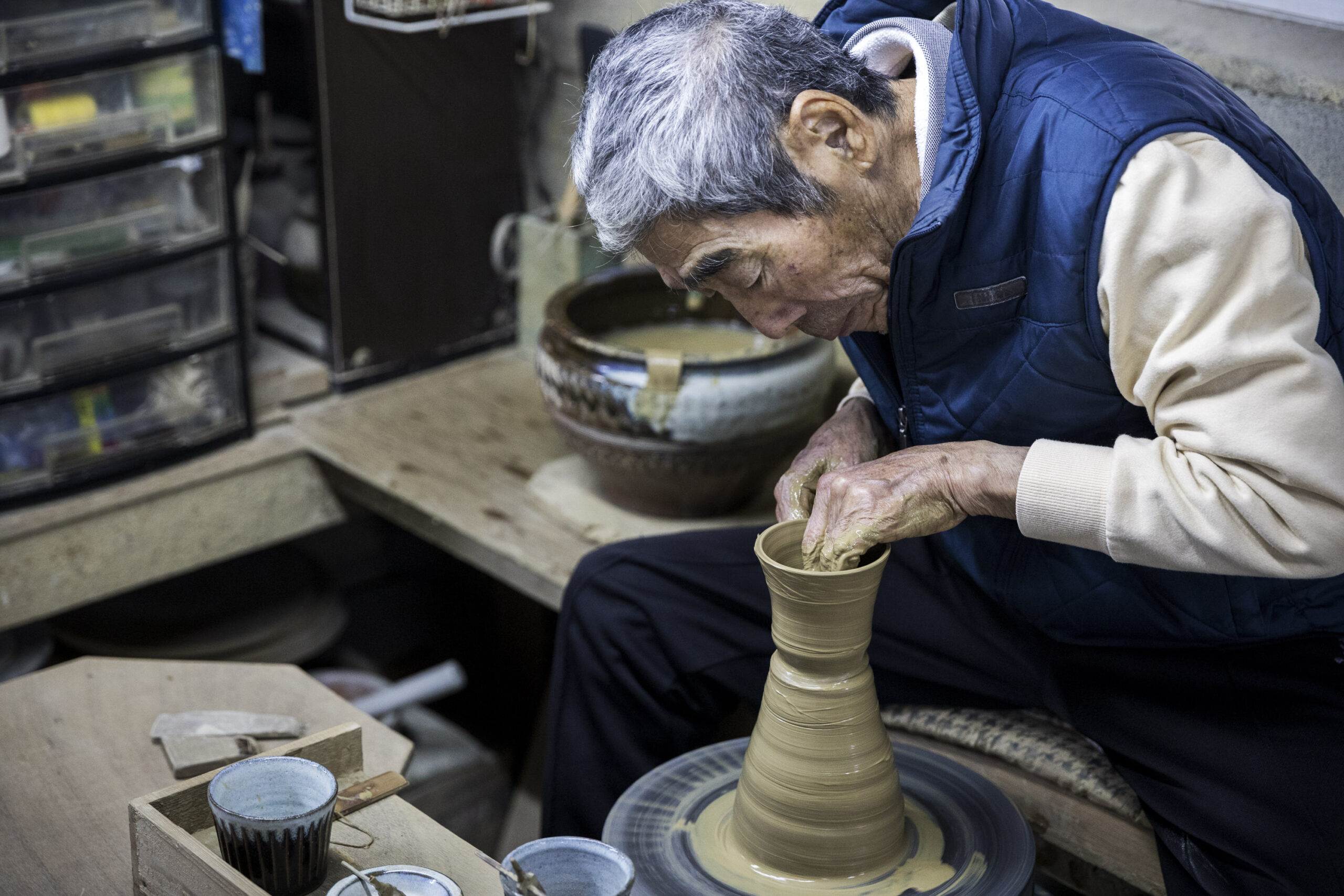
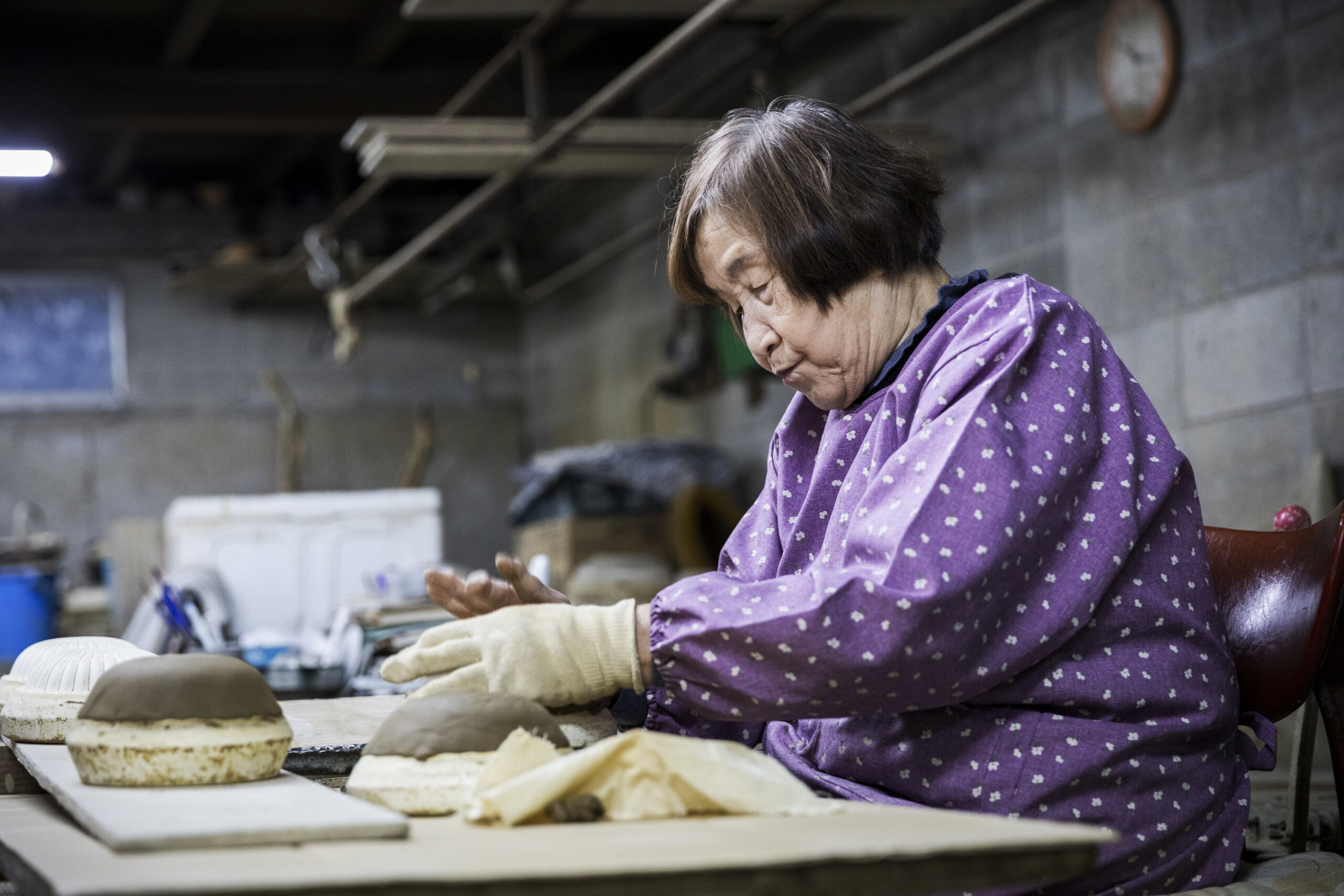
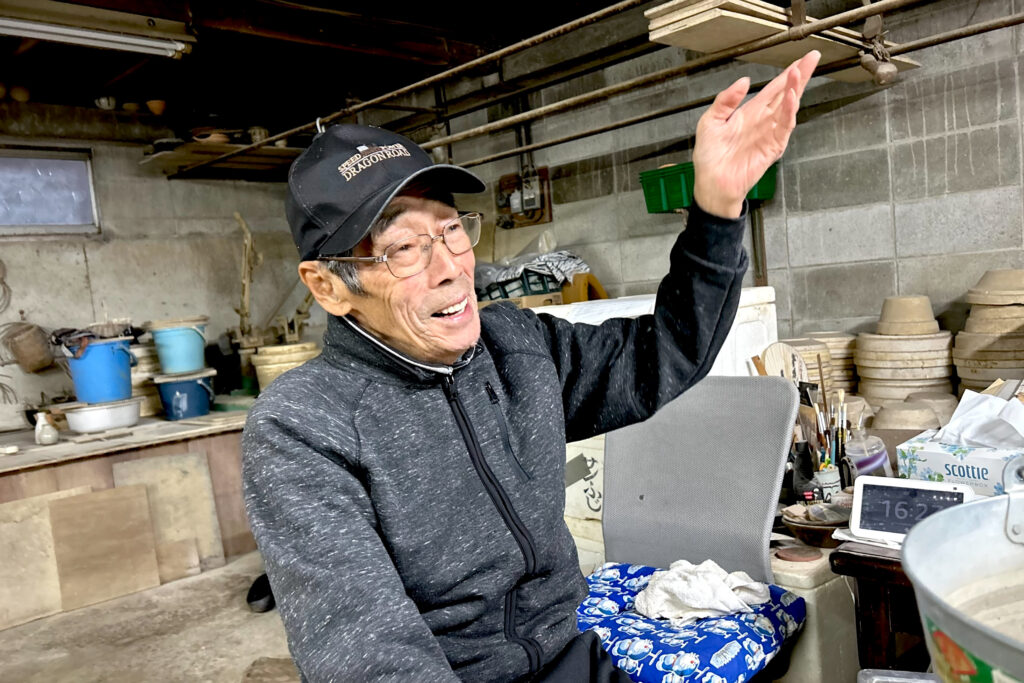
At the back of the workshop stands a kick wheel still in active use—a traditional Tamba Ware tool that is spun by rhythmically kicking it with the foot. Beside it are stacks of electric wheels and plaster molds. “See? It’s faster than you’d think,” he says with a smile, setting it in motion. In that moment, one can glimpse the era when efficient production made it possible to fulfill large orders.
Guiding us through the workshop and gallery is Tadayoshi Shimizu, head of TOHO-GAMA. As of 2025, he is 86 years old. He excels at crafting smaller pieces—teacups, small plates, flower vases—and together with his wife continues to create forms that gently enrich everyday life.
“In the past, we also did large-scale production using electric wheels. We handled orders of 100 or 200 pieces at a time. Even so, I’ve always tried to preserve the warmth of handmade work.”
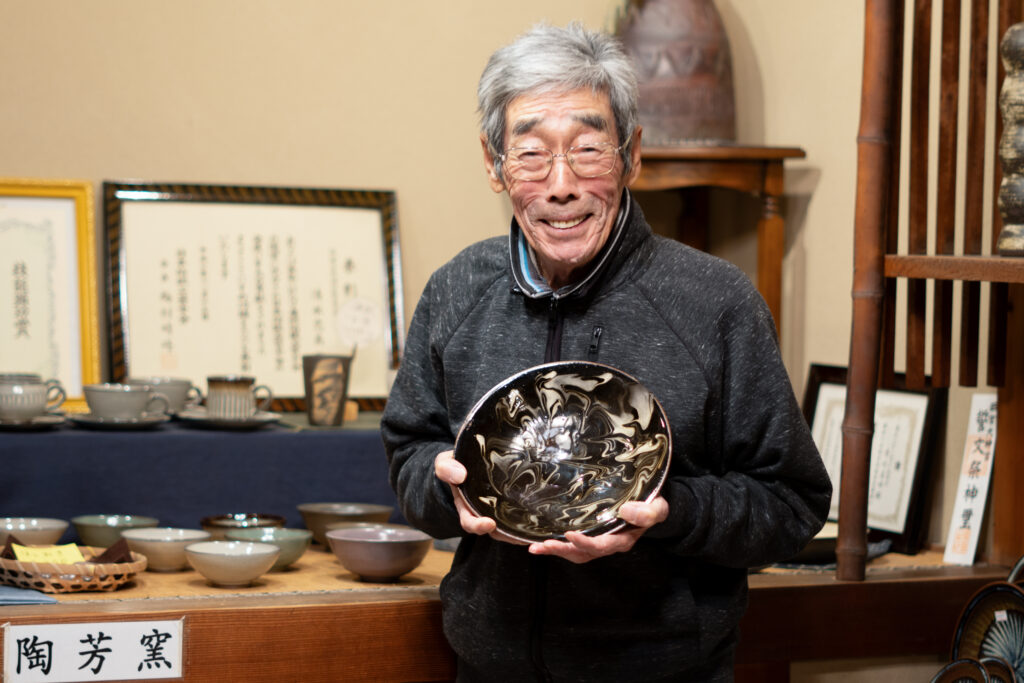
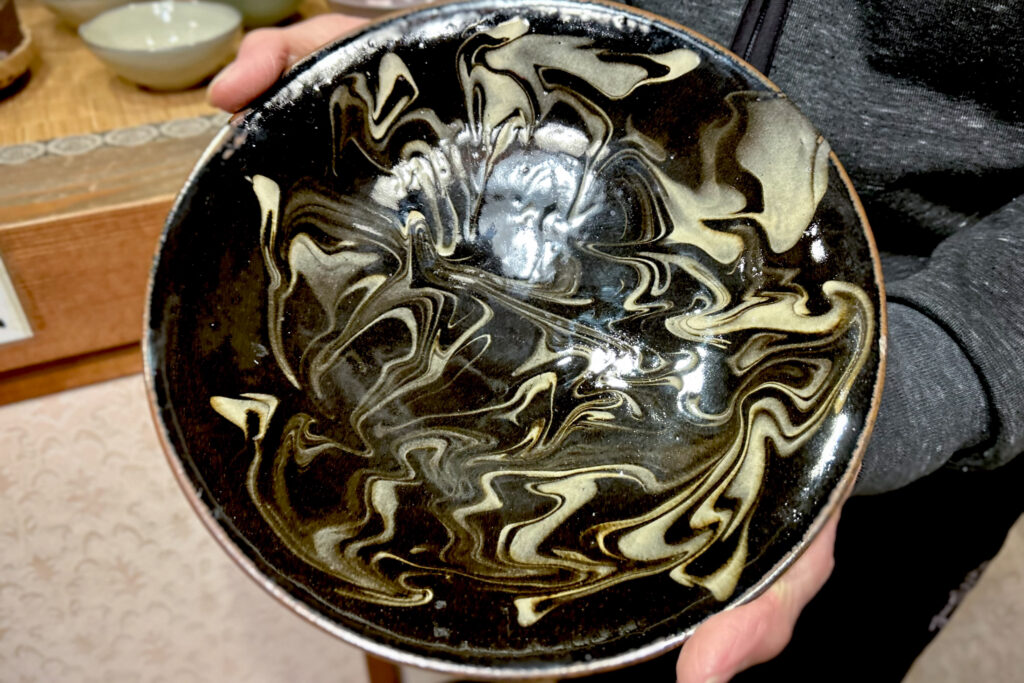
The true essence of Tadayoshi’s style lies in the traditional technique known as suminagashi. Glaze is poured over a white or black surface, and the form is gently tilted so the glaze flows naturally, creating patterns reminiscent of ink spreading across water.
Those familiar with his work can recognize it at a glance. “Ah—this is Tadayoshi’s,” they say immediately.
“After more than seventy years of making all kinds of things, I finally arrived at something I can call my own. I believe what truly matters is that a piece carries the maker’s individuality—that it leaves something personal behind.”
As he proudly holds up a medium sized plate adorned with flowing suminagashi patterns, explaining each detail, he is every bit the dedicated craftsman.
Watching His Mother’s Hardships, Apprenticing at His Father’s Family Potter, and Traveling for Sales
Tadayoshi was the youngest of four siblings and the only son. His father, who had once led a rural traveling theater troupe before the war, passed away from illness when Tadayoshi was just five years old. His mother raised the children alone, working tirelessly.
Left to support the family, she devoted herself to selling pottery in Osaka—large jars and mortars sourced from the six or so potters that existed in Tachikui at the time. She would leave home before dawn, around 3:30 or 4:00 a.m., carrying heavy pottery on her back and walking with fellow vendors to the station.
By the time he was in high school, Tadayoshi was helping with the family business himself, transporting goods by bicycle. Even now, he clearly remembers the sight of his mother working so hard to raise him.
“My father’s main family was in pottery, and I was the only boy. There wasn’t really any other path for me.”
He entered an apprenticeship at his father’s family potter. There he met Yasuhiko Okuda, a potter from Ise City in Mie Prefecture who frequently visited Tachikui. Taking him as his mentor, Tadayoshi spent about four years learning the fundamentals of pottery.
He also handled sales. This was before the era of the Shinkansen. Boarding a night train, he would leave Osaka at 10 p.m. and arrive in Shinagawa at 7 a.m., visiting clients in Mitaka and Ogikubo while tirelessly seeking new business in unfamiliar places.
In 1973 (Showa 48), in his early forties, he established his own kiln. On a corner of farmland, he built a climbing kiln and founded TOHO-GAMA.
Overcoming Loss and Passing On Pottery to the Next Generation
His son, Miyoshi, worked alongside him as second generation potter for more than thirty years. But during a firing, Miyoshi suddenly passed away at the age of 52. The loss was immeasurable.
“We worked side by side for over thirty years… I can’t even describe how it felt.”
There is also a former apprentice he will never forget. Shortly after he became independent, a young woman visited him after seeing his solo exhibition at Mitsukoshi in Tokyo. She had left art university to study under him.
“I was surprised. Since she was young, I had to make sure her parents agreed. I had her stay at a temple for a week so they could observe her. Only after that did I accept her as an apprentice.”
She trained for seven years. Tadayoshi’s teaching style was the traditional one: learn by watching. First master the basics thoroughly, then keep making pieces and refine your skill through repetition.
“I don’t teach apprentices directly. They learn by observing. I believe that’s the best way.”
Today, his son-in-law has left his company job and has been apprenticing for about two years. And when his granddaughter visited the workshop and said, “Grandpa, I’m going to make pottery someday,” those words became a source of strength for him.
Even at 86, Tadayoshi remains active. His current joy is food—he enjoys everything from beef bowls to fatty tuna. He once loved playing gateball, but now walks about twenty minutes each day for his health.
“Even at my age, I want to keep the long history of Tamba Ware alive. I hope visitors will come see the Ceramic Art Museum and Tamba no Sato, and get to know Tachikui.”
Pressing the kick wheel with his foot, drawing patterns in suminagashi and itchin, Tadayoshi continues to refine his craft at his own steady pace—encouraged and supported by the next generation watching over his shoulder.
Interview, Text, and Photography:NOUCHI Nana
Overview
of
TOHO-GAMA
Address
447-1 Kamitachikui, Konda-cho, Tambasasayama, Hyogo, Japan
TEL
FAX