
TOC
ENNEN-GAMA
profile
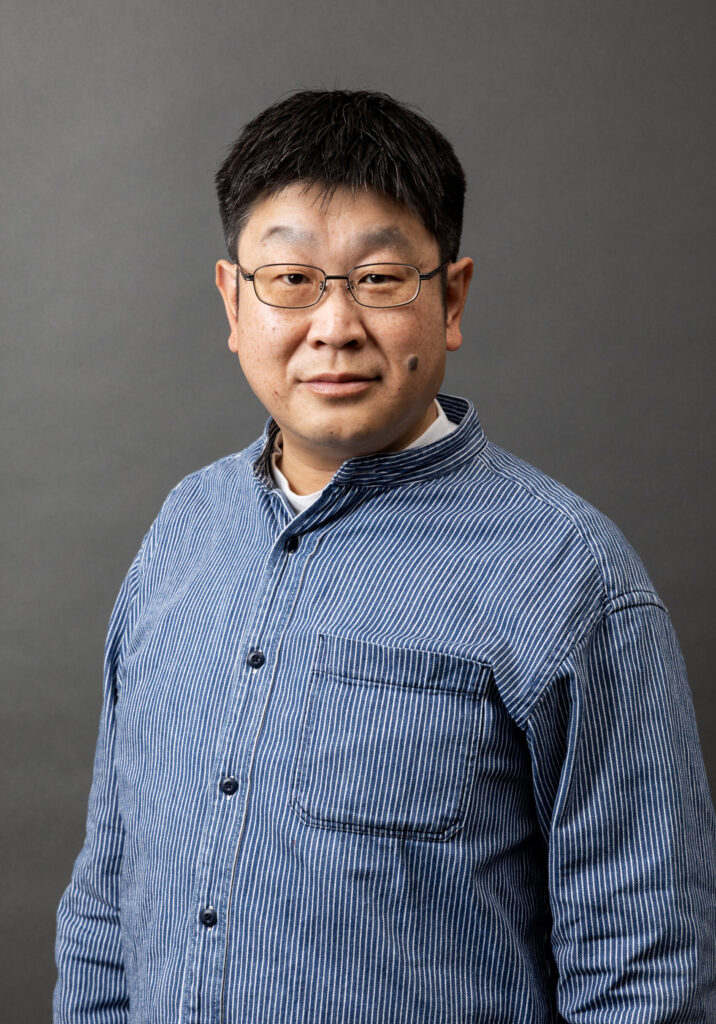
Masahiro Ichino
profile
Masahiro Ichino
3rd generation
Year of Birth:1978
Year Began Pottery:2005
Education / Training Background
Graduated from Osaka University of Arts
Graduated from Kyoto Prefectural Advanced Technical School of Ceramics
Worked at the Kyoto Ceramic Research Institute
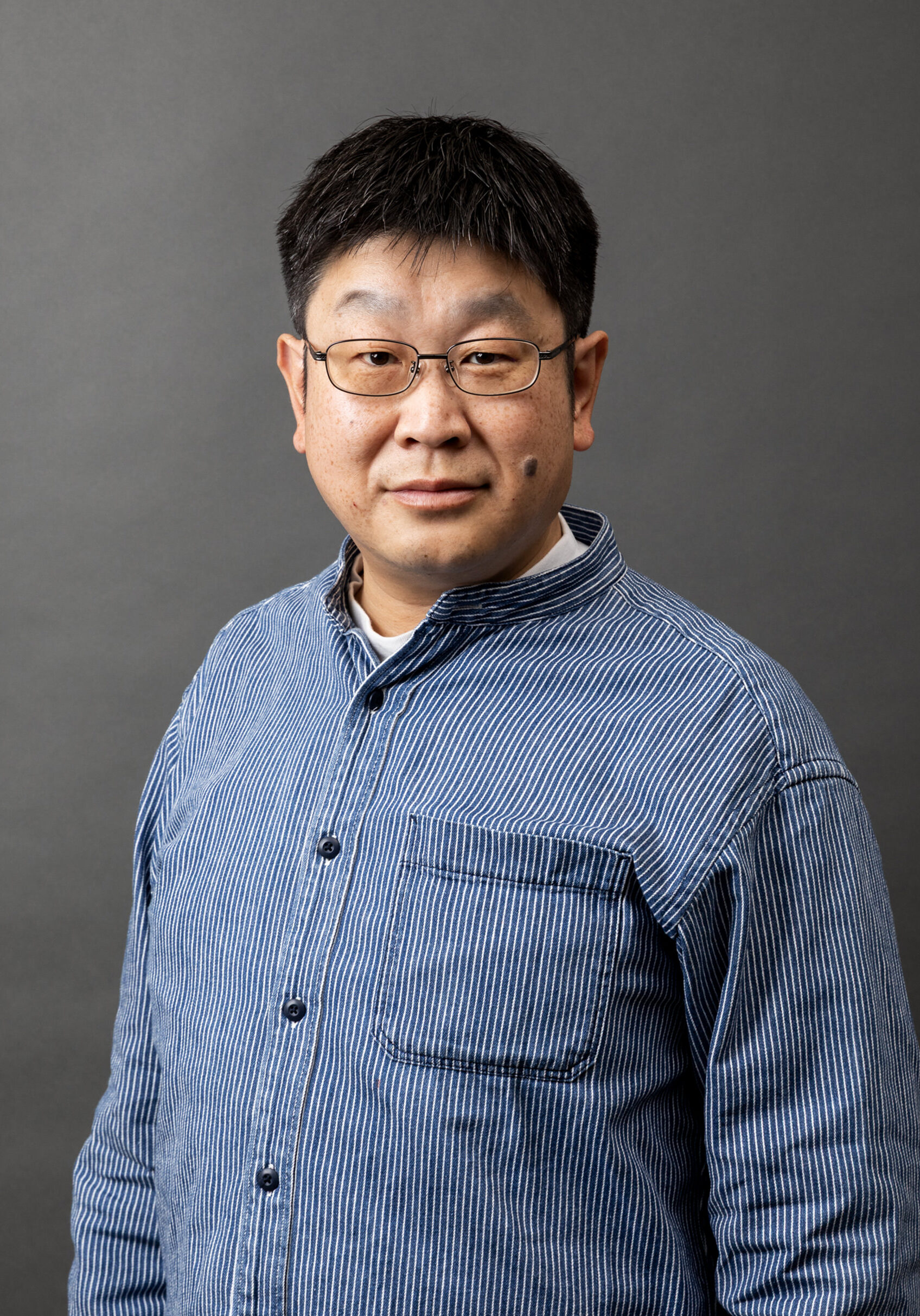
The state of the workshop
スクロールできます
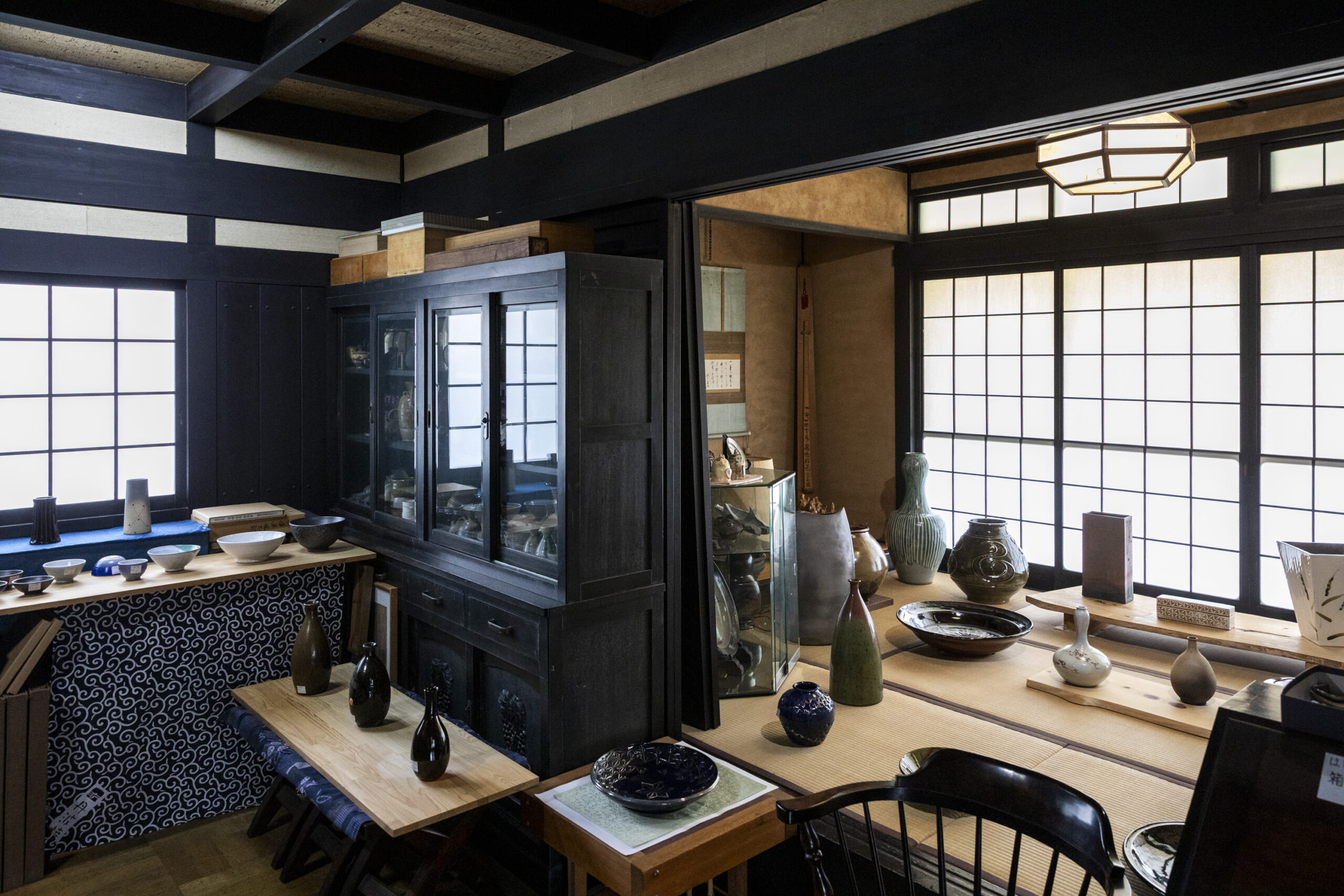
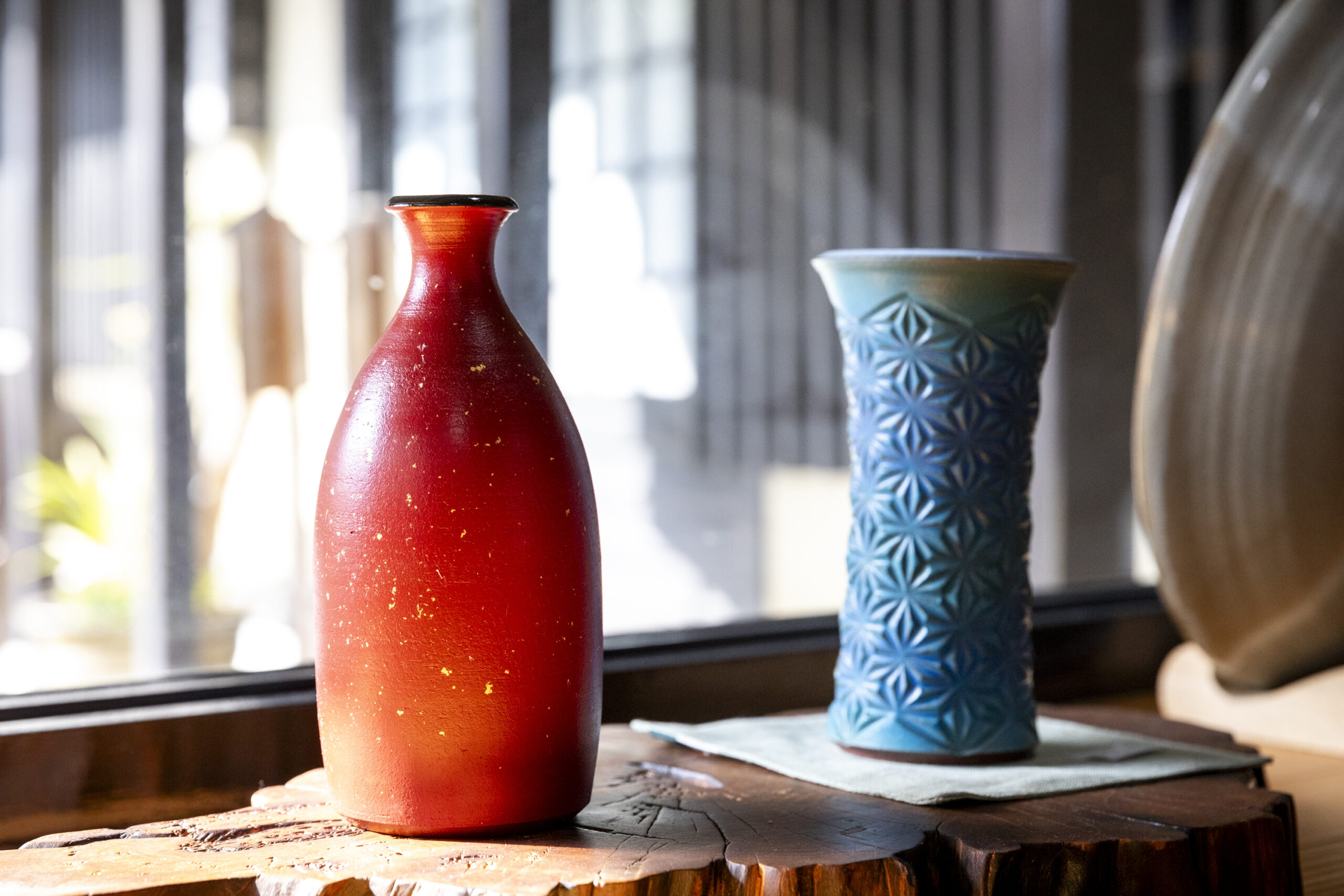
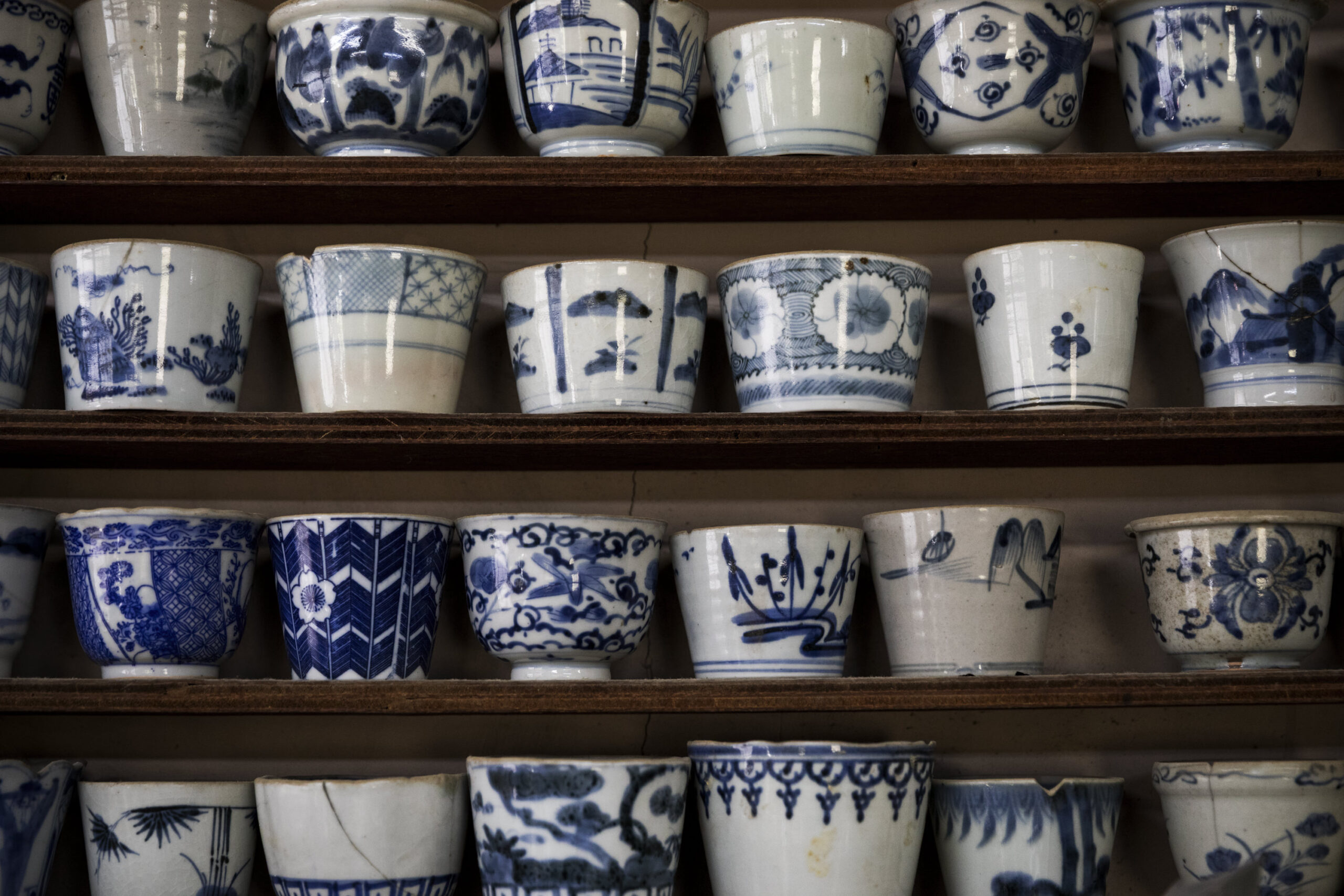
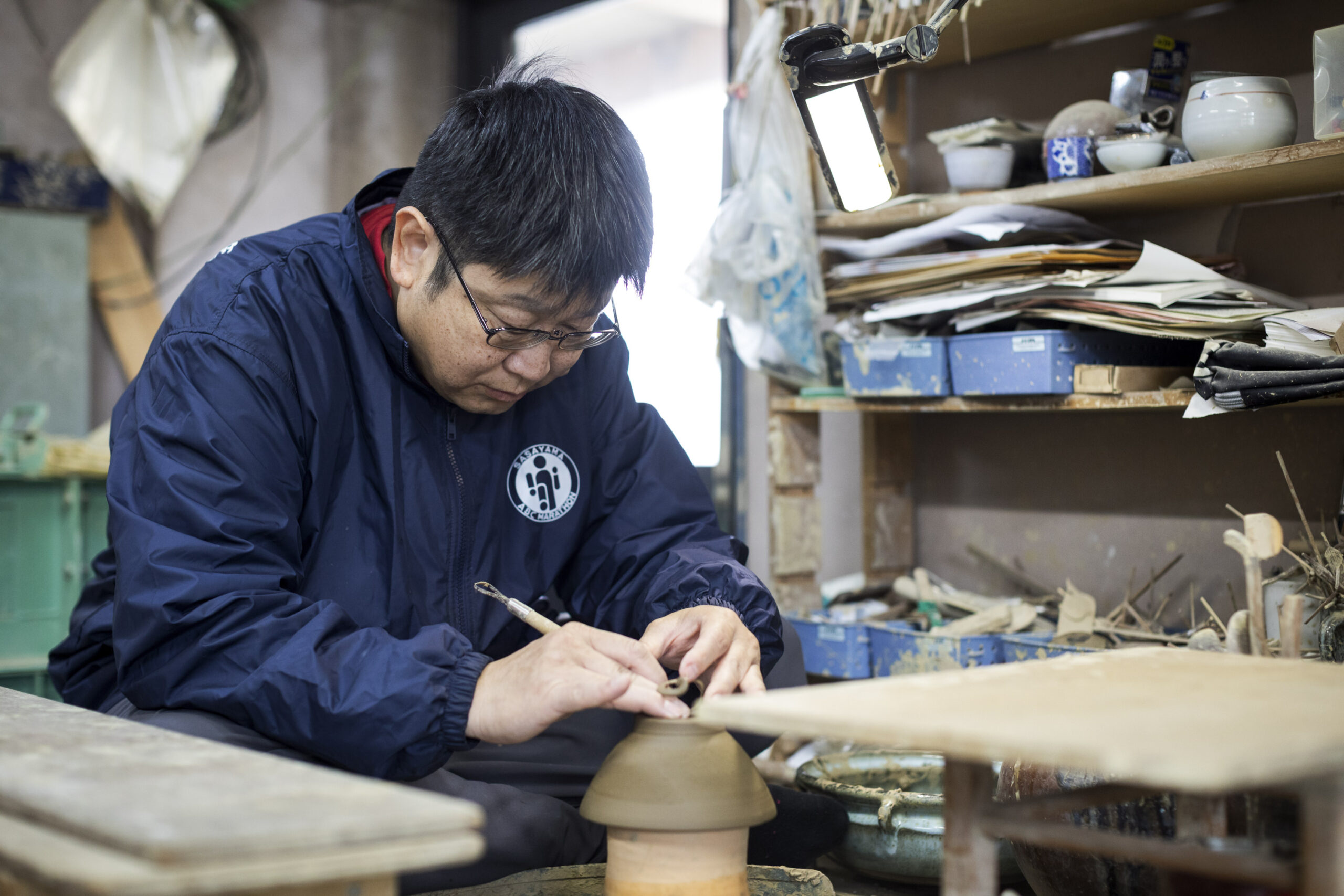
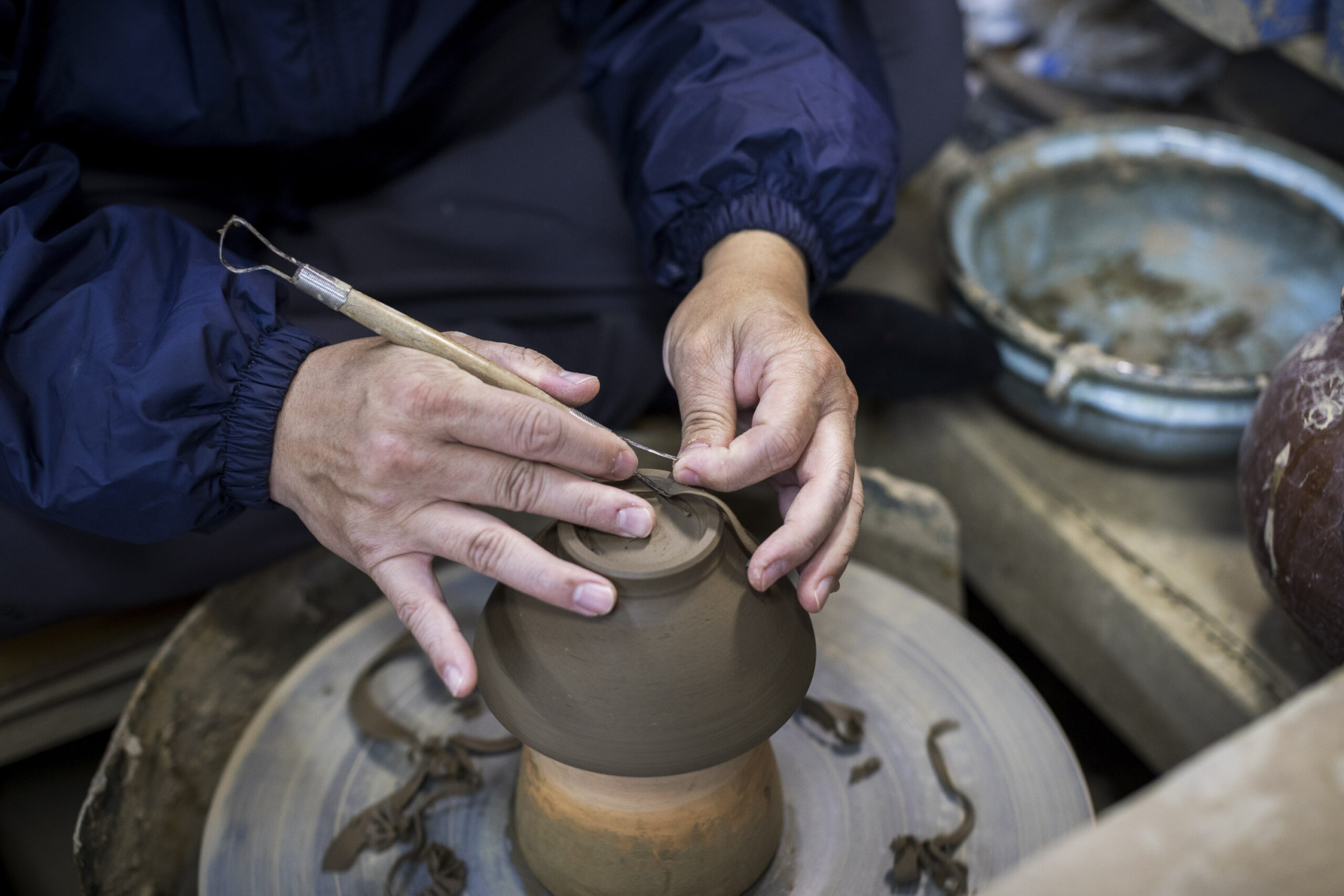


Works
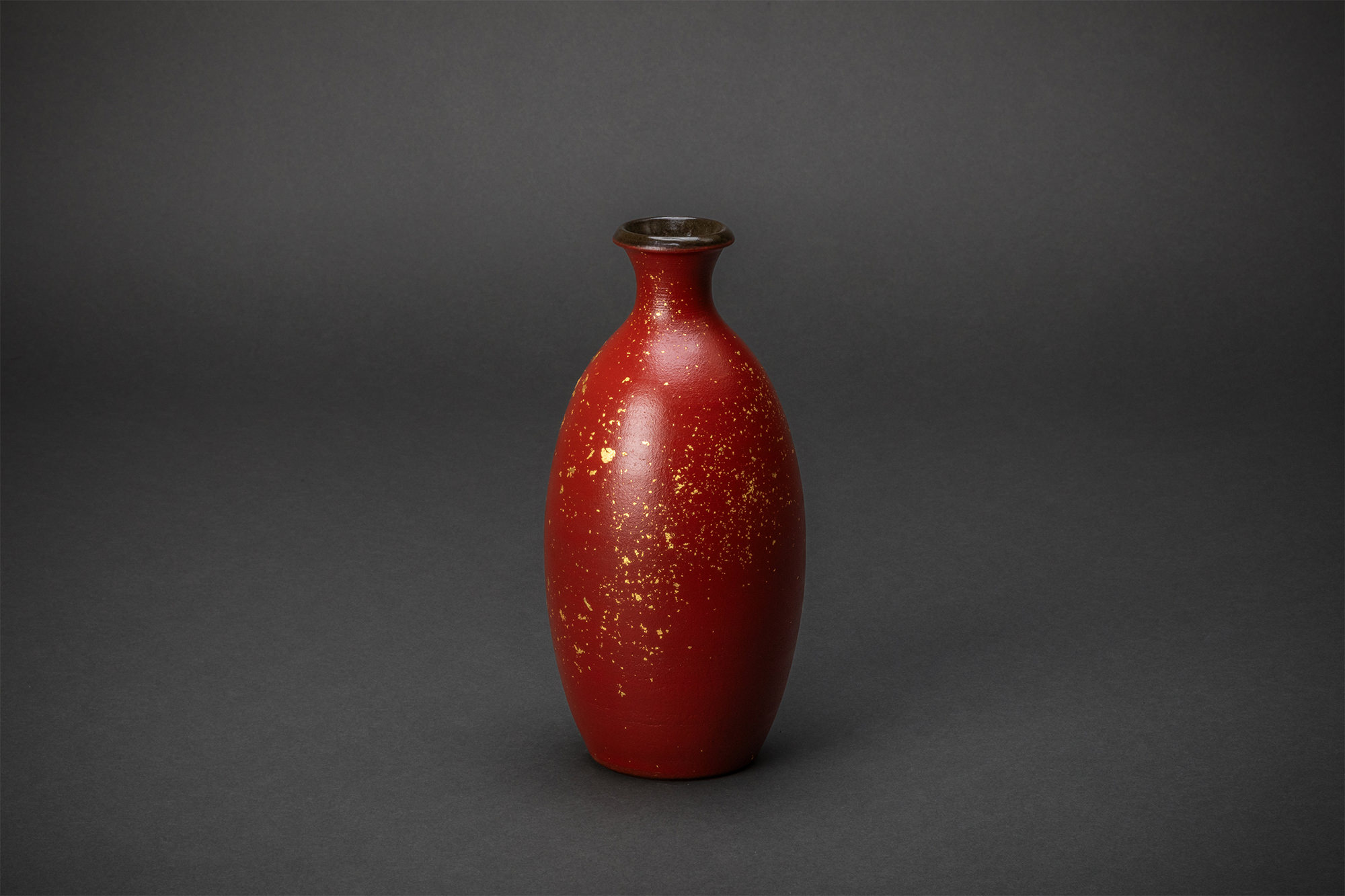
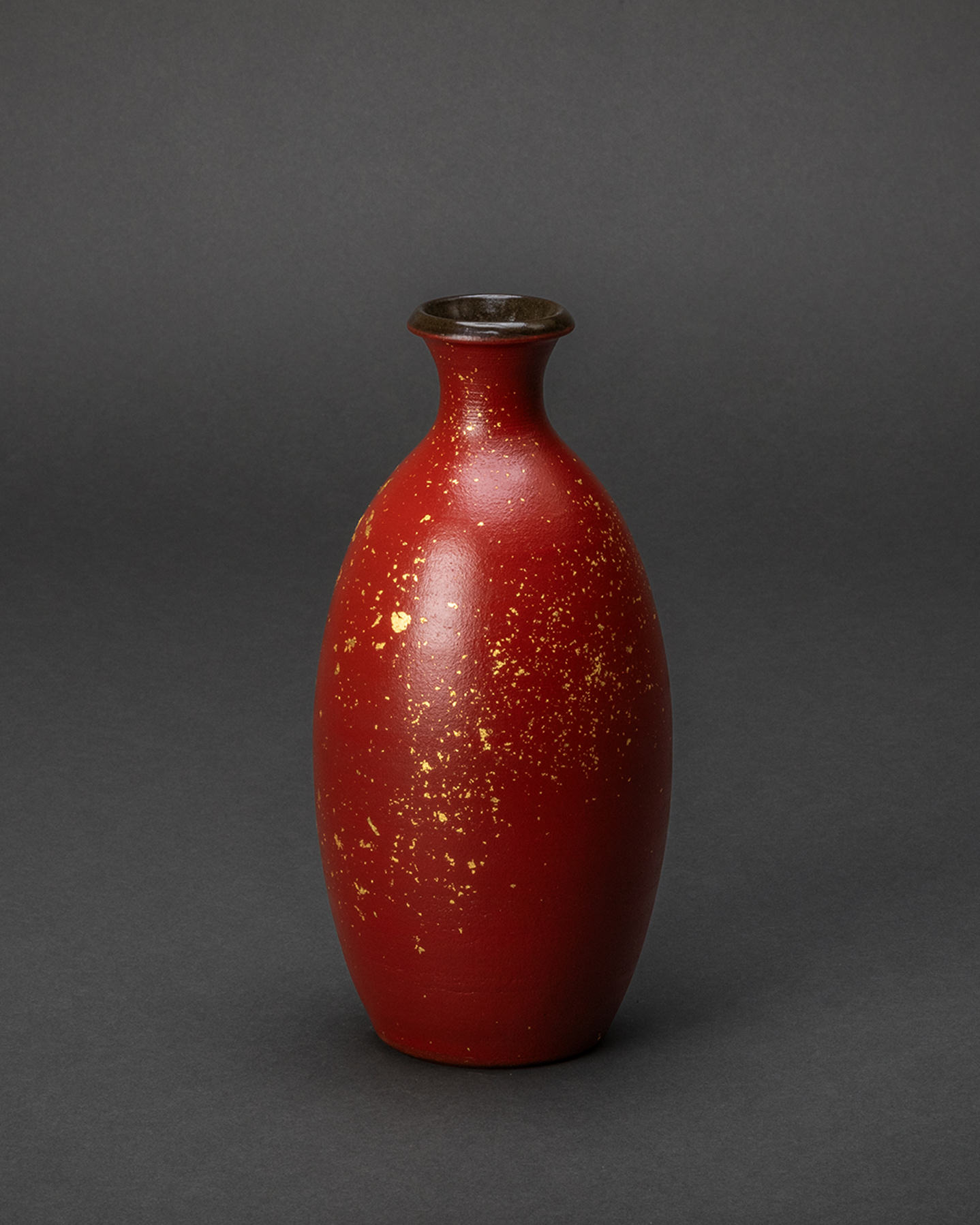
photo:AOTANI Takeru
Interview
Connecting tradition and innovation through urushi lacquer.
Masahiro Ichino of ENNEN-GAMA and the beauty of utility that blends into everyday life
Renewing tradition through color and texture: ceramic forms finished with urushi lacquer
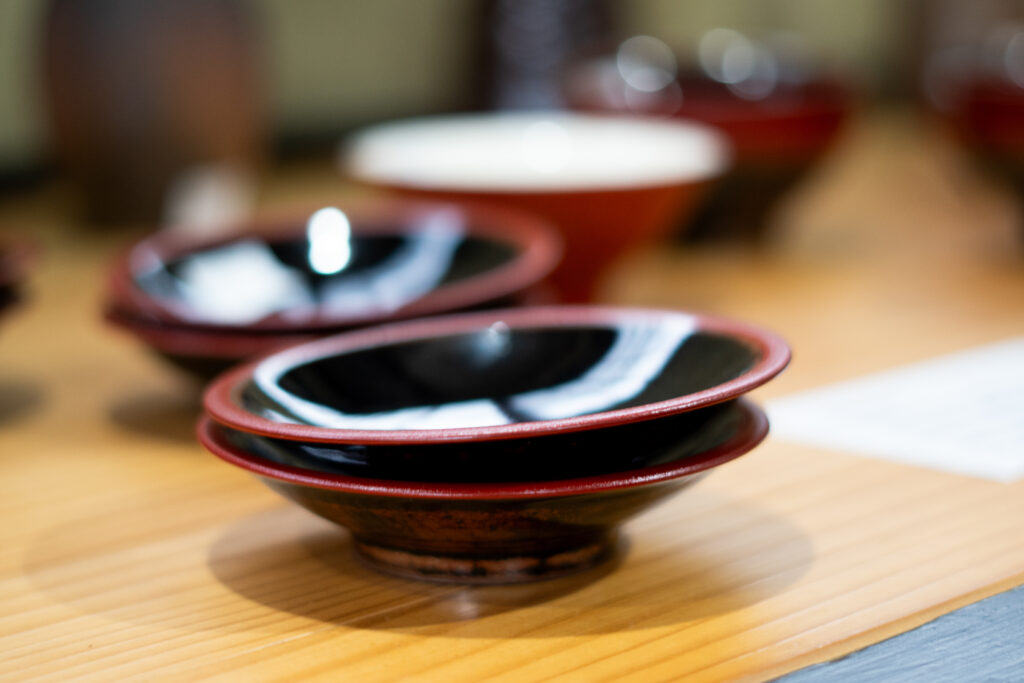
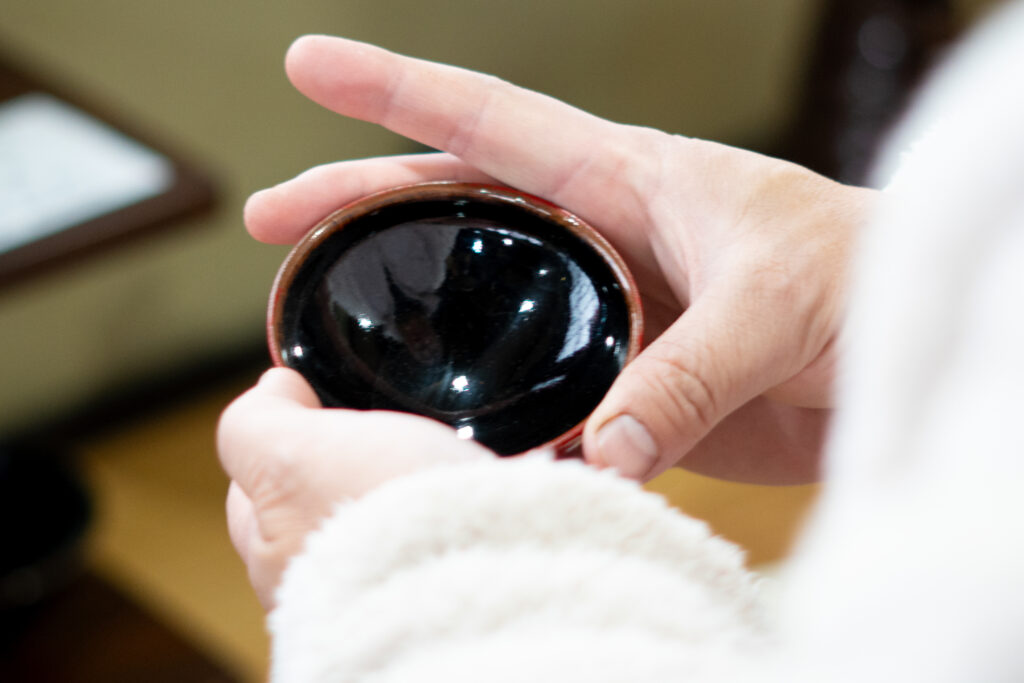
When you pick up a piece by Masahiro Ichino (hereafter, Masahiro), the third-generation head of ENNEN-GAMA, the first thing that surprises you is its texture. While retaining the warmth of clay characteristic of ceramics, the surface feels moist and smooth to the touch. Its gentle palette—based on white, red, and natural tones—has the refined elegance of a traditional Japanese doll and a quiet depth that seems to welcome any dish.
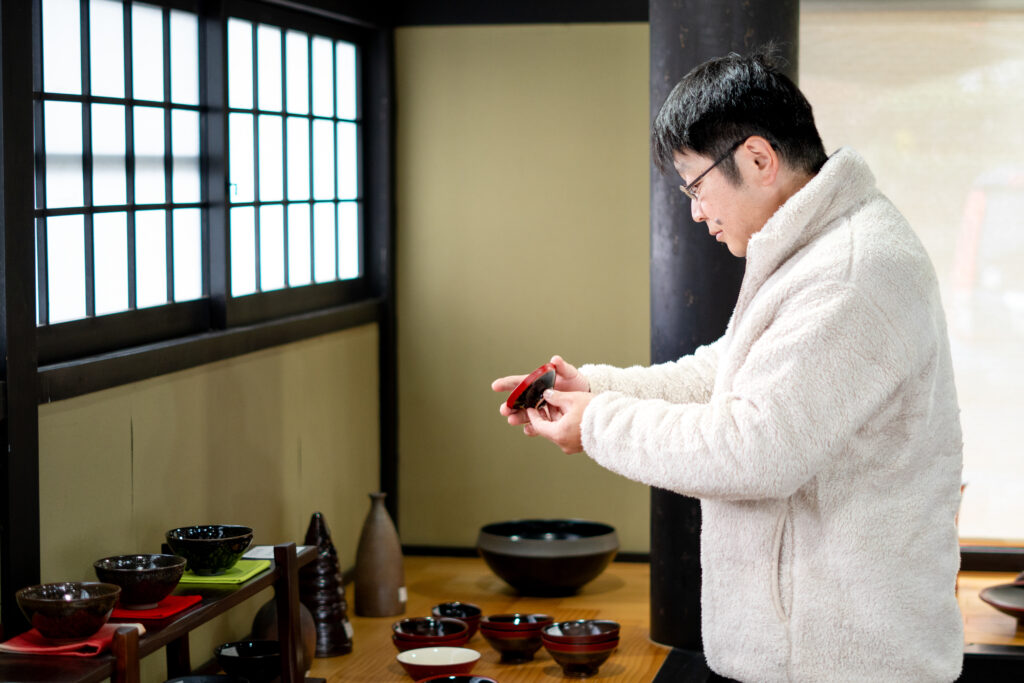
A defining feature of Masahiro’s work is the technique of totai shikki (lacquered ceramics), inherited from his father. Applying urushi lacquer to a ceramic body is a method that is rare even across Japan.
“The unique texture and color of urushi have qualities that ceramic glazes alone can’t achieve. Of course, glazes have their own distinct appeal. When you combine the two, unexpected expressions emerge. I find that fascinating, and I enjoy experimenting in many different ways.”
Masahiro places great importance on balancing creativity with practicality. The distinctive texture of urushi softens the impact when forms are stacked together, and he incorporates such practical considerations into his work.
“Rather than storing them away for special occasions, I want people to use them in everyday life. It makes me happy when my pieces are part of someone’s daily routine.” His forms carry a warmth that gently accompanies the lives of those who use them.
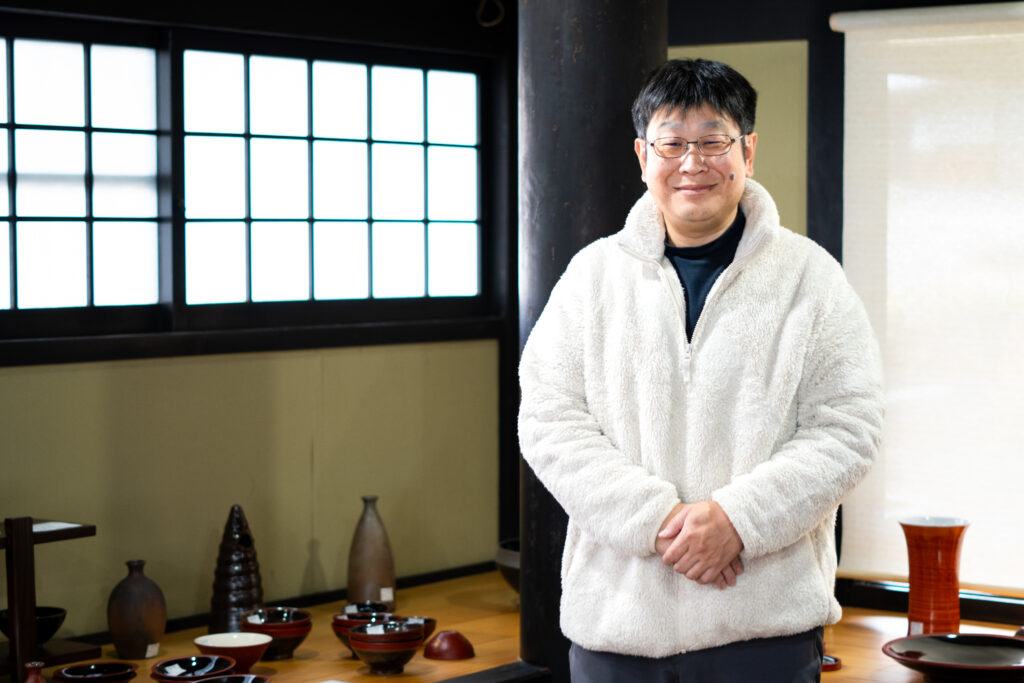
From a vague awareness to a true calling: how environment shaped his approach to ceramics
Born into a family of potters, Masahiro spent his childhood making clay figures and robots, having them fired, and then staging playful battles between them.
“As for my father and grandfather, I simply watched them work and thought, ‘They can make a form in no time on the wheel—it’s like magic.’ Since I was born into a pottery family, I had a vague sense that I would eventually become a potter myself.”
The turning point that changed this vague awareness came when he left Tachikui to study. After studying ceramics at university, he went on to a technical college for ceramic arts in Kyoto. There he met a wide range of fellow students—from younger peers and contemporaries from across Japan to people in their thirties who had already worked in other fields before pursuing ceramics. Together, they honed their skills through mutual encouragement.
“Everyone was serious about ceramics, and being in that environment was incredibly inspiring. Those who had prior work experience were especially motivated and had clear visions for their future. I learned a great deal from them. Without that environment, I might not be who I am today.”
Carrying with him both his childhood experiences and the perspective on ceramics he developed in Kyoto, Masahiro returned to Tamba and continues to devote himself to pottery each day at ENNEN-GAMA.
The natural scenery of Tamba-Sasayama and a simple daily life with cats
During breaks between making pottery, Masahiro refreshes himself by gazing out from his workshop veranda at the panoramic mountain landscape.
“Each season has its own charm, but I especially love the autumn foliage when the mountains before me gradually change color. There used to be a large old tree at a nearby shrine that served as a symbol of the community—I loved that too. Including that tree, I feel that the scenery of Tamba lives on within Tamba ware as part of the artist’s aesthetic sensibility.”
Perhaps one way to enjoy old Tamba ware is to imagine the landscapes of Tamba from long ago through the forms themselves.
After work, he spends time playing with his cats, a moment that soothes both body and mind. “I suppose I’m a cat person—or rather, I simply love cats.” His gentle smile reveals his warm personality.
Finally, he shares how visitors might best enjoy Tamba Tachikui.
“Konda Yakushi Onsen, located just beyond two mountains from Tachikui, is fed directly by a natural hot spring and highly recommended. There’s even a bath made of Tamba ware. Enjoy visiting the potters, and then relax in the hot spring at the end of the day. That way, you can fully experience Tamba.”
Through the traditional Japanese technique of urushi lacquer, Masahiro expresses Tamba ware in his own way. In his calm manner of speaking, one senses the sincerity of a craftsman who embraces tradition without feeling burdened by it and who simply cherishes the act of making.
Interview, Text, and Photography:NOUCHI Nana
Overview
of
ENNEN-GAMA
Address
449-1 Kamitachikui, Konda-cho, Tambasasayama, Hyogo, Japan
TEL
FAX
Website
Pottery Classes
A pottery experience in the forest.
Enjoy creating while surrounded by nature.
Available Dates: Monday, Tuesday, Wednesday, Friday, Saturday, Sunday
Reception Hours: 10:00–15:00
Reservation: Required
Walk-ins: Please contact us
<Clay Modeling Class>
90 minutes / Half-day (90 min) ¥3,000 , Full day (180 min with lunch break) ¥5,000
Times are approximate.
・Maximum Participants: 10 (6 during COVID-19 restrictions)
・Completion Time: 45 days
Notes:
・Glaze available upon consultation.
・Clay may be used freely within reasonable limits.
・Advice may be provided during creation if firing difficulties are expected due to thickness or structure.
<Wheel Throwing Class>
60 minutes / Half-day (90 min) ¥3,000 , Full day (180 min with lunch break) ¥5,000
Times are approximate.
・Maximum Participants: 3
・Completion Time: 45 days
Notes:
・Glaze available upon consultation.
・Clay may be used freely within reasonable limits.
・Advice may be provided during creation if firing difficulties are expected due to thickness or structure.