
TOC
ICHINO SATORU-GAMA
profile
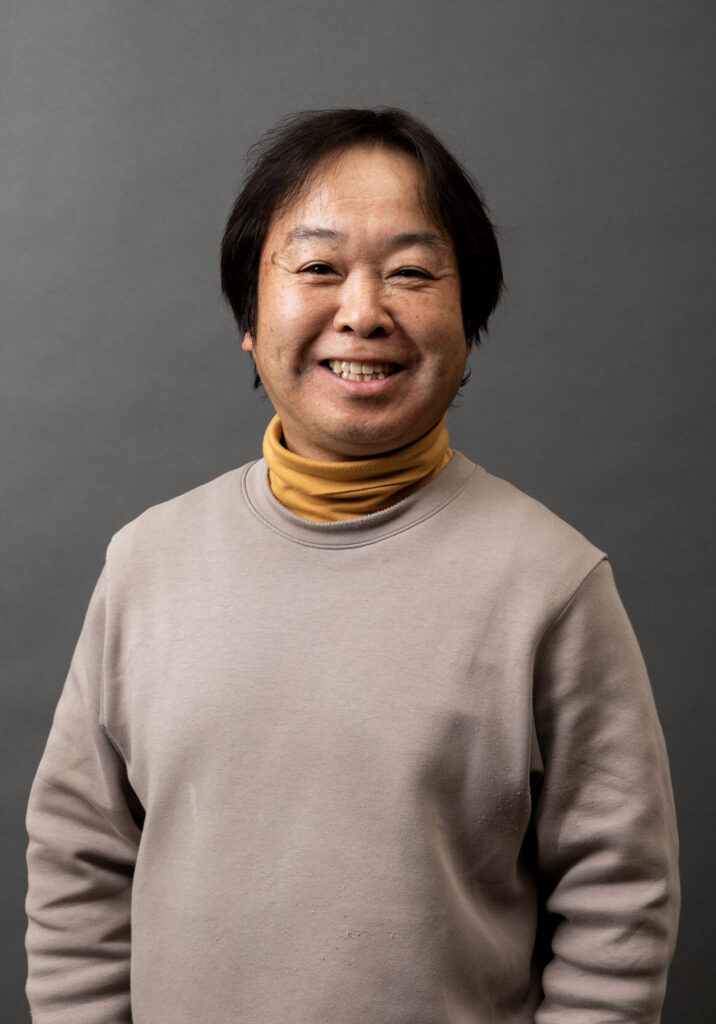
Tetsuji Ichino
profile
Tetsuji Ichino
4th generation
Year of Birth:1964
Year Began Pottery:1983
Education / Training Background
Kyoto Saga Art University
Seto Training School
Major Awards
Selected, Japan Traditional Crafts Exhibition
Selected, Japan Ceramic Art Exhibition
Selected, Chanoyu no Zokei Exhibition
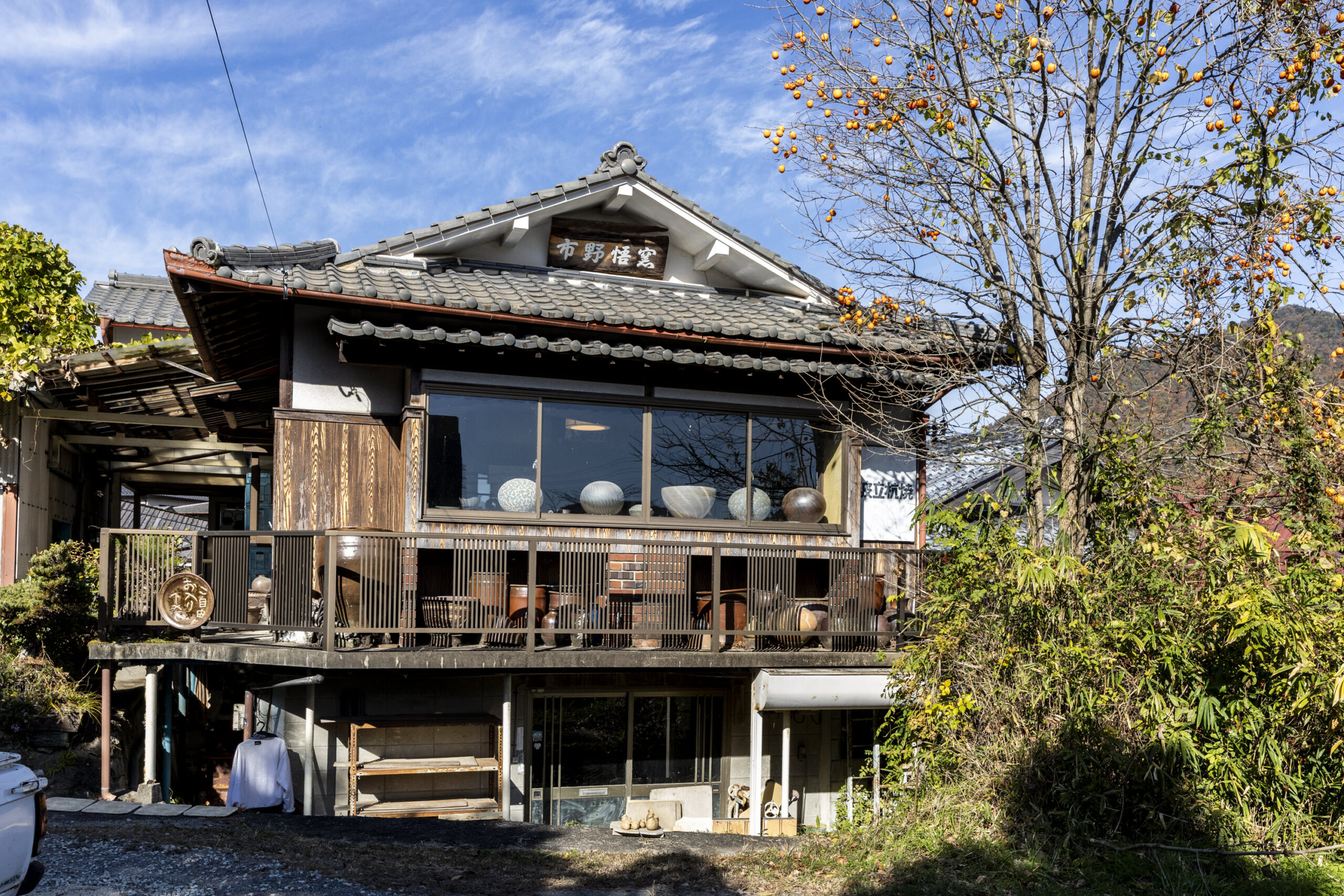
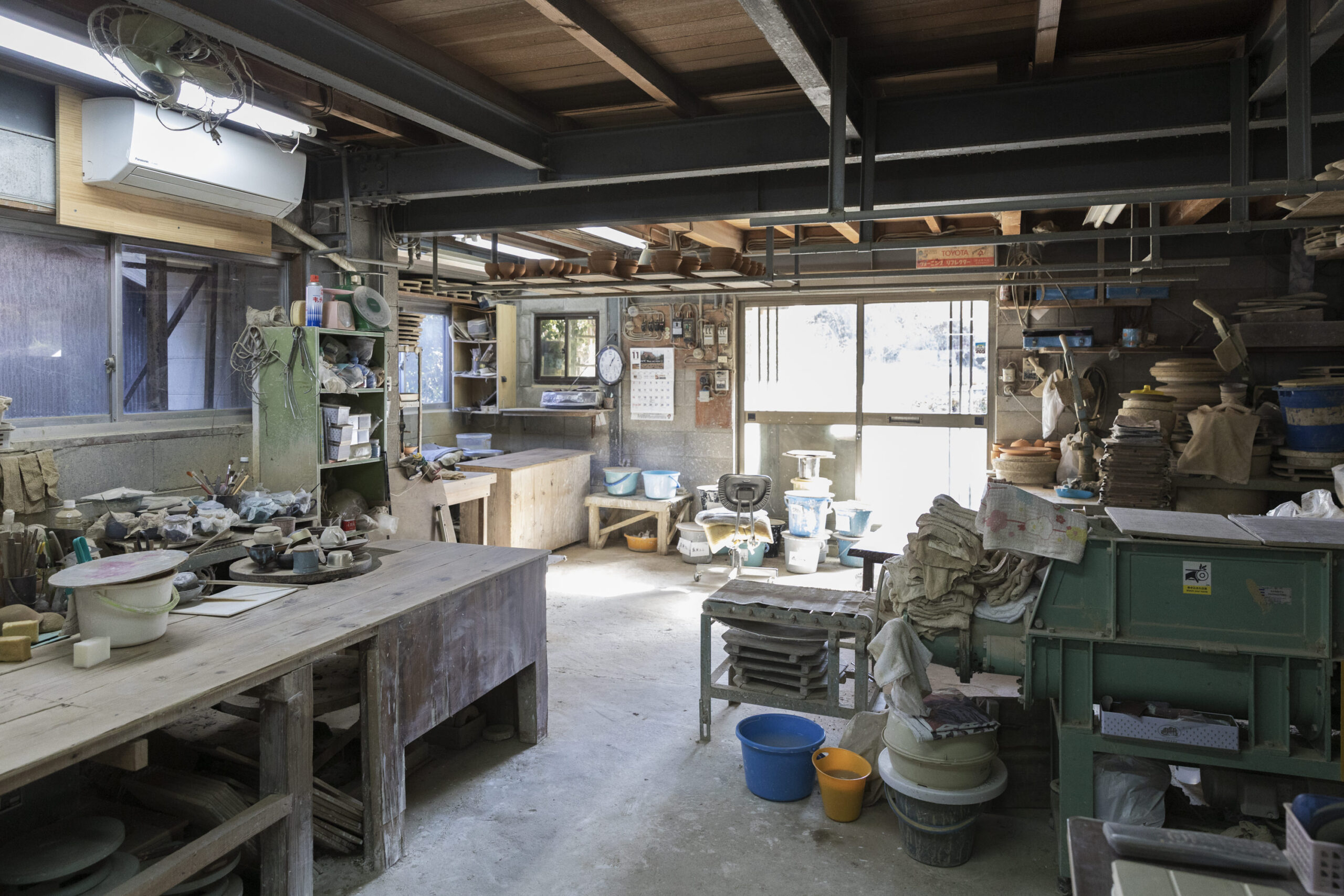
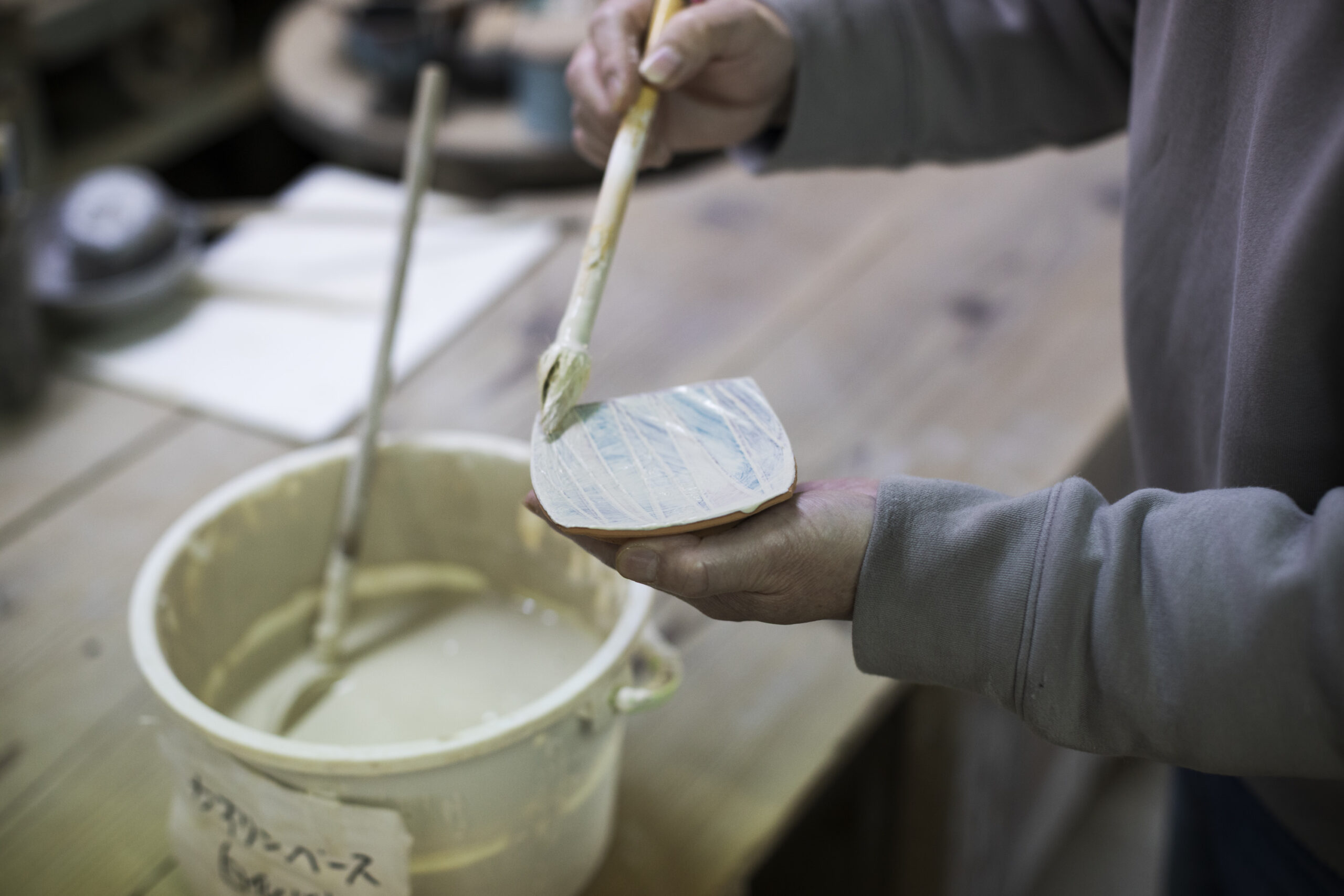
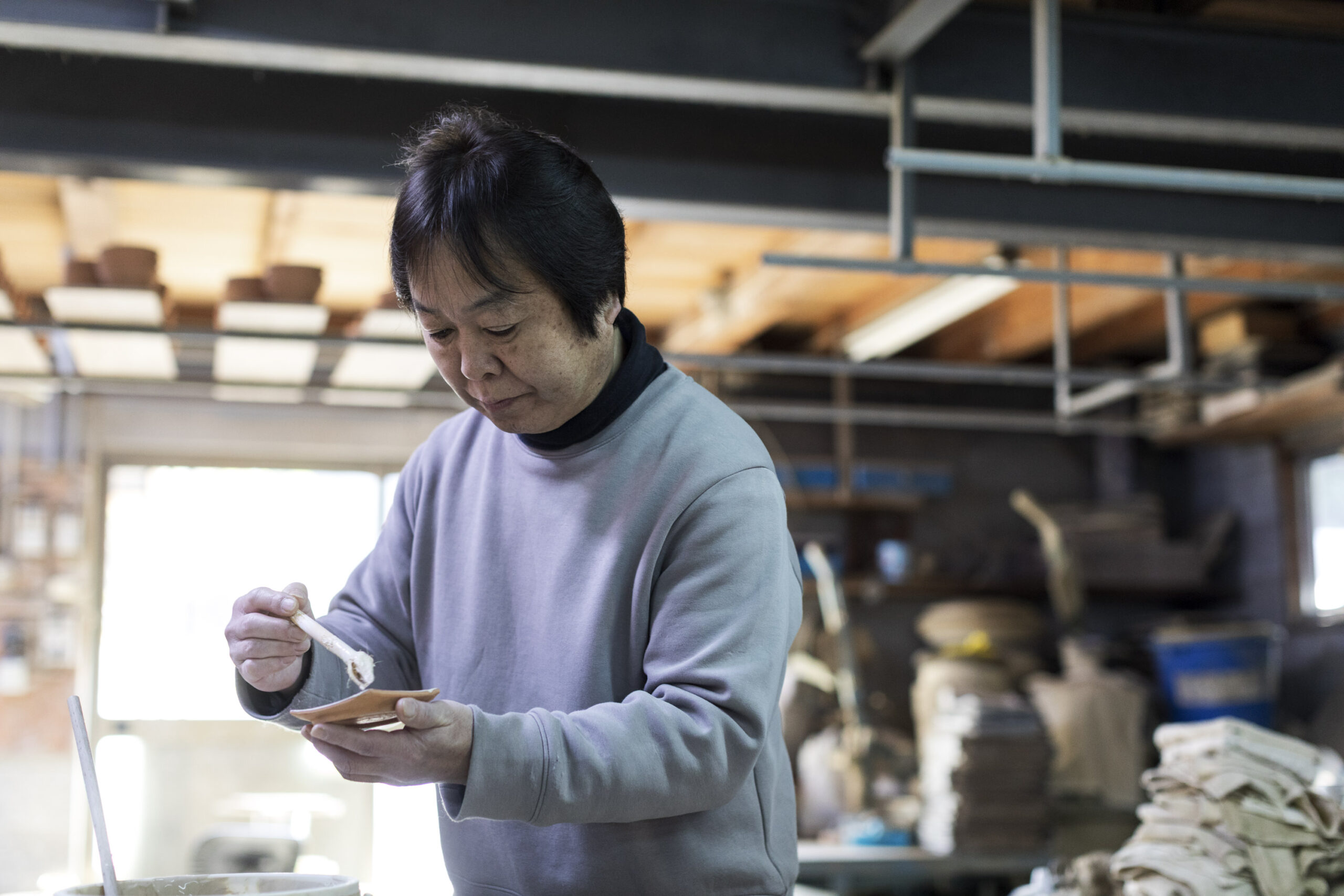
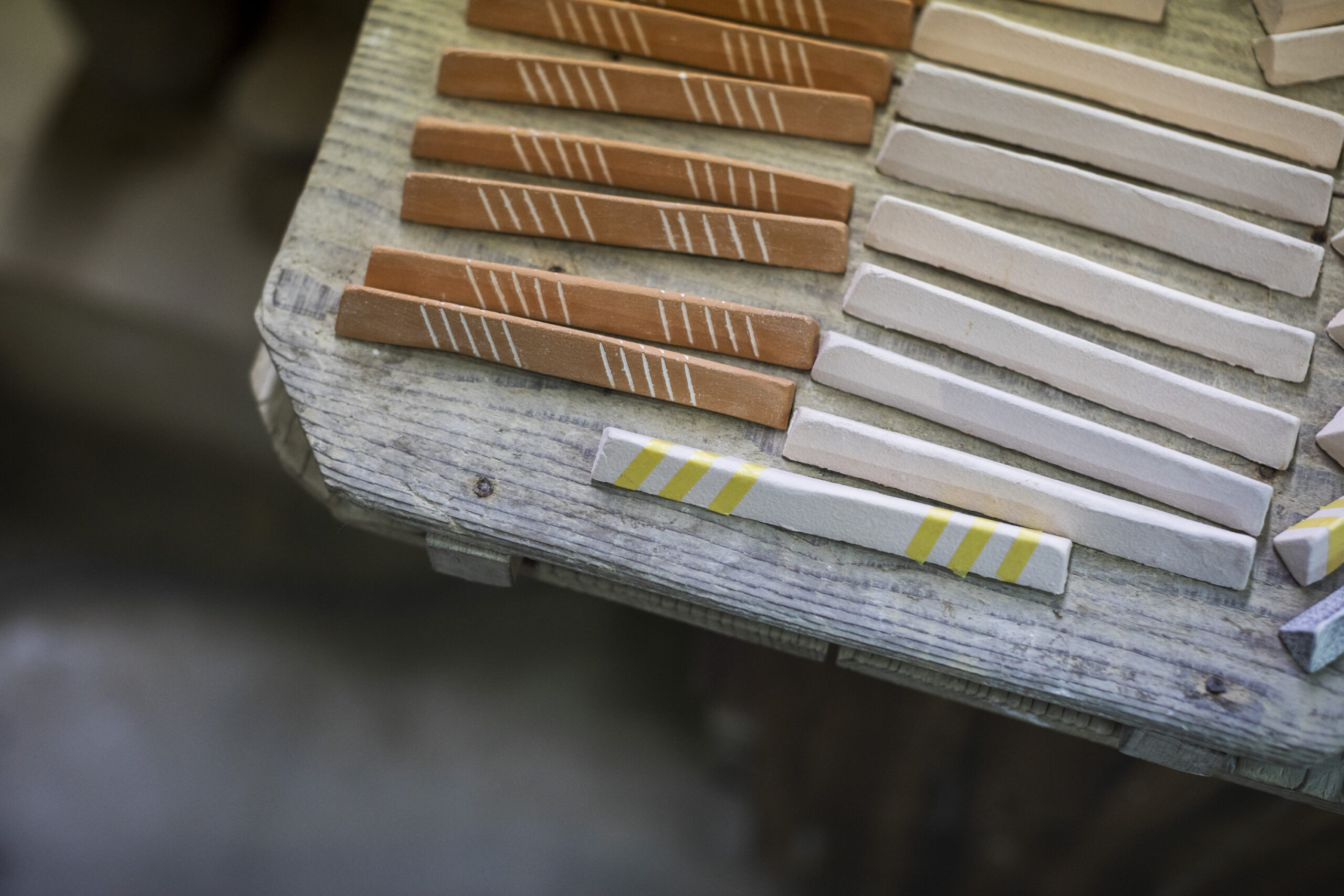
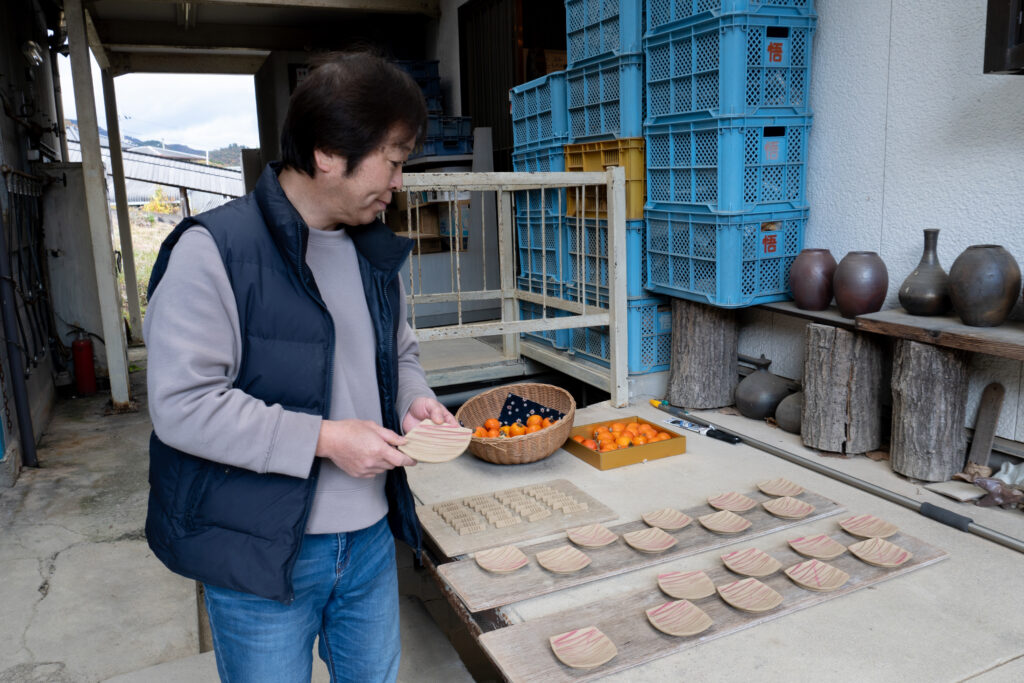
The state of the workshop
スクロールできます


Works
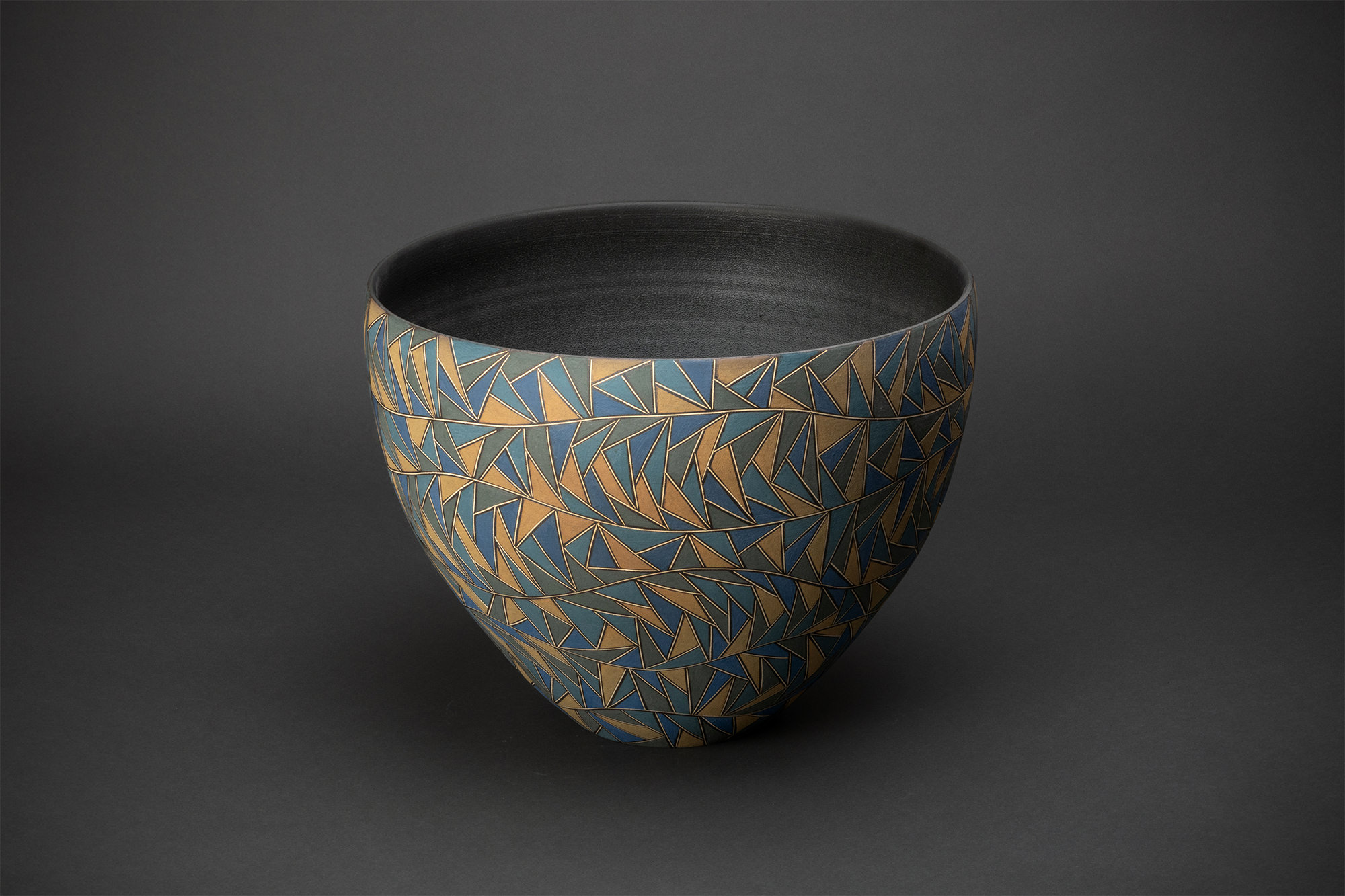
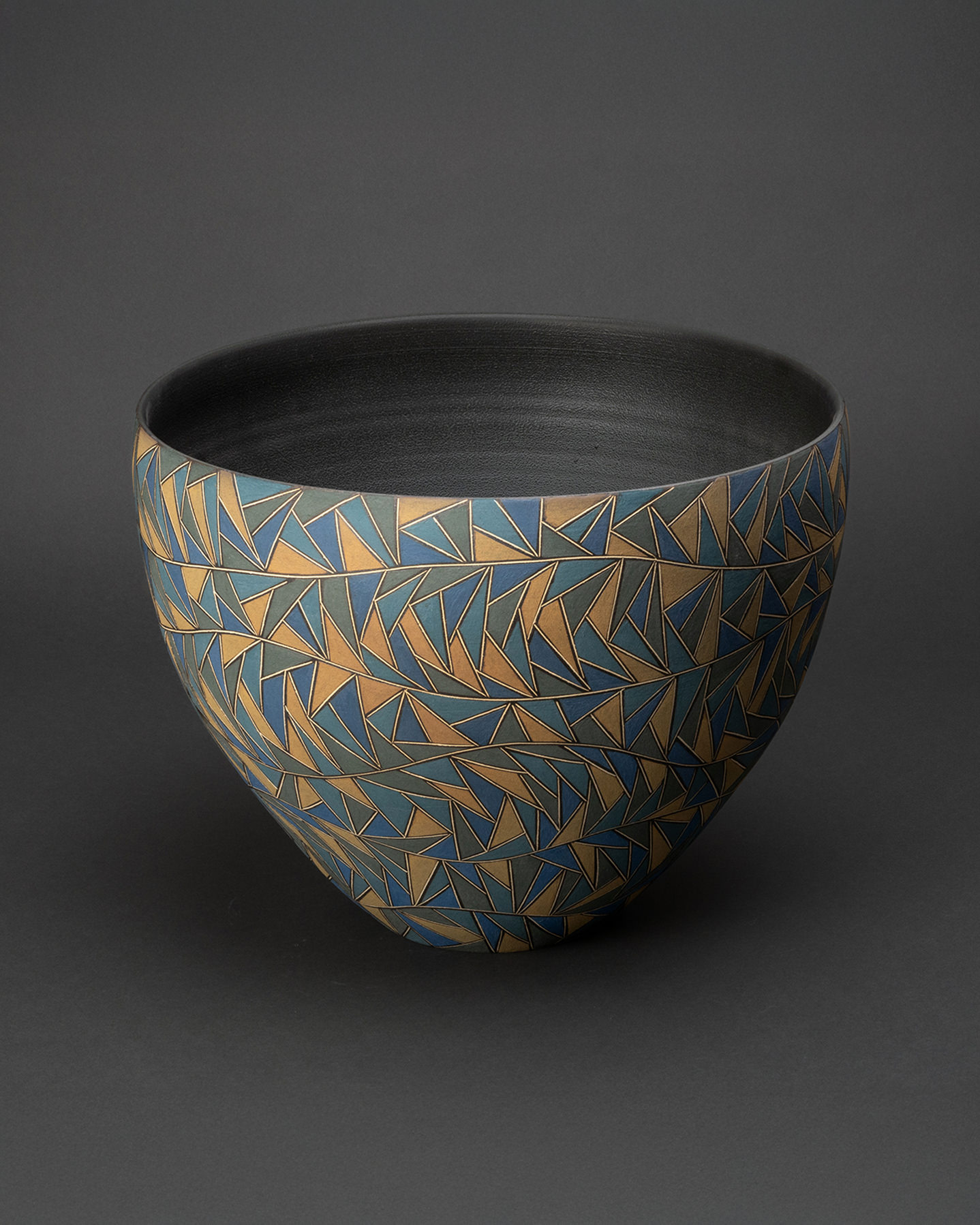
photo:AOTANI Takeru
Interview
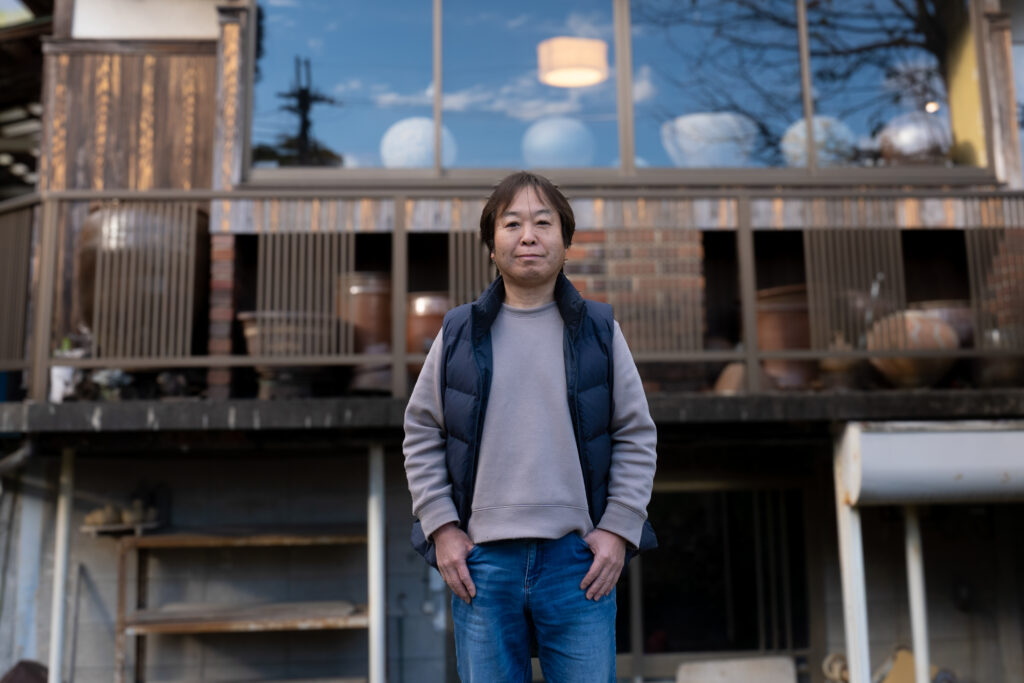
Drawing lines as his hands move.
The light, flowing rhythm expressed through “Saishoku-sen Zogan” (colored-line inlay), a technique Tetsuji Ichino of ICHINO SATORU-GAMA arrived at through years of trial and error
Each carefully carved line embraced by Tamba clay
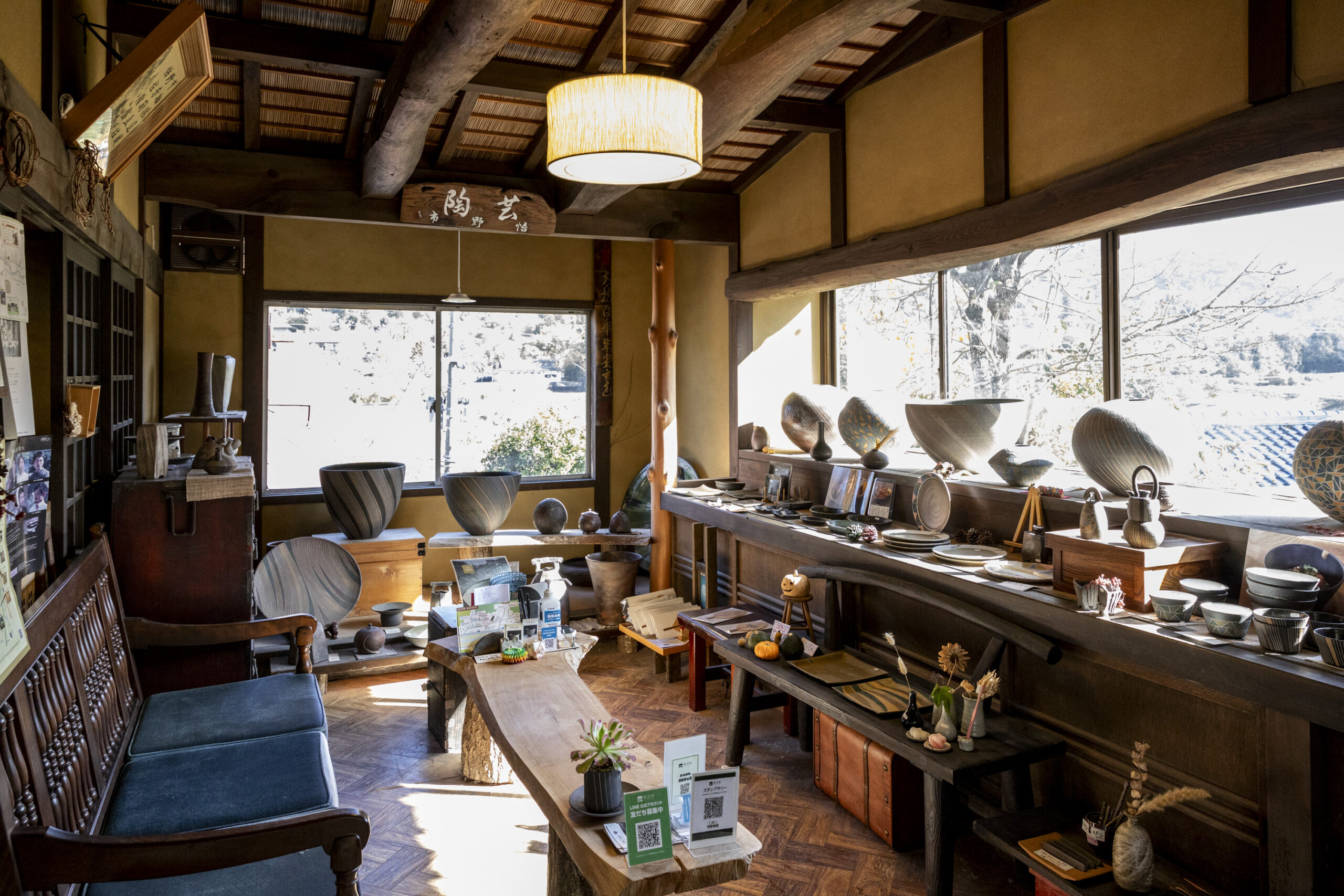
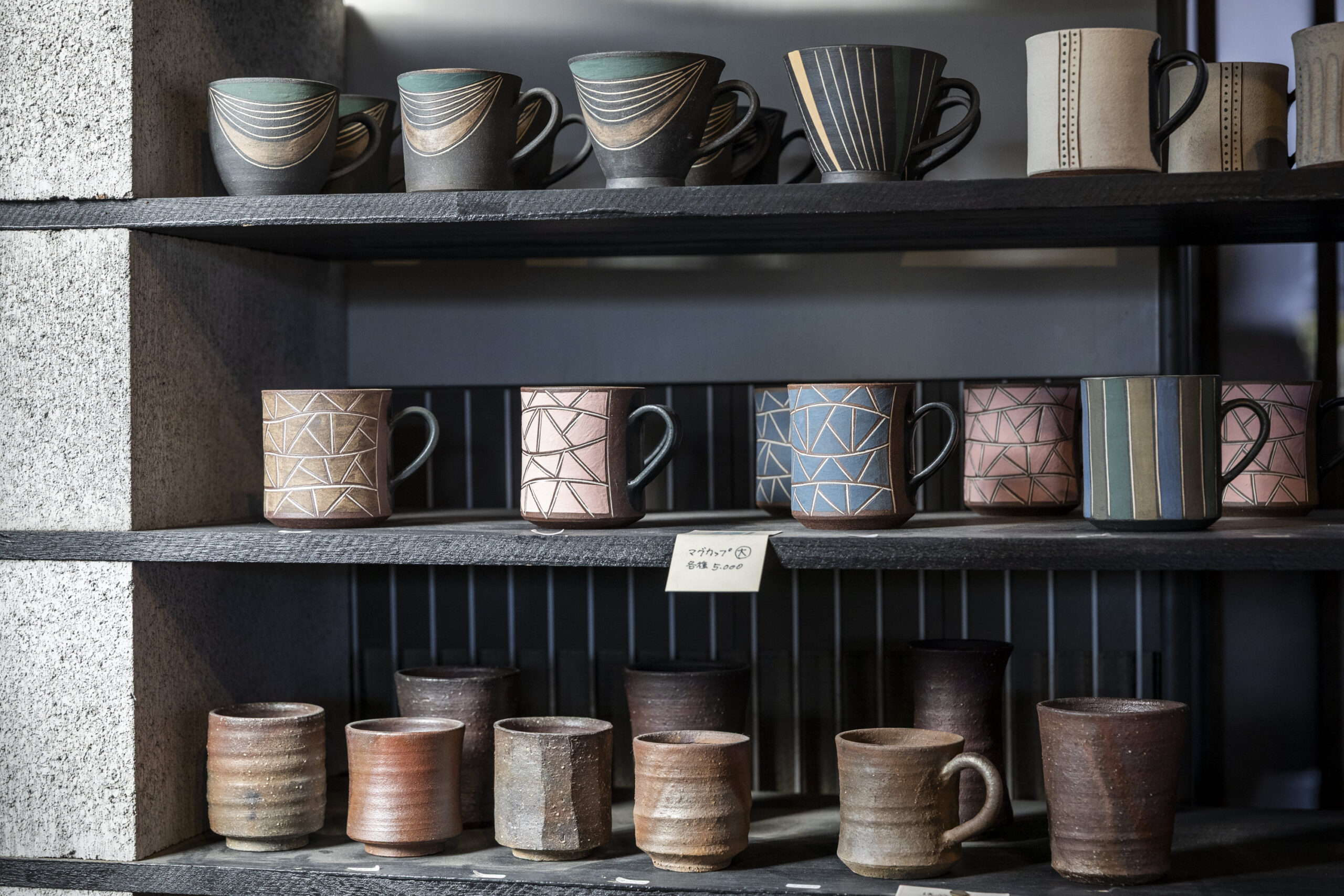
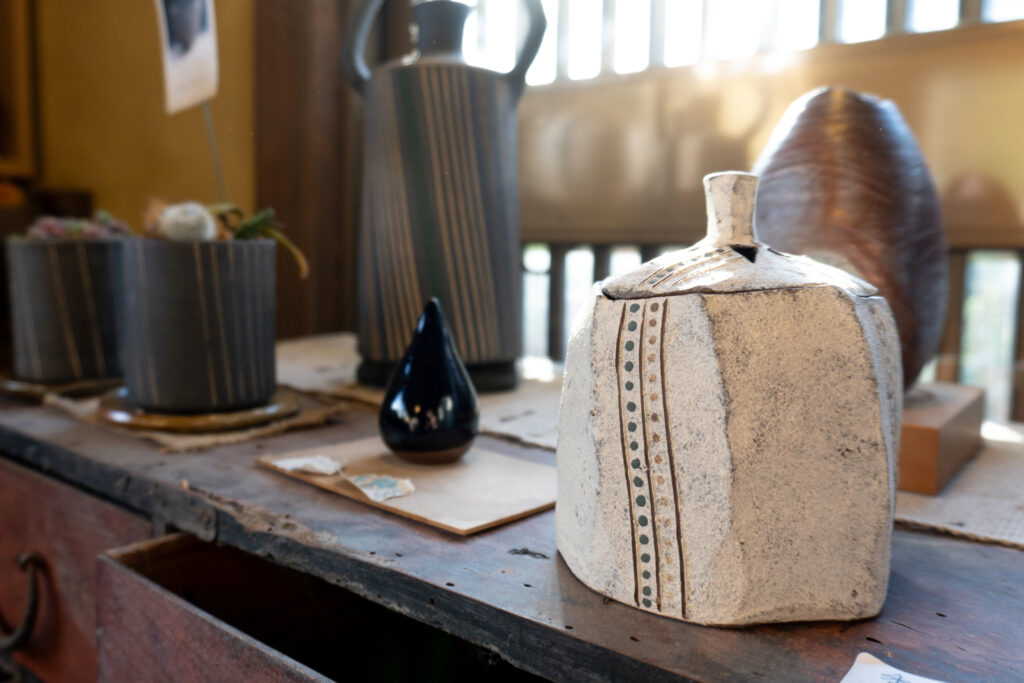
A little up the hill from the main street, ICHINO SATORU-GAMA stands quietly like a hidden retreat. On the shelves of the studio, forms in serene indigo and softly colored hues reminiscent of spring are neatly arranged. Unique patterns are delicately applied across their surfaces. When you pick one up and run your fingers over it, you can feel the fine grooves of the design beneath your fingertips.
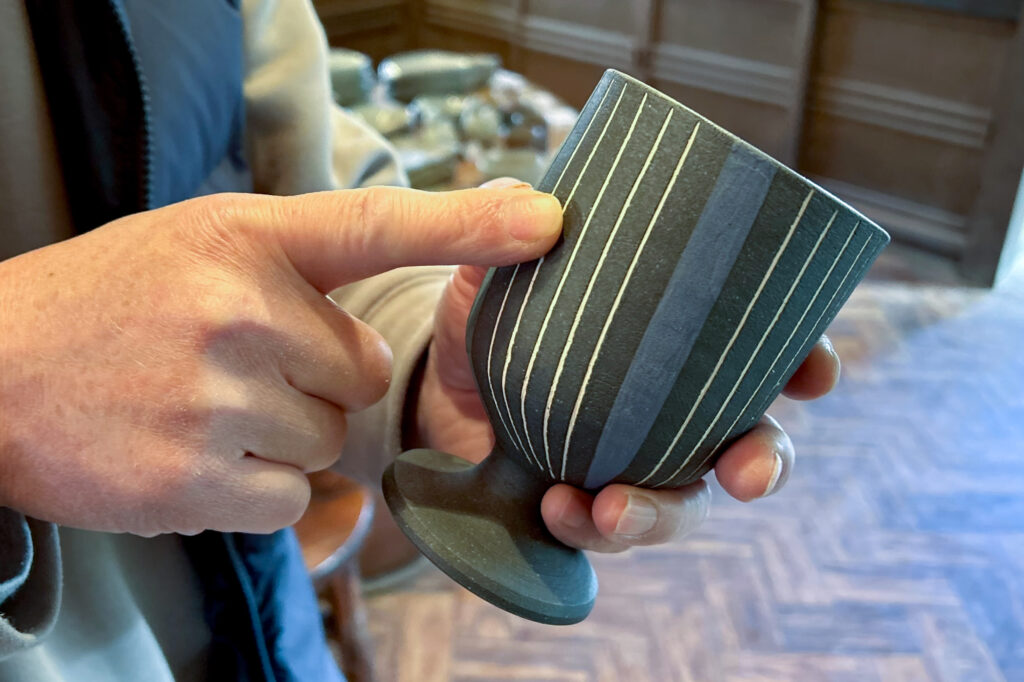
This technique is called Saishoku-sen Zogan (colored-line inlay). It is an extremely meticulous method in which colored slip (liquid clay) is filled into grooves carved into the clay body and then carefully shaved back again. It is a flowing line expression that Tetsuji arrived at after more than a decade of exploration.
“At first I worked with a technique called kakiotoshi, where you carve away a layer of slip applied over the surface. But even when I submitted pieces to public exhibitions, they rarely passed. I struggled for years.” Tetsuji recalls those days with a slightly shy yet gentle tone.
What was an expression only he could create? Then one day, an idea came to him. Letting go of the decorative approach that treated surfaces as planes, he relaxed his hand and tried drawing freehand lines instead.
“I wanted to do something no one else was doing—drawing freely without using a ruler, letting the lines flow as my hands moved. When those works were accepted into exhibitions, they began to feel truly like my own.”
The lines Tetsuji draws gently waver, rising and falling with subtle variations, creating a rhythm as if wind or flowing water had been captured within the form. The texture of Tamba clay, neither too fine nor too coarse, firmly receives the depth of the lines he carves.
From a track-and-field youth to the path of ceramics
Today Tetsuji has established his own distinctive style, but in his youth he showed little interest in pottery and devoted himself to athletics.
“I was on the track team through high school. I hardly ever stopped by the studio.”
When it came time to decide his future in his final year of high school, he learned that many heirs of nearby potters were going on to art junior colleges in Kyoto. Following the prevailing expectation that the eldest son would inherit the family trade, he chose the same path.
He began drawing because it was required for entrance exams. While continuing track practice, he attended an art prep school, drawing vegetables in pencil and studying color composition before entering an art junior college.
“My classmates came from pottery backgrounds like Bizen. I couldn’t even wedge clay properly, and I couldn’t center the clay on the wheel. Everything took me so much time—I struggled a lot back then.”
The frustration he felt and the patience with which he steadily built his skills became the foundation of the delicate craftsmanship he has today.
After graduating, he continued his training for a year in Seto, Aichi Prefecture, before returning to the family business. Experiencing the world beyond Tachikui allowed him to rediscover the beauty of its seasonal landscapes.
Running as part of the work — for healthy creativity
Tetsuji’s mornings begin early. “Our kiln is small, so we fire every day and unload every day.” In summer, the studio—filled with heat reaching around 1,250°C—requires working while pouring water over himself to keep cool. Supporting such demanding labor requires physical strength, and he continues to run regularly to stay healthy.
“When I’m at the wheel for long periods, my back and neck start to hurt. So I think of exercise as part of my work and go running. Running through the mountains in the evening before sunset is tough, but it feels great.”
The body that once trained for track and field has now become the foundation for making forms. Breathing in the air and feeling the changing seasons refreshes his mind, and he channels that renewed sensation into carving lines with his fingertips.
“Sometimes customers show me photos of dishes served on my work. A cup I made as a beer mug might be used in a completely unexpected way. Discovering how people use them is always fresh and exciting.”
A form is completed within the life of its user. That joy becomes the driving force behind his next creation.
Interview, Text, and Photography:NOUCHI Nana
Overview
of
ICHINO SATORU-GAMA
Address
398 Kamitachikui, Konda-cho, Tambasasayama, Hyogo, Japan
TEL
FAX
Website