
TOC
TANSEN-GAMA
profile
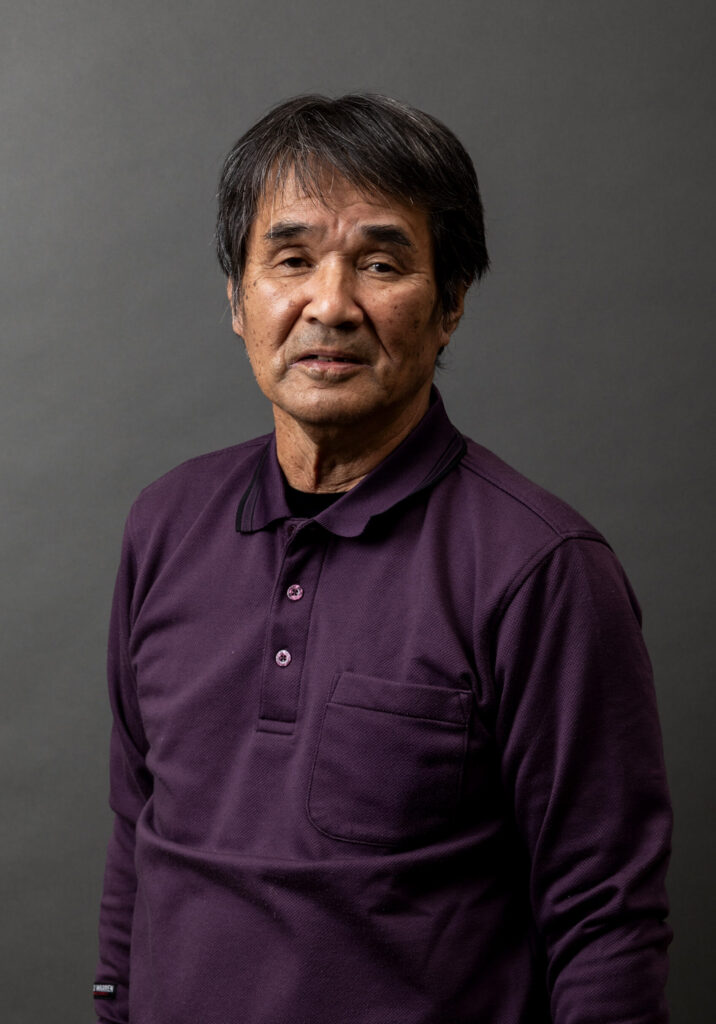
Kiyoharu Ichino
profile
Kiyoharu Ichino
Established 1919 / 3rd generation
Year of Birth:1957
Year Began Pottery:1977
Education / Training Background
Graduated from a vocational school Trained in Akazu ware in Seto City
Major Awards
2007 – Encouragement Prize, 24th Tanabe Museum “Chanoyu no Zokei” (Tea Ceremony Formative Art) Exhibition, among others
Held solo exhibitions at Yokohama Takashimaya, Daimaru Shinsaibashi (Osaka), Gallery Shun (Hiroo), Gallery Awairo-no, etc.
1995 – Became a Full Member of the Japan Kōgei Association
2016 – Hyogo Prefecture Distinguished Service Award
2021 – Commendation from the Minister of Economy, Trade and Industry
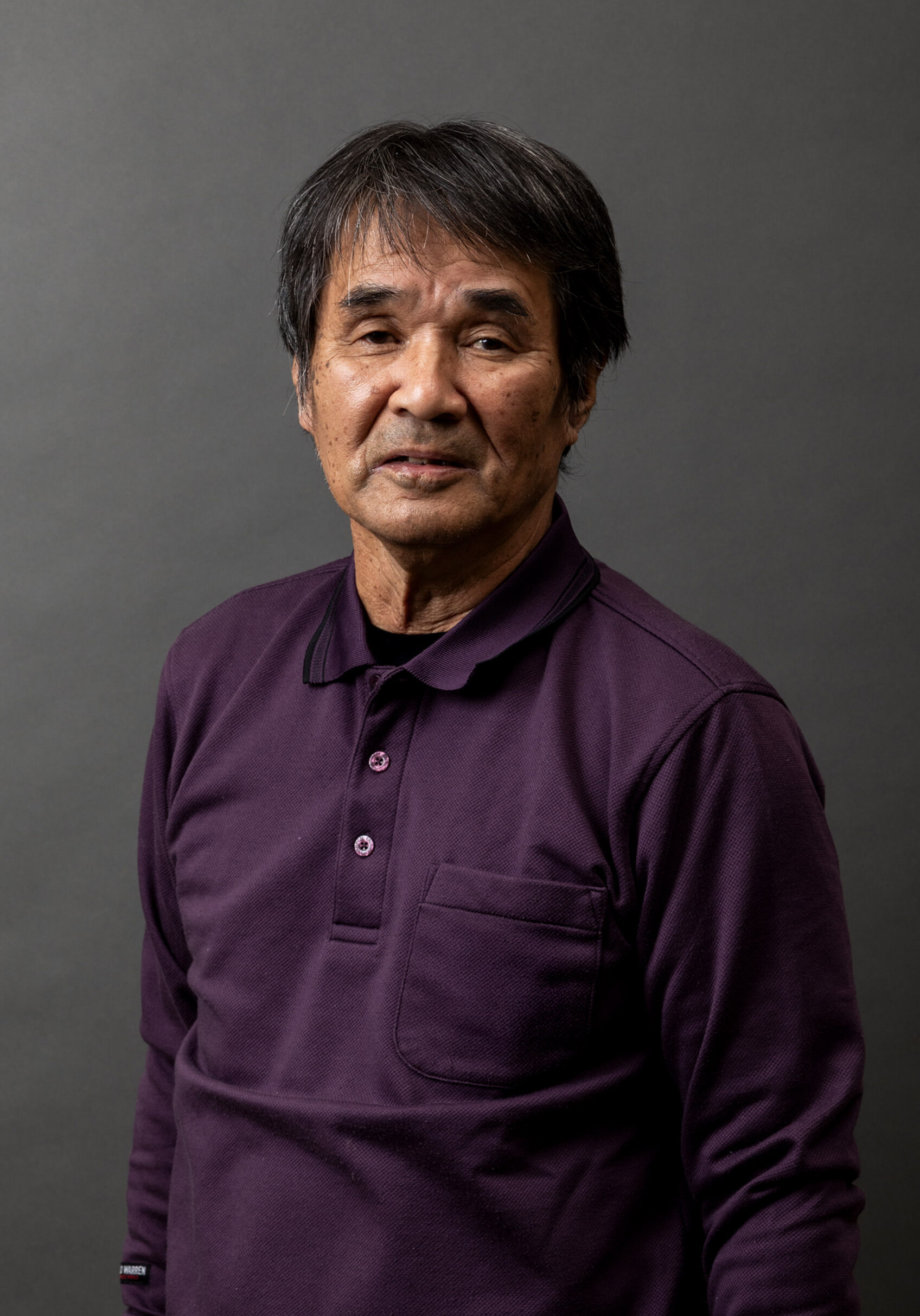
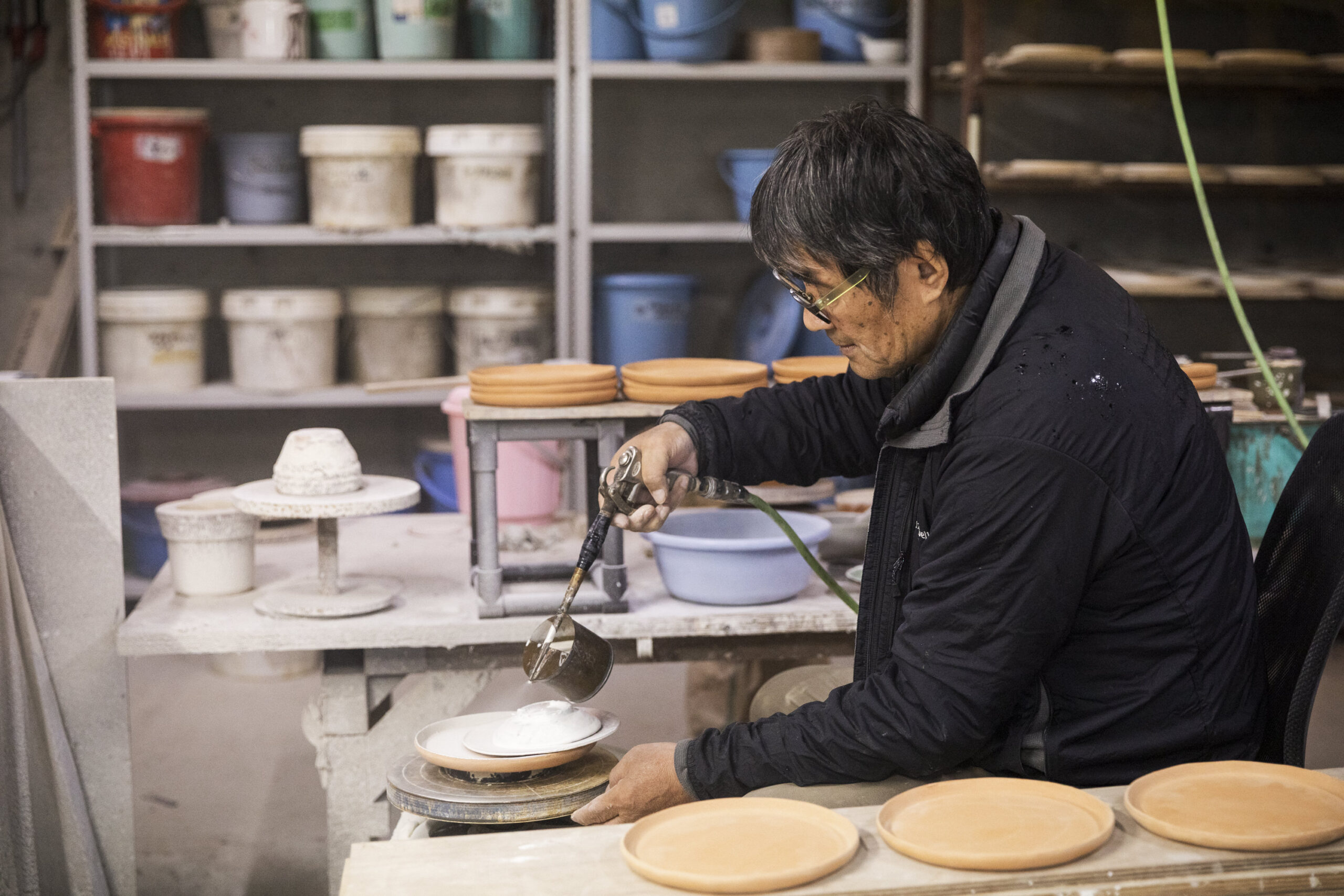
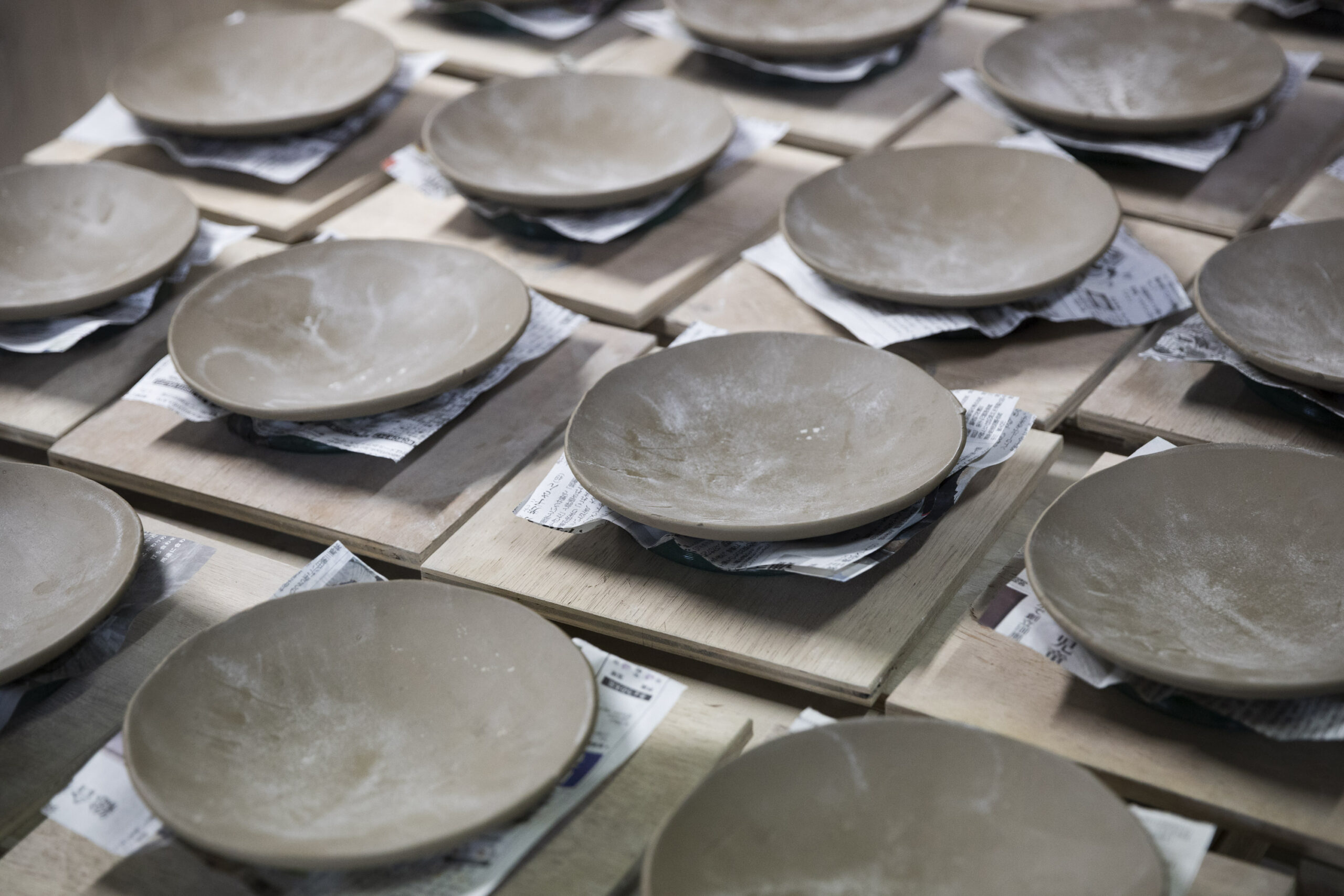
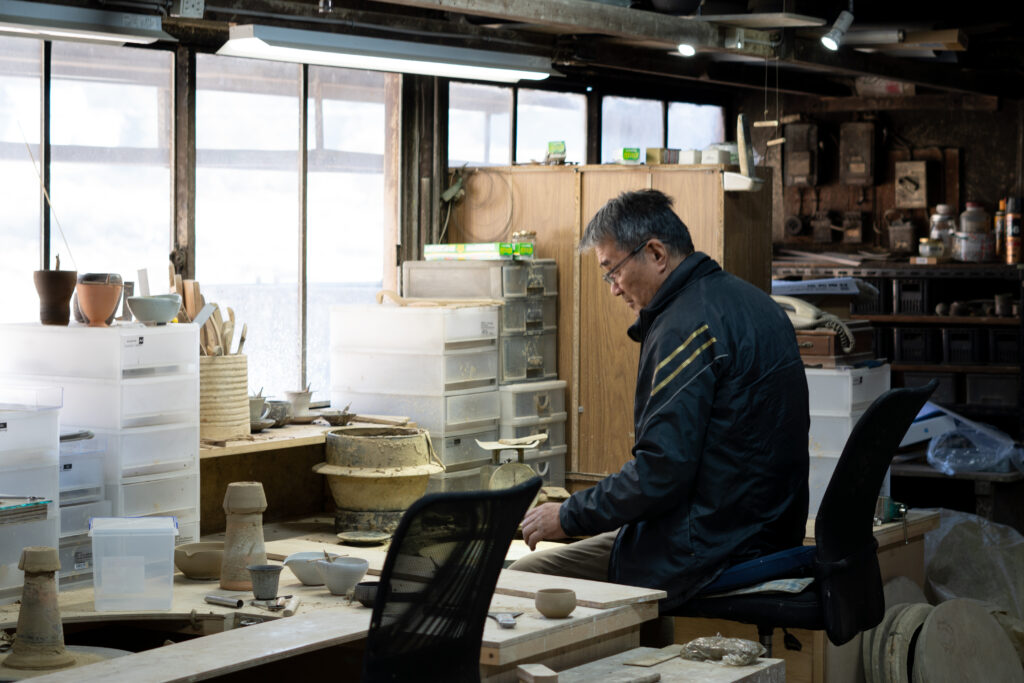
The state of the workshop
スクロールできます
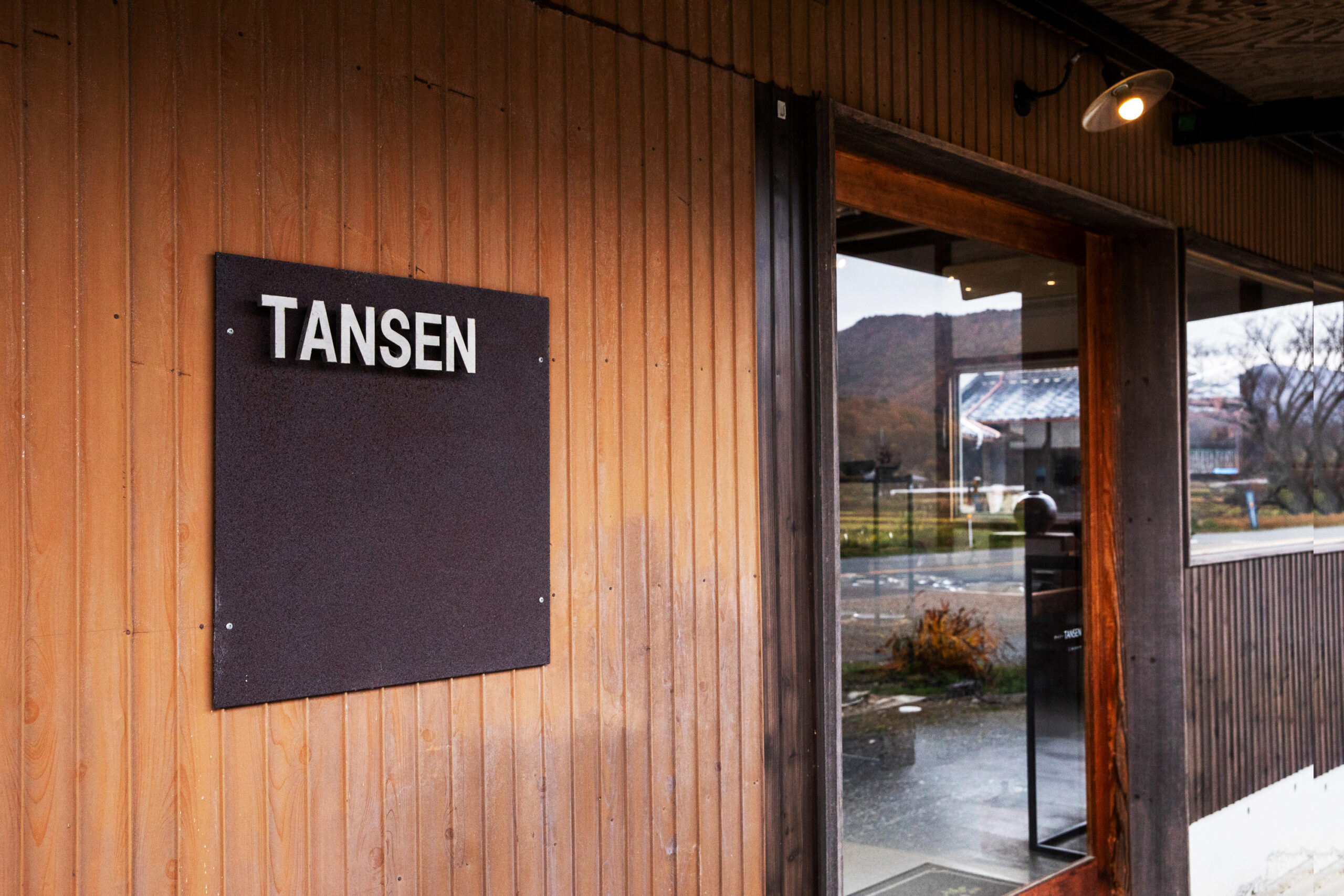
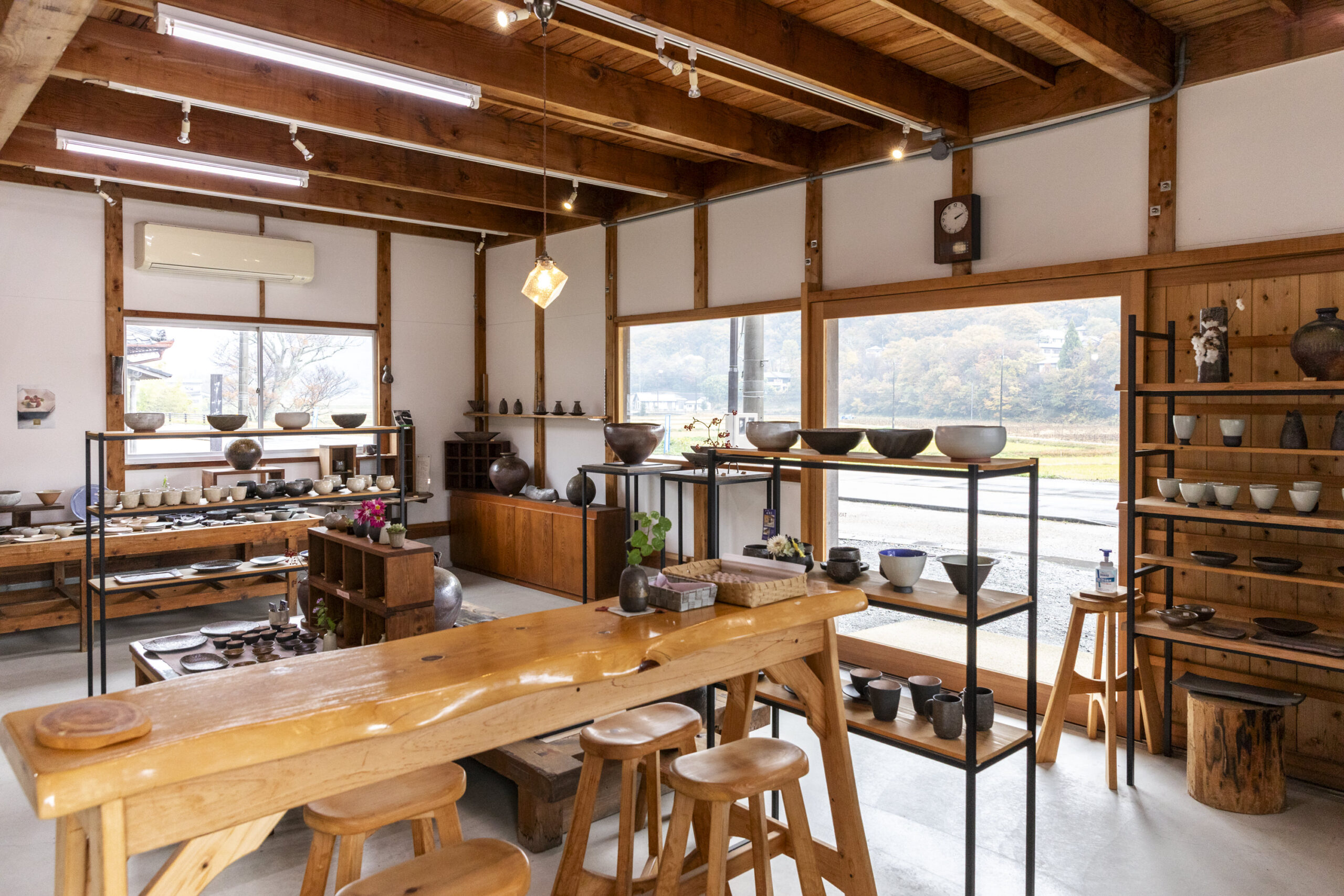
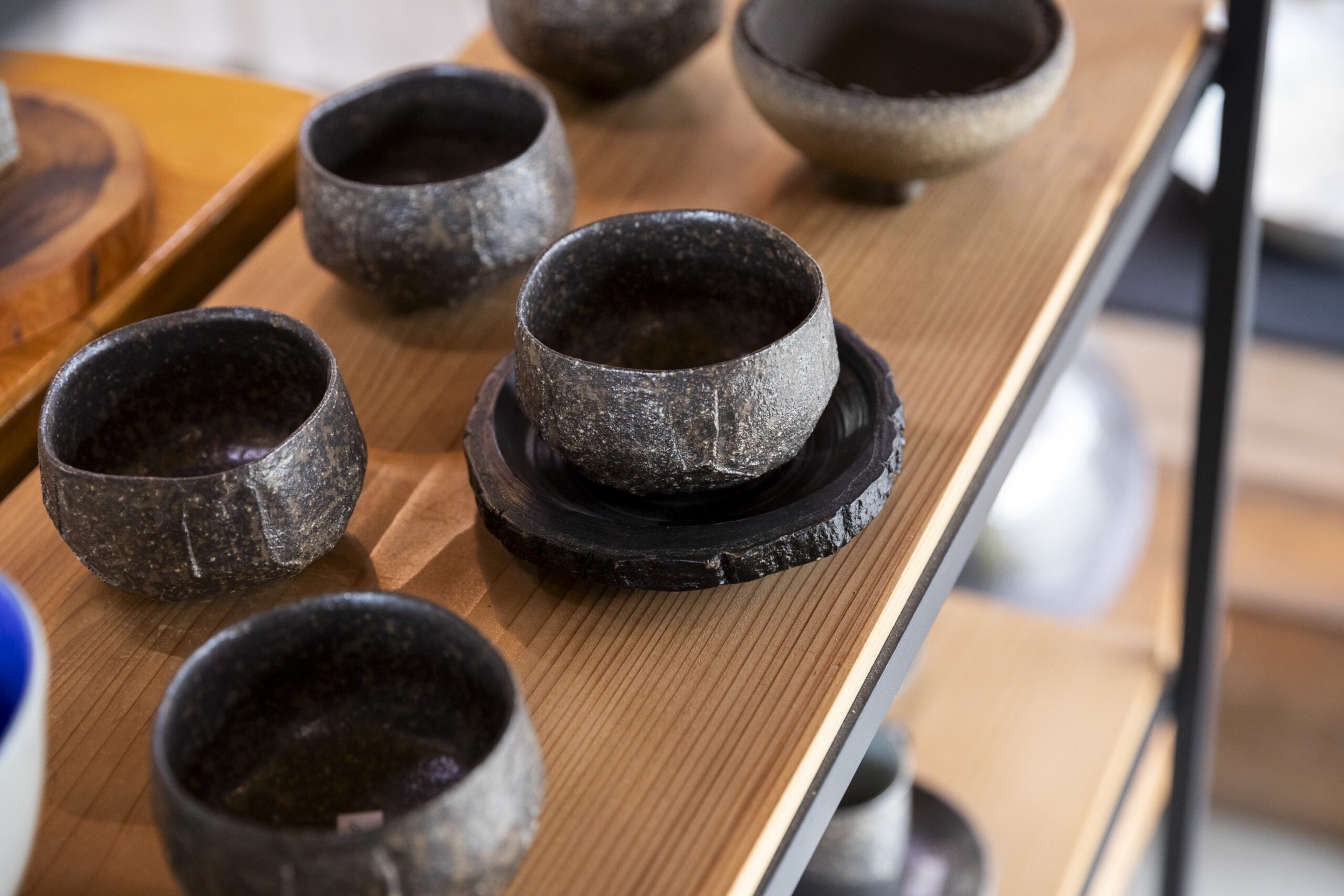
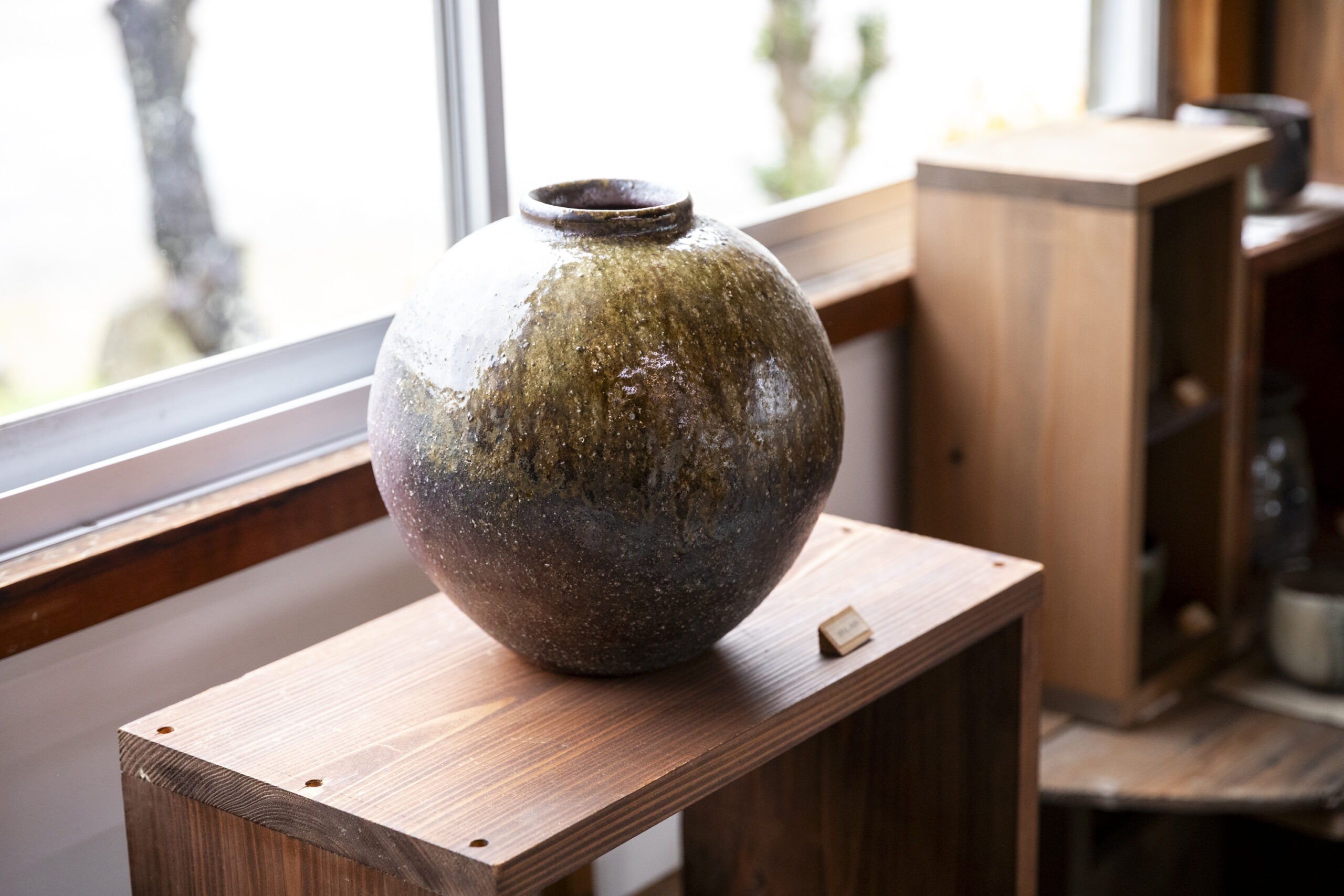
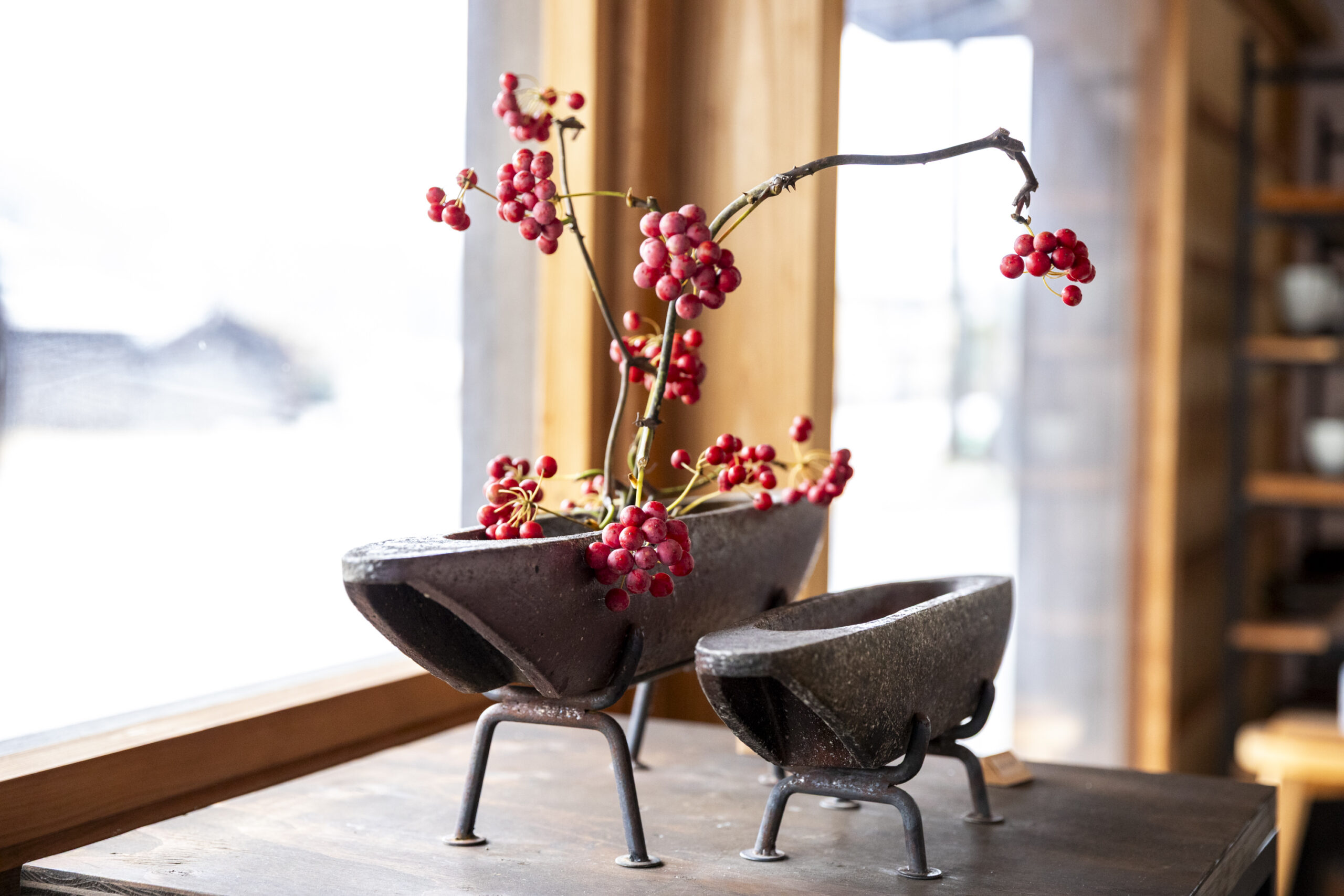


Works
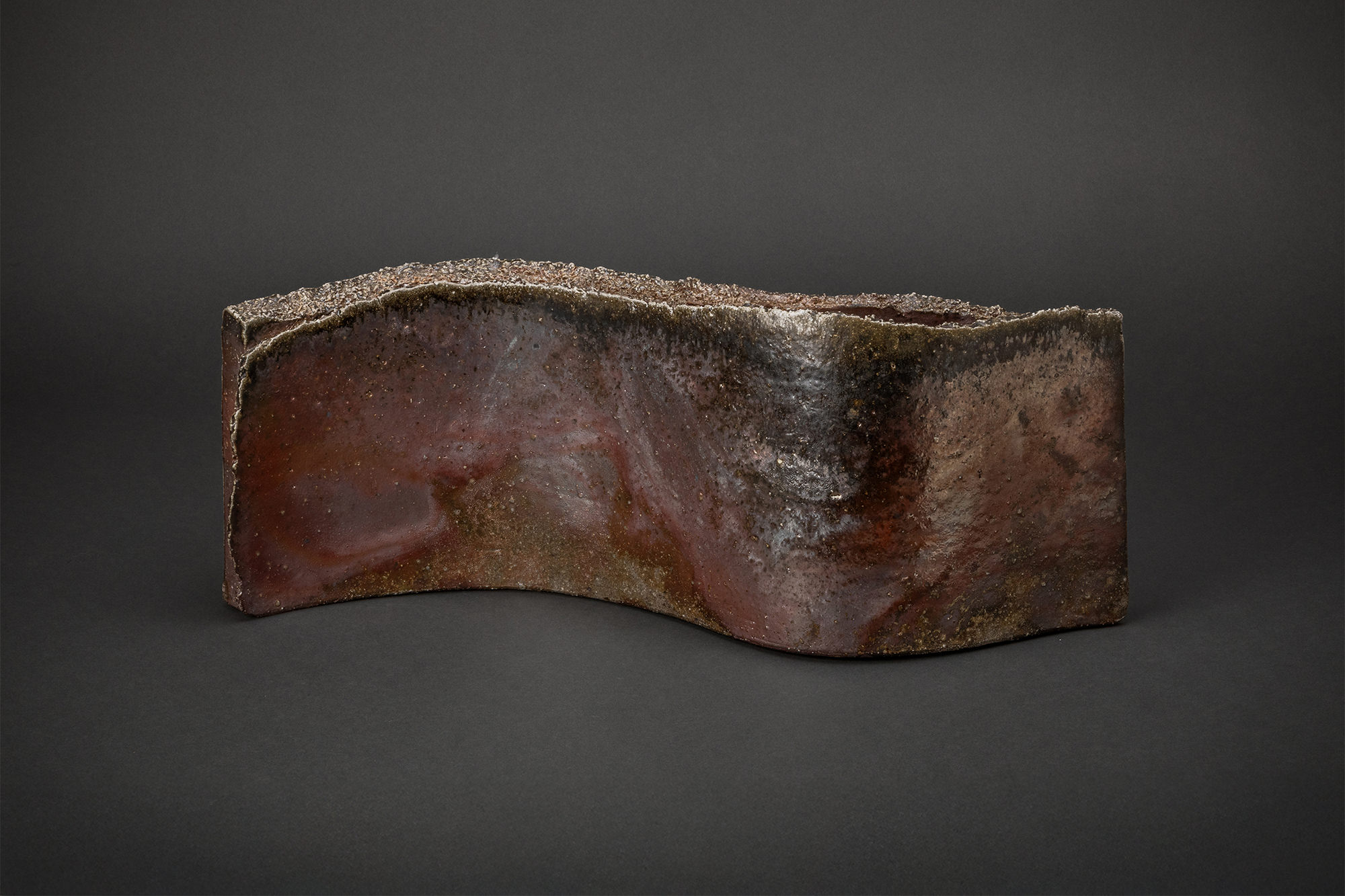
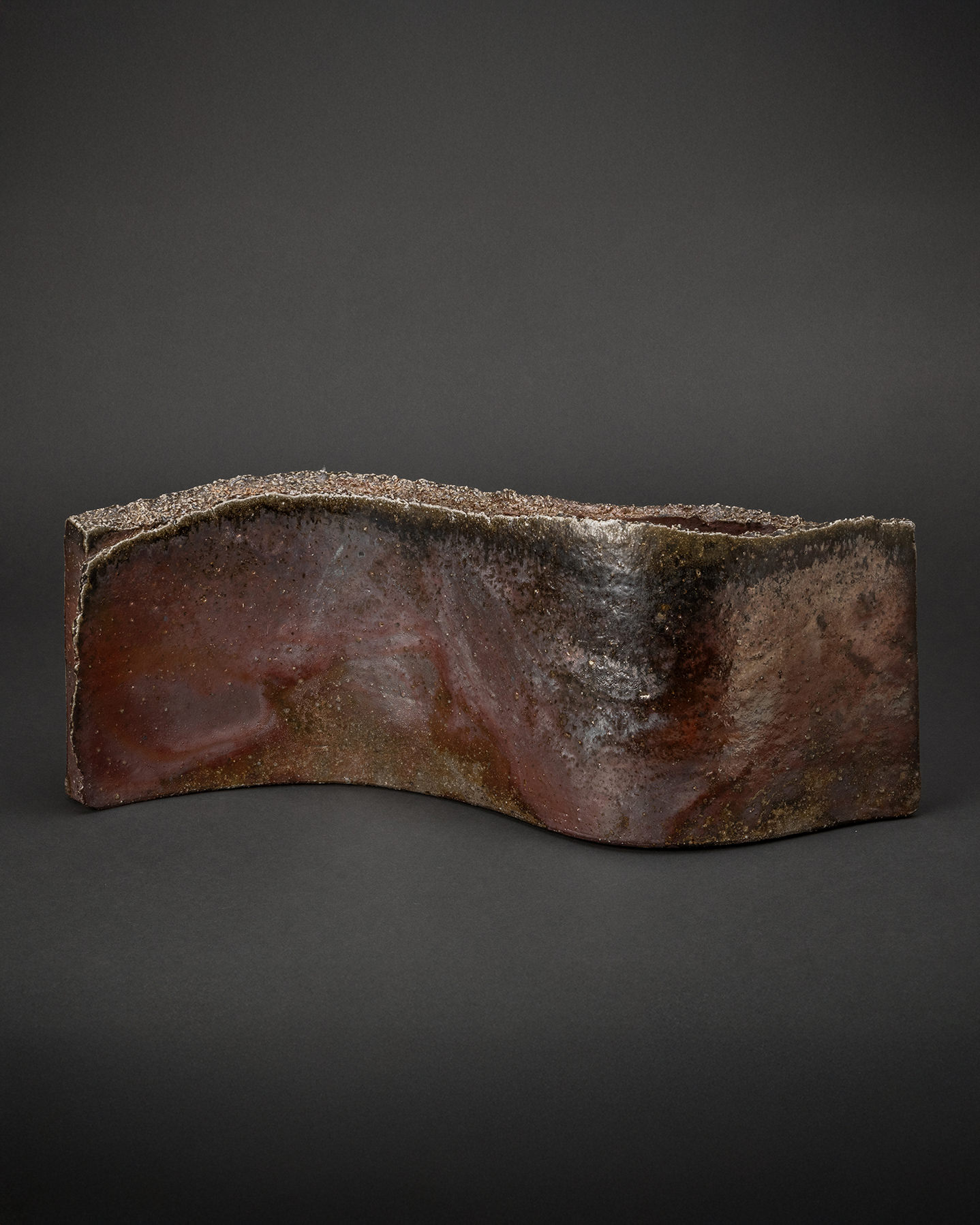
photo:AOTANI Takeru


Interview
Leaving, Returning, and Finding Warmth at Home — The Path Chosen by Kiyoharu Ichino of TANSEN-GAMA, Sustained by the Smiles of His Customers
Letting Go of Pressure, Finding Nourishment in the Joy of Customers
Powerful yet refined yakishime flower vases. Plates and cups with finely carved, rhythmic line patterns that lend a modern impression. These works by Kiyoharu Ichino, third generation head of TANSEN-GAMA, trace the path he has walked.
What Ichino now values most in his pottery is the joy of those who use it. There was a time when, as a young Tamba potter, he pursued the path of a “ceramic artist”—entering juried exhibitions and traditional craft shows, holding solo exhibitions in department stores and galleries. He honed his individuality and sought high artistic expression. Yet behind that vibrant activity, he carried private struggles.
“Solo exhibitions are incredibly tough. The pressure and sense of responsibility are intense. Customers buy not only the object but its artistic value. They wonder what kind of work will come next. Trying to keep pouring energy into meeting those expectations became exhausting.”
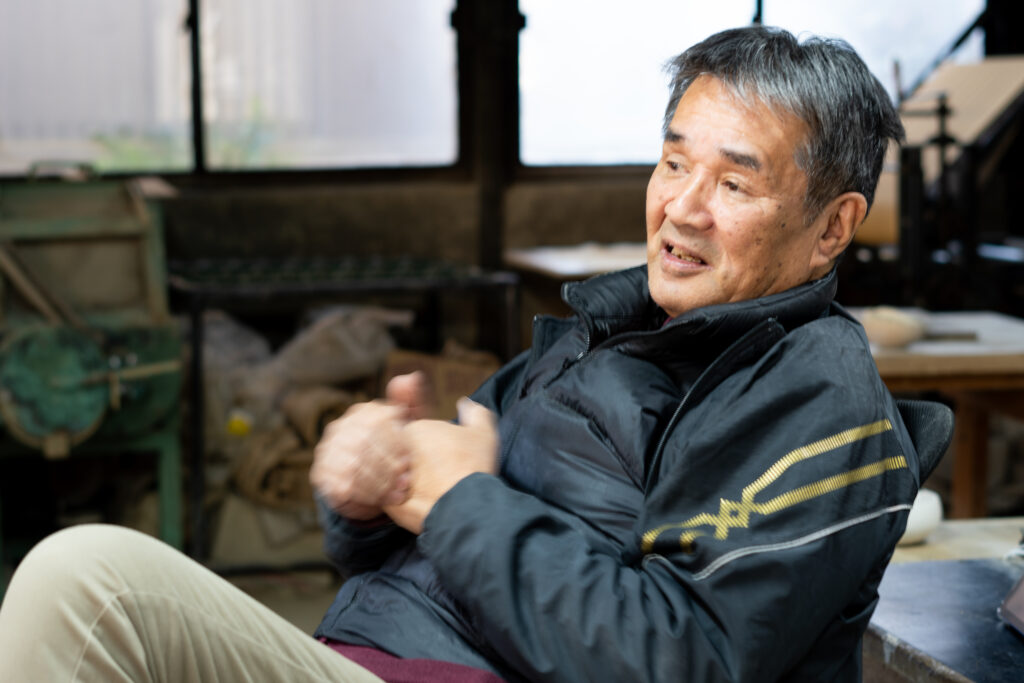
About ten years ago, Ichino chose to step away from the pressures of being a “ceramic artist.” Now he focuses primarily on selling through local galleries in Tachikui, dedicating himself to practical forms that blend into daily life. Where once he kneaded clay to express his individuality, he now devotes his skills to understanding what customers—especially younger generations in their forties—choose and how they find joy in it. His aesthetic sensibility still quietly resides within each piece.
“If people use my pottery in their daily lives and it makes them happy, that’s enough. Hearing someone say, ‘This is a beautiful piece,’ means the most to me now.”
From Mass Production to an Era of Individual Expression — Inspiration Beyond the Family Potter
Growing up, pottery was simply part of everyday scenery. In his grandfather’s time, large jars were carried to Kobe and traded for rice. By his father’s generation, production had shifted toward large-scale manufacturing of storage jars and sake flasks.
After high school, Ichino studied accounting at a vocational school, then trained for two years in Seto, Aichi Prefecture, at a potter engaged in mass production.
“Taking over the family business felt like something I had to do. The economy was strong, and I thought I could make a living from it.”
He returned to Tachikui at twenty two, helping with his father’s mass-production work. Yet seeing peers who had studied elsewhere creating distinctive, individual pieces stirred something in him. He began visiting solo exhibitions for the first time, studying the diversity of expression he encountered.
“Those who trained in Kyoto or Shigaraki were creating incredible work. I thought, I want to try too. Around thirty, I began submitting to juried exhibitions.”
At the time, Tamba ware had lower name recognition and was often mistaken for Bizen ware, another style of unglazed pottery. Ichino began actively promoting himself beyond the region. In an era before social media, department-store and gallery exhibitions were vital platforms for presenting both the production area and his individuality.
Through his thirties and forties, he pursued his desired forms of expression—experimenting with shape, color, and glaze combinations, striving to create works that would resonate with viewers. His efforts were rewarded with recognition and repeated acceptance into exhibitions. Yet he describes the journey as painful.
“When I was younger, it was fun. Ideas kept flowing one after another. But gradually it became difficult. I found myself relying only on experience, and new ideas stopped emerging from within.”
Passing the Bonds of the Production Area to the Next Generation
Today, Ichino finds joy in good meals and hot-spring trips. Golf, once a hobby, is on hold due to back trouble. Instead, he treasures time spent savoring delicious food and relaxing at a gentle pace.
“I like places like Kyoto restaurants, where the atmosphere itself is part of the experience—you can enjoy the meal with your eyes as well. And taking a slow hot-spring trip is wonderful.”
His daughter, Chisato, also studied ceramics in Kyoto for six years and has established her own distinctive style. While his work carries a sense of weight and strength, hers features soft, charming colors. Ichino warmly watches her create freely in her own way.
When asked about the future of Tamba ware, he speaks of the region’s strengths. “In Tachikui, nearly all the potters are gathered within a two-kilometer radius. That geographical closeness and horizontal connection are Tamba’s strengths. I hope the younger generation will consult one another and work together to energize Tamba’s future.”
After thirty five years of looking outward, pursuing individuality, and wrestling with pressure, Ichino’s hands now turn the wheel gently and lightly, imagining the smiles of those who will use his forms in their everyday lives.
Interview, Text, and Photography:NOUCHI Nana
Overview
of
TANSEN-GAMA
Address
2-6 Shinooguchi, Kamitachikui, Konda-cho, Tambasasayama, Hyogo, Japan
FAX
Website
Pottery Classes
This experience is held at “gallery TANSEN,” which has ample parking space.
Even beginners or solo participants can join with confidence.
Works are fired in gas kilns or electric kilns.
Further details will be provided when making a reservation.
Available Dates: Please contact us
Reception Hours: 9:00–15:00
Reservation: Required
Walk-ins: Please contact us
<Clay Modeling Class>
Approx. 90 minutes / ¥3,500 (1 kg)
・Maximum Participants: 10
・Completion Time: Approx. 40 days
Notes:
・Choose from several glaze colors.
・The fee includes glaze, firing, and instruction.
<Painting Class>
Approx. 40 minutes / Teacup from ¥1,000
・Maximum Participants: 10
・Completion Time: Approx. 40 days
Notes:
・The fee includes glaze, firing, and instruction.