
TOC
COCOCHIYA
profile
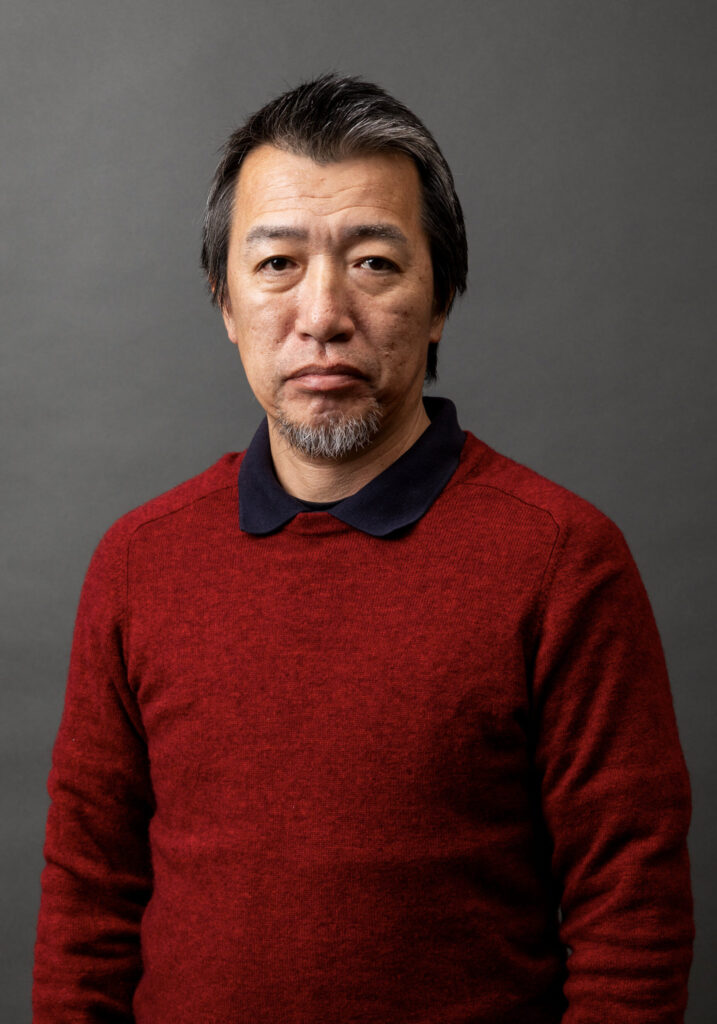
Masatoshi Ichino
profile
Masatoshi Ichino
3rd generation
Year of Birth:1970
Year Began Pottery:1995
Education / Training Background
Graduated from Kyoto Prefectural Advanced Technical School of Ceramics
Trained at the Kyoto Municipal Industrial Research Institute
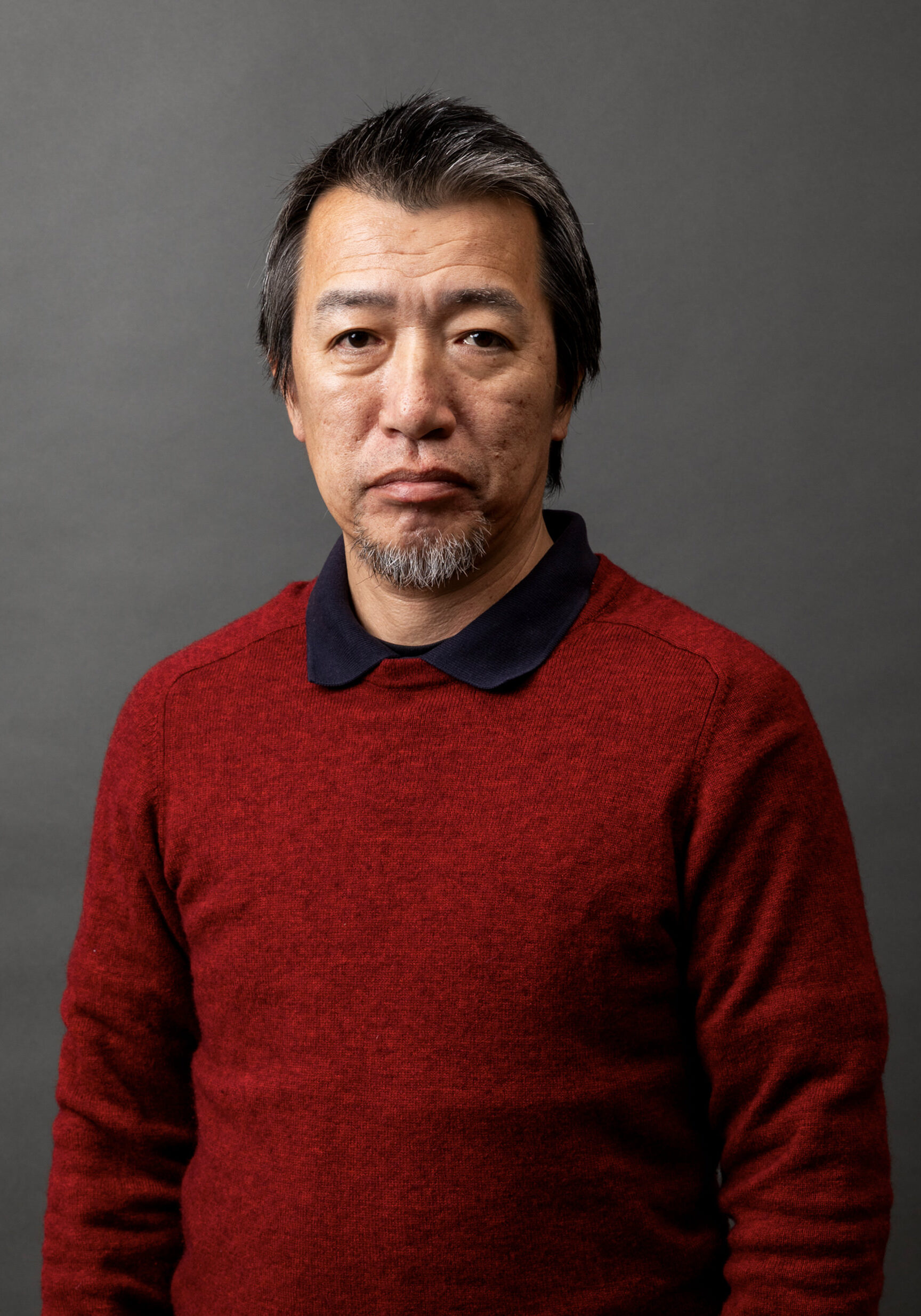
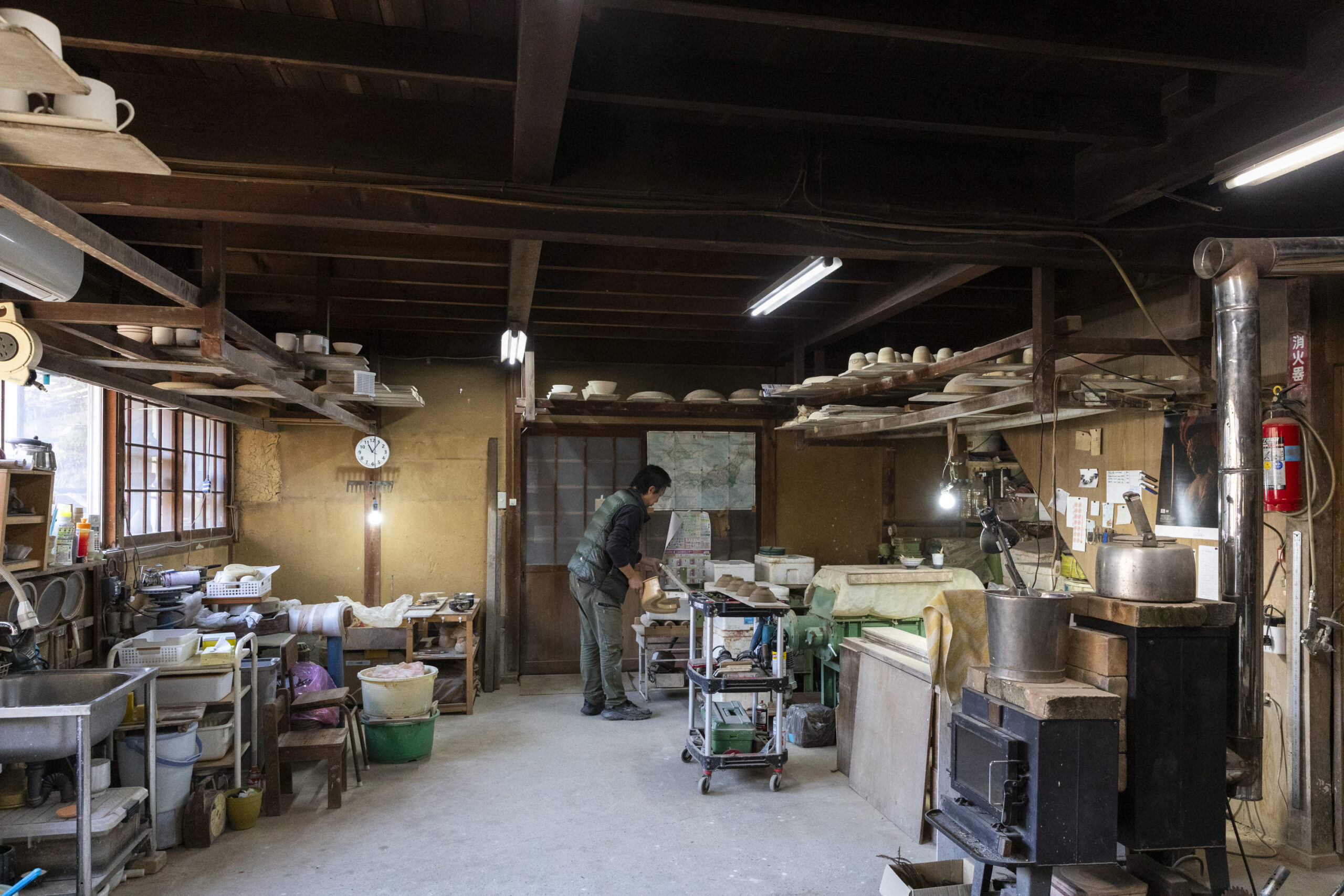
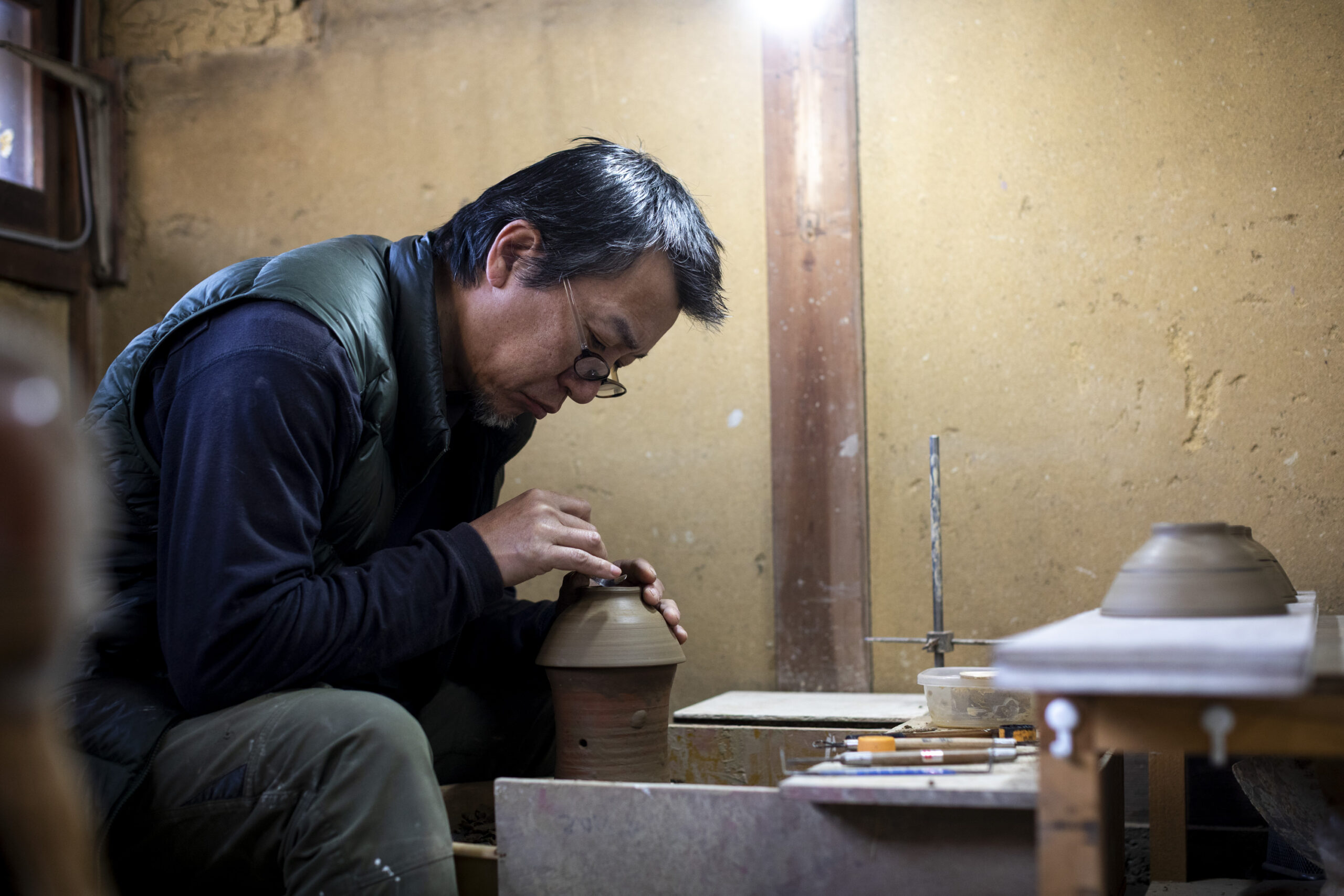
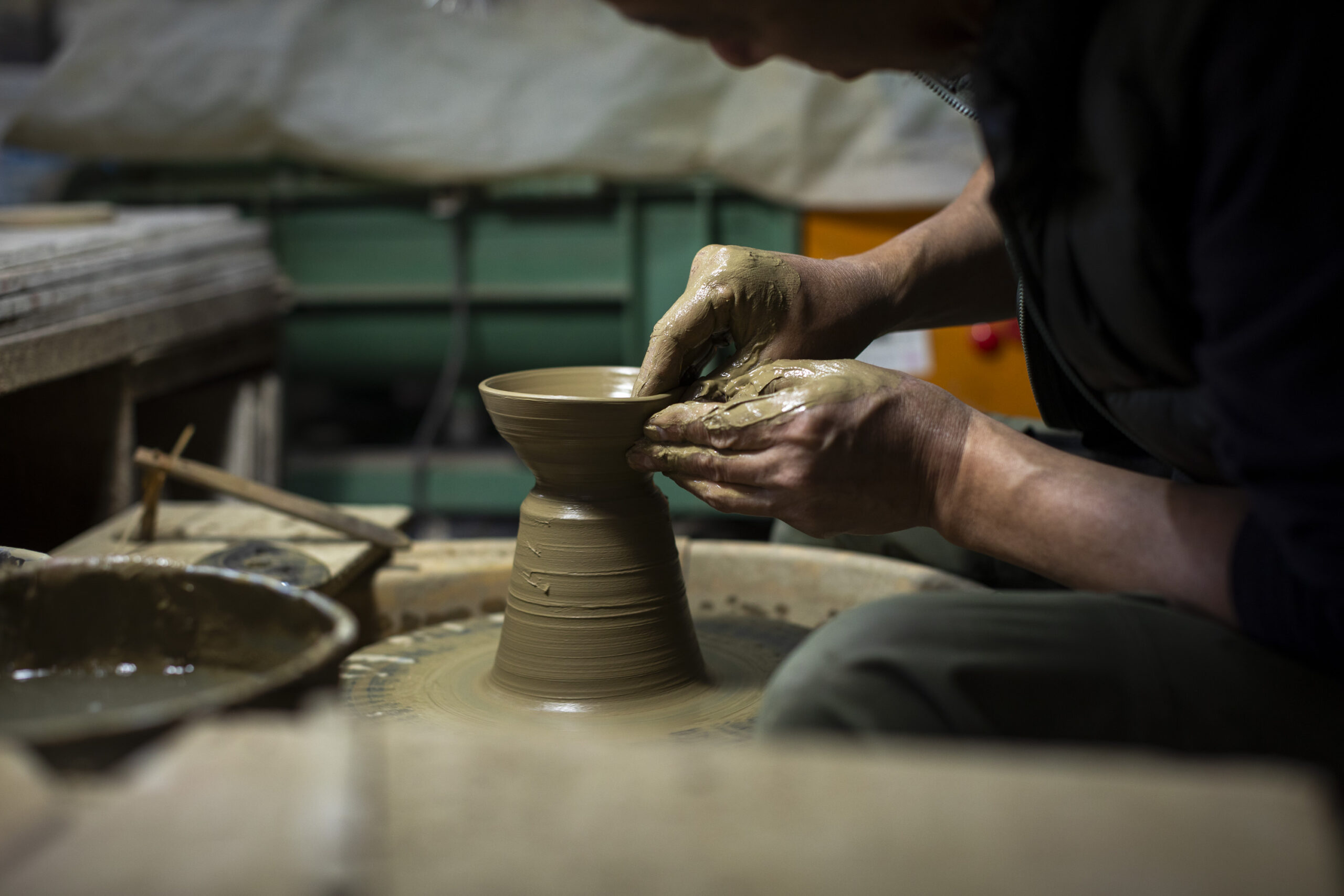
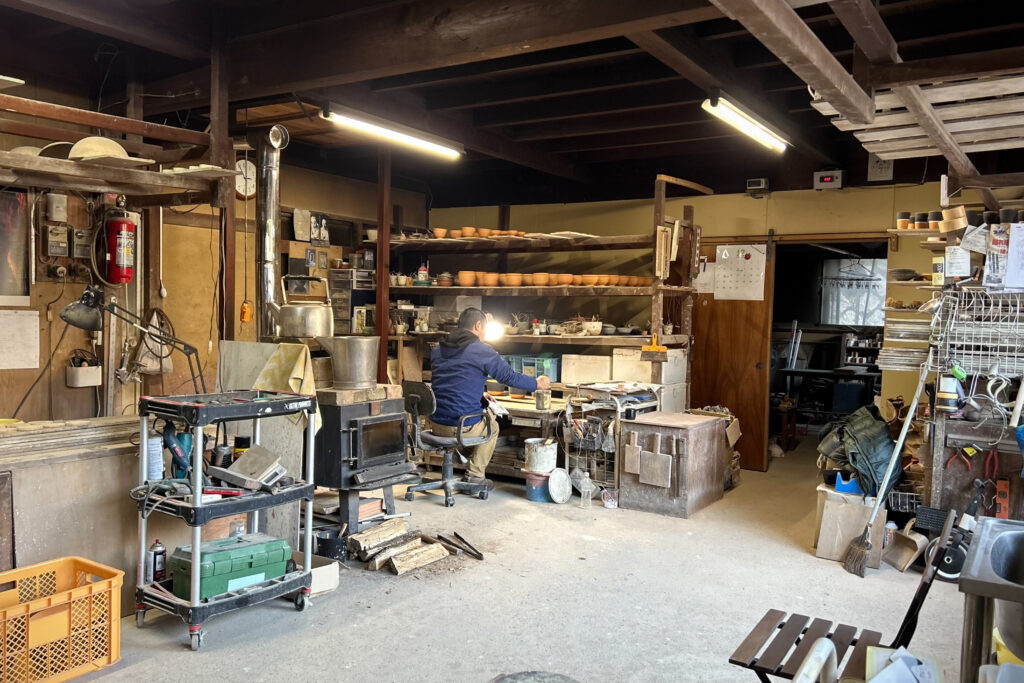
The state of the workshop
スクロールできます
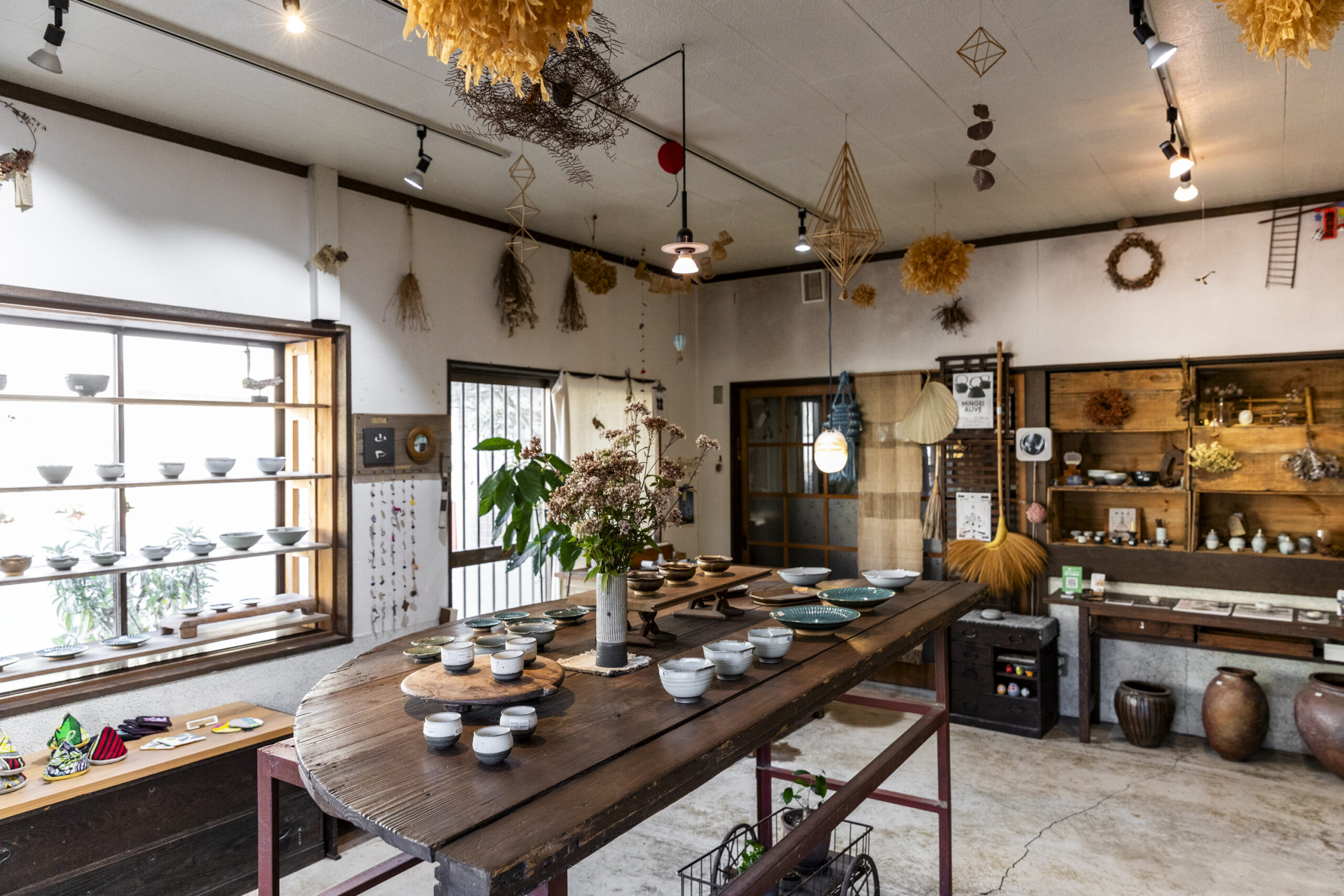
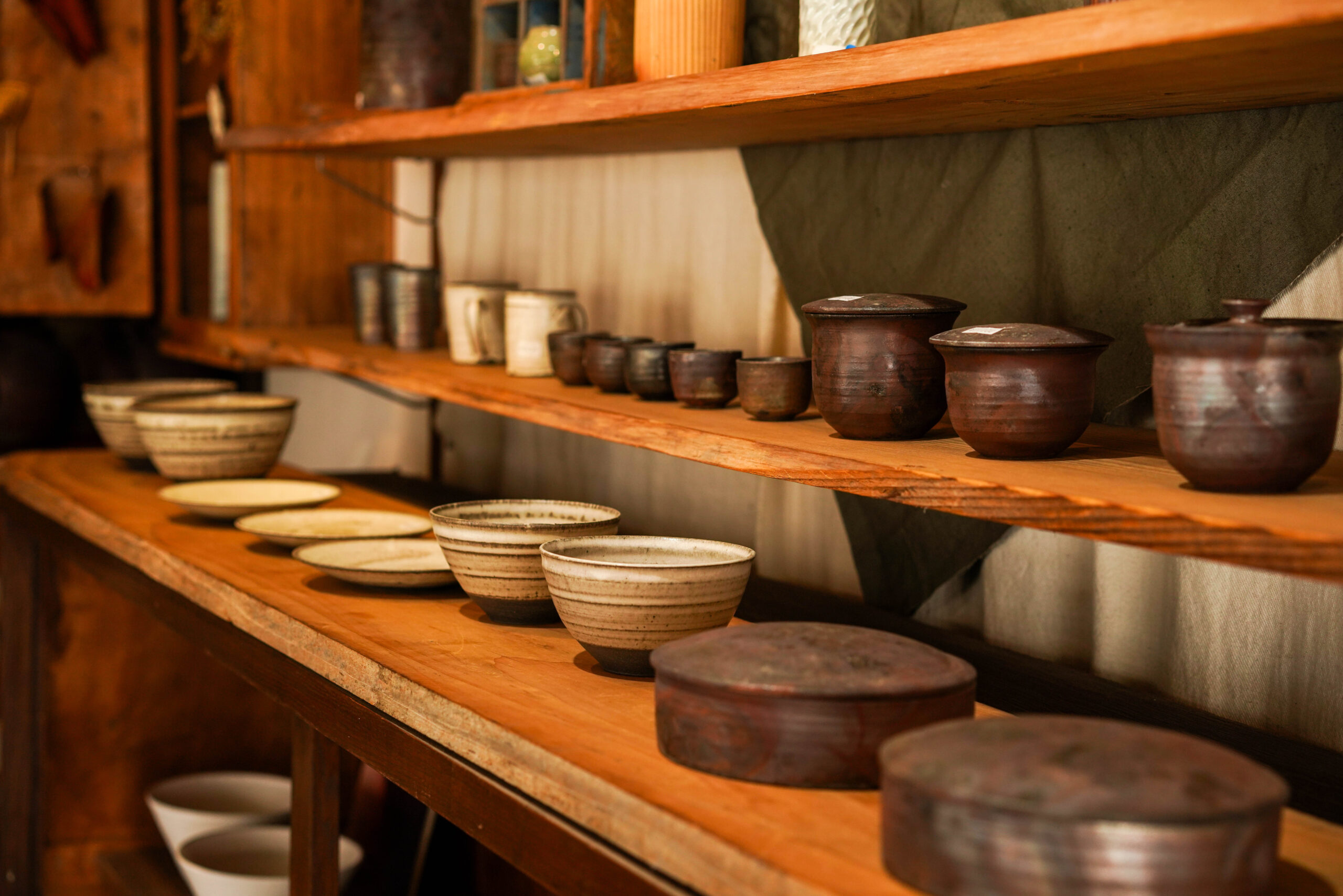
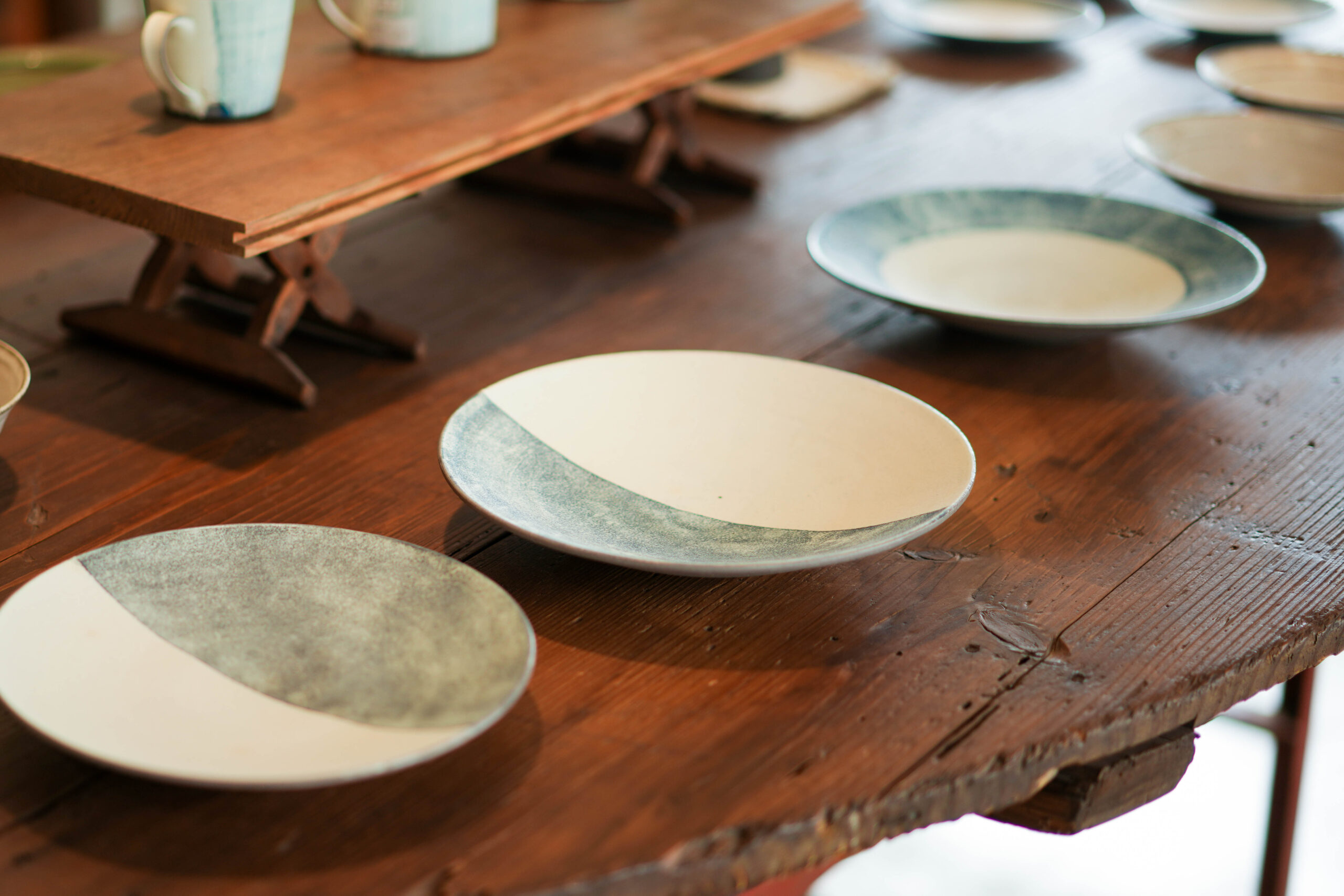
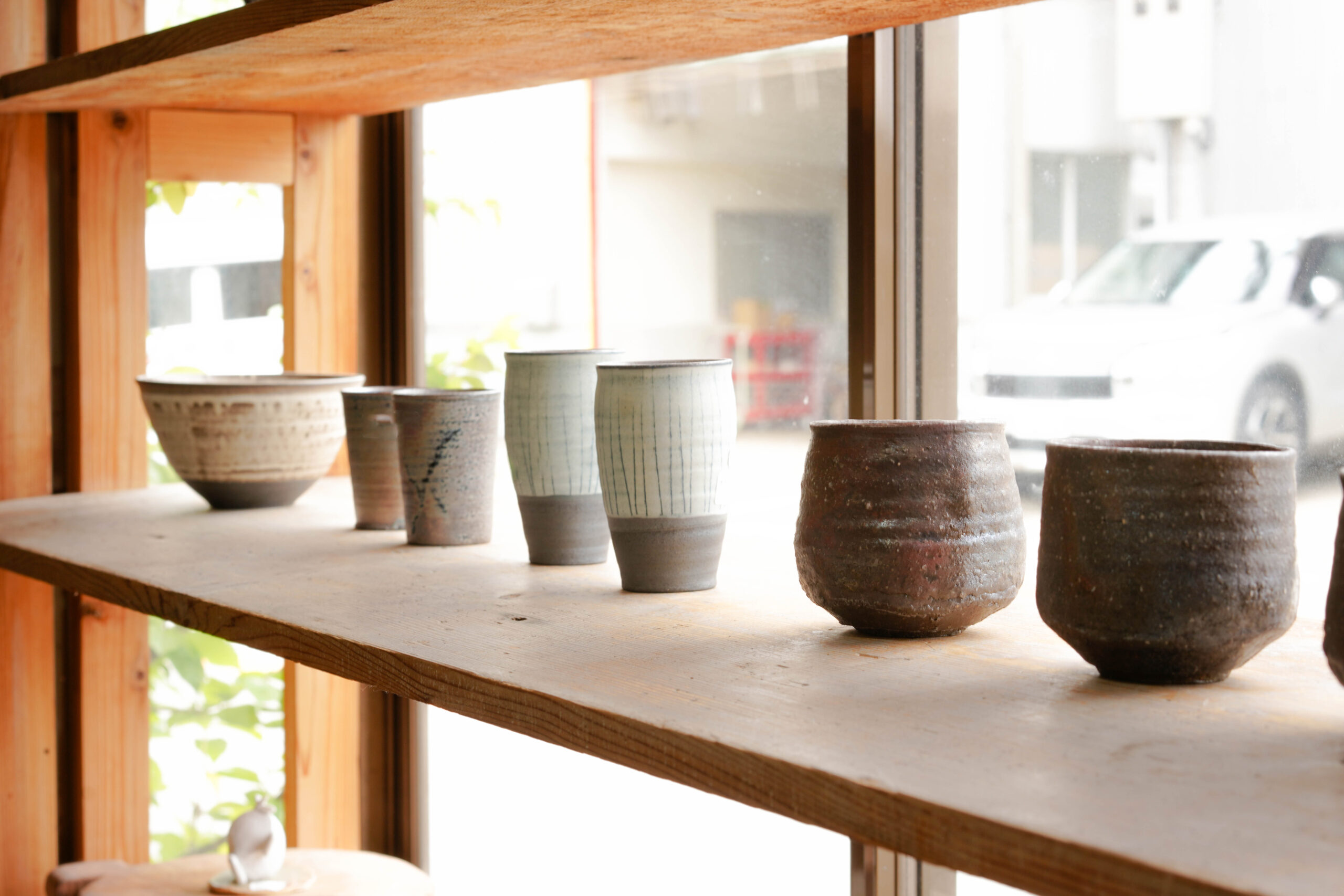


Works
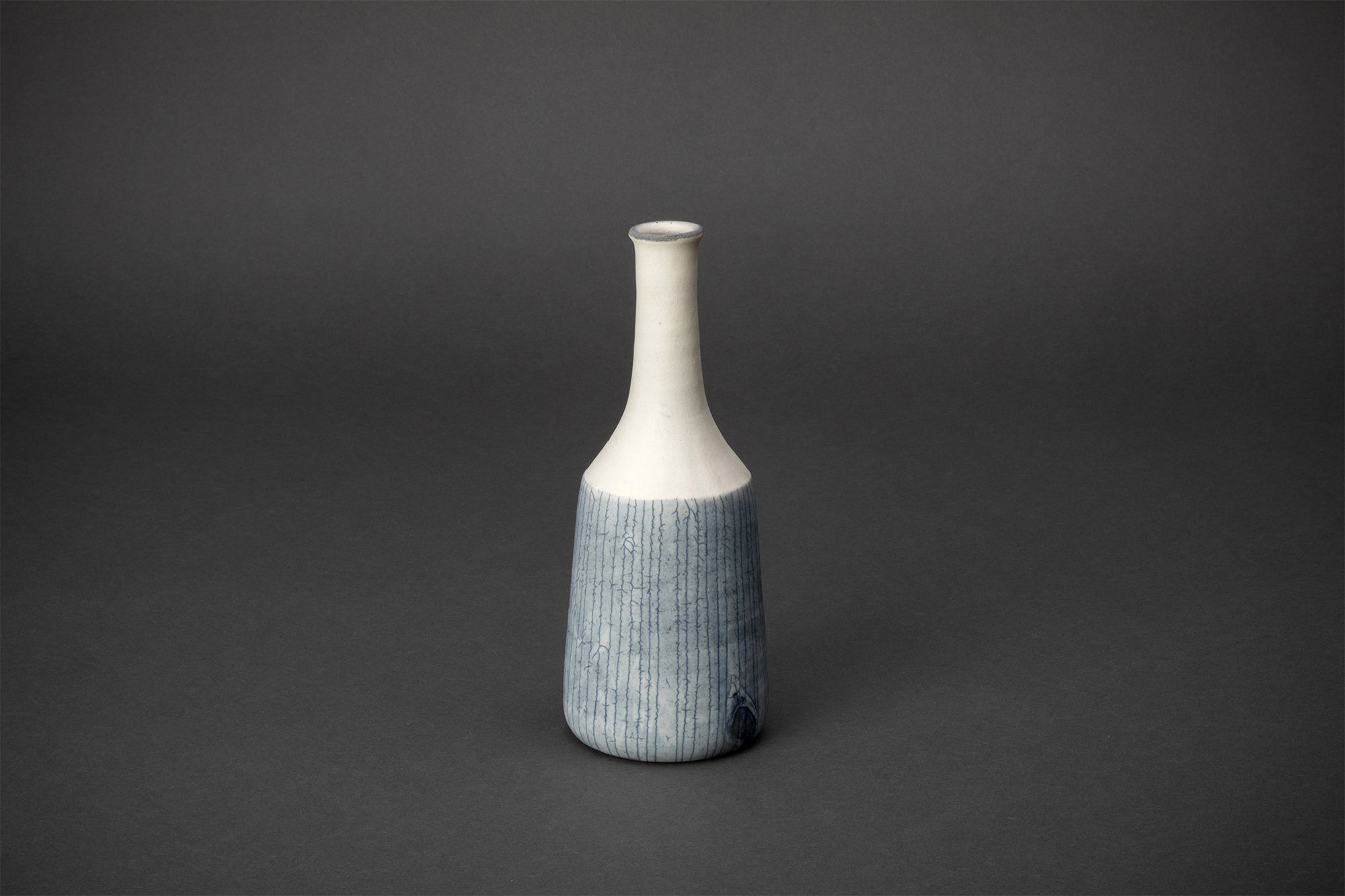
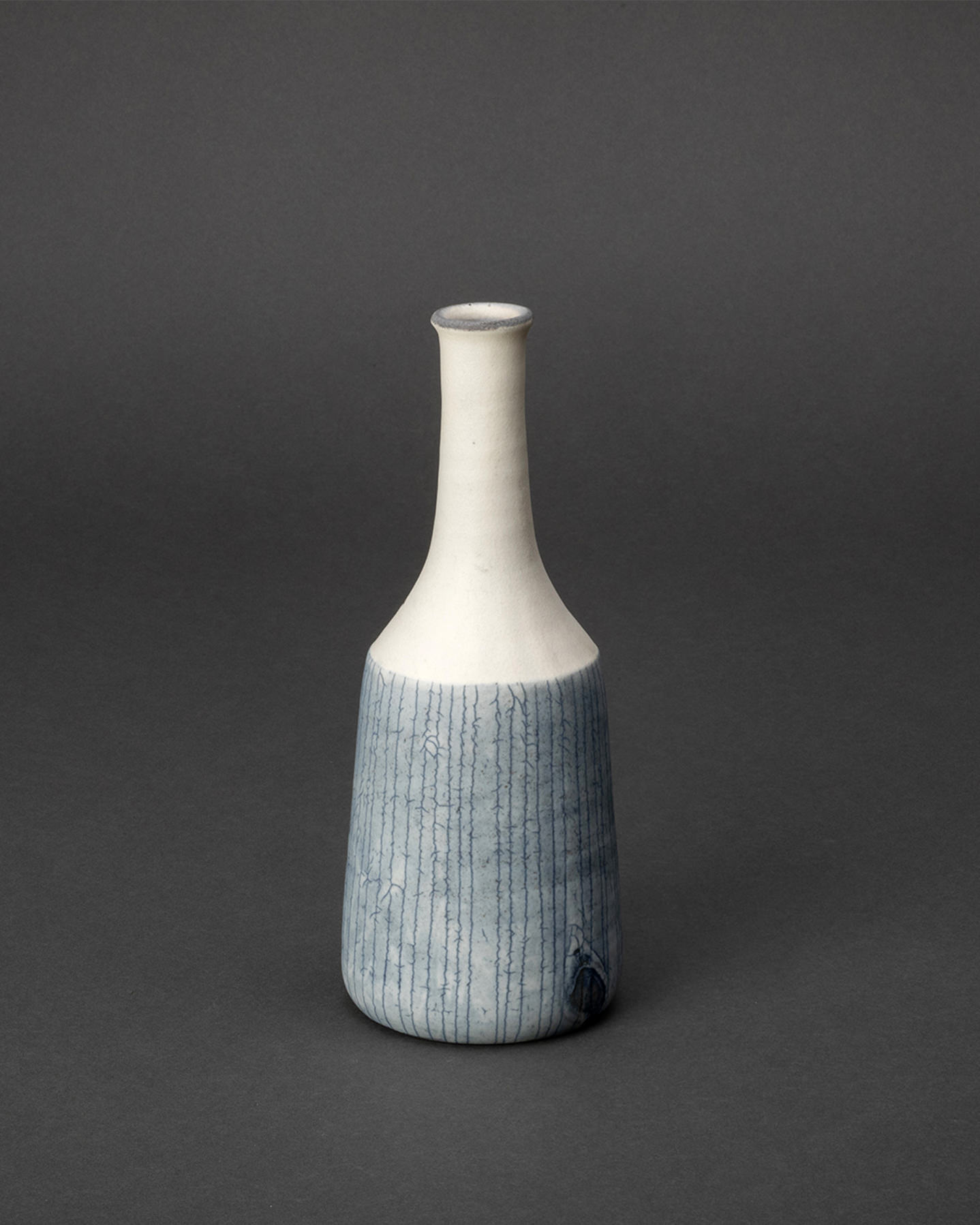
photo:AOTANI Takeru


Interview
Making every moment “comfortable”—to see, to touch, and to use. The sensorial pottery of Masatoshi Ichino of COCOCHIYA
“Comfort” in every sense — pottery that speaks to the senses
The forms created by Masatoshi Ichino (hereafter, Masatoshi) possess a distinctive presence. Soft indigo blues, textures that invite the touch, and a satisfying weight that rests comfortably in the hand. They feel familiar yet somehow special—quietly charming pieces that bring a sense of ease without needing explanation.
His studio name is COCOCHIYA. Comfort in use, comfort to the touch, comfort to the eye—true to its name, he values above all the sense of “comfort” that people feel the moment they pick up one of his pieces.
“I want to make pieces that are simple but somehow catch your eye. They don’t need explanation—something that makes you think ‘this feels nice’ the moment you see it. Something that enriches everyday life, even just a little.”
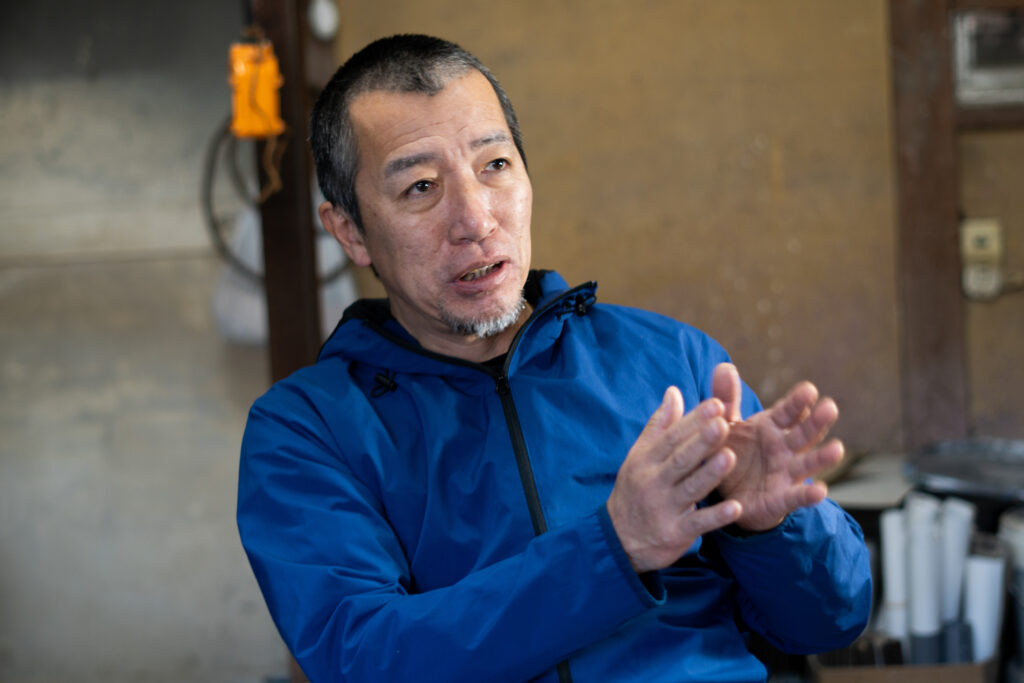
There was a time when he devoted himself to creating sculptural works that pursued his own artistic expression. Yet as times changed, his focus gradually shifted toward practical wares rooted in daily life.
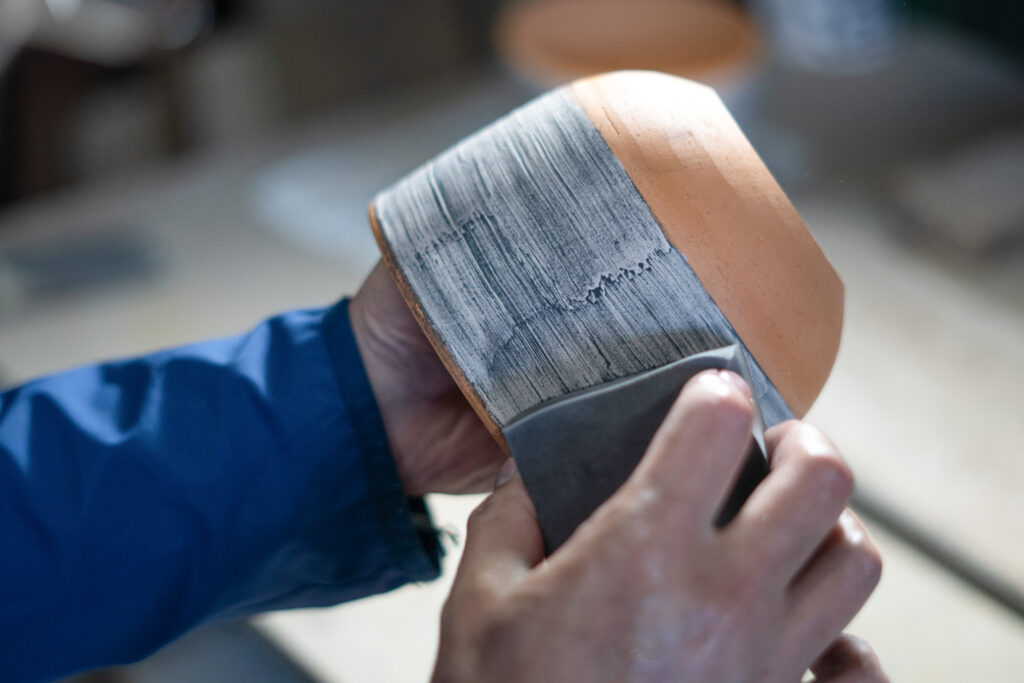
“Rather than following a clearly defined finished image, I shape what I personally feel would be nice to have. I adapt traditional techniques in my own way and keep asking how to incorporate my own individuality. It’s a constant process of trial and error.”
Rather than asserting himself strongly, he creates pieces that quietly accompany the lives of those who use them. This aesthetic of restraint is what gives COCOCHIYA’s pottery its character.
Mended work gloves, winter sake lees — memories of a family craft
Masatoshi’s earliest memories are rooted in everyday life at the potter run by his family since his grandfather’s time. As a child, he vividly remembers his grandmother mending worn work gloves in the workshop.
“To stretch out the finger parts, she carved small rounded tools from tree branches. I used to sit beside her and help with the sewing.”
He remembers winter breaks spent eating sake lees toasted on a kerosene stove and sprinkled with sugar. At the end of each year, his father would give him a new tea bowl in which he could write words or draw pictures—his very own bowl for celebrating the New Year. There was also a coin bank without a hole that had to be broken with a hammer once full. These memories of pottery woven into everyday life remain deeply engraved within him.
“At the time I was just enjoying it, but looking back, my father was naturally giving us ways to grow attached to pottery through daily life. I’m truly grateful for those experiences now.”
Though he became aware of the family business in middle school, after graduating high school he deliberately chose to explore other worlds first. Wanting to “see how society works,” he took on various jobs—beer vendor at Koshien Stadium, security guard, electronics shop worker. At twenty, he finally committed himself to the path of ceramics.
He studied ceramics and glaze fundamentals in Kyoto, then trained at a potter in Shiga. One summer during his apprenticeship, he displayed his work for the first time at a pottery market in Kyoto. His most confident pieces did not sell as expected, and he experienced firsthand the difficulty of making a living through craft. That experience later shaped his emphasis on the user’s perspective and ultimately led to the style of COCOCHIYA today.
An honest lifestyle that nurtures a rich sensibility
Between making pottery, Masatoshi enjoys a variety of hobbies.
The first is visiting temples. After his father passed away, he chanted devotional verses daily until the 49th memorial day. This led him and his wife to begin visiting the thirty three sacred temples of western Japan.
“Seasonal flowers, majestic wooden architecture, Buddhist statues—they’re all beautiful and purifying. There’s always a good energy flowing there.”
The second is growing lotus plants given to him by a temple, which he treasures as auspicious. The third is making ramen. Even after preparing broth, he wastes nothing—turning leftover kombu and dried sardines into tsukudani or furikake.
“I get bored easily, but these three things have stuck with me,” he says with a smile. His unpretentious, down-to-earth lifestyle seems to infuse his pottery with warmth.
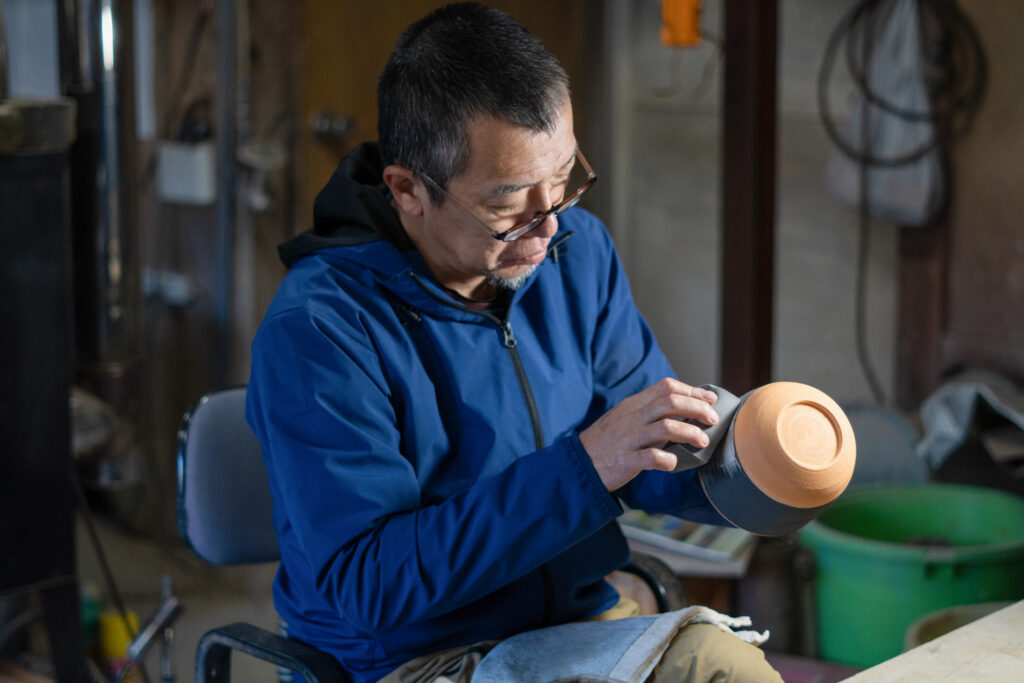
“Here in Tachikui, the mountains are truly beautiful. Climb the broadleaf forests that change with the seasons and you can even see Awaji Island in the distance. It’s only about an hour and a half from Osaka, Kobe, or Kyoto—closer than people think.”
In this place where the history of Tamba ware meets the beauty of the four seasons, he hopes visitors will encounter a sense of comfort that resonates with all five senses.
Interview, Text, and Photography:NOUCHI Nana
Overview
of
COCOCHIYA
Address
323-4 Shimotachikui, Konda-cho, Tambasasayama, Hyogo, Japan
TEL
FAX