
TOC
KEISEN-GAMA
profile
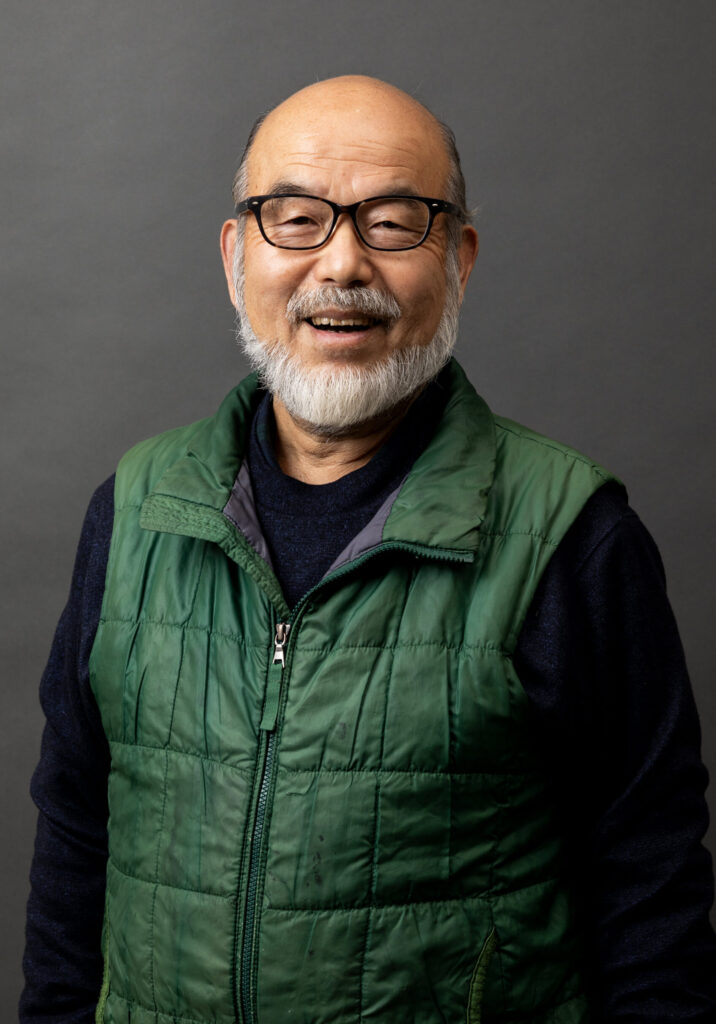
Keisen Kitamura
profile
Keisen Kitamura
Established 70 years ago / 2nd generation
Year of Birth:1955
Year Began Pottery:1975
The state of the workshop
スクロールできます


Works
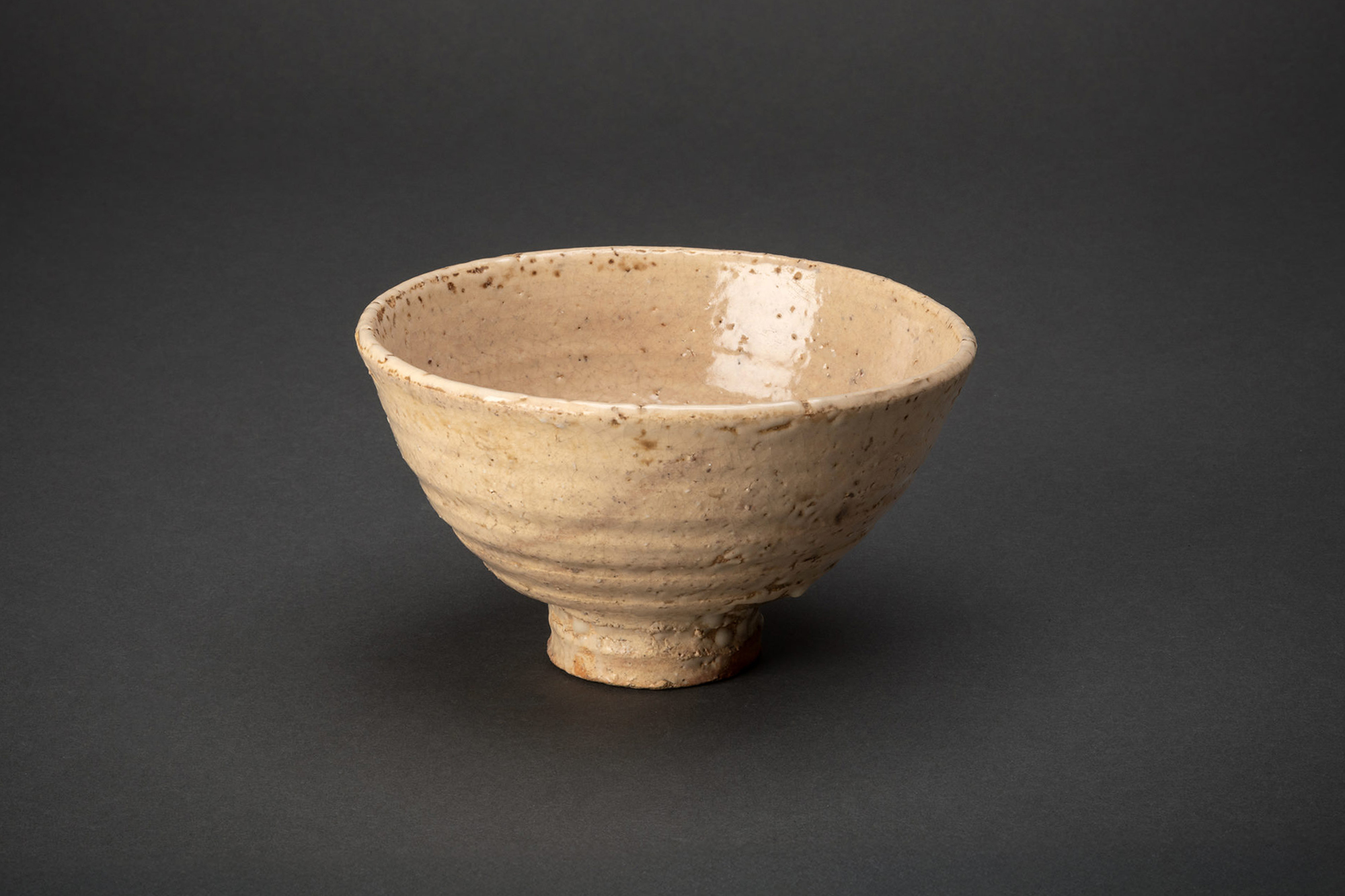
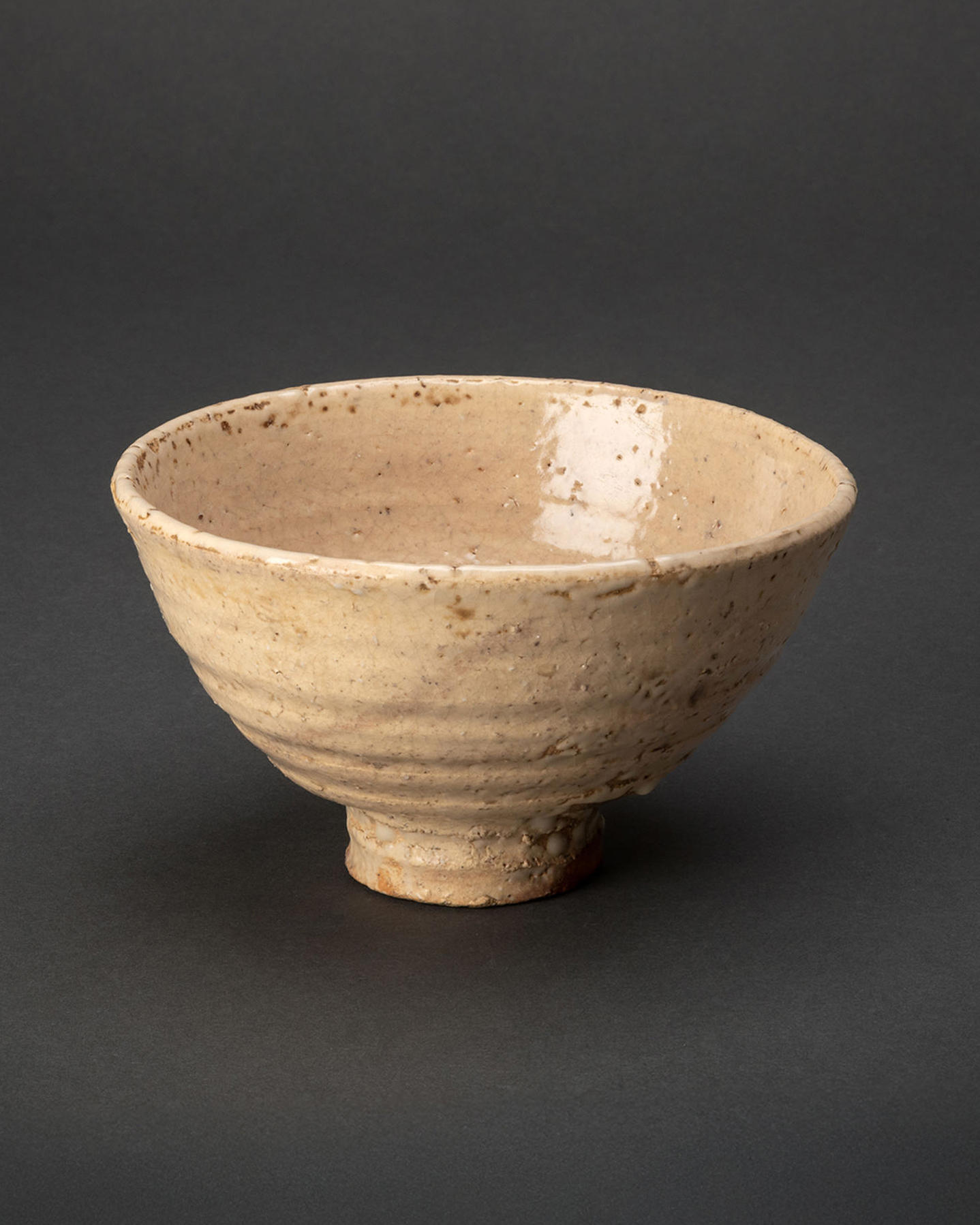
photo:AOTANI Takeru
Interview
A moment of calm with a favorite cup, in a place where you can truly relax. The tea bowls of KEISEN-GAMA’s Keisen Kitamura unfold gently and naturally, like flowers in bloom.
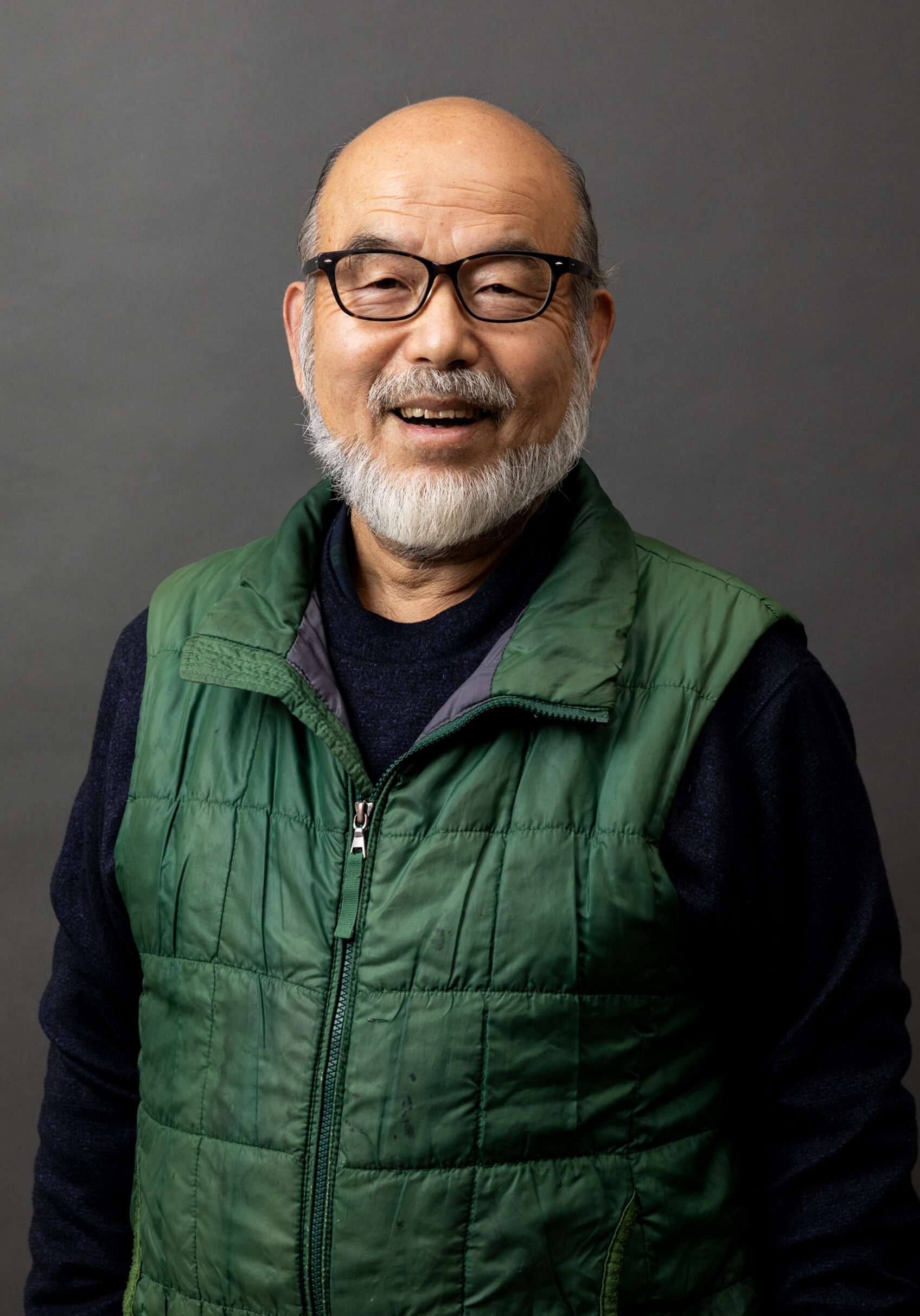
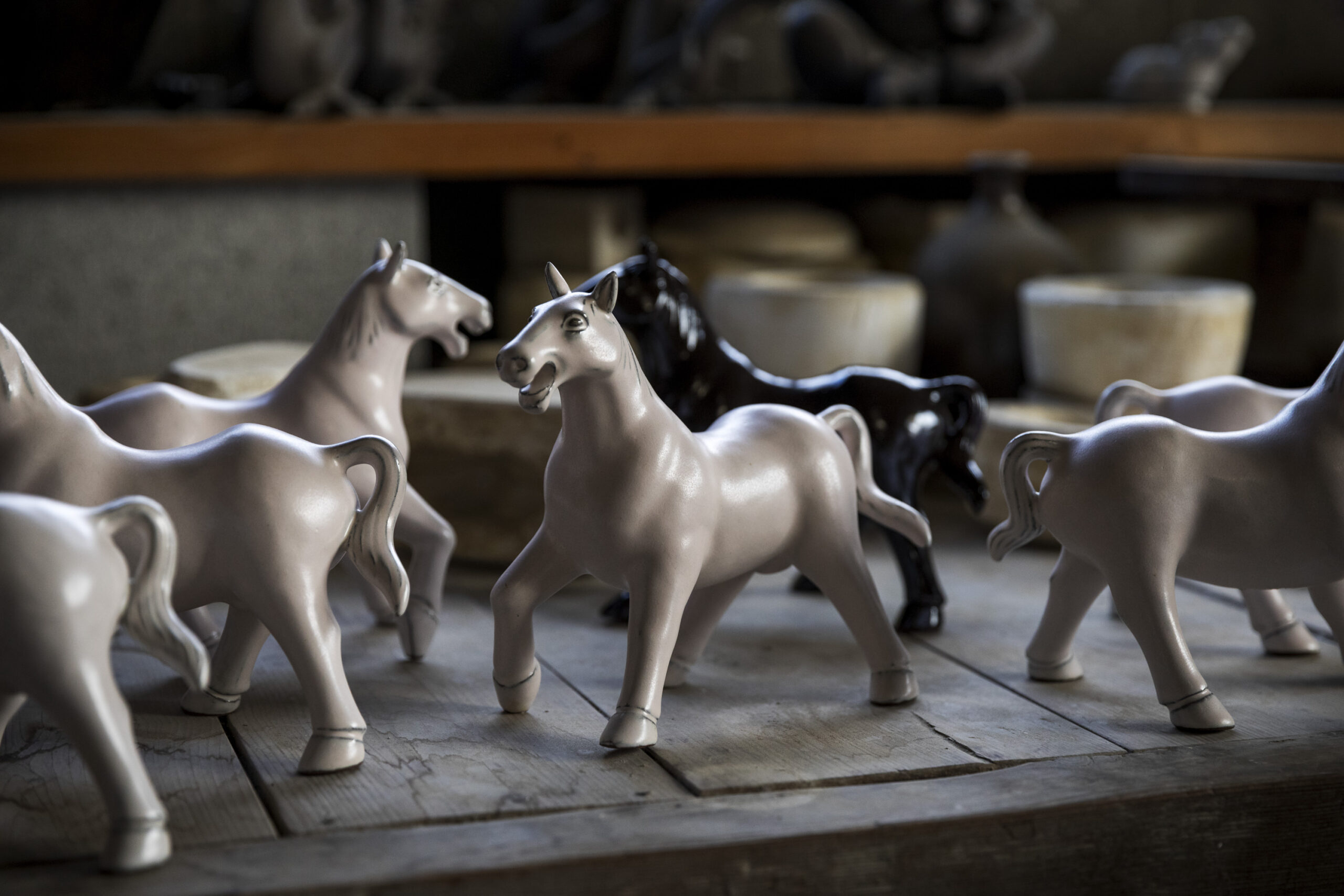
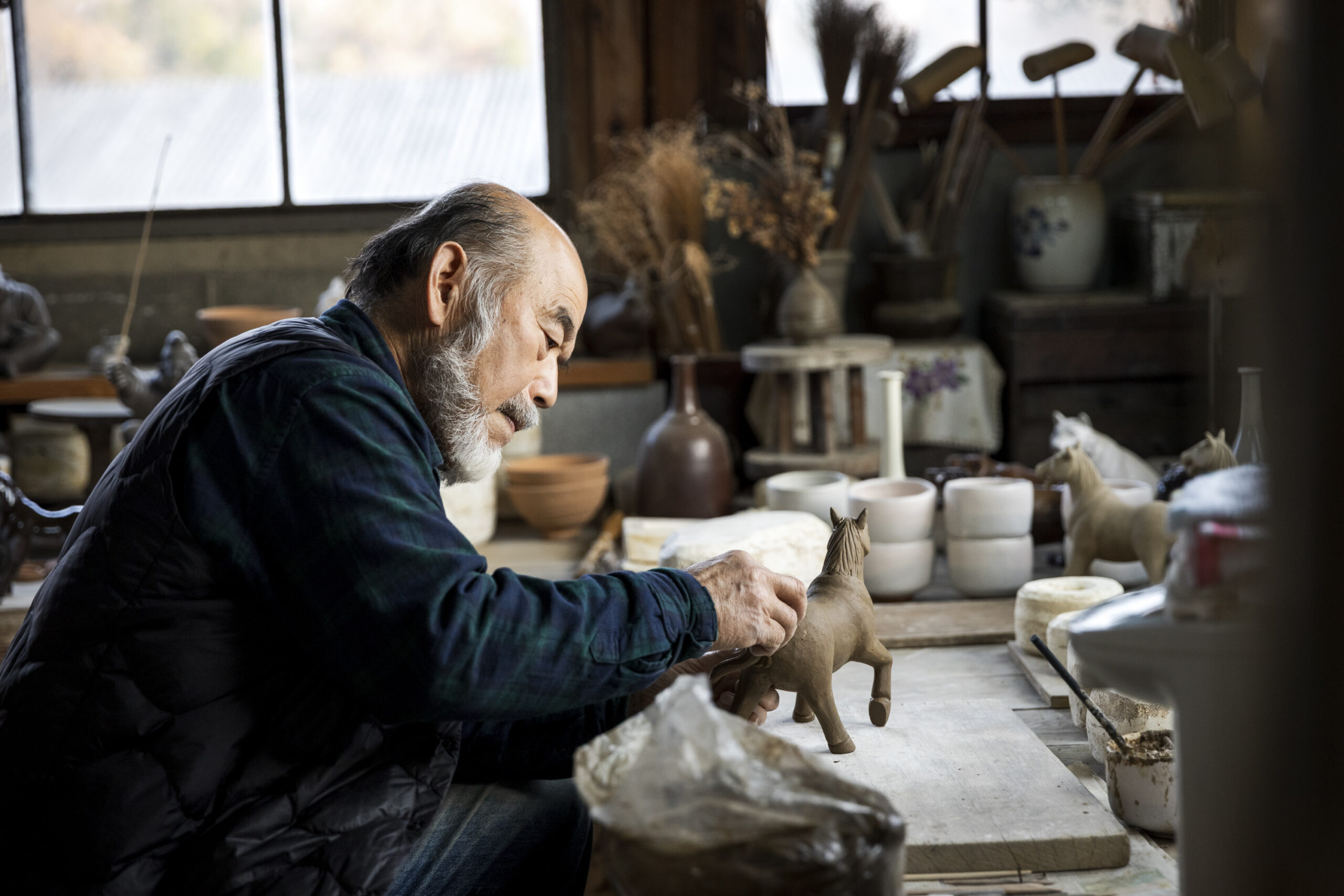
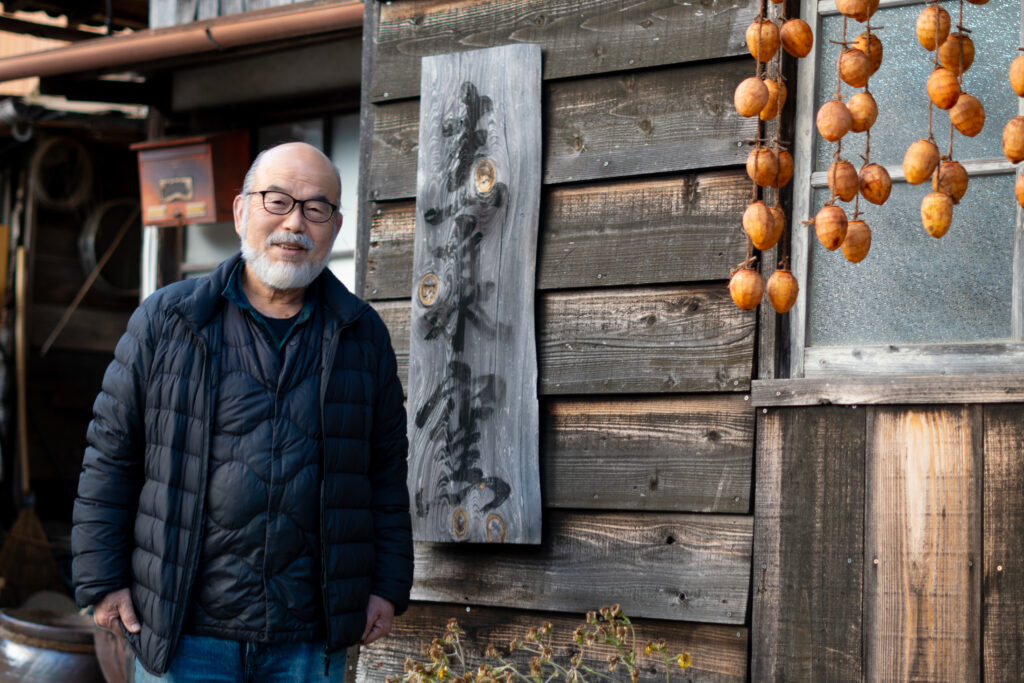
A small workshop comes into view after walking a short way up a slope off the prefectural road. Dried persimmons hang by the window. “I enjoy savoring natural things just as they are,” says Kitamura Keisen, second generation potter of KEISEN-GAMA (hereafter, Keisen), as he warmly welcomes visitors. Inside the workshop are plump tea bowls, glossy zodiac figurines, and humorous calligraphy and paintings of frogs.
Seeking the comfort that fits naturally in the palm of the hand
Keisen mainly produces tea ceramics, particularly tea bowls for drinking matcha. The form he aspires to is the Ido tea bowls that captivated him at the age of 20. An Ido tea bowl is one of the “Kōrai chawan” (Korean tea bowls) that originated on the Korean Peninsula and has long been cherished in the Japanese tea ceremony tradition.
“The appeal of an Ido tea bowl lies above all in its natural beauty of form. It has a gentle, effortless spread—like a flower softly blooming—and when you hold it, it fits comfortably in your hands.”
With his admiration for Ido tea bowls in mind, Keisen seeks to create forms not merely for display, but ones that make you want to drink from them—bowls that naturally blend into everyday life.
He hopes to create pieces that never grow tiresome: forms whose touch on the lips and comfortable grip continue to feel right with every use.
Forty years of zodiac figurines and the plaster-mold techniques inherited from his father
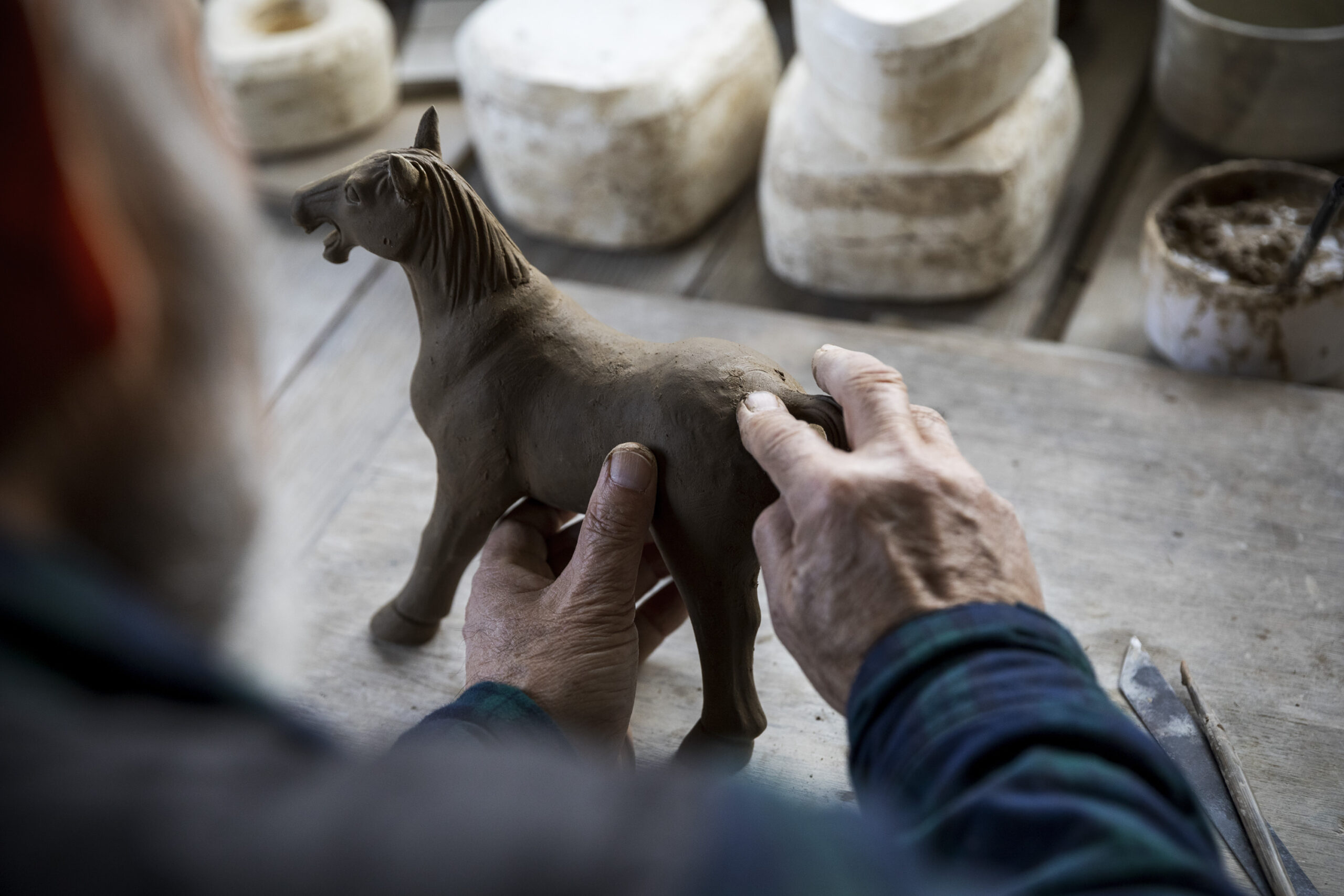
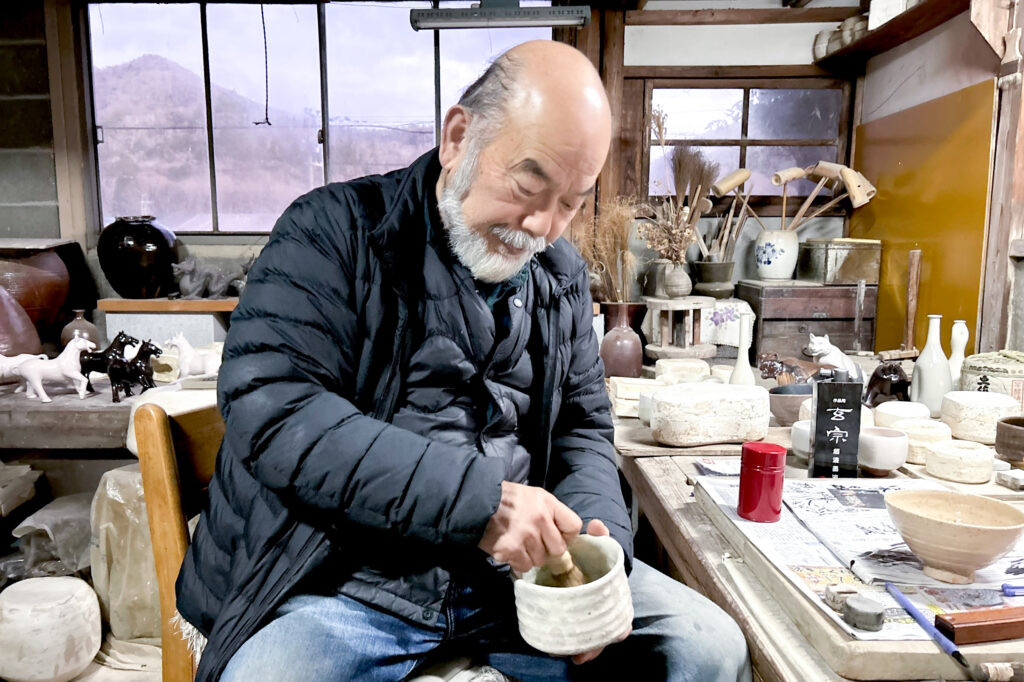
“My father came to Tachikui from Izushi in northern Hyogo and worked at the ceramic research institute as an instructor specializing in plaster molds. He was highly skilled in mold-making. After he passed away when I was in my twenties, I inherited both his techniques and his attitude, and I’ve been making zodiac figurines for over 40 years.”
Each zodiac figurine begins with an original model, from which plaster molds are made. Using a technique called press-mold forming, parts such as the body, legs, ears, and tail are shaped separately in individual molds and then assembled by hand one by one.
For Keisen, this process is also an important time to reconnect with the origins of his pottery practice.
Anywhere you can be yourself can become a “tea room”
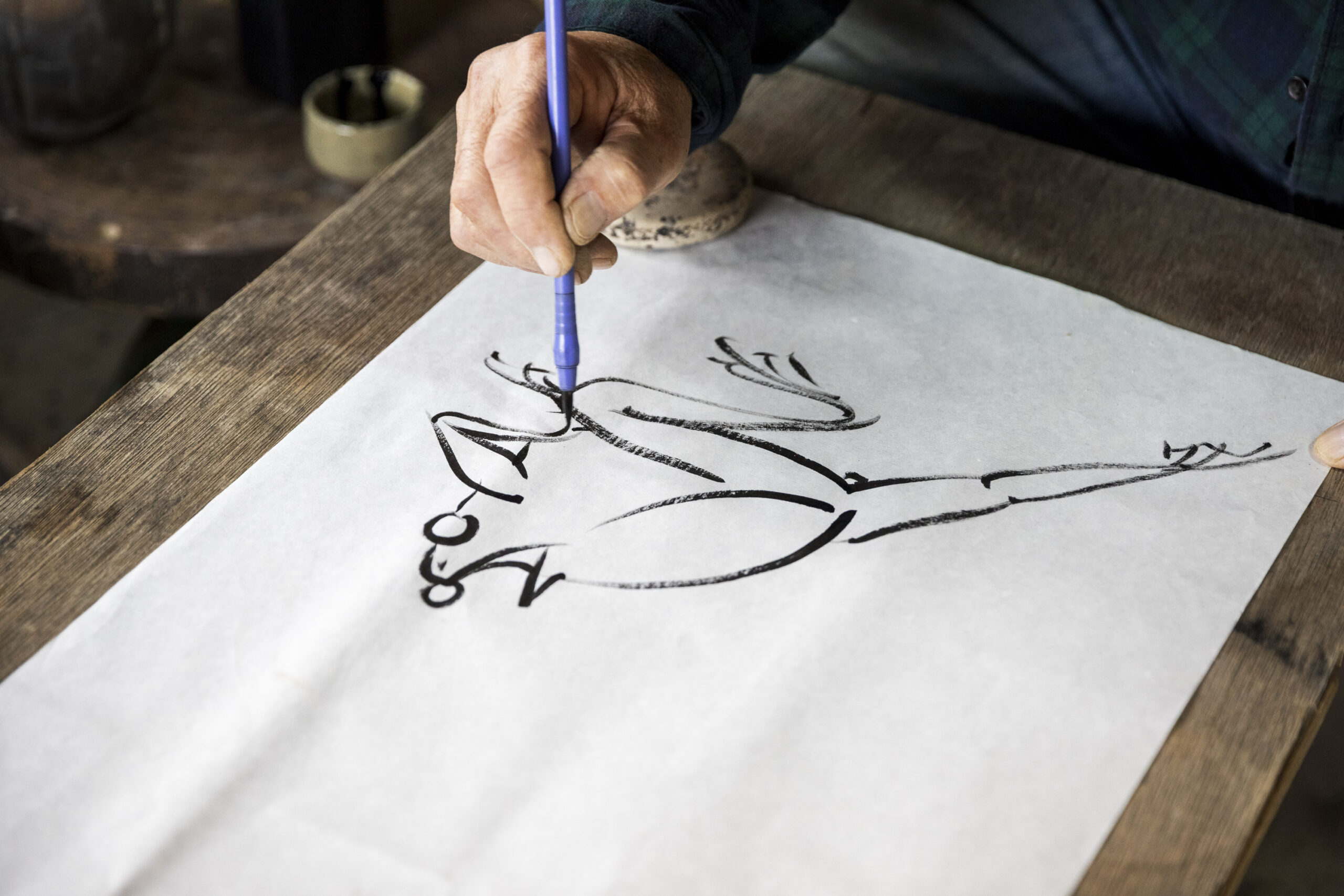
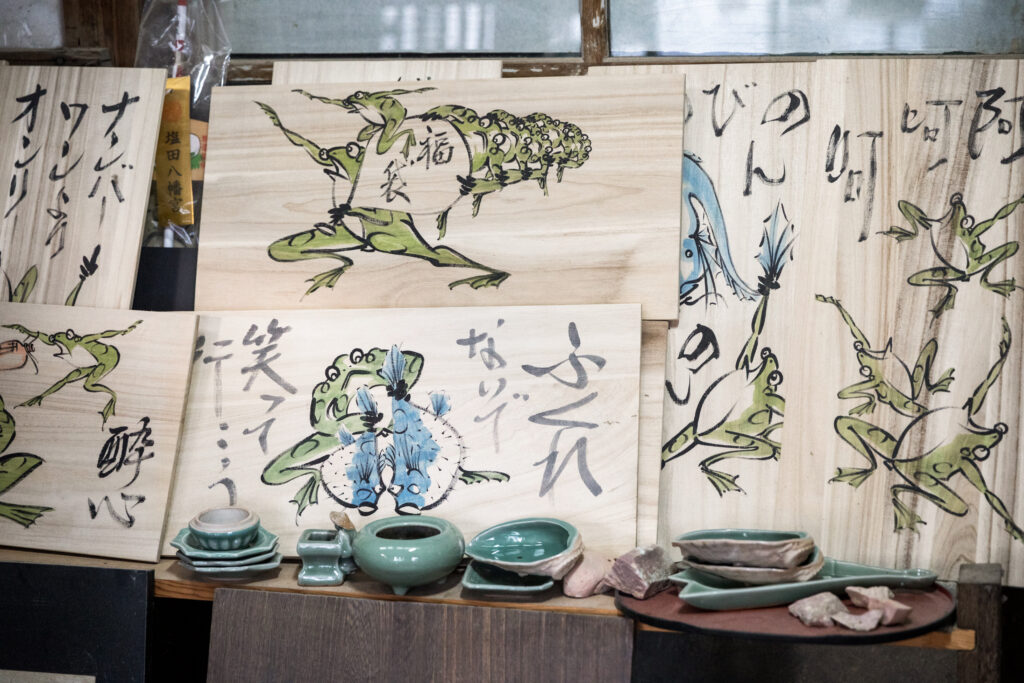
Keisen’s way of relaxing is calligraphy and painting, which he has continued for about 30 years. It began as calligraphy for writing on wooden boxes that hold his works, and has since grown into a lifelong pursuit. He especially enjoys painting humorous frogs.
“It started when frogs became a symbol of recovery after the Great Hanshin-Awaji Earthquake. Overseas too, frogs are seen as lucky. In Japan, they’re associated with meanings like ‘to return safely,’ ‘to prosper,’ or ‘to be reborn,’ so they’re cherished as auspicious symbols.”
With paper, brush, and ink, he can begin at once. He lets his feelings flow freely into the drawings. The unhesitating, rhythmic movement of his brush reflects the calm state of his mind today.
He often pairs his frog paintings with the four character phrase gofū jūu. It refers to a favorable climate in which wind blows every five days and rain falls every ten—ideal for crops to grow, leading to a bountiful harvest. “It means that everything is going well,” he says with a gentle smile.
This playful calligraphy and painting, blending humor with a sense of prayer, connects with Keisen’s wish for people to enjoy tea casually and freely through the bowls he creates.
“Tea is best enjoyed in a relaxed way. It doesn’t have to be formal or confined to tatami rooms. You can sit in a corner of your garden and make matcha in your favorite bowl. Wherever you feel at ease and enjoy tea—that’s your tea room.”
Keisen says he will never forget a photograph he once saw in a magazine of a woman enjoying matcha in front of Kaminarimon in Asakusa. “For her, that busy street was her comfortable tea room. That kind of tea is perfectly fine.”
Shall we have a cup of tea?
“Well then, let’s have some tea.”
Keisen prepares matcha and serves it. The bowl he offers is a large, softly rounded tea bowl of his own making. As a sweet accompaniment, a single dried persimmon from the window.
“Please, drink it however you like. No formal etiquette is needed here.”
Cradling the bowl in both hands, you peer inside—vivid green matcha topped with fine foam. You take a sip, savor its gentle richness, and a quiet “delicious” escapes your lips. Across from you sits Keisen with a warm, serene expression. It is a moment simply for enjoying tea and conversation together—one of the forms of ippuku (a relaxing cup of tea) that he wishes to share.
“In everyday life, if people can find one or two favorite pieces they truly cherish and continue to use, I’d be happy to spend my lifetime creating such forms.”
Interview, Text, and Photography:NOUCHI Nana
Overview
of
KEISEN-GAMA
Address
110 Shimotachikui, Konda-cho, Tambasasayama, Hyogo, Japan
TEL
FAX
Website