
TOC
TANSEI-GAMA
profile
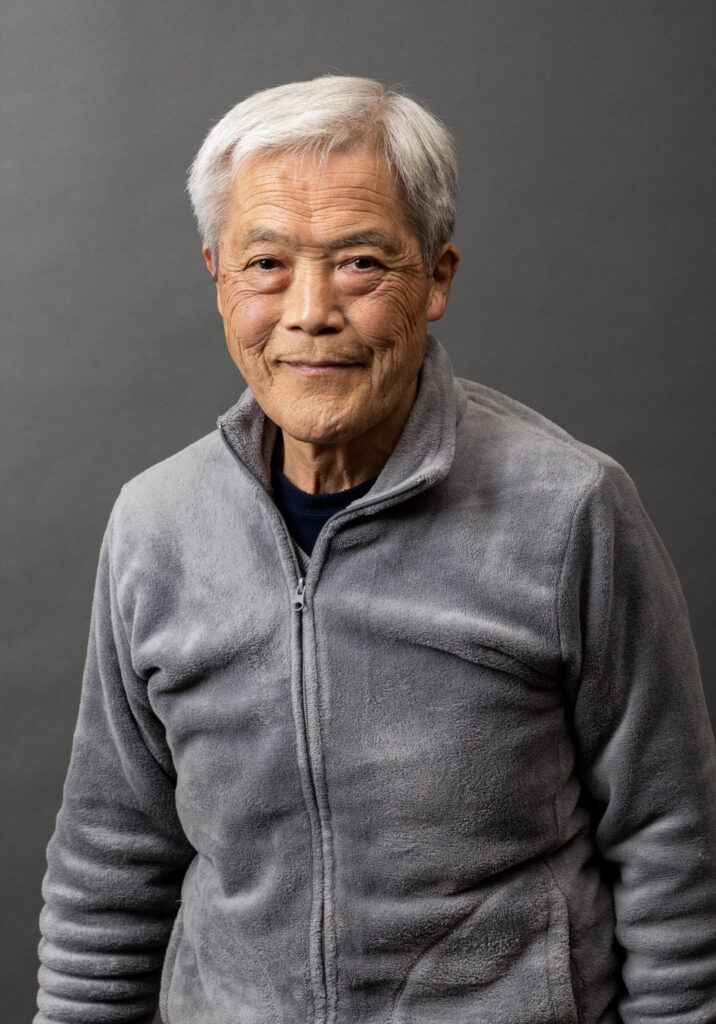
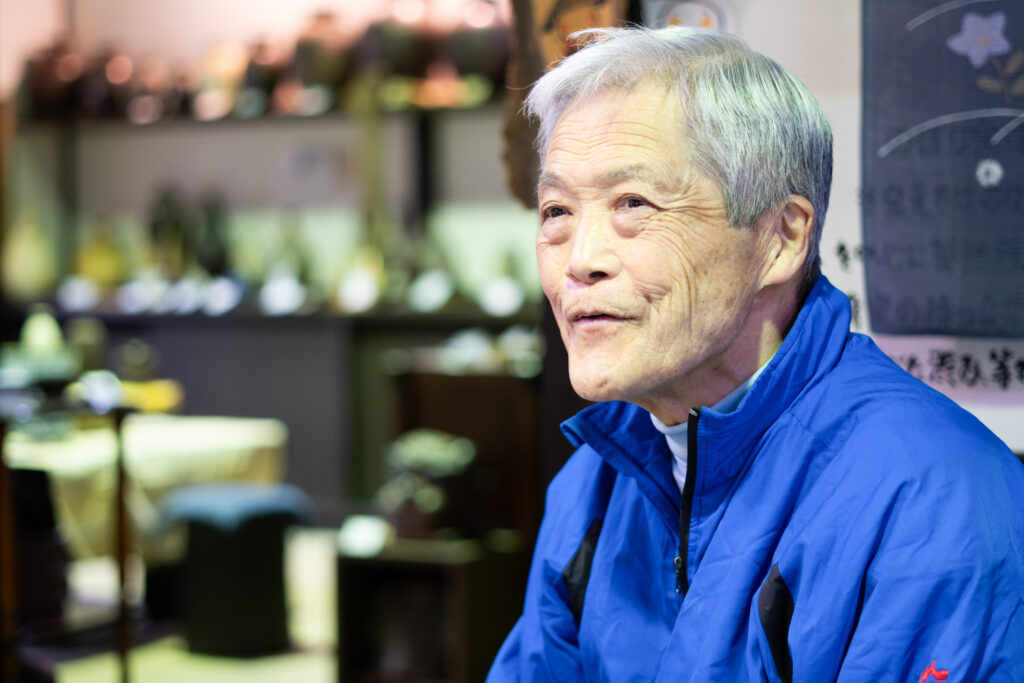
Seiichi Onishi
profile
Seiichi Onishi
Established over 130 years ago / 3rd generation
Year of Birth:1951
Year Began Pottery :1974
Education / Training Background
Graduated from Osaka Sangyo University Junior College
Major Awards
2012 – Certified Traditional Craftsman
2015 – Hyogo Prefecture Distinguished Skills Award
2023 – Commendation from the Minister of Economy, Trade and Industry
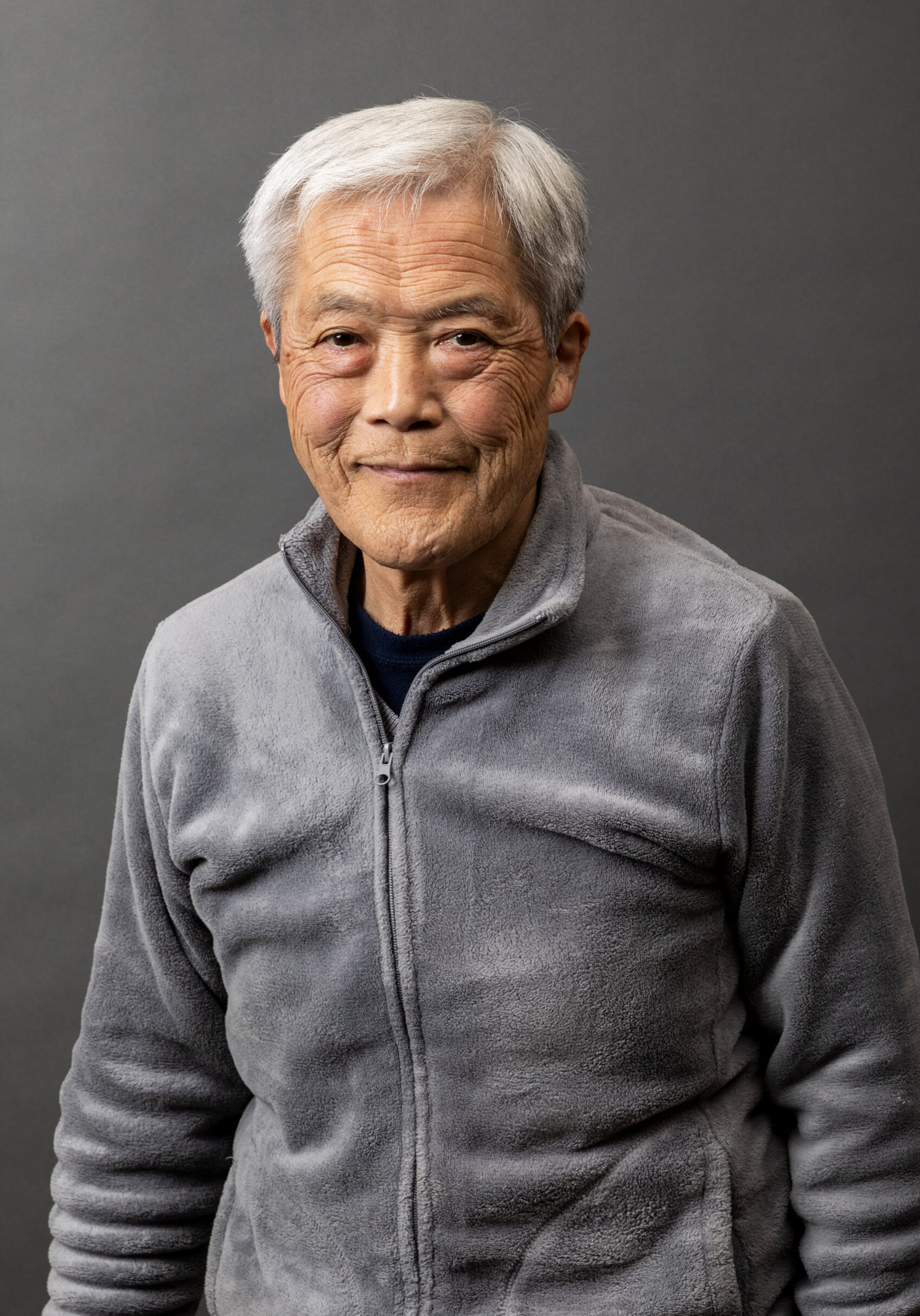
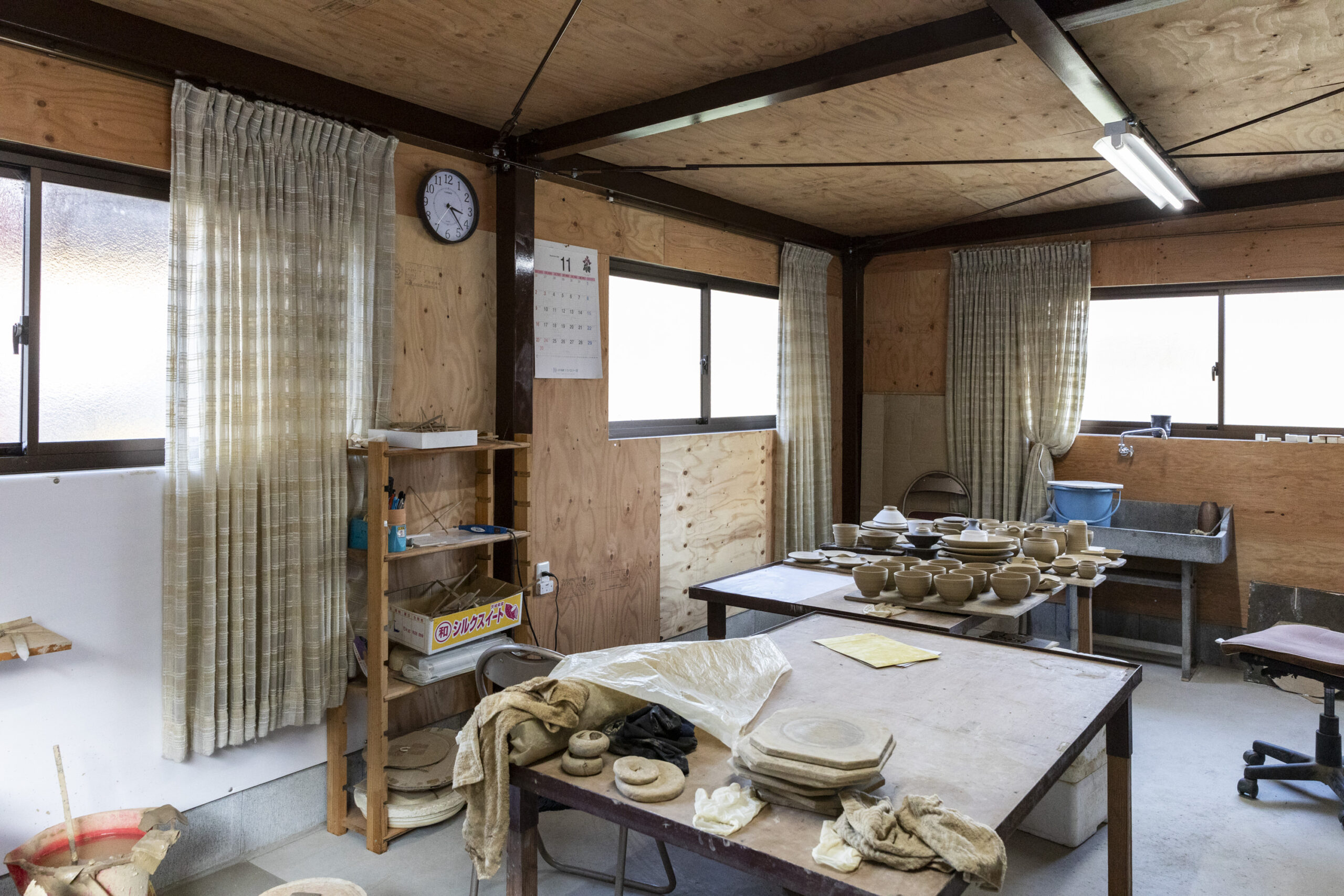
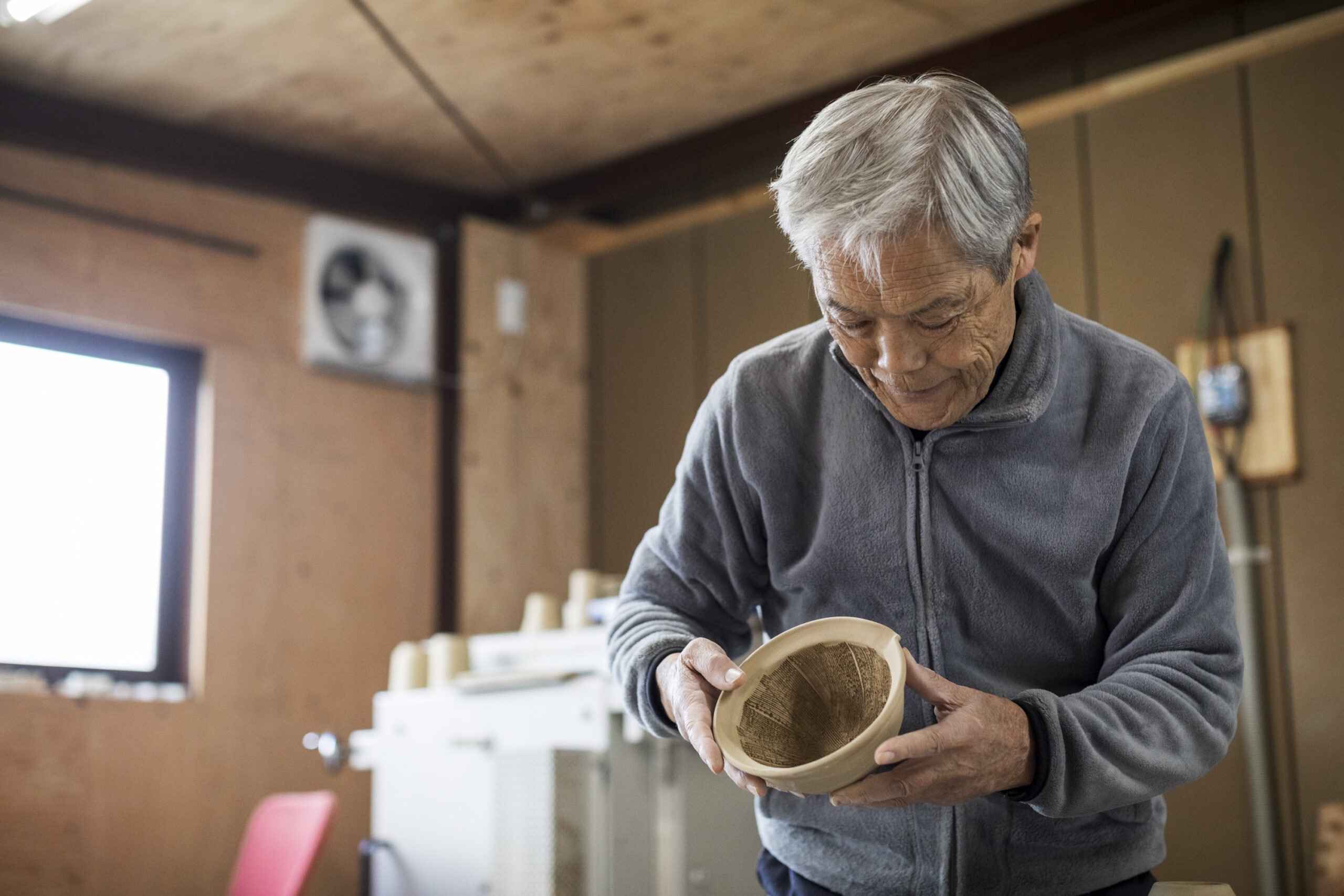
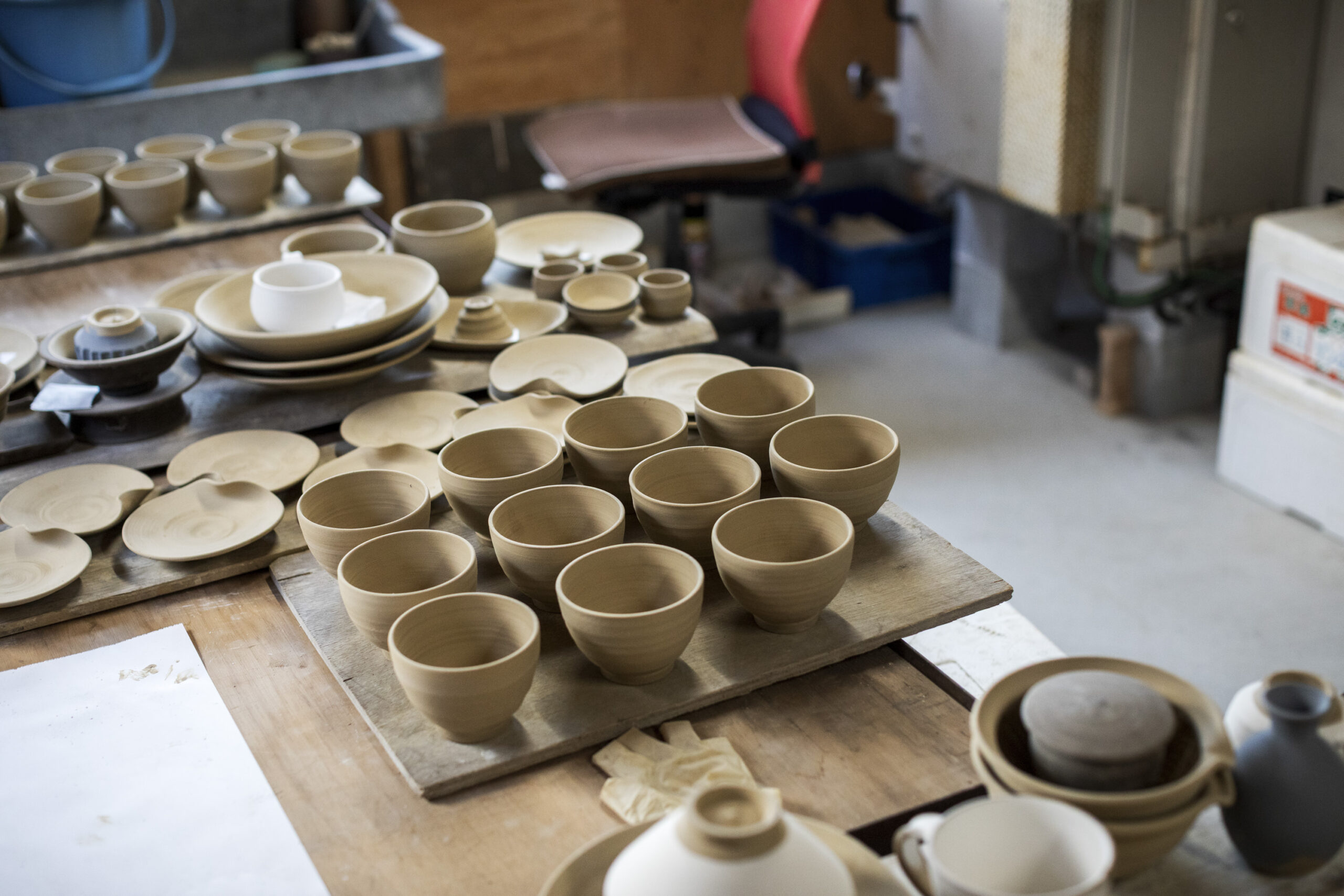
The state of the workshop
スクロールできます
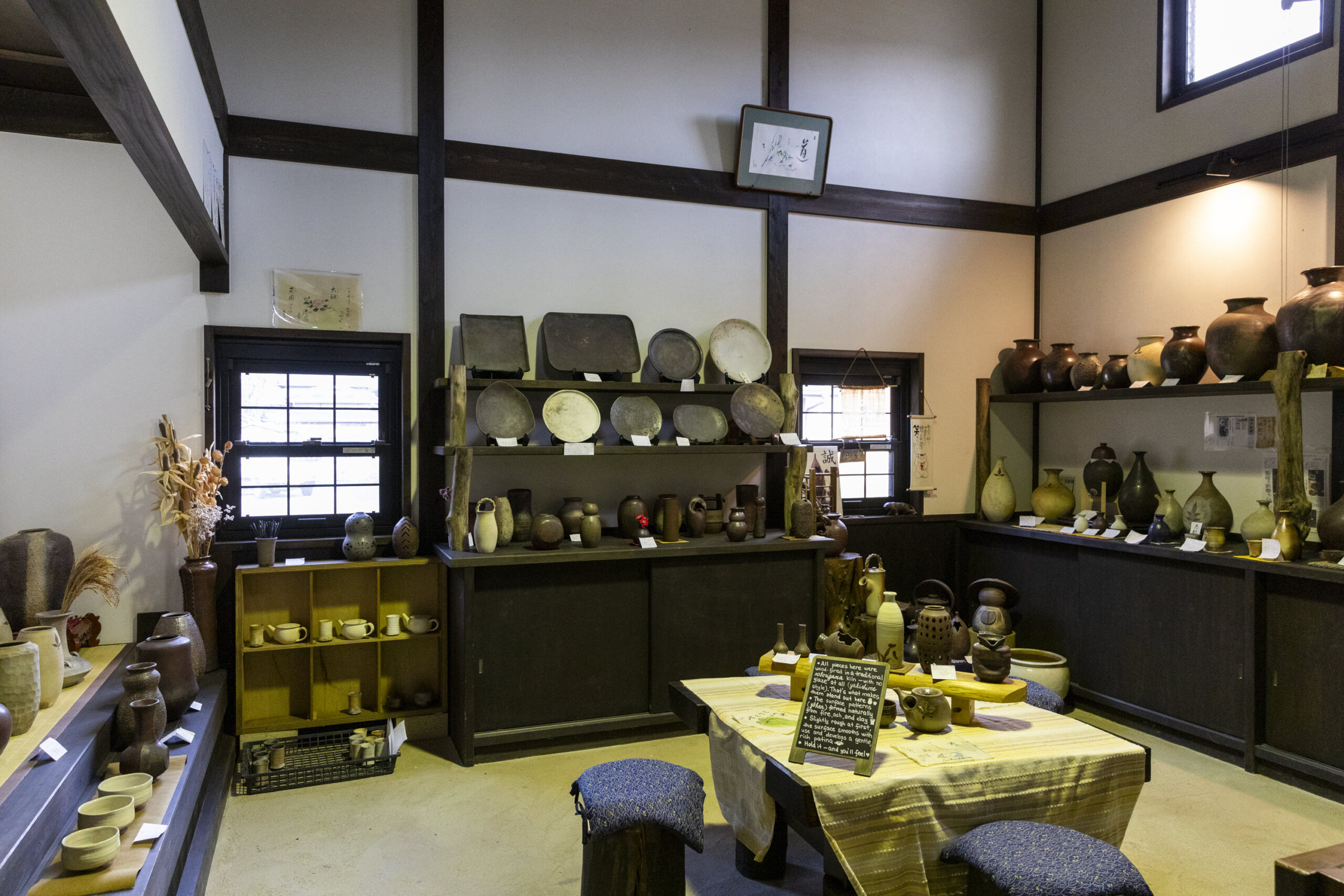
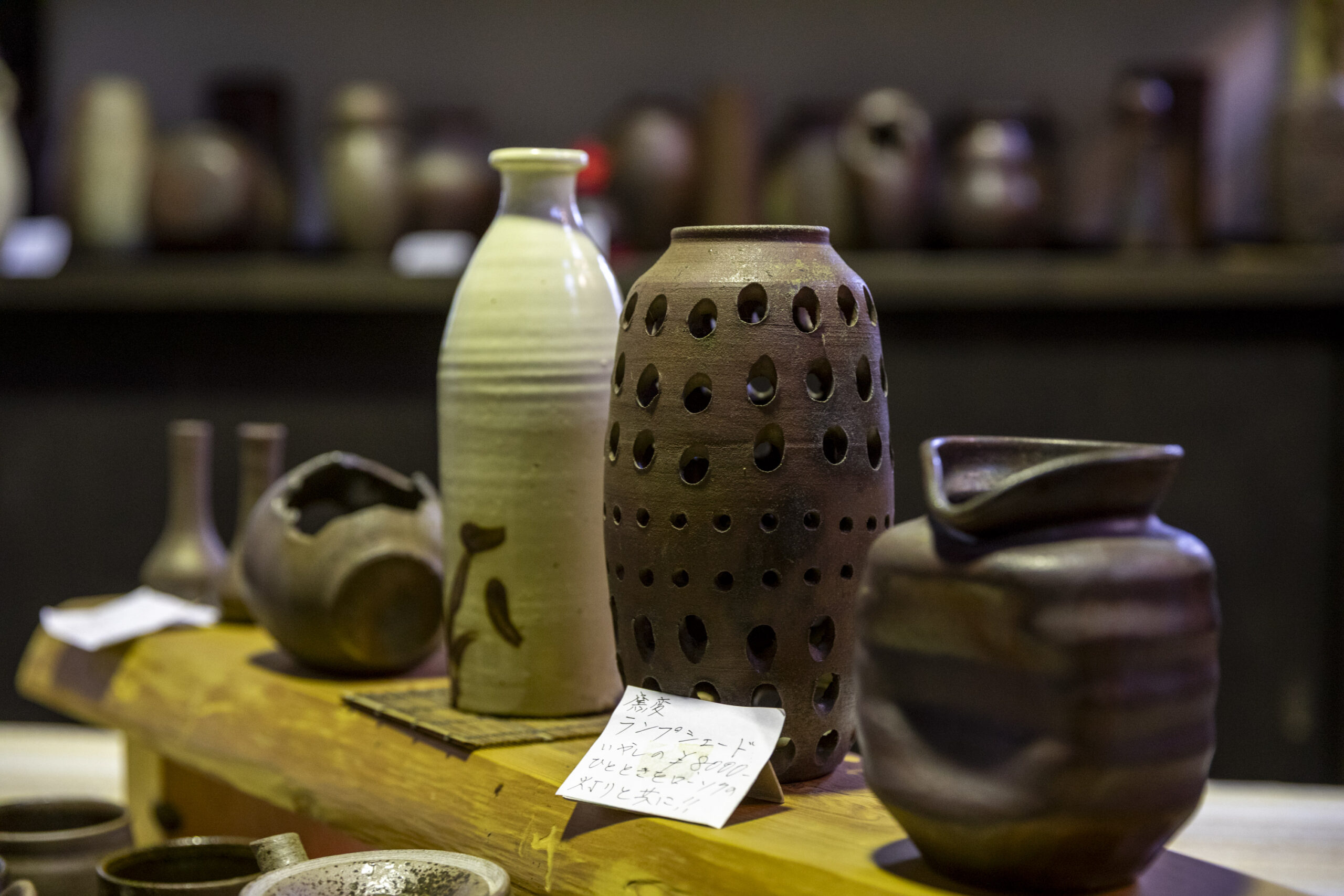
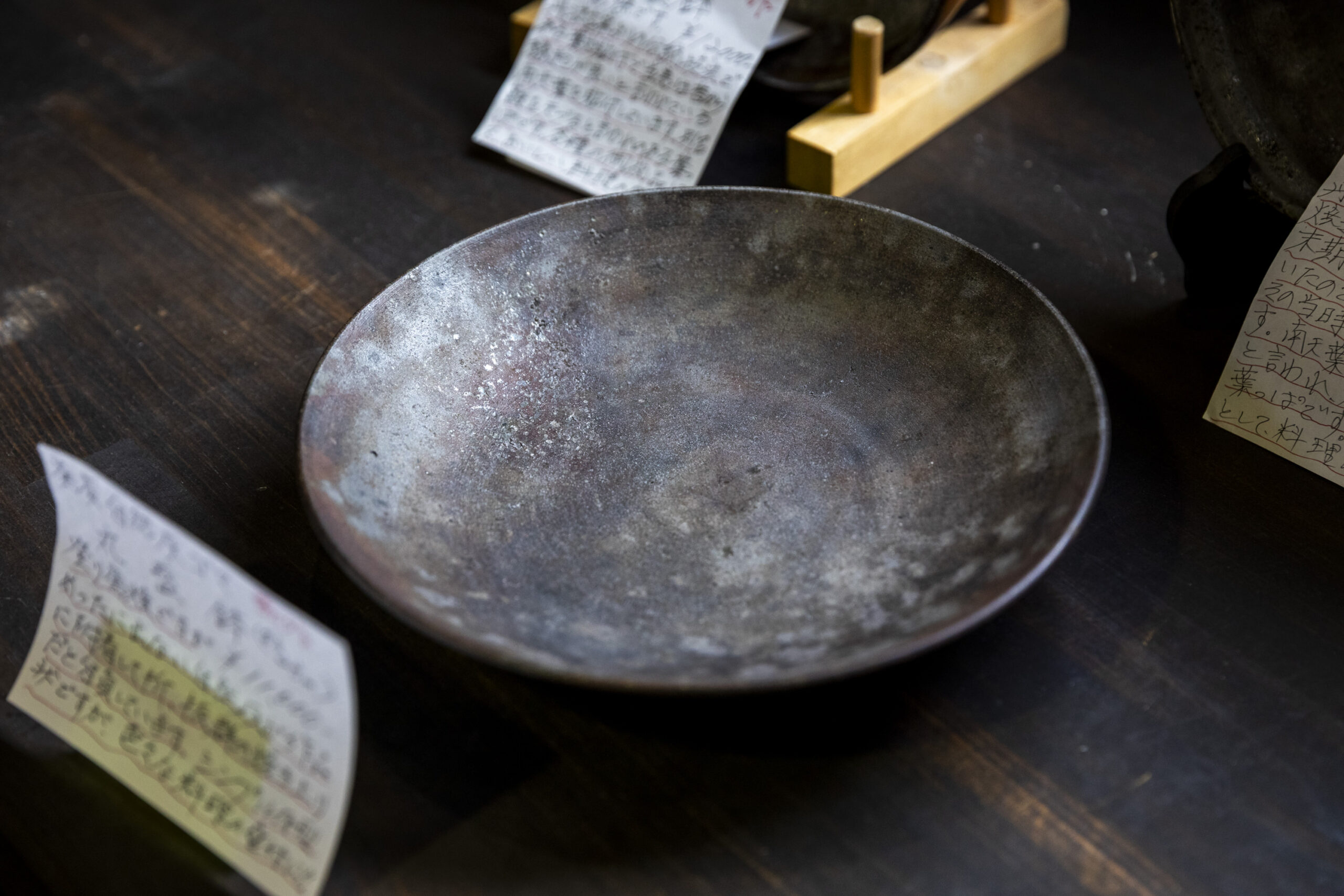
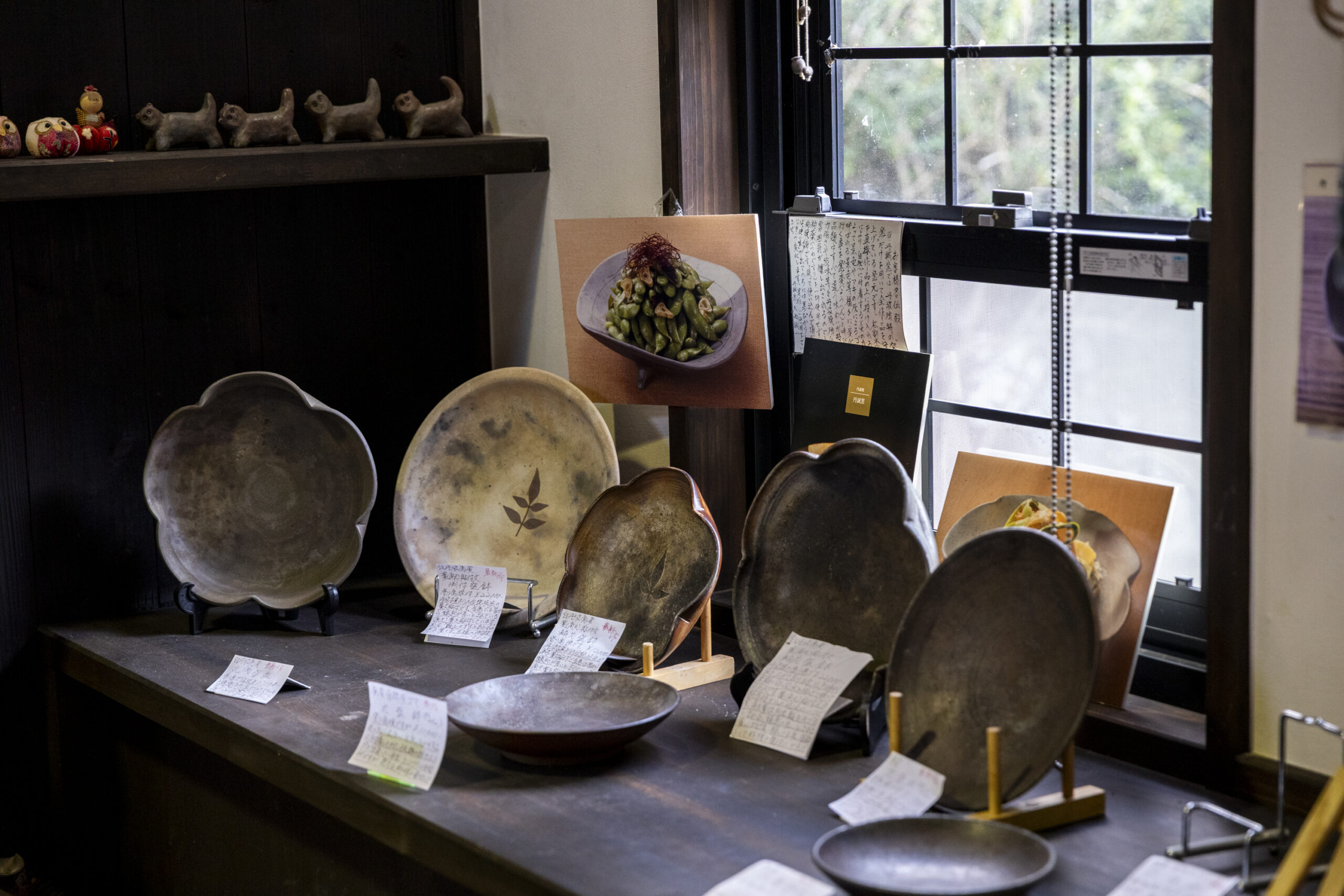


Works
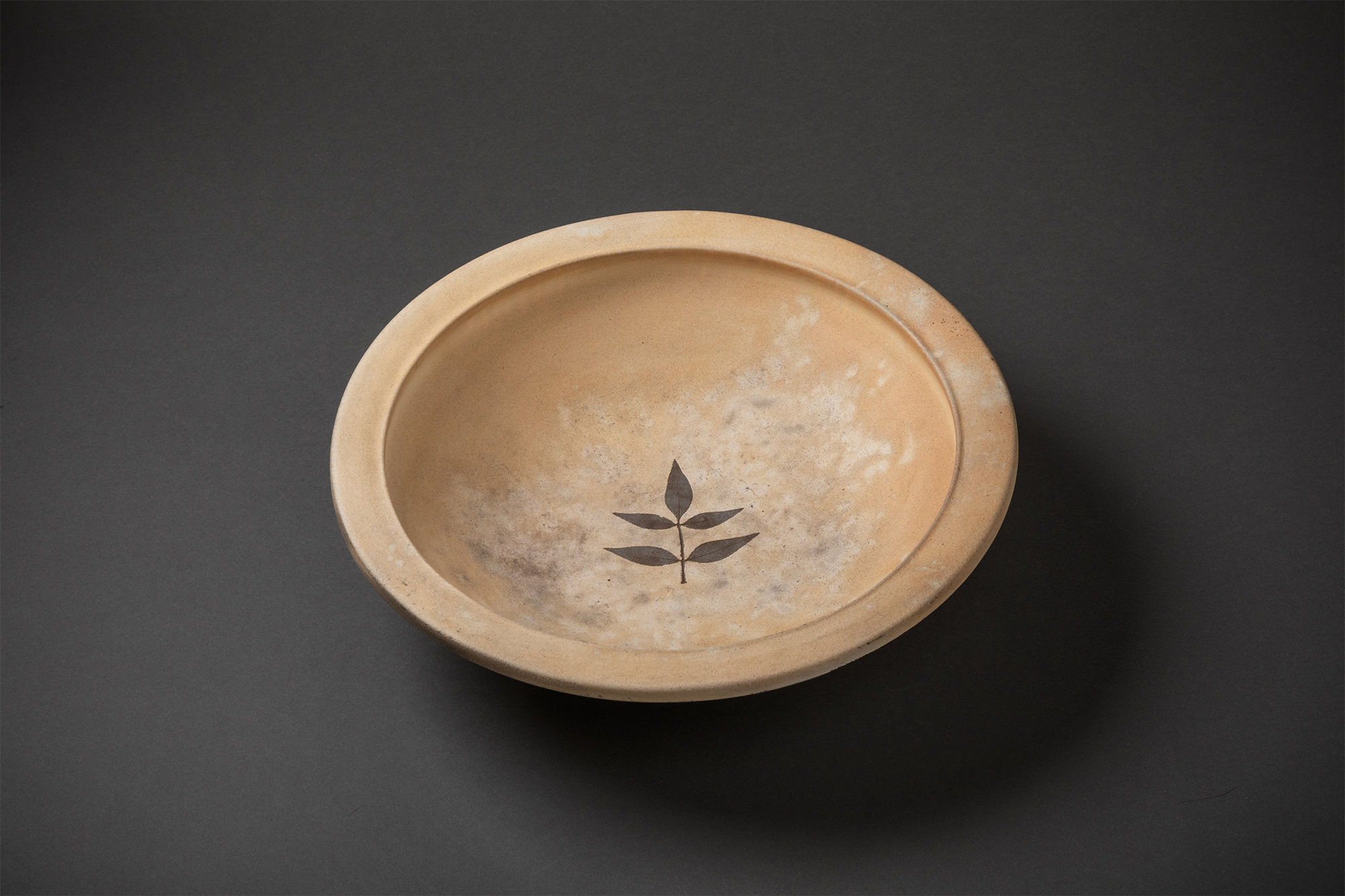
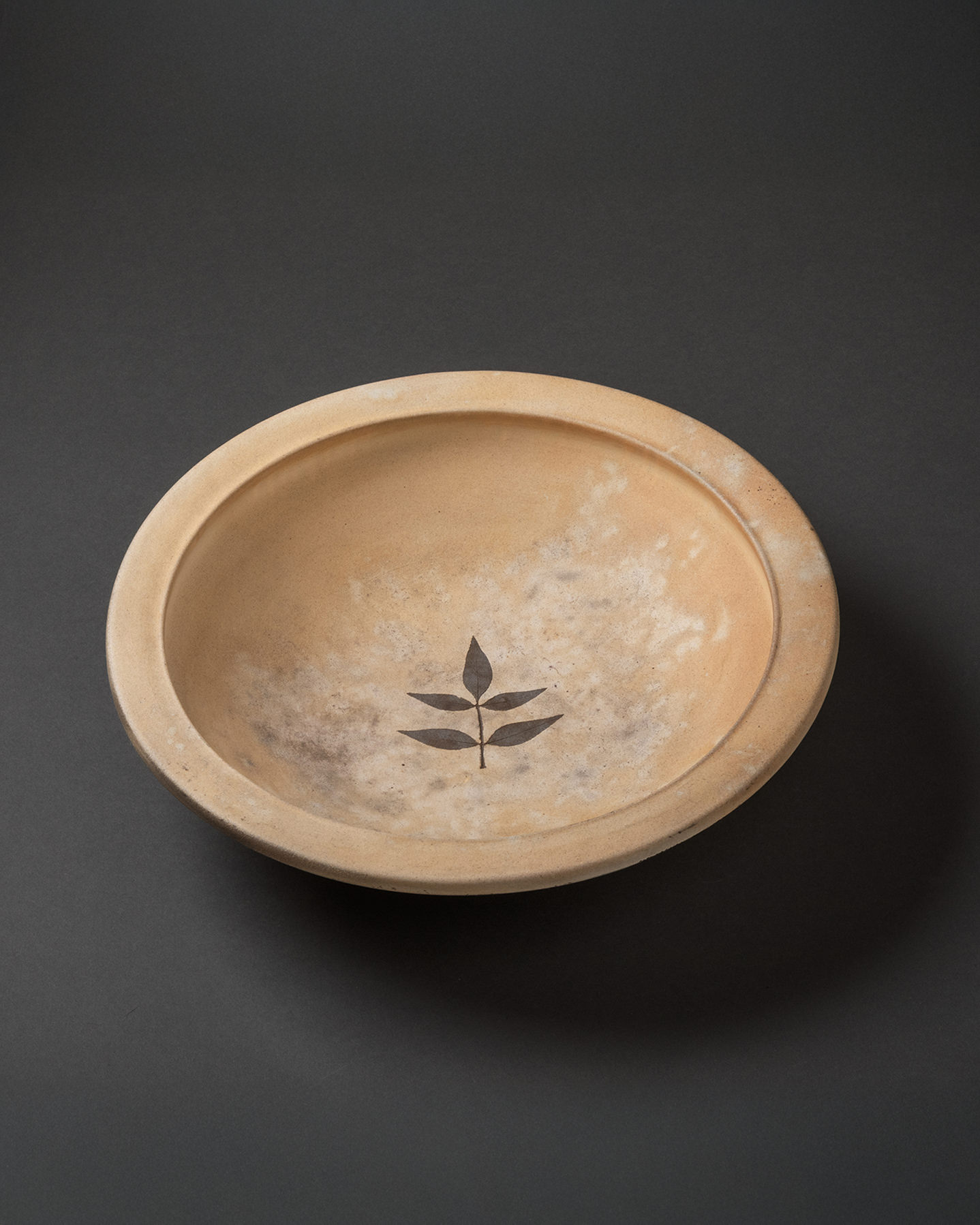
photo:AOTANI Takeru
Interview
Even Against the Tide of Time, the Fire Will Not Be Extinguished — The Life of Seiichi Onishi of TANSEI-GAMA, Who Continues to Stand Before the Climbing Kiln
Embracing the Uncertainty Entrusted to Clay and Flame
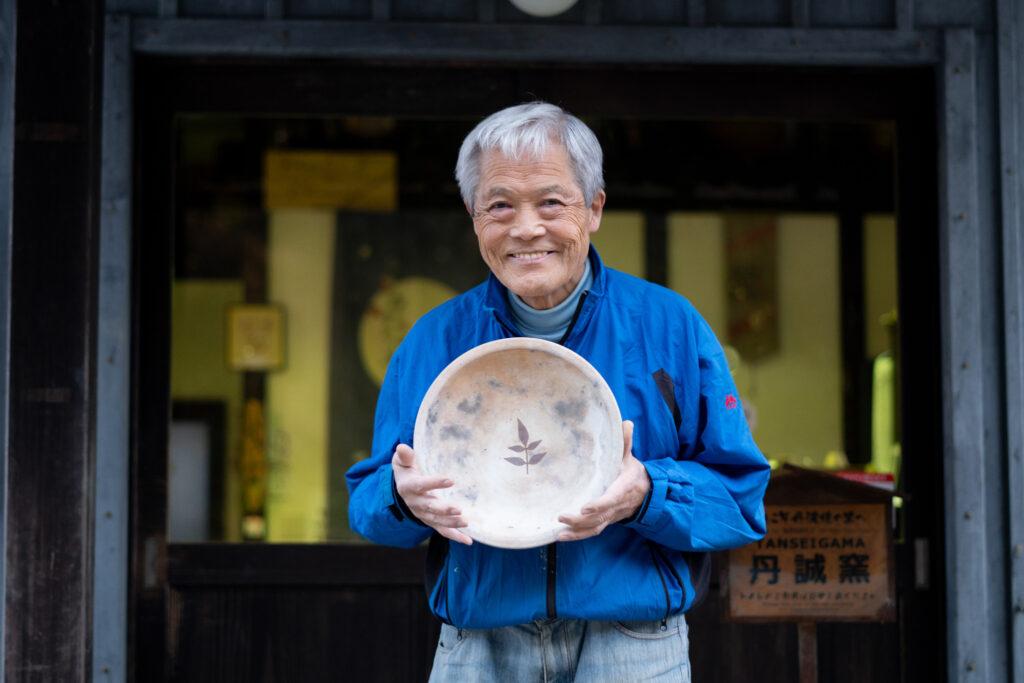
Seiichi Onishi, third generation head of TANSEI-GAMA, carries forward more than 110 years of tradition in Tamba Tachikui. He remains steadfast in firing his work in a climbing kiln fueled by rare pine wood—an increasingly uncommon practice today.
The forms he creates—plates, sake cups, mugs, and other everyday wares—are free of excessive decoration. Straight lines and gentle curves coexist quietly, growing more familiar in the hand with continued use.
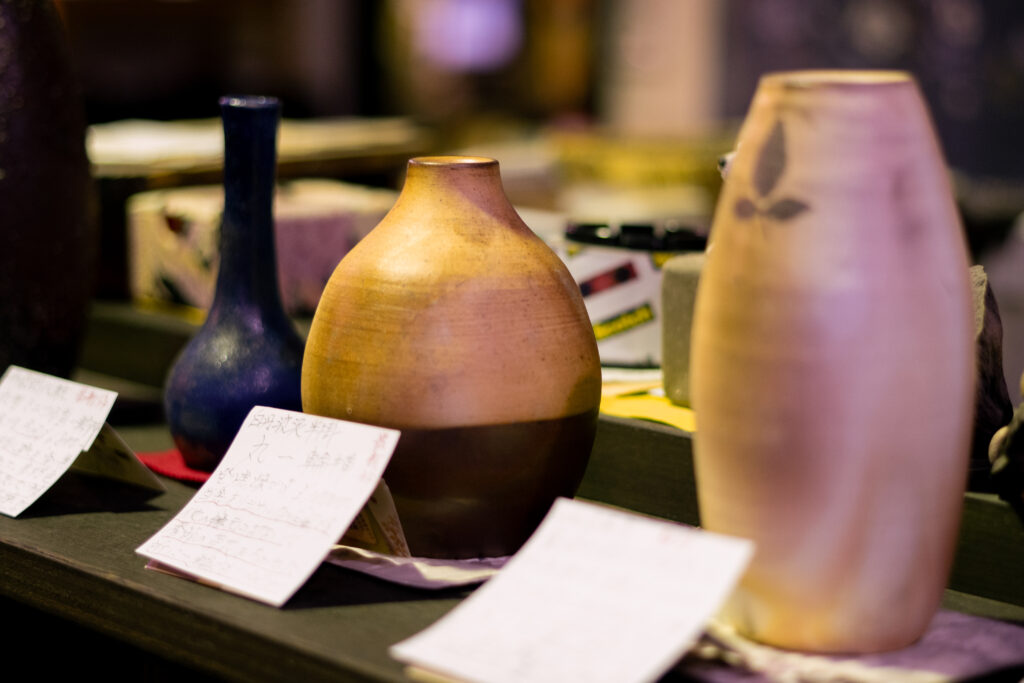
Most striking is their expression. Each piece captures a fleeting moment granted by flame, revealing a surface unlike any other. Pine ash settles naturally upon the red clay body, and the marks of fire born during firing remain visible. Finished as yakishime, no glaze is used.
“We don’t make pretty things here. Tamba’s climbing kiln and pine fire, that foundation will never change.”
Even now, when electric and gas kilns dominate, Onishi continues to feed pine wood into the kiln, judging temperature and flame flow with his own body. The outcome is different every time. Only about one-third of a firing turns out exactly as envisioned. Yet accepting that uncertainty is at the heart of his work.
“If yakishime is properly fired through to the core at around 1200 to 1300 degrees Celsius, it lasts. It won’t suddenly chip or crack one day while you’re using it.”
From Toyota Salesman to Potter — A Father’s Words as Turning Point
Onishi did not begin with a single-minded path toward pottery. He studied automotive engineering at junior college and, after graduating, worked for four years as a salesman at Toyota Motor Corporation.。
“Orders for sake barrels seem to be declining elsewhere. If this continues, who knows what will happen to us. Why don’t you leave Toyota and work together making folk crafts?” His father’s words prompted his decision to return home.
He entered the family business at twenty four, and his father added another challenge.
“You haven’t trained anywhere. If you’re going to make pottery, focus solely on the climbing kiln. Beautiful glazed pieces can be made anywhere. Rough, ‘imperfect’ ones are fine.”
Onishi agreed wholeheartedly. After returning from part-time jobs, he practiced tirelessly at the wheel.
Soon after joining the family business, he caused a serious traffic accident through his own carelessness. Though his life was spared, his father sternly rebuked him.
“You were given this life back. From now on, take responsibility and cherish it!”
Throwing himself more deeply into work, Onishi used savings from part-time jobs to build a shop. He drove as far as Kyushu to sell pottery, establishing the potter’s foundation with his innate business acumen.
At the same time, he pursued technical mastery by following his father’s example. The climbing kiln he now uses was built with fierce determination by his father after being diagnosed with terminal cancer. “By living as a craftsman, my father extended his life another eight years. As long as I have the strength, I want to continue the kiln and techniques he left behind.”
At fifty one, Onishi himself developed a serious illness. Quitting pottery was never an option.
Gathering Pine Wood, Reading the Color of Fire — At 74, Defending a Craftsman’s Pride
Maintaining a climbing kiln in Tamba today is no easy task. Pine wood fuel is scarce, and Onishi personally gathers materials—wielding a chainsaw and even requesting beams from dismantled houses.
“Collecting firewood is hard labor. There’s risk of injury, and I understand why younger people might hesitate. But without pine, you can’t reach temperatures above 1300 degrees. That heat is what fuses clay and ash together.”
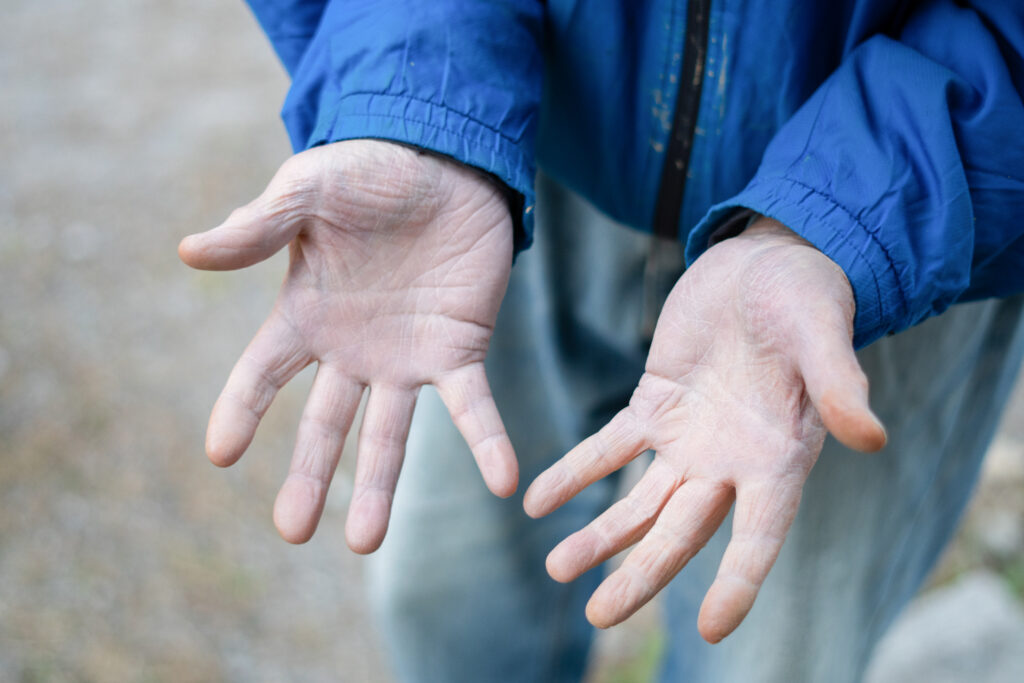
He fires the kiln several times a year. Once lit, it demands a day and a half without sleep. At seventy four, it is grueling work, yet he laughs and says, “In the end, it’s all about grit.”
The Value of Face-to-Face Encounters
After turning seventy, he began receiving more requests from restaurants. They seek plates with presence for main dishes. Though firing takes time and labor, customers recognize its value.
In an era dominated by online sales, Onishi deliberately values face-to-face interaction.
“Ash-covered forms vary in color one by one. That can’t be fully conveyed through a screen, and differences sometimes lead to complaints. So I want customers to come here and talk honestly about what’s inside. When they say, ‘I’ll come back just to talk again,’ that makes me happy.”
His manner is frank and without pretense. He dislikes business-like bargaining and refuses discounts. This comes from absolute confidence in his craft and in the serendipitous results born of the wood-fired kiln. The warmth of his character is fired directly into each form he creates.
Loving Tamba’s clay and keeping alive the flame his father left behind, Onishi stands as a quiet yet passionate reminder—within an age that values efficiency—of the enduring worth of the genuine.
Interview, Text, and Photography:NOUCHI Nana
Overview
of
TANSEI-GAMA
Address
40 Shimotachikui, Konda-cho, Tambasasayama, Hyogo, Japan
TEL
FAX
Website